

Middle East

Iran losing patience with Israel and US over ceasefire violations | US-Israel war on Iran

NewsFeed

On the 100th day of the US-Israeli war on Iran, Al Jazeera’s Mohamed Vall explains how Tehran’s patience has reached its limit with the continuous violations of the ‘ceasefire’. Iran fired missiles at Israel after Israel attacked Beirut on Sunday.

Source link

Iran and Israel trade threats after Tehran launches missiles | US-Israel war on Iran News

NewsFeed

Iran and Israel exchanged threats after Tehran launched missiles towards Israel in response to Israeli strikes on Beirut’s southern suburbs. Israel vowed to deepen attacks on Lebanon, while Iran warned of further action if the strikes continue.

Source link

Videos show missiles launched from Iran into Israel | US-Israel war on Iran

NewsFeed

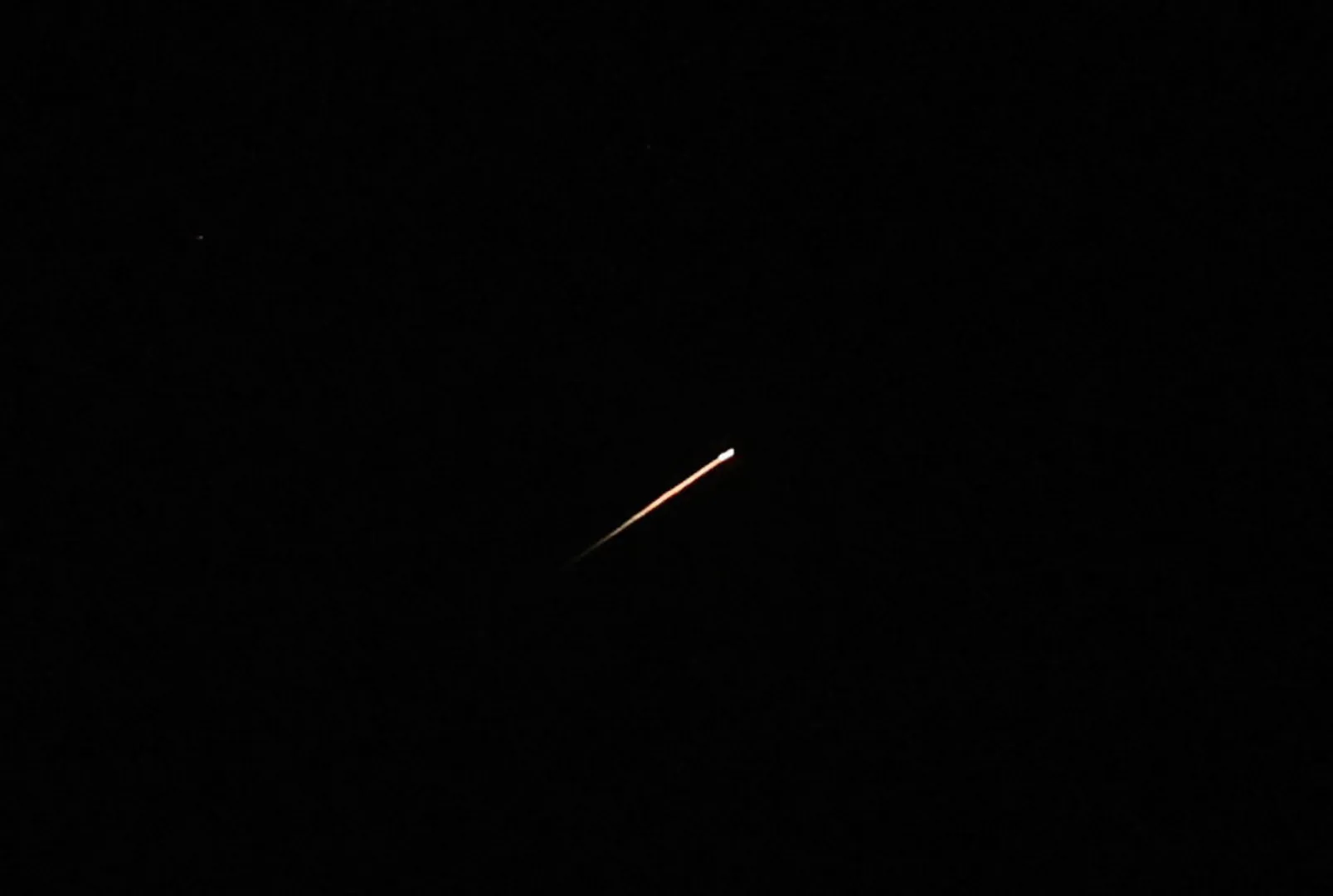
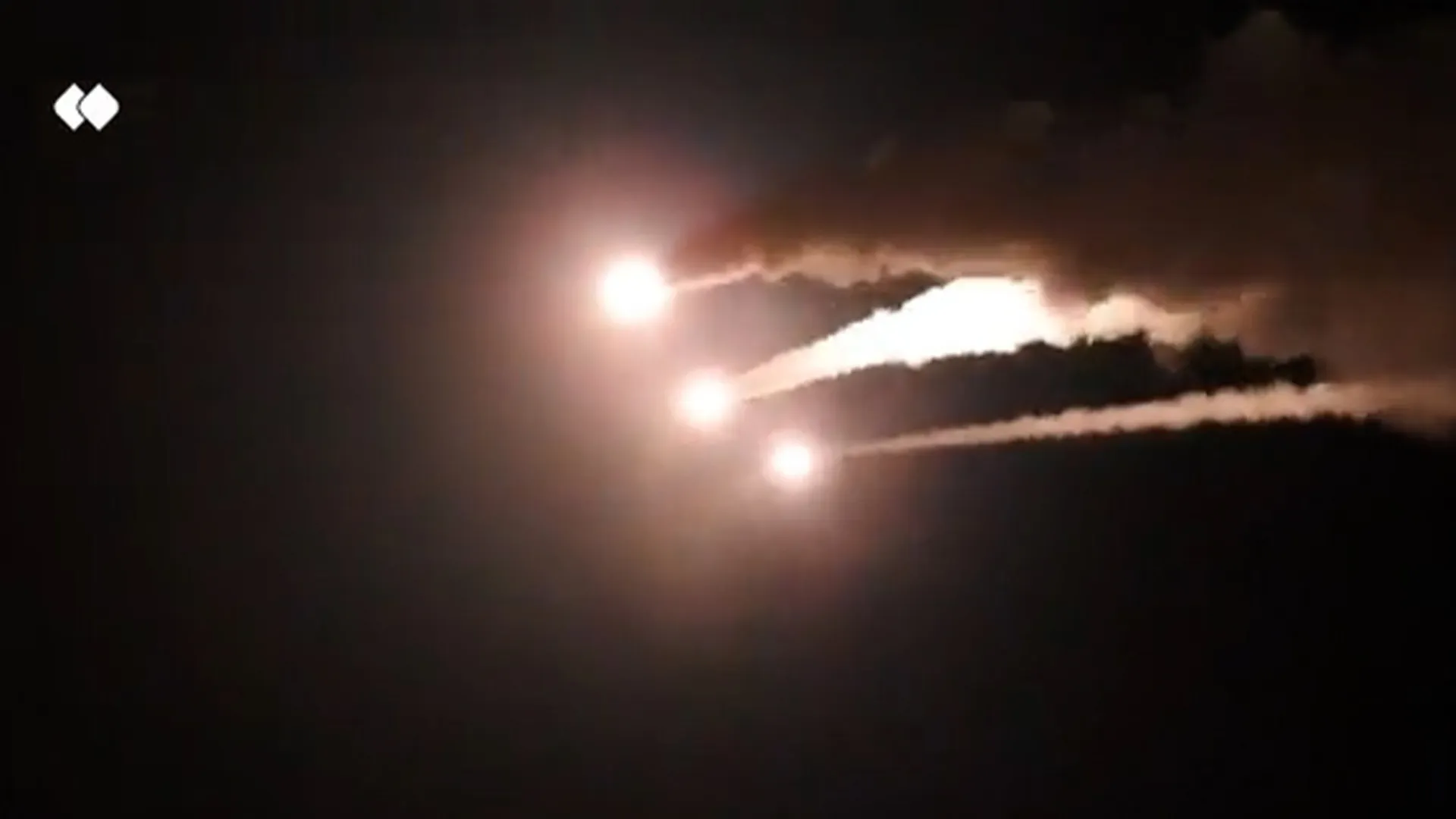
Iranian media has released video showing missiles being launched towards Israel, while videos captured incoming missiles making impact in northern Israel. Iran says it’s a response to Israel attacking Beirut in violation of a US-brokered ceasefire in Lebanon.

Source link

Iran fires missiles at Israel after it attacked Beirut | US-Israel war on Iran

NewsFeed

Videos show missiles over Israel as the Israeli military says Iran launched a new wave of attacks. The escalation follows a deadly Israeli strike on Beirut, with Iran warning it would abandon negotiations and return to ‘direct confrontation’.

Source link

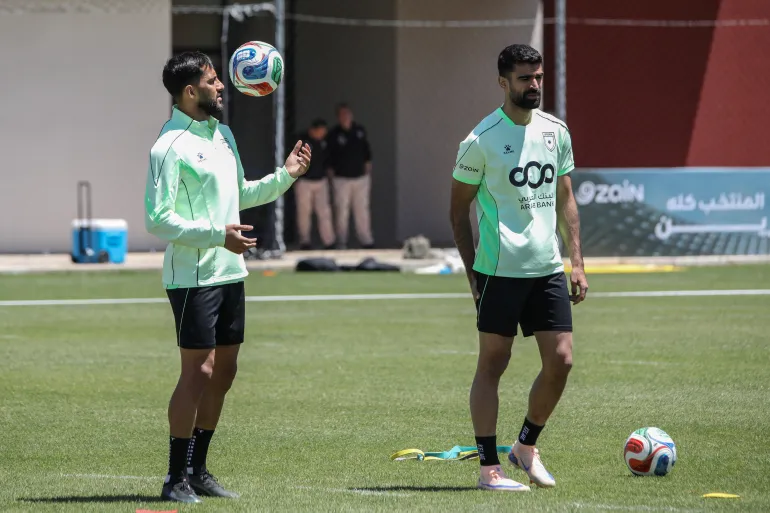
Iran’s World Cup squad lands in Mexico amid US visa row | World Cup 2026 News

Iran’s World Cup squad has landed in Tijuana, Mexico ahead of the World Cup – amid a diplomatic row with cohosts United States, which is at war with Tehran and has refused visas for several members of the Iranian delegation.

The squad touched down shortly after 5am (1200 GMT) in the Mexican city, across the border from San Diego in California, after ‌an overnight flight from Turkiye, where they have been training for the past three weeks.

The Iranian football federation negotiated at the last minute to move the team’s base camp from Arizona to Mexico, due in part ⁠to uncertainty over whether ⁠they would be granted visas to enter the US.

The US awarded visas to all the players on Friday, just ⁠10 days before their first match, but several members of the ⁠support squad were not ⁠given visas, including “key managerial and administrative members,” according to the federation.

The dispute comes days before the tournament kicks off on Thursday, when Mexico play South Africa in Mexico City.

Iran will be based in the city throughout the tournament, despite playing their entire group stage on the US West Coast.

When they do play in the US, it will be the first World Cup to see a host nation receive the team of a country it is at war with.

‘Hold the US accountable’

Iran’s team spent nearly three weeks at a training camp in Antalya, using their time in Turkiye to apply for visas for the three host nations.

On the eve of their departure for Mexico, the players received their US visas, Washington’s envoy to Turkiye, Tom Barrack, said on X late on Friday.

But Iran’s embassy to Turkiye said 15 administrative and management staff had been denied visas.

“You have now escalated the deliberate and discriminatory treatment against Iran’s national football team to its highest level,” the embassy posted on X on Saturday, calling for world football’s governing body FIFA “to hold the US accountable for violations of its rules”.

Adding to the tensions, Iran’s ambassador to Mexico said on Saturday that the squad had been notified that under their visa conditions the team must enter and leave US soil on the same day as their matches.

“We can enter in the morning and we must leave the same day,” Iran’s envoy Abolfazl Pasandideh told reporters.

That appeared to contradict what the team’s spokesman Amir Mahdi Alavi told state TV earlier.

“The visas issued for the national team are multiple-entry visas, and the national team will arrive at the match venue one day before the first game and, for the following games, two days prior to each match,” Alavi said.

FIFA rules for World Cups stipulate that a team’s coach must give a news conference on the eve of the match at the venue where the game will be played.

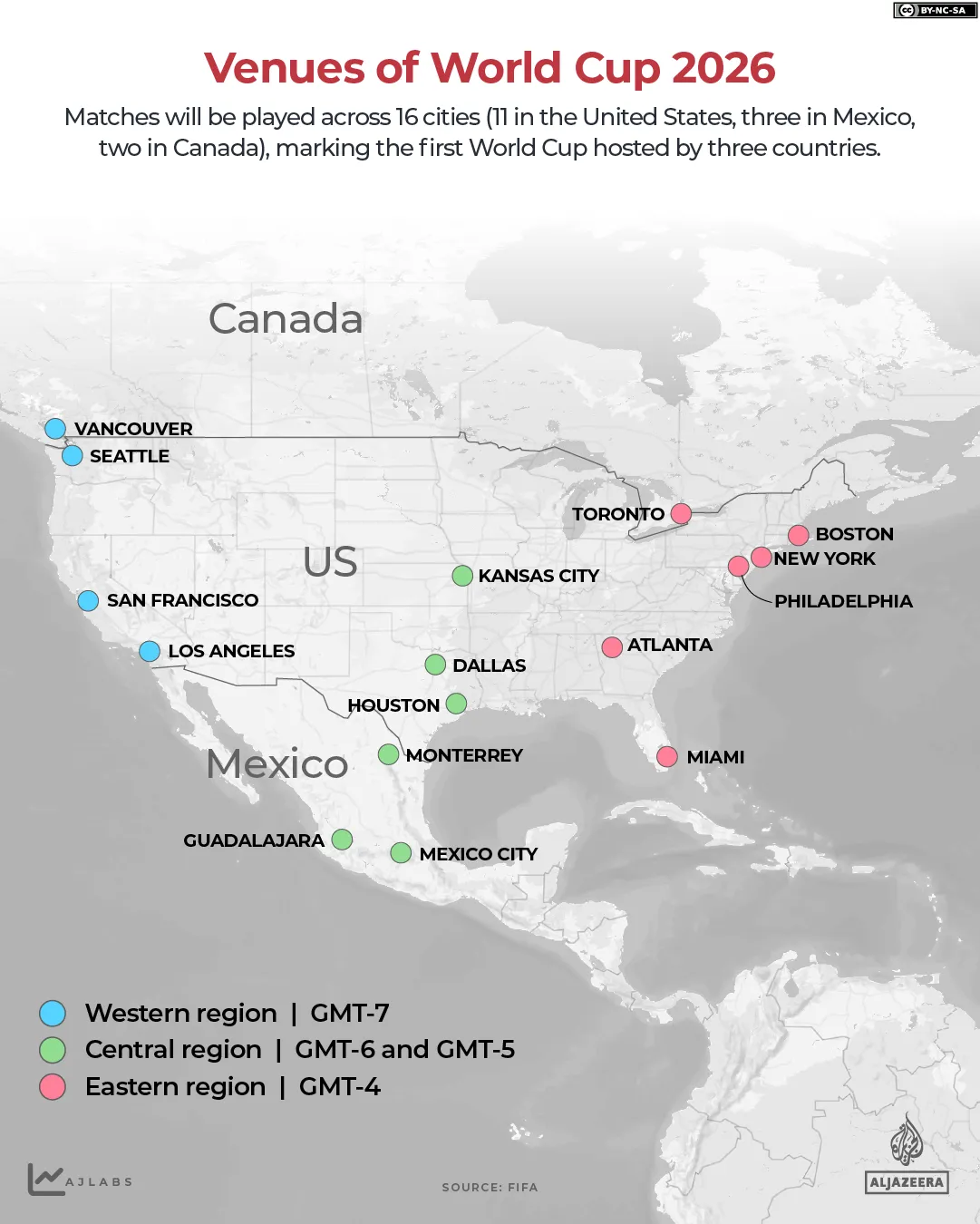
INTERACTIVE-Football FIFA Venues of World Cup 2026-1776670771
(Al Jazeera)

‘Political interference’

Iran’s Football Federation – whose chief Mehdi Taj was reportedly among those denied a visa – has described the decision as “political interference in sport in its worst form”.

In response, a US administration official confirmed that “the visas necessary for Iran to compete in the World Cup, including for athletes and necessary support staff, have been issued.”

Without directly addressing the matter of those whose visas were refused, the official added: “We will not allow the Iranian team to abuse this system to sneak terrorists into the United States under false pretences.”

In April, US Secretary of State Marco Rubio said any problem would not be with the Iranian players but “some of the other people (they) would want to bring with them,” suggesting some had ties to the Islamic Revolutionary Guard Corps, which is on the US blacklist of “terrorist” groups.

Iran are in Group G and will play New Zealand and Belgium in Los Angeles on June 15 and 21, followed by Egypt in Seattle on June 26.

Source link

Does Israel really think it can get rid of Hezbollah in Lebanon? | TV Shows

It’s hard to assume that ‘anything positive’ for Lebanon can come from its talks with Israel, argues analyst Imad Harb.

Despite brokering a ceasefire on paper, the United States is not standing in the way of Israel’s war on Lebanon, argues Imad Harb, senior fellow at the Arab Center Washington DC.

Harb tells host Steve Clemons that Hezbollah is an excuse for Israel to conduct a land grab in Lebanon, similar to what it’s doing in Gaza, the West Bank and Syria.

Pushing the Lebanese government to disarm Hezbollah “means civil war in Lebanon”, especially if Israel is allowed to occupy large swaths of Lebanese territory, says Harb.

Source link

Why has the Pentagon raised the risk of Israeli spying to the highest level? | Explainer News

The US defence department has reportedly raised its assessment of the espionage threat posed by Israel to the highest category of “critical”, according to media reports citing American intelligence and defence officials.

The assessment, first published by NBC News on Friday and followed by The New York Times, comes at a time when Washington is pursuing diplomatic engagement with Iran, while its ally Israel is opposed to the talks aimed at ending the conflict now 100 days long on Sunday.

Recommended Stories

list of 3 itemsend of list

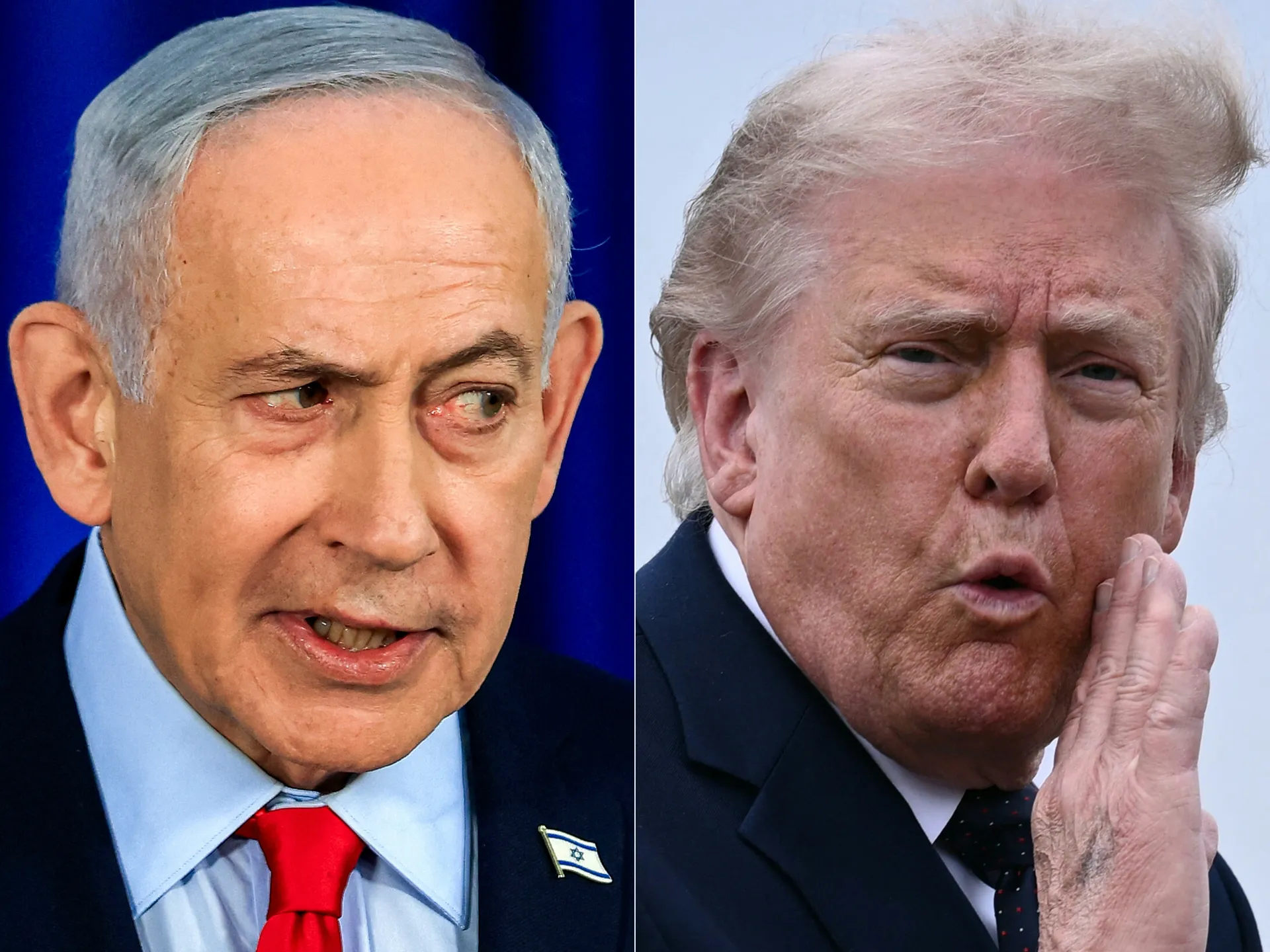
US President Donald Trump and Israeli Prime Minister Benjamin Netanyahu have publicly diverged in their approach to the war – Washington wants to extricate itself amid political pressure, while Israel is still pushing to topple the Iranian government.

This is not the first time Israel has been accused of espionage against the US – its closest ally and benefactor – with which it maintains extensive security and intelligence cooperation.

Here is what you need to know:

What did the Pentagon say?

According to NBC News and The New York Times (NYT), citing anonymous current and former US officials, the Pentagon’s Defense Intelligence Agency (DIA) arm recently upgraded Israel’s counterintelligence threat level from “high” to “critical”, the most serious designation in its internal assessment system.

The warning was based on Israeli intelligence agencies intensifying efforts to collect information on US military personnel, government officials and policy discussions.

The news reports said the concern was focused on American officials involved in shaping Washington’s approach towards Iran, as the two foes continue to negotiate an end to the war that has sent global energy prices soaring.

“An intensified Israeli effort to learn about US positions in talks with Iran has crossed a line, according to some American officials,” the NYT said.

According to the news outlet, intelligence assessments pointed to increased Israeli surveillance efforts in recent weeks targeting US military and government figures.

They include Trump envoy and key negotiator Steve Witkoff; the Pentagon’s top policy official, Elbridge A Colby; and one of his deputies, Michael P DiMino IV, the NYT reported.

Witkoff was chief negotiator in the nuclear talks before Israel and the US launched the attack on Iran on 28 February.

The reports also referenced incidents in which US defence personnel working in Israel allegedly discovered software on their phones “to tap their communications had been surreptitiously installed on their phones”, the NYT added.

The newspaper said the DIA reports found Israeli spying on the US, which has occurred before, surged from late 2024 onwards, coinciding with US President Joe Biden’s administration stepping up pressure on Israel over its genocide in Gaza.

The reported increase in spying continued after Trump was elected to a second term in November 2024 and began shaping his administration’s policy towards Iran.

Tensions between Trump and Netanyahu have come to the surface in the past week, amid reports the US president called the Israeli prime minister “f****ing crazy”, due to Israel’s escalation in Lebanon. At least 3,500 people have been killed in Israeli attacks in Lebanon.

Trump has been pressing Israel to halt its attacks on Lebanon, but the bombardment in the south has continued, undermining a potential deal with Iran which insists both issues are inseparable.

While intelligence gathering between friendly nations is not unusual, some US officials reportedly believe recent Israeli activities have gone beyond what Washington traditionally considers acceptable among allies.

According to officials cited in the reports, US intelligence agencies have become increasingly concerned that Israel is seeking greater insight into US policy discussions and negotiating positions, specifically with Iran.

What has been the response from the Israeli and US governments?

Israel has denied the allegations.

According to NBC, the Israeli embassy in Washington said it was “completely false” that the country spies on US government officials or American institutions.

“Israel does not gather intelligence on American entities, let alone US government officials,” NBC quoted the spokesperson as saying.

A White House official also reportedly dismissed the NBC report, saying the “entire story is false and sourced to someone who doesn’t have any knowledge of what’s going on”.

Al Jazeera could not independently verify the media reports and the US and Israeli responses.

Has Israel previously spied on the US?

Yes. Israel has previously been involved in espionage cases targeting the US, although such incidents have not been spoken about much given their close ties.

The most famous example is the Jonathan Pollard affair. The civilian intelligence analyst working for the US Navy was arrested in 1985 after passing large quantities of classified information to Israel. He later pleaded guilty to espionage and served 30 years in prison before being released on parole in 2015.

The Pollard case remains one of the most significant espionage scandals in the history of US-Israeli relations and continues to shape perceptions within parts of the American intelligence community.

However, espionage between close allies is not uncommon, says academic Andreas Kreig.

“Israel has a particularly long track record of conducting intelligence operations inside the United States,” the professor at the Department of Security at King’s College London told Al Jazeera.

“Over decades, Israel has sought to penetrate US policymaking circles through both formal and informal networks, including intelligence and lobbying channels, in order to gain insight into American strategic thinking and decision-making,” he added.

Nevertheless, Washington has for years provided billions in military aid and weapons sales to Israel, including throughout the ongoing Israeli genocide in Gaza.

The US Congress is also currently debating a section of a new defence bill, which would integrate the two countries’ research and development for weaponry to an unprecedented degree. The US has also provided diplomatic cover to Israel at the UN and other international bodies.

Why has Israel allegedly ramped up its espionage activities in the US?

According to academic Kreig, Israel is “deeply concerned” about the trajectory of US negotiations with Iran.

“From the Israeli perspective, the recent conflict with Iran was effectively a joint US-Israeli war, yet the United States is now in a position to shape the diplomatic endgame,” he told Al Jazeera.

“The principal Israeli concern is that Washington could agree to a deal that establishes an enduring diplomatic framework, potentially lasting years or even decades, which would constrain Israeli freedom of military manoeuvre against Iran in the future. Israeli policymakers therefore have a strong incentive to stay ahead of US deliberations and understand negotiations in real time.”

Moreover, Kreig said Israeli intelligence gathering also serves a “strategic purpose”, which is to identify “opportunities to influence, derail, or undermine negotiations if Israeli leaders judge the process to be contrary to their security interests”.

“While Israel sees the United States as its indispensable patron and closest strategic partner, it has simultaneously treated the US as a legitimate intelligence target whenever interests diverge,” he added.

“What surprises many observers is the extent to which Israel, despite being heavily dependent on American military, diplomatic and financial support, has developed the capacity to penetrate multiple layers of US policymaking and cultivate influence across key institutions involved in American statecraft.”

According to analyst and Iran expert Negar Mortazavi, Israel’s reported espionage in the current context is not new and has past precedent. Israel’s opposition to US-Iran negotiations goes back to the time of US President Barack Obama when he signed a nuclear deal with Iran in 2015, which the US under Trump withdrew from in 2018.

“The Israeli Prime Minister Netanyahu did not want any deals or serious negotiations or normalisation between Tehran and Washington, and he tried to stop it publicly and privately in any way he could,” she told Al Jazeera.

Moreover, Mortazavi said the ongoing war on Iran was “not going as planned or as promised”, and that Trump wants “to exit the war and he has to do it through diplomacy”.

“At this point it is very clear that US interests and Israeli interests are no longer overlapping, they’re divergent,” she added.

Source link

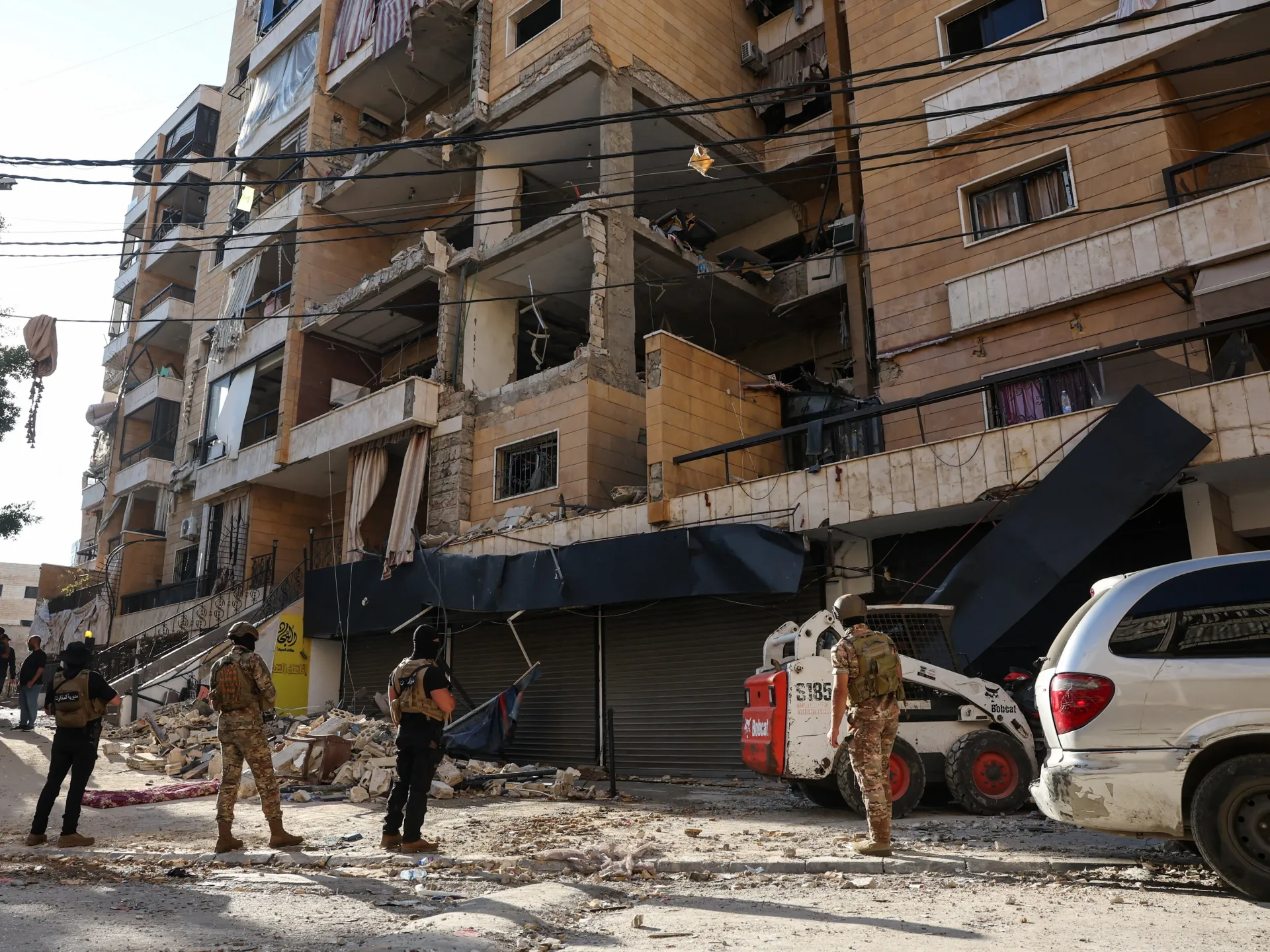
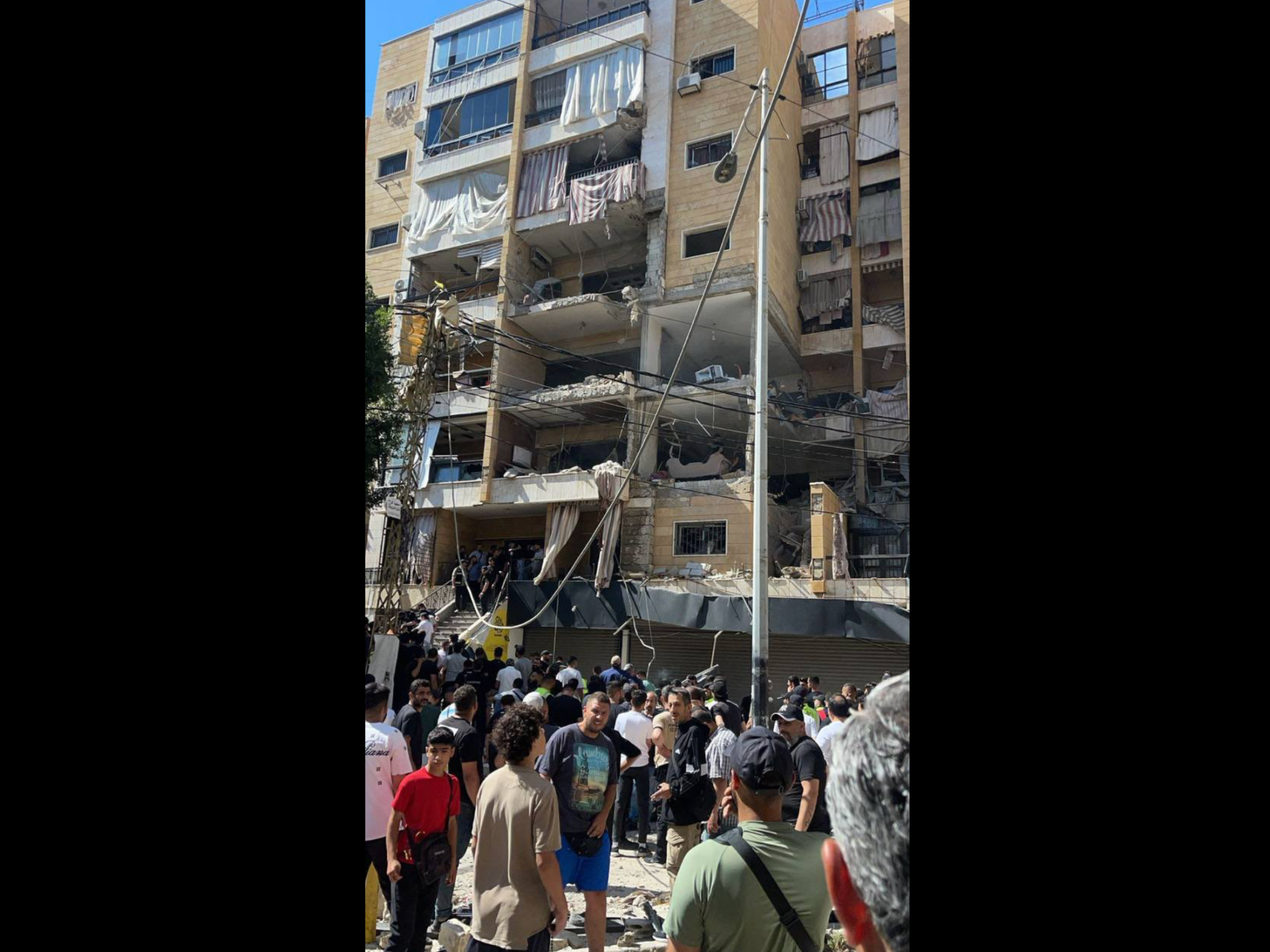
Israel strikes southern suburbs of Lebanon’s capital Beirut | Israel attacks Lebanon

NewsFeed

Videos show the aftermath of an Israeli attack on Beirut’s southern suburbs, with multiple explosions reported. Israel says it targeted Hezbollah headquarters, while Lebanese media says residential apartments were hit. The attack comes just days after US President Donald Trump told Benjamin Netanyahu that Beirut was off limits as Washington pursues a deal with Iran.

Source link

One killed, five wounded in shooting attack in Israel: Medics | News

Israeli police said they killed two suspects allegedly involved in the shooting.

At least one man has been killed and five wounded in central Israel, Israeli medics have said, in what police called a suspected “terror attack”.

Israeli rescue service Magen David Adom said a 35-year-old man died of gunshot wounds in the attack on Sunday, while the other casualties have been transferred to two hospitals. Two of those injured are in serious condition, it added.

Recommended Stories

list of 3 itemsend of list

Israeli police said they killed a suspect allegedly involved in the shooting following a manhunt. The suspected gunman was a Palestinian with Israeli citizenship from the nearby ⁠Israeli city Tayibe, they said, adding that police forces, border guard soldiers and special units were conducting searches for additional suspects. The weapon used by the attacker has been located, the police said.

“The public is asked to be vigilant, obey the instructions of the police and report any suspicious incident or person to the police,” it added.

In an earlier statement, the police said Israeli forces intervened after a report of shooting towards passersby at a gas station at the entrance to the Kochav Yair area, close to the ⁠occupied West Bank city ⁠of Qalqilya. The Israeli Broadcasting Authority said the attacker began a shooting spree at Kochav Yair and continued at the entrance to the nearby towns of Tzur Yitzhak and Tzur Natan.

A source told the Army Radio that the Israeli internal security agency and police have launched a raid campaign in Tayibe. A security cordoning has also been imposed on several neighbouring Arab villages.

Hamas commended the attack, calling it a “heroic” operation, but did not claim responsibility.

Israeli Prime Minister Benjamin Netanyahu’s office said it was holding a situational assessment on the shooting attack.

Lior Zilberberg, from the Israeli ambulance service Magen David Adom, has described the response after the shooting began in central Israel.

“We were in a large training exercise in a nearby community when we received reports … about gunshot casualties at several scenes close to us. We immediately stopped the exercise and set out with intensive care units and ambulances to the gas station in Kochav Yair, Tzur Yitzhak, and Tzur Natan,” said Zilberberg in a statement.

“During the drive, civilians signalled me to stop and called me to provide medical treatment to an unconscious casualty inside a vehicle. He was pulseless and not breathing, with gunshot wounds to his body, and after medical assessments we were forced to pronounce him dead.

“Near the vehicle, another injured person was lying conscious, suffering gunshot wounds to the upper body. After initial medical treatment at the scene, he was evacuated.”

Source link

Lebanon army chief in Pakistan, funeral plans for soldiers killed by Israel | Israel attacks Lebanon News

Funerals will be held for Lebanese officers killed in an Israeli attack in southern Lebanon, as Beirut’s army chief headed to Pakistan on a surprise visit amid ongoing mediation efforts in the wider United States-Israel war on Iran.

The Lebanese soldiers will be laid to rest on Sunday, a day after the brigadier general, captain and soldier were killed in an Israeli strike on a military vehicle on the Khardali-Nabatieh road, in an incident the Israeli army said it was investigating.

Recommended Stories

list of 4 itemsend of list

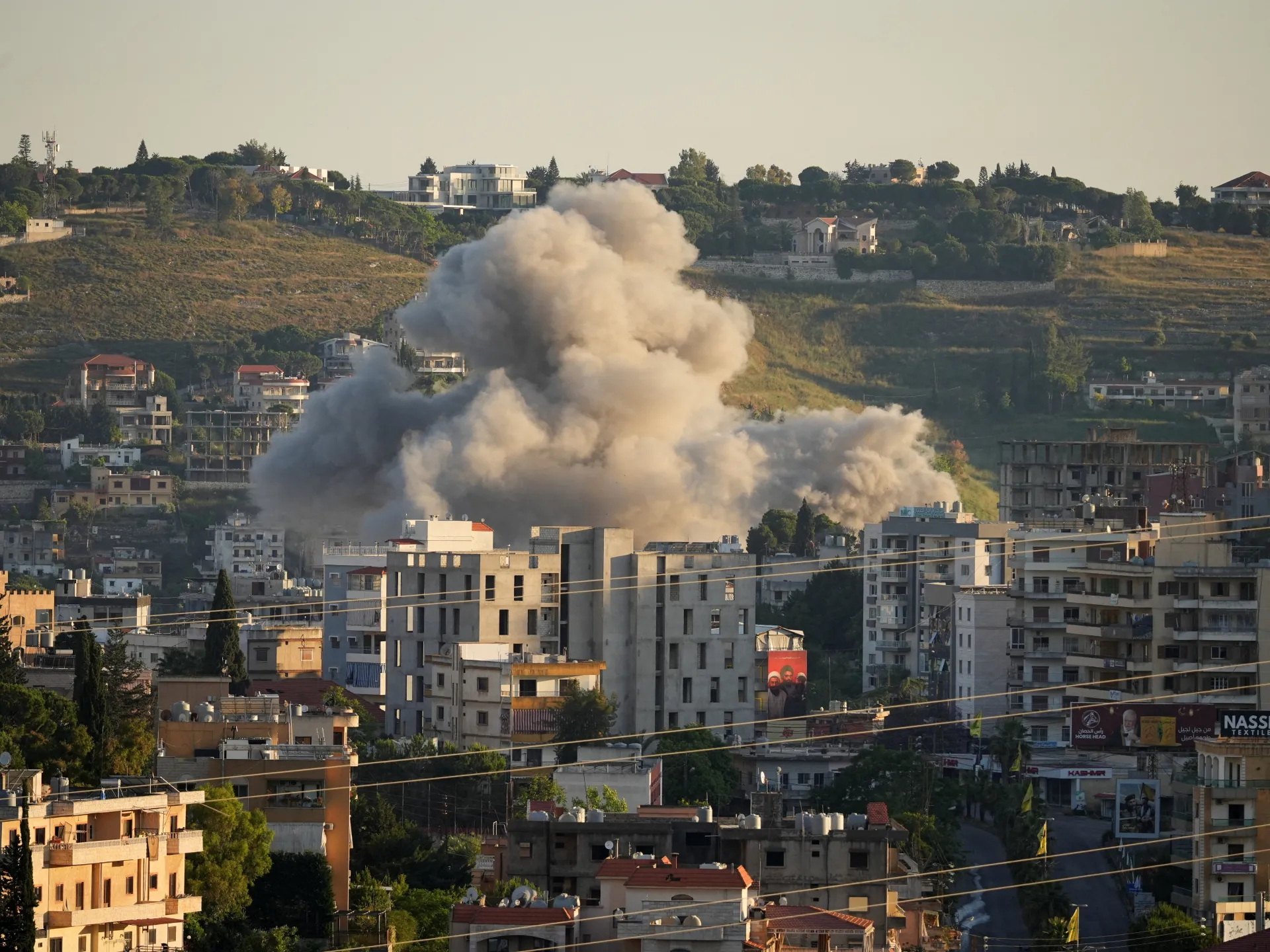
A ceasefire agreed on April 17 was meant to halt the fighting between Israel and Hezbollah, but Israel has continued to carry out near-daily attacks, prompting retaliatory ones from the Lebanese group. The violence has taken a disproportionate toll on civilians in Lebanon, where more than 3,500 people have been killed since hostilities resumed on March 2.

A further conditional ceasefire was announced by Lebanese and Israeli envoys last week in Washington, but was rejected by Hezbollah as it did not include the group or provide for Israel’s withdrawal from southern Lebanon.

Lebanese army chief Rodolphe Haykal left on Saturday for Pakistan, which has emerged as a central mediator between the US and Iran.

The visit is notable given the insistence by Washington – and by Lebanese leaders, including the president – that ceasefire talks for Lebanon remain separate from the US-Iran negotiations ‌mediated by Pakistan.

Fighting continues in southern Lebanon

Meanwhile, Israeli attacks hit several towns across southern Lebanon and the western Bekaa overnight, while Hezbollah said it launched rockets, artillery fire, and drone attacks against Israeli forces, including near the Beaufort Castle in Yohmor al-Shaqif.

Lebanon’s Ministry of Public Health said on Sunday that an Israeli raid on the town of Saksakiyeh a day earlier killed at least two people. The ministry added that 22 people were wounded in the attack, including three children and a woman.

Two others were wounded following an Israeli drone attack on the town of Shahabiyeh, Lebanon’s National News Agency (NNA) reported.

Israeli air attacks also hit the town of Qalawiya at dawn, and the towns of al-Qatrani, Byblos and Rihan in the Jezzine district overnight. The town of Deir Kifa in the Tyre district was also bombed, while Barashit and Chaqra in the same district were subjected to intermittent artillery shelling overnight.

NNA also reported artillery shelling in the towns of al-Mansouri and Bayt al-Sayyad in the Tyre district.

Israeli warplanes launched an attack on the town of Srifa. Local media also reported that Israeli fighter jets attacked Dweir, near Nabatieh, north of the Litani River.

Paramedics, meanwhile, continue to look for survivors under the rubble following Israeli attacks.

“The pattern is part of what is being called the Gazafication of Lebanon, or Israel using actions normalised by the Gaza genocide,” said Al Jazeera’s Nour Odeh, reporting from Ramallah in the occupied West Bank.

“The targeting of schools in southern Lebanon, just like Gaza. Bombing Lebanese hospitals and clinics, also like Gaza. And the murder of journalists. Then there’s these so-called double-tap attacks against paramedics and rescue workers. Hundreds of Palestinian and Lebanese paramedics have been killed with this unlawful practice.”

Gazafication extends to the ceasefire, too, she added.

“The ‘Yellow Line’, first introduced in Gaza, has now swallowed 60 percent of the territory. In Lebanon, the ‘Yellow Line’ now includes nearly a fifth of the country. Both invisible lines keep expanding,” said Odeh.

No choice but negotiations, says Lebanese lawmaker

Najat Aoun Saliba, an independent member of Lebanon’s parliament, meanwhile, condemned Israel’s killing of the Lebanese soldiers and said President Joseph Aoun has no choice but to enter into negotiations with Israel.

“If we don’t have negotiations, what is the alternative? Is the alternative going to war? The war is not going to give us peace,” she told Al Jazeera.

Saliba said dialogue was the only viable path given the imbalance of power between Israel and Lebanon’s armies.

“The balance of power between the armies is not to be compared. Israel has a very strong army backed up by the United States. The Lebanese Armed Forces have been sidelined by a political will for 30 years, because they wanted to strengthen the presence of Hezbollah,” she said.

The lawmaker added that Hezbollah has not been able to stop Israeli aggression.

“Hezbollah is not able to stop any of these war crimes, and it’s not able to stop any of the invasions that Israel is doing. I think with … all these massacres and destruction, I don’t think we have a choice.”

The killing of Brigadier General Wissam Sabra, Captain Elie Khoury and soldier Hussein Ghozal came at a tense moment amid broader efforts to strike a deal between the US, Iran, Hezbollah, the Lebanese government and Israel.

Lebanese President Joseph Aoun said the attack was “aimed at thwarting all efforts to reach a solution”, while Prime Minister Nawaf Salam described it as “a heinous crime and an attack on Lebanon and all Lebanese people”.

Lebanon was drawn into the Middle East war when Iran-backed Hezbollah attacked Israel on March 2, following joint US-Israeli attacks on Iran.

Tehran has made a ceasefire in Lebanon between Israel and Hezbollah a condition for any peace deal with Washington.

Source link

Outrage over Palestinian ‘dog rape’ joke at Tribeca Film Festival | Israel-Palestine conflict

NewsFeed

A US influencer and actor have caused outrage after mocking Palestinians subject to rape and beastiality in Israeli prisons. Elon Gold and Lizzy Savetsky made the comments at the Tribeca Film Festival as they promoted a new film made in Israel.

Source link

Tunisians protest for press freedom and release of political prisoners | Civil Rights News

NewsFeed

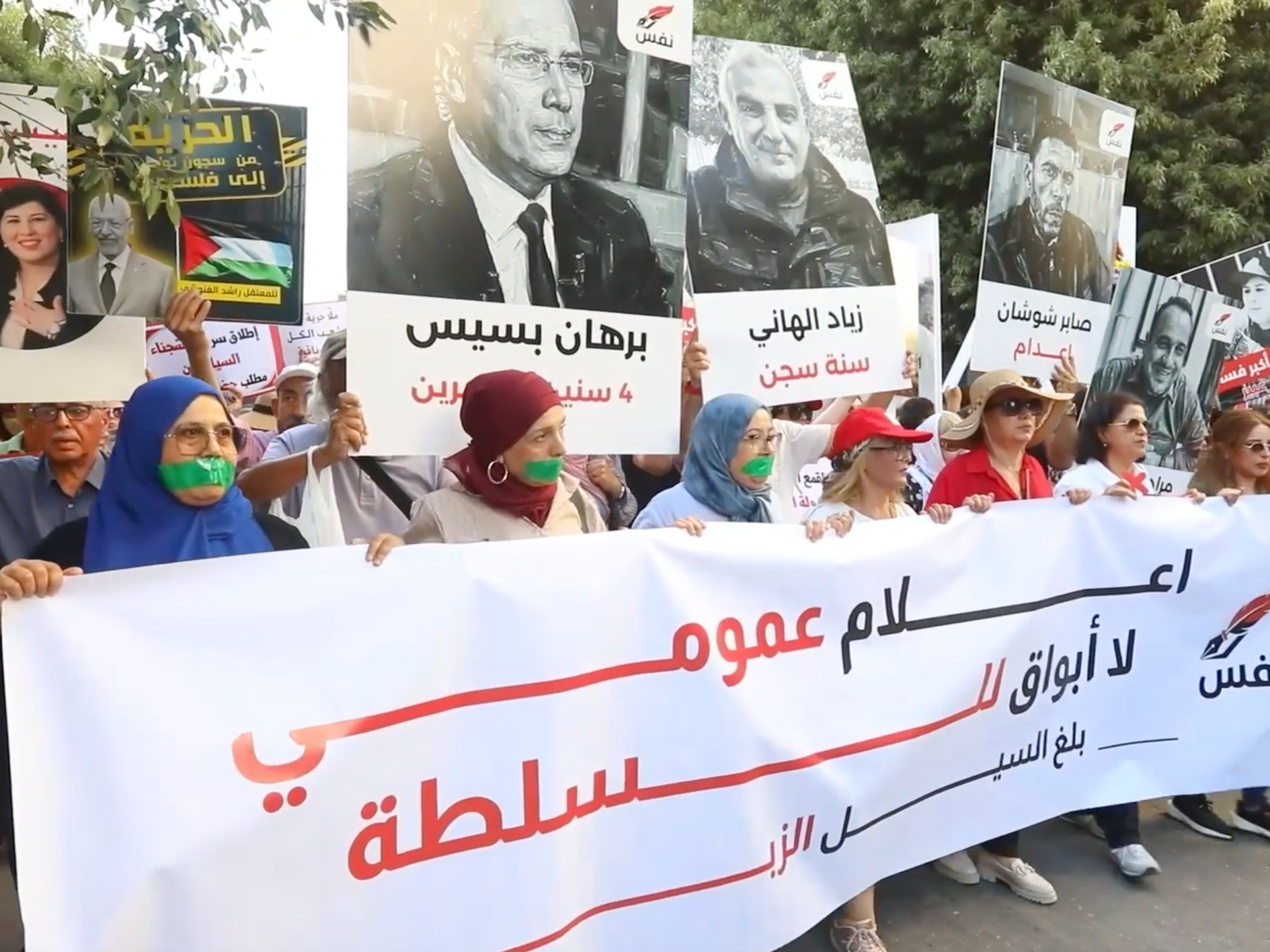
Hundreds marched in Tunisia’s capital demanding press freedom and the release of political prisoners detained during President Kais Saied’s crackdown on dissent, which has jailed opposition figures including Ennahda party leader Rached Ghannouchi.

Source link

Pentagon said to raise threat level on Israel spying to ‘critical’ | US-Israel war on Iran News

Department reports raise concerns about increased espionage activity amid US-Israeli war with Iran, ceasefire talks.

The Pentagon’s intelligence arm has raised the assessed threat level on Israeli spying from “high” to “critical” in recent weeks, according to US media.

NBC News first broke news of the change on Friday, with The New York Times issuing its own report the following day.

Recommended Stories

list of 3 itemsend of list

The news outlets cited anonymous sources as saying the switch came in light of concerns over increasingly aggressive tactics related to the US-Israeli war with Iran.

They said the Pentagon’s Defense Intelligence Agency (DIA) had raised the alert level amid fears that Israel is increasingly attempting to surveil top US officials. The aim is allegedly to understand internal White House deliberations about ending the war.

US President Donald Trump and Israeli Prime Minister Netanyahu have publicly diverged in their approach to the war, which the US and Israel started on February 28.

Trump, on one hand, has repeatedly said he wants to bring the war to a close, amid mounting political pressure at home.

Netanyahu, meanwhile, has called for war to resume, despite an April 8 ceasefire. The fighting has been mostly paused since the temporary truce was announced, but efforts to reach a lasting agreement have repeatedly stalled.

The New York Times reported that, while Israel has been known to spy on the US, the DIA cited an uptick in activities beginning in late 2024, as the administration of US President Joe Biden increased pressure on Israel over its genocidal war in Gaza.

That increase continued into 2025, as Trump returned to the presidency and began deliberating about how to approach Iran.

The newspaper added that other recent intelligence assessments have also documented evidence that there are Israeli efforts to monitor Trump’s special envoy Steve Witkoff as well as Elbridge Colby, a top policy official at the Pentagon, and his deputy Michael DiMino IV.

Witkoff had been the lead negotiator in nuclear talks that preceded the initial US-Israeli attack on Iran in February.

Both NBC News and The New York Times cited unnamed US officials in their reports. The US Department of Defense did not immediately respond to a request for comment from Al Jazeera.

However, an unnamed spokesperson told both news organisations that the reports were “false”.

Still, the reported concerns are likely to raise questions over the close intelligence and military coordination between Israel and the US.

Washington has, for years, provided billions in military aid and weapons sales to Israel, including throughout the genocide in Gaza.

The US Congress is also currently debating a section of a new defence bill, which would integrate the two countries’ research and development for weaponry to an unprecedented degree.

While the US and its allies are known to regularly conduct intelligence operations on each other, officials told both NBC and The New York Times that Israel’s recent vigour was unique.

The New York Times reported that the increased DIA designation surpasses all current allies, as well as a handful of countries with more fraught relations.

Recent incidents included Israel’s military intelligence trying to plant listening devices at the DIA headquarters in 2021, according to the newspaper.

In 2025, Israel’s domestic intelligence agency, Shin Bet, was found to have tried to plant a similar device in a Secret Service vehicle, the report said.

Source link

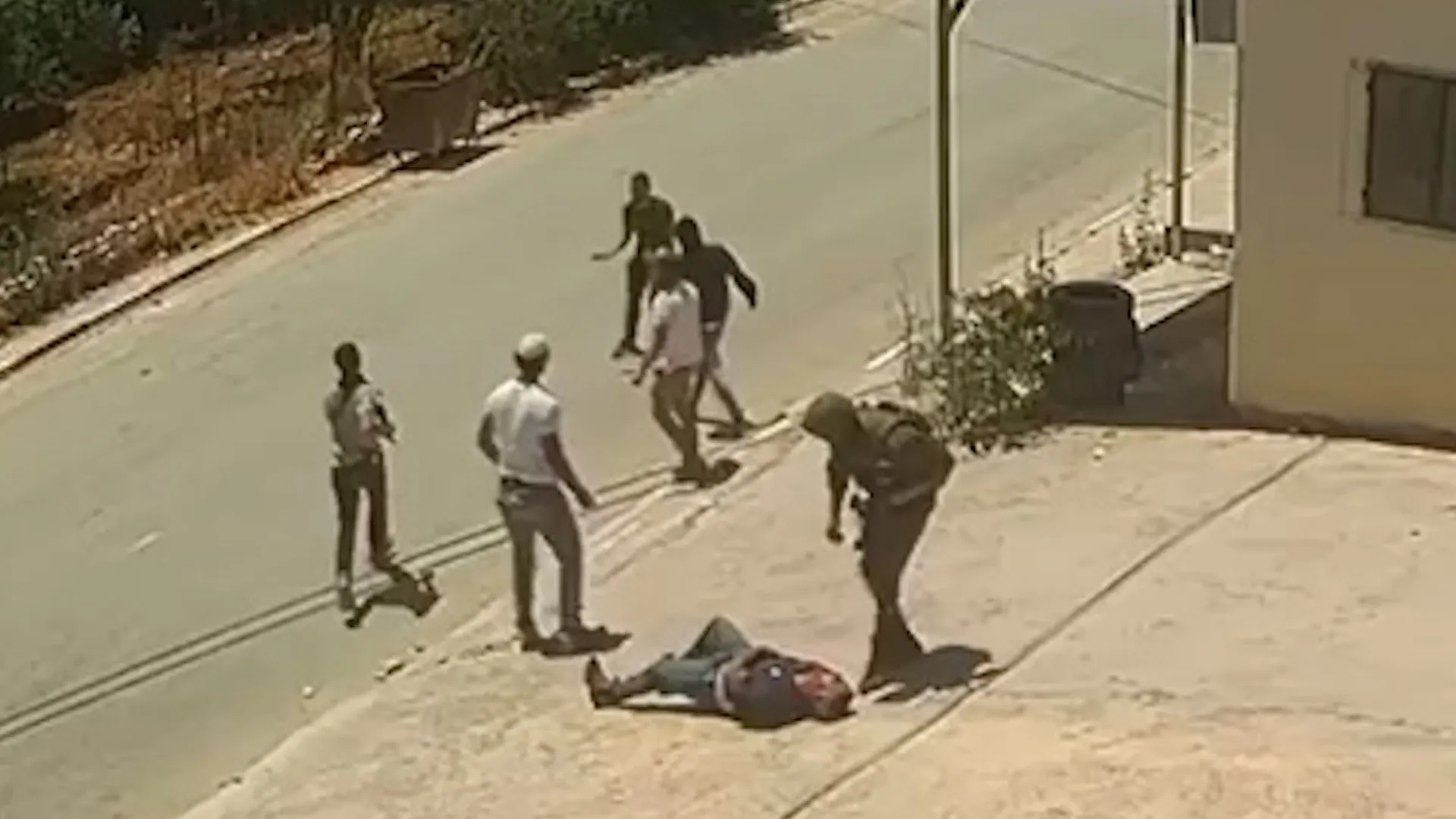
Video shows Israeli soldier and settlers assaulting two Palestinians | Occupied West Bank

NewsFeed

A surveillance camera caught a brutal assault by an Israeli soldier and settlers on two young Palestinians in the occupied West Bank. Video shows them slamming the victims onto the ground and repeatedly beating them, including with a plank of wood, leaving them motionless on the ground.

Source link

5 Euro and Mediterranean destinations hit by ‘soaring’ cost premiums as Middle East missiles fly again – list

Travel insurance for Turkey has jumped almost 50 per cent in just a year, according to new data

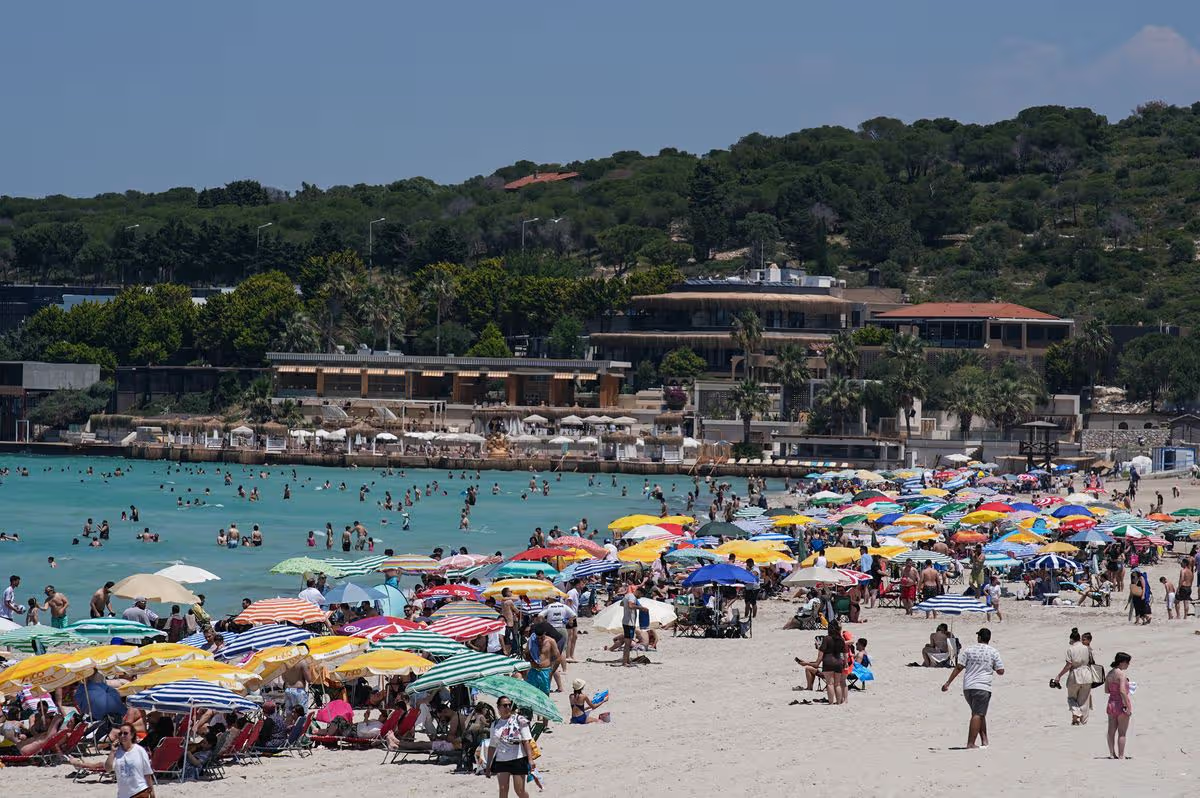
Five European and Mediterranean destinations including some hotspots much loved by British tourists have been named as having seen big rises in insurance costs, directly caused by the Middle East crisis. Travel insurance for Turkey has jumped 46% in just a year, according to new data analysing 5,000 policies across popular destinations near conflict zones.

There is no sign of the Middle East conflict calming down – today Iran fired ballistic missiles and drones towards Bahrain and Kuwait, Bahrain’s government said, adding that they were intercepted.

Bahrain’s government called on Tehran to immediately cease attacks on Gulf neighbours that it deemed a “serious escalation”. Iran’s Foreign Ministry said the US early Saturday attacked surveillance facilities on Qeshm Island and near Sirik that it said were used to protect borders and “ensure the security of navigation in international waters”.

The latest exchange of fire came as the Trump administration pressed Iran to make a deal to end the war that has strained the global economy and threatened a hunger crisis in some of the world’s most vulnerable countries.

The US military earlier said it shot down several Iranian missiles and drones launched towards the Strait of Hormuz and Gulf Arab allies, and struck some of the Islamic Republic’s coastal surveillance radar sites in response.

It has had a big impact on the region with some popular destinations seeing big rises in premiums. Quotezone travel insurance expert Helen Rolph warned travellers not to assume last year’s prices still apply and urges holidaymakers to compare policies carefully, buy cover as soon as they book, and check Foreign Office advice before travelling.

Industry experts compared 5,000 travel insurance premiums across five popular tourist destinations close to conflict zones, revealing which countries have seen the biggest price increases over the past year.

Prices in Turkey have been affected the most despite it traditionally being considered one of the most popular and cost-effective destinations for UK holidaymakers over recent years.

Standard travel insurance premiums to the country have jumped from £40.56 in early 2025 to £59.19 just a year later – a rise of 46% or almost £20 per trip – which may be due to the fact it shares a border with Iran.

Holidaymakers travelling to Bulgaria are also seeing a sharp rise with prices up 19%, possibly down to its proximity to Ukraine.

Premiums for Cyprus have increased by 6%, Egypt by 4% and Poland by 8%. To gather the data, popular holiday destinations for British tourists were cross-referenced with countries geographically close to conflict zones, namely Ukraine and Iran, creating a dataset of major holiday hotspots in relative proximity to areas of geopolitical tension.

Insurers regularly reassess risk when global tensions rise, particularly in destinations close to areas where travel complications might become more likely.

Destinations situated close to areas experiencing heightened tensions – such as Iran and Ukraine – could see premiums shift as insurers reassess the likelihood of travel disruption, delays or emergency evacuation should issues escalate.

Helen Rolph, travel insurance expert at Quotezone.co.uk said: “Travel insurance prices change constantly as insurers respond to global events, the number of claims made and healthcare costs.

“Even if a destination remains popular despite its proximity to ongoing conflict, premiums can rise when the wider region becomes more uncertain.

“Travellers and holidaymakers shouldn’t assume last year’s prices will still apply and make sure they’re comparing policies carefully rather than opting for the cheapest option, as cover can vary significantly.

“It’s also sensible to arrange insurance as soon as a trip is booked, check government travel advice before departure, and ensure any medical conditions are fully declared.

“Travel disruption insurance can also be useful as it covers a wider range of issues while travelling but it’s important to remember that travel insurance won’t provide cover if the foreign office advises against travel to that region and most travel insurance policies won’t cover war related incidents. It’s crucial for holidaymakers to check what is and isn’t covered on their policy and add any extras or specialised cover they might need.”

Travel Insurance Premiums

Country // Average 2025 // Average 2026 // Average Price Change // % Change

Turkey £40.56 £59.19 £18.63 46%

Bulgaria £32.70 £38.82 £6.11 19%

Poland £10.50 £11.32 £0.82 8%

Cyprus £43.21 £45.80 £2.59 6%

Egypt £68.52 £71.30 £2.78 4%

Source link

Israeli strike kills at least five people at wedding in Gaza | Israel-Palestine conflict News

Casualty toll is expected to increase, reports Al Jazeera’s Hani Mahmoud.

At least five people have been killed while attending a wedding in Gaza City after Israeli forces bombed the wedding tent.

Al Jazeera’s Hani Mahmoud, reporting from the enclave on Saturday, said several projectiles exploded in or near tents that were part of the wedding, with shrapnel flying into surrounding areas.

A source at al-Shifa Hospital told Al Jazeera reporters on the ground that more than a dozen people were wounded in the attack.

Women and children are believed to be among the casualties, Mahmoud said, adding that the casualty toll is expected to rise.

This is a developing story. More to come…

Source link

Jordan World Cup 2026 preview: Players to watch, group matches and squad | World Cup 2026 News

Previous World Cup appearances: 0
Player to watch: Mousa Tamari
FIFA world ranking: 63

Jordan are appearing at the World Cup finals for the first time, with their Moroccan coach Jamal Sellami hoping that his players can emulate the heroics of The Atlas Lions four years ago.

Recommended Stories

list of 4 itemsend of list

“In big competitions, many teams can surprise. My country, Morocco, ‌reached the semifinals in the last World Cup,” the Reuters news agency quoted him as saying during a training camp in Antalya, Turkiye, in late March.

“That gives us belief.”

While a run to the semifinals might be a little bit optimistic, Jordan are coming into the tournament on a good run of form.

The Middle East nation reached the final of the 2023 Asian Cup, losing to hosts Qatar, and also played Morocco in the final of the 2025 Arab Cup, agonisingly falling short in a 3-2 defeat after extra time.

Jordan also scored 32 goals in World Cup qualifying, marking their highest tally in a single qualification campaign. But eight of those goals were scored by Yazan Alnemat, who will miss this summer’s tournament due to injury.

Sellami takes Jordan into the big time

The Al-Nashama, or the “noble ones”, have developed into a significant force in Arab football since Sellami took over as coach in June 2024 and built on the work of his predecessor, compatriot Hussein Ammouta.

Sellami believes the team he has built can deliver a shock similar to Algeria beating Germany in 1982, Cameroon stunning reigning champions Argentina in 1990, and Senegal repeating the feat against holders France in 2002.

“These results open horizons of hope and ambition for the fans, so they can dream,” Sellami, who played for Morocco at the 1998 World Cup, told Arabic sports channel TFK.

“And we too have the right to dream and to strive to be a strong team and present ourselves well,” he added.

The 55-year-old former midfielder has built a well-structured, disciplined team that utilises their wealth of creative forward talent to hit opponents on the break with lightning-quick transitions.

Star striker misses out

While Jordan’s qualifying campaign gives them plenty of hope for this summer’s tournament, their team in North America will be missing a big part of what made them such a force in Asian qualifying.

Forward Yazan Alnemat contributed eight goals, but will miss the World Cup finals after suffering an ACL injury in the Arab Cup quarterfinals last December.

“Yazan is a player who cannot be replaced,” conceded Sellami. “But we will find a combination for the team that can still be dangerous to the opponent, and that also gives us balance in our defensive performance.”

Alnemat’s likely replacement, Ali Olwan, has recovered from an Achilles injury sufficiently to take his place in Sellami’s extended squad. He contributed nine goals in qualifying, highlighting Jordan’s depth in attacking options.

Jordan national soccer team players Mousa Al-Tamari and Nizar Al-Rashdan take part in a training session
Mousa Tamari and Nizar al-Rashdan take part in a training session in preparation for the World Cup [Alaa Al Sukhni/Reuters]

‘Jordan’s Messi’ hopes to shine

Captain Mousa Tamari is one of Jordan’s biggest attacking threats and will be looking to torment defenders on the right wing.

The 28-year-old Rennes midfielder is the only Jordan player who competes in one of Europe’s top five leagues and has enjoyed a strong season in France, scoring seven goals and grabbing 11 assists in 36 appearances for the Ligue 1 outfit.

He’s also been a key player at international level, scoring 23 goals in 76 appearances for the Jordan national team.

If Jordan are to upset the odd’s at this summer’s World Cup, they will need to rely heavily on the man known as “Jordan’s Messi”.

How does Jordan’s group look?

Defending champions Argentina provide formidable opposition in Jordan’s final game in Group J, with the real Messi squaring up against his Jordanian counterpart.

Sellami’s side will face Austria in their opening match in San Francisco, with the European nation making their first appearance at the World Cup since 1998.

Jordan are the lowest-ranked team in their group, but perhaps their best opportunity of success will come against the second-lowest-ranked side, Algeria.

The African side recorded eight wins in World Cup qualifying and will look to Riyad Mahrez to provide goals and assists.

INTERACTIVE-Football FIFA How teams are group World Cup 2026-1776670778

Jordan’s group stage match dates and kickoff times:

⚽ June 16: Austria v Jordan (San Francisco Bay Area, US), 9pm (04:00 GMT on June 17).

⚽ June 22: Jordan v Algeria (San Francisco Bay Area, US), 8pm (03:00 GMT on June 23).

⚽ June 27: Jordan v Argentina (Dallas, Texas, US), 9pm (02:00 GMT on June 28).

Al Jazeera’s prediction:

A fight for third in their group, but ultimately, qualification for the knockouts may be a stretch for Jordan.

Full squad

Goalkeepers: Yazeed Abulaila (Al-Hussein), Abdullah al-Fakhouri (Al-Wehdat), Noor Bani Attiah (Al-Faisaly).

Defenders: Abdallah Nasib (Al-Zawraa), Ehsan Haddad, Saed al-Rosan, Saleem Obaid (Al-Hussein), Yazan al-Arab (FC Seoul), Mohammad Abualnadi (Selangor), Husam Abu Dahab, Anas Banawi (Al-Faisaly), Mohannad Abu Taha (Al-Quwa Al-Jawiya), Mohammad Abu Hasheesh (Al-Karma).

Midfielders: Noor Al-Rawabdeh (Selangor), Nizar al-Rashdan (Qatar), Ibrahim Saadeh (Al-Karma), Rajaei Ayed, Mahmoud Al-Mardi (Al-Hussein), Amer Jamous (Al-Zawraa), Mohammad al-Dawoud (Al-Wehdat).

Forwards: Mousa Tamari (Rennes), Odeh al-Fakhouri (Pyramids), Mohammad Abu Zrayq (Raja Casablanca), Ali Azaizeh (Al-Shabab), Ibrahim Sabra (Lokomotiva Zagreb), Ali Olwan (Al-Sailiya).

Source link

‘Badge of honour’: Israeli settlers shrug off global condemnation | Occupied West Bank News

When the European Union issued its latest tranche of sanctions against Israeli settler groups and their leaders, Regavim, founded in part by the country’s Finance Minister Bezalel Smotrich, these groups welcomed the measures as a “badge of honour.”

Another sanctioned figure, Daniella Weiss, whose movement, Nachala, has held conferences on the Gaza border to discuss plans for settlement expansion into the occupied Palestinian territory, likewise dismissed the European penalties as “ridiculous” and “banal”.

Recommended Stories

list of 4 itemsend of list

In total, the EU sanctioned four entities and three individuals associated with the settler movement, which includes high-profile characters such as Weiss, Regavim and its director, Meir Deutsch, and the Amana cooperative association, which offers logistical and financial support to settlements in the occupied West Bank.

Even government figures have been targeted in recent Western actions. Finance Minister Bezalel Smotrich, a son of the settler movement, was sanctioned by the United Kingdom, Canada and several other countries for his alleged role in supporting or enabling violence in the West Bank, highlighting how the settlement project has the support of the highest echelons of the Israeli state.

Overall, the nonchalant response from the targeted figures and entities suggests that none of the EU measures will do anything to stop settlement expansion or make individuals accountable for the growing wave of violence against Palestinians.

Ironically, the largely toothless measures might instead become a source of domestic prestige for their leaders, analysts say, as few would expect these hardline settler figures to spend their summers in Paris or London and thus be affected by the sanctions. Instead, a wave of terror in the occupied West Bank will likely continue, with the tacit support of the government.


Endemic violence

In the eyes of many activists and observers who spoke to Al Jazeera, the EU’s focus on group and individual “violations” falls far short of articulating the scale of the highly coordinated settler attacks or the extent to which the state and society support them.

Following the Hamas-led attack of October 2023, United Nations and human rights monitors have documented systemic lethal settler attacks in places such as the South Hebron Hills, where residents of villages like Susiya and Umm al-Khair have been killed or seriously injured in collective incursions.

In the northern West Bank, Palestinian residents of villages around Nablus and Ramallah have seen their homes, vehicles and olive groves torched during nighttime settler raids. Entire Bedouin herding communities in the Jordan Valley have also been forcibly displaced following sustained campaigns of intimidation and violence.

All of this underscores the depth and breadth of settler activity, which, according to people on the ground, has the direct support of the Israeli government.

“It’s gotten much worse since October 2023. They now have the courage to attack into the heart of densely populated Palestinian villages. I see them, they came into the heart of my village outside Ramallah, they feel safe to do so,” Tahseen Alayan, deputy director of Al-Haq, told Al Jazeera.

“If you buy a sheep, they will steal it. If you build a house, they will destroy it. If you buy a car, they will burn it.”

BE'ERI, ISRAEL - OCTOBER 21: Daniella Weiss, founder of the Nachalot Association, attends the Jewish religious holiday of Sukkot (Feast of Tabernacles) activities, where activist Jewish people set up numerous gazebos in the area as a tradition in Be'eri, Israel on October 21, 2024. Israelis and far-right politicians are demonstrating demanding the expulsion of Palestinians from the Gaza Strip and the reopening of settlements there, while others dream of invading many countries in the region in pursuit of “Greater Israel”. ( Enes Canlı - Anadolu Agency )
Daniella Weiss, founder of the Nachalot Association, described the EU sanctions as “ridiculous” and “banal” [Enes Canli/Anadolu Agency]

Examples of Israeli government complicity in these settler raids are not hard to find, and the statistics indicate collective efforts to entrench Israeli control over the West Bank, which has been occupied since 1967.

Israeli forces and settlers are accused of killing an estimated 1,168 people in the occupied West Bank since October 2023 and injuring a further 12,666 Palestinians. Another 33,000 people have been displaced, while Israel has also detained nearly 23,000 Palestinians in the West Bank during this period, many without charge.

“The violence does not happen in a vacuum,” Alayan continued. “This is an extension of the Israeli government; settlement is at the core of their identity. They are protected by the government and by the occupying services, and they freely admit it.”

A tragic incident that comes to mind is settler Yinon Levi, who allegedly shot dead Palestinian activist Awdah Hathaleen in Masafer Yatta last year. Despite the murder being captured on video, Levi nevertheless remains at large.

“Even if they are ever prosecuted, the sentences rarely reflect the severity of the crime,” Alayan said. “These people return to their homes and are seen as heroes.”

‘Entitlement and superiority’

This sense of impunity that settlers appear to be imbued with cannot be detached from the appointment to ministerial positions of leading figures or sympathisers of the settler movement – notably Ben-Gvir and Smotrich, the latter born in an illegal settlement in the occupied Golan Heights.

In a sign of state-settler cooperation to achieve direct control of the West Bank, in contravention of the Oslo Accords, Israel last year announced plans for the establishment of the E1 settlement that would link occupied East Jerusalem with its growing Maale Adumim bloc.

According to plans outlined by Smotrich, when established, this settlement would kill any hopes of the creation of a Palestinian state in the West Bank and Gaza and fulfil a biblical prophecy that many in the movement have been working towards.

Israeli far-right Finance Minister Bezalel Smotrich holds a map of an area near the settlement of Maale Adumim, a land corridor known as E1, outside Jerusalem in the occupied West Bank, on August 14, 2025, after a press conference at the site. [Menahem Kahana/AFP]
Israeli far-right Finance Minister Bezalel Smotrich holds a map of an area near the settlement of Maale Adumim, a land corridor known as E1, outside Jerusalem in the occupied West Bank, on August 14, 2025, after a news conference at the site [Menahem Kahana/AFP]

Daniel Bar-Tal, a professor of social-political psychology from the Department of Education at Tel Aviv University, interpreted the thinking behind the settlers leading this violence across the West Bank.

“It is divine order to settle West Bank. With divine order you do not argue but achieve it in the way Yehoshua carried it 3,000 years ago when he entered the promised land,” he explained. “He achieved it with sword, so we need to do the same.”

Shai Parnes of the Israeli human rights group B’Tselem told Al Jazeera that the absence of international pressure has bolstered the alliance between the state and settler movement.

“The Israeli regime is an apartheid regime based on Jewish supremacy and institutionalised discrimination against Palestinians,” Parnes told Al Jazeera.

“Any Israeli, civilian or soldier, who harms a Palestinian receives full immunity and support from the Israeli systems, and Israel itself receives this from the international community. These facts explain the Israelis’ sense of entitlement and superiority.”

Palestinian Nazem Saleh Shoman stands inside a pen at a sheep farm that was set on fire the previous night by Israeli settlers in the Palestinian village of Abu Falah in the central occupied West Bank on June 2, 2026.
Palestinian Nazem Saleh Shoman stands inside a pen at a sheep farm that was set on fire the previous night by Israeli settlers in the Palestinian village of Khirbet Abu Falah in the central occupied West Bank [AFP]

Yehouda Shenhav-Shahrabani, one of Israel’s leading sociologists, described the channelling of “Jewish supremacy” from the individual to the group, to the state, and back again, as a “closed loop”.

This, he said, fosters a sense of superiority among individuals, and when combined with a militarised society, makes violence against the native Palestinian population, who are in the way of realising this supposed biblical prophecy, almost inevitable.

“Some believe they’re in the West Bank because God said it was theirs. Others are there because they’re too poor to be anywhere else, and have been told they’re superior anyway,” he said.

“Two-thirds of the time, these same people are soldiers. They carry guns all the time. Looking on while they carry out this violence against Palestinians are other soldiers who believe almost exactly the same thing, and behind them politicians. Like I said, it’s a closed loop.”

Source link

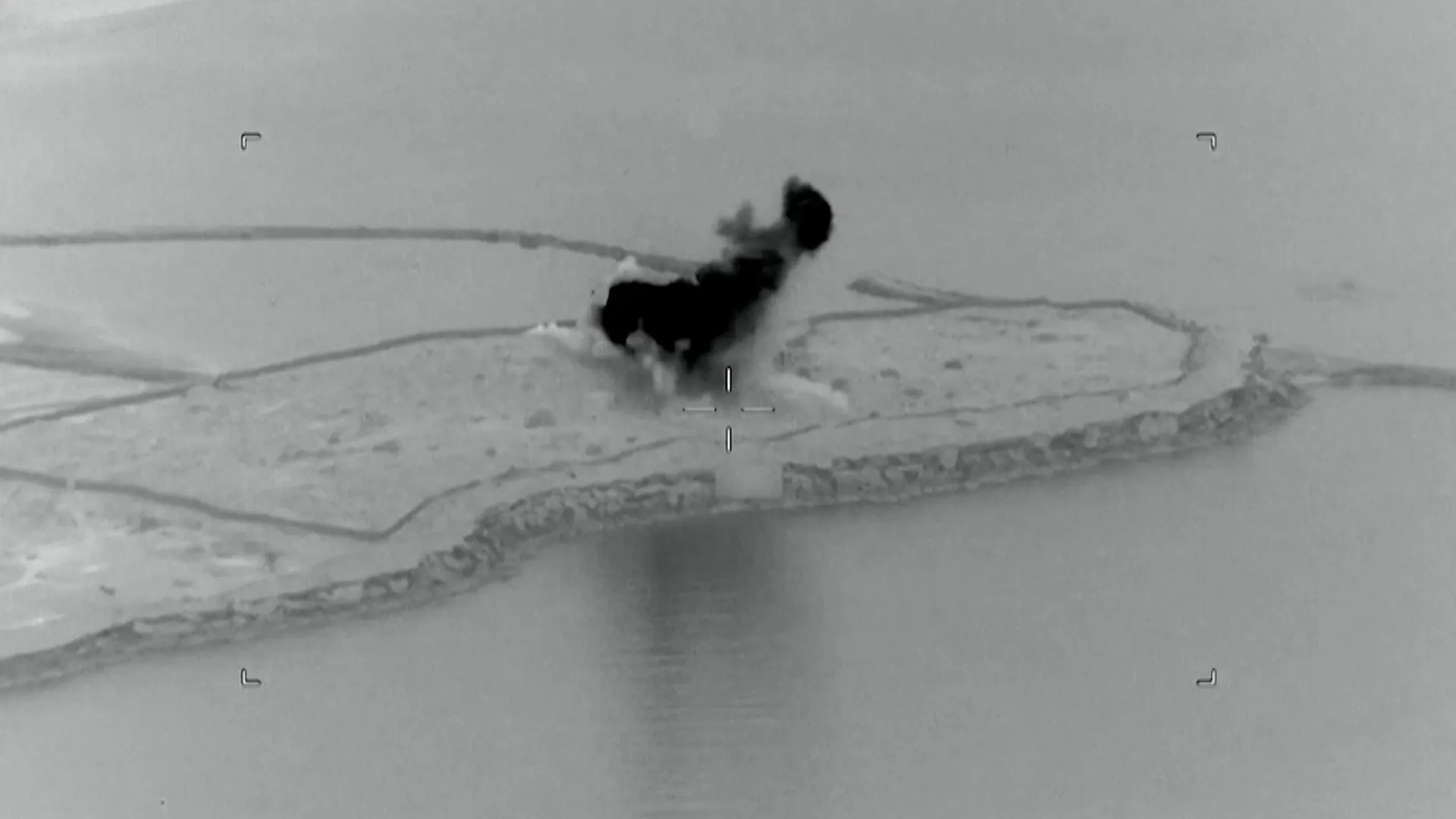
US says Iranian radar sites hit in Goruk and Qeshm Island | US-Israel war on Iran

NewsFeed

The US military released footage showing what they say are military strikes on Iranian radar sites.

CENTCOM claims its forces shot down four Iranian one-way attack drones. Interceptions of strikes were also reported over Kuwait and Bahrain Saturday morning.

Source link