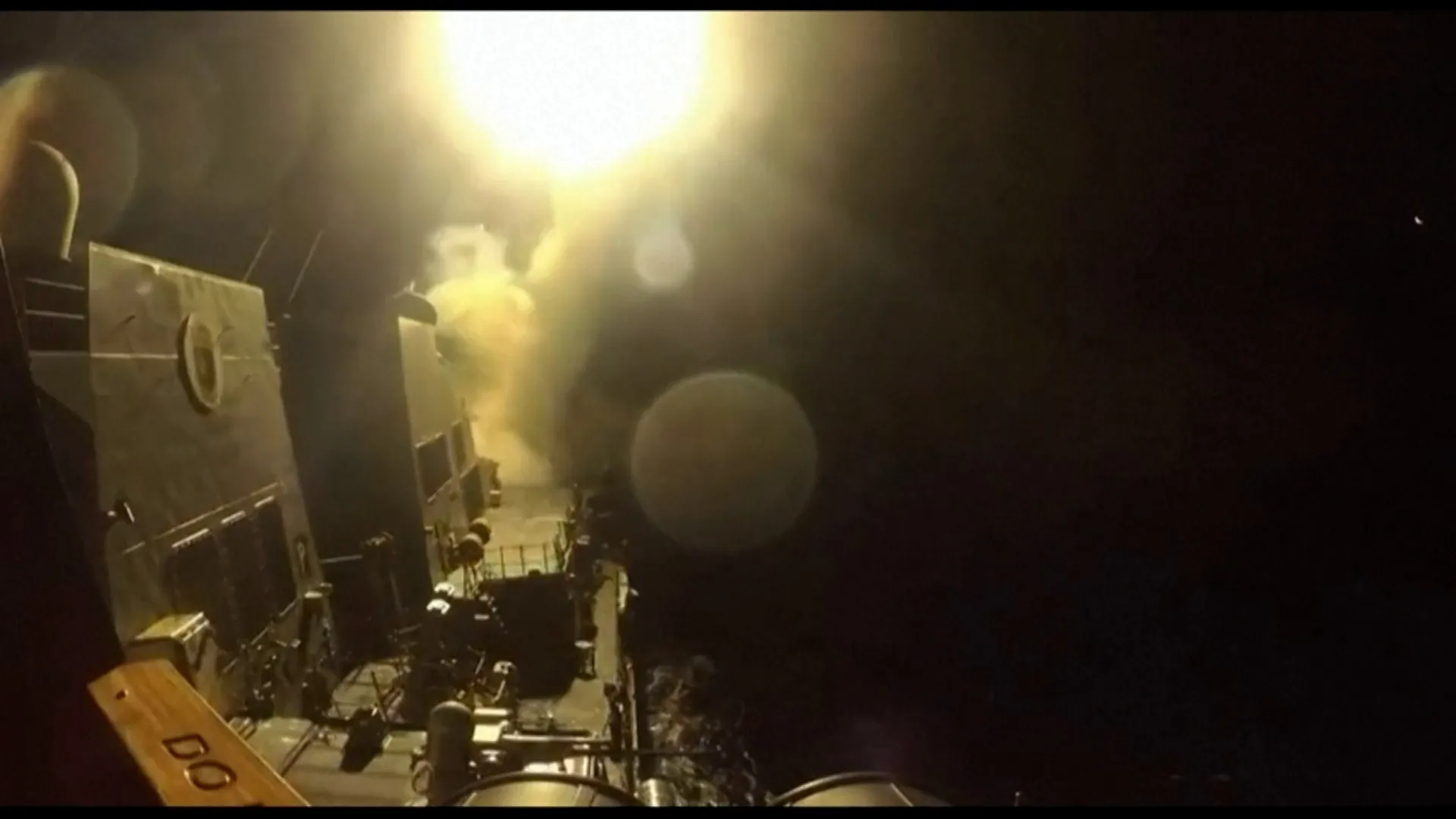
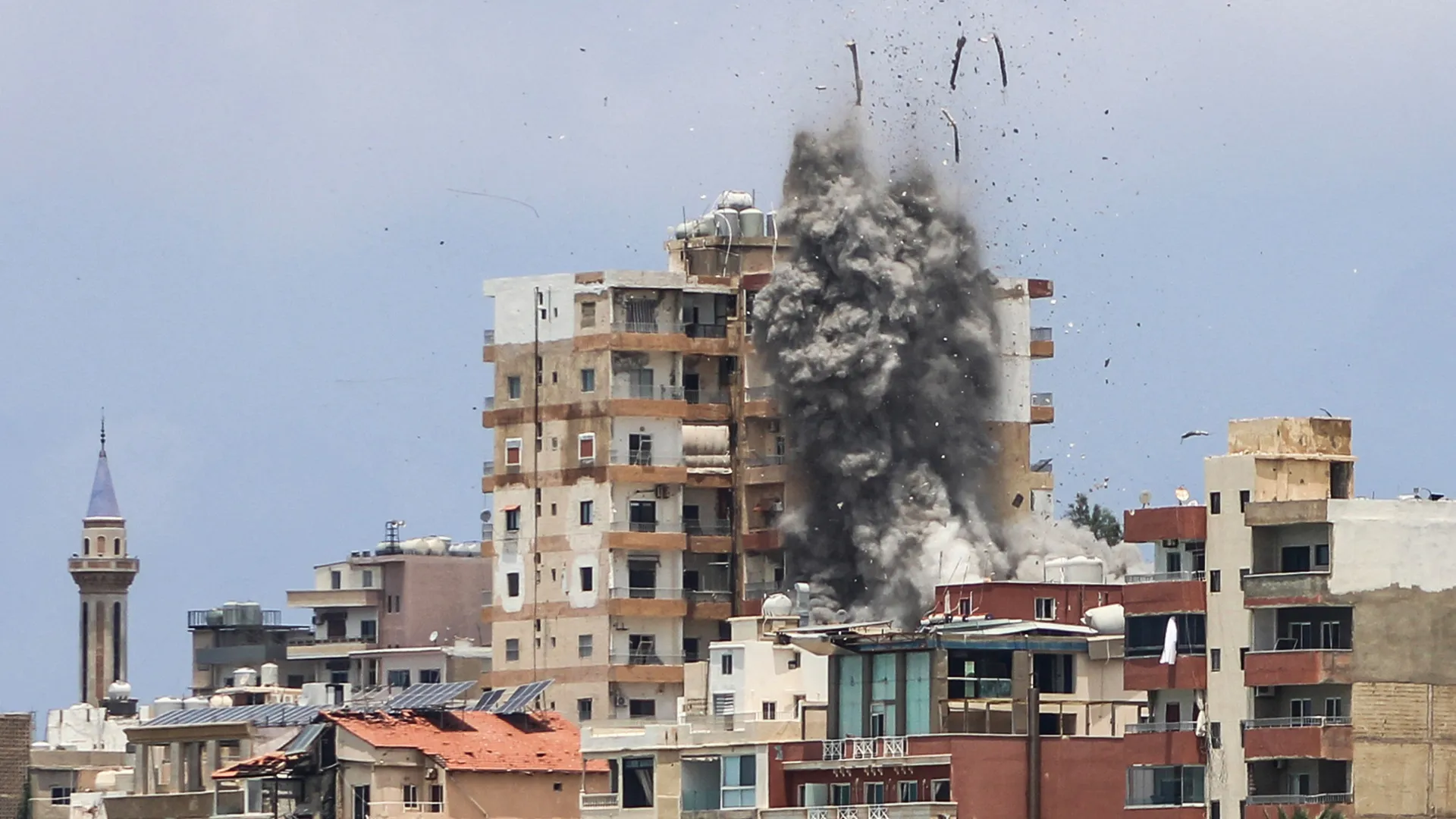
Video released by US Central Command shows what the military says are ‘self-defence’ strikes on Iranian military surveillance capabilities, communications systems and air defence sites. The footage accompanied a statement that US forces had completed the latest wave of attacks.
Explosions hit Qeshm Island, ports along Strait of Hormuz after Trump threatens to hit Iran ‘very hard’.
Published On 10 Jun 202610 Jun 2026
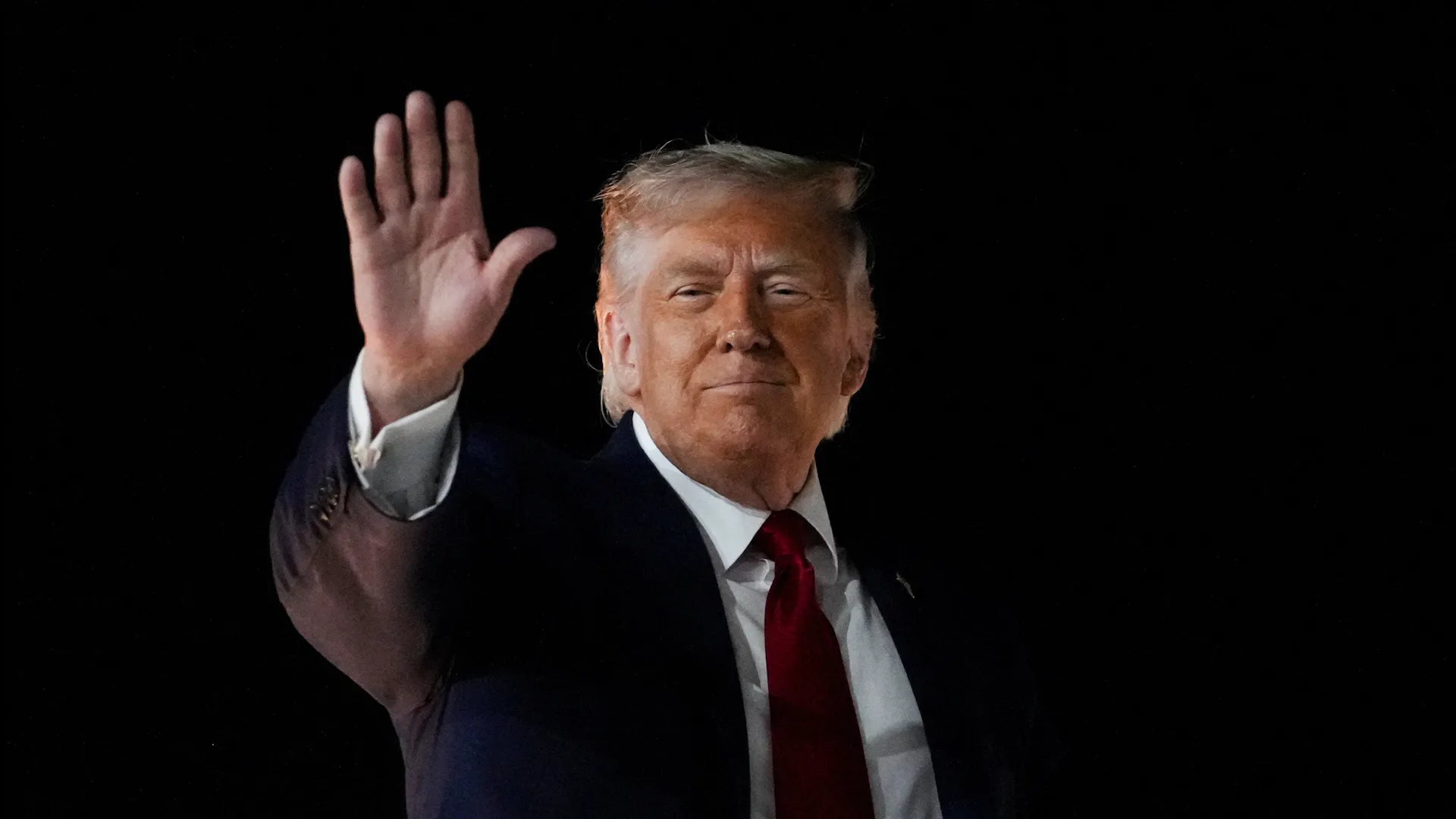
The United States has launched fresh strikes against “multiple targets” in Iran at President Donald Trump’s direction, in a fresh escalation that prompted Tehran to declare the Strait of Hormuz closed to “all types of vessels”.
The US military said the strikes late on Wednesday were “in response to Iran’s unwarranted and continued aggression”, as Iranian state media reported explosions on Qeshm Island and in the cities of Bandar Abbas and Sirik along the Strait of Hormuz.
Recommended Stories
list of 4 itemsend of list
Blasts also hit the southern city of Kargan, wounding at least two people.
Iran’s Islamic Revolutionary Guard Corps accused the US of “repeated violations” of their April ceasefire, and said the Strait of Hormuz was “closed until further notice”.
It said all traffic in the vital waterway, including oil tankers and commercial vessels, would be affected, and firmly rejected the US’s previous claims that it had helped ships pass through the strait.
The IRGC subsequently added that “two oil tankers attempting to illegally pass through the strait were hit”.
The escalation comes a day after the US and Iran exchanged tit-for-tat strikes over the downing of a US Apache helicopter in the Strait of Hormuz.
Earlier, Trump said the US would hit Iran “very hard”.
“We’ll see what happens with the deal. We were really close to a deal. But they keep stringing us along. They keep playing us for suckers because you know what? They dealt with some very stupid presidents. I have to say that I’m embarrassed to say it,” he told reporters at the White House.
Iran’s President Masoud Pezeshkian slammed Trump’s threat in a post on X.
“Critical infrastructures are the lifeblood of the people. Threats to target them – from transportation networks to the electricity and water industries – are not a show of strength but a sign of desperation in the face of a nation’s will,” he wrote.
“Iran, relying on the knowledge and capabilities of its specialists, national unity, and solidarity, will stand firm against any pressure or threat,” he added.
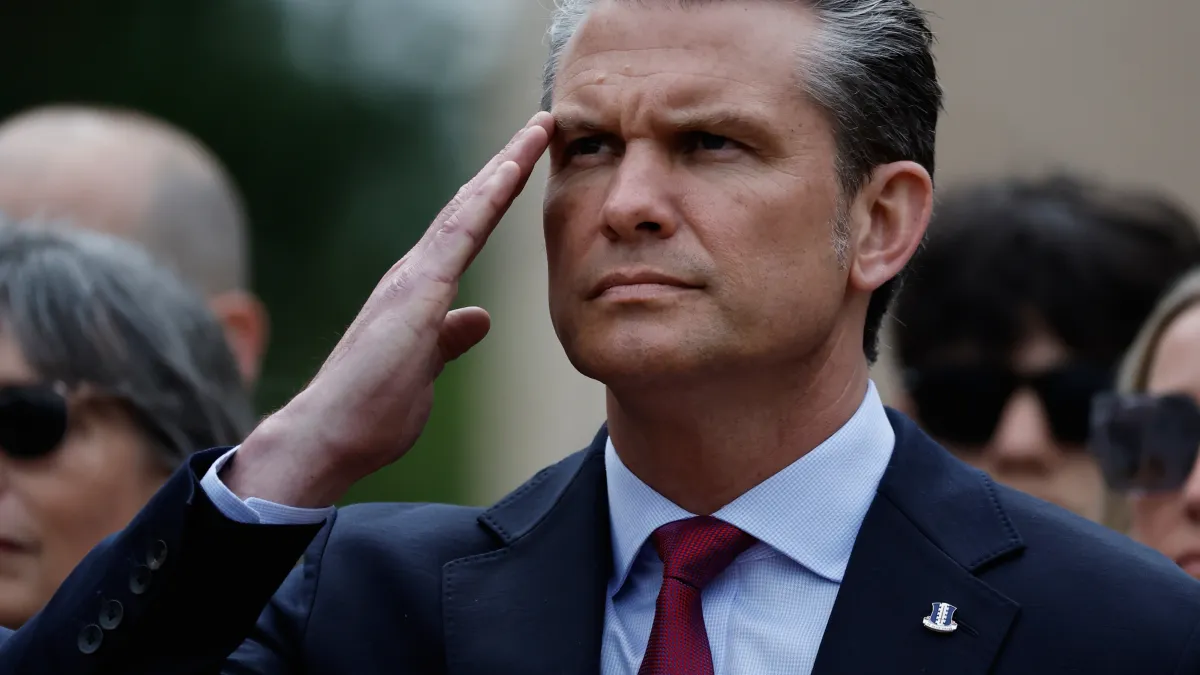
Defence Secretary Pete Hegseth has confirmed that the United States is launching strikes on “key facilities” in Iran, framing the attacks as part of the ongoing negotiations for a permanent ceasefire.
Hegseth spoke to reporters on Wednesday in Tampa, Florida, as he left the headquarters for the US Central Command (CENTCOM), the military apparatus that oversees operations in the Middle East and parts of Asia.
Recommended Stories
list of 3 itemsend of list
His remarks echoed the escalating rhetoric of Republican President Donald Trump, who warned earlier that Iran would “have to pay the price” for taking too long with the negotiations.
“ CENTCOM — Central Command — will be busy tonight because President Trump said we will be hitting Iran hard, and we will be,” Hegseth said.
He explained that he had just reviewed the plans for Wednesday night’s attack with Admiral Bradley Cooper, CENTCOM’s commander.
“ Those strikes that’ll happen tonight will be strong. They will be clear,” said Hegseth, who then suggested they may continue into a second day. “If they have to happen tomorrow night, they will be strong, and they will be clear.”
CENTCOM followed Hegseth’s comments with a social media post, announcing “additional self-defence strikes” at 5:15pm US Eastern time (21:00 GMT).
“The strikes are in response to Iran’s unwarranted and continued aggression,” it wrote.
Within minutes of those comments, Iran’s IRNA media outlet reported explosions in Bandar Abbas, Qeshm, Gorgan and Hengam.
Wednesday’s attack will mark the second straight day of US attacks against Iran, fracturing the fragile truce struck on April 8.
The US has been at war with Iran since February 28, when the Trump administration joined Israel in an unprovoked attack on the country.
Both Israel and the US have argued that the attack was necessary to prevent Iran from obtaining a nuclear weapon, though Tehran has long denied seeking one.
But the Trump administration has offered contradicting rationales for the war in the months since it began.
At one point, US Secretary of State Marco Rubio suggested that the US acted “pre-emptively” because it “knew that there was going to be an Israeli action” and it wanted to head off retaliation. Rubio has since walked back those remarks.
Hegseth on Wednesday credited the upcoming strikes to frustration with Iran’s negotiating tactics.
“ As President Trump said, they’ve been tap-tap-tapping. You can see when someone’s trying to tap-tap-tap on a deal,” he said. “Instead, they’re going to have tap, tap, tap bombs dropping on key facilities in Iran from the United States of America.”
Since a temporary ceasefire was announced on April 8, much of the most intense fighting between the US and Iran has been paused.
But this week’s escalation began when an AH-64 Apache helicopter was downed near the Strait of Hormuz overnight on Monday.
Trump on Tuesday blamed Iran for the helicopter’s crash. Though no US service members were hurt, he said the US “must, of necessity, respond to this attack”.
In announcing a second round of attacks, Hegseth denied that the US sought to resume full-scale fighting. He instead framed the offensive as a means of kick-starting the stalled negotiations with Iran.
“That’s not because we want to restart anything we don’t have to restart,” Hegseth said of Wednesday night’s attack. “It’s because the War Department is prepared to set the terms to ensure that we get the kind of deal President Trump expects.”
The two sides have differed over issues like the fate of Iran’s nuclear programme and whether Iran would receive sanctions relief.
Trump has repeatedly threatened to attack Iran’s bridges and energy infrastructure, at one point warning that “a whole civilization will die” as a result of US attacks.
Those comments have prompted human rights concerns. Intentionally targeting civilian infrastructure can be considered a war crime, and critics compared Trump’s threats against Iranian “civilisation” to genocidal remarks.
Reporters confronted Hegseth with those concerns on Wednesday.
“You just mentioned you’re going to plan to hit them and strike them hard tonight,” one reporter asked. “If the response is in hitting bridges, electrical infrastructure, how would that not be a war crime, potentially targeting civilian infrastructure?”
Hegseth dismissed the question as “disingenuous” and accused the reporter of “impugning the motives” of the US military. But he did not rule out that civilian infrastructure would be struck as part of Wednesday’s attacks.
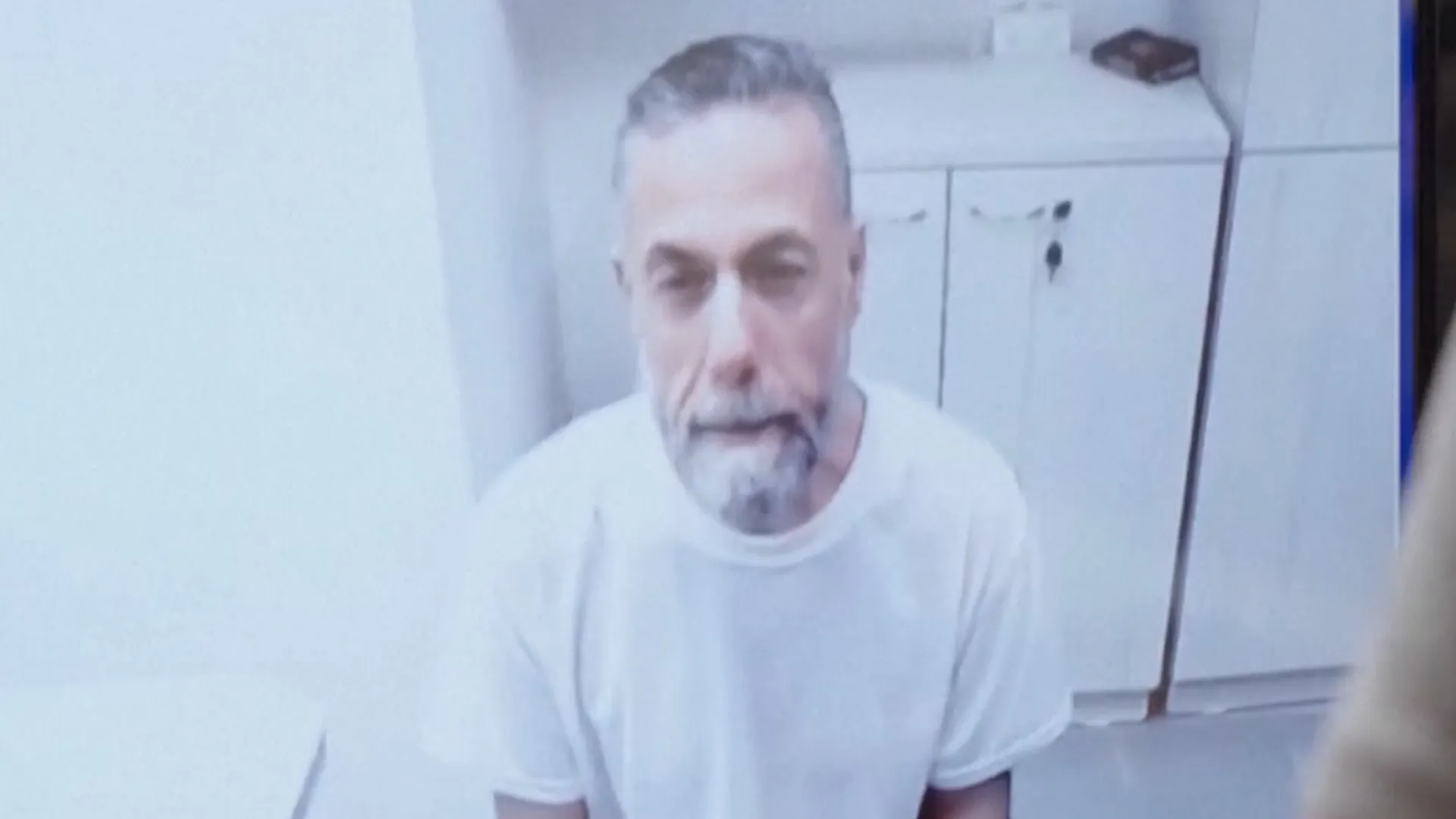
The first image in months of Gaza doctor Hussam Abu Safia has been released. He’s seen on a video call during his court hearing in Israeli court. His son recounts in an exclusive interview, the moment his family witnessed the images for the first time.
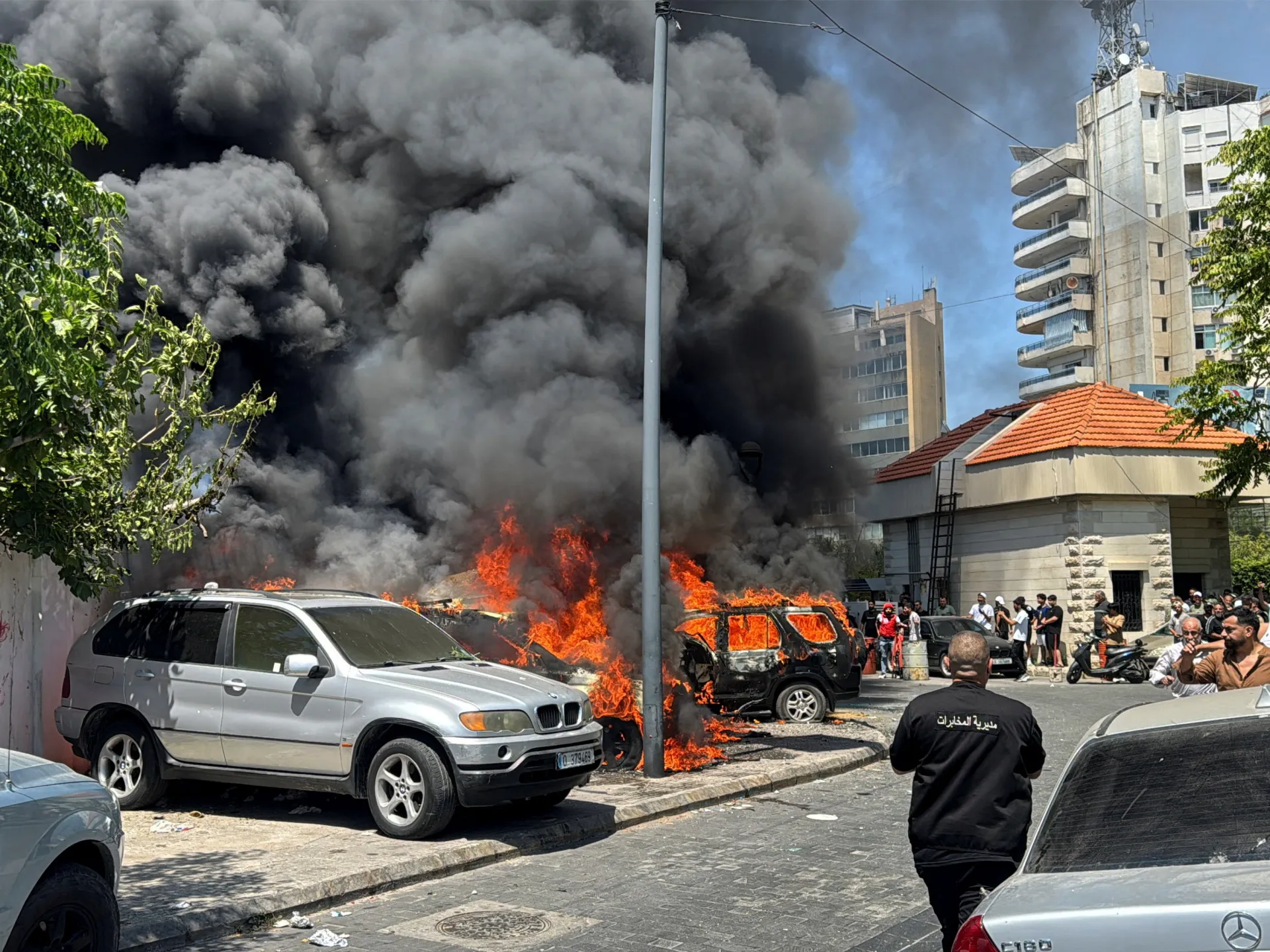
An Israeli strike on a vehicle in the southern Lebanese city of Sidon killed two people and sparked a fire that spread to nearby cars. Israel has continued to attack Lebanon despite a US-announced ceasefire on April 16.
Iran’s Foreign Ministry spokesperson said overnight clashes in the Gulf between Tehran and Washington showed how Iran will respond to the enemy with strength and power.
The United States and Iran engaged in some of the most intense fighting overnight since all-out hostilities in the ongoing US‑Israeli war on Iran were halted with a Pakistan‑mediated temporary ceasefire on April 8.
A comprehensive peace agreement remains elusive as Iran and the US have exchanged a series of proposals and counterproposals in the weeks since that pause. After a string of smaller escalations, however, the US struck targets in Iran following the downing of a US Apache helicopter close to the Strait of Hormuz on Tuesday, and Iran retaliated by hitting US military bases in the Gulf.
The US military said it targeted communications and radar facilities. Iranian officials, however, said civilian infrastructure was also damaged, including two water reservoirs.
If correct, this is the first reported strike on civilian infrastructure in Iran in several weeks, but it comes at a time when Iran is facing a severe water shortage.
Which targets have been hit in Iran?
The US launched waves of attacks starting late on Tuesday following the downing of the helicopter in the Strait of Hormuz. The US described the attacks as “self-defence strikes” and a “proportional response to unjustified Iranian aggression”.
While an official US inquiry into what caused the helicopter to crash has yet to conclude, US President Donald Trump quickly blamed Iran, which he said had deliberately shot it down.
“I have just been informed by our Great Military that last night the Iranians shot down one of our highly sophisticated Apache Helicopters while patrolling over the Strait of Hormuz. There were two pilots involved, both are safe and uninjured,” Trump wrote on social media.
“Nevertheless, the United States must, of necessity, respond to this attack.”
Iran’s Islamic Revolutionary Guard Corps (IRGC) said US strikes, which hit targets including Sirik, Jask, Minab, Qeshm Island and the port of Bandar Abbas, had caused major damage to a telecommunications tower in the town of Sirik and destroyed two water reservoirs there.
Iran’s West Asia News Agency (WANA) news outlet reported on Wednesday, citing “available reports”, that two concrete water storage reservoirs in the Bamani district in the Sirik County of Hormozgan Province, in southern Iran, 1,012km (629 miles) from the capital, Tehran, had been hit in the US attacks.
The IRGC claimed attacks on US military bases in Bahrain, Kuwait and Jordan in retaliation.
Has the US hit Iran’s water infrastructure before?
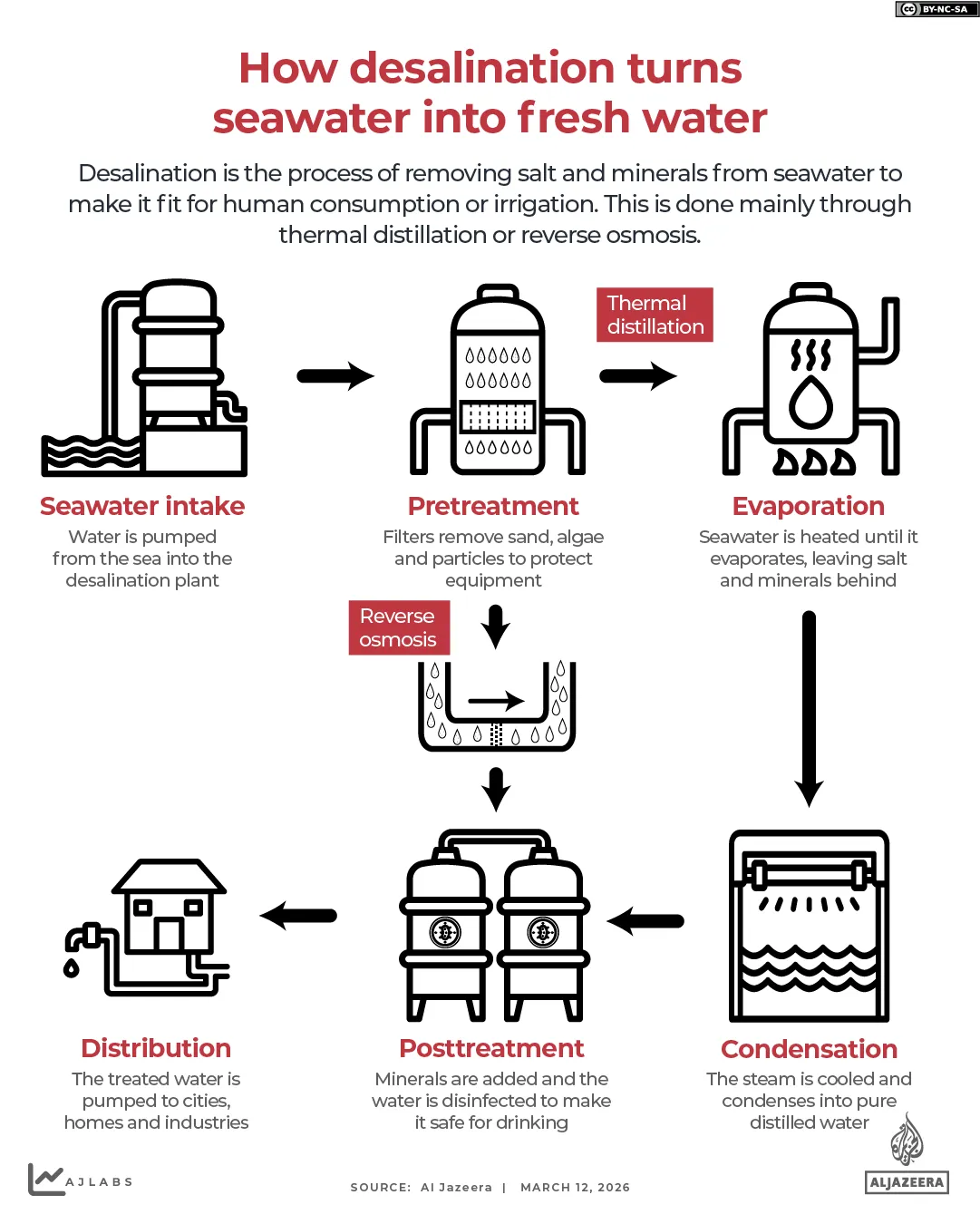
Yes. On March 7, while missiles were flying across the region in an all-out war between Iran and the US-Israel, Iranian Foreign Minister Abbas Araghchi accused the US of striking a desalination plant on Qeshm Island off the coast of Iran in the Strait of Hormuz. The strike reportedly cut off the water supply to 30 villages.
“Water supply in 30 villages has been impacted. Attacking Iran’s infrastructure is a dangerous move with grave consequences. The US set this precedent, not Iran,” Araghchi wrote in an X post.
A desalination plant converts seawater into water suitable for drinking, irrigation and industrial use. These facilities are particularly critical in areas such as the Gulf, where freshwater is scarce.
[Al Jazeera]
Why is this significant?
The reservoirs that were struck provide drinking water to more than 20,000 residents in the city of Kouhestak and 10 surrounding villages. WANA reported initial estimates for damages amounting to $780,000 to $830,000.
Iran was already facing a multiyear drought and decline in precipitation before the US-Israeli war on Iran started. After years of poor agricultural practices and mismanagement, Iran’s main water supplies, including its reservoirs, rivers and groundwater reserves, continued to run dry.
According to Aqueduct data from the World Resources Institute, which tracks global water risk, Iran’s baseline water stress is classified as “extremely high” – meaning the country uses more than 80 percent of its renewable water resources in a typical year.
Last year marked Iran’s fifth consecutive year of drought. In November 2025, the water crisis was so dire that Tehran’s Amir Kabir Dam only held 8 percent of its capacity, while across the country, 19 major dams had run dry.
[Al Jazeera]
Is this a war crime?
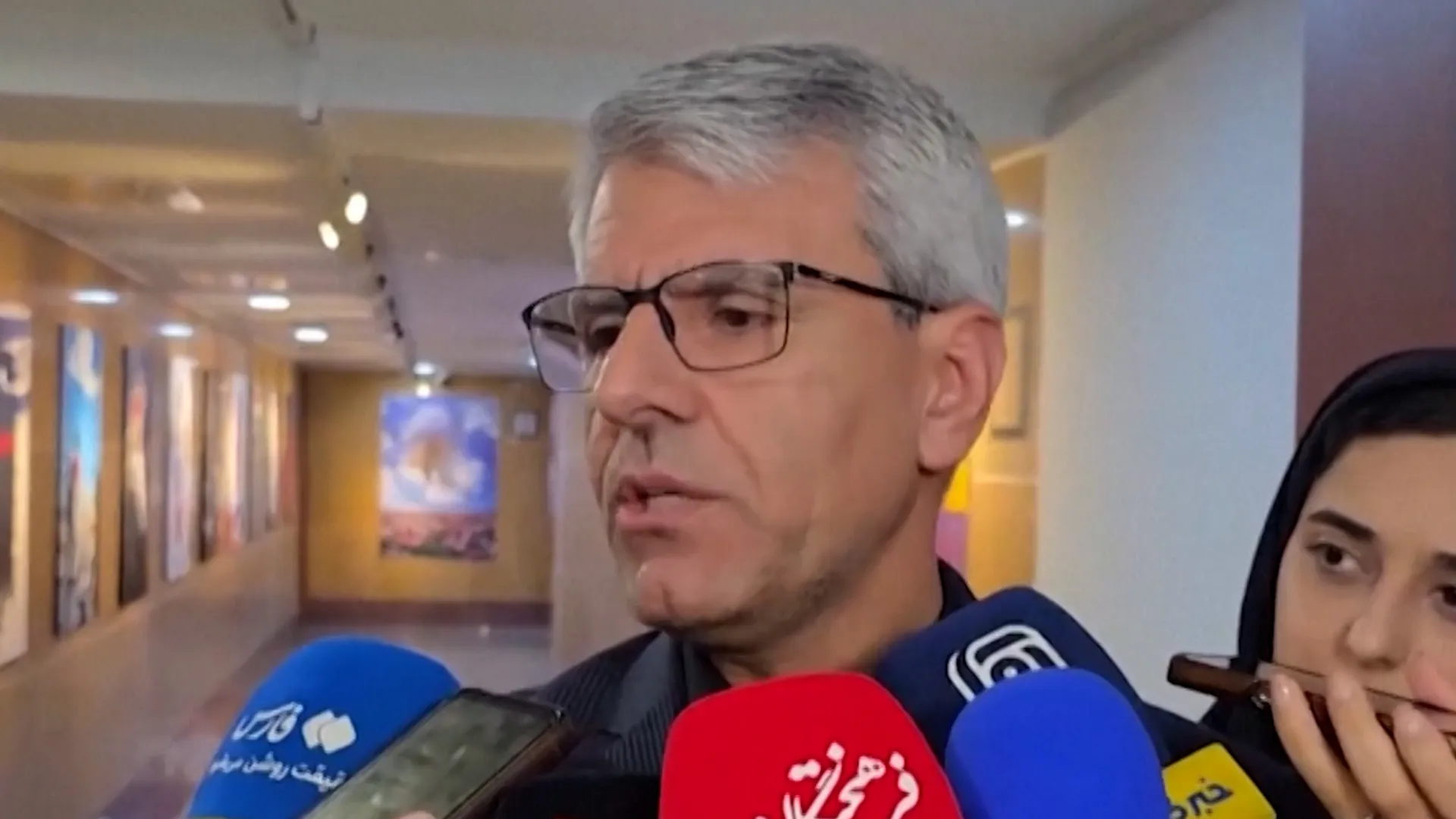
Isa Bozorgzadeh, spokesman for Iran’s water industry, claimed the US strike on the water reservoirs is a war crime, WANA reported.
International humanitarian law classifies water infrastructure, including drinking water installations, treatment plants and pipelines, as civilian property which is not deemed a legitimate target during war.
The Berlin Rules on Water Resources, drafted by the International Law Association (ILA) and adopted in 2004, are a set of non‑binding international legal principles about how countries should use, share and protect water.
The Berlin Rules prohibit countries at war from destroying water installations “if such actions would cause disproportionate suffering to civilians”.
Four-year-old Malika was seriously wounded in an Israeli attack that killed her mother while she shielded her from falling debris. Now, with support from her family and the Ghassan Abu Sitta Children’s Fund, she is recovering from her injuries. Her story reflects the lasting impact of war on children in Lebanon.
US Central Command (CENTCOM) says its forces began launching ‘self-defence’ strikes against Iran, holding Tehran responsible for downing a US Army Apache helicopter. Al Jazeera’s Alan Fisher has the latest from the White House.
Israeli forces killed nine people in Tyre in the past 24 hours after it issued forced displacement orders on the city and continued deadly attacks across southern Lebanon.
The worst-case oil scenario has been avoided, but inflation and slower growth continue to weigh on the global economy.
More than 100 days into the Iran conflict, 20 percent of the world’s energy flows remain disrupted, with the scenario described as the biggest supply shock in history.
For now, the nightmare scenario has been avoided. Oil prices are still at approximately $100 a barrel.
Many analysts have warned that a prolonged disruption to the Strait of Hormuz could send oil above $200 a barrel, triggering a global economic crisis.
Various countries have released their strategic reserves, exporters have found alternative routes and weaker demand has helped contain prices. But the buffers are thinning.
The Organisation for Economic Co-operation and Development (OECD) warns the economic impact could linger well into 2027, even if the conflict ends tomorrow.
For many Iranians, the most immediate threat is no longer just war, but water.
Years of drought, falling rainfall and unsustainable water use have pushed the country into severe water stress, depleting reservoirs, rivers and groundwater reserves. The US-Israel war on Iran has added further strain after reports of damage to desalination plants, pipelines and other civilian water infrastructure in the early weeks of the conflict.
Iran is classified by the World Resources Institute as facing “extremely high” baseline water stress, using more than 80 percent of its renewable water supplies each year.
In this visual explainer, Al Jazeera breaks down Iran’s worsening water crisis and what is driving it.
How Lake Urmia disappeared
One of the most striking examples of Iran’s water crisis can be seen from space.

A time-lapse display of Lake Urmia in northwestern Iran shows how the largest saltwater lake in the Middle East, which covered nearly 6,000sq km (2,300sq miles) in the 1990s, shrunk to just 581sq km (224sq miles), less than 10 percent of its former size.
A time-lapse view of Lake Urmia from 1990 to 2026 [Google Earth]
Consecutive droughts, agricultural water use, river diversion, and groundwater extraction have transformed vast stretches of Lake Urmia into exposed salt flats.
More than 60 dams built on its feeder rivers choked off inflows, while farmers diverted water into irrigation channels and decades of groundwater extraction drained the aquifers below. Rising temperatures accelerated evaporation as precipitation fell.
A view of Lake Urmia in 2014 [Kaveh Kazemi/Getty Images]
Iran’s growing water deficit
To sustain its freshwater resources, a country must replenish at least as much water as it withdraws for agriculture, industry, and household use.
Iran has long been on the wrong side of that equation. Decades of dam construction, intensive farming, and groundwater extraction have pushed consumption far beyond what rainfall can replenish.
In 2025, Iran’s 92 million people consumed around 100 billion cubic metres of water, nearly 13 billion more than its renewable resources could provide.
Agriculture is by far the largest consumer of water in Iran, accounting for about 91 percent of all withdrawals, compared with seven percent for households and two percent for industry. Yet much of that water is lost before it reaches crops, as ageing and inefficient irrigation systems waste a significant share of the country’s most precious resource.
Disappearing dams around Tehran
Iran is one of the world’s major dam-building countries, and has constructed hundreds of large and small dams to store water, generate electricity, and manage shortages.
In recent years, dozens of reservoirs have dropped to extremely low levels, leaving several to nearly run dry.
Before-and-after satellite imagery of Lar Dam, Latyan Dam and Mamloo Dam, all clustered around Tehran and the southern slopes of the Alborz mountains and forming part of the main water supply system for the capital region, reveals how water levels have declined over time as drought and rising demand strain Tehran’s water system.
Drought displacing thousands
Water scarcity is increasingly reshaping where Iranians can live.
As wells run dry and farming becomes harder to sustain, many families are leaving rural communities in search of more secure livelihoods. According to Abdolkarim Hosseinzadeh, Iran’s vice president for Rural Development and Disadvantaged Regions, only 38,000 of the country’s 69,000 villages remain inhabited, while 31,000 villages have been abandoned.
The pressure extends far beyond abandoned settlements. According to Iran’s state-owned Water and Wastewater Company, about 27,000 villages, home to more than 10 million people, are currently experiencing water shortages. In total, more than 70 percent of Iran’s villages are facing some form of water crisis.
Many migrants head towards major cities such as Tehran, Mashhad, Isfahan, and Shiraz. Yet these cities are facing water pressures of their own. Home to more than nine million people, Tehran has seen growing strain on its water system as drought and demand continue to rise.
The map below shows how Iran’s population is concentrated in the western half of the country. Today, roughly 75 percent of Iranians live on less than 40 percent of the country’s land area, concentrating both people and water demand in a relatively small region.
The effects of water scarcity can also be seen along the Zayandehrud River, once one of central Iran’s most important waterways.
Satellite imagery of Zayandehrud Dam reveals declining water levels upstream after years of drought and overuse.
Further downstream, the consequences become visible in the heart of Isfahan. The historic Allahverdi Khan Bridge (Si-o-Se Pol) was built over a river that sustained the city for centuries.
Today, residents increasingly encounter dry riverbeds beneath its arches as sections of the Zayandehrud repeatedly run dry.
The Si-o-se Pol (33-Bridge) historical bridge in 2017 [Thomas Schulze/Picture alliance via Getty Images]An Iranian man stands on the dried-up side of the Zayandehrud River as the Si-o-se Pol (33-Bridge) historical bridge is pictured in the historic city of Isfahan [Morteza Nikoubazl/NurPhoto via Getty Images]
Only a tiny fraction from desalination
Desalination accounts for only about three percent of Iran’s water needs, a stark contrast to Gulf neighbours, which depend on it for the majority of their drinking water.
Most of Iran’s desalination plants are located along its southern coast on the Gulf. As a result, desalination is largely concentrated in coastal cities, while inland areas such as Tehran, Isfahan and most agricultural regions rely on other water sources.
Passengers no longer need to make connecting flights as the new service is set to start from July 23, the first of its kind on a route to and from Manchester Airport
Rachel Vickers-Price UK and World News Reporter
07:58, 09 Jun 2026
New airfares between England’s north and Saudi Arabia will soon be on offer(Image: Getty Images)
A major airline has announced it will be running a new direct service to a major capital city from Manchester Airport.
Riyadh Air will launch the service between the Saudi Arabian capital and Manchester from July 23.
Flights direct to Riyadh will operate three times a week, making one of the first direct links between the Saudi Kingdom and England’s north in decades. Many passengers have been forced to rely on connecting flights through European hubs or other Gulf airports – until now.
As per Riyadh Air, the airline will run the route on Tuesdays, Thursdays and Saturdays, with flight RX417 leaving Riyadh King Khalid International Airport at 1.45am local time before arriving into Manchester at 6.40am. The return service, RX418, will depart Manchester at 8.40am and land back in Riyadh at 5.20pm local time – right on time for the dinner service.
Riyadh Air told travel news website Travel and Tour World that the route has been designed to appeal to both business and leisure passengers, offering faster and more convenient travel between the Middle East and England’s north. The new direct service will mean business travellers will be able to attend meetings in Riyadh without overnight layovers, and holidaymakers can travel to Saudi Arabia without the need to make a connecting flight. Additionally, the flights will make use of Riyadh Air’s Boeing 787-9 Dreamliner aircraft, which feature wider seating, advanced lighting systems, and nifty travel technology designed to reduce jet lag on long-haul journeys. Riyadh Air said the new Manchester flight path forms part of Saudi Arabia’s wider Vision 2030 strategy, which aims to grow tourism, strengthen global connections, and expand the country’s aviation sector. Riyadh Air, which was founded in 2023, plans to grow its fleet of more than 100 aircraft over the next decade, while also aiming to connect travellers to more than 100 international destinations.
The Manchester route is among the first international services planned as part of the national airline’s wider summer 2026 expansion programme, with new connections also flying out of London.
The additional fares come as travel between the UK and Saudi Arabia continues to increase, with weekly seat capacity surging by up to 150% in recent years to meet rising business and tourism demands. Riyadh Air is now the only aviation firm to expand flight offerings and launch new direct routes between major British and Saudi airports, with British Airways recently boosting its London Heathrow to Riyadh service to up to 14 weekly flights and its Jeddah (JED) route to five flights per week. Wizz Air and Virgin Atlantic have also launched direct routes connecting Gatwick and Heathrow airports to cities like Medina, Riyadh, and Jeddah.
United States President Donald Trump has warned Israeli Prime Minister Benjamin Netanyahu that he might find himself fighting on his own if Israel returns to war with Iran.
The warning on Monday came as Israel and Iran said they would pause attacks following their most serious escalation since a ceasefire took effect in April.
Recommended Stories
list of 3 itemsend of list
Trump, who has reportedly grown increasingly exasperated with Netanyahu, demanded that both sides stop “shooting” in a post on his Truth Social platform and said that “final negotiations” towards peace would proceed “subject to ignorance or stupidity getting in its way”.
He also called Netanyahu and told him to stop the strikes, according to media reports.
In an interview with Axios, Trump said he had warned Netanyahu about the consequences of continuing the war.
“I said, ‘Bibi, you better be careful, or you will be on your own very soon’,” Trump said.
The flare-up began on Sunday, triggered by Israel’s deadly bombardment of Lebanon’s capital, Beirut. Iran – which has long said any peace deal with the US depends in part on an end to the fighting in Lebanon – responded with a wave of missiles at northern Israel.
Trump reportedly called Netanyahu on Sunday evening and asked him not to retaliate, but Israel launched attacks on Iran early on Monday.
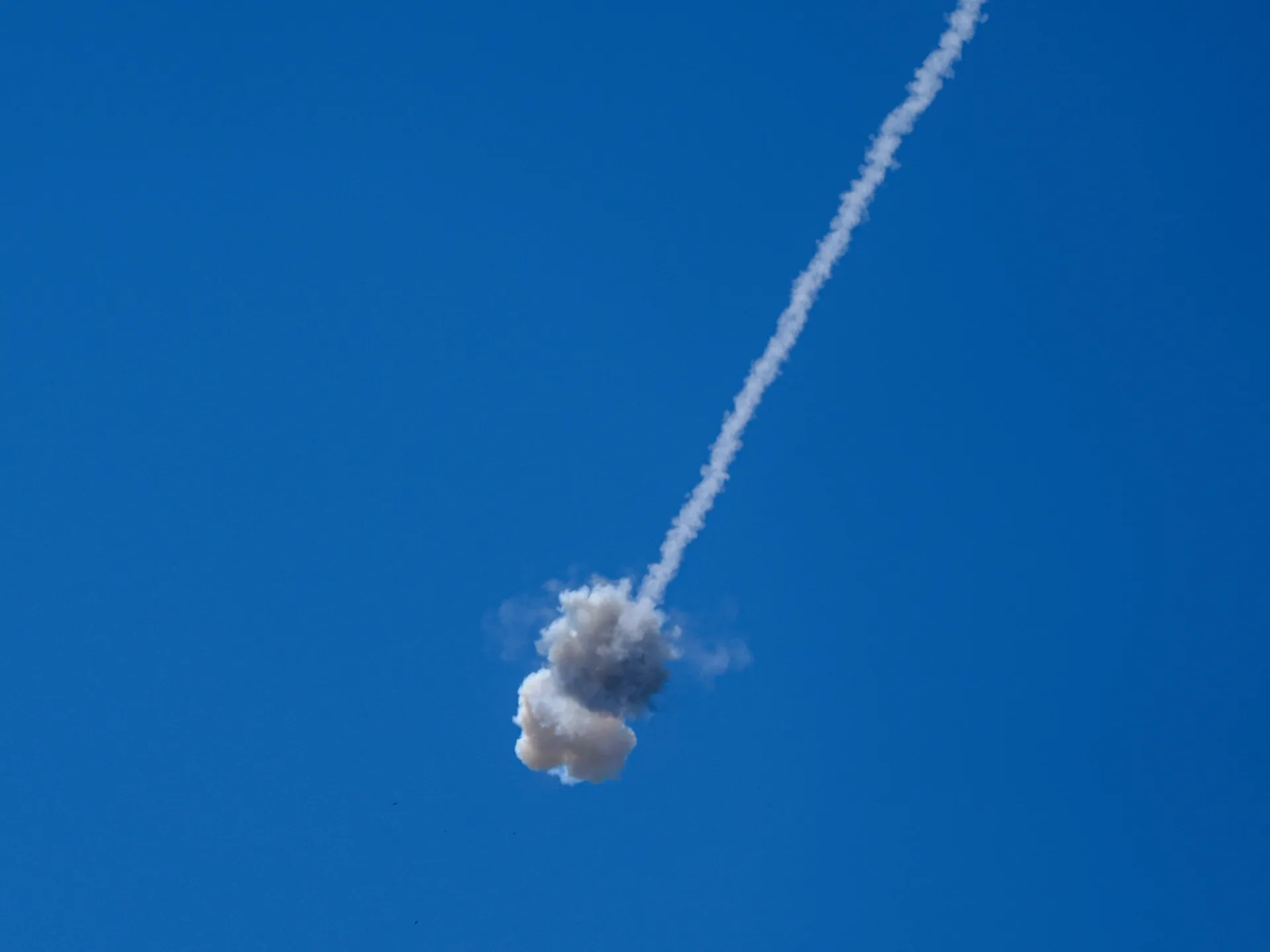
Israeli forces struck Iranian air defence systems and a petrochemical plant, while Iran retaliated by hitting a similar facility in Haifa and targeting two Israeli airbases. Many of the missiles were intercepted over the occupied West Bank.
No deaths were reported on either side.
Israel plays down tensions
The exchanges complicated Trump’s push to end a war that the US and Israel launched on February 28. A ceasefire announced on April 8 paused all-out warfare. But flare-ups in the Gulf have continued.
For his part, Netanyahu said in a televised statement that he had told Trump that “Israel has a full right to self-defence, and we are exercising it as required”.
“Right now, the fire at the front is contained, because after we hit the terrorist regime in Tehran, it stopped attacking us,” he said.
Netanyahu also warned that should Iran “make the mistake of resuming attacks against us, we will respond with full force”.
Israel’s ambassador to Washington, Yechiel Leiter, downplayed reports of tension between the US and Israeli leaders, telling Fox News that “sometimes, lovers have a spat”.
He said that while Netanyahu had “decided” to “lower the temperature” at Trump’s request, the US president understands “full well” that Israel cannot “absorb ballistic missiles into our country without responding.”
Iran’s Ministry of Foreign Affairs spokesperson, Esmaeil Baghaei, blamed Washington for the escalation.
“The US is directly responsible,” he said. “They are party to the ceasefire negotiations. Therefore, any act in violation of the ceasefire, be it through the interception of vessels [in the Strait of Hormuz], the targeting of southern Lebanon by Israel, or any other event, will cause the United States to be directly responsible for the escalation in the region.”
Iran’s First Vice President Mohammad Reza Aref said the operation against Israel, dubbed “Nasr” or victory, showcased “a new level of deterrence from mighty Iran” and that Israel had been “forced to beg once again” for a ceasefire.
Behind the scenes, diplomatic efforts continue.
Iranian President Masoud Pezeshkian posted on X that Tehran was still “at the negotiating table”, while Iran’s ambassador to the United Nations, Amir Saeid Iravani, said that Washington and Tehran, through Pakistan as an intermediary, are “presenting and exchanging views” towards an agreement.
Iravani told The Associated Press news agency he was hopeful that “very soon” the two sides would reach “a conclusion”.
Pakistan’s Prime Minister Shehbaz Sharif said efforts for a peaceful diplomatic solution was ongoing “earnestly and painstakingly” and called for restraint, “especially when the final objective is just about to be achieved”.
He also said Israel and Iran’s exchange of fire was a “reminder of the dangers associated with a tenuous ceasefire and the unbearable consequences it may lead to”.
Attacks on Lebanon continue
The escalation on Monday also drew in Yemen’s Houthi rebels.
The group fired missiles at Israel early in the morning and declared a complete ban on Israeli maritime navigation in the Red Sea, warning that all Israeli movements would be considered “legitimate military targets”.
Later on Monday, air raid sirens sounded in the Israeli port city of Eilat, with the military saying a suspected aerial target was launched from Yemen.
An Israeli strike killed five people in the city of Tyre, while another, in the Nabatieh district, left seven dead. A third strike in Marwanieh killed two people, the Lebanese Ministry of Health said.
Phyllis Bennis, a fellow at the Institute for Policy Studies, said Trump was trying to give an impression that he was tougher on Israel than he actually is.
“The words could be significant if they were matched by actions,” she told Al Jazeera.
“As long as they’re sending billions of dollars directly to the Israeli military, and as long as they’re protecting Israel from being held accountable in the International Court of Justice or the International Criminal Court, as long as those actions don’t change, the words just don’t mean very much,” she added.
A UN spokesman says forced evacuation orders issued across southern and eastern Lebanon are nearly impossible to follow safely, and calls into question whether Israel is complying with international humanitarian law.
Residents in Tel Aviv voiced mixed reactions after Israel and Iran said they would halt strikes following a day of missile exchanges. While some wanted a stronger response against Iran, others said Israelis were ‘losing’, citing disruptions to daily life, schools and tourism.
IAEA chief Rafael Grossi said Iran-US nuclear talks were in a ‘complicated phase’ and dialogue with Iran ‘broken’ as Iran and Israel traded fire on Monday, the worst escalation since a ceasefire was reached in April.
Tensions have escalated between Iran and Israel while ongoing diplomatic efforts have failed to yield a lasting peace deal.
Published On 8 Jun 20268 Jun 2026
Iran and Israel were on Monday locked in tit-for-tat missile attacks, as the fragile ceasefire that has held in place since April 8 appeared closer to collapse than at any point in the past seven weeks.
These escalating hostilities between Iran and Israel come as the United States-Israel war on Iran enters its 101st day on Monday.
Here is what is happening:
In Iran
Explosions heard in Iran: Iran’s IRNA news agency reported that at least “two powerful explosions” were heard in Tehran and at least three in the city of Isfahan. The broadcaster also reported that explosions were heard in Tabriz. The Israeli military had said it “attacked military targets” in western and central Iran.
Power plant in Mahshahr attacked: A security officer in the southwestern Khuzestan governorate told the Fars news agency that Israeli forces have attacked the Karun Petrochemical Company in the city of Mahshahr. The Israeli army confirmed striking the petrochemical plant. The Mahshahr Petrochemical Special Economic Zone announced that its workers have evacuated the site following the Israeli strike.
Iran denies attacking base in Saudi Arabia: Responding to reports of an explosion at the Al-Kharj airbase in Saudi Arabia, Iran’s IRIB broadcaster cited a military official as saying that “Iran has not fired any shots.”
Red Crescent on standby: The Iranian Red Crescent says it is standing by to respond to any fallout from Israel’s attacks across the country this morning.
In Israel
Security cabinet meeting: Israeli Prime Minister Benjamin Netanyahu will convene a security cabinet meeting at 11am local time (08:00 GMT) amid escalating hostilities with Iran, according to multiple Israeli media reports.
The Israeli military issued a series of alerts starting Sunday over waves of missiles launched from Iran towards Israeli territory.
Iran’s Islamic Revolutionary Guard Corps (IRGC) said on Monday that they launched attacks against Israel’s Nevatim and Tel Nof airbases as a response to attacks on radar sites within Iran, the Fars news agency reported.
Israel’s Channel 12 broadcaster and Ynet News said a missile fired from Yemen was intercepted.
In the US
The US State Department issued a security alert for citizens in Jordan over reports of projectiles in the country’s airspace – presumably missiles fired by Israel towards Iran, or by Iran towards Israel.
Democratic Senator Chris Murphy said Israel’s latest attack on Iran “compounds” the “humiliation” for US President Donald Trump, as it comes after the US president reportedly told Netanyahu not to retaliate to Iran’s missiles fired at northern Israel.
In Lebanon
Explosions were heard in the Lebanese capital Beirut early on Monday, but these were likely rocket interceptions, Al Jazeera’s Zeina Khodr reported from Beirut.
On Sunday, Israel had hit the suburbs of Beirut, in attacks that Iran described as crossing a red line in terms of violating a ceasefire between Lebanon and Israel. Iran then said its decision to hit northern Israel was in response to these attacks near Beirut.
War diplomacy
Israel defends attacks on Iran: The Israeli ambassador to the US, Yechiel Leiter, defended the attacks on Iran, saying “no self-respecting country” would tolerate Iran’s missile launches against Israel.
Canada expresses concern: Canada’s Foreign Ministry has expressed concern about the resumption of conflict between Iran and Israel, saying it jeopardises the ongoing negotiations and “the prospects for peace”.
Saudi-Qatari foreign ministers speak: Saudi Foreign Minister Prince Faisal bin Farhan Al Saud spoke by phone with his Qatari counterpart, Sheikh Mohammed bin Abdulrahman bin Jassim Al Thani, the Saudi Foreign Ministry said.
Qatari-Iranian foreign ministers speak: The Qatari foreign minister, who is also the country’s prime minister, spoke by phone with Iranian Foreign Minister Abbas Araghchi about mediation efforts between Iran and the US, as well as the latest developments in Lebanon, according to a Qatari statement.
Iran on Sunday responded to an Israeli strike on an alleged Hezbollah site in southern Beirut – an unofficial red line for Tehran – by launching a barrage of missiles at Israel. Israel then hit Tehran and other cities on Monday, threatening to end a two-month ceasefire between Iran and the US.
Tensions had already heightened after Israeli forces crossed the Litani River last month – a point Israel had unilaterally set as a buffer zone to be cleared of Hezbollah elements – leading the Lebanese government to appeal for an end to foreign interference in the country.
Last week, it was reported that US President Donald Trump had convinced Israeli Prime Minister Benjamin Netanyahu not to target Beirut, understanding that such an escalation could end a regional ceasefire in place since April.
The Israeli invasion has deepened tensions between Iran, which backs Hezbollah, and the Lebanese government, which is seeking exclusive control over weapons in the country. Iran’s Islamic Revolutionary Guard Corps (IRGC) on Thursday warned “there will be no calm in the region” if Israel continued its occupation of southern Lebanon.
Lebanese President Joseph Aoun stressed that there is no way to end the war in the country “except through negotiation and diplomacy” and slammed Tehran for “using Lebanon as a bargaining chip in their negotiations” with the US.
He said “Hezbollah must understand that [there is] no other way but to sit and talk”, something Beirut is trying to achieve via direct talks between Israeli and Lebanese officials in Washington, DC.
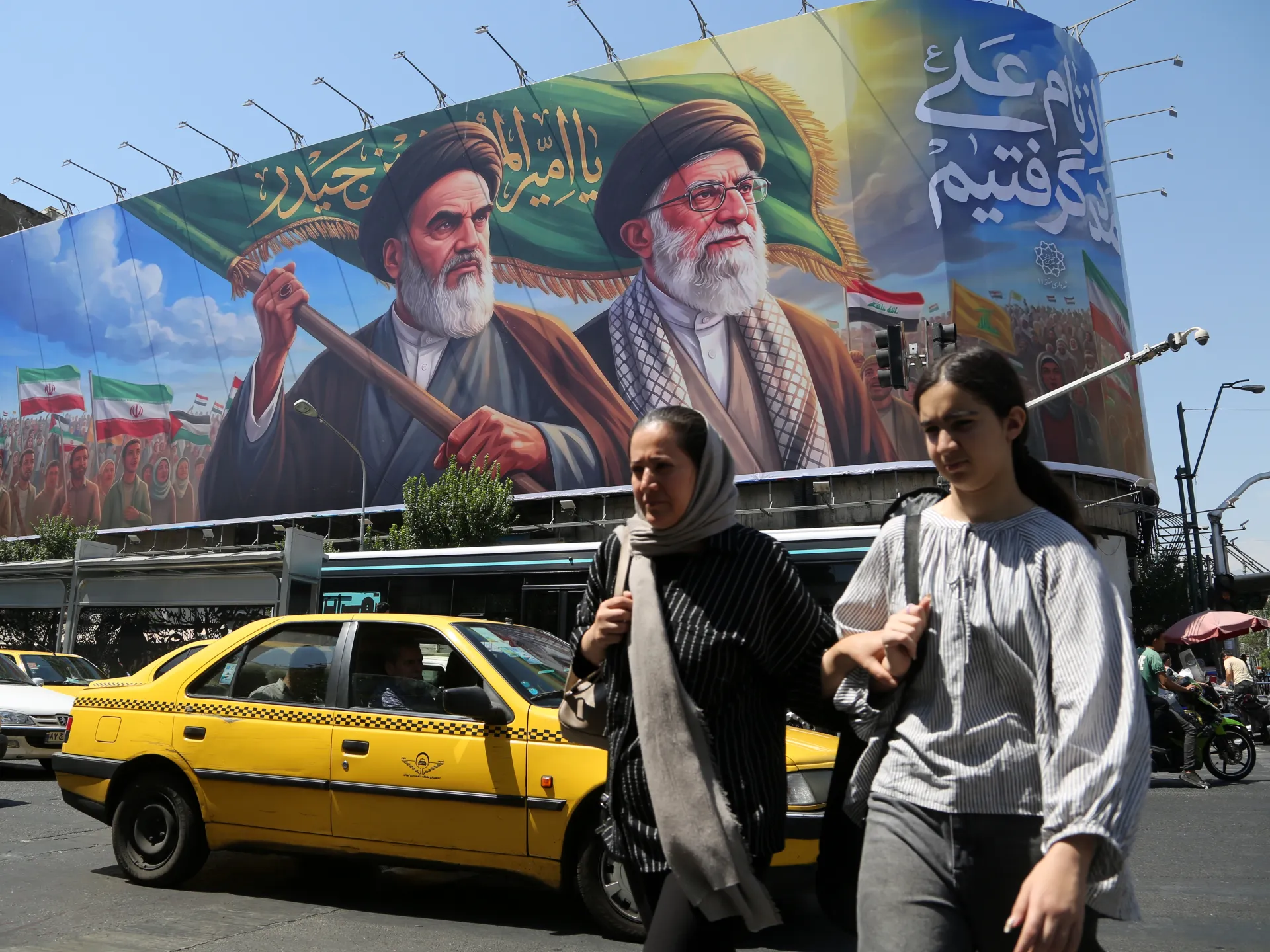
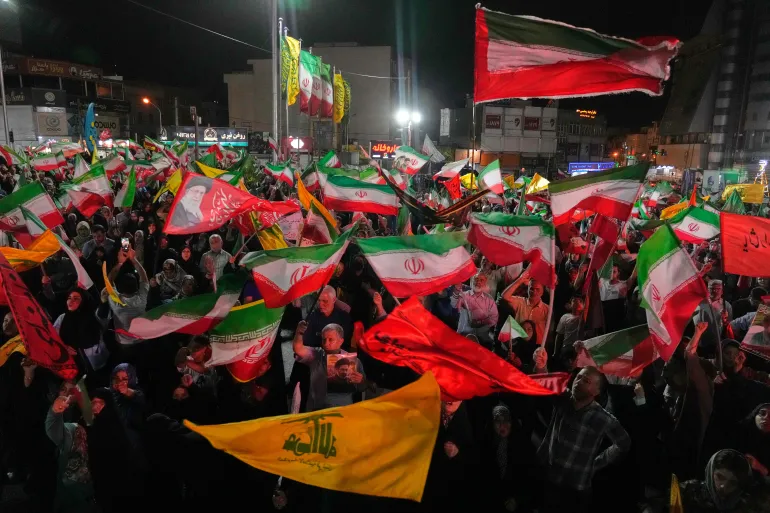
Pro-government Iranian demonstrators wave flags of Iran and Hezbollah in Tehran, June 7, 2026 [Vahid Salemi/AP Photo]
Iranian Foreign Minister Abbas Araghchi responded by saying Aoun appeared to believe Iran, not Israel, was occupying Lebanese territory.
“Had Lebanon been a bargaining chip for Iran, we’d have a deal long ago. Save Lebanon from your real foe, Mr. President,” he posted on X on Saturday, likely referring to Israel and Aoun.
Hezbollah opposes direct talks with Israel and wants Iran to play a greater role in mediated talks to end the crisis, and the situation has led to an increasingly voracious back-and-forth between Beirut and Tehran.
A conditional “ceasefire” currently in effect between the Lebanese government and Israel, negotiated by Washington and excluding Hezbollah representation, set conditions that included the removal of armed groups south of the Litani River.
It also sought the establishment of “pilot zones” in southern Lebanon, where the Lebanese army would have sole authority, allowing the region to come under direct state control.
Negar Mortazavi, a senior fellow at the Washington, DC-based Center for International Policy, noted that while Israel had demonstrated patience regarding its continued offensive in the south, the targeting of Beirut’s southern suburbs, known as Dahiyeh, would be a serious escalation.
“Where exactly is the red line? So far, it seems that Tehran has tolerated attacks in southern Lebanon to some extent as part of a messy ceasefire, and instead allowed Hezbollah to engage with Israel,” she told Al Jazeera before Israel bombed Beirut suburbs on Sunday.
“I think the stalemate cannot continue for too long, so it will be going back to an escalated conflict, or heading for an actual peace deal.”
Iran has stressed that any long-term peace agreement with the US hinges on Israel’s war on Lebanon also ending.
“Hezbollah entered the war with them and helped them, so they want to help them by making them an extension of the peace deal,” Mortazavi said.
Israel’s largely unchallenged advances in southern Lebanon had angered and frustrated hardliners in Iran, who had called for the government to take action.
“Now that I’m speaking with you, it’s correct that [Israel] has stopped attacking Dahiyeh, but except for that, it is hitting wherever it wills,” Abbas Abdi, a state television analyst, told a gathering of state supporters near Enghelab (Revolution) Square in downtown Tehran on Friday night.
Hezbollah flags are regularly waved by supporters of the government during such rallies. On Friday, the iconic Azadi (Freedom) Tower was draped with a Hezbollah flag in a show of support for the Lebanese movement, amid Israel’s offensive in southern Lebanon.
Abdi said such facile shows of solidarity with Hezbollah were not a deterrence and that Iran might have to “show the enemy that negotiations are not important for us”.
“We are still releasing statements and saying we will do such if they do such, but we are not doing anything. Our dear people have gone to the [missile] launchers numerous times to respond, but they have been stopped,” he said.
There have been direct tensions between the two sides in recent weeks, with the US military attacking Iranian islands and the IRGC launching missiles and drones at its Central Command (CENTCOM) bases in Kuwait and Bahrain.
Mourners attend the funeral of four people, including a woman and a medic, who were killed in an Israeli attack on Friday in Zebdine, in Haret Sidon, Lebanon, June 7, 2026 [Aziz Taher/Reuters]
Mostafa Najafi, a state television political analyst, earlier this week characterised the Israeli attacks on Lebanon as intended to go hand-in-hand with the US blockade of Iran’s southern waters to force the government to capitulate.
“The aim of the ring of pressure created in Lebanon is not just Hezbollah, it is against our levers and to weaken our regional activities,” he said, pointing out that this elevates the issue to strategic significance.
“You cannot separate the file of Hezbollah and Lebanon from the file of Iran, because they have a meaningful ideological and geopolitical link together, they are in a geopolitical cluster together,” Najafi said.
Amirhossein Sabeti, a lawmaker representing Tehran in the hardline-dominated parliament, told state television that Trump was only “playing” with Iranian authorities to keep the peace until the World Cup in the US, Canada and Mexico is over.
“The US will start a more intense war with the US once the World Cup is over. They will turn the country into a second Gaza, where everything is destroyed,” he said.
“We must be prepared to deal stronger blows than before, and we can do this. We must not wait for them to hit before hitting back; we must strike even when they talk of striking, that’s deterrence.”
As the World Cup nears, many Iranians say their normal enthusiasm for the event has been dampened by the co-host US’s war against their country as well as economic hardships.