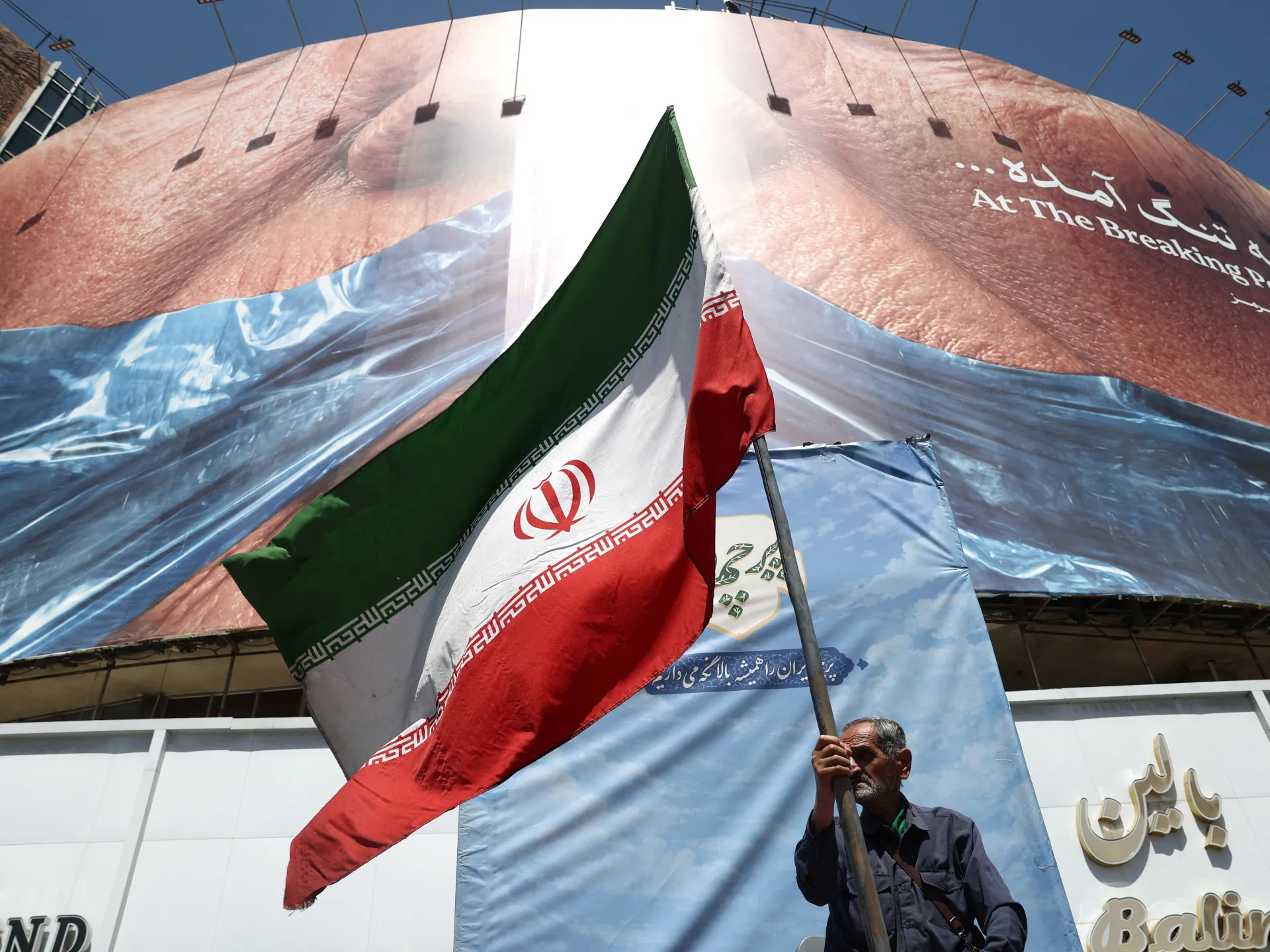
Iran war live: Iranian missiles target Kuwait, Bahrain after US-Iran clash
The United Nations reports that 1.4 million people are in need of aid in Lebanon amid Israel's attacks on the country.
Source link
The United Nations reports that 1.4 million people are in need of aid in Lebanon amid Israel's attacks on the country.
Source link
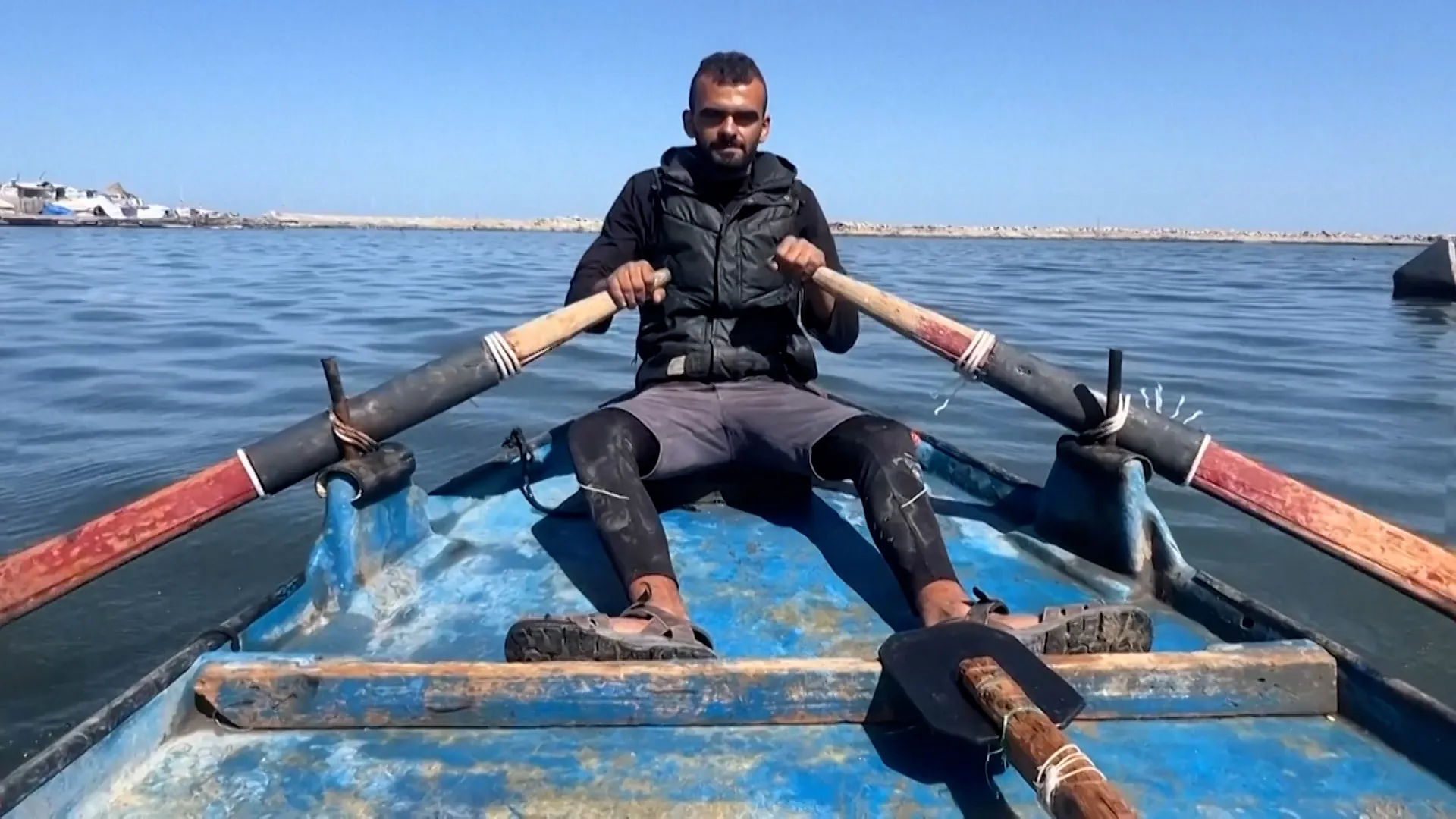
Fishermen in Gaza are using dinghies made of reclaimed fiberglass, wood, and doorframes salvaged from rubble left by Israeli airstrikes to help revive the territory’s struggling fishing industry amid material shortages.
Published On 6 Jun 20266 Jun 2026
Share
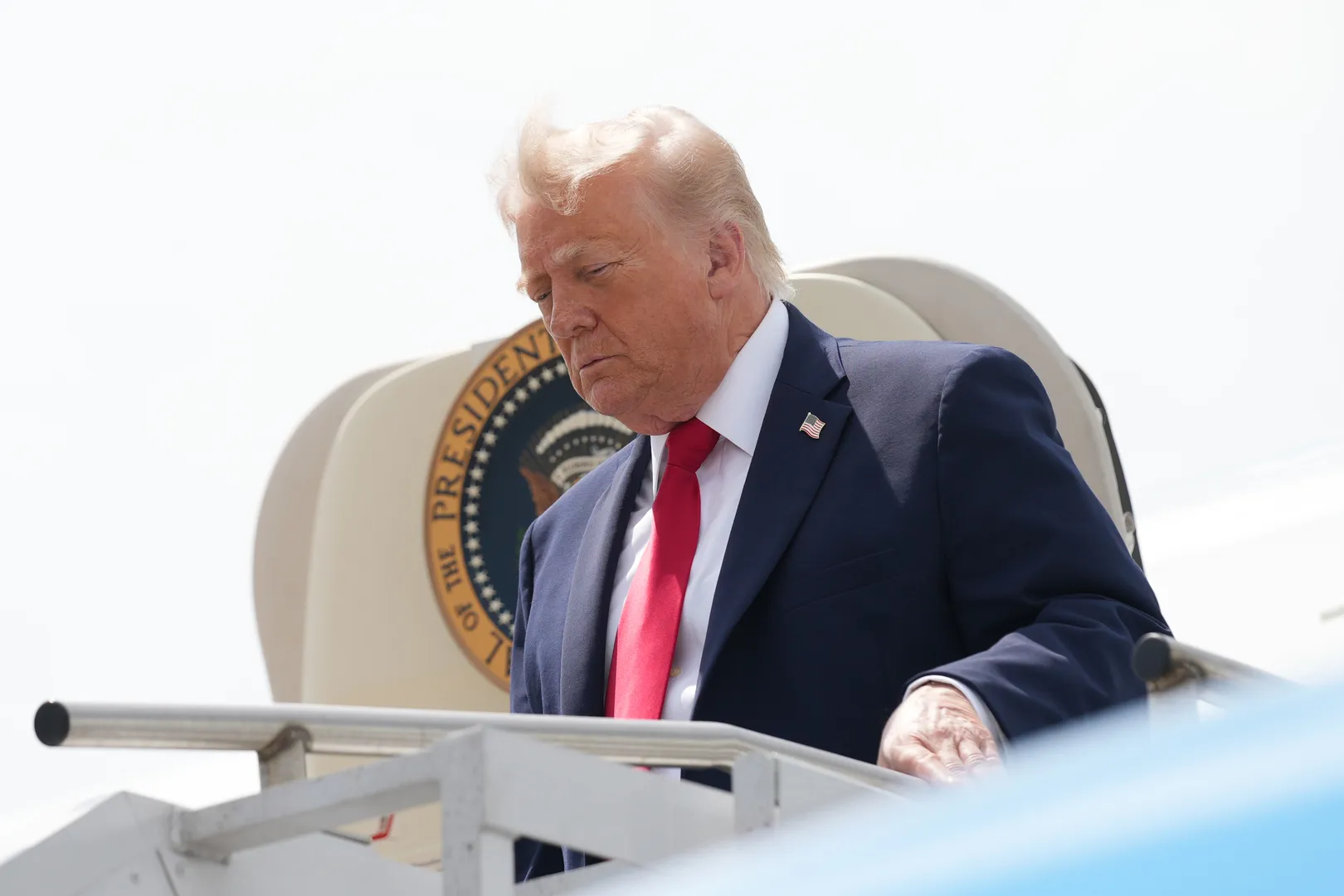
US President Donald Trump hailed stronger-than-expected jobs growth before pivoting to Iran, saying negotiations with Tehran “seem to be going quite well”. Trump offered no further details on the talks as he arrived in Wisconsin for an agriculture event.
Published On 5 Jun 20265 Jun 2026
Share


Iran players get visas 10 days before their opening World Cup match against New Zealand in Los Angeles on June 15.
Published On 5 Jun 20265 Jun 2026
Iran’s World Cup football players have been granted visas to enter the United States, according to a White House official, just 10 days before their first match in Los Angeles amid a conflict between the two countries.
Iran’s ambassador to Mexico, Abolfazl Pasandideh, said late on Thursday the squad had still not received their US visas, but these were granted overnight, the White House official said.
list of 4 itemsend of list
US Ambassador to Turkiye Tom Barrack confirmed the visas in a message on X on Friday. “Proud of our outstanding team at the U.S. Embassy in Ankara for their work processing visas for Iran’s national football team on their road to the @FIFAWorldCup in the United States,” he said, commenting on a news report that Iran’s World Cup players have been granted the visas to enter the United States.
The US had not yet issued visas to some members of the Iran team’s technical and administrative staff, the semi-official Fars news agency reported on Friday.
Iran’s federation has not yet made a statement on the news.
“Visas for some members of the national team’s technical and executive staff have not yet been issued, and the US embassy has so far refused to issue them,” Fars said, without citing a source.
The US-Israel war on Iran has turned the World Cup – the biggest global sporting event – into a geopolitical contest, with both sides appearing to use the tournament for political posturing.
It is the first World Cup, since its inception in 1930, in which a host nation is set to receive a country it is at war with.
Tehran negotiated a last-minute move of the team’s base from Arizona to Tijuana in Mexico due to the visa issues and a growing feeling in Iran that the squad’s presence in the United States should be kept to a minimum.
They are scheduled to land in Tijuana early on Sunday.
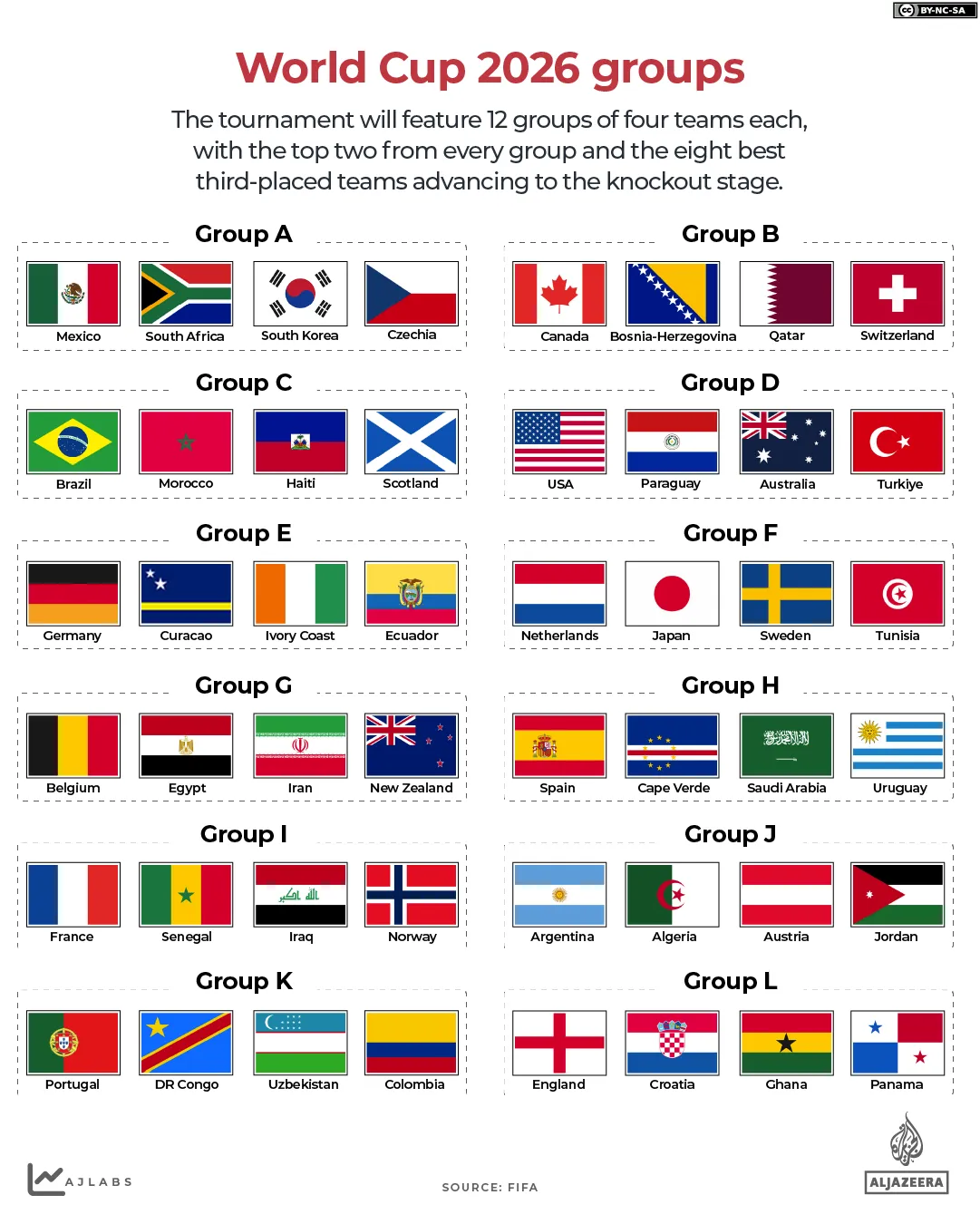
Iran are due to play their first Group G match on June 15 against New Zealand in Los Angeles, where they will also face Belgium before taking on Egypt in Seattle.
The US has never formally said it does not want the Iranian team to stay on its territory, Ambassador Pasandideh said.
However, Secretary of State Marco Rubio told lawmakers on Tuesday that the US would not allow Iran to include in its World Cup delegation individuals linked to the Islamic Revolutionary Guard Corps, a powerful branch of the Iranian armed forces.
Mehdi Taj, president of Iran’s football federation, was denied entry for the tournament draw in Washington in December. He is a former commander in the Revolutionary Guards.
Iran’s desire to compete in the World Cup underscored its efforts to reach a resolution in the war with Washington, Pasandideh said.
“Iran’s participation in the World Cup – even on the soil of what is seen as its enemy – shows that Iran seeks peace,” Pasandideh said, speaking through a Spanish interpreter at the Iranian embassy in Mexico City.
Progress in peace talks between Iran and the US has been slow, with both sides seemingly inching towards an interim agreement even as they continue to carry out military strikes.
Irish Taoiseach Martin says the far-right ministers have shown ‘a desire to see the elimination of Palestinians from Palestine’.

Published On 5 Jun 20265 Jun 2026
Ireland has barred Israel’s National Security Minister, Itamar Ben-Gvir and Finance Minister, Bezalel Smotrich, from visiting the country, citing their conduct towards pro-Palestinian activists and support for policies that would displace Palestinians from their homeland.
Ireland’s Prime Minister Micheal Martin – known as the Taoiseach – confirmed the move on Friday, saying the two far-right ministers had advocated positions that amounted to “a desire to see the elimination of Palestinians from Palestine”.
Both Ben-Gvir and Smotrich have repeatedly called for Israel to annex Palestinian territories and push Palestinians out of Gaza, provoking condemnation from rights groups and several foreign governments.
Martin also referenced the treatment of pro-Palestinian activists who were part of a Gaza-bound aid flotilla last month.
Ben-Gvir provoked widespread condemnation when he shared video of himself mocking the detained activists as they knelt on the floor, blindfolded, with their hands bound.
In a statement, Ireland’s justice ministry said Justice Minister Jim O’Callaghan had instructed immigration officers to refuse entry to Ben-Gvir and Smotrich should they seek to enter the state.
Ben-Gvir became a minister in 2022, after an alliance with Smotrich’s far-right Religious Zionist party came third in legislative elections.
Smotrich, who himself lives on an illegal Israeli settlement, has been a vocal advocate of Israel annexing the occupied West Bank, saying he hopes to “kill the idea” of a Palestinian state.
Together, Ben-Gvir and Smotrich form a cornerstone of Israeli Prime Minister Benjamin Netanyahu’s right-wing coalition.
Addressing Ireland’s travel ban at a summit in Montenegro, Martin said the two Israeli ministers should also be subject to EU sanctions.
“In my view, their behaviour justifies sanctions at EU level as well, and that’s something that we will raise, whether we can get sufficient support across the European Union is a different matter,” Martin was quoted by Irish broadcaster RTE.
Since Israel’s genocidal attacks on Gaza, Ireland has been among the most outspoken critics of Israel.
In 2024, Ireland officially recognised the Palestinian state, after which Israel ordered the closure of its embassy in Dublin.
Ben-Gvir and Smotrich have faced bans from other European countries over their conduct, including Britain, Spain and Slovenia. Last month, France banned Ben-Gvir from entry.
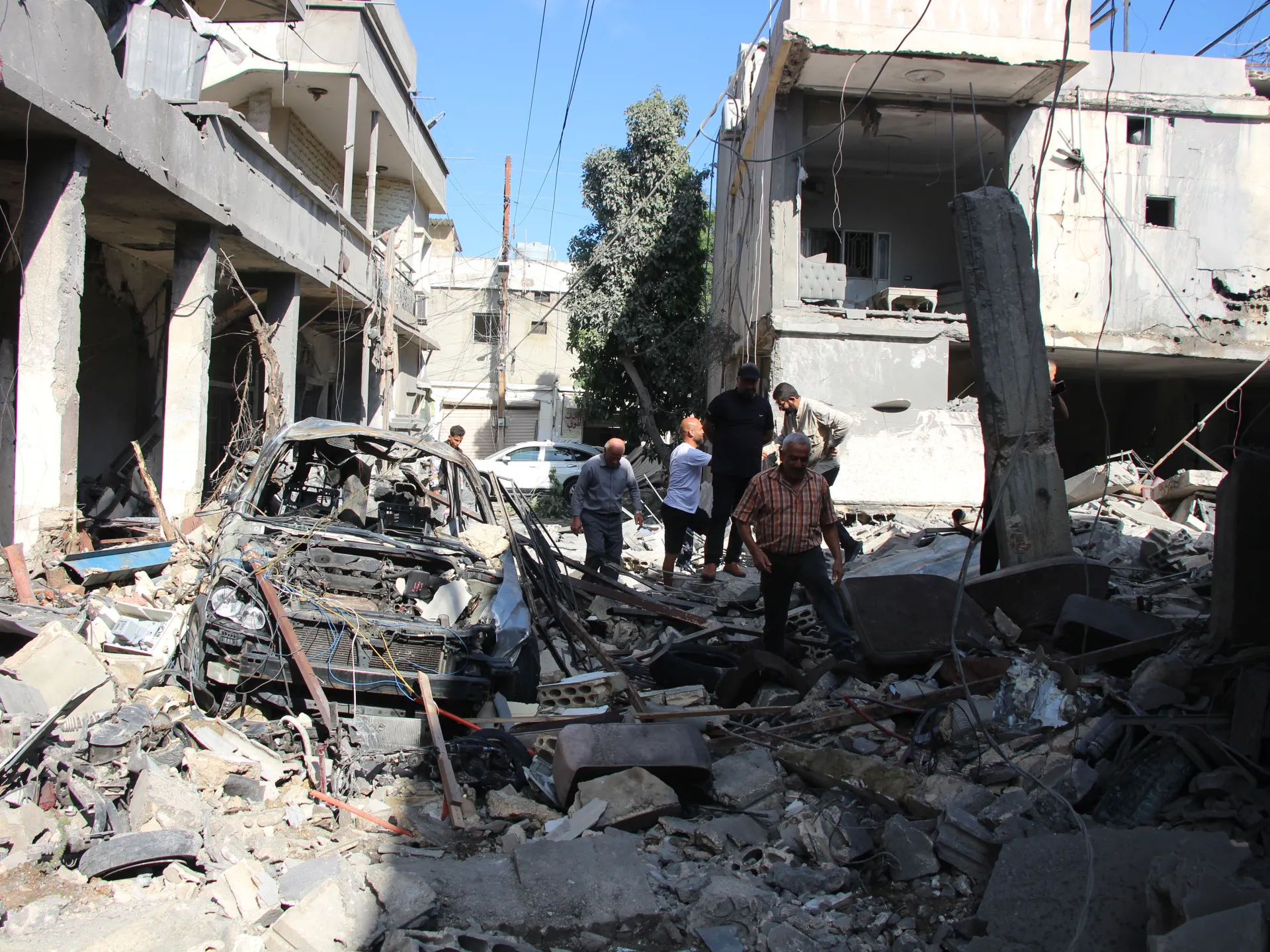
On Wednesday, Israel and Lebanon announced yet another ceasefire – after they had seemingly already agreed to a truce on April 16.
Iran and the United States have formally had a ceasefire in place since April 8. And Israel and Hamas, the Palestinian group, have had a ceasefire in Gaza since October 10, 2025.
Yet Israel’s attacks on Lebanon continue unchecked, with strikes on the Naqoura and Nabatieh districts of southern Lebanon on Friday, resulting in at least one death. Iran and the US have continued to trade periodic attacks that have picked up in intensity in recent days. The Iranian military has also fired missiles and drones at Gulf nations such as the United Arab Emirates, Kuwait and Bahrain, which it accuses of enabling US attacks on Iran during the ceasefire.
And in Gaza, Israel continues to carry out bombings, including one that killed nine people in a residential building this week, despite a supposed truce aimed at ending its genocidal war on the Palestinian territory.
So what does it mean for a ceasefire to be in place when fighting continues? What does international law say? And why do violations so rarely lead to consequences?
We speak to legal experts to understand:
Simply put, it’s a pause in fighting designed to create space for negotiations, explained Mark Kersten, assistant professor of criminal justice and criminology at the University of the Fraser Valley.
“A ceasefire is effectively a cessation of hostilities, but typically not understood to be a permanent one,” he told Al Jazeera.
It is also often fundamentally a political agreement rather than a strongly enforceable legal instrument, said Michael Lynk, an emeritus professor at Western University in Canada.
Unlike peace treaties, which often have guarantors responsible for oversight and enforcement, ceasefires can be breached with few immediate legal consequences, Lynk told Al Jazeera.
This is especially true in Gaza and Lebanon, where the United States has acted as the principal broker and overseer. While some countries have criticised Israeli strikes in Lebanon, Lynk says there has been little pressure on Washington for allowing repeated violations.
“A number of Global North countries have criticised the continuing Israeli attacks on Lebanon despite the ceasefire, but they have not called out the US for allowing Israel to repeatedly breach the ceasefires in Gaza and Lebanon.”
Yes, they are, argues Toby Cadman, a British international human rights lawyer and cofounder of Guernica 37 Chambers.
But, like Kersten and Lynk, Cadman said that ceasefires – which he described as the “temporary, military and diplomatic suspension of military operations” – are inherently fragile. Unlike peace treaties, ceasefires do not resolve the underlying conflict or end the legal state of war.
“It suspends the fighting; it does not end the state of armed conflict,” he said.
Where there is a broader peace agreement, such as in Gaza, the ceasefire too stands – at least in theory – on a stronger footing, said Lynk. The Gaza peace plan that accompanied the ceasefire was endorsed by the UN Security Council through Resolution 2803, which calls for the agreement to be implemented “in its entirety, in good faith and without delay”.
In theory, states could ask the Security Council to sanction parties violating the Gaza agreement. In practice, Lynk explained, the US veto on the body means that neither Israel, nor the US itself, can realistically be censured.
“This is why ceasefires and peace treaties are ultimately political documents because it requires political will to enforce them,” Lynk said.
Palestinians have repeatedly pointed to the violation of the Gaza ceasefire by Israel. The US and Iran routinely accuse each other of breaching their truce. And Israel and Lebanon do the same when it comes to their ceasefire.
So who decides whether a ceasefire has been violated – and by whom?
The answer, according to Cadman, is that “there is no neutral arbiter empowered to determine, with binding effect, who has breached.”
Monitoring mechanisms do exist, but they are largely political bodies overseen by the same states that brokered and guaranteed the agreements. In the case of Gaza and Lebanon, that is the United States. But Washington occupies the unusual position of mediator, guarantor and Israel’s closest military and diplomatic ally.
That means allegations of violations are often filtered through political calculations rather than assessed by an independent legal authority, say experts.
For Kersten, Gaza and Lebanon expose a fundamental contradiction within the international legal system. On paper, international law has succeeded in establishing a broad consensus about the legality of what is taking place.
“The vast majority of the world recognises that what is happening in both contexts is not just wrong, but illegal – thanks to international law.”
Yet recognition has done little to halt the violence. “Little is being done to save lives and stop the carnage,” he said.
The result is a widening gap between legal findings and political action. Courts can investigate, collect evidence and issue rulings as the International Criminal Court and the International Court of Justice have both done against Israel, but that does not stop bombs from falling or guarantee compliance on the ground.
For Kersten and Lynk, the problem is not a lack of legal standards; it is the persistent failure of states to enforce them, particularly when powerful actors are involved.
“The lack of effective accountability is the hole in the heart of international law and our modern international political system,” Lynk said.
But Kersten said what was clear was that international humanitarian law, human rights law and international criminal law remain fully applicable during a ceasefire.
“Ceasefire provides no legal cover to commit atrocities against civilians.”
That means allegations of war crimes can still be investigated and prosecuted even while a ceasefire is in effect.
Cadman highlights the legal argument most frequently used to justify continued strikes by Israel on Gaza and Lebanon, and by the US against Iran: self-defence.
These arguments rest on Article 51 of the UN Charter, which carves out the right for states to launch unilateral military action against other nations if they are acting in self-defence.
But Cadman said the interpretation of that clause is heavily contested.
“Article 51 answers an armed attack that has happened or is genuinely imminent; it is not a standing licence for preventive strikes.”
Asked by reporters on Wednesday how he defined a ceasefire, given the continuing – though sporadic – attacks that the US and Iran have exchanged in recent weeks, US President Donald Trump said: “It’s a different part of the world, you know. I’d say in that part of a ceasefire is when you’re shooting in a more moderate manner.”
Trump’s comments underscore what legal experts say is at the heart of the persisting violence in Gaza, Lebanon and the Gulf: The lack of any meaningful enforcement mechanism.
The Security Council is constrained by veto powers. The ICJ can issue binding orders but cannot enforce them. The ICC can issue arrest warrants, but depends on states to carry them out.
“The unifying theme is an enforcement deficit,” Cadman said.
Cadman argued that the problem is not that international law lacks rules. Rather, those rules are often applied selectively. “The law is not formally different for Israel or the US; its application is selective.”
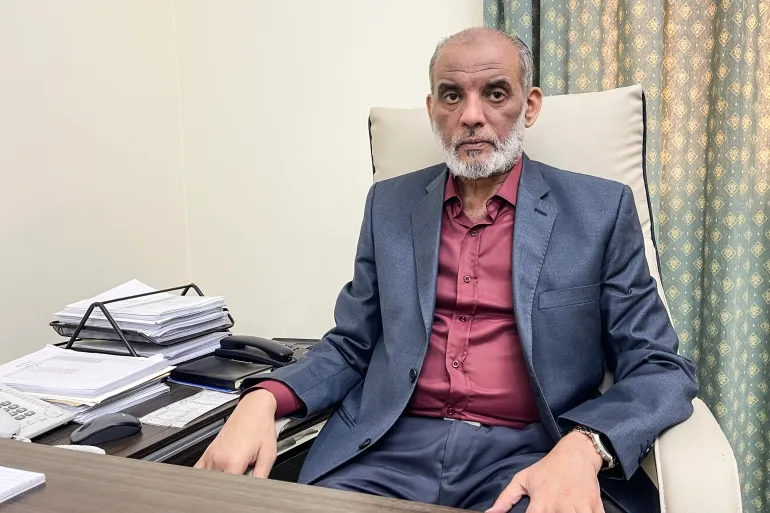
Hamas says it will not hand over its weapons right now, resisting ongoing disarmament demands and stating that the ultimate fate of its military arsenal will be decided following comprehensive discussions with other Palestinian factions.
![Hossam Badran, a member of the Hamas Political Bureau, spoke exclusively to Al Jazeera about the group's vision for a long-term Hudna in Gaza. [Mohammad Mansour/Al Jazeera]](https://i0.wp.com/www.aljazeera.com/wp-content/uploads/2026/06/IMG_7408-1780572254.jpg?w=640&ssl=1)
In an exclusive interview with Al Jazeera, Husam Badran, a member of the Hamas political bureau, offered an inside look into the group’s proposed solutions to the stalled negotiations, introducing the concept of a long-term hudna (truce).
“When this Palestinian committee [the National Committee for the Administration of Gaza (NCAG)] comes to take over the Gaza Strip, there will be no visible weapons in the streets and alleys of Gaza except the official weapons belonging to this committee, which is the official Palestinian police, ” Badran told Al Jazeera. “There will be no armed manifestations like the ones we were accustomed to in the Gaza Strip.”
But he clarified that this did not mean a formal surrender of arms.
“We are not talking about handing them over; we are talking about, at least, weapons not being visible except for the official weapons of the Palestinian police,” he said. “The details of this matter will be discussed within a national framework.”
The Hamas stance comes as an informed source told Al Jazeera that the group is preparing to send its delegation to Cairo for renewed talks, which are set to begin this weekend. Hamas had briefly delayed its participation to demand a halt to ongoing Israeli assassinations—such as the recent killings of military commanders Izz al-Din al-Haddad and Mohammed Odeh—to ensure a more favourable negotiating environment.
The disarmament of Hamas and the withdrawal of Israeli troops from Gaza remain the biggest sticking points in the United States-brokered October 2025 ceasefire plan.
The upcoming Cairo meetings will gather eight key Palestinian factions to form a unified national stance. Badran confirmed the attendance of representatives from Hamas, Palestinian Islamic Jihad (PIJ), the Popular Front for the Liberation of Palestine (PFLP), the Democratic Front for the Liberation of Palestine (DFLP), the PFLP-GC, the National Initiative, the Popular Resistance Committees (PRC), and the Democratic Reform Current affiliated with the Fatah movement.
These talks aim to salvage the ceasefire originally proposed by United States President Donald Trump. However, Badran noted that Israel has failed to implement even 30 percent of its phase one obligations, making any transition to subsequent phases impossible.
“We are talking about humanitarian aid … the Rafah crossing mechanism, the infrastructure, and the assassinations,” Badran explained. “The idea was a comprehensive ceasefire, but around 1,000 people have been killed. Saying Israel implemented even 30 percent is an overstatement.”
Only 150 to 250 aid trucks are entering the Gaza Strip daily instead of the agreed-upon 600, while the critical infrastructure for electricity, hospitals and fuel remains completely decimated.
While Palestinian factions demand the fulfilment of these phase one survival metrics, Israeli officials and Nickolay Mladenov, the high representative for Gaza on Trump’s “Board of Peace”, are conditioning the transition to phase two on the disarmament of armed groups.
To break the deadlock, Mladenov recently presented a 15-point “roadmap” built by the ceasefire guarantors. In a May 2026 briefing to the United Nations Security Council, Mladenov defended the plan, emphasising that its architecture rests on a strict principle of reciprocity and verification. Addressing Palestinian concerns, Mladenov clarified that the roadmap explicitly dictates that “no Palestinian armed group will be required to transfer its weapons to Israel”. Instead, the decommissioning of weapons would be gradual, sequenced, and Palestinian-led, with all arms transferred to the NCAG.
Mladenov outlined that this disarmament process is tied directly to an Israeli military pullback. The plan commits Israel to a phased withdrawal of its forces to Gaza’s perimeter on an agreed timetable, conditional upon verified progress on decommissioning and the deployment of an International Stabilization Force (ISF) to act as a buffer.
Mladenov warned the UNSC of the severe consequences of rejecting the roadmap. With 85 percent of Gaza’s buildings damaged or destroyed, he stressed that “reconstruction financing will not follow where weapons have not been laid down”. Without an agreement, he cautioned, Gaza will remain divided, with Hamas holding administrative control over less than half the territory.
However, Palestinians view this 15-point framework as a stalling tactic designed to extract concessions while Israel deepens its occupation. Palestinian political analyst Wissam Afifa told Al Jazeera that Israel is exploiting “negotiation time” to exhaust the population through continuous escalation.
“They shifted from Trump’s 20 points to a new square, the 15-point square, which revolves entirely around one single clause: disarmament,” Afifa explained. He noted that the Palestinian resistance has been cornered and asked to make major concessions without real guarantees, while the Israeli government uses the talks to advance its territorial goals.
According to Afifa, Prime Minister Benjamin Netanyahu is weaponising the negotiations for domestic electoral gains, expanding Israel’s control from 60 percent of Gaza to 70 percent or more. This expansion is happening while oversight mechanisms, such as the Civil-Military Coordination Center (CMCC), have completely failed and paralysed the monitoring process.
“We are facing a scenario where the occupation has reshaped the ceasefire on its own terms,” Afifa said, adding that Mladenov has in effect adopted the Israeli and American vision by demanding disarmament without offering a clear political horizon for “the day after”.
This ongoing expansion complicates the transition of power. Amid accusations that Hamas is clinging to power, the group’s spokesperson, Hazem Qassem, reiterated that Hamas is fully prepared to hand over all governance and security responsibilities to the Cairo-based National Committee. Badran confirmed that Hamas has prepared all necessary administrative and security files for the transfer.
However, the NCAG itself faces massive operational barriers and has become, as Afifa described, a “hostage” to Israeli pressure.
A member of the committee, speaking to Al Jazeera on condition of anonymity, firmly denied reports that the body would enter Gaza soon, outlining strict conditions for assuming power. The committee categorically refuses to operate behind the Israeli-controlled “Yellow Line” or to cooperate with Israeli-backed armed militias currently operating in the Strip, the source said.
Furthermore, the source stressed that the committee will not enter Gaza until the International Stabilization Force is deployed in the buffer zones separating Israeli forces from Palestinian areas.
While the political deadlock continues, the human toll mounts. Mladenov acknowledged in his UN briefing that ceasefire violations continue to kill civilians and obstruct humanitarian access.
Since the ceasefire took effect, ongoing Israeli military actions have killed 933 Palestinians and injured 2,868, raising the total death toll since October 2023 to 72,942, with 172,967 people injured.
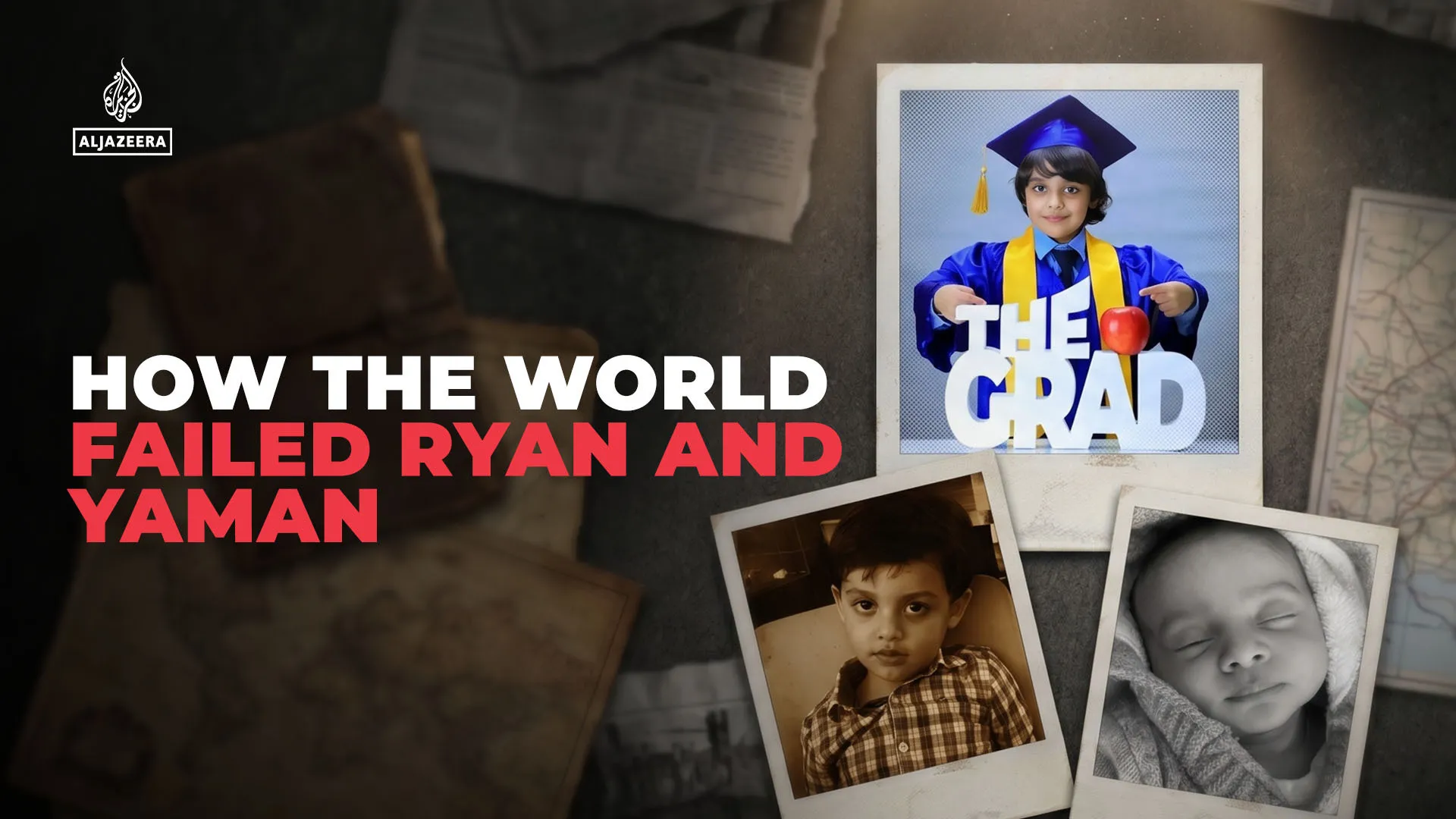
Palestinian journalist and mother Aya Shamaa wrote about how an Israeli strike killed her children, newborn Ryan and seven-year-old Yaman. Like countless mothers in Gaza, she saw her children as gleams of hope amid a fragile ceasefire. Narrated by Al Jazeera’s Al Anoud Al Aqeedi.
Published On 5 Jun 20265 Jun 2026
Share
EXPLAINER
Israel strikes Lebanon despite ceasefire, while Hezbollah rejects deal as death toll tops 3,500.

Published On 5 Jun 20265 Jun 2026
Israel has continued to carry out deadly strikes across Lebanon despite the announcement of a new US-brokered ceasefire agreement reached by Lebanese and Israeli officials in Washington, DC.
The violence has pushed the number of casualties higher, with Lebanon’s Ministry of Public Health reporting that at least 3,526 people have been killed and 10,733 wounded in Israeli attacks since March 2.
Meanwhile, Hezbollah leader Naim Qassem has dismissed the ceasefire as a “farce”, warning that northern Israel will remain a target as long as Israeli forces continue bombing Lebanon, raising more doubts about the prospects for a lasting truce.
Here is what we know:
Israel’s supreme court annuls a government ban on the International Committee of the Red Cross visiting Palestinian prisoners held in Israeli jails.


Published On 5 Jun 20265 Jun 2026
Share
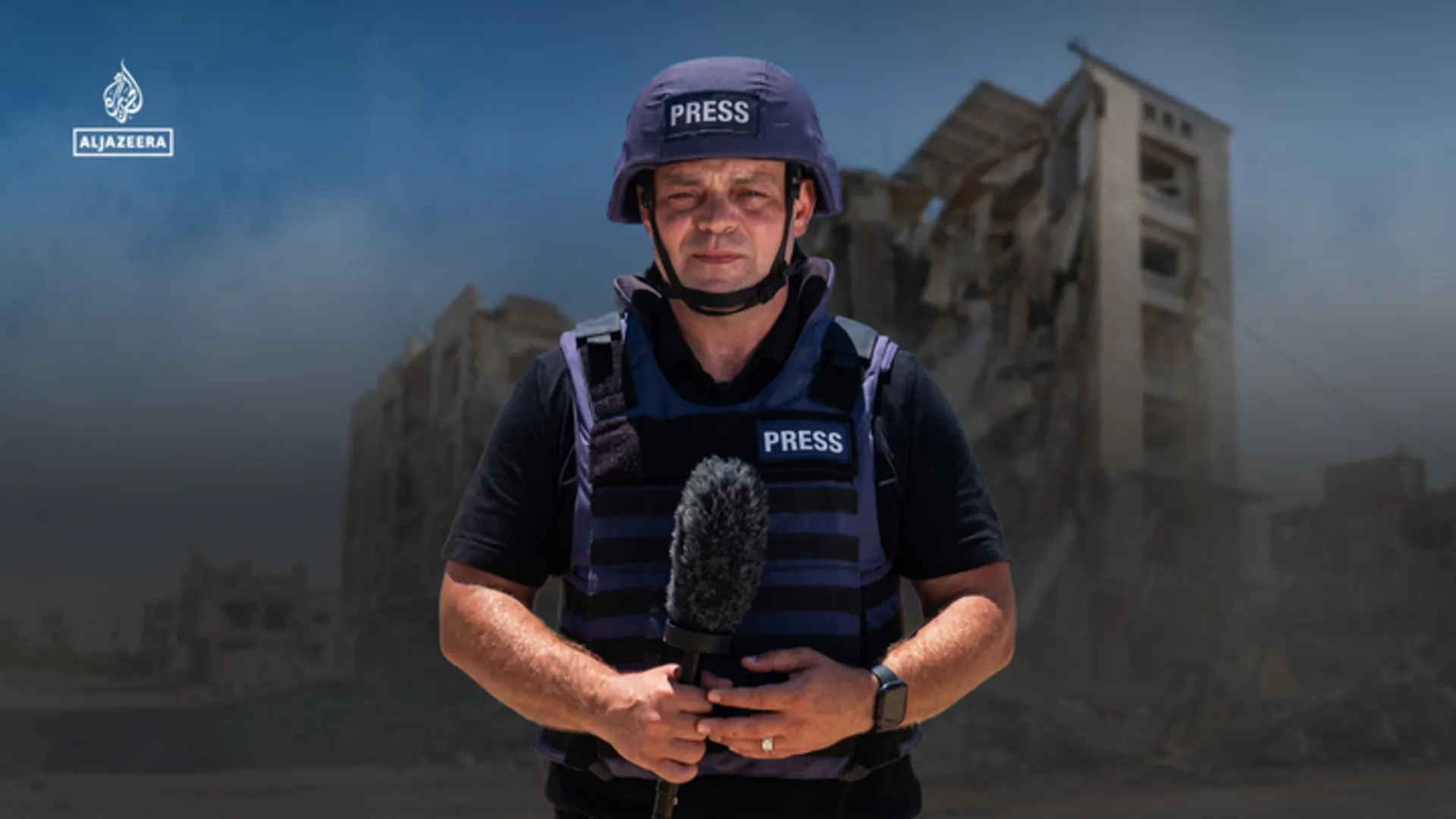
Al Jazeera’s Obaida Hitto brings you the latest from southern Lebanon where a new diplomatic push has done little to quell the violence.
Published On 4 Jun 20264 Jun 2026
Share
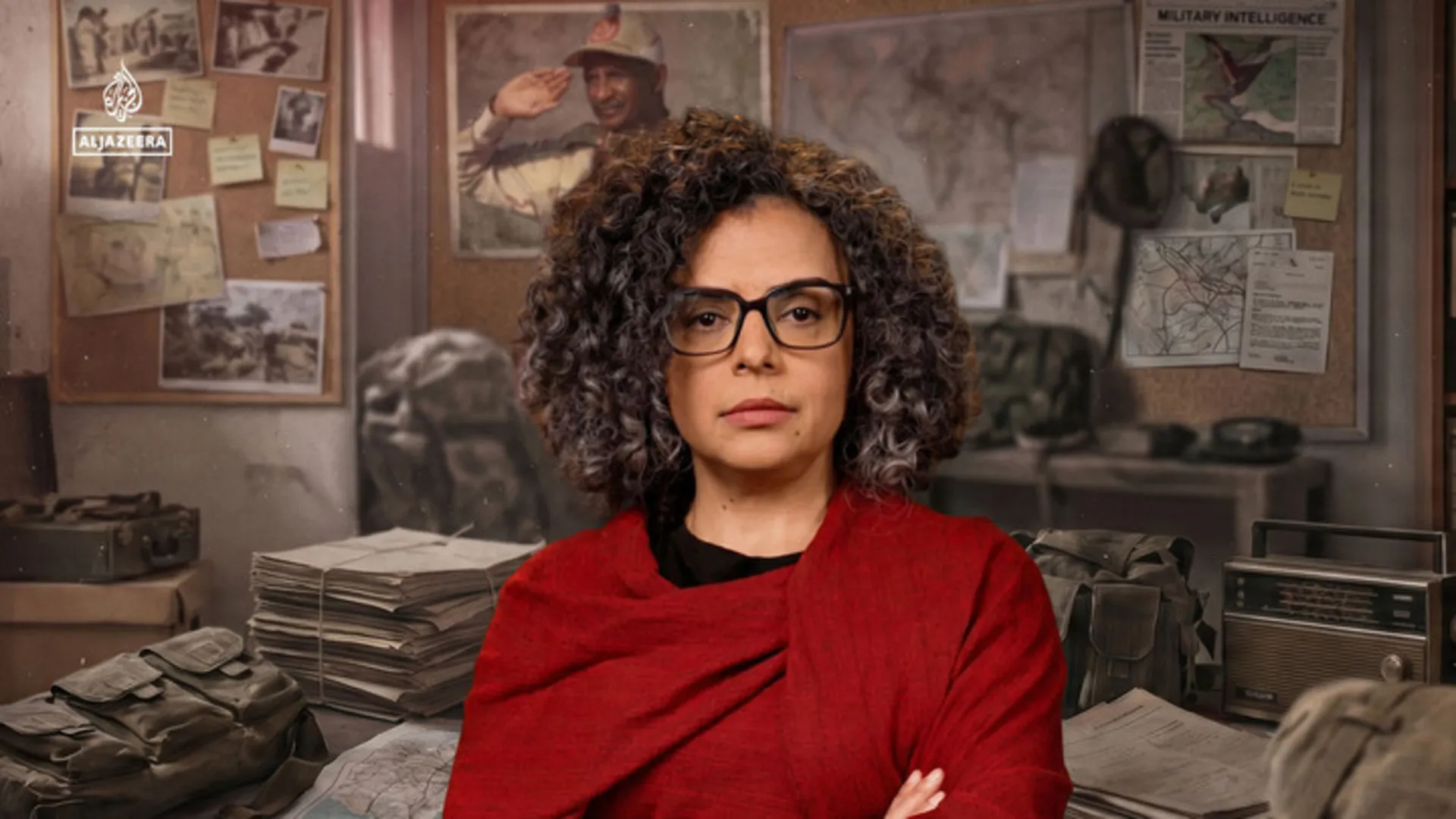
Sudan’s Rapid Support Forces have had a long history of violations, going back to when they were known as the ‘Janjaweed’. Over the past few years, they have been trying to change their image and become influential political actors in Sudan, but will that work? Al Jazeera’s Hala Saadani looks back at the RSF’s history and where they may go from here.
Published On 4 Jun 20264 Jun 2026
Share
Israel’s Supreme Court rejects government ban on prisoner visits, affirming Red Cross access under international law.
Published On 4 Jun 20264 Jun 2026
Israel’s Supreme Court has unanimously rejected a government policy banning representatives of the International Committee of the Red Cross (ICRC) from visiting Palestinian detainees in Israeli prisons.
The court ruled on Wednesday that by preventing the Red Cross from visiting prisoners, the government had contravened Israeli and international law, and therefore the policy must be repealed.
list of 3 itemsend of list
It also ruled that the government failed to present a legal foundation for its policy on annulling all visits after the Hamas-led attack on October 2023, in which more than 1,100 people were killed and more than 240 were taken captive.
The assault triggered a brutal war in Gaza, which has been defined as a genocide by several prominent scholars and an independent United Nations inquiry. The Israeli army killed more than 72,950 people in the enclave, according to Gaza’s Health Ministry, and reduced most of the besieged territory to rubble, and forced the displacement of nearly 1.9 million Palestinians.
Violence across the occupied West Bank perpetrated by Israeli forces also intensified to unprecedented levels. All visits to prisoners were halted, and information about them was not shared – something that used to be standard practice before the war. Back then, Israeli authorities accused Hamas of failing to secure access to the captives in Gaza.
It was the first time in 50 years that Israel prevented Red Cross visits, according to the Association for Civil Rights in Israel (ACRI), which filed the petition.
“For the first time in nearly three years, the over 9,000 Palestinian security prisoners being held in Israeli prisons and military detention centers will receive Red Cross visits,” ACRI said. The ban remained in place even after a “ceasefire” was agreed last October.
The petition by ACRI, Physicians for Human Rights, Israeli rights group HaMoked and Israeli NGO Gisha against the government policy was first filed in Israel’s High Court in February 2024. But the state of Israel asked for 27 extensions before a hearing was held at the end of October last year.
The ICRC welcomed the decision, saying it was ready to resume its visits. “We are continuing our dialogue with the Israeli authorities to resume our work in detention as soon as possible,” it said in a statement. It added that access to detainees and the ability to meet with them privately are obligations under international law.
Wednesday’s decision comes amid growing concerns over the ill-treatment of Palestinian detainees in Israeli prisons.
Last week, the United Nations released its annual report on conflict-related sexual violence verified in 2025. It cited torture, rape, gang rape, forced nudity and “cavity searches conducted without apparent security justification perpetrated” by Israeli armed forces and security forces primarily during detention and interrogation and across several sites, including the infamous Sde Teiman military camp, among others.
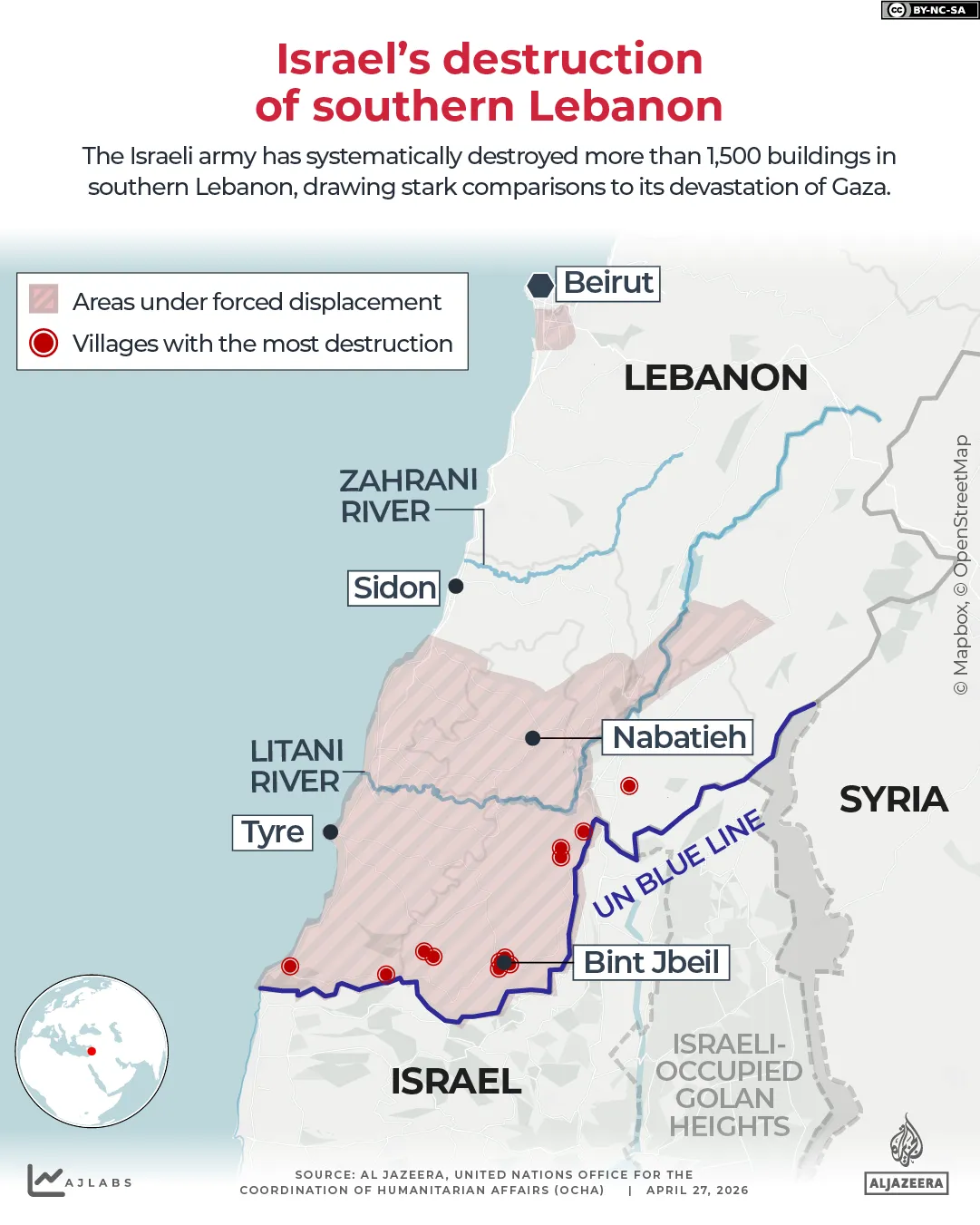
Israel and the Lebanese government have agreed to implement a new US-mediated ceasefire, the Trump administration has said, despite Israel’s defence minister insisting the military will continue operations in Lebanon.
Furthermore, while Lebanese President Joseph Aoun said on Thursday that the ceasefire would come into force within 24 hours of approval by all concerned parties, Hezbollah leader Naim Qassem has dismissed the deal, labelling it a “surrender and defeat”.
list of 4 itemsend of list
The Trump administration announcement comes just weeks after a previous agreement to cease hostilities was supposedly reached on April 16. Since then, however, more than 600 people have been killed in Israeli strikes across Lebanon while Israel has expanded its military presence in the south of the country, now occupying about one-fifth of the country.
The renewed diplomatic push also comes as Washington pursues parallel shuttle negotiations with Iran. Tehran, a close ally of Hezbollah, has made a ceasefire in Lebanon a condition for any broader agreement to end the war with the US and has repeatedly called for Israel to withdraw from southern Lebanon.
Iran’s position was underlined when Quds Force commander Esmail Qaani said the baseline demand in Lebanon is for Israeli forces to withdraw to the positions they held before the start of the US-Israel war on Iran at the end of February – a demand that is not explicitly reflected in the agreement.
Iran and Hezbollah’s responses to the US announcement, coupled with Israel’s insistence that military operations will continue, have cast serious doubt on its viability. Critics of Israel’s war on Lebanon also point to the April truce, which they say has completely failed to halt Israeli attacks or Israel’s occupation of the south of the country.
According to the Trump administration, Israel and Lebanon have agreed to implement a ceasefire contingent on a “complete cessation” of Hezbollah fire and the evacuation of its fighters from the area south of the Litani River.
The agreement also calls for the creation of “pilot zones” where Lebanese Armed Forces would take exclusive control “to the exclusion of all non-state actors”. The stated aim is to move towards a wider political and security agreement, including the dismantling of non-state armed groups and preventing their re-emergence.
But Hezbollah was not party to the talks and has already rejected the agreement. Lebanon was represented by government diplomats, even though the Lebanese army is not a party to this conflict.
According to the wording of the agreement, the parties are due to reconvene during the week of June 22 to continue diplomatic and security talks, with the US facilitating communications in the meantime. It remains unclear if that stage of the agreement will ever be reached.

The April agreement used different language, saying Israel and Lebanon would implement a “cessation of hostilities” from April 16, and never actually used the word ceasefire.
It also included a clause allowing Israel to “take all necessary measures in self-defence, at any time, against planned, imminent or ongoing attacks”.
That clause does not appear in the new text, which could be interpreted as a small concession. That was until Israel Katz said Israel would continue its military operations in Lebanon regardless.
The latest agreement also repeats Israel’s longstanding demand that Hezbollah withdraw from south of the Litani River.
Meanwhile, there is one major glaring omission. While the text focuses heavily on Hezbollah’s withdrawal from parts of southern Lebanon, it does not mention Israel’s withdrawal from southern Lebanon.
Lebanese journalist and analyst Souhayb Jawhar told Al Jazeera the agreement is defined as much by what it leaves out as by what it includes.
The text, he said, focuses on Hezbollah’s obligations and those of the Lebanese state: removing armed elements from south of the Litani and creating zones where the Lebanese army holds exclusive control.
“This point alone explains much of the scepticism within Hezbollah and its political environment,” Jawhar told Al Jazeera. “From the party’s perspective, any agreement should include a clear ceasefire, an Israeli withdrawal, and a framework for addressing outstanding issues, rather than becoming a document focused primarily on restructuring Lebanon’s internal security landscape.”

Other points of contention regarding the new agreement are the “pilot zones”, which appear to go beyond stopping the fighting and instead test a new security model in southern Lebanon – one that could eventually be expanded elsewhere, analysts say.
“This is why many observers see these zones as the beginning of a gradual transition from a security environment in which Hezbollah played the dominant role to one in which the Lebanese state and its armed forces become the sole security authority,” Jawhar said.
He added that the fate of the agreement may depend less on Lebanon-Israel talks than on the US-Iran track. If Washington and Tehran reach a wider understanding, the ceasefire in Lebanon will have a stronger chance of holding because both sides will have an interest in stabilising the Lebanese front.
“If those negotiations stall or collapse, Lebanon could quickly return to being one of the main arenas of pressure and confrontation between the two sides,” Jawhar added.
Southern Lebanon remained under heavy military pressure on Thursday, with Israeli strikes on Kafra and al-Mansouri in the southwest of the country. In the Bekaa Valley, one person was killed and four others wounded in an Israeli strike on Sohmor, according to Lebanon’s state-run National News Agency (NNA).
A separate strike hit Tell al-Aqareb, while further raids targeted Haddatha, Tibnin, Haris, and Harin. The NNA also reported more Israeli strikes across southern Lebanon as drones flew at low altitude over Beirut. In Maaroub, one person was killed and another wounded when Israeli forces targeted a motorcycle.
Israeli warplanes also struck towns and villages across the south, including Zawtar al-Sharqiya, Zawtar al-Gharbiya, Shoukin, Barachit, Srifa, Zibdin, Haris and Deir Zahrani. Jets and drones have also been flying over the south for much of the morning, including a drone seen at extremely low altitude over Tyre.
Lebanon’s Civil Defence authorities have warned people not to return south, citing the continued danger to civilian life in towns and villages across southern Lebanon.
More than 3,000 people have been killed, and more than one million have been forced from their homes since Israel renewed its assault on Lebanon in early March.
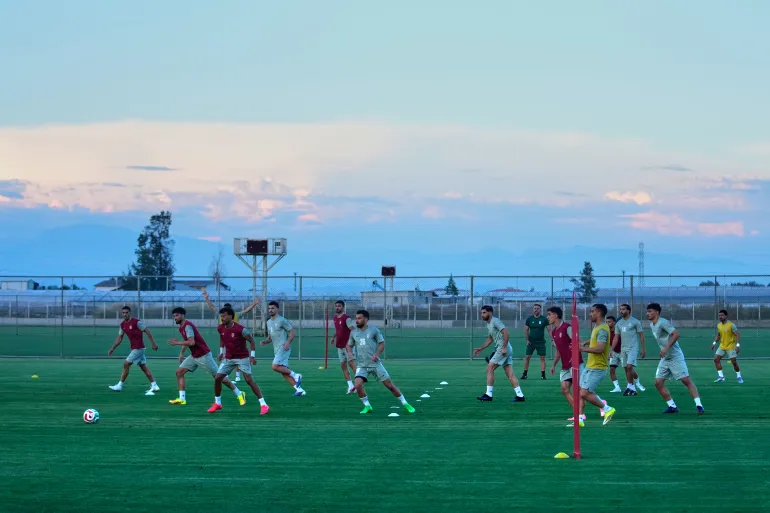
Iran is heading to the World Cup while the country is at war with a host nation, a situation that is unique in the tournament’s history.
The United States-Israel war on Iran began on February 28, and there has been an uneasy ceasefire in place since April 8, but the uncertainty – and occasional flare-up in hostilities – means an end to the conflict is far from certain.
list of 4 itemsend of list
For the Iranian players and staff, the situation has thrown their World Cup preparations into chaos – all of their matches are scheduled to be played in the US.
The Iran team has spent more than two weeks in Turkiye, mostly practising at the coastal resort Antalya, and some travelled to the capital, Ankara, to submit visa applications at the US embassy.
The team’s participation in the event in the US, Canada and Mexico has long been in doubt and, with the visa situation still up in the air, nothing can yet be fully guaranteed.
“Well, to be honest, it’s not easy,” said Saeid Ezatolahi, a 29-year-old midfielder who also played for Iran in the 2018 and 2022 World Cups.
“This is going to be my third World Cup. So for me and some of the other players, it might be easier to manage these kinds of things,” he told The Associated Press news agency in English on the sidelines of a training session on Wednesday.
“But at the end … it is going to be difficult for us because, at the same time, we are following the news in our country and the political things, of course, can affect the mind of the players and the people.”
The team is set to travel to Mexico this weekend after receiving visas from the Mexican embassy in Ankara. The team said Thursday that the process of obtaining entry permits had been finalised for all members of the squad.
Problems with visa processing meant Iran’s World Cup training base was moved from Tucson, Arizona, to Tijuana, on Mexico’s border with California.
Iran will play its first two games near Los Angeles, which has a large Iranian community, many of whom oppose the current government.
“So for sure, we are expecting to have a lot of fans during our games at the stadium,” Ezatolahi said. “And this is going to be a lot of pressure for us because the expectation is going to be high. I just wish we can make them proud and show them that Iranians, they are prepared for every hard job in the world,” he said.

Mohammad Ghorbani, 24, is going to his first World Cup for Iran.
“It’s true that we are facing special circumstances right now, but we are football players, and we have to play, practise, and prepare ourselves for the competitions we have ahead,” the Abu Dhabi-based player said in Farsi.
“On the other hand, we know that our people have been going through a lot of difficulties throughout the war, and we are going there for them, to get the best results for their joy and the joy of the people of our country.”
The US and Israel killed Iran’s supreme leader and other top officials in their initial attacks. Iran responded with strikes targeting Israel, US forces and the Gulf Arab states. It also has maintained a chokehold on the Strait of Hormuz, the narrow mouth of the Gulf, imperilling global energy supplies.
Despite the nominal ceasefire, Iran and the US have yet to negotiate a permanent end to the war, and attacks continue in the region.
Iran is in Group G with New Zealand, Belgium and Egypt and Iran’s team is not required to enter the US until June 14, one day before its first match against New Zealand at the Los Angeles Rams’ stadium in Inglewood.
Iran returns to Inglewood to face Belgium on June 21 and completes Group G in Seattle, against Egypt on June 26.
“I’m really proud to be part of my national team,” said Ezatolahi, whose career has taken him to play for clubs in Spain, Russia, England, Belgium, Denmark, Qatar and now Dubai in the United Arab Emirates.
“We need to clear up our minds and be fresh because our target and our duty is to fight for our people, to represent our country and to show how good we are,” he said.
Ghorbani agreed, saying the team wants to bring joy to Iranians.
“The best message I can give right now is that the Iranian team is showing what it means to be a team,” he said. “We are showing that we are one team under one flag that can bring joy to our whole country, and to show the power of Iranian players and Iranian people to the world.”
The FIFA World Cup begins on June 11. You can follow the action on Al Jazeera’s dedicated World Cup 2026 page with all the latest news, match build-up and live text commentary and keep up to date with group standings, real-time match results and schedules.
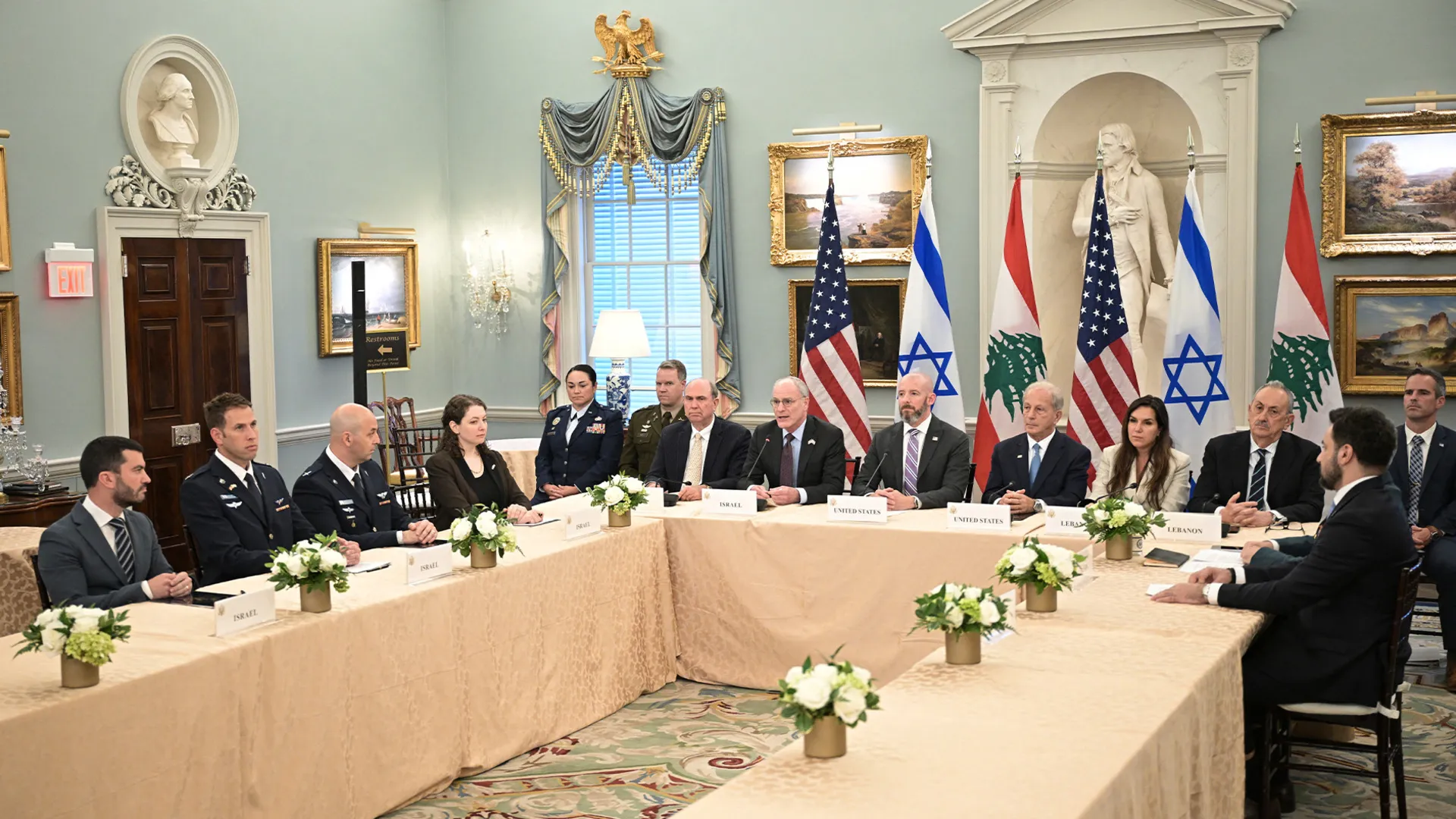
The US announced a ceasefire framework between Israel and Lebanon, which includes expanded Lebanese army control and a halt to Hezbollah attacks. Al Jazeera’s Manuel Rapalo explains how Hezbollah’s rejection of the talks leaves enforcement uncertain.
Published On 4 Jun 20264 Jun 2026
Share
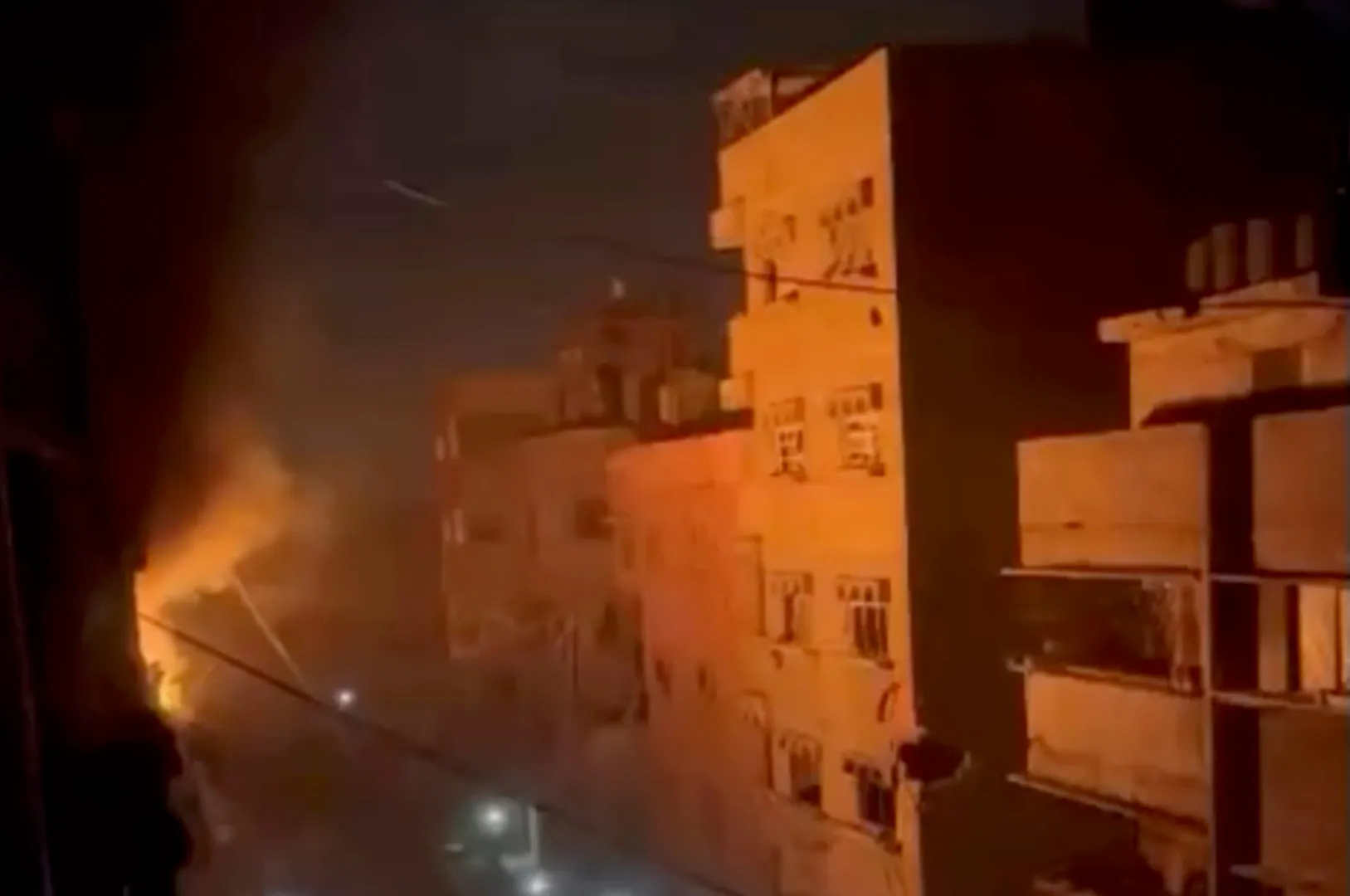
Israeli strikes on residential buildings have killed nine Palestinians, setting homes ablaze and leaving widespread destruction. Footage from the scenes showed rescue efforts amid the flames and ambulances transporting casualties.
Published On 4 Jun 20264 Jun 2026
Share
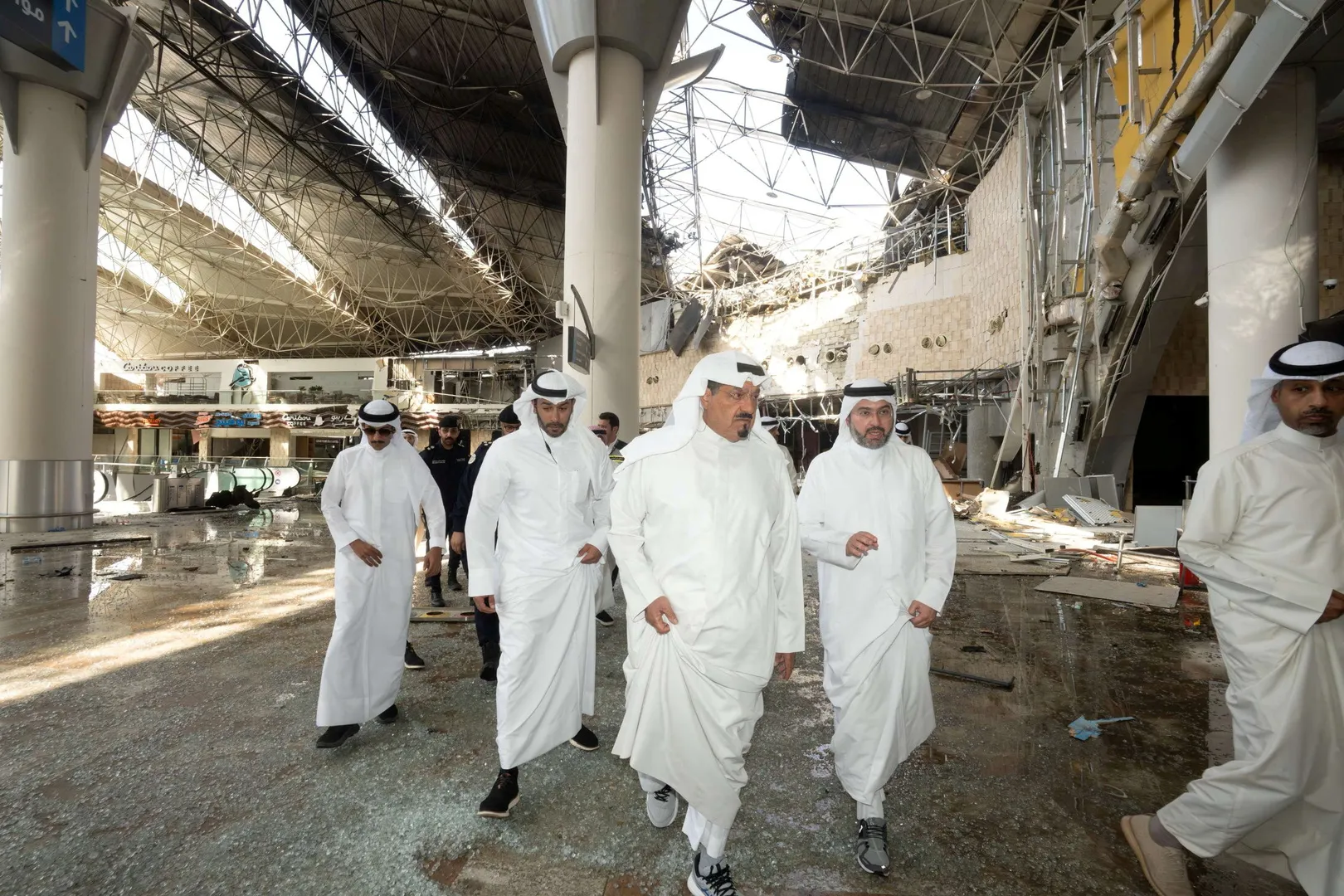
Kuwait’s defence ministry has labelled an attack on the country’s international airport as ‘heinous Iranian aggression’. One person was killed and dozens were injured after Iranian drones struck a terminal on Wednesday, causing ‘significant material damage’.
Published On 3 Jun 20263 Jun 2026
Share

Global markets are navigating two powerful and competing forces: escalating geopolitical tensions in the Middle East and continued investor enthusiasm for artificial intelligence-related stocks. While concerns over renewed conflict between the United States and Iran have boosted oil prices and supported demand for safe-haven assets, the AI-driven technology rally has continued to push stock markets higher, particularly in Asia.
Oil prices rose for a third consecutive session on Wednesday after fresh hostilities emerged in the Gulf region. Brent crude climbed 1% to $94.74 per barrel as hopes for a quick resolution to tensions between Washington and Tehran faded.
The U.S. military reported that Iranian missile attacks targeting Bahrain, Kuwait and other regional locations were either intercepted or failed. The developments came after negotiations aimed at ending the conflict between the United States and Iran stalled despite both sides announcing a tentative agreement last week.
Meanwhile, financial markets showed mixed reactions. U.S. stock futures were largely unchanged, while European futures edged lower. In Asia, however, technology shares continued their strong advance, helping stock indexes in Japan and Taiwan reach record highs.
Investors had previously expected the United States and Iran to formalize an agreement that would reduce regional tensions and ease concerns about energy supplies. The lack of progress in negotiations has instead revived fears of a prolonged conflict that could disrupt oil shipments from the Gulf, a critical region for global energy markets.
Higher oil prices typically reflect concerns about potential supply disruptions. The latest military developments prompted traders to unwind some of their earlier bets on a diplomatic breakthrough, contributing to the rise in crude prices.
Currency markets also reflected growing caution. The U.S. dollar strengthened against the Japanese yen, briefly touching the closely watched 160 level before retreating amid concerns that Japanese authorities could intervene to support their currency.
Despite geopolitical concerns, enthusiasm surrounding artificial intelligence remained a major driver of equity markets. Wall Street indexes posted modest gains on Tuesday, supported by technology shares.
Chipmaker Marvell Technology surged more than 32% after Nvidia chief executive Jensen Huang described the company as a potential trillion-dollar business. Investor optimism surrounding AI also helped propel SoftBank Group above Toyota Motor Corporation as Japan’s most valuable listed company.
The AI boom has continued to attract investment even as broader markets grapple with geopolitical uncertainty and concerns about interest rates.
Investors are now closely watching upcoming U.S. economic data, including services sector activity, private payroll figures and Friday’s employment report. Strong labor market data could reinforce expectations that the Federal Reserve will keep interest rates higher for longer or even consider further increases.
Bond markets remained relatively stable, while traders adjusted expectations from potential rate cuts earlier in the year to the possibility of additional rate hikes. Markets have also priced in the likelihood of monetary tightening in Europe and Japan.
At the same time, developments in the Middle East remain a key risk factor. Any further escalation between the United States and Iran could push oil prices higher and increase volatility across global financial markets, while continued strength in AI-related stocks may help support broader equity markets despite geopolitical headwinds.
With information from Reuters.
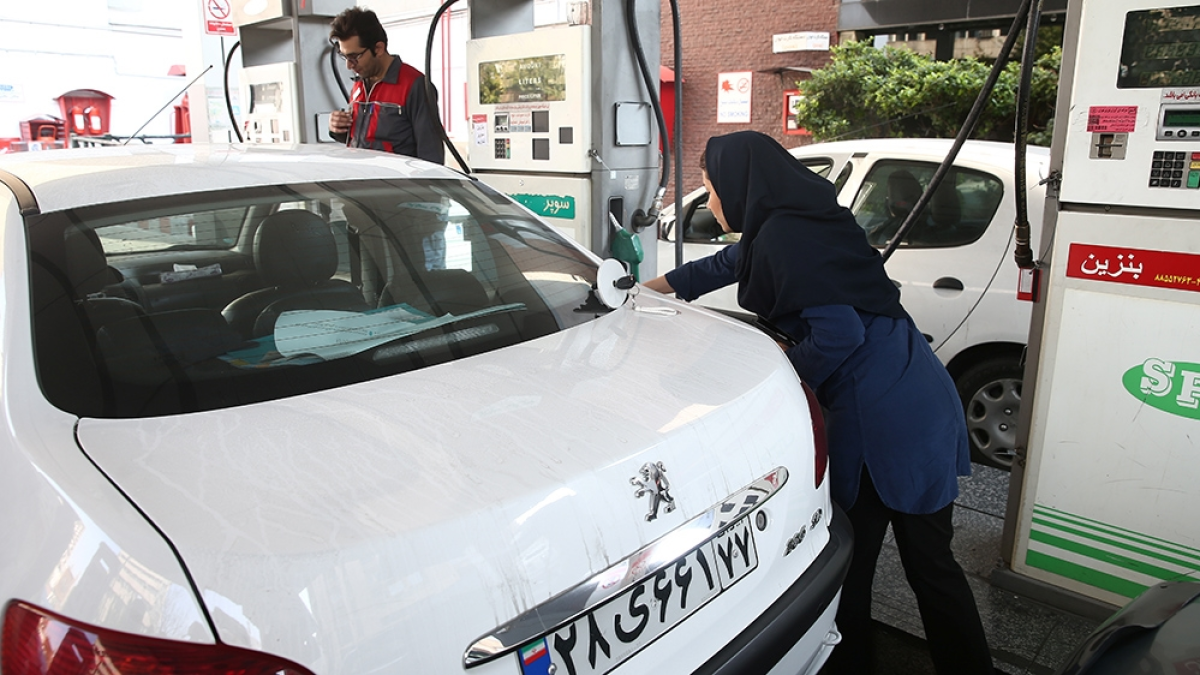
Tehran, Iran – Iran is facing more energy constraints as its summer season begins, with the widespread use of air conditioning and other needs during hotter months contributing to an imbalance between supply and consumption.
For decades, successive Iranian governments have kept utility bills well below supply costs for households and offices through a mix of implicit oil-and-gas subsidies, administered tariffs, state-controlled pricing, and sometimes direct financial support.
The negative impacts of the war with Israel and the United States on the economy mean the government has fewer tools at its disposal to deal with an energy crisis this summer.
Despite having the world’s third-largest proven crude oil reserves, Iran will have to import fuel again as demand outpaces refinery output.
President Masoud Pezeshkian has repeatedly urged households and offices to take practical steps to limit energy consumption. Last week, he removed his jacket during a government meeting to demonstrate how Iranians can avoid turning down their air conditioning thermostats in their offices.
Even though energy costs for households are much lower than in other parts of the world, corruption, mismanagement, sanctions, chronic inflation and currency devaluation have eroded the benefits Iranians usually feel from subsidised energy prices.
In November 2019, the government announced a tiered gasoline price scheme that would see huge increases for some consumers. This sparked nationwide protests, and since then, the government has been wary about similar price hikes.
While inflation has galloped on, continued subsidies have kept fuel artificially low.
The administration’s attempts to tackle the subsidies burden due to a mounting budget crunch have resulted in only limited increases in petrol through a complex three-tiered pricing system.
This is applied via a government-issued fuel card, giving most users of Iranian-made vehicles access to 60 litres (15.85 US gallons) per month of subsidised petrol at 15,000 rials (0.8 cents) and another 100 litres (26.42 gallons) at 1.6 cents.
Iranians going over this amount then must use an “emergency card” issued at petrol stations, permitting them to an additional 30 litres (7.9 gallons) of fuel a day at 50,000 rials (about 2.9 cents) per litre.
After a new cap was imposed during the war to limit fuel consumption, each card allows only 30 litres of fuel a day. Petrol stations are issued their own “emergency card” for uses beyond this limit.
Due to supply constraints, staff at petrol stations have now reportedly been instructed to limit the use of these cards to 10 to 15 litres (up to 4 gallons) or asked not to issue any new cards at all to customers.
The Iranian government is running similar schemes for natural gas, electricity and urban water, with fears of social unrest making them averse to any sudden price hikes.
There appears to be little the government can do to bridge the divide between lower energy production and growing demand for subsidised fuel, illustrated by the perpetual queues at petrol stations since the start of the war.
“Reforming and increasing the price of energy is currently not feasible and logical due to the current economic conditions and social concerns,” Esmail Saghab Esfahani, a vice president of the state-linked Organization for Energy Optimization and Strategic Management, said earlier this week.
There have been some changes to pricing structures, but this is impacting small businesses that are already struggling with the dire economic conditions in Iran.
One 35-year-old owner of a welding workshop near Tehran, who asked to remain anonymous, told Al Jazeera that a surge in his monthly energy bill from 40 million rials ($23) per month in the previous Persian calendar year to three times that today.
“I went to the electricity company, and they only kept saying the tariffs have gone up,” he said.
“I had a similar message from a friend who is paying much more now for roughly the same usage as before, so it looks like we’re to pay for the cost of war.”
Authorities say that any complaints about escalating bills will be reviewed. They also have a system where normal household energy consumption is kept artificially low, but excessive users can be billed as much as 45 times the normal prices.
Despite having the second-largest proven natural gas reserves in the world, Iran still suffers from perpetual supply shortages during its winter and summer, when consumption is at its highest.
The situation has worsened during the war, with strikes on Iranian energy facilities seeing Iran’s gasoline production capacity drop marginally from 115 million litres (30.37 million gallons) per day to 110 million litres (29.06 million gallons). Meanwhile, consumption has jumped from 10 million litres (2.64 million litres) in 2025 to 140 million litres this year (36.98 million litres).
US President Donald Trump’s threats of more strikes on power plants have heightened fears of further blackouts and gas shortages this summer, meaning the energy crisis is likely to continue in the coming months.

Kuwait and Bahrain have condemned an Iranian missile and drone attack, which Tehran says targeted US military facilities in the Gulf. A strike hit Kuwait’s airport, causing at least one death, dozens of injuries and flight suspensions. Tehran says the strikes are retaliation for US attacks on Iran.
Published On 3 Jun 20263 Jun 2026
Share
Previous World Cup appearances: 6
Best performance: Fourth place (2022)
First appearance: 1970 (Mexico)
Top goal scorer: Youssef En-Nesyri (3)
Most appearances: Achraf Hakimi, Hakim Ziyech (10)
Player to watch: Brahim Diaz
FIFA world ranking: 8
The FIFA World Cup begins on June 11. You can follow the action on Al Jazeera’s dedicated World Cup 2026 page with all the latest news, match build-up and live text commentary, and keep up to date with group standings, real-time match results and schedules.
list of 4 itemsend of list
Four years ago, the Morocco made history by becoming the first African and Arab team to reach the World Cup semifinals in Qatar, eliminating Spain and Portugal along the way, before narrowly losing to France.
They come into the 2026 edition again boasting a strong squad and hoping to replicate – or go even further – than their sensational 2022 run.
However, the Atlas Lions also find themselves in rather more chaotic circumstances this time around with a managerial departure less than three months out from the tournament, and bruised by a wild Africa Cup of Nations (AFCON) final that provoked a diplomatic row with Senegal.
The squad is still dealing with the fallout from one of the most incendiary episodes in African football history.
January’s final in Rabat descended into chaos when Senegal’s players walked off the pitch in protest after Morocco were awarded a contentious stoppage-time penalty following a VAR review with the game at 0-0.
The decision to award the spot kick sparked trouble among the Senegal fans in the crowd. Eighteen spectators were were later jailed following the disruption.
After Senegal finally returned to the pitch after a lengthy delay, Real Madrid and Morocco star Brahim Diaz missed the penalty with a poor attempt at a panenka. Senegal went on to win the game 1-0 with a goal in extra-time.
However, the saga did not end there. In March, CAF stripped Senegal of the title and awarded it to Morocco, ruling that Senegal had forfeited the game by leaving the pitch.
Senegal have appealed at the Court of Arbitration for Sport (CAS), and have made allegations against CAF and Morocco.
For the Atlas Lions, being belatedly crowned champions by officials has done little to ease the pain as well as a sense of injustice, and the ongoing saga continues to leave a toxic fallout for the team.
Walid Regragui, the coach who masterminded the 2022 run, parted ways with the team in March.
It is likely that he ultimately paid the price after the manner of Morocco’s narrow defeat to Senegal in the AFCON final on home soil, as well as reported arguments between him and the country’s football federation over the direction of the team.
His replacement, Mohamed Ouahbi, led Morocco’s Under-20 side to the 2025 Youth World Cup title as the federation said a “strategic decision” was behind the appointment.
“It’s a desire not to waste time and to take a different direction,” a source close to the federation told the AFP news agency.
But for Ouahbi, 49, stepping up to a first senior World Cup under such acrimonious circumstances is an extremely challenging task – especially as he has only ever managed youth teams in his career.
“I’m not here to build, because the foundations are already in place. I’m here to keep performing,” Ouahbi said after his appointment.
Whether the new coach has the authority and tactical acuity to thrive at the highest level remains to be seen, and it will be a bit of a baptism of fire.

Up until that penalty miss, talented forward Brahim Diaz had been the best player at the tournament, driving Morocco to the final as he won the Golden Boot with five goals.
The Real Madrid playmaker is quick, clever and capable of producing something out of nothing – giving Morocco a touch of genuine magic between the lines.
He may be carrying a psychological weight into this tournament after the AFCON final fracas, but Morocco will hope he will channel that frustration into having an outstanding World Cup.
While much of the squad is fairly well established, the exciting 18-year-old Lille midfielder Ayyoub Bouaddi, who has switched allegiances after representing France at junior level, made the squad.
“A dream come true, but above all the start of a new chapter, with even more work, rigour and responsibilities,” Bouaddi said on X.
“I am aware of the privilege I have to defend these colours, and I will give everything to represent my country in the best possible way.
“A thought also for France. My choice in no way diminishes the pride and gratitude for having been able to wear that jersey in my youth.”
Perhaps surprisingly, Youssef En-Nesyri, who scored the winning goal against Portugal in the 2022 quarterfinal, did not make the cut.
Elsewhere, Bilal El Khannouss is a highly technical and creative attacking midfielder, while Sofyan Amrabat gives the side combative energy in defence.
Marseille defender Nayef Aguerd has been selected, despite not playing since March due to injury.

Last season, the PSG right back scored 11 goals and provided 14 assists en route to helping his club win a historic treble of the Champions League, Ligue 1 and the French Cup – he was subsequently named CAF African Player of the Year.
This season has been less productive so far in terms of goals and assists. Hakimi increasingly attracts intense attention from opponents keen to neutralise his threat. His season has also been overshadowed by issues off the pitch as it was announced earlier this year that he will stand trial for rape in France – allegations which Hakimi denies.
Despite the off-field issues and reduced returns this season, his overlapping runs, delivery and goalscoring threat – on top of his defensive prowess – arguably means he remains the best right back in the world.
Group C certainly has its challenges for Morocco, not least in their opening game against Brazil. While the Brazilians no longer quite hold the fear factor of previous tournaments, they are still packed with quality.
Nevertheless, Morocco will fancy their chances of getting something from that game and sending a statement to their rivals.
Easier ties await after that, and although an improving Scotland are no pushovers and Haiti could provide an unknown quantity, Morocco should be winning both of those games if they are to mount a serious push for the title.
Morocco also faced Brazil and Scotland in the France 1998 World Cup. The Atlas Lions put in a respectable performance then – recording a 3-0 win over Scotland while losing by the same score to Brazil and drawing with Norway – but finished third in the group and failed to progress to the round of 16.
⚽ June 13: Brazil vs Morocco (New Jersey, US), 6pm ET (22:00 GMT).
⚽ June 19: Scotland vs Morocco (Boston, US), 6pm ET (22:00 GMT).
⚽ June 24: Morocco vs Haiti (Atlanta, Georgia), 6pm ET (22:00 GMT).
Last 16.
An inexperienced coach and turmoil around the squad will probably lead them to fall short of matching their 2022 exploits.
Goalkeepers: Yassine Bounou (Al Hilal), Munir Mohamedi (RS Berkane), Ahmed Tagnaouti (Royal Armed Forces).
Defenders: Noussair Mazraoui (Manchester United), Anass Salah-Eddine (PSV Eindhoven), Youssef Belammari (Al Ahly), Nayef Aguerd (Marseille), Chadi Riad (Crystal Palace), Issa Diop (West Ham United), Redouane Halhal (KV Mechelen), Achraf Hakimi (Paris St-Germain), Zakaria El Ouahdi (Genk).
Midfielders: Samir El Mourabet (Strasbourg), Ayyoub Bouaddi (Lille), Neil El Aynaoui (Roma), Sofyan Amrabat (Real Betis), Azzedine Ounahi (Girona), Bilal El Khannouss (Stuttgart), Ismael Saibari (PSV Eindhoven).
Forwards: Abdessamad Ezzalzouli (Real Betis), Chemsdine Talbi (Sunderland), Soufiane Rahimi (Al Ain), Ayoub El Kaabi (Olympiacos), Brahim Diaz (Real Madrid), Yassine Gessime (Strasbourg), Ayoub Amaimouni-Echghouyabe (Eintracht Frankfurt).