
What is LNG and what is it used for? | US-Israel war on Iran News
The United States-Israeli war on Iran has hit critical liquified natural gas (LNG) supplies in the Gulf, triggering the most severe disruptions in recent years to the global energy market.
Shipping through the critical Strait of Hormuz, which accounts for 27 percent of the world’s maritime oil trade and 20 percent of LNG, has been brought to a near standstill, with oil-producing nations such as Saudi Arabia rerouting oil through alternative pipelines and Qatar halting LNG production.
Recommended Stories
list of 4 itemsend of list
Natural gas makes up about a quarter of global energy consumption, raising concerns about how much the disruption to LNG will affect those most reliant on gas.

What is LNG?
Natural gas is formed over millions of years from decomposed organic matter subjected to intense heat and pressure beneath the Earth’s surface.
LNG is natural gas cooled to -162 degrees Celsius, known as cryogenic processing, shrinking it to a 600th of its gaseous volume.
In its liquid state, LNG is colourless, odourless and non-flammable, making it safe and efficient to transport across vast distances.

Composition and purification
Before liquefaction, the gas is purified through water-based solvents and molecular sieve beds to remove impurities including carbon dioxide, hydrogen sulphide, water and mercury.
Heavier hydrocarbons are then separated from methane and ethane through fractionation, and stored, used or sold as byproducts. The result is a fuel typically composed of 85 to 95 percent methane, with small amounts of ethane, propane, butane and nitrogen.
Storage and transport
LNG is stored in large insulated tanks without the need for high-pressure infrastructure. It is then pumped onto double-hulled carriers and shipped to terminals around the world.
Regasification
At its destination, LNG is heated using seawater or a warm water bath until it vaporises, a process known as regasification, before being moved through pipelines for consumption. It is sometimes blended with nitrogen or propane to ensure compatibility with local gas networks.
What is it used for?
Once LNG is returned to a gaseous state at import terminals, it is dispersed through pipelines for use in homes, businesses and industries around the world.
Residential uses include cooking, heating and generating electricity. In many parts of the world, LNG also supports hot water systems in homes and heating for commercial buildings.
It is used for power generation broadly, offering a comparatively low-carbon alternative to coal and oil.
In industry, it is used for fertilisers, plastics, paints and medicines. It is also used in transport to fuel heavy-duty vehicles and ships.

Gulf nations export close to half the world’s traded urea – commonly used in fertilisers globally, leaving international agriculture deeply vulnerable to any interruption in the LNG shipping lane through the Strait of Hormuz.
The disruption has already forced fertiliser producers across the region to suspend or reduce operations, since natural gas is both the primary feedstock and the fuel that powers the manufacturing process.

QatarEnergy’s decision to halt gas production following attacks on its LNG infrastructure brought the world’s single largest urea plant to a standstill. In addition, the Omani port of Salalah on the Arabian Sea has been closed, which holds an ammonia storage terminal. The port was hit in a drone attack on March 11.

What are the by-products?
While LNG is primarily valued as an energy source, the processing and liquefaction of natural gas yield a range of by-products with industrial and medical applications.
The most notable by-product is helium, which is extracted during cryogenic processing at LNG facilities using distillation to separate the concentrations of helium from the gas.
Global helium production is estimated to be about 180 million cubic metres annually. The disruption to LNG facilities in Qatar means some 5.2 million cubic metres of helium is taken out of the market each month, accounting for about a third of global monthly production.
Helium is used primarily as a cooling agent for superconducting magnets in MRI and CT scanners, with the average MRI machine needing about 1,700 litres of liquid helium, and some older MRIs needing replenishment every two to three years.

Helium is also critical to the data centre industry, where it is used to conduct heat away from silicon, preventing parts of semiconductors from being damaged.
The natural gas value chain generates petrochemical derivatives that also form feedstock for manufactured goods.
For example, ethane and propane are cracked to produce ethylene and propylene, which are materials used in plastics such as IV bags, syringes and other medical-grade plastics.
Which countries supply LNG?
According to the International Gas Union (IGU) 2025 World LNG Report, some 411.24 million tonnes (mt) of LNG were traded in 2024.
The largest exporter of LNG is the United States, which in 2024 exported a total of 88.4mt, followed by Australia (81mt), Qatar (77.2mt), Russia (33.5mt) and Malaysia (27.7mt).
Together, the top five countries account for more than three-quarters of global supply.
Which countries import it?
China was the largest importer of LNG with 78.6mt imported in 2024, followed by Japan (67.7mt), South Korea (47.1mt), India (26.1mt) and Taiwan (21.8mt). The top five importers accounted for nearly 59 percent of all global LNG imports in 2024.
South Asian nations such as Pakistan and Bangladesh are also at high risk from the current conflict.

Pakistan’s primary energy source is natural gas, which accounts for 28 percent of electricity generation for the country of more than 250 million people.
In Bangladesh, with a population of about 176 million, gas accounts for half of all electricity generation.
Qatar and the United Arab Emirates supply about 99 percent of Pakistan’s LNG imports and 72 percent of Bangladesh’s, according to trade intelligence firm Kpler.
Earlier in the month, Pakistan introduced emergency measures to tackle the energy shock, including moving to a four-day workweek for government employees and announcing spring holidays for schools from March 16 to the end of the month.
As a precautionary measure, the Bangladeshi government has also reduced gas supplies. Bangladesh is seeking nearly $2bn in loans from international lenders in a bid to fund energy inputs and keep prices stable.
Some petroleum gas tankers heading to India have managed to pass through the Strait of Hormuz despite the conflict — at least one Pakistani tanker has crossed the strait, too. In India, where 5 percent of electricity generation comes from gas, they are now relying more on coal as LNG disruptions continue. India gets about half of its LNG from the Gulf.

On March 9, an Indian government order redirected natural gas and regasified LNG to priority sectors, with curtailments affecting consumers and the petrochemical industry, according to S&P Global.

Nepal’s youngest premier sworn in after releasing new rap song about unity | News
Balendra Shah, 35, and his three-year-old Rastriya Swatantra Party won a landslide after Gen-Z protests toppled the former government.
Published On 27 Mar 2026
Balendra Shah, Nepal’s youngest prime minister, has been sworn in after his party’s landslide election victory following protests led by young people that toppled the government in September.
A rapper-turned politician, Shah was appointed prime minister by President Ram Chandra Paudel on Friday, after his three-year-old Rastriya Swatantra Party (RSP) won 182 seats in the 275-member parliament in the March 5 vote, the first election since anticorruption Gen Z-led protests in which 76 people were killed.
Recommended Stories
list of 4 itemsend of list
The 35-year-old wore black trousers, a matching jacket, his signature black Nepali cloth cap and sunglasses as he was sworn in at the President House, in the presence of diplomats and senior government officials.
A day earlier, the new premier, better known as Balen, released his first public statement since the historic vote with a rap song shared on social media.
“Nepal is not scared this time, the heart is full of red blood … Laughter and happiness will reach every household this time,” Shah raps in the song titled Jay Mahakaali (Victory to Goddess Mahakali).
His music video, which features visuals of large crowds cheering him during his election campaign, has racked up nearly three million views.
“The strength of unity is my national power,” his lyrics continue.

A former mayor of the capital, Kathmandu, Shah is Nepal’s first Madhesi premier – people of the southern plains bordering India – to lead the Himalayan nation.
China extended its congratulations to Nepal on the swearing-in of Shah, the Chinese Ministry of Foreign Affairs said on Friday, adding it will support its Himalayan neighbour in safeguarding its independence, sovereignty and territorial integrity.
Protests had raged over a lack of jobs and endemic corruption in the country of 30 million, where a fifth of the population lives in poverty and an estimated 1,500 people leave the country daily for work abroad.
Although he did not directly participate in the protests, Shah publicly expressed support for the largely Generation Z demonstrators who led the movement.
Political instability has been an uphill challenge for Nepal, with 32 governments taking office since 1990 and none of them completing a five-year term.
The Nepali Congress party, the country’s oldest party, became a distant second group in parliament with just 38 seats. The Communist Party of Nepal (Unified Marxist-Leninist) of KP Sharma Oli, who was forced to resign after the Gen Z unrest, controls 25 members.
Former Chief Justice Sushila Karki led the nation through the interim period up to the parliamentary election.

10 of the ‘best TV shows ever made’ that thousands of people can’t stop watching
Some people prefer a laid back comedy, while others look for a psychological thriller that keeps them on the edge of their seats – but these 10 shows are tried and tested

The Good Place(Image: Daily Mirror)
When it comes to watching TV, everyone has different opinions on what they like to watch. Some people prefer a laid back comedy, while others look for a psychological thriller that keeps them on the edge of their seats.
But there are some cult classics that hundreds of thousands of people watch, and rewatch, that bring joy, excitement and nostalgia. One Reddit user posed in the R/AskReddit community to ask members what their favourite TV show of all time was.
The post said: “What’s a TV series you’ll never get tired of recommending to someone?” Hundereds of people were quick to hail their 10 favourite TV shows, with some being aired for the first time in 2002.
1. The Wire, 2002
The Wire was aired on HBO between 2002 and 2008 and looks at the narcotics scene in Baltimore through the eyes of police, as well as the drug dealers and users.
The show was created by former police reporter David Simon, who also wrote many of the episodes, and has a huge 94% rating on Rotten Tomatoes.
One person commented: “I was advocating for someone I know to watch it about four hours ago. I had to share, to someone who works in a bureaucracy, the line ‘There you go Jimmy…Givin’ a f***, when it ain’t your turn to give a f***’. Masterpiece of a show.”
A second said: “So I just watched this cause everyone raves about it. And I liked it, but it felt really forced in season 5.”
The Wire can be watched on HBO Max.
2. The Good Place, 2016
The Good Place was first aired on NBC in 2016 and follows four people who enter the afterlife after dying on earth. Eleanor Shellstrop [Kristen Bell] is both relieved and surprised that she’s made it into the Good Place.
But it doesn’t take long for her to realize she’s there by mistake, and is forced to hide in plain sight. The show has a huge 97% rating on Rotten Tomatoes and is a firm favourite by TV fans.
One person said: “One of the most perfect shows ever made, imo. From start to finish.”
A second said: “I recommend this show to my mom and I regret it LOL. she watches it everyday. AND I mean everyday. She will just keep watching it and not get tired of it.”
The Good Place can be watched on Netflix.
3. Dark, 2017
Dark was first aired on Netflix in 2017 and follows two families searching for answers when their children go missing in a small German town. A sinful past is exposed along with the double lives and fractured relationships that exist among four families as they search for the kids.
The mystery-drama series introduces an intricate puzzle filled with twists that includes a web of curious characters, all of whom have a connection to the town’s troubled history.
The series has a 95% rating on Rotten Tomatoes and can be watched in Netflix.
One person said: “Dark was incredibly fine-tuned. I had found a chart online to help with family connections and time jumps.”
A second said: “Truly a 10/10 show. Still sad 1899 didn’t get the full run it deserved.”
4. Arrested Development, 2003
Arrested Development was first aired on Fox in 2003, and follows the Bluth family. Michael Bluth finds himself forced to stay in Orange County and run the family real estate business after his father, George Bluth Sr, is sent to prison for committing white-collar crime.
He tries to juggle the wants and needs of his spoiled and eccentric family while being a good role model for his teenage son, George Michael.
The series, which has a Rotten Tomatoes score of 75%, is known for having a reboot after season three, which did not go down as well as the first three seasons of the programme.
One person said: “Arrested Development (Seasons 1-3 too afraid to watch reboot so never did).”
A second person said: “Arrested Development is mine for sure. I don’t think there has ever been a funnier show on television.”
You can watch Arrested Development on Netflix and Disney+.
5. The Expanse, 2015
The Expanse was first aired on Syfy channel in 2015, and takes viewers hundreds of years into the future. Things are much different than what humanity is used to after humans have colonized the solar system and Mars has become an independent military power.
She show follows rising tensions between Earth and Mars that have put them on the brink of war. The show has a massive 95% rating on Rotten Tomatoes, with many people singing its praises.
One person said: “Such a great show. One of the only good things Bezos has done in his life is paying to finish that show.”
A second said: “Excellent show! You gotta check out.”
The Expanse can be watched on Prime Video.
6. Parks and Recreation, 2009
The comedy was first aired on NBC in 2009 and follows the Indiana Parks and Recreation Department as they deal with oafish bureaucrats, selfish neighbours, governmental red tape and a myriad of other challenges.
The show is known as an easy to watch cult classic, and has a massive 93% rating on Rotten Tomatoes.
One person said: “The first show my wife and I binged when we first started dating. We ended up finishing our wedding vowels with “I love you and I like you” and engraving it on our wedding rings.”
A second said: “Way better than the office in my opinion.”
Parks and Recreation on Sky.
7. Psych, 2006
The Comedy, Crime and Mystery & Thriller was first aired on USA network in 2006, and follows Shawn Spencer as he happens to possess some uncanny powers of observation thanks to his father, Henry, a former police officer who taught his son to remember even the smallest details of his surroundings.
When Shawn is accused of committing a crime that he actually solved, he convinces the cops that he’s a psychic. The show has an 89% rating on Rotten Tomatoes and ran for 8 seasons.
One person said: “Psych was an incredible mix of humor, intrigue, creative writing and stupidity. I loved every second of it.”
A second said: “Episodic shows have so much rewatchability. Need to sit for 40 minutes? Watch an episode. Doesn’t matter which, they’re all self contained. Serial shows you can’t watch a random episode because you may not remember what’s going on.”
Psych can be bought on Prime and Apple TV.
8. Ted Lasso, 2020
Ted Lasso was first released on Apple TV in 2020 and follows an American football coach who is hired to manage a British soccer team.
What he lacks in knowledge, he makes up for in optimism, determination and biscuits. This comedy/drama is an easy watch, and features some big stars such as Hannah Waddingham, Jason Sudeikis and Nick Mohammed.
The show has a 90% rating on Rotton Tomatoes, and you don’t need to enjoy football to watch the show.
One person said: “I’m not even a fan of Soccer or most sports, but this show may be the most Wholesome, Down to Earth show I’ve ever seen. For anyone who hasn’t seen it, Soccer & sports is only about 5% of the show. The other 95% is behind the scenes, character development, comedy, and straight up genuine wholesomeness.”
A second said: “Idk if I’d even say it’s 5%, the soccer thing is all just backdrop really for some incredible character development.”
Ted Lasso can be watched on Apple TV.
9. Fleabag, 2016
Fleabag was first aired on BBC Tree in 2016 and follows a dry-witted woman, known only as Fleabag, as she navigates life and love in London while trying to cope with tragedy. The angry, grief-riddled woman tries to heal while rejecting anyone who tries to help her.
The show has a 100% rating on Rotten Tomatoes and is known for its depth and dark comedy.
One person said: “Kind of dark to be fair. More raunchy than dark to me really. But it’s amazing, so I agree on the brilliance. Olivia Coleman may be my favourite British actresses of all time, even if she has been around the station a few times.”
A second said: “Season 2 is as close to perfection as any show will ever get.”
Fleabag can be watched on Prime Video, Sky and BBC iPlayer.
10. Brooklyn Nine-Nine, 2013
Brooklyn Nine-Nine was first aired on Fox in 2013 before moving to NBC for the final three seasons. The show follows the team of detectives at Brooklyn’s 99th Precinct – made up a loveable and offbeat squad that must get its act together when the office gets a new captain.
The show has a 95% approval rating on Rotten Tomatoes, with many describing the show as “hilarious”.
One person said: “My wife made me watch it and I was hooked from the first episode.”
A second said: “I have to admit, this was recommended many times and when I saw bits and pieces I really hated it. Then I gave it a chance, now I’m at season 5, so many hilarious bits.”
Brooklyn Nine-Nine can be watched on Netflix.

EU approves customs reform to handle rising trade and global uncertainties
Published on
The EU approved a sweeping customs reform to handle growing trade volumes and streamline the application of its standards.

ADVERTISEMENT
ADVERTISEMENT
The agreement, which was reached on Thursday evening, introduces new tools to improve the collection of customs duties and increase controls on non-compliant or unsafe goods, without imposing excessive burdens for authorities and traders.
“Today’s agreement marks the greatest reform since the creation of the Customs Union in 1968”, Cypriot Finance Minister Makis Keravnos said in a statement following the adoption of the reform. “This modern toolbox will facilitate trade and ensure the proper collection of duties, in a simplified manner, and with the required legal certainty”, the minister added.
Customs management and trade have gained renewed urgency after trade volumes have sharply increased in the last years. Some €4.6 billion low-value items under €150 were imported to the EU in 2024, representing an average of 12 million parcels per day, according to European Commission data. That is a major increase from the €2.3 billion that entered in 2023 and €1.4 billion in 2022.
In addition, uncertainties over US tariffs, combined with new EU trade deals such as those with MERCOSUR and Australia, make this reform particularly timely.
EU customs data hub
The new rules foresee the creation of an EU customs data hub, which will be an online platform to facilitate the monitoring of trade flows without disrupting their smooth operation.
Businesses importing and exporting from the EU will only need to submit customs information on that single portal.
The hub, which will be operational for e-commerce from July 2028, will be managed by a new European Custom Authority, headquartered in Lille, France.
The Authority will oversee the EU customs by coordinating national offices and supporting them in the risk management. In particular, the Authority will analyse the import and export data to flag cargos that poses the highest risk for inspection.
The reform will also introduce simplified procedures for “trust and check traders” for transparent businesses that will not be subjected to active customs interventions.
For e-commerce operators that fail to comply with EU standards, it will be applied a new system of financial penalties.
The reform foresees a new EU handling fee for small parcels entering the EU starting November 2026, with the exact amount to be decided by the European Commission. From July to November, a temporary €3 tax will apply to all parcels under €150.

Commentary: Goodbye, Border Patrol bogeyman Gregory Bovino, and good riddance
How would you feel about getting a dream gig only to see it end in disgrace because of, well, you?
That’s what Gregory Bovino gets to think about for the rest of his life. Friday is the Border Patrol lifer’s last day on the job after 30 years — and he ain’t leaving because he wants to.
For the past year, the self-described “hillbilly” was the personification of the Trump administration’s xenophobic deportation deluge. Helicopter invasions of apartment complexes, tear gas canisters thrown into large crowds, defying court orders, glamorous photo shoots: There was no municipality too big, no tactic too crazy, no quote too incendiary for Bovino to take on while he treated immigrant neighborhoods like the shores of Normandy.
The North Carolina native’s caravan of cruelty quickly earned him a promotion from El Centro sector chief to Border Patrol commander at large, a new position crafted just for him. He embraced the role of migra bogeyman like a tween boy scarfing down a bowl of Warheads, always promising more deportations, more chaos, more more.
Not anymore.
In January, Border Patrol agents shot and killed ICU nurse Alex Pretti during a protest against them a few weeks after an Immigration and Customs Enforcement officer did the same to Renée Good, a mother of three. Bovino threw napalm on the matter by claiming Pretti wanted to “massacre law enforcement” without offering any evidence. The incidents so soured the public on immigration agents that a Public Religion Research Institute poll released this week showed only 35% of Americans surveyed approved of how Trump is handling immigration, compared to 48% a year ago.
Bovino was sent back down to El Centro and lost his social media privileges, where he had long posted cringe-inducing videos about what a swell guy he was. Even Trump turned on his migra man, telling Fox News that Bovino was “a pretty out-there kind of a guy … and in some cases that’s good. Maybe it wasn’t good [in Minneapolis].”
I should’ve warned Bovino the one time we met that failure was his fate.
The setting: the Fox 11 Los Angeles studios in July. Bovino and I were in to do separate interviews with the station’s former anchor Elex Michaelson. Bovino was in the middle of his Los Angeles invasion, which saw immigration agents lay siege to MacArthur Park, storm Home Depots and car washes and show up outside the Japanese American National Museum while politicians inside were decrying Trump.
Dressed in full Border Patrol uniform complete with a clipped-on walkie-talkie on his shoulder, the guy was billing himself as a modern-day Charles Martel defending the homeland from invading infidels. The nasal-voiced Bovino rambled to Michaelson about how “Ma and Pa America” deserved a country free from undocumented immigrants and vowed to remain in Los Angeles “until the operation is over.”

Then-U.S. Border Patrol commander at large Gregory Bovino, center, along with Border Patrol agents as they march to the Edward R. Roybal Federal Building after a show of force outside the Japanese American National Museum where Gov. Gavin Newsom was holding a redistricting press conference on Aug. 14, 2025, in Los Angeles.
(Carlin Stiehl / Los Angeles Times)
After his interview, Bovino and three Border Patrol agents strolled into the greenroom to grab some homemade cookies while I sat on a couch. He looked me in the eye while bending down to sign Michaelson’s guest book, as if he expected me to not only recognize him but say something.
It was like staring at someone doing an impersonation that was one part Lt. Col. Kilgore from “Apocalypse Now” and two parts Henery Hawk, the short, brash Looney Tunes character that was always trying to capture the much larger Foghorn Leghorn. He really thought that his scorched-earth assault on L.A. would defeat the city and convince other communities to offer no pushback once Bovino’s self-titled “Green Machine” trolled into town.
The opposite happened.
People who had never bothered with politics — even some who voted for Trump or at least agreed with deporting immigrants with criminal convictions — rose up to resist. Everywhere became a front — social media, the streets, courtrooms — and activists across Southern California began to share notes among themselves and with communities nationwide to prepare them for la migra. Bovino flailed back at every affront instead of focusing on his mission, not realizing his recklessness was eroding public support for his cause and threatening it altogether.
Really, Bovino lost the day he has long claimed as a victory: the Battle of MacArthur Park.
That’s when he convinced the Trump administration to send a skeptical National Guard alongside his men to surround the historic L.A. green space in the ludicrously named Operation Excalibur. Armed vehicles parked on Wilshire Boulevard. A grinning Bovino strutted around with media in tow. A wannabe cavalry unit, anchored in the center by an agent on a white horse, swept through a soccer field where children were attending day camp just minutes before.
No one was arrested or detained that day. Instead, Bovino left to a chorus of cuss words and boo birds. The exercise allowed Americans to see the folly of burning millions of taxpayer dollars just so someone could star in a TikTok reel. It also broke the spell Bovino had cast over many critics — myself included — who had feared he truly was an unstoppable Punisher.
Nah, he was just a spiky-haired pendejo.
If Bovino was as smart as he thinks he is, he would’ve followed the longtime strategy of another longtime immigration enforcer. Trump border czar Tom Homan executed a yearslong roundup under the Obama administration with numbers Trump has yet to reach and with nowhere near as much public rancor. Homan, who loves the camera almost as much as Bovino, knew then and now that an issue as explosive as deportations must be approached quietly if it’s to be done successfully.
Instead, not only does he have to clean up Bovino’s mess, there’s now a real chance that the Republicans will lose the midterms because of Latinos who voted for Trump in 2024 but are now furious at his administration. That’s why even Trump is now telling Republicans to tone down their anti-immigrant rhetoric, stat.
Gracias, Bovino!
You thought you would go down in U.S. history as a domestic Patton, a borderlands Sherman. Instead, your last week coincided with the publication of a New York Times profile of you railing at enemies while downing coffee at a burger bar in El Centro.
You called Customs and Border Protection commissioner Rodney Scott “weak-kneed,” mocked Homan and said you could’ve deported 100 million people — a radically racist number considering even the Center for Immigration Studies, which has long pushed for reduced immigration of all kinds, estimated a record 15.4 million illegal immigrants were in this country at the start of Trump’s second term.
Instead, you’re heading off to the Tar Heel State to spend your days hunting… coyotes.
“Maybe I get me some dogs and we go hard,” you told the New York Times. “I’ll take it in my own hands.”
Which reminds me of another hapless cartoon character who thought himself a genius but who kept screwing things up in ceaseless pursuit of his quarry: Wile E. Coyote.

Jet2 launches flights from major UK airport for the first time ever with plans for five more routes
POPULAR airline JET2 has launched its first flights from a major UK airport.
Jet2 flights to Tenerife and Alicante in Spain have taken off from London Gatwick, marking its first flights from the airport.
This summer, travellers can fly to 29 destinations with Jet2 from Gatwick, including the Canary Islands, Greece, Turkey, Portugal, Malta, Italy, Croatia, Bulgaria and Cyprus.
And the airline won’t stop at the end of the season either, as for the winter season it will fly to 14 winter sun destinations, ideal for Brits wanting to escape the cold.
Jet2 will also fly to five ski destinations and four Christmas market spots over the winter period.
Looking ahead to next year, even more routes will be added.
Read more on travel inspo


The airline’s routes will rise from 29 to 34 destinations including flights to Lesbos – a large island in Greece – which will operate weekly.
Lesbos is Greece’s third largest island and boasts a lot of history as well as sprawling olive groves.
For those flying from Gatwick with Jet2, there will be six aircraft including the new Airbus A321neo aircraft.
Jet2’s arrival at the UK’s second largest airport comes after increased demand, especially with travellers from the South East of England and marks the airline’s 14th base.
Steve Heapy, CEO of Jet2.com and Jet2holidays, said: “Today is an incredibly exciting moment for Jet2, as we welcome our first customers at London Gatwick and wave off our inaugural flight.
“After years of demand to come to London Gatwick, we are delighted to be bringing our award-winning service, recognised 11 years in a row by Which? as its recommended travel provider, to the UK’s largest beach and city leisure destination airport.
He added: “Since going on sale, we have experienced phenomenal demand from customers and independent travel agents, and we are looking forward to a hugely successful future from our newest UK airport base.”
The arrival of Jet2 at London Gatwick Airport is the airport’s largest airline launch in more than a decade.
Pierre-Hugues Schmit, Chief Executive, London Gatwick said: “Today’s inaugural Jet2 flights mark an exciting moment for London Gatwick and for passengers across the region.
“The launch of 29 new routes and the creation of more than 300 jobs demonstrate the strength of demand for travel from our airport and the confidence airlines have in London Gatwick as a place to grow.”
According to The Independent, Jet2 has been trying to get slots at Gatwick Airport for years and it was only when slots were freed up that the airline could move in, first announcing this four months ago.
Full list of destination Jet2 will fly to in summer 2026 from London Gatwick Airport
HERE are all the destinations Jet2 will fly to from London Gatwick in summer 2026:
- Fuerteventura, Spain
- Gran Canaria, Spain
- Lanzarote, Spain
- Tenerife, Spain
- Ibiza, Spain
- Majorca, Spain
- Menorca, Spain
- Alicante, Spain
- Girona, Spain
- Malaga, Spain
- Reus, Spain
- Faro, Portugal
- Antalya, Turkey
- Corfu, Greece
- Crete, Greece
- Kalamata, Greece
- Kefalonia, Greece
- Kos, Greece
- Halkidiki, Greece
- Preveza, Greece
- Rhodes, Greece
- Skiathos, Greece
- Zante, Greece
- Malta
- Naples, Italy
- Verona, Italy
- Paphos, Cyprus
- Pula, Croatia
- Bourgas, Bulgaria
In other flight news, easyJet has returned to a major UK airport after six years away and has announced 11 new routes.
Plus, how savvy Brits are bagging £449 return flights to Australia with clever £5 subscription service.

Dodgers’ Andy Pages primed for a potential breakout season
Andy Pages hasn’t forgotten about last postseason, though he’d like to. And he’d surely like you to forget about it, too — or, well, most of it.
Feel free to retain the mental image of his epic smash-and-grab catch over teammate Kiké Hernández.
That stunning play in the bottom of the ninth inning didn’t just save Game 7 of the World Series, it also spared Pages’ reputation. Covered for the ignominy of his historically woeful four-for-51 hitting performance.
You know what will help everyone totally flush those memories? To turn the proverbial page? Maybe keep us from mentioning it ever again?
A steady diet of games like Thursday’s.

In an 8-2 season-opening victory over the Arizona Diamondbacks at Dodger Stadium, Pages stood out among his club’s standouts.
And, as the eighth man in the order, he also served up a reminder that there really will be no rest for weary opposing pitchers this season.
The buoyant bottom of the lineup has bite, too: Let the record show it was Pages who hit the Dodgers’ first home run and drove in the club’s first runs to kick off their pursuit of a third consecutive World Series championship.
That it was he who cracked the code against Diamondbacks righty Zac Gallen in the fifth inning, teeing off on a three-run, 400-foot home run to left-center field.

-
Share via
And that it was his at-bat to lead off the eighth — a full-count single the other way, into right field — that Roberts had to mention postgame.
In spring training, Roberts anointed Pages as this season’s “pick-to-click” candidate, in part because of how hard the 25-year-old center fielder has been working on improving his plate discipline after swinging at 32% of pitches outside of the zone last year.
The pick-to-click distinction previously went to Teoscar Hernández in 2024, before he became an All-Star in his first season with the Dodgers. Last year, Michael Conforto was Roberts’ pick.
Small wonder, perhaps, that Pages isn’t putting too much stock in his manager’s prediction: “It feels really nice for him to say that about me, or to pick me, but obviously I’m not really focused on that,” he said, through an interpreter.
What he’s focused on, he said, “is just trying to do everything I can, every day, to get a little bit better.”
That’s what’s got his manager so revved up.
“He’s a complete player,” Roberts gushed. “And I’m excited to see what he can do this year.”
Is an Andy Pages Breakout Season loading?

Andy Pages, center, celebrates with Teoscar Hernández, left, and Max Muncy after hitting a three-run home run in the fifth inning Thursday against the Arizona Diamondbacks.
(Gina Ferazzi / Los Angeles Times)
Were last season’s 27 home runs — second most on the Dodgers, behind Shohei Ohtani’s 55 — not a breakout?
I think … not?
Not when Pages so clearly has so much more to give.
Now when he does his homework like he did this spring, stationing himself in front of a pitching machine, calling out balls and strikes. (Watch out, Automated Balls and Strikes system?)
Not if the Dodgers can come to trust him at the plate like they now feel secure with him blanketing the outfield.
“Even last year when there were questions if he could play center field at a high level,” Roberts said. “And he’s worked his tail off, he really has. Every single day, he’s putting in work and he just keeps getting better — his jumps, his lines to the ball, and obviously the arm strength is there.”
On Thursday, Pages had another one of his sensational snags, taking an angle that would’ve made a defensive back proud in pursuit of Geraldo Perdomo’s fly ball to start the seventh. Stretched out, Pages slid beneath the ball to add to his opening-day highlight reel.
“I feel good,” Pages said, when I asked him afterward not about last postseason, but about his confidence heading into this season — though his mind went back there anyway.
“It’s something that happened earlier, the postseason is what the postseason was,” he said. “I’m not really focused on that, I’m focused on what I’m doing right now and my confidence is really high right now.”
Keep it up, and all anyone will remember is the heroics — including those to come.

Holiday expert issues payday tip for anyone booking holiday next month
An On the Beach travel influencer has shared recommendations for holidaymakers

People could save on their holidays with the expert’s tip (stock photo)(Image: Getty)
People booking holidays after payday could benefit from a travel expert’s destination tips. A travel influencer has shared six holiday trends he predicts for March and April, and the knowledge could benefit anyone looking for a ‘cheap city break’ in the coming weeks.
The tips were highlighted in a video shared by Rob Brooks, a travel enthusiast and influencer with the travel company On The Beach. Rob is well-known for posting budget-friendly travel advice, hotel reviews, and holiday tips for his 114k TikTok followers, where he goes by the username @Robonthebeach.
In a new video shared this week, the travel lover shared ‘six holiday trends’ he is ‘predicting for payday’. In the clip, Rob explained: “If I got paid today and I had seven days to book a holiday, this is exactly what I’d be doing.
“I’m Rob, I work in travel, and I spend my days deep in holiday data, what people are searching, what people are booking, what’s getting sneakily cheaper. And these are my payday predictions as a holiday expert, and more importantly, exactly how I’d use them.”
First, Rob predicted that city breaks will soar in popularity this year. He said: “Short trips are crazy popular in 2026, and I’m seeing loads of demand because people want a quick break without burning loads of annual leave. And when flights price dynamically, weekends get expensive really fast.
“So midweek is currently where the value sits on city breaks. And if I was booking one right now, I’d be looking at a midweek break in Prague, Lisbon or Barcelona. I’d try and line them up with a May bank holiday so you can stretch your time off without paying peak prices.”
Moving on, the travel enthusiast said Turkey ‘will see a surge of bookings.’ He said: “You’re getting five-star all-inclusive holidays for the same prices that you’d pay for three-star elsewhere. And interestingly, according to the data, the longer the transfer, the cheaper the holiday.”
As for when you want to book your trip, the holiday expert suggested May. Rob told viewers: “May is a perfect crossover for holidays, and I’m seeing some pretty nuts prices in some destinations where the weather is already properly warm.
“Airlines and hotels haven’t quite pushed up the prices yet in line with peak demand, but that demand is now starting to build. So if I was booking today I would lock in a holiday in May in somewhere like Morocco or Egypt, Tunisia or Turkey because they’re hot, reliable and still really good value before summer kicks in.”
Sharing another tip, Rob added that all-inclusive holidays are proving popular. For his next prediction, the influencer said: “Last-minute bookings will spike. There’s a real wait and see behaviour with holidaymakers right now.”
He continued: “People are watching prices then jumping in to book as soon as they drop. And when airlines and hotels need to fill seats and rooms close to departure, that’s when prices on package holidays suddenly start to dip. If I were going for pure value, I would actually wait and book about seven days before departure, possibly even later than that. It’s risky. But when it works, it really works. I should say, please, only do this if you’re prepared and in a position to take that risk.”
Concluding his video, Rob added that he thinks people will treat themselves more this payday. “There’s definitely a bit of a go on then mindset in the UK right now, and I personally think it might be tied to the cost of living creeping up again cause people know prices are only going one way, so they’re locking in the good prices now before they go up. So if I were booking this week, I’d probably stretch my budget a little bit to book a better hotel or a nicer room and lock it in before prices inevitably climb over the next few weeks.”
NATO: All allies met defense spending target for first time last year

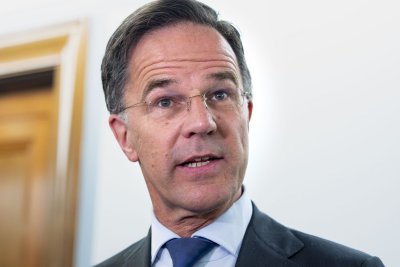
March 27 (UPI) — All 32 NATO nations met or exceeded the alliance’s target for defense spending last year, Secretary-General Mark Rutte said, as Canada and several ally nations increased their investment in defense amid war in Europe and the Middle East.
“We see clearly that our world is constantly changing. And we are adapting to ensure we remain prepared,” he said during a press conference in Brussels, as he released the alliance’s 2025 Annual Report.
“The threat picture across 2025 made clear that we need to do more. And throughout the year, NATO continued to come together to ensure that we are ready and able to respond to any threat, across all domains, both now and in the future.”
The defensive military alliance has called on member states to invest at least 2% of their gross domestic product in defense since at least 2006, with allies in 2014 pledging that those below the guideline would move toward it within a decade — though few nations did so for years.
Amid what he described as a more dangerous security environment — including Russia’s war against Ukraine, the Kremlin’s support from China, Iran, North Korea and Belarus, as well as the broader instability centered on Iran — countries are stepping up, he said, calling 2025 “a landmark year for NATO.”
Amid the protracted war in Europe and uncertainty about the United States’ cooperation with the alliance, defense ministers last year made a commitment to investing 5% of GDP annually in core defense requirements by 2035.
Among nations Rutte highlighted for reaching the 2% benchmark was Canada, which, under the Liberal government of Prime Minister Mark Carney, has sharply increased its defense spending as its once iron-clad relationship with the United States has frayed under the weight of U.S. President Donald Trump‘s incendiary rhetoric, threats of annexation and tariffs.
In the last 10 months of the Carney government, Canada has spent more than $23.8 billion on defense and security, pushing it over the 2% threshold for the first time since the end of the Cold War — and well ahead of the 2032 pledge made by former Defense Minister Bill Blair in 2024.
“As a result of our efforts, this morning, NATO confirmed that Canada has achieved its 2% defense expenditure target — half a decade ahead of the original schedule,” Carney said during a press conference held Thursday aboard a Royal Canadian navy vessel in Halifax Harbor.
“Canadians are responding to our renewed commitment and call to serve.”
The Liberal leader described the 2% target as “the foundation” for further investment in the country’s defense expenditure, as he announced a further $2.1 billion defense package for Atlantic Canada.
“Over the past 11 months, one of our government’s key priorities has been to reinvest in rebuilding and rearming the [Canadian Armed Forces] to provide you with the support you need to achieve mission success,” he said.
“We will continue our efforts with the same speed and determination that we have shown from the very beginning.”

Ukraine signs deal with Saudi Arabia offering drone expertise
On Thursday, in a video message to the Joint Expeditionary Force, a security alliance which held a summit meeting in Helsinki, Zelensky said: “The key is not only producing new weapons – especially drones – not just technology, but also real experience in using it, and integrating it with radars, aviation, and other air defence systems. We have this experience,” he added.

Jamie Laing and Sophie Habboo seen in emotional clash in Raising Chelsea trailer
Former Made in Chelsea stars Jamie Laing and Sophie Habboo are starring in their own three-part series, which focuses on their romance and journey to becoming parents

Jamie Laing and Sophie Habboo seen in emotional clash in Raising Chelsea trailer(Image: Youtube/Disney Plus)
Jamie Laing and wife Sophie Habboo are seen in a tense, emotional clash in a new trailer for their upcoming series Raising Chelsea.
The Made in Chelsea couple, who wed in April 2023, are the stars of a brand new series with Disney+ which is due to premiere next week. Ahead of the three-part series’ release, Disney+ has released a teaser trailer to give a glimpse of what fans can expect from the show.
The candid trailer traces their journey to parenthood – and opens with a clip of Jamie, 37, and Sophie, 31, in the back of a car as Jamie explains: “We’re currently heading to the Lindo Wing,” before Sophie adds: “We think it’s happening,” in reference to the birth of their first child.
**Ensure our latest headlines always appear at the top of your Google Search by making us a Preferred Source. **Click here to activate** or add us as your Preferred Source in your Google search settings.**
The teaser then turns back time as a montage looks at the couple meeting, tying the knot and their career highlights – including Jamie’s Strictly stint and Sophie recording their podcast. Before the pair announce: “And we’re having a baby!”
“I’ve always wanted to be a mum,” Sophie confesses as the montage moves on to focus on the couple’s journey to parenthood – from planning to conceive to midwife appointments. “Pregnancy is a rollercoaster,” Sophie confesses as she is seen having an ultrasound scan. Another clip shows Sophie in tears as Jamie tells her: “Nothing’s the matter, I promise you.”
Meanwhile, Jamie is seen in a confessional telling the camera: “The dynamic between Sophie and I; she’s the boss and I’m the intern.” Before it cuts to more clips and Jamie is heard telling the camera: “We’re bringing you on our journey. There’s c-sections, vaginal birth, births out your butthole…”
As the montage continues it cuts to a particularly tense clash between the couple as a wide-eyed Jamie is seen sharply saying: “I’m stressed, I’m tired.” The camera then cuts to an emotional Sophie, who is seen tearing up as she says: “But you just go behind my back. That’s so unacceptable.”
The camera then cuts to a confessional of Jamie’s mum Penny Baines who says: “This pregnancy, you’d think the Messiah was coming.” The clips then cut to show images of Sophie in hospital as she’s under observation as she smiles. Before Jamie gives an update on the birth, telling the camera: “Bad news is that the baby, his arm is through the cervix, she needs to have an emergency C-section.”
Emotional scenes follow as Jamie is seen reassuring Sophie while she undergoes the C-section before a newborn cry is heard and a doctor says: “Hear that sound?” As the elated couple are overwhelmed with emotion. The scenes then cut to a quiet moment of Sophie at home, feeding her baby son Ziggy, who was born in December.
The trailer ends with the date the series will be available to stream, which is April 2.
Like this story? For more of the latest showbiz news and gossip, follow Mirror Celebs on TikTok, Snapchat, Instagram, Twitter, Facebook, YouTube and Threads.

Inside world’s first hotel staffed by futuristic robot dinosaur receptionists
One hotel is offering a unique experience when it comes to its check-in staff. Instead of humans, guests at the hotel are greeted by robot dinosaurs to help them check-in to their room

Guests at one hotel based in Japan are greeted by robot dinosaurs to help them check-in(Image: Henn na Resort & Spa)
Most of us like to encounter unique experiences when we travel, and one hotel based in Japan is certainly offering that with its check-in staff. Instead of humans, guests at the hotel are greeted by robot dinosaurs to help them check-in to their room. The unique experience was shared over on Instagram, with influencer Anna-Lynne posting a reel about it. Her video saw her walk in to a ocean-themed room as robot dinosaurs greeted her at the check-in desk.
Overlay text read, ‘POV, it’s 8pm in Japan, you’re tired and you just want to check in to your hotel…’ Following up in the caption, she wrote: “Booked this stay not knowing I’d be checked in by dinosaurs and low-key, I was terrified.
It was 8pm, I was exhausted after a flight, and I had to walk from the train station in pitch dark just to get here. Then these prehistoric receptionists welcome me and I was like uhhh the f**k.
“But real talk they were somehow more polite than some humans I know. The check-in was smooth, and this place is super clean and quirky in the best way.”
The hotel in question is Henn na Resort & Spa Kansai Airport in Japan.
The unique, high-tech hotel in the Izumisano area is famous for being the world’s first hotel brand staffed primarily by robots, including dinosaur receptionists.
It is located along the coast with scenic views of Osaka Bay and airplanes landing at the nearby airport.
As well as guests being greeted and checked in by multilingual dinosaur robots in the ocean-themed lobby, they can also make use of many facilities such as indoor and open-air baths with bay views, a mineral mist sauna, and a dry sauna.
The on-site restaurant, Seian (Aoi-an), serves Japanese cuisine made with local ingredients and is supervised by a Michelin 1-star chef.
In addition to standard rooms, the hotel offers unique concept rooms like Ninja, Pirate, and Peach Aviation collaboration.
The hotel is approximately 15 minutes by car or one train stop (6 minutes) from Kansai International Airport (KIX). It is a 10-minute walk from Rinku Town Station.
Attractions nearby include Rinku Premium Outlets, Rinku Park, and the Seacle shopping mall, which are all within walking distance.
The hotel is often highly praised for its magnificent views, clean modern rooms, and the fun novelty of the robot staff. However, some guests found the walk from the station difficult with heavy luggage and noted that the automated check-in may occasionally require human assistance.
People were loving the look of the robot dinosaur staff from Anna-Lynne’s video, with it racking up more than 811,000 likes.
One person exclaimed: “Wait this is so epic.”
While another added: “My introverted self would prefer the awkward robot dinosaurs.”
However, many others predicted they’d encounter a few issues too.
“Lol, this would send me over the edge of laughter and despair,” one person wrote.
While another added: “Imagine trying to complain about room service and staying serious.”
Meta boosts Texas AI data center spend to $10B
Meta boosts Texas AI data center spend to $10B
Source link

American goes to Benidorm for first time and is immediately confused by 1 thing
American travel enthusiast Kalani made his way over to Spanish holiday hotspot Benidorm for the first time, and went on to share his honest opinions, including one thing that left him confused

An American shared his honest opinion after visiting Benidorm for the first time (stock image)(Image: Getty Images)
The Spanish coastal city of Benidorm has long been a favourite among British holidaymakers looking to enjoy some sunshine and relax on holiday. But one American was shocked when he visited the Spanish city for the first time by just how much influence the influx of British visitors has had on the destination.
British pubs and chippies aren’t a common sight in Spain, nor is a Full English being served in every café – but they can be found all over the famous strip in Benidorm, making Brits feel like they’re in a home away from home, just with much better weather. To experience it for himself, American travel enthusiast Kalani, who has visited the UK several times, decided to head to Benidorm after having been told about it from British friends.
Taking to TikTok, where he has more than 3.3 million followers, Kalani documented his time in Benidorm and everything it had to offer. At the end, he went on to share his honest thoughts about his holiday, also revealing that there were some things that had left him confused.
Starting off by saying that a lot of people had also warned him against visiting Benidorm, describing it as ‘like Blackpool with more sun’, Kalani said he agreed the famous Strip matched this description, but argued the city also has so much more to offer.
“For me, I could probably only do about one night on the Strip, it’s just too much for me,” he said. “That’s not really my scene anyway.”
However, he added anyone who does enjoy that sort of experience should definitely give it a go. He went on to say that his highlight had been exploring the Old Town of Benidorm.
“Really good views, and then they have Tapas Alley, which we went to last night and you can get authentic Spanish food,” he said. “It’s a really cool atmosphere.
“And if you’re looking to have a little bit more Spanish culture and not just going to Benidorm strip and having a fry up every day, it’s a good spot to go.”
The American went on to say that, while he understood why some people might have urged him to avoid Benidorm, he wondered if these people had visited Old Town, saying this was the highlight of his holiday. He said: “You can experience a part of Benidorm that isn’t as in-your-face as the Strip.”
However, Kalani also revealed that there were some parts of his visit to Benidorm that had left him confused, including repeatedly being asked about ‘Charlie’.
“I need someone to tell me about who Charlie is,” Kalani said, explaining that several people had asked him if he wanted ‘Charlie’ after exploring the Strip one night. Viewers were soon quick to tell him that Charlie is a common nickname for cocaine.
He also explained the various ‘weird‘ things he had spotted on the Strip, including a vending machine with a variety of ‘pleasure products’, a drunk woman driving a mobility scooter with a man holding on behind her, as well as the famous Sticky show.
“But you know what, I’m having a great time,” Kalani said. “I think it’s really beautiful, great views. The other part of Benidorm, I’d have to do in very small doses.”

DHS attorney said agents in Los Angeles should have ‘started hitting’ protesters, emails show
WASHINGTON — A lead attorney for the Department of Homeland Security suggested that federal agents should have “just started hitting the rioters and arresting everyone that couldn’t get away” during an anti-ICE protest in Los Angeles last June, internal emails show.
The note was in an email chain obtained by the nonprofit watchdog group American Oversight through the Freedom of Information Act and shared exclusively with The Times.
In it, attorneys for Homeland Security appear to be discussing the June 9 lawsuit filed by California Gov. Gavin Newsom over President Trump’s deployment of thousands of California National Guard troops to Los Angeles.
Under the subject line “California DOD Lawsuit,” officials coordinated legal filings defending the Trump administration and included a draft declaration by the Los Angeles field office director of Immigration and Customs Enforcement supporting the deployment of military forces.
The final email in the thread was from Joseph Mazzara, then-acting DHS general counsel, and he appears to be referring to an incident in which protesters tried to breach a protective line at a federal building.
On June 11, he wrote: “Every time I read about the battering ram incident I’m just floored at how wild that is.”
Referring to law enforcement as “they,” he continued: “They should have, when they brought the line in, just started hitting the rioters and arresting everyone that couldn’t get away from them. No one likes being hit by a stick, and people tend to run when that starts happening in earnest.”
The Department of Homeland Security didn’t respond to requests for comment.
Mazzara was later appointed deputy commissioner of U.S. Customs and Border Protection.
Politico reported that Mazzara is among 10 staffers who followed former Homeland Security Secretary Kristi Noem to the State Department after she was fired this month from DHS and given a new role as special envoy for the Shield of the Americas.
The battering ram incident Mazzara referred to is detailed in court documents for the lawsuit.
A June 19 order from a panel judges from the 9th Circuit Court of Appeals states that Trump administration attorneys presented evidence of protesters interfering with federal officers. The protesters threw objects at ICE vehicles, “pinned down” several Federal Protective Service officers and threw “concrete chunks, bottles of liquid, and other objects,” the order said.
Protesters also “used ‘large rolling commercial dumpsters as a battering ram’ in an attempt to breach the parking garage of a federal building,” the order states.
Mazzara’s comment in the email thread with other Homeland Security attorneys was given to American Oversight with a watermark showing the agency had intended to withhold it. American Oversight also received a version of the documents with that statement redacted.
Chioma Chukwu, executive director of American Oversight, said it’s no wonder the administration wanted to keep Mazzara’s comments hidden.
“They reveal a level of hostility toward protesters that is deeply at odds with the government’s obligation to protect civil liberties — and there’s no FOIA exemption that justifies hiding them,” she said.
Kerry Doyle, the former top ICE attorney during the Biden administration, said Mazzara’s comments show a shocking carelessness about the potential for harm against both the general public and the officers he was employed to protect.
The email, she said, “seems to encourage, or, at the very least, support constitutional violations by the operators that are supposed to be getting legal counsel from him to avoid violating the law.” Plus, commenting on operational strategy is outside the scope of his responsibilities, she said.
“He’s doing a disservice to the people that are on the front line, that rely on him and his colleagues to give them the parameters of what they can and can’t do,” Doyle added. “If you give them bad legal advice, you are setting them up for liability.”
Noem’s removal came amid backlash against an escalation of violence during Trump’s crackdown on immigration, including the shooting deaths of U.S. citizen protesters by immigration agents.
Doyle said part of the secretary’s job is to set the tone for the agency so the rank and file know what is expected of them. Mazzara’s comments, she said, show how that tone has permeated all facets of the agency.
After the U.S. Supreme Court cast doubt on the Trump administration’s legal theory for using troops in domestic law enforcement operations, the president in December began removing the National Guard from Los Angeles and other Democratic-led cities.
The protests last summer caused significant property damage in a small section of downtown Los Angeles. But grand juries refused to indict many demonstrators accused by federal prosecutors of attacking agents, and a Times review of alleged assaults found that most incidents resulted in no injuries.

Mikael Granlund’s hat trick gives the Ducks a win over the Flames
CALGARY, Canada — Mikael Granlund capped his hat trick scoring on the power play with one second remaining in overtime on Thursday night to give the Ducks a 3-2 victory over the Calgary Flames.
Granlund has seven goals during a four-game goal streak that has him up to 19 on the season as the Ducks extended their winning streak to four games.
The Pacific Division-leading Ducks have a five-point lead on the Edmonton Oilers and a six-point lead on the Vegas Golden Knights.
Rookie Matvei Gridin and Blake Coleman scored for Calgary, which extended its point streak to five games (4-0-1). Gridin stretched his point streak to four games (one goal, three assists).
Ville Husso, who made 23 saves, improved to 9-7-1.
Devin Cooley, who had 30 stops, fell to 9-10-4.
The game got off to an inauspicious start for the Flames. First, Pavel Mintyukov’s turnover in the opening minute of the game resulted in a 3-on-0 breakaway for Calgary but Gridin, Morgan Frost and Matt Coronato over-passed it and never got a shot on goal.
Three minutes later, it appeared that Yegor Sharangovich had given Calgary the lead, but the Ducks challenged for offside and the goal was overturned. It was the fifth goal the Flames have had waved off by video review during its homestand.
Calgary eventually took the lead on Coleman’s goal 1:06 into the second period when he redirected Joel Farabee’s pass inside the post. But Granlund tied it on an unassisted goal two minutes later.
The Ducks lost two defensemen to injury. Radko Gudas (lower body) left the game late in the second period and Mintyukov got hurt when he took a shot from Olli Maatta high in his chest in the third.

The best literary and books events in L.A. right now
“What happened to my dreams? Simply put: they changed,” reads Phil Augusta Jackson aloud to a crowd in a furniture store. Tonight’s theme is change. From a podium, the television writer reflects on the long, thorny odyssey of his career. A pinball machine blinks in the background. Behind him, dreamy abstract prints hang on the wall, their shapes seeming to melt in the unseasonable spring heat.
Alongside mid-century furnishings and art in Echo Park, siblings Madeline Walter and Evan Walter host their wildly popular reading series, Essays. It’s a warm spring night. In a tender essay, Evan considers what he’s inherited from his idiosyncratic father. “I scream-sneeze like him now,” he reads. “It feels like a mess figuring out what parts of your parents you’re going to keep.”
In March 2024, the Walter siblings began the reading series in a friend’s backyard. “It was cold and wet, and we were so nervous nobody would come,” says Madeline. Since then, the show has moved through a series of venues before settling into a home at The Hunt Vintage. In just two years, it has grown into a local phenomenon, regularly drawing crowds of more than 150 people into the singular space.
The idea for Essays took shape during a conversation about creative constraints. Both writers and comedians, the siblings wanted to host a show that pushed beyond snappy punchlines and polished half-truths. “The objective is different from just being funny,” Madeline says. “It’s to tell me about yourself. Tell me something you’re thinking about.”

Siblings Madeline and Evan Walter host a popular monthly reading series called Essays at Echo Park’s Hunt Vintage.
(Ryan Wall )
Like many readings across Los Angeles, Essays taps into a growing appetite for sincerity. “People are really craving a space where you can be funny, be vulnerable, laugh at yourself — and where there’s an earnestness,” Evan says. That sensibility feels familiar to them. They grew up in what Madeline describes as a “very NPR-coded household that loved David Sedaris-style stuff.” She adds: “Doing something in the essay space feels like a surprising return to form.”
“One of my roommates describes it as a church-like experience, because everything is just so emotionally0driven and connective,” says Kaitlyn Kilmer, a longtime attendee.
The legacy of the series has begun to ripple outward. Their reading series has created a complementary Substack. Kilmer is now hosting a reading in her living room among friends.“We decided that we wanted to do our own, so I gathered a few friends who had been fans of the Essays show,” she says.
Essays exists in a larger network of reading series that make up Los Angeles’ diverse and ever-evolving literary scene. “There are so many readings now,” explains non-fiction writer Diana Ruzova, who frequently attends readings. “I’m not mad at it, though, mostly grateful that L.A. has a thriving literary community.”
In Los Feliz, Skylight Books continues to host intimate book launches for some of the most anticipated literary releases, drawing local favorites and celebrities.
“Our vibe is cozy,” says Mary Williams, general manager of Skylight Books. “We set up chairs under the big tree that grows in the middle of the store, and we hope this is a go-to place for our community to see their favorite authors while mingling with other book lovers.”
Elsewhere, at Heavy Manners Library, the tone of literary events leans more toward the experimental. “Experimental, unpolished writing can be shared and reflected on in an accessible, communal setting,” says program assistant Jane Shin.
This spring, literary events across the city run the gamut — from independent book fairs to poetry workshops, from the bizarre to the deeply vulnerable — welcoming everyone from curious newcomers to die-hard bookworms.

US seaside town Britons say is like Brighton named top destination for pensioners
This beautiful seaside town has been named among the best places to relocate to in America

Best city in the US to relocate to that Americans say is frozen in time(Image: Getty)
A recent study conducted by The Law Offices of James Scott Farrin examined working and living standards throughout the United States to identify the most desirable location to move to in America. The investigation took into account elements including annual earnings, insurance provision, living expenses, safety rankings, housing affordability, and general standard of living.
New Jersey was identified as one of the finest states to relocate to in 2026, for both living and employment purposes. Expatriates in New Jersey can anticipate generous wages, a secure setting, and pleasant weather conditions.
Among the premier retirement destinations in New Jersey is Cape May, a stunning coastal resort that “feels frozen in time”.
Cape May is a pedestrian-friendly historic town, and ranks amongst the most established seaside resorts, boasting 19th-century Victorian properties, delightful shops and excellent restaurants.
The area experiences a humid subtropical climate characterised by sweltering, muggy summers. According to Great Family Vacations, Cape May ranks as one of the top places to retire in the United States.
The picturesque town provides pensioners with a tranquil seaside way of life, picturesque shores, and a lively and hospitable community. The travel specialists stated: “Cape May, on the southernmost tip of New Jersey, is much more than another seaside retreat.”
American pensioner Michael Potts remarked: “Cape May is a nice Victorian town. It has terrific restaurants, great beaches and is laid-back. It has exactly what we were looking for.” Another pensioner remarked: “There’s endless walking in town and a path along the beach. The beaches are clean; the architecture is beautiful.”
British expats flocked to Tripadvisor to voice their opinions, with one noting that the American town feels like travelling back in time as it boasts “the largest concentration of Victorian houses in the US”.
Another resident said it brought back memories of Brighton. “The shops are especially similar. The beach in Brighton was all stones, which made it quite hard to walk. The pier in Brighton reminded me of some of the boardwalks in Wildwood or Ocean City, NJ.”

Video: Children’s toys found in rubble of US-Israeli strike in Iran | US-Israel war on Iran
Rescue teams from the Iranian Red Crescent Society have been searching the rubble of residential buildings hit in US-Israeli attacks in Iran, where officials say around 2,000 people have been killed.
Published On 27 Mar 2026

Venezuela: Judge Refuses to Dismiss Maduro Case, Challenges US Blocking of Defense Funding
Solidarity activists gathered outside the courthouse and demanded the release of Maduro and Flores. (Katrina Kozarek / Venezuelanalysis)
Caracas, March 26, 2026 (venezuelanalysis.com) – US Judge Alvin Hellerstein ruled out dismissing the case against Venezuelan President Nicolás Maduro and First Lady Cilia Flores in a hearing on Thursday in Brooklyn.
The defense team for Maduro and Flores—who face charges including drug trafficking conspiracy and weapons possession—requested that the case be thrown out after the US Treasury’s Office of Foreign Assets Control (OFAC) denied them authorization to use Venezuelan state funds to pay for legal counsel. OFAC had initially granted the license on February 9 but revoked it three hours later.
New York Southern District Judge Hellerstein declined to throw out the charges due to the blockaded funds, calling it “a serious step based on hypotheticals.” However, he did not formally rule and left the door open to revisit the decision in the future.
US Justice Department prosecutor Kyle Wirshba argued that allowing access to Venezuelan state funds would undermine existing sanctions policy, adding that if the defendants are unable to hire private attorneys, court-appointed counsel could be assigned. Maduro attorney Barry Pollack countered that such a measure would violate their Sixth Amendment right to choose their own legal representation.
During the hearing, Hellerstein challenged the prosecutors’ arguments, adding that OFAC’s personal sanctions against Maduro and Flores would also block them from using personal funds. The judge likewise disagreed with the prosecution’s claims that the blocking of funding for the defense was a matter of national security, stating that Maduro and Flores “no longer represent a threat.”
He further remarked that “things have changed” and that the United States is already “doing business” with Venezuela.
According to observers in the courthouse, Maduro and Flores, both in beige prison uniforms and handcuffed, appeared calm throughout the hearing, using headphones for simultaneous translation. Neither spoke. Observers noted that Maduro appeared thinner. Flores’ attorney, Mark Donnelly, made an urgent request for a medical evaluation, specifically an electrocardiogram, citing a pre-existing condition. The judge approved the request.
Hellerstein will set a new court date in the coming days. Maduro and Flores have not requested bail and were returned to the Metropolitan Detention Center in Brooklyn after the hearing.
Maduro and Flores, who is also a lawmaker, were kidnapped by US special forces during a military attack against Caracas on January 3. They pleaded not guilty at their arraignment two days later. Despite recurring “narcoterrorism” accusations over the years, US officials have not presented evidence tying high-ranking Venezuelan leaders to narcotics activities. Specialized agencies have consistently found Venezuela to play a marginal role in global drug trafficking.
Trump calls for additional ‘charges’
Prior to the hearing, US President Donald Trump argued before reporters that additional charges should be brought against the Venezuelan president.
“He emptied his prisons into our country, and I expect that at some point he will be charged for that,” he said. Trump has repeatedly raised unfounded claims that the Venezuelan government “emptied” prisons and mental institutions into US territory.
Outside the courthouse, a heavy police presence separated Venezuelan opposition supporters from solidarity activists demanding the release of Maduro and Flores and an end to US attacks against the Caribbean nation.
In Caracas, social movements gathered at Plaza Bolívar to express support for the president and first lady. The demonstration followed another mobilization earlier in the week demanding the lifting of US economic sanctions against Venezuela.
Speaking at the rally, lawmaker Nicolás Maduro Guerra—the president’s son and also facing US Justice Department charges—described his father as “a worker” who identifies “as a son of God above any political office.” Days earlier, in a social media post, Maduro Guerra had said his father would appear “in high spirits” and “in good shape” due to regular exercise.
He was joined by Caracas Mayor Carmen Meléndez, while the ruling United Socialist Party of Venezuela (PSUV) also called for Maduro’s release in a public statement.
For her part, Acting President Delcy Rodríguez has yet to comment on Thursday’s hearing. Venezuelan authorities have also not publicly addressed US efforts to block the funding of Maduro and Flores’ legal expenses.
Since January 3, the Rodríguez administration has led a diplomatic rapprochement with Washington, with several White House officials visiting Venezuela in recent weeks. A Venezuelan government delegation arrived in the US capital on Thursday, led by Vice Minister Oliver Blanco, who reported meetings with State Department officials to boost “mutually beneficial” relations.
Edited by Ricardo Vaz in Caracas.

JK Rowling reacts to Harry Potter trailer after ‘millennial slop’ allegations
The new Harry Potter series is winging its way to HBO, but the show, based on the smash-hit books by author, JK Rowling, has divided die-hard fans of the boy wizard
First look at HBO Harry Potter cast including Snape and Dumbledore
JK Rowling has given her take on the new Harry Potter trailer – which has seriously divided fans. The new series on HBO, titled Harry Potter and the Philosopher’s Stone, is set to debut on Christmas Day this this year.
Featuring a new cast, including Dominic McLaughlin as Harry, each series will adapt each of Rowling’s seven books across seven seasons over the course of a decade. The teaser opens exactly where fans would expect—at the Dursleys’ house. We see Harry hidden in the now-iconic cupboard, with Petunia Dursley dismissing him as “nothing special”. But almost immediately, the tone shifts. A letter arrives. A door opens. And just like that, the magic starts to happen.
READ MORE: First look at HBO Harry Potter cast including Snape and Dumbledore as release date teasedREAD MORE: True cost of HBO’s Harry Potter – death threats, mounting pressure and ironclad contracts
Responding to the trailer, many fans were excited, as one took to X, exclaiming: “The trailer for the new Harry Potter looks b****y marvellous. I cannot wait, and as it seems to me, neither can the rest of the world.” However, others were not convinced, with one claiming the new offering was little more than “millennial slop”.
On Thursday, Rowling threw her support behind the project, insisting she’s “so happy” with the teaser trailer for the series adaptation of her novels, sharing her reaction to the first look with fans on social media. “It’s going to be incredible,” she exclaimed on X, adding: “I’m so happy with it.”
However, at least some of the book’s fans would disagree, with several slamming the new series in comparison to the Harry Potter films, which were released from 2001 to 2011.
Ensure our latest headlines always appear at the top of your Google Search by making us a Preferred Source. Click here to activate or add us as your Preferred Source in your Google search settings.
Several have also complained about the race-swapping of Severus Snape with actor Paapa Essiedu, who recently revealed he’s received racially-motivated death threats over his casting.
Giving their take on the trailer, one fan quipped: “The new Harry Potter show is truly amazing to me. Leftists won’t like because of JKR, right wingers won’t like it because JKR retconned a bunch of characters to try and be woke, and the kids of today won’t like it because it’s literally f******g millennial slop.”
Meanwhile, Rowling’s controversial views on the trans community have also called the series into question, with one fan tweeting: “You cannot ‘separate the art from the artist’ with Harry Potter.”
Scheduled to premiere on Christmas Day, Harry Potter began filming in the UK last summer.
Its cast includes McLaughlin as the titular boy wizard, Alastair Stout as Ron Weasley, Arabella Stanton as Hermione Granger, John Lithgow as Albus Dumbledore, Janet McTeer as Minerva McGonagall and Nick Frost as Rubeus Hagrid.
* Join The Mirror’s WhatsApp Community or follow us on Google News , Flipboard , Apple News, TikTok , Snapchat , Instagram , Twitter , Facebook , YouTube and Threads – or visit The Mirror homepage.