



Letters to Sports: Bill Plaschke’s Dodgers prediction is a winner
p]:text-cms-story-body-color-text clearfix”>
Congratulations to all the young athletes and their teams on The Times All-Area high school basketball teams. I do wonder about the choices the seniors are making in their commitments to colleges and I look to The Times to explain why UCLA is seemingly not on the radar for these young players.
It used to be known that the Bruins’ academic requirements were a significant barrier to many high school players. Is that still true? Are the local graduates not the cream of the crop that Southern California was known for in past years? Are NIL deals affecting the choices of these future freshmen? Is UCLA not making a strong outreach effort for the top local talent? Is L.A. so awful for these kids that it isn’t even on their radar to stay close to home?
I am sure I am not alone in seeking clarity around the issue of the exodus of local talent to Missouri, Oregon State, Texas, North Carolina, Nevada, and even more confounding, USC.
David Gerne Echt
Torrance
The Los Angeles Times welcomes expressions of all views. Letters should be brief and become the property of The Times. They may be edited and republished in any format. Each must include a valid mailing address and telephone number. Pseudonyms will not be used.
Email: sports@latimes.com

Authorities foil plot to firebomb Palestinian activist’s NYC home

March 27 (UPI) — Federal officials arrested a man accused of plotting to firebomb the Brooklyn, N.Y., home of Palestinian activist Nerdeen Kiswani, the Justice Department announced Friday.
Alexander Heifler, 26, faces one count of unlawful possession of destructive devices and one count of making destructive devices. The Hoboken, N.J., man allegedly constructed Molotov cocktails he planned to throw at Kiswani’s home.
Kiswani is the co-founder of the group Within Our Lifetime, a New York City-based organization supporting Palestinians.
A complaint from the Justice Department said Heifler was charged as a result of an undercover operation by the New York Police Department. He was arrested Thursday night.
NYPD Commissioner Jessica Tisch confirmed the NYPD’s involvement in the investigation in a post on X.
“Our undercover officer identified and tracked the threat — first online and then in person — allowing us to disrupt the planned attack, take Heifler into custody, and ensure that no one was harmed,” she wrote.
“This is exactly how our intelligence and counterterrorism operation is designed to work — a sophisticated apparatus built to detect danger early and prevent violence before it reaches our streets.”
Kiswani said she won’t “stop speaking up for the people of Palestine” despite the alleged plot.
“For months, Zionist organizations like Beta and politicians like Randy Fine have encouraged violence against my family and me,” she wrote on X. “I will have more to say as additional details come to light.”
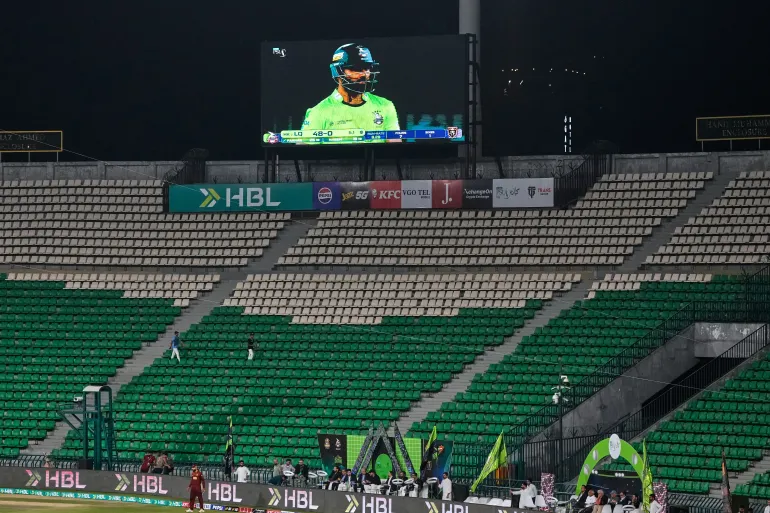
Pakistan’s Naseem Shah under fire after criticism of politician’s PSL visit | Cricket News
Pakistan’s Naseem Shah under fire for slamming politician’s presence at start of closed-doors PSL game in Lahore.
Published On 28 Mar 2026
The Pakistan Cricket Board has attacked fast bowler Naseem Shah for criticising a politician’s presence at the start of the opening game of the Pakistan Super League, which is being played behind closed doors.
Fans are barred from attending games at the country’s premier domestic tournament, which was originally scheduled for six venues but now reduced to just two — Lahore and Karachi.
Recommended Stories
list of 3 itemsend of list
The Middle East conflict has resulted in exorbitant fuel hikes in the region, and Pakistan’s government is urging people to restrict travel and to work from home.
Chief Minister of Punjab Maryam Nawaz was invited to Lahore’s Gaddafi Stadium on Thursday, along with other dignitaries, and was introduced to officials of the eight franchises and players ahead of the opening game of the tournament between defending champion Lahore Qalandars and first-timers Hyderabad Kingsmen.
Shah commented on a tweet about the opening game by the PCB, with the bowler saying on X, “Why is she treated like the queen at Lord’s?” in an apparent reference to Nawaz’s presence at the stadium. He deleted the post soon afterwards and later said his account had originally been hacked.

The PCB said in a statement that Shah had been issued a notice for violating the terms of his central contract as well as media policy and regulations.
“The show-cause notice has been served in accordance with the PCB’s disciplinary framework,” the PCB said. “Naseem Shah is required to provide a response within the stipulated time. Upon receipt and review of his response, the PCB will decide on any further action in line with the regulations.”
Last year, Pakistan all-rounder Aamer Jamal was slapped with a fine of $4,000 for displaying a slogan in favour of cricket great Imran Khan, Pakistan’s imprisoned former prime minister.
Shah is scheduled to play for new PSL franchise Rawalpindi Pindiz in Saturday’s game against Peshawar Zalmi, led by former Pakistan all-formats captain Babar Azam.
Shah, a right-arm fast bowler, has taken a total of 152 wickets while representing Pakistan in 20 Test matches, 34 one-day internationals and 37 T20 games.

Strictly star Vito Coppola’s BBC Saturday Kitchen appearance sparks viewer complaints
Strictly Come Dancing favourite Vito Coppola divided Saturday Kitchen viewers as he made an appearance on the BBC show

Vito Coppola’s Saturday Kitchen appearance sparks viewer complaints ‘stick to dancing’(Image: BBC)
Strictly Come Dancing’s Vito Coppola sparked a mixed reaction from viewers following his stint on Saturday Kitchen.
The popular BBC programme returned to our screens on Saturday morning (March 28), with Matt Tebbutt once again taking the reins.
Joining Matt on the show were culinary experts Theo Randall, Samin Nosrat and drinks connoisseur Helen McGinn. Strictly star Vito also popped in to whip up a dish, while singer Self Esteem, also known as Rebecca Lucy Taylor, made an appearance – with viewers voting on whether she would experience her version of food heaven or food hell.
However, it’s safe to say that Vito was the one who got tongues wagging, as some viewers seemed divided over the dancer’s presence on the show, with a few taking issue with his loud speaking.
On X, one viewer remarked: “Can’t stand the screeching at this time of the morning.” Another jested: “Can you speak a bit louder please – they can’t quite hear you in Naples…”, reports the Express.
A third wrote: “Vito should stick to dancing and you just know the miserable blonde guest is getting hell.”
Nevertheless, not all feedback was negative as other viewers rallied behind Vito, with one person commenting: “Such happy, bubbly chefs on today. Especially the lovely @Vito__Coppola Food looks delicious too.”
Another fan wrote: “Love Vito.” A third enthused: “Vito seems like such a lovely, upbeat fella.”
This follows Matt Tebbutt’s return to Saturday Kitchen this month after spending some time in Australia. Earlier in March, audiences saw The One Show’s Alex Jones take the presenter’s chair as she was accompanied by Mike Reid, Adejoké Bakare, Bryn Williams and special guest Phil Wang.
While Matt appeared on the programme the previous week, the BBC star confirmed it was a pre-recorded episode as he posted updates from Australia with his Instagram followers.
Nevertheless, the 52 year old presenter was back in charge once more in March as he paused to commend Alex for stepping in.
He remarked: “Before we go on with our usual nonsense, we should say how well Alex did last week. Well done, Alex Jones.”
Saturday Kitchen airs every Saturday at 10am on BBC One.
Hidden Devon town tourists often skip but locals love with coastline of secret coves and historic funicular
DEVON is one of the most popular counties in the UK to visit for a staycation – so when looking at where to explore it can be hard to find somewhere that only locals know about.
Nestled within the coastline, between Dawlish and Torquay, you’ll find Babbacombe.
While it is often skipped for its larger neighbours on the English Riviera, Babbacombe deserves a spotlight of its own.
What used to be just a humble fishing village in the 16th century, has turned into a much-loved local gem.
In records, the area was previously known as ‘Babbecumbe’ meaning ‘Babba’s Valley’ and by 1775 there were only a few cottages littered across the area.
In the late 19th century, John ‘Babbacombe’ Lee survived three attempts to hang him at Exeter Prison for a murder he had committed in Babbacombe.
Read more on travel inspo


He became known as ‘the man they could not hang’ and has become a story told by locals.
In the Victorian era, the region grew in popularity for tourists as it was recognised for its dramatic cliff scenery.
The small town is home to Babbacombe Beach, which is made up of shingle and sits below the towering red cliffs that form Babbacombe Downs.
One recent visitor said: “Babbacombe Beach is a very peaceful, attractive place; the views from the top of the cliff are stunning.”
At Babbacombe Downs, you’ll find a promenade which is thought to be the highest in England, boasting amazing views across the bay.
And from there you can head to Oddicombe Beach, by walking down a picturesque lane – but be warned it is rather steep.
Alternatively, you can catch the funicular down to the beach.
One recent visitor said: “Oddicombe beach is a wonderful suntrap with a micro climate of its own.”
If with little kids, I would recommend taking the Babbacombe Cliff Railway, which has been operating for 100 years, this year.
The funicular runs from Babbacombe Downs to Oddicombe Beach, which neighbours Babbacombe Beach.
The Babbacombe Cliff Railway was built in 1926 and over that time has shuttled hundreds of holidaymakers to and from Oddicombe Beach.
The funicular did have to close for some time though between 1941 and 1951 due to wartime restrictions.
The carriages were later replaced in the early 2000s and painted in the original maroon and cream colours, with Torbay’s coat of arms on either side.
I remember as a child using the 200-metre cliff railway, with it feeling like stepping back in time, as if I was entering a part of history that I had been learning in school.
Nothing quite compares to the views either, the steepness of the track nestled between red sandstone and grey Devonian limestone 73metre-high cliffs means you can see the beach below with nothing disturbing the picture.
Because the railway and beaches below are hidden in the cliffside, not many tourists know about it.
It’s also away from the main hubbub of the main towns on the coastline.
If you’re wanting somewhere special to eat, head to Babbacombe Bay Cafe.
They serve freshly made toasties with salad and warming cups of tea that are ideal after being buffeted by the coastal winds.
You can also take a walk to the high street, which is about three minutes from the Downs.
One place to visit here is Bygones, a museum with a full-scale replica Victorian street.
The museum has over 2,000 artefacts to discover and your four-legged friend can even join you on a visit.
Tickets cost from £13.95 per adult and £9.75 per child.
Another nearby attraction is Babbacombe Model Village, which is over 60 years old.
Spread across four acres, visitors can feel like a giant as they explore hundreds of scenes depicting British life, including iconic landmarks.
I used to visit once or twice a year growing up and particularly remember going at Christmas when all of the park’s models become covered in ‘snow‘.
The attraction has a sense of humour too, great for keeping parents entertained.
For example, there’s an ‘unaffordable housing development’ and a celebrity mansion with the Mutant Ninja Turtles and The Incredibles family playing in the garden.
Included in your admission ticket, you also get the chance to watch a film in the attraction’s 4D cinema.
It was always a laugh being jolted around in your seat as puffs of air and water were sprayed at you.
Every Friday evening from April to October, the whole park is illuminated with multi-coloured lights as well.
Tickets cost £21.95 per adult and £17.95 per child.
If you are looking for somewhere to stay, there are several options.
For example, you could stay at the Babbacombe Palms Guest House from £65 per night.
Fancy something a little more luxury? Then opt for the Cary Arms Hotel and Spa costing from £195 per night.
For more places to explore in Devon, here are the top 15 boozers in the county.
Plus, there’s a ‘wonderfully unspoilt’ seaside town in Devon and it is one of the UK’s best hidden spots.

How to handle seeing a girl your boyfriend would definitely fancy
THERE she is, waiting for her coffee order as if she’s done nothing wrong knowing full well your boyfriend would be all over her if he were here, which he isn’t. Here’s how to cope:
Text him angrily
All that’s standing between you and your beloved straining at the leash to betray you? His absence. Not the love and fidelity he’s pledged. Not all you’ve shared together. Fire off a text to let him know what a fickle, shallow arsehole he is, but without giving away it’s because you’ve seen her. ‘F**k you for not putting the bins out’ should do it.
Itemise defects
Her hair is too shiny, her tote bag quote annoying. That skinny with tits that big is ridiculous. There’s no way things would work between him and her. He’d be intimidated by constant competition from other men and irritated by her ten step skincare routine. You could look like that if only you were completely shallow and self-obsessed.
Feel pity and contempt for their age difference
She must be a good six years younger than him. There was a time when that would have constituted a police matter. Even though they’d both be in their 20s, it would be best if he signed some kind of a register. She’s essentially a 25-year-old infant with a child’s brain and he’s sick for even considering it.
Shudder with horror at his attempt to flirt
God, even his first approach to this vision of loveliness would be a crash-landing. She’s dated exclusively millionaires or gangsters since she turned 18 and in comes a data analyst from Croydon, stuttering and salivating and all he can think of to ask is ‘Do you like bread?’ She wouldn’t even answer and he’d walk away all defeated. Snooty bitch.
Leave as if nothing happened
You’ve just completed an entire emotional arc your partner will never know about. Receding behind you sits a stranger who has unknowingly participated in a relationship stress test. He should be ashamed, and she should be served with a restraining order which specifies it’s for whoredom. You? You’ve triumphed. Hold your head up high.

Tom Pidcock forced out of Tour of Catalunya after ‘horror’ fall
British rider Tom Pidcock is out of the Volta a Catalunya after crashing during Friday’s fifth stage.
The Pinarello-Q36.5 rider had what he described as a “horror” fall in a ravine after he went off the road, misjudging a corner during the penultimate descent of the day.
The 26-year-old eventually finished more than 29 minutes behind stage winner Jonas Vingegaard.
But following medical checks, he has been ruled out of the remainder of the race.
“Due to his crash he suffered injuries, most likely bone and ligament damage in particular to his right knee and also right wrist,” said team doctor Lorenz Emmert.
“Unfortunately we had to make the decision to take him out of the race. Further clinical evaluation and imaging will follow in the next days.”
Pidcock won the Milano-Torino race earlier this month and was just edged out in the Milan-San Remo by world champion Tadej Pogacar.
“We did everything to try to make it to the start [of Saturday’s stage six] but it’s not possible,” said the two-time Olympic cross-country mountain bike champion.
“I fought to finish the stage yesterday to make sure I had the option to continue. Now the focus is on recovery, and I’ll be back.”
Secret Service agent on Jill Biden’s detail shoots himself in leg
Former first lady Jill Biden delivers remarks in the East Room of the White House in Washington, D.C., on December 2, 2024. A Secret Service agent on her detail mistakenly shot himself in the leg at an airport Friday. File Photo by Annabelle Gordon/UPI.. | License Photo
March 27 (UPI) — A U.S. Secret Service agent on former first lady Jill Biden‘s detail shot himself in the leg by mistake Friday in Philadelphia, the agency announced.
Around 8:30 a.m., the agent sustained “a non-life-threatening injury following a negligent discharge while handling a service weapon at the Philadelphia International Airport during a protective assignment,” a Secret Service statement issued to ABC News said.
“There were no reported injuries to any other individuals and the special agent is being evaluated at an area hospital in stable condition.”
Doctors at Penn Presbyterian Medical Center were evaluating the agent, who was listed in stable condition.
The Secret Service’s Office of Professional Responsibility expects to investigate the incident, CNN reported.
Secret Service spokesman Anthony Guglielmi said Biden was at the airport when the shooting happened, but wasn’t in the agent’s presence.

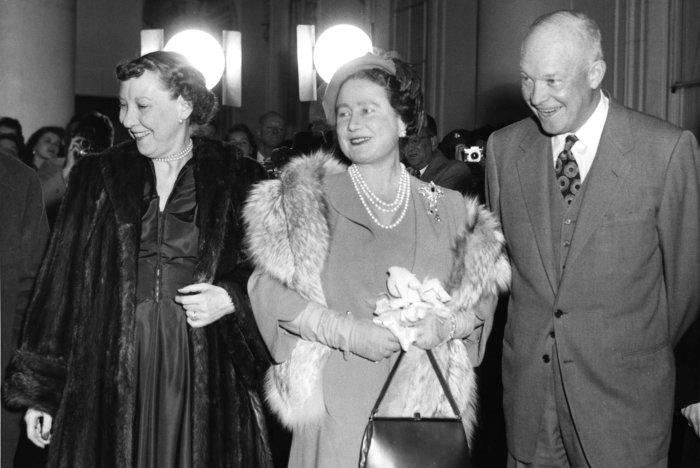
President Dwight D. Eisenhower and first lady Mamie Eisenhower (R) pose for photographers with Queen Elizabeth (C) after welcoming her to the White House on November 4, 1954. She was first lady from 1953 to 1961 and focused on supporting military families, veterans and women’s volunteer efforts. UPI File Photo | License Photo
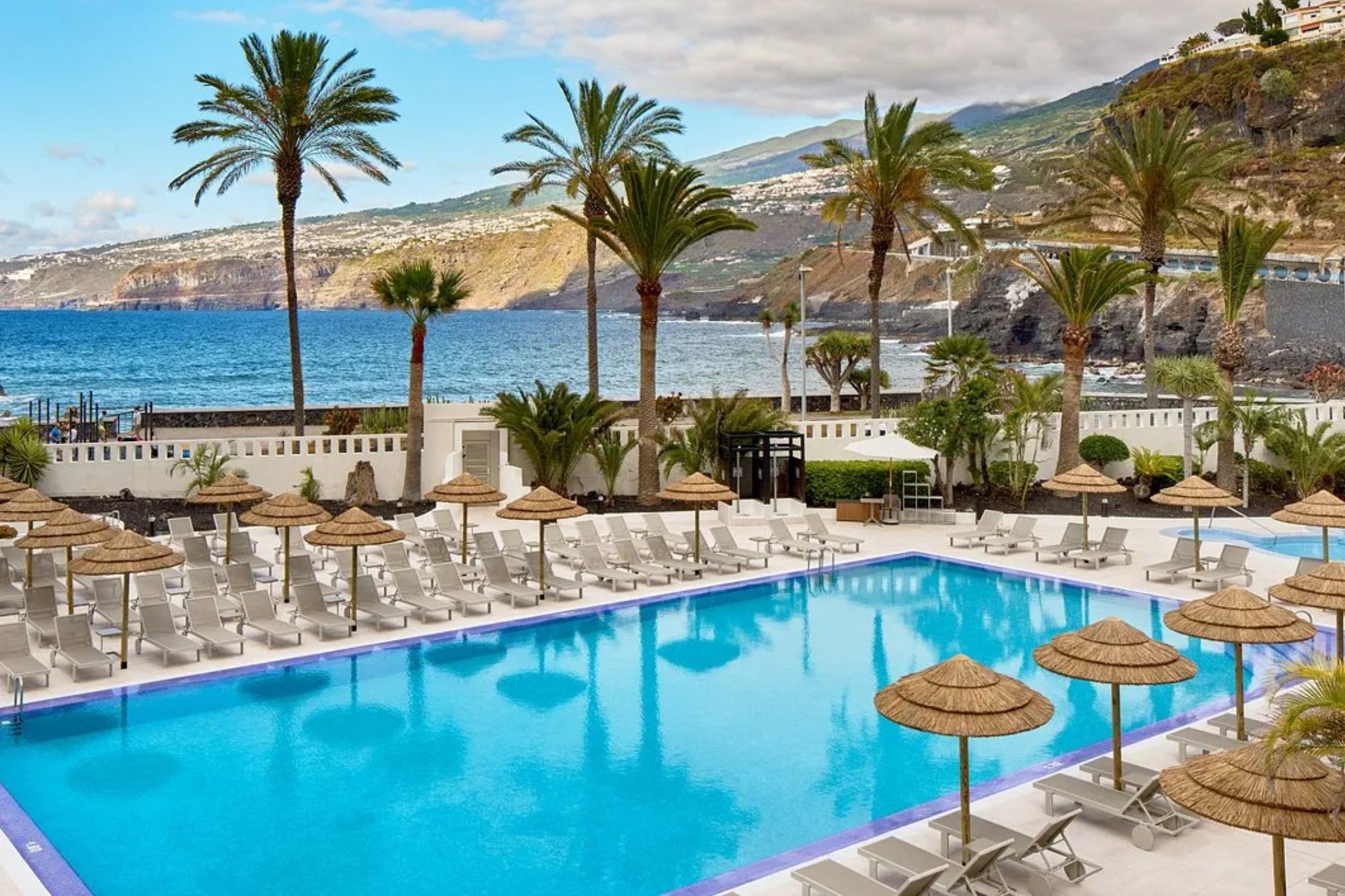
We found 20 of the cheapest all-inclusive resorts for summer 2026

THE price of holidays has skyrocketed in recent weeks, partially due to the rising cost of fuel.
But even in the school holidays, your summer getaway doesn’t have to break the bank as we’ve found some incredible deals to the top tourist destinations.
We’ve scoured the internet to find the best resorts you can stay in for less this summer, and the best part is, they don’t compromise on comfort, location or activities.
Many of these resorts are set smack-bang on the beach, and each price is calculated with an all-inclusive package, meaning there’s no need to spend any extra cash on dining out.
Here are 20 of the best all-inclusive resorts to escape to this summer, with top picks from the Greek islands, Ibiza, Tenerife and more.
Magic Cristal Park, Benidorm
Magic Cristal Park is a top pick for a Benidorm break, especially with its ‘ultra all-inclusive’ offer.
While the standard all-inclusive is already generous, this upgrade includes premium drinks and even a beachfront brunch.
Plus, if you’re staying for four nights or more, you’ll get a range of excursions thrown in for free.
You can choose from the Medieval Magic Robin Hood Challenge, the Princesses and Knights show, and a trip to a live magic show.
And if you stay for at least seven nights, you’ll even get entry to Terra Natura Animal Park and Aqua Natura Water Park included.
This all-inclusive paradise is a massive win for families who want an action-packed holiday without the extra costs that come with excursions.
TUI offer a 5-night stay from 17 August, including return flights from Glasgow from £490pp.
AQI Aqua Mirage Club, Marrakech, Morocco
With its own water park, wave machine and a selection of slides, this resort in Morocco‘s Marrakech is loved by families.
This sprawling resort lets you soak up the North African sunshine with a much more spacious, out-of-town feel than the smaller hotels in the city centre.
This resort has everything you’ll need for your summer holiday in one spot.
You can spend days tackling the on-site waterpark with its own water castle, or hitting the tennis, basketball and volleyball courts.
When it comes to food and drink, the all-inclusive buffet is a real international spread. Food ranges from traditional tagines to grilled meats and refreshing salads.
And if you want to dive into the famous buzz of Jemaa el-Fnaa Square, this hotel offers a free shuttle service, with the city’s vibrant souks just 20 minutes’ away.
TUI offer a 5-night stay from 30 July, including return flights from London Stansted from £551pp.
Sol Tenerife
Playa de las Américas is Tenerife‘s undisputed capital of fun, and this hotel puts you right on its front porch.
The volcanic shoreline of Playa de Troya is just four minutes away, while the Veronicas Strip begins almost exactly where the hotel grounds end.
This resort is ideal for those who want to jump between a sun lounger and a dance floor without needing a taxi in between.
With August temperatures averaging a reliable 28C to 31C, there’ll be plenty of sunbathing opportunities – plus you can count on the three onsite pools to cool down.
The all-inclusive offer includes a constant rotation of international dishes at the buffet, plus a poolside bar with extra snacks and drinks.
For a change of scenery, Siam Park is a seven-minute drive away, offering some of the country’s most thrilling water slides.
Loveholidays offer a 5-night stay from 24 August, including return flights from Glasgow Prestwick from £499pp.
Corona Roja Aparthotel, Gran Canaria
This budget-friendly base sits in Gran Canaria’s ever-popular Playa del Ingles.
This resort offers comfortable apartments with kitchenettes, but the all-inclusive option means you can skip the cooking and stick to the buffet restaurant and poolside bar.
Playa del Ingles is a hit with Brits for its combination of golden beaches, buzzing nightlife, and watersports ranging from parasailing to sunset cruises.
The main Playa del Ingles beach boasts nearly two miles of flat, golden sands that are perfect for families, whilst the nearby Maspalomas has a desert-like landscape with rolling dunes.
And with all-inclusive, week-long summer stays for less than £400pp, this is a great-value spot for those who want to be close to the action.
On the Beach offer a 7-night stay from 15 July including return flights from Bournemouth from £360pp.
Globales Montemar, Ibiza
Globales Montemar sits on a quieter side of Ibiza, meaning you can soak up the island’s stunning natural beauty away from the party crowds.
Tucked away behind a pine-covered hillside, this resort feels like a real island escape, offering both hill and sea views.
Here you’re just a 10-minute stroll from a stunning, horseshoe-shaped bay where the waters are clear, calm and shallow.
The resort itself is all about easy-going family fun. There’s a large pool that curves around the resort, surrounded by plenty of sunbeds, plus a kids and families-only zone.
You can fill your boots at the buffet restaurant, which serves up a mix of local and international dishes, and grab a midday snack or an ice cream from the poolside bar.
It’s an excellent choice if you want to experience Ibiza in a family-friendly spot surrounded by stunning scenery.
TUI offer a 5-night stay from 25 July, including return flights from London Stansted from £505pp.
Archipel Monastir, Tunisia
This glamorous Tunisian hotel offers everything from luxurious spa treatments and a hammam, to an exciting sports programme including tennis, volleyball and archery.
Plus, it’s fit for families, with spacious and comfortable rooms and suites which house up to four beds.
The coastal city of Monastir is ideal for those who like to take in the local history on holiday, with a medina, fortress and ancient ruins to explore.
There’s plenty of impressive sights like the preserved Ribat of Monastir, as well as the grand marble patterns and domes of the Habib Bourguiba Mausoleum.
And Monastir isn’t short of beautiful beaches, either. The Archipel Monastir hotel sits directly on a golden beach, so you’re just steps away from a swim in the Mediterranean Sea.
On the Beach offers a 7-night stay from 1 July including return flights from Bristol from £370pp.
Clover Magic Park Beach, Alanya, Antalya, Turkey
This four-star Turkish resort offers jam-packed all-inclusive holidays that are pretty hard to say no to.
Sat smack-bang on the beach in Antalya‘s Konakli, this resort has all the family summer holiday essentials: a giant pool, water slides, plus evening entertainment and nightclub access for the grown-ups.
Here you can help yourself to an extensive buffet breakfast, various international options at lunch and dinner, and plenty of poolside drinks and snacks.
Outside of the resort, Konakli offers boat trips to Turtle Beach, plus the exciting Alanya Aquapark is just a 15-minute drive away.
Loveholidays offer a 5-night stay from 9 August, including return flights from Edinburgh from £419pp
Rodos Star, Rhodes, Greece
Perched on a hill with views over the Aegean Sea, this family-run hotel is highly rated for its welcoming atmosphere.
Families make use of the outdoor pool and kids’ pool, and enjoy settling down to evening entertainment three times a week – including live music, Greek dancing and disco nights.
Rodos Star is just a five-minute walk from the traditional village of Afandou, one of the largest in Rhodes.
This pretty village is full of traditional beachfront tavernas, as well as plenty of shops selling handmade souvenirs.
And if you prefer pebble beaches that won’t leave you coming home with sand in your pockets for weeks, you’re in luck.
Here you’re close to the pebbled portion of the four-mile long Afandou Beach with the typical turquoise waters that make the Greek islands famous.
TUI offer a 7-night stay from 16 August including return flights from Glasgow from £770pp.
Blue Sea Interpalace, Tenerife
This four-star hillside retreat in Tenerife consistently rates high among families.
It’s a challenge for kids to get bored here when there’s mini golf, a kids club, an outdoor playground and a packed evening entertainment programme to pick from.
There are 234 rooms in this resort, each of which come with all the necessary amenities such as air-con, flat-screen TVs and a minibar.
The rest of the resort also has that classic all-inclusive holiday in the Canaries feel – with a large outdoor pool surrounded by loungers, a big buffet restaurant and several sports courts.
Head out into the local area of Puerto de la Cruz to explore volcanic black sand beaches, stroll its picturesque harbour and discover the ruins of an 18th century fort.
Loveholidays offer a 5-night stay from 15 August, including return flights from Edinburgh from £449pp.
Selenium Hotel, Antalya, Turkey
The Selenium Hotel in sunny Antalya is the perfect base for those who want to be in the heart of the action with plenty of activities.
There’s water sports galore down on the seafront, with diving, water-skiing, jet-skiing, pedal boats and banana boats ready and waiting for you to take a spin.
Plus, you can also explore nearby coastal paths by bicycle or horse back, both of which can be arranged by the hotel. There’s also a golf course 20 minutes’ drive away in Belek.
Equally, if you’re just after a fly and flop kind of holiday, this hotel is suitable for you, too.
There’s a pool with plenty of parasols and loungers to lay back and relax on, as well as a sand beach just a few minutes walk away.
On the Beach offer a 7-night stay from 1 July including return flights from London Gatwick from £375pp
Hotel Club Jandia Princess, Fuerteventura
If you’re looking for a family mega-resort just steps from the beach and boasting toasty 27C to 30C July temperatures, this pick in Fuerteventura is the one for you.
The huge resort is perched right above the stunning Playa de Esquinzo, so you’re never more than a short stroll from the water.
Hotel Club Jandia Princess is set up like a small village, with low-rise buildings scattered among palm trees and six different swimming pools.
Stays here are all about variety: entertainment spans from DJ nights to bingo and live sports screenings, whilst the wide range of sports on offer include water polo, rifle shooting and shuffleboard.
There are plenty of unique things to do in the local area, too, such as meeting goats at the nearby farm and going whale-watching on local catamaran trips.
TUI offer a 5-night stay from 21 July, including return flights from Bournemouth from £498pp.
MIX Peymar, Majorca
Set just steps from the sea in sunny S’Illot, Majorca, the MIX Peymar hotel is a stunning choice for couples and families alike.
Spend days soaking up rays on the beach of Platja de S’Illot, or splashing around in the hotel’s outdoor pool and dedicated kids’ pool.
And with temperatures in S’Illot averaging a scorching 32C in August, you’ll certainly want to take a dip to cool off.
When things cool down in the evenings, there are plenty of shops, bars and restaurants to enjoy within walking distance.
Plus the pretty promenade and and Blue Flag beaches of resort town Cala Millor are only a five-minute drive away.
Loveholidays offer a 5-night stay from 2 August, including return flights from Glasgow Prestwick from £479pp.
TUI SUNEO Lagomonte, Majorca
TUI SUNEO Lagomonte is a Majorcan resort that delivers something you don’t see every day.
This hotel’s standout feature is a mini private island with its own pool and bar in the middle of the lake beside the main building.
The rest of the resort feels modern, spacious, and built for easy-going family getaways.
There’s a massive main pool with a dedicated zone for kids, plus sports like darts, aerobics, table tennis and aqua gym classes to keep you entertained during the day.
Plus the all-inclusive buffet here is a real winner, serving up classics like pancakes and English breakfasts, through to freshly-grilled meats and fish at dinner time.
When you fancy a change of scenery, a free shuttle bus will whisk you down to a golden stretch of Alcudian beach in minutes.
TUI offer a 5-night stay from 13 August, including return flights from Glasgow Prestwick from £434pp.
Hotel Terramar Calella, Costa Brava
If you’re after a Costa Brava break that puts you in the prime spot for both beach days and buzzy nights out, Hotel Terramar is your best bet.
The location is the real winner here, putting you right between the popular promenade and the golden sands of Platja Gran, the area’s largest beach.
Days here look like morning sea swims, followed by afternoons spent lazing by the pool and sunset drinks at a local bar.
But because this is an all-inclusive stay, there’s no need to spend money on food and drink outside of the hotel if you don’t want to.
Meals are included, plus the Cafe Bar is stocked with drinks and snacks.
And with a lively atmosphere and bars stocked with local spirits, it’s a great-value base for a straightforward bucket-and-spade break.
On the Beach offer a 7-night stay from 22 July including return flights from Bristol from £545pp.
Ereza Apartamentos Los Hibiscos, Lanzarote
This adults-only escape to Lanzarote is the perfect pick for couples.
These apartments are clean and bright, but the pool area is the real winner here – with a sun deck ideal for a peaceful afternoon with a book and cocktail in hand.
Even though it’s an apartment complex, you can still go all-inclusive. Here, you get the best of both worlds: a self-contained base with all the amenities, plus your meals, snacks and drinks thrown in.
The complex sits in Puerto del Carmen, where popular beaches Playa Grande and Playa Pocillos offer access to the sapphire waters of the Atlantic.
There’s plenty to do here, including scuba diving and jet skiing stations along the seafront, as well as a bustling Friday market at market square Plaza Varadero.
Plus, the nearby promenade Avenida de las Playas is packed with pubs, bars and clubs to dance the night away.
Loveholidays offer a 5-night stay from 3 July including return flights from Edinburgh from £349pp.
Sun Club El Dorado, Majorca
For an all-inclusive Majorcan getaway that won’t blow the budget, Sun Club El Dorado is a top choice.
Tucked away from the busy tourist strip, this is a top choice for a more secluded escape with breathing room to soak up the scenery.
But this quieter location doesn’t lack in things to do. Here you can spend your morning on the tennis courts or having a go at archery, before cooling off in one of the three massive pools.
If you bring the kids along, the onsite water slide and non-stop entertainment will be sure to keep them busy.
And after a full day of being active, you can head to the buffet to fill your plate and soak up those sunset views.
Loveholidays offer a 5-night stay from 24 August including return flights from Edinburgh from £419pp.
Aes Club Hotel, Dalaman, Turkey
If you’re wanting to swap the busy beachfront resorts for more of a pretty rural getaway, Aes Club Hotel in the Turkish village of Ovacik is a standout choice.
Tucked away near the base of Mount Babadağ, this hotel swaps the busy seafront for a peaceful mountain landscape.
Although if you fancy a sea swim, you’re only a short (and free) shuttle bus ride away from the Blue Lagoon of Oludeniz.
This hotel has a sleek pool area for all-day lounging, a spa for a proper Turkish scrub, and an entertainment programme that runs from day through to night.
Whether you want to enjoy the peace and quiet of the mountains, or head out into nearby Hisarönü for drinks and dancing, this is a brilliant Turkish base for a bit of me-time.
TUI offer a 7-night stay from 13 August including return flights from Aberdeen from £765pp. This deal includes one free child’s place.
Apartamentos LIVVO Morromar, Lanzarote
These apartments in Lanzarote‘s Matagorda come with kitchenettes, cosy seating areas, plus your choice of balcony or terrace.
Each spacious apartment can sleep up to four people, making an ideal choice for small groups seeking an easy-going sun holiday.
There’s two large, heated outdoor pools in the apartment complex to enjoy, plus a kids club, playground, games room, and both an evening and daytime entertainment schedule.
Three meals a day are served in the buffet restaurant, while the pool bar opens from midday onwards for snacks, and even a late breakfast if you’ve had a lie-in.
The apartments are just a 10-minute walk from the closest beach in Matagorda, where calm waters lap over soft, golden sands.
TUI offer a 7-night stay from 13 August including return flights from Glasgow from £603pp.
El Pueblo Tamlelt, Agadir, Morocco
Set in 11 acres of tropical gardens and just steps from the beach, El Pueblo Tamlelt is a slice of Moroccan paradise.
The resort is just 15 minutes from the airport, so you can soon be on a sun lounger shortly after landing.
And with temperatures reaching 30C in July, Agadir is a reliable pick for summer sun.
The resort has 363 modern rooms, all featuring a balcony or terrace overlooking the grounds or the sea.
Plus when you go all-inclusive, you’ll enjoy three buffet meals a day, as well as snacks like pizza and burgers at the poolside bar.
If you want to get out and explore the area, Agadir centre is a 10-minute drive away.
Or you can head to the Agadir Oufella Ruins for panoramic views of the city from an impressive mountain-top fortress.
On the Beach offer a 7-night stay from 1 July including return flights from Manchester from £355pp.
Clipper Affiliated by FERGUS, Lloret de Mar
The centrally-located Clipper Affiliated by FERGUS is a practical and comfortable base to explore Costa Brava’s coastal treasure.
From here, it’s only a nine-minute walk to Lloret de Mar beach, which is a mile in length and popular with Brits for its lively atmosphere.
This laid-back hotel has a sun-soaked pool area with a snack bar made for lazy afternoons, plus rooms that provide a clean, simple retreat after a day of exploring.
And with a stress-free all-inclusive package, you can fill up on burgers, chips and salad at the buffet – and save your euros for the local boutiques.
You’re only a two-minute walk away from the Old Town of Lloret de Mar, where narrow streets dotted with bars lead to the lively Town Hall Square.
Loveholidays offer a 5-night stay from 2 August including return flights from Leeds Bradford from £379pp.

Protests in Yemen against US-Israeli attacks as Houthis warn of action | Houthis
Protesters in Yemen took to the streets to voice support for Iran, Palestine, and Lebanon amid ongoing US and Israeli attacks. Houthi representatives expressed their readiness to intervene militarily.
Published On 28 Mar 2026

Geri Halliwell and husband ex-F1 boss Christian Horner win neighbour row over plan to build £30k horse walker on estate
GERI Halliwell has jumped the final hurdle in a neighbour row – as her plans to build a £30k horse walker are finally approved.
The Spice Girls singer and her husband, ex-F1 boss Christian Horner, want to install the 77ft structure to train horses near their Oxfordshire home.
Geri, 53, and Christian, 52, own a horse racing company called OMBI, featuring stables for 14 horses and a full-time trainer.
But plans for the walker, essentially a circular cage that moves horses to improve their fitness, were met with fury by locals, with several objections registered with West Northamptonshire District Council.
Concerns over the height of the building, its visual impact, inadequate screening, and lighting have been raised by neighbours.
However, the council has now approved the application, provided the celebrity pair follow strict conditions.
Read more on Geri & Christian


It said: “The building shall be used for private equestrian and land management uses only and no commercial use, including riding lessons, tuition, livery or competitions shall take place at any time.”
The authority added: “Whilst it is acknowledged that the walker incorporates a steep pitched roof for its size, the general design is functional in form.
“Giving regard to its siting, scale and rural-equestrian character, the design is considered appropriate for the open countryside location and would not harm the character of the area.”
Full details of lighting still need to be approved before it is built, but it is far enough away from neighbours not to cause issues, the council added.
And the couple have proposed to hide the training device with 12 newly-planted trees, which was deemed appropriate by planners.
But one neighbour, who objected to the horse walker plans, fumed the structure would be “extremely prominent” on the skyline.
He said: “Whilst we do not object to the principle of a horse walker… we object to the plans as currently presented.
“The proposed structure would be extremely visible from our property, other village properties, and from a public highway.
“In a rural conservation area this would be unacceptable as it would completely change the character of the area.”
The local also objected to the main property being “away from the main buildings when other infill sites are available”.
Another slammed the proposed lighting set-up and described the suggested screening as “totally inadequate.”
They said: “There is already significant lighting at the property. We would not want to see this area illuminated outside of normal working hours.
“Further lighting would be encroaching into an area which is currently unlit behind the existing barn.”
Writing on behalf of Geri and Christian, a planning agent pointed to the Department for Environment Food and Rural Affairs (DEFRA) codes.
He wrote: “It states that animals must be given freedom to exercise off the tether for a reasonable period at least once a day.
“The installation of the horse walker will ensure that this is possible and that they are exercised properly, regardless of weather conditions and other limiting factors.
“The proposed horse walker will provide the horses with a space to be suitably exercised off the tether.
“Once the new hedgerow matures it will be largely screened from all public and private views onto the farm.”
The scheme is the latest in a number of planning rows between the couple and their neighbours.
Geri and Christian were recently given approval to keep a pergola that had been built without planning permission.
Just last year, they were allowed to build a second pool on the grounds despite fears it would be a “blot on the landscape”.
And three years ago, they were also granted permission for a first floor extension, a replacement barn and a new greenhouse.
Geri’s representatives have been approached for comment.

Nexstar ordered by court to pause Tegna merger after DirecTV suit
Nexstar ordered by court to pause Tegna merger after DirecTV suit
Source link

Prep talk: It’s an NIL battle for hair products
Corona High baseball coaches have been joking about seeking an NIL deal for sophomore pitcher Chris Woodson regarding his hair that moves in many directions while blowing in the wind as he tries to keep his hat on.
Think former NFL star Troy Polamalu, who has been featured in Head & Shoulders shampoo commercials showing off his hair.
When Woodson and Corona Santiago’s Striker Pence were facing each other on Wednesday, it was the battle for hair supremacy. Pence still has blond hair sticking out from the back of his hat after he recently got his hair cut.
“Me and his dad are both bald and both had hair when we were young,” Corona coach Andy Wise said of Woodson. “We’re both not letting him cut it. It’s flowing. He has a 4.0 GPA and is an awesome kid that everyone loves.”
During his days coaching at Granada Hills, starting in the 1970s, Darryl Stroh used to require players to cut their hair to a certain length. Think Army.
As long as Woodson isn’t distracted, Wise is fine with it.
“Be yourself kid,” he tells him.
This is a daily look at the positive happenings in high school sports. To submit any news, please email eric.sondheimer@latimes.com.

S. Korea raises fuel price caps; pump prices seen above $1.50 a liter

A price board at a gas station displays regular gasoline at 1,796 won per liter (around US$1.20) in Incheon, South Korea, 13 March 2026. The government implemented a temporary fuel price cap system the same day to ease cost burdens amid supply concerns linked to the Middle East crisis. File. Photo by YONHAP / EPA
March 26 (Asia Today) — South Korea will raise its second round of fuel price caps starting at midnight Friday, pushing expected retail gasoline prices above 2,000 won per liter (about $1.50).
The government set the new ceiling for gasoline at 1,934 won ($1.45) per liter, up 210 won from the first round. Diesel will be capped at 1,923 won ($1.44) and kerosene at 1,530 won ($1.15).
Because refiners’ wholesale supply prices have already moved into the 1,900-won range, officials expect retail prices at gas stations to settle in the low 2,000-won range, or roughly $1.50 to $1.60 per liter.
The first round of price caps, introduced March 13, focused on shielding consumers from a surge in global oil prices. The second round reflects a shift in policy, allowing some price increases while trying to prevent excessive costs from being passed on to households as the crisis drags on.
The Ministry of Trade, Industry and Energy said the revised caps incorporate international oil price movements while factoring in inflation and household impact.
Yang Ki-wook, a senior official at the ministry, said the government did not apply global prices mechanically.
“We considered the broader impact on people’s livelihoods,” Yang said.
Based on the first round, when the nationwide average gasoline price reached about 1,810 won ($1.36), officials believe prices will now move into the low 2,000-won range.
The ministry said it may take two to three days for the new caps to be reflected at gas stations, as most retailers still hold inventory purchased under earlier pricing.
Stations that raise prices immediately could face scrutiny, Yang said, noting most hold five days to two weeks of supply.
The government estimates the price cap system lowers fuel costs by about 200 to 500 won per liter compared with a scenario without intervention.
Officials also rejected concerns that the policy conflicts with demand-control measures such as vehicle rotation systems. They said the second phase is intended to balance two goals: encouraging reduced consumption while preventing excessive price spikes.
Separately, the government extended fuel tax cuts through the end of May and increased the reduction rates. The gasoline tax cut was raised from 7% to 15%, and diesel from 10% to 25%.
Under the revised rates, fuel taxes now stand at 698 won ($0.52) per liter for gasoline and 436 won ($0.33) for diesel, down 65 won and 87 won, respectively.
Officials said the tax cuts were factored into the new price caps, resulting in effective reductions of about 200 won for gasoline and about 500 won for diesel and kerosene compared with market-based pricing.
The second round of price caps will remain in effect for about two weeks, through April 9.
— Reported by Asia Today; translated by UPI
© Asia Today. Unauthorized reproduction or redistribution prohibited.
Original Korean report: https://www.asiatoday.co.kr/kn/view.php?key=20260326010008302

The war on Iran faces a MAGA backlash | US-Israel war on Iran
Four weeks into the war on Iran, the White House continues to confuse the public and the press with constant pivots and contradictions.
Now the administration faces even more pressure as many of its own supporters have started to turn against it. This war has split up the MAGA movement, with an intriguing debate currently happening outside the mainstream and in the midst of their own media sphere.
Contributors:
Jamal Abdi – President, National Iranian American Council
Jude Russo – Managing editor, The American Conservative
Ben Lorber – Senior research analyst, Political Research Associates
On our radar
This week, the Israeli parliament approved the first vote on a bill that introduces a mandatory death penalty by hanging. This applies to any Palestinian convicted of killing Israelis in attacks defined as “terrorism” or motivated by “hatred”. Ryan Kohls reports on how this bill has been promoted in the media.
Memes, trash talk and AI – the online war between Washington and Tehran
The propaganda war in the ongoing war on Iran has taken a new form.
Beyond the traditional tactics, both the US and Iran are increasingly using memes and trash-talk mockery of the adversary through AI-driven animations, designed with virality in mind. We look at the strategies behind the different messaging coming out of Washington, Tel Aviv and Tehran.
Featuring:
Meredith Clark – Professor, University Of North Carolina
Roger Stahl – Documentarian and author, Militainment, Inc.
Marc Owen Jones – Associate professor, Northwestern University In Qatar
Published On 28 Mar 2026
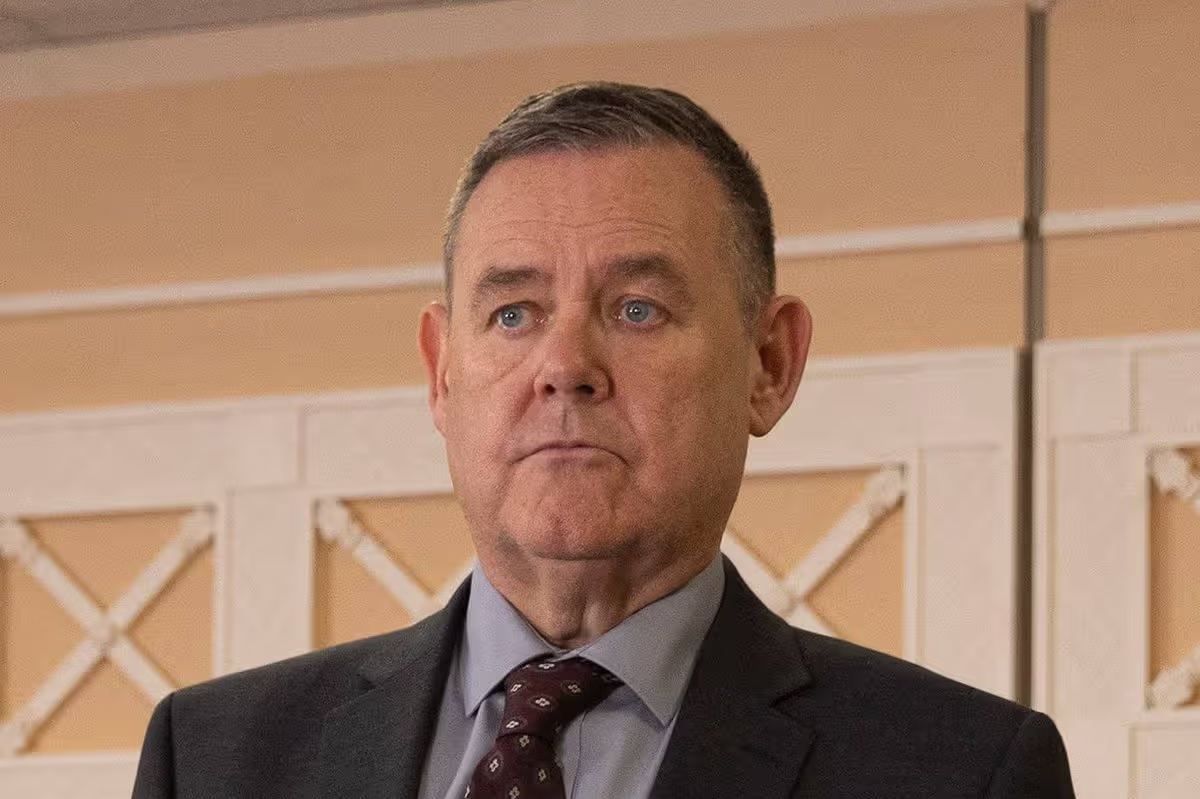
Coronation Street George actor’s life from his family to heartbreak over co-star’s death
Tony Maudsley is best known for his role as George Shuttleworth on Coronation Street and away from the soap he lives a far less dramatic life

Coronation Street George actor’s life from his family to heartbreak over co-star’s death
Tony Maudsley is a beloved figure on Coronation Street – but what do we know about his life off the set?
Tony joined the ITV soap in 2020, portraying George Shuttleworth, the son of the late funeral director Archie (Roy Hudd). Since then, he’s won over viewers and has been involved in numerous major plotlines.
Particularly now, as George is inching closer to uncovering the truth about wicked Theo Silverton (James Cartwright), who has been tormenting Todd Grimshaw (Gareth Pierce) for several months, reports the Daily Star.
Off-screen, actor Tony leads a far less dramatic life. Here, we delve into the accomplished star’s personal world.
Tony’s Hollywood Stardom
In addition to Corrie, Tony has featured in Queer As Folk, Emmerdale and also starred in the popular ITV sitcom Benidorm, playing hairdresser Kenneth Du Beke from 2011 to 2018.
Moreover, Tony made an appearance in the Harry Potter series in Harry Potter and the Order of the Phoenix, portraying Hagrid’s half-brother, Gawp.
Reflecting on his time in Harry Potter, Tony remarked: “It was one of the hardest jobs I’ve ever done. I was weighed down with these huge monster feet that were so heavy, that I could never get into the canteen and back in time.”
Tony also shared screen space with Johnny Depp in the film Sleepy Hollow – but had an awkward encounter with the Hollywood icon. He revealed to Soap Inside magazine: “Very early on in my career, I worked with Johnny Depp on the film Sleepy Hollow.
“At the time, I’d stopped smoking for three years – but Johnny invited me for a roll-up round the back of the set, and I couldn’t say no! So, there I was trying to look cool with Johnny, while choking on a cigarette. It’s been a pretty lovely career.”
Tony’s private family life
Tony regularly keeps his devoted following of 77,000 Instagram fans informed about his daily activities. Earlier this year, he offered supporters an uncommon glimpse into his personal world when he posted multiple pictures of his beloved dog following a grooming session.
He wrote alongside the post: “Took Bosie to a new groomers today in Worsley Village and they did a great job! They even cleaned his teeth (well the few he’s got left!)”
And in March, Tony honoured his seldom-seen mother after sharing a photograph of them together for Mother’s Day. In the image, Tony appeared delighted standing next to his mum. He wrote with the post: “Happy Mother’s Day from me and mine.”
Tony’s grief following tragic loss
In January 2024, Tony expressed his devastation after his friend Michael McGarrigle – who collaborated with Tony on ITV’s Benidorm – had died.
Tony initially requested assistance from his followers to locate costume supervisor Michael who had disappeared, but days afterwards he confirmed the tragic news that Michael had passed away.
Posting a photo with Michael, Tony shared a heartfelt tribute to his mate: “Thank you so much to everyone for all your efforts in reposting our appeal to find Michael yesterday. I’m so sad to say that we found out late last night that we’ve lost our beautiful friend.
“Our whole Benidorm family is devastated and we’ll miss him hugely. RIP Michael.”
In addition to Benidorm, Michael served as the costume supervisor on programmes such as Prisoners Wives Maternal, The Larkins, DCI Banks, Whitechapel, Mrs Biggs, Annika and The Fear. He was also the co-owner of a musical theatre and cabaret bar in Brighton, Bar Broadway.
Coronation Street airs Monday to Friday at 8:30pm on ITV1 and ITVX

Jordan Henderson: Ben White will have support of England players
John Murray, BBC Radio 5 Live football correspondent
What that match will be remembered for is Ben White.
That’s the only match I have ever seen when an England player has scored his first international goal for England at Wembley and was booed by, I would say, a sizeable minority of the crowd.
When he left the squad in Qatar and went home for what was described as personal reasons – we’ve never really got to the bottom of what it was.
There were stories that there was a fall-out, something happened involving Steve Holland, Gareth Southgate’s assistant. But that was never confirmed by Gareth Southgate.
I thought last night might have been the perfect opportunity for Ben White to put his head above the parapet. He’s made his comeback, he’s just scored his first goal. But, as Thomas Tuchel was saying in advance of the match – and we kind of know this already – he described him as quite introverted, quite shy, and maybe he just doesn’t feel comfortable to do that.
But probably at some stage he will have to grasp the nettle and talk about it.

Lee says peace mission honors South Korea’s West Sea dead

South Korean President Lee Jae Myung (3-R) offers a silent prayer at a national cemetery in Daejeon, South Korea, 27 March 2026, during a ceremony to mark the 11th anniversary of the commemoration day for 55 troops who died in three major clashes with North Korea in the West Sea, comprising an inter-Korean naval skirmish in 2002, North Korea’s torpedo attack on the corvette Cheonan in 2010 and its shelling of the border island of Yeonpyeong in the same year. Since 2016, the government has designated the fourth Friday of March as the commemoration day, known as the West Sea Defense Day. Photo by YONHAP / EPA
March 27 (Asia Today) — President Lee Jae-myung said Friday that building a peaceful Korean Peninsula while maintaining a strong defense is the historic mission left behind by South Korea’s fallen West Sea heroes.
Speaking at the 11th West Sea Defense Day ceremony at Daejeon National Cemetery, Lee said the 55 service members honored each year had protected not only a maritime boundary, but also the everyday peace South Koreans enjoy and the future their descendants deserve.
“Our task is to firmly protect our people and the territory of the Republic of Korea with strong national defense capabilities, while also building a peaceful Korean Peninsula free from the worries of war and hostility,” Lee said.
He said the waters defended by the fallen should no longer remain a symbol of conflict, but be turned into “a foundation of peace and prosperity.”
“Peace is our livelihood, and peace is the greatest security,” Lee said. “Winning a fight matters, but winning without fighting matters even more. More important still is a peace in which there is no need to fight.”
Lee said his government would work to end the legacy of confrontation and tension in the West Sea and open a new chapter of shared growth and prosperity.
He also paid tribute to the bereaved families, saying the government would remember the dead, preserve their record and honor them properly.
Lee said his administration was trying to close gaps in veterans support under the principle that special sacrifice deserves special compensation.
Beginning in May, spouses of financially struggling war veterans will receive monthly living support payments, he said.
Lee also said the government plans to expand the number of designated veterans medical institutions nationwide to 2,000 by 2030 so national meritorious persons can receive treatment more easily at nearby hospitals.
He said mandatory military service should be recognized as a legitimate social asset so former service members can take pride in their time in uniform.
To that end, Lee said the public sector will be required to count mandatory service periods when calculating pay grades and wages for discharged veterans.
West Sea Defense Day is a national commemoration honoring those killed in the Second Battle of Yeonpyeong on June 29, 2002, the sinking of the Cheonan on March 26, 2010, and the shelling of Yeonpyeong Island on Nov. 23, 2010.
Before the ceremony, Lee and first lady Kim Hye-kyung paid respects at the graves of those killed in the Second Battle of Yeonpyeong, the Yeonpyeong shelling, the 46 sailors killed in the Cheonan sinking and the late warrant officer Han Ju-ho.
— Reported by Asia Today; translated by UPI
© Asia Today. Unauthorized reproduction or redistribution prohibited.
Original Korean report: https://www.asiatoday.co.kr/kn/view.php?key=20260327010008430

Major fire tears through town's historic mill
The former silk mill has been derelict since 2007 and has attracted anti-social behaviour.
Source link

TV legend confirms show break on BBC Breakfast in major shake-up
A broadcaster has confirmed during BBC Breakfast that a schedule shake-up is happening soon on the long-running programme

A TV legend has confirmed a show break on BBC Breakfast in major shake-up(Image: BBC)
A major schedule shake-up has been announced on BBC Breakfast and fans will not be best pleased about it.
The long-running morning show returned to TV screens on Saturday (March 28) for another instalment. Naga Munchetty and Ben Thompson were back at the helm, to discuss some of the biggest stories hitting the headlines from around the globe.
During the broadcast, Ben and Naga passed over like normal, to Newswatch host Samira Ahmed, who delved into viewers’ thoughts on recent BBC News coverage.
BBC Newswatch is a weekly show offering viewers and listeners the opportunity to respond to BBC News.
The segment sees Samira presenting viewer feedback on the BBC’s reporting of major stories, with audiences either praising or critiquing the coverage. The programme airs on Saturday mornings at 7:45am on BBC One during BBC Breakfast, or can be watched online.
However, at the end of the latest segment, Samira announced that Newswatch would be off air for several weeks, but reassured viewers that it would return to screens.
“We are off air next weekend over Easter but we will be back to hear more of your thoughts about how the BBC covers the news, in a fortnight,” Samira told viewers.
This is not the first time Newswatch has taken a break from screens. Last year in September, Samira announced the show would be off air for several weeks.
And viewers at the time were not too happy and voiced their opinions on X, regarding the hiatus, with some expressing dissatisfaction with the content of the programme. One viewer commented: “Well, that was a waste of 10 minutes,” while another said: “Disappointing….and last one too.”
A third remarked: “Not this again,” and yet another echoed the sentiment, stating: “Newswatch spending way too long on one little whinge.”
Journalist and broadcaster Samira has 20 years’ experience in print and broadcast and has hosted Newswatch since 2012. In 2020, Samira was named British Broadcasting Press Guild audio presenter of the year.
She has presented many news and arts programmes over the years for BBC TV and radio, including The World Tonight, PM, Sunday Morning Live on BBC One, Night Waves on Radio 3 and The Proms on BBC Four.
BBC Breakfast airs Monday to Friday at 6am on BBC One.

I visited the Italian ski resort that once hosted the Winter Olympics
HAVE you ever dreamed of becoming a famous Olympian?
It might be out of reach for most of us mere mortals.
But at one resort in Italy, you can feel pretty close to it — especially if you’re skiing alongside one of Britain’s greatest Olympic snowboarders.
I joined two-time Winter Games star and World Cup winner Jamie Nicholls on the slopes of the dreamily named Milky Way (Via Lattea) ski area in the Italian Alps.
The snowy realm played host to the stars of the Turin Winter Olympics in 2006 and you can feel like a hero as you ski off from the original starting huts of the giant slalom or downhill black runs.
Remnants of the Games can be seen everywhere from the former bobsled track — a giant concrete cobra now disused and frozen in time — to the vertigo-inducing ski jump, as well as the downhill slopes.


The main athletes’ village — now a four-star hotel — dominates the village of Sestriere, from where more than 400km of pistes stretch all the way to Montgenevre in France.
I was staying at a smaller former athletes village in Pragelato, which is now owned and run by the all-inclusive holiday giant, Club Med.
It is the company’s only village concept, with the many chalets housing 350 rooms and surrounding a main hotel building to give it a cosy feel.
Club Med celebrated its 75th anniversary last year and the mantra from its founder, Belgian Gerard Blitz, is: “The purpose of life is to be happy. The place to be happy is here. The time to be happy is now.”
The always smiling, helpful and friendly staff try their best to make this true every day.
Every evening, a show including music, dancing and theatre is performed for both children and adults in the main bar, and the partying goes on long into the night.
Club Med was the original all-inclusive holiday company and packages include ski passes, ski lessons and all food and drink from a main buffet restaurant serving delicious local pasta, meats and cheeses, as well as a pizza trattoria and a fine dining option.
And what is exceptional about Club Med Pragelato is that it also has four restaurants on the mountain where you can eat out and drink for free as part of your package.
This means you can make the most of your day’s skiing as you don’t have to trek back to your hotel for lunch.
Olympian Jamie is a convert and regularly takes his family — wife Jenny and their two young daughters, Lily and Rosie.
He said: “It’s just very easy. You don’t have to think — everything is done for you.
“You drop the kids off at the kids’ club, they get them dressed, they get their ski boots on, they get them off to ski school . . . it’s no faff for you.
“They really put the kids at ease. They’re very energetic, very fun, so it takes their mind off them leaving their parents.
“My eldest has always been a bit scared of doing stuff on her own, but they are really good at making sure that they feel happy and OK.
“They’re very flexible in terms of when you want to pick your kids up after ski school.
“You can go and eat lunch with them and then bring them back, or you could just leave them there the whole day at the kids’ club.
“For family holidays I’ve not experienced a better one.”
Access to the slopes is also simple — just a one-minute walk to the cable car up the mountain. The skiing at Pragelato offers everything from beginners to the most hardcore advanced.
Avalanche kits are also available for those who want to do some of the endless back-country woodland routes and mountain-top off-piste adventures.
Ski lessons are included for free and there is a kids’ club all day and in the evening so you can enjoy supper in peace.
And while the children are being entertained, the adults can slip off to the spa for a massage and to chill and repair tired limbs in the hammam steam bath and sauna.
With so much included, the price is definitely not cheap.
In fact, you might need some of that Olympic gold and silver to afford a family holiday here.
However, if you value the stress-free convenience, it’s definitely worth it.
Some of that Olympian spirit could even rub off on you and who knows, your dreams of becoming an Olympian might just come true.
GO: ITALIAN ALPS
GETTING / STAYING THERE: Seven nights all-inclusive at Club Med Pragelato Sestriere is from £2,005pp including all-inclusive food and drink, lift pass and ski lessons as well as flights from Gatwick on January 10, 2027 and transfers.
To book, go to clubmed.co.uk/r/pregelato-sestriere/w or call 03453 676767.

Alex Freeland shows why he made Dodgers’ roster in win over Arizona
The Dodger Stadium crowd roared at the sound of contact, cheers growing louder as Kyle Tucker’s single made it through the right side of the field and Alex Freeland trotted home to finally break a persistent tie.
In the Dodgers’ 5-4 win on Friday night, Freeland scored the go-ahead run in the eighth inning, jump-started the Dodgers’ offense in the third inning, and showed off his arm strength in a pair of momentum-changing plays.
“I’m just happy that we’re starting off on a good note, and everybody feels like we’re one,” Freeland said. “It’s just exciting to play for this team and in front of all these fans. I’m just enjoying it.”
The Dodgers fell behind 1-0 in the second inning, but the damage could have been worse. With two runners on and two outs, the Diamondbacks’ Alek Thomas lined a double off Dodgers starting pitcher Emmet Sheehan, into the right-field corner.
One run was guaranteed Tucker chased down the ball. Then he turned and fired to second, starting a smooth relay through Freeland to throw out Pavin Smith at home to end the inning.
The next inning, after Sheehan surrendered a solo homer to Ketel Marte, Freeland showed off his bat.
Coming off a middling spring training from a surface-level results perspective, Freeland immediately fell into a two-strike count in his first at-bat of the season.
Then he displayed the plate discipline that helped him make the opening day roster.

Dodgers shortstop Mookie Betts celebrates after hitting a three-run homer against Arizona Diamondbacks in the third inning Friday.
(Gina Ferazzi / Los Angeles Times)
Freeland worked the count back even and then crushed an inside fastball over the right-field fence to end the Dodgers’ scoreless stretch.
“I just tried to have a long at-bat, get some more pitches for that inning,” Freeland said. “And it led to that.”
Two batters later, Mookie Betts followed with a three-run homer to put the Dodgers up 4-2.
In the fourth, the Diamondbacks tacked on two more runs, but again fell prey to a Tucker-to-Freeland relay.
The Diamondbacks again had two runners on for Thomas, and the Dodgers made a pitching change. It didn’t make a difference. Against left-hander Jack Dreyer, Thomas again hit a line drive into the right-field corner.

This time, two runs scored easily, tying the score. But Tucker and Freeland relayed the ball to third baseman Max Muncy to get Thomas as he tried to stretch his hit into a triple. Dreyer then got out of the inning with a strikeout.
With those fourth-inning runs charged to Sheehan, he wrapped up his season debut with four earned runs and five hits in 3⅓ innings. His average fastball velocity was down 1.6 mph compared to last season, according to Statcast.
“I felt pretty good early, and then I think [my stuff] ticked down a little towards the end,” Sheehan said. “But still working to try to get the delivery in the right place.”
In the eighth inning, Freeland lined a double into center field to give the top of the Dodgers’ batting order a runner in scoring position with the score still tied 4-4.
Shohei Ohtani grounded out to second base to move Freeland to third. Then Tucker sent him home to give the Dodgers the lead.

That set up closer Edwin Díaz to make his Dodgers debut. His infamous walk-in music, Timmy Trumpet’s “Narco,” was accompanied by a light show and a live trumpet performance. He recorded the save.
“I was surprised a little bit,” Díaz said after recording the save. “I heard a trumpet sounding before I was coming out. I said, ‘No way, they got a live trumpet.’ It was pretty fun. I enjoyed it, and I know fans enjoyed it, too.”
Vesia makes his season debut

Dodgers relief pitcher Alex Vesia reacts after striking out Arizona’s Geraldo Perdomo to retire the side in the seventh inning Friday.
(Gina Ferazzi / Los Angeles Times)
Left-hander Alex Vesia received a loud ovation as he ran to the mound from the bullpen in the seventh inning. He pitched for the first time in the regular season since his newborn daughter died in October.
Dodgers relievers honored Vesia and his family during the World Series by writing his number on their caps.
On Friday, Vesia threw a scoreless inning. And as he walked off the field, he appeared to acknowledge the crowd and put his hand over his heart.
“The fans have been waiting a long time to show their love for him and [his wife] Kayla, and it meant a lot to him,” Roberts said. “He’s an emotional guy. I know fans get it.”
Stewart throws in batting practice
Right-hander Brock Stewart (shoulder surgery recovery) threw the first live batting practice session of his rehabilitation Friday. He estimated he threw 18 pitches.
“Command hasn’t been perfect with the bullpens, but it’s coming around,” Stewart said. “And today it was another step in the right direction with the command. Velocity was fine, and execution was pretty good. Really I just wanted to feel good, and I did feel good. So, main objective cleared.”
He said he has another live batting practice scheduled for Tuesday in Phoenix and then could begin a rehab assignment, which he expects to be at least two to three weeks long.