The preliminary memorandum represents the first formal framework outlining how Washington and Tehran intend to move from military confrontation toward diplomacy.
While many details remain unpublished, statements from U.S., Iranian and Pakistani officials provide a broad outline of the deal’s structure.
Rather than resolving every dispute immediately, the agreement establishes a phased process aimed at reducing tensions first and addressing more difficult issues later.
The approach reflects the reality that both sides were able to reach consensus on ending hostilities more easily than on the underlying disputes that fueled the conflict.
Phase One: Ending the Fighting
The first stage focuses on immediate de-escalation.
According to mediator Pakistan, both sides have agreed to permanently halt military operations across all fronts.
The formal memorandum is expected to be signed in Switzerland, after which implementation would begin.
The objective of this phase is straightforward: stop active hostilities, reduce the risk of escalation, and create space for broader negotiations.
This represents the most immediate achievement of the agreement and is likely the reason markets reacted positively.
Reopening the Strait of Hormuz
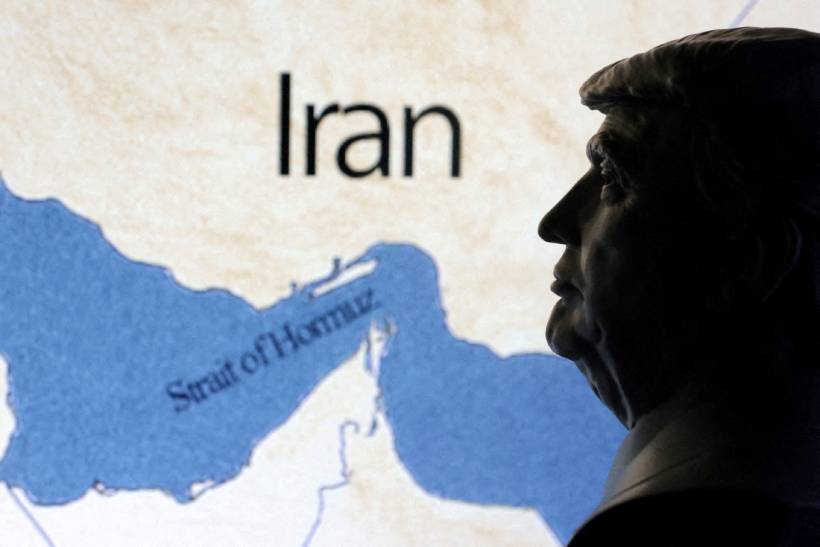
The reopening of the Strait of Hormuz is arguably the agreement’s most significant economic provision.
The waterway serves as one of the world’s most important energy transit routes and has been at the center of global concerns throughout the conflict.
Both sides indicate that commercial shipping will resume following the signing of the memorandum.
The restoration of maritime traffic could:
- Increase global oil supply.
- Reduce shipping disruptions.
- Ease pressure on energy prices.
- Lower inflation risks for major economies.
However, questions remain over how the route will be governed.
Iran has suggested it will coordinate management of traffic with Oman, potentially giving Tehran a more formal role in overseeing one of the world’s most strategically important waterways.
That issue could become a future source of diplomatic friction.
The Nuclear Issue Has Been Deferred
The most controversial subject in the negotiations remains unresolved.
Rather than settling the nuclear dispute immediately, both sides appear to have agreed to address it during a 60-day negotiation period.
According to Iranian officials, Tehran would freeze nuclear activities during that time by halting additional enrichment and refraining from expanding facilities.
The long-term future of Iran’s nuclear infrastructure remains unclear.
Washington continues to emphasize inspections and preventing Iran from acquiring a nuclear weapon.
Tehran continues to insist that its nuclear program is peaceful and seeks recognition of its right to maintain civilian nuclear activities.
These competing positions are likely to dominate the next phase of talks.
Sanctions Relief Could Shape the Success of the Deal
Economic issues may ultimately prove as difficult as nuclear negotiations.
Iran expects meaningful sanctions relief as part of any final settlement.
Iranian officials have spoken about:
- Temporary waivers on oil sanctions.
- The release of frozen assets.
- Financial support mechanisms.
- A pathway toward lifting U.S. and international sanctions.
The Trump administration has signaled a more cautious approach.
Washington has indicated that sanctions relief will depend on Iranian compliance and future negotiations rather than automatic implementation.
This difference highlights one of the central tensions in the agreement: each side expects benefits on different timelines.
Lebanon Remains a Flashpoint
The agreement’s treatment of Lebanon illustrates how regional conflicts have become intertwined.
Iran views a ceasefire in Lebanon as a critical component of the broader settlement.
Lebanese political leaders have welcomed the inclusion of Lebanon in the framework.
Israel, however, has made clear that it does not consider itself bound by all aspects of the agreement and intends to maintain military positions in areas it views as strategically important.
This creates uncertainty about whether the Lebanon component can be implemented as envisioned.
The issue could quickly become one of the first tests of the agreement’s durability.
Why This Matters
The memorandum matters because it shifts the conflict from the battlefield to the negotiating table.
The agreement addresses several immediate concerns:
- Rising energy prices.
- Shipping disruptions.
- Escalating regional instability.
- Growing economic uncertainty.
At the same time, it leaves the most difficult questions unresolved.
This means the framework should be viewed as the beginning of a diplomatic process rather than its conclusion.
Its success will depend on whether negotiators can transform temporary understandings into binding commitments.
Key Stakeholders
- United States
- Iran
- Pakistan (mediator)
- Israel
- Lebanon
- Oman
- European powers
- Gulf Arab states
- International energy markets
- Global shipping industry
- International Atomic Energy Agency (IAEA) and nuclear inspectors
What to Watch Next
- Formal signing of the memorandum in Switzerland.
- Reopening of the Strait of Hormuz.
- Progress during the 60-day negotiation period.
- Discussions on Iran’s nuclear program.
- Decisions regarding sanctions relief.
- Reactions from Congress and international partners.
- Israeli actions in Lebanon and other contested areas.
The memorandum creates a framework for de-escalation, but its long-term success remains uncertain.
If implemented effectively, the agreement could stabilize energy markets, reduce regional tensions, and create momentum for broader diplomatic engagement.
However, many of the issues that triggered the conflict remain unresolved.
Nuclear enrichment, sanctions, regional security arrangements, and competing strategic interests are all likely to generate difficult negotiations.
The coming 60 days will therefore be more important than the announcement itself.
They will determine whether the framework becomes a durable peace process or merely a temporary pause in a conflict whose underlying disputes remain intact.
Analysis
The structure of the agreement reveals a pragmatic calculation by both Washington and Tehran.
Rather than attempting to solve every dispute at once, negotiators prioritized issues where agreement was achievable: ending active hostilities, reopening shipping routes, and creating a mechanism for future talks.
This approach reflects the political realities facing both governments.
For President Trump, reducing energy prices and ending a costly conflict addresses growing domestic pressure. For Iran, halting military operations while preserving room to negotiate on sanctions and nuclear issues offers a path to economic relief without immediate capitulation.
Yet the framework’s greatest strength may also be its greatest weakness.
By postponing the hardest questions, the agreement creates momentum for diplomacy but also leaves significant room for disagreement later. Nuclear enrichment, sanctions relief, and regional security arrangements are not peripheral issues—they are the core disputes that drove the conflict.
As a result, the memorandum should be viewed less as a peace treaty and more as a diplomatic bridge. It lowers immediate risks and creates opportunities for negotiation, but it does not yet resolve the strategic rivalry between the United States and Iran.
Whether this becomes a historic breakthrough or a temporary truce will depend on what happens after the signatures are placed on the document. The real negotiations are only beginning.
With information from Reuters.