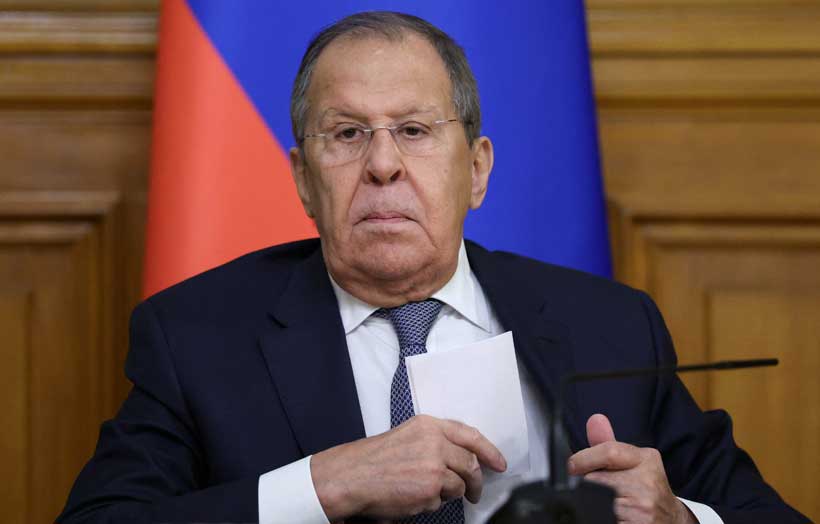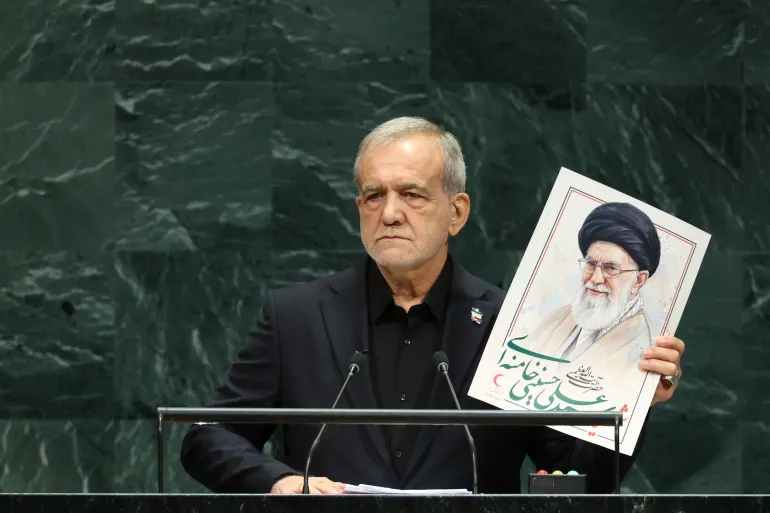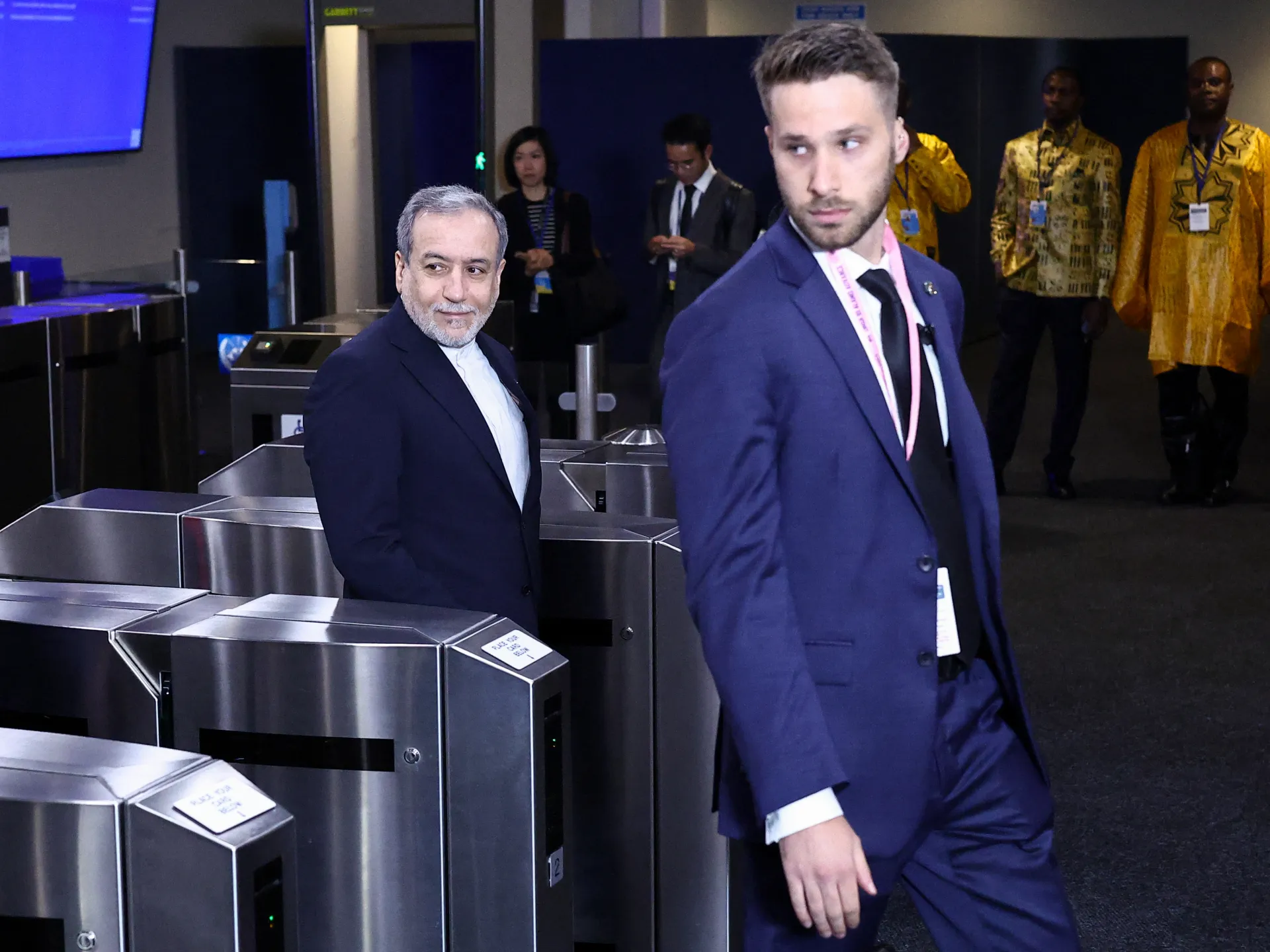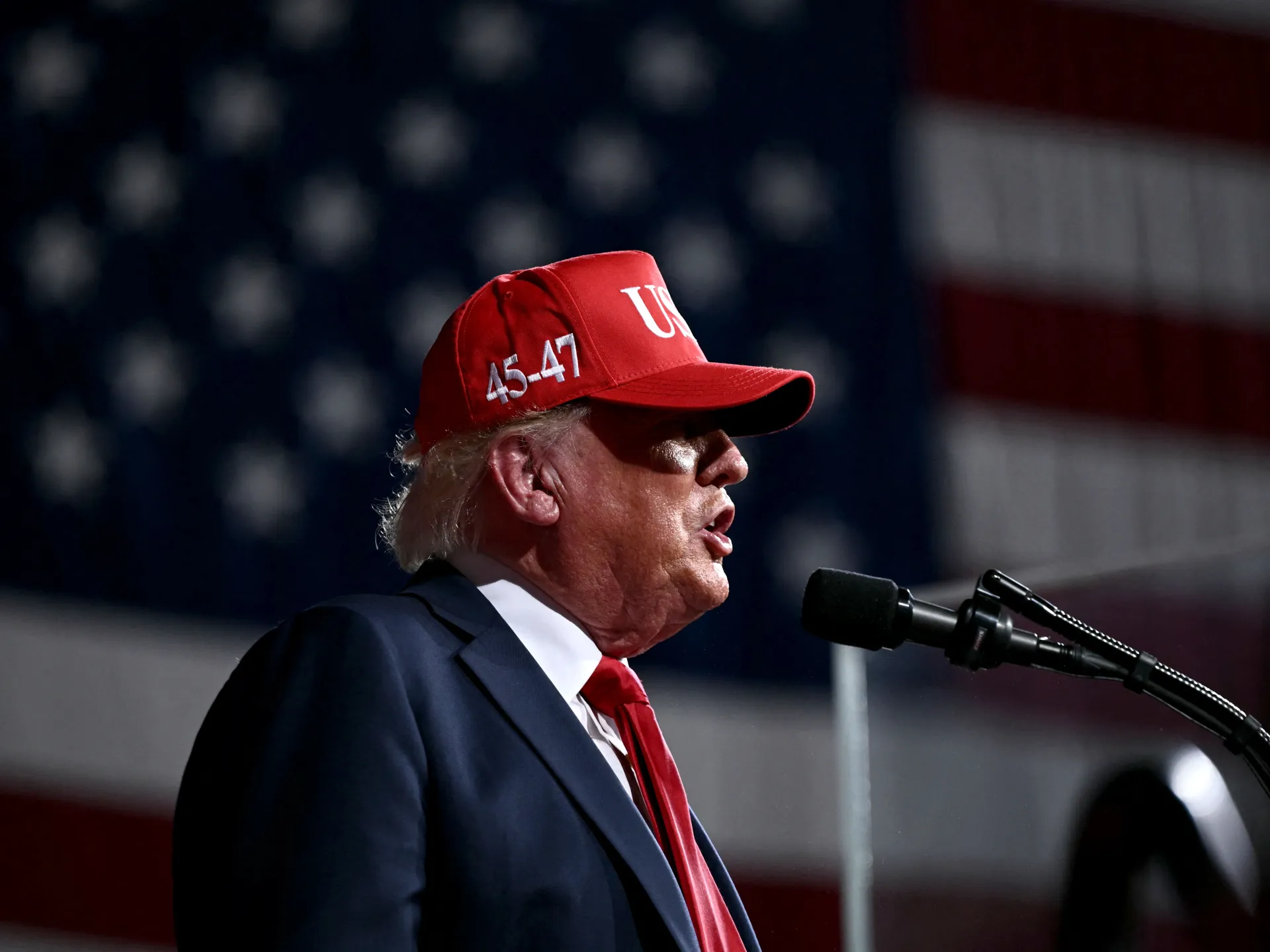
During his first year, U. S. President Donald Trump’s aggressive negotiating style led to some gains with other countries, but when it comes to Iran, this approach seems to be failing. Instead of softening his stance, Trump has shown increasing frustration over the ongoing crisis, which has lasted for 11 weeks, and his tough tactics might hinder efforts to end the conflict that is impacting the global economy.
Analysts believe that one key issue is the Iranian leaders’ need to maintain their image at home, complicating any negotiations. Despite the U. S. and Israeli strikes weakening Iran’s military, Iran still controls the important Strait of Hormuz, allowing it to exert significant influence. Trump’s strategy has been marked by extreme demands and mixed messages, which may not lead to a quick resolution. His desire to frame any outcome as a U. S. victory, while expecting total defeat for Iran, poses further challenges, as no government, including Iran’s, can afford to be seen as surrendering.
The deadlock with Iran happens as Trump faces domestic pressures, including rising gasoline prices and low approval ratings due to an unpopular war ahead of the midterm elections. White House spokesperson Olivia Wales defended Trump’s tactics, claiming that he is a skilled negotiator and suggesting that Iran is becoming more desperate for a resolution.
In a notable threat, Trump warned on social media of destroying Iran’s civilization if a deal is not reached. He later backed down but has repeated his threats to damaging Iranian infrastructure. Trump’s harsh language towards Iranian leaders has continued, and while he claims Iran is on the verge of collapse, the Iranian response has been to portray their endurance as a victory.
Inside the White House, there has been no effort to moderate Trump’s messaging. Polls show his core supporters remain behind him, but some former allies now criticize his extreme threats and the ongoing conflict.
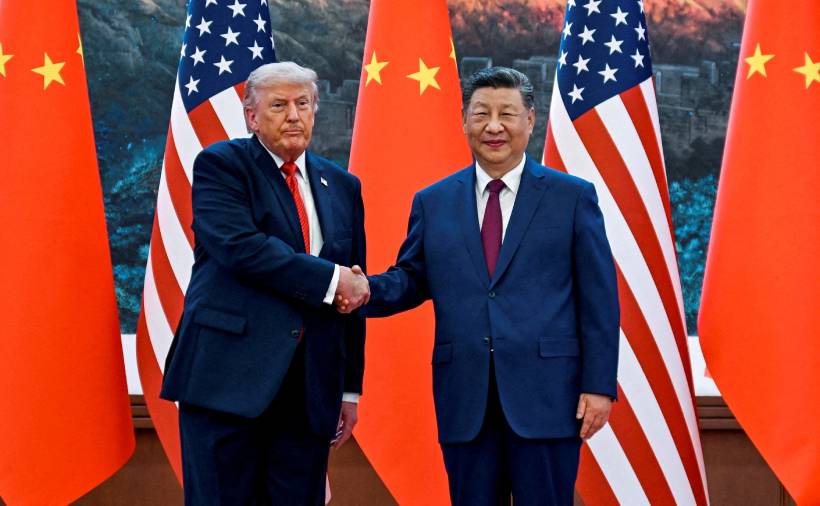
Some of Trump’s strongest statements on his Truth Social platform have come at crucial moments, like when he announced a blockade of Iran’s ports, which led to Iranian retaliation and threatened a fragile ceasefire. He recently rejected a peace proposal from Iran, calling it a “piece of garbage. ” Analysts like Dennis Ross said Trump’s lack of consistency in messaging undermines his intentions. During a visit to Beijing, Trump avoided harsh comments on Iran, focusing instead on relations with China, an ally of Iran.
Some experts believe it would be beneficial for Trump to lower his rhetoric if he truly wants to resolve the conflict. Iran’s Deputy Foreign Minister, Saeed Khatibzadeh, criticized Trump for talking too much. Trump claims that his unpredictability is a negotiation tactic, which has sometimes worked in trade discussions. However, in situations like the military actions in Venezuela and the Gaza ceasefire talks, his pressure tactics had positive outcomes.
Despite his desire to seem dangerous in negotiations over Iran’s nuclear program, analysts say this strategy is unlikely to succeed, given the entrenched nature of Iran’s leadership and their pride. Trump’s threats may have strengthened Iran’s current hardline rulers, who trust him even less after U. S. attacks during negotiations. Nate Swanson, a former State Department official, noted that the expectation of Iran capitulating under pressure is a misconception.
Barbara Leaf pointed out that Trump’s approach has been based on a misunderstanding of Iran’s resilience. Some experts warn that his tactics could backfire, making Iran more determined to develop nuclear capabilities for self-protection. There is a mismatch in timelines, as Trump prefers quick deals while Iran often prolongs negotiations. Academic Abdulkhaleq Abdullah suggested that Iran’s inflexibility is a bigger issue than Trump’s statements. Trita Parsi argued that Iranian leaders might see Trump’s unpredictable behavior as a sign of desperation, leading them to wait him out.
Foreign ministers from the BRICS nations ended a two day meeting in New Delhi without issuing a joint statement, highlighting deep divisions within the bloc over the ongoing conflict involving Iran, the United States, and Israel.
The diplomatic gathering brought together representatives from an increasingly diverse and politically complex alliance that now includes both Iran and the United Arab Emirates, two regional rivals currently on opposite sides of the escalating Middle East crisis.
Because member states could not agree on language regarding the war, host country India released only a chair’s statement summarizing discussions rather than a unified declaration endorsed by all participants.
Iran Pushes for Stronger Condemnation
Iran reportedly sought a stronger collective position condemning the United States and Israel for military operations against it.
Tehran also accused the UAE, a close American partner in the Gulf region, of involvement in military activities linked to the conflict.
Iranian Foreign Minister Abbas Araqchi stated that one BRICS member blocked sections of the proposed statement, although he did not directly name the UAE.
Araqchi attempted to soften tensions publicly by emphasizing that Iran did not view the UAE itself as a direct target in the conflict. He argued that Iranian strikes had focused only on American military facilities located on Emirati territory.
At the same time, he expressed hope that relations inside BRICS could improve before the leaders’ summit later this year.
India’s Carefully Balanced Position
India’s final chair statement revealed the difficulty of managing competing geopolitical interests within the expanded BRICS bloc.
The document acknowledged that member countries held different perspectives regarding the Middle East crisis. According to the statement, discussions included calls for diplomacy, respect for sovereignty, protection of civilian lives, and the importance of maintaining secure maritime trade routes.
However, the absence of a formal joint declaration demonstrated that BRICS members remain divided on critical geopolitical questions.
India’s approach reflected its broader diplomatic strategy of balancing relations with multiple global powers simultaneously. New Delhi maintains close ties with the United States and Gulf countries while also preserving strategic partnerships with Russia, Iran, and China.
Gaza and Palestine Also Cause Disagreement
Divisions were not limited to the Iran conflict.
The chair statement noted that BRICS ministers reaffirmed support for Palestinian self determination and described Gaza as an inseparable part of the occupied Palestinian territories.
The document also supported efforts to unify Gaza and the West Bank under the Palestinian Authority and backed the establishment of an independent Palestinian state.
However, the statement acknowledged that one unnamed member state held reservations regarding aspects of the Gaza section as well.
This further illustrated the challenge of building unified foreign policy positions within a grouping that includes countries with vastly different regional interests and diplomatic alignments.
BRICS and the Global South Narrative
Despite internal disagreements, BRICS members emphasized the importance of cooperation among developing nations.
India’s statement described the Global South as an important force for positive international change during a period marked by rising geopolitical tensions, economic uncertainty, technological disruption, protectionism, and migration pressures.
The expanded BRICS bloc now includes:
Brazil
Russia
India
China
South Africa
Ethiopia
Egypt
Iran
UAE
The expansion of the bloc has increased its global economic and political weight but has also introduced more ideological and strategic divisions.
The Economic Impact on India
The Middle East conflict has had serious economic implications for India.
As one of the world’s largest oil importers, India depends heavily on energy shipments passing through the Strait of Hormuz. The disruption of maritime traffic in the region has increased energy costs and raised concerns about inflation and supply stability.
Indian personnel have reportedly been killed in incidents linked to the regional conflict, while an India flagged vessel was sunk during the recent escalation.
Against this backdrop, Indian Prime Minister Narendra Modi visited the UAE and publicly condemned attacks targeting the Gulf nation.
Modi praised the UAE’s restraint and described attacks against it as unacceptable, signaling India’s effort to maintain strong ties with key Gulf partners despite its participation alongside Iran in BRICS.
Analysis
The failure of BRICS foreign ministers to produce a joint statement highlights the growing contradictions inside the expanded organization.
Originally conceived as an economic coalition of major emerging powers, BRICS increasingly aspires to become a broader geopolitical platform representing the Global South. However, the inclusion of regional rivals and states with conflicting strategic interests makes unified diplomacy increasingly difficult.
The Iran conflict exposed these tensions clearly. Iran sought solidarity against the United States and Israel, while Gulf states inside the bloc maintain close security relationships with Washington and face direct security threats from Tehran.
India’s cautious wording reflected the reality that BRICS currently functions more as a flexible diplomatic forum than a cohesive political alliance.
The episode also demonstrates a larger shift in global politics. As Western led institutions face criticism from many developing nations, alternative groupings like BRICS are gaining visibility. Yet these organizations must still overcome major internal disagreements if they hope to shape global governance effectively.
For India, the situation illustrates the complexity of its foreign policy position. New Delhi seeks leadership within the Global South while simultaneously maintaining relations with competing regional and global powers.
Ultimately, the Delhi meeting showed both the growing importance and the structural limitations of BRICS. The bloc may continue expanding economically and politically, but achieving consensus on major international crises will remain a significant challenge as geopolitical rivalries deepen across the world.
The continued clashes and drone strikes reported by Ukraine despite a United States brokered ceasefire reveal the deep structural difficulties facing diplomatic efforts to end the Russia Ukraine war. Although both Moscow and Kyiv formally agreed to a temporary ceasefire between May 9 and May 11, reports of ongoing battlefield engagements, drone operations, and civilian casualties demonstrate how fragile and limited such agreements have become in the context of prolonged modern warfare.
The ceasefire emerged as part of a broader diplomatic push led by United States President Donald Trump to reduce hostilities and create momentum toward wider peace negotiations. However, within days both Russia and Ukraine accused each other of violations, exposing the absence of trust, verification mechanisms, and shared strategic objectives between the two sides.
The developments illustrate a broader reality increasingly visible in contemporary conflicts. Ceasefires no longer necessarily represent steps toward peace. Instead, they often function as temporary tactical pauses within wars that continue politically, militarily, and psychologically even during formal periods of de escalation.
The Structural Fragility of Modern Ceasefires
The Ukraine conflict demonstrates why ceasefires in modern interstate wars are becoming increasingly difficult to sustain. Unlike traditional wars where front lines were relatively static and centralized military command structures exercised greater control, contemporary conflicts involve decentralized operations, drone warfare, rapid communication systems, and continuous battlefield surveillance.
In such environments, even limited military activity can quickly trigger accusations of violations and retaliation. The reported drone attacks, artillery clashes, and combat engagements along the front line reflect how difficult it is to fully halt military operations across an extensive and heavily militarized battlefield.
Furthermore, both Russia and Ukraine continue to pursue strategic objectives incompatible with lasting compromise. Russia seeks to consolidate territorial gains and maintain pressure on Ukrainian forces, while Ukraine aims to resist occupation and preserve sovereignty. Without broader political agreement regarding the war’s fundamental issues, temporary ceasefires remain highly vulnerable to collapse.
The result is a situation where ceasefires may reduce the intensity of conflict in some areas while violence continues in others, creating ambiguity regarding whether peace efforts are genuinely progressing.
Drone Warfare and the Transformation of the Battlefield
One of the most significant features of the current conflict is the central role of drones in sustaining military operations even during ceasefire periods. Ukraine’s military reported thousands of so called kamikaze drone deployments, while Russia simultaneously accused Ukraine of launching drone attacks into Russian territory.
Drone warfare fundamentally alters the nature of ceasefires because unmanned systems allow states to maintain pressure without large scale troop offensives. Drones can conduct reconnaissance, target infrastructure, disrupt logistics, and inflict psychological pressure while remaining below the threshold of full conventional escalation.
This creates a strategic grey zone where both sides can continue military activity while formally claiming commitment to ceasefire agreements. The low cost, flexibility, and deniability associated with drone operations make them especially attractive during periods of limited diplomatic engagement.
The widespread use of drones also reflects the broader transformation of modern warfare into a technologically driven conflict characterized by constant surveillance and persistent low intensity attacks. In this environment, the distinction between war and ceasefire becomes increasingly blurred.
The apparent breakdown of the ceasefire also highlights the growing limitations facing United States led diplomatic efforts. Although Washington remains deeply influential in shaping international negotiations surrounding the conflict, its ability to enforce compliance remains constrained.
Temporary ceasefires require more than political announcements. They depend on verification systems, mutual trust, enforcement mechanisms, and shared incentives for de escalation. None of these conditions currently exist at sufficient levels between Russia and Ukraine.
Moreover, both sides appear to view military pressure as essential to strengthening their negotiating positions. This creates a paradox where diplomacy and warfare occur simultaneously rather than sequentially. Ceasefires therefore become instruments for tactical adjustment rather than genuine pathways toward peace.
The involvement of the United States also introduces additional geopolitical dimensions. Russia continues to frame the conflict as part of a broader confrontation with Western influence, while Ukraine depends heavily on Western military and diplomatic support. These dynamics complicate efforts to establish neutral or mutually accepted mediation frameworks.
Humanitarian Consequences and Civilian Vulnerability
Despite diplomatic initiatives, civilians continue to bear the costs of ongoing violence. Reports of deaths and injuries across regions including Zaporizhzhia, Kherson, Kharkiv, Donetsk, and Mykolaiv demonstrate how even limited ceasefire violations can produce severe humanitarian consequences.
Modern conflicts increasingly expose civilian populations to continuous insecurity because fighting extends beyond conventional front lines. Drone strikes, missile attacks, and artillery exchanges create environments where daily life remains unstable regardless of official diplomatic announcements.
This persistent insecurity also produces long term social and psychological effects. Populations living under repeated cycles of ceasefire and renewed violence may gradually lose confidence in diplomatic processes altogether. Such conditions weaken public trust in negotiations and reinforce perceptions that military outcomes remain more decisive than political agreements.
The humanitarian dimension therefore remains central to understanding the broader implications of the war. Beyond territorial disputes and geopolitical competition, the conflict continues to reshape civilian life, displacement patterns, and regional stability across Eastern Europe.
The Strategic Logic Behind Continued Fighting
The continuation of battlefield clashes despite the ceasefire reflects rational strategic calculations by both parties. Neither Russia nor Ukraine wishes to allow the other side opportunities to regroup, reinforce positions, or gain battlefield advantage during temporary pauses.
For Russia, maintaining pressure along advancing sectors preserves momentum and signals military resolve. For Ukraine, continued resistance demonstrates operational resilience and prevents normalization of Russian territorial control.
This strategic logic makes limited violations almost inevitable in prolonged wars where military outcomes remain uncertain. Ceasefires become fragile because both sides fear that restraint could weaken their broader position in future negotiations or battlefield developments.
The situation also reflects how wars of attrition generate incentives for constant pressure rather than stable pauses. Each side seeks to exhaust the opponent economically, militarily, and psychologically over time.
Analysis
The reported ceasefire violations in Ukraine demonstrate the growing difficulty of achieving meaningful de escalation in modern high intensity conflicts. Temporary agreements may reduce some forms of violence, but they rarely address the deeper strategic, political, and technological dynamics sustaining prolonged warfare.
The Ukraine conflict illustrates several important realities shaping contemporary international security. First, ceasefires without comprehensive political frameworks remain highly unstable. Second, drone warfare and decentralized military technologies blur the distinction between peace and conflict. Third, diplomatic efforts increasingly coexist with ongoing military operations rather than replacing them.
The events also reveal the limits of external mediation in wars where core strategic objectives remain fundamentally incompatible. As long as both Russia and Ukraine continue viewing military pressure as essential to their long term goals, ceasefires are likely to function more as tactical interruptions than genuine transitions toward peace.
Ultimately, the fragility of the current ceasefire reflects a broader transformation in warfare itself. Modern conflicts are no longer defined solely by formal declarations of war or peace, but by continuous cycles of negotiation, limited escalation, technological warfare, and strategic uncertainty.
Islamabad, Pakistan – Pakistan’s Foreign Ministry on Thursday confirmed that the United States and Iran were in discussions – through Islamabad – to hold a second meeting between their negotiators to end their now nearly seven-week war, with a fragile ceasefire announced on April 8 days away from expiring.
But it added that no date had been set for that next round of negotiations, even as Islamabad stepped up a parallel diplomatic push to keep the process alive.
Recommended Stories
list of 4 itemsend of list
“Who will come, how big the delegation will be, who will stay, and who will go is for the parties to decide,” Foreign Ministry spokesperson Tahir Andrabi told reporters in Islamabad, referring to what upcoming talks might look like. “As a mediator, it’s important for us to keep the talks confidential. We had the details and information of the talks entrusted to us by the negotiating parties.”
Speaking of the first round of talks on April 12 in Islamabad, which concluded without a deal, Andrabi said: “There was neither a breakthrough nor a breakdown.”
The spokesperson confirmed that nuclear issues remained among the key subjects under discussion, but declined to elaborate.
His comments came as Pakistan’s civil and military leadership is travelling across the region in what some observers have begun calling the “Islamabad Process”, reflecting the government’s attempt to frame negotiations as an ongoing diplomatic effort rather than a one-off engagement.
Parallel diplomatic tracks
Pakistan’s Prime Minister Shehbaz Sharif arrived in Doha on Thursday, the second stop of a four-day regional tour that began with Jeddah on Wednesday, and will see him visiting Antalya next.
Meanwhile, Pakistan’s Chief of Defence Forces (CDF) Asim Munir arrived in Tehran on Wednesday with a delegation that included Interior Minister Mohsin Naqvi.
Munir was received at the airport with a warm hug from Iranian Foreign Minister Abbas Araghchi, who said he was “delighted” to welcome the field marshal and expressed gratitude for Pakistan’s “gracious hosting of dialogue”.
On Thursday, Iranian Parliamentary Speaker Mohammad Bagher Ghalibaf, who led Tehran’s delegation at the Islamabad talks, also met Munir.
Reza Amiri Moghadam, Iran’s ambassador to Pakistan, said at an event in Islamabad that Tehran would not consider any venue other than Pakistan for talks with Washington.
“We will do talks in Pakistan and nowhere else, because we trust Pakistan,” he said.
Muhammad Faisal, a Pakistani security analyst and scholar at the University of Technology Sydney, said the parallel outreach reflected a deliberate division of labour.
“Pakistan’s strategy appears to be dual-tracked: PM Sharif is reassuring Gulf allies and attempting to build a broader support coalition, while CDF Munir is engaged in hard negotiations between the two sides to narrow gaps between Iran and the US, with an eye on extending the ceasefire and reaching a broader understanding,” he told Al Jazeera.
Reports that Munir might travel to Washington, DC after Tehran were denied by security officials, who called them “speculative”. Andrabi said he was not aware of any such development.
Saudi Arabia’s Crown Prince Mohammed bin Salman (right) greeting Pakistan’s Prime Minister Shehbaz Sharif prior to their meeting in Jeddah, Saudi Arabia on Wednesday [Handout/Prime Minister’s Office via AFP]
In Jeddah on Wednesday, Sharif met Saudi Crown Prince Mohammed bin Salman and expressed “full solidarity and support” for the kingdom following regional escalation, according to Pakistan’s Foreign Ministry. The crown prince praised what Riyadh described as the “constructive role” played by both Sharif and Munir.
In Doha, Sharif met Qatar’s Emir Sheikh Tamim bin Hamad Al Thani and discussed “the regional situation, particularly in the Gulf region”, underscoring “the importance of de-escalation, dialogue and close international coordination to ensure peace and stability”, the prime minister’s office said.
From Doha, Sharif heads to Antalya with Deputy Prime Minister and Foreign Minister Ishaq Dar. They are expected to meet counterparts from Saudi Arabia, Turkiye and potentially Egypt on the sidelines of the Antalya Diplomacy Forum on April 17.
Regional security push
The Antalya meeting is part of a broader diplomatic effort. Turkiye is preparing to host talks on a regional security platform involving Pakistan, Saudi Arabia and possibly Egypt, according to officials familiar with the discussions.
It would be the third such meeting in a month, following earlier rounds of talks in Riyadh and Islamabad.
The goal is to establish a platform for regular, structured cooperation on regional security issues, the officials said, stressing the discussions are distinct from current efforts to end the Iran war.
Turkish Foreign Minister Hakan Fidan confirmed that discussions were under way, but said no agreement had been finalised.
“This pact is necessary so that countries can be assured of one another,” he told the state-run Anadolu Agency on Monday.
Turkiye also reaffirmed support for the US-Iran peace process on Thursday.
“We will continue to provide the necessary support for the ongoing ceasefire to turn into a permanent truce and eventually lasting peace, without becoming more complex and difficult to manage,” the Defence Ministry said, adding that it expected “the parties will be constructive in the ongoing negotiation process”.
Pakistan’s Foreign Ministry said senior officials from the four countries had also met in Islamabad earlier this week to prepare recommendations for Antalya.
Ceasefire under strain
The two-week ceasefire brokered by Pakistan on April 8, which halted attacks in Iran and the Gulf, is due to expire on April 22. While still holding, it is under increasing strain.
A US naval blockade on Iranian ports remains in place, with the US Central Command saying its forces had turned away nine ships as of Wednesday.
Kamran Yousuf, an Islamabad-based journalist and expert on diplomatic affairs, said he expected the ceasefire to be extended.
“I would be really surprised if the current ceasefire is not extended. There is little appetite on both sides to go back to war. There are enough signs on the ground that if there is no deal before the truce expires, the ceasefire will be extended,” he told Al Jazeera.
Faisal offered a more cautious assessment, warning that failure to secure a second round would shift Pakistan’s role.
“Pakistan’s mediation will not collapse immediately, but Islamabad’s role will change from mediator to crisis manager. If hostilities resume, Pakistan will focus again on brokering a ceasefire,” he said.
Despite uncertainty, signals from both Washington and Tehran have remained cautiously optimistic.
White House press secretary Karoline Leavitt said further talks would “very likely” take place in Islamabad, adding, “We feel good about the prospects of a deal.”
Iran’s Foreign Ministry spokesperson Esmaeil Baghaei said multiple messages had been exchanged with Washington through Pakistan since April 12.
US President Donald Trump said on Tuesday that talks could resume within two days and that Washington was “more inclined to go” to Pakistan.
Sticking points remain
The path to a second round remains complicated by unresolved disputes.
Iran has insisted that Lebanon be included in any agreement, arguing that ongoing Israeli strikes there, which have killed more than 2,000 people and displaced 1.2 million, cannot be separated from the wider conflict.
On April 14, the United States convened a trilateral meeting in Washington with the ambassadors of Israel and Lebanon, the first direct engagement between the two sides since 1993.
US Secretary of State Marco Rubio mediated the talks, which both sides described as “productive”, but no ceasefire or follow-up meeting was agreed.
Washington has maintained that any Lebanon deal must remain separate from US-Iran negotiations, rejecting Tehran’s position. On Thursday, Israel said its Prime Minister Benjamin Netanyahu would speak on the phone with Lebanese President Joseph Aoun — but Beirut had not confirmed any plans for a telephone conversation. The two countries do not have formal diplomatic relations.
At Thursday’s briefing, Andrabi aligned Pakistan with Iran on this issue.
“Peace in Lebanon is essential for US-Iran peace talks,” he said, adding that “signs of improvement on the Israel-Lebanon front over the past two days are encouraging.”
Yousuf said a Lebanon ceasefire would send an important signal to Iran.
“Extending the ceasefire to Lebanon will be an important confidence-building measure, a signal from the US that it is serious about a second round. It will also give Tehran good reason to return to the table,” he said.
But he added that the deeper challenge remained Iran’s nuclear programme.
“The nuclear issue is at the heart of the real problem. The flurry of shuttle diplomacy initiated by Pakistan is aimed at bridging the gap between the two sides,” he said.
Grace Wermenbol, a former US national security official and senior visiting fellow at the German Marshall Fund, said Washington’s approach to Lebanon would hinge on Trump’s willingness to pressure Israel.
“A clear pathway to a cessation of hostilities in Lebanon exists,” she told Al Jazeera. “The question is whether Trump will be willing to apply the pressure necessary on Israel to halt its military offensive and allow the Lebanese government to continue its military disarmament efforts. So far, and this is also true for the months preceding the latest escalation between Israel and Hezbollah, we have not seen this pressure materialise.”
The Strait of Hormuz remains another major obstacle.
The waterway, through which roughly a fifth of the world’s oil passes during peacetime, has effectively been blocked by Iran since early in the war, except for ships belonging to countries that have struck individual deals with Tehran.
Starting Monday, the US imposed its own naval blockade on the strait, to prevent any Iran-linked vessel from passing through.
“Iran’s effective closure of the Strait of Hormuz has emerged as the primary issue in US-Iranian negotiations. Opening it is crucial to easing upward pressure on oil prices and instilling confidence in global markets,” Wermenbol said.
She added that Tehran appeared to be betting Washington would eventually back down.
“There is no easy military option here,” she said. “The only way to resolve this issue and remove the threat to maritime traffic will need to involve a diplomatic deal.”