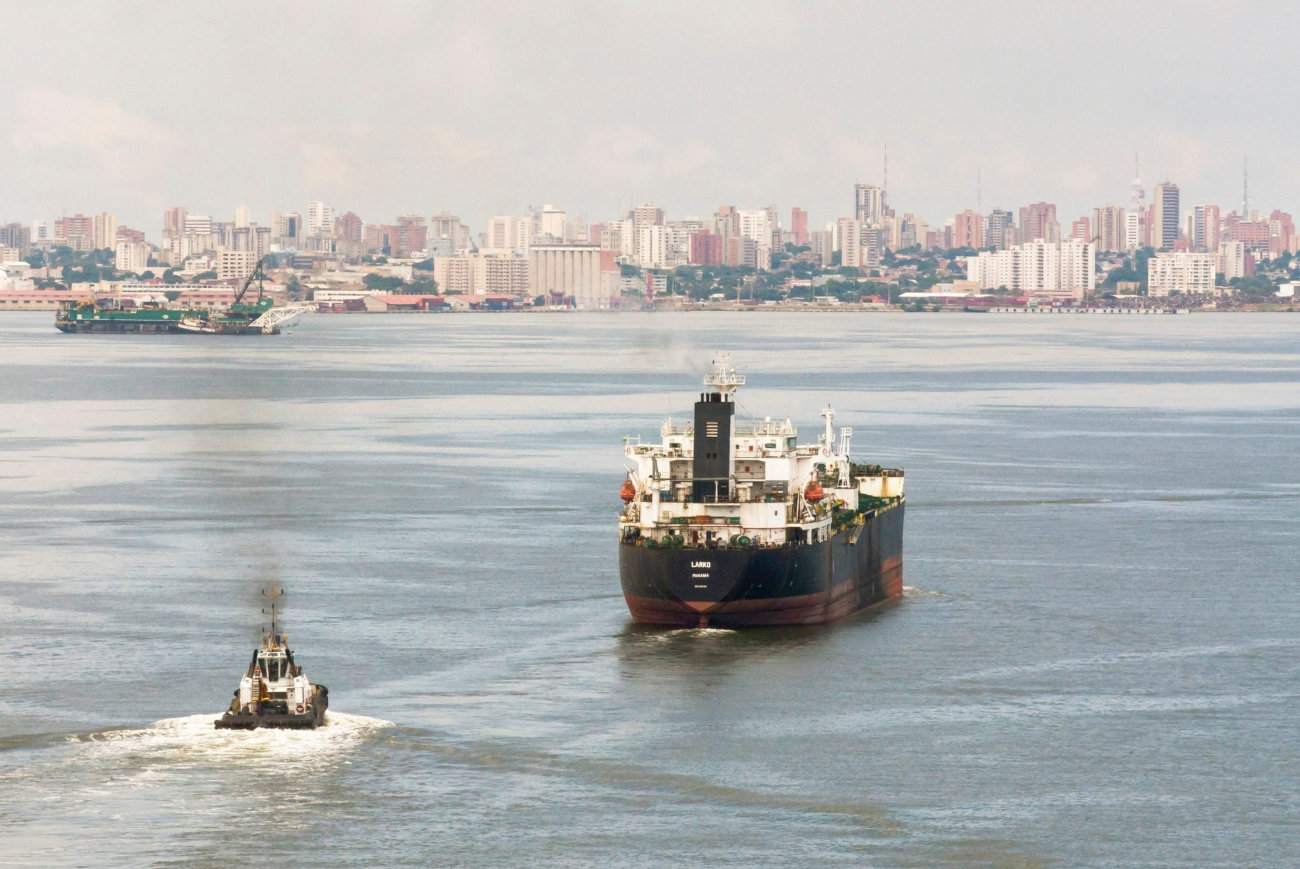
The US Treasury has issued a license allowing the export of goods and technology for oil exploration in Venezuela under strict conditions. (Reuters)
Caracas, February 11, 2026 (venezuelanalysis.com) – Venezuela’s oil output contracted to a two-year low following Washington’s month-long naval blockade against the Caribbean nation’s crude exports.
The latest OPEC monthly report placed Venezuela’s January production at 830,000 barrels per day (bpd), down from 917,000 bpd in December, according to secondary sources. The figure is the lowest since May 2024.
For its part, state oil company PDVSA reported 924,000 bpd produced in January, down from 1.12 million bpd the prior month. The direct and secondary measurements have differed over the years due to disagreements over the inclusion of natural gas liquids and condensates.
The output contraction was a result of the US Navy imposing a blockade on Venezuelan oil exports and seizing several tankers allegedly involved in Venezuelan crude shipments. The exhaustion of storage capacity forced PDVSA and partners to cut back production.
The blockade came on top of draconian sanctions that have stymied the Venezuelan oil industry for years. Since 2017, Washington has levied financial sanctions, an export embargo, secondary sanctions, and a host of other coercive measures aimed at strangling the country’s main source of foreign revenue.
Following the January 3 US military strikes and kidnapping of Venezuelan President Nicolás Maduro, Venezuelan oil began to flow once more under an arrangement imposed by the Trump administration. Commodity traders Vitol and Trafigura have been lifting Venezuelan crude, depositing proceeds in White House-administered bank accounts in Qatar, and offering cargoes to customers all over the world.
On Tuesday, the Venezuelan government denied a Bloomberg report that the country had shipped crude to Israel. According to the business outlet, the shipment would be delivered to the Bazan Group, Israel’s largest refiner. Bloomberg did not specify whether the Venezuelan crude cargo was purchased from Vitol, Trafigura, or another source. As part of the new US-imposed arrangement, the sale marks the first time Venezuelan oil will reach Israel since at least 2020, per Bloomberg.
The Trump administration has sought to leverage its influence over the Venezuelan oil sector to pressure allies such as India to replace imports from US geopolitical rivals, including Russia and Iran. Indian public companies Indian Oil and Hindustan Petroleum are set to join private refiner Reliance Industries in purchasing Venezuelan oil, with 2 million barrels of Merey crude expected to be delivered in the coming weeks. Nevertheless, Venezuelan supplies are not expected to significantly alter global demand given the present output and the extra-heavy nature of Venezuelan crude blends.
US and European firms have likewise acquired Venezuelan cargoes in recent weeks.
For their part, Venezuelan acting authorities have courted foreign investment and enacted a pro-business overhaul of the country’s oil legislation. The reform offers lower taxes and royalties, as well as increased control over operations and sales, to private corporations, reducing the role played by the Venezuelan state.
Trump administration officials praised the oil reform for “eradicating restrictions” on private investment, while the US Treasury Department has issued several sanctions exemptions to boost US corporate involvement in the Venezuelan oil industry.
A January 29 license allowing US companies to purchase and market Venezuelan crude was followed up with a waiver on diluent exports to Venezuela on February 3. On Tuesday, the US Treasury published General License 48 permitting US exports of goods, technology and software for oil exploration to Venezuela.
The sanctions waivers demand that contracts be subjected to US law and forbid any transactions with companies from Russia, Iran, Cuba, North Korea, and China. They also mandate that payments be deposited in accounts determined by the US Treasury.
In early February, US officials confirmed that US $500 million from crude sales had been rerouted to the South American country, to be offered in foreign currency auctions by public and private banks. A further $300 million is expected in the coming days.
However, the initial deal announced by Trump comprised 30-50 million barrels and an estimated $2 billion. Venezuelan authorities have not disclosed what portion of revenues the country will receive, while Trump has said the US will “keep some” of the income.
Senior Trump administration officials have vowed to maintain control over Venezuelan oil exports for an “indefinite” period, with Secretary of State Marco Rubio claiming that the Venezuelan acting government headed by Delcy Rodríguez needs to submit a “budget request” before accessing the country’s oil proceeds.