Cuba thanks China for rice shipment amid worsening humanitarian conditions | Government News
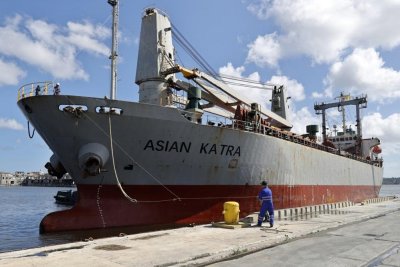
Cuba has announced the first shipment in an expected donation from China of about 60,000 tonnes of rice, as the Caribbean island contends with an ongoing humanitarian crisis.
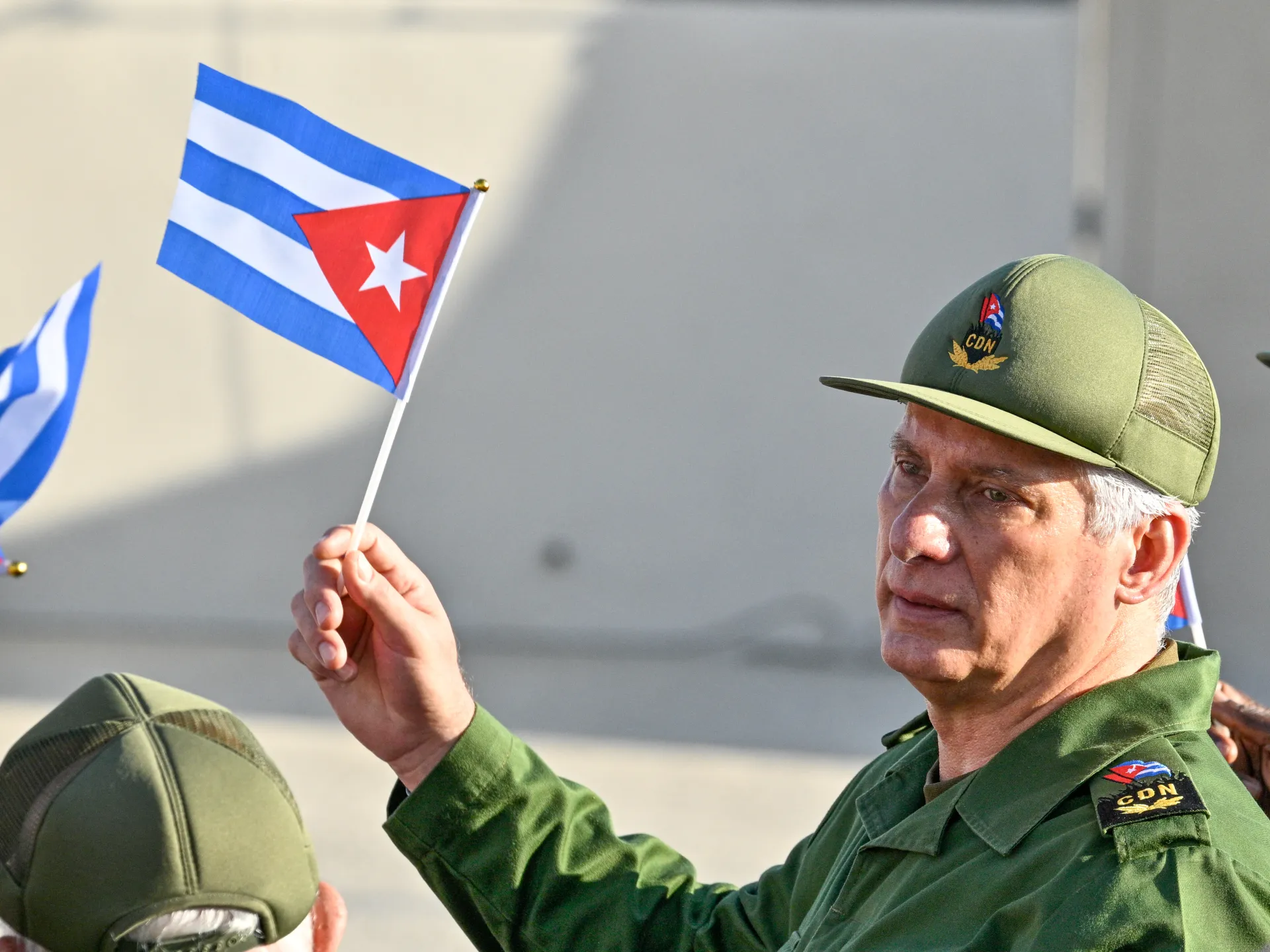
In a series of social media posts on Sunday, Cuban President Miguel Diaz-Canel confirmed that the first load of 15,000 tonnes had arrived a day earlier in the port of Havana.
Recommended Stories
list of 3 itemsend of list
He also expressed “deep gratitude” to China, as well as to members of the European Parliament who denounced the pressure campaign his government faces.
Since January, the United States has increased its sanctions against Cuba, as part of a hardline turn under the second term of President Donald Trump.
“Thank you very much for the solidarity, and for the firm and unequivocal condemnation of the collective punishment to which our people are being subjected,” Diaz-Canel wrote, likening Cuba’s situation to “genocide”.
While Trump has sought to check China’s growing influence on Latin America, Cuba has increasingly relied on the Asian superpower for assistance.
Already, China has donated solar panels to Cuba to help update its ageing energy grid and transition the island away from fossil fuels. Currently, Cuba relies on imports for nearly 60 percent of its oil supply, according to the International Energy Agency.
But since the start of the year, the Trump administration has largely blocked the export of oil to Cuba.
The de facto oil blockade began shortly after January 3, when the US launched a military operation to abduct and imprison Venezuelan President Nicolas Maduro.
Trump followed that operation with the announcement that no more oil or funds would be transferred from Venezuela to Cuba.
By the end of the month, he had also issued an executive order identifying Cuba as an “unusual and extraordinary threat” to the US and threatening economic penalties to any country that supplies it with oil.
Since then, only a single Russian tanker has been permitted to reach the island. Earlier this month, Energy Minister Vicente de la O Levy announced that the island had exhausted its oil supplies.
While Cuba is no stranger to power outages, the recent crisis has caused island-wide blackouts and has brought public services — including transportation and medical care — to a standstill in many areas.
But Trump has continued to impose sanctions on the island’s communist government, in an apparent effort to force regime change.
Media reports have indicated he has sought Diaz-Canel’s resignation and would be open to a situation akin to Venezuela’s, where Maduro’s government has been left largely intact, though Maduro himself has been replaced.
Trump has also repeatedly suggested he may consider a military response should Cuba fail to give in to his demands, though his administration has sent mixed messages about possible intervention on the island.
“Other presidents have looked at this for 50, 60 years, doing something, and it looks like I’ll be the one that does it,” Trump said last week from the Oval Office.
Negotiations between the two countries, however, are likely to be strained after the Trump administration unveiled a murder indictment against Cuba’s former president, Raul Castro, for the 1996 downing of two planes run by Cuban exiles.
Since the 1960s, Cuba has been under a sweeping US trade embargo that has weakened its economy.
US officials, however, have blamed the Cuban government for economic mismanagement and the oppression of its people, particularly political dissidents.
Earlier this month, US Secretary of State Marco Rubio disclosed that the Trump administration offered $100m in humanitarian aid to Cuba, on the condition it implement “meaningful reforms”.
In Sunday’s posts, however, Diaz-Canel sought to project defiance in the face of Trump’s “maximum pressure” campaign.
“The ‘maximum pressure’ strategy — which some in the US morbidly trumpet — is part of a strategy intended to justify the false narrative of an impending collapse, and thereby pave the way for military intervention,” he wrote.
Diaz-Canel added that Cuba would continue to strengthen its ties with the US’s economic and political rival, China.
“The cherished bonds of friendship and cooperation that unite us grow stronger in these crucial times,” he said.