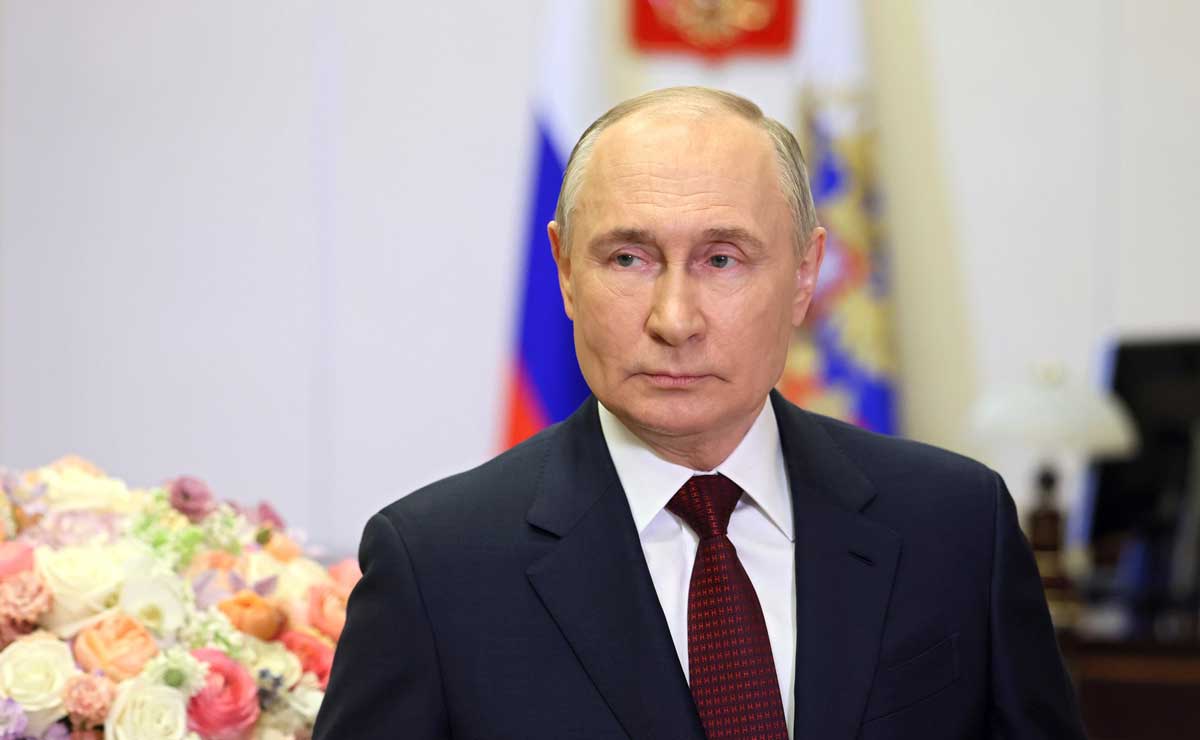
Russian President Vladimir Putin is expected to address the future of the war in Ukraine when he speaks at his marathon end-of-year news conference on Friday. Russia’s invasion of Ukraine in February 2022 triggered the most severe confrontation between Moscow and the West since the Cold War, following years of conflict in eastern Ukraine. The annual “Results of the Year” event, held in various formats since 2001, allows Putin to field wide-ranging questions from journalists and citizens, covering domestic pressures such as inflation as well as foreign policy, nuclear weapons and the war that the Kremlin still calls a “special military operation”.
Why it matters
Putin’s remarks are likely to be closely parsed in Washington and European capitals for clues about whether Moscow is open to negotiations or prepared for a prolonged conflict. U.S. President Donald Trump has said he wants to be remembered as a peacemaker but has struggled to bring the war to an end, fuelling concern in Kyiv and Europe that any U.S.-brokered deal could sideline European interests or weaken Ukraine. With millions of casualties reported by U.S. officials and continued territorial gains by Russian forces, the stakes include not only the future of Ukraine but also the stability of Europe’s security order.
Russia is seeking to consolidate gains and redefine its relationship with the West, while Ukraine and its European allies remain wary of concessions that could reward aggression. The United States plays a central role as a potential broker, with Trump’s approach diverging from that of his predecessor, Joe Biden. The European Union, which has just agreed to jointly borrow funds to support Ukraine’s defence, faces long-term financial and security implications depending on how the war evolves. China is an indirect but important actor, given Moscow’s growing alignment with Beijing.
What’s next
Putin’s statements could clarify whether Russia is willing to engage in serious peace talks or intends to press ahead militarily, despite the economic and human costs. Any hint of compromise may open the door to renewed diplomatic efforts led by Washington, while a hardline stance would point to a longer, bloodier conflict with rising risks of escalation. Markets, governments and militaries will be watching closely for signals that could shape the next phase of the war.
With information from Reuters.