A Wizz Air flight attendant explained why cabin crew greet passengers and revealed that they use ‘secret codes’ when everyone is boarding
12:12, 24 Jun 2026Updated 12:25, 24 Jun 2026
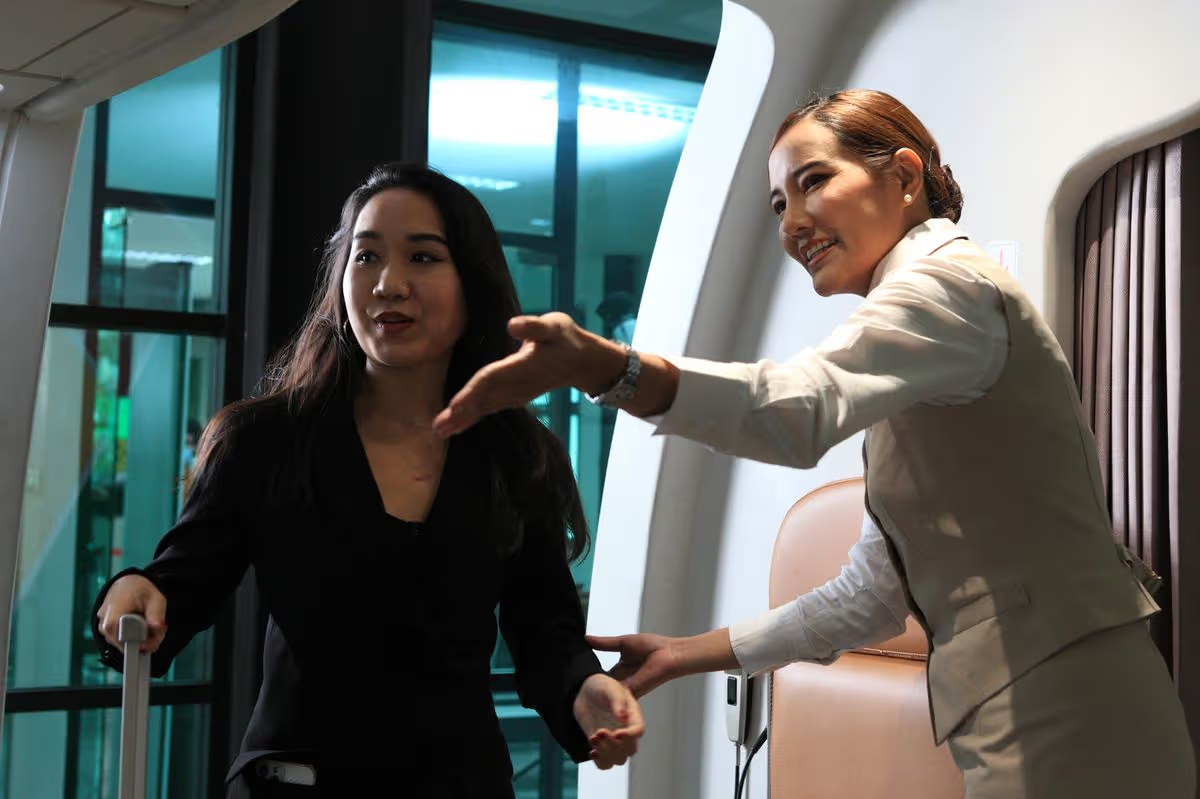
Cabin crew use a ‘secret code’ when greeting passengers (stock photo)(Image: Getty)
A cabin crew instructor has revealed that flight attendants often use a ‘secret code’ when greeting passengers. As most travellers know, it’s common to be greeted by cabin crew when boarding a flight. Whether you’re excited for your holiday or a nervous flyer, it’s reassuring to be met by a friendly face and know there’s help available as you find your seat and get ready for takeoff.
While crew members enjoy welcoming passengers on board as part of their service, there’s another important reason passengers are greeted at the door, and it might surprise some. Gabriel Randone, a Wizz Air Cabin Crew Instructor, told the Mirror that flight attendants are trained to greet passengers as part of their safety measures.
He explained that cabin crew complete a “mental scan of passengers” to ensure that everybody is fit to fly. What’s more, he says cabin crew are taught a secret acronym that they check during the process.
While Gabriel couldn’t reveal all of the details, as the acronym is not shared with passengers, he did explain what cabin crew would be looking for. For instance, cabin crew will check whether anyone appears aggressive or intoxicated. They’ll also keep an eye out for any medical conditions that could prevent someone from flying. “The goal is safety,” Gabriel said.
Any passengers seated near the emergency exit rows will also spot cabin crew hanging around in the area for similar reasons, Gabriel said. The instructor explained that the crew are trained to assess passengers, as some “categories of passengers” can’t be seated next to the emergency exit.
While many passengers might try to book the emergency exit rows, as they are classified as extra-legroom seats, Wizz Air’s website makes it clear that they are not suitable for all passengers.
The airline’s website states: “For safety purposes, regulations prohibit passengers under 16 years old, overweight passengers, individuals with special needs, expectant mothers, and those travelling with infants (under two years old) from occupying Extra Legroom or Front Row seats.”
Passengers seated in these rows must be able to open the exits in case of an emergency, and they receive a briefing that makes this clear. This protocol is so important that if nobody books the seat, the cabin crew will find a volunteer to move there.
“Sometimes, because the flights might not be fully booked, there would be no one close to the emergency exits”, Gabriel explained. “So what we need to do is to select someone who we call an ABP, an able-bodied person, and select them and to move them close to the emergency exits so that they can help out in case of an emergency”.
In the event of an emergency, the passenger would need to detach the safety cover from the door and pull a lever to open it. As Gabriel explained, every second counts in an emergency. “In an emergency, our priority is to get you out as quickly as possible,” he said. “We only have 90 seconds to evacuate a full cabin with 239 passengers.”
You can find out more about Wizz Air’s routes on wizzair.com.
DUBAI is currently building what will be the biggest, and possibly the most efficient, airport in the world.
Not only will it see millions of passengers through its doors – it also plans on eliminating queues altogether and will even have robot staff.
Sign up for the Travel newsletter
Thank you!
Al Maktoum International Airport is expected to open in 2032 with 260million passengersCredit: Dubai Media OfficeIt will have ‘no queues’ and robot staff to help travellersCredit: Dubai Media Office
When Al Maktoum International Airport has been fully expanded and refurbished, it will be the biggest in the world – and it will have all the modcons too.
The airport which will cost £23.5billion and will serve 260million passengers every year is being designed to make travel as smooth as possible.
One of the ways it’s doing this is by creating a way that passengers won’t have to queue, which almost seems like a given in other airports.
At Al Maktoum International Airport, bags could be dropped off before travellers even reach the terminal.
Passengers will then be able to move through the airport without the usual repeated stops for the likes of security and customs.
Dubai Airports CEO Paul Griffiths called this a “no red lights” concept while talking to Khaleej Times.
The airport is set to be huge, but travellers won’t have to worry about walking from one side to the other.
Instead, they will be able to use the ‘integrated underground Automated People Mover system’, which includes a multi-track train.
It will have 14 stations and will transport passengers from terminals to concourses.
It’s designed to help travellers get to their flights in the shortest and quickest route possible.
The airport will have an underground ‘Automated People Mover system’Credit: Dubai Media Office
When it comes to collecting baggage, the new system will be able to process tens of thousands of bags in just one hour.
And better yet, bags are expected to be available within minutes – so there won’t be any standing about waiting for suitcases after a flight.
The airport is also going to be technologically advanced with automated travel systems, AI security check and robot staff.
The robots will be used for various tasks, including baggage handling and potentially customer service roles too.
The terminal isn’t completely new, as Al Maktoum International Airport is an expansion of Dubai World Central.
The nearby Dubai International Airport which is currently the main base in Dubai will close once the new runways are operational which is scheduled for 2032.
Al Maktoum International Airportis 23 miles south of Dubai and once fully up and running will be the largest in the world.
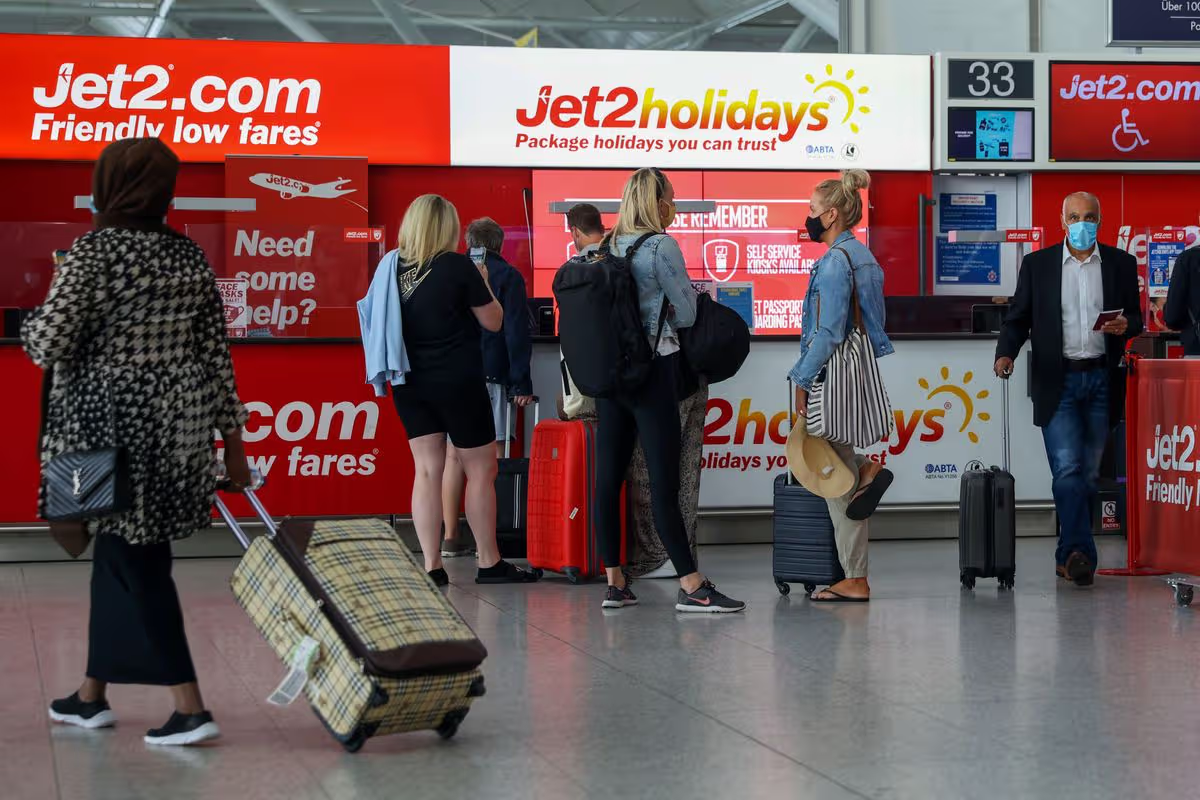
Jet2 has rolled out a ’72-hour’ update so passengers can check live flight times and its status before even getting to the airport, to help make travel over summer even easier
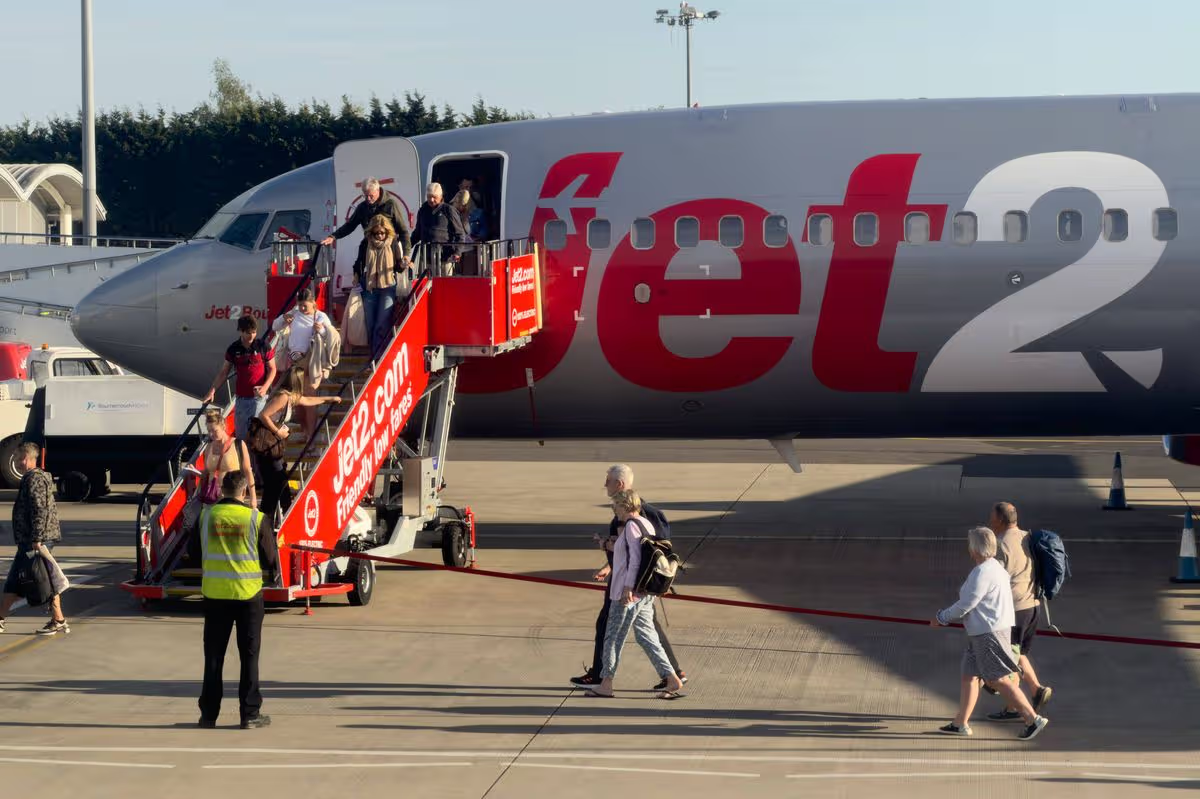
Jet2 has shared an update for customers(Image: Getty Images)
Just ahead of the summer holidays, Jet2 has rolled out a new ’72-hour’ update for passengers.
Travellers flying with Jet2 will now be able to check live flight times, monitor their flight status and receive any updates 72 hours prior to departure. The new functionality was introduced this week and is designed to provide customers with accurate, up-to-date information about their flight to help ensure their journey runs as smoothly as possible.
The new handy features come courtesy of an upgrade to the airline’s app, which will also enable passengers to find out how and when they can meet their Jet2 in-resort Customer Helper. Times, locations and the Customer Helper’s name will be made available to holidaymakers via the app, making it even easier to access assistance and information about their holiday.
The update comes at the ideal moment ahead of the summer holidays, one of the busiest periods for travel. It’s expected to make travel more straightforward for passengers as they’ll have instant access to crucial flight information at the touch of a button, reports Chronicle Live.
David Hills, Chief Customer Officer at Jet2, said: “We are always looking at how we can continually improve the experience for our customers and digital innovation is a critical part of that. We are very pleased to be launching this new app functionality, which makes travelling with Jet2 even easier and more convenient. By putting more real-time information in our customers’ hands, we are improving our industry-leading customer experience even further.”
“This is part of our continued investment in delivering the very best customer service there is, and it is another example of how we are continuing to evolve our app and digital offering in response to what customers want from us.”
Last year, Jet2 introduced its ‘Live Transfer Status’ app feature, enabling passengers to track their coach transfer to the departure airport from their holiday destination in real time. This covers coach services when returning from the Balearics, Canaries, Mainland Spain, Morocco, Turkey, and Bulgaria, and is set to expand to Greece, Cyprus, Malta, Faro, and Madeira this summer.
Elsewhere, Jet2 has urged passengers to take action “at least 12 hours” before their flight.
With a packed summer season on the horizon and thousands of holidaymakers expected to board their flights, Jet2 has published guidance on arrivals and departures on its website. The airline advised customers: “Please check this section of the website at least 12 hours before your flight for the latest flight information.”
It continued: “Further information can be found by using the [above] search panel by entering your flight number or route. We recommend arriving at the airport at least 2 hours before your scheduled departure time.
“Please remember – check in desks close 40 minutes before this. In the event of flight disruption our dedicated Operations teams are working hard behind the scenes at our UK-based HQ to get you on your way as soon as possible.”
Do you have a travel story to share? Email webtravel@reachplc.com
The travel specialist has issued a plea for anyone travelling by train over the coming days
11:50, 23 Jun 2026Updated 12:53, 23 Jun 2026
Simon Calder shared his advice on Good Morning Britain(Image: ITV)
Travel expert Simon Calder has issued a new alert for anyone travelling by rail this week, sharing his latest advice for millions of people across the country as a heatwave hits. His warning comes as train passengers face significant disruptions, with operators across Britain reducing services due to the hot weather this week.
According to the Met Office, temperatures could reach 40C in parts of the UK, with the weather agency issuing a red extreme heat warning. Britain is facing what could be its hottest June since 1976.
Appearing on today’s (June 23) episode of Good Morning Britain, the travel journalist and broadcaster offered a word of warning to viewers. He urged people to change their travel plans this week and, if possible, swap to another date due to the severe heat over the next couple of days.
He said: “My advice to anyone booked to travel by rail over the next few days is, please, if you can, move your journey to the end of the week, then do so. It will be much more comfortable and have a higher degree of actually working as it is supposed to. Otherwise, I’m afraid, just be prepared for delays and disruption.”
The rail industry is preparing for problems that can arise from extreme heat, such as sagging overhead power lines, warped tracks, and fires along the tracks. Travellers are encouraged to leave earlier in the day if they can and to bring a water bottle. Online journey planners may not display accurate schedules until the day of travel due to last-minute cancellations.
Content cannot be displayed without consent
What are my rights if my train is delayed or cancelled due to hot weather?
According to Citizens Advice, if your train is cancelled, you can receive a full refund if you can’t catch the next train or choose not to travel. If you’re delayed and reach your destination over 30 minutes late, you can typically get some money back.
Some train companies may even offer compensation if your train is late by more than 15 minutes. Make sure to keep your train tickets to request a refund. It’s best to file your claim within 28 days, although some train companies may allow a longer period.
For those who travelled with Transport for London (TfL), like on the London Underground, you can check its website to see how much you could receive and the process for claiming.
Content cannot be displayed without consent
What have UK railway lines said about the hot weather affecting services?
Avanti West Coast said it plans to run fewer services than usual between Tuesday and Thursday, and “there’s a risk of further disruption”. The company eased ticket restrictions, enabling passengers to use an earlier service than the one they booked at no extra cost. Those with tickets booked for departures between Tuesday and Thursday are eligible for a full refund if they no longer want to travel.
Chiltern Railways has axed more than half its services over those three days “to ensure the safe operation of the railway”. This affects London Marylebone services to and from Birmingham, Oxford and Aylesbury via Amersham.
The operator said: “We strongly advise you to avoid travelling if possible. Trains are running at greatly reduced levels to ensure everyone’s safety, which means you may experience significant delays and very busy conditions.”
Great Western Railway requested that people use its services only for “essential travel” on Wednesday and Thursday, coinciding with a severe red warning from the Met Office. The company explained that extended high temperatures can impact the equipment on its older regional train fleet, including engines and cooling systems.
It is operating fewer trains than usual between London Paddington and Reading until Friday. This is due to Network Rail not moving certain points—metal pieces that allow trains to switch tracks—on that route to reduce the risk of failures, which are more probable in high heat.
LNER said passengers travelling on Tuesday can board an earlier service, adding “we strongly advise that you do not travel across the LNER route” on Wednesday or Thursday. There is disruption across the Transport for Wales network, including between Pontypridd and Cardiff Bay, and between Coryton and Penarth.
South Western Railway issued an alert stating it will run fewer services than normal between Tuesday and Thursday. Its services in Hampton, south-west London were also affected by flooding on Tuesday morning after heavy rain overnight.
Flooding also caused severe delays on the Elizabeth line between Heathrow airport and London Paddington. Several London Underground lines were suffering from major disruption on Tuesday morning. This included the entire Circle line being suspended because of a signalling failure.
New study showed UK passengers ‘unaware’ of problem as concerns raised at people deserting hotspots
15:02, 22 Jun 2026Updated 15:02, 22 Jun 2026
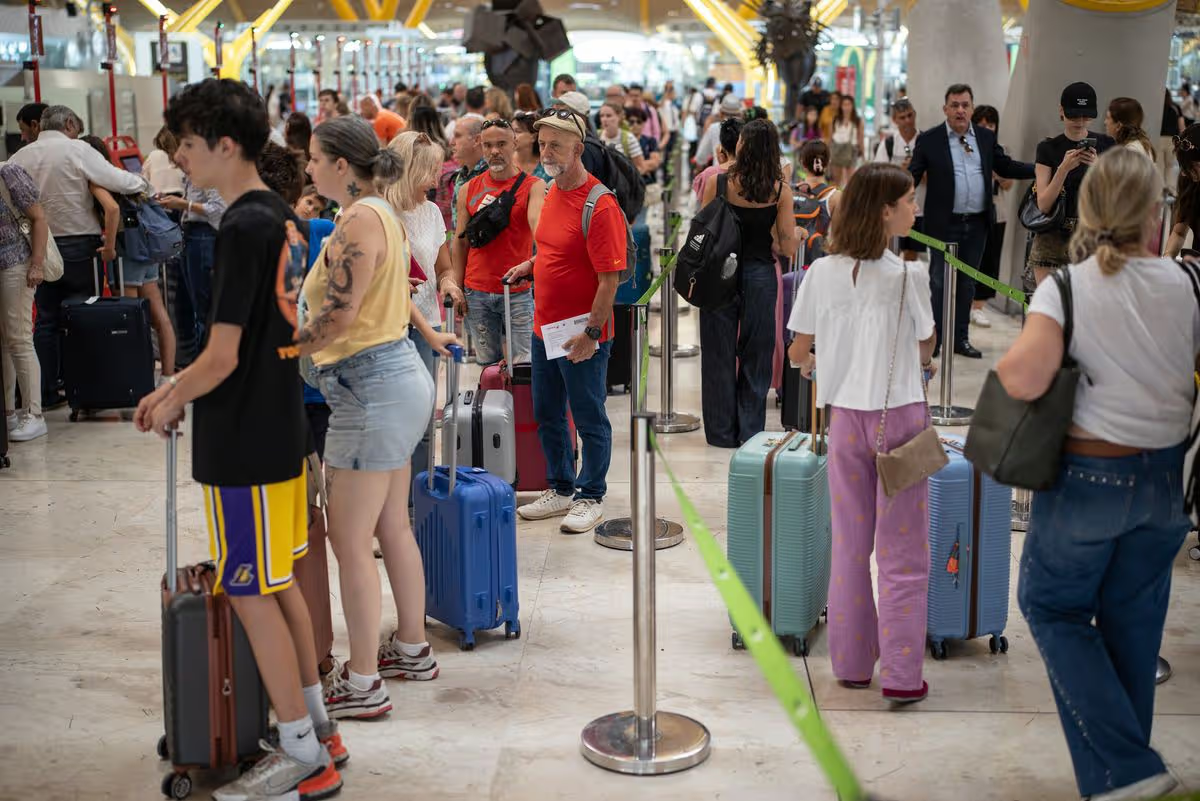
Adolfo Suarez Madrid-Barajas Airport. Passengers are being warned of big delays this summer(Image: Getty Images)
Spanish media are reporting six-hour queues could hit this summer at airports. The Majorca Daily Bulletin said the International Air Transport Association (IATA) has said the European Union’s new digital border system is going to come under major strain.
The Entry/Exit System (EES) has been fully operational across the Schengen Area since April 10. Two months in, it is producing long lines, missed flights, and growing alarm across the travel industry. Airports Council International Europe said that waits of up to three and a half hours have already been recorded during peak periods. The six-hour figure is IATA’s projection for the busiest summer months.
Budget airlines from the UK Ryanair, easyJet, and Jet2 have all warned of missed departures, disrupted schedules, and rising operational costs. Ryanair passengers who need to use its airport check-in or bag-drop services will be required to finish the process 20 minutes earlier.
The airline announced it will close the services an hour before the scheduled departure of a flight – compared with 40 minutes currently – to give passengers more time to get through security and passport checks. This will reduce the “very small number of passengers” who miss their flight while stuck in queues, the carrier added.
Ryanair’s website says passengers who fail to check in on time “may be denied boarding without refund”. The new policy will be in place from November 10. Passengers will still able to check in online until two hours before departure.
Jet2 check-in desks open exactly 3 hours before scheduled departure and will not open any earlier, even with the new EES (EU Entry/Exit System) checks. It is advised not to arrive at the airport earlier than this, as early arrivals may be asked to wait to prevent congestion
The airline said: “There may be longer wait times than usual when you arrive in destination and before your flight back to the UK. We’re really sorry for any inconvenience this may cause but unfortunately this is outside of our control.”
The UK boss of budget airline Wizz Air has warned British holidaymakers to arrive at European airports three hours before their flight home departs due to lengthy queues caused by new border checks.
Wizz Air’s UK managing director Yvonne Moynihan said: “When you land in the destination airport, there might be queues, so you should bring a portable charger or water,” she said.
Because EES information has to be verified when people leave, she also highlighted the risk of queues before flights back to the UK. “Because there is another passport check…that’s where we see that people have, again, experienced longer waiting times than anticipated,” she said.
She said usual advice is to get to the airport two hours ahead of your flight – “but in these circumstances, we are advising three hours”.
easyJet said: “Airports across Europe may experience longer waiting times at passport control due to the new European Entry/Exit System (EES). This could mean you need to have your biometrics taken at border checks, including the scanning of facial images and fingerprints.”
Research from the World Travel & Tourism Council (WTTC) warned up to 41 million visitor arrivals and $45.4 billion in spending could be lost if delays of three hours or more become routine. The findings come from a May 2026 survey of 2,512 travelers in the UK, US, Canada, and Australia. About one-third said regular three-to-four-hour waits would make them much less likely to visit the Schengen Area, or stop them from visiting altogether. British travellers are the most sensitive, with 39% saying that they would be much less likely to travel. The figure is 33% for Americans and Canadians and 27% for Australians.
Awareness is another problem. More than half of those surveyed (55%) had heard little or nothing about EES, and 49% do not know what the border will require of them. In one incident, more than 100 passengers reportedly missed a flight from Milan to Manchester after getting stuck in passport queues. Ryanair, easyJet, and Jet2 have all warned of missed departures, disrupted schedules, and rising operational costs.
Passengers flying on popular budget airlines this summer have been warned over a 32kg bag rule that many holidaymakers don’t know about, and it can see your suitcases turned away at check-in
Most airlines have a strict limit on how much one bag can weigh(Image: Getty Images/iStockphoto)
There are endless packing hacks online to help you minimise the amount you take on a plane, but let’s face it, some of us just like to take a lot of extra stuff when we go on holiday.
And it’s not always out of choice. If you’re travelling with a baby, or you need to pack medical equipment, the size of your suitcase can soon grow and the luggage scales at the airport could end up groaning under the weight of your luggage.
Some passengers who travel as a group will use a bag-pooling hack. This means their luggage allowance as a group is spread between multiple cases. For example, if you travel as a couple and buy two 20kg bags, you could have one that weighs 30kg and one that weighs 10kg. But this travel hack does have a major exception some travellers don’t know about.
Not only do airlines’ policies vary on bag-pooling, with each one having its own rules about whether you can use this method, there’s also a strict upper weight limit for a single piece of luggage.
This rule isn’t about the airlines trying to charge extra for luggage. Bags need to stay under a certain weight due to baggage handlers having restrictions on how much they can lift. For most carriers, this is a strict 32kg weight limit for a bag or any item being checked in. Anything tipping the scales over this weight could therefore be refused at the check-in desk.
Here’s a look at what the UK’s most popular airlines say about upper weight limits and whether they allow bag pooling on their flights.
EasyJet
On easyJet’s website, it explains the rules about upper weight limits and sharing baggage allowances: “If you’re travelling with family or friends on the same flight and booking, you can pool your total weight allowance.
“This means that the total weight allowance can be split among the total number of bags booked, as long as no single item weighs more than 32kg. Maximum total size (length + width + height) = under 275cm.”
Jet2
Recently, a passenger with a booking for 10 people took to social media to ask Jet2: “If one person is over does all the weight pool together or does everyone individual need to be 22kg?” The airline replied: “Yes you are able to pool your luggage providing you do not go over your overall weight limit and no one bag weighs more than 32kg.”
The customer then followed up to ask: “So one person won’t be charged if their case is overweight slightly and the rest are under?”, to which Jet2’s customer service representative replied: “That’s correct. If one bag is slightly over, but others are under, you will still have room within your overall allowance and will not be charged.”
TUI
Passengers flying with TUI should check their booking to see whether the flight is operated by TUI airways itself, or another carrier. Some packages booked through TUI fly with third-party airlines.
TUI’s website states: “If you’re travelling with TUI Airways, you’re allowed to pool your luggage allowance with anyone else travelling on your booking. However, each bag can only weigh up to 25kg.
“If you’re unsure of your luggage allowance, then you can find this on your booking confirmation or by logging into Manage my booking”. Passengers who have booked a TUI package with a flight on a different airline should contact the company they are flying with directly for advice.
Ryanair
Ryanair’s FAQs are very clear about bag-pooling, saying: “Yes. Bag pooling is allowed between passengers with check-in bags on the same flight reservation. This means that if you have two 20kg Check-in Bags (40kg total) on your booking, one of those bags could weigh 15kg while the other weighs 25kg.”
But it was clear about its upper weight limit, saying: “However, no bag can weigh more than 32kg.”
Have a story you want to share? Email us at webtravel@reachplc.com
Travellers are being urged not to get caught out and ways to avoid fees
Passengers could face fees of up to £125 at the airport(Image: Getty)
Millions of people across the UK fly with well-known airlines, such as Jet2, easyJet, Ryanair and TUI, and with the peak summer travel season mere weeks away, travellers are being issued handy luggage guidance. With Brits continuing to prioritise travel in 2026, particularly short-haul trips, city breaks and budget airline holidays, the way people pack is evolving.
More travellers are opting for hand luggage only to save time and avoid extra fees. Yet many are still being caught out by oversized cabin bags or overweight suitcases, facing charges of up to £60 at the gate or £65 for exceeding hold luggage limits, which can add up to £125.
As a result, travellers are increasingly looking for smarter, more organised ways to maximise space while staying within airline restrictions. In response to this shift, Nick Gaskin, Sales and Marketing Director at IT Luggage has shared practical advice to help travellers pack more efficiently, whether they’re travelling light with cabin bags or checking in a full suitcase.
Nick Gaskin said: “Packing well isn’t about fitting more in; it’s about travelling smarter. With more people choosing flexible, shorter trips and hand-luggage-only options, organisation and preparation can make a huge difference to the overall travel experience. A few simple habits can save time, reduce stress and help travellers feel more in control from departure to arrival.”
As hand-luggage-only travel becomes increasingly common, making every inch of space count is key. Nick recommends creating a micro essentials kit.
He explains: “Treat your cabin bag as a safety net. Include essentials like underwear, key toiletries – remembering liquid limits – medication and a charger. That way, you’re covered for delays or lost luggage without relying on airport shops.”
He added: “Pack one complete spare outfit”. Rather than throwing in random extras, pack a full outfit using crease-resistant fabrics. This ensures you stay comfortable and presentable if plans change or bags are delayed.
The specialist also suggests carrying a boarding pass backup. “Technology fails more often than people expect”, Nick explains. “Keeping a screenshot or printed boarding pass avoids stress if airport Wi-Fi or apps stop working at a critical moment.”
Keep in-flight items within reach, Nick says. Store items like headphones, snacks and lip balm in a small pouch that fits under the seat, so you don’t need to access the overhead locker mid-flight.
For longer trips or checked bags, organisation is key to avoiding overpacking and keeping belongings in good condition, Nick says. “Pack by outfit, not by item. Grouping complete outfits together — including accessories — makes getting ready easier and prevents packing combinations that don’t work,” he added.
Weigh as you go with packing cubes. “Packing cubes aren’t just for organisation — they’re great for managing weight,” says Nick. “Weigh each cube as you pack it. It’s much easier to adjust before everything goes in the suitcase than deal with excess baggage at the airport.”
Nick also recommends positioning shoes strategically. Place shoes heel-to-toe around the edges of your suitcase and fill them with socks or smaller items to maximise space and help them keep their shape, he said.
Separate clean and worn clothes. A lightweight laundry bag keeps worn clothes contained, helping maintain freshness and making unpacking simpler when you return home, Nick adds.
Combine rolling and folding. He said: “Rolling softer items like T-shirts saves space, while structured garments such as jackets should be folded to reduce creasing. A mixed approach delivers the best results.”
Photograph your packed suitcase. “Taking a quick photo before you travel is a simple but effective step,” Nick adds. “It can support insurance claims if luggage is lost and acts as a reminder of what you’ve packed.”
Airline passengers took to Reddit to complain about some of the most disgusting things they’d seen passengers get up to on a plane, and many agreed their habits were best left in the privacy of their homes
09:37, 18 Jun 2026Updated 09:38, 18 Jun 2026
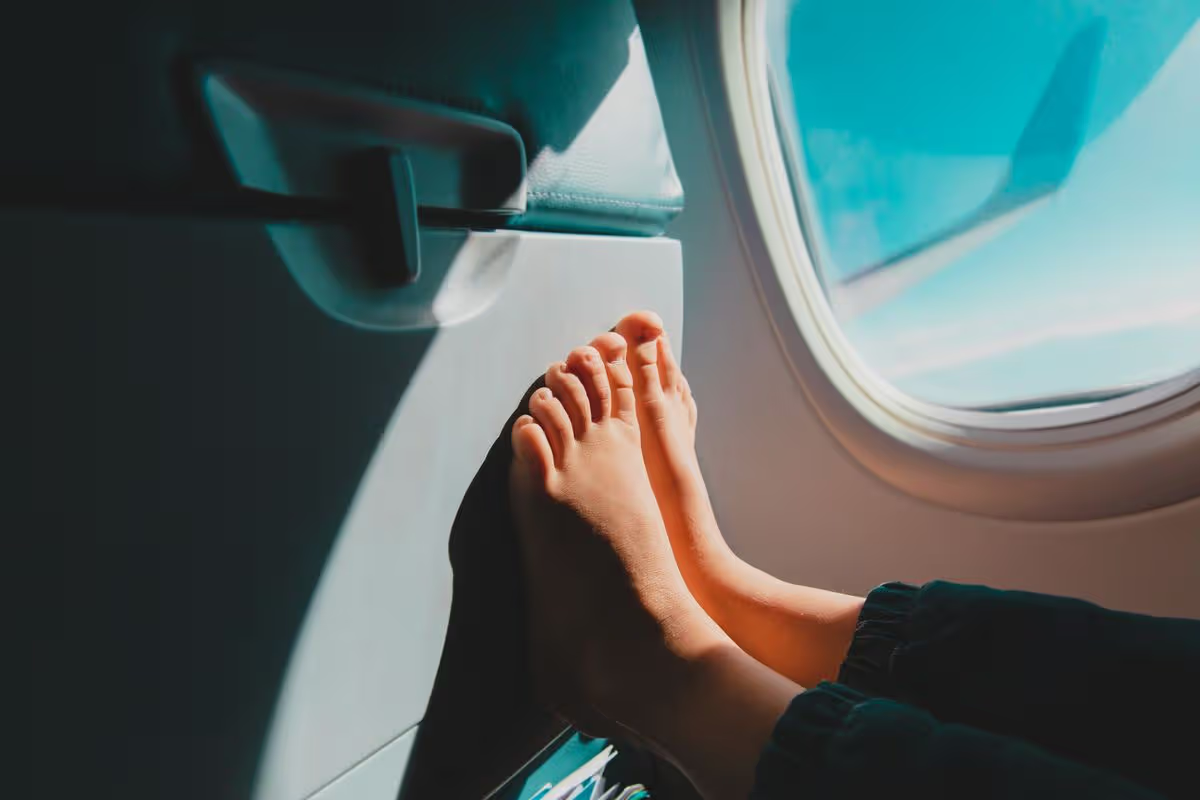
Bare feet were a common theme in passenger complaints(Image: Getty Images/iStockphoto)
Being trapped in a metal tube at 30,000 feet seems to bring out the worst in people, and despite sharing a small space with dozens of others, some people treat the plane cabin like their personal living space.
A thread on Reddit’s AskUK titled “Worst thing you seen on a plane? What do you think is just not acceptable?” brought in over 200 responses, with holidaymakers keen to call out bad behaviour they’d seen onboard. And there were definitely some common themes among the complaints.
The original poster started the ball rolling, writing: “For me, it was that the lady sitting next to me was picking her toenails!” and many agreed lack of shoes was a huge etiquette breach. “I was sat next someone yesterday who took off their shoes and socks as soon as the opportunity allowed. They even went to the toilet barefoot.”, claimed one poster.
They added: “It wasn’t just the fact they were barefoot it was the general hygiene, e.g.: coughing and sneezing without covering, etc. They had me on edge the whole time thinking “right… I’m catching whatever disease they’ve absorbed through the soles of their gross feet.””
In a similar thread, posters complained about passengers doing tasks more suited to their private bathroom: “I don’t like it when people clip their toenails. I’ve seen it 3 times. Twice a row across from me and other time in my same row.”, said one. While another posted: “My wife and I were sitting in 1C and 1D. The guy in 1B pulled out dental floss after the meal and started going at his mouth like he was giving himself a root canal. Full on two handed flossing right in his seat.”
Another said: “I try to be kind and understanding of the difficulties and lack of facilities on this, but, a woman changed her baby’s ‘filled’ nappy in the middle of the cabin… twice. The stench roamed right through that B777.”
Content cannot be displayed without consent
Instagram account @passengershaming has amassed over 1.3 million followers thanks to its hilarious posts that highlight some of the worst behaviour on planes. In one classic reel, a woman was seen using the overhead air vent to dry the crotch of her knickers. The viral video was captioned: “PRO TRAVEL TIP: Airplane air vents aren’t for drying underwear Kthx!”
Other examples posted to the account over the years include a woman using a foot file to remove hard skin, and a man opening a can of tuna on a plane for a snack, seemingly unperturbed about the smell in a confined space.
While the examples above are mostly harmless, if disgusting, behaviour, recently there have been calls to create a national database for abusive passengers, which would allow airlines to share information on disruptive passengers and restrict their access to flights.
According to the BBC, Department for Transport officials will be meeting later this month to discuss the proposals, and the database would likely be a collaboration between the government and the airline industry.
Have a story you want to share? Email us at webtravel@reachplc.com
SINKHOLES found under a railway bridge have caused all trains to and from Gatwick airport to be suspended leaving thousands of passengers stranded.
The holes near Purley Bridge in South London required “urgent repairs”, engineers from Network Rail have said and the line isn’t expected to open until tomorrow morning.
Sign up for the Travel newsletter
Thank you!
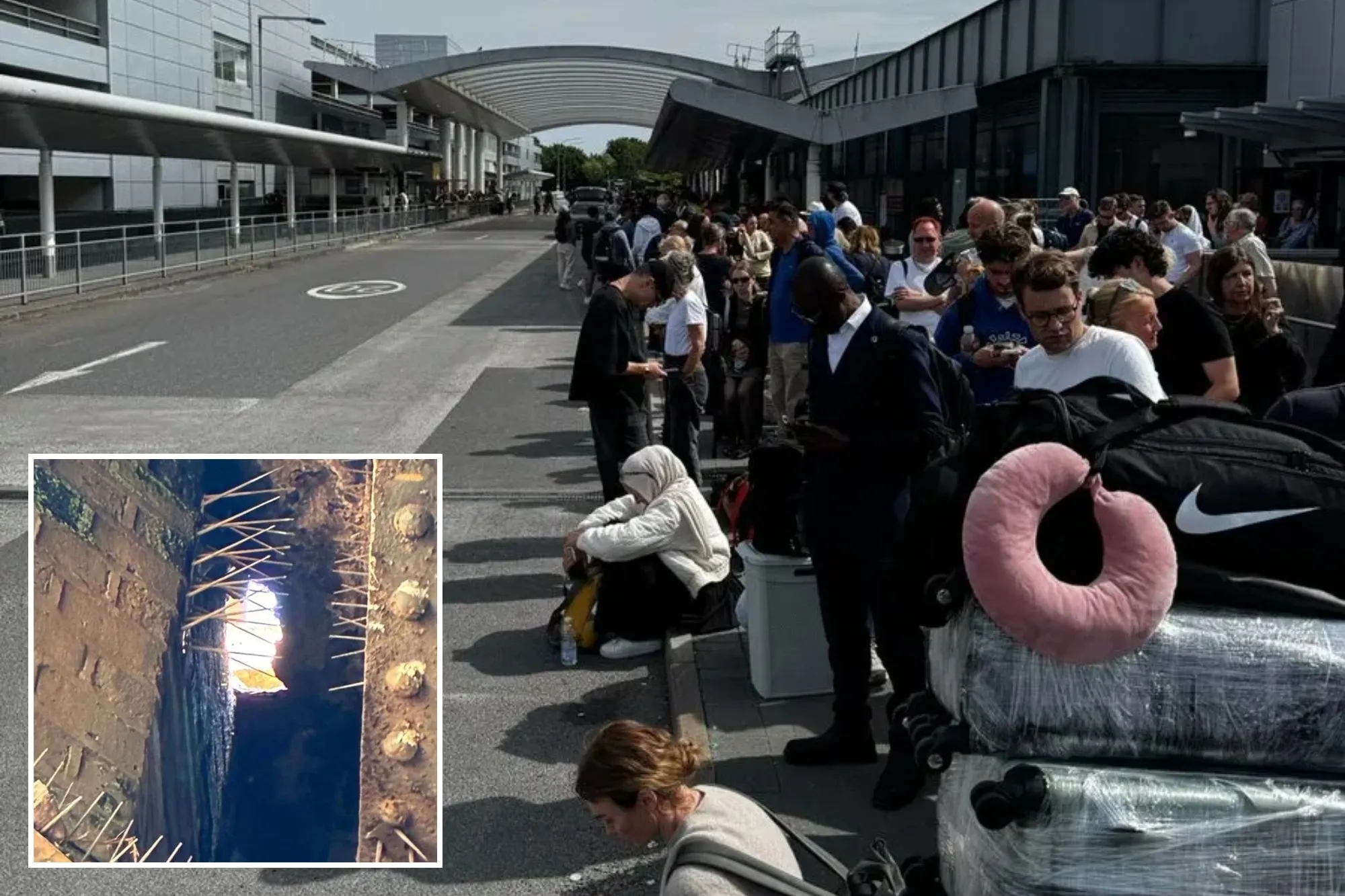
Sinkholes on a railway bridge have suspend all trains to Gatwick AirportCredit: X/@SouthernRailUKTravellers lined the road outside the airport amid the chaosCredit: X
All services between Purley and East Croydon were closed while an inspection was carried out by a structural engineer.
This has put a stop to all trains heading to Gatwick Airport and Brighton from London Bridge or London Victoria and left thousands stranded.
Travellers lined the road outside the airport while others waited hours for a rail replacement bus service.
The rail disruption has forced many passengers to drive to the airport resulting in major congestion as hundreds of cars try to get to the terminals.
The sinkholes need ‘urgent repair’ engineers have saidCredit: X/@SouthernRailUKThe railway line is set to reopen tomorrow morningCredit: X/
Many have taken to social media to express their fury and fear as tempers in the gathering crowds start to flare.
One user said: “Absolute shambles at Gatwick airport! People queuing for over 2 hours to get network replacement coach into London. Tempers flaring amongst crowds. I’m scared!!!”
Others said they were having to fork out for inflated Uber fares back to London.
They posted: “@uber why on earth do you think it’s acceptable to charge people £250 to get from Gatwick Airport to Croydon with all the trains being cancelled? Absolutely criminal!,”
Network Rail explained: “Sinkholes were spotted on the bridge, meaning that ballast, the stones that the track sits on, was falling through the gap, making the track unstable.
“We’ve since carried out a thorough inspection of the bridge and are working to safely plug the gaps so that trains can safely run again.”
Sinkholes appear when rock at the surface collapses and leaves a big hole.
They are often saucer-shaped and can form for many reasons.
A London Gatwick spokesperson said: “There are currently no trains running between Gatwick Airport and London Victoria or London Bridge due to blocked rail lines at Purley.
“Passengers travelling to the airport are advised to consider alternative routes and allow extra time for their journey.
“For those travelling from Gatwick Airport into London, rail replacement bus services are operating between the airport and East Croydon.
“Due to high demand, passengers at the airport may experience longer waiting times for rail replacement services, and we appreciate your patience while alternative transport is in place.”
Network Rail later took to X to apologise for the disruption and said the lines had to be closed “for the safety of passengers”.
“Over the course of the afternoon our engineers have carried out thorough inspections on the bridge and have worked to plug the sinkholes, allowing trains to safely run again,” they said.
“Though trains are now running we do expect there to be disruption into the night so we’re urging passengers to check before travelling.
“We will be accepting today’s tickets on tomorrow’s services due to the disruption today.”
However, Southern Rail still urged passengers not to travel, saying: “You are strongly advised to delay your journey. A very limited service is now able to run, however these services are expected to be full.”
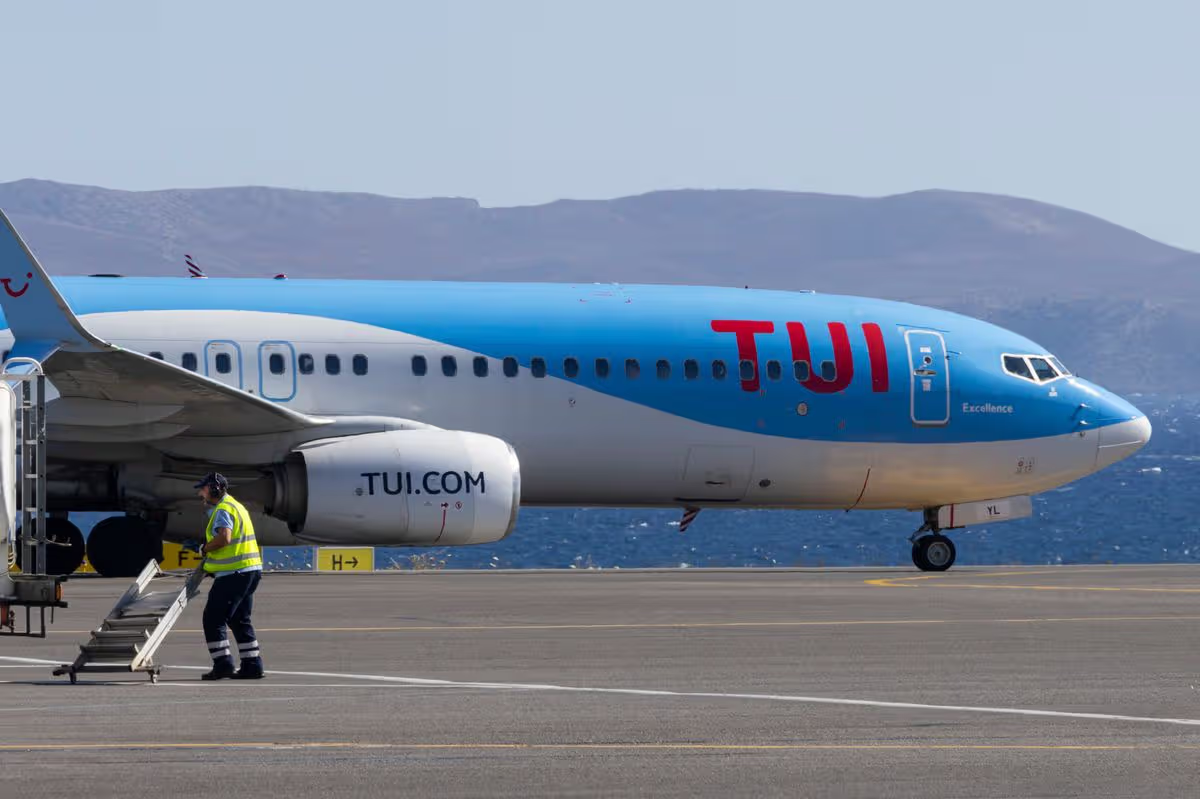
A TUI Boeing 737-800 passenger aircraft on the taxiway with the Aegean Sea in the background
TUI Airways has officially updated its Flight Conditions of Carriage, with the new rules taking effect for bookings starting June 5, 2026. If you booked your getaway before this date, the previous rules (from March 2023) still apply to your trip.
The update streamlines legal language, tightens health policy provisions, and explicitly outlines fees for amendments. The TUI Conditions of Carriage is the official legal contract between you and TUI Airways when you buy a flight. The rules apply to every single passenger flying on a TUI Airways aircraft. This includes people who bought a “Flight Only” ticket and people who booked a TUI package holiday (where the flight is included).
It is a dense legal document split into distinct “Articles” (usually around 15–20 pages if printed). Because nobody reads the full text while packing, it is designed to protect both the airline’s operations and outline your consumer rights. In short, they state: “We promise to fly you and your bags to your destination, provided you show up on time, behave yourself, bring valid legal documents, and don’t pack anything dangerous.”
It covers rules around baggage size and weights, ticket validlty and banning passengers. The key updates and points of focus in the 2026 conditions include:
1. Health Requirements & Mask Policies (Article 1)
While daily travel has largely returned to normal, TUI has modernised its terms to give them a clear mandate for future public health scenarios:
Conditional Mask Requirements: The rules specify that if a local government or health authority mandates them, you must wear an appropriate mask at the airport and on board. Failing to comply can result in a refusal of carriage, and taking it off mid-flight will be treated under TUI’s disruptive passenger policy.
Health Statements : TUI retains the right to require you to fill out a health statement prior to flying out of or returning to a UK airport. Passengers showing symptoms of a major health outbreak, epidemic, or pandemic will be denied boarding.
2. Name Corrections vs. Substitutions
Spelling Mistakes: You can still correct genuine typos or spelling mistakes on your ticket for free, as long as TUI can reasonably verify it is an honest mistake.
Name Substitutions : If the change amounts to transferring the ticket to an entirely different person, it will not be treated as a free correction and will incur standard amendment/transfer fees.
3. Ticket Validity and Amendment Fees
Validity Period: Tickets remain valid for exactly one year from the date of issue.
Compassionate Exceptions: In the tragic event of a passenger passing away en route, or a death in a passenger’s immediate family after travel has started, TUI explicitly permits the tickets of the passenger and their accompanying immediate family to be changed so they can fly at a different time.
Voluntary Amendments: If you decide to change your flight details (date, time, or destination) 29 days or more before departure, you will face a baseline amendment charge of £50 / €50 per passenger per booking, plus any difference in the fare price, taxes, or associated fees.
Though technically part of their package holiday booking terms rather than the Flight Conditions of Carriage, TUI also launched a highly publicized Price-Match Promise. If you book a package holiday and find the exact same TUI-flight-inclusive deal cheaper elsewhere, you can claim a refund for the difference—but you must submit the claim within 72 hours of your original booking.
Ryanair is threatening to withdraw five aircraft and cancel 20 routes
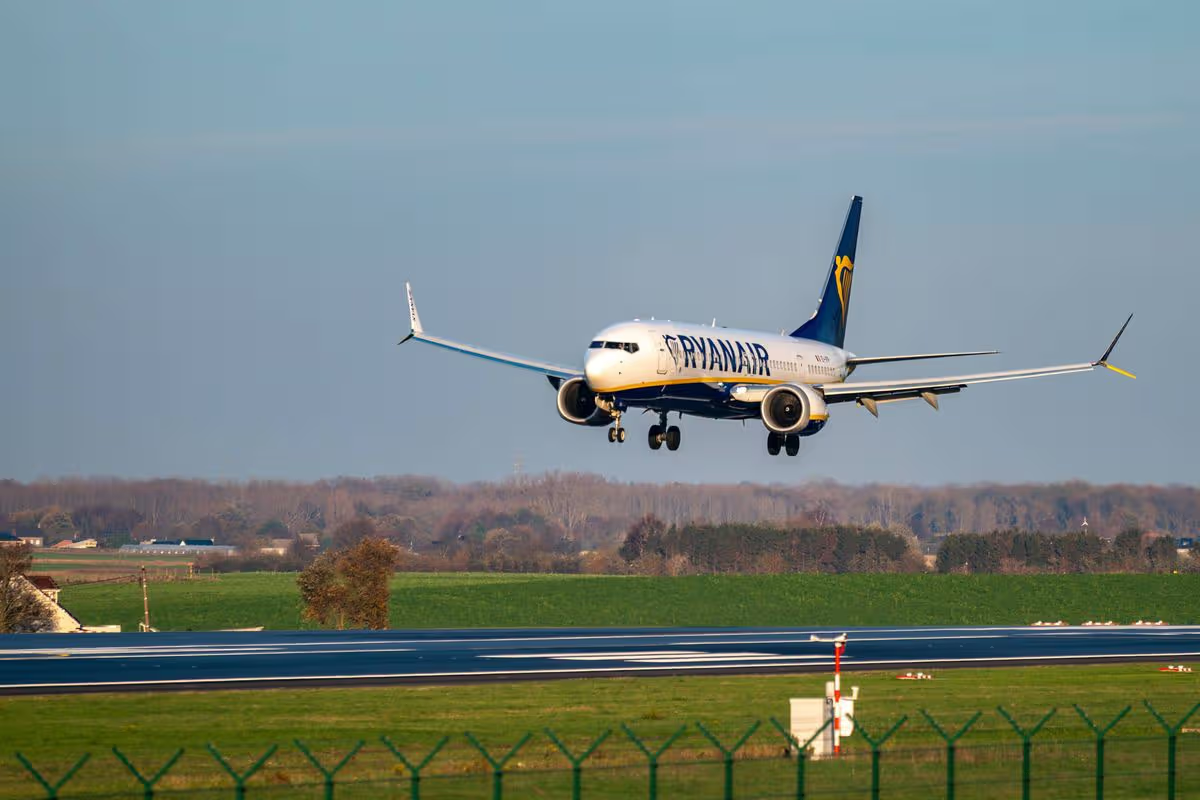
The move could happen as early as this winter(Image: Michael Mulkens via Getty Images)
A major Ryanair move could impact millions of passengers, with 20 routes axed and around 150 jobs lost.
The budget airline could withdraw planes from its Charleroi base as soon as this winter if Belgium goes ahead with plans to double its tax on airline tickets. “But we are not going to completely close the Charleroi base,” said Ryanair CEO Michael O’Leary during a press visit to the company’s headquarters in Dublin. The federal government is looking to double the airfare tax on flights exceeding 500 kilometres from next year, pushing it up from 5 to 10 euros.
This would bring the levy in line with that applied to short-haul flights, although the tax on these is also set to rise to 11 euros. Finance Minister Jan Jambon made clear this week that he has no plans to reverse the decision.
As a result, Ryanair would remove five of its 19 aircraft currently operating out of Charleroi from this winter. Twenty routes would be scrapped, 15 at Charleroi and five at Zaventem representing a loss of two million passengers per year, Mr O’Leary confirmed.
Ryanair warns that scaling back its Charleroi operations would also put approximately 150 jobs at risk, though affected pilots and cabin crew, many of whom are foreign nationals, would be offered positions at alternative bases. However, “we want to grow in Belgium,” Mr O’Leary said.
“Ryanair aims to increase passenger numbers from 208 million in 2025 to 300 million in the coming years. We want to achieve some of this growth at Charleroi and Zaventem, but for that to happen, the tax on airline tickets must be eliminated, and airport fees must be reduced.”
According to Ryanair’s chief executive, if the tax on airline tickets is not raised, no aircraft will be withdrawn from Charleroi Airport and the situation will remain unchanged. Should the tax be scrapped entirely, it would open the door to further expansion across Belgium.
Ryanair has put forward a growth strategy projecting almost 50% more passengers in Belgium by 2030, pushing the total to 16 million. The Irish carrier would then reopen its base at Brussels Airport, a hub it continues to operate from but where it no longer stations any aircraft, and would even weigh up flights to and from Liège.
This ambitious expansion plan will only come to fruition, however, if all of Ryanair’s demands are met, most notably a loosening of restrictions on night flights in Brussels. On the flip side, any hike in the airline ticket tax would result in a scaling back of operations.
The closure of the Charleroi base isn’t under consideration, though. “Normally, we would never close Charleroi,” said O’Leary. “We’re not going to threaten to close Charleroi. It’s one of our largest bases, and we’ve invested a lot of time and effort in developing this airport over the last thirty years. But in the long term, we could reduce the base to, say, 10 aircraft.”
O’Leary also touched on the soaring cost of aviation fuel, a result of the conflict in the Middle East. The airline has locked in 80% of its fuel requirements until next March at an average cost of $67 per barrel, while the current rate stands at $100 or above.
“We aren’t hedging for the following period yet, as we anticipate prices falling in the coming months. But we could be wrong. If prices haven’t fallen by September, we’ll start to worry.”
With consumer uncertainty prevailing, O’Leary doesn’t expect any fare rises this summer. “Fares should remain stable. We need to incentivise people to travel by offering slightly lower prices” than the 3% to 5% increase that had been forecast.
The airline offered a reminder to passengers who should check the advice before travel
Jet2 has issued a travel reminder to passengers(Image: Getty)
Jet2 has guidance for all passengers travelling with soft-sided luggage. The airline has an important travel reminder on its website, which shares ‘top tips before travel‘ for all customers. The guidance highlights the importance of checking that baggage is strong and suitable for use before travel.
While many passengers use soft-sided suitcase, Jet2 wants customers to be aware they can be vulnerable. Highlighting the message on the advice page, the airline said: “Please ensure your baggage is strong and fit for purpose, to protect the contents and to withstand the normal baggage handling process.
“Soft sided cases and handles, wheels and locks can be particularly vulnerable.” Nonetheless, many customes might still choose to travel with soft-sided suitcases.
Regardless of their choice, passengers are asked to make sure they label all of their luggage carefully. Jet2 says: “Label each piece of baggage with your name, flight number, and phone number.”
When packing, customers are urged to ensure any important documents and items are packed inside their hand luggage. This includes any essential medications and cash. “Never pack cash, valuable items, perishable goods, important documents or essential medications in your checked baggage,” the advice stated.
Passengers are also urged to add a name tag to their bags and ensure all zips are closed before travel. Jet2’s guidance says: “Secure your baggage and ensure all pockets and zips are fully closed. Please note that the security authorities in some countries may open your bags without you present to make any necessary checks.
“At check-in, each item of checked baggage will be given a destination tag showing your flight number. Do not get rid of your checked baggage receipts (if given) until you pick up all checked baggage at your destination airport. Never carry unidentified items on behalf of other people.
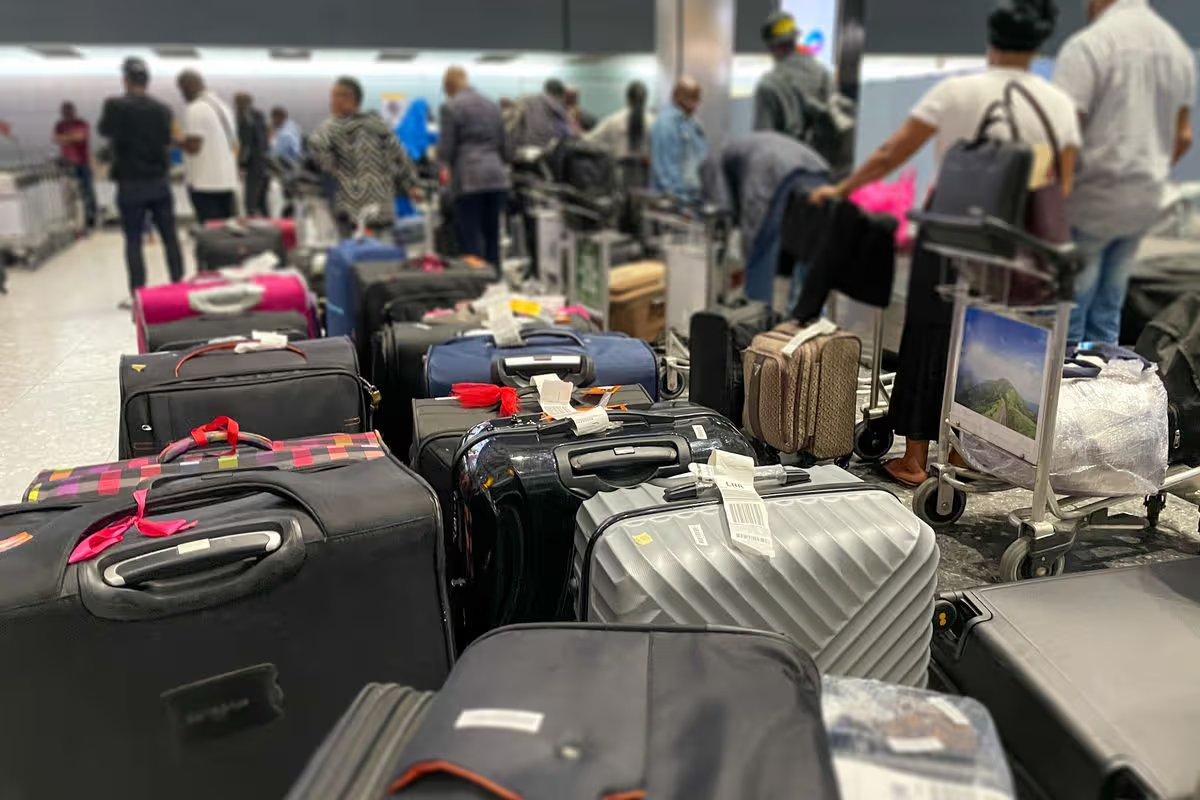
“Take care when claiming your baggage at your destination, as many suitcases look the same. It is best to always check the name on the baggage tag.”
For passengers in need of new luggage, it could be worth browsing high street retailers, such as Dunelm, Primark, Home Bargains, B&M, or TK Maxx. Luggage options typically include both hard-sided and soft-sided suitcases and bags.
While some passengers might prefer to use soft-sided bags because they offer more flexibility than other suitcases, hard-sided suitcases could be preferable when you’re transporting fragile items.
A flight attendant has shared the piece of advice she would give plus-size passengers who are boarding the plane, especially if they’re feeling anxious about the journey
Follow this flight attendant’s advice and you’ll be fine (Stock Image)(Image: South_agency via Getty Images)
A flight attendant has urged plus-size passengers to follow her simple advice when boarding a plane, especially if they’re feeling anxious about what’s ahead.
Flying when plus-size can feel daunting. You may be worried about whether people will be kind to you, or if they’ll cause a scene about sitting next to someone in a bigger body, rather than questioning why plane seats are so small in the first place. But there’s something you can do before you even make it to your seat to ensure the flight is comfortable for you, and you’re not stressing or feeling embarrassed.
Jeenie Weenie, who shares videos about her life as a flight attendant, said she was making content for “all the beautiful plus-size passengers”.
Someone said they feel uncomfortable and have “anxiety” about asking for a seatbelt extender in front of their seatmate.
Of course, in an ideal world, seatbelt extenders wouldn’t be necessary, as belts would be longer and more accommodating for all, but alas, this isn’t the case right now.
However, Jeanie said: “When you’re boarding the plane, ask a crew member at this time for a seatbelt extender. Some airlines keep the extenders at the boarding area, so they’ll give them to you right away.
“And if they don’t have it there, you can give them your seat number, and once boarding is complete, they will give you the extender without you having to ask for it.”
This means the only person who will hear you asking for a seatbelt extender is the crew member, because everyone else “will be busy boarding”.
In the comments, someone praised the professionalism of all the cabin crew members they’d ever dealt with, as one wrote: “I no longer need a seat extender, but when I did, I’d ask when boarding. The flight attendants were always so nice about it and never made me feel ashamed.”
Another shared: “I remember struggling with my weight (still do) after my car accident, and I put on a lot of pounds. As soon as I was given the okay to work out, I went to the pool daily, ate better, etc. I did lose weight, but not enough.
“My first flight since the accident, I could alllllmost click the buckle. I remember being so upset and having to stop myself from crying, as I already hate walking with a limp.
“An attendant -I assume was off the clock- sat down next to me, and as she saw me quietly losing my mind and feeling desperate, she passed me an extender like a ninja and told me ‘it’s okay’ with such a reassuring smile. It was so nice to be treated with genuine care and human respect. I hope she is doing well.”
Someone else commented: “I always ask as I’m boarding. I don’t always need it since seat belt lengths aren’t the same, but I always ask just in case I need it.”
A major airline is cutting complimentary meals offered to passengers on flights with the introduction of a chef curated menu that has to be pre ordered ahead of takeoff
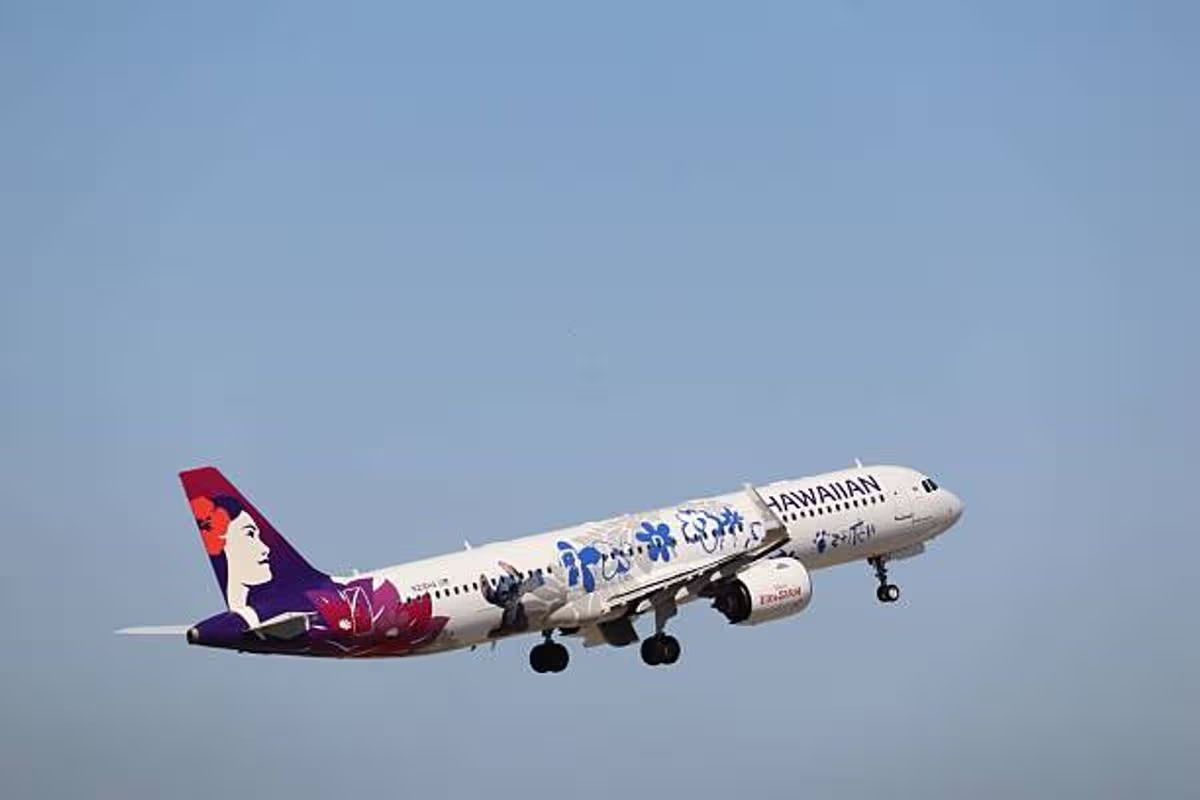
The major airline will be cutting complimentary meals (Image: Getty )
A major airline has announced a new in flight charge that will impact passengers from July, with meals no longer being complimentary.
Hawaiian Airlines services included the free perk of meals when flying between Hawaii and the US mainland.
However, in a recent announcement the airline stated that passengers will not longer automatically receive complimentary meals.
Travellers will now have to purchase pre-ordered dishes from a new menu, between two weeks before departure and 20 hours ahead of takeoff.
Prices are expected to range from about $10 (£7.45) to $17 (approx £12.66) per meal.
However, according to the airline, flights between Honolulu and New York’s John F. Kennedy International Airport, will continue to include a complimentary meal for Main Cabin passengers.
The menu has been curated by Maui-based chef Sheldon Simeon, who developed a menu featuring elevated local favourites including crispy mochiko chicken with garlic noodles, barbecue teriyaki chicken bento, and corned beef hash with eggs.
Passengers will also be able to try signature dishes inspired by Simeon’s restaurants including his popular K mayo, teriyaki sauce, and banana bread syrup.
“At the heart of this transformation is what has always defined Hawaiian Airlines: authentic Hawaiian hospitality,” Alisa Onishi, the Managing Director of Hawai‘i Marketing at Hawaiian Airlines, said in a statement.
“We’re still going to keep the authentic parts of our hospitality, free beverages, free local snacks, (and) the sweet treat at the end of the flight. We’re really proud to offer this new option in our main cabin for our guests to explore and enjoy a little more from our island home.”
The airline added: “By moving to a pre-order model, we’re expanding beyond a single standard meal to offer a broader menu that reflects how our guests want to dine today.”
Business Class and First Class menus are also being revamped, with complimentary snacks remaining available on flights.
AROUND 150 Ryanair passengers were left stranded at a European airport following massive queues.
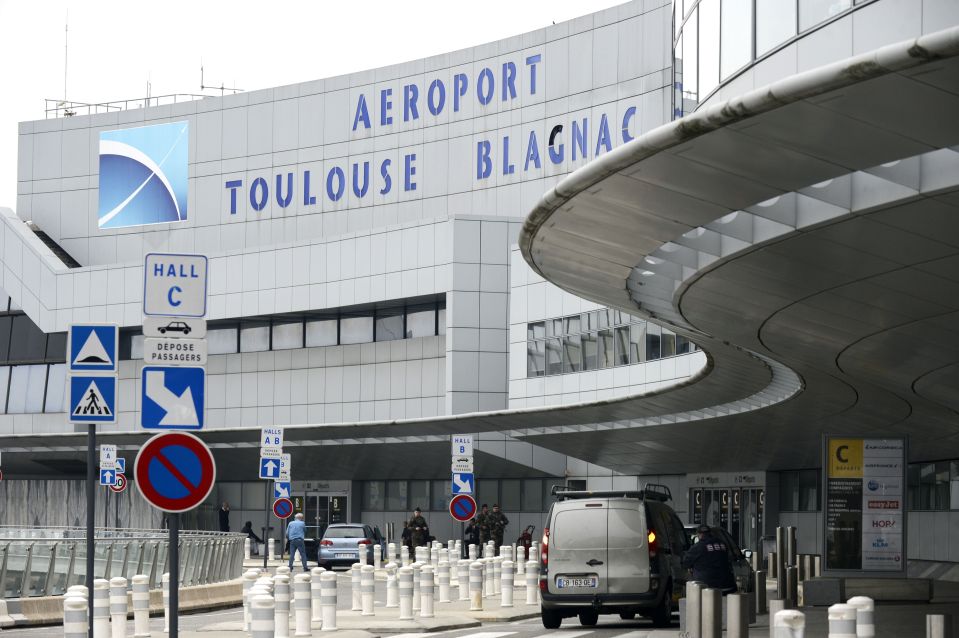
The passengers at Toulouse-Blagnac Airport in France missed their Ryanair flight last week due to lengthy queues at border control caused by staff shortages.
Sign up for the Travel newsletter
Thank you!
Around 150 Ryanair passengers were left stranded at a French airport last week due to border control queuesCredit: AFP or Licensors
The flight to London Stansted left without some of its passengers as queues at border control meant they couldn’t reach their gate in time for the flight.
One passenger told The Connexion that it was “pure chaos” adding that “there was no structure at the airport” and “people pushing at all times”.
The woman’s flight wasn’t the only one to be impacted either – in total four flights were boarding at the same with destinations including Marrakech in Morocco, Tunisia and two to London.
Reportedly, around 500 people were in the border control area including passengers with babies.
The woman also revealed that despite just managing to get onboard her flight, the pilot announced shortly after that 150 passengers had not made it.
On its website, the UK Civil Aviation Authority states: “Airports will try to do their best to ensure a smooth operation and provide passengers with a comfortable journey. However, sometimes problems do occur.
“If you miss a flight due to a long queue at security, even though you arrived at the airport on time, it is unlikely that an airline would pay compensation or consider itself obliged to offer you a free alternative flight.
“We are pleased to see that some airlines are helping their passengers find alternative flights voluntarily.
“We would recommend that you contact your travel agent or airline to help book you onto an alternative flight, but you may need to pay extra to do this.
“If you have taken out travel insurance, contact your insurance provider to see if your expenses are covered and make sure you keep receipts for these.”
A Ryanair spokesperson told Sun Travel: “Due to delays caused by border control staff shortages at Toulouse-Blagnac Airport on 30 May, a number of passengers booked to travel from Toulouse to London Stansted were not in the boarding gate area when boarding for their flight closed and missed their flight from Toulouse to London Stansted.
“All passengers that were at the boarding gate when this flight from Toulouse to London Stansted boarded were accommodated and travelled without incident.”
Sun Travel has contacted Toulouse-Blagnac Airport for comment.
Travel companies have been contacting people with holidays booked after change made
Jet2 customers have been emailed about changes in the booking process and when they’ll get documents(Image: Getty)
Jet2 passengers have been told that a key change is now ‘in force’ after some got in touch worried that an email they received could be a fake. Holiday travel companies have also been getting in touch with customers to tell them of the change.
Thousands of travellers have received emails notifying them that their holiday documents will be arriving later than originally expected. This has raised alarm bells among some customers who fear it could be a scam – particularly as Jet2 has recently been warning about numerous fake social media accounts being created in an attempt to defraud passengers.
Previously Jet2 sent all documents to travellers 28 days in advance of the break – however in 2026 this has changed with great uncertainty about the situation this summer with the Middle East conflict still not resolved. In a recent post on Facebook travel company Holiday Getaway said: “Just a quick update for customers travelling with Jet2. Holiday documents will now be available 14 days before departure to ensure you have the most up-to-date information for your trip. No action needed. Online check-in is still available from 28 days before travel.”
One passenger wrote on X: “@jet2tweets Hi, I’ve just received this email apparently from Jet2 saying I will now get my holiday documents 14 days before my holiday departure instead of 28, is this true or is it still 28, I’ve a feeling this was a spam email though.”
Another passenger added: “I had the same email. Flying on 25 May with jet2,” A traveller added: “Ive just had the same email !”
The email says: “Just so you know, following a change to when we send out the documents for your holiday, you’ll now receive your documents 14 days before departure, rather than 28 days as stated on your original booking confirmation. You don’t need to contact us or take any action – you’ll receive your documents 14 days before you travel. Have a lovely holiday!”
Responding on X, Jet2 confirmed it was a genuine message and explained: “Hi there, thanks for reaching out. Yes we can confirm that you will receive your documents 14 days before departure. Should you require any further assistance, then please feel free to send us a DM. “
Jet2 advice says: “At 10 weeks before departure we will take any outstanding balance payment and send a confirmation that the balance has been paid. At 14 days before departure, we will send you a final confirmation with your travel documents attached, consisting of your booking confirmation; your flight voucher; your accommodation voucher, your cruise voucher (where applicable) and your transfer or car hire voucher. We will also provide you with your ATOL Certificate. Please remember to print off all your vouchers as well as your booking confirmation and your ATOL Certificate where applicable.”
Jet2 has also explained why some flight schedules may change, and has moved to remind passengers of an action they must take during a 48-hour period. The major airline states in the Frequently Asked Questions section of its website that it “always aims to operate our flights at the scheduled time of departure”. However, Jet2 added: “Sometimes we may need to make changes or provide alternative carriers or aircraft and cannot always notify you of this in advance. We may also alter or remove the planned schedules as shown on your booking confirmation.”
The guidance notes that Jet2 does not wish to cause inconvenience to passengers, yet “unfortunately sometimes changes to scheduled flight times may be required for operational or technical reasons outside our control”. Jet2 confirmed that in such circumstances, travellers would be given as much advance warning as possible.
Passengers flying with Jet2 are encouraged to keep a close eye on their email and text message inboxes, as these are typically the methods used to get in touch should any changes arise. Jet2 added: “Please contact us if you change your email address or mobile number so we can update your details.
“From the Manage My Booking section on our website you can see your booking summary, request a further email confirmation or select a different email address.” Jet2 is also reminding travellers that they are obligated to review their flight summary within a 48-hour window prior to departure.
Jet2 said: “Please be aware that it is one of our Terms and Conditions that you re-check your flight summary 72 to 24 hours before departure.” The airline also continues to urge passengers to consult the “latest travel information” on its website at least 12 hours before take-off to ensure they remain fully informed.” Additional advice reads: “Please check this section of the website at least 12 hours before your flight for the latest flight information.
“We recommend arriving at the airport at least 2 hours before your scheduled departure time. Please remember – check-in desks close 40 minutes before this.”
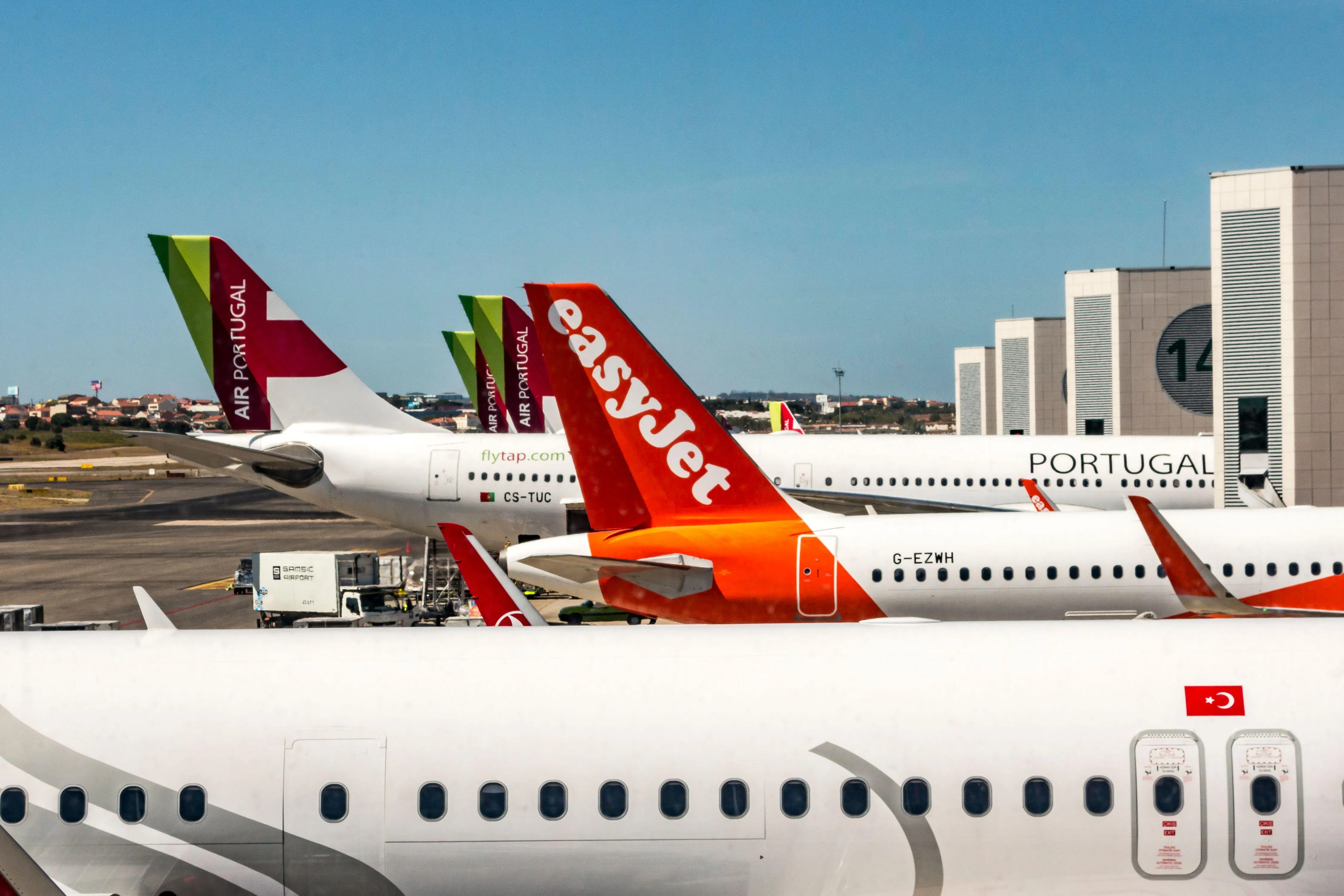
A nationwide strike has started across Portugal todayCredit: APAirports in Lisbon, Porto and Faro have been affected by flight cancellations (stock image)Credit: Alamy
The strikes follow a proposed labour legislation change, which they claim are an “assault on workers’ rights”.
Airlines have been forced to cancel flights already, with TAP Portugal warning earlier this week that 500 flights would be cancelled and only 79 flights would be running.
Nearly 100 flights have been cancelled to and from Lisbon Airport already.
This includes a number of UK arrivals and departures including:
7:20am Lisbon to London Heathrow with British Airways
10:05am London Heathrow to Lisbon with British Airways
11am Lisbon to London Heathrow with British Airways
2:30pm London Heathrow to Lisbon with British Airways
3:15pm Lisbon to London Heathrow with British Airways
4:25pm Lisbon to London Heathrow with British Airways
11pm London Heathrow to Lisbon with British Airways
EasyJet and Ryanair flights are yet to be affected, but more may be cancelled throughout the day.
Nearly 60 flights to and from Porto Airport have been cancelled, including Ryanair flights, although no UK routes have been affected yet.
Faro Airport is also seeing cancellations , affecting around 40 arrivals and departures.
These include:
6:50pm London Gatwick to Faro with British Aiways
7pm Leeds to Faro with Ryanair
7:35pm Faro to Leeds with Ryanair
7:40pm Faro to London Gatwick with British Airways
More than 200 flights have already been cancelledCredit: AlamyCancelled flights from the UK include Ryanair and British AirwaysCredit: Alamy
Along with cancellations, there are lots of delays as well.
easyJet warned passengers that passengers should expect “some disruption” throughout the day.
They told Sun Travel: “Due to a national strike in Portugal on 3 June, like all airlines operating to and from the country we can expect some disruption to our flying programme.
“We will be doing all we can to minimise the impact of the strike action and will contact customers directly with their options if their flights are affected.
“While this is outside of our control we are sorry for any inconvenience this strike action may cause.”
Other public transport services are also being affected in the country.
Lisbon Metro said no train services will run at all today, wile the Porto Metro will have “limited services”
The strike could also cause problems in the coming days due to a knock on effect.
A passenger revealed that the tip ‘really helped’ when they encountered a common travel problem
Plane passengers can benefit from the travel tip (stock photo)(Image: Getty)
Passengers have been advised to pack an extra item in their hold luggage before travelling. The ‘helpful’ travel tip was shared by an airline passenger who swears by the method. The recommendation was shared on Reddit’s r/airport forum. Sharing a question for social media users, a travel fan asked: “What are the best airport tips?”
The post read: “My trick is to always carry an empty bottle. After passing through security at every airport, I look for a drinking fountain. Most airports have a couple of them. I discovered a nice website called Water at Airport. If I can’t find one, I just do a quick search on the website.
“This is just a recommendation. Let me know if you have any other trips to the airport. I’m planning some new trips and will definitely need them!” In response, passengers shared several recommendations, including a tip that could be useful for anyone flying with hold luggage.
A traveller wrote: “I might be old school, but I not only tag my bag on the outside but I also put my name and address identification on the inside.” They explained: “This really became helpful when my bag was delayed and then the exterior luggage tag somehow got ripped off.
“I was able to describe the bag, its contents, as well as the additional tag information in the bag – it really helped! This can be as simple as writing your name, address and phone number on a piece of paper and then putting it inside a Ziploc bag and then putting it somewhere inside your checked luggage.”
Most airlines recommend that passengers include a label inside and outside their luggage. While the inner label is not often needed, it could be helpful if the exterior label falls off.
For instance, easyJet advises customers to add a luggage label to their bags and leave contact information inside the luggage. Recommending the idea to passengers, easyJet’s website says: “Make sure your bags stand out from the crowd on the carousel!
“We advise attaching something noticeable and unique to your luggage like a colourful ribbon, eye-catching sticker or personalised tag. This will make it easier for you to spot your luggage on the carousel at arrivals and avoid any confusion with similar bags.
“We also recommend adding a label to your luggage with your name and contact details such as address, email and phone number and put a copy of these details inside your bag too! This would really help us reunite you with your bag in the unlikely event of the exterior tags falling off.”
British Airways offers similar advice. The airline’s website says: “Label your bags inside and out with your name, destination address, email address and mobile number.”
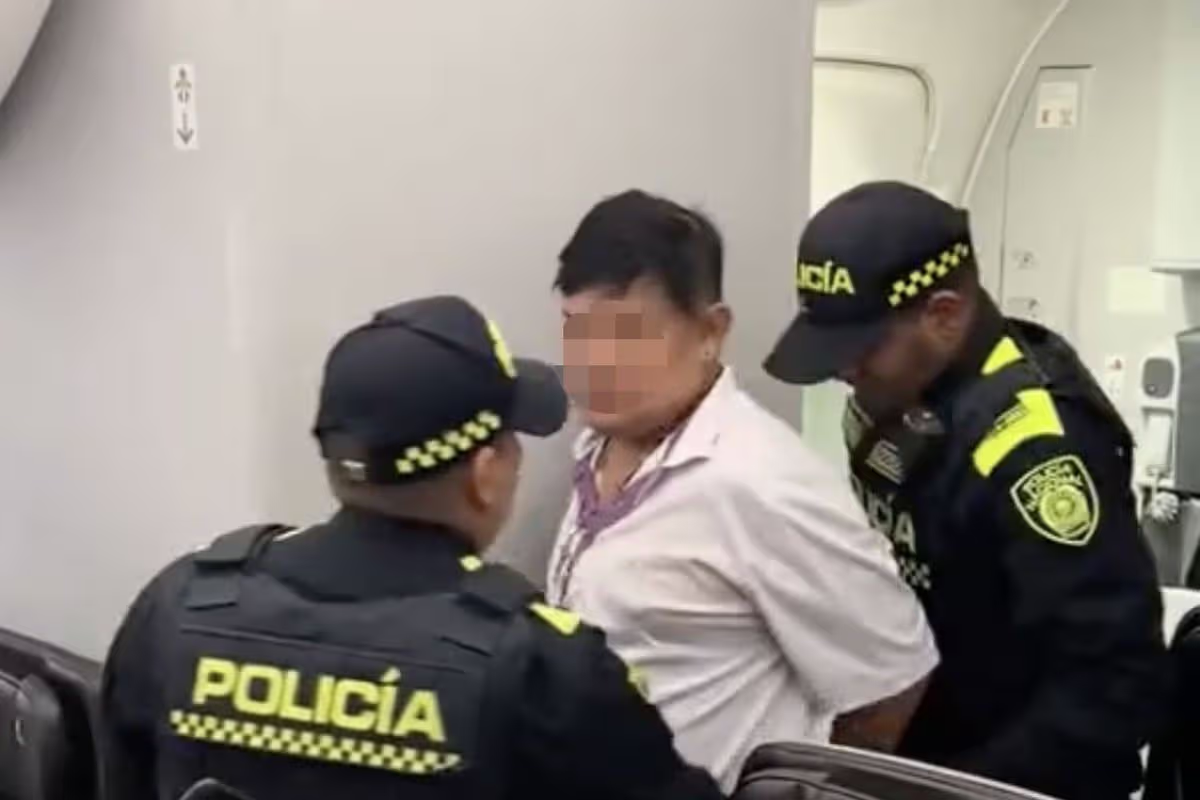
Officials are considering measures that would allow UK airlines to block disruptive passengers with a history of serious misconduct from travelling, amid a sharp rise in onboard incidents since the pandemic
05:26, 01 Jun 2026Updated 05:27, 01 Jun 2026
The moment a ‘drunk’ passenger is thrown off a plane after ‘masturbating’ in his seat.(Image: Jam Press)
Ministers are exploring proposals that could result in persistent troublemakers being banned from future flights amid growing alarm over disruptive behaviour on aircraft.
Officials are weighing up a system that would enable airlines to identify passengers with a track record of serious misconduct and potentially deny them the ability to travel. Under the plans, which are still at an early stage of consideration, details of blacklisted passengers could be shared throughout the aviation industry.
Should someone attempt to book a flight after being added to the list, the airline or tour operator could receive notification and be given the choice to block the reservation, effectively grounding that individual indefinitely.
Civil liberties campaigners have, however, raised alarm about the proposals, cautioning they could set a “dangerous precedent” through the sharing of personal data and limitations on access to transport, reports the Express.
Currently, airlines have the power to ban passengers who have displayed violent or abusive conduct while travelling with them. Yet existing restrictions only extend to the specific carrier involved in the incident, meaning offenders can frequently sidestep penalties by simply booking with a different airline.
The primary hurdle facing any new system is current data protection law, which prohibits carriers from exchanging passenger details with one another, even where criminal offences have taken place.
Who is calling for some passengers to be banned from all flights for life?
Calls for stricter measures have grown louder following a string of high-profile mid-air incidents that have gone viral online, reports the Daily Mail. These have included episodes where cabin crew faced death threats and violent clashes erupted between passengers in aircraft aisles.
Such incidents are among hundreds logged annually and have often led to expensive flight diversions that wreck holidays and travel arrangements.
There appears to be widespread public backing for harsher punishments, with recent polling indicating most Britons support restrictions on passengers who commit serious misconduct while airborne.
Ryanair boss Michael O’Leary has previously urged limits on airport alcohol sales, including curbs on early morning pints, in an effort to cut the number of disruptive passengers getting on planes.
Ministers aren’t attempting to stop travellers from having a drink before their flight. Rather, they’re hoping any future system would promote better conduct while helping to safeguard cabin crew, families and fellow passengers.
It’s understood the proposals are being worked on by the Home Office and Department for Transport but remain in the early stages and require additional consultation with the aviation sector. Any system would need to tackle existing privacy regulations, which currently stop airlines from sharing passenger data.
Ministers are expected to sit down with industry bosses later this month to thrash out the details of the plans. A government source said: “Everyone should be able to enjoy a pint at the airport, but anti-social behaviour on flights is totally unacceptable.
“It threatens the safety of passengers and crew and disrupts hard-earned holidays.
“There are already tough laws in place to deal with offences committed on flights, but we are exploring with industry how we can better address this issue, ensuring we crack down on people who persistently cause chaos. Everyone should be able to fly without fuss.”
Thousands of people are finding their holiday flights disrupted as a result of the conflict in the Middle East but the CAA say there is one time you should never choose a refund
There are rules for airlines when flights are cancelled(Image: Getty)
Scores of holidaymakers are facing an anxious wait ahead of their summer getaway as worries persist over the ongoing conflict in the Middle East. Thousands have already had their flights cancelled or disrupted, leaving them with the stressful task of replanning their trips or abandoning them entirely.
However, the Civil Aviation Authority, which oversees and regulates civil aviation in the UK, has issued summer guidance for passengers, outlining their rights should a flight be cancelled either before they depart or while they are already away. It has also reassured travellers that they are “well protected” when things go wrong.
It said: “You may have seen reports about possible disruption to flights this summer. As the summer travel season approaches, airlines, government and industry partners are working closely to support smooth journeys.”
It continued: “While there is a risk of some disruption as a result of the situation in the Middle East, travellers in the UK are well protected by some of the strongest passenger rights in the world, offering reassurance if disruption does occur.” Publishing the statement on its website, it went on to outline several key rules all passengers should be aware of if their flight is disrupted – including one scenario where you should not request a refund, reports the Liverpool Echo.
Cancellation of a flight departing from or travelling to the UK
If your cancelled flight was booked directly with the airline or via a third party your airline is required by law to offer you the following 3 options to choose from:
a refund
an alternative flight (referred to as “re-routing”) at the earliest opportunity
an alternative flight (referred to as “re-routing”) at a later date at your convenience, subject to availability.
It said: “You will be required by the airline to select one of these options. Once you have committed to one of these options with your airline you are unlikely to be able to change your mind. Ensure that you consider all options carefully before selecting the best choice for you.
A Refund
The CAA advised: “Do not choose a refund of your flight if you still wish to travel. If you choose a refund, you will not be entitled to re-routing or care.
“If you no longer wish to travel you can ask for a refund. If you chose this option, you will need to confirm this with your airline. The airline should provide you with a refund within 7 days. If you booked through a third party, your refund may take longer.
“Your right to a refund applies to all the parts of the ticket you have not used. For example, if you booked a return flight and did not depart, you are entitled to the full cost of the return ticket. If you are part way through your journey and your connecting flight is cancelled you are also entitled to a flight back to your original UK departure airport if you decide not to, or cannot, continue your journey.”
An alternative flight (re-routing) at the earliest opportunity
This requires the airline to find you a different flight to your destination as close as possible to the time of your original flight, explained the CAA. It said: “If there are lots of flights being cancelled, it may be challenging for your airline to find you alternative flight seats as other flights may already be full.
“Although we expect your airline to do all it can to offer you an alternative flight (which may mean flying on an alternative airline) and keep you updated while you wait, limited available seats may mean that your airline may not be able to get you to your destination as quickly as you or it would wish.
“If you are already at the airport when your flight is cancelled and you choose this option, your airline should also provide you with care in the form of meals, refreshments and hotel accommodation proportionate to the wait for your alternative flight. You are also entitled a means of communication e.g. two phone calls or emails.”
If your cancelled flight was a component of a package holiday
If your cancelled flight was a part of a package holiday, you benefit from the same rights as if you had booked directly with the airline. Refer to “If you booked a flight directly with the airline or via a third party” for details of these rights.
In addition, you may also benefit from additional rights under the Package Travel and Linked Travel Arrangements Regulations. Your package provider must offer a suitable alternative holiday if it can, or a refund for the full price of your package holiday.
Cancellation of a flight to the UK
These are similar to the rules for flights from the UK with some small expections, The CAA said if you booked a flight directly with the airline or via a third party and your return flight has been cancelled, you may be covered by UK passenger rights legislation, however this is dependent on which airline is operating your flight.
If it is a UK or EU air carrier you will be covered however if you are travelling with a non-UK or non-EU air carrier you will not be covered. It adds: “If UK passenger rights legislation does not apply, we encourage airlines to do all they can to minimise the overall impact to their passengers. You may also have some protection if you booked your flight with a credit card or via your travel insurance.”
However if your flight is covered by UK passenger rights legislation your airline is required by law to offer you the following 3 options to choose from:
a refund
an alternative flight (referred to as “re-routing”) at the earliest opportunity
an alternative flight (referred to as “re-routing”) at a later date at your convenience, subject to availability.
It added: “You will be required by the airline to select one of these options. Once you have committed to one of these options with your airline you are unlikely to be able to change your mind. Please ensure that you consider all options carefully before selecting the best choice for you. For most passengers, your choice will be a flight home.
A Refund
It said: “Do not choose a refund of your flight if you still wish to travel. If you choose a refund, you will not be entitled to re-routing or care. If you no longer wish to travel you can ask for a refund.
“If you chose this option, you will need to confirm this with your airline. The airline should provide you with a refund within 7 days. If you booked through a third party, your refund may take longer.
“Your right to a refund applies to all the parts of the ticket you have not used. For example, if you booked a return flight and did not depart, you are entitled to the full cost of the return ticket. If you are part way through your journey and your connecting flight is cancelled you are also entitled to a flight back to your original UK departure airport if you decide not to, or cannot, continue your journey.”
An alternative flight (re-routing) at the earliest opportunity
This option requires the airline to find you an alternative flight to the UK as close as possible to the time of your original flight. The CAA advised: “If there are lots of flights being cancelled, it may be challenging for your airline to find you alternative flight seats as other flights may already be full. Although we expect your airline to do all it can to offer you an alternative flight (which may mean flying on an alternative airline) and keep you updated while you wait, limited available seats may mean that your airline may not be able to get you to your destination as quickly as you or it would wish.
“If you are already at the airport when your flight is cancelled and you choose this option, your airline should also provide you with care in the form of meals, refreshments and hotel accommodation proportionate to the wait for your alternative flight. You are also entitled a means of communication e.g. two phone calls or emails.”
If your cancelled flight was a component of a package holiday
If your cancelled flight was a component of a package holiday, you benefit from the same rights as if you had booked directly with the airline, said the CAA. Refer to “If you booked a flight directly with the airline or via a third party” for details of these rights.
It added: “In addition, you may also benefit from additional rights under the Package Travel and Linked Travel Arrangements Regulations. Normally your tour operator will contact you in advance to re-arrange your flights back to you UK. However, if you are at the airport, you should contact your package travel organiser to talk through your options.”
MSC Cruises has announced its commitment this summer and offers for UK passengers
12:47, 28 May 2026Updated 14:20, 28 May 2026
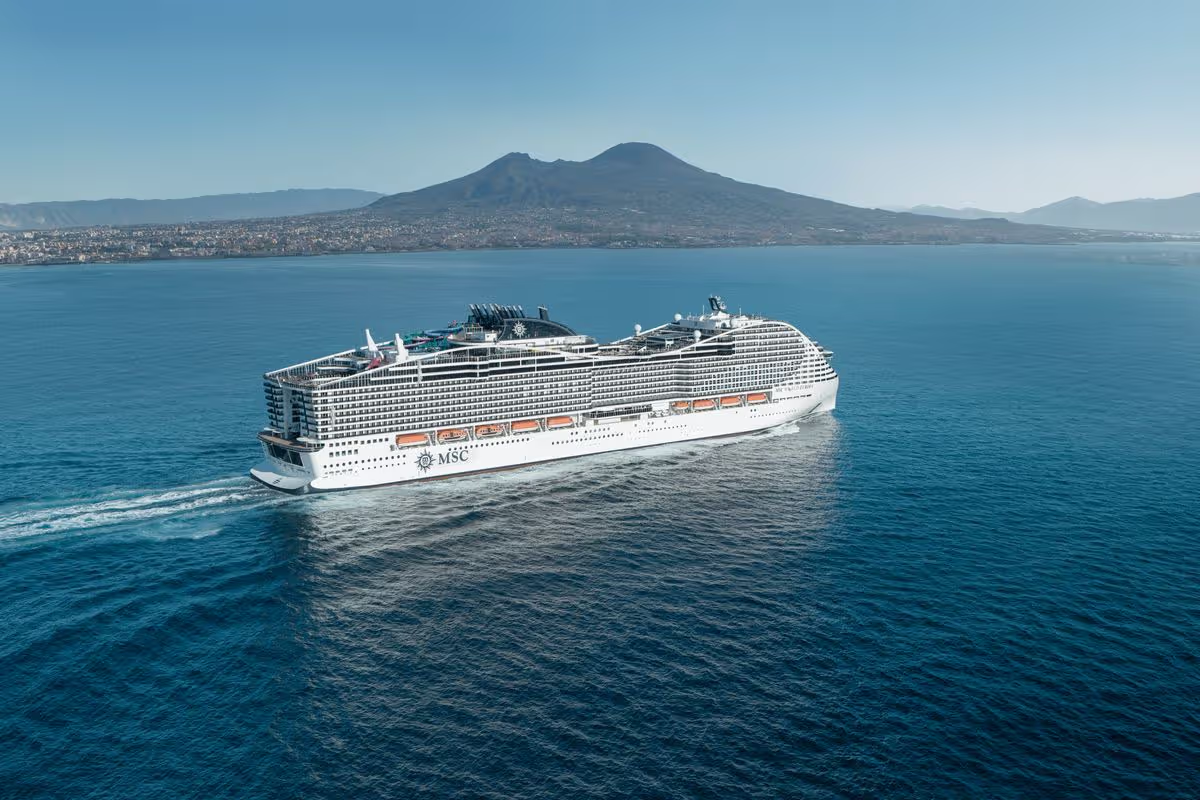
The cruise line shared its announcement on Thursday(Image: MSC Cruises)
MSC Cruises has issued an update today, Thursday, May 28, with bosses announcing a commitment to UK passengers this summer. The cruise line offers various voyages spanning the globe and currently operates a fleet of 23 cruise ships, with plans for further expansion in the coming years.
On Thursday, MSC Cruises said it is inviting guests to experience the ‘best holiday ever’ over the coming months, with the “peace of mind” of no added fuel surcharge for summer 2026 and low deposits until the end of June. Antonio Paradiso, Vice President of International Sales at MSC Cruises, said: “MSC Cruises ‘Best Holiday Ever’ commitment reinforces our position as the leading choice for UK and Irish holidaymakers seeking an effortless, all-in-one travel experience.
“Backed by dedicated support every step of the way, guests can book with confidence and peace of mind in today’s changing travel environment and relax knowing that their holiday is taken care of. With our low deposit of just £50, no-fly cruises from Southampton, Fly and Cruise packages with the reassurance of no added fuel surcharge for 2026, and the option to change your cruise date or destination if required, we are making it easier than ever for guests to secure their next holiday.”
Guests can book a trip with MSC Cruises with a low deposit of £50 per person, extended until the end of June. This applies to all cruises (excluding World Cruise and MSC Yacht Club cabins).
Passengers have a wide variety of amenities on board. There is full-board dining across the main restaurants and buffets, evening shows, multiple swimming pools with aquaparks, fitness facilities and family entertainment programmes.
There are many cabin types to choose from, including comfortable and economic inside cabins and connecting cabins for larger groups, which combine inside and balcony cabins together. Ocean View cabins offer sunset views, or for that sea breeze, opt for a balcony cabin.
A spokesperson added: “An MSC Cruise offers so much in one transparent price and, despite recent increases in global fuel prices, the cruise line will not be introducing a fuel surcharge this summer, giving guests extra confidence there are no unexpected added costs. The price guests see at the time of booking is the price they will pay, part of the best holiday ever commitment, just peace of mind and a seamless holiday experience this summer.”
MSC Cruises offers a range of Fly and Cruise packages that combine flights, transfers, and a cruise into one holiday. Designed to ‘simplify the journey from start to finish’, the cruise line says these packages are built in partnership with some of the world’s most renowned airlines.
Flights align with cruise schedules, with transfers between the airport and the ship included. Guests can select their preferred cruise itinerary, choose the Fly and Cruise fare, and confirm flights during the booking process. Fly and Cruise holidays in 2026 depart from:
Belfast to Palma and Tenerife
Dublin to Barcelona, Rome, Venice and Tenerife
Edinburgh to Rome, Naples and Tenerife
Glasgow to Tenerife
Newcastle to Tenerife
Manchester to Rome and Tenerife
Birmingham to Tenerife
London Heathrow to Seattle and Barbados
MSC Cruises also offers a selection of no‑fly cruises from Southampton year-round. Some standout destinations include the Norwegian Fjords, Northern Europe and the Mediterranean. And on selected dates, well-known TV stars and sports legends are on board, giving guests complimentary classes and talks:
June 6, 2026 – Southampton to Iceland and the Norwegian Fjords (14 nights), with TV personality Anthea Turner onboard.
August 8, 2026 – Southampton to the Canary Islands (12 nights), with Rugby Legends Ben Cohen, Neil Back and Ben Kayplus dance star Kristina Rhianoff onboard.
October 19, 2026 – Southampton to the Netherlands, Belgium and France (5 nights), with Football Legend Gianfranco Zola on board.
A holiday in Lanzarote turned into a nightmare for the family after John suffered a heart attack – and then they had issues when trying to get their sons home
It wasn’t the holiday end that the family had expected(Image: Handout)
A father of two was on holiday with his family when he suffered a heart attack, but faced turmoil when trying to fly their children home.
John Evans, 61, from Cardiff, Wales, had been on holiday with his wife, Annette, and their two children, aged 12 and 15, at the time, when he started to feel unwell. While they were enjoying a sun-soaked getaway at a resort in Lanzarote, John felt unwell. When his wife, a nurse, became concerned, they called a doctor. The next thing they knew, John was told to go to hospital.
“At that stage, I didn’t want to make a fuss, but I thought fair enough. I hadn’t had much chest pain at the point, but I was light-headed,” John told the Mirror. At the hospital John was undergoing an ECH when he began to experience “severe pain”.
Do you have a travel story to share? Email webtravel@reachplc.com
Amy Jones
Amy Jones
The 61-year-old explained: “They said, ‘he’s having a heart attack now’. My wife was asked to leave the room, and they put some lines in me. I was vomiting and not very well at that stage, but they managed to put a stent in. Basically, there was an occlusion (blockage) in my left main stem artery, which is the worst possible place to have an occlusion. But then the stent got blocked, so they had to shock me a couple of times.”
Thankfully, John came around, and was taken to Cardiac Care Unit where he remained for three days, before being transferred to another ward in the hospital. Yet, as his heart attack happened the day before the family were due to fly home, the parents were left with the additional stress of trying to get their children home.
“My wife was obviously very upset, and we didn’t know how long I’d need to be in the hospital for,” John said. “We didn’t really want the kids getting worried, so we thought it was best they flew home with the other family (they had been on holiday with), and my sister would then meet them at the airport in the UK. We weren’t sure what we needed for them to fly without us.”
John and Annette signed a note confirming they had given consent for another family to travel with their two children back to the UK. Annette went with the group to Lanzarote airport to ensure everything went smoothly. As they had all checked in to their flight online the day before, they went through airport security and to their departure gate.
However, when they got to the gate, John claimed that his wife was told by easyJet staff that the children couldn’t travel without their parents onboard. John alleged: “They had our four boarding passes and a letter with our consent, but they point-blank refused and said that we had to get a letter fromGuardia Civil to allow the kids to fly without parents, which was a bit of a shock. I had spoken to other people who have travelled with their own kids and taken other kids on holiday, and they never had any problems.”
As a result, their children had to stay in Lanzarote, which John said “put a bit more stress on the wife” who had to find an Airbnb near the hospital and start making plans for how to get their children home, as it was unclear how long John would remain in hospital.
It’s worth noting that easyJet states on its website that children aged 15 years and younger cannot travel unless they are accompanied by an adult. The airline also confirmed to the Mirror that, for British nationals, children under 15 can travel with another adult provided they have written consent from the child’s parent or legal guardian, but said there are different regulations for children of certain nationalities or when travelling to/from specific countries. However, the child must be on the same booking as the adult they are travelling with.
Annette went to the Guardia Civil to inquire about what they needed for their children to travel back to the UK with their godmother, who had flown out to Lanzarote. However, the couple say she was told by staff there that they didn’t need a letter from Guardia Civil, despite what they’d been told at the airport.
After this, they rebooked flights with another airline for their two sons and their godmother to fly home together. John said. “They flew home without any bother on Monday. They didn’t check any documentation and didn’t ask for anything.”
The following Saturday, and after a week in hospital, John was able to fly back to the UK. But following the ordeal, John said: “My wife was struggling, and it was frustrating. I was a bit annoyed at easyJet as they had given my wife the wrong information during a fairly stressful time.”
While John was able to claim the majority of their additional expenses, including the flights, through travel insurance, the issue is not settled in his mind, as he feels that nobody addressed the fact they were given “wrong information at the gate”.
Annette got in touch with easyJet, who apologised for the “challenges you all faced at Lanzarote airport”. However, John said he still feels “quite angry” at the whole situation as “the boys were struggling, their dad was in hospital, and they were in a nasty position – they had to stay around when they could have been at home, out of the stress”.
A spokesperson for easyJet told the Mirror: “We are very sorry to hear about Mr Evan’s circumstances and fully understand this will have been a stressful time for the family.
“We take the safeguarding of minors very seriously and have processes in place to ensure their wellbeing and to support our customers should their children need to be accompanied by someone other than their parent or legal guardian. This includes ensuring children are on the same booking as the adults they are travelling with, and we can make these changes to a booking for customers ahead of travel.
“Whilst Mr and Mrs Evans provided a letter of consent, as their children were on a separate booking to the adults they were travelling with, they were unfortunately unable to travel. We are in touch with the family about their experience and are offering any further assistance they may need.”