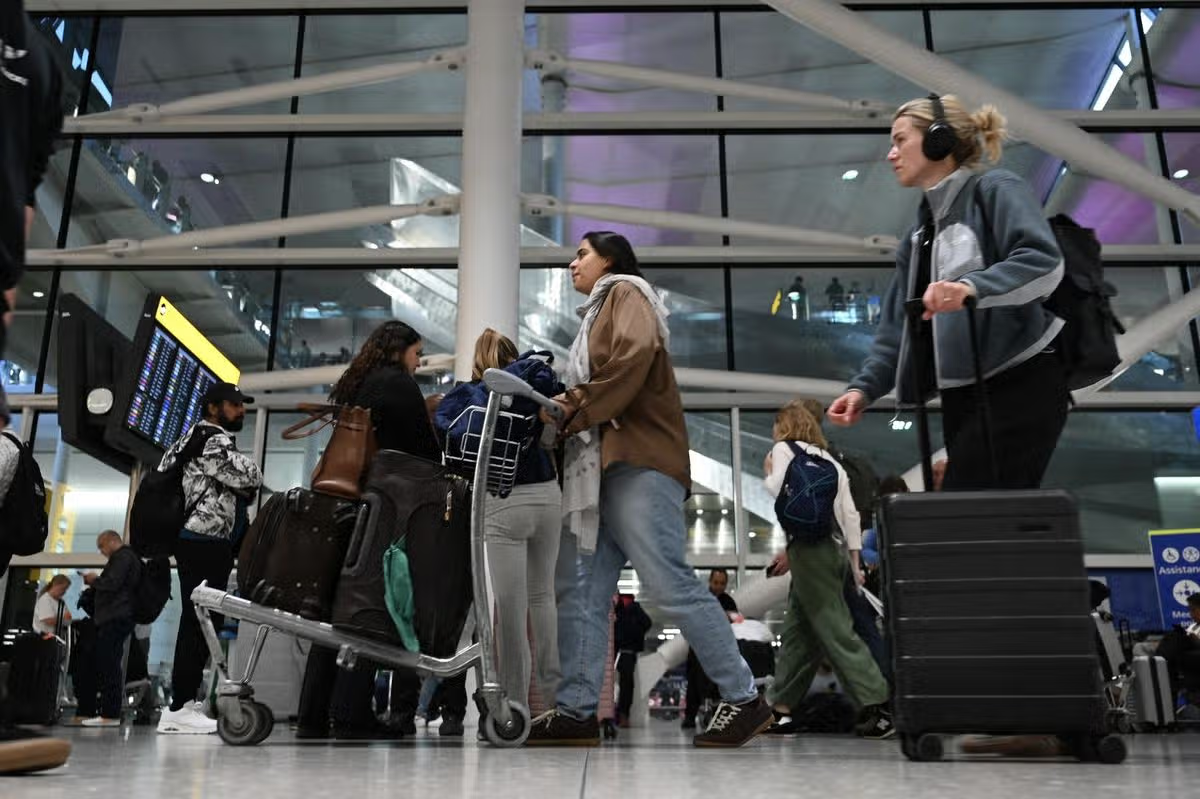
The lawsuit argues Trump bypassed Congress and misused a century-old law to impose sweeping tariffs on Canadian imports.
A US food importer is suing US President Donald Trump over his 50 percent tariffs on Canadian goods, arguing he lacks the legal authority to impose sweeping tariffs without congressional approval.
Gellert Global Group, a New Jersey-based company that imports Canadian cheese, filed the lawsuit on Tuesday in the US Court of International Trade in New York.
Recommended Stories
list of 4 itemsend of list
The company says the tariffs are driving up its costs and disrupting its relationships with suppliers on both sides of the border. Between September 16 and October 11, Gellert had paid more than $520,000 in duties, according to the complaint.
“Gellert Global Group has spent generations building trusted relationships with suppliers, customers and partners across the food industry,” said Thomas Gellert, the company’s co-chief executive officer, in a press release. “These tariffs disrupt those relationships overnight and create costs and uncertainty that ripple through the entire supply chain.”
The lawsuit challenges Trump’s decision to use a Depression-era law to impose tariffs on a wide range of Canadian products, including dairy products, furniture, clothing and wine.
The lawsuit argues that the law doesn’t apply to the Canadian policies the Trump administration says are discriminatory, since two of them “arose in response to the president’s own tariffs, while the third involves Canadian dairy policy governed by the US-Mexico-Canada Agreement (USMCA)”.
It also questions why Canadian cheese is being taxed over disputes involving alcohol and cars.
“No president should have the power to pull a dormant statute off the shelf and use it to impose sweeping tariffs or import bans without the limits Congress required,” said Sara Albrecht, chairman and CEO of the Liberty Justice Center, a nonprofit legal organisation that filed the suit on Gellert’s behalf.
The White House did not immediately respond to a request for comment, according to the Reuters news agency.
At the centre of the case is Section 338 of the Smoot-Hawley Tariff Act of 1930, which allows the president to impose tariffs of up to 50 percent on imports from countries found to discriminate against American businesses.
The provision had never been used until Trump invoked it this year.
The lawsuit argues that newer laws passed by Congress since then, such as Section 301 of the Trade Act of 1974, require investigations, public comment and other safeguards that Gellert says the Trump administration has bypassed, and that these override Section 338.
“The administration cannot skip those protections by reaching for a 1930 statute that no president had ever used to impose a tariff,” said Jeffrey Schwab, the Liberty Justice Center’s senior counsel and director of litigation.
In addition, the lawsuit says that even if Trump is allowed to use the older law, he hasn’t met its requirements, including waiting 30 days before tariffs can be collected on new products added to the list.
The administration only waited seven days to start collecting tariffs on cheese in September, according to the lawsuit.
Gellert is asking the court to declare the tariffs illegal, stop them from being collected, and order refunds with interest for importers who have been impacted.
The lawsuit marks the fourth major legal challenge to Trump’s tariffs.
In February, the US Supreme Court struck down most of the tariffs he imposed in 2025, and a trade court later ruled against a temporary 10 percent global tariff. A separate challenge to tariffs imposed over alleged forced labour in international trade is still pending.
The spot is famed for its cobbled streets, Norman castle and stunning architecture
The town has plenty of shops, cafes and restaurants to visit(Image: Photos by R A Kearton via Getty Images)
Long hailed by poet John Betjeman as “the loveliest town in England,” Ludlow has also earned a global reputation as a premier food and drink destination. With over 500 listed buildings and a skyline dominated by a Norman castle, Ludlow effortlessly blends ancient, storybook charm with a modern appeal.
Winding cobblestone streets lead visitors to delis, bakeries, welcoming pubs and acclaimed restaurants.
Frequently dubbed the “food and drink capital of the Marches”, Ludlow’s thriving hospitality scene is fuelled by its impressive variety of locally sourced produce. In 2024, a Which? Travel survey of more than 9,000 people asked respondents to rate the food and drink in their favourite inland towns and villages.
Ensure our latest travel stories always appear at the top of your Google Search by making us a Preferred Source. Click here to activate or add us as a Preferred Source in your Google search settings
As Which? Travel put it, “Instead of a handful of high-end eateries, there’s a culture of local produce as well as numerous pubs and cafes, served by people who care about the food.”
This ethos is reflected on every plate, with an emphasis on fresh, locally sourced ingredients and menus that change with the seasons.
TripAdvisor currently ranks Old Downton Lodge as Ludlow’s finest restaurant, while waterside favourite CSONS is another beloved choice for relaxed, quality dining, along with Kin Kitchen and The French Pantry for café and bistro-style fare. Pub lovers are spoilt for choice with options including The Queens and The Boot Inn, both of which are highly rated on TripAdvisor.
Experts from Ludlow Distillery note that the town’s food and drink scene benefits greatly from a thriving network of local producers, ranging from artisan cheesemakers and bakers to craft brewers and distillers.
They stated: “The strength of this offering is best seen (and tasted) by a visit to the Local to Ludlow Market in the Castle Square (where growers and makers based within 30 miles of the town sell a range of high-quality and carefully selected produce), and the award-winning Broad Bean fine food delicatessen on Broad Street.”
The town proudly champions ‘Slow Food’, a global grassroots movement with thousands of members worldwide that brings together a love of good food with a commitment to community values.
In recent years, the movement in Ludlow has gone from strength to strength.
Slow Food Ludlow Marches offers activities throughout the year, including visits, talks, demonstrations, meals and Taste Workshops at Ludlow Food Festival in September.
Ludlow Food Festival ranks among the town’s most celebrated annual events, regularly drawing around 15,000 visitors to Ludlow Castle over three days.
Both locals and visitors alike can look forward to the Winter Festival at Ludlow Castle. Taking place between 27 and 29 November 2026, the event showcases local entertainment, mulled wine, and much-loved highlights from the Ludlow Food Festival.
Head along on the second or fourth Thursday of the month to discover the Ludlow Local Produce Market, a vibrant showcase of food and drink made within a 30-mile radius.
The stalls champion sustainability and seasonality, turning an ordinary shopping trip into a thoroughly enjoyable afternoon out.
Outside of Shropshire, Wells was named runner-up for inland dining by Which? Travel.
Other destinations receiving recognition include Lavenham in Suffolk, Llangollen in Denbighshire, Stamford in Lincolnshire, and Cartmel in Cumbria. Each offers its own distinctive flavour of a foodie escape.
BUTLIN’S is continuing its all-inclusive family breaks into summer 2026 and 2027 – and absolutely everything is included.
From food and drink to waterparks and swimming pools to the adventure playgrounds – there are no hidden surprises.
Butlin’s will continue its all-inclusive bundles through to 2027Credit: Butlins
Called the ‘All Inclusive Bundles‘ these include accommodation, breakfast, dinner, and drinks, Splash Waterworld, unlimited fairground rides, live shows, playgrounds and soft play.
The price starts from £125 per person for a family of four – or £41.50pppn.
Sign up for the Travel newsletter
Thank you!
When it come to the bundle, families have four different dining plans to choose from.
There’s the Food Court Dining & Drinks which has an all-you-can-eat buffet breakfast and dinner, DineAround, which offers a choice of restaurants across each resort.
Premium Buffet Dining Plan which is the best of the buffets including live cooking stations and themed nights, and Hotel Dining Plan which has the variety of the premium plan but at your own hotel restaurant.
Meanwhile, the drinks package includes unlimited soft drinks, spirits, wines, cocktails, draught beers and ciders, as well as non-alcoholic choices and Costa Coffee.
It will be hosted by a celebrity presenter and performers will take to the stage in an attempt to get the Golden Buzzer.
During February half-term, there will be the new DreamWorks’ Madagascar – A Musical Adventure on stage.
Other new performances include K-Pop Forever! which has hits from groups like BTS and Blackpink.
Included is food and drink, fairground rides and waterpark accessCredit: Butlin’s
Animals Magnified by the Animal Guyz which is a family show perfect for anyone who loves animals from hippos to tiny insects.
A Billion Streams will be its new concert-style show where guests can hear some of the world’s biggest hits from the likes of Harry Styles and Dua Lipa.
The Skyline Gang will compete in a Battle of the Bands competition so get ready to hear incredible drum solos and guitar riffs.
The price of an all-inclusive bundle starts from £499 for a family of four – or £41.50pppn.
This is based on two adults and two children in a Comfort Room on an October Half Term three-night break with Food Court buffet breakfast and dinner, and the All Inclusive Drinks Package.
During the 2027 summer holidays, a three-night break to Skegness from August 13-16 with a Food Court Dining & Drinks bundle costs £739.98 – or £61.66pppn.
While her kids headed to all the free activities from go karting to the fairground and outdoor playground.
Jon Hendry Pickup, CEO at Butlin’s, said: “The cost of a family holiday doesn’t stop at the booking price.
“Meals and drinks can be harder to budget for in advance, so extending our All-Inclusive bundles to school holiday breaks gives families a much clearer picture of the overall cost before they arrive.”
Hasanat al-Rashid, 48, has lived with diabetes for 15 years, and the three-and-a-half-year civil war between Sudan’s military and the Rapid Support Forces paramilitary group has worsened her situation. Finding the treatment she needs has become a daily struggle.
When the war broke out in April 2023, she was forced to flee south from her home in Haj Yousif in Khartoum North to Umm Daw Ban in Khartoum State.
Recommended Stories
list of 3 itemsend of list
During her displacement, she went for days without medication and was forced to eat foods unsuitable for her condition, such as asida, a traditional Sudanese porridge.
She underwent operations on her foot twice when she developed complications of diabetes, including a severe infection.
She moved between hospitals in Gezira State south of Khartoum, seeking treatment in Rufaa, Wad Madani and Al-Hasahisa. When fighting spread to these areas in December 2023, she fled again, arriving in Port Sudan, a city on the Red Sea that was less affected by the war.
Her condition has worsened to the point that she now has to use insulin every day and with this comes added costs, something that forces diabetes sufferers in Sudan to choose between medicine and other essentials, such as food.
“The doses vary depending on whether my blood sugar is high or low,” she told Al Jazeera.
The war has pushed income levels in Sudan back to those last seen in the 1990s, according to the United Nations Development Programme. This means Hasanat and other diabetes sufferers are struggling to afford the medicine they need to treat the condition.
Hasanat’s doctor recommended she use an insulin pen, a device used to inject insulin under the skin. She would need one or two of the devices a month, but the cost at 70,000 Sudanese pounds ($8) is more than she can afford up front, so she opts for a vial of insulin.
This is cheaper at 17,000 Sudanese pounds ($1.80), but there is the additional cost of buying ice every day to keep the insulin cool. She spends 180,000 pounds ($20) a month on ice to preserve the medicine. But she is able to spread these costs out through the month, making the vials her only viable option even if the overall costs are higher than an insulin pen.
“It may last a month or less, but the challenge is that I don’t have a refrigerator, so I struggle to store the insulin properly,” she said.
She also needs painkillers and vitamins on a regular basis to manage complications caused by the diabetes.
Hasanat al-Rashid has struggled to find the medicine to treat her diabetes during Sudan’s civil war [Fatima Edam/Al Jazeera]
The rising cost of treatment
Fatima Adam, 75, is among the patients at Port Sudan Hospital struggling to afford the medicines she needs to manage her hypertension and a thyroid condition.
She was admitted to the hospital with complications caused by high blood pressure, which has started to impact her heart. Too unwell to speak to Al Jazeera herself, her daughter, Aisha, described how the rising cost of treatment has affected her whole family.
Before the war, Fatima received medicine through the National Health Insurance Fund. She paid a quarter of the cost while the fund covered the rest. But when the war started and the economy collapsed, the medicines she needed were no longer covered by the scheme.
“My mother takes six different medicines because hypertension has affected her heart in addition to her thyroid medication. The war has made things harder because the prices of these medicines have gone up,” Aisha told Al Jazeera.
The responsibility for paying for Fatima’s treatment and supporting her and her daughter falls on her son, who works as a casual worker. With no fixed income, he goes to the market every day in search of work but sometimes returns home empty without any luck.
“Sometimes, when my brother finds work, we buy enough medicine to last a month. Other times, we have to buy smaller quantities and take the medicines intermittently,” Aisha said.
She bought a month’s supply of her mother’s medication a few days ago for 160,000 Sudanese pounds ($17.80), a substantial expense for a family whose income depends on day labour but essential to treating Fatima’s condition.
War damage
The war has caused an estimated $500m in losses to medicine stocks, infrastructure and transport fleets, dealing a major blow to Sudan’s pharmaceutical supply system, the National Medical Supplies Fund told Al Jazeera.
The National Medicines and Poisons Board estimated that only eight of the 30 pharmaceutical factories in Khartoum that shut down during the conflict have resumed operations despite the security situation in the capital recently improving.
This has increased Sudan’s reliance on imported medicines, but the subsequent depreciation of the Sudanese pound has driven up the costs of pharmaceutical procurement and production.
Hossam al-Naeem struggles to stock some medicines in his pharmacy due to the collapse of the Sudanese pound [Fatima Edam/Al Jazeera]
Hossam al-Naeem, who works as a pharmacist in Port Sudan, said customers with diabetes and hypertension require regular painkillers and vitamins to help their overall condition.
“I feel deeply saddened when I see the expressions on some patients’ faces as they ask about the prices of medicines and discover how much they have increased because of the depreciation of the Sudanese pound,” Hossam told Al Jazeera.
The currency’s collapse has created added challenges for pharmacists. Before the war, a dollar traded for roughly 600 Sudanese pounds. Now black-market currency traders are quoting rates of 9,300 pounds to the dollar, meaning higher costs for most goods in Sudan.
Sometimes Hossam incurs losses himself when he finds that the prices of drugs have risen sharply, and keeping essential medicines stocked is becoming difficult.
“I used to sell a strip of cold and flu tablets for 6,000 Sudanese pounds [70 cents]. But when I went to buy new stock, I found that the supplier’s price was also 6,000 pounds per strip. That means I made no profit, not even enough to cover the pharmacy’s operating costs,” he said.
The struggle to afford heart medication
Huda Mahmoud, 58, lives in el-Obeid, the capital of North Kordofan state in south-central Sudan, where drone attacks and other violence remain a problem while the military is making advances towards the city.
Huda has lived with heart problems for more than 12 years and described the impacts of the war as being physical, financial and emotional.
“I take five different medicines. There was a time when they weren’t available, and I suffered a lot. Sometimes, I had to ask people in Wad Madani, Sennar or Port Sudan to send them to me,” she told Al Jazeera. “The medicines were extremely expensive, costing me 300,000 Sudanese pounds [$33.30] a month.”
Taking medication has become a carefully managed routine with each pill tied to a specific time of day.
“I’ve become tied to my pills: this one before eating, that one afterwards. If I forget one, my heart starts beating very fast,” she added.
In March, Huda was forced to travel from el-Obeid to Omdurman. Following her strict treatment regimen has become increasingly difficult during repeated periods of upheaval.
She has now returned home to el-Obeid, where her regular medicine is priced at 151,000 Sudanese pounds ($16.80) a month, something she can barely afford.
Her greatest fear is running out of medicine or being unable to afford her next supply, which would put her at risk of a blood clot.
“I’m afraid of becoming incapacitated. I used to be responsible for the whole household, but now I need help. I feel like I’ve become a burden on my family,” she said.
Fighting between Yemen’s Houthis and the internationally recognised government is deepening the humanitarian crisis in Taiz. The city has become a new frontline in the war which has cut off vital supplies, including food, fuel and medicine.
For every five plates of food served around the world, roughly one ends up in the bin. That adds up to more than a billion tonnes of food a year.
Meanwhile, 645 million people, about one in 13 of the world’s population, went hungry in 2025, according to the UN.
That gap is the focus of World Food Day on October 16, the annual UN observance marking the founding of the Food and Agriculture Organization (FAO) in 1945. This year’s theme, “Innovate today, nourish tomorrow”, calls for food systems that feed more people and waste less.
In this visual explainer, Al Jazeera looks at global hunger, which countries waste the most food and simple ways to waste less at home.
Hunger is falling, slowly
Global hunger has fallen for a third year in a row, but it remains above levels seen before the COVID-19 pandemic.
According to the UN’s annual State of Food Security and Nutrition in the World report, an estimated 645 million people, or 7.8 percent of the world’s population, faced hunger in 2025. That is down from 8.1 percent in 2024 and a peak of 8.6 percent in 2022, but still about 61 million more people than in 2019.
[Al Jazeera]
Where are people the most hungry?
Africa has more hungry people than any other region.
In 2025, an estimated 309 million people in Africa were undernourished. That is one in five people on the continent and almost half of the world’s hungry people.
By comparison, 292 million people in Asia (6 percent of the population) and 32 million in Latin America and the Caribbean (4.8 percent) were undernourished.
The 2026 Global Hunger Index shows a similar pattern at the country level. The index scores countries out of 100, combining undernourishment with child stunting, child wasting and child mortality. Scores of 35 or more are considered “alarming”.
Hunger is classed as alarming in eight countries, seven of them in Africa. Somalia has the worst score of the 122 countries ranked, followed by the Democratic Republic of the Congo, Chad and Madagascar.
Sudan, South Sudan, Burundi and Yemen were also classed as alarming, but conflict and data gaps meant the index could not calculate their scores.
At the same time, a large share of the food the world grows never reaches a plate.
How much food is wasted every year?
Food is lost and wasted at every stage of its journey from farm to table.
According to the FAO, about 13 percent of the food produced globally is lost after harvest and before it reaches shops, spoiling in storage, during transport or in processing. Fruits and vegetables suffer the highest losses.
Food lost before it reaches shops is worth more than $400bn a year, according to the FAO.
Shops, restaurants and households then throw away almost a fifth of the food available to consumers, about 1.05 billion tonnes in 2022, according to the UN Environment Programme (UNEP). That is equivalent to 52.5 million trucks, each carrying 20 tonnes.
Households account for the most, 60 percent, followed by restaurants and other food services at 28 percent and shops at 12 percent.
How to reduce food waste at home
Most food waste happens at home, which means households can make a real difference. Here are some simple steps recommended by food waste campaigners and UN agencies:
Plan before you shop: Check what you already have, plan meals for the week and shop with a list to avoid buying more than you need.
Understand date labels: “Use by” dates are about safety, but “best before” dates are about quality. Food is often still safe to eat after its “best before” date.
Store food properly: Keep your fridge at 5C (41F) or below, and store fruit and vegetables where they last longest. Bananas, for example, speed up the ripening of other fruit nearby.
Use the freezer: Bread, cooked meals, meat and many fruits and vegetables can be frozen before they go off.
Cook the right amount: Measuring portions, especially for rice and pasta, cuts down on leftovers that get thrown away.
Eat the oldest food first: Move older items to the front of the fridge and cupboard so they get used before newer ones.
Use leftovers and scraps: Turn leftovers into new meals, and use vegetable peels and stalks in soups and stocks.
Compost what you can’t eat: Composting inedible parts such as peels and eggshells keeps them out of landfills, where rotting food releases methane.
A ‘best before’ label on Heinz baby food tells shoppers when the product is at its best quality, not when it stops being safe to eat [Anthony Devlin/Getty Images]
Which country wastes the most?
On average, every person in the world wastes about 132kg (291 pounds) of food a year, roughly the weight of two adults. Of that, 79kg (174 pounds) was thrown away at home.
But the amount varies widely. Hotter countries tend to waste more at home, UNEP says, possibly because of more fresh produce and less refrigeration.
The Maldives wastes the most food, with each person throwing away about 260kg (573 pounds) a year, about twice the global average. Syria, the Dominican Republic, Seychelles, Mexico and Tunisia follow, each wasting more than 210kg (463 pounds) per person, according to UN estimates.
Spain recorded some of the lowest levels, at around 39kg (86 pounds) or less per person.
What does food waste cost?
Food loss and waste costs the global economy more than $1 trillion a year, according to the UN.
To put that in perspective, what else could $1 trillion buy?
Use the + buttons to add items to your cart and see how the money would be spent across 35 categories.
Throwing food away also wastes the money, land and energy used to produce it.
About 1.4 billion hectares (3.5 billion acres) of land, or 28 percent of the world’s agricultural land, is used to grow food that is never eaten. That is an area larger than Canada.
Food loss and waste also generate an estimated 8 to 10 percent of global greenhouse gas emissions, including methane released as food rots in landfills.
Holidaymakers are increasingly planning their next destination around music, sporting and cultural events
NFL veteran Efe Obada is Marriott Bonvoy’s new ‘Check-In Coach’ (Image: PinPep)
More and more British holidaymakers are planning their trips around music, sports, and cultural events, according to a recent study. This surge in event-driven travel is shifting how people holiday, prompting 45% of respondents to explore destinations they’d never even thought of visiting before.
What’s more, out of all the travellers who stayed overnight for an event in the past four years, 62% planned their entire trip specifically around it. Looking ahead to 2027, 36% say they’re even more excited to travel for a concert, festival, exhibition, or big game than they were last year.
The survey of 2,000 adults revealed that 56% of sports fans would happily use their annual leave to follow their favourite team anywhere they play—and 31% are willing to head abroad to do it.
With hotels right near nearly every NFL stadium, Marriott Bonvoy—an Official Sponsor of the NFL—is helping fans build the ultimate game plan by bringing on Efe Obada as their official Check-In Coach.
Efe Obada said: “In the NFL, preparation gives you a strong starting point, but you’ve also got to trust your team and be ready to adapt when things change.
“I approach travel in the same way. If you’ve only got a few days in a city, be tactical, adaptable and make a game plan.
“Book your hotel, know how you’re getting to the main event and ask people who know the city for advice. That’s how to make the most of every trip.”
The research also identified four NFL-inspired traveller types, showing the roles people typically adopt while on holiday.
A quarter (25%) see themselves as ‘The Quarterback’, the trip leader who unites the group, takes charge of major choices, and adjusts plans when circumstances shift.
An equal proportion (25%) regard themselves as ‘The Coach’, the organiser who handles the practicalities, from accommodation and transport to excursions and schedules.
Meanwhile, 24% assume the position of ‘Rookie’, the first-timer who is discovering a location or occasion for the first time and seeks advice and insider tips from companions.
In contrast, 19% fell into ‘The Receiver’ category, the impulsive explorer who identifies possibilities, proposes unplanned diversions, and contributes to unforgettable experiences.
Andrew Watson from Marriott International, said: “This research highlights what we see in our hotels, that travellers are increasingly planning trips around the things they are passionate about.
“Our partnership with the NFL is just one example of a wider commitment to helping our members pursue what they love.”
Efe, who applied the strategy to his hometown, London, added: “London is one of those cities where every neighbourhood has its own personality.
“For a perfect weekend, I’d book at stay at citizenM Tower of London then grab a coffee at Qima Café in Covent Garden, walk along the Thames around Southbank or spend an afternoon at Hampstead Heath for unbeatable London views.
“For food, you can’t beat 2210 by NattyCanCook in Herne Hill or head to Passyunk Avenue in Waterloo for unmatched game-day vibes and a Philly cheese steak.”
EFE’S PLAYBOOK FOR A TACTICAL WEEKEND TRIP:
Do your pre-match analysis: Book your hotel early, check journey times and map out the key moments you don’t want to miss.
Kick off strong: Give yourself time to fuel up before heading out. A good game plan always starts with the essentials.
Teamwork is key: Local knowledge can make all the difference. Ask hotel staff for recommendations and insider tips.
Don’t be afraid to adapt: Leave room for unexpected discoveries – be that a bar, restaurant or neighbourhood. Sometimes the highlights aren’t part of the original strategy.
Natasha Whitley has saved a huge amount compared to the costs people expect to pay
Natasha Whitley on her budget holiday to the Maldives(Image: Natasha Whitley/SWNS)
A budget traveller who has been to the Maldives four times has revealed how she spent less than £350 on one trip.
Natasha Whitley, 30, first travelled to the country in April 2024 with friend Kara, 26, for five days and tried out two islands – Thulusdhoo and Dhiffushi. Staying in cheap accommodation costing just £60 per night and a local ferry costing them just £1 to get from the airport, Natasha “loved it”.
Since then Natasha started her own business for solo travellers, Say Yes Adventures, and returned to the Maldives a further three times as part of group trips. Her most recent visit in February 2026 saw her travel solo on a new island – Fulidhoo – for three nights.
She flew from Gatwick Airport with her flights costing £800 – but it cost just £2.50 for the three-and-a-half-hour ferry trip from Malé to Fulidhoo. She stayed at a hotel costing £260 for three nights, she explored the local island and tried out local food like Maldivian fish curry while there. After paying £29 for a speedboat back from Malé, she continued on to stay at an all-inclusive resort called Niva Kuramathi Maldives – which she says was “not affordable at all but interesting to see the contrast”.
Love of travel
Natasha, a content creator from Bournemouth, Dorset, said: “I’ve always loved travel and I was lucky my parents were interested in travel. They met while travelling in the 80s, so it’s always been a part of my life and story.
“I’m a pharmacist and I worked for four years and took a career break, which was meant to be eight months – it was a big round-the-world trip to Australia, New Zealand, Hawaii and Central America all on a budget.
“I quit my pharmacy job for a content creation summer job. I met my friend Kara the following year and put the feels out there to see if she wanted to come to the Maldives with me.
“There’s not much online about the Maldives on a budget – people know it as somewhere super expensive and a honeymoon destination. In terms of budget I think we said we’d spend around £100 per day on accommodation and activities.
“We spent less than that and spent £420 over the five or six days. You see all the resorts across from you on the local islands, which is crazy because people are paying thousands and you’re spending a fraction of the price in the same waters. Staying on local islands has saved me a lot of money.”
2026 trip
In February 2026, Natasha headed out on her fourth trip to Fulidhoo.
She said: “In the Maldives my favourite food is the Maldivian fish curry, which is usually five dollars. From that island you can do snorkelling trips and watch wild stringrays and nurse sharks from the jetty at night.
“You can snorkel off the beach as well. If you’re nervous about solo travelling just start small, don’t think big because a big six-month trip can be quite overwhelming. The best way to start is to join a group trip because you travel solo, but as soon as you arrive you’re in a group of people, so you get a bit of both”.
In total, Natasha has spent more than 100 nights in the Maldives over the last two years, which would have cost her more than £45,000. You can follow Natasha’s adventures on @travelsbytash and find out more about her group travel company Say Yes Adventures at sayyesadventures.com.
Costs for Natasha’s trip to Fulidhoo
Accommodation: £261 for 3 nights, including breakfast
Transport: £2.50 for local ferry, £30 for speedboat
Food: £7 to £10 per meal
Total cost: £344.50
Example costs for a trip to a resort
Accommodation: £2,482 for 3 nights in an overwater bungalow with private pool and full-board
Transport: £127 return speedboat from Malé
Food: £47, including shrimp pad-Thai at à-la-carte restaurant
Without a quick deal to move fertiliser through the strait, agricultural productivity would ‘significantly drop’.
Published On 14 Oct 202614 Oct 2026
A senior United Nations official has warned that parts of Asia and Africa could face a food security crisis unless Iran and the United States quickly agree on a UN-backed plan to move fertiliser through the embattled Strait of Hormuz.
UN Under-Secretary-General Jorge Moreira da Silva said on Wednesday that it was “absolutely critical” that the two countries agree to the proposal within weeks as planting season approaches. It calls for a UN-staffed coordination centre in Oman to help register vessels and oversee their safe passage in the waterway, through which a large portion of key global fertiliser inputs traditionally flow.
Recommended Stories
list of 3 itemsend of list
“If we miss that planting season, the productivity of agriculture would significantly drop and the impact on prices will significantly increase,” Moreira da Silva told Reuters on the sidelines of International Monetary Fund and World Bank meetings in Bangkok, Thailand.
Farmers operate strict crop calendars, and even slight delays could severely affect yield.
‘Negligible’ fertiliser shipments
Traffic in the Strait of Hormuz has been severely disrupted since the start of the US-Israel war on Iran, with Iran targeting vessels in the strait and the US and Iran exchanging fire in and around the waterway.
The disruption has hit global supplies of urea, the world’s most widely used nitrogen fertiliser, as well as seaborne sulphur, a key input. Before the war, roughly a third of global urea shipments and nearly half of seaborne sulphur passed through the strait.
Although some ships have been able to sail through amid the crisis, fertiliser products have made up a “very negligible” share of moving cargo, according to the Washington-based International Food Policy Research Institute.
Moreira da Silva said the UN-backed fertiliser mechanism, drawn up in March, could be activated within seven to 10 days if both Iran and the US agree.
Under the plan, UN monitors would work alongside local authorities at Gulf ports to verify cargo loading. Ships would be tracked during transit, and additional inspections could be carried out if countries raised concerns about a vessel or its cargo, said Moreira da Silva. He did not say why the US and Iran have not yet agreed.
The passage of only five vessels per day through the Strait of Hormuz could keep fertiliser supplies flowing to countries in critical need, he added.
‘Let us do our job’
The UN mechanism could work alongside negotiations for a “comprehensive deal” to restore freedom of navigation in the strait, Moreira da Silva said.
Iran and the US have exchanged proposals through intermediaries since a June interim ceasefire collapsed. Efforts to reopen the Strait of Hormuz have stalled over Tehran’s conditions and Washington’s insistence on addressing Iran’s nuclear programme from the outset.
“What we are telling them is, while you continue your discussions towards a comprehensive deal, let us work, let us do our job,” said Moreira da Silva.
His plea comes amid growing concern that fertiliser shortages could hit global food supplies.
In May, the UN’s Food and Agriculture Organization warned that fertiliser scarcity could tighten food supplies from late 2026 into 2027, and would likely hit countries facing climate or other crises much harder.
In South Asia, where most rely on imported fertiliser, farmers are already struggling because of soaring costs and fertiliser scarcity. On Wednesday, farmers in Spain took to the streets to protest rising production costs amid high oil and fertiliser prices.
Both Puglia and the Amalfi Coast are ideal if your idea of a holiday involves spending your days wandering around pretty coastal towns, stopping for seafood and taking a dip in the Mediterranean
“I recently travelled around southern Puglia, which sits east of Amalfi across Italy, and I found myself constantly comparing the two”(Image: Supplied)
There is a reason the Amalfi Coast is one of Italy’s most famous holiday destinations. The combination of dramatic cliffs, turquoise water, colourful villages and incredible Italian food makes it almost impossible not to fall in love with it. But there is also a downside to being somewhere that beautiful and well-known: everyone else wants to visit, too.
I recently travelled around southern Puglia, which sits east of Amalfi across Italy, and I found myself constantly comparing the two. Both regions have a lot in common: they’re hot, beautiful and have an unmistakable Mediterranean atmosphere.
But one thing in particular sets them apart. Instead of huge crowds filling every viewpoint, I found myself in Puglia walking through quiet streets where locals were still going about their everyday lives. The region isn’t exactly a secret, with places such as Alberobello firmly on the tourist trail, but it’s still much easier to escape the crowds there.
So how else do the regions match up?
Do you have a travel story to share? Email webtravel@reachplc.com
Landscape and towns
The biggest similarity between Puglia and the Amalfi Coast is, unsurprisingly, the sea. Both destinations are ideal if your idea of a holiday involves spending your days wandering around pretty coastal towns, stopping for seafood and taking a dip in the Mediterranean.
The Amalfi Coast is famous for its steep cliffs, with towns seemingly built into the mountainsides above the sea. Puglia, meanwhile, is generally much flatter. I didn’t mind losing the cliffside views as Puglia’s flatness made exploring much easier. You don’t have to spend your day navigating steep roads and packed coastal viewpoints.
Otranto is a perfect case in point. Located on the Adriatic coast, the easternmost city in Italy has scenery you might expect on the Amalfi Coast, but with a much quieter atmosphere. This fortified old town is packed with tiny streets, historic buildings and restaurants, while the seafront opens out onto bright blue water.
I never felt overwhelmed by tourists there. I could simply wander around without having to constantly dodge people or wait for a gap to take a photograph. Greek and Byzantine influences have shaped the town, as did a brutal massacre in 1480 when Ottoman forces killed hundreds of residents who refused to renounce their Christian faith. The event is still remembered at Otranto Cathedral, where the remains of the 800 martyrs are kept.
Travel a little further south and you’ll reach Alberobello, the most touristy town in Southern Puglia. Alberobello is probably the most famous destination in Puglia, thanks to its extraordinary trulli: small whitewashed stone houses with distinctive conical roofs.
There are more than 1,400 trulli in the town, and the area has UNESCO World Heritage status. It is incredibly pretty, but also extremely touristy. The main streets are packed with souvenir shops, restaurants and visitors taking photographs, so if you’re expecting to discover a completely hidden Italian village, you might be disappointed.
But I found an easy way around this. Cross the town’s valley into Rione Aia Piccola and the atmosphere changes almost immediately. This is a residential area where people still live in traditional dry-stone huts, called trulli, and the streets are noticeably quieter.
The contrast summed up my experience of Puglia: even in the places that are undeniably touristy, there’s another side to discover if you’re willing to walk a little further.
Which is cheaper?
One of the biggest advantages Puglia has over the Amalfi Coast is the price. The star-studded West Coast has a reputation for being expensive, particularly in famous towns such as Positano, Amalfi and Ravello, where accommodation and restaurants can quickly add up.
Puglia isn’t necessarily a budget destination, particularly in peak summer, but I found it much easier to eat well without spending a fortune. Otranto was particularly affordable, with filling paninis and seafood dishes for around €12 or less. On the Amalfi Coast, finding a bargain is nearly impossible. You find yourself paying a premium simply for a location and view.
The food
This is an area where Puglia and the Amalfi Coast have plenty in common. Both regions make excellent use of fresh seafood, vegetables, olive oil and wine, but they have their own specialities.
In Puglia, olive oil is everywhere, used liberally along with tomatoes, almonds, fresh root vegetables and local cheeses. One of the region’s most famous foods is orecchiette, the small ear-shaped pasta traditionally served with broccoli rabe, while burrata is another staple.
I also kept coming across focaccia barese, a soft bread topped with tomatoes and olives, as well as panzerotti, fried pockets of dough usually filled with tomato and mozzarella. Along the coast, seafood naturally features heavily, with octopus, mussels and other freshly caught fish appearing on menus.
The Amalfi Coast has its own distinctive flavours. Lemons are perhaps the biggest one. The region is famous for its large Amalfi lemons, which are used in everything from desserts and drinks to savoury dishes, while delizia al limone and limoncello are two of the most recognisable treats.
Seafood is also central to the Amalfi Coast, with dishes such as seafood scialatielli, a type of fresh pasta, and totani e patate, squid cooked with potatoes.
Which Italian destination is better?
It’s not that Puglia has made me fall out of love with the Amalfi Coast. The destination is spectacular, and there is a reason millions of people want to see those famous cliffs and colourful villages for themselves.
But after travelling around Puglia, I found myself wondering whether it might actually be the better choice for a traveller who wants a quieter, more authentic experience. If you want dramatic cliffside scenery, glamorous restaurants and famous Instagram views, Amalfi is hard to beat. But if you’re after beautiful beaches, historic coastal towns, incredible Italian food and somewhere less crowded, I’d seriously consider Puglia.
The price includes return flights from London Gatwick or Heathrow to Brindisi, accommodation at a four-star all-inclusive resort, all coach travel, and guided tours and excursions. You can find out more and book on greatrail.com.
Hundreds of French supermarkets have suffered unprecedented cyberattacks resulting in tonnes of food perishing and raising fears about the vulnerabilities of food systems to advanced technology.
The attacks, which appeared to target internet-linked refrigeration systems manufactured by a Danish company, raised the temperature of fridges and freezers to as high as 50 degrees Celsius (122F) at more than 500 shops and supermarkets across the country. Supermarkets confirmed the attacks on Monday.
Recommended Stories
list of 4 itemsend of list
France’s cybersecurity agency has advised companies operating affected freezer models to immediately disconnect them from the internet – or restrict access to them – and to perform software updates.
It is unclear who may have been behind the attacks, but authorities say they have now launched an investigation.
Here’s what we know:
Perished goods outside a supermarket in Paris the day after a cyberattack targeted refrigeration systems in France, October 13, 2026 [Lucien Libert/Reuters]
What happened?
Hackers gained internet access to the refrigeration systems and remotely cranked up temperatures in freezers and fridges to 50C during the night when shops were closed. Millions of euros worth of food was spoiled, according to retailers. In some cases, the raised temperatures sparked fires or melted equipment.
French supermarket groups E-Leclerc, Intermarche, Carrefour, Monoprix and Cooperative U were all hit.
At least 300 of Intermarche’s stores and its Netto brand were affected. Cooperative U said more than 100 of its supermarkets were targeted, while Carrefour said 80 supermarkets were affected and Monoprix reported that about 5 percent of its roughly 490 stores were hit.
Officials are still investigating who launched the attack and how it was carried out. French TV channel BFM reported that the attackers appeared to have remotely triggered a forced defrosting option in the refrigeration systems.
The systems targeted are built by Danish manufacturer Danfoss, according to France’s government cybersecurity agency. The refrigeration models attacked included the AK-SM800 and AK-SC355.
Danfoss told the AFP news agency that most of the affected control systems were “legacy” products that had “outdated firmware”. The company said it had previously advised supermarkets to update them.
AFP also reported that officials are liaising with other European countries which may have been affected.
It is unclear exactly how much food has been lost. The attacks come after President Emmanuel Macron ordered last month that the country’s critical infrastructure be protected from Russian “hybrid attacks”.
Have supermarkets been hit by cyberattacks before?
Yes. Attacks like these have been reported in other parts of Europe and in the United States.
In April 2025, British retailer and supermarket chain Marks and Spencer suffered a sophisticated ransomware attack that the company said cost it approximately 300 million pounds ($397m) after it was forced to suspend online and app orders. The attack was orchestrated by a hacker group called Scattered Spider, using ransomware from DragonForce, another criminal group. Ransomware attacks involve using malicious software to hide essential data unless a ransom is paid.
According to UK media, the same hackers also tried to attack Co-op and the iconic Knightsbridge store, Harrods.
Similar reports have also emerged from the US. In June 2025, United Natural Foods, a frozen food company which supplies big supermarket brands such as Whole Foods, said it had discovered a cyberattack that forced it to take its systems offline. The company did not reveal the nature of the attack.
In November last year, Ahold Delhaize USA said it was the victim of a cyberattack that disrupted operations at more than 2,000 stores, including Hannaford, Food Lion and Stop and Shop.
Why target supermarkets?
They are an easy target and the consequences can be widespread.
As food and agricultural systems increasingly digitise, analysts say supermarkets selling perishable foods are increasingly vulnerable to attacks due to the nature of their stocks.
The rising sophistication of cyberattacks now means that common people and local, third-party companies relying on big chains for business are also falling victim as attacks disrupt supply chains, experts say.
Speaking to Al Jazeera, tech and cybersecurity analyst Steven Lachance said smart appliances connected to the internet will always be vulnerable as hackers seize on security lapses to log in to the systems remotely and trigger malicious features.
“It’s the new reality of having these connected equipment,” Lachance said, pointing out that attacks could evolve to target medical or energy systems.
“This should come as a global wake-up call … Throughout society, we have connected infrastructure that is live on the internet, and that can be hacked. It’s a new reality, and we absolutely need national and international measures to prevent those attacks; otherwise, it’s just going to keep happening,” he warned.
This beautiful seaside town has gorgeous coastal walks and plenty to see
09:57, 13 Oct 2026Updated 09:59, 13 Oct 2026
This article contains affiliate links, we will receive a commission on any sales we generate from it. Learn more
This gorgeous spot is perfect for autumn(Image: Tom Meaker via Getty Images)
As the summer throngs start to thin out, late August and September offer an ideal opportunity to discover Devon’s coastline, with less crowded beaches, gentler temperatures and beautiful walks just waiting to be enjoyed. A delightful seaside town nestled between steep hills and the Bristol Channel has been crowned Devon’s finest seaside destination by Which?, placing it squarely on the map for an idyllic West Country escape.
Lynmouth is the sort of spot that appears almost impossibly picturesque, with its lovely riverside location, striking coastline and classic village appeal. Perched on the fringes of Exmoor National Park, it’s encircled by breathtaking scenery and is frequently dubbed “Little Switzerland”.
The region is a paradise for ramblers, with the South West Coast Path and Tarka Trail winding through the village and providing numerous routes to discover. Tourists can trace the River Lyn upstream to Watersmeet, a striking wooded gorge looked after by the National Trust, complete with riverside paths and a tea garden.
Among Lynmouth’s standout features is the renowned Lynton and Lynmouth Cliff Railway, which has linked the twin villages since 1890. The 260-metre railway holds the title of the world’s highest and steepest water-powered railway, with travellers enjoying panoramic coastal vistas as they journey between the two settlements.
Those looking to transform their visit into a romantic getaway, River View is a second-floor flat positioned directly alongside the river in Lynmouth. The property boasts a furnished balcony with views over the bay, and on a clear day, guests might even glimpse the Welsh coastline in the distance.
Within, the flat provides a cosy open-plan lounge and kitchen space kitted out with everything required for an uncomplicated self-catering break. A king-size master bedroom with an en-suite shower room delivers a peaceful retreat in which to relax after a day discovering the coastline.
The balcony proves a particularly beautiful location for a morning cuppa or an evening tipple, with vistas across the river and the neighbouring village. There’s also no need to fret about preparing every meal, with numerous cafes and eateries nearby for breakfast, lunch or dinner.
For a different setting, Ilfracombe sits less than 20 miles away, celebrated for its selection of restaurants and historic harbour. Guests can also catch sight of Damien Hirst’s eye-catching ‘Verity’ statue positioned at the harbour entrance before returning to the tranquil environment of Lynmouth.
For even more striking scenery, holidaymakers can make the 1.5-mile trip to the Valley of Rocks, where soaring cliffs and distinctive rock formations form one of Exmoor’s most spectacular landscapes. The area is also home to intrepid goats and some of the highest sea cliffs in Britain, making it a memorable spot for a coastal walk.
If a large group gathering is in the pipeline, the area is additionally home to Lynhurst, a spacious, impressive property just a brief stroll from the historic village of Lynton. Nestled within stunning gardens and natural woodland, it boasts a games room with a slate pool table and dart board, alongside an outdoor table tennis table for abundant entertainment.
Visitors who have previously enjoyed a stay at River View have posted glowing reviews online. One guest said: “Lovely apartment. Perfectly situated with everything we needed. A real ‘home from home’. We love Lynmouth and will be back.”
Another added: “A wonderful location for walkers as several spectacular river and coastal walks from the door. Great for visitors with dogs, close to the promenade for walks and meeting lots of other dogs.”
A more in-depth review explained: “A small but well-equipped and comfortable flat with beautiful views over the river to the sea. Good location to explore the area. Luckily found a temporary parking spot initially on Riverside Road in order to unpack, as the flat entrance is on a pedestrianised street.
“Parking permit was £25 for the week at the nearby Upper Lyndale car park. Tesco delivered groceries without difficulty. Walks locally and some National Trust properties made it a very enjoyable week in a lovely location.”
One guest pointed out, however, that “the two flights of steep stairs would need to be taken into consideration by anybody perhaps not a 100% fit”, while another revelled in the scenery, commenting: “We had the door open all the time and could listen to the water and the wildlife, which we really enjoyed.”
The beautiful spot is perfect for pensioners seeking a relaxed lifestyle
14:27, 12 Oct 2026Updated 14:35, 12 Oct 2026
Best town to retire in Spain as expats praise ‘affordable living’
New analysis from World Atlas has named the best Spanish towns to relocate to. They are all stunning, overlooked locations, ideal for retirees seeking a peaceful and authentic way of life away from well-known resorts such as Benidorm or the Costa del Sol.
The research highlighted seven picturesque towns with fewer than 50,000 inhabitants across Spain that feature “walkable, historic centres with accessible recreation, including coastal paths, mountain trails, canoeing rivers, and reservoirs a short drive from the front door”. On Reddit, expats praised the “affordable living” and the “amazing regional food” of some of these picture-perfect locations.
Trujillo, in Extremadura, was named the best small town to retire in, with the lowest housing prices of around €717 (£605) per month. Locals praised the town’s authenticity on social media, with one saying that “life is more or less affordable, with no uncontrolled tourism problems, and food is amazing”.
Trujillo was followed by Arcos de la Frontera, in Cádiz, which has an estimated population of 31,046. Experts at World Atlas noted: “For retirees who want a classic Spanish white town with water sports on the doorstep rather than just mountain views, Arcos is a rare combination.”
Baiona, in Galicia, was also named one of the best places to relocate to. The charming town in northern Spain has a population of 12,380. World Atlas stated: “Baiona offers a version of coastal Galicia that pairs history with a genuine beach-town feel, at a price most Mediterranean resort towns can’t match.”
Other places included the picturesque town of Sitges, just half an hour down the coast from Barcelona, and Cangas de Onís, best known as the historic gateway to the Picos de Europa National Park.
More than a third of British holidaymakers have experienced ‘travel tummy’ in the past 12 months
08:33, 11 Oct 2026Updated 09:27, 11 Oct 2026
If you’ve ever felt bloated or sick on a plane, you’re not alone(Image: Nansan Houn via Getty Images)
More than a third of British holidaymakers (36%) have suffered from ‘travel tummy’ over the past year, new research has revealed. The term describes stomach upset or illness experienced while on holiday.
Safa noted the findings indicated that digestive problems were a widespread concern amongst travellers, often having a detrimental effect on overseas trips. The Saga Travel Insurance study, which surveyed 500 UK holidaymakers, discovered that half (49%) had endured diarrhoea while away, with nearly one in 10 (8%) battling gut troubles on every single trip.
Those with pre-existing conditions, such as IBS, may face a heightened risk of digestive complications when abroad, as travel can worsen symptoms. Local chemists are the first stop for most holidaymakers grappling with travel tummy overseas (35%), while almost a third (30%) resort to Google and one in 12 (8%) consult AI to assess their symptoms before seeking professional advice.
Saga Travel Insurance consulted Dr Nick Burr, a gastroenterologist at healthcare provider LivingCare, to explore why travel tummy happens and what holidaymakers can do to prevent problems on future getaways.
Bacteria often the cause of travel tummy
Travellers’ diarrhoea is a frequent problem among holidaymakers, especially when heading to destinations where food hygiene standards differ.
Dr Burr said: “Traveller’s diarrhoea is usually caused by bacteria, most commonly E. coli, picked up from contaminated food or water, particularly in parts of Asia, Africa, the Middle East and Central or South America. Symptoms can include loose stools, cramping, bloating and nausea, often within the first week of travel.”
Tap water standards differ significantly from one country to another. Numerous countries have updated plumbing infrastructure, which typically means tap water is safe for consumption.
In other nations, it may be wiser to opt for bottled water, as unsafe drinking water can harbour dangerous bacteria, parasites and chemicals.
According to the NHS, boiling water is the most dependable method to purify it and eliminate any bacteria or viruses. Chemical disinfectants, such as iodine or chlorine, can also be employed, but may prove less effective than thoroughly boiling water and allowing it to cool in a sterile container.
Water filters ranging from 0.2 to 1 micron can also be utilised to remove dirt or parasites from water before applying chemical disinfection.
Two-fifths of Brits reckon their symptoms were triggered by local food
Local cuisine emerged as one of the most frequently mentioned causes of travel tummy amongst holidaymakers in Saga Travel Insurance’s survey, with 44% of respondents blaming their holiday stomach troubles on this. Dr Burr explained: “Common sources [of infection] include untreated water, ice cubes, buffets, shellfish, undercooked meat and food left sitting in the heat. Exploring local food is one of the joys of travel and most people can do so safely as long as they apply common sense. For example, freshly cooked, piping hot food in a busy restaurant is usually OK.”
Dehydration poses one of the greatest threats to your wellbeing while travelling
Diarrhoea was the most frequently reported symptom of holiday tummy among UK travellers, with more than a quarter (28%) of individuals suffering from it while abroad over the past 12 months, according to Saga Travel Insurance’s survey. Loose and watery stools can lead to dehydration as your body is losing more fluids and electrolytes than you’re capable of replenishing.
Dr Burr said: “Dehydration [can be serious], especially in hot climates. Alcohol and caffeine can both worsen dehydration and have a laxative effect, so it’s best to limit these while symptoms are severe. Intense exercise while dehydrated or unwell may also slow recovery, so it’s usually best to rest, drink fluids, and stick to simple foods until symptoms improve.”
Rehydration solutions are an effective method to prevent dehydration and support recovery. If you’re unable to obtain rehydration sachets, Dr Burr points out that you can prepare your own from scratch.
He said: “If oral rehydration sachets are unavailable, a homemade solution can be made using six level teaspoons of sugar and half a teaspoon of salt in one litre of clean water.”
Routine disruption
While bacteria and infection remain the most frequent culprits behind traveller’s diarrhoea and stomach complaints, there may be more environmental factors at play when holidaymakers feel under the weather.
Dr Burr explained: “[In other cases], symptoms are not due to infection, but are related to changes in routine. Prolonged disruption to normal routines, including sleep patterns, hydration, alcohol intake, stress and diet, can make the digestive system more sensitive, particularly in people prone to irritable bowel syndrome (IBS) or functional gut symptoms.”
The survey by Saga Travel Insurance revealed that a third of holidaymakers (34%) said travel-related stress played a part in their travel tummy, while over a quarter (27%) pointed to long journeys as a contributing factor.
Dr Burr said: “For those who experience an upset tummy when flying, this is often linked to cabin pressure changes, dehydration, reduced movement, disrupted sleep, stress and unfamiliar foods. Staying hydrated, moving around during flights and eating lighter meals can help reduce discomfort.”
Michelle Cooper, director of Saga Travel Insurance, added: “If you’re on a longer flight, try to walk up and down the aisle every two hours to help with your circulation and digestion.”
Travellers with pre-existing conditions could be at greater risk
‘Travel tummy’ can present heightened dangers for those with underlying health conditions.
Dr Burr said: “People with diabetes, kidney disease, inflammatory bowel disease, or weakened immune systems may become unwell more quickly.”
For individuals with pre-existing conditions, advance preparation is particularly crucial – not only regarding health matters, but also in making certain adequate travel insurance protection is arranged.
Michelle explained: “Many insurers offer cover for pre-existing medical conditions, however, it’s essential to declare them when taking out your policy. If you have an underlying health condition, becoming unwell abroad can be more serious and may require quicker access to medical care or more specialised treatment. Making sure you have the right cover in place means you can get the support you need without facing unexpected costs while you’re away.”
Most travel tummy is mild, but severe cases need treatment
While a dodgy stomach abroad might amount to little more than mild discomfort, it can occasionally prove more serious and necessitate a trip to a local doctor – or a call to your insurer’s 24-hour travel GP, if it provides one.
Michelle said: “Getting sick abroad is never ideal and you may be tempted to wait until you’ve returned to the UK to get checked by your doctor. However, it’s important that you seek out medical attention as soon as possible if you think you might be ill.
“Treatment costs abroad can add up quickly, particularly in countries where healthcare is private. Call your insurance provider’s 24-hour emergency number to check if they cover everything you need, including medical translation services. Travel insurance can help provide both financial protection and peace of mind if the unexpected happens.
“Having the right cover in place means you can get the care you need without worrying about the cost, so you can focus on recovering and enjoying the rest of your trip with confidence. Taking simple precautions before and during your trip could be the difference between a disrupted holiday and a smooth, stress-free getaway.”
Should you fall ill while overseas, the Foreign, Commonwealth and Development Office holds a comprehensive list of English-speaking doctors, medical facilities and practitioners across the globe. In an emergency situation, don’t hesitate to contact the local emergency services in the country you’re visiting.
The best big city in the US has been crowned for the tenth consecutive year – and it’s not where you might think
This city is the best big city to visit in the US(Image: Getty)
The finest major city in the US has been crowned for the tenth year in a row – and it might surprise you. When considering American cities, New York typically comes to mind first.
However, according to a Condé Nast Traveler’s survey of over 800,000 respondents, Chicago takes the top spot. It’s the first and only city to claim the accolade for 10 consecutive years, initially securing the honour in 2017.
Since then, the city has experienced a decade of evolution that has seen it triumph time and time again.
Kristen Reynolds, President and CEO of Choose Chicago said: “This historic recognition belongs to the entire city of Chicago.
“From the hospitality professionals who welcome guests each day to the chefs, artists, musicians, entrepreneurs, and cultural leaders who create remarkable, only-in-Chicago experiences, it takes an entire city to sustain this standard for a decade.
“We do not stay at the top by standing still. Chicago is always evolving, always creating, and always giving visitors new reasons to come back”.
According to Condé Nast Traveler it’s “no wonder” the city has triumphed once more.
The article reads: “A world-class destination known for its impressive architecture, first-rate museums, brilliant chefs, and massive brewing scene, it’ll take several repeat visits to get through your list of must-dos.”
Mayor Brandon Johnson added: “This historic recognition reflects the creativity of our residents, the strength of our neighborhoods, and the excellence of the local institutions and businesses that welcome visitors from around the world.
For 10 consecutive years, travellers have recognised what Chicagoans already know: there is no place quite like our city.
“This remarkable milestone is a testament to everything Chicago has to offer and one our entire city can celebrate with pride.”
While Chicago claimed the top spot, New York failed to even crack the top three.
The Big Apple landed in fourth place, trailing behind Boston in third and San Francisco in second.
Guests can tuck into festive food from Christmas Eve to Boxing Day with special stays in the Lake District, Yorkshire and more
This article contains affiliate links, we will receive a commission on any sales we generate from it. Learn more
The Waterhead Inn is perched on Lake Windermere(Image: Inn Collection Group)
It may be known as the most wonderful time of the year, but Christmas can be a stressful one, too, with all the planning and preparation that goes into the big day. For those who fancy leaving the hassle of hosting behind, one hotel group is offering up the option of a peaceful mini-break instead.
The Inn Collection Group has announced Christmas holiday packages at all of its hotels, with more than 30 locations to choose from. Priced from £599 for two people, these three-night breaks from December 24-27 include breakfast each morning, dinner for two on Christmas Eve, Christmas Day lunch and an evening buffet for two, plus dinner for two on Boxing Day.
For those seeking inspiration on where to book their break, the number one top-rated Inn Collection Group hotel according to reviews from guests left on Tripadvisor is The Waterhead Inn in Ambleside. This Lake District getaway combines a picturesque waterfront location with traditional pub character, with pet-friendly rooms available and the heart of Ambleside town just a short stroll away.
READ MORE:
The Waterhead Inn is one of 10 Inn Collection Group hotels across the Lake District, which promises a magical backdrop for a peaceful festive getaway. Other highly rated stays available to book for Christmas include The Temperance Inn and The Wordsworth elsewhere in Ambleside, as well as The Angel Inn in Bowness-on-Windermere and The Swan in Grasmere, all of which have earned a rating of 4.3 out of five stars on Tripadvisor.
For more places to stay elsewhere in the Lake District, one of the top-rated choices over on Booking.com is Langdale Chase Hotel, which stands on the shores of Lake Windermere and has been welcoming visitors since 1891. Another favourite is Hazel Bank Country House in the Borrowdale Valley, offering easy access to the likes of Keswick, Buttermere and Derwentwater with plenty of scenic walks from the doorstep in the surrounding fells.
These three-night getaways from December 24-27 include breakfast each morning, dinner for two on Christmas Eve, Christmas Day lunch and an evening buffet for two, and dinner for two on Boxing Day.
Another Inn Collection Group stay that has earned glowing reviews from guests is Dean Court in York. A stay at the heart of the city with views of York Minster, having originally been built in the 1800s to house the clergy, this hotel is a short walk away from iconic attractions such as The Shambles, the Jorvik Viking Centre, the National Railway Museum, and the world-famous Betty’s Tea Rooms.
York is also the ideal setting for a festive city break with plenty of special events for those staying for Christmas to enjoy, from the Winter Wonderland in York Designer Outlet with its outdoor ice rink and Alpine Chalet café to the Christmas Tree Festival at York Minster. There are also Christmas-themed sightseeing walks and cruises on offer across the city, as well as festive chocolate and wreath-making workshops.
Elsewhere in York, visitors can opt for unique self-catering stays steeped in history with a choice of two properties in the city owned by the National Trust. Minstergate is a quirky medieval apartment for two with wonky beams, sloping floors and a Georgian staircase, while Draper’s Flat also sits above the city’s National Trust shop and offers space for up to four guests, although both are only available from January 2027.
For those looking to spend Christmas by the sea, another top-rated option with the Inn Collection Group elsewhere in Yorkshire is The Stables in Whitby. With Whitby Beach just a 10-minute drive away, this former 17th-century farmhouse boasts far-reaching countryside views and offers a quiet spot to stay just outside the seaside town with its famous abbey that inspired Bram Stoker’s Dracula.
One recent guest at The Stables wrote in a five-star review on Tripadvisor: “From the moment we arrived, we could not have asked for anything more! Brilliant location, welcoming, clean, great food and such friendly staff. We would definitely come again and have told family/friends with or without dogs to do the same!”
Meanwhile, over at Dean Court in York, another visitor said: “This hotel was a wonderful find! It is very quaint and well-maintained and upgraded. We would certainly consider this as a top lodging destination next time we come to York because it is centrally located to everything that we wanted to see. The morning breakfast that is included is just outstanding and top-notch in selection and food quality. The service is impeccable.”
And someone who stayed at The Waterhead Inn praised: “Had a fantastic few days at this beauty of a place. Everything was top-notch. The rooms are exceptional, the food is beautiful and mouth-watering, along with fantastic presentation. From walking through the door to leaving, we were treated with utmost respect by all the staff. Everyone had a smile, and nothing was too much trouble.”
However, not everyone was as satisfied with their stay, with another guest at The Waterhead Inn feeding back: “The rates charged for a dog are a bit excessive. I think a one-off charge, regardless of the length of stay, would be better.”
But another guest raved: “Wonderful three-night stay at The Waterhead Inn. Beautiful room with a balcony and overlooking the lake. Breakfasts and dinners superb every day. Waterhead pier just a few metres from the pier with trips to Bowness and beyond.”
Those booking a Christmas stay with the Inn Collection Group should note that prices vary by inn and room type, and that dinner on Christmas Eve and Boxing Day has an allowance of £25 per adult. Full terms and conditions can be found on the Inn Collection Group website.
Paul McAuley took a trip to a US city known for its altitude, passion for the natural world, and mad passion for sports, finding a lot of difference with the UK and a lot of things to love
Paul McAuley checked out Denver
Off the plane. Bam. Clouds. Not the miserable grey blanket you roll your eyes at every time you leave home back in the UK, but the kind that looks like they’ve been lifted straight out of Toy Story.
They’re so close you feel like you could reach out and squeeze them – heck, even taste them if you’re that way inclined. It’s a pretty spectacular way to be welcomed to the Mile High City, and the first clue that Denver operates on a slightly different level. Both physically and metaphorically.
Perched 5,280ft above sea level, it’s home to as much altitude as it is attitude, a feeling that only gets stronger the more time you spend in the state capital. I flew from London Heathrow to Denver with British Airways to discover what the city and surrounding region had to offer, experiencing the best of Colorado on an ultimate city break with a Rocky Mountains twist.
Do you have a travel story to share? Email webtravel@reachplc.com
Nature
In many cities, nature is something you have to seek out. In Denver, it’s constantly sitting in the background, waiting for you to notice it. I ticked off a few parks – notably Civic Center and Confluence – on a breezy 12km run that felt fitting to finish at Target, and that sums up Denver in a nutshell.
You can spend the morning surrounded by nature and, an hour later, you’re wandering around one of America’s biggest shops buying something you absolutely don’t need. In my case, Kourtney Kardashian’s Lemme. I quickly noticed how active everyone is. And who can blame them? For most of the trip, the weather was amazing.
Shorts, socks and sandals were the uniform, right up until a lightning storm rolled in on Saturday night and delayed the women’s soccer match between Denver Summit FC and Seattle Reign FC. Even the altitude becomes part of the experience.
I knew Denver is the Mile High City before I arrived, but I found it out properly when I went up Mount Blue Sky for the morning. The higher I climbed, the more ridiculous the landscape became. Wildlife appears, the air feels cleaner and, once again, you’re back within touching distance of those clouds. I didn’t spot Frank the Tank – reportedly the biggest moose on record – but I did see marmots, famous to me for shouting “Allan” in the viral video.
The night before we visited, Lily Allen headlined the amphitheatre, performing West End Girl in its entirety. Yet you’d never have guessed. There wasn’t a whiff of the night before. No evidence of thousands of people drinking and dancing until late.
Instead, just hours after the concert, people were running, doing yoga, lifting weights and generally behaving as though exercising among enormous red rocks was the most normal thing in the world. Here, outdoors is a lifestyle, not an activity.
Nightlife
For all of Denver’s obsession with fresh air, mountain views and early-morning exercise, the city doesn’t shut down too early. Denver just has a different relationship with going out than in the UK. I was told people can start clubbing at 6pm and be home by 1am, meaning the morning is saved.
That sounds horrifying to anyone accustomed to a UK night out. But somehow, Denver makes it work. Even hotel bars are busy, with people actually going there simply for drinks. Imagine asking your mate to meet you in the Premier Inn bar before heading into town.
Culture
Parts of Denver feel like they’re in the middle of a rapid transformation. Old buildings sit alongside polished new restaurants, expensive smash burgers and bars with endless taps, while colourful street murals cover walls that feel like they’re constantly being reinvented.
Take the River North Art District for example. The vibrant neighbourhour prides itself on being “where art is made” and certainly lives up to its nickname – you’re spoilt for choice when it comes to Instagram backdrops. Here you will find Denver Central Market, where I ordered a chicken Caesar salad bagel from Call Your Mother before sitting outside to bask in the heat. Around us, people wandered past in Doc Martens and oversized T-shirts.
Denver has a strong sense of itself – “a blueberry sitting proudly in a bowl of raspberries” as one of our tour guides put it. It was my first time in America, and I’ll hold my hands up and admit my perception wasn’t the greatest. I’d spent far more time associating America with Donald Trump and the endless political noise around the country than thinking about the hundreds of miles of landscapes, cities and completely different ways of life that exist beyond it.
Denver was a reminder that America is a lot bigger, stranger and more varied than the version you can sometimes from a viral TikTok clip.
Sport
Denver doesn’t have the Liverpool and Everton divide. There is one NFL team in the city and you stick with them through the good and the bad and, in the case of the Broncos’ game against the Jacksonville Jaguars, a lot of penalties. The Broncos fanbase is something else, with a waiting list stretching around 20 years for season tickets. So when game day finally came around, the sense of occasion was hard to miss.
A white horse, fireworks, 28 cheerleaders, a remix of Take Me Home, Country Roads and a devilish attempt to get inside the opposition’s head all came into play before the first plays even graced the freshly painted grass.
It was clear the experience was as much about what happened off the field as on it, with 76,472 fans at the centre of everything. The noise was ridiculous. At one point, it was so loud the game had to stop for a jokingly named “fan assistant” timeout.
And this isn’t simply a football ground, either. Much of the stadium is owned by the Walton family behind Walmart, but its identity stretches far beyond the Broncos.
It has hosted everyone from Taylor Swift and The Weeknd to AC/DC, as well as monster trucks and countless other major events. Even if American football isn’t your thing, it’s the sort of place where you can understand why people want to experience it.
Growing up in the UK, drinking is hugely intertwined with sport. In Denver, drinking feels more like an addition to the experience. At Broncos games, designated drivers can enter a lottery, with one lucky fan winning a $150 gift card for agreeing to stay sober.
I couldn’t help wondering what Linda Bolejack bought with her winnings. It’s a tiny detail, but it says a lot about the cultural differences you notice when you stop and look.
So why go?
It’s not one single thing that makes Denver memorable. It’s the collision of all of them: the mountains rising behind skyscrapers, the NFL stadium surrounded by fans, the bars filling up earlier than you’d expect, and the sense that adventure is never particularly far away.
For a few days, it becomes surprisingly easy to slip into that rhythm and forget it isn’t your everyday life.
Touchdown Trips offers a nine-night, four-game American football trip, including Denver Broncos vs Seattle Seahawks at Empower Field at Mile High, from £4,895pp. The package includes flights, transfers, game tickets and three all-inclusive tailgates.
Denver is home to seven major league sports teams: the Colorado Rockies (baseball), Colorado Rapids (men’s soccer), Colorado Mammoth (lacrosse), Colorado Avalanche (hockey), Denver Broncos (football), Denver Nuggets (basketball) and new Denver Summit FC (women’s soccer). British Airways and United Airlines fly direct daily from London Heathrow to Denver. Rooms at Limelight Denver start from £150 per night, excluding taxes and fees, based on two sharing a Deluxe King room.
DITCH the rock-hard plastic airport seats and those wildly overpriced soggy meal deals – you don’t need to spend thousands on a first class plane ticket to kick off your next holiday in style.
Instead of stressing over departure boards and trying to find a seat in a packed terminal, you could be stretching out on a plush sofa in a private lounge before your next flight.
Relax in a comfy airport lounge instead of an overwhelming airport terminal with Priority PassCredit: getty
Save 20% on Priority Pass across 1,900+ airport lounges
Here you can tuck into a complimentary buffet, sip on free alcoholic beverages or even have a quick nap in a private sleep pod.
The secret to this pre-flight luxury is bagging a Priority Pass. Right now, Sun readers can slash 20% off the annual membership fee by clicking here.
Sign up for the Travel newsletter
Thank you!
Priority Pass members get access to over 1,900 airport lounges across the globe, including those in popular UK airports like London Heathrow, Gatwick, East Midlands, Manchester and Birmingham.
Lounges available depend on which airport you are flying from, but they include the luxurious Aspire Lounge with complimentary food and alcoholic drinks, as well as No. 1 Lounges, Skylife Lounge, Escape Lounges and more.
A standard membership normally costs £69 a year, but our discount for Sun readers drops the price to just £55.
Once you have your pass, you simply pay £24 each time you want to visit a lounge.
All Priority Pass member benefits
Priority Pass members get access to the following:
Complimentary food and drinks
Sleep pods to rest at certain airport locations
Be Relax spa treatments (at select lounges)
Bring along a guest (£24 Guest visit fee)
Discounts on more airport dining and spa treatments
The option to re-book selected lounges for a supplementary fee
Free membership to the WithU Fitness app (worth £79.99 per year)
And with all the complimentary food and free-flowing drink inside, you can easily make your money back with all your savings from skipping pricey terminal restaurants and bars.
Beyond the free food, the lounges offer high-speed Wi-Fi, plenty of charging points, comfy sofas and quiet zones.
Depending on the airport, you can even find dedicated workspaces, hot showers, and sleep pods to refresh yourself.
The VIP perks also extend beyond the lounge doors. Priority Pass members get access to Be Relax spa treatments, meaning you can treat yourself to a pre-flight massage or manicure at participating airports.
Enjoy complimentary alcoholic drinks at a variety of airport lounges with Priority PassCredit: AlamySwap those hard airport chairs for a cheeky drink at the airport loungeCredit: Getty
Save 20% on Priority Pass across 1,900+ airport lounges
You also get a brilliant freebie to use at home: complimentary access to the WithU Fitness app, which is normally worth £79.99.
The app creates you a personalised exercise program for the gym or home, complete with guided audio workouts coached by professionals.
So not only are you travelling well-fed and well-rested, but you’ve now got a fresh manicure to show off on holiday and a free workout program to take home and on your travels.
Does travelling in style get any better than this?
Priority Pass plan options
Standard Plan is on a pay-as-you-go basis – all lounge visits are charged £24 at the time of usage to your payment card.
£69 £55 for first year (20% discount) / £4.60 per month
Standard Plus includes 10 free visits during your membership year, visits after this will be charged £24 to your payment card.
£229 £206 for first year (10% discount) / £17.17 per month
The Prestige Plan is unlimited free member lounge visits. Under all three plans members can take accompanied guests into the lounges for the visit fee stated which is charged to your payment card.
£419 per year / £34.92 per month
Save 20% on Priority Pass across 1,900+ airport lounges
During a 24-hour visit, Bethany Gavaghan discovered the market town’s independent shops, cafes and winding old streets — and left wanting more
08:32, 01 Oct 2026Updated 08:41, 01 Oct 2026
Reach’s Bethany Gavagha had no idea of what to expect from the market town(Image: Getty)
If you thought you had to travel hundreds of miles to cities such as Edinburgh for old town charm and a sense of being swept into a Harry Potter novel, think again — there are destinations far closer to home that are well worth a visit.
Reach’s Bethany Gavagha had never set foot in Shrewsbury in Shropshire and, despite having spotted some gorgeous photographs, she arrived with very little in the way of expectations. Writing for the Express, Bethany shared how she always preferred to keep an open mind when visiting somewhere new, and as she hadn’t done much reading or come across a great deal of content about it, she genuinely had no idea what to expect.
Shrewsbury was, however, previously crowned the town with the best high street in the UK by The Telegraph, which described it as a “beacon of light piercing the gloom”.
It noted that Shrewsbury boasted a healthy selection of quirky and independent businesses that give shoppers a “fine reason to escape the tyranny of Amazon”. Locals spoke with great pride about their town as a result.
Bethany shared: “I was there for almost exactly 24 hours, and I found out quickly that is the ideal sweet spot if you’re someone just passing through, as everything is conveniently located and easy to get to. “
Things to do in Shrewsbury
Shrewsbury is the kind of place where history is impossible to miss. The medieval market town sits within a loop of the River Severn, close to the Welsh border, with its winding streets, timber-framed buildings and hidden passageways giving the centre plenty of character.
The town’s location once made it strategically important, and Shrewsbury was first recorded in a charter in 901. Today, though, it’s the independent shops, cafés, markets and historic sights that make it such an appealing place to explore.
Shrewsbury has a particularly strong independent shopping scene. According to Visit Shropshire, independent retailers outnumber big chains by almost 50%, with boutiques and quirky shops tucked into the town’s medieval streets and narrow passages.
One of the biggest draws is Shrewsbury Market Hall, which has been voted Britain’s Favourite Market. The bustling hall is packed with food stalls, cafés, independent traders, arts and crafts and fresh produce, making it an easy place to spend far longer than planned.
There’s plenty to see between shopping stops, too.
Shrewsbury Castle is a Norman fortress sitting right beside the railway station, making it an easy addition to a wander around the town. For a completely different experience, The Quarry offers 29 acres of riverside parkland and nature reserve inside the loop of the Severn – a peaceful escape from the busy streets.
History buffs can visit Shrewsbury Abbey, founded in 1083 and made famous to many readers by Ellis Peters’ Brother Cadfael novels.
Then there are the medieval passages themselves. Narrow lanes and little cut-throughs lead off the main streets, making exploring Shrewsbury feel more like an adventure than a conventional shopping trip.
Bethany’s stay
Bethany stayed in a room that was somewhere between a hotel and an Airbnb, called Boutique Shrewsbury Rooms, tucked away in a peaceful corner of the town, just across the river and through a small park — just about manageable on foot from the train station if you’re lugging a heavy suitcase.
“I’d definitely recommend staying there if you enjoy a no-fuss approach to holidays, as you just let yourself in with a keypad and the room and the location were both gorgeous,” she wrote.
A coffee machine stocked with a variety of pods also earned a big thumbs-up from her.
Come morning, the first stop on Bethany’s agenda was a café boasting “with some of the friendliest staff”. The Shrewsbury Coffeehouse is warm and inviting, full of charm in its décor, with generous seating spread across two floors.
She opted for avocado on sourdough toast, which proved to be a perfect brunch choice — packed with flavour and finished with a scattering of chilli flakes for an added kick. Exactly what you need to set yourself up for a full day of sightseeing.
During her visit, the weather was far from kind. She said: “In fact, we actually received what I think might have been the biggest deluge of rain I’ve seen all year, but this led me to realise just how much you can still do indoors, which I normally find quite rare in older towns like this.”
Bethany kicked things off with a visit to the Shrewsbury Museum and Art Gallery, which offered a brilliant glimpse into the local area. She discovered that woolly mammoths once roamed the fields surrounding Shrewsbury — a fact Bethany found utterly captivating — and the vintage fashion collections were absolutely stunning to take in.
The town is a genuine must-visit for anyone who loves independent shops and cafés. There was even an outdoor food market offering everything from freshly baked goods to Indian cuisine.
“One place that caught my eye was the Old Market Hall cinema, which puts on everything from ballets to dramas and more,” Bethany said.
Noting the building looked “fascinating”, she added: “We didn’t manage to go in this time, but it’s firmly on my list for our next visit.”
In need of something sweet, her next port of call was a coffee shop called the Cat’s Pyjamas. It was a brilliantly quirky space — cocktails on the menu too — and a perfect haunt for indie and creative types. Bethany opted for their red velvet lamington, which was a solid 10/10.
“I would absolutely go back for more without any persuasion needed,” she said.
With a free afternoon to spare, Bethany loved wandering through the winding cobbled streets. “It was surprisingly calm for a Saturday, which only added to its charm. Maybe the weather played a part, but it definitely had that hidden gem feel compared to more hyped medieval towns like Wells, which have gone viral on social media.”
The birthplace of Charles Darwin, Shrewsbury is home to around 77,000 people and reportedly boasts more than 500 independent retailers and hospitality venues. That’s what “makes the town centre really stand out,” said Seb Slater, executive director at Shrewsbury BID.
Bethany said: “My favourite shop was a huge underground shop selling antique items, Shrewsbury Antiques Centre, which has been going for more than 30 years. I never buy anything from places like this but just walking around is an experience in itself.
With more than 50 individual traders, the range on offer is enormous.
Her final port of call was a pizza restaurant that she had strolled past earlier and earmarked as somewhere that looked well worth a visit. You can catch the mouth-watering aromas from several doors away, so it was an absolute no-brainer.
Dough and Oil has built its reputation on sourdough pizza, homemade sides and desserts, and boasts a fun-filled interior complete with a photobooth and mini football table. It ticked every single box.
She had said it before, but Bethany firmly believes the only true way to judge a pizza restaurant is to sample their margherita first — and she would give it 100% recommendation. With the visit drawing to a close, it was time to head back.
The train station was just a short walk downhill from there. She concluded: “All in all, it was a successful 24 hours, and definitely somewhere I’d like to learn more about and get to know again, hopefully with better weather next time.”
As autumn approaches, the rhythmic thud of wooden mallets pounding lamb echoes across courtyards and back lanes in Kashmir, where cooks prepare Wazwan – a lavish, multi-course mutton feast that remains central to traditional wedding celebrations.
Wazwan arrived in the valley from Central Asia in the 14th century, when rulers brought skilled chefs along with the carpet and shawl weavers that later defined the region’s craft heritage.
Today, the feast is both a marker of social status and a powerful symbol of Kashmiri identity.
Among its guardians is 74-year-old Ghulam Nabi Baba, a veteran Wazwan chef who traces his lineage to those early migrants. His forefathers settled in Srinagar’s old city as part of a community of cooks known as Wazpora.
“There were only seven mutton dishes at that time. Over the centuries we added more, and now there are around 20,” Baba said.
He explained how the number of dishes and the amount of meat often reflect a family’s wealth.
“Forty years ago in Delina [a village in north Kashmir] I cooked 4,500kg (9,920 pounds) of meat. That was a very big wedding. Normally, at an average marriage we cook 200kg (440 pounds),” he added.
Despite the expanding menu, the core techniques have changed little. Lightly spiced meat is still pounded by hand before being simmered slowly over wood fires – a labour-intensive process Baba has followed since joining his father as a cook at 15.
But the pressures of modern life are reshaping the tradition. Baba’s son has chosen to open a restaurant rather than work weddings, saying the round-the-clock demands are too exhausting.
He believes he is still carrying forward the family’s centuries-old culinary legacy – just in a different setting, as Wazwan adapts to contemporary tastes and lifestyles.
Tehran, Iran – Iranians are stocking up on food and medicines as fears grow that the country will face dire shortages as the United States tightens an embargo on the country.
The Iranian government had managed to keep household staples flowing during the early months of the war. But a US naval blockade and pivot to draconian sanctions have led to fears that imports will be limited.
Addressing the United Nations General Assembly last week, Iranian President Masoud Pezeshkian condemned Washington for its blockade on his country, saying it will prevent food and medicine from reaching the Iranian people.
On Saturday, US President Donald Trump rejected Iran’s offer for a seven-day truce that would see it reopen the Strait of Hormuz in exchange for economic relief and other conditions.
As the war enters its eighth month and hopes for a diplomatic solution dim, Al Jazeera looks at how some Iranians are faring under a US embargo.
Consumers
Tehran’s stores remain stocked, but shoppers are keeping an eye on shop shelves. Their anxiety has deepened since a flurry of social media posts urging people to ensure they have several days of food before a possible new round of fighting with the US.
At one shopping centre, Ali, 51, was loading a trolley packed with rice, flour, pasta, pulses, cooking oil and canned food.
He is stocking up because he is convinced that Iran’s adversary is seeking to “starve” the people to push them to turn on their government.
“This is not a war in the traditional sense. It targets the people to put pressure on the authorities,” he said.
With flights to some nearby countries suspended, imports of certain medicines and mobile phone headsets are hard to find. The prices of those still available in shops have been pushed up.
Haj Pasandideh, a 71-year-old grocer, said he believed warehouses were well-stocked with basic goods at the moment. But the problem lies in the daily price increases due to Iran’s weakening rial, prompting him to bulk-buy goods before the expected hikes.
He sometimes caps cooking oil at one bottle per sale to ensure as many customers can purchase the goods as possible.
Exporters crushed
Farmers are also on edge due to the embargo, unable to ship out their produce and forced to sell to local markets.
The war has worsened the economic situation, even after years of sanctions that have pushed the country from being a regional exporter of agricultural and food products to being one of the region’s main importers.
Mehran, an apple grower, told Al Jazeera that due to the difficulties of exporting, he had sold only a third of this year’s harvest, all of it inside Iran.
Some neighbouring countries have halted trade with Iran in recent months, he said, while trucks now spend days at crossings they once cleared in a day, causing fruit to spoil before it reaches buyers.
“The blockade has not only closed the sea and air but also the land routes but in an undeclared manner,” he said.
Pharmaceutical shortages
The war has also deepened an already-dire shortage of medications. Some pharmacies Al Jazeera visited in southern Tehran had run out of infant formula and dozens of other types of medications.
Although officials have assured Iranians that substitute products were available, pharmacy staff expressed concern about the increasing number of customers searching for infant formula in vain.
“Imported medicines are disappearing fast, and lately people have been coming in to buy certain items before they need them for fear they will run out in future,” Mahsa, a 23-year-old pharmacy assistant, told Al Jazeera.
She said the health authorities had introduced “smart systems” to track the quantity and type of medication each person buys.
Women queue at a pharmacy in Tehran [Al Jazeera]
Breaking the blockade
The prospect of a prolonged siege and deteriorating economic conditions have driven some Iranians to call for a military solution.
On Tehran’s main thoroughfare, several people told Al Jazeera that another round of fighting with the US was unavoidable. Some urged the government to break the blockade by force before it is tightened further.
Mohsen, a 23-year-old economics student, believes Washington’s goal is to strangle the Iranian economy and the cost will ultimately be felt by Iranian citizens.
Iran possesses many strong cards that it must use to break the air and sea blockade before they develop into a land blockade that would completely choke Tehran, he said.
Alireza Taghavinia, an Iranian international relations expert, told Al Jazeera that the gap between Washington and Tehran was too wide to be bridged. “The siege imposed by force will only be lifted by force,” he said.
In a worst-case scenario, falling living standards could bring protesters onto the streets, he added.
“The enemy is counting on stirring up chaos inside Iran because it believes no military strike will achieve its objectives without internal unrest,” he said.
The TikToker posted a side by side comparison of prices at a Greek airport, and many holidaymakers, despite visiting the country several times, didn’t know there was a ‘secret menu’ available
Food and drink can be expensive at the airport(Image: Rasid Necati Aslim/Anadolu via Getty Images)
Holidays are an expensive business, especially if you plan to grab a coffee and a toastie at the airport. Even a bottle of water can set you back £2-3, which is a kick in the teeth when you’re delayed and stuck in a hot terminal.
So, when one TikToker posted the prices at a busy Greek airport, it inspired a flood of comments, but not for the reason you might think. The Greek holiday fan, who posts under the username @zantegeezer with videos about the party island, went to an outlet at the airport that sold the usual pre-departure fare, and one thing surprised his followers.
He started his video saying: “I always post this every time I come to the airport. There is a regulated menu. Basically it means Greek government enforce these very good value for money options.”
Do you have a travel story to share? Email webtravel@reachplc.com
He goes on to show the regulated menu, which includes inexpensive prices for coffee, tea, toasties, and water, all the basic airport staples. He then holds up the café menu, saying:
“That’s a normal menu. You see the price difference there? I mean, look at the proper espresso you get off the regular menu”. The cafés usual menu shows a single espresso costs €4.80, just over £4, but travellers who order it via the regulated menu can get it for €1.80, a more reasonable cost of around £1.53.
A filter coffee is listed as €4.70 on the normal menu, yet if customers were to order off the regulated menu they’d spend just €1.60, around £1.36. And the bargains don’t stop there. Bottled water, in 0.5 or 0.75 litre bottles can be bought for €0.60 or €0.90, around £0.51 and £0.77 respectively.
Content cannot be displayed without consent
Hungry travellers can enjoy a toast with ham and cheese for €1.80, and if you’re dying for a cuppa before you get on the plane, a hot tea costs €1.60 on the regulated menu, or €4.00, about £3.43, if you order from the normal menu.
The TikToker finished by saying: “Just so you know, any airport in Greece you can get cheap stuff by law. Sort it out.” Regulated menus are also available in other locations across Greece in spots such as ports and ferries and places with a captive audience such as certain tourist sites.
However, there is a slight catch. The regulated prices only apply to basics such as water, coffee, and simple snacks like toasties, and only have to be offered on a takeaway basis, so the establishment isn’t under any obligation to let you use its tables. You’ll also generally be offered Greek brands, so don’t expect Volvic or San Pellegrino for the low price.
The video received many positive comments from people sick of rip-off airport prices. Over the summer, a number of airport prices came under scrutiny by fed-up travellers, from food costs to the hike in airport drop-off fees across major hubs.
Many shared their experiences with finding these cheaper deals. One said: “Santorini Airport only had €6.50 Evian water on display but they had the cheap Greek stuff when I asked.”, while another was unaware of these ‘secret menus’: “I didn’t know! Paid €4 for a bottle of water and € 7.90 for a sandwich at Zante airport!”
And there were plenty of calls for other countries to follow suit. “I need to call my representatives for the local and European Parliament. this has to be a European wide directive.”, said one. While another poster commented, “This is one of the best things about Greek airports. needs to be made Europe-wide”
Have a story you want to share? Email us at webtravel@reachplc.com
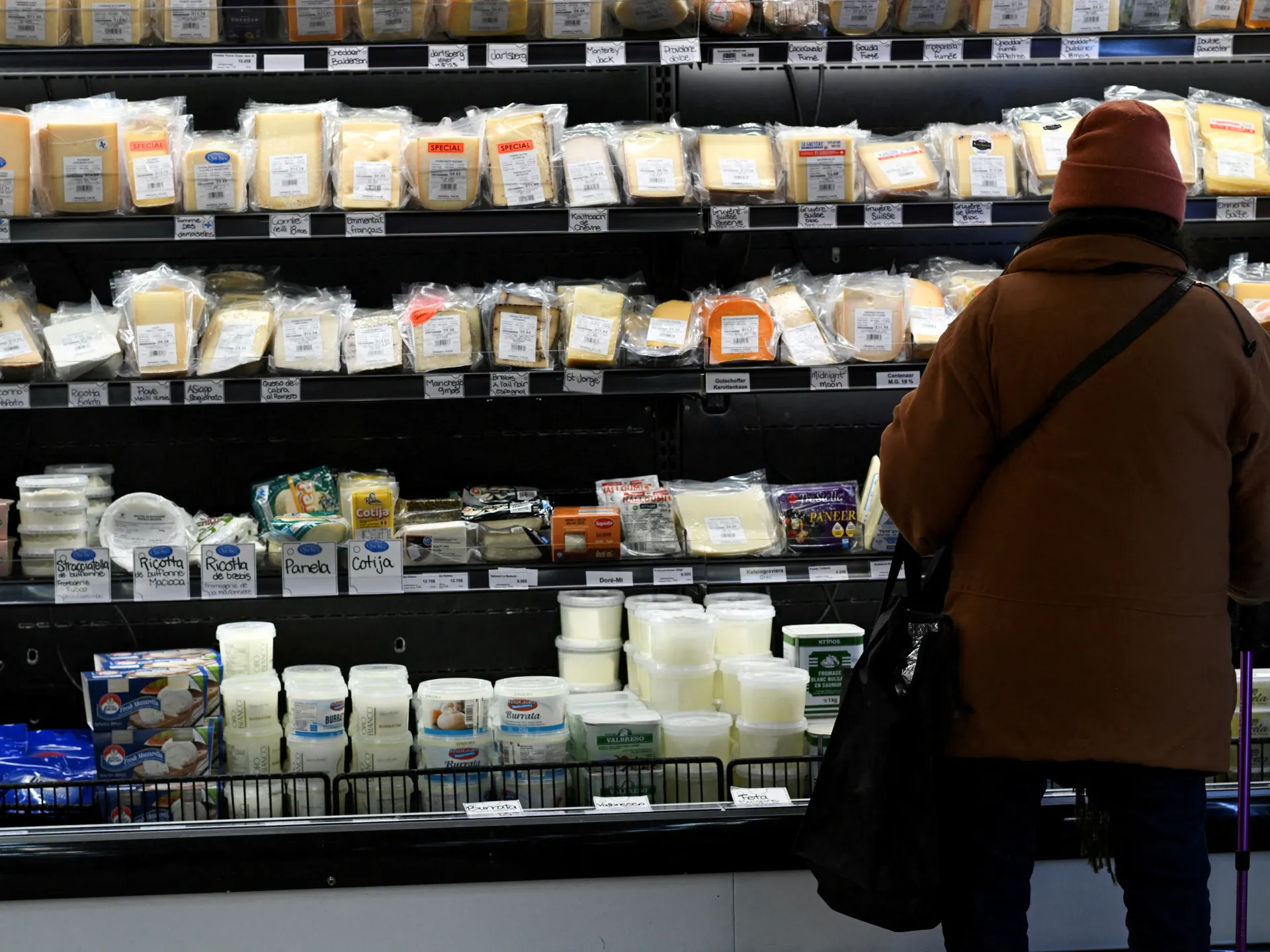
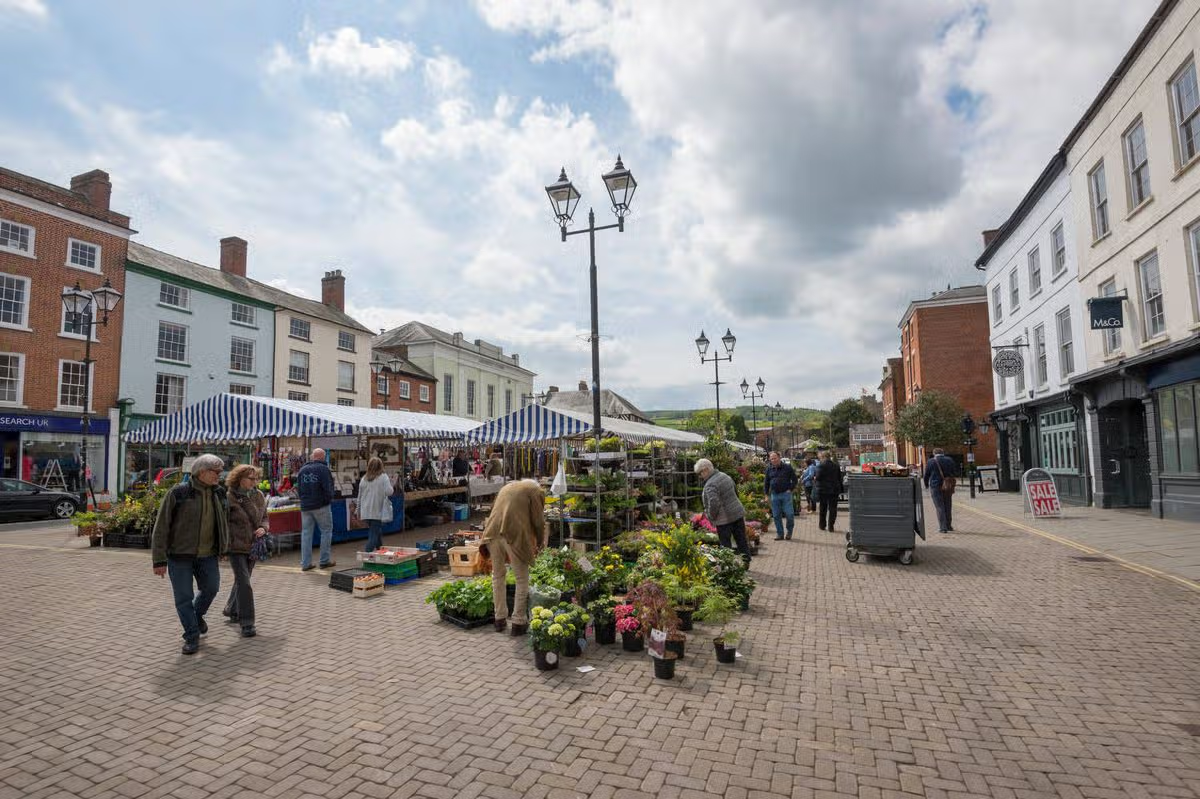








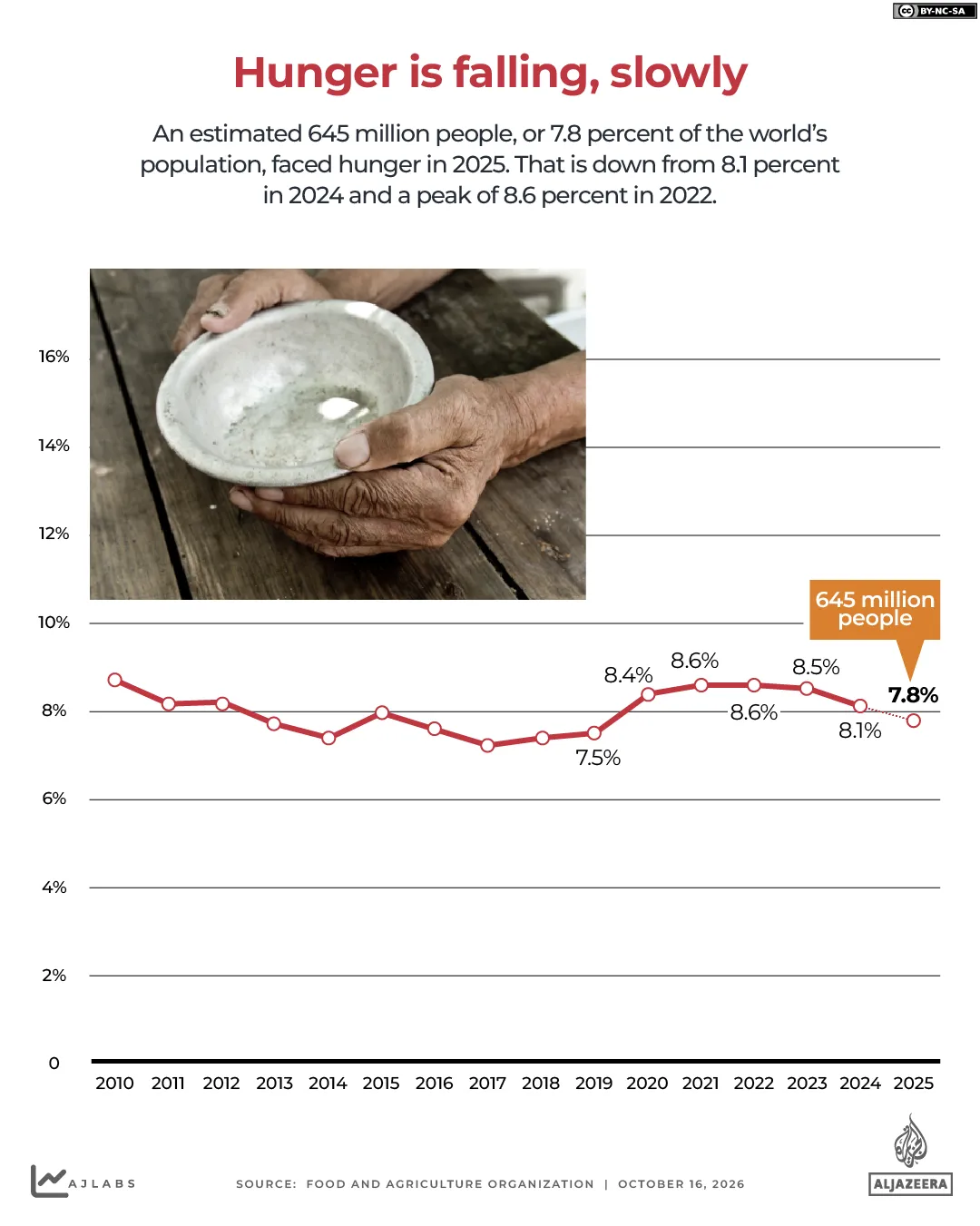




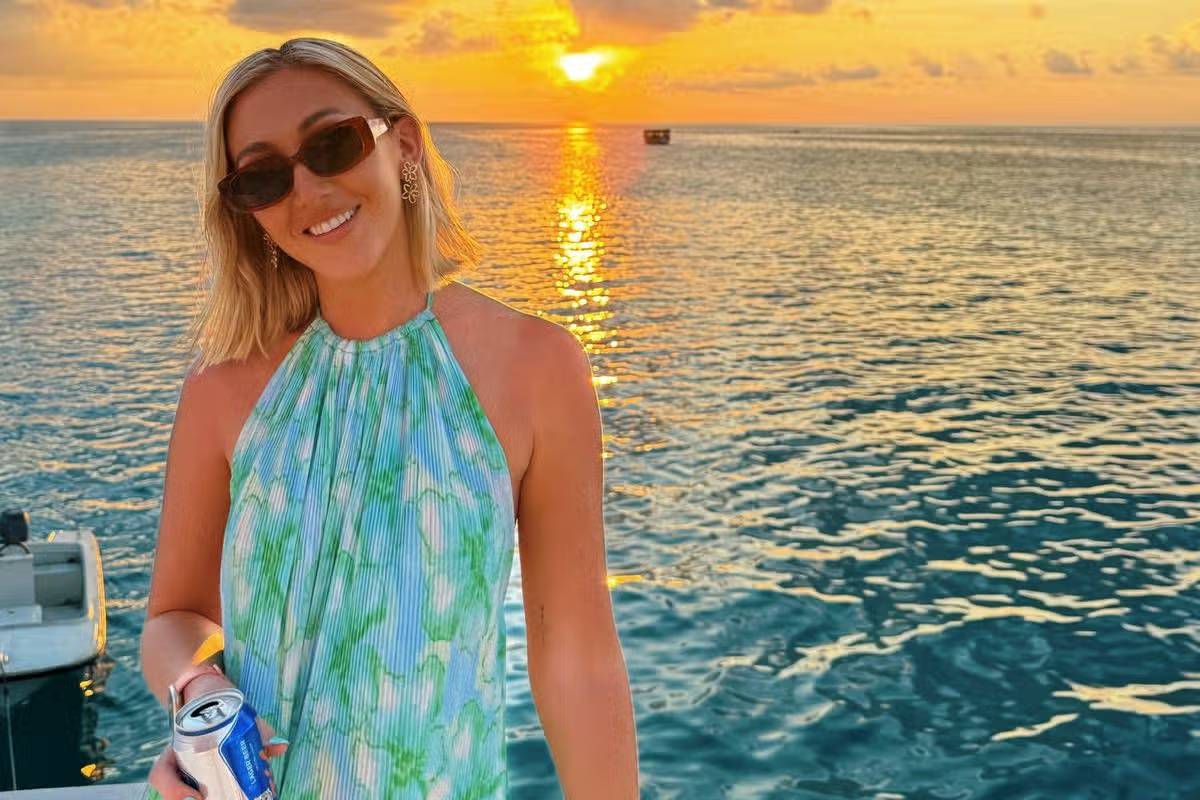




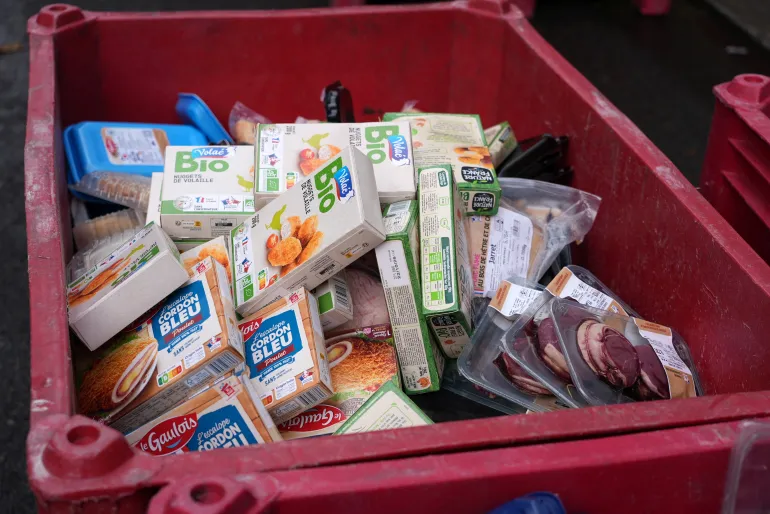

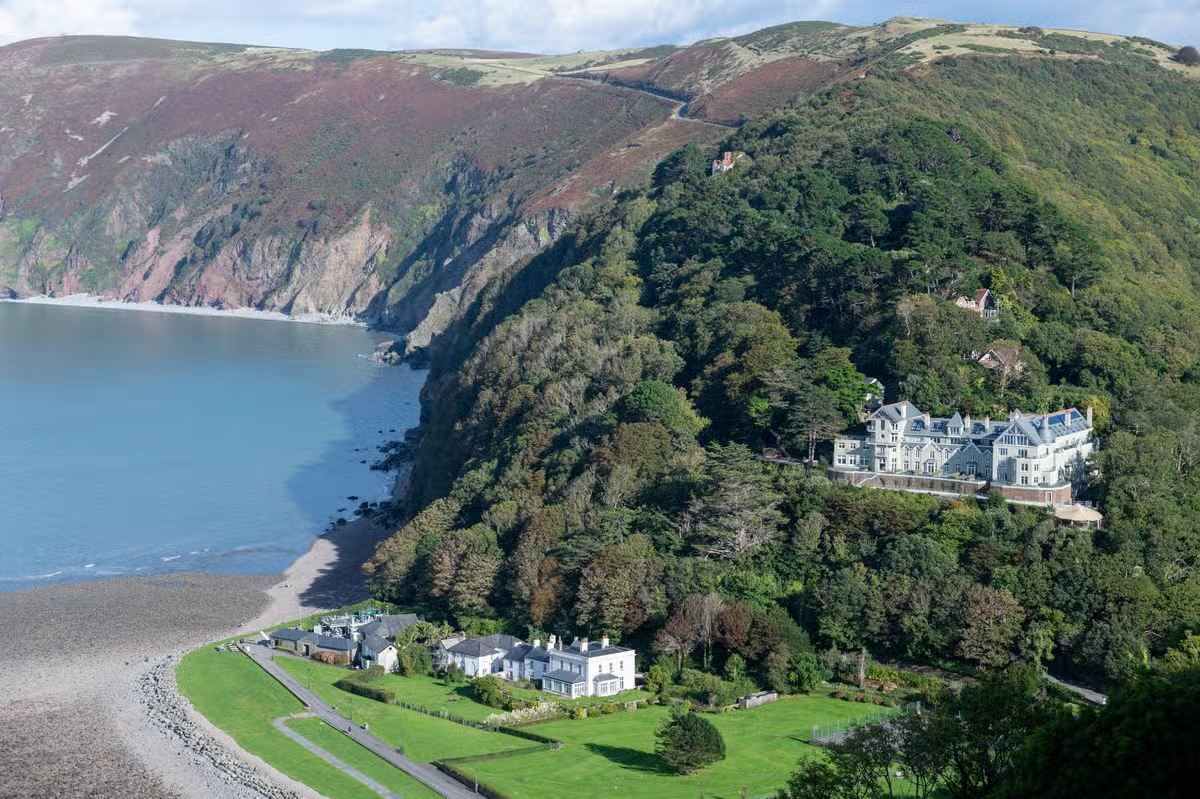

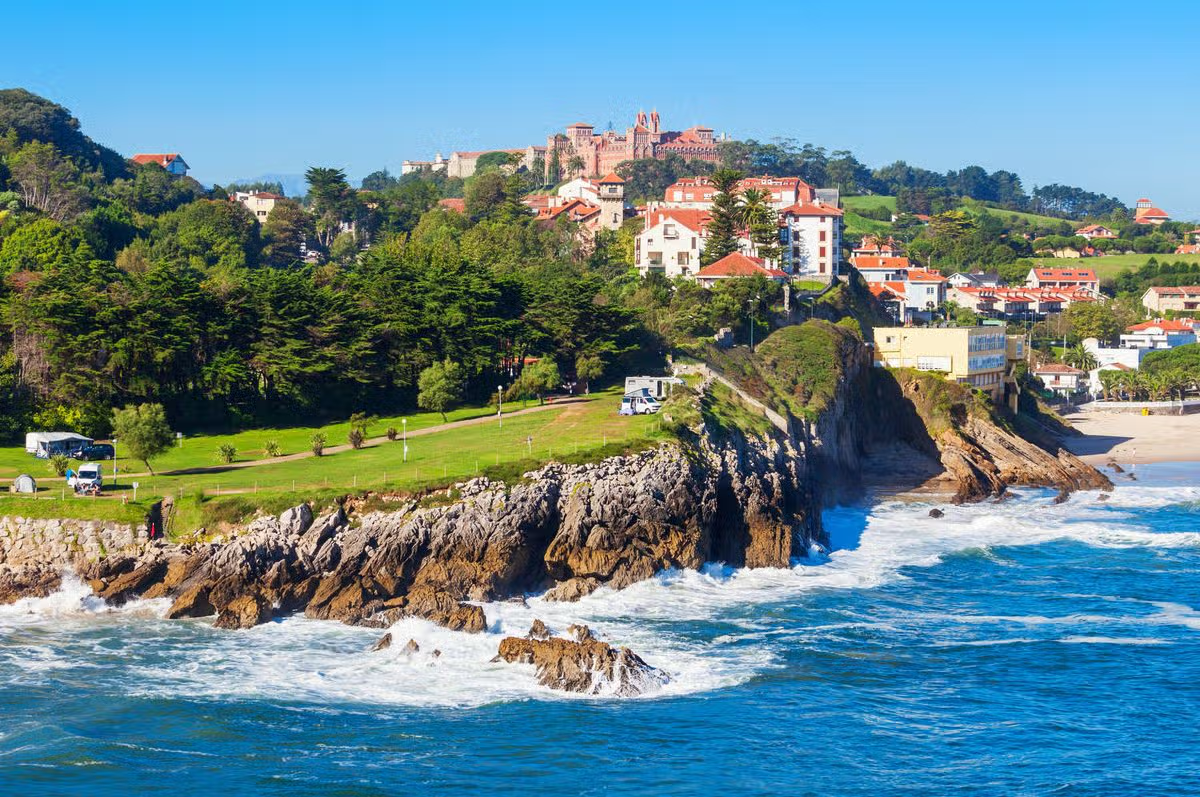


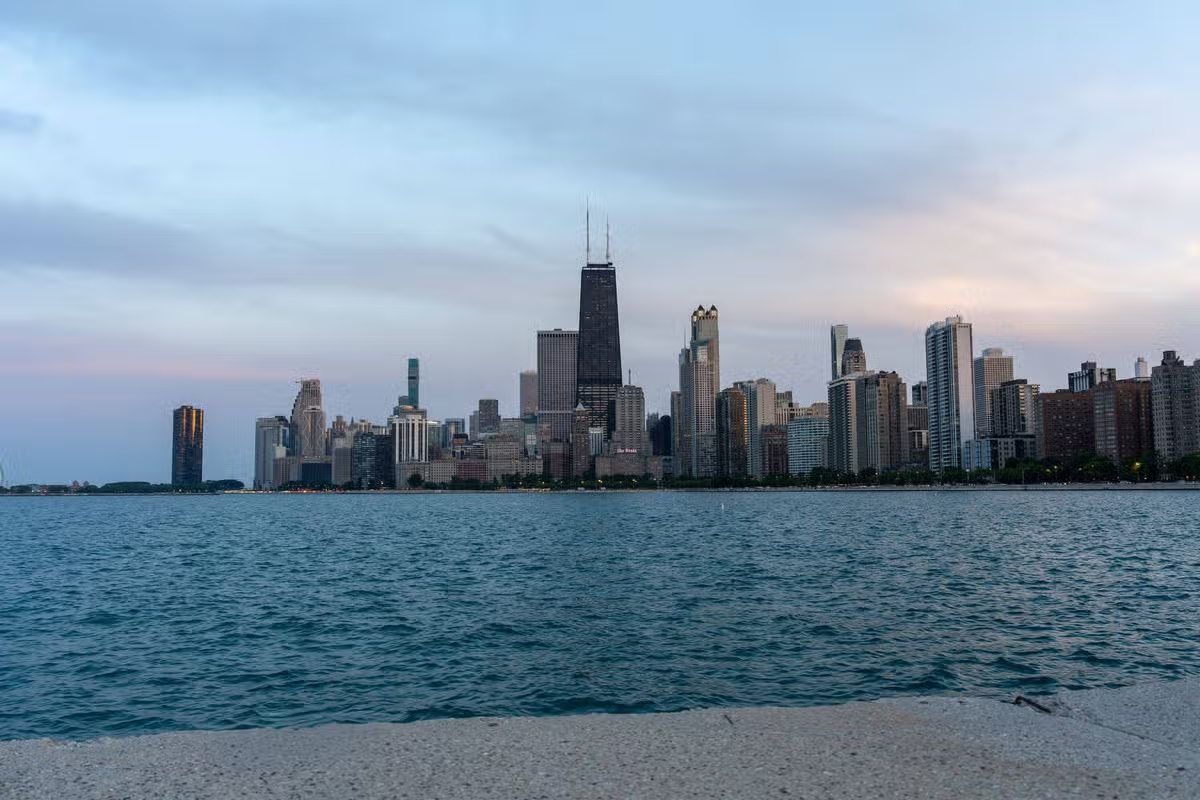

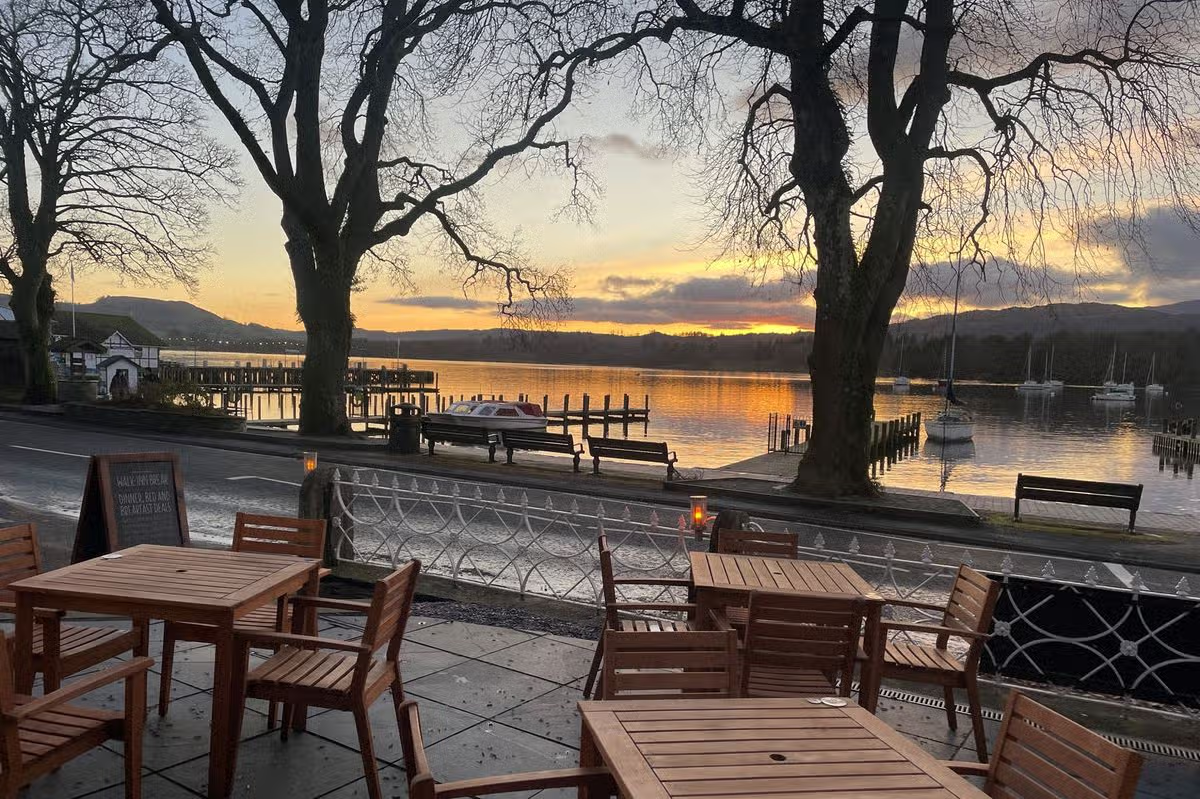







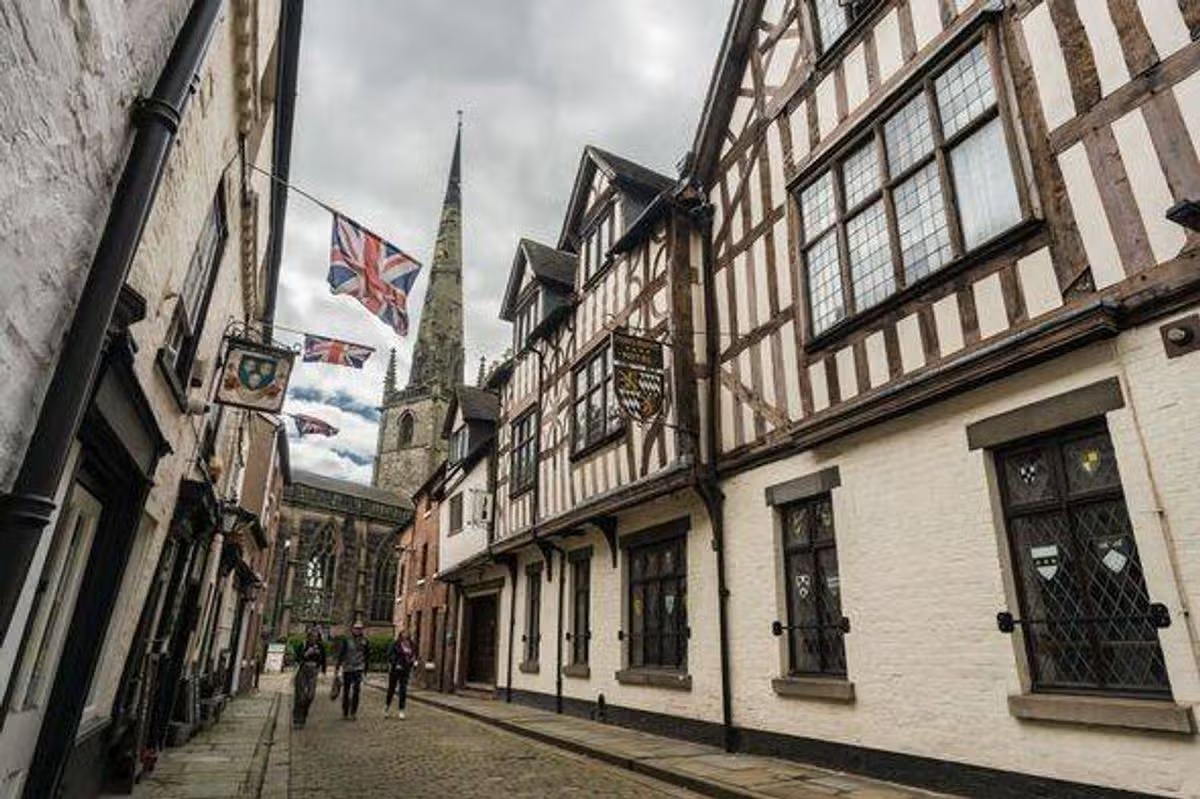

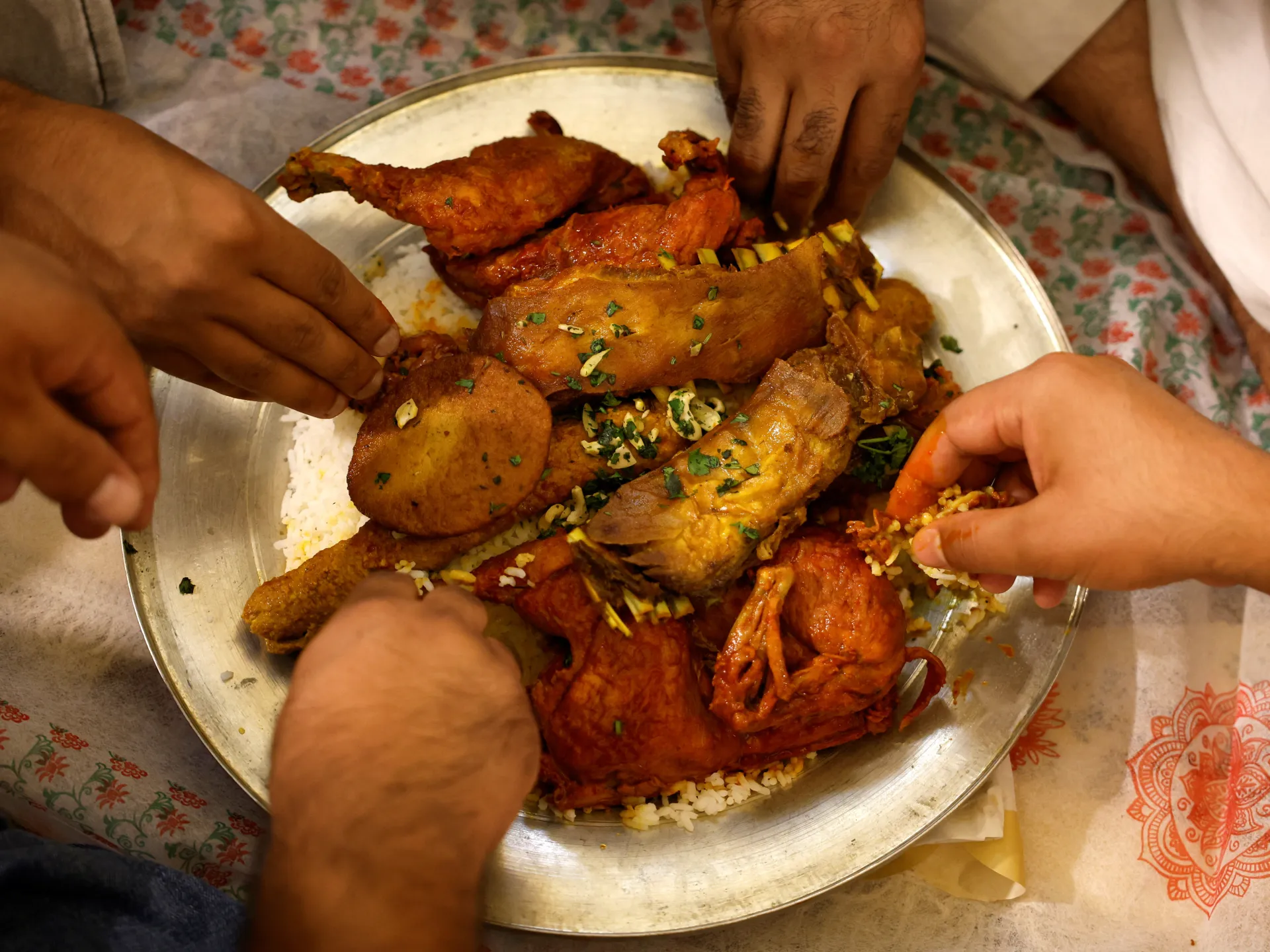
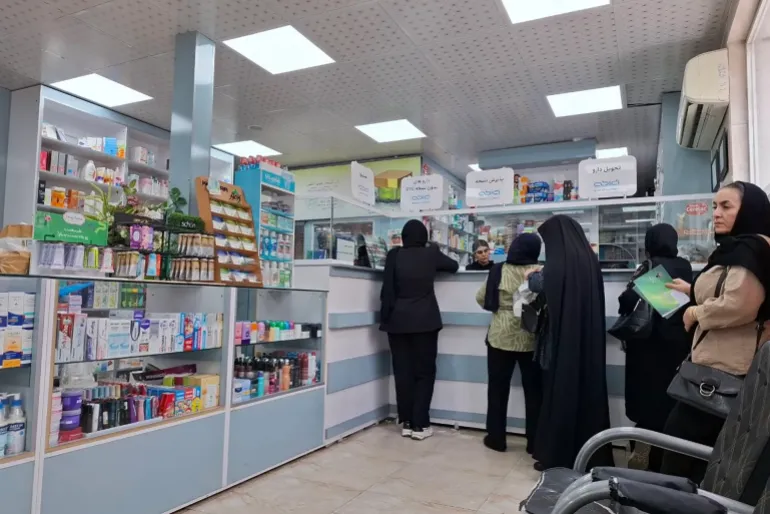
![Women queue at a pharmacy in Tehran [Al Jazeera]](https://i0.wp.com/www.aljazeera.com/wp-content/uploads/2026/09/1arann-1790588624-1790672728.jpeg?w=640&ssl=1)