

Food

Major airline hits passengers with new in flight charge from July

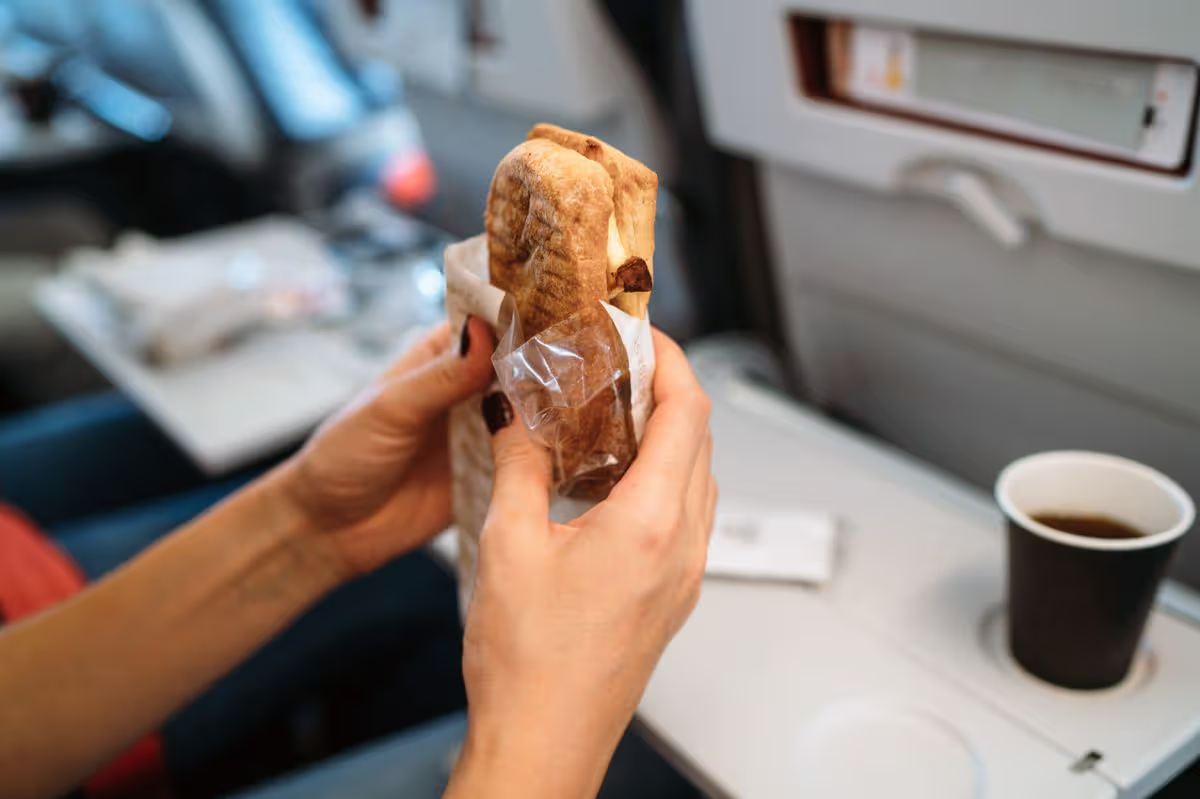
A major airline is cutting complimentary meals offered to passengers on flights with the introduction of a chef curated menu that has to be pre ordered ahead of takeoff

A major airline has announced a new in flight charge that will impact passengers from July, with meals no longer being complimentary.

Hawaiian Airlines services included the free perk of meals when flying between Hawaii and the US mainland.

However, in a recent announcement the airline stated that passengers will not longer automatically receive complimentary meals.

Travellers will now have to purchase pre-ordered dishes from a new menu, between two weeks before departure and 20 hours ahead of takeoff.

Prices are expected to range from about $10 (£7.45) to $17 (approx £12.66) per meal.

However, according to the airline, flights between Honolulu and New York’s John F. Kennedy International Airport, will continue to include a complimentary meal for Main Cabin passengers.

The menu has been curated by Maui-based chef Sheldon Simeon, who developed a menu featuring elevated local favourites including crispy mochiko chicken with garlic noodles, barbecue teriyaki chicken bento, and corned beef hash with eggs.

Passengers will also be able to try signature dishes inspired by Simeon’s restaurants including his popular K mayo, teriyaki sauce, and banana bread syrup.

“At the heart of this transformation is what has always defined Hawaiian Airlines: authentic Hawaiian hospitality,” Alisa Onishi, the Managing Director of Hawai‘i Marketing at Hawaiian Airlines, said in a statement.

“We’re still going to keep the authentic parts of our hospitality, free beverages, free local snacks, (and) the sweet treat at the end of the flight. We’re really proud to offer this new option in our main cabin for our guests to explore and enjoy a little more from our island home.”

The airline added: “By moving to a pre-order model, we’re expanding beyond a single standard meal to offer a broader menu that reflects how our guests want to dine today.”

Business Class and First Class menus are also being revamped, with complimentary snacks remaining available on flights.

Source link

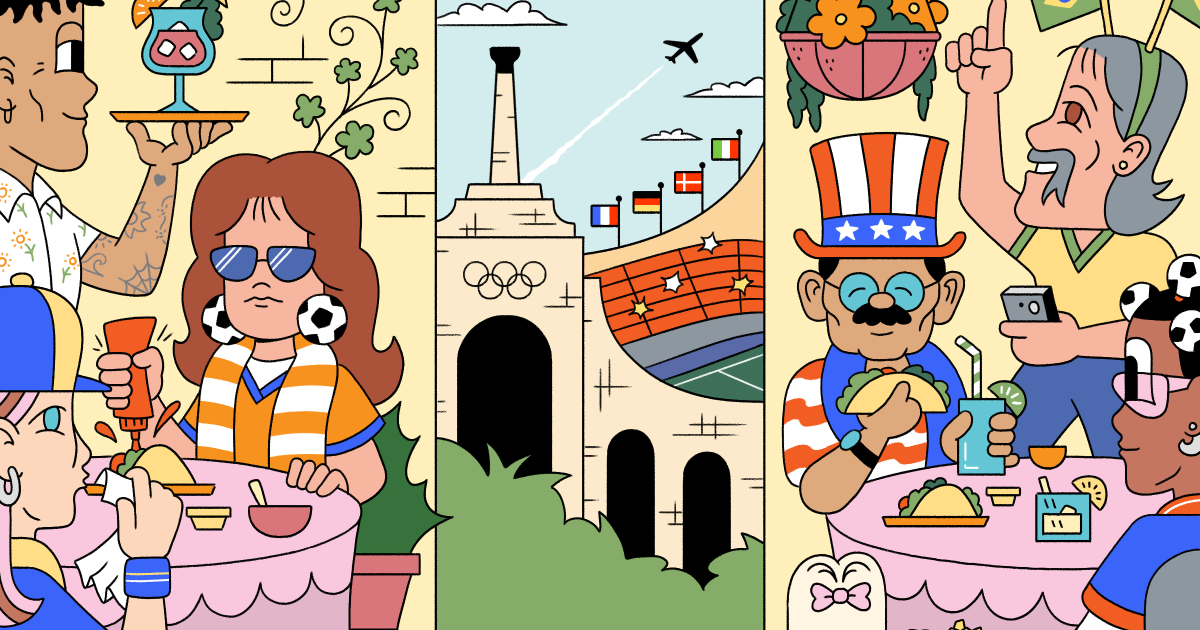
Best places to eat and drink near the L.A. Coliseum

First-timers visiting the 35,000-square-foot Mercado La Paloma, take heed: The line likely trailing out the door and into the parking lot is specifically for Holbox, the most decorated and popular among the market’s seven food vendors. Chef Gilberto Cetina’s mariscos creations are revolutionary in their freshness and jigsaw-intricate flavors. Tuna tostada, scallop aguachile, coctel mixto and smoked kanpachi taco number among must-try dishes. Other wonderful options in the mercado await without the Holbox queues. Begin at Komal, where Fátima Juárez’s quesadillas and tacos, as beautiful as they are delicious, showcase the earthy-fragrant masa she crafts daily from heirloom corn varieties, and Chichén Itzá, where the Cetina family serves lush, orange-scented cochinita pibil and other specialties from the Yucatán. The mercado is such a vital sanctuary for the city that fellow critic Jenn Harris and I ranked it number one on our recent guide to the 101 Best Restaurants in Los Angeles.

Source link

All inclusives are killing one of the best parts of going on holiday

When it comes to jetting away after long months of hard work and parenting, the idea of flopping down on a sunlounger in between trips to the all-inclusive buffet or bar is undeniably tempting

All-inclusive hotels and resorts are slowly killing one of the best parts about going away on holiday.

When it comes to jetting away after long months of hard work and parenting, the idea of flopping down on a sunlounger in between trips to the all-inclusive buffet or bar is undeniably tempting.

However, it’s this very action that is threatening something we all love. Food.

A recent poll of 2,000 holidaymakers found that cuisine is the main reason for choosing a holiday destination for 19 percent, with 25 percent even returning to the same place because of it. Nearly four in 10 always research restaurants and dining experiences, and 17 per cent will put together a wish list of foods they want to try.

But according to the responsible travel firm Intrepid, local delicacies, bars and restaurants are under threat because holidaymakers are increasingly staying in all-inclusive resorts run by large multinational companies, rather than exploring and spreading their cash around.

A survey of 2,000 Brits conducted on behalf of Intrepid by Censuswide found:

  • 51% won’t travel beyond their accommodation to find authentic food
  • 25% eat at a global fast-food chain within 48 hours of arrival
  • 55% of Gen Z say they find comfort in familiar brands like McDonald’s and Starbucks when travelling
  • Over two-thirds of Brits (67%) admit to packing food from home, with tea bags (32%), the most commonly packed item

Award-winning author, food and travel writer, Yasmin Khan, who collaborated on the research, told the Mirror what we risk losing if we stick to the hotel buffet.

“When a traditional dish disappears, we don’t just lose a recipe; we lose a piece of history and heritage,” she said.

Yamin believes that travellers have a responsibility to support the food cultures that make places distinctive and that “when we choose the safety of the familiar over food rooted in local tradition, we can inadvertently contribute to the loss of irreplaceable flavours, techniques and ingredients.”

“As someone who is a tired mum of a toddler, all-inclusives have their place. But I would push back on this idea that they’re the most affordable way to experience a holiday. While some have good food, the majority of the time you’re divorced from where you’re visiting. It could be anywhere. You feel disconnected,” she continued.

“So many of the local bakeries, or the lovely cake shops, the lovely tapas bars, if people aren’t leaving the hotels, they’re under threat. Some of my favourite meals abroad have been some of the spontaneous ones, you’ve eaten something you’ve not heard of before. I also make a point of asking for local recommendations.”

Intrepid has also partnered with Time Out to launch a series of immersive cookery workshops in London, giving people the chance to cook and experience a selection of the ‘endangered dishes’ firsthand. Tickets are on sale now.

Dan Saladino, author of Eating to Extinction, is concerned that less well-known dishes are being wiped out, in part due to the habits of holidaymakers.

“The research identified three primary threats including environmental loss from climate change, cultural dilution due to overtourism, and the disappearance of traditional artisanal skills. We chose dishes like the New York bagel and sushi from Japan because they are, in culinary terms, global icons, yet most people don’t realise the authentic versions of these are actually on the brink of vanishing due to modern shortcuts and mass-market pressures,” he said.

“Food is the most profound link we have to our history, our land, and our identity, yet we are currently witnessing a global collapse of culinary diversity.”

Noel Josephides, the chairman of family‑owned tour operator Sunvil, believes that all-inclusive hotels don’t just threaten food culture, but the very foundations of the sunny destinations loved by Brits.

He refuses to work with all‑inclusives “on principle” and argues that they suck money out of local communities and funnel it towards large multi‑nationals. Local, independent business owners simply can’t compete with the buying power of the big chains, which encourage holidaymakers to stay on‑site rather than going out into the community to spend their cash.

This is not only a major cause of resentment among locals, but it keeps holidaymakers from truly experiencing the destination they’re in, Mr Josephides argues.

“It’s a product that doesn’t really encourage access to local facilities. We know in places like Cyprus and Greece, restaurants have shut down because of all‑inclusives,” he told the Mirror.

“It is not the way to see a country like Greece, but it is perfect for mass‑market tourism from the company’s perspective. In Corfu, there’s a village called Dassia, which has a big all‑inclusive. If you go to that village, it’s dead. Small hoteliers in Paphos have told me, hundreds of restaurants have closed. It is not the right way to do tourism.”

Brian Carrigan has been travelling to sunny destinations such as Menorca, Grand Canaria, and Marjoca each year for the past quarter of a century. In his mind, the biggest problem is the rise of all‑inclusives.

“They starve the local economy of holiday spending. We have never done all‑inclusive due to the fact that the food is substandard and not as good as a locally prepared meal in a nice restaurant,” Brian said.

When I visited Rhodes in 2023 to see how the island was recovering from wildfires that had evacuated thousands of holidaymakers, a number of independent hoteliers and restaurateurs told me how hard times had come in the past decade. While they cited numerous factors, the biggest one in their minds was the arrival of several large all‑inclusive hotels.

The history of the wrap‑around holiday type stretches back to the 1950s, when Belgian sportsman Gerard Blitz pioneered the concept by using army surplus tents to house visitors in Majorca. He was the founder of Club Med, now one of the biggest travel brands in Europe.

The all‑inclusives of today are much more complex and provide so much more to guests than Mr Blitz’s straw hut village that opened in 1952 in Corfu. When I visited Club Med Tignes, I was amazed by not just the ski‑in, ski‑out nature of the property, but the staff on hand to get kids dressed and ready for a day on the slopes, and the incredible buffet on offer three times a day. We’re not just talking chips and pizza, we’re in the world of raclette, fresh fish, and omelets made to order as you watch on.

While Club Med may no longer be a bargain option, many brands offer such good deals that it’d be financially mad not to go all‑inclusive. At least, from the holidaymaker’s perspective.

According to Responsible Travel, all‑inclusive resorts are “usually owned by an overseas company,” and they “sequester most of the tourists’ cash, leaving little behind in the local community, which is impacted by the presence of the resorts.”

“Holidaymakers also use vast quantities of energy and water (significantly more per person than local people) and create large amounts of waste, which some feel is a high price to pay for little commercial return.”

Harold Goodwin, professor of Responsible Tourism at Manchester Metropolitan University, believes all‑inclusives can be forces for good, so long as they work alongside independents, rather than against them. That means building a loyal and skilled local workforce, reducing energy costs and waste, sourcing fresh local produce, and offering an exciting range of sensitively planned excursions.

“An impressive all-inclusive resort can provide employment for local people with a genuine chance of progression – with the right support and training – into managerial roles that are better paid. Indeed, an all-inclusive resort in a developing country could employ far more people locally than several ecolodges ever could,” he told Responsible Travel.

“Notorious for not sourcing locally, there is no reason why a responsible, sustainable all‑inclusive resort cannot support an ‘adopt a farmer’ scheme, or similar – sourcing delicious, fresh, quality produce for its catering needs at a local level.”

Source link

Gaza-bound aid ship begins voyage from Sweden | Military

NewsFeed

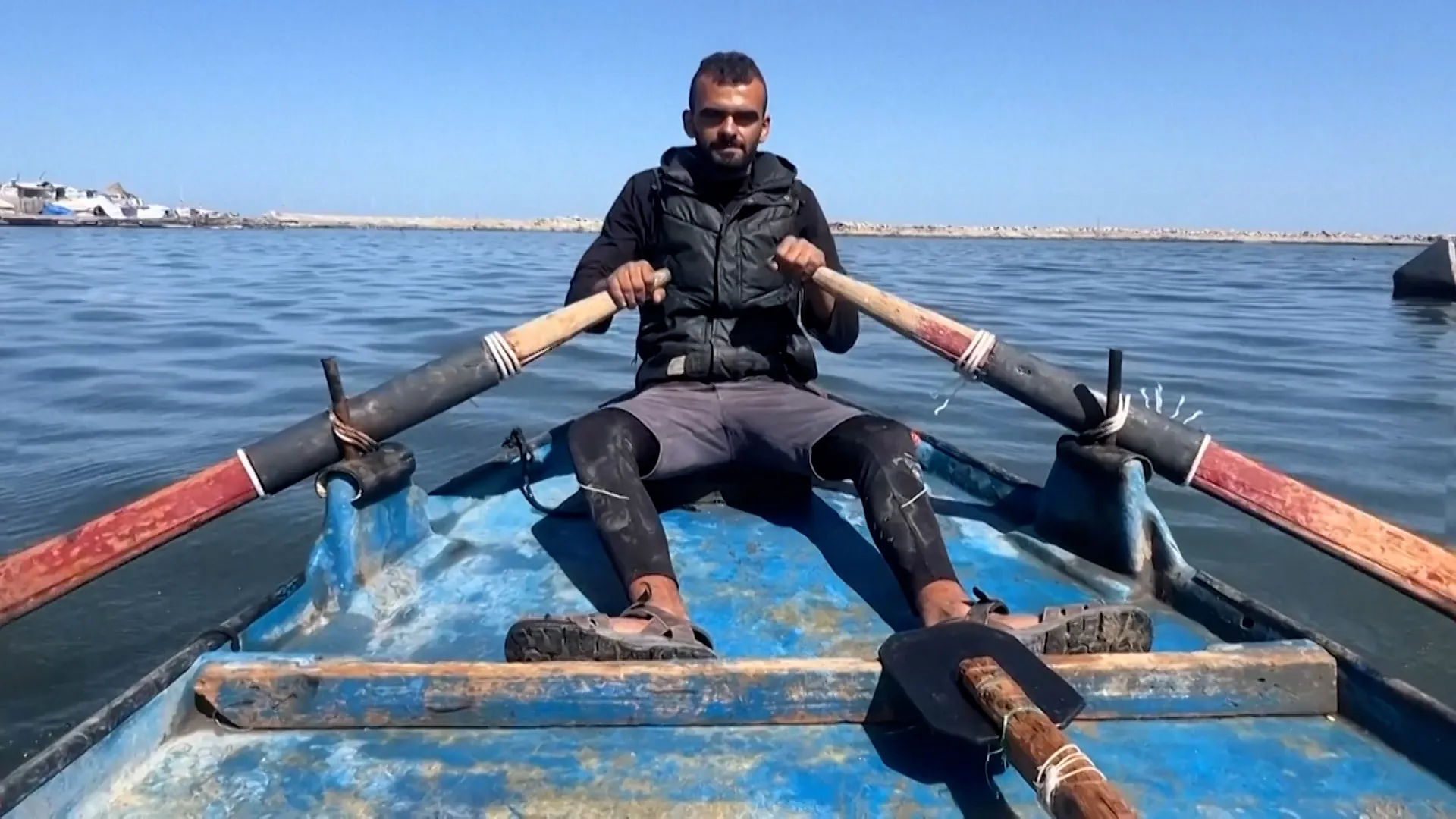
A Gaza-bound ship carrying aid has begun its voyage from Sweden, weeks after Israeli forces abducted activists on a similar mission in international waters. The ‘Handala II’ vessel says it is carrying humanitarian supplies for Palestinians to break the Israeli blockade on the enclave.

Source link

New restaurants and pop-ups to try in Los Angeles in June 2026

Daniel Patterson, the chef behind San Francisco’s Coi, who once helmed Alta Adams alongside chef Keith Corbin, has opened a new tasting restaurant in Hollywood, alongside his wife and former music journalist and producer Sarah Lewitinn. Jacaranda challenges stereotypes of stuffy or restrained fine dining restaurants with a Gen X playlist, casual service and lively conversations among guests. This approach, as Patterson told reporter Stephanie Breijo, better reflects the ethos of Los Angeles, where your next great meal is just as likely to come from a street vendor as it is from a 10-course dinner. The restaurant holds only one seating per night, to allow diners the opportunity to linger as you would at a friend’s dinner party, as well as a multi-course lunch on Sunday.

Source link

Three spa breaks in the UK perfect for a relaxing staycation with delicious food options and workout classes

TAKE this as your sign to grab your faves and book a brilliant spa break.

From Champneys, Tring to The Greenway Hotel & Spa, Cheltenham and a Fab find in Faversham – we’ve got you covered for rest and recuperation.

Champneys, Tring is set in 170 acres of beautiful countryside, and was once owned by the Rothschild family Credit: JACK HARDY

THE FRIENDS’ GET-TOGETHER – Champneys, Tring

Editor in chief Sinead McIntyre and pals found R&R in Hertfordshire.

THE PAD

Set in 170 acres of beautiful countryside, this stately home, once owned by the Rothschild family, gives immediate Downton Abbey vibes, thanks to the sweeping staircases, huge chandeliers and grand fireplaces that are home to roaring fires on cooler days.

As do the rooms, with their opulent floral curtains and plush carpets.

Much to our delight, on arrival we are upgraded to two deluxe suites – mine has a super-king-size bed, adjoining lounge and two bathrooms, as well as stunning views of the grounds.

WAIL OF A TIME

I drove Irish Route 66 with deserted golden beaches and pirate-like islands


TEMPTED?

Tiny ‘Bali of Europe’ town with stunning beaches, €3 cocktails and £20 flights

There is no scrimping on the toiletries here either, with both Champneys and Elemis products, as well as soft white robes and slippers.

The standalone bath is the centrepiece of one bathroom, while the second has an invigorating rainforest shower.

The lounge is the perfect spot for a much-needed gossip, washed down with complimentary bubbles. Champneys, which celebrated its 100th birthday last year, also has more exercise classes than you can shake a stick at, from reformer Pilates to pickleball and HIIT, so we sign up for a legs, bums and tums class, followed by stretch and relax by candlelight.

There are also maps for walks in the extensive grounds and we enjoy a wholesome 45-minute stroll before dinner.

THE SPA

Its spa featured a 25m pool, sauna, steam room and alfresco Jacuzzi Credit: Supplied

With its 25m pool, sauna, steam room, whirlpool and alfresco Jacuzzi, this is relaxation at its best – and that’s before you even book a treatment.

However, definitely do!

My 50-minute Upper Body Bliss massage, £105, using Elemis oils, was absolutely gorgeous and got rid of the tension I was holding in my shoulders after a stressful few months at work.

THE GRUB

The evening menu at Champneys is the star of the show Credit: Supplied by STEVE LANCDFIELD

There are so many delicious food options – stays are full-board, and breakfast and lunch are both buffets with tasty cereals, yoghurt, fresh fruit and bagels each morning and delicious meats, salads and pasta dishes come lunchtime.

But the evening menu is the star of the show.

We loved the pulled oyster mushroom taco and the crab and prawn summer rolls to start, while the sirloin steak with peppercorn sauce and the monkfish curry were both melt–in-the-mouth.

Make sure you leave room for the deconstructed honeycomb cheesecake for pudding, while the cheeseboard is also a winner.

OUT AND ABOUT

Forget it, you’re here to chill and chat.

BOOK IT

Full-board stays at Champneys, Tring, cost from £210 per person, per night (Champneys.com).

THE COUPLE’S ESCAPE – The Greenway Hotel & Spa, Cheltenham

Senior Assistant Editor Sarah Barns and husband Patrick cosied up in the Cotswolds.

The Cotswolds is pretty inside and out Credit: Supplied

THE PAD

Suite dreams at The Greenway Hotel & Spa Credit: Kieran Brimson

Throw open the velvet drapes, take in the stunning views and relaaaax. Winner of four AA Red Stars, this gem, just 13 minutes’ drive from Gloucester train station, offers the perfect rural recharge.

The Elizabethan manor house blends historical charm with modern luxury, and although there are 21 newly refurbished bedrooms to choose from, our pick is the Manor Suite, where the bed is so large you can both starfish, the marble bathroom comes with a bath and walk-in rainfall shower, plus there’s a cosy living area.

THE SPA

Make a splash in the hydrotherapy pool Credit: Kieran Brimson

Take a dip in the hydrotherapy pool and outdoor vitality pool, sweat it out in the sauna and steam room, and indulge in a TempleSpa treatment at the Elan spa, awarded five bubbles by the Good Spa Guide.

Hot stone massages, which use warm basalt stones (essentially giant black rocks) to harmonise energy points throughout the body, fixed our tense muscles and helped us instantly de-stress.

The Rocks Of The Mediterranean 75-minute treatment costs from £119 per person.

THE GRUB

Posh picky bits at The Garden Room Credit: Supplied

The Garden Room restaurant, run by talented head chef Abhijit Dasalkar, offers a brilliant value à la carte dinner.

Think treats like Cornish crab with lemon, yuzu gel and edible flowers – one of the prettiest plates I’ve ever seen – and beef wellington served perfectly pink.

Three courses cost £67.50 per person.

Opt for the veggie Full English come morning – it’s a winner.

OUT AND ABOUT

Hit Cheltenham, 15 minutes’ drive away, for indie shops, as well as faves like Jo Malone, Toast and Reiss, plus Regency architecture.

Hatchards bookshop gives Hogwarts library feels, and Society Coffee serves up excellent flat whites, £4, and scrumptious chocolate cruffins, £3.95 (Society-cafe.com).

A short walk from the hotel is the Leckhampton Loop, a four-and- a-half-mile amble in gorgeous Cotswolds scenery.

Some parts are hilly, so you’ll have earned your lamb roast, £25.95, and sticky toffee pudding, £8.95, at The Frogmill (Thefrogmill.co.uk).

BOOK IT

B&B for two costs from £97 per person, including 90 minutes of spa use (Thegreenwayhotelandspa.com).

A fab find in Faversham

Enjoy the therapeutic heat of the Finnish barrel sauna Credit: Supplied

You don’t need a swish spa hotel in this Kent town, says Contributing Picture Editor Ruth Greatrex.

Embracing the therapeutic heat of the Finnish barrel sauna, my friend Katie and I gaze out at the vivid green fields, our skin slathered with sea-salt scrub, fragrant with rose petals and uplifting orange oil.

Staff are poised to bring juices, kombucha, or even a cocktail at the ding of a bell, too.

Once suitably baked, we brave the chilly overhead water bucket, then plunge into the ice-cold barrel.

A restorative soak in the wood-fired hot tub later, we both emerge with baby-soft skin and feel thoroughly revived.

A 90-minute session costs from £18 per person (Seascrubsauna.co.uk).

This Sea Scrub Sauna sits on the site of Macknade, one of England’s best farm shops and a family-run spot where apples and hops have grown since 1847.

We grab lunch at the new street-food village, digging into miso cream mushrooms, £11, at Hop Shed Bar & Kitchen, washed down with zingy Faversham bacchus, £9 a glass, and finishing with brown butter popcorn ice cream, £4.15, from Bears Ice Cream, before checking out the amazing food hall (Macknade.com).

Family-owned country estate Mount Ephraim Gardens is 10 minutes’ drive away and offers rooms.

We play ladies of the manor, strolling through the pretty rose gardens and even spy the sea from the Sir Edwyn Suite, which has a freestanding bath.

Double rooms cost from £150 per night (Mountephraimgardens.co.uk).

Come morning, we’re tempted back to Macknade for pancakes with blood orange and rhubarb compote, £12.

Although there are HIIT and spin classes on offer, I go for a soothing hot-stone aromatherapy massage, from £35 for 30 minutes (@Serene_ massage_therapies).

You don’t need long here to rediscover your zen. . .

Source link

Coronation Street Daniel’s troll truthteller ‘exposed’ – but its not Jodie

Coronation Street scenes that aired on Friday night’s episode have suggested that Jodie Ramsey may not be the person behind the anonymous trolling about Daniel Osbourne

Coronation Street has seemingly confirmed that Jodie Ramsey is not behind the anonymous trolling that is ruining Daniel Osbourne’s life on the ITV soap.

The teacher has been played by Rob Mallard for over a decade and his latest drama has seen him trying to come to terms with the fact his ex-girlfriend Megan turned out to be a paedophile who had been abusing teenager Will Driscoll.

To make matters worse, an anonymous social media known only as Truthteller has been spreading malicious lies online about him, claiming that he is as bad as Megan. What he doesn’t know is that Shona Platt’s long-list sister Jodie , who broke into his flat and now looks set to become his girlfriend, was the one behind it all. But there was another twist in store as, with the abusive messages having suddenly stopped and the account wiped, Daniel, Jodie and the family went for a meal at the Bistro.

But almost as soon as they sat down, a new account, creatively named Truthteller2, popped up. Exasperated, Jodie said: “What?! How has that happened? and then said: “It must be someone else. Why would the Truthteller become their own sequel?” but Tracy suggested: “Well, maybe to hide their own identity…”

The latest nasty message was claiming Daniel should have Bertie taken off him, and it had come through just moments before, so he suggested it could be someone who was sitting in the restaurant with them all at that very moment. With Jodie having ruled herself out of being beind the new account, this means that, by Daniel’s way of thinking, it could’ve been Tracy, or Adam Barlow, Alya Nazir or Leanne Battersby.

Viewers of the ITV soap will also know that Sam Blakeman, who was the first to suspect Megan’s relationship with Will, has been experiencing hallucinations as he deals with the trauma caused by his threatening teacher. But following the scenes that aired on Friday night, fans think that it could be someone else entirely.

Taking to X, one fan said: “Jodie is definitely going to pay someone else to play Truthteller to ensure the heat is off her?” whilst another said: “Well, it can’t be our Jodie trolling Daniel. She’s sitting next to him.”

But others are still convinced that Jodie is still the one pulling the strings. One fan said: “Jodie using the name truth teller is pretty funny since I don’t think she’d tell the truth about anything unless there was something in it for her & living under Daniel’s roof doesn’t stop her,”

Taking to Reddit, another said: “I assume that Jodie is a psychopath. I actually knew (past tense) a woman with psychopathic traits who tore up 2 family/friend groups, and caused permanent damage to some friendships. She was outed in the end, but not before the damage was done. I assume this is where they’re going with Jodie.”

Another said: “I am genuinely just impatiently waiting for Jodie to be exposed. It’s driving me nuts. Can’t wait for the “the IP address is coming from INSIDE your house!?” moment.

They have to go down psychopath route surely because most of her behaviour is totally nonsensical but always manipulative and self interested. She seems to want to keep Daniel weak so he needs her? Idk. Can’t wait for David to have his “told you so” moment too.”

Coronation Street airs Monday to Friday at 8:30pm on ITV1 and is available to stream from 7am on ITV X.

* Follow Mirror Celebs and TV on TikTok , Snapchat , Instagram ,Twitter ,Facebook , YouTube and Threads .


Source link

Iran government sells subsidised meat for Eid al-Adha under blockade | US-Israel war on Iran News

Eid al-Adha, one of the most important dates in the Islamic calendar, comes at a critical time for Iranians this year.

Meat from sacrificed animals is often eaten at Iranian tables, but a blockade on Iranian ports and sanctions by the US has led to escalating costs across the country.

Unlike Nowruz, the Persian New Year, Eid al-Adha is not as widely celebrated in Iran, but mosques and other institutions still observe the ritual of animal sacrifice, known as qurbani, through authorised livestock and slaughter centres.

Here, animals are sacrificed according to Islamic law in a hygienic environment. But another goal of the network is to control runaway inflation by offering meat at lower prices than market rates.

Meat substitutes

A Tehran municipality body announced on Tuesday that each kilogramme of sacrificial meat would be sold at 7.4 million rials ($4.30) at designated shops.

The price for a similar cut on the market can be more than three times that, depending on its quality and the location of the butchers. The minimum wage is currently less than $100 per month in Iran.

“I usually buy meat for a stew or a few dishes around every three weeks; for some families in the neighbourhood, it has become a sort of luxury,” said a middle-aged woman, who lives with her husband and son in Tehran.

She told Al Jazeera that chicken, eggs and legumes have become replacements for red meat, but the costs of these staples have significantly increased, too.

Masoud Rasouli, a meat-packing industry representative, told the state-linked Mehr news agency earlier this week that demand for red meat has decreased by 50 percent compared with last year.

He said some meat was imported to counter any effects of the US blockade, but local demand is currently so low that “existing livestock population is enough for all the needs of the market”.

Data released by the state-linked Iranian Labour News Agency this week showed that the current cheapest government-announced price for one kilogramme of meat during Eid is equal to the price of a 50kg live sheep 10 years ago.

According to the Statistical Center of Iran, year-on-year inflation stood at more than 73 percent in the first month of the Persian calendar year that ended in late April.

Iranian rice was up by 173 percent and chicken by 191 percent in that month compared with a year before, while liquid cooking oil more than quadrupled. Figures for the next month are expected to be worse.

Controlling inflation

Price-control measures – which have been implemented by authorities to fight a decade of rampant inflation – have been unable to adequately compensate for the ever-decreasing purchasing power of Iranian households living under local mismanagement and US sanctions – and now war and a blockade.

A young man working at a butcher shop in southwestern Tehran said they have had to increase prices several times over recent months after suppliers announced hikes.

“Our sales were a bit higher today because of the Eid, but we see even our most frequent customers far less these days. Most of the conversations with the customers are about the prices,” he told Al Jazeera.

Iran and the US have been holding negotiations through regional mediators to potentially end the war. But amid exchanges of fire and inflexibility over demands, no breakthrough has emerged even as both sides say a memorandum of understanding has mostly been negotiated.

Religious messaging

Beyond greetings and congratulatory phone calls with regional peers, Iranian authorities also used the Muslim festival this year to issue political messages.

On Wednesday morning in the capital, the authorities organised a large prayer to mark Eid at the University of Tehran, which was led by ultraconservative Ayatollah Ahmad Khatami.

He said that “submitting to humiliation” is an example of “evil” and the height of vice, at a time when he believes the other side, the US, seeks a surrender from Iran.

“Your enemies, the Iranian nation’s enemies, and this mad enemy sitting in the Black House – which is wrongly referred to as the White House – want your humiliation. But this madman will take that wish to his grave,” he said about US President Donald Trump.

Khatami, a member of the powerful Guardian Council and the clerical Assembly of Experts, also praised the supporters of the government who have taken to the streets every night for almost three months and said this “unprecedented” phenomenon would be repeated on the nights of Eid al-Adha.

President Masoud Pezeshkian had a relatively softer approach, but his comments were still laden with religious symbolism.

“In today’s turbulent world, where the fire of tyranny, occupation, and the arrogance of the hegemonic powers burns bright, Eid al-Adha conveys the message of dignity, liberty, and fearlessness in the face of the pharaohs of our time,” he said.

Foreign Minister Abbas Araghchi said in a message on Wednesday that he hoped for harmony in the Muslim world, amid this difficult time for the region.

“We pray that, by the auspiciousness and blessing of this great Eid, we will witness the deepening and strengthening of Islamic solidarity for cooperation and mutual assistance in confronting war, discrimination and occupation, especially in the West Asia region, and that our world will return to the path of reviving peace and justice,” he said.

Source link

How badly is Europe affected by fertiliser shortages due to the Iran war? | Food News

European Union agriculture ministers are meeting in Brussels to discuss the availability of fertiliser as the war on Iran disrupts global supply chains.

The talks come as the European Commission pushes a new Fertiliser Action Plan aimed at supporting farmers who face a significant rise in costs for fertilisers. It is hoped the measures could boost agricultural production and reduce Europe’s dependence on food imports.

Recommended Stories

list of 4 itemsend of list

The plan includes possible fertiliser stockpiles, emergency support for farmers and measures to increase imports from countries other than Russia and Belarus, which are involved in the war with Ukraine.

It comes amid disruption in the Strait of Hormuz caused by the US-Israel war on Iran. The vital shipping route normally carries about one-third of the world’s seaborne fertiliser trade, raising fears that rising fuel and fertiliser costs could place further pressure on farmers already struggling with high expenses.

While the EU is less directly impacted by fertiliser shortages than some other parts of the world, disruptions to supplies have exposed divisions within the bloc about how to protect food supplies and shield farmers from rising costs.

How exposed is Europe?

Europe imports large volumes of fertiliser, bringing in two million tonnes of ammonia, 5.8 million tonnes of urea and 6.7 million tonnes of nitrogen fertilisers and mixtures in 2024, according to EU data.

The EU also produces its own nitrogen fertiliser, but this depends heavily on imported gas. When conflicts in the Gulf region pushes up gas prices, it also makes fertiliser made inside Europe more expensive.

The blockade has raised concerns over global food security, particularly in Africa and South Asia, where countries are more dependent on Gulf supplies.

The Middle East accounts for only about 3 percent of the EU’s ammonia imports and 1 to 2 percent of its nitrogen fertiliser imports, so the blockade of the Strait of Hormuz has not significantly affected European supplies.

But the bloc is still being hit through higher global prices and rising energy costs because European nitrogen fertiliser is made using gas, which has increased in price due to the disruption in the strait –  while some countries are more at risk to rising costs due to low stockpiles.

Nitrogen fertiliser prices in Europe are now about 70 percent above their 2024 average, according to reporting on the commission’s plan.

That vulnerability became clear after Russia’s full-scale invasion of Ukraine in 2022, when soaring gas prices forced several European fertiliser plants to scale back or temporarily shut down because production was no longer profitable.

The commission says its new plan combines immediate measures to improve affordability and security of supply with longer-term steps to strengthen domestic production and reduce dependence on imports.

What is the EU proposing?

The plan includes emergency financial support for farmers through the EU agricultural budget, liquidity schemes and more flexible advance payments under the Common Agricultural Policy.

The commission is also looking at ways to support farmers who reduce their reliance on synthetic fertilisers, including through bio-based alternatives and more efficient fertiliser use.

In a second measure, the EU has moved to suspend duties on some nitrogen fertilisers, including urea and ammonia, from countries other than Russia and Belarus. Some nitrogen fertiliser imports currently face tariffs of between 5.5 and 6.5 percent. The Reuters news agency reported that the suspension could save importers about 60 million euros ($68m).

European Commission President Ursula von der Leyen said the plan was aimed at building “a stronger European fertiliser industry” while supporting farmers and accelerating “sustainable, home-grown solutions”.

But Irish Agriculture Minister Martin Heydon warned that rising fertiliser prices caused by the Middle East crisis would affect the cost of food production and the competitiveness of European farmers.

“The rise in fertiliser prices as a result of the Middle East crisis will impact on the cost of food production and, consequently, on the economic sustainability and competitiveness of European farmers,” he said.

Which countries are most exposed?

The impact is not evenly spread across Europe, with Ireland particularly vulnerable because it has little domestic fertiliser production and depends heavily on imports. Its livestock-heavy farming system also relies on nitrogen fertiliser for grassland, with many farmers buying supplies between February and September.

Ireland imported 1.7 million tonnes of fertiliser in 2025, leaving farmers exposed to international price swings.

Other countries are better prepared. Finland has long maintained security-of-supply stockpiles that include fertiliser, grain and fuel. Sweden has also announced plans to stockpile fertiliser, seeds and grain as part of its “total defence” strategy after joining NATO.

There are also divisions inside the EU over how far Brussels should go. Italy and France have pushed for relief from the bloc’s Carbon Border Adjustment Mechanism, which adds costs to carbon-intensive imports.

Some farming unions argue that the carbon levy has become another cost for farmers at a time of crisis. Environmental groups, however, have warned Brussels not to weaken nitrogen pollution rules, saying that doing so could increase pollution and health costs if excess nitrates enter water supplies.

Poland and Germany, meanwhile, home to major nitrogen fertiliser producers, have been more focused on opposing any measures that could weaken protections for domestic industry – and are therefore more opposed to reducing levies on imports.

Will food prices rise?

EU officials are not expecting an immediate food price shock, with many farmers in the bloc still using fertiliser bought long before the Iran war disrupted supply chains.

But officials are concerned that higher fertiliser costs could create problems in supply chains later in the year. Fertiliser affects food prices with a delay, as gas becomes fertiliser, fertiliser then feeds crops, and crops eventually become food – so the effects are often felt up to six months after the initial disruption.

Meanwhile, there are fears that anger in rural areas already hit by higher fuel, energy and input costs could lead to a backlash against green policies in the EU at a time when right-wing and populist parties are gaining ground in Europe.

But Europe still remains less exposed than many regions. The most severe risks are in countries more dependent on Gulf fertiliser and energy supplies, especially in parts of Africa and South Asia.

Source link

Major cruise line to FINE passengers who take food from the buffet to their rooms

TAKING a cheeky croissant or two away from the buffet for a midday snack in your cabin seems harmless – but one cruise ship is cracking down on it.

Costa Cruises has said it will start fining passengers €60 (£50) who take buffet food away to eat it in their rooms.

Costa Cruises say the fine is to ensure ‘guest safety’ which is its ‘top priority” Credit: Alamy
Its passengers who take buffet food to their cabins could face a £50 fine Credit: Alamy

Follow The Sun’s award-winning travel team on Instagram and Tiktok for top holiday tips and inspiration @thesuntravel.

Costa Cruises recently told its passengers that they will be implementing the ‘cleaning fee’ if it finds evidence of anyone eating buffet food outside of the designated dining areas.

The cruise line told Sun Travel that “guest safety and well-being are our top priority.”

They continued to say: “On a limited number of specific sailings, onboard communication was shared as a preventive and deterrent measure, in line with our existing policies, to encourage guests to [have] responsible behavior.

SAVE IT

Seaside holiday parks that still have VERY cheap summer deals, from £2.29pp a night


LAST MINUTE

All the CHEAPEST holidays you can still book for May half term – from £163pp

“Costa Cruises remains committed to ensuring a high-quality, safe and enjoyable experience for all guests on board.”

The new policy is only for food being taken out of the dining areas, not room service, which is available 24-hours a day. 

The news of the fines has been met with both positivity and criticism by cruise-goers.

On an Instagram post by unrealcruises, there were plenty of comments, one said: “Zero chance I’d pay that fine. Make breakfast in bed for my wife every morning by bringing food back. Who cares where you eat the included food.”

The new fine has had mixed reactions from passengers Credit: Alamy

Another stated that they enjoyed eating food from the comfort of their balcony.

However others have said that it will be good as there’s “nothing worse than plates and cups lining the hallways”.

Costa Cruises, a brand owned by Carnival Corporation, is based in Italy, and offers sailings through the Mediterranean, Caribbean and South America.

It also heads to Asia, the Canaries, Northern Europe including the fjords – and there are mini cruises too.


Source link

Not Brighton or St Ives – Seaside town with great food that’s one of UK’s cheapest

If you’re looking for a cheap UK seaside getaway, one beautiful town has been named among the best and most affordable to visit, with five-star food and a historic castle

Here in the UK, there are countless stunning seaside towns worth exploring, and they’re even more spectacular when the sun is out. But it’s well known that taking a holiday in the UK can sometimes cost more than travelling overseas.

Luckily, the consumer experts at Which? have carried out research into the best and most affordable seaside towns to explore in the UK. And securing one of the top spots is Stonehaven, a charming fishing town with excellent beaches and even better food and drink. According to the experts, costs average at approximately £90 for an overnight stay here on the northeast coast of Scotland.

This scenic harbour town, situated just a brief drive south of Aberdeen, has a rich history, coastal views and authentic Scottish character. One of the town’s main attractions is Dunnottar Castle, a medieval fortress perched on a rocky headland.

Following the cliffside route from the town to the castle ruins provides you with sweeping views of the North Sea, while the town’s lively harbour is an ideal spot to relax and observe the boats arriving.

Stonehaven’s beach is also hugely popular, earning a 4.2 out of five star rating on TripAdvisor. One delighted reviewer said: “This is such a lovely beach! It has a great promenade from the top of the beach where cafes are right to the harbour.

“We had fabulous weather dry and sunny so made the views spectacular. Well worth a visit.”

According to the most recent seaside town survey conducted by the experts at Which?, Stonehaven is also highly rated for its food and drink offerings.

It achieved a five out of five star rating for its culinary scene, making it a particularly brilliant destination for seafood lovers,

The Tolbooth Restaurant is an absolute must for the freshest catch of the day, while the Marine Hotel serves up classic pub grub such as fish and chips, steak or beef stew.

For those with a sweet tooth, Aunt Betty’s is the place to be, where you can treat yourself to an ice cream and savour it while strolling along the shoreline. And for the ultimate Scottish treat , a trip to The Carron Fish Bar — the birthplace of the world-famous deep-fried Mars bar — is unmissable.

Stonehaven’s beach is predominantly made up of pebbles and shingle, with numerous rock pools and fascinating geological features. However, if you fancy somewhere a bit more comfortable, Stonehaven’s seawater lido is well worth a visit.

The Olympic-sized pool is heated and accessible from late May through to September, so you know you can always go for a refreshing swim no matter what the weather is looking like.

Other budget-friendly seaside destinations worth considering include Whitby (£94 per night), Llandudno (£85 per night) and Lytham St Annes (£95 per night).

Source link

UK holidaymakers in Turkey warned about security risks and entry requirements

Here’s everything UK holidaymakers need to know before heading there this summer, from entry requirements to taxi use and dress code

Turkey remains a firm favourite amongst British holidaymakers, with thousands of people flying out to the country each year. Anyone planning a trip there this year is strongly advised to familiarise themselves with all current travel guidance and any warnings in place.

The UK Foreign, Commonwealth and Development Office (FCDO) provides a wealth of information on its website, covering countries across the globe. It’s an invaluable resource for anyone with holidays booked or considering travelling abroad, reports Chronicle Live..

If you’re heading to Turkey, there are several important things to be aware of. We’ve outlined the key travel warnings and advice below.

The Foreign Office states: “If you choose to travel, research your destinations and get appropriate travel insurance. Insurance should cover your itinerary, planned activities and expenses in an emergency.” It also cautions: “Your travel insurance could be invalidated if you travel against advice from the Foreign, Commonwealth and Development Office (FCDO).”

Warning over Turkey- Syria border

The FCDO advises against all travel to within 10km of the border with Syria due to ongoing fighting and an increased risk of terrorism. The FCDO states: “Fighting in Syria continues in areas close to the Turkish border and there is a heightened risk of terrorism in the region. Due to the ongoing conflict in Syria, roads in Hatay Province leading towards the border may be closed at short notice.”

Entry requirements

To enter Turkey, your passport must have an ‘expiry date’ at least 150 days beyond the date you arrive and at least one blank page. If you’re entering at a land border, ensure officials stamp and date your passport at the border crossing.

The FCDO says: “Check with your travel provider that your passport and other travel documents meet requirements. Renew your passport if you need to. You will be denied entry if you do not have a valid travel document or try to use a passport that has been reported lost or stolen.” You can visit Turkey without a visa for up to 90 days within any 180-day period, for business or tourism purposes.

Political situation

The Foreign Office states: “Regular demonstrations and protests are currently taking place in Istanbul and other cities across Turkey. Demonstrations may become violent. The police response has included use of tear gas and water cannons.

“Events in Israel and Palestine have led to heightened tensions in the region and in locations across Turkey. Demonstrations continue to occur outside diplomatic missions connected to the conflict in major cities, particularly Israeli diplomatic missions in Ankara and Istanbul. Avoid all demonstrations and leave the area if one develops. Local transport routes may be disrupted.”

Drink and food spiking

The FCDO warns: “Be wary of strangers approaching you to change money, or to take you to a restaurant or nightclub. If strangers offer you food and drink these could be spiked. Buy your own drinks and always keep sight of them.”

Holidaymakers are being cautioned that there have previously been instances of severe illness caused by alcoholic beverages containing methanol in popular tourist destinations across the globe. The FCDO says: “In Turkey, including Ankara and Istanbul, people have died or suffered serious illness after drinking illegally produced local spirits and counterfeit bottles of branded alcohol.

“Even small amounts of methanol can kill. It is not possible to identify methanol in alcoholic drinks by taste or smell. See Travel Aware Drink Spiking and methanol poisoning for information about how to reduce the risks. Seek urgent medical attention if you or someone you are travelling with show the signs of methanol poisoning after drinking.”

Taxis The website says: “Accepting lifts from drivers of unofficial taxis is highly risky. Find a registered taxi, note the registration number before entering and ensure the fare is metered. App-based taxis and pre-booked taxis are also widely available.”

Carry your ID

It is illegal not to carry some form of photographic ID in Turkey. Always carry your passport or residence permit. In some busy areas, especially Istanbul, the authorities may stop people for ID checks. There are also several police checkpoints on main roads across Turkey. Cooperate with officials conducting checks.

Dress code

Holidaymakers are also given guidance on appropriate attire. The FCDO advises people to “dress modestly if you’re visiting a mosque or a religious shrine to avoid causing offence”.

Stray dogs

The Foreign Office says: “Most towns and cities have stray dogs. Packs congregate in parks and wastelands and can be aggressive. Take care and do not approach stray dogs. If you’re bitten, get medical advice immediately. Rabies and other animal borne diseases are present in Turkey.”

Rules over sale of antiquities

Purchasing or exporting antiquities is prohibited. You could face a fine and a prison sentence of 5 to 12 years. Certain historical items found at local markets and in antique shops may be sold within Turkey but are forbidden from being exported. Always verify the status of antique items before making a purchase.

Source link

Cuba thanks China for rice shipment amid worsening humanitarian conditions | Government News

Cuba has announced the first shipment in an expected donation from China of about 60,000 tonnes of rice, as the Caribbean island contends with an ongoing humanitarian crisis.

In a series of social media posts on Sunday, Cuban President Miguel Diaz-Canel confirmed that the first load of 15,000 tonnes had arrived a day earlier in the port of Havana.

Recommended Stories

list of 3 itemsend of list

He also expressed “deep gratitude” to China, as well as to members of the European Parliament who denounced the pressure campaign his government faces.

Since January, the United States has increased its sanctions against Cuba, as part of a hardline turn under the second term of President Donald Trump.

“Thank you very much for the solidarity, and for the firm and unequivocal condemnation of the collective punishment to which our people are being subjected,” Diaz-Canel wrote, likening Cuba’s situation to “genocide”.

While Trump has sought to check China’s growing influence on Latin America, Cuba has increasingly relied on the Asian superpower for assistance.

Already, China has donated solar panels to Cuba to help update its ageing energy grid and transition the island away from fossil fuels. Currently, Cuba relies on imports for nearly 60 percent of its oil supply, according to the International Energy Agency.

But since the start of the year, the Trump administration has largely blocked the export of oil to Cuba.

The de facto oil blockade began shortly after January 3, when the US launched a military operation to abduct and imprison Venezuelan President Nicolas Maduro.

Trump followed that operation with the announcement that no more oil or funds would be transferred from Venezuela to Cuba.

By the end of the month, he had also issued an executive order identifying Cuba as an “unusual and extraordinary threat” to the US and threatening economic penalties to any country that supplies it with oil.

Since then, only a single Russian tanker has been permitted to reach the island. Earlier this month, Energy Minister Vicente de la O Levy announced that the island had exhausted its oil supplies.

While Cuba is no stranger to power outages, the recent crisis has caused island-wide blackouts and has brought public services — including transportation and medical care — to a standstill in many areas.

But Trump has continued to impose sanctions on the island’s communist government, in an apparent effort to force regime change.

Media reports have indicated he has sought Diaz-Canel’s resignation and would be open to a situation akin to Venezuela’s, where Maduro’s government has been left largely intact, though Maduro himself has been replaced.

Trump has also repeatedly suggested he may consider a military response should Cuba fail to give in to his demands, though his administration has sent mixed messages about possible intervention on the island.

“Other presidents have looked at this for 50, 60 years, doing something, and it looks like I’ll be the one that does it,” Trump said last week from the Oval Office.

Negotiations between the two countries, however, are likely to be strained after the Trump administration unveiled a murder indictment against Cuba’s former president, Raul Castro, for the 1996 downing of two planes run by Cuban exiles.

Since the 1960s, Cuba has been under a sweeping US trade embargo that has weakened its economy.

US officials, however, have blamed the Cuban government for economic mismanagement and the oppression of its people, particularly political dissidents.

Earlier this month, US Secretary of State Marco Rubio disclosed that the Trump administration offered $100m in humanitarian aid to Cuba, on the condition it implement “meaningful reforms”.

In Sunday’s posts, however, Diaz-Canel sought to project defiance in the face of Trump’s “maximum pressure” campaign.

“The ‘maximum pressure’ strategy — which some in the US morbidly trumpet — is part of a strategy intended to justify the false narrative of an impending collapse, and thereby pave the way for military intervention,” he wrote.

Diaz-Canel added that Cuba would continue to strengthen its ties with the US’s economic and political rival, China.

“The cherished bonds of friendship and cooperation that unite us grow stronger in these crucial times,” he said.

Source link

South Lebanon’s agriculture falls victim to Israeli attacks

A United Nations Interim Force in Lebanon soldier stands guard as farmers harvest olives in the village of Odaisseh, located close to the Blue Line border with Israel, in southern Lebanon, in October. File Photo by Wael Hamzeh/EPA

BEIRUT, Lebanon, May 22 (UPI) — Lebanon’s agriculture sector emerged as another victim of Israel’s widespread attacks across southern Lebanon, damaging vast areas of farmland, displacing the majority of the region’s farmers and threatening the country’s food security, economic resilience and cultural identity.

The sector, which is key to Lebanon’s economy and plays a vital role in sustaining rural communities and preserving cultural traditions, had not yet recovered from the impacts of the 2023-2024 war between Hezbollah and Israel when it was again hit by resumed hostilities in March.

The fresh escalation severely disrupted farming activities, with an estimated 22.5% of agricultural areas (56,264 hectares) damaged, including farms and greenhouses, and nearly 80% of farmers (more than 6,593) displaced and unable to access their land due to Israeli military activities, according to an updated report released by the Lebanese Ministry of Agriculture on May 5.

The report indicated that the most affected crops in the south are bananas (95%), citrus trees (97%), olives (91%) and small-scale farming, which accounts for 80% of Lebanon’s total agricultural area.

Moreover, more than 1.8 million heads of livestock (cows, goats, sheep and poultry), 29,121 beehives, and 2,030 tons of fish have been lost.

Nizar Hani, the minister of agriculture, said the sector suffered its biggest losses compared with previous wars, adding that agricultural losses have doubled since the March 2 escalation to about $1.5 billion, out of an estimated total war damage that exceeds $20 billion.

Hani said Israel is establishing a buffer zone in southern Lebanon “empty of any life, where no one can pass through, hide or live,” through destruction of entire villages, properties, orchards and olive trees.

He said southern Lebanon produces 70% of the country’s citrus fruits and 90% of its bananas, supplying the local market and exporting to neighboring countries such as Syria, Jordan and Iraq.

And he told UPI that the heavy agricultural losses, inflation, and resulting job losses had a direct impact on food security, with 24% of people living in Lebanon — including Syrian displaced persons, Palestinian refugees and others — requiring immediate assistance.

According to an analysis by the Agriculture Ministry, in collaboration with the U.N.’s Food and Agriculture Organization and the World Food Programme, 1.24 million people were expected to face food insecurity between April and August 2026, marking a significant increase from the November 2025-March 2026 period, when an estimated 874,000 people experienced acute food insecurity.

Nora Ourabah Haddad, the Food and Agriculture Organization representative in Lebanon, warned that damage to irrigation systems, productive infrastructure, livestock systems and agricultural supply chains is further weakening local production capacity.

Haddad referred to substantial declines in the production of milk, meat, eggs and honey after 1,600 farms were affected and more than 1.8 million animals killed during the war.

She said the scale of the damage is “extremely serious” and extends far beyond the affected agricultural land that included some of the country’s most productive farming areas.

“What is at stake today is Lebanon’s capacity to sustain local food production, protect rural livelihoods and preserve the resilience of its agrifood systems at a time when the country is already heavily dependent on food imports and facing severe economic pressures,” she told UPI in an interview.

Haddad said food prices rose by 8.4% in the first quarter of 2026, while transport costs increased by 21%, adding that higher fuel and logistics costs expected to continue to drive up prices.

This time, farmers fear prolonged displacement after being forced to leave their land and homes under Israeli evacuation orders in early March — as many were preparing for the planting season.

Hussein Salameh, head of an agriculture cooperative in the Bint Jbeil-Marjeyoun area, recalled how they fled without having time to take any belongings, move their cows away or release them.

Salameh, an inhabitant of the village of Aitaroun, said the displaced farmers mostly feel “frustrated and abandoned” after exhausting their savings on working their land and repairing their damaged homes when they first returned after the Nov. 27, 2024, cease-fire.

He noted that Hezbollah did not provide them then with any financial assistance, saying it no longer had the funds to do so.

Unlike other displaced employees or skilled workers who could still find work in their areas of refuge, they have lost their only source of livelihood away from their land, he said.

“This is a big tragedy. … Farmers have only their land to live on and survive,” he told UPI.

The fear is that when farmers remain separated from their land, livestock and livelihoods for extended periods, many gradually lose the ability to sustain themselves and may eventually abandon agriculture altogether, Haddad warned.

Helping farmers protect what remains of their livelihoods by providing emergency agricultural support and restoring the country’s agricultural capacity before losses become “irreversible” were emerging priorities for the Food and Agriculture Organization, she said.

However, soil contamination presents another major concern after Lebanon and international rights groups accused Israel of unlawfully using white phosphorus and the herbicide glyphosate during its attacks on southern Lebanon, destroying crops and damaging beehives and livestock.

“This is an international environmental crime,” Hani said, adding that Israel “sprayed everything with glyphosate.”

The destruction and uprooting of old olive trees — some of which have been cultivated and preserved across generations, and in some cases for centuries — was equally painful.

“It is the loss of a living heritage … olive trees are deeply connected to family history, local traditions, food culture and rural economies,” Haddad said, adding that their destruction carries not only economic consequences, but also profound social and cultural impacts on farming communities.

Restoration is possible, but it requires time as newly planted trees require many years before becoming fully productive.

“Some of these ancient olive trees may also contain unique genetic heritage that has adapted to local environmental conditions over centuries, making parts of this loss potentially irreversible from a biodiversity perspective,” Haddad said.

Even if hostilities were to stop today, recovery in southern Lebanon’s agriculture sector would not be immediate and would require extensive international funding and support.

Farmers would also need time to recover from the “deep psychological impact” of being uprooted from their land, after their “cultural and environmental values” were destroyed, according to Hani.

To Salameh, Israel was not just targeting Hezbollah but carrying out what he described as “collective punishment” against everyone living in the south, including those opposed to the Iran-backed group.

“Would such collective punishment ensure security for Israel? Would that bring peace?” he asked.

Source link

From culture to magical toy shops and tasty food

Collage of the Eiffel Tower, a dessert with chocolate sauce, and Notre Dame Cathedral.

“DOES the hunchback of Notre-Dame still live here?” my eight-year-old daughter Molly asks, as we look up at the gleaming white towers of Paris’ recently restored Notre-Dame cathedral.

Although we don’t find any secret medieval residents inside, we do adore gazing at the gold stars dotted across the sky-blue ceilings of the side chapels, and the stunning stained-glass windows that cast rainbows of light across the floor.

A trip to Paris provides fun for all the family Credit: Getty Images/iStockphoto
Entry to Notre-Dame is free, but make sure to book ahead Credit: Getty Images/iStockphoto

The five-year restoration project – after Notre-Dame burned down in 2019 – cost more than £600million and involved around 2,000 craftspeople, with 1,200 oak trees sourced from French forests – and the results are miraculous.

Entry is free, but save queuing time by booking ahead (Notredamedeparis.fr).

Stairway to heaven

Dine on the city’s famous cuisine Credit: Instagram/Bouillon Pigalle

We’re staying at NoPi Chic, a gorgeous Airbnb just off the main drag in Pigalle and down the road from the Moulin Rouge.

The two-bedroom apartment has high ceilings and a treasure trove of objets d’art. The kids’ room comes with the cutest bunks, and we love climbing the classic Parisian spiral staircase to our front door.

CROWN JULES

I tried the European river cruise where your wine glass never goes empty


BEACH PLEASE

Spanish TUI hotel to reopen next summer for adults only and it’s on the beach

Each morning, I sit on the balcony with an espresso watching locals on their baguette runs, while Sundays are market day on nearby Rue des Martyrs, where tables are laden with cheese, wine and paintings.

Just five minutes’ walk away is Bouillon Pigalle, a modern French bistro, where Molly and her older brother Elliot, 11, marvel at the black-and-white uniformed waiters buzzing about.

We order a litre of citronnade, £8.85, which the kids speedily drain, before digging into oeufs mayonnaises, £2.20, as a starter, and demolishing steak frites, £10.90.

Our puddings – crème brulée, £3.30, and chocolate mousse, £3.25 – are also a triumph (Bouillonlesite.com).

Vuitton & Views

The incredible Fondation Louis Vuitton in north-west Paris Credit: © Tuul & Bruno Morandi/4Corners Images

The next day, we head to the incredible Fondation Louis Vuitton in north-west Paris, designed by architect Frank Gehry using thousands of custom-carved glass panes, making the building resemble a boat.

Kids can borrow iPads that guide them through the gallery’s modern and contemporary art exhibits.

From the top terraces, we soak up the view over the city and the Eiffel Tower, before heading next door to Le Jardin d’Acclimatation, included in the entry fee, to explore its landscaped gardens and amusement park, complete with fairground rides, mini golf and a house of mirrors.

A family ticket costs £27 (Fondationlouisvuitton.fr).

Another gem we all adore is Passage Jouffroy, one of a series of 19th-century covered arcades.

The kids love roaming around Pain d’Epices, a magical toy shop (Paindepices.fr), while the original, stunning site of the oldest chocolatier in Paris, À La Mère de Famille, which opened in 1761, sits close by on Rue du Faubourg Montmartre.

The chocolates here really are miniature masterpieces (Lameredefamille.com).

That evening, we check out Bouillon Julien, half an hour’s walk away from our apartment.

The jaw-dropping art nouveau paintings and glasswork must make this bistro one of the capital’s most beautiful.

The two-bedroom apartment had high ceilings and a treasure trove of objets d’art Credit: Supplied
The Sun’s Ellie O’Mahoney enjoyed watching locals on their baguette runs each morning Credit: Supplied by Ellie O’Mahoney

The food is excellent, too.

We order the avocado and prawn cocktail, £4.35, then yet another steak and chips with an amazing house butter, £11.25, washed down with a carafe of merlot, £6.90 (Bouillon-julien.com).

Santé to being well-fed and well-cultured!

GO: PARIS

A three-night stay at NoPi Chic costs around £1,179 (Airbnb.co.uk).

Eurostar train tickets from London to Paris cost from £39 each way (eurostar.com).

Source link

This underrated island break has beach saunas, Michelin-star food and flights for just £17

OK!’s Samantha Reilly took a one-hour flight to Jersey for a spa break with her mum, packed with sun, sand and seafood delights

A tiny emerald jewel in the English Channel, neither quite part of the UK nor part of the EU, Jersey has an out-of-time feel, as though our short flight has taken us not only across the water, but some 20 years or so into the past. It feels gentle, rolling, sun-kissed… and like there might be a Famous Five adventure happening somewhere nearby.

The largest of the Channel Islands, and only 14 miles from the French coast, Jersey beautifully blends British and French influences. Think charming seaside cafés serving overflowing bowls of wine-laced moules or butter-glazed Jersey Royal potatoes. Life moves at a slower pace, but there’s so much variety on this one tiny island. One moment you’re in a lively town, and the next you’re surrounded by sea air, winding country lanes and peaceful villages.

READ MORE: I found one of Britain’s best road trips, and tried it in an electric car’

It’s spotlessly clean, incredibly friendly and full of natural beauty. There are dramatic lighthouse dotted coastlines, sandy bays and green fields where golden Jersey cows munch endlessly.

There is also, and this appealed greatly to my mother and I, a host of beautiful spa facilities to indulge in after you have finished exploring.

How to get to Jersey and around the island

Rather than traipse to one of the major airports, we flew direct from London Southend (the route is brand new) and you’re barely up in the air before you’re coming down again.

Ryde Taxis, Jersey’s answer to Uber, were there to pick us up, whisking us to our hotel in 20 minutes (the whole island is less than 40 minutes away, to be fair) and they chatted away about some island gems we shouldn’t miss. It’s a great way to get your bearings.

Places like St Brelade’s Bay offer pure relaxation, especially with the Sandytoes sauna, while Gorey Harbour has a distinctly Mediterranean feel with alfresco dining and ice cream spots. The capital, St Helier – home to around a third of the population, is bustling with its markets, shopping and excellent bus links to everywhere else.

Away from the towns, there’s plenty to explore, from castles to coastline. And the great thing is, because the place is only five miles by nine, you can cover so many in one trip.

The best places to stay in this golden island

Eager to try all the island offered, we started at The Club Hotel & Spa in St Helier. It’s a luxurious boutique stay, complete with a spa, indoor and outdoor pools, Michelin-starred restaurant and a rooftop cocktail bar (their whisky sour is excellent). We treated ourselves to a facial at the spa – easily one of the best I’ve had.

It’s a great place if good food is central to your holidays. First, you’re handy for a wander through historic St Helier Central Market and Beresford Street Fish Market, both integral parts of Jersey’s heritage, where independent traders have been selling for over 200 years.

Plus the hotel’s Bohemia Restaurant offers Michelin-starred dining, with seaweed sourdough and Bordier butter, and a cauliflower cheese doughnut I’ll never stop dreaming of.

For our final night, we headed east to The Moorings Hotel & Restaurant in Gorey. It was absolutely stunning, with spectacular sea views. A place to relax and drink it all in, we made the most of the sunshine with lunch on the terrace, followed by drinks in the cosy bar by the fire.

It’s the team who make this place so special. They told us about a hidden spot for locals on the beach, which we took full advantage of.

Where to find the best Jersey seafood and local delicacies

Apart from the hotels’ own eateries, we highly recommend slotting in times for three other gems. At St Brelade, The Oyster Box is right on the beach to tempt you after a sauna and swim.

The hollandaise crab on toast was a standout. The Salty Dog in St Aubin’s village came highly recommended by our taxi drivers – and didn’t disappoint. A great atmosphere plus fantastic artwork to buy alongside the food.

At Gorey harbour, Sumas Restaurant is casual but exceptional, with views of the castle. Mum, a huge seafood fan, said the lobster and scallops were the best she’s ever had.

Don’t miss these Jersey gems

The Sandytoes Sauna is my top tip. This Finnish-inspired, wood-fired sauna is right on the beach. Paired with a cold sea dip, it’s the most invigorating experience.

We also walked part of the Jersey Tidal Trail, which trundles the 48-mile circular coast, in eight scenic sections. We started at St Catherine’s Breakwater before heading out with Jersey Seafaris to the uninhabited islet of Les Écréhous, spotting seals along the way.

I loved our visit to La Mare Wine Estate. This vineyard and cider farm offers tastings of award-winning wine, cider and the famous Jersey black butter (which absolutely lives up to the hype), along with apple brandy liqueur, served in a chocolate cup.

And finally, Mont Orgueil Castle (known locally as Gorey Castle) is a fine medieval fortress. Towering over the harbour for more than eight centuries, it’s not for the fainthearted. The climb is steep – but absolutely worth it for the breathtaking views.

How to book this relaxing spa break

Fly from London Southend Airport to Jersey Mon or Thurs, from £17 one way. B&B at The Club Hotel & Spa in St Helier, from £209 for 2. Rooms at The Moorings Hotel & Restaurant in Gorey from £150pn. see visitjersey.com.

Source link

Best Puerto Rican restaurants in Los Angeles

When San Juan native Rafael Rodriguez opened Señor Big Ed in Cypress in the mid-90s, there were few Puerto Rican restaurants in Southern California.

“A lot of customers were driving long ways to come to eat at Señor Big Ed,” said restaurant manager Veronica Coronado. “They would get very emotional when they would eat the food, because it reminded them so much of their childhood.”

While cities like New York and Miami have come to be veritable hubs for Puerto Rican cuisine, the food community here in Los Angeles — more than 3,000 miles away from the island — still remains relatively small.

And yet, demand for Boricua cuisine is on the rise locally, due in part to a growing Puerto Rican population — about 47,000 residents, according to the Los Angeles Almanac — and rapper Bad Bunny’s recent Super Bowl halftime show that paid homage to his homeland and made history as the most-watched Super Bowl halftime performance of all time, with more than 4 billion views globally.

“His whole movement and everything that he’s been doing for the island … has really been this big boost for global awareness of the Puerto Rican identity and culture,” said Carmen DeLeon, the actor and chef behind Capicu, a Puerto Rican pop-up in L.A.

While longstanding restaurants like Señor Big Ed have anchored communities for decades, newer spots like Taínos in Woodland Hills and La Casa de Iris in Long Beach are expanding the Boricua food landscape in L.A.

“Everyone comes to look for this food because this is like gold,” said Edwin Torres, chef at Taínos in Woodland Hills.

In addition to traditional guisados, mofongo (mashed green plantains) and banana-leaf-wrapped pasteles, Taínos shares Puerto Rican dishes rarely seen outside of home kitchens. Soon, co-owner Odessa Rodriguez plans to add guanimes con bacalao, boiled flour dumplings with salted cod, a Taíno dish that traces back centuries.

“We’re not trying to reinvent the wheel. We are just trying to bring back essential plates that our ancestors ate,” Rodriguez said.

DeLeon, known as the Not Starving Artist on Instagram, started her pop-up in 2023 with her sister Anabel, serving small bites at bars, farmers markets and local events. The siblings grew up in Arizona cooking Puerto Rican food with their island-born parents, and DeLeon said she’s passionate about making the cuisine accessible to others.

“I want to attract people first, and then I can talk about where these dishes derive from and where the inspiration comes from,” she said.

The current menu features pizza empanadillas, vegan arroz con gandules (rice with pigeon peas), vegan tostones and gazpacho, and mini sandwiches with ham, cheese and sweet pimiento peppers.

DeLeon hopes more people will grow excited about Puerto Rican food as they discover the culture and meaning behind the cuisine.

“There’s so much history and structure and love behind this group of people, this environment, this culture, this food, this identity,” she said. “I hope that when people eat this food … I want your belly to feel full, I want you to feel as if you’re sitting at my house with my family.”

Similarly, Rodriguez hopes Taínos will become a cultural hub for Boricuas in L.A.

“It fulfills me to feel that I am providing a sense of comfort, nostalgia, home,” she said. “It’s bigger than food.”

Whether you’re craving nostalgic flavors from home or looking to experience L.A.’s small but growing Puerto Rican food scene, here are four restaurants serving up a taste of the Isla del Encanto. — Angela Osorio


Source link

Lesser-known market town packed with Michelin-starred restaurants loved by foodies

This small but charming UK market town punches above its weight with a flourishing food scene of Michelin-starred restaurants and a renowned gingerbread legacy

A picturesque UK town boasts an incredible culinary scene, with Michelin-starred restaurants and the birthplace of a beloved British confection.

When it comes to restaurants celebrated for their culinary excellence by the esteemed Michelin Guide, our thoughts might drift towards those dotted along the streets of Britain’s major cities. However, it seems a foodie paradise lies hidden in plain sight within the unassuming Lancashire market town of Ormskirk.

Nestled in the heart of West Lancashire, under an hour from Liverpool and two hours from Birmingham, sits a destination defined by medieval buildings, walkable streets, and the famous Clock Tower standing proudly at its centre. Once a Viking settlement, it’s celebrated for the Charter Market, among the oldest and most authentic outdoor markets in the UK, yet it’s the dining scene that truly warrants recognition.

READ MORE: Beautiful blue lagoon is one of the ‘best wild swimming’ spots as UK set to be hotter than IbizaREAD MORE: ‘I’ve saved £2,000 on luxury holidays by letting a stranger live in my one-bedroom flat’

Michelin-starred restaurants

Ormskirk plays host to not one, but three Michelin-starred establishments. Among them is Moor Hall, helmed by chef patron Mark Birchall, who delivers classic British cuisine alongside his brigade of culinary experts. The restaurant, located in the village of Aughton in Ormskirk, remarkably boasts three Michelin Stars, a Michelin Green Star and five AA Rosettes.

As Mark Birchall himself puts it: “We want to bring together the very best – beautiful surroundings, with an unrivalled dining experience that pushes boundaries.”

But there’s more. Moor Hall’s sister restaurant, The Barn, has also scooped a Michelin star for its “varied menu created with the best seasonal ingredients”. Diners can look forward to indulging in “60-day aged grass-fed ex-dairy Jersey beef tartare, Jerusalem artichoke, and nasturtium; Cornish Cod, smoked onion, charred leek, bacon crumb, or Stem ginger panna cotta, blood orange, granola”.

Another establishment adding to the town’s buzzing food scene is sō-lō, delivering an “exceptional” fine-dining experience under the helm of Tim Allen. Also holding a Michelin star, its website reads: “Highlighting modern British cuisine, Tim incorporates culinary influences from around the world. Marrying incredible flavours and textures, he ingeniously crafts dishes of the finest seasonal ingredients, which are both truly memorable and emotive.”

‘Gingerbread Town’

Beyond its celebrated restaurants, Ormskirk boasts a rich history of its own and is fondly dubbed the ‘Gingerbread Town.’ The beloved bake cemented its legacy in the town after three trailblazing women first sold gingerbread to passers-by in the 1770s.

The delectable biscuits soared in popularity and are said to have captured the attention of Edward VII and The Princess Royal. Today, that proud tradition endures, with the town even hosting an annual Gingerbread Festival in its honour, and the cherished sweet treat is sold throughout the town, including at its local market and bakeries.

Historic outdoor market

The renowned Ormskirk Charter Market, which has been running since 1286, fills the town centre around the Clock Tower every Thursday and Saturday, with roughly 100 stalls offering everything from fresh fish, meat, and vegetables to artisan breads, creamy cheeses, and homemade pies. Friendly traders also sell plants, flowers, cards, stationery, clothing, homeware gifts, and pet supplies.

The market truly has something for everyone and is undeniably a cornerstone of the town, consistently bringing the local community together with a warm, village-like feel. On occasion, residents can soak up live music and entertainment while picking up their locally sourced produce, browsing the town’s selection of independent boutiques, or catching up with friends over a coffee at one of the fashionable cafés such as Bloom and Brew and Two Brothers Coffee.

Do you have a travel story to share? Email webtravel@reachplc.com

Source link

Mexican, Uruguayan aid shipment arrives in Cuba

A port worker moors the Asian Katra cargo ship after it arrives in Havana Bay, Cuba, on Monday. The merchant vessel docked carrying humanitarian aid from Mexico and Uruguay for Cubans facing power outages and a severe economic crisis worsened by US restrictions on fuel supplies. Photo by Ernesto Mastrascusa/EPA

May 18 (UPI) — A shipment of humanitarian aid sent by Mexico and Uruguay arrived in Cuba on Monday as the island faces a severe energy and economic crisis amid the tightening of the U.S. economic, trade and financial embargo.

The merchant vessel Asian Katra docked at the Port of Havana carrying powdered milk, rice, beans and other basic necessities.

The Panama-flagged ship delivered more than 1,600 tons of humanitarian assistance. Mexico’s contribution included food and hygiene products, while Uruguay’s shipment consisted exclusively of staple food items, according to Uruguayan digital outlet La Prensa.

Speaking to reporters, Cuban Deputy Prime Minister and Foreign Trade Minister Óscar Pérez-Oliva Fraga said the aid would be distributed directly to those most in need, particularly children, older adults and vulnerable populations, according to Cuba’s state-run newspaper Granma.

Mexico’s ambassador to Cuba, Miguel Díaz Reynoso, said the shipment marked the eighth humanitarian vessel sent by the Mexican government in support of the Cuban people. He added that Mexican donations have now surpassed 6,000 tons of aid.

Díaz Reynoso also highlighted the participation of Mexican civil society groups, which have organized donation drives through various organizations and community initiatives.

On May 11, Mexican President Claudia Sheinbaum announced another humanitarian aid shipment would be sent to help “ease the suffering” of the Cuban people.

“We will continue sending humanitarian aid to people that need it,” Sheinbaum said.

Asked whether Mexico could send oil to the island, Sheinbaum said Cuba was already receiving petroleum supplies from Russia and that her government was instead focused on “other humanitarian support.”

However, the last successful Russian oil delivery to Cuba occurred March 31, when the Russian-flagged tanker Anatoly Kolodkin arrived at the port of Matanzas.

The vessel carried what Cuban authorities described as a humanitarian shipment of 100,000 tons of crude oil, ending a three-month interruption in energy imports following tighter U.S. naval enforcement measures earlier this year.

Although the shipment temporarily eased pressure on Cuba’s electrical grid, the reserves were depleted within about two weeks.

A second Russian tanker carrying diesel fuel, the Universal, has reportedly remained adrift in the Atlantic Ocean for nearly a month because of difficulties bypassing financial sanctions imposed by the Trump administration..

Source link

P&O Cruises reminds passengers of important rule or risk being ‘turned away’

It comes as a passenger claims they were ‘turned away’ on board

P&O Cruises is reminding passengers about a particular item of clothing that is ‘not allowed’ on board under specific circumstances. The cruise line issued the guidance in a recent social media post after a passenger claimed they were ‘turned away’.

On X, a user called Duncan wrote: “@Pandocruises describe ‘formal’. Turned away from one restaurant the other day wearing formal shorts, smart tailored shirt. Dye it showing sine ‘leg’. However, seen plenty of women wearing skirts much shorter than my shorts been welcomed in!”

P&O Cruises responded: “Hi Duncan, smart shorts are not permitted in certain restaurants on board. A suit with jacket and tie is required on formal nights in the main restaurant and other venues.”

On P&O Cruises’ website, there is extensive information regarding the cruise line’s dress code policy, reports the Liverpool Echo. It states: “While we encourage you to relax and enjoy your holiday, we do ask that you adhere to a smart casual dress code in our public areas and restaurants.”

In a key notice to passengers, P&O Cruises confirms that tailored shorts cannot be worn on Black Tie or Celebration Nights, with the exception of the buffet. It adds: “On evening casual nights tailored shorts can be wore in the buffet, The Beach House, and The Glass House, as well as 6th Street Diner, The Olive Grove and The Keel and Cow on Arvia and Iona.” Further guidance states: “Denim, including dark denim, isn’t allowed on Black Tie and Celebration Nights, except in venues with an Evening Casual dress code.”

Content cannot be displayed without consent

For daytime wear, P&O Cruises states: “Feel free to wear your favourite holiday attire, such as shorts, T-shirts, and sundresses, or your typical winter clothing on one of our colder holidays. However, please remember to wear shoes when you’re not by the pool. We also ask that there is no pool wear in the ship’s lounges, inside bars, restaurants or reception.”

Regarding evening attire, the cruise operator noted: “Our dress code varies depending on the night. You can find details of each evening’s dress code in your daily Horizon found in your cabin, or on My P&O Cruises under the ‘Your Itinerary’ section before you sail.”

P&O Cruises operates two principal dress codes: ‘Evening Casual’ and ‘Black Tie’. Evening Casual calls for ‘smart casual attire’, encompassing trousers, smart dark denim, polo shirts, dresses, and skirts.

The Black Tie dress code is reserved for more formal occasions, where passengers are encouraged to “dress to impress”. The cruise line elaborates: “Gentlemen, a dinner jacket or tuxedo is ideal, but a dark suit and tie is also acceptable. Ladies, feel free to wear your favourite evening gown or cocktail dress.”

Passengers are also encouraged to adhere to the dress code for celebration nights, which P&O Cruises describes as special evenings on board where guests can enjoy a more formal dining experience and entertainment. “These events involve a higher level of dress code (black tie) and a more elaborate menu. It’s a chance to dress up, savour delicious food, and enjoy the ambience of a special occasion”, it says.

During celebration nights, most venues will operate a dress code, though some will permit a more relaxed attire for those who prefer it. Passengers can discover which venues are exempt from dress codes in their daily Horizon.

When visiting destinations on excursions, P&O Cruises advises comfortable walking shoes and clothing suited to the climate and culture of the places being visited. “Some cultures have specific dress codes, particularly for places of worship. Please respect local customs and dress modestly when visiting religious sites,” it adds.

For religious passengers, the cruise line confirms that customers are welcome to wear national or religious dress on board. “If you wear a headdress, depending on the amount of your face it covers, you may be asked to unveil for a security photo at check-in and when passing through security check points ashore and on board during your holiday”, it says.

However, certain items of national dress, such as ceremonial blades and swords, including Skean Dhus and Kirpans, are not allowed on board. Passengers can consult the list of prohibited items for further details.

P&O Cruises states that fancy dress, novelty clothing or outfits featuring any inappropriate or offensive language or imagery are banned on board. “We reserve the right to deny embarkation to guests who are inappropriately dressed”, the cruise line states. For further details regarding dress codes, click here.

For passengers who already know which ship they will be sailing on, the dress code for each dining venue on board can be found on the ship page by clicking ‘Dining’. View P&O Cruises ships here.

Source link

I visited stunning seaside town with thriving high street and the best ice cream ever

The town offers a rich history, seaside attractions and world-famous treats – and even if it’s raining, it’s still pretty amazing.

Spring has sprung here in the UK, and we’ve been treated to some excellent weather in the past couple of weeks. With more of the same hopefully on the horizon, it’s the perfect time to start planning a beach trip or two.

Britain is home to so many amazing spots, and you don’t even need to let the unpredictable weather put you off. There’s one I have been visiting since childhood that’s bustling in summer without being too crowded, but even if it’s raining, it’s still pretty special.

Largs, a charming coastal town on Scotland’s west coast, is roughly an hour’s drive from Glasgow. Renowned for its Viking museum, classic amusement arcades, and ferry crossings to the Isle of Cumbrae, it’s a destination many Scots will have probably visited during warm summer spells.

But even when the heavens open, there’s still plenty to enjoy. During a family getaway, we loved our rainy seaside strolls, ate some superb food, and even saw a few Vikings – all without a hint of sunshine.

This lovely town located on the Firth of Clyde boasts everything you’d want from a coastal retreat, with a wide selection of hotels and accommodation options.

We stayed at the Old Rectory, a stunning holiday property accommodating up to 14 guests, complete with a hot tub and plenty of space for relaxing. One of Largs’ best aspects is how close you are to the waterfront wherever you happen to be.

The Victorian seafront is brimming with attractions, boasting an impressive array of restaurants serving everything from traditional fish suppers to mouth-watering Thai food.

Largs holds enormous historical significance as the site of a pivotal battle in 1263, which marked the end of Viking influence in Scotland.

The Vikingar museum gives a captivating window into this history, though for a more immersive experience, the annual Largs Viking Festival is highly recommended. As luck would have it, the festival was taking place during our August visit, featuring battle re-enactments, live entertainment, and some striking costumes.

Beyond its Norse heritage, Largs is just as famous for its art deco ice cream parlour, which has been drawing crowds for generations.

Nardini’s, affectionately known as Scotland’s most famous cafe, has earned its reputation thanks to its wonderfully inviting atmosphere, alongside its outstanding ice cream. Like Vikingar, it boasts a superb waterfront location, making it an ideal spot to enjoy a scoop or two of your preferred flavour.

In addition to their wide selection of cakes and light snacks, it’s a brilliant option for lunch or a quick bite while wandering along the seafront.

Walk into the town centre and you’ll discover delightful narrow streets packed with independent gift shops, eateries and even more ice cream parlours.

On one particular morning, we opted for brunch at Perk — a vibrant café full of plants and books, boasting an impressive menu to match. The vanilla matcha was a delight, and the feta and avocado waffles were simply too tempting to resist.

Still hungry after your meal? There’s a tempting cake display brimming with pastries and other sweet treats available to take away.

While Largs may not have the familiar high street names, it more than makes up for it with a fantastic range of independent traders stocking one-of-a-kind items.

A large market marquee is home to sellers offering everything from organic dog food to wooden lamps, jewellery, soaps and even tarot readings — you could quite easily spend hours wandering.

If you want to head further afield, jump aboard a short ferry crossing from the harbour to the Isle of Cumbrae, home to the charming town of Millport.

The island is small enough to cycle around in just a couple of hours, with a well-deserved pint awaiting you at the end before a swift 10-minute sail back to the mainland. Nearby, the magnificent Kelburn Castle stands proud — a stunning park and estate that hosts its very own summer music festival.

It’s brilliantly suited to families too, boasting several playgrounds, cascading waterfalls and plenty more to discover, all within a 10-minute drive from Largs. However, truthfully speaking, Largs alone offers more than enough attractions to keep you busy for a day trip or a full weekend getaway.

If you happen to visit on a sunny day, it’s just perfect. But even if it’s raining, don’t worry – it only makes those coastal strolls all the more invigorating and the cosy ice-cream parlours even harder to resist.

Source link