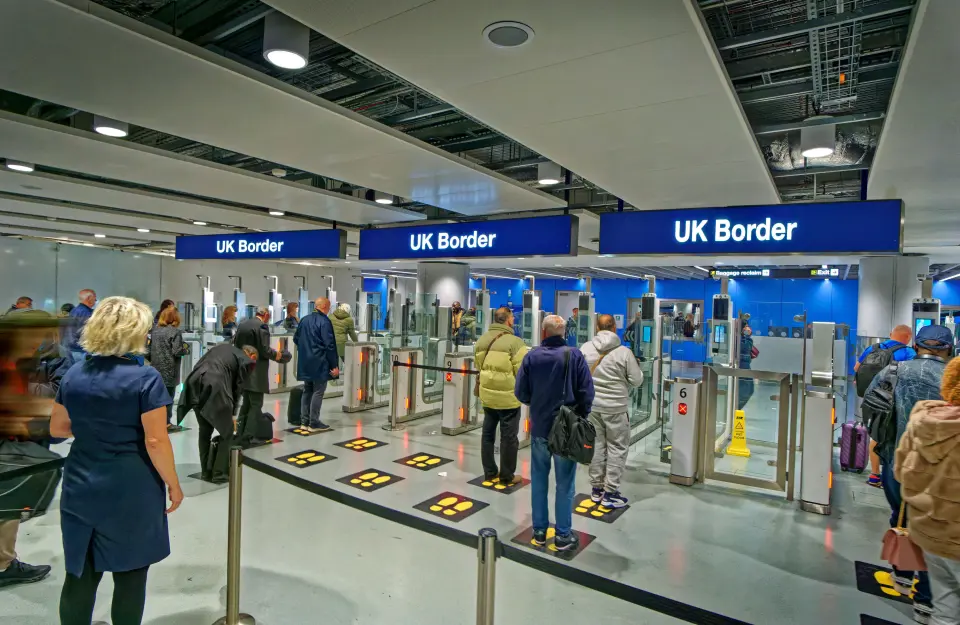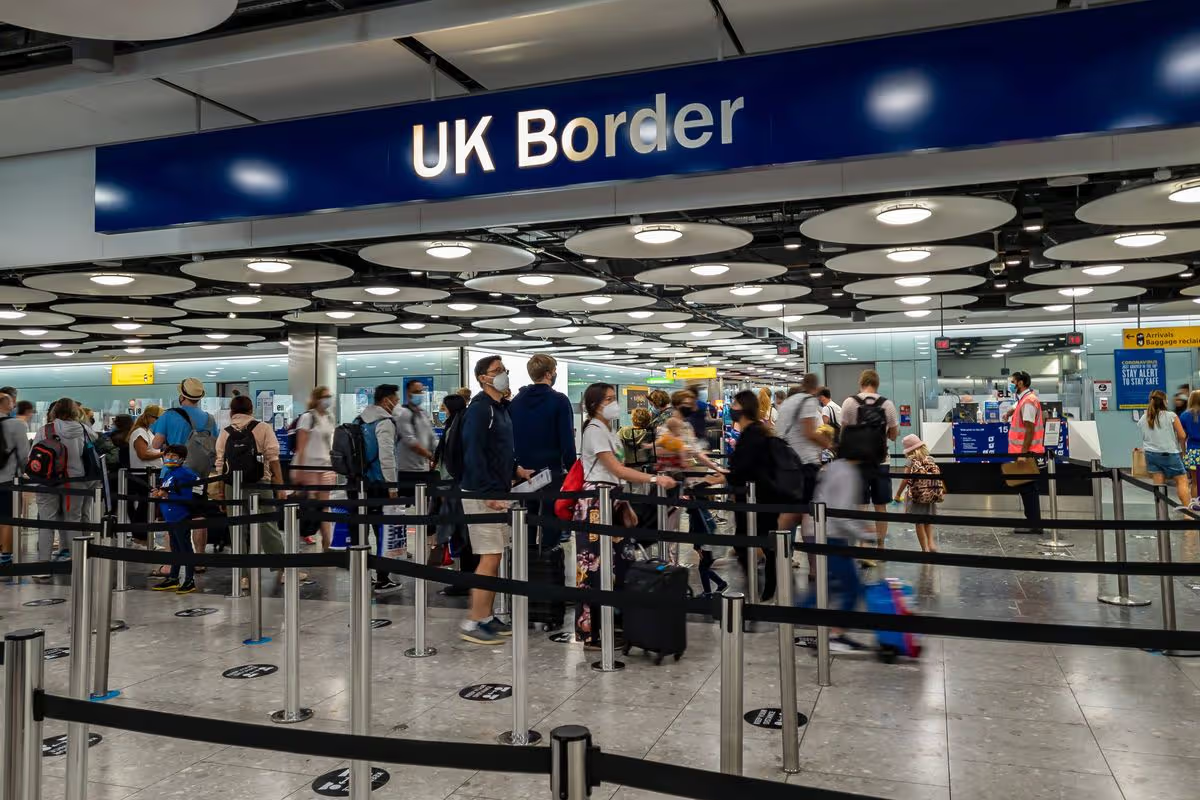
68 Ryanair passengers missed their flight to Edinburgh from Lanzarote on Monday, reportedly due to issues with the airport’s new Entry/Exit System (EES) used to register third-country nationals including British travellers
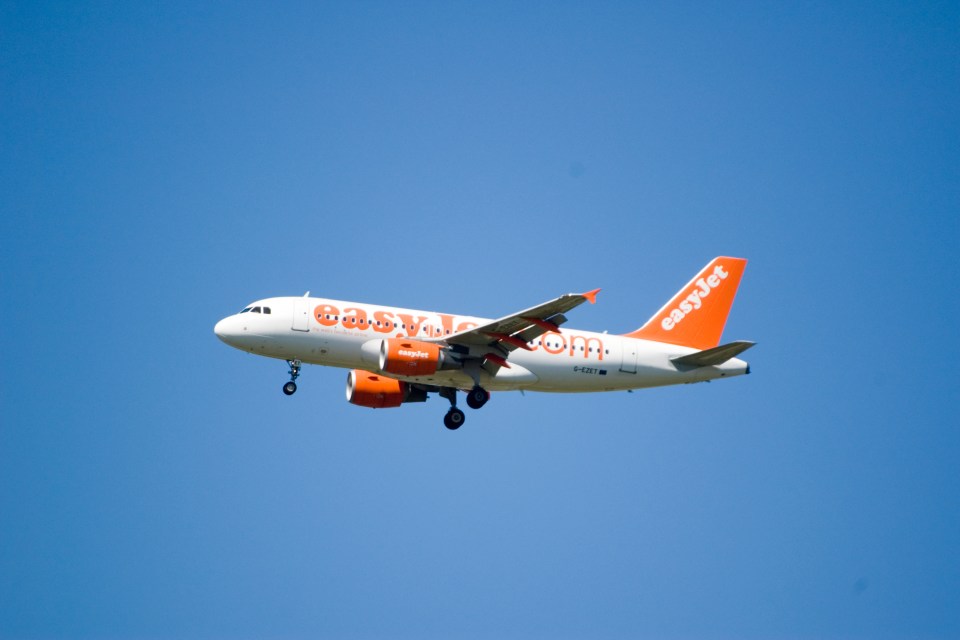
A Ryanair flight(Image: PA)
Almost 70 Ryanair passengers missed their flight to Edinburgh from Lanzarote on Monday, reportedly due to delays at border control.
Those travelling back to the Scottish capital were left stranded at Lanzarote Airport on May 4, owing to passport control system failures, with several flights believed to have been affected.
Ryanair confirmed all passengers who presented at the boarding gate before departure were accommodated and travelled without incident.
According to local publication Canarian Weekly, the disruption affected those travelling to destinations outside the European Union, reports Edinburgh Live.
Under the EES, travellers are required to provide biometric data, including fingerprints and a photograph, to establish a digital record valid for three years, replacing the traditional passport stamping system.
The system is intended to streamline passport checks and track how long visa-free travellers remain within the EU, however it has been beset by delays, with lengthy queues reported at passport control across various locations.
Now Lanzarote Airport has become the latest to face disruption. Operations were reportedly thrown into chaos by 11am, “causing delays and confusion in departure areas”. Canarian Weekly reports that the disruption was triggered by “a failure in the passport control system” according to National Police sources, while other sources “suggested a wider disconnection issue across Europe, which slowed systems at multiple airports”. The issue was resolved by midday.
Ryanair has recently pressured EU governments to abandon the EES during the peak travel season, writing to administrations in 29 countries demanding they halt the new entry requirements.
The airline’s chief operations officer Neal McMahon said: “Governments across Europe are attempting to roll out a half-baked IT system in the middle of the busiest travel season of the year, and passengers are paying the price, being forced to endure hours long passport control queues and in some cases, missing flights.
“The solution is simple and already provided for under EU law (EU Reg. 2025/1534) – Governments should suspend EES until September when the peak summer travel season has subsided, just as Greece has done. This would allow passengers – many of whom are travelling with young families – a smoother airport experience for their summer holidays.”
The Spanish National Police Force were contacted for a response.
Ryanair is reportedly considering closing its base in ThessalonikiCredit: AlamyThessaloniki is considered an entryway to spots like Mount OlympusCredit: Alamy
Follow The Sun’s award-winning travel team on Instagram and Tiktok for top holiday tips and inspiration @thesuntravel.
Ryanair currently operates three aircraft from its base in Thessaloniki, but is considering shutting it down from October 2026.
Reports have been linked to issues related to a 15 per cent increase in airport charges.
However, no official announcement has been made by the airline.
With the airline considering leaving the city, there are growing concerns about tourism within Thessaloniki – a place where tourists visit to see Mount Olympus and the beautiful beaches of Halkidiki.
The news has prompted Thessaloniki Mayor Stelios Angeloudis to call an emergency meeting with regional tourism officialsto assess the situation.
A tourism representative told local media that the “priority for everyone is and must be the interest of the city.
“If the reason for the possible closure is the high increases, then Fraport should reconsider its pricing policy.”
The Greek embassy confirmed last month: “In the framework of the implementation of the Entry/Exit System, as of 10 April 2026, British passport holders are exempt from biometric registration at Greek border crossing points.”
Eleni Skarveli, the director of the Greek National Tourism Organisation in the UK, added: “The Greek National Tourism Organisation remains committed to ensuring a seamless and welcoming journey for all visitors from the UK.”
Airlines such as Ryanair are calling on other countries to pause the rules too, with fears of more problems during the busy summer holidays.
Countries including Spain and France are yet to confirm if they will follow suit.
A HUGE new airport could soon make it easier to travel to one of the iconic Wonders of the World.
Chinchero International Airport was first announced nearly 30 year ago, in a bid to increase tourism to Peru.
Sign up for the Travel newsletter
Thank you!
A ne airport could connect tourists to one of the Wonders of the WorldCredit: b720 | Fermín Vázquez ArquitectosMachu Picchu currently takes days to get to, with flights to Lima before buses and hikesCredit: Getty
The new airport would be on the outskirt of Chinchero, which would mean getting to the historic Machu Picchu much easier as well.
Currently, tourists take days travelling from Lima and Cusco, usually via plane and bus, followed by a hike.
But the new airport – first announced back in 1978 – could make it much easier.
It has run into a number of problems over the years, including internal conflicts across Peru, the Covid pandemic and complaints from locals.
However, it now hopes to be able to be finished by 2027, with plans to open to the public by 2028.
Predicted to cost $682milliom (£500million), as many as eight million tourists per year could travel through.
This would increase tourism by 200 per cent to the region.
One local told the BBC: “I’ve been hearing about the airport for about 30 years.
“And if I had been here for 50 years, I would have been hearing about it for 50 years.”
It is unlikely to have flights from Europe, as experts have said that “transoceanic flights” wouldn’t be possible due to the altitude.
Currently, most Brits fly to the airport in Lima, Jorge Chávez International Airport, which opened a new passenger terminal last year.
It is likely that instead there would be direct flights from Lima to the new airport.
However, there are fears that the new airport could make the already over-touristy region even worse.
Others have said the new airport would harm the local wildlife, as well as bring too many tourists to the already-busy attraction.
Lima’s main airport is the only access route for Brits getting thereCredit: AlamyThe new airport could open by 2027 – more than 30 y ears after i was first announcedCredit: Hyundai E&C
In the mean time, some of the other Wonders of the World are much easier to visit.
The Colosseum in Rome is one of them, which is a short flight from the UK. There is also Petra in Jordan, with direct flights to Amman followed by a car ride or guided tour.
The others are slightly more difficult – the Taj Mahal in India is a long flight from the UK, as is the Great Wall of China , Mexico‘s Chichen Itza and Christ the Redeemer in Brazil.
GOING on holiday to Greece this year just became a whole lot easier.
If you dream of lazing on white sand beaches and gazing at turquoise waters with a Mythos beer in hand, you’re in luck.
Crete has ranked as one of the most affordable Greek islands in data from Travel SupermarketCredit: GettyKalyves bay and beach on CreteCredit: Alamy
Getting to Greece is set to be a breeze, as the country has ditched the new European border control systems for Brits that have resulted in three-hour queues as holidaymakers arrive at their destinations.
On April 18, the Greek Embassy stated that Brits entering the country will not have to enrol in the new EU border biometrics system, EES.
This means British holidaymakers visiting Greece can skip the fingerprint scanning and questioning that comes with enrolling in the Entry/Exit System.
Not only can you skip the queues in time for your Greek summer holiday, but if you’re yet to book something abroad, you still have time to nab an affordable break.
Here are the trusted travel company’s top five cheapest Greek island destinations, based on the average price per person for a 7-night stay.
*Prices correct at time of publication
5. Crete
Crete is one of the most affordable Greek holiday destinations, with an average holiday price per person of £718 for a week away (though we’ve found a steal of a deal for £235pp).
Chania on the west coast offers some of the island’s most beautiful natural landscapes, where you can hike Samaria Gorge or laze on the pinkish sands of Elafonisi Beach.
Lasithi on the east coast is home to lots of upscale resorts, which may bring the average holiday price up compared to the other islands.
Deal: Kristalli Hotel Apartments – £235pp
If you click on a link in this box, we will earn affiliate revenue
The Kristalli Hotel Apartments sit in the coastal town of Malia, and offer comfortable accommodation with a traditional Greek village feel.
Book a 7-night stay from 3 June, including return flights from London Gatwick, for just £235pp.
Given that sunny Santorini is an A-lister hotspot, it may come as a surprise that it’s made the list of the cheapest Greek islands to book for Brits.
The average price per person for a week’s holiday here is just £621, which feels like a bargain considering its status.
Santorini is a picture-perfect Greek island, with bright white buildings that tumble down hills towards the Aegean Sea.
Visit Oia Village to spot blue-domed churches and to find the best viewpoints for the island’s spectacular sunsets, or sail off on a catamaran cruise to look back at the island from afar.
3. Rhodes
Wander historic streets in the Old Town of RhodesCredit: Alamy
Deal: Panorama Studios & Apartments – £205pp
If you click on a link in this box, we will earn affiliate revenue
We found a Rhodes package holiday deal that feels almost impossibly cheap.
The Panorama Studios & Apartments offer traditional accommodation with a pool and plenty of loungers, close to lively Faliraki.
You can book a 7-night stay from 2 June, including return flights from Edinburgh, for just £205pp.
Rhodes remains a popular choice for British holidaymakers, and comes in joint-second place for the most affordable of the Greek islands.
Think picturesque whitewashed villages, cobbled narrow streets and endless blue horizon.
Not only are there plenty of beautiful beaches, like the emerald cove of Anthony Quinn Bay or beach-bar-lined Tsambika Beach, but there’s plenty of history here, too.
Wander the UNESCO-listed Medieval Old Town to its massive 14th-century castle, or walk the preserved Street of the Knights.
2. Lefkas
Underrated Lefkas is a stunning Greek island, accessible from mainland Greece via a bridgeCredit: Alamy
Deal: Villa Theodora – £539pp
If you click on a link in this box, we will earn affiliate revenue
Villa Theodora in Lefkas is just a 2-minute walk from the nearest beach, and only 5 minutes from the tavernas and trinket shops of the main street.
We found a deal for a week-long stay from 1 August for just £539pp, including return flights from London Gatwick.
At an average cost of £599pp, Lefkas, or Lefkada, is the second-most affordable Greek island according to data from Travel Supermarket.
This lesser-known island has plenty of picturesque traditional villages and beautiful white limestone cliffs.
It’s worth visiting this quiet island before more people catch on to its beauty. Top beaches include the unspoiled Milos Beach and the crystal-clear waters of Agiofilli Beach.
Take a visit to the island’s traditional fishing resorts like Nidri, where its pretty harbour faces electric-blue waters.
This island also connects to mainland Greece via a bridge, making it one of the only islands you can drive to if you’re not a fan of travelling by boat.
1. Kefalonia
Kefalonia ranks as the most affordable Greek island, according to data from Travel SupermarketCredit: Getty
Deal: Liberatos Village – £467pp
If you click on a link in this box, we will earn affiliate revenue
The Liberatos Village in Lassi has a spacious outdoor pool and snack bar, and is only a short walk away from the town’s bars and restaurants.
Bag a bargain week-long stay from 10 June for just £467pp, including return flights from London Gatwick.
Kefalaonia was revealed as the most affordable Greek island, with the average week-long holiday costing just £554pp.
As the largest Ionian island, Kefalonia has plenty to offer.
This beautiful island is full of white sand beaches and hidden coves to explore, such as the Blue Flag-listed Antisamos Beach and the crescent-shaped Myrtos Beach.
Plus, this is a great island to escape to for pure relaxation, as it offers a much more relaxed feel in comparison to the nightlife of its buzzy neighbours, Corfu and Zakynthos.
With so many affordable holidays to pick from, which Greek island destination would you go for?
Chris Webber, Head of holidays and deals at Travel Supermarket, suggests ticking off celeb-favourite Santorini.
He says: “Rhodes has been our most booked Greek island so far this year, but it’s only our third cheapest and fifth in terms of price drops — which shows there are real bargains out there for holidaymakers willing to look beyond the usual suspects.”
“The biggest surprise is Santorini. It has a reputation as a pricey, aspirational destination, but it’s had the largest price drop of any Greek island we track, down more than £200 per person on the same time last year.”
“If Santorini has ever been on your list, now is clearly the moment to go.”
Follow @thesuntravel on Instagram on TikTok for more travel tips and inspiration
More commercial flights have been departing from Iran’s largest airport following its reopening last week.
Iranian authorities announced the resumption of flights at Imam Khomeini international airport after approximately 58 days of suspension since the launch of the US-Israel war on Iran. Flight information boards also went offline after the closure of Iran’s airspace.
Recommended Stories
list of 4 itemsend of list
For weeks, the suspension of flights stranded many travellers, disrupted businesses, and separated families.
Air traffic gradually resumed from April 25 with flights to 15 destinations operated by eight domestic airlines, covering regional and international destinations such as Medina, Istanbul, Muscat, China and Russia. Yet the number of flights is a fraction of what it was before the war.
Maryam, a passenger who planned to go to Toronto to see her daughters, told Al Jazeera: “After a lot of stress and problems, now I’ve found a ticket with an Iranian airline — flying first to Armenia with a long layover, and then on to Canada.”
Before the war, the airport was bustling with travellers and would witness 150 flights on a typical day. Now, terminals that were packed, then empty, are slowly filling up again as flights resume.
Ramin Kashef Azar, CEO of Imam Khomeini Airport City, told Al Jazeera that the return of foreign carriers, many of which have operated in the country for years, “will depend on political stability and their own risk assessments.” According to the Iranian Civil Aviation Organization, 20 aircraft have been destroyed and are no longer operational. However, the airport infrastructure has not been damaged and is approximately 95 percent ready.
These developments come after Iran’s gradual reopening of its airspace from April 19, in four phases. It encompasses transit flights followed by domestic flights, culminating in the full resumption of operations at international airports, as stated by the Iranian aviation regulator.
Foreign companies are apprehensive about returning to operate at Iranian airports amid the uncertainty surrounding the political and negotiating landscape between Tehran and Washington.
Targeting of airports
Iran’s civil aviation sector has suffered damage as a result of the war. More than 3,300 people have been killed in Iran, and thousands have been injured, in addition to widespread destruction of civilian infrastructure.
Another airport that was subject to US-Israel attacks several times was Mehrabad airport, also in Tehran. The airport mainly handles domestic flights. Located in the west of the capital, it was the official airport for international and domestic flights before the construction of Imam Khomeini airport in 2009.
In addition to Mehrabad, airports in Kashan, Tabriz, Ahvaz, Mashhad, Khoy and Urmia were also targeted. Several civilian aircraft have been damaged.
It is not the first time Mehrabad Airport has been attacked. In June 2025, it was reported that Israel targeted Mehrabad airport during the 12-day war. Iranian authorities, however, said the airport and its runways escaped damage.
The impact of the war goes beyond airports. It has affected other businesses, causing revenue losses, layoffs and operational disruptions.
Babak, a tour guide, said he and many of his colleagues lost their jobs “because there were no incoming or outgoing tours, as flights were suspended and the war was ongoing”.
Nowruz, the Persian New Year, which comes with a peak aviation season for Iranian airports, also witnessed flight suspensions and caused major disruption. According to Bijan, a travel agent, this affected tours, charter flights, and hotel bookings. He added that they are processing refunds and had to cut staffing from 20 to just two.
Airports are coming back to life, and passengers are returning, hinting at a fragile normalcy after weeks of silence. Each departure signals renewed connection with the world, even as uncertainty on the ground endures.
A MAJOR airline has scrapped one of its routes from the UK due to rising fuel costs.
Lufthansa has announced that it is axing its route between Glasgow and Frankfurt, Germany, this winter as the Iran War continues to affect fuel prices.
Sign up for the Travel newsletter
Thank you!
Follow The Sun’s award-winning travel team on Instagram and Tiktok for top holiday tips and inspiration @thesuntravel.
The German flag carrier has already stopped selling flights on the route, with the last direct flight between Glasgow and Frankfurt scheduled for May 31.
A Lufthansa Group spokesman told The Herald: “Following the decision to discontinue Lufthansa CityLine flights effective immediately and to reduce unprofitable flights in the future due to high kerosene prices, the Lufthansa Group’s summer schedule will be reduced by just under one percent of available seat-kilometers.
“To compensate for this, Lufthansa has taken immediate action and will consolidate the flight schedules of all Lufthansa Group airlines, cancelling 20,000 flights by the end of October.
“As a result of these decisions, flights to Glasgow will no longer be operated by Lufthansa via Frankfurt, but for the time being, by Edelweiss via Zurich offering access to the Swiss International Air Lines network.”
Flights between Glasgow and Frankfurt were first launched back in 2018 and currently there are 13 flights a week.
Lufthansa usually uses an Airbus A320 for this route, with between 168 and 180 seats.
As a result, this would mean the route carries as many as 2,340 passengers a week or 9,360 passengers over a month.
The airline previously announced that it plans to cancel more than 20,000 flights this summer as a result of rising fuel costs.
Most of the routes impacted will be short haul, with the airline also shutting down its subsidiary airline, CityLine.
Before flying hundreds of people across the world, one pilot has a particular practice he does every single time before he flies – and it’s not what you might expect
Wizz Air pilot Tom Copestake has a ritual before every flight (Image: Handout)
Operating an aircraft isn’t your typical 9-5 job, with varied hours and flight schedules at all hours of the day. Yet for one pilot, no matter what time it is, there’s one ritual he always does before every flight.
Waiting at the airport and clocking a member of cabin crew or a pilot confidently walking through the terminal in their pristine uniform and perfectly packed travel bag can sometimes leave the average passenger feeling a little awestruck. It is like you’re spotting a celebrity for the first time or seeing someone you shouldn’t.
It can leave us filled with curiosity about the people who take to the skies for a living, and call a plane their office while cruising at 41,000 feet. Offering an insight into the life of a pilot, Tom Copestake revealed what he gets up to before every flight, whether he’s departing at the early hours of the morning or at night.
Tom has been a Wizz Air pilot for four years and, during that time, has flown thousands of passengers on more than 750 flights, visiting more than 50 countries. Speaking exclusively to the Mirror about life as a pilot, he disclosed: “Sometimes my alarm goes off at 3am or sometimes I’m not starting work until 6pm in the evening.
“But no matter what, whenever I get to the airport, the first thing I always do is get a vanilla latte and an almond croissant. It somehow resets my mind to say, ‘ok, this is the start of my work day.’ It’s the first thing I do, and I think an airport ritual isn’t a bad idea. “
And the airport isn’t the only place, Tom, who is based at London Luton Airport, can enjoy the tasty treat. “We have some early starts, but having a cup of coffee and a croissant, going over the Alps, with this fabulous view in front of me, nothing beats it.”
While taking in the incredible vistas, Tom added: “There are parts of the earth that we look down on that no one has ever walked on – it’s really cool.
“The way it makes you feel really small, but insignificant somehow. Looking down at this expanse of snow and mountains or sand and desert, but it’s the most exhilarating feeling, I love it.”
Sharing a closer insight into his job as a pilot, Tom acknowledged: “This is a customer service job that happens to be in the aviation industry, and I love the fact that each of the thousands of passengers I’ve flown has a story and a reason to travel.
“It might be for fun, to see family, or we have people who might be working in different countries. It’s really cool, and I love that so much.” He humbly added: “This job is a privilege”.
For more information on Wizz Air flights, or to book your next getaway, visit its website.
Do you have a travel story to share? Email webtravel@reachplc.com
Al Jazeera’s Tohid Asadi has been seeing more flights take off at the main airport in Iran’s capital, where operations resumed on Saturday as the ceasefire with the US and Israel continues.
Four UK airports have found themselves in the top 10 of the ‘worst for delays’ across Europe, with one securing the top spot following average delays of almost two hours
Four UK airports have been named among the ‘worst for delays’ across Europe(Image: Getty Images/Stock Image)
A UK airport has been named the ‘worst in Europe’ for delays, while three other UK airports also found themselves in the top 10.
New research from AirAdvisor ranked Manchester Airport as the worst airport in Europe for hour-long flight delays. The airline comparison experts analyzed data from 9,594,711 flights across 46 European airports in 2025 to reveal results based on the percentage of flights delayed by 60 minutes or more (weighted at 70 percent) and the average length of those delays (weighted at 30 percent).
This saw Manchester take the top spot, with 6.16 percent of its flights delayed by 60 minutes or more in 2025 and an average delay of 116.7 minutes, which amounts to almost 2 hours. AirAdvisor AirData found that the routes from Manchester most prone to delays were to Amsterdam Schiphol, Paris Charles de Gaulle, and Dublin.
A Manchester Airport spokesperson told The Mirror: “This analysis of the Civil Aviation Authority’s data is misleading as it ignores important context – context which is directly referenced by the CAA in the notes accompanying the research and in the research itself. Punctuality is affected by factors that are outside of an airport’s control. The two most significant factors contributing to delays in the last year have been industrial action affecting air traffic control in Europe, and the weather. These were exacerbated by airspace restrictions above conflict zones meaning airports with significant long-haul networks, like Manchester, were more significantly affected than others.
“As an industry we are working collectively to achieve the best possible on-time departure rates, while protecting flight schedules and avoiding the need for cancellations.”
But it wasn’t just Manchester that found itself named among the worst. Birmingham, London Gatwick, and London Stansted joined the airport, making the UK the most represented country in the top 10.
London Gatwick was ranked the sixth worst in Europe, with a 5.24 percent rate of hour-long delays and an average delay of 111.88 minutes. According to the data, AirAdvisor found that the most impacted routes from Gatwick were to three major holiday hotspots: Barcelona, Malaga, and Lisbon.
In tenth place was Birmingham Airport, after the experts found that it scored a 5.26 percent rate of hour-long delays and an average duration of 108.01 minutes. The most disrupted routes from Birmingham were said to be flying to the popular destinations of Amsterdam, Dublin, and Paris Charles de Gaulle.
A Birmingham Airport spokesperson said: “Flight delays can happen for several reasons including industrial action and bad weather, some of which are out of an airport’s control. This month over half of all aircraft left on time and we continue to work hard to improve punctuality. Our colleagues work tirelessly to provide brilliant passenger service, with the vast majority of people rating their experience as excellent.”
Meanwhile, London Stansted came in joint tenth with Birmingham, after data found that it had a 5.5 percent rate of hour-long delays and an average delay of 106.24 minutes. AirAdvisor said the most delayed routes from Stansted were to Dublin, Edinburgh, and Istanbul Sabiha Gokcen.
A London Stansted Airport spokesperson told the Mirror: “It’s very important to put this analysis into perspective. The data looks at 46 airports but there are more than 340 major airports across Europe, so this represents a small and self-selective sample. This type of analysis of the Civil Aviation Authority’s data is misleading as it ignores important context – context which is directly referenced by the CAA in the notes accompanying the research and in the research itself.
“It should also be noted this research has been produced by a flight compensation company and looks specifically at delays of more than 60 minutes, which are often driven by wider factors such as air traffic restrictions, industrial action, adverse weather impacts and airline operations, airline crew shortages or delays to inbound flights rather than airport performance.
“Like all major airports operating in busy European airspace, punctuality on certain routes can be affected by congestion elsewhere in the network. We continue to work closely with airlines, air traffic control and partners across the aviation system to reduce disruption and keep journeys running as smoothly as possible for passengers.”
London Gatwick has been contacted by The Mirror for a comment.
Top 10 worst airports in Europe for long delays
Manchester, UK
Palma de Mallorca, Spain
Kraków Balice, Poland
Nice Côte d’Azur, France
Bucharest Henri Coandă, Romania
London Gatwick, UK
Porto, Portugal
Marseille Provence, France
Birmingham, UK
London Stansted, UK
Birmingham, London Gatwick, and London Stansted were contacted for comment.
Do you have a travel story to share? Email webtravel@reachplc.com
Since the Straight of Hormuz was closed during the Iran War, the price of jet fuel has doubled. As a consequence, many airlines have cancelled flights. Regional airports are feeling the most strain
Milo Boyd Deputy Travel Editor & Commercial Writer and Michael Hunter www.cityam.com
14:09, 29 Apr 2026
The Iran War has put huge strain on the aviation industry(Image: All copyrights belong to Jingying Zhao via Getty Images)
Europe’s smaller airports face an “existential threat”, according to the boss of the Airports Council of Europe.
Olivier Jankovec, the director general of ACI Europe, has warned that some of the continent’s smaller airports may not survive if jet fuel shortages triggered by the Middle East crisis lead to widespread route cancellations.
Since the Straight of Hormuz was closed during the Iran War, the price of jet fuel has doubled. As a consequence, many airlines have cancelled flights.
Regional airports are most exposed to airlines cutting capacity and raising fares, as demand on their routes is generally more price-sensitive than with bigger airports. This comes in the wake of the coronavirus pandemic, which has left some regional airports 30% below 2019 levels, according to Mr Jankovec.
“The current levels of jet fuel prices and the prospect of a new cost of living crisis mean that many regional airports across our continent are likely to face both a supply and demand shock. For them, this is nothing short of an existential threat,” the aviation boss told the Guardian.
Conversely, the biggest airports in Europe have a different problem.
Heathrow, the UK’s busiest airport, delivered a stark warning about its capacity on Wednesday, as conflict in the Middle East triggered a surge in demand for connecting flights.
“Heathrow is full”, declared its chief financial officer, Sally Ding. Her comments came alongside the publication of first-quarter figures showing 18.9 million passengers passed through the airport in the opening three months of the year. That represents a 3.7% increase year-on-year.
Airspace closures stemming from the conflict in Iran led to a rise in transfer passengers. This pattern is expected to persist as geopolitical uncertainty continues, impacting one of the UK airport’s chief international competitors for worldwide connections, Dubai.
Heathrow’s trading update noted it had “temporarily absorbed demand from elsewhere”. It also warned “passenger numbers for the rest of the year are likely to be impacted whilst there is significant uncertainty in the Middle East”, as reported by City AM.
Yet as the long-running domestic saga surrounding planning permission for a third runway continues, Ding warned that Heathrow’s operating capacity meant “fewer choices and higher fares for passengers and missed opportunities for the UK economy”.
Heathrow’s £50bn proposal to increase capacity has been mired in political wrangling for years. Its blueprint for a new, 3.5-kilometre runway would elevate passenger capacity to 150m annually from 84m. With it, the airport could accommodate 756,000 flights per year, up from 480,000 currently.
“Our plan is privately financed, rigorously assessed and focused on value. With the right regulatory framework and government policy in place, we are ready to invest, grow and keep the UK connected to the world,” a statement from Heathrow said on Wednesday.
The project involves redesigning part of the M25, London’s ring road which passes close to Heathrow, by diverting it into a tunnel. For the first time in Heathrow’s history, the government examined a competing expansion proposal from another firm.
The more economical bid – costing £25bn, and put forward by the Arora Group, which runs hotels and is involved in property asset management as well as construction – would have avoided the M25 altogether. It was turned down last autumn by Transport Secretary Heidi Alexander. She selected Heathrow’s proposal, but it has faced further delays following a government decision to reassess its overarching strategy in its Airports National Policy Statement, now anticipated this summer.
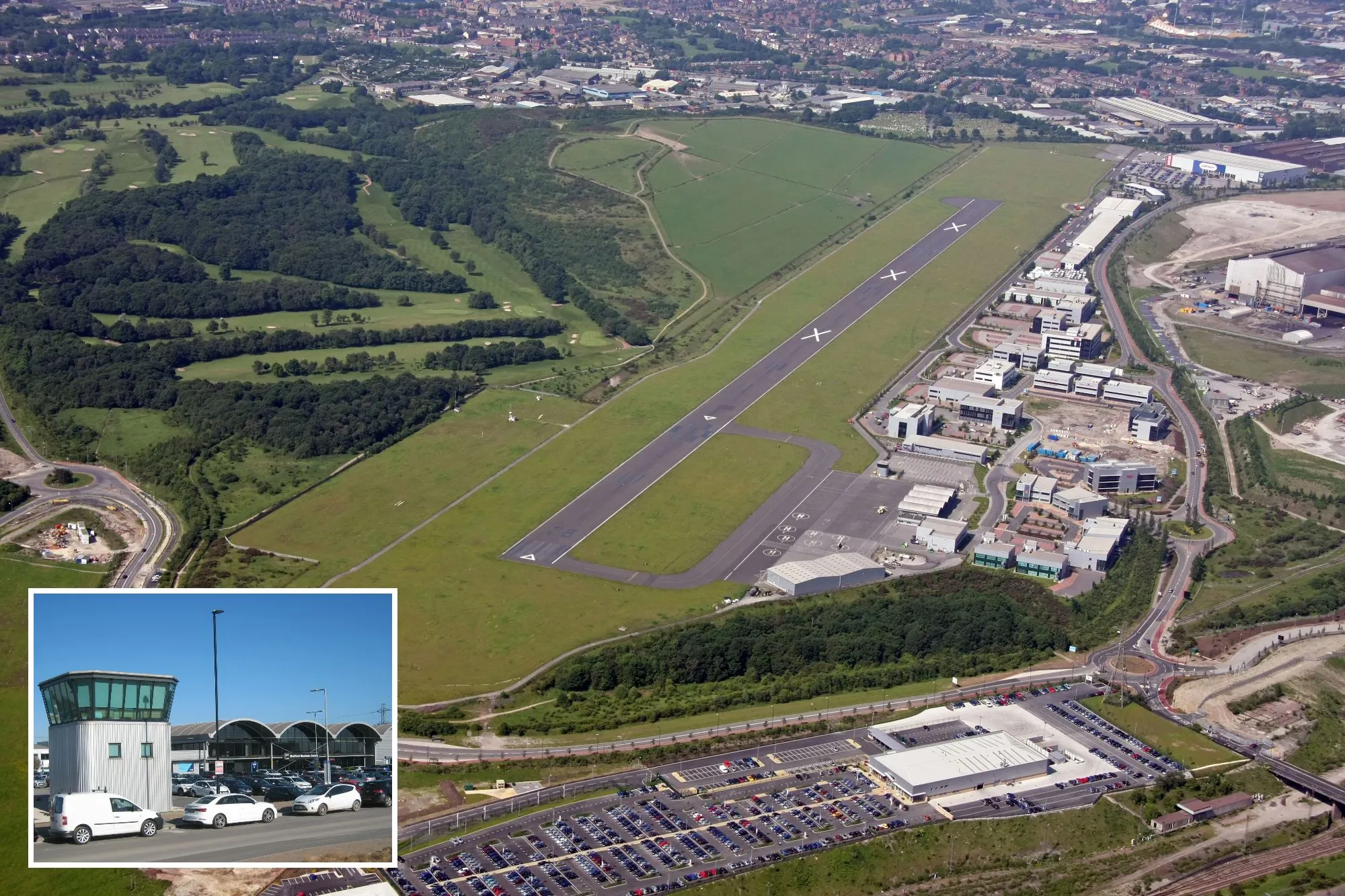
A UK airport forced to close four years ago has tested its first flight ahead of its planned reopening.
Doncaster Sheffield Airport closed back in 2022, previously operating flights to Europe with airlines such as Wizz Air and TUI.
Sign up for the Travel newsletter
Thank you!
And the airport has since welcomed a large plane – the first since its closure – which has been praised as being a “deliberate step in the journey to reopen”.
While the flight was not a passenger flight (being a Boeing 727 Oil Spill Response Aircraft), the airport’s Executive Director of Airport Operations praised the move.
Simon Hinchley told local media: “This operation demonstrates that the airport’s core infrastructure remains robust, compliant, and capable of safely supporting jet operations.
“This flight is not just symbolic – it is about operational readiness.
“It confirms that Doncaster Sheffield Airport is moving from planning into practical delivery, and it marks the beginning of a phased programme of testing and activity that will support our safe and sustainable return to full operations.”
The reopening of the airport is expected to cost as much as £193million, with private planes set to trial flights this year.
Passenger flights are expected by 2028, with estimates of as many as four million passengers a year at the airport eventually.
While no airline has confirmed it will open a base at the airport, MP Lee Pitcher said last year that he was in talks with both Ryanair and TUI.
He said: “It was a productive discussion, and we’ll continue to work with TUI, other key stakeholders, and push the Government to keep Doncaster Sheffield Airport firmly on the agenda.”
Terrorists have attacked at various locations and soldiers are ‘currently engaged in eliminating the attackers’
14:29, 25 Apr 2026Updated 14:53, 25 Apr 2026
Bamako International Airport has closed after the attacks, the Foreign Office said
The Foreign Office this afternoon said people should not travel to Mali after a sderies of attacks today. Officials co-ordinated attacks have struck the country.
Gunmen attacked several locations in Mali’s capital and other cities early on Saturday in a possible co-ordinated assault, residents and authorities said. Mali’s army said in a statement “unidentified armed terrorist groups targeted certain locations and barracks in the capital”. It added that soldiers were “currently engaged in eliminating the attackers”.
The Foreign Office told British citizens today: “A series of coordinated attacks occurred in multiple locations including Kidal, Gao, Kati, Sevare and in the vicinity of Bamako International Airport on 25th April, which has temporarily closed.
“If you are in Mali, you should stay indoors where possible, avoid crowded places and areas of military or police activity, and follow guidance issued by local authorities. We continue to advise against all travel to Mali.”
Previously the Foreign Office told people to only leave via the airport as overland routes are ‘too dangerous.’ It added: “This is due to terrorist attacks along national highways.
“Terrorist group Jama’a Nusrat ul-Islam wa al-Muslimin (JNIM) has implemented blockades on key routes throughout Southern and Western Mali, including the capital city of Bamako. These blockades are targeting fuel trucks and are enforcing checkpoints for individuals attempting to pass through them. Attacks can occur at any time.
“There is a high threat of kidnapping and criminal activity across Mali, including in the capital, Bamako. If you choose to remain in Mali, you do so at your own risk. You should have a personal emergency plan that does not rely on the UK government.
Mali has been plagued by insurgencies fought by affiliates of al Qaida and the so-called Islamic State group, as well as a separatist rebellion in the north.
An Associated Press journalist in the capital Bamako heard sustained heavy weapons and automatic rifle gunfire coming from Modibo Keita International Airport, around 15km (nine miles) from the city centre, and saw a helicopter over nearby neighbourhoods.
The airport is adjacent to an air base used by Mali’s air force. A resident living near the airport also reported gunfire and three helicopters patrolling overhead.
Residents in other cities in Mali reported gunfire and blasts on Saturday morning, suggesting a possible co-ordinated attack by armed groups.
Gunmen entered the northeastern city of Kidal, taking control of some neighbourhoods and leading to gunfire exchanges with the army, a former mayor of Kidal told AP over the phone.
The Azawad separatist movement has been fighting for years to create the state of Azawad in northern Mali. They once drove security forces from the region, before a 2015 peace deal that has since collapsed paved the way for some ex-rebels to be integrated into the Malian military.
Mohamed Elmaouloud Ramadane, a spokesman for the Azawad Liberation Front, said on Facebook its forces had taken control of several areas of Kidal and Gao, another northeastern city. The AP could not independently verify his claim.
A resident of Gao said gunfire and explosions started in the early hours of Saturday and could still be heard in the late morning.
“The force of the explosions is making the doors and windows of my house shake. I’m scared out of my wits,” the resident told AP by phone. He spoke on condition of anonymity. The resident said the gunfire came from the army camp and the airport, which are next to each other.
A resident of Kati, a town near Bamako that is home to Mali’s main military base, also said he was woken up early in the morning by the sounds of gunfire and explosions.
General Assimi Goita, the leader of Mali’s military junta, lives in Kati.
In 2024, an al Qaida-linked group claimed an attack on Bamako’s airport and a military training camp in the capital, killing scores of people.
Mali, alongside neighbouring Niger and Burkina Faso, has long been battling armed groups affiliated with al Qaida and the Islamic State group, a fight that has escalated over the past decade.
Following military coups, the juntas in the three countries have turned from Western allies to Russia for help combating Islamic militants.
But the security situation in Mali, Niger and Burkina Faso has worsened in recent times, analysts say, with a record number of attacks by militants. Government forces have also been accused of killing civilians they suspect of collaborating with militants.
One Australian traveller was left stunned when she turned up to Gatwick airport at 4am and look over at the Wetherspoons pub there. Her video has now gone viral online
10:24, 25 Apr 2026Updated 10:34, 25 Apr 2026
Many Brits enjoy a trip to Wetherspoons before their flight (stock image)(Image: Geography Photos/Universal Images Group via Getty Images)
Most of us have bagged ourselves an early flight to try and save on fees before. However, that does involve getting up at the crack of dawn to make it to the airport on time. Luckily, most major airports usually have somewhere open to get a coffee, grab and snack or have the ‘airport beer‘ many Brits enjoy before heading on your flight – no matter what the time.
One of the most popular places for many Brits to head to before they catch their flight is Wetherspoons if there’s one there. Most of us know that airports can be expensive, so the budget pub brand is the perfect place to have a breakfast, meal or drink that isn’t going to break the bank.
However, one Australian traveller was left stunned when she turned up to Gatwick Airport and saw that the Wetherspoons there was completely packed – despite it being 4am.
The travel influencer, Kiaya, who boasts 14,900 followers online on her @kiaya.travels account, shared a video the showed people queuing to get into the pub. Another take from inside then showed the inside which was rammed with people, with some already enjoying an alcoholic beverage.
Overlay text read, ‘Every table full at 4am in the airport, oh to be British.’
The caption for the post, which was shared on the official Wetherspoon Instagram account, wrote: “Nothing like a ‘Spoons breakfast before my flight!”
Content cannot be displayed without consent
People were loving the post, as it went viral and racked up more than 122,000 likes.
One person exclaimed: “Nothing slaps harder than a pre-flight ‘Spoons breakfast and a pint to be honest,” while another added: “What more could you want a 4am! I’m here for it.”
A third chimed in: “We love Wetherspoons,” while another branded it their “favourite spot”.
Wetherspoon pubs at Gatwick Airport are typically open between 3AM and 5AM and close between 9PM and 11PM daily. There is one branch in the North Terminal (after security) and two in the South Terminal (one before and one after security).
Despite a pre-flight pint being a tradition amongst many Brits, travel insiders previously shared why it might not be the best idea. Chatting with experts at global travel booking giant Omio, flight attendant Dashiell Horowitz of Air Transat gave his advice to anyone planning to board a plane.
He recommended eating a big meal to ‘make sure you’re tired and get some rest on the flight’, however, he wasn’t as keen on airport beers.
Dashiell said: “There isn’t much I would avoid if flying as a passenger except for anything that you know will upset your stomach!
“The one thing I would truly avoid is any alcohol before a flight. Most people don’t know it affects you twice as much whilst in the air, so you’re more likely to feel the effects than on the ground.”
ONE of the UK’s busiest airports is set for travel chaos over the May bank holiday weekend due to strike action.
Around 100 workers at London Stansted Airport – the UK’s fourth busiest airport – will walk out between May 3 and 6.
Sign up for the Travel newsletter
Thank you!
Staff at London Stansted Airport are set to walk out between May 3 and 6Credit: Alamy
The walkout, which has been called by Unite the Union, will mainly involve staff who help passengers with disabilities at the airport and onto their flights.
Action was called after staff rejected a “substandard” pay offer.
Delays are expected as a result of the strike, as it will take longer to board passengers who need help to get to their flights.
Last year the airport handled 2.74 million passengers across May, with thousands travelling across both May bank holiday weekends.
Unite general secretary Sharon Graham said: “ABM staff do a vital job for passengers at the airport, yet they are struggling with low pay while their employer makes huge profits.
“This situation is unacceptable and workers at ABM continue to have Unite’s full support.”
Unite regional officer Steve Edwards added: “Workers at ABM are increasingly given bigger workloads and deserve pay that reflects this.
“Their employer can afford to come back with an offer workers would accept and could end this dispute easily by doing so. But until then, Unite members will strike until their voices are heard.”
A previous strike was planned for April 17 to 20 but was called off.
Sun Travel has contacted London Stansted Airport for comment.
In March, the fee to use the express drop-off (up to 15 minutes) at the airport rose from £7 to £10.
The fee for longer stays of up to 30 minutes also rose from £25 to £28.
The changes made Stansted Airport the second most expensive airport for drop-off fees in the UK, only beaten by Gatwick Airport where the fee is £10 for 10 minutes.
Flight compensation rules
A look at your rights if a flight is delayed or cancelled, when your entitled to compensation and if your travel insurance can cover the costs.
What are my rights if my flight is cancelled or delayed?
Under UK law, airlines have to provide compensation if your flight arrives at its destination more than three hours late.
If you’re flying to or from the UK, your airline must let you choose a refund or an alternative flight.
You will be able to get your money back for the part of your ticket that you haven’t used yet.
So if you booked a return flight and the outbound leg is cancelled, you can get the full cost of the return ticket refunded.
But if travelling is essential, then your airline has to find you an alternative flight. This could even be with another airline.
When am I not entitled to compensation?
The airline doesn’t have to give you a refund if the flight was cancelled due to reasons beyond their control, such as extreme weather.
Disruptions caused by things like extreme weather, airport or air traffic control employee strikes or other ‘extraordinary circumstances’ are not eligible for compensation.
Some airlines may stretch the definition of “extraordinary circumstances” but you can challenge them through the aviation regulator the Civil Aviation Authority (CAA).
Will my insurance cover me if my flight is cancelled?
If you can’t claim compensation directly through the airline, your travel insurance may refund you.
Policies vary so you should check the small print, but a delay of eight to 12 hours will normally mean you qualify for some money from your insurer.
Remember to get written confirmation of your delay from the airport as your insurer will need proof.
If your flight is cancelled entirely, you’re unlikely to be covered by your insurance.
Passport holders have been urged to change a key phone setting before they arrive at airports to travel. Failing to do so could see them facing delays in queues
Passport holders have been told to change a phone setting (stock image)(Image: JUSTIN TALLIS/AFP via Getty Images)
We all love jetting off abroad at this time of year, but sometimes making simple mistakes at the airport can lead to risking delays in queues. While many people worry about their clothing, and what they have packed in their cases, something they should actually be paying more attention to is their mobile phones.
Little you may know, using a certain setting can actually lead to people spending more time in queues at security, and delaying their travel journey. Nobody wants to have to face lengthy queues when they start their holiday so an expert has shared some key travel tips to help passport holders out.
You may not realise, but a dim screen is one of the most common reasons boarding passes fail to scan at the gate. Experts say a few simple phone tweaks before you leave home can save serious stress on travel day, and the changes take seconds to complete.
According to William Thackray, IT expert at AGT Computer Services, a dim screen is one of the most frequent and easily avoidable causes of delay at airport security and boarding gates.
He said: “Scanners need a clear, bright image to read a barcode or QR code reliably. In bright airport lighting, a screen that’s sitting at its default brightness – or that’s been dimmed to save battery – can cause a failed scan.
“It sounds trivial, but it holds up the queue and it’s completely avoidable.”
What you need to do
Before you leave the house, drag your screen brightness to maximum. On an iPhone, swipe down from the top right corner to access the Control Centre and pull the brightness slider to the top. For Android, swipe down from the top of the screen and do the same.
While you’re at it, William recommends a few other quick changes that can make the whole airport experience smoother. To begin, he said it’s a good idea to screenshot your boarding pass.
Don’t rely on an app that needs a signal or a Wi-Fi connection to load. A screenshot lives on your phone and opens instantly.
He said it’s also a good idea to turn off auto-lock. If your screen goes dark mid-queue, you’ll be unlocking your phone and re-opening your boarding pass with a line of people behind you.
Go to Settings > Display and bump your screen timeout up to at least two to three minutes before you travel. This could make a big difference.
You should also make sure your phone is fully charged. It sounds obvious, but some airports – especially when travelling to the US – can ask you to power up your device at security.
A dead phone can mean real delays, or worse, having your device taken for additional screening. William added: “None of these things take more than a minute to sort before you leave the house.
“But, on a busy travel day, that one minute of prep can be the difference between breezing through and being that person holding everyone up.”
There have been some major changes in how Brits travel abroad, and TUI has issued a warning that could impact holidaymakers when going through airport security
Holidaymakers have been warned about changes to airport security (Image: Getty Images/Stock Photo)
British holidaymakers jetting off abroad have been warned of airport changes ahead of the May half-term.
During the May half-term, thousands of Brits are expected to jet abroad for a sun-soaked getaway, with airports expected to be busier than usual. Airlines advise travellers to arrive at the airport in plenty of time to check in any bags, go through security, and find their gate.
This is particularly important following the full rollout of the European Union’s (EU) new Entry/Exit System (EES), which has caused lengthy border control queues, delays and even missed flights at European and UK airports. On top of this, TUI has warned holidaymakers about changes to airport security at some UK airports, which have new restrictions in place.
In a travel alert to passengers earlier this month, TUI said: “While UK airports are installing new scanners to prepare for changes in security restrictions, at this time you should still follow current guidelines as not all airports have changed and destination airports still have these restrictions in place for your flight home.”
The airline went on to provide information on some of the major UK airports that have implemented changes, including Aberdeen, Birmingham, Newcastle, Leeds Bradford, London Southend, and London City.
TUI also advised customers to visit its airport security page on its website or the information page for the UK airport they’re departing from to find relevant details. As airports can have different security measures in place, including the 100ml liquid allowance, it’s vital to check any restrictions before heading to the airport.
Earlier this year, a number of airports ditched the 100ml liquid rule, including Belfast International, Belfast City, Birmingham, Bristol, Edinburgh, London Gatwick, and London Heathrow. The major change allows holidaymakers to carry more through security.
Another change for Brits heading abroad followed the introduction of the EU’s new Entry/Exit System (EES) earlier this month. And in a bid to help customers prepare for their next travel trip and avoid any disruptions, TUI issued a travel alert.
The airline advised passengers: “At some airports, you might still find longer queues, particularly at busy travel periods. We know this isn’t the travel experience you want before, or after your holiday – and it’s certainly not the one we want for you – so please know we’re doing all we can to support.
“To help your journey run as smoothly as possible, please allow a little extra time when passing through border control. Keep any essential medication in your hand luggage in case of delays, and when departing the EU, head straight to passport control after dropping your bags to avoid hold‑ups. Bringing some extra water for comfort is also a good idea.”
Do you have a travel story to share? Email webtravel@reachplc.com
ONE of Europe’s biggest airport hubs has opened its huge new third terminal – more than a DECADE after works started.
Frankfurt Airport, the busiest in Germany and 6th busiest in Europe, is often used as a stopover airport for long-haul flights.
Sign up for the Travel newsletter
Thank you!
Frankfurt’s new Terminal 3 has now openedCredit: Frankfurt AirportThe new terminal started works back in 2015Credit: Frankfurt AirportIt is being compared to a mini city insideCredit: Frankfurt Airport
Designed by German architect Christoph Mäckler he said he wants to make the terminal feel like a “city in its own right”.
He added: “These days airports have become a destination in their own right. In fact, they typically receive more visitors than many city centres.
“This makes it even more important for airports to also perform some of the same functions as cities. We’re making this happen in Terminal 3.”
Around 57 airlines will move to the new terminal from Terminal 2, which includes Qatar Airways and Cathay Pacific.
There will also be a shuttle between the terminals, taking less than 10 minutes.
Initially it will welcome up to 19million passengers, although this will eventually increase to 25million by June with the opening of the fourth phase.
Frankfurt Airport welcomed 63.2million passengers last year.
Brits can currently fly to Frankfurt with British Airways for £69, whereas Ryanair’s £15 flights go to the smaller Frankfurt-Hahn Airport.
And Condor Airlines launched a new flight route to Frankfurt from London Gatwick this month, the first UK route for the airline.
Inside will be more than 60 restaurants and shopsCredit: Frankfurt AirportIt will eventually welcome up to 25million passengersCredit: Frankfurt Airport
Andrew McClements, customer experience and transformation director at TPE, said, “We’re pleased to be introducing services that give customers more choice, added flexibility, and an improved overall experience when travelling with us.”
Other changes to the TPE timetable will see an update to 08.05am weekday services between Leeds and Manchester Piccadilly come into place.
The regular service will begin to call at Dewsbury.
This is to help commuters and students with early morning commutes and to better connect them to the city.
TPE is also urging customers to check their usual routes to see if they have been impacted by the timetable changes.
It said, “Although most of our services are unchanged, we encourage customers to take a moment to check any journeys they make regularly.”
The airport train service will run through the nightCredit: Alamy Stock Photo
A skincare expert has shared which beauty products are likely to cause problems at airport security due to hand luggage liquid rules – and how to avoid any hold-ups
Certain products can cause delays(Image: PoppyPixels via Getty Images)
With summer getaways fast approaching, countless holidaymakers are gearing up to travel overseas. As skincare continues to surge in popularity, many will be packing their creams and serums – yet skincare specialists are cautioning that transporting these products can prove more complicated than anticipated.
Skincare specialist Rhysa Phommachanh explained: “Many travellers are now packing full skincare routines in their hand luggage, but it can be confusing knowing which products are allowed. As a general rule, if a product can be spread, rubbed, or sprayed, it will usually fall under airport liquid restrictions.”
For instance, numerous skincare products nowadays appear as jellies, balms and sticks.
All of these are classified as liquids by airport security, as are sheet masks and eye patches.
Failing to adhere to airport security regulations could result in travel disruptions or having your belongings seized.
To conserve luggage space, travellers sometimes transfer larger items into smaller containers to meet requirements.
Nevertheless, these unidentified containers can prompt queries at security and trigger manual inspections, which can prove time-consuming.
It’s also probable that any pressurised containers such as facial mists, setting sprays or spray sunscreens will require manual examination and slow down security lines.
It is crucial to familiarise yourself with the regulations at each airport you pass through, as updated liquid rules are gradually being introduced across the country.
Restrictions may vary from one airport to another, so ensure you are fully aware of the specific guidelines before you board your flight.
When it comes to skincare, a minimalist approach often yields the best results.
As reported by the Express, Rhysa said: “A more simplified approach tends to work best for long-haul travel.
“Basic essentials such as lip balm, a lightweight moisturiser, or a facial mist are usually more than enough to maintain hydration without overwhelming the skin barrier.”