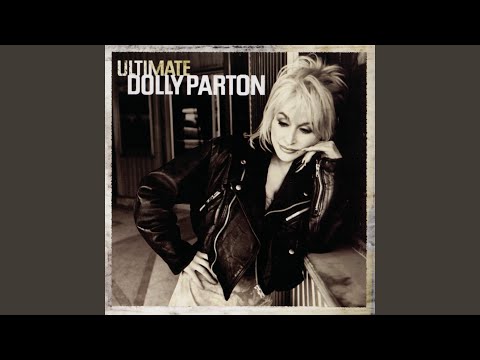
Dolly Parton was the last star in music everyone in America could agree on. Her brilliant career as a carefully-sculpted backwoods icon (one with unmatched insight into the human heart) told the nation stories it craved to hear about itself — songs about resilience and dignity under poverty and labor, how to hold conflicting feelings of devotion and loss. None of the canon of extras — the charmingly ramshackle Dollywood theme park, the purehearted children’s literacy initiatives, the rhinestone cowgirl aesthetics — would be possible without one of the most emotionally attuned, beautifully performed and broadly reaching catalogs in American music.
She is one of the finest singer-songwriters this country ever produced, and it’s inconceivable to sum up her catalog in just an LP’s worth of tunes. But Parton — the songwriter, the vocalist, the instrumentalist, the collaborator — only ever wanted to invite a listener in, wherever they arrive from. Here are 10 songs to start with.

Coat of Many Colors (1971)
The foundational text of Parton’s career, this 1971 single lovingly details her mother’s make-do resilience, stitching a fall coat from scraps of cloth in the spirit of a beloved Bible story. Its storytelling economy is just as crafty, finding splendor with humble tools, and distills Parton’s whole persona into one perfect song.

Touch Your Woman (1972)
You could spend tens of thousands on couple’s therapy and never get as good advice as “We can’t always both be right, we sometimes disagree / But you’ve got the right to speak your mind and it’s the same with me / When the anger’s at an end, and you want inside my arms again / All you have to do to make it right is just / Touch your woman.”

Jolene (1974)
Try to forget how ubiquitous this song is in pop culture, even though it’s been covered by Beyoncé (who laced her own domestic strife into a version), the White Stripes and Parton’s goddaughter Miley Cyrus. Listen to how eerie the thing actually is, how the harmonies capture the desperation, panic and preemptive grief of losing a love to someone whose appeal is undeniable. Nothing that haunted can ever be overplayed.

I Will Always Love You (1974)
Any songwriter should be so lucky — to have one of your hallmark tunes be lovingly swept out from under you and become one of the definitive ballads of pop music. Whitney Houston’s powerhouse version stands alone, but Dolly’s quieter, mournful ode to her collaboration with Porter Wagoner is the artful, formative sketch to a colossal mural.

The Bargain Store (1975)
Taking the themes of “Coat” in intimate new directions, there’s a pained, darker tang to lines like “Take these old, used memories from the past / And these broken dreams and plans that didn’t last / I’ll trade them for a future, I can’t use them anymore.” A perfect distillation of Parton’s themes and craftsmanship, where melancholy and resilience fight it out in the empty spaces.

Two Doors Down (1977)
One of Parton’s first forays into purer pop, this single has the stomp and shuffle of funk and could easily be retrofitted into disco DJ sets. Soul horns and synths liven the production up, but it all underlines how far her writing and vocal performances could travel through genres.

9 to 5 (1980)
The song that made Parton a true pop crossover, a movie star with Jane Fonda and Lily Tomlin and an Oscar nominee. But don’t let the relatable career-girl pluck of the movie dilute the fact that this song is pissed off about capitalism, even as its hooks make the grind of working life more bearable.

Old Flames (Can’t Hold A Candle To You) (1980)
Dolly chose her covers carefully, but even she couldn’t have known how full-circle this would come around. A take on songwriter Pebe Sebert’s ballad that went to No. 1 on the country charts in 1980, Sebert’s daughter Kesha would eventually return the favor with a version decades later, two women who turned an act playing ditzy into resonant, affecting music.

To Know Him Is To Love Him (1987)
Parton’s pen and persona had no equals, but she was an enthusiastic collaborator as well, from her early partnership with Porter Wagoner up to her 2023 hard rock LP. She was at her best with the women of Trio, a supergroup with Linda Ronstadt and Emmylou Harris, and this regal single of nascent, unrequited commitment is as lovely as they come.

Smoky Mountain Memories (Live – 1994)
Parton was a virtuoso at staying, if not apolitical, at least a neutral zone of relatability for conservatives and leftists alike, each of whom had ways to read their lives into her storytelling. A song like “Smoky Mountain Memories,” a gut-wrenching live rework of an earlier song, lent dignity to her family’s toil and loneliness, while raging against the circumstances that created it — “It takes all I’ve got to give what life demands / Oh, you go insane if you give into it.”