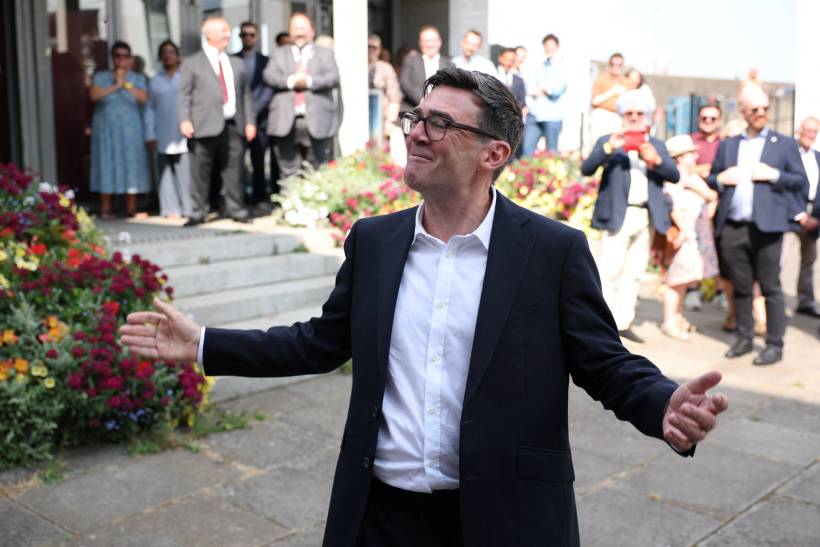
Britain’s new Prime Minister Andy Burnham is using social media to reshape Labour’s public image and challenge the growing online influence of populist parties, particularly Reform UK. By combining informal, relatable content with government messaging, Burnham is seeking to connect with younger voters while projecting a more approachable leadership style.
A New Digital Approach
Since taking office, Burnham has rapidly expanded his presence on TikTok, X, and Instagram through light-hearted videos, behind-the-scenes content, and policy announcements packaged in an accessible format.
Unlike traditional political messaging, Burnham’s posts often feature humor and everyday topics, ranging from debating popular pub snacks to joking about his own appearance. Communications experts say this approach presents him as relatable without undermining the seriousness of his office.
Labour Seeks to Close the Digital Gap
Burnham’s strategy reflects Labour’s effort to compete in an online space where Reform UK and its leader Nigel Farage have built significant audiences over several years.
Political analysts argue that while former Prime Minister Keir Starmer struggled to connect through digital platforms, Burnham’s communication style is more natural and engaging. Early polling suggests Labour has narrowed Reform UK’s lead since Burnham became prime minister, although the next general election remains years away.
Stay ahead of the geopolitical week.
MD Briefing delivers expert analysis across five global fronts — the Indo-Pacific, energy, geoeconomics, European security, and the Middle East — every Monday morning. Free.
Positive Messaging Over Polarisation
Communications specialists describe Burnham’s strategy as one focused on inclusion rather than confrontation. Instead of relying on divisive rhetoric, Labour is attempting to broaden its appeal through optimistic messaging and accessible political communication.
Videos highlighting government policies such as tax relief for hospitality businesses have attracted millions of views, demonstrating how policy announcements can gain wider attention when presented through social media trends.
Building a Professional Digital Operation
The government has expanded its investment in digital communications, recruiting specialists in content production, strategy, and social media engagement.
Burnham’s online campaign is being coordinated by experienced digital strategists, reflecting a broader recognition that political influence increasingly depends on platforms where younger audiences consume information.
Analysis: Social Media Is Becoming a Core Political Battleground
Burnham‘s early success illustrates how political communication is evolving beyond traditional speeches and television appearances. Social media has become a central arena where leaders compete not only on policy but also on personality, authenticity, and accessibility. While Burnham’s informal style may help Labour regain ground against populist rivals such as Reform UK, digital popularity alone is unlikely to determine long-term political success. As analysts note, sustained public support will ultimately depend on whether the government delivers tangible improvements on the economy, living standards, and public services. If policy outcomes fail to match the positive online narrative, social media momentum could prove difficult to maintain.
With information from Reuters.