
Spencer Pratt’s election night party at Don Antonio’s Mexican restaurant in West Los Angeles included a few uninvited guests, and it wasn’t just members of the news media.
As Pratt spoke to reporters relegated to the sidewalk, a Virginia man convicted of joining in the Jan. 6, 2021 assault on the U.S. Capitol hovered behind him, trying to horn his way into the candidate’s frame as Pratt spoke to the news cameras.
A member of Pratt’s security team grabbed the man, Jon Mellis, by the shoulders, dragged him past the TV cameras and pushed him down onto the pavement of Pico Boulevard as cars whizzed by.
Mellis — a member of the far-right Proud Boys who was pardoned by President Trump along with the other Jan. 6 rioters — wasn’t thrilled. He attempted to interrupt multiple news broadcasts to air his grievances.
“They can’t assault me like that,” Mellis said.
“They hate MAGA,” someone else in his group chimed in.
Earlier Tuesday evening, Mellis had happily mugged for one news camera after another, expressing his fealty for Pratt.
Mellis described himself as “ultra-MAGA” to The Times and, pre-shove, said he didn’t mind that Pratt was distancing himself from the MAGA movement as he campaigns for votes in the Democratic stronghold of Los Angeles.
Recent polling showed most Democrats were less likely to vote for Pratt when perceiving the candidate as tied to MAGA and Trump. Given that, it’s hardly surprising that Pratt’s security team gave Mellis and his friends the bum’s rush.
“Those guys are paid ops,” a member of Pratt’s campaign wrote on X. “They crash every single event.”
Airbnb’s election night sweep
It was a good election night for short-term rental giant Airbnb, which infused numerous city races with cash and didn’t take a single loss.
The company teamed up with the Central City Assn., a group representing downtown Los Angeles businesses, to fund ads in support of Karen Bass, city attorney candidate John McKinney and five City Council candidates.
The business group said its PAC, which received funding from Airbnb and the Los Angeles Police Protective League, spent nearly $5 million during the primary election cycle, up from $1 million during the 2024 primary and general elections.
“We have been intentional about supporting candidates and causes focused on building more housing; investing in public safety, transportation, and infrastructure; and supporting the diverse businesses that provide jobs and put paychecks in Angelenos’ pockets,” said Nella McOsker, president of the Central City Assn.
“The results speak for themselves,” said Justin Wesson, Airbnb senior manager of public policy in California. “Airbnb has arrived in L.A. politics — not as a guest, but as a permanent resident.”
In council, CCA and Airbnb supported Traci Park, who declared victory and had a big lead over her opponent; Jose Ugarte, who will probably advance to a November runoff; and Timothy Gaspar, who was leading in his primary as well, though votes are still being tallied and it wasn’t clear if he would make the majority threshold needed for an outright victory. CCA also supported Monica Rodriguez, who ran unopposed and Tim McOsker (Nella McOsker’s father), who coasted to a big lead in the primary.
Betting on whims and vibes
This is Los Angeles’ first mayoral election in the age of prediction markets, and two giants of the field, Kalshi and Polymarket, have been actively promoting betting on who will be the next mayor — and even sub-bets within the election, such as which candidate will come in second place in the primary or which two candidates will advance to the runoff.
On election night, as Spencer Pratt led Nithya Raman for second place by about 9 percentage points, both Kalshi and Polymarket had Pratt favored to move on to the runoff.
But overnight, the market shifted, with a Bass versus Raman runoff now considered more likely by bettors, probably due to a widely held belief that the remaining votes to be counted will lean more Democratic as the county tallies late-arriving vote-by-mail ballots.
Although Kalshi promotes its markets as the “odds” that a certain candidate will win, experts warn it merely represents the beliefs of bettors, who are not always the best-informed.
“This is people’s whims and vibes. You might have better luck in Vegas; at least when you bet in Vegas there’s math involved,” said Democratic consultant Mike Trujillo.
A spokesperson for Kalshi said “sharp traders on Kalshi are experts at pricing likelihoods in real time.”
Eric Zitzewitz, a professor of economics and expert on prediction markets at Dartmouth College, said that sites such as Kalshi and Polymarket are pretty accurate, and that smart money usually corrects the market.
“Historically that movement in Pratt’s price would reflect a movement in his odds,” Zitzewitz said.
As of Friday, Polymarket had a Bass-Raman runoff at 80%, and a Bass-Pratt runoff around 22%. Kalshi gave Bass and Raman a 78% chance of advancing and Bass and Pratt 22%.
Pratt currently leads Raman, but Los Angeles County is still tallying ballots and Raman has gained some ground following initial results Tuesday.
You’re reading the L.A. on the Record newsletter
Sign up to make sense of the often unexplained world of L.A. politics.
By continuing, you agree to our Terms of Service, which include arbitration and a class action waiver. You agree that we and our third-party vendors may collect and use your information, including through cookies, pixels and similar technologies, for the purposes set forth in our Privacy Policy such as personalizing your experience and ads.
State of play
— BASS VERSUS?: Mayor Bass will advance to a runoff against either Pratt or Raman after a bruising primary campaign during which the incumbent was attacked from the left and the right.
— COALITION KAREN: A broad coalition of supporters assembled by the mayor helped her secure a spot in the Nov. 3 runoff. On her side was organized labor, including the powerful police officers’ union; business leaders, working closely with Airbnb; the Los Angeles County Democratic Party, including key elected officials; and immigrant rights groups that applauded Bass for her condemnation of federal ICE raids.
— COMEBACK COUNCILMEMBER?: Raman is still running behind Pratt, but experts say the remaining ballots to be counted should favor Democrats. “Don’t count [Councilmember] Nithya Raman out yet,” said Zev Yaroslavsky, director of the Los Angeles Initiative at UCLA Luskin.
— INCUMBENTS IN CONTROL: The mood was celebratory in Los Angeles City Council chambers Wednesday, as incumbents up for reelection held wide leads over their challengers as vote counting from Tuesday’s primary continued.
— FELDSTEIN SOTO OUT, MEJIA IN: Los Angeles City Atty. Hydee Feldstein Soto all but conceded that her reelection bid had failed Wednesday morning, as she lagged far behind her two well-funded challengers based on early returns. Her incumbent colleague, City Controller Kenneth Mejia, appeared to be faring better in his bid to stay in office, holding a double-digit lead over finance executive Zach Sokoloff.
QUICK HITS
Where is Inside Safe? The mayor’s signature program moved 20 people inside from Skid Row in Council District 14.
On the docket next week: Proposals from the Charter Reform Commission are still being reviewed by the Rules, Elections, and Intergovernmental Relations Committee, with the next meeting scheduled for June 12.
Stay in touch
That’s it for this week! Send your questions, comments and gossip to LAontheRecord@latimes.com. Did a friend forward you this email? Sign up here to get it in your inbox every Saturday morning.
A Monaco pole is a statement performance for any driver and one of the biggest prizes in Formula 1. To deliver in this fashion, at the age of 19, underlined his potential as the most likely world champion this year at this early stage.
He and Verstappen were separated by just 0.001secs after their first runs in the final session and Antonelli said he had produced a “magic lap” to beat the Dutchman.
Leclerc went out early for the final runs after missing his first lap with a lock-up at Mirabeau, and he put himself at the top with his first effort.
Verstappen then beat that mark by 0.257secs to take top spot, only for Antonelli to displace him.
Leclerc was not finished – he had given himself time to have one final lap as the last driver on track. But he went over the limit and slid wide on the entry to Tabac, crunching his right rear wheel against the wall and breaking his rear suspension.
Antonelli said: “I was able to put everything together. It was such a close qualifying session. The last lap was good.”
Verstappen said he was surprised to be able to compete for pole position.
“If you would have told me yesterday I would be on the front row, I would have taken it,” he said. “So heading into qualifying and being up there was extremely positive. Very happy with how qualifying went. I am happy to be on the front row.”
Ferrari had been quickest on Friday, first and second in both sessions, but Hamilton said the car felt different as soon as qualifying started.
“We were looking so good in practice and then the car was drastically different in qualifying,” Hamilton said, “so we have to take a look at that. But I was giving it everything. What a privilege it is to be one of the 22 drivers who gets to do this. I loved every second of it.”
Russell struggled for grip throughout the session and never looked likely to get into the fight for pole, and he ended up 0.394secs behind his team-mate.
Travel insurance for Turkey has jumped almost 50 per cent in just a year, according to new data
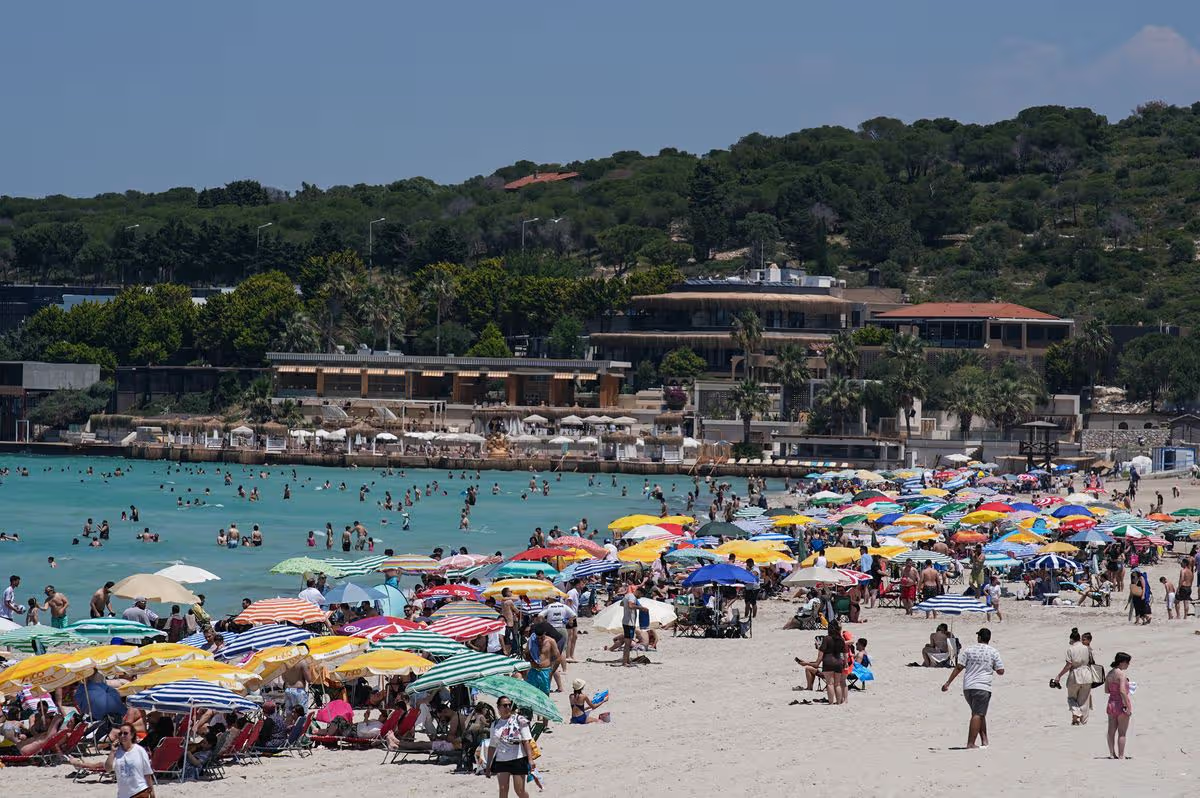
Izmir, Turkiye. UK tourists are facing higher insurance premiums, one travel expert said(Image: Getty Images)
Five European and Mediterranean destinations including some hotspots much loved by British tourists have been named as having seen big rises in insurance costs, directly caused by the Middle East crisis. Travel insurance for Turkey has jumped 46% in just a year, according to new data analysing 5,000 policies across popular destinations near conflict zones.
There is no sign of the Middle East conflict calming down – today Iran fired ballistic missiles and drones towards Bahrain and Kuwait, Bahrain’s government said, adding that they were intercepted.
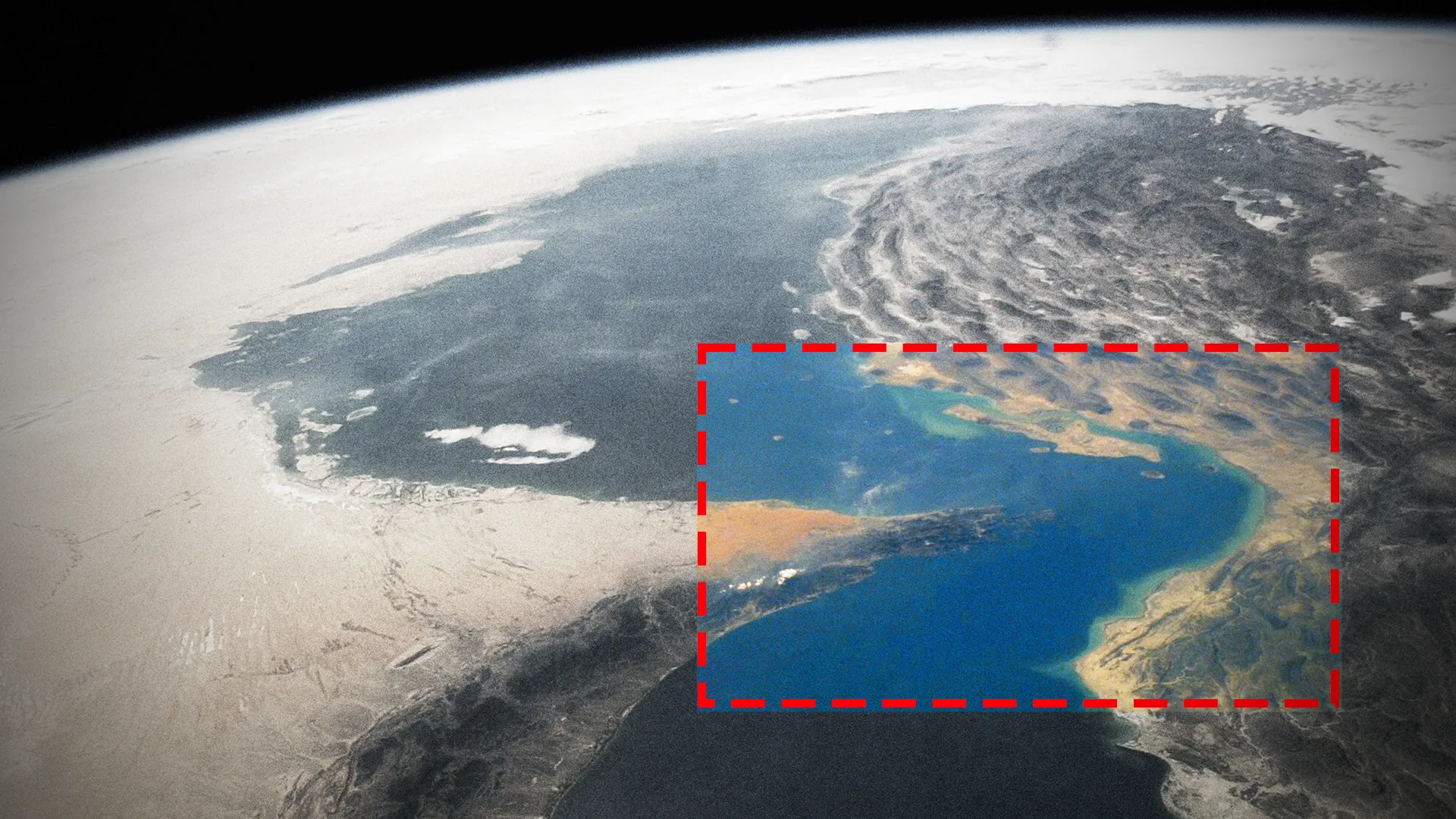
Bahrain’s government called on Tehran to immediately cease attacks on Gulf neighbours that it deemed a “serious escalation”. Iran’s Foreign Ministry said the US early Saturday attacked surveillance facilities on Qeshm Island and near Sirik that it said were used to protect borders and “ensure the security of navigation in international waters”.
The latest exchange of fire came as the Trump administration pressed Iran to make a deal to end the war that has strained the global economy and threatened a hunger crisis in some of the world’s most vulnerable countries.
The US military earlier said it shot down several Iranian missiles and drones launched towards the Strait of Hormuz and Gulf Arab allies, and struck some of the Islamic Republic’s coastal surveillance radar sites in response.
It has had a big impact on the region with some popular destinations seeing big rises in premiums. Quotezone travel insurance expert Helen Rolph warned travellers not to assume last year’s prices still apply and urges holidaymakers to compare policies carefully, buy cover as soon as they book, and check Foreign Office advice before travelling.
Industry experts compared 5,000 travel insurance premiums across five popular tourist destinations close to conflict zones, revealing which countries have seen the biggest price increases over the past year.
Prices in Turkey have been affected the most despite it traditionally being considered one of the most popular and cost-effective destinations for UK holidaymakers over recent years.
Standard travel insurance premiums to the country have jumped from £40.56 in early 2025 to £59.19 just a year later – a rise of 46% or almost £20 per trip – which may be due to the fact it shares a border with Iran.
Holidaymakers travelling to Bulgaria are also seeing a sharp rise with prices up 19%, possibly down to its proximity to Ukraine.
Premiums for Cyprus have increased by 6%, Egypt by 4% and Poland by 8%. To gather the data, popular holiday destinations for British tourists were cross-referenced with countries geographically close to conflict zones, namely Ukraine and Iran, creating a dataset of major holiday hotspots in relative proximity to areas of geopolitical tension.
Insurers regularly reassess risk when global tensions rise, particularly in destinations close to areas where travel complications might become more likely.
Destinations situated close to areas experiencing heightened tensions – such as Iran and Ukraine – could see premiums shift as insurers reassess the likelihood of travel disruption, delays or emergency evacuation should issues escalate.
Helen Rolph, travel insurance expert at Quotezone.co.uk said: “Travel insurance prices change constantly as insurers respond to global events, the number of claims made and healthcare costs.
“Even if a destination remains popular despite its proximity to ongoing conflict, premiums can rise when the wider region becomes more uncertain.
“Travellers and holidaymakers shouldn’t assume last year’s prices will still apply and make sure they’re comparing policies carefully rather than opting for the cheapest option, as cover can vary significantly.
“It’s also sensible to arrange insurance as soon as a trip is booked, check government travel advice before departure, and ensure any medical conditions are fully declared.
“Travel disruption insurance can also be useful as it covers a wider range of issues while travelling but it’s important to remember that travel insurance won’t provide cover if the foreign office advises against travel to that region and most travel insurance policies won’t cover war related incidents. It’s crucial for holidaymakers to check what is and isn’t covered on their policy and add any extras or specialised cover they might need.”
Travel Insurance Premiums
Country // Average 2025 // Average 2026 // Average Price Change // % Change
In April, I accompanied a friend on a visit to villages in Daikundi province, central Afghanistan. The purpose of the trip was to speak to farmer beneficiaries of a project that an NGO operating in the agriculture sector had carried out and to follow up on its impact. The week I spent travelling with him was quite eye-opening regarding the state of the non-profit sector in the country.
The project in question provided zero-energy storage houses to preserve harvests, such as fruit and vegetables, in rural areas. On the surface, the idea was promising: provide farmers with storage space so they could sell their produce over a few months.
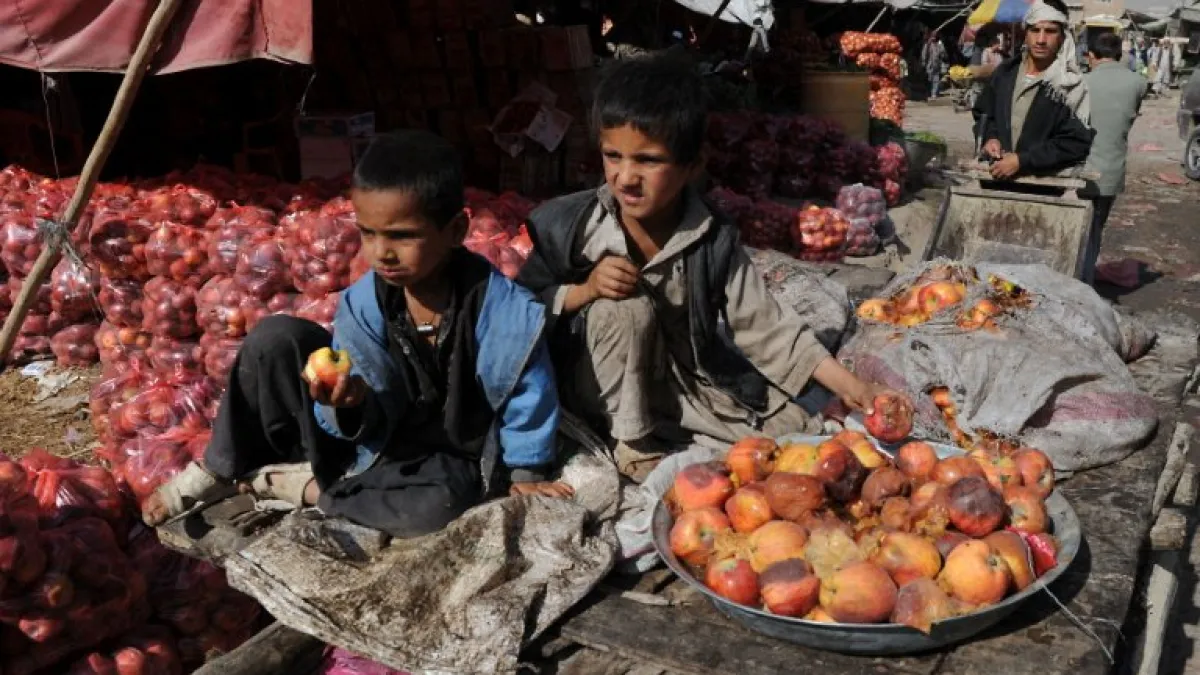
However, the farmers we spoke to in several villages showed us heaps of apples decaying beneath the trees. They complained that the storage houses had space for the apples of only two to three families in the entire village.
In another village, we saw frustration with another project from a different NGO. That organisation had bought imported seeds for various vegetables and distributed them among farmers. Staff members provided training, conducted weeks of workshops on cultivation methods and techniques, and regularly monitored the crops.
The local participants invested significant time, energy, land, and water in the project. But the harvest they got from these imported seeds was very little and of poor quality. Despite the enormous amount of money spent by the NGO on surveying, training, logistics, transportation, and staff salaries, the vegetables for each family amounted to about 450 Afghans (roughly $7). There was no accountability for the farmers’ losses.
Such stories are common across rural communities in Afghanistan. While aid organisations publish reports of their achievements, many beneficiaries gain little from poorly designed projects that fail to address the real challenges they face. The cost of these projects is extremely high, but the output is often too little.
Since the Taliban took over Kabul and the US-led coalition withdrew from the country, humanitarian aid and funding in Afghanistan have dramatically collapsed. The struggle to secure funds, however, has not led to better efficiency, accountability, and transparency among the NGOs still operating in Afghanistan.
This is not a recent phenomenon. Between 2001 and 2021, Afghanistan became the poster child for corruption, embezzlement, and waste of foreign aid. One US journalist described it as “the $148 bn failure”.
According to the Special Inspector General for Afghanistan Reconstruction (SIGAR), set up by the United States to investigate fraud with US funds, between $26bn and $29bn was lost due to embezzlement or wasteful spending. This was just funding provided by the US government; there is no estimate for how much was wasted from other donors.
While much of the foreign funds went to the security sector, a significant amount went to the non-profit sphere, where waste was also widespread. Millions, if not billions, worth of projects became a missed opportunity to improve the lives of Afghans, especially in rural areas. This is a legacy that persists to this day.
This situation is not unique to Afghanistan. The development sector across the world is known for waste and inefficiency. In the Afghan context, that is exacerbated by the lack of control and difficulty of ground work.
Many foreign NGOs do not directly implement their projects; instead, they work through implementing partners (IPs), which themselves outsource implementation to subcontractors. This extended chain of actors means that often there is a lack of proper quality control and supervision, and there is motivation to carry out lower-quality work in order to increase profit.
Furthermore, the primary concern of IPs is securing funding. So they often present project proposals that look great on paper but do not necessarily have a substantial impact on the circumstances of the local population or address their most urgent needs.
Finally, there is a lot of waste in remuneration, especially when it comes to international staff. Foreign employees often have salaries as high as $10,000–20,000 for doing work that a local hire can do for much less.
It is clear that amid global cuts to donor funding, the development sector is struggling. This should be a moment of change. In Afghanistan, where the need of the local population is enormous while available financing is shrinking, NGOs can take this change into their own hands.
The simplest first step NGOs can take is to employ qualified locals to plan and lead projects. They would know the local culture, realities, and actual needs of communities, as well as market prices and field conditions. They can help not only optimise project costs but also ensure that they actually have a real, measurable impact.
In addition, NGOs should avoid having an extended chain of IPs and subcontractors. They should also regularly collect feedback from local communities and field workers directly in order to evaluate project effectiveness during implementation in order to avoid repeating the same mistakes.
Projects are more likely to produce sustainable results if NGOs invest in addressing pressing nationwide challenges, such as unemployment, infrastructure, and market access.
Improving efficiency and effectiveness would not only ensure Afghan beneficiaries get better services and help, but it would also make organisations more competitive for the dwindling pool of funding. This is the only way to salvage the NGO sector not only in Afghanistan but in the rest of the world.
The views expressed in this article are the author’s own and do not necessarily reflect Al Jazeera’s editorial stance.
Casualty toll is expected to increase, reports Al Jazeera’s Hani Mahmoud.
Published On 6 Jun 20266 Jun 2026
At least five people have been killed while attending a wedding in Gaza City after Israeli forces bombed the wedding tent.
Al Jazeera’s Hani Mahmoud, reporting from the enclave on Saturday, said several projectiles exploded in or near tents that were part of the wedding, with shrapnel flying into surrounding areas.
A source at al-Shifa Hospital told Al Jazeera reporters on the ground that more than a dozen people were wounded in the attack.
Women and children are believed to be among the casualties, Mahmoud said, adding that the casualty toll is expected to rise.
A Four in a Bed star was moved to tears after receiving mixed feedback on their B&B.
Holly and Dennis were crowned winners (Image: Channel 4)
A Four in a Bed contestant broke down in tears just moments into the episode.
Father-daughter team Dennis and Holly were competing in the show, which broadcast a repeat episode on Saturday.
The pair had been first to host their rivals at their Norwich B&B, impressing them with the spotless standards and Holly’s culinary talents at breakfast.
So taken were the guests that when the final round arrived, Holly and Dennis were showered with such glowing feedback that she became emotional.
During payment day, the duo heard responses from Kent hosts Harry and Sarah, Oxfordshire B&B proprietor Dawn, and Ollie, who runs a boutique hotel in Kent, reports Cambridgeshire Live.
While Ollie settled the full amount owed for his visit, Dawn deducted £10 citing the absence of a wardrobe in her room and unclean windows.
Addressing her remarks, Dennis confessed: “I’m genuinely disappointed by [the windows] because our standards should be much higher and generally are, so apologise for that. Not good enough.”
He subsequently told the camera: “Taking the money off was arguably a bit harsh, but I get it. We can’t complain too much, although it was uncomfortable.”
Dawn, however, defended her position, stating: “I stand by my payment because I believe that a wardrobe is a facility that should be in a B&B. And the window not being clean, everything should be spotless.”
Yet Harry and Sarah adopted a completely different approach, and actually paid Holly and Dennis more than expected for their accommodation. After presenting them with a £12 overpayment, Harry praised: “We had an amazing stay at your place. Everything you needed and more.”
Overwhelmed by his kind words, Holly broke down in tears, saying: “Thank you, sorry I get really emotional!”
Sarah, also becoming emotional, responded: “You’ll get me going!”
“It means a lot,” Holly added, while Harry later told the camera: “They ticked every box,” as Sarah commented: “They rival some of the best hotels that I’ve ever stayed in.”
Holly continued: “It means so much for us, and we’ve put so much into the business.”
Shortly afterwards, it emerged that Harry and Sarah’s overpayment had secured Holly and Dennis the top spot.
“I’m delighted,” Dennis said, as Holly added: “It’s the best feeling.”
He joked in front of the group: “We are all winners, but we’re the best winners.”
Dennis then told his daughter: “I’m very proud of Holly,” as she replied: “It wouldn’t be possible without you!”
Bill Plaschke’s and many Angel fans’ desire for Arte Moreno to sell his ownership of the Angels is an overkill. Granted, us Angels fans have suffered under Moreno’s ownership, and the Angels would be better off with new ownership, but over the years Moreno has done many positive and charitable things. I suggest that the Angels provide Moreno with a 10%, non-voting interest, regardless of who the new owners might be. That way the fans are happy, and Moreno will still have a rooting interest.
Michael Gesas Beverly Hills
Bill Plaschke’s column urging Angels owner Arte Moreno to sell the team hits the bull’s-eye. Clear, concise and comprehensive, it highlights most factors leading the Angels to the bottom of MLB. Most factors, except a significant one: Moreno’s ownership incompetence has been facilitated by the group of sycophants he has apparently surrounded himself with. These same people are now hard at work imploring Moreno, “just don’t read The Times today.”
Rob Fleishman Placentia
If Bill Plaschke were an attorney delivering closing arguments at a jury trial, his recent article regarding Arte Moreno’s ownership of the Angels would certainly produce a verdict. The jury has reached its decision: the defendant must sell the team.
Wayne Muramatsu Cerritos
Dear Angels,
I’ll start off by saying it’s not you, it’s me. I tried staying faithful to you but Arte Moreno’s interference in our relationship has clouded my better judgment. I thought I could stick it out knowing how hard you are working trying to reel me back in. It’s not working and I must now turn my back and walk away. What we have now is a shallow affair and it’s not fair to you that the charade continue. In the end, I take great comfort in knowing someday, somehow you will find what you are looking for.
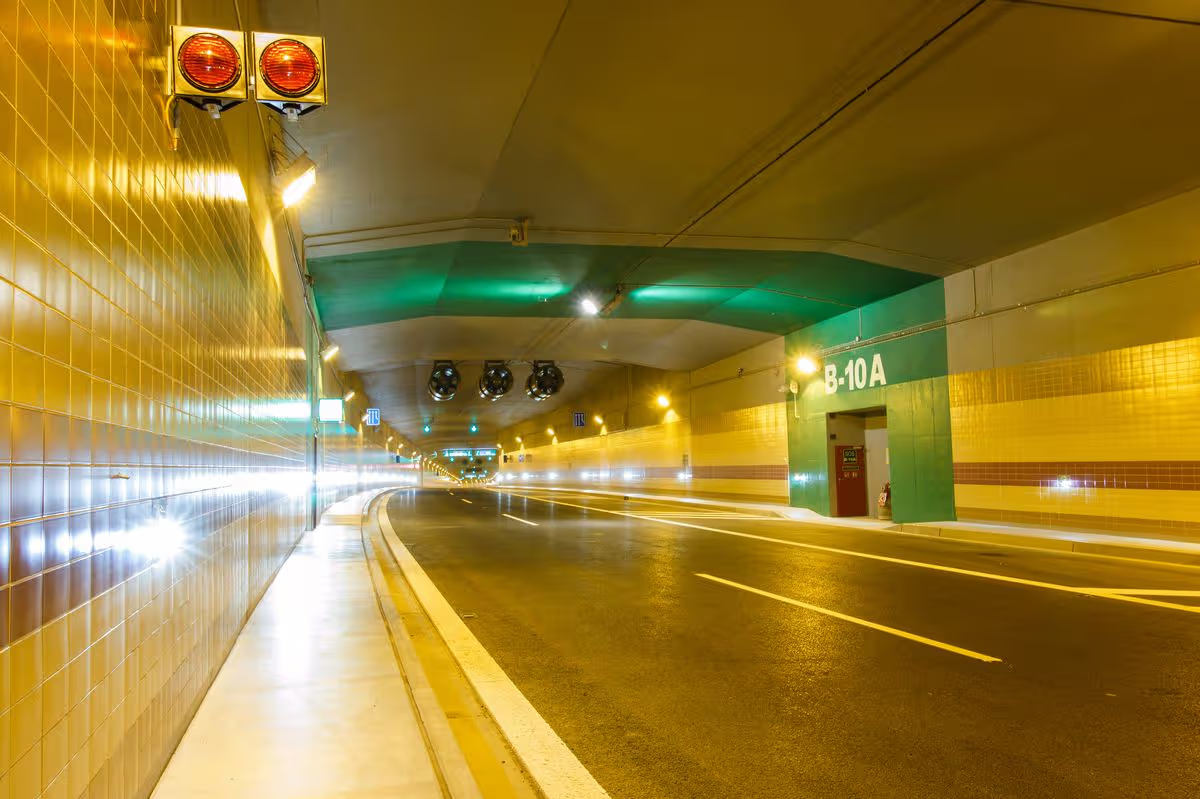
Three tunnels form part of the complex under the city
The tunnel runs right under a European city.
A European city has an extensive network of tunnels beneath it. The Blanka Tunnel Complex is the longest city tunnel in Europe and runs for a total length of 5,502 meters.
The tunnel sits under Prague and is the longest road tunnel in the Czech Republic. It connects the area west of Prague Castle with the Trója district in the North-east of the city.
Three tunnels, consisting of the Bubenečský, Dejvický, and Brusnický, make up the complex, which was designed to relieve heavy traffic from the history city centre. In its first 49 months since opening, it was used by 139 million cars.
Today, it is estimated that 88,000 vehicles use the tunnel every day. The Blanka Tunnel Complex opened on September 19, 2015, but it was a long time coming.
Construction launched in 2006, but it was planned since 1993. The tunnel was due to open in 2011, but the biggest and most expensive project in Prague was delayed by four years.
It cost 43 billion crowns, which is £1.5 billion today and doesn’t include all construction costs. During the construction of the tunnel complex, there were three landfalls.
The incident occurred twice in the Stromovka park, creating a hole measuring 15 to 25 meters. Another landfall happened in the garden area of the Ministry of Culture in Hradčany.
Since opening, the Blanka Tunnel Complex has undergone continuous maintenance. There is 24/7 monitoring by a dedicated control centre that works night shifts to service lights, ventilation systems, cabling and drainage.
Last year, the tunnel marked its 10th anniversary. Prague Daily News said: “It relieved congestion in the city centre, reduced journey times, and took vehicle traffic underground.
“Since its opening, around 780 million vehicles have passed through the tunnel.
“The Dejvický Tunnel has borne the greatest load with more than 271 million vehicles, followed by the Brusnický Tunnel with almost 266 million and the Bubenečský Tunnel with 236 million vehicles.
“Although Blanka has been in regular operation for years, the approval process for part of the project is still not fully concluded.
“A formal decision by the Administrative Court has meant that the relevant section continues to operate only under provisional use.
“Observers, however, expect a final acceptance soon.”
IF you fancy visiting to Lake Como but can’t face the long airport queues, how about going in the opposite direction?
In the Finger Lakes region of New York State is the quiet village of Hammondsport – and it has been compared to the famous Italian lake.
Sign up for the Travel newsletter
Thank you!
Hammondsport village is a tiny destination at the foot of Keuka LakeCredit: AlamyThe Y-shaped Keuka Lake is often compared to Lake Como in ItalyCredit: Jay Faust
Both lakes are a Y-shape, but Keuka Lake is smaller than its Italian alternate – it’s just under 20 miles long with over 60 miles of shoreline.
Meanwhile, Lake Como has a maximum length of 29 miles; however, the shoreline length is a whopping 105 miles.
Keuka Lake is much shallower too at 187 feet at its deepest, while Lake Como has a maximum depth of 1,394 feet.
You can swim in both, as well, but Keuka Lake is considered one of the cleanest and warmest of the Finger Lakes too so it’s ideal if you want to take a dip.
It might even be a better option as visitors can swim in Lake Como, but the water quality differs depending on where you enter the water.
Keuka Lake is surrounded by vineyards, much like Italy and is so pretty that one visitor called it “one of the most beautiful lakes in upstate New York“.
The Finger Lakes itself has around 140 wineries, and near Keuka Lake there’s Bully Hill Vineyards, Heron Hill Winery and Divided Sky Vineyard.
For those who really want to learn more about the wine scene, there’s even a dedicated Keuka Lake Wine Trail.
The lake in the US is considered one of the cleanest and warmest in the Finger LakesCredit: Getty
If you head to the official website, you can pay $45 (£33) and redeem tasting flights at six of the included wineries.
At the very south of Keuka Lake is the small and charming village of Hammondsport.
There’s not too much see with it being a village, but visitors have raved about Verns Bakery, Burgers & Beers, Park Inn restaurant, Crooked Lake Ice Cream Company which is also a 50s-style diner.
Head to Depot Park for views across the water – and this is the spot if you want to hire out your own boat.
Surrounding the lake are rolling fields of vineyardsCredit: Alamy
With multiple boats, you can hire them out for the day from $535 (£398) – split between eight (which is the maximum passengers), that’s just under £50per person.
If you want to stay in Hammondsport, check out Park Inn which has just five suites above its restaurant.
Rates start from $150 (£111) per night (with a two-night minimum stay).
Or there’s the Vine Inn & Carriage Houses which is described as a ‘serene retreat’ and is a 10-minute walk from the lake.
The Park Inn has five suites above its restaurant in the villageCredit: Unknown
If the heat of Italy during the summer is what you’re afraid of missing out on, then rest assured, it will still be just as hot.
In the summertime, the Finger Lakes region can reach temperatures of 28C with it cooling down in the following months.
I’m not sure I’ll be working as a bartender in Lima any time soon.
Thankfully the city has more than enough of them, with the Peruvian capital often named a top food and drink destination.
The place may be nicknamed Lima La Gris (from the large grey clouds that frequent the sky) but the city is certainly colourful when it comes to both gastronomy and architecture.
One of its brightest districts is the vibrant and noisy Barranco.
Often referred to as among the world’s coolest neighbourhoods, the bohemian area is popular with surfers heading to the beach and art lovers adding to the hundreds of muralled walls.
Walking down the street is a feast for the eyes with men playing guitars outside multi-coloured houses, while cyclists zoom past with wetsuits on.
With more than 200 pieces of artwork across the neighbourhood, it feels more like an open-air art gallery.
And the city is fast making a name for itself when it comes to food, with many award-winning restaurants also found here.
One of those is Mayta, a World’s 50 Best Restaurants winner in Miraflores, made up of structured wood and concrete blocks.
While the seven-course tasting menu was tempting, I didn’t have four hours to kill, so opted for the à la carte.
I started with the fresh and zingy limey ceviche before I filled up on their take on paella with a crispy rice parcel surrounding shrimp.
For something a little more wallet-friendly, in the Miraflores neighbourhood, I found Parque Kennedy, known for its huge number of street vendors selling cheap snacks.
For around a fiver, my hands were quickly filled with herbal “emoliente” drinks that stave off hangovers, picarones (sweet doughnuts made of squash) with honey and chicharron pork sandwiches.
Peruvians love massive portions, I soon found out. And I was told that the best way to work off all the food would be to hit the waves, of course.
But with my surf skills lacking, I instead opted for a bike tour of the city, taking in the spectacular coastline, as well as the famous Love Park.
Inspired by Catalan architect Antoni Gaudi, sculptor Víctor Delfín built a wall of tiles, surrounding the famous El Beso sculpture of couples embracing.
Peru’s huge exports of coffee and chocolate mean you can barely walk five minutes without spotting a chocolataria.
As a self-professed choc expert, I was extremely smug after one cocoa class, naming all of the regions I tasted correctly.
A few hours away, Peru’s tiny second city of Arequipa, in the shade of the Misti volcano, is even more overlooked than Lima, yet the food is just as incredible.
My favourite way to spend the morning was jogging in the main central square, watching the sunrise over the Basilica Cathedral of Arequipa.
That running was preparing my body for yet more fantastic restaurants.
There was the vibey 13 Monjas (13monjas.com), with huge portions of Peruvian inspired pasta and Chica (chicha.com.pe) with yet more huge portions of fish tacos.
The Misti volcano in the AndesCredit: PROMPERÚThe Sun’s Kara Godfrey in a selfie with animalsCredit: Kara Godfrey
Yet there was one thing missing from my trip to Peru so far — and that was a cuddle with a llama.
Leaving the cosmopolitan cities, I went in search of the fluffy animals through the Colca Canyon region.
We sped through arid deserts, barely seeing a soul, bar a few locals by an abandoned train track.
Ears popped as we climbed the mountains across Lord Of The Rings-esque epic landscapes.
I was warned to expect some altitude sickness and I was certainly unsteady on my feet as we hit 4,900 metres.
It’s a few hours into my journey that I gasp as I finally see them — a traffic jam of wild llamas and alpacas.
Lazily grazing on the side of the road like oversized sheep, they seemed non-plussed as they sauntered over the road in front of us.
But just seeing them wasn’t enough for me. I wanted to get up close and personal.
Our abode for the night was in the village of Sibayo with a local family who had lived in the area for generations.
It was here that we were joined by a farmer, who excitingly told us we would be going on a llama walk.
It was only as we got up close that I realised quite how tall they were, some towering over my mere 5ft 5in height.
But my excitement never dwindled.
We walked across the beautiful river as they followed me like I was their leader.
I couldn’t resist a ruffle of their heads, with their ears cutely flipping up whenever we stopped.
Returning to our lodges, the evening was spent learning how to knit and dance.
The warm hospitality was evident throughout the stay, with free bracelets and shots of alcohol while listening to music and even a hot breakfast bag before leaving.
By the end of our stay, there were hugs all around, with our guide telling us how he always feels sad saying goodbye to tourists.
A feeling that is mutual it seems from the full guestbook of goodbyes.
I wasn’t ready to return to cold England that’s for sure – but a bag full of local coffee and alpaca socks certainly helped.
Protesters demonstrate in front of a polling station in Songpa District, Seoul, South Korea, 04 June 2026, to call for the suspension of ballot counting. A shortage of ballot papers forced an extension of voting at several polling stations in the area during the local elections held the previous day. Photo by YONHAP / EPA
June 5 (Asia Today) — Protesters who had blocked a polling station in Seoul’s Songpa district for two nights and three days moved Friday to a vote-counting center, demanding a new election after ballot shortages disrupted voting in the June 3 local elections.
The ballot boxes from the No. 2 polling station in Jamsil 7-dong were transferred and counted after about 1,000 police officers were deployed. But protesters said they could not accept the result and effectively occupied the entrance area of the counting center, calling for a revote.
About 300 people, including citizens and conservative YouTubers, gathered near the entrance of the Olympic Park handball arena, according to an unofficial police estimate.
Even after the counting was completed, protesters chanted slogans including “revote” and “invalidate the vote.” Some protesters have alleged election fraud, but election authorities have attributed the disruption to a shortage of ballot papers during voting.
The atmosphere grew tense as access for election workers and arena employees was effectively blocked. Some arena employees who tried to leave were reportedly stopped by protesters and remained inside.
Police continued to guard the area around the arena after the vote count ended. Officials at the scene were considering sending election commission workers home first and removing vote-counting materials separately.
The protest followed a broader ballot shortage controversy in South Korea’s local elections. The National Election Commission said ballot shortages occurred at 50 polling stations nationwide and temporarily halted voting at 22 sites. The disruption drew public criticism and led the commission’s chairman, Roh Tae-ak, to announce his resignation Friday.
Earlier, protesters blocked the removal of ballot boxes from Jamsil 7-dong’s No. 2 polling station after a ballot shortage left voters waiting for hours. Police later escorted officials to retrieve the remaining ballot boxes, and the final count ended Friday afternoon.
Weekly insights and analysis on the latest developments in military technology, strategy, and foreign policy.
In the latest flare-up of tension during a very shaky ‘ceasefire,’ “Iran has launched multiple drones towards the Strait of Hormuz,” a U.S. official told us. “U.S. forces have taken out at least four of them.”
The statement comes as unconfirmed reports are emerging online of explosions on Iran’s Kharg Island. The official, who spoke to us on condition of anonymity to discuss operational issues, declined comment about those claims.
Big Development
The United States Airforce just launched an intense airstrike on Kharg Island of Iran. Reportedly Air Defence & missile launch site of IRGC has been targeted. pic.twitter.com/qseXJ5g6B7
Kharg Island, which has come under attack before during Epic Fury, is Iran’s main oil export facility. An attack on the oil infrastructure would represent a major escalation.
News of the U.S. takedown of the drones is the latest kinetic incident in the Strait and comes amid sputtering peace talks. As we wrote last week, the U.S. struck Iranian targets and Iran launched missiles and drones at Kuwait and Bahrain in an exchange that severely damaged Kuwait International Airport, killed several people and injured scores more.
You can see video and images of damage from the June 3 attack below.
This is what Iran did in my country, Kuwait: it killed innocent civilians by bombing Kuwait International Airport. Violating all international norms
— حمد عبدالكريم السعيد (@Hamad_Alsaid) June 4, 2026
Other exchanges have occurred around the strait, where U.S. Navy ships says vessels, including their own, were fired upon, which resulted in reprisal attacks on shore targets.
UPDATE: 6:56 PM EDT –
CENTCOM confirmed U.S. forces attacked Iranian facilities and shot down Iranian drones..
“Moments ago, CENTCOM forces shot down four Iranian one-way attack drones that were launched toward the Strait of Hormuz,” the command stated on X. “The attack drones posed an immediate threat to regional maritime traffic. U.S. forces subsequently struck Iranian coastal surveillance radar sites in Goruk and on Qeshm Island to defend against further attacks. American forces remain vigilant and postured to respond to unjustified Iranian aggression in self-defense.”
Moments ago, CENTCOM forces shot down four Iranian one-way attack drones that were launched toward the Strait of Hormuz. The attack drones posed an immediate threat to regional maritime traffic. U.S. forces subsequently struck Iranian coastal surveillance radar sites in Goruk and…
In a post on X, CENTCOM claimed that “U.S. forces intercepted multiple Iranian ballistic missiles and drones launched by Iran toward the Strait of Hormuz and Gulf neighbors, June 5. “
“Iran fired seven ballistic missiles toward Kuwait and Bahrain,” the command stated. “Initial assessments indicate six of the missiles launched by Iran were intercepted and a seventh did not reach its intended target. There are currently no reports of harm to U.S. personnel, and Iranian claims of damaging U.S. 5th fleet headquarters in Bahrain are false. CENTCOM forces remain vigilant and postured to continue responding to unwarranted Iranian aggression in self-defense.
The Iranian attack took place hours after the previously mentioned CENTCOM strikes on Iranian coastal targets.
The CENTCOM post included a video showing those strikes.
Callum Woodhouse, who plays Tristan Farnon, has warned that things may be “coming to change” for his character’s relationship in the upcoming series
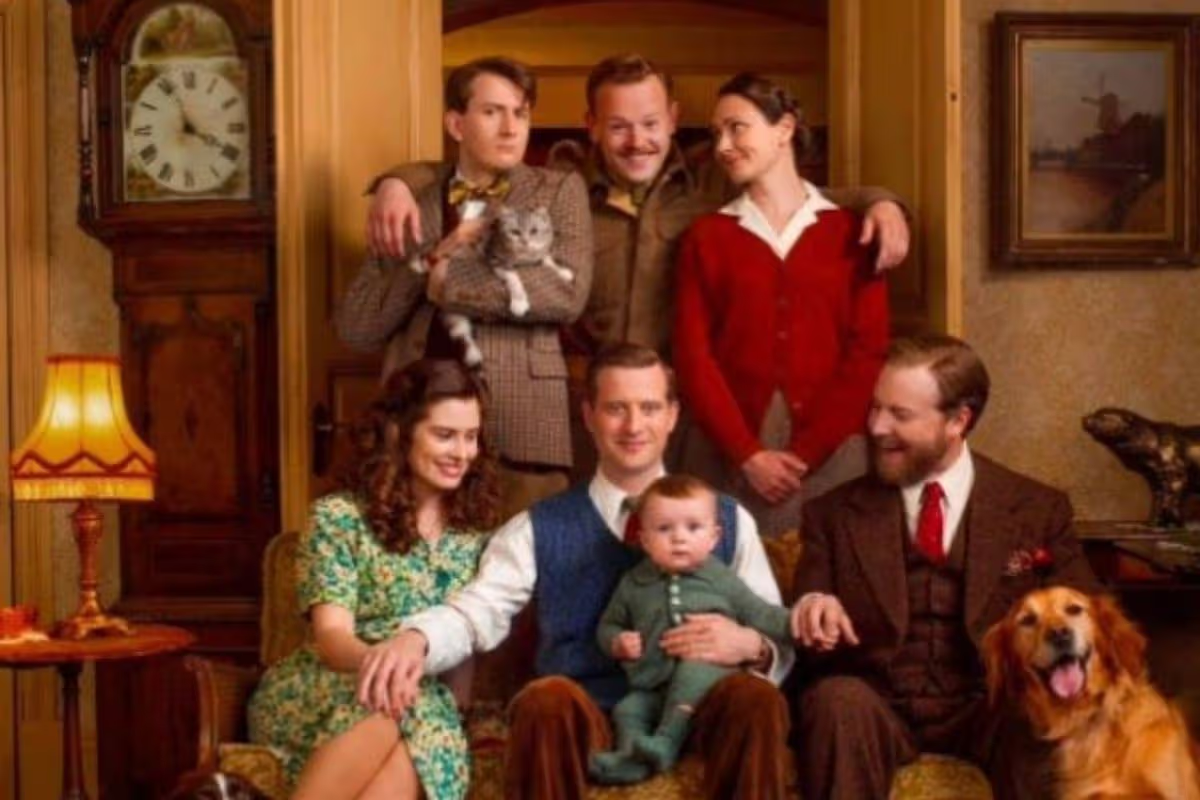
All Creatures Great and Small will return for two more seasons(Image: Channel 5)
A star from All Creatures Great and Small has hinted at potential turbulence ahead for a blossoming romance between two characters.
Callum Woodhouse is set to reprise his role in the cherished period drama for its seventh series later this year.
Taking place during the 1930s and 40s, the much-loved programme chronicles Yorkshire veterinary surgeon James Herriot as he tackles the demands of his countryside practice.
With Nicholas Ralph portraying James Herriot and Rachel Shenton as his on-screen partner Helen, Callum takes on the role of Tristan Farnon, sibling to Siegfried Farnon, portrayed by Samuel West.
The last series and festive special witnessed Tristan confronting his own difficulties following his return from combat, before developing feelings for Charlotte Beauvoir. However, Callum has now cautioned that “things may be coming to change”, reports the Express.
Speaking to RadioTimes, he revealed: “It’s not really a massive spoiler to say I’m still with Charlotte Beauvoir, who is really good for him and helps him with his mental health.
“She keeps him happy and… I think he’s a little bit more content. But there’s only so long that that can last. So, things may be coming to change, but we don’t know.”
Following his character’s arc which depicted him battling PTSD after serving on the front line, Callum previously shared with the publication: “I think she’s come into his life at a time when he just really, really needs her.”
He added: “I think they’ve got a great chemistry and they get on really well.”
He continued: “Tristan, right now, needs someone who is sympathetic and understanding to what he’s been through, and is very much still going through.”
While fans eagerly await the new series of All Creatures Great and Small, the programme has already been confirmed to return for both series 7 and 8, each featuring six hour-long episodes, alongside Christmas specials.
Greg Barnett, Commissioning Editor at 5, had hinted that there remain “many new stories still to tell and more unforgettable adventures ahead”.
Barnett said: “All Creatures Great and Small is a jewel in 5’s drama crown and continues to delight viewers year after year. Its warmth, humour and heart, set against the beauty of Yorkshire, have made it a firm audience favourite.
“We’re thrilled to extend its future with two more series, with many new stories still to tell and more unforgettable adventures ahead for our Skeldale family.”
All Creatures Great and Small is available to watch on My5
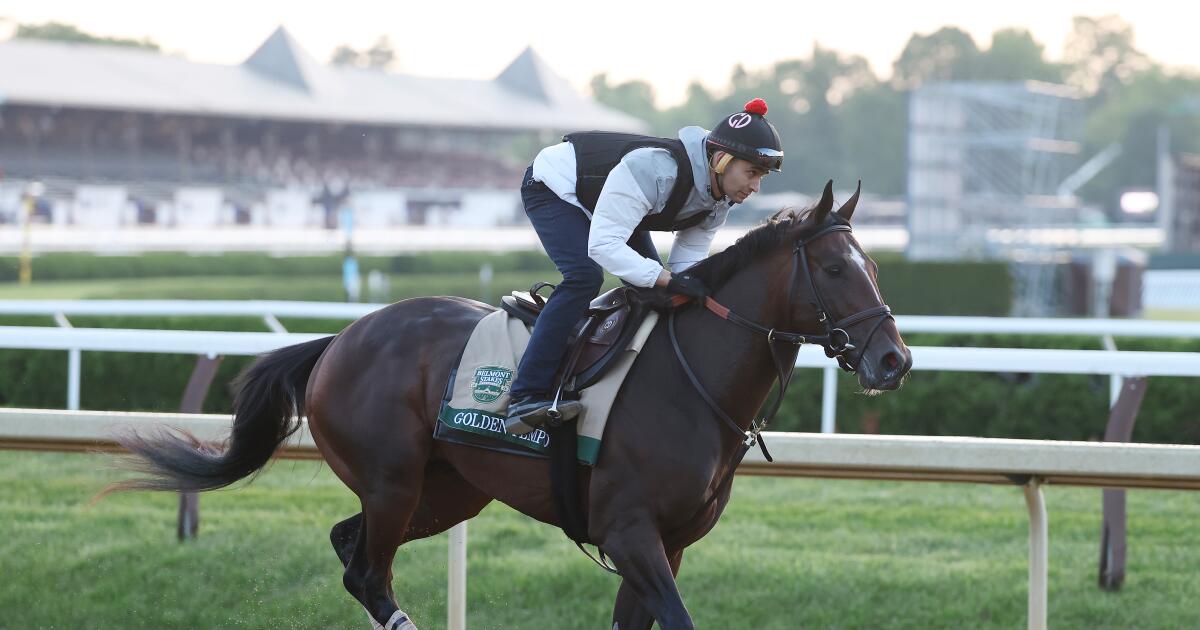
SARATOGA SPRINGS, N.Y. — One thing about the Triple Crown: Fans do not get cheated, at least when it comes to the number of races on the big day.
Just as Churchill Downs did for the Kentucky Derby and Laurel Park did two weeks later for the Preakness, Saratoga Race Course has scheduled 14 races Saturday, highlighted by the Belmont Stakes. It’s the third and final year the Belmont will be run at the upstate New York track while Belmont Park is being rebuilt.
While Laurel started its card at 7:30 a.m. PDT, the Saratoga card follows Churchill’s schedule and begins at 8 a.m. PDT, or 11 a.m. on the East Coast. And, just like the other two headline races, the Belmont is scheduled to start at 4:04 p.m. PDT, or 7:04 p.m. EDT.
It will be the 13th race of the day, with official post time listed at four minutes past the hour.
The biggest difference Saturday from the Derby and Preakness is where fans can watch the races. Fox, not NBC, has the rights to the Belmont.
The first seven races can be seen on FS2 as part of the New York Racing Assn.’s regular “America’s Day at the Races” program, which starts at 7:30 a.m. PDT and continues until noon. The eighth race, at 12:25 p.m. PDT, also will be covered by that crew but will air on Fox.
The network’s official Belmont show begins at 1 p.m. and continues until 4:30. Curt Menefee again is the host, with analysts Tom Amoss and Richard Migliore, plus handicappers Jonathan Kinchen and Chris Fallica, with other contributors such as Charissa Thompson and Tom Rinaldi.
Thompson also will host an alternate telecast geared for horseplayers from 1-4:30 on FS1.
The last of Belmont’s 14 races is set to begin just past 5 p.m. PDT, or 8 p.m. in the East. But don’t worry … FS2 will carry that and it won’t interrupt the Belmont Stakes post-race coverage.
By Hannah. Not her real name, You know, of the Berkshire Tomlinsons
I USED to be the fashion editor for British Vogue, and now I’m a bricklayer and hod-carrier. Why? You already know the answer is money, don’t you?
Yes, I walked away from a six-figure job to do something real and earthy for reasons I’d list as spiritual fulfilment and a need to abandon artifice, but actually comes down to ‘because I could afford to’. So useful having what I refer to as a ‘small private income’.
It’s very much the same reason I left London for Somerset, which you may remember from a previous article. I claimed it was to ‘remove myself from the aspirational rat-race of Mulberry bags and matcha martinis’ but made £2.2 million selling my flat.
I’m back in London now, of course – the Somerset place is being rented to a crypto-billionaire, more than covering the mortgage – but I’m not returning to my old job. No, not the Vogue one, the City one?
From my classic piece ‘I walked away from a job in the City to become a chocolatier’? That didn’t mention my £865k pay-off until after my rapturous discovery that I needed purpose in my life, and had found it in organic raw cacao?
Yes, well it turns out selling chocolate is a lot like being a common shopgirl. So I walked away from that, keeping only my substantial shareholding, and now I’m a bricklayer! I know, aren’t I remarkable?
Not a real bricklayer, of course. That would be absurd. No, this is the point where I reveal I’ve retrained as an architect and I’m only bricklaying for a few days and a photoshoot! My actual salary is f**king telephone numbers.
So why don’t you take inspiration from me and give up your boring job to do something you love? Because you’re worried you won’t have the money for rent or food? How boring and small of you. No wonder poor people never succeed.
South Korea President Lee Jae Myung attends the ROK and the U.S. repatriation ceremony for Korean remains at Seoul Military Air Base in Seongnam, South Korea, 05 June 2026. The remains of ten South Koreans and the three U.S. soldiers killed in the Korean War were sent back to their homeland. Photo by JEON HEON-KYUN / EPA
June 5 (Asia Today) — South Korean President Lee Jae-myung said Friday that the mutual repatriation of Korean War remains by South Korea and the United States is “the most compelling evidence” of an alliance forged in blood.
Lee made the remarks at Seoul Air Base in Seongnam, where South Korea and the United States held a mutual repatriation ceremony for Korean War remains. It was the first time the ceremony was held in South Korea. Previous mutual repatriation ceremonies had been held in Hawaii.
“Today’s repatriation is a meaningful milestone that deepens and strengthens the South Korea-U.S. alliance, which was built on the blood and dedication of veterans,” Lee said.
“The effort to find not only one’s own warriors but also those of an ally and return them to their families is the most compelling evidence of an alliance forged in blood,” he said.
The ceremony returned the remains of 10 South Korean service members from Hawaii to South Korea. The remains of three U.S. service members were returned to the United States.
Lee said the repatriation was a promise by both countries to remember the heroes who devoted themselves to freedom and peace, calling it “the most noble tribute to their sacrifice.”
“More than 70 years ago, we were able to defend freedom and peace because of the noble sacrifice of heroes who gave their most precious lives to protect the freedom and peace of the Republic of Korea,” Lee said.
“But there are heroes who, long after the war ended, have still not returned to their hometowns,” he said. “Returning them fully is the historical duty of those of us who survived.”
Lee said trust built through battlefield promises has sustained the U.S.-South Korea alliance for decades.
“The trust that keeps promises made on the battlefield, even after decades have passed, is the strong root that has supported the South Korea-U.S. alliance,” Lee said. “With the firm South Korea-U.S. alliance as nourishment, the Republic of Korea is writing a new history of prosperity that amazes the world.”
Lee said the two allies should continue working together for peace and mutual prosperity.
“If South Korea and the United States join hands and move unwaveringly toward the future, complete peace will take root on this land and the flower of mutual prosperity will bloom,” Lee said. “We will continue to carry forward, with future generations, the noble history of solidarity for freedom and peace.”
Hundreds of Bolivian residents are braving near-freezing temperatures to queue for affordable chicken in La Paz, due to more than a month of food shortages.
Spiked prices and protester blockades have affected access to food and medical supplies in the capital.
Khloe Kardashian was spotted in Monaco with her sister KimCredit: GettyThe sisters are in the South of France to support Kim’s boyfriend Lewis Hamilton, who is racing in the Grand PrixCredit: Getty
Both Khloe, 40, and Kim, 45, went for plunging black tops.
The younger sister paired her outfit with comfy black capri pants, which showed off her very slender legs.
While big sis Kim revealed her tiny waist and toned pins in blue jeans.
Both siblings wore dark shades and were flanked by their entourage.
The sisters chatted as they got ready to board a boat on the French RivieraCredit: GettyKim is hoping to see Hamilton win his first race of the season in MonacoCredit: Alamy
The pair were seen chatting happily as they headed towards a waiting boat.
Tomorrow, they will watch Kim’s boyfriend Lewisrace in Monaco‘s Grand Prix.
The Sun revealed the couple were dating in February after they were spotted enjoying a romantic getaway in the UK.
Kim and Hamilton started dating this yearCredit: ShutterstockThe pair have since gone Instagram official as their relationship continues to blossomCredit: Instagram/kimkardashian
Kim, who was married to Kanye West, 48, from 2014 to 2022, said last October she could not imagine herself dating another famous man.
She told a podcast that the person “would have to be someone super- special” for her to start another relationship.
Kim explained: “I don’t know if I have the energy or whether I’ve met the right person that I would want to blend my family with.”
On whether she might date another musician or athlete, she added: “Neither. We’re going, like, lawyers and longevity scientists who would give me all their secrets.”
After splitting from Kanye, she dated comedian Pete Davidson and then NFL player Odell Beckham Jr until things fizzled out in April 2024.
While Lewis has not had a serious relationship since he split from Pussycat Dolls singerNicole Scherzingerin 2015 after almost eight years.
Ron, a West L.A. resident, thinks he knows why former reality TV star and political newcomer Spencer Pratt won so much support in his run for mayor.
People are frustrated, frightened and angry about homelessness “and the crime associated with it,” Ron said in an email. He added that he voted for Mayor Karen Bass, but “almost everything Pratt said about the homeless resonated with me. … The homeless run wild here, without consequence.”
“Many of us support him not because we think he’s perfect,” said Kathy, “but because we are deeply dissatisfied with the direction of Los Angeles and feel that traditional politicians have not delivered the results we were promised.”
Bob, “a left-leaning Palisades resident,” said the issue is not Pratt’s lack of credentials, but the failures of incumbents. “There was a columnist … who documented in depth the situation at MacArthur Park,” Bob wrote in reference to me. “What was his name and what happened to him? Did he change his tune?”
These are all fair points, and if Pratt holds onto one of the top two spots and makes it to the Nov. 3 general election, or he’s overtaken by late-charging Councilmember Nithya Raman, we’re going to hear a lot more about homelessness in coming months.
So whether we’re looking at a Bass-Raman contest or a Bass-Pratt showdown, here are some random musings, and I’ll begin by responding to Bob’s question about whether I have changed my tune.
Not in the least.
The situation in MacArthur Park — targeted Thursday in a crackdown that involved multiple arrests — has long been a disgrace, and the same is true of many other places I’ve written about for the past quarter of a century. Last month, I visited a Hollywood neighborhood where one frustrated resident hired her housekeeper to document chronic problems related to homelessness, illegal dumping and criminal activity.
Residents have good reason to ask why they haven’t gotten better results after responding to politicians’ pleas for more money over the years.
It’s no surprise that Bass had high unfavorability ratings and why, despite leading in the primary vote count, she’ll fall far short of the 50% needed to avoid a second election phase. I still can’t believe that when I first asked her about the sad state of MacArthur Park, she told me she was fully aware, because she often drove through the area on her way to work.
Then why hadn’t she led the charge to address the problems and return the park to the community?
It shouldn’t take months, let alone years, to take back control of public spaces, and Pratt’s criticism is warranted, no doubt. And my main issue is not the hypocrisy of him saying God wants him to be mayor while calling his opponents demonic entities and villainizing homeless people he intends to shoo away to Seattle. It’s that his “fixes” demonstrate a lack of understanding.
Let me make a confession. From one angle or another, I’ve been writing about the intersection of homelessness, mental illness and addiction for a couple of decades, and I still have a lot to learn.
And on a personal note, I lost my son to a drug overdose. He had a job and wasn’t homeless, but like a lot of people who struggle with depression and other demons, he was resistant to help, and even to the idea that he needed help.
There are a lot more substance users like him, living out of public view, than there are on the street. We notice only those who don’t have the means to pay the rent or the mortgage as housing prices rise. So when Pratt says we don’t have a homelessness problem, but a drug problem, he’s missing a critical component in understanding why L.A. has tens of thousands of unsheltered people.
Pratt said on his website that his “treatment first” approach would direct resources into mental health and drug treatment care, which sounds good except that those responsibilities are primarily under county jurisdiction, not city control.
He and others have attacked harm reduction practices, such as distribution of needles and other paraphernalia. And I have to admit that it seems counterintuitive to enable further drug use. But the idea is to prevent death, engage clients and start a relationship that might lead to transformative care.
The county reports that in 2024, fentanyl-related deaths decreased by 37% and meth-related deaths by 20%. Harm reduction can be “absolutely invaluable,” addiction specialist Rick Rawson told me when I was working in MacArthur Park, but we need much more than that.
“When you have someone who becomes so incapacitated that they can’t stand up,” Rawson said, “to say that you’re just going to provide them with harm reduction and hope they don’t die, I think that falls short of the responsibility we have to each other and to the sickest people.”
I’ll add here that I firmly believe we should intervene more aggressively with people who are gravely ill, or are a threat to themselves or others. I recently profiled two San Diegans who are advocating for use of an existing law to allow for deeper evaluations and longer-term treatment plans for people with chronic drug and mental health issues.
It’s worth noting that drug and alcohol rehab is seldom a quick or surefire remedy. As for mental illness, it took me one year, along with the help of trained professionals, to convince my friend Nathaniel to seek help after he’d spent decades on the street following a diagnosis of schizophrenia.
What I’ve found over the years is that many of those living in tents and cars and alleys and parks are damaged in numerous ways.
I’m less inclined to judge people from a distance after having met a man on Skid Row who said he fell apart after his young daughter drowned. I’ve met women who are victims of domestic abuse or sexual assault. People in the grip of killer drugs like meth or fentanyl don’t think as clearly as we’d like them to, and they repeatedly sabotage their own self-interest.
To see people take over public spaces, openly sell or use drugs, lash out and scare those around them is disturbing and sometimes scary. But to say they choose to live on the street, as Pratt has, is to miss the point, to excuse our own complicity, to overlook historic policy failures, and to choose contempt over compassion.
Homelessness can cause mental illness, and mental illness can cause addiction, and vice versa. One condition alone can be difficult to address, but intertwined maladies further complicate matters.
I recently checked in with a guy I wrote about who had been addicted and homeless in Koreatown, and he said his recovery took more than half a year. He was in residential treatment for a few months, then in intensive outpatient treatment. There are no shortcuts, he said.
I’m not here to defend Bass, or Raman and the rest of the City Council, which shares responsibility for the current state of the city. Limited progress has been made in the last 3½ years, with a marginally lower number of homeless people.
But there’s a long way to go in moving people indoors and restoring a sense of order and public safety. The many needs include smarter enforcement of existing laws, faster development of low-cost interim and permanent housing, better coordination of outreach and follow-up services and more people willing to do all of this work.
Let’s hope that in the coming months we’ll get an honest conversation about what’s working, what isn’t, and how to do better.
A woman has shared her shock after an ‘entitled’ stranger stole her pre-booked plane seat – sparking an argument onboard as she tried to claim back what she’d paid for
13:29, 06 Jun 2026Updated 15:52, 06 Jun 2026
She has shared her dismay online (stock)(Image: AlxeyPnferov via Getty Images)
When arriving at the airport, travellers cannot wait to board their flight and jet off on their well-earned holiday. But one woman’s much-needed getaway started with friction when a stranger stole her plane seat and refused to give it up.
Taking to Reddit, she explained how she pre-booked a window seat on the plane, 27A, but when she arrived at her row, there were two women already sat down. She said: “I politely told them I had 27A, and one of them goes, ‘No, this is 27C the window seat. 27A is the aisle.’ “I was a bit confused, so I double checked after sitting down briefly in the aisle seat, and asked a flight attendant. She confirmed that 27A was in fact the window seat.
“So I go back and explain that to the woman, nicely, and her response was, ‘For f***’s sake, what are you so desperate to sit by the window for?'”
Wanting to avoid an argument, she told her that she’d pre-booked that specific seat on purpose and kindly asked her to sit in the one assigned to her.
She added: “She snaps back, ‘We all paid for it’, and still refuses to move.
“At this point the flight attendant is right there witnessing everything and says, ‘It’s her seat if she wants to sit there, she will.’
“Only then did the woman finally move, but the attitude the whole time was unbelievable. No apology, no basic respect, just pure entitlement.
“Honestly, I don’t get how people can act like that over something so straightforward. If it’s not your seat, just move. It’s not that deep.”
Commenting on her post, one user said: “It’s rude and it is not allowed. You sit in the correct seat period. They just wanted to take your seat. That’s where the flight attendants come in and say move it.”
Another added: “I remember when they said people had to sit in their assigned seat so they could be identified in an accident.”
A third chimed in: “People need to learn that doubling down on mistakes is wrong and stupid.”
One more person said: “I hope you didn’t need to leave your seat during the flight. I bet she’d b**** about that!
I WORK in travel, which basically means I spend most of my life looking at holiday prices, booking trends, destinations and deals.
Now and then, a destination suddenly appears on my radar where I think: “this place is about to have a BIG moment”.
Holiday expert Rob Brooks explains why Montenegro is becoming a popular holiday hotspotCredit: GettyYou can stay 5 nights at the 4* all-inclusive Carine Hotel Kumbor Superior for £288ppCredit: On the Beach
A few years ago, hardly anyone in Britain was talking about it.
Now, searches for Montenegro holidays are up more than 120 per cent year-on-year, while bookings have surged by more than a whopping 500 per cent.
And after looking at the prices people are paying compared to what they’re actually getting, I completely understand why.
Because Montenegro feels like somebody merged Scandinavia and the Mediterranean, then forgot to charge Monaco prices for it – and the value genuinely shocked me.
Holiday prices in general have crept up massively over the last few years, with the average beach holiday now sitting close to £2,000 in 2026.
Montenegro, though, is still coming in around 10 per cent cheaper than that, despite looking far more premium than many destinations which charge significantly more.
I found a five-night all-inclusive stay at the 4* Carine Hotel Kumbor Superior in Herceg Novi for £288pp in October 2026.
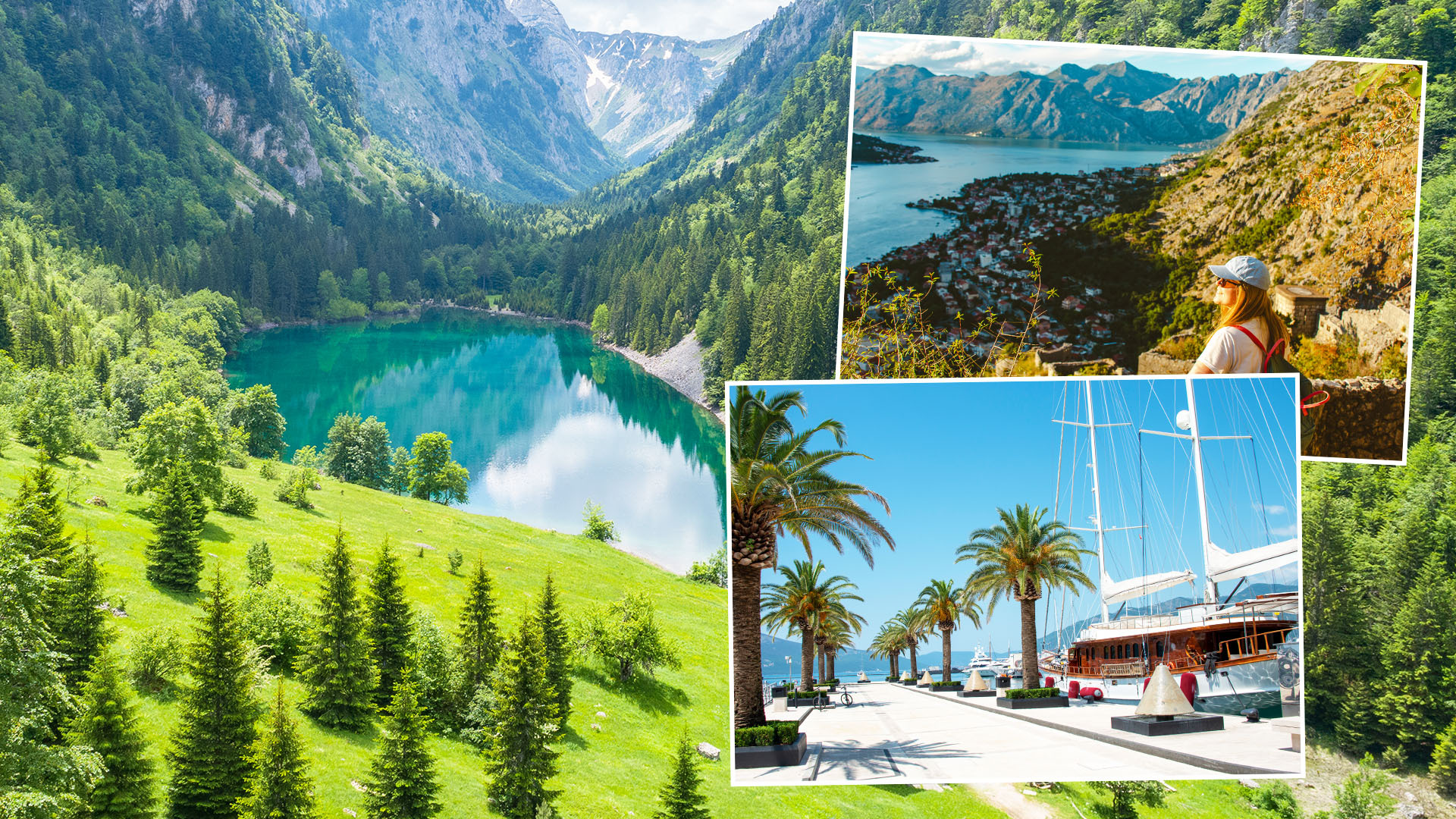
The landscapes of Montenegro blend dramatic mountains with quaint old towns and modern marinasCredit: GettyRob recommends Kotor, Tivat and Herceg Novi for quieter spots to holiday in MontenegroCredit: Getty
Beachfront hotel, direct flights from Gatwick, strong reviews, mountains dropping into the sea behind the hotel – the sort of place most people would assume costs a fortune.
Then I compared it to similar all-inclusive beachfront hotels elsewhere in Europe.
A comparable 4* all-inclusive stay at Hotel Osmine on Croatia’s Dubrovnik Riviera was coming in at £530pp for similar dates.
And that’s the bit people haven’t really clocked yet.
Montenegro is still priced closer to budget beach destinations, despite visually feeling far closer to luxury resorts in Croatia, northern Italy or the French Riviera.
This is the easiest way I can describe Montenegro to people who’ve never been: imagine Norway, but warm.
You’ve got dramatic fjord-like bays where mountains crash straight into bright blue sea, but then layered into that are old Venetian towns, beach clubs, marinas and proper Mediterranean weather.
The Bay of Kotor, in particular, looks almost fake in places. One minute you’re driving around scenery that feels Scandinavian, the next you’re sitting eating seafood by a marina in 25-degree sunshine.
It doesn’t feel like your standard “fly and flop” beach holiday. It feels more cinematic than that.
The question I always get asked when I mention Montenegro is whether it’s easy for British tourists.
A five-night stay with breakfast at the Hotel Rivijera in Petrovac starts at £395pp – including flightsCredit: On the BeachHotel Moskva in Budva offers five-night stays with breakfast for £255ppCredit: On the Beach
Honestly, that’s probably one of its biggest strengths.
Whenever I read reviews or speak to people who’ve been recently, the same phrases keep coming up: relaxed, calm, safe, welcoming.
And I think that matters more than ever now.
Montenegro consistently ranks as a very safe destination for tourists, and the resorts themselves feel noticeably more laid-back than some of the bigger mainstream Mediterranean hotspots.
Places like Kotor, Tivat and Herceg Novi feel more like relaxed marina towns than loud tourist machines.
You can walk around at night, eat outside by the waterfront, wander through old towns, and it all just feels very smooth and stress-free.
This is another reason I think bookings are suddenly climbing.
Montenegro stays properly warm far longer than many people realise.
If you travel in May, June or October, you can still comfortably get low-to-mid 20s temperatures while paying a fraction of peak summer prices.
In peak August, you’d expect to pay far more for that sort of scenery and hotel quality elsewhere in Europe.
But interestingly, the value isn’t just limited to shoulder season either.
I also compared two similar July deals in peak summer.
In Montenegro, I found a five-night stay at the 4* Hotel Rivijera in Petrovac for £395pp with flights and breakfast included.
Meanwhile, a comparable 4* stay at the AluaSun Costa Park in Torremolinos, Spain’s Costa del Sol, came in slightly higher at £410pp. And that’s quite telling.
Because Spain is traditionally seen as the “cheap and easy” summer holiday option for Brits.
Montenegro still somehow manages to compete with it on price, despite feeling far more undiscovered and dramatically different visually.
That long season is a huge advantage.
Whether you travel in peak July or as late as October, Montenegro seems to consistently sit in this sweet spot where the weather still feels premium, but the prices haven’t completely lost their minds yet.
It’s basically cheaper sunshine.
Montenegro stays warm into October, with temperatures reaching a toasty 20°CRob Brooks says Tivat in Montenegro feels like a ‘mini Monaco’ – but for a fraction of the priceCredit: Alamy
A lot of destinations only really work for one type of traveller. Montenegro somehow does several things at once.
You can do long weekends wandering around Kotor’s old town. You can stay in Budva if you want beaches, bars and more going on.
You can head to Becici for quieter beachfront hotels and a slower pace.
Or you can go full luxury around Porto Montenegro in Tivat, where the Marina genuinely feels like a mini Monaco at times.
That flexibility is a huge reason I think it’s growing so quickly. It works whether you’re a couple looking for scenery, a family wanting an easy beach holiday, or someone who normally does city breaks but fancies adding sunshine into the mix.
This is the big opportunity with Montenegro right now.
It’s not overrun. It’s not absurdly expensive. It hasn’t quite hit that point where every single person you know has already been there three times.
But the growth numbers suggest that it probably won’t last forever. You can already see it happening in the data.
The island of Sveti Stefan, in Budva, which is perfect for for bars and beachesCredit: GettyPetrovac also has popular beachesCredit: Alamy
Searches are climbing rapidly. Bookings are exploding.
More Brits are starting to realise they can get this sort of scenery, weather and hotel quality without paying Croatia or Italy prices.
And yet somehow, deals still keep appearing that make absolutely no sense for how premium Montenegro feels.
I found a five-night stay at the highly rated D&D Apartments Tivat in Tivat for £270pp in late September 2026 with direct flights from Luton included.
Tivat is home to Porto Montenegro – the luxury marina development that genuinely feels closer to Monaco than somewhere people still think of as an “undiscovered” Balkan destination.
That’s why Montenegro feels so unusual right now. You keep finding prices that belong to mainstream beach destinations, attached to places that look considerably more expensive.
Honestly, Montenegro feels exactly like Croatia did about five years ago – before everyone caught on and the prices started creeping up.
If I were booking Montenegro tomorrow, there are probably three places I’d look at first — and interestingly, they all offer completely different types of holiday.
Budva is probably the easiest all-rounder. It’s got the broadest appeal overall – beaches, bars, restaurants, beach clubs and enough going on that you could happily spend a full week there without getting bored.
It’s probably the closest Montenegro gets to a classic Mediterranean beach holiday destination, just with far more dramatic scenery around it.
I found a five-night stay at the 4* Hotel Moskva in Budva for £255pp in October 2026 with flights and breakfast included, which feels absurdly cheap for somewhere that looks this polished.
Then there’s Kotor, which is probably the most visually impressive place in the country.
This is the “wow” one. Think medieval old towns, mountains dropping into the bay and scenery that makes you stop every five minutes to take another photo.
For Kotor, I found a five-night stay at the 4* Splendido for £325pp with flights and breakfast included – again, in a setting that most people would probably assume costs significantly more.
And finally, there’s Becici, which I actually think might be the sweet spot for a lot of British travellers.
It’s calmer than Budva, has a really good beach, feels a little more premium overall and still gives you easy access to everything nearby.
I found a stay at the 4* Katamare Hotel for £280pp in October with flights and breakfast included, which feels like exactly the kind of deal people will look back on in a few years and wish they’d booked sooner.
Honestly, you can’t really go wrong. It just depends on whether you want beach holiday in Montenegro, a luxury Montenegro or a wow-factor Montenegro.
But whatever your choice, I completely get why more Brits are suddenly choosing it for 2026.