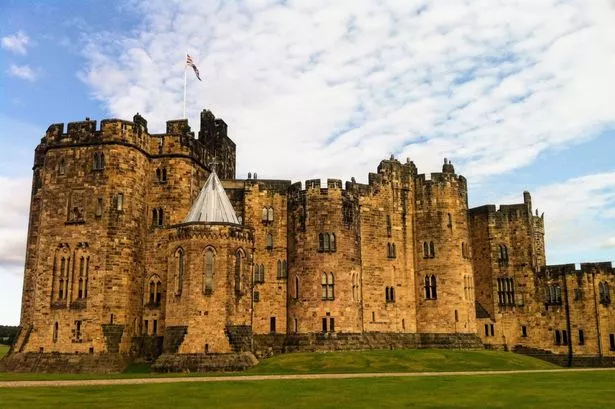
A village in Northumberland is home to a ‘spellbinding’ castle that was used as Hogwarts in the Harry Potter films and features the famous gardens with a killer Poison Garden

Stepping into this village is like entering a real-life fairytale, with its enchanting castle attracting visitors and film enthusiasts alike from across the UK and beyond.
Tucked away in Northumberland, further inland from the coastline, lies the delightful village of Alnwick, pronounced ‘Anick’. Within this tranquil town stands a ‘spellbinding’ castle that not only holds a wealth of history but may also look familiar to a famous one seen on your screen.
Alnwick Castle starred in the Harry Potter films as Hogwarts School of Witchcraft and Wizardry, and its grounds were used as the backdrop for some of its most iconic scenes. Film buffs have plenty to absorb both inside and out, and can even partake in a broomstick lesson in the same spot where the main cast, including Harry, Ron and Hermione, learnt to fly in their first year at Hogwarts.
Another unforgettable moment filmed right on the castle’s grounds is the flying car crash disaster, landing in the Inner Bailey. Not to mention, Harry’s significant Quidditch practice scenes took place in the Outer Bailey area of the castle.
Aside from Hogwarts, the castle is the second largest inhabited one in the UK, which has been home to the Percy family for over 900 years. The Grade I listed building is believed to have been initially built in 1096 to protect the border of Northumberland, starting as a wooden structure and evolving into a stone fortress over time.
Beyond the castle’s captivating allure, Alnwick Garden offers a unique natural spectacle teeming with wildlife not found elsewhere in the UK. The garden’s website boasts that “no two days in the garden are ever the same”, reflecting its seasonal transformations while preserving its historical essence.
The Duchess of Northumberland established this horticultural haven in 2001, which now houses an impressive variety of roses, including over 200 English shrub roses and climbers. In total, visitors can marvel at up to 4000 different plant species, including the world’s largest collection of Japanese Taihaku cherry blossoms.
A notable feature is the poison garden, home to around 100 toxic and narcotic plants. For safety reasons, guests are prohibited from smelling, touching or tasting any of the plants, and the garden is securely enclosed behind black iron gates.
One recent visitor shared their experience on TripAdvisor, enthusing: “We visited Alnwick Castle Gardens today, and it was absolutely outstanding, a masterclass in vision, creativity, and care. Every corner feels as though it has been designed not just to impress, but to inspire and delight.
“The imagination behind this place is extraordinary – the designers have somehow managed to weave art, nature, and storytelling into a single, living experience. I can only imagine how it will change through the seasons (I’ll be back in April for the blossom).”