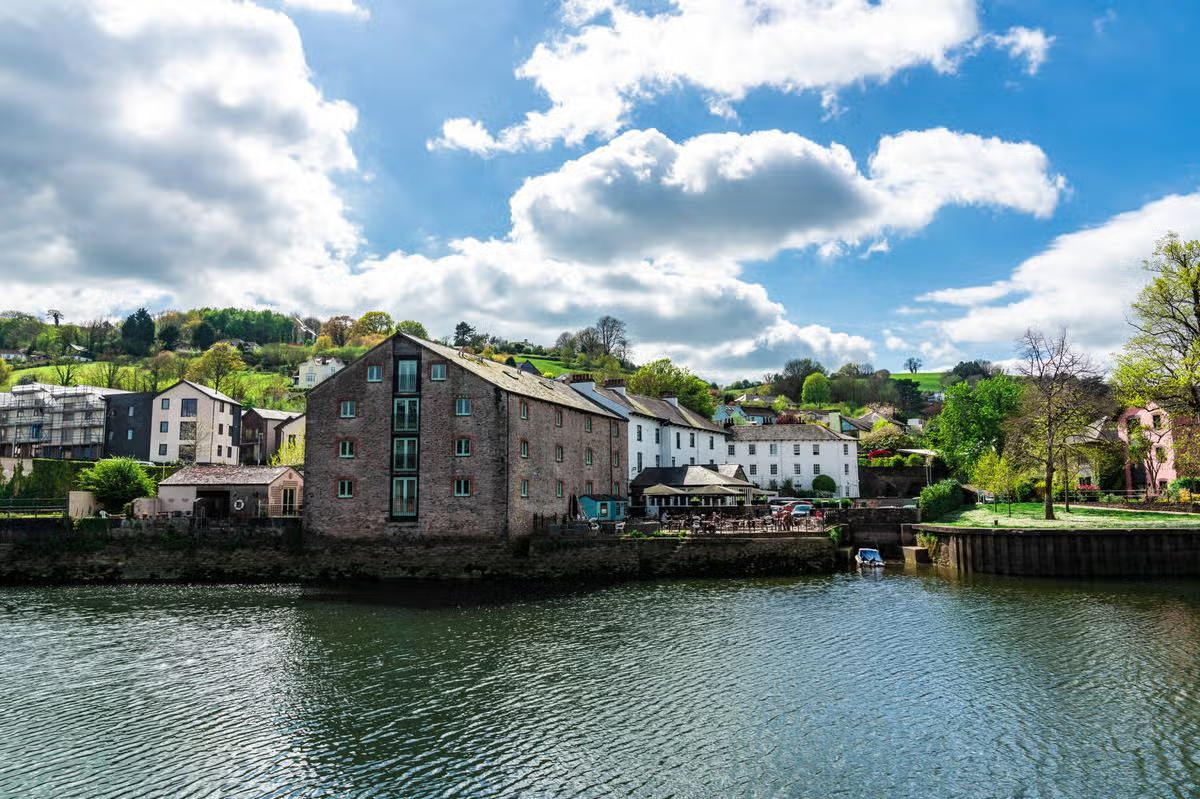
There’s something special about this place, known for its laid-back vibe and thriving bohemian culture, and what I think is arguably one of Britain’s best high streets.
This beautiful town is perfect for autumn(Image: CHUNYIP WONG via Getty Images)
Living in London, life can sometimes feel rather frenetic. While I adore city living, I do try to escape at least a few times a year to properly unwind.
Among my favourite retreats is Totnes, a market town renowned for its relaxed atmosphere and delightful high street,celebrated for its artistic community and flourishing bohemian spirit. It also boasts, in my view, one of Britain’s best high streets.
Beginning at the lower end of the street, you can cross the bridge spanning the River Dart and truly absorb the town’s character from there.
During the summer months, the town is adorned with vibrant bunting, while small boats drift across the water.
In autumn, it’s equally gorgeous, as the trees turn red and gold and the high street lights up with cosy shop fronts to escape from the biting wind.
There is abundant riverside greenery, and the town buzzes with energy. After crossing the bridge, pop into The Curator for a coffee – the first of numerous independent establishments scattered along the high street
The coffee is excellent, and they offer a delightful range of pastries if you fancy settling down for a snack – though don’t overindulge, there’s plenty more to discover.
The high street climbs gradually upwards and is flanked by hundreds of independent retailers, charity shops and tearooms.
Further along the high street, you’ll find the Cornish Bakery, which fills the street with the delicious savoury scent of pasties. They cater for all tastes; even my vegan brother discovered something he truly enjoyed.
As the high street curves round to the left, you’ll come across Butterworth’s Vintage Co, a compact yet impressive secondhand shop stocking everything from knitwear to workwear and even vintage magazines.
Once you’ve had a good root through the merchandise, you might fancy a swift drink or perhaps another bite to eat – and you’re in luck.
Just a short walk from Butterworth’s sits The Bull Inn, a fantastic establishment boasting an extensive organic food menu alongside nine guest rooms, should you need somewhere to stay for the night.
The highlight of The Bull Inn for me is its delightful garden, where you can kick back in the sunshine and watch the world go by. Situated directly across the car park, and much like the rest of the town, it’s frequently adorned with gorgeous bunting.
On a glorious day, it’s truly hard to beat – and if you’re anything like me, you’ll be more than ready to take the weight off your feet after all that browsing along the high street.
easyJet has announced a new scheme to pay for baby passports, but families will need to book by its deadline if they want to use the offer
12:40, 22 Oct 2026Updated 12:50, 22 Oct 2026
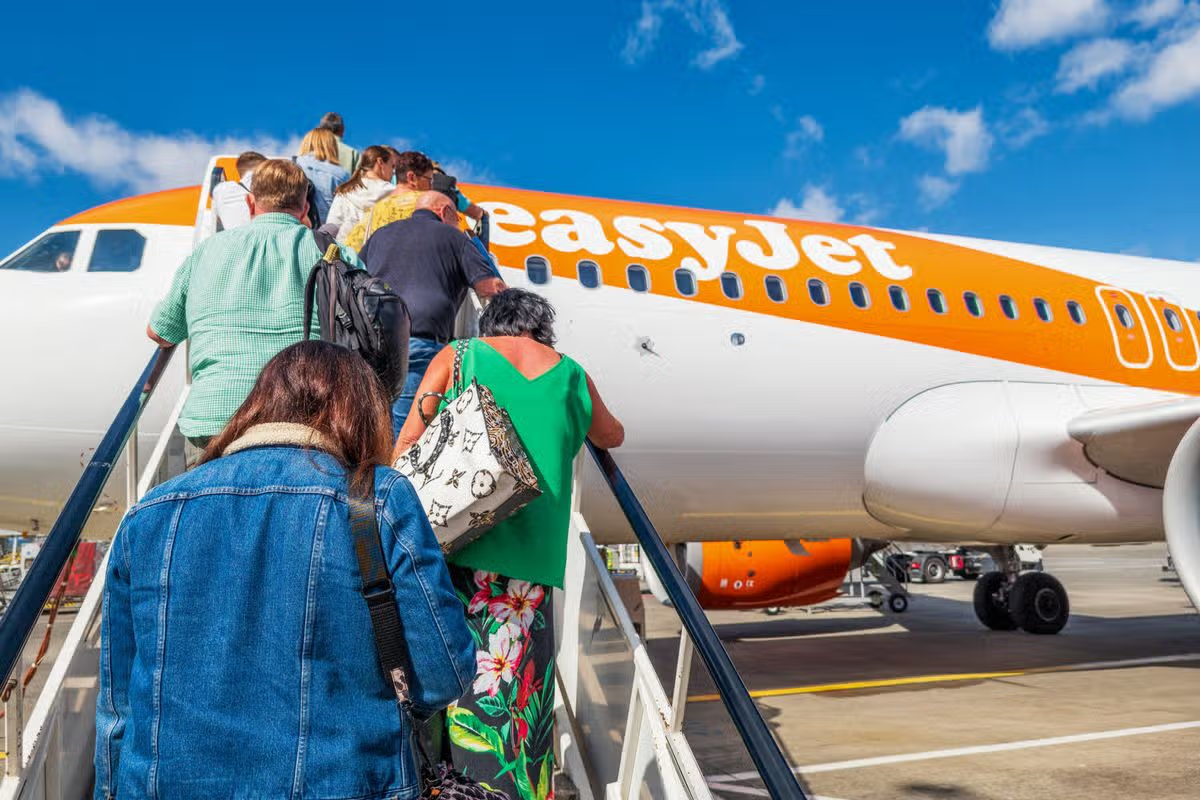
An update has been issued to parents from easyJet – and it’s good news(Image: Getty Images/Stock Image)
EasyJet has issued a travel update for all parents planning a holiday with their babies. It’s part of a new initiative to make travelling with little ones even easier, while also helping to save money on their first trip abroad.
The cost of a standard child’s passport in the UK, including for babies, is £66.50 when applied for online, or £80 when applied for by paper. However, in an exciting announcement for parents, easyJet and easyJet holidays confirmed they will cover the £66.50 cost of newborn babies’ passports.
The offer will be available to parents who book an easyJet holiday, and you’ll need to have booked by November 26. The aim is to make travel for young families as easy as possible, while helping to save extra cash. It comes after a survey from the airline and tour operator found that 75 per cent of parents said the cover of their baby’s passport would make a holiday feel more affordable.
Elsewhere in the study, easyJet found that 4 in 5 parents said a baby’s first holiday was a defining family moment, with more than half noting it was one of their proudest milestones as a parent. Meanwhile, 47 per cent of parents said that taking their children abroad makes them more curious about the world, with easyJet holidays seeing a 10 per cent increase in the number of babies travelling this year compared to 2025.
With the cost of the baby passport covered by easyJet when booking a holiday through the provider, the parents will just need to capture an approved passport photo. Almost a quarter of parents surveyed said it took them about six attempts to capture the right image, while almost one in 10 admitted they didn’t know their baby needed a passport until they started planning their getaway.
While it can be challenging to get a baby passport photo, parents can take it with their phones at home before submitting it online, as long as it meets the official guidelines from HM Passport Office. Certainly a much easier task than having to take a baby to the passport booth at the local supermarket.
In addition, families can watch easyJet’s new short video on the Peppa Pig Muddy Puddle Parenting YouTube channel, starring easyJet Captain Kate West, a new parent, alongside Mummy Pig and the family. The video provides advice to parents on taking a baby passport photo, as well as tips for jetting off abroad with little ones.
Captain Kate commented: “We carry millions of families across Europe every year, and we know that travelling with a baby brings a whole series of exciting firsts. We want to make travel as easy and accessible as possible for everyone, including young families, so they can enjoy all the experiences and memories that travel can bring. We hope that covering the cost of a baby’s first passport goes a small way towards making that first family adventure a little easier and gives our youngest travellers a warm welcome to the world.”
For more information on the baby passport scheme, you can visit the easyJet website.
Do you have a travel story to share? Email webtravel@reachplc.com
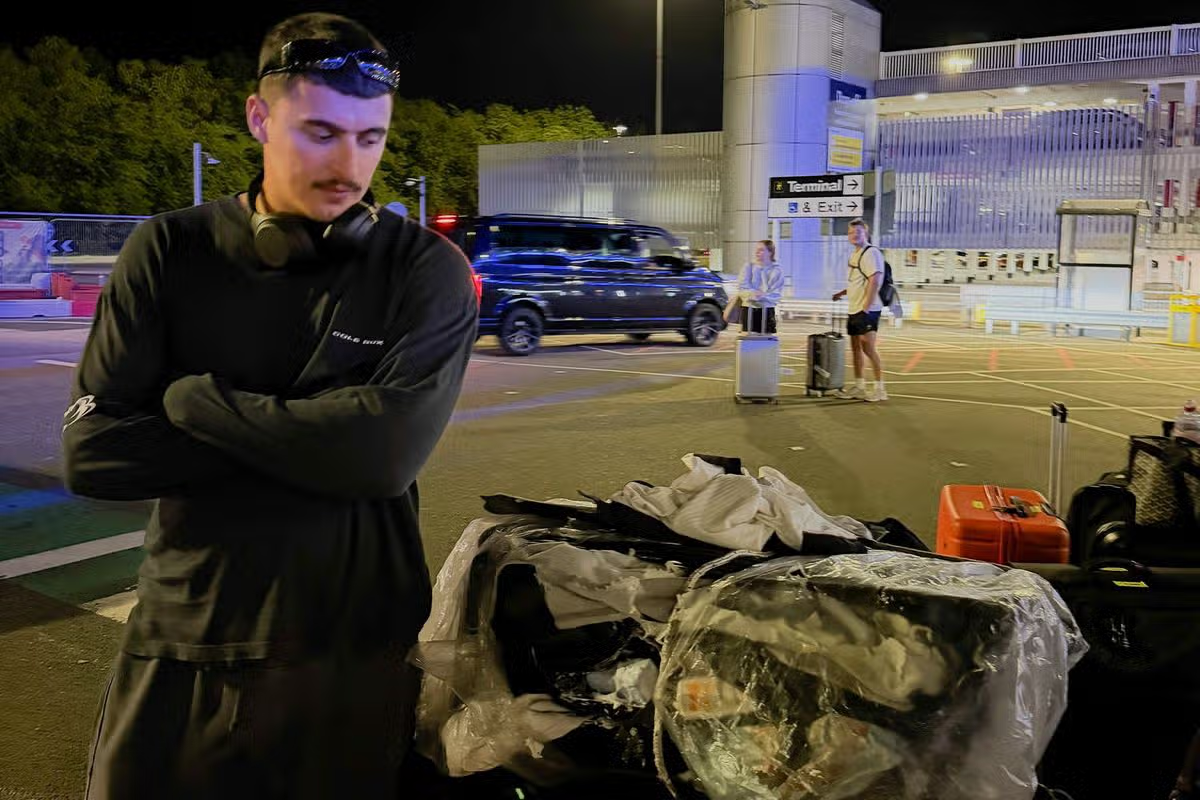
A Brit holidaymaker was left amazed after finding out that the plane he was aboard had driven over his suitcase – ‘completely destroying’ the bag and everything inside it. Louis Maybury, 27, was flying home from Madrid to Manchester Airport after a fortnight’s holiday with his partner when cabin crew woke him up with an unexpected request.
With approximately 30 minutes until touchdown, he was asked to remain on board once the other passengers had disembarked. He was then escorted to the cockpit, where the pilot delivered the unwelcome news: his luggage had been run over by the aircraft back in Madrid.
Louis could do nothing but watch in disbelief as his mangled suitcase appeared on the baggage carousel, containing what he claims was around £5,000 worth of belongings. His partner filmed the moment the battered bag was handed back to him in tatters on 11 July.
Louis, from Manchester, said: “I was extremely upset by the situation. I had packed two full weeks’ worth of belongings, including everything I needed for my trip.
“Unfortunately, all of my belongings were destroyed.” EasyJet staff informed Louis that his suitcase had been run over on the tarmac at Adolfo Suárez Madrid-Barajas Airport, resulting in a two-and-a-half-hour delay.
Since then, he has been engaged in a dispute with the airline over compensation for his possessions, which he valued at £5,000. Among the damaged items were a Burberry bag worth just over £1,000, an Invisalign retainer costing £500, and three Acne Studios shirts valued at roughly £300 each.
He said: “I was eventually left with no choice but to accept the minimum compensation offered and try to recover the remaining losses through my own insurance. Everything was destroyed, included a designer bag, four pairs of shoes, expensive chargers and an Oral B Toothbrush.”
An easyJet spokesperson said: “We’re very sorry that Mr Maybury’s luggage fell from a baggage cart and was damaged by an aircraft as it was coming onto stand. Safety is our highest priority and our engineers subsequently carried out an inspection of the aircraft and cleared it for departure.
“We know how important it is for customers to feel confident that their belongings are well cared for when travelling with us, so we investigated this with our ground handling providers in Madrid at the time and contacted Mr Maybury to apologise for his experience and provided him with the compensation he is due.”
Loyal British Airways customers should be aware that the UK’s flag carrier is making a change to its Avios loyalty points scheme that will come into force on November 24
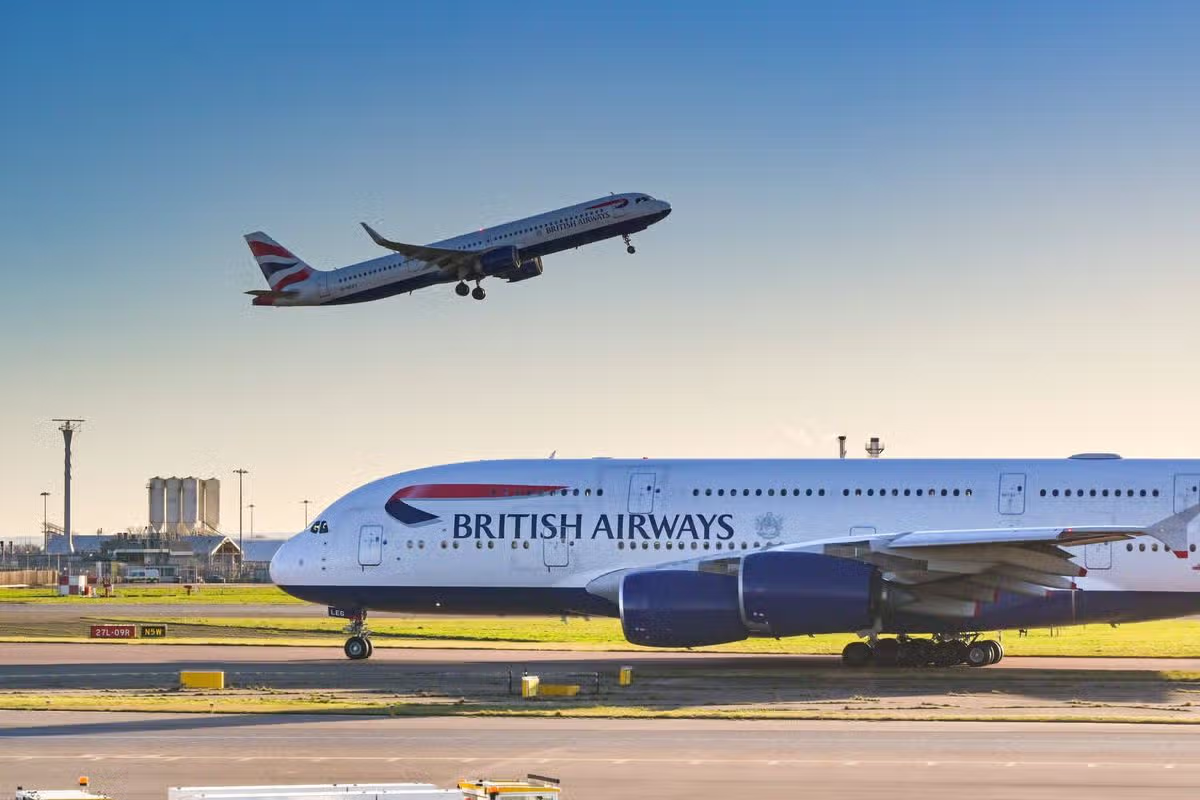
British Airways is updating its Avios system(Image: Ceri Breeze via Getty Images)
British Airways passengers should put November 24 in their diaries, as the UK flag carrier is preparing to make a change that’ll impact repeat customers.
Avios is the loyalty scheme of more than 30 major airlines, including British Airways, Iberia and Aer Lingus. It allows you to earn points that you can then exchange for flights, although you still need to pay taxes and fees.
Last year, BA announced a change to the scheme that left some repeat customers fuming. The price of trips booked through the scheme went up.
An off-peak return trip in economy from London to New York bought through Avios used to cost 50,000 points and £100 fee, now it costs 55,000 and £120. Similar hikes were introduced across premium economy, business, and first class.
However, now the airline has announced another change that will be a little more welcome. British Airways Holidays is updating its Avios offering. Launching on 24 November 2026, members of The British Airways Club booking a holiday package with British Airways Holidays can collect six Avios for every £1 spent on the total package price.
Avios will be calculated on the full booking value and then divided equally between all travellers on the booking. Club members will be able to collect their individual share or choose to pool their Avios through a Household Account.
BA has said that the change will make “booking with British Airways Holidays even more rewarding”. It replaces the current approach, in which all customers collect Avios on the flight element of their holiday package and the lead passenger can also collect one bonus Avios for every £1 spent on the holiday package booking.
BA has shared an example of how the new system could be better for customers. Two people heading to Crete could see each traveller collect 11,316 Avios – enough for them to secure a one-way Reward Flight to Paris each, using 10,000 Avios, plus a £2.50 fee. Previously, the lead booker could have collected 5,462 Avios and the second traveller 1,690 Avios from just the flight element of the booking.
Andrew Flintham, managing director at British Airways Holidays, said: “For many people, a holiday is the ultimate reward, so we want booking one to feel rewarding too. For Avios collectors, that relationship should be symbiotic. A holiday should not only be somewhere they can spend their Avios; it should also help them build their balance towards whatever comes next. Our aim is to create a simpler and more compelling offer for our Club members. Whether those Avios help reduce the cost of another holiday, contribute towards a future flight or make an upgrade possible, it means the value of the holiday can continue long after customers return home.”
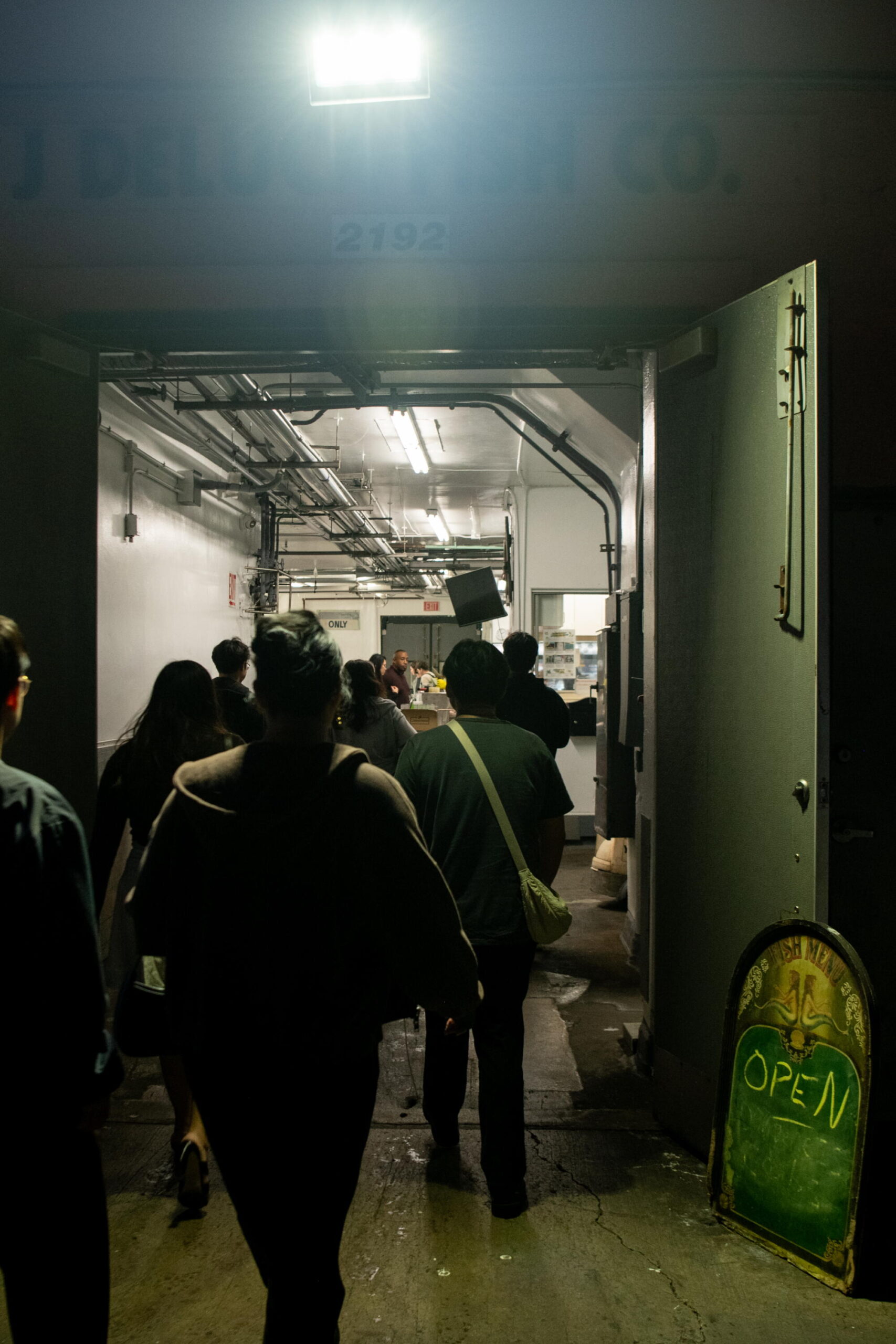
On the balcony of a pink dockside building in San Pedro, a neon sign reading “Saturday Morning Fish Market” glows in the darkness. There’s a quiet stillness in the harbor — the only sounds are of the occasional gull and car whirring by. That is, until 1 a.m. rolls around.
Doors open at 1:30 a.m. at the Saturday Morning Fish Market.
This is when people begin to gather outside the roll-up door, some carrying backpacks ready to be filled.
At 1:30 a.m., a man in an orange apron lifts the door, releasing rays of white light onto the customers. They file inside, stepping onto the wet floor, eager to see the night’s beauties: freshly caught fish, filleted, deboned, washed and thrown onto thick mountains of crushed ice.
Shellfish, sardines, squid, mackerel and a market favorite, glowing salmon filets, sit on display. One employee pulls out crabs with a small net before letting a customer take their pick of the lot. Machines whir in an adjacent room, where fish are processed. Out back, sea lions bark, hoping for scraps.
Share via
The Saturday Morning Fish Market, more formally known as J Deluca Fish Co., has existed for some time — owner John DeLuca claims a variation of the business began operating as early as the late ‘60s. As a child, DeLuca would greet his grandfather when he’d return to the San Pedro port with his catch, perhaps a fresh tuna or a bass to sell. For decades, the wholesale seafood distributor would open its market to the public just once a week — from 1:30 to 7:30 a.m. on Saturdays — usually seeing a smattering of mostly locals, the seafaring type, who might be shopping around after a late-night shift.
1
2
3
1.Harikrishnan Babuchandran holds up his fresh fish. 2.Customers can watch their fish be processed.3.The fish that’s for sale changes from week to week. (Linnea Stephan / For The Times)
The Saturday Morning Fish Market in San Pedro has existed in some form since the late ‘60s but thanks to social media, flocks of new customers are wanting in on the late-night seafood-buying adventure.
Neither DeLuca nor his son and co-owner, Chris, could have predicted the San Pedro institution would experience the boom in popularity it’s seeing now, especially in an industry that’s struggled over the past two decades.
Thanks to social media, the market is witnessing an unprecedented revival. At its pre-pandemic peak, it would get around 800 to 1,000 customers on a typical Saturday morning. Nowadays, up to 2,000 people walk through the doors, according to Chris, many of whom are visiting for the first time.
Owners John and Chris DeLuca.
Regarding Instagram and TikTok, where posts giving a glimpse of the late-night fish market have gone viral, John, 73, says, “I know absolutely zero.”
To his credit, he does exhibit some understanding of its effect. And he’s glad for it. “People that live within walking distance never knew we existed. Now they do, and it’s got nothing to do with me,” he says, grinning.
What’s most notable is the number of young people roaming around the market well before the crack of dawn, Chris says. The business has changed a lot since his “father’s generation,” and social media unlocked access to a new audience.
“I think people like those hidden gems and people like that fresh seafood experience,” he says.
Between rows of sea bass and salmon, the energy is buzzing. Abdul Fahwami, dressed in jeans and flip-flops, visits the fish market at least once or twice a month, depending on how many people he‘s having over at his house that week.
“Every time we come here, we buy a minimum of between 100 and 200 pounds,” he says. “Red snapper is one of the best fish.”
Branzino is a favorite among customers and employees.
He smiles as he watches employees process his fish on a long table. First, blades run against the fish scales, removing them in quick fashion. Then, there’s a swift slice across its belly, starting at a hole near the tail and ending up near the gill plate. Finally, the guts are removed and filets are cut, skin optional.
Prices change week in and week out, and depend on supply. While prices are typically 10% to 40% less than at stores, market representative Joe Castelao says the team values the “quality of our products” over “trying to cater to bargain finders.” Another advantage for customers is the ability to buy seafood in bulk, which often isn’t possible at your standard, local grocer.
On this day, there wasn’t much branzino, the fish Fahwami came early to look for. “I found only 11 pieces,” he says. “I took all of it!”
Not far away, a man named Terry Jackson waits in line; he’s wearing black overalls and swaying side to side, eager to advance.
Customer Terry Jackson at the Saturday Morning Fish Market.
“It’s definitely worth waking up a little late — or a little early, you could say,” he says. “The quality of the fish is good, plus the pricing.”
His fish of choice? “Tuna, my new favorite is tuna!” he says, proudly raising a plastic bag full of bright red filets.
Briskly pacing across the market floor are team members Mike and George Stahl, a father-son duo both wearing orange aprons and gloves.
Mike got into the seafood business about two decades ago. At the time, he lived in Florida and often purchased products from J Deluca Fish Co. By 2018, he’d moved his family out to California and started working at the market.
He says his favorite part is the variety of duties. “No two days are the same,” he says. “One day I could be selling a couple containers of squid, the next day I could be meeting face to face with someone at a conference on the other side of the country.”
Staff member George Stahl helps a patron.
He brought in his son George during the pandemic. As George explains, “We were bored and didn’t have anything to do at home so my dad said, ‘Why don’t you come down and put some boots on and start working?’”
George has become somewhat of a micro-celebrity around the market, frequently appearing in its Instagram posts. However, his time with the company might be temporary — he’s currently in school and plans to be a physical therapist at some point.
While the market is riding a wave of success, John doesn’t gloss over the grim outlook of the fishing and seafood industry as a whole. He says the industry has taken a hit over the years, between restrictions, overfishing and changing regulations.
“It’s a dying business,” John says, bleakly. “There’s very few seiners down here because it’s very difficult to make a living [fishing].
But for now, they’re able to survive. They watch as customers walk out of the market into the wee hours of the morning, proudly grasping their bags of the day’s freshest catch.
“A lot of things have gone the opposite direction,” John says. “But we’re still here.”
The fish market’s blue neon sign shines through the night.
Before it gets topped with seafood, seasonal produce and a medley of sauces, each tostada begins as a blank canvas. Local chefs are the artists, using the tostada as a vehicle to showcase their cultural backgrounds, kitchen expertise and the ingredients they love. Each bite is intentionally crafted to hit certain taste and textural marks: the crispy tostada, buttery seafood, zesty citrus and creamy avocado, plus unexpected elements that take it over the top, like tart grapefruit, piquant pickled onions or earthy salsa macha.
The best part? The seafood tostada comes ready to eat as-is, requiring no more than a dash of salsa or a squeeze of lime to complete the chef’s vision. It’s not unlike a meticulously prepared tasting menu course, except these chefs are handing over tostadas at taco trucks, food halls, raw bars and everywhere in between.
Seafood tostadas originated in coastal regions across Mexico, but in L.A., the dish pulls global influence, including a tostada topped with tuna carpaccio and cachucha pepper aioli at a Central American restaurant in Venice; salmon and chicatana ant mayo at a modern Mexican haunt in the Arts District; and scallops and wasabi aioli that merge Baja California and Japanese flavors at a Frogtown favorite.
For a refreshing bite on a hot day, or anytime really, here are 20 of the best seafood tostadas to try in L.A.
PROTESTS have spread across Europe with cities like Milan and Rome affected – and with more strikes on the horizon, is it still safe to travel to?
Here’s everything you need to know right now about travelling to Italy right now.
Protests have been taking place across Italy over the last few daysCredit: AFPStrikes have been scheduled for next week impacting air travelCredit: Getty
Where are the demonstrations and strikes in Italy?
Following the unrest in France, around 100,000 people in more than 40 cities across Italy took part in a demonstration called “No Meloni Day” last Friday.
Some of the destinations most affected include Rome, Bologna, Milan and Turin.
Sign up for the Travel newsletter
Thank you!
The strikes have been around the rising costs of living, a new government budget plan and students are protesting over school conditions.
Italy has said as a result, it will introduce stricter anti-riot laws. Prime Minister Giorgia Meloni said: “Demonstrating is a right, but destroying our cities is not.”
The new law will impact anyone joining a group of at least five people and will endanger public safety during protests with penalties up to five years in prison and a maximum fine of €20,000 (£16,759).
It’s not just demonstrations – there are strikes across the country for the next few months affecting public transport and air travel.
Ground handling staff at Bologna Airport have confirmed a four-hour walkout listed for October 29 between 12pm to 16pm, according to Italy’s transport ministry strike register.
The largest strike however is scheduled for October 30 which is a 24-hour walkout by workers in many public sectors across the country.
This includes ENIT/ENAV air traffic control and local aviation services at airports such as in Tuscany, Pisa and Florence.
Police clashed with protesters in Milan last weekCredit: AFP
Rail staff will also walkout affecting services on the Metro, on the motorways, staff and toll services are set to strike too.
Dockworkers and port staff are also set to strike and on the day there could be closures at attractions like museums.
Is it safe to travel to Italy right now?
The FCDO recently updated its advice: “Recent demonstrations across northern Italian cities have led to violent riots and looting.
“There is an increased presence of police and military personnel in Milan. Further demonstrations may take place in major cities. See Political demonstrations.
“A national strike is planned for 30 October and is expected to affect transport systems. Check with your travel provider for the latest information.”
However, Italy still remains a safe place to travel.
Are flights still going to Italy?
Currently flights are still going to and from Italy. But there could be problems in the coming days.
Wizz Air has warned its customers that flights to or from Italian airports could face delays because protests and road blockades are disrupting fuel supplies for several airports.
The airline added: “Our operational teams are closely coordinating with airports and fuel suppliers and reviewing alternative arrangements to minimize the impact on our customers, while maintaining safety as our highest priority.”
It’s advising customers to check the status of their flight before travelling to the airport.
On October 30, the planned strikes are scheduled to start at 12am until 11.59pm.
Passengers flying to or from Italy should check their airline’s flight status and monitor updates before travelling.
What if I have a holiday to Italy booked?
The FCDO has advised caution for anyone travelling to Italy, but a ‘do not travel’ warning has not been issued.
Holidaymakers can still visit Italy, and travel insurance should remain valid, but check your policy details.
If you decide not to go on a booked holiday, operators won’t have to give a refund because travel advice says it is still safe for travel.
Flight compensation rules
A look at your rights if a flight is delayed or cancelled, when your entitled to compensation and if your travel insurance can cover the costs.
What are my rights if my flight is cancelled or delayed?
Under UK law, airlines have to provide compensation if your flight arrives at its destination more than three hours late.
If you’re flying to or from the UK, your airline must let you choose a refund or an alternative flight.
You will be able to get your money back for the part of your ticket that you haven’t used yet.
So if you booked a return flight and the outbound leg is cancelled, you can get the full cost of the return ticket refunded.
But if travelling is essential, then your airline has to find you an alternative flight. This could even be with another airline.
When am I not entitled to compensation?
The airline doesn’t have to give you a refund if the flight was cancelled due to reasons beyond their control, such as extreme weather.
Disruptions caused by things like extreme weather, airport or air traffic control employee strikes or other ‘extraordinary circumstances’ are not eligible for compensation.
Some airlines may stretch the definition of “extraordinary circumstances” but you can challenge them through the aviation regulator the Civil Aviation Authority (CAA).
Will my insurance cover me if my flight is cancelled?
If you can’t claim compensation directly through the airline, your travel insurance may refund you.
Policies vary so you should check the small print, but a delay of eight to 12 hours will normally mean you qualify for some money from your insurer.
Remember to get written confirmation of your delay from the airport as your insurer will need proof.
If your flight is cancelled entirely, you’re unlikely to be covered by your insurance.
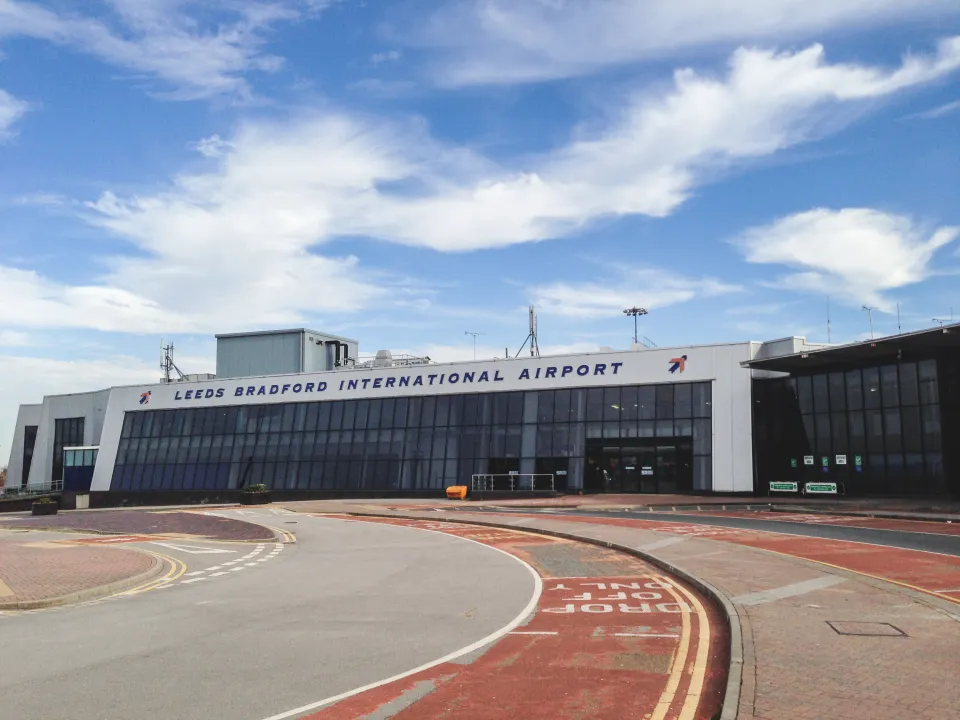
A MAJOR regional UK airport is set to lose another airline – just weeks after easyJet announced it is withdrawing flights.
Aurigny, a Channel Islands airline, has announced that it is suspending its flights at Leeds Bradford Airport between Yorkshire and Guernsey.
Aurigny is suspending flights in 2027 at Leeds Bradford AirportCredit: Getty
The airline has been at the airport for a decade, with several thousand passengers using the service each year.
However, the route will be scrapped in 2027, with Aurigny saying citing aircraft availability as the reason.
Sign up for the Travel newsletter
Thank you!
The Yorkshire to Guernsey service used to operate twice a week between May and September.
According to The Press, a spokesperson for the airline said: “The route has been traditionally popular with travellers from the North of England and will not be operated next year solely due to aircraft availability.
“Aurigny would like to place on record its thanks to the management at Leeds Bradford airport for all the support received whilst operating to the airport.
“Travellers to/from Yorkshire and beyond will still be served by Aurigny’s flights between Manchester and Guernsey, which will continue to provide good access to customers across the North and North-West of England.”
A spokesperson for Leeds Bradford Airport said: “Aurigny is choosing to prioritise its core island flying next year and, as a result, LBA sadly drops out of its programme for summer 2027.
“This will be disappointing for the several thousand passengers who have used the service each year, and certainly disappointing news for Leeds Bradford Airport as we know performance this summer was excellent.”
It comes after easyJet also announced it is withdrawing its flights from the airportCredit: Alamy
The decision follows easyJet‘s announcement of also withdrawing from the airport.
EasyJet will axe all its flights from the airport from January 5, 2027 including routes to Barcelona, Majorca, Malaga and Paris, as well as Geneva and Belfast.
The airline previously said in a statement: “Following a review of our routes from Leeds Bradford Airport, we have made the decision to no longer operate flights from the airport after 5 January.
“Our focus is on maintaining and developing routes which prove most popular with customers.
“We value the relationship we have built with Leeds Bradford Airport and we always keep options for our network under review, with the aim of providing more choice and connectivity where we see demand.”
Airlines such as Jet2 and Ryanair still operate from the airport.
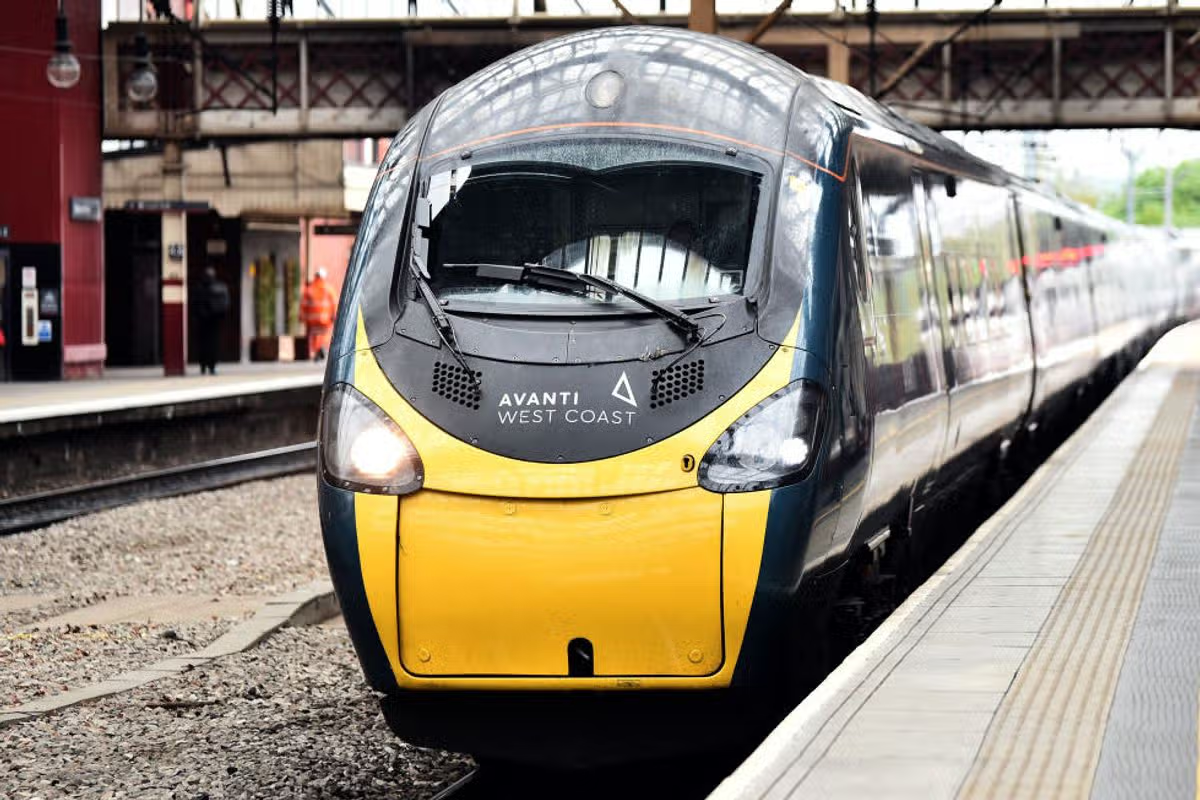
Avanti West Coast research says that more than half of all passengers would like a completely phone-free carriage
Research said more than two thirds (77%) of passengers said they want a window seat(Image: Nathan Stirk/Getty Images)
Railway boffins claim to have discovered the ‘perfect train journey’ – from dodging boiled eggs and sweaty feet to revealing the best seat on any train. Avanti West Coast research and customer data claims to have revealed the unwritten rules of onboard comfort and which behaviours generate disapproving tuts.
The intercity operator has launched its first Comfort Index to provide a unique insight into what passengers value most during their journey and how it varies across Britain.
Their research said more than two thirds (77%) said they want a window seat, 69% prefer to face forward and 58% want an empty seat beside them. Exactly one in five (20%) would even travel 15 minutes longer to keep it empty, 18% would pay an extra £5 and 22% would sacrifice Wi-Fi.
Another one in five (20%) would even swap their coveted window seat for a little more space. Avanti’s booking data suggests there may be such a thing as the perfect train seat, with Seat 18 in Coach B being the most reserved seat on its Pendolino services.
It was booked 179,685 times between September 2025 – September 2026 and matches passenger preferences of having a window and table.
While those travelling on the West Coast Main Line have similar thoughts about seats, snacks proved controversial with 52% of rail travellers objecting to boiled eggs and 48% to tuna sandwiches being eaten onboard.
They say the famously reserved reputation of British people extends to the carriage environment too, with more than two-thirds (68%) wanting more quiet carriages.
More than half (52%) would even choose a completely phone-free carriage, suggesting that for many Brits, the dream journey might simply be one where nobody makes any noise.
The Index also reveals a generational shift in the unwritten rules of train travel, with Gen Z passengers being more tolerant of video calls. It says 38% think Facetiming onboard is unacceptable compared to almost three quarters (72%) of over-65s.
Sounds of other people’s phones onboard reveals an even bigger generation gap. A huge 88% of over-65s object to TikToks or videos without headphones compared to just 51% of 18-24-year-olds.
Younger passengers are said to place greater emphasis on choice and ‘making the journey their own’. A surprising 62% of 25-34-year-olds say choosing between Standard, Premium and First Class matters during planning compared with 42% of over-65s.
Gen Z are bringing their own comforts onboard too, with one in eight (12%) 18-24-year-olds saying they’d even pack a massage gun. Avanti West Coast say everyone seems to agree on keeping your socks on, as three quarters (75%) say taking them off onboard is unacceptable.
A whopping 70% object to TikToks without headphones and 67% to someone cutting or filing their nails. The study also shows how rail journeys are considered part of the occasion, with 69% of Brits saying their leisure time starts the moment they get onboard.
Between September 2025 – September 2026 Avanti West Coast say their customers drank almost 420,000 cups of breakfast tea and ate 212,000 KitKats.
Beer proved another favourite, with 154,000 Grolsch Pilsners sold, painting a suitably British picture of onboard comfort – a cuppa, something sweet or a cold beer en route. From seating preference and noise tolerance to boiled eggs, the Index shows Brits might never agree on exactly what makes the perfect journey.
Kathryn O’Brien at Avanti West Coast said: “The Comfort Index shows everyone’s definition of comfort varies. While there’s some unspoken rail travel etiquette most seem to agree on, beyond that people have different thoughts on what makes a comfortable journey.
“For some it’s peace and quiet while for others it’s getting work done, enjoying a snack or having space to relax.
“Customers most value the ability to shape their journey around their own needs, whether that’s choosing the perfect seat or enjoying a cup of tea onboard. That’s why we offer our seat picker tool and a range of refreshments in our onboard shop, helping customers to enjoy their trip from the very moment they board.
“By better understanding what matters most to our customers, we can continue to enhance and develop the onboard experience. This includes upgrading Wi-Fi connectivity to make travelling with Avanti West Coast as comfortable as possible for everyone.”
The full Avanti West Coast Comfort Index is available here
A theme park with no rides has been named the best in EuropeCredit: AlamyPuy du Fou Espana is a historical theme park less than an hour from MadridCredit: Alamy
Named Europe’s leading theme park by the World Travel Awards, Puy du Fou España is a historical theme park on the outskirts of Toledo, Spain – less than an hour from Madrid.
Rather than rollercoasters, visitors can expect large-scale live action shows with falconry displays featuring more than 200 birds.
Sign up for the Travel newsletter
Thank you!
The theme park is home to five historical villages – The Andalusian Askar, The Royal Town, Isidro’s Sale, The Suburb and Villaneuva del Corral.
The Andalusian Askar, for example, recreates the atmosphere of the 10th-century Córdoba.
And then in Villanueva del Corral, the theme is centred on a 16th-century Golden Age hamlet with traditional Spanish taverns.
During the day, visitors can watch a number of shows including the 25-minute immersive Beyond the Ocean Sea show which focuses on the Santa Maria ship trying to reach the East by sailing West.
At night, there’s the El Sueño de Toledo spectacular, which is a show about 1,500 years of Spanish history and includes water effects, lighting and hundreds of actors.
The park also has a number of outdoor play areas too and farm areas as well.
Scattered around the park visitors can also explore a number of shops for unique souvenirs.
Tickets cost from €37 (£31.07) per person.
And the good news for Brits is that a similar theme park is set to open in the UKCredit: Puy du Fou
And the even better news is that you won’t have to wait long until heading to similar theme park in the UK.
Legend has it that Faskally Forest – the Pitlochry location of Scotland’s most famous sound and light show – steals an hour from time itself every 25 years. This year marks a quarter of a century since the first Enchanted Forest, and the theme taps into the legend: Stop the Clock: The 25th Hour. The trail is a mystical, atmospheric wander through jewel-hued woodland, with misbehaving clocks, time-themed installations and immersive soundscapes creating the sense of a dreamlike world. There are autism-friendly sessions and free carers’ tickets and an accessibility bus for those with mobility issues.
Until 8 Nov, adults from £28.50, kids from £15.50, family from £78.50, including shuttle bus to and from the event
Even a beginner stargazer will find it easy to navigate an autumn night sky, when the stars are at their clearest and constellations such as Orion’s Belt and the Plough flicker and gleam with an iridescent glow. The North Pennines has some of the darkest skies in the country, along with the highest number of official Dark Skies discovery sites in the UK – 16 – making the region’s stargazing festival one of the best. Choose from a family astronomy event at Grassholme Observatory (pictured), a dark skies stroll or stargazing on Alston Moor. All events need to be booked in advance.
Until 1 Nov, prices vary
Photograph: Tilt
The banks of the Mersey and some of Liverpool’s most iconic spots blaze with colour during this annual free outdoor light art festival, which brings together 13 original works on the theme of “together”. Installations include 6-metre high peonies at the Cunard Building, which remain white by day but glow with ever-changing colours after dark, and Dream Herd, a floating cloud of sheep with interactive “legs” that trigger lighting and sound changes when touched. Over on Williamson Square, Pop! consists of five tall, colourful boxes that spring open like jack-in-the-boxes when people clap, sing or talk to them, revealing inflatable puppets. The installations will light up from 5pm–9pm each night, with quiet hours 4pm-5pm on 28 Oct and 1 Nov.
23 Oct – 1 Nov, free
Nocturnal wildlife adventures, across the UK
Photograph: Mick Durham FRPS/Alamy
From badger banquets to batwatching safaris, many wildlife trusts and nature reserves run special late openings and events at this time of year to allow visitors to enjoy the nocturnal activities of their resident species. At RSPB Frampton Marsh in Lincolnshire you can look out for hunting owls, marsh harriers and starling murmurations on a sunset walk (fortnightly on Saturdays, adults £19, adult members £15.50, children £10), while RSPB Mersehead in Dumfries and Galloway will be running its popular badger banquets, where visitors can observe the shy mammals feeding through the glass windows of the reserve’s Sulwath Centre (24 & 30 Oct, 6, 14 & 20 Nov, adults £28, adult RSPB members £22.60, children £14.50). The Kent Wildlife Trust is hosting a family bat detecting event at Sevenoaks Wildlife Reserve (29 Oct, £10pp) which includes hot drinks in the visitor centre and a guided night hike with bat detectors.
Nature gets super-sized at this refreshingly un-Halloween-themed lantern trail at Slimbridge wetland centre, where giant frogs loom out of illuminated ponds, bats and kingfishers hover and swoop in the tree canopy and luminous giant bugs glitter between flaming scarlet fungi. Each creature is handmade and inspired by real wetland wildlife, with wings, fur and scales transformed into light sculptures. Arrive early to fuel up on street food at the Kingfisher Kitchen, or save yourself for toasted marshmallows around the firepit. Kids can make their own lanterns and the buggy-friendly trail takes about 45 minutes to explore.
Until 1 Nov, £14.95pp
Photograph: Gregg Wolstenholme/Bav Media
The original (and some would say best) location for autumn illuminations, Blackpool is celebrating 10 years of the Lightpool festival, with interactive installations, illuminated artworks and live performances across the city. The Light Art Trail includes walk-through tunnels of light, glowing stone circles and glittering “sky orchards”. A specially designed VR arena at the Winter Gardens conjures spectacular visuals, while the Firefly Field uses LEDs to creates the illusion of hundreds of beetles hovering and darting above the ground.
As if scrambling across rope bridges and whizzing down from treetops isn’t challenging enough in daylight, every autumn more than 20 of the Go Ape high ropes courses open up for an evening adventure. This year, for the first time, there are adults-only sessions at selected locations, but the continuous belay harness system means the course is reassuringly safe for families and suitable for all children over six. The course is illuminated and takes about an hour to complete.
Until 8 Nov, but dates vary according to location, from £31.95pp. Min height 1.2m; min weight 130kg
Polish up your putting with a spot of moonlit golf at Heatherton World of Activities near Tenby, where the 18-hole Pirates of the Caribbean-themed course will take on a distinctly different feel, with atmospheric lighting and music. It’s just one of the After Dark offerings, along with climbing the Tree Tops tower before stepping off into the pitch black and whizzing down the 165-metre zipline, with the park illuminated below. For older kids, the Heatherton maze has been transformed into the full-on Institute of Terror – a not-so-abandoned asylum with live scare actors.
Until 31 Oct, prices vary according to activity
This immersive rail adventure at the Bluebell Railway whisks passengers into the past to unravel a 100-year-old mystery of an engine explosion, a derailed train and a possible injustice as to who got the blame. The station platforms are peopled with characters from that fateful day in 1926, while clues about the real perpetrator wait to be discovered, and the air is thick with rumours of ghostly figures on empty platforms and the sound of a steam train that never appears. Spooky rather than properly scary, this is ideal for older children, with plenty of chances to interact with characters and explore independently.
Until 1 Nov, adults from £42, children from £21
Get ready for a Jurassic Park-style adventure with an after-hours visit to the World of Dinosaurs, where 40 life-size, animatronic dinos roam and roar; all the more terrifying when they loom out of the darkness. The woodland trail winds past a pair of towering T rexes, stegosaurus and the startling, dome-headed pachycephalosaurus, with velociraptors springing out and flying reptiles swinging through the trees. Alongside the trail, UV-lit Halloween drummers provide a thrilling soundtrack, with face painting, a silent disco and glitter tattoos also on offer.
EASYJET is allowing parents to claim back the cost of their baby’s first passport from today.
Simply book an easyJet holiday, use the promo code and the £66.60 will come off the price of the break.
Families can redeem the price of their baby’s passport when booking a holidayCredit: Joe Pepler/PinPepThe airline will take £66.60 off the price for qualifying familiesCredit: Getty
The new initiative starts from today after research showed that almost four in five parents said a baby’s first holiday was a landmark family moment.
Usually when Brits apply for a baby passport online, it costs £66.60 – a paper application sent by post increases the price to £80.
Sign up for the Travel newsletter
Thank you!
But with the airline, this cost will be paid for by easyJet when families book their next holiday.
Use the promo code FIRSTPASSPORT when making the booking to get the extra discount.
There’s no minimum spend on the holiday and children must be two-years-old or younger at the time of travel.
The offer ends on November 26 at 11pm – for more information, head here.
Stuart Wright, Customer Director at easyJet holidays, said: “Travel has a unique way of bringing families together, and a baby’s very first holiday is often one of those moments parents remember for years to come.
“By covering the cost of a baby’s first passport, we’re helping more families start making those memories that little bit sooner.
“Combined with our great-value packages, family-friendly hotels and thousands of Free Kids Places, it’s another way we’re making family holidays easier and more affordable.”
If you need some inspiration on where to book, easyJet recently announced it would be launching six new routes from UK airports in time for autumn.
Use the promo code FIRSTPASSPORT when making the booking to get the extra discountCredit: David Parry/PA Media Assignments
One of these flights will be from Newcastle to Fuerteventura which will start on October 25, and operate twice a week – on Thursdays and Sundays.
Easyjet’s Luton-Ljubljana flights start on October 26 three times a week on Mondays, Wednesdays and Fridays.
There are 18 new routes launching next summer too with a choice of city breaks to island escapes.
Two of these routes will be to Girona which will be a first for easyJet.
One will take off from Liverpool on March 28 and operate twice a week on Wednesdays and Sundays.
Girona will also take off from Gatwick starting on June 3, operating three times a week on Tuesdays, Thursdays and Sundays.
There has been a significant update to a UK airport that closed its doors four years ago, with plans to reopen for passengers from 2028 following a £160 million project
Plans to reopen the beloved UK airport, which has been abandoned for four years, are underway(Image: Getty Images)
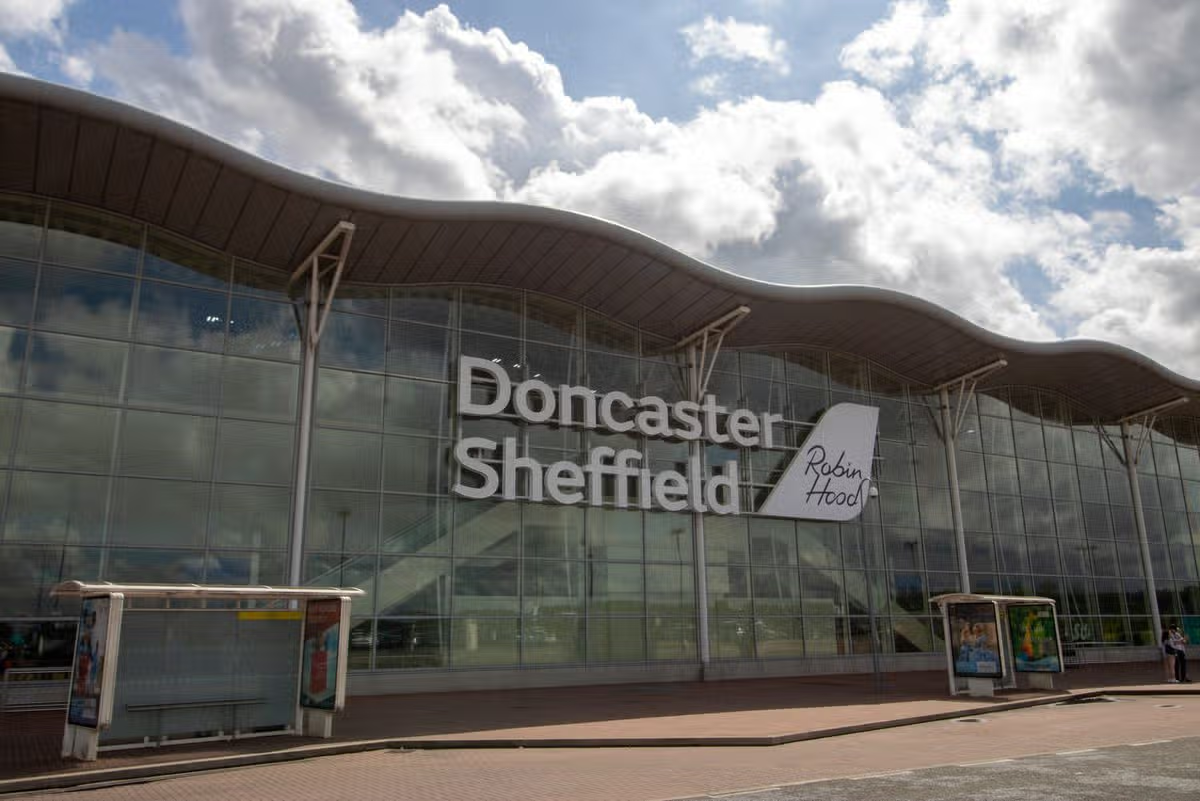
A UK airport that has been abandoned for the past four years has reached a ‘major milestone’ with plans to be under public ownership. There is hope that holidaymakers will be able to fly from the airport, which had provided routes to some of the most popular holiday hotspots across Europe, within the next few years.
Doncaster Sheffield Airport was forced to close in 2022 after its former owner, Peel Group, said it was no longer financially viable to continue operating. It came as a blow to travellers, particularly locals, who could conveniently fly from the airport to destinations such as Alicante, Palma, Amsterdam, Budapest, Dublin and Paphos, through Wizz Air, TUI or Ryanair.
Now, at a significant turning point for the airport’s future, the South Yorkshire Mayoral Combined Authority (SYMCA) plans to purchase Doncaster Airport, thereby becoming the freehold owner and landlord under the City of Doncaster Council’s lease. The exact details of the planned proposal and its approval are set to be discussed next week, but the update, which would see the airport come under public ownership, has been hailed as a “major win”.
Doncaster mayor Ros Jones said: “This partnership proposal to bring the airport into public ownership is a major win for Doncaster and South Yorkshire. I pressed this proposal back in 2022 and the landowner declined. We are now in a different place and a different time. This proposal will end our lease with the current landowner. As a council, we need to enter into a contractual arrangement with SYMCA to agree how this progresses in a phased approach. The meeting of cabinet next week will take the decisions the council needs for this to take place.”
Previous reports estimate that the airport could reopen with flights available for passengers during the winter 2027-28 season, following a £160 million project. Currently, the airport stands eerily abandoned until a final decision is made about its future, but the latest update has sparked excitement.
South Yorkshire mayor Oliver Coppard said the deal was a “major milestone”. He further commented: “I’m delighted to say that subject to formal approval of the MCA board next week and then Peel, we’ve agreed a deal that means we’re taking Doncaster Sheffield Airport and adjacent Innovation Quarter employment land into public ownership.
“This is a deal that puts the future of DSA back in our hands and finally gives one of the biggest and best growth opportunities in South Yorkshire the platform for long-term success that it needs and deserves. Four years ago, we were told that our airport would be closing. But alongside Ros Jones, I said I would do anything I could to save DSA, and I meant it.
“Which is why after months of negotiations and the growing flexibility afforded to us by the government’s devolution agenda, today we can announce that we have come to an agreement for SYMCA to buy the airport and Innovation Quarter employment land from Peel. Subject to the agreement of the MCA board next week, the airport and surrounding Innovation Quarter employment land will be owned and controlled by us, for us; the people of South Yorkshire. This deal means our future will be in our own hands again.
“When the airport closed, almost everything was against us; the owners did not want to sell, we had no legal powers to intervene or stop the airport from closing, and no backing from the government at the time. Today, the future for DSA is bright, with the airport back in our hands, the sky’s the limit.”
Do you have a travel story to share? Email webtravel@reachplc.com
IN JUST over two months, we will be in 2027 and with that in mind you might want to start planning your next getaway.
The good news is that the best 25 places to visit in 2027 have just been revealed.
The list compiled by National Geographic features far-flung islands as well as European city gems.
So here are some of our favourites from the list:
Sign up for the Travel newsletter
Thank you!
Vestland, Norway
Vestland in Norway is home to Europe’s longest and deepest fjordCredit: Getty
Vestland can be found in the southwest of Norway and is known for its waterfalls and wilderness.
Head to Folgefonna National Park where you can see one of the country’s largest glaciers and Trolltunga, a massive rock formation that sticks out of a lake.
There’s also Sognefjord, which is Europe’s longest and deepest fjord.
The best way to get to Vestland is by heading to the capital of the country, Bergen, with flights from the UK taking around two hours and costing from £91 return.
Luxor, Egypt
Luxor in Egypt has one of the largest ancient cities ever found in the countryCredit: Getty
Luxor in Egypt is often forgotten about compared to the likes of Cairo and El Gouna but the destination is known for an ancient city and tombs.
Travellers can head to The Lost Golden City, which is the ancient city of Aten and is thought to be one of the largest ancient cities ever found in Egypt.
National Geographic also noted how getting to Luxor will be easier soon as there will be an extension of two free visas – the summer entry visa for travellers visiting on Egyptian-owned airlines and a four-day transit visa.
Flights direct to Luxor from the UK take around five-and-a-half hours and cost from £149 return.
Puerto Rico
Puerto Rico is often dubbed ‘The Island of Enchantment’Credit: Maridav
Dubbed the ‘La Isla del Encanto’ which translates in English to ‘The Island of Enchantment’, Puerto Rico is dominated by a central mountain range covered in tropical rainforest.
In addition to this, the island is littered with white sand beaches and crystal clear waters.
Visitors can explore the historic forts of Old San Juan, where you’ll find blue cobblestone streets.
Flights from the UK to Puerto Rico usually include a stopover, taking between 11 and 15 hours and costing from £550 return.
Dumfries and Galloway, Scotland
Dumfries and Galloway is the only spot in the UK to feature on the listCredit: Getty
The only UK spot to feature on the list is Dumfries and Galloway in Scotland, with sandy beaches and rugged coastline.
Often nicknamed the ‘Scottish Riviera’, Dumfries and Galloway can be found in the southwest of Scotland and is home to medieval castles, such as Caerlaverock Castle, which is a triangular pink sandstone castle with its own moat.
There’s also Galloway Forest Park, which is the UK’s first International Dark Sky Park, with clear views of around 7,000 stars as well as the Milky Way.
If heading to the region, it is about an hour-and-a-half from Glasgow Airport, which costs as little as £30 return to fly to from London.
Grenada
Grenada is known as the ‘Spice Isle’ for producing nutmeg, mace and cocoaCredit: Getty
The Caribbean island of Grenada is known as the ‘Spice Isle’ for producing nutmeg, mace and cocoa, but also has beautiful mountains, rainforests and beaches.
Each August you could even travel to Spicemas on the island, which is an annual carnival with parades, street parties and Jab Jab (where people paint themselves with molasses and mud) – and the festival is celebrating 150 years in 2027.
While on the island you can also snorkel Molinere Bay, which features life-size submerged art.
Flights from the UK to Grenada usually involve a stop and cost from around £932 return.
Santander, Spain
Santander in Spain has a vibrant fishing quarter and pretty Old TownCredit: Getty
If you are looking for somewhere different in Spain to head to in 2027, look no further than Santander, the coastal capital of the country’s Cantabria region.
Full of history, the city has a vibrant Old Town where you can visit the Magdalena Palace.
The city also has a fishing quarter, which is the ideal spot to dig into some local cuisine with favourite dishes including calamari with onions and clams in marinara sauce.
Flights between the UK and Santander take around two hours and cost as little as £29 return.
Normandy, France
Normandy will celebrate Millennium2027: European Year of the NormansCredit: Alamy
Known for its Gothic cathedrals, Normandy is a great European destination for history lovers.
And in 2027 the city will celebrate Millennium 2027: European Year of the Normans with more than 1,000 events planned across the year including medieval feasts, street performances and concerts.
One event in June will see 40 Viking-style ships sail along the Normandy coast.
And you don’t even have to hop on a plane to get to the destination – instead, you could catch the ferry from Portsmouth costing as little as £28 per way.
Melbourne, Australia
Melbourne will host eight matches during the Rugby World Cup next yearCredit: Alamy
For a long-haul trip, Melbourne in Australia is one of National Geographic’s highlight destinations for 2027 with sports, a vibrant nightlife and thriving food scene.
And for rugby fans, the waterfront Docklands district will host eight matches during the Rugby World Cup next October.
Make sure to visit St Kilda Pier and beach as well to spot the colony of local penguins.
Flights to Melbourne from the UK usually involve a stopover and cost from around £550 return.
Leipzig, Germany
Leipzig in Germany is known for being the home of many famous musiciansCredit: Getty
For somewhere different in Germany, in 2027 you should head to Leipzig, which is the largest city in the state of Saxony.
The city is home to one of Europe’s largest railway stations, Leipzig Hauptbahnhof, which has a grand 300 metre facade as well as a multistorey shopping centre.
In 2027, there will also be several events celebrating all the famous musicians to come from the city including Bach and Beethoven, with a Beethoven Festival in May and Bachfest in June.
The closest airport with direct flights from the UK is Berlin with returning flights costing from £41 – it then takes around an hour-and-a-half to drive to Leipzig.
Tricity, Poland
Tricity refers to the three neighbouring cities of Gdansk, Sopot and Gdynia in PolandCredit: Getty
Sat on Poland‘s Baltic coast, Tricity refers to the three neighbouring cities of Gdańsk, Sopot, and Gdynia.
Each city has its own character, heaps of history and vibrant seaside resorts.
For example, in 2027, Gdynia will host the regatta of the World Sailing Championships meanwhile Gdansk will have its St Dominic’s Fair with food, concerts and performances.
The best way to get to the region from the UK is by flying direct to Gdansk, which takes around two hours and costs from £29 return.
Full list of National Geographic’s top 25 places to travel to in 2027
DO YOU think camping is just for summer? Think again.
With the help of Pitchup.com, we’ve put together a list of the 10 best campsites for the autumn with on-site saunas, spas, and even lodges with central heating.
Herding Hill Farm has cosy lodges to wrap up warm insideCredit: UnknownThe pods at Wighill Park Glamping have small kitchenettes, bedroom and living areaCredit: Pitch Up
Wighill Park Glamping, West Yorkshire
When it’s dark and gloomy, some of us would rather not sleep in a flimsy tent, and at Wighill Park Glampingare some super cosy camping spots.
Campers can shelter from the elements inside the individual wooden pods.
Sign up for the Travel newsletter
Thank you!
The smallest sleep up to two people but still have all the essentials like a little kitchenette, sofa, bed and its own toilet and shower room.
For a little extra, you can opt a hot drink pack, fireside kit and even a bottle of gin and a bottle of tonic.
Some of the larger pods even have their own hot tubs and can sleep up to five people.
The farm is part of Wighill Park, once a private cricket pitch for Lord Hawke (a well-known figure in the world of cricket). Its woodland trails are perfect for an autumn walk, and dogs are welcome too.
If you’re after some exploring further afield, the campsite is a 25-minute drive away from York and under 40 minutes from Leeds and Harrogate.
Rates start from £85 per person per night.
Moddershall Oaks Country Spa Retreat, Stafford
Moddershall Oaks has an on-site spa with heated loungers and poolsCredit: Pitch Up
If you really want to take your camping holiday to the next level, how about a retreat with an on-site spa?
But when the Great British weather inevitably turns, huddle inside the spa, gym, restaurant and bar.
At the spa are swimming pools, a steam room, hydrotherapy pool, heated tiled loungers, experience showers and a relaxation lounge.
When it comes to the pods, these sleep from two up to four with large beds, black-out curtains, air conditioning and an ensuite with a rainfall shower.
There are luxury toiletries, a flatscreen TV, mini-fridge, GHD hair dryer and tea and coffee also inside.
Guests staying in the pods get complimentary gym access during their stay as well as breakfast which is in the adjoining Oak House restaurant (spa and exercise classes are charged separately).
Rates start from £150 for two people per night.
Whitehouse Farm, Suffolk
Whitehouse Farm in Suffolk has pretty lakeside sauna podCredit: Pitch Up
Tucked away in Suffolk is Whitehouse Farm, a campsite perfect for anyone who is after a quiet and peaceful retreat.
On the campsite are cosy shepherd’s huts which come with snug double beds, a kitchenette, small dining area – some also come with firepits and barbecues.
Or for those who have their own motorhome, simply book the pitch.
Pitches are either in the meadow, or the old orchard where there are fruits like damsons, apples and pears in early autumn.
For those on a family trip, there’s an outdoor climbing frame for children who don’t mind the weather.
And on the campsite, dogs are welcome too as long as they’re kept on a lead.
During the cooler evenings, adults can take advantage of the on-site sauna which is a new addition and sits above the pond.
Rates start from £30 for two people per night.
North End Farm, Dorset
The lodge at North End Farm even has central heatingCredit: Unknown
Down in rural Dorset is North End Farm which is close to beaches and local pubs.
There are three spots available to book, a cosy stay called the North End Cabin which sleeps two people.
The Potting Shed cabin has lake views and also sleeps two people, then there’s the Old Cricket Pavilion lodge which has two bedrooms, a TV and most importantly for winter, central heating.
The site is dog-friendly with plenty of walking trails and there are three lakes suitable for swimming.
There’s a hot outdoor shower on the lakeside so anyone brave enough to get into the water can warm up afterwards.
Slightly unusual additions include the chance to go paragliding as the owner owns a paragliding company. It’s also possible to organise clay pigeon shooting and fishing trips.
For a pub lunch and a trip, the farm shop is a five minute drive away and the Jurassic Coast beach at Seatown is two miles away.
Rates start from £160 per two people for two nights.
Woodside Country Park, Herefordshire
The brave ones can take a cold dip in the lake at Woodside Country ParkCredit: Unknown
For long walks in the Malvern Hills National Park on a campsite which has wild water swimming and fishing, head to Woodside Country Park.
The campsite is in amongst 28 acres of landscaped grounds with lots of chances to see birds and wildlife.
Campers can choose to stay on a non-electric or electric pitch in a tent either on the ground of a rooftop tent, to a caravan, campervan or motorhome.
There’s also a choice of camping pods which sleep up to five people and while they don’t have any facilities, it will will be cosy.
When it comes to activities, a lakeside wood-fired sauna is available for private hire or public sessions.
Or head out on one of its many trails, including a fairy door trail for children.
For the adults, a 15-minute walk along the Herefordshire Trail leads to a vineyard and winery which holds both guided and self-guided tours and tastings.
Rates start from £29 per two people for two nights.
Andark Lake, Southampton
Andark Lake is centred around a purpose built scuba diving lakeCredit: Pitch Up
Any campers who actually enjoy the darker days and don’t want to compromise when it comes to activities should head to Andark Lake.
Six miles outside of Southampton, the campsite is centred around a lake – which is purpose-built for scuba diving.
It holds pre-booked training courses, recreational dives, kit hire and air fills for certified divers.
Other facilities include its lakeside sauna which is perfect for a warm up after a cold lake plunge.
There are open-water swims at the weekend (for an extra £7 charge) and nearby at Swanwick Marina, visitors can try their hand at sailing, paddleboarding, kitesurfing and windsurfing.
The on-site café serves snacks, light lunches as well as hot and cold drinks throughout the day.
For a more hearty meal, there are three pubs within walking distance.
Rates start from £25 per two people per night.
Wildswim2sauna, Devon
Saunas can be hired out after a cold swim at this South Devon campsiteCredit: Pitch Up
After a secluded no-frills campsite with wild water swimming right on your doorstep? Wildswim2sauna is an option for autumn.
The campsite in South Devon is open year-round and is very much an off-grid site.
There are non-electric grass tent pitches or non-electric grass touring pitches – and make sure to take supplies as well as the site has no showers.
What it does have however is a river right on your doorstep for wild swimming or chilly cold plunges.
There are also hot tubs and a sauna which can be hired for warming up after a swim.
Within the site, it’s possible to organise mackerel fishing trips, sea swims and coastal cruises in and around Salcombe.
One visitor wrote in their review: “Amazing beautiful and remote location, incredible swimming right by our tent. So peaceful waking up to the birdsong and rustling of animals on the river.”
Rates start from £40 per two people per night.
Lunga Pier and Shore Camping, Argyll
For cold swims and wildlife spotting head to ArgyllCredit: Pitch Up
For a taste of adventure, head to Lunga Pier and Shore Camping in Argyll – it’s a remote spot and even quieter in the off-season.
The campsite sits on the Craignish Peninsula in western Scotland, with impressive coastal views that reach the Corryvreckan Channel.
Thanks to its location by the water, the site is ideal for wild swimmers, paddleboarders, anglers and kayakers.
There are also rugged coves and nearby islands to explore – just don’t forget your wetsuit.
Visitors have seen wildlife such as otters playing in the sea and you’re also likely to see seals, hares, herons and curlews.
Campers have also praised the site for its incredible pitch views across the water.
The village of Ardfern, with a shop, restaurant and pub, is ten minutes’ drive away.
Rates start from £28.88 per two people per night.
Herding Hill Farm and Caravan Camping Site, Northumberland
The clear skies at Herding Farm Hill make it ideal for stargazingCredit: Pitch Up
While most dislike the early nights of autumn and winter, it’s the perfect time for stargazing.
The on-site petting farm will prove popular with the kids who are welcome to help with the twice-daily feeding of the animals.
Children can also make use of the playground and ball field behind the cabins.
Pitches vary from electric hardstanding for tents, caravans and campervans. It also has pods which have raised beds and mattresses – some also have private hot tubs.
Other things to do include seeing Hadrian’s Wall which is half-a-mile away and the market town of Haltwhistle is a five-minute drive away.
There’s a camping kitchen with vending machines and the accessible shower block has underfloor heating so it’ll be warm even in the winter.
Along with the stargazing kits, firepits and barbecues all available to hire too. Rates start from £30 for two people per night.
Wassell Grove Camping and Caravanning, West Midlands
Wassell Grove campsite has three fishing lakes and an on-site cafe serving hot mealsCredit: Pitch Up
For those who aren’t into fishing, the nearby woodland is lovely for an autumn stroll.
Not to mention both Cadbury World and West Midland Safari Park are under half an hour away.
Kids will love the woolly addition to the campsite, the friendly alpacas which campers can feed with food bought from the café.
The on-site café also serves hot and cold food throughout the day for guests, or for those who decide to embrace the chill, there’s the option to fire up the barbecue instead.
If you fancy a cosy stay not in a tent, the campsite has pods that sleep up to three people and cabins which are basic but will keep the chill away.
The cabins have an outdoor picnic table and a kettle.
Dread is usually the first sensation Angelenos conjure when they hear “LAX.” It doesn’t have to be this way, L.A.
You might be preparing to check in toward a faraway destination, or doing what is often called the ultimate expression of love here: driving someone to or from one of the busiest airports in the world. Either way, if timed right, your journey can become a satisfying dip into the culinary scene surrounding our vice for the airborne, our awkward beauty, El Ay Ex.
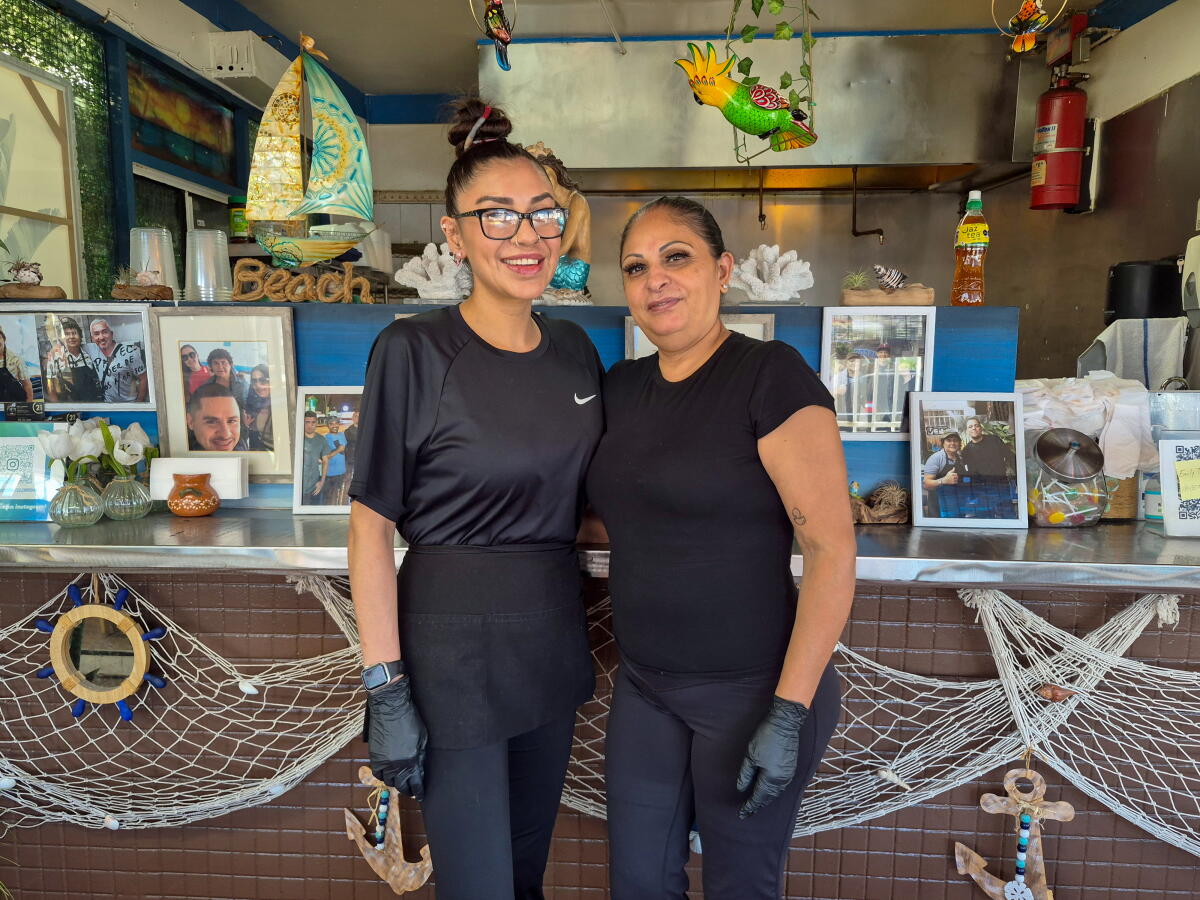
Mariscos El Chente staff members Denise Miranda and Maria Peñuelas.
(Daniel Hernandez / Los Angeles Times)
No, you don’t have to limit yourself to the touristy In-N-Out on Sepulveda Bouelvard. Skip Randy’s Donuts if you’ve done it before. For this guide, we’re zeroing in on local favorites in the quietly robust scene of dining and drinking within one mile of the airport’s perimeter. No hotel restaurants or lounges.
A tight proximity to the runways means you’re mostly surrounded by busy LAX workers and hardcore locals from the communities of Westchester, El Segundo, Lennox, Hawthorne and Inglewood. Sprinkle in people who’ve just landed from just about anywhere in the world, and the magic of the LAX cultural orbit comes alive. I’m no longer kidding or holding my secret: Because of the restaurants and bars, I actually love hanging out around the airport.
This makes me part of a low-key membrane of Angeleno who enjoys watching jetliners serenely glide their passengers through the sky, landing a kiss away from the gleaming Pacific, as we sip a nice lager or chomp into a mulita. I can trick my brain on any day into thinking I’m just about to take off myself.
The Night Riviera Sleeper from London to Penzance will depart from London Euston instead.
And passengers heading to London Heathrow have been warned as well.
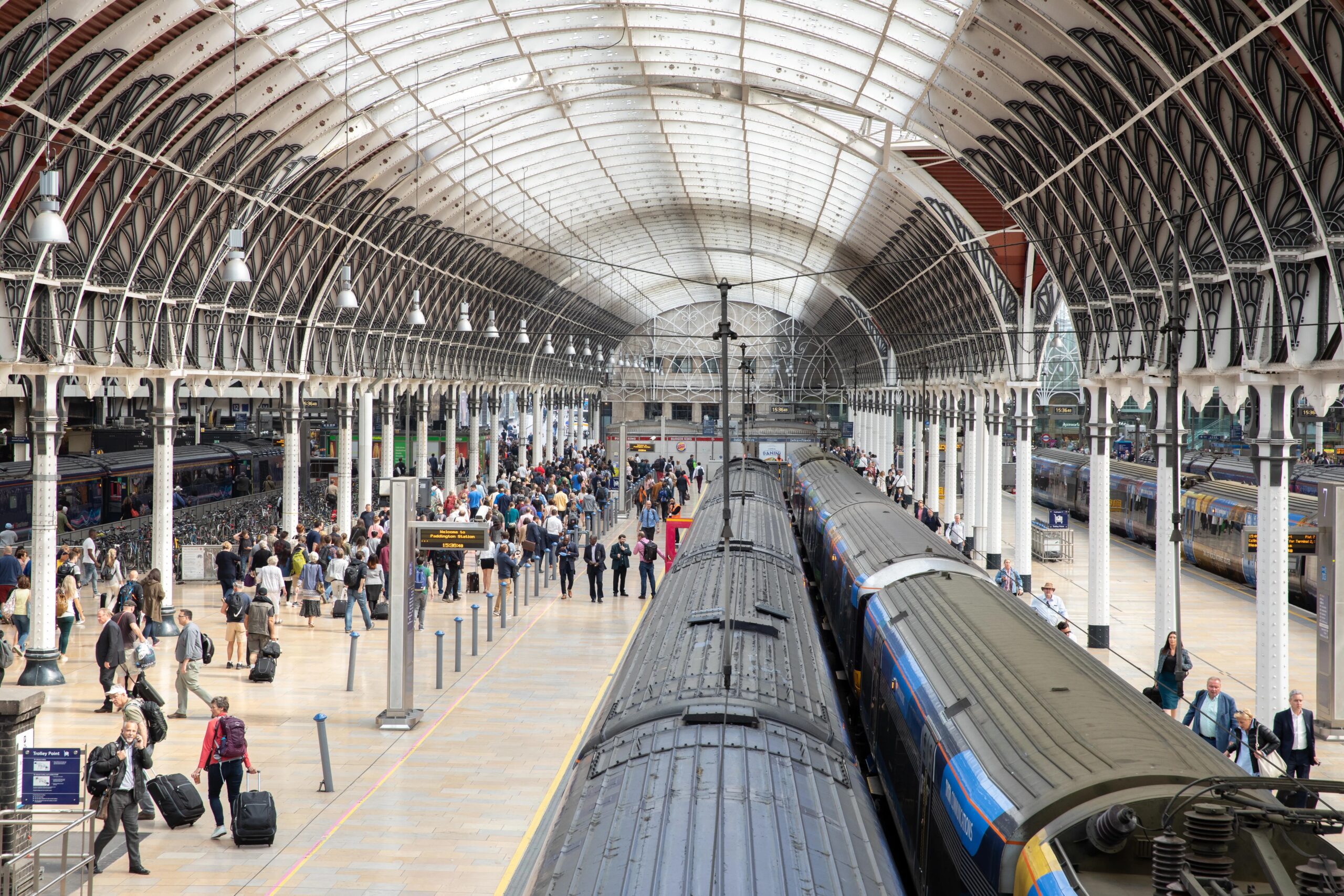
Heathrow Express trains and the Elizabeth line will also not be operating from London Paddington.
The closure is due to huge £28million upgrade plans, which will affect other routes for the rest of the year.
The train operator warns: “Journey times to and from London will be considerably extended
“Passengers are strongly advised to check their journey before travelling, especially when travelling later in the day, to ensure that their whole journey is still possible.”
London Paddington is closing for an entire weekend next monthCredit: AlamyNo trains will operate from the stationCredit: Alamy
GWR Operations Director Richard Rowland added: “Although trains won’t run into London Paddington for a short period, we’ve worked closely with Network Rail and our industry partners to put alternative routes in place, including GWR services from London Euston, and connections via Waterloo and Marylebone.
“This does however mean some journeys may take longer than usual; so we ask anyone travelling to or from London during this period to plan ahead and check before they travel.”
It isn’t the only train station set to undergo huge works in the next few months.
No trains will be running at Birmingham New Street from December 24 to 28 while the station undergoes a £13million upgrade.
A HUGE multi-million pound upgrade is set to transform two popular holiday parks in the UK.
The two holiday parks are Parkdean’s Skipsea Sands Holiday Park in East Yorkshire and Thorness Bay Holiday Park on the Isle of Wight.
Parkdean Resorts has announced a huge £70million investment project in its parksCredit: Parkdean ResortsTwo parks will get upgraded in 2027Credit: Parkdean Resorts
At Skipsea Sands Holiday Park, there will be number of new activities including an indoor adventure climbing experience, indoor adventure golf and off-road driving experiences for children aged four and over.
The play areas, both indoors and outdoors, will be expanded including the bounce park, sports court and a Bear Grylls themed escape room.
Sign up for the Travel newsletter
Thank you!
The park will also add a Scoops Ice Cream shop and Joe’s American Grill as well as have a new outdoor entertainment space with seating.
The £5million investment is set to be completed by Easter 2027.
Steve Richards, CEO at Parkdean Resorts, said: “We’re committed to investing £5million in Skipsea Sands Holiday Park, upgrading our accommodation and further enhancing the holiday experience for guests and owners in East Yorkshire.
“From exciting new activities that include adventure golf and high ropes to an enhanced food and drink offering, there will be even more for families and holidaymakers to enjoy.”
Then, as for Thorness Bay Holiday Park on the Isle of Wight, the £6millon transformation will include a new high ropes, indoor adventure golf and off-road driving experiences for children aged four and over as well.
Just like Skipsea, the indoor and outdoor play areas will be improved too, with a bounce park, sports court and a Bear Grylls themed escape room.
The park will also gain a new two-storey building that will be home to the Hat-Tricks sports bar with interactive darts, pool and shuffleboard.
Food and drinks spots will also be expanded at the park with a new Scoops Ice Cream parlour, a Joe’s American Grill and Thunderbird Strip Shack.
They will get expanded play areas as well as new attractionsCredit: Parkdean ResortsAttractions includes sports bars, Bear Grylls escape rooms and high ropes coursesCredit: Parkdean Resorts
And once again similar to Skipsea’s expansion, there will be new outdoor areas for entertainment and dining.
Steve Richards, CEO at Parkdean Resorts, said: “This investment reflects our continued commitment to supporting local jobs, tourism and economic growth in the communities where we operate.
“We look forward to welcoming guests to a new and improved Thorness Bay from Easter 2027.”
A number of other Parkdean Resorts parks have recently undergone upgrades including Highfield Grange Holiday Park in Essex and Vauxhall Holiday Park in Great Yarmouth.
Vauxhall Holiday Park revealed its £5million upgrade earlier this year, with a new sports bar, darts and indoor adventure golf.
The holiday park has also been upgraded to include more kids’ play zones as well as high rope courses.
AS the nights draw in and the days become colder, sunny warm days seem like a distant memory – so there couldn’t be a better time to book a winter sun holiday.
And the good news is that it doesn’t have to cost you an arm and a leg.
The most affordable winter sun destinations from each UK airport have been revealedCredit: Alamy
New research by TravelSupermarket has revealed the most affordable winter sun destinations from the UK’s biggest airports.
Comparing prices for a week in the sun between November and February 2027, results found that some airports cost twice as much as others – so if you live near two airports, one might be cheaper to fly from than the other.
Sign up for the Travel newsletter
Thank you!
Chris Webber, Head of Holidays and Deals at TravelSupermarket, said: “Where you fly from makes a huge difference to the cost of winter sun this year – even neighbouring airports can vary wildly as Agadir averages £598 per person from Edinburgh but £784 from Glasgow, a difference of £186 for the same destination.”
Here’s a full run- down of the best deals at each of the UK’s major airports:
If heading out of London, Sousse on Tunisia’s Mediterranean coast came out on top as the most affordable winter sun spot.
A seven-night holiday in Sousse costs from £380 per person, which also makes it the cheapest winter sun deal across all UK airports researched.
Hammamet, also in Tunisia, followed behind with a week away cost from £436 per person.
Agadir in Morocco then rounded out the top three, costing on average £606 per person.
Manchester Airport
If you want to fly out of Manchester Airport, Sousse in Tunisia once again came out on top as the most affordable winter sun destination.
A week away costs on average £399 per person.
And again, Hammamet followed with the average price per person spending seven days there costing £513 per person.
Agadir in Morocco again came third, costing an average of £644 per person.
Spots include Fuerteventura in the Canary Islands, SpainCredit: GettyAnd Hammamet on the Mediterranean coast in TunisiaCredit: Getty
Bristol Airport
In the south of the country, travellers flying from Bristol Airport will get the most affordable winter sun break in Hammamet, Tunisia.
A week’s holiday in the winter sun spot costs on average £413 per person – just £33 more than the cheapest deal from London (which is less than the train fare to London).
And rounding out the top three was Fuerteventura in the Canary Islands, costing an average of £814 per person for seven nights away.
Edinburgh Airport
If you are located near the Scottish capital, you should book to go to Agadir in Morocco, with a week away costing on average £598 per person.
Morocco also took the second most affordable spot at Edinburgh Airport, with Marrakesh, where a week away will set you back £749 per person, on average.
Fuerteventura, Canary Islands then rounded out the top three costing on average of £814 per person.
Birmingham Airport
For Birmingham Airport, Agadir in Morocco is the most affordable option costing on average of £661 per person for seven nights.
This is followed by Fuerteventura, Canary Islands, costing on average £811 per person for a week away.
And then another Canary Islands destination rounded out the top three – Lanzarote – averaging at £933 per person for seven nights away.
Several airports have affordable breaks to Agadir in MoroccoCredit: Alamy
East Midlands Airport
East Midlands Airport passengers should head to Agadir as well, with a week away costing on average £734 per person.
Agadir is followed by Fuerteventura, Canary Islands, costing on average of £898 per person.
Lanzarote followed in third costing on average of £942 per person for seven nights.
Belfast Airport
Over in Belfast, Egypt is the most affordable spot to travel to, with a seven-night holiday costing an average of £754 per person.
Fuerteventura once again followed, costing an average of £794 per person for a week away.
And then Lanzarote rounded out the top three, costing on average £936 per person for a week away.
Leeds Airport
If you are based near Leeds, Agadir was found to be the most affordable spot with a week’s holiday averaging £778 per person.
Fuerteventura came in second costing on average £842 per person for seven nights away.
And a second Canary Islands spot rounded the top three – Lanzarote – costing on average of £965 per person.
Glasgow Airport
Back in Scotland, if you are based near Glasgow your best bet for an affordable winter break in the sun is also Agadir in Morocco, costing on average of £784 per person for seven nights.
Marrakesh in Morocco followed in second place, costing £846 per person, on average, for a week away.
Canary Islands spot Fuerteventura then came in third, costing £857 per person on average for a week away.
Also in Morocco, you could go to Marrakech for a good price from some UK airportsCredit: GettyA number of airports have affordable holidays to Lanzarote – another Canary Islands spotCredit: Getty
Newcastle Airport
From Newcastle, you should travel to Fuerteventura, Canary Islands, costing on average £827 per person for a week.
Egypt then came in second costing an average of £928 per person.
And rounding out the top three was another Canary Islands spot, Lanzarote, costing on average £938 per person for a week away.
Liverpool Airport
And finally in Liverpool, Fuerteventura came out on top with a week’s holiday in the winter sun spot costing on average £840 per person.
Egypt came in second, costing just £7 more at £847 per person, on average for a week away.
And Lanzarote came in third costing on average of £899 per person, for a week away.
Edward Stokes says he is ‘disgusted’ with the way he was treated
A Ryanair passenger says he is ‘absolutely disgusted’ with the airline after travelling for a family funeral. Edward Stokes had flown to London Stansted with his son to pay his respects at the funeral of his cousin’s wife.
What should have been an emotional family occasion allegedly descended into a travel nightmare when the 49 year old said he ran into difficulties with his booking on the journey home last week. Edward claims he and his son were each hit with a £46 (€55) charge after missing the online check-in window by just three minutes for their outbound flight.
“I’m absolutely disgusted by how we were treated,” said Edward. “I’ve been a loyal Ryanair customer for years.
“In fact, Ryanair is practically the only airline my family and I ever use. But after what happened to me this week, I am absolutely shocked and disgusted.
“We were three minutes late checking in online on Tuesday morning and were charged €55 each, €110 in total. Fair enough, we were late.
“We accepted responsibility, paid the money and moved on. But what happened on the way home was a completely different story.”
Edward alleges he was then refused boarding on his homeward flight to Dublin due to a mix-up over the name on his reservation. His booking listed both Edward and Teddy – a nickname he commonly uses – and he claims he had been permitted to travel to England without any problems.
Unable to board his scheduled flight, he said he was forced to book an alternative service departing at 10pm for £300 (€357.57), after an earlier option would have set him back around £450. Yet he says his journey home was anything but straightforward.
Mr Stokes claims the replacement flight was delayed by approximately an hour and 45 minutes, meaning he missed the last bus home. With no funds for a taxi and nobody on hand to collect him, he says he was left stranded at Dublin Airport for five hours until the next bus, finally making it home the following morning.
Edward, a blinds and carpets business owner from Newbridge, County Kildare, Ireland, said: “I’ve been known as Teddy all my life. On the way over, my booking included Edward Teddy Stokes, and Ryanair allowed me to travel without any problem.
“On my return journey, there was confusion over my booking name, and I was refused boarding. I explained the situation to the Ryanair staff member.
“I explained that I had just attended one of the saddest funerals of my life and was simply trying to get home to my family. Her response?
“‘That’s not my problem. What do you want me to do about it? I couldn’t believe the attitude.
“There was absolutely no compassion, understanding or willingness to help. We have no problem accepting responsibility when I’m wrong.
“We were three minutes late checking in, and we paid the money. But where is the same accountability when an airline causes passengers serious inconvenience? What hurt me most wasn’t even the money.
“It was the way I was spoken to, the complete lack of compassion and the feeling that we were treated like we didn’t matter.. “Nobody should be spoken to or treated like that.
“All I wanted was to attend a family funeral, support my cousin and get home safely. I was absolutely exhausted.
“Between the sadness of the funeral and everything that happened with my flights, it’s been a very difficult and emotional week for me. Ryanair, is this really how you treat loyal customers?”
A Ryanair spokesperson said: “The first and surname on a passenger’s booking must match the first and surname on their travel documents. The passport that Mr Stokes presented at the boarding gate in Stansted did not match the first name on his booking for this Stansted to Dublin flight (14 October). Ryanair offers passengers a 24-hour grace period to correct minor spelling errors on bookings free of charge or full name changes up to two hours before scheduled departure (subject to a fee).
“Unfortunately, Mr. Stokes did not avail of either option and presented at the boarding gate in Stansted with a passport that did not match the name on his booking.”
For more information on names on travel documents, visit the Ryanair website’s section on the subject.
It stopped me mid-scroll. In an Instagram reel, one DJ was mixing an upbeat track in a dark, packed room while another danced on a stage behind her, twerking perfectly on beat. Above them, a message flashed on a massive screen: “Love. Dance. And F— Ice.”
The crowd went wild, matching the energy of the two Los Angeles-based DJs who go by Mango and Ginger. The night looked so electric that I could feel the FOMO traveling through my body.
When I tapped the location tag, I assumed I was looking at an underground warehouse party in downtown L.A. or a venue in Hollywood. Instead, the party — known as If You See Me You See Me — was happening 120 miles south in San Diego. As a DJ and music lover, I knew I needed to get down there ASAP.
For many Angelenos, San Diego is the place to go for a peaceful weekend getaway — think scenic cliffs, serene beaches, fresh fish tacos and visits to Balboa Park and the San Diego Zoo. But it’s easy to sleep on its vibrant nightlife scene — and I don’t just mean the bars crowding the Gaslamp Quarter. The city is home to some of the most exciting late-night spaces, from hi-fi listening lounges to a cinematic Middle Eastern restaurant that feels straight out of Disneyland.
“People just aren’t aware,” says San Diego native Mo Perez, who as DJ Dopemo regularly packs out parties at North Park’s Bluefoot Bar and Lounge. “Then they come here and they’re like, ‘Wow, San Diego is really fun.’”
This is part of the reason why Sasha Marie, a longtime DJ and former member of the Soulection music collective, decided to continue hosting her event If You See Me You See Me, in partnership with Future Is Color, in her hometown of San Diego, even amid invitations to bring it to other cities. She invites DJs from around the globe, many of whom wouldn’t typically play in San Diego, to spin at the party.
“I feel like it’s important to show that something can be successful here,” she says.
Consider this your wake-up call to tap into San Diego’s nightlife scene, whether you want to go dancing or vibe to diverse sounds or have a cocktail in a one-of-a-kind atmosphere. These nine great spots are a sampling of how the city comes alive after dark.
WHO doesn’t love a holiday bargain? Well, British Airways is launching new flights that cost less than the average UK pint.
However, the two return journeys to the beautiful Mediterranean islands come with a small catch.
British Airways is launching return flights for £5 – but there is a catchCredit: AlamyAnyone wanting to take advantage of the cheap flights needs to have Avios pointsCredit: Getty
British Airways is launching two Avios-Only flights nextsummer – so you have enough points on its reward scheme to go on them.
The new return flights will be to Palma in Majorca and Heraklion in Crete.
Sign up for the Travel newsletter
Thank you!
Flights to the Greek island of Crete will depart on August 14, 2027 and returning a week later on August 21.
Seats will be available for 35,500 Avios + £5 return in Euro Traveller.
For a return flight in Club Europe its 60,000 Avios + £40.
Crete is the largest island in Greece and one of the biggest in the Mediterranean Sea.
On the same dates, British Airways will also have an Avios-Only flight to Palma, Majorca.
Seats will be available for 28,000 Avios + £5 return in Euro Traveller.
In Club Europe, seats are available for 49,000 Avios + £40 return with checked baggage included as standard.
Majorca meanwhile has a beautiful coastline, picturesque villages and its busy capital of Palma has lots of bustling restaurants and a huge cathedral in the centre.
Heraklion in Crete has a Venetian port and pretty beachesCredit: Getty Images
Once you’ve joined the British Airways Club, you can earn points by shopping online through the Avios portal, booking hotels and car hire, using co-branded credit cards, or converting Nectar points.
If you’re a frequent flier, you can earn through BA flights, as well as other IAG airlines like Iberia, Aer Lingus, Vueling and LEVEL, as well as partner airlines Qatar Airways, Finnair, and Loganair.
Other brands associated with IAG loyalty include brands like Domino’s, Deliveroo, River Island, Marks and Spencer and Boots.
For a more in-depth look at Avios and how to claim points, read more here.
The British Airways Avios-Only flights go on sale tomorrow.