Ismael Saibari scored the fastest goal of the World Cup 2026 so far after just 71 seconds as Morocco beat Scotland 1-0 to close in on a place in the knockout rounds.
Saibari scored in Morocco’s opening 1-1 draw with Brazil last weekend, and his clinical finish with just over a minute gone settled a hard-fought, physical contest at Boston Stadium on Friday.
A crowd of 64,146 fans turned up at the venue in Massachusetts, United States.
The 25-year-old, who was born in Spain and raised in Belgium, is reportedly on the brink of a $63m transfer from Dutch champions PSV Eindhoven to Bayern Munich.
The quality of his strike past goalkeeper Angus Gunn showed why he is attracting such interest, and it was telling that Scotland lacked the same quality in the opposition box — that helps explain why Morocco are ranked fifth in the world, and Scotland 40th.
With four points from two games, Morocco are now primed to advance to the last 32 as they aim to at least match their historic run to the semifinals in Qatar in 2022.
However, it was a sobering evening for Scotland and their army of fans who have taken over Boston during this World Cup, as their team never really tested Morocco goalkeeper Yassine Bounou.
The laboured 1-0 win over Haiti in their opening game at the same stadium last weekend — which was their first victory at a World Cup since 1990 — gave them a platform to build on and reason to believe they can progress beyond the group stage at a World Cup for the very first time.
Another win here would have secured progress from Group C, but their chances of going further remain up in the air going into their next match against Brazil in Miami next Wednesday.
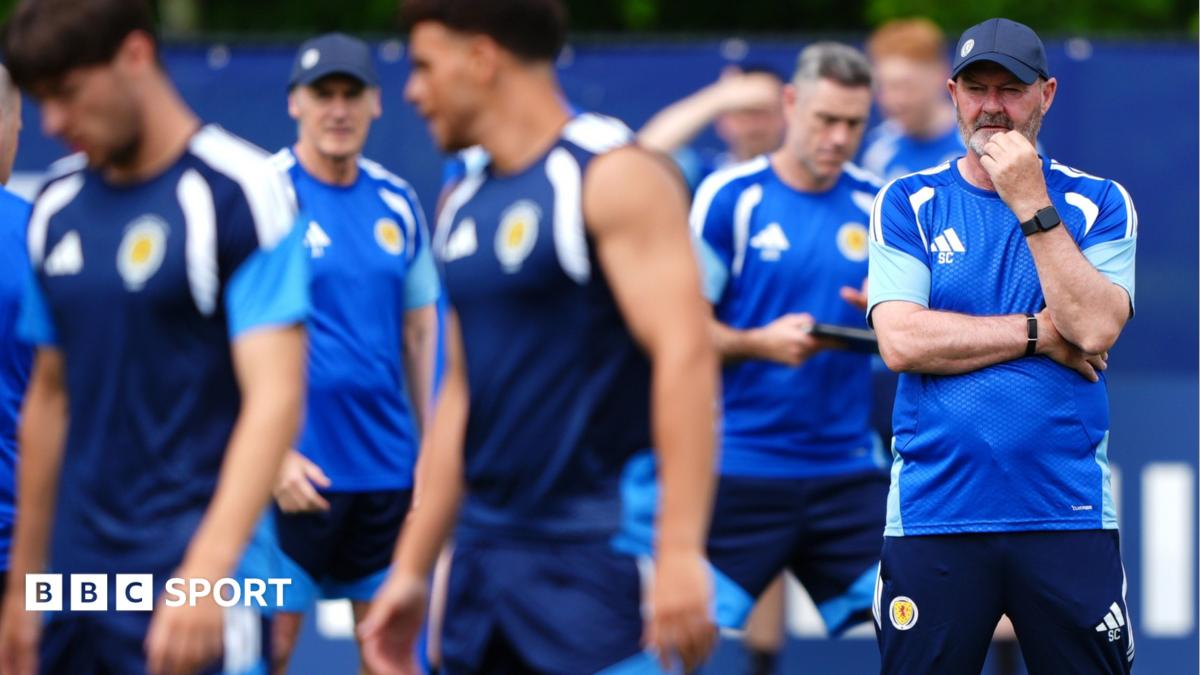
Moroccan coach Mohamed Ouahbi went with an unchanged starting lineup here following the Brazil clash, but opposite number Steve Clarke made three changes.
Clarke sought to reinforce his defence, meaning striker Lawrence Shankland dropped out as defender Kieran Tierney came into the side to make a back five.
But that was of little use as Morocco went ahead practically from kickoff.
The assist came from Real Madrid’s Brahim Diaz, and Grant Hanley played Saibari onside as the latter latched onto the ball over the top, controlled it and rifled high into the net.
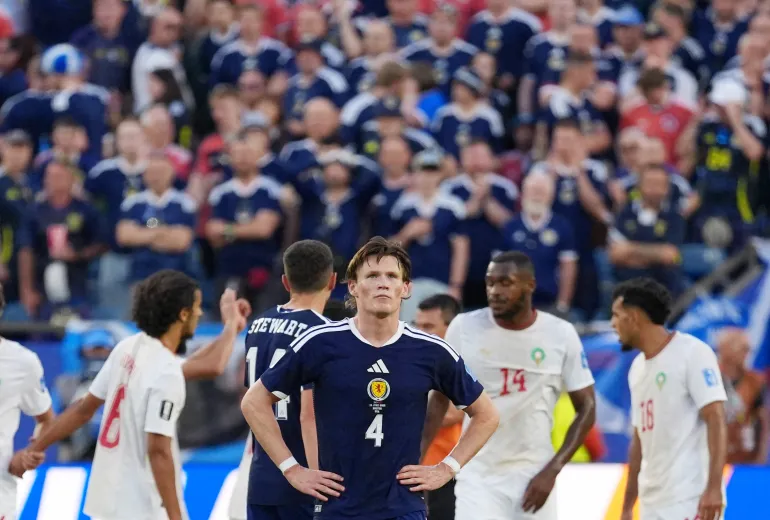
Scotland’s Scott McTominay looks dejected after the match [David Butler II/Reuters]
Morocco, who defeated Scotland 3-0 when the teams met at the 1998 World Cup, threatened to overrun their opponents every time they got forward but were wasteful, with Bilal El Khannouss squandering a good chance on 36 minutes.
Scotland were as stodgy in attack as they have been for a long time, and it took until first-half stoppage time for them to create anything dangerous.
That was a cross whipped in from the left by skipper Andy Robertson that John McGinn was unable to make anything of, and the opening period ended without Bounou needing to make a save.
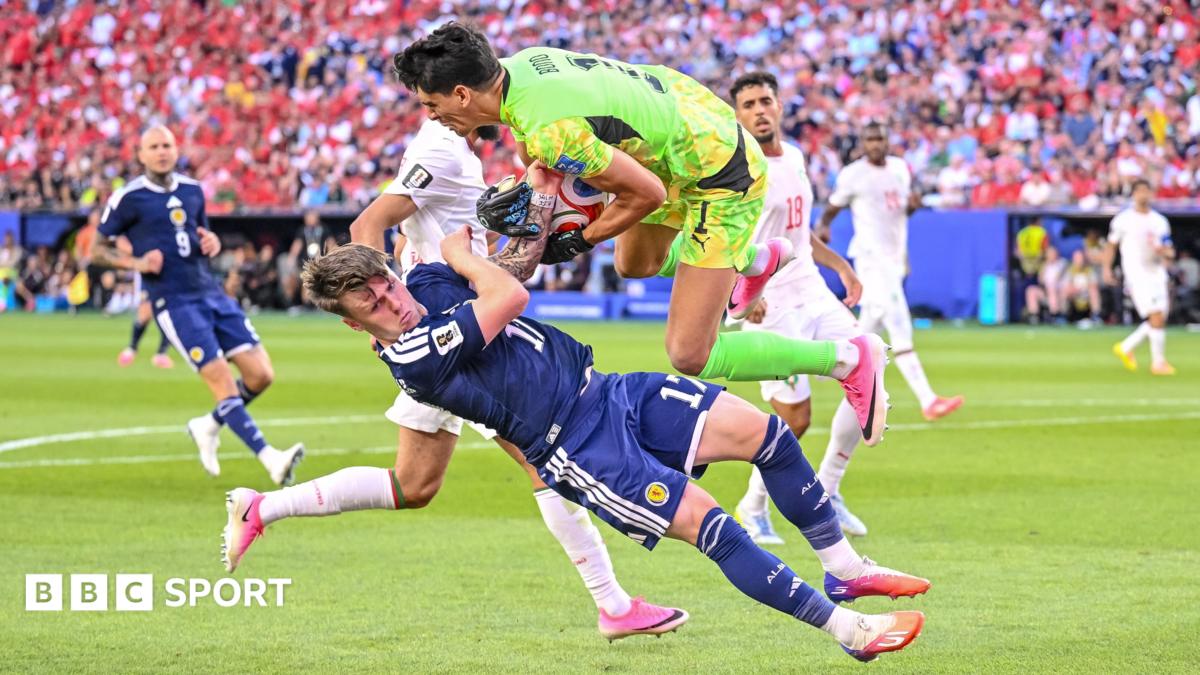
Morocco hit the woodwork five minutes into the second half as Saibari met a cutback by El Khannouss, and his attempt was deflected onto the bar by Jack Hendry.
Moments later, Gunn made a fine stop to keep out an El Khannouss header from a corner taken by Hakimi, who was regularly booed by the crowd.
Morocco nevertheless seemed content to see the game out and soak up what Scotland could throw at them.
Ryan Christie fired over on 64 minutes after being teed up by Scott McTominay, who hit the side-netting late on, but a Scotland goal proved elusive.
Morocco face Haiti in Atlanta on Wednesday, while Scotland face Brazil in Miami.
Morocco fans celebrate their team’s win at a watch party in New York [Caean Couto/Reuters]
Why was Achraf Hakimi booed?
Morocco’s captain Achraf Hakimi was named in the starting lineup hours after it was confirmed he must stand trial in France on rape charges.
Loud boos rang out from the Scottish fans when Hakimi’s name was read out and every time he touched the ball during the game.
The Paris Saint-Germain (PSG) defender said in a statement earlier in the day that he faced trial on a rape charge and welcomed the opportunity to put across his point of view.
Hakimi had appealed his referral to a criminal court.
French media reported earlier that the Versailles appeals court had rejected the appeal, paving the way for his trial in a criminal court at some point in the future.
“Today, a story that isn’t mine is being told at the expense of my family, my life, and above all, the truth. Sometimes I feel like I’ve become an easy target,” Hakimi wrote in a post on the social media platform X.
“I’ve been waiting for this trial since day one. And now I’m looking forward to it. Finally, I’ll be able to speak out.”
Achraf Hakimi celebrates Morocco’s win [Martin Meissner/AP Photo]
Clarke’s masterplan, so to speak, was playing Kieran Tierney ahead of Robertson on the left, two vastly experienced operators to deal with the threat of Hakimi and Brahim Diaz.
A risk, for sure. And so much for the thinking behind it. Just over a minute gone – Diaz assist, Ismael Saibari goal, the nightmare scenario come true.
The traffic cone guys weren’t letting such trifling issues dampen their day.
Everybody else had a haunted look about them, their noise and passion reduced to soft groans, the lusty pride they all displayed with another thumping rendition of Flower of Scotland now replaced with shrieks as Morocco ran amok.
Or threatened to run amok. Seventy seconds it took them to score. For much of the opening half they were like a cultured fighter, boxing the ears off an over-matched rival, bamboozling their punchbag with their movement before what felt like an inevitable knockout.
Scotland were on the ropes, covering up and praying that the punishment would stop. And minute by minute, it did.
Morocco’s intensity was wonderful for half an hour and they could have been two or three ahead by then, but they weren’t. They’re terrific footballers, very easy on the eye, but they’re not ruthless, not killers. Scotland’s resilience kept them in it.
When Morocco’s energy started to dissipate, it became a contest.
Scotland finished the opening half strongly, their confidence rising, those worried stares on the faces of their supporters giving way to blessed hope.
Scotland concede after 71 seconds and fall to a World Cup defeat against a classy Morocco, but their hopes of a historic knock-out place remain in their own hands with one group game to go.
England did not want to go through the play-offs but were given an unkind draw in the qualifying groups when they met world champions Spain.
It does mean, however, that Sarina Wiegman’s side are in a strong position for the play-offs and will fancy their chances with a kind trip to Greece in October.
They beat potential round two opponents Ukraine in both matches in the qualifying group stage, which will give them confidence too.
There is a tricky tie for Northern Ireland, who come up against a talented young squad from Portugal in round one. Portugal twice beat Northern Ireland in Euro 2025 qualifying.
Their task gets trickier if they make it through to round two with potential opponents Iceland proving to be difficult to break down in their matches against England this year.
Scotland are hoping to reach just their second Women’s World Cup finals having failed to qualify in 2023.
They performed well in this year’s qualifying group stages, including draws with Belgium that showed they can compete with Europe’s strongest teams.
They will need to produce their best in round two if they meet big-hitters Sweden, who have been semi-finalists in the past two Women’s World Cup finals.
Wales have never beaten a top-20 ranked nation in a competitive fixture and are likely to need to do so to qualify – and their away form needs improvement.
But Rhian Wilkinson’s side face familiar opponents in round one. They thrashed Albania 4-0 in their qualifying group so who says they can’t do it again?
Meanwhile, having performed superbly in qualifying, the Republic of Ireland have a tricky play-off route with established European opposition Belgium potentially waiting in round two.
First, Carly Ward’s side will have to navigate a 3,100-mile trip to Kazakhstan, against relatively unknown opposition.
One of my favourite recent photographs is of me (unusually), perched on the bonnet of our car, about to set off on a solo, two-week road trip from our Sussex home to the wilds of Scotland, taking in Eryri (Snowdonia), Lancashire, the Lake District and Yorkshire. I had no idea that the research trip I was about to embark on – for my book, which traces the story of British holidays over 400 years – was going to reveal my homeland as somewhere I barely knew.
As a southerner, it was the northern half of Britain that I needed to discover. I’d stitched together my route with visits to museums, archives and classic seaside resorts that had once blazed so brightly. I’d visited Cumbria before, but the Conwy coast, the Lancashire countryside, Blackpool, Morecambe, Scarborough? All these were unknowns.
My first stop was Eryri, where it turned out my hotel, the Royal Oak in Betws-y-Coed, had been welcoming artists such as JMW Turner since the late 18th century. Fifty years later, it became the hub of the country’s first artists’ colony, drawn here by the dramatic beauty of the dense, bottle-green swathes of the Gwydir Forest and the spectacular peaks of the Glyderau range and Moel Siabod.
Llandudno has one of the most complete Victorian promenades in the UK. Photograph: James Clarke/Alamy
Over coffee, hotel manager Katie Valentine told me about the artists who called the area home – David Cox, Henry Clarence Whaite and Thomas Collier among others – at least until Betws railway station opened in 1868. “At that point,” she said, “many moved to houses further up the valley, grumbling that the place was becoming flooded with tourists.” As I would discover on this journey, it seems overtourism is far from a contemporary travel trend.
From Eryri, it was a short hop to Llandudno, a beach town so pristine it felt a little like a Victorian theme park resort. “In some ways it is,” Judith Phillips, trustee of the Llandudno Museum, told me. “The family who built Llandudno in the mid-19th century – the Mostyns – still own much of it now, and control everything from what colours people can paint their hotels to what businesses are allowed on the promenade.”
The Llandudno Museum made plain that much of our history is not in the great city museums, but in libraries, archives and small museums on quiet high streets, often run by passionate volunteers with an encyclopaedic knowledge of their local heritage.
Driving from Llandudno up to Lancashire along the North Wales Expressway, I whipped in and out of tunnels, emerging to see great swathes of the cobalt-blue Irish Sea stretching to the horizon.
Further into my journey, I was pointed towards early editions of the very first guidebooks to the Lake District, written by Thomas West and William Wordsworth, at the Armitt Library in Ambleside; shown handwritten letters by Queen Victoria at Blair Castle (including her personal recipe for potato salad); and told wonderful stories of Wakes Week holidays in Blackpool by the dapper Richard Croisdale at Blackburn Museum – their longest-serving volunteer, at a sprightly 90 years old.
Annabelle Thorpe drove up from Sussex to the Highlands via north Wales and Lancashire. Photograph: Annabelle Thorpe
Blackburn’s grandiose Victorian museum and Bolton’s neoclassical town hall stand as legacies of the era when Lancashire towns were affluent manufacturing bases home to tens of thousands of factory workers. The Georgian streets of Richmond are like a mini Bath, but steeped in Yorkshire heritage. But perhaps nowhere confounded my expectations more than Blackpool.
Arriving on a Friday night, the promenade buzzed with lights and life; the illuminations blazing all the way to the tower, kids skipping along the seafront entirely unaware they had been brought to one of the most deprived towns in the country. “We are a town of extremes,” said Claire Smith, co-owner of the chic Number One South Beach B&B. “We have pockets of absolute joy next to complete caverns of woe. There’s no blending. It’s either amazing or awful.”
Claire and husband Mark shared stories of Blackpool in the 1970s, not least his coming back from the pub as a teenager to find his parents had let his bedroom – along with their own – to guests, leaving them to sleep in the lounge. This was the era when guests queued in their dressing gowns to use the bathrooms, landladies locked the doors between mealtimes, and peach Melba was the height of culinary flair.
“They were simpler times, people expected much less,” Claire told me, a little wistfully. “But I do think people were happier.” There’s still plenty of joy to be found, though. When I visit the Pleasure Beach as it opens on a Sunday morning, families are streaming in; the first coasters rattling skywards; a general air of giddy excitement that is a stark counterpoint to the rundown streets elsewhere in the town.
So many of my preconceptions were corrected or reversed: the elegant St George’s Hotel in Llandudno showed me that not all grand dame seaside hotels are faded or old-fashioned. And while we do love to run down our own seaside resorts, I saw beaches to rival anything the Med has to offer, from Scarborough’s South Bay to Morecambe’s vast, empty sandscapes.
Nowhere confounded Annabelle’s expectations more than Blackpool. Photograph: Alex West/Getty Images
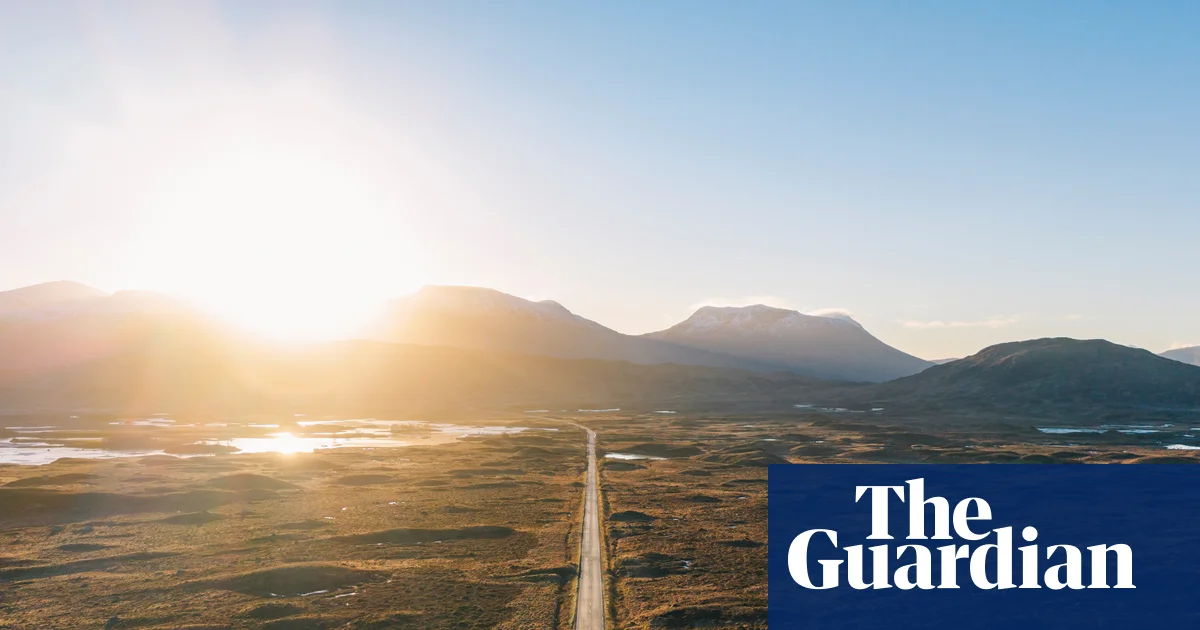
Beyond the seaside, it was Scotland that really blew my mind. Following in the footsteps of William and Dorothy Wordsworth, who toured the Highlands and Lowlands for six weeks in 1803, I headed up the western flank of Loch Lomond, entirely unprepared for what I was about to discover. Dusk was falling as I drove across Rannoch Moor – a silent, pockmarked moonscape that seemed entirely bereft of life, save for a lone pair of car headlights, somewhere up ahead. And then, in the distance, great, hulking mountains began to rise up, guarding the entrance to Glen Coe. It is a landscape so forbidding that when I pulled up at the Three Sisters viewpoint, I was genuinely relieved to see another couple, so I didn’t have to stand alone among the ominous peaks.
Scotland had stories, too: from the spruce and redwood trees planted in Glen Coe by Lord Strathcona in the 1890s to make his Canadian wife feel at home, to Queen Victoria taking the first ever fly-and-flop (train-and-flop, perhaps more accurately) at Blair Castle in 1844. Her visit was hosted by the 6th Duke of Atholl, who promised the security of his own private army (and who had to move out of his own castle during the royal stay). It was the beginning of a royal love affair with Scotland that led to the purchase of Balmoral in 1852.
When I got home from the long road trip – 13 days and 1,600 miles later – my husband took the same photograph of me perched on the car. It had been more of an adventure than I could have ever imagined – to lands unknown on the island I call home.
The Great Escape: Britain’s 400-Year Love Affair with Holidays by Annabelle Thorpe (£18.99, DK Red) is available now. To support the Guardian, buy a copy from guardianbookshop.com for £17.09
Scotland’s players and fans sing Flower of Scotland at a World Cup for the first time in 28 years before their match against Haiti at the Boston Stadium.
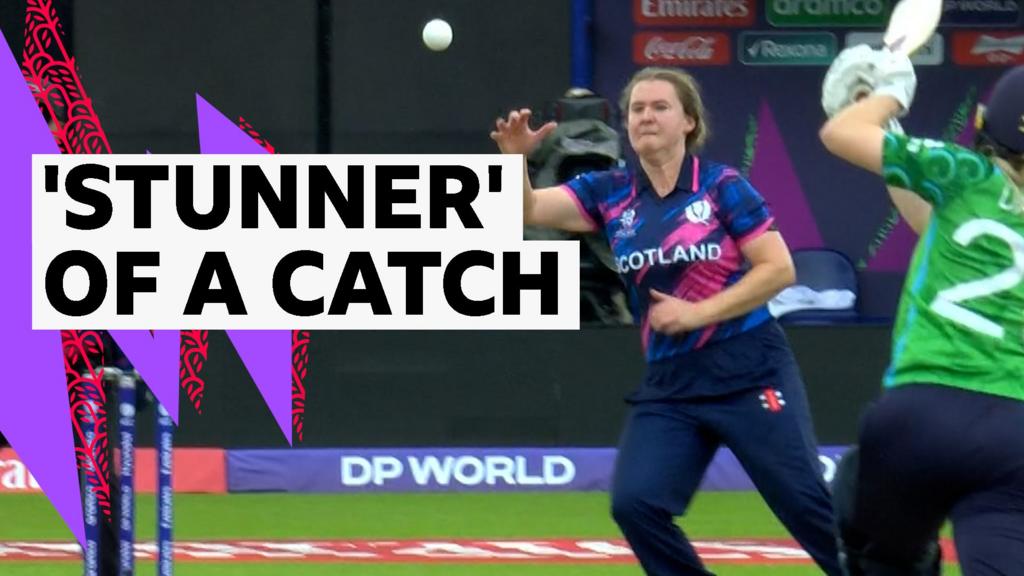
After topscoring with the bat for Scotland, Kathryn Bryce makes an impact with the ball, taking a superb one-handed catch to remove Ireland’s Alana Dalzell for six in their opening match of the ICC Women’s T20 World Cup at Old Trafford.
BBC Sport Scotland called on the knowledge of 1998 World Cup squad members Darren Jackson and Paul Lambert, as well as the last player to captain Scotland at the women’s finals in 2019, Rachel Corsie, to enlighten and excite us.
All three said it was “surreal”.
Lambert and Corsie explained the build-up – the bit where the fans are frantically booking planes, trains and automobiles – as perhaps being the most “stressful” part of the process from qualifying.
“You’re like, I want to be in the best condition of my life,” said Corsie, who skippered Scotland in France seven years ago said.
“I don’t want to get hurt, I want to get selected, I want to be playing for my club, there’s so many things that you’re thinking and you just think, I just want us to get there.”
“It feels like endless build-up,” Lambert added.
“Then, when you’re selected, that’s when it really sinks in that you know the summer could be the greatest tournament for the national team. It’s the best tournament.”
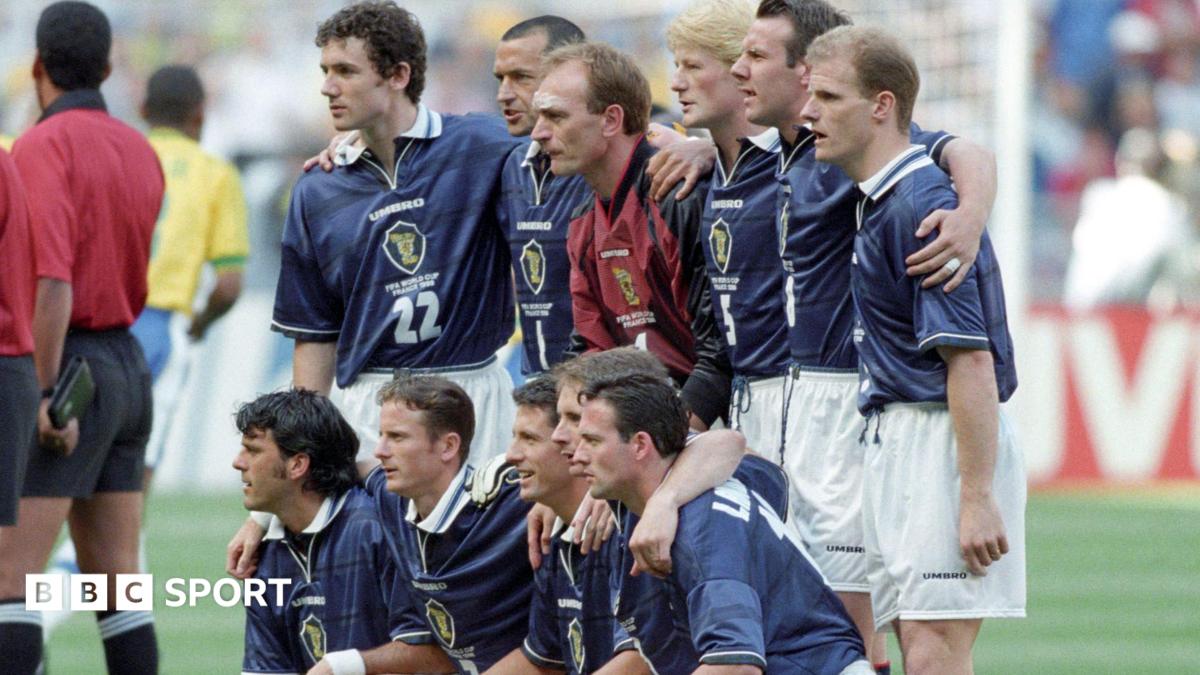
For Jackson, who didn’t make his international debut until he was 28, said it wasn’t until he lined up in the Stade de France for the tournament opener against Brazil that things started to feel real.
“When you’re standing in the tunnel and the guy standing next to you is Ronaldo, reality kicks in,” he explained.
Add Rivaldo, Dunga, Roberto Carlos, Cafu and the rest and you’ve got a point, Darren. Gulp.
An overhead kick from Scott McTominay, a Lewis Ferguson corner that was going in until Lawrence Shankland helped it on its way, a curler to beat all curlers from Kieran Tierney and then a fourth from the other end of the earth – or the halfway line to be precise – from Kenny McLean.
It was the perfect night, a night that further reinforced the bond between these players, which is genuinely tight. That’s always said, but this group is extremely close, a club side in national team colours, a band of brothers who have each other’s back.
There was a collective swoon when news came through on Thursday that McTominay, the totem, had an iffy tummy, but he’s good now. The Napoli midfielder with the Midas Touch probably just waved his hand over his stomach and, hey presto, he was healed.
What’s absolutely fascinating about this game is the options that Clarke has and the way he’s talking about the utilisation of his bench, hinting that he might keep a heavy hitter in reserve.
On more than one occasion he’s suggested that the team that finishes the game might have to be as strong, or stronger, than the one that starts.
It’s inconceivable, for this game, that he’ll go away from his new approach of playing Shankland and Che Adams up front, so one of his star midfielders most probably won’t start.
Scotland are buoyed by the eight goals they scored in their last two games. There were caveats – Curacao had 10 men for much of it at Hampden and fell away to lose 4-1 and Bolivia were, well, not all that good.
But confidence is a valuable thing, no matter how you get it. Clarke, as is his wont, has been talking up the threat of Haiti, referring regularly to their size, their power and their athleticism.
In warm-up games, Haiti hammered New Zealand 4-0 before New Zealand lost just 1-0 to England soon after. That form line makes them a theat.
Haiti are a distant 83rd in the Fifa world rankings, but Clarke has been at pains to point out their strengths. One of those strengths is a mental fortitude that comes with representing a country that is riven by crisis and humanitarian disaster.
The capital, Port-au-Prince, is controlled by armed gangs – instability, hunger, killings, kidnappings and sexual violence is rife. Public services have collapsed. Thousands of schools have closed, 10% of the population have fled. The football team can’t play any games at home. Two years into his role as head coach, Sebastien Migne still hasn’t been able to set foot in Haiti.
That level of hardship could breed some amount of determination. Clarke knows it and you sense that his players know it, too.
Scotland have played 23 matches at World Cups and have won only four, a sobering stat when you set it alongside the memories of nightmares past, the loss to Costa Rica in 1990 chief among them.
So Clarke is taking nothing lightly. This is a must-win given the scale of what’s to come against Morocco and Brazil.
Nobody in Clarke’s camp is hiding from that. They have said repeatedly that they’re here to make history as the first Scotland team to make it through a group.
They have a vast travelling army with them and millions more at home, a strange amalgam of positivity and anxiety, belief and fear. All human emotion on the grandest stage.
Thrilling and terrifying. What a time to be alive.
Scotland midfielder Scott McTominay was not on the team bus as it arrived at their hotel in Boston after missing Thursday’s training session because of an upset stomach.
The Napoli player, who has been the Scots’ leading man in recent campaigns, was part of the group as they travelled from their base camp in Charlotte.
However, the 29-year-old made his own onward journey with a doctor in what is believed to be a precautionary measure.
Steve Clarke’s side get their first World Cup in 28 years under way when they face Haiti on Saturday evening (Sunday 02:00 BST) at Boston Stadium in Foxborough.
They will also face Morocco and Brazil in the group stage.
McTominay, who has scored 15 goals across 70 caps, found the net in Scotland’s convincing 4-0 win over Bolivia on Saturday.
Scotland fans, who have been flooding to Boston in huge numbers, will be anxious for an update from Clarke who is due to address the media on Friday.
Speaking at Thursday’s media conference, fellow midfielder Kenny McLean said of the situation: “Hopefully that doesn’t spread. Fingers crossed Scott will be fine. I’m sure he will be.
“I don’t need to speak too much on him, everyone knows how big he is.
“It’s a team effort and always will be, but when you have special, special players like that you want them to be available. I’m sure he will be.”
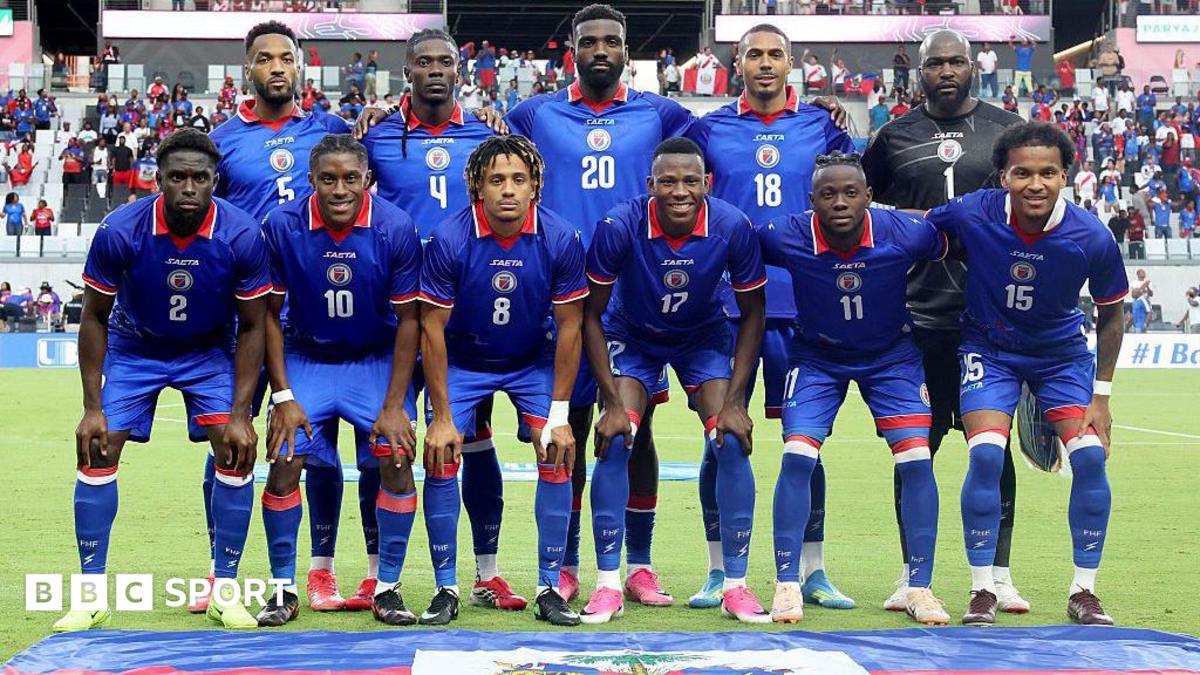
Haiti have been forced to change their kit design just four days before their World Cup opener against Scotland after their shirt, depicting a war scene, failed to comply with Fifa rules.
An illustration of the Battle of Vertieres in 1803, which secured Haiti’s independence, with the country’s flag had been embedded on the shirts worn in both of their pre-tournament friendlies.
However, equipment regulations set out by the world governing body prohibits the use of any “political, religious, or personal messages or slogans” on kit.
In a statement, Colombian manufacturer Saeta, said its original design “was a tribute to the men and women who contribute every day to Haiti’s future” and “was not intended as a political statement”.
It added: “Fifa determined that certain visual elements could be interpreted differently under its equipment regulations and ultimately requested modifications to the design.
“While this interpretation differed from our intention, Saeta respected the process and implemented the final requirements communicated by Fifa.”
Haiti begin their first World Cup campaign in 52 years against Scotland at Boston Stadium, Foxborough at 02:00 BST on Sunday.
The Caribbean country then face five-time winners Brazil and Morocco in Group C.
In their only previous World Cup appearance in 1974, Haiti lost all three group games and conceded 14 goals.
This picturesque coastal village offers spectacular scenery and a peaceful atmosphere – ideal for a summer escape away from busy tourist hotspots
This article contains affiliate links, we will receive a commission on any sales we generate from it. Learn more
This beautiful village has so much to offer(Image: Southern Lightscapes-Australia via Getty Images)
Summer holidays are on the horizon and many people are starting to map out their getaways. With jet fuel costs climbing, jetting off abroad might not be the most affordable option, but fortunately, there are countless beautiful destinations right here in the UK.
Plenty of people travel overseas to the same spots year after year, but the UK is actually home to numerous hidden treasures that provide just as much natural beauty for a fraction of the cost, and with far fewer crowds.
From seaside escapes to woodland getaways there’s so much to choose from.
Hazel Rickett, travel expert at small-group tour operator Rabbie’s, said: “Some of the UK’s most memorable summer escapes can be found in the lesser-known towns, villages and coastal communities that people tend to overlook.
“For travellers hoping to avoid overcrowded tourist hotspots, long airport queues or the rising cost of overseas travel, these destinations offer the chance to slow down and experience a different side of the UK, whether that’s through coastal scenery, historic charm or access to incredible landscapes.”
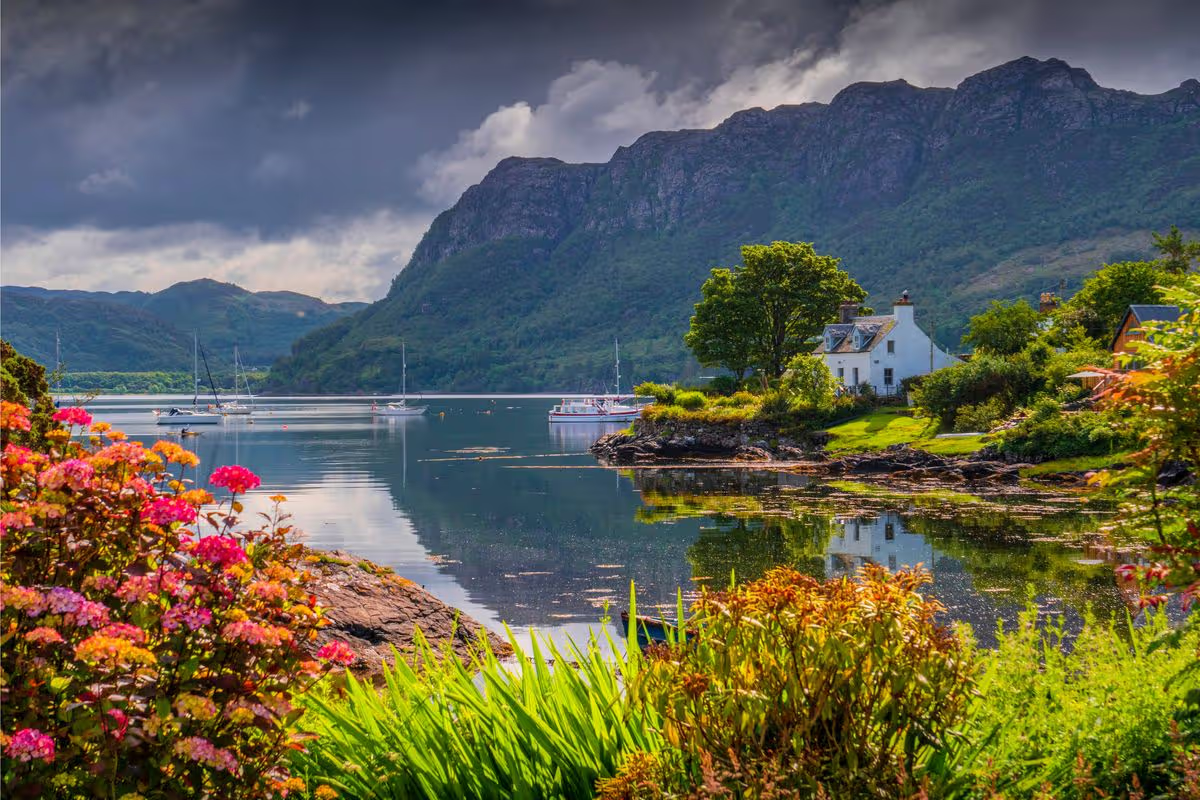
Hazel has revealed one of her top picks for a summer break in the UK – a beautiful coastal village nestled in the Scottish Highlands.
She said: “Plockton is a brilliant destination for travellers looking for a summer escape that combines coastal scenery with a peaceful village atmosphere.”
The village sits on the shores of Loch Carron and is renowned for its breathtaking waterfront.
You can go kayaking, take a boat trip on the lake or simply relax and take in the views.
Plockton is also home to Attadale Gardens, a stunning 20-acre expanse of vibrant blooms, water gardens and glasshouses, reports the Express.
Among its highlights are century-old rhododendrons, while youngsters can seek out hidden sculptures dotted throughout the grounds or try their luck catching frogs and newts in the ponds.
Hazel said: “Plockton offers visitors the chance to experience spectacular Highland scenery while enjoying the charm of a traditional coastal village.
“Its relaxed atmosphere and beautiful setting make it a memorable stop for travellers looking to explore a quieter side of Scotland away from the usual tourist crowds.”
“He doesn’t like talking about his story,” John McGinn told the Scottish FA.
“He’ll no like hearing it – but that’ll never happen again. Part-time football to go so quickly to Hull, Liverpool, Champions League winner, Premier League winner, captaining your country at a World Cup. That’s fairytale stuff.
“It’s a documentary I can’t wait to sit back and watch, the Andy Robertson documentary.”
His manager at Hull, Steve Bruce, cited Robertson’s ability to grow and meet bigger challenges as they came along. Strachan said his intelligence meant he learned extremely quickly.
Robertson mainly ascribes his ascent to “luck” in having coaches and managers who were willing to give him a chance, as well as his work ethic.
“What I could control is I went into football with: ‘I will give this 100% and, if I don’t make it, at least I can look back and go, you know what, I gave that absolutely everything and wasn’t for me.”
Robertson is on his way to surpassing the great Dalglish’s record of 102 caps for Scotland and already has the most appearances as captain.
The McTominay mural marking the midfielder’s overhead kick in the defining game against Denmark adorns a tenement next to Hampden, only a few miles from where Robertson grew up. It may need some company.
Robertson is the boy who went from posting about being broke to ruffling Lionel Messi’s hair on his way to winning the Champions League.
From answering the Hampden phones to ending Scotland’s World Cup hurt in the same place, 14 years on.
He might not like to hear it, but it is a story that should inspire young Scots for generations.
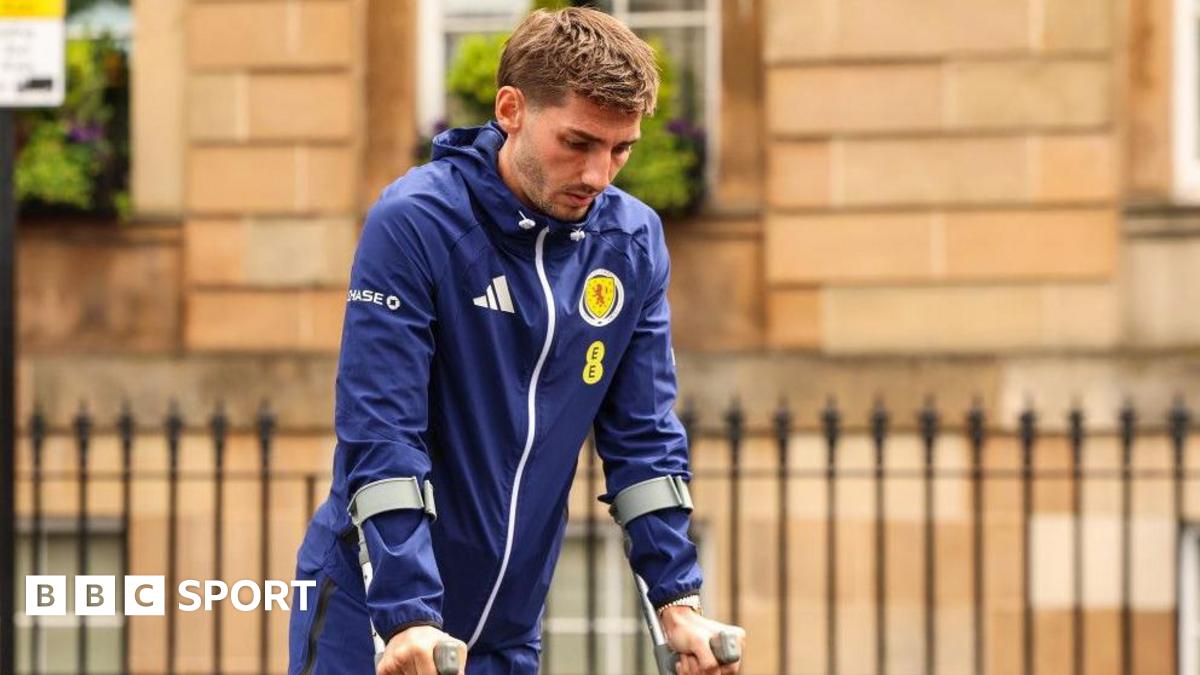
“Being so close to a childhood dream of mine, to play in a World Cup, and now it has been taken away from me with an injury. It’s been a tough one to get my head around.
“Your support and kind messages over the last few days mean the world to me and haven’t gone unnoticed, so thank you so much.
“I’ll see you all back doing what I love again soon, but until then, let’s get behind the team and cheer them on. Come on Scotland!”
Scotland have qualified for their first World Cup finals since 1998.
Head coach Steve Clarke and his squad left Glasgow for the United States on Sunday and face Bolivia in their final warm-up friendly on Saturday in New Jersey.
Scotland start their Group C campaign against Haiti on Sunday, 14 June before playing Morocco and Brazil.