Also under £20 in August are flights to Fez, Carcassone, Pula, Limoges and Milan.
There are 22 routes on sale from London Luton – some of the cheapest include one-way flights to Alicante in August for as little as £19.99.
Other flights for £19.99 include routes to Majorca – the popular Balearic island with beautiful beaches.
From Manchester Airport there are 50 routes available with cheap flights through the summer into autumn.
The Ryanair flash sale is only available untilCredit: BrasilNut1
In October, some of the cheapest flights are to Santander with one-way tickets from £15 – also you can head to Zagreb from £22 and Pisa from £18.
There are deals available from 22 airports including London Gatwick to Aberdeen, Teeside, Norwich and Leeds Bradford.
Ryanair’s Director of Comms, Jade Kirwan, said: “July Pay Day means one thing – it’s time to book your next summer getaway!”
“Whether you’re dreaming of a last-minute beach escape, a sun-soaked city break, or simply need a well-deserved getaway, Ryanair’s 24-hour July pay day flash sale has you covered with fares from as little as £19.99 for travel throughout August.
“Book before 23:59 tonight (Wed, 29 Jul) on the Ryanair App.”
Alternatively, from the same airport, you could head to Nice in France for £26.48 one-way.
From Birmingham Airport, you could travel to Paris, France, on June 29 for £29.48 one-way.
Or head to Amsterdam for the same price, on June 15.
If you don’t mind spending a few more quid, there are several flights for £32.48 from the airport, including to Bordeaux on August 26, Berlin on August 30, Prague on June 16 and Geneva on September 8.
Or you could head to Paris for less than £30Credit: AlamyOr visit Prague on June 16 from Birmingham AirportCredit: Alamy
These include to Paris on June 22, to Amsterdam on September 7, to Copenhagen on June 15 and to Rennes on June 30.
For a bit of Spanish sun, you can head to Barcelona from Leeds Bradford Airport for £34.98 one-way on June 16.
Or you could head to Porto in Portugal on August 6 from Glasgow for £32.48 one-way.
If you can’t wait for a holiday until then, you can get 15 per cent off selected flights if you book by Friday, for holidays between August 1 and September 30, 2026.
Kevin Doyle, easyJet’s UK Country Manager, said: “Whether customers are dreaming of a beach holiday in the Mediterranean, a city break with friends or a family getaway during the school holidays, our Big Seat Release for next summer gives them the chance to get ahead and start planning.”
IF you‘re already thinking about next year’s holiday and want to bag a bargain then set your alarm for tomorrow.
easyJet is set to put lots of flights on sale for summer 2027 in its next Big Seat Release – and they’ll be cheap too.
The easyJet Big Seat Release puts thousands of flights on saleCredit: Markus MainkaEarlier this year flights to Agadir started from £37.99 in the saleCredit: Getty
From tomorrow, the airline will put flights on sale for travel between June 14 and September 26.
Talking to MoneySavingExpert, easyJet revealed that almost 14million seats will be available to book – that’s more than 78,000 flights.
Sign up for the Travel newsletter
Thank you!
But if you want to get cheap deals, you’ll need to start early as when demand goes up, so do the prices.
A time for the release hasn’t been confirmed yet, but usually it’s around 6am or sometimes earlier.
An easyJet spokesperson told the publication: “We encourage customers to book early to get the best fares.
“Fares are demand-driven so they start low and rise as more seats on the aircraft are booked.”
Talking about the easyJet seat release, Martin Lewis described it as “the most predictable time to get cheap flights” – which means there’s likely to be a sharp increase in flight prices.
In its last release, which was in March, millions of seats were available for holidays in winter 2027, including February half-term.
Some of its deals included one-way flights to Paris from London Gatwick from £31.99.
There were also flights to Agadir inMoroccofrom London Gatwick on February 23, 2027, for £37.99 one-way.
If you want the best fares – make sure to be on the site as soon as possibleCredit: REUTERS
If you feel like your favorite morning news or talk show is frequently trying to sell you something, you’re right.
Shopping segments within the program content of NBC’s “Today,” ABC’s “Good Morning America” and “CBS Mornings” have grown in recent years. Using QR codes on the screen, viewers are taken directly to dedicated e-commerce sites where they can put in their orders, with the program getting 20% or more of the revenue generated.
The segments typically feature a contributor or expert presenting household items, fashion or personal care products, alongside the host viewers know and trust. While hosts typically don’t do the actual pitching, their presence provides a seal of approval that helps drive a purchase.
The segments are also a staple of talk shows and syndicated programs such as “The View,” “The Jennifer Hudson Show,” “Entertainment Tonight” and “Inside Edition” and have spread to local TV stations. Ownership groups have signed deals with companies that match them up with brands looking for exposure that goes far beyond what they get with a 30-second commercial.
“This is the savior for media, if they really focus on it,” said Brian Meehan, co-founder of Knocking, a Connecticut-based company that specializes in embedding e-commerce into TV and digital content.
That may seem bit hyperbolic, but there is little doubt that TV outlets are looking for help as they navigate the upended media industry.
Streaming has pulled viewers away from traditional television, driving down ad revenues. Since 2022, ad spending on broadcast and cable TV has dropped 23%, to $51 billion in 2025. Consumers bypassing or canceling their cable subscriptions are cutting into the fees stations receive from pay TV providers.
As a result, both networks and TV stations have had to make significant cuts in their news operations to maintain profit margins. The daytime syndication business has declined dramatically as well, with NBCUniversal exiting the market and canceling “Access Hollywood” and “The Kelly Clarkson Show.”
Networks and stations don’t reveal how much they earn from the shopping segments, which typically run four minutes, but insiders say it’s well into the eight-figure range.
Bill Hague, executive vice president for the media research firm Magid, said more TV stations are turning to the segments to help fill the additional hours of local news they are programming instead of syndicated talk shows.
“Why invest in syndication when you can have the same audience and more revenue tied to it?” Hague said, adding that the company’s research shows consumers don’t believe the practice diminishes the quality of a newscast.
Jeff Rossen, a former consumer reporter for NBC News, recently pitched online shopping deals for Tegna’s TV local stations. The products he demonstrated sold briskly, likely helped by the credibility and trust he has accrued as a journalist.
That authority matters to viewers. NBC says its research shows that 94% of “Today” viewers trust the product recommendations made on the program.
Morning shows, with their mix of hard news, entertainment segments and lighter fare, have always had more latitude in what they present. But the current dire circumstances of the TV business explain why there is little pushback.
“If helping me buy a better blender also helps pay for an investigative reporter, I’m fine with it,” said Andrew Heyward, a former CBS News president who has consulted for TV station groups.
Heyward said consumers have gotten accustomed to editorial content being a gateway to online shopping. The New York Times gets a cut of sales linked to its Wirecutter product review site. Book reviews in the Los Angeles Times are linked to Bookshop.org, and the newspaper gets a commission for any sales.
Amazon and other web platforms have made e-commerce account for 21.8% of all U.S. retail purchases, according to the Department of Commerce.
Direct selling on traditional media goes back decades. In 1978, a Clearwater, Fla., radio station accepted 112 electric can openers from an advertiser who could not afford to pay for commercial time. Station owner Bud Paxson had a newscaster auction the inventory over the air and it sold out quickly, leading to a regular show called “Suncoast Bargaineers.”
In 1982, Paxson moved the concept to a local Tampa cable outlet, called it Home Shopping Channel and, after a few years, took it national as Home Shopping Network. HSN soon had celebrities pitching their own product lines, a technique that is now occasionally used by the morning shows.
Candi Carter, whose Cistus Media handles e-commerce for Tegna, said viewers have long been accustomed to seeing products touted inside of programming content, going back to the days of Oprah Winfrey’s “favorite things” segments.
“Brands do it for visibility,” Carter added. “They don’t have to pay a product integration fee and they get revenue from the sales.”
The broadcast networks experimented with direct selling to viewers over the years. NBC even put its name on ShopNBC, a cable channel it co-owned in the 1990s. But the concept was not mastered until NBC’s “Today” introduced “Steals and Deals” in 2010 as an occasional segment that grew over time.
The program now has 30 contributors who present wares in about 350 shopping segments each year. They are available across digital, social, newsletters and mobile platforms after they air on “Today.”
ABC’s “Good Morning America” started its own version in 2011, brazenly calling it “Deals and Steals.” The network now has daily segments on both “GMA” and the afternoon hours “GMA 3” and “The View.” Network contributor Tory Johnson has handled “Deals and Steals” since its launch and has long been one of the most familiar faces on “GMA.” Other contributors, such as former fashion magazine editor Laurie Bergamotto, have been added over the years.
Meehan recalls the biggest hurdle to launching the segments at ABC was the language explaining the arrangement to viewers — making it clear that the network stands to benefit.
“It came down to the attorneys just saying, ‘ABC may receive promotional or financial consideration,’” he said. “It took a long time to go through that process.”
CBS News, historically cautious about any endeavors that could tarnish its legacy as a journalism organization, was the last of the traditional networks to get into e-commerce in 2022 after COVID-19 lockdowns depressed ad revenues. The division was also under pressure to improve its financial performance as Shari Redstone, then-chair of parent Paramount, was intent on improving the company’s balance sheet ahead of a sale.
“Shop CBS” segments, as they’re called, are presented multiple times a week on “CBS Mornings” and “CBS Saturday Morning” and have become key revenue drivers for the struggling news division. Any resistance from producers or on-air talent recedes once they learn how much money e-commerce takes in, according to one veteran at the division not authorized to discuss the matter publicly.
While ABC and NBC broker their e-commerce deals in-house and through some of their contributors, CBS turned to Knocking to develop its segments. The company makes deals with product suppliers looking for in-program exposure, supplies the on-air talent that does the pitching with the network’s hosts and builds the websites that handle the transactions.
While on-air network journalists appear in the segments, they are not asked to do the selling. When CBS News signed on with Knocking, the division insisted the talent and producers involved be able to test the products before putting them on air. When they can react with enthusiasm, it’s a big help.
“When ‘CBS Mornings’ co-host Nate Burleson puts on a massager and he’s like, ‘Ooh, wow, this feels like real human hands,’ — none of that is scripted,” said Meehan.
Still, programs are putting their credibility on the line by selling the products. There is little margin for error or customer dissatisfaction, as disgruntled viewers will tune out.
Meehan said Knocking does its best to mitigate that possibility by accepting returns up to six months after purchase.
“A bad experience will hurt both the product or service being featured, and the broadcaster,” Heyward said. “All the parties have a vested interest in honesty, and in a good user experience.”
Ambassador Cruise Line is offering a triple discount on holidays with hundreds to save on once-in-a-lifetime trips
This article contains affiliate links, we will receive a commission on any sales we generate from it. Learn more
Ocho Rios in Jamaica, one of the ports of call on the Gems of the Caribbean Sea cruise (Image: Getty Images/iStockphoto)
The summer holiday season is officially here – and those who are bored of lazing on a beach every year might want to try something a little different by embarking on a cruise. While the cost factor may usually be enough to put travellers off the idea, one popular cruise line has launched some huge discounts on holidays for 2026 and beyond.
Ambassador Cruise Line is offering a series of stacked deals on voyages setting sail from ports across the UK. With more than 200 holidays to choose from, there’s 20% off to be had on selected cruises running from London, Liverpool, Newcastle and more in a sale running until July 29.
Holidaymakers can also score an additional 5% off all no-fly cruises using the code SMILE5, on top of all other sale offers, with just hours left to nab this deal. And to top it off, Ambassador is offering an extra 15% off a handful of its winter sun trips with the discount code SAILMORE15 – giving holidaymakers the chance to save up to 40% in total on a cruise to the likes of the Caribbean or Canary Islands.
READ MORE:
One of the biggest deals gives passengers the chance to kick off the New Year in style with the Gems of the Caribbean Sea cruise setting sail from London Tilbury on January 5 for an incredible 42 nights. Calling at 14 countries, stop-offs include iconic destinations such as Barbados, St Lucia, Jamaica and Antigua.
At £3,415 per person, this six-week trip doesn’t come cheap – but those who book before 9 am on Friday, July 17 and stack their discount codes can get on board from £2,049 with a huge 40% saving, working out at less than £49 per night. And the beauty of a cruise is that travel, accommodation and dining are all included in that price.
Ambassador Cruise Line is offering multiple discounts on holidays from the UK to the Mediterranean, Caribbean, Canary Islands and more.
Another top deal comes on the Gems of the Adriatic & Mediterranean Autumn Sun holiday, which also has 40% off if passengers book before 9am on Friday, bringing prices from £2,903 per person down to starting at £1,742. Setting sail from London Tilbury on November 3 for 31 nights, this journey has 15 ports of call across seven countries, from beauty spots in Greece and Croatia to hidden gem destinations in Morocco and Tunisia.
And for those seeking a shorter and more budget-friendly option, there’s also the Autumn Escape to the Canary Islands, which not only has 10% off all cabins and an extra 5% off on top, but is also on a Cruise of the Week offer, spelling an extra 10% discount. Now available from £991.50 per person, this 14-night holiday from London Tilbury promises “volcanic landscapes, lush forests, and stunning beaches” as it visits Madeira, La Palma and Tenerife.
Meanwhile, those who plan ahead can also bag a buy-one, get-one-half-price deal on Ambassador cruises from April 2028, meaning passengers can bring a loved one along for less. But this isn’t the only cruise line offering savings on holidays departing from the UK.
Fred Olsen is also running special offers on selected winter sun cruises, such as the Mediterranean & Canary Islands Warmth holiday in November 2026. Passengers can get a half-price drinks package and a free flight at the end of the cruise back to London or Manchester.
Half-price drinks and a free flight are also available on the Canaries Escape with the Fleet Fiesta. As well as a discount for solo travellers on B-grade cabins.
In addition, TUI Marella Cruises is also offering a selection of last-minute cruise deals for summer holidaymakers, although it’s worth bearing in mind that these also include flights. Top offers for the summer holidays include the Mediterranean Medley trip sailing from Palma on August 1 for seven nights, now priced from £1,114 per person with a £712 discount.
Another option is the Aegean Delights cruise from Cyprus for seven nights from August 5. Now £1,095 per person with a discount of £822.
South Korean computer chip maker SK Hynix has raised $26.5bn (£19.8bn) in its New York share offering, marking the largest ever listing by a foreign firm in the US.
The company, a key supplier to artificial intelligence (AI) chip giant Nvidia, said on Thursday that it had sold 177.9 million American depositary shares for $149 each. The shares are set to begin trading on Friday on the Nasdaq.
Its share price has more than tripled in South Korea this year, which along with Samsung Electronics has helped boost the benchmark Kospi index by more than 70% over the same period.
SK Hynix is one of the world’s leading memory chip makers. The industry has been given a major boost by the hundreds of billions being spent on AI.
Shares in rivals Samsung Electronics and Micron have more than doubled in recent months.
The US listing gives SK Hynix easier access to huge amounts of potential investment from the world’s biggest economy, which has fewer barriers than South Korea, said Seoul National University finance professor Jaewon Choi.
Traders are closely watching the listing as a “yardstick to test the water” for whether investor enthusiasm for memory chip makers will continue, Choi said.
The AI boom has triggered a rush of companies raising money on the the stock market.
In June, GrokAI owner SpaceX became the world’s biggest ever listing as it raised $85.7bn.
Meanwhile, AI developers Anthropic and OpenAI are preparing to go public, with valuations of more $1tn.
Demand for SK Hynix’s offering was reportedly over seven times more than the number of shares available, highlighting the strong investor appetite for a key company in the AI supply chain.
Each American depositary share is equivalent to a tenth of a Seoul-traded common share, SK Hynix said.
The offering gives US investors a way to buy SK Hynix shares without having to trade via an overseas stock exchange.
The company has pledged major investments to develop South Korea’s chip making and AI capabilities in the coming years.
The country’s government is likely to be counting on SK Hynix’s US listing to raise funds that can support the firm’s domestic investments, said Hanyang University business professor Yun Youngjin.
But the Nasdaq listing carries some risks, especially if investors move money towards the US and away from South Korea’s stock market, Yun added.
In June, the country’s government unveiled plans for more than $880bn of investments in partnership with SK Hynix and Samsung.
Both SK Hynix and Samsung have stock market valuations of more that $1tn, joining growing group of firms which includes tech giants Nvidia, Apple, Microsoft and Google-owner Alphabet.
WASHINGTON — The Department of Homeland Security bought two of the largest immigrant detention facilities in California for $1.5 billion, according to the private prison company that sold them.
The purchase comes as the department — flush with cash after Trump’s One Big Beautiful Bill Act infused the agency with $170 billion — has moved to scale up its capacity to detain immigrants without relying as heavily on private prison corporations.
In announcement Monday, the Tennessee-based CoreCivic said the sale of the 2,560-bed California City Detention Facility and the 1,994-bed Otay Mesa Detention Center in San Diego closed on July 2.
The company said it expects net proceeds of about $1.1 billion after income taxes and transaction expenses.
Ryan Gustin, public affairs director for CoreCivic, said such sales are not uncommon and that “the process was marked with rigor and integrity.” He added that the valuations were established through the federal government’s required appraisal process, using independent appraisers, who determined objective fair market value.
The sale doesn’t immediately change anything at the facilities — CoreCivic expects to continue managing them under existing contracts with U.S. Immigration and Customs Enforcement, according to the company and a filing with the Securities and Exchange Commission.
But the terms of those contracts could be modified given the change in ownership, the filing states. The California City facility contract expires in August 2027 and the Otay Mesa facility contract expires in December 2029, with the option to extend for another five years.
“We are pleased with the sales of these two mission-critical facilities for the Company’s government partner, which demonstrates the value of the Company’s underlying real estate portfolio, while reflecting our role as a long-term, flexible solutions provider to government,” CoreCivic CEO Patrick Swindle said in the announcement.
The Department of Homeland Security did not immediately respond to a request for comment.
During a quarterly earnings call in May, George Zoley, CEO of the GEO Group, another major private prison corporation, said that the company had been in discussions with ICE “regarding the potential sale of multiple facilities.”
Critics of the purchases of detention facilities say the Trump administration is simply looking to avoid state and local oversight by bringing them under federal ownership. That issue was raised during the GEO Group earnings call when a participant later asked why the federal government wants to own the facilities instead of contracting with third parties.
If the facilities are federally owned, Zoley replied, there are “more protections from unwarranted litigation that infringes upon the activities of the ICE processing centers.”
Zoley said federal ownership would bolster the legal defense of the facilities and the argument that “states can only have very limited involvement.”
“There’s been litigation regarding overseeing medical services, food services, general cleanliness, etc.,” Zoley continued. “It’s really unprecedented and I believe it’s fundamentally unconstitutional. As some blue states are considering more active involvement in oversight of facilities, I think the logical solution to much of that is federal ownership of the facilities.”
California tried to kick private detention operators out of the state, but the 2020 law was overturned in the Ninth Circuit Court of Appeals. Since then, state leaders have established oversight mechanisms through laws that allow for monitoring and investigation of detention centers by the California Department of Justice and local health authorities.
Asked to comment about the sale, Sen. Alex Padilla (D-Calif.) said his congressional oversight visits to facilities operated by CoreCivic have shown that immigrants who pose no public safety threat are being held in “unacceptable conditions.”
“Whether these facilities are operated by a private contractor or owned by the federal government, my expectations remain the same,” he said. “I will continue demanding transparency, accountability, and humane conditions that respect the dignity and rights of every person in immigration detention.”
Eight ICE detention facilities now operate in California, with a combined capacity to hold nearly 9,000 people.
The California City and Otay Mesa facilities have both been the subject of lawsuits by detainees alleging detainee mistreatment. CoreCivic calls such allegations unfounded and says it complies with all regulations concerning the treatment of detainees.
In its announcement on Monday, CoreCivic said the company is in discussions with ICE about potentially selling additional detention facilities, though it said those talks are in various stages and it’s unclear whether the sales will go through.
Volodimyr Trofimov/iStock Editorial via Getty Images
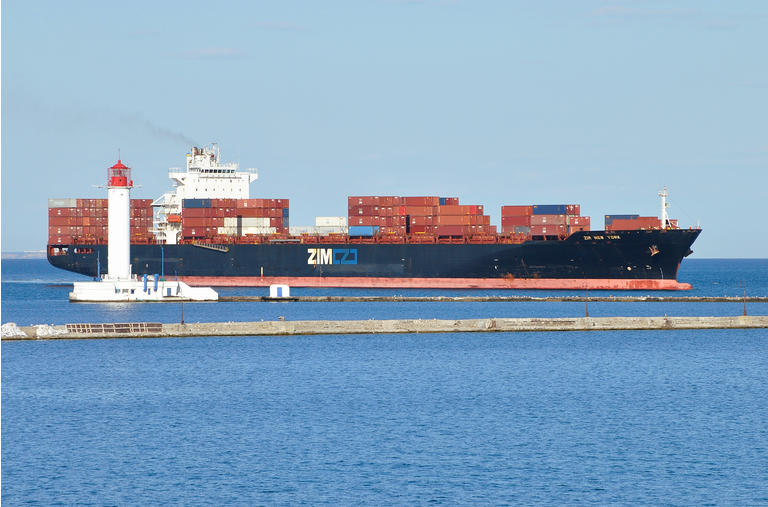
ZIM Integrated Shipping (ZIM) down 6.8% pre-market Monday following reports that Prime Minister Netanyahu and the Israeli Defense Ministry oppose the proposed sale of the Israeli shipping company to Hapag-Lloyd (HPGLY) (HLAGF).
Netanyahu reportedly said at a government meeting that
HUNDREDS of new £9.50 holidays are set to land this July – including popular holiday parks with previously sold-out dates.
Over at club950.co.uk, Sun readers will soon be able to bag themselves a bargain break at a range of holiday parks across the UK and Europe.
Sign up for the Travel newsletter
Thank you!
Queen of the £9.50 holiday Tracy Kennedy is back to answer all things holiday parksCredit: Paul Tonge
Ahead of the new drop of holidays, our Hols from £9.50 Agony Aunt Tracy Kennedy is here to answer your questions.
Tracy Kennedy has been taking £9.50 holidays for 30 years, and has tried and tested holiday parks everywhere from the Isle of Wight to Wales, and nearly 300,000 follow her advice online about taking The Sun’s budget breaks.
This week, she is answering everything from how to actually book yourself a £9.50 holiday, to the most peaceful holiday parks with walking trails.
You can ask Tracy your own question by filling out the form. As we release each Q&A with Tracy, one lucky reader will be picked to win a £100 Amazon voucher.
Are there any more ways to get a £9.50 holiday this year?
Skye Sinclair
Yes, there is! There is another lot of £9.50 holidays coming in July.
Sun Club members can book from one minute past midnight on July 7, and people collecting codes will be able to book from Wednesday July 8.
If you’ve never done a £9.50 holiday before, there are a few different ways to do it.
You can collect the codes that will appear in the newspaper each day, or join Sun Club (£1.99 per month) and book without having to buy the paper and collect the codes.
Before all of this, make sure to go and have a look on the £9.50 holiday website to see which parks are available that you’d like to go to.
The holidays start from £9.50 per person, and yes you can really book them for that cheap.
Then it’s up to you if you want to upgrade your accommodation or add on any passes.
So your cheapest holiday for a family of four would be £38 – I have never found a holiday online any cheaper than that!
New holidays will become available on the Hols from £9.50 site on July 8, or July 7 for Sun Club membersCredit: TripAdvisor
Do you have regular go to easy meals that you like to make when you go on holiday in a caravan?
Emma Bush
I cook quite a lot when I go away on holiday, and if I’m going to be cooking, it’s got to be quick and easy.
No roast dinners or fancy meals here – some people in my group do that in their caravans, and I think it’s great!
But for me I always bring cupboard foods like pasta and sauces, so that I always have something quick and easy to cook.
Another one of my favourites is hot dogs. They take just minutes to make and will cost you far less than any of the fancy, expensive ones they sell on-site.
Most caravans will come with a fully-equipped kitchen with microwaves, hobs and a full oven, so you might as well make use of them and save yourself some money.
Another one of my favourite quick and easy meals to make is grabbing a hot rotisserie chicken from the supermarket and serving it with some potatoes and salad.
It’s very simple and you can do so much with the leftovers.
Tracy recommends a stay at Lyons Robin Hood for a peaceful park with beach access and walksCredit: Supplied
Which holiday parks are ideal for the elderly? Something quiet with some nice dog walks?
Charlotte Varns
My top tip for finding a quiet park is to go on holiday during school term time.
That way the parks will be much quieter, and you’ll often get a better deal outside of the school holidays, too.
In terms of specific parks, a few come to mind. North Wales is lovely and has some beautiful walks, so I’d recommend a few of the parks there.
Ty Mawr, Lyons Lido Beach and Golden Sands Rhyl are other options which all have beautiful coastal walks nearby.
Outside of Wales, I think Cherry Tree in Norfolk is a lovely option. Norfolk is very flat, so you can get out for walks and it won’t be too challenging.
Are the entertainment passes included, or do you buy them additionally?
Jonathan Smith
Usually the entertainment passes are additional add-ons.
But my secret tip would be to check online first, as there are actually some £9.50 parks that will include your entertainment passes in the price on certain dates.
Park Holidays Pakefield offers club room passes for free for all dates. Park Holidays Sand Le Mere also offers the same.
Make sure to research this ahead of time, as lots of other parks will also offer free passes for specific dates.
Tracy recommends Lower Hyde holiday park in Shanklin, which has a beach with a lift nearbyCredit: Parkdean Resorts
What are your recommendations for the most accessible sites?
Tracey Layton
Firstly, always make sure to call your holiday park and let them know that you will need an accessible caravan.
Lower Hyde in Shanklin is a great option, and if you’d like to go out and visit the beach there’s even a lift that takes you down to the seafront.
Plus to get to the beach lift from Lower Hyde, the ground is completely flat.
I’d also recommend Camber Sands holiday park. It’s a beautiful site that is also very flat, and you’ll have the beach right on your doorstep.
Some places across the UK have also started offering beach wheelchairs for hire.
If you’re wanting to visit a beachfront holiday park, I’d recommend looking up if the local beaches offer this.
All the ways to book your holiday from £9.50
There are six ways to book our Holidays From £9.50 – however Sun Club members gain access an entire day early
Book with Sun Club: Join Sun Club for £1.99 per month. Then go to the Sun Club Offers hub and find the Hols from £9.50 page. You do not need to collect any code words or Sun Savers codes. Sun Club members can book from 00:01 on Tuesday, July 7 2026.
Collect codes then book online: Simply collect five out of 20 code words printed in The Sun daily from Saturday July 4 to Thursday, July 23, 2026. Then enter them at thesun.co.uk/holidays to unlock booking. Code collectors will be able to book from Wednesday, July 8.
12-Page pullout – Gather codes from the pullout on Saturday, July 4, 2026. Then enter them at thesun.co.uk/holidays to unlock booking.
Book with Sun Savers: Download the Sun Savers app or register at sunsavers.co.uk. Then go to the ‘Offers’ section of Sun Savers and click ‘Start Collecting’ on the ‘Hols From £9.50’ page. Collect five Sun Savers codes from those printed at the bottom of the Sun Savers page in the newspapers from Saturday, July 4, 2026. Then enter or scan the codes on Sun Savers to unlock booking from Wednesday, July 8.
Book by post: Collect five of the code words printed in The Sun each day fromSaturday July 4 to Thursday, July 23, 2026. Cut the code word out and send it back with the booking form – found in paper onor online at thesun.co.uk/holidays.
Book with The Sun Digital Newspaper: Sign up to The Sun Digital Newspaper at thesun.co.uk/newspaper. Then download the Sun Savers app or sign up at sunsavers.co.uk, log in to Sun Savers with your Sun account details (the same email and password you use for your Digital Newspaper) and enjoy automatic access to Hols, without the need to collect Sun Savers codes daily. Digital Newspaper subscribers can book fromWednesday, July 8.
GOOD news for those who love a bargain break – The Sun’s Holidays from £9.50 are back
Hundreds of new affordable holidays will be added to the Club 950 website this week, including breaks in both the UK and Europe.
Sign up for the Travel newsletter
Thank you!
Hundreds of new breaks, including previously sold-out dates, are set to land at club950.co.ukCredit: golden coast devonSun Club members will be able to access the next lot of £9.50 holidays an entire day earlyCredit: Destination Selsey
And if you are signed up to Sun Club, you will be able to bag yourself a holiday a whole day early – giving you priority when booking.
A range of dates will be available for last-minute holidays for 2026, as well as breaks to book ahead for 2027.
Even some popular holiday parks that have previously sold out will have new dates added to book.
Traditionally, Sun readers were able to book their £9.50 holiday by buying papers and collecting the codes that would appear in print over a series of days.
And while this is still an option, there is a faster way to gain access to these £9.50 holidays.
If you sign up to Sun Club for £1.99 a month or £12 for a whole year, you can gain early access to the holidays on the £9.50 website.
Sun Club members will be able to access the new holidays a whole day early, from 00:01 on Tuesday, July 7.
Whereas everybody else, including those collecting codes or booking via Sun Savers, will have to wait until the morning on Wednesday, July 8.
Once you are a Sun Club member you simply click a link on the Sun Club offers hub to be taken straight through to the website, no codes needed.
And by logging in from one minute past midnight, you can be among the first to pick whichever holiday you’d like before they sell out.
Popular UK holiday parks like Seal Bay in Selsey, Chichester are listed over at club950.co.ukCredit: Seal Bay
There are hundreds of holiday parks to pick from on the Hols from £9.50 website, including popular UK parks and even beachfront resorts in places like Spain and Italy.
Some of the most popular UK holiday parks offered by Hols from £9.50 include Seal Bay in Chichester and Hendra in Newquay.
But that’s not all for Sun Club members – there are plenty of other perks that come with signing up, too.
Sun Club members can claim free and discounted tickets to attractions and events across the UK, including top theme parks, darts nights and days out at the races.
In fact Tracy Kennedy, The Sun’s £9.50 Holiday Agony Aunt, saved £974 in one year on holidays and days out by being a Sun Club member.
Tracy totted up her savings from her £9.50 holidays as well as free and discounted attraction tickets, and was astonished to find out that she had saved herself nearly a grand across the year.
Current offers available for Sun Club members include up to 60% off West End shows, free racing tickets, and the cheapest tickets to Drayton Manor available anywhere.
There are also plenty of freebies up for grabs too, like free audiobooks, ebooks and a summer skincare bundle.
You can even book a European holiday with Sun Hols from £9.50 in countries like France and SpainCredit: Camping France
All the ways to book your holiday from £9.50
There are six ways to book our Holidays From £9.50 – however Sun Club members gain access an entire day early
Book with Sun Club: Join Sun Club for £1.99 per month. Then go to the Sun Club Offers hub and find the Hols from £9.50 page. You do not need to collect any code words or Sun Savers codes. Sun Club members can book from 00:01 on Tuesday, July 7 2026.
Collect codes then book online: Simply collect five out of 20 code words printed in The Sun daily from Saturday July 4 to Thursday, July 23, 2026. Then enter them at thesun.co.uk/holidays to unlock booking. Code collectors will be able to book from Wednesday, July 8.
12-Page pullout – Gather codes from the pullout on Saturday, July 4, 2026. Then enter them at thesun.co.uk/holidays to unlock booking.
Book with Sun Savers: Download the Sun Savers app or register at sunsavers.co.uk. Then go to the ‘Offers’ section of Sun Savers and click ‘Start Collecting’ on the ‘Hols From £9.50’ page. Collect five Sun Savers codes from those printed at the bottom of the Sun Savers page in the newspapers from Saturday, July 4, 2026. Then enter or scan the codes on Sun Savers to unlock booking from Wednesday, July 8.
Book by post: Collect five of the code words printed in The Sun each day fromSaturday July 4 to Thursday, July 23, 2026. Cut the code word out and send it back with the booking form – found in paper onor online at thesun.co.uk/holidays.
Book with The Sun Digital Newspaper: Sign up to The Sun Digital Newspaper at thesun.co.uk/newspaper. Then download the Sun Savers app or sign up at sunsavers.co.uk, log in to Sun Savers with your Sun account details (the same email and password you use for your Digital Newspaper) and enjoy automatic access to Hols, without the need to collect Sun Savers codes daily. Digital Newspaper subscribers can book fromWednesday, July 8.
Here’s our pick of the top deals available in the flash sale.
Barcelona
Rooftop pools and great buffet breakfasts are found at this Spanish hotelCredit: On The Beach
The four star Attica 21 Barcelona Mar is an ideal spot to stay in the trendy Spanish city.
This hotel has a rooftop pool with sweeping city views, as well as comfy, modern rooms and a well-stocked buffet breakfast.
Here you’re also only a short walk from the beach, Platja de la Nova Mar Bella, which is one of the more peaceful stretches of sand in Barcelona.
The On the Beach flash sale offers breaks to Barcelona including flights for £325pp this August, including return flights from London Luton.
Bangkok
Bangkok is a great budget stay if you know where to lookCredit: On The Beach
Ever fancied going to Thailand but haven’t quite got the budget?
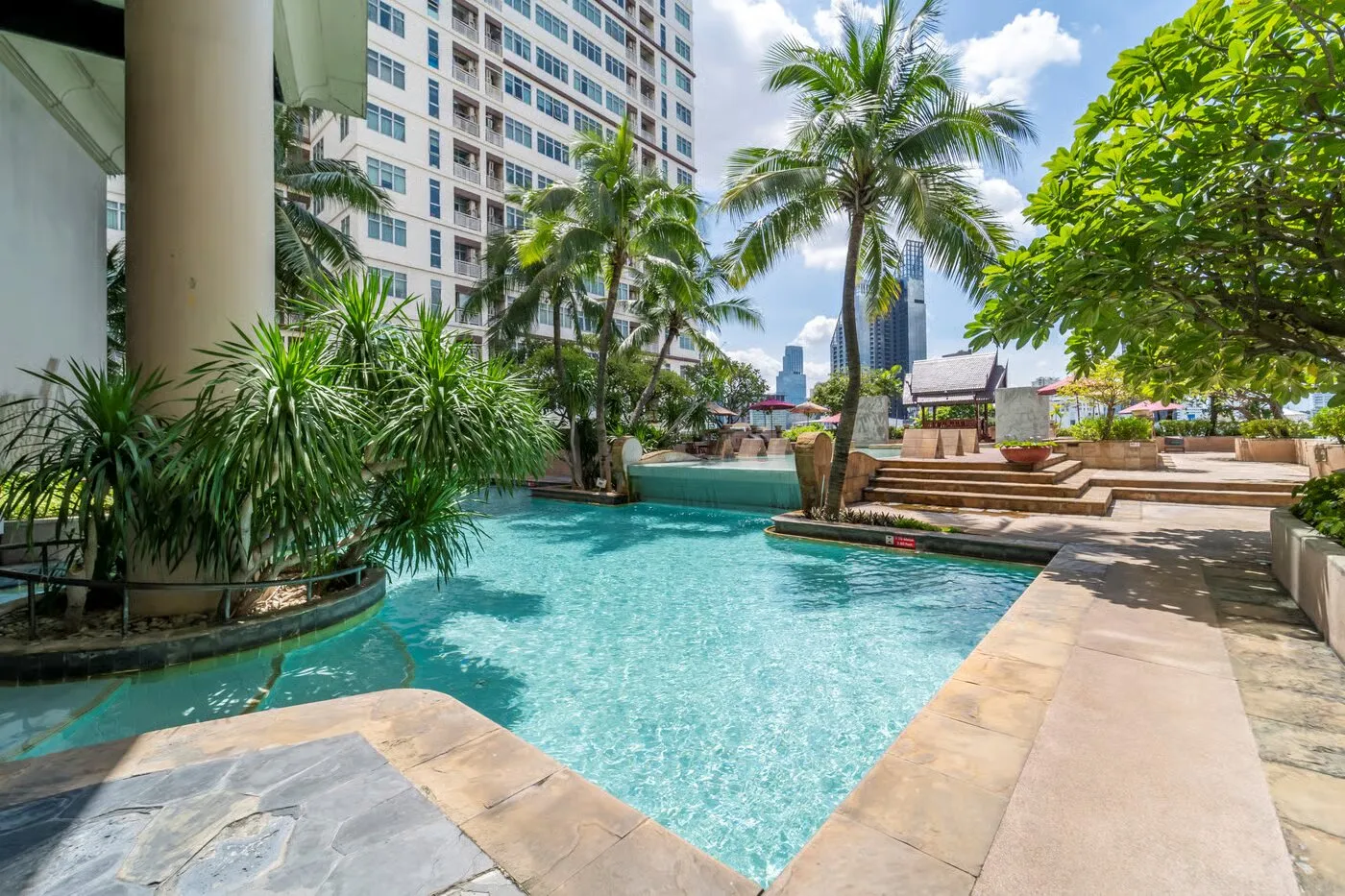
You can book a holiday to Bangkok, staying at the four star Century Park for a week for £1,055pp.
This also includes your return flights from London Heathrow, which is a huge bargain considering flights to Bangkok alone typically cost upwards of £600.
The stunning four star hotel has a relaxing rooftop pool, tropical gardens, two restaurants and two bars.
Rome
How about a stay right by the famous Trevi Fountain in Rome?Credit: On The Beach
Imagine sitting down with a drink soaking up the sun on the balcony of your hotel in Rome – that could be you this summer.
Hotel Mancino 12 offers traditional yet stylish rooms with balconies overlooking the historic city.
One of the best parts about this hotel is its location – you’re just a short walk from must-see spots like the Trevi Fountain and Roman Forum.
On the Beach offer a four night stay this August, with return flights from London Stansted, for £405pp.
Valencia
Valencia is another great city for a bargain this summerCredit: On The Beach
Slip away for some sun this July to sunny Valencia in Spain, with a stay at the Azz Valencia Congress Hotel & Spa.
This modern hotel has its own spa, where you can take a leisurely swim in the pool or book yourself in for a blissful massage or pampering facial.
Rooms are bright, fresh and modern, with crisp white linen and sleek wooden finishes.
Outside you’ll find a manicured lawn and crystal-clear pool begging for a dip.
Here you’re a 10-15 minute drive away from the city centre, where you’ll find world-class paella and a plethora of fascinating museums.
A UK airport is going back on the market just months after its first sale fell through.
The 350-acre site, which has suffered millions in losses at the expense of the taxpayer, is up for grabs for a second time.
Sign up for the Travel newsletter
Thank you!
A UK airport is going up for sale for a second timeCredit: Facebook/thephobicflyerThe initial sale of the aviation hub fell throughCredit: Alamy
Gloucestershire Airport in Staverton was put up for sale last year by joint owners Cheltenham Borough Council and Gloucester City Council, with an asking price of £25million.
However an agreed deal with the preferred bidder fell through, after the terms of the proposal changed.
The councils have now agreed to put the airport on the market for a second time and are said to be “hopeful” that it can be successfully sold.
Estate agent, Savills, has been appointed to head up the process.
It’s hoped a buyer who can offer growth and investment for the space will be found.
Gloucestershire Airport has been hailed as a “vital economic and aviation asset for our county and region” by the City Council.
It’s also been confirmed that there has been “considerable interest from potential investors” in recent weeks, making it the “right time” to put the airport back up for sale.
The airport is still in operation, with the Cheltenham-based site offering charter services for private jets and helicopters.
Flying lessons are also operated from the airport as well as gift experiences like hot air balloon flights.
Speaking on the decision during a recent council meeting, Rowena Hay, leader of Cheltenham Borough Council, said: ”We are hopeful this renewed sale process will attract the right partner for the airport’s future, which remains our key priority.
“We will work with partners and stakeholders to update as the new sale process proceeds.”
Weekly insights and analysis on the latest developments in military technology, strategy, and foreign policy.
The Turkish Air Force looks set to receive a major boost to its fighter fleet, with the delivery of dozens of F110 engines required to power the homegrown TF Kaan combat jet. This would be one of the most significant positive developments in U.S.-Turkish defense relations since Turkey was ejected from the F-35 program in 2019, and may even pave the way for Ankara to rejoin that effort.
Citing four sources familiar with the matter, Reuters reports that President Donald Trump’s administration plans to go ahead with the engine sale, said to be worth more than $700 million, despite some resistance from Congress.
Reporter: Türkiye wants the F-110 jet engines, and they want their F-35 fighter jets. Are you going to Türkiye with a big gift bag?
Trump: I think so. He’s a member of NATO. Some people don’t consider himself, but he really is.
Ahead of his July trip to a NATO summit in Turkey, Trump was asked by a reporter whether Turkish President Tayyip Erdogan would be provided with a “big gift” in the form of F110 engines and potentially F-35 fighter jets.
“He’s a member of NATO,” Trump replied. “He really is a strong member of NATO. Yeah, I’m going to probably do something that’s going to make him very happy.”
Speaking alongside Trump, Vice President JD Vance said a review was underway to see if Turkey could receive the F-35.
JD Vance on Türkiye’s F-35 jets:
Pete and the entire team are reviewing this right now, because there are certain things that we have to certify have happened — that have happened in order to comply with American law. The president has asked us to do that.
“Pete and the entire team are reviewing this right now, because there are certain things that we have to certify have happened … in order to comply with American law,” Vance said, referring to Secretary of Defense Pete Hegseth.
The question of whether Turkey might receive F-35s has long been a fraught one, with Ankara kicked out of the program back in 2019, a development we will return to later.
For now, however, Turkey’s priority seems to be securing F110 engines.
The F110 engine for an F-16 at max power during a test in the hush house engine facility at Hill Air Force Base, Utah. U.S. Air Force photo by Alex R. Lloyd
Turkey’s TF Kaan next-generation fighter is a flagship program of the country’s burgeoning aerospace industry. The program was launched in 2010, and the first prototype took to the air in early 2024.
Reportedly, Turkey plans to complete three pre-production prototypes, to be followed by 250 series-production aircraft, incorporating various refinements.
Last month, a contract was reportedly signed for 20 examples of the initial Block 10 versions of the Kaan.
The twin-engine Kaan was developed with a reduced radar signature in mind, as well as a high level of performance and modern avionics and other systems. As a result, it doesn’t offer the same level of low observability as the F-35, while its sensor fusion, electronic warfare capabilities, and other ‘fifth-generation’ features lag behind the U.S.-designed jet.
One of the F-35s that was completed for Turkey before its ejection from the program. Lockheed Martin
Critically, the Kaan is powered by U.S.-supplied General Electric F110 turbofans.
F110s are assembled under license in Turkey by TUSAS Engine Industries (TEI) but are still governed by U.S. export restrictions. These engines are already used in significant numbers by the Turkish Air Force F-16 fleet, the third-largest in the world. Outside of the F-16, the F110 is also used in the F-15E Strike Eagle and F-15EX Eagle II, among other F-15 variants. An F110 comes with a typical flyaway unit cost of $10 to $15 million.
The Kaan program has long been overshadowed by the question of whether Washington will make available in larger numbers the F110 turbofans used in the prototype. Reportedly, an initial batch of 80 engines is required.
While Turkish officials have expressed hope of ultimately switching to a domestically produced engine type for the Kaan, TEI’s TF35000, it’s unclear how realistic this is, at least in the near term. Turkey has also looked at acquiring alternative engines, too, including those from Russia or Rolls-Royce in the United Kingdom.
In the meantime, the importance of the Kaan to the Turkish Air Force increased significantly in 2019, when it became clear that Ankara would be kicked out of the F-35 program, in which it had a considerable industrial stake, and a plan to buy around 100 of the fighters. Washington took that decision after Turkey refused to abandon its purchase of Russian-made S-400 long-range air defense systems.
A Russian Ilyushin Il-76, carrying the first batch of equipment for the Turkish S-400 missile defense system, arrives at Murted Air Base in Ankara on July 12, 2019. Photo by Turkish National Defense Ministry / Handout/Anadolu Agency/Getty Images
As well as the S-400, U.S. lawmakers were unhappy with Turkey’s worsening relations with Greece, its other connections with Russia and Azerbaijan (which included the deployment of F-16s to the latter country), its conduct in the Syrian civil war, and human rights abuses. Turkey’s opposition to Sweden joining NATO also proved to be a significant hurdle.
In the wake of all this, the chances of Turkey receiving F110 engines were dramatically reduced. At the same time, Turkey’s request to buy additional F-16 fighters was also turned down. Turkey reportedly also began stockpiling spare parts for its F-16 back in 2019, fearing the effects of U.S. sanctions.
Turkish Air Force F-16 fighters at Balikesir, Turkey, in May 2022. Photo by Ali Atmaca/Anadolu Agency via Getty Images
Toward the end of the Biden administration, U.S.-Turkish relations began to improve, and Washington moved to push through sales of new F-16s and upgrade kits for older jets to Turkey. There also began to be suggestions that the F-35 was potentially back on the table for Turkey.
Under the Trump administration, Washington’s relationship with Ankara has become closer, with Erdogan frequently praised by the U.S. leader.
At the same time, the issue surrounding the S-400 and the sanctions that followed that acquisition remains.
As it stands, U.S. law does not permit Turkey to operate or possess the S-400 system if it wishes to rejoin the F-35 program, as a result of security concerns around the Russian-made system.
The first F-35 for Turkey was rolled out during a ceremony at the Lockheed Martin plant in Fort Worth, Texas, on June 21, 2018. Photo by Atilgan Ozdil/Anadolu Agency/Getty Images
During a visit to Turkey in early 2024, the U.S. Acting Deputy Secretary of State Victoria Nuland reportedly suggested that the United States might be willing to offer Patriot air defense systems if it were to give up its S-400s, which could also clear the way to re-entering the F-35 program.
“Frankly, if we can resolve this S-400 issue, which we want to do, the United States would be pleased to welcome Turkey back into the F-35 family,” Nuland said. “But we must solve this other issue first, and while we solve it, we must also ensure that Turkey has a strong air defense.”
The apparent decision to clear the F110 sale certainly represents a further softening of Washington’s stance, and it could be a stepping-stone to Ankara eventually being readmitted to the F-35 program.
Turkey’s desire for F-35s has only been intensified by the fact that Greece, its major strategic rival, has been approved for a purchase of the jets. You can read all about how tensions between Greece and Turkey are reflected in the countries’ respective air forces in this previous feature.
Presentation ceremony of the Kaan on May 1, 2023, in Ankara. Photo by Yavuz Ozden/ dia images via Getty Images
Even regarding the F110 transfer, some opposition to defense sales to Turkey remains in Washington.
In particular, Representative Gregory Meeks of New York, the leading Democrat on the House of Representatives Foreign Affairs Committee, has reportedly stood in the way of the engine sale during an informal review process.
However, according to the four sources who spoke to Reuters, the F110 deal should be “finalized in the coming days, followed by a formal notification from the State Department to Congress.”
While lawmakers can use the congressional review process to raise their concerns over big-ticket defense exports, the administration can override these.
According to the Wall Street Journal, the Trump administration is expected to override Meeks’ effort to block the engine deal.
For the Kaan program, the F110 is vital.
Denied the F-35 and with F-16 deals moving forward only slowly, Turkey has been forced to look elsewhere to meet its short-term fighter needs. Most significantly, it signed a deal for 20 Eurofighter Typhoon jets last October.
U.K. Prime Minister Keir Starmer and Turkish President Tayyip Erdogan sign the Typhoon deal in Ankara in October 2025. Eurofighter
Turkey has also been investing heavily in drones, including the ANKA-3, a low-observable flying wing uncrewed combat air vehicle (UCAV), and the fighter-like Bayraktar Kizilelma. Still, these are viewed as adjuncts to advanced crewed fighters, like the Kaan.
Whether securing the F110 engines means the Kaan meets its target of service entry around the 2030 timeframe remains questionable.
However, it is a major step in that direction.
As well as being fielded by the Turkish Air Force, the Kaan could have significant potential for export, although sales would be governed by U.S. restrictions on its engines. It is one of a number of medium-weight fighters that feature low-observable characteristics and advanced avionics. These include China’s FC-31 and South Korea’s KF-21.
The Chinese Shenyang FC-31 fighter prototype. via Chinese internet
Perhaps most importantly, the F110 deal would get back on track what is very much the flagship of Turkey’s military aerospace industry. At the same time, a U.S. decision to provide Ankara with these engines will also be welcomed by those in Turkey who still wish for a way back into the F-35 program.
Now Home Bargains is selling what it says is “convenient” and contains all the beauty products you need for your break. It is selling the Travel Essentials Filled Bag for £24.99 – that is 75% less than its recommended price of £100.
Listing some of the contents on its website it describes it as: “A complete travel beauty and self-care kit featuring skincare, makeup, haircare, body care, and travel accessories. Includes Glow Hub, W7, Jil Sander, Escada, Aussie, and more, all packed in a stylish reusable travel bag.”
Then, in the product description, it adds: “Take your beauty and self-care routine wherever you go with the Travel Essentials Filled Bag. Packed with a carefully curated selection of skincare, haircare, makeup, and travel accessories, this convenient kit contains everything you need to refresh, hydrate, and pamper yourself while travelling.
“Inside you’ll find Glow Hub skincare favourites, W7 beauty essentials, Jil Sander shower gel, Escada body cream, Aussie travel-size haircare, and practical travel accessories including an eco scalp massaging brush, shower cap, and reusable travel bag. Whether you’re heading on holiday, a weekend getaway, or a business trip, this all-in-one collection helps you stay organised and feel your best on the go.”
Shoppers will not be able to pick up the bag in-store as it is an online-only deal. However the website gives further details of the Star Buy listing the products:
Glow Hub Calm & Soothe Face Mask Stick 35g
Glow Hub Calm & Soothe Serum Mist 90ml
W7 Lip Drink Lip Oil 10ml
Jil Sander Sun Shower Gel 150ml
Glow Hub Scar Slayer Skin Mask 100ml
Whind Dissolving Jelly Cleanser 6ml – Oasis Fresh
Revolution Hot Shot Kombucha Kiss Primer 25ml
W7 Sherbet Pop Eyeshadow Palette 18g
Escada Santorini Sunrise Moisturising Perfumed Body Cream 50ml
Meanwhile, if this is not to your taste, M&S also has an option. Its Summer Beauty Bag is priced £40 – a saving of 81% compared with buying the same amount.
It is described as “sunshine-ready” and contains some beauty-favourite products from brands including Clinique and Estée Lauder. It lists the contents as:
Floral Street Wonderland Peony Eau De Parfum – 10ml
Iconic London Prep Set Glow Original – 120ml (Full Size)
Leighton Denny I love Juicy Opague Nail Polish – 13.5g (Full Size)
Hair by Sam McKnight Sundaze Sea Spray – 150ml (Full Size)
Clinique Dramatically Different Moisturizing Lotion SPF50 – 50ml (Full Size)
Amazon’s Prime Day sale is underway, and members can subscribe to platforms such as Apple TV, Paramount+ and MGM+ with up to 60% off.
This article contains affiliate links, we will receive a commission on any sales we generate from it. Learn more
Project Haily Mary is streaming now on MGM+
Amazon has slashed the price of Apple TV, Paramount+ and MGM+ by up to 60% to mark the start of its latest Prime Day sale. On Tuesday (June 23), the retail giant kicked off its latest site-wide sales event, where subscriptions for several major streaming platforms now start at £2.99.
During the sale, Amazon customers can bag an Apple TV subscription for half price at £4.99 (was £9.99) per month. Those securing the deal will lock in the lower price for two months, after which it reverts to the usual £9.99 until cancelled.
Similarly, MGM+ – the home of Project Hail Mary – is now £2.99 (was £5.99) for two months, while Paramount+ is £2.99 (was £7.99) for one month. The deals are running until July 2 and come as Amazon kicks off its Prime Day 2026 sale.
A caveat is that both the reduced streaming subscriptions and free trials will roll on to standard paid subscriptions at the end of the promotional period. This means subscribers should make sure to cancel their subscription before the end of the discounted or free period if they want to avoid paying the standard rate.
Amazon customers can subscribe to Apple TV through Prime Video for £4.99 per month for two months until July 2.
Elsewhere, Sky is giving away streaming subscriptions at no extra cost with its TV packages, with customers signing up for the £24 Ultimate TV bundle able to claim free access to Netflix, HBO Max and Disney+. It also comes with around 135 channels, including Sky Atlantic
For those opting for Apple TV, the streamer has released some highly acclaimed titles already this year. Including comedy horror Widow’s Bay, which holds an impressive 98% Rotten Tomatoes score.
Just launched is the sophomore season of Sugar. The neo-noir detective series led by Colin Farrell as private investigator John Sugar.
Also available to stream are beloved series like Ted Lasso, Severance and Slow Horses. Alternatively, Apple TV offers a seven-day free trial when signing up directly on the platform.
MGM+ also has some hit new titles streaming now, such as Ryan Gosling’s space epic Project Hail Mary. The box-office smash only hit cinemas in March but is included at no extra cost with the Amazon deal, alongside series like Outlander and the James Bond film catalogue.
On Paramount+, members can catch the latest series of Michael Fassbender’s spy thriller The Agency and new episodes of Yellowstone spin-off Dutton Ranch. These are also available on the Paramount+ platform, which is running its own £2.99 deal.
Netflix Inc. is under contract to buy Radford Studio Center, a historic Los Angeles movie studio space, for a fraction of its 2021 $1.85-billion sale price after lenders including Goldman Sachs Group Inc. repossessed the property.
The price is close to $400 million, according to two people with knowledge of the transaction, which is expected to close in the third quarter.
The one-time silent movie lot has been home to many popular TV series over the decades, including “Gunsmoke,” “Gilligan’s Island” and “Seinfeld.”
Netflix wants to consolidate its real estate footprint in one place and has been considering relocating from a group of Hollywood buildings it leases from Hudson Pacific Properties Inc. The Hudson Pacific leases expire in 2031.
Radford’s current owner, Hackman Capital Partners, defaulted on $1.1 billion of bondholder debt and turned the property over to lenders led by Goldman after it was unable to reach a refinancing deal last year. The sale will wipe out close to two-thirds of the debt.
The value of Los Angeles studio real estate has tumbled since interest rates climbed and production plummeted following strikes in 2023 by unions representing writers and actors. Landlords unaffiliated with studios, such as Hackman, have been hit particularly hard as production moved to space owned by the entertainment giants. Occupancy of L.A. soundstages fell to 62% in the first half of last year, according to FilmLA, a local permitting group.
Representatives of Goldman and Netflix declined to comment. A Hackman representative didn’t immediately provide a comment.
Netflix, which has historically leased rather than owned real estate, has stepped up investing in studio lots. It’s currently developing a $1-billion production center in Fort Monmouth, N.J. The streaming service reported $12.3 billion in cash and equivalents in its most recent quarter. Netflix was paid a $2.8-billion breakup fee by Paramount Skydance Corp., which won a bidding war for Warner Bros. Discovery Inc.
Before the recent slowdown, Hackman went on a buying spree of movie lots, banking on ever-growing demand for streaming TV production. In March, Deutsche Bank AG sued Hackman to foreclose on its Kaufman Astoria Studios in New York. Hackman-owned Television City in Los Angeles and Manhattan Beach Studios in nearby Manhattan Beach are both being marketed after lenders led by Deutsche Bank pushed for the sale, Bloomberg reported in May.
Brokerage Cushman & Wakefield Ltd. is selling the $240-million loan on the 22-acre Manhattan Beach property, which it describes in a marketing document as “one of the most strategically positioned opportunities in coastal Los Angeles, combining an institutional-quality operating asset with some of the most irreplaceable underlying land in the South Bay.”
The Radford Studio lot was only 71% leased as of March, according to mortgage filings.
Lesley Horton, the UK’s Chief Property Ombudsman, said: “If implemented carefully and supported by clear guidance and appropriate training, these reforms can create a home buying and selling system that is faster, fairer and better equipped to meet the needs of consumers in the years ahead.”
THE Big Butlin’s Sale is officially on, and there are some humongous savings to be had
Savvy holidaymakers can save up to 40% off ALL breaks in 2026 and 2027, including breaks in the school summer holidays and at Halloween and Christmas.
Sign up for the Travel newsletter
Thank you!
The MASSIVE Butlin’s Sale is on – with up to 40% off breaks, 25% off food and £1 depositsCredit: Butlin’sYou can still book a summer break for this year or get ahead and book a 2027 holidayCredit: butlins
There are discounted breaks available across all three resorts: Bognor Regis, Minehead and Skegness.
Not only can you knock nearly half the cost off your Butlin’s break, but there are even more savings to be had if you book this month.
Those who book before June 30 can bag 25% off dining during the school holidays, as well as up to 20% off all inclusive drinks packages.
So not only will you majorly save on accommodation, but food and drink will also be much cheaper once you’re there, too.
And to top it all off, you can secure your break with a super low deposit of £1pp. There are also flexible payment plans available.
The offer even applies to popular Butlin’s seasons such as Spooktober, Festive Breaks, new year celebrations and their Christmas day ‘ultimate sleigh-cation’.
Families can bag a last-minute summer staycation across dates in June, July and August at all three resorts.
These last-minute summer breaks include Showtime Midweek stays featuring a new show with Peppa Pig and Evie, as well as Showtime Weekends with a Mythical Beasts show and Snow White panto.
During Spooktober families can expect as Halloween Welcome Party, plus events like pumpkin carving and a huge game of Halloween Hide and Seek with mascot Billy Bear.
The Big Sale includes discounts of up to 40% on all holidays, as well as deposits from £1Credit: Not known, clear with picture desk
The fairgrounds will also receive a spooky makeover with giant glowing pumpkins and Halloween characters.
You could also book in for a Festive Break, with Christmas shows, festive movie nights, a Christmas party and of course, a meet and greet with the bearded man himself.
Plus the popular pantomime show Jack and the Beanstalk is making a return, which has received rave reviews for its hilarious characters.
You can book a Spooktober break from £39, or a festive break from £40.
Or you can book ahead and bag yourself a break now for 2027, securing a holiday for up to 40% off full-price.
2027 will see a new show arriving to Butlin’s: Britain’s Got Talent Live on Stage.
The new show will be hosted by a celebrity presenter and will be on during February half term, Easter, May half term, October half term and selected summer holiday dates.
The up to 40% off sale also applies to the popular adults-only Butlin’s Big Weekenders, which have themes like We Love Ibiza as well as 80’s and 90’s throwback weekends.
You could book yourself in for a Halloween break during Butlin’s’ Spooktober eventCredit: Butlin’sButlin’s have introduced a new wrestling show for 2026, hosted by Peter Andre and Chris HughesCredit: Butlin’s
The Weekenders even have famous headline acts like Fatboy Slim and Aston Merrygold, with weekend breaks starting from £59pp.
Plus there’s plenty of new and exciting events for families coming up, like The Masked Singer Live and the Peppa Pig and Evie show.
Plus, new for 2026, the Max Pro Wrestling show includes jaw-dropping stunts and nail-biting battles for the championship belt, with celeb hosts such as Peter Andre and Chris Hughes.
The Big Butlin’s Sale is on until June 30, with Butlin’s warning that dates are on track to sell out fast.
The world’s most valuable company, the chipmaker Nvidia, priced a $25 billion (€21.5bn) bond offering on Monday, marking its first issuance since 2021 and one of the largest by a technology company this year.
ADVERTISEMENT
ADVERTISEMENT
The deal was originally pencilled in at around $20 billion (€17.2bn) but was enlarged after demand ran more than three times the size of the bond, according to a person familiar with the matter cited by Bloomberg.
Investor appetite was the headline of the sale.
Orders reached as high as $85 billion (€73.2bn), allowing Nvidia to upsize the transaction and tighten its borrowing costs in the process.
The timing was also favourable.
The announcement of a US-Iran framework deal to end the conflict in the Middle East steadied credit markets, pushing investment-grade spreads to their narrowest levels since early February, before the Iran war began.
That backdrop helped Nvidia lock in relatively cheap long-term financing.
According to Bloomberg Intelligence analyst Robert Schiffman, inexpensive long-dated debt lowers Nvidia’s weighted average cost of capital and helps bankroll its AI investments without threatening its AA credit rating.
A company spokesperson stated that the proceeds would be used for general corporate purposes, including repaying and refinancing existing notes.
Nvidia last tapped the investment-grade market in June 2021, when it sold $5 billion (€4.3bn) of notes across four maturities, according to a regulatory filing.
The contrast in scale underscores how quickly its financing needs have grown alongside the data centre build-out and increased demand from hyperscalers.
A wider borrowing frenzy
Nvidia joins a queue of technology giants raising vast sums to fund AI infrastructure.
Meta and Oracle have each issued $25 billion (€21.5bn) in bonds this year, while Amazon completed a single $37 billion (€31.8bn) deal, the largest US investment-grade offering of this year before Nvidia’s issuance on Monday.
For Nvidia, the raise also keeps share dilution off the table, giving it greater flexibility as capital commitments mount. The firm has invested $5 billion (€4.3bn) in Intel, pledged up to $10 billion (€8.6bn) to Anthropic and contributed $30 billion (€25.8bn) to OpenAI’s latest funding round.
Nvidia shares closed up 3.5% at $212.45 after the deal, valuing the company at about $5.14 trillion (€4.42tn).
On the other hand, Alphabet, Google’s parent company, opted for equity instead, pricing an upsized $84.75 billion (€73bn) capital raise earlier this month, after originally seeking around $80 billion (€68.9bn), according to a company filing.
The transaction, which includes a $10 billion (€8.6bn) private placement from Berkshire Hathaway, ranks as the largest equity capital raise on record and is intended to fund the group’s AI compute expansion.
Management has guided 2026 capital expenditure to between $180 billion (€155.1bn) and $190 billion (€163.7bn).
However, the equity move came on top of an already heavy borrowing run. According to its own filing, Alphabet raised more than $85 billion (€73.2bn) of debt across six major currencies and markets in the first quarter of 2026, taking its total debt balance above $100 billion (€86.1bn).
That included a US dollar bond round early in the year, leaving Google relying on both debt and equity financing to bankroll its AI ambitions.
In less than a month, Riverside’s Mission Inn has gained a new owner, lost two prized pieces of art and sparked a heated debate over the line between private property and community history.
The stage for this controversy was set in early May, when hotel owner Kelly Roberts decided to sell the Mission Inn to the Yuhaaviatam of San Manuel Nation, the tribe that owns the Yaamava’ Resort & Casino in Highland and the Palms Casino Resort in Las Vegas.
But it wasn’t the sale (for an undisclosed amount) that started arguments. It was Roberts’ removal of two beloved paintings from the hotel before the sale closed.
A painting at the Mission Inn in Riverside titled “Charge Up San Juan Hill” is taken down on March 20, shortly before the hotel’s change in ownership.
(James Ranger)
One is an alpine landscape called “California Alps” (1874) by William Keith, which measures roughly 6 feet by 8 feet and was displayed in the lobby near the front desk. The other painting, “Charge Up San Juan Hill” (about 1900) by Vasily Vereshchagin, was displayed on a wall of the steakhouse near the lobby. Both paintings had been a part of the hotel for more than a century.
“It was like a slow-motion version of the Louvre Museum heist, pulled off on a sunny day in Riverside in view of guests, staff and visitors,” wrote David Allen of the Riverside Press-Enterprise.
“There’s an outrage among members of this community,” said Mike Marlatt, a Riverside attorney and former board member of the Mission Inn Foundation.
The issue appears to be what agreements Roberts’ late husband made when he bought the building more than 30 years ago.
Former Riverside redevelopment official Ralph Megna, who facilitated the 1992 sale to Duane Roberts’ Historic Mission Inn Corp., wrote on Facebook that “What Kelly is apparently doing at this point is just pillaging the place in violation of those agreements.” But on a phone call, he was less absolute. He said the original pact included an agreement intended to protect about 180 movable pieces of art and artifacts from removal, but that “there’s shades of gray here.” Megna added, “We trusted people. Good faith turned out to be not so good.”
Duane and Kelly Roberts, photographed in 1998 at their home in Laguna Beach. Duane, who reopened the Mission Inn in the early 1990s, died in 2025.
(Glenn Koenig / Los Angeles Times)
Roberts’ family attorney Alan Jackson, however, said “Kelly is not pillaging anything.” He maintained that when Duane Roberts bought the hotel, “he bought every single item. Every single item was the Roberts family’s personal property.” When Kelly Roberts sold the hotel last month, Jackson said, she was free to keep or sell any of its contents.
In that deal, Jackson said, “the buyers would not close” until the paintings and a sculpture of Duane and Kelly Roberts were removed, because “they’re expensive.” Also, Jackson said that Duane Roberts, “before his passing, made it very clear to Kelly and the family that those are two of his favorite paintings ever.”
Jackson declined to say where the artworks are but said “they are in her possession” and “she has no intention of ever getting rid of those ever.”
The iconic spiral staircase in the rotunda of the historic Mission Inn.
(Gina Ferazzi / Los Angeles Times)
The hotel’s new owner, the San Manuel Investment Authority, declined to address questions about the sale agreement. But in a statement, it said it is “committed to collaborating with the Mission Inn Foundation and the City to respectfully steward and preserve this historic landmark, recognizing its deep history and significance to the Riverside community.”
Despite accolades from groups including Historic Hotels of America, tensions between the Roberts family and Riverside preservationists have risen in recent years. In late 2024, after more than 30 years renting space within the hotel, the nonprofit Mission Inn Foundation and Museum was unable to agree on a lease extension with hotel management and moved to a building on Main Street. Foundation leaders did not respond to messages seeking comment.
“The Mission Inn is so foundational to Riverside that any significant change brings real concern to me and makes me uneasy,” said City Council member Philip Falcone, 28, who has been leading tours of the inn since he was in high school.
The Keith painting is “quintessential California, a romanticized view of the Sierra Nevada range. William Keith, the painter, was friends with John Muir,” Falcone said. As for the San Juan Hill painting, it connects neatly with the history of Theodore Roosevelt, one of nine presidents who have visited the inn.
A guest takes in the view from the Spanish patio at the Mission Inn.
(Gina Ferazzi/Los Angeles Times)
The hotel is largely the creation of Frank Miller, who bought Glenwood Cottage, a modest boarding house, from his father in 1880. Then Miller enlisted investment help from his friend, railroad magnate Henry Huntington, transformed the boarding house into a hotel and renamed it. Over time, Miller built it into an architectural wonderland filled with art and antiques gathered in the U.S. and Europe. By 1931, the enterprise filled a city block.
“It’s a unique property,” said David Stolte, president of the Old Riverside Foundation. “It’s a National Historic Landmark. It kind of sits at the intersection of private commerce and public benefit. The original owner, Frank Miller, intended it as a public space, essentially a cultural museum, in addition to his business of running a hotel.”
After Miller’s death in 1935, the hotel’s reputation spread even further, attracting dignitaries of the day — and the future. It served as the site of Richard and Pat Nixon’s wedding in 1940 and Ronald and Nancy Reagan’s honeymoon in 1952. But by the 1960s, it was much diminished, and a later owner, Benjamin Swig, had sold close to 1,000 antiques and artworks to help pay bills.
By the mid-1980s, the hotel had passed through a period of city ownership and was closed. By 1992, more than $50 million had been spent in restoration and renovation, but the project was scuttled by a bankruptcy. That’s when Duane Roberts, who grew up in Riverside and made his fortune selling flash-frozen burritos, bought the property and reopened it.
Duane and Kelly Roberts, residents of Laguna Beach, also established the hotel’s annual Festival of Lights, an Inland Empire holiday tradition. The hotel today includes 238 guest rooms, four restaurants, two lounges, two chapels, a spa, pool and candy shop.
Besides their stewardship of the hotel, Duane and Kelly Roberts became known as major donors to the Republican party. In 2017, Politico reported that Kelly Roberts was in line to be named the Trump administration’s ambassador to Slovenia, but turned down the post.
After Duane Roberts died at 88 in November, Riverside buzzed with questions over the fate of the hotel, prompting another Roberts family lawyer to offer public assurances.
“Nobody’s buying this hotel. Mrs. Roberts is keeping this hotel,” attorney Patrick O’Brien told a TV news crew in late November. But on May 4, Kelly Roberts and the San Manuel Investment Authority announced the pending sale.
Festival of Lights, Mission Inn’s popular holiday tradition, was created by Kelly and Duane Roberts after they reopened the hotel.
(Allen J. Schaben/Los Angeles Times)
Then on May 20, guests spotted workers removing the two paintings from the lobby area. Longtime hotel-watchers said other items had disappeared in recent years, including an 1876 Steinway piano; a statue of the goddess Pomona; William Wendt’s painting “Houses at Arch Beach”; Ilya Repin’s 1884 painting “Portrait of Madame K.”; and the hotel’s Taft Chair, a sturdy oak armchair commissioned by Frank Miller in 1909 to hold 335-pound President Taft. But the midday, presale removal of the Keith and Vereshchagin paintings prompted immediate outcry.
It was “traumatizing, seeing that stuff on display for so long and then seeing it come down,” said James Ranger, a veteran hotel tour guide and Mission Inn Foundation docent. After all the time and money the Roberts family invested in the property, “leaving on this note puts a sour taste out there,” he said.
The sale closed May 29. Though the Roberts family’s attorneys have insisted that the buyers and sellers are in accord, preservation advocates in Riverside have called for a review of documents associated with Roberts’ purchase of the property.
Meanwhile, the hotel’s new era as a tribal holding begins. Besides the two casino-hotels, the Yuhaaviatam of San Manuel Nation owns several other hotels, including the Waldorf Astoria Monarch Beach Resort & Club in Dana Point. As for the Mission Inn, the tribe has signed on Boston-based Pyramid Global Hospitality to take over management, and several changes are already evident.
Notably, the Roberts’ names have been dropped from the signage. Kelly’s Spa has become simply the spa, Duane’s Steakhouse is now just the steakhouse, and Casey’s Cupcakes, a hotel shop founded by Kelly’s daughter Casey Beau Brown, has closed. The Festival of Lights will continue, a spokesperson said.
Stolte said the Old Riverside Foundation believes the tribe will be “great stewards” for the Mission Inn.
“I wish that their welcome to Riverside was a little smoother,” he said.
Staff writer Alex Wigglesworth also contributed to this story.
The state of California is leading an effort to prepare a possible lawsuit that could thwart Paramount Skydance Corp.’s planned acquisition of Warner Bros. Discovery, a potential obstacle for the $111 billion deal.
The lawsuit, which could be filed as early as this month, would likely involve multiple states, according to a source familiar with the deliberations who was not authorized to comment publicly.
The litigation would seek to challenge the proposed merger on antitrust grounds, arguing it would thwart competition, lower wages and lead to widespread job losses.
“The Paramount acquisition of Warner Brothers remains an active investigation, and we do not have any updates to share at this time,” said California Atty. General Rob Bonta’s office in a statement.
In a statement, Paramount said it “will continue to fight against any attempt to derail a deal that plainly benefits consumers, creators and the industry as whole.”
“Opposing this deal means opposing expanded consumer choice, new opportunities for creators and workers, and greater competition throughout the creative ecosystem — the opposite of what antitrust law is meant to achieve,” the company added.
Under Paramount Chairman David Ellison’s proposal, Warner investors would receive $31 a share, nearly four times the price of the company’s stock in April 2025. He also said he will keep both studios’ release schedules of 15 movies a year for a total of 30 films a year.
Nonetheless, Ellison and his team have vowed to make $6 billion in cuts following the merger, which requires regulatory approval. The combined company would have to contend with $79 billion in deal debt.
The prospect of substantial job cuts during a period of downsizing in Hollywood has ignited widespread opposition to the sale.
Thousands of people who work in the TV and film industry, including actor Joaquin Phoenix and director-writer-producer JJ Abrams signed an open letter opposing Paramount’s planned acquisition of WBD, saying it would lead to fewer production jobs and fewer choices for consumers. Others have also raised concerns about the impact it could have on content.
“The consequences would be felt nationwide, from destroying CNN the way that Ellisons have devastated CBS to entertainment industry job losses and consumers losing access to independent voices and a competitive market,” said Norm Eisen, executive chair of Democracy Defenders Fund, one of the groups that organized the open letter. “State attorneys general have both the authority and the responsibility to act when a transaction of this scale directly threatens the public’s interest, and I hope states across the country will join any effort to challenge this deal,” Eisen said in a statement.
The potential lawsuit, first reported by Bloomberg and Reuters, is being considered by other states, including New York and Colorado.
“Paramount and Warner Bros. haven’t cleared regulatory scrutiny,” Bonta told The Times in March. “My office has an open investigation into [the deal] and we intend to be vigorous in our review.”
Despite the potential obstacle, Raymond James equity analysts said in a note on Thursday that they “still believe the deal is likely to close.”
Last month, Paramount hired antitrust attorney Jeffrey Kessler to defend its planned acquisition of Warner Bros. Discovery. Kessler recently led a case for state attorney generals against concert promoter and ticketing firm Live Nation, resulting in a win for states, including California.
“We also think there are win/win solutions to be had particularly in California given exodus of production from CA in recent years and efforts to bring production back to Hollywood,” the analyst said in their note.