QUENTIN Tarantino is swapping the big screen for the stage with his first West End play.
The Popinjay Cavalier is written and directed by the Pulp Fiction filmmaker, with Sacha Baron Cohen taking on the leading role.
The Popinjay Cavalier is written and directed by Quentin TarantinoCredit: GettyThe play opens in London’s West End in February 2027Credit: instagram/@popinjayplay
And theatre fans don’t have long to wait to get their hands on tickets. Here’s everything you need to know.
What time do The Popinjay Cavalier tickets go on sale?
Prices start at £25, while more than 16,000 tickets across the run will cost less than £50.
The show is booking until June 13, 2027.
Demand is likely to be high given Quentin Tarantino’s huge film following and Sacha Baron Cohen’s first major leading role on a West End stage.
Anyone hoping to go should have the official ticket page ready before the sale opens.
When is The Popinjay Cavalier on in London?
The Popinjay Cavalier begins previews at the Phoenix Theatre in London’s West End on February 23, 2027, while its official opening night is on March 18.
At the time of writing, the limited run is booking until June 13, 2027.
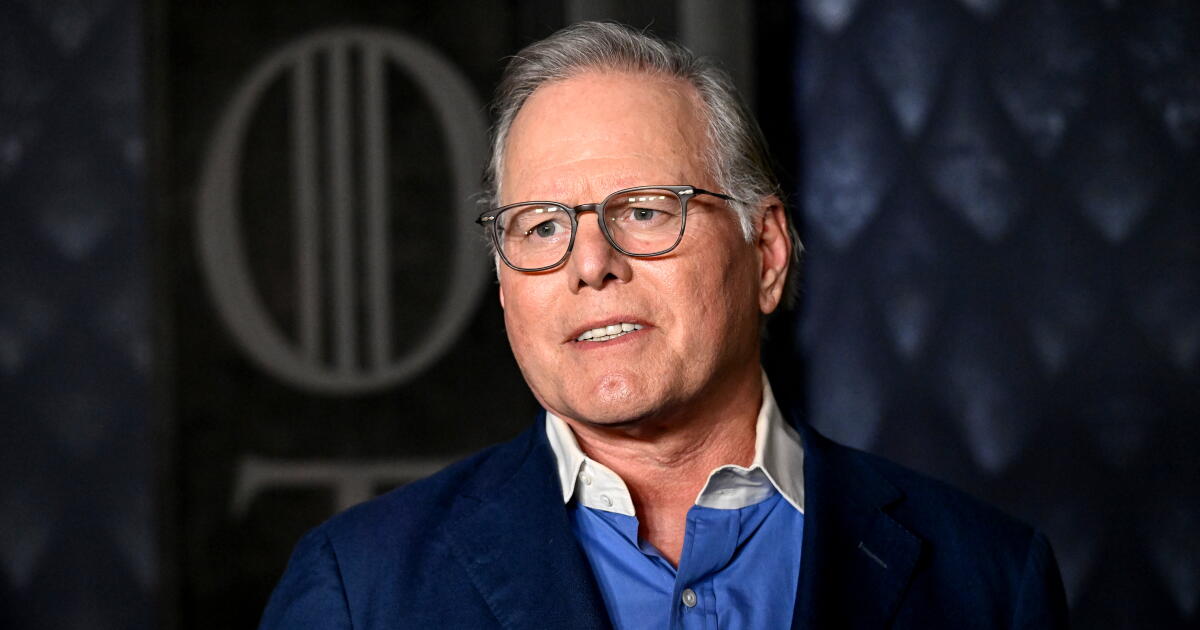
David Zaslav, the longtime TV executive who created Warner Bros. Discovery Inc. but ultimately failed to keep it going as an independent company, made about $600 million on the sale of the business to Paramount Skydance Corp. this week.
Much of Zaslav’s compensation came in the form of stock options. Warner Bros. stockholders received $31 a share in cash in the sale, a nearly 25% increase from when the stock first began trading in April of 2022. The Standard & Poor’s 500 rose 76% over that period.
Many other Warner executives received large paydays, including streaming boss JB Perrette and strategy chief Bruce Campbell. A spokesperson said Zaslav doubled the number of employees overall who received stock awards.
The new company, now called Skydance Corp. and led by technology scion David Ellison, is one of the largest media businesses in the world, comprising the century-old Paramount and Warner Bros. movie studios, dozens of TV networks, like CBS and CNN, as well as the Paramount+ and HBO Max streaming services.
Christopher Palmeri and Dylan Sloan report for Bloomberg.
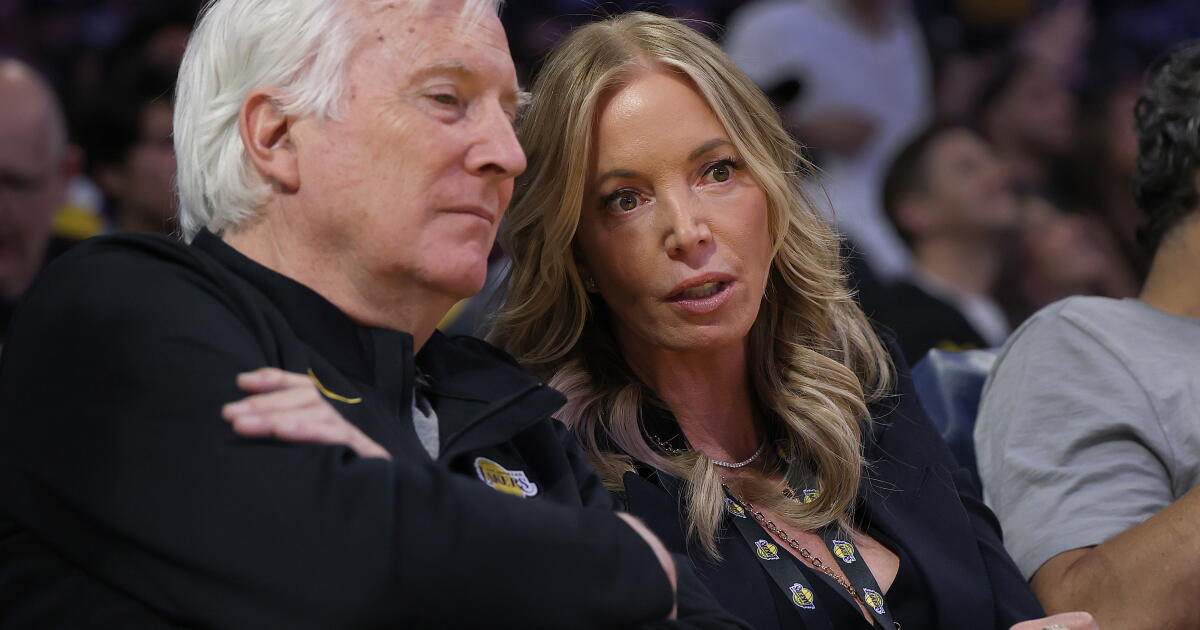
The five Buss siblings who voted to sell the family’s shares of the Lakers filed their formal opposition to team governor Jeanie Buss’ attempts to block the sale on Wednesday, calling Jeanie’s petition “legally and factually baseless” in a statement provided to The Times.
“While discussions among the siblings continue, their focus remains on facilitating the proposed transaction and the Trust’s participation in it, while ensuring that all beneficiaries, including Jeanie, are treated equally,” Jimmy, Johnny, Janie, Joey and Jesse Buss said in the statement.
“Today’s filing is a necessary step to protect those interests and ensure the transaction proceeds on schedule.”
The five siblings voted in August to include the family’s 17.82% of the team in the sale from Dodgers controlling owner Mark Walter to Joshua Kushner and Bob Iger. Jeanie immediately opposed her siblings’ vote, saying that the transaction would breach the family trust that states she and her co-trustees Janie and Joey must take reasonably available actions to maintain Jeanie’s role as the controlling governor of the team “on an annual basis during [her] lifetime.”
If the Buss Family Trust sells its remaining shares, Jeanie would be ineligible to serve on the board of governors because the NBA requires governors to own at least 15% of the franchise. Although the Buss family ended its more than 40 years of majority ownership of the team in 2025 by selling to Walter at a then-record $10-billion valuation, Jeanie was to remain the controlling governor for at least five years.
Jeanie and her attorneys filed a petition in L.A. Superior Court about two weeks after her siblings’ vote in which she argued their plan was void.
The siblings’ formal opposition claims Jeanie is attempting to prevent the sale “in order to protect her own personal interests” and her actions “constitute a breach of her fiduciary duties as a trustee.” The siblings believe that with five votes to sell, they have the right to proceed with their plan to sell the shares and distribute the proceeds because they have a two-thirds majority of the living children, as outlined in the trust.
With the latest sale from Walter to Kushner and Iger valued at $12.5 billion, a 17.82% share would be worth approximately $2.2 billion for the Buss siblings.
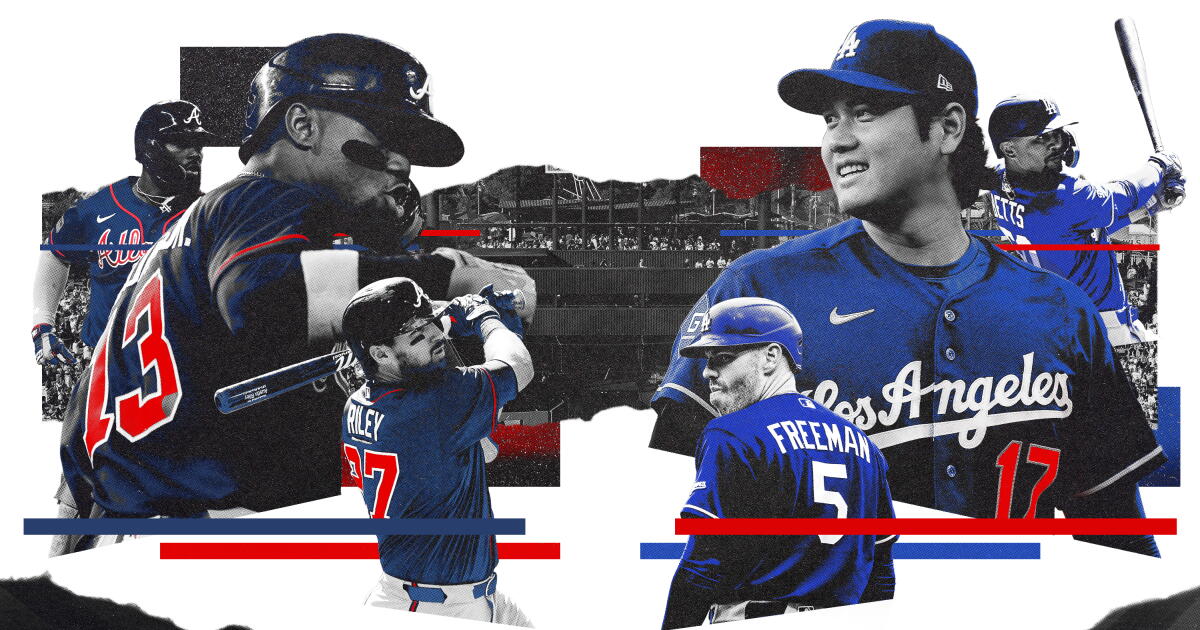
Stepping warily into Atlanta’s Truist Park with their five-game division series tied at one game apiece and Braves’ ace Chris Sale waiting for them on the mound Tuesday, the Dodgers marched out three hours later on the verge of another champagne shower.
Yoshinobu Yamamoto was brilliant, showing everyone that they were focusing on the wrong ace.
The Dodger bats were reborn, showing everyone that they still know how to hit in October.
And, yes, the Dodgers finally have a closer, Edwin Díaz entering the ninth and allowing a leadoff double to Ozzie Albies before retiring the next three hitters for the biggest save of his brief Dodgers career.
In all, the Dodgers drowned out that horrible tomahawk chop with some mighty hacks of their own, winning 3-1 while finally displaying some of the desperation that had been missing.
“We’ve gotta treat every game like an elimination game and go out there and play with urgency,” said Freddie Freeman about the lesson learned.
Seemingly moments after staring the Dodgers down with a thrilling Game 2 victory, the Braves have essentially been consigned to their rearview mirror.
Historically, the team that wins Game 3 in a best-of-five series wins that series 72% of the time, but the Dodgers don’t need some fancy stats to tell them what they know.
The Braves can’t beat the Dodgers in two straight games, and they can’t do it with one of those games at Dodger Stadium if necessary, and they can’t do it with Tyler Mahle pitching in one game and the bullpen handling the other game.
The Dodgers have Tyler Glasnow on their mound in Wednesday’s Game 4 and Tarik Skubal waiting for a possible Game 5 and this thing feels over.
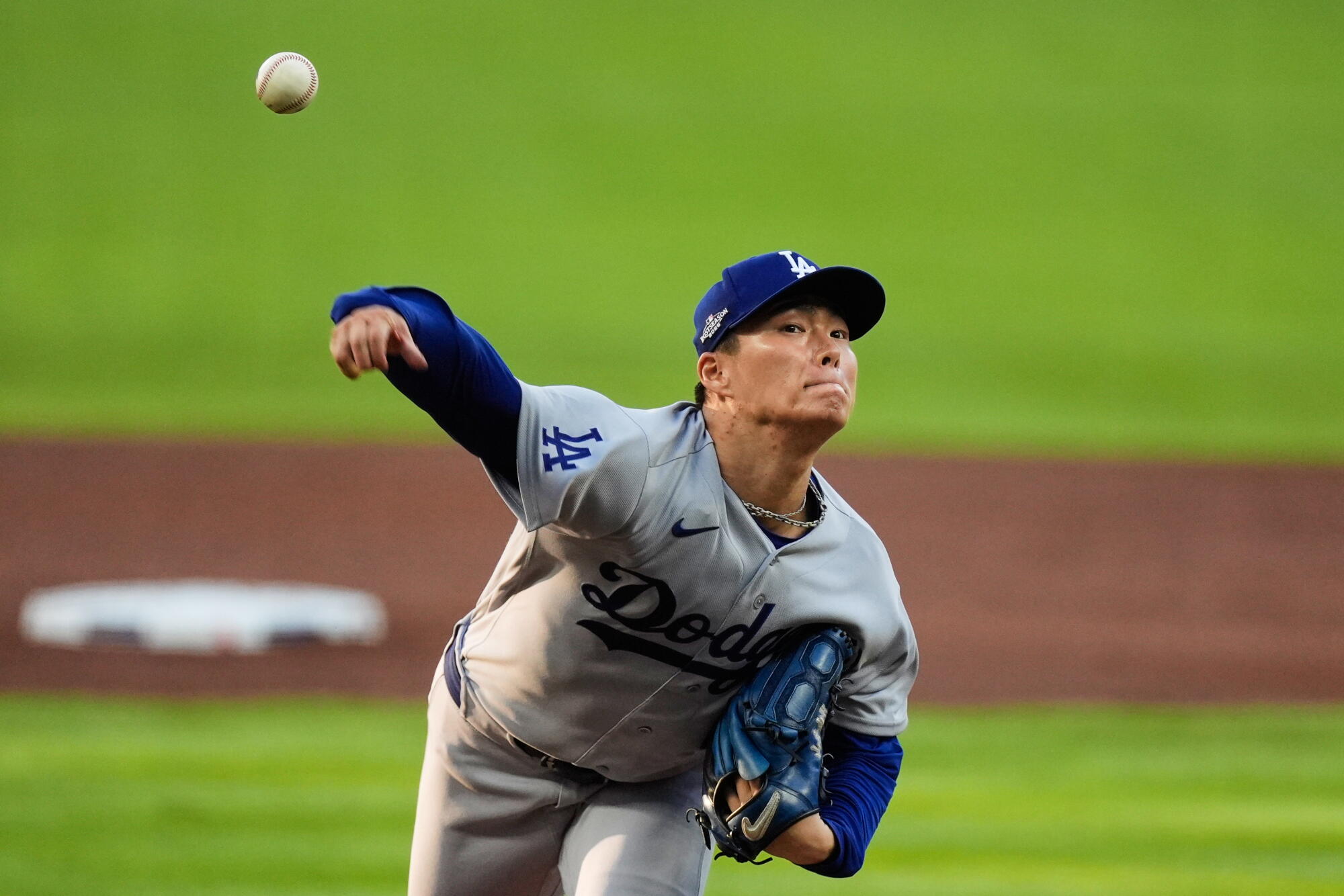
Dodgers pitcher Yoshinobu Yamamoto delivers during a 3-1 win over the Braves in Game 3 of the NLDS on Tuesday.
(Mike Stewart / Associated Press)
“I think I was most proud of we played tonight like an elimination game,” said manager Dave Roberts, later adding, “Tonight I think collectively it was probably one of our better performances.”
It started with the Dodgers’ offense against Sale, who shut them out in a 1-0 victory over Yamamoto just last month.
This time they were patient. This time they were smart. This time they worked him for 24 pitches in the first inning, 18 in the second, 20 in the third.
All of this set up the 37-year-old Sale for a fourth-inning beatdown with some familiar Dodger postseason magic.
With Andy Pages on first after a ground-ball single — he’s breaking out of his two-year postseason slump! — Kiké Hernández drove in a hanging changeup 406 feet over the left-field wall for a two-run homer, and where have you heard this before?
Highlights from the Dodgers’ 3-1 win over the Atlanta Braves in Game 3 of the NLDS.
Hernández is arguably the most consistently unlikely postseason hero in Dodger history. During the regular season he struggles. During the postseason he shines.
This was his 17th postseason home run, fourth in Dodger history, and remember the three home runs he hit that night in the 2017 National League Championship Series in Chicago?
He’s been doing that sort of thing ever since, and his Dodger teammates can only stare in amazement.
“I wish there was a recipe for that so we can all take it from him, he’s incredible, he shows up when you need him,” said Freeman, later adding,“He’s a Swiss Army knife and he’s ready to go at all times.”
This time Hernández was followed two batters later by another familiar October bat. It’s safe to say that Freeman has broken out of his slump, as he homered for the second time in two nights after hitting one in the previous 66 games. It was the first time Sale had given up more than two runs in an inning in three years.
That made the score 3-1 and considering Yamamoto was 33-0 with at least three runs of support in his career, this game felt over. And it was indeed over.
In notching a postseason-high 10 strikeouts over eight innings, Yamamoto showed why he — and not Skubal — is the ace of this staff.
Making his first start in 13 days, he gave up just one run on four hits in seven innings in a continuation of his postseason mastery. He now has an 8-0 career postseason record with a 2.14 ERA and that doesn’t begin to illustrate his impact.
“Wow, what a performance,” said Roberts. “He just has a way to just make pitches, calm his heartbeat.”
Yamamoto was held back for this game while Skubal started the opener, but he shouldn’t take a back seat to anyone anymore this postseason. He should pitch early, often, every day if possible, because he is darn near unhittable.
Unhittable in a different sense was struggling Shohei Ohtani, who was moved down from the top of the order to the fifth spot, and it didn’t do him any good.
He failed to get a hit in four plate appearances, reacting so badly to one of Sale’s changeups that he foolishly called for an ABS challenge that he lost.
Ohtani is still lost. But on a turning-point night in Atlanta, the Dodgers found themselves.
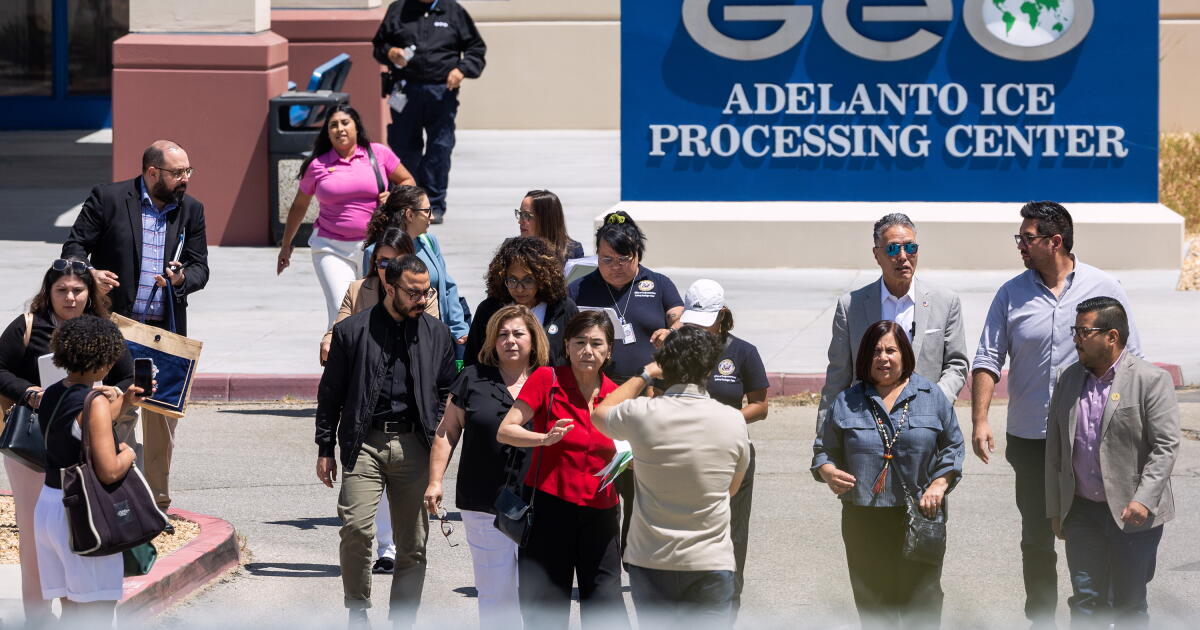
WASHINGTON — The Department of Homeland Security has purchased three immigrant detention facilities in Adelanto for $950 million, according to the private prison corporation that sold them.
The sale by the GEO Group, a Florida-based government contractor, follows an initial $1.5-billion sale over the summer of two other California detention facilities by GEO’s competitor, CoreCivic of Tennessee.
The facilities owned by GEO Group include the 1,280-bed Adelanto West ICE Processing Center, the 660-bed Adelanto East ICE Processing Center and 704-bed Desert View Annex.
In total, the federal government has now spent nearly $3.2 billion on detention facility purchases, the majority of them in California. CoreCivic sold off two other facilities, in Minnesota and Kansas, in August.
The sales were made possible by an infusion last year of $45 billion for immigration detention from President Trump’s One Big Beautiful Bill Act.
In its announcement, GEO Group sad it will continue managing daily operations at the facilities under the company’s existing contract with U.S. Immigration and Customs Enforcement, which is effective through Dec. 19, 2034.
The company said it is engaged in an “active process” with Homeland Security for the potential sale of multiple other facilities. Those sales hinge on GEO Group’s ability to continue managing those facilities under long-term contracts, the company wrote.
“We are pleased with the completion of these important asset sales to the U.S. federal government, and we look forward to continuing to provide high-quality secure support services under our existing long-term contracts with ICE,” George C. Zoley, the company’s CEO, wrote in a news release.
“We are proud of our 40-year public-private partnership with ICE, and we stand ready to continue to assist the federal government in meeting its immigration enforcement priorities,” Zoley added.
During a shareholder call in August, Zoley said ICE was contemplating buying more than 10 facilities, and that number “could continue to grow.”
“We believe we have two types of assets: the buildings and the businesses of providing support services,” he said on the call. “We are pursuing a potential sale of the buildings, but we want to retain the business. We consider ourselves primarily a support services operator, and will place particular importance on our ability to continue our support services at any facility sold to ICE.”
GEO Group said it anticipates receiving $705 million in proceeds from the sales, after taxes and transaction fees. The company wrote that net proceeds will reduce the company’s debt and facilitate the repurchase of company shares.
And now we present the forecast for the Atlanta Braves, brought to you by Yogi Berra: It gets late early out there.
The Dodgers can cloud the outlook for anyone. The Braves left Dodger Stadium in an uneasy spot Saturday, with one big decision to make: Do they risk putting themselves in the uncomfortable position of facing three consecutive elimination games without using their best pitcher in the first two games of this National League Division Series, or do they start Chris Sale on Sunday?
“We’re expecting to see him,” Dodgers infielder Tommy Edman said.
The Dodgers have four aces. The Braves have one.
“We’ve got the ace of all aces in Chris Sale,” Braves pitcher Brent Suter said.
So why were the Braves publicly noncommittal about using him?
The Braves deployed him Thursday, for the final four outs of the deciding game of the wild-card round. He started and pitched into the seventh inning on Tuesday.
The four days between starts is traditional — as is throwing once between starts, albeit generally in a pregame workout — but the 37-year-old Sale has not done that since April.
“The deciding factor is always going to be how Chris is feeling,” Atlanta manager Walt Weiss said. “When we came in the other night, the first words out of his mouth were ‘I feel amazing.’ If he were to come in [Sunday] morning and say ‘I feel amazing,’ there’s a chance he pitches.”
Sale, a 10-time All-Star, posted a 2.16 earned-run average this season, trailing only projected Cy Young winners Jacob Misiorowski and Cam Schlittler. In two appearances against the Dodgers, he posted a 1.13 ERA, with no walks and 18 strikeouts in 16 innings.
“He’s the ace over there, and we’re ready to see him two times this series, regardless of whether he is starting or coming out of the bullpen,” Dodgers infielder Miguel Rojas said. “We all know he is going to be out there at some point.
“If it’s [Sunday], we will be ready. If it’s Game 3, we will be ready. If it’s [Sunday] out of the ‘pen, we will be ready.”
Weiss should be concerned. If he is, he would not publicly admit to it.
“To me, it’s not that big a deal when he pitches,” Weiss said. “He’s going to pitch in this series.
“Dodgers can’t win it in two.”
The Braves risk overthinking this. If Sale starts Sunday, he also could start on traditional rest in a potential Game 5. If the Braves hold him back until Game 3, he presumably would not start a potential Game 5 on two days’ rest.
So, if the Braves get that far, would they want to limit Sale to, say, four outs?
“Even if he throws Game 3, I think he’s still available for Game 5 in some way, shape, or form,” Weiss said.
The Braves’ most likely options for Game 2, if Sale does not start: a second consecutive bullpen game, or Grant Holmes, 30, a Dodgers first-round draft pick in 2014, and three years later, part of a three-prospect package sent to the Oakland Athletics for Rich Hill and Josh Reddick.
The way Weiss looks at it, he can win three out of the next four games with his top two starters (Sale and Tyler Mahle) yet to be used, and all his high-leverage relievers fresh.
The way we look at it, who says the series extends to four or five games? The Braves either try to win with Sale on Sunday, or risk needing to sweep three games started by Yamamoto, Tyler Glasnow and Skubal, in that order. Wouldn’t be prudent.
“We know Sale is their best pitcher,” Rojas said. “So we are ready for him, at some point.”
That point should be Sunday, a little after 5 p.m.
Left-hander Martín Pérez (9-9, 3.04) is on the injured list with back inflammation and isn’t expected to be activated for the National League Division Series but right-hander Bryce Elder (8-8, 4.11), who underwent knee surgery in early September, could be available, which would strengthen a rotation that’s missing four starters.
Fortunately, the Braves have a Cy Young candidate in Sale (14-9, 2.16 ERA in the regular season). The left-hander gave Atlanta a solid 6 1/3 innings in the Game 1 win over Philadelphia in the wild-card series this week. Journeyman Tyler Mahle, who went 4-1 with a 1.99 ERA after coming over from the Giants in August, allowed just a run in 6 2/3 strong innings in Game 2 in his postseason debut.
After that, however, Weiss will have to lean heavily on his bullpen and fortunately he has a good one: Atlanta relievers were second in the National League in ERA (3.44) and saves (49) during the regular season. Cuban closer Raisel Iglesias had 34 of those saves (in 37 regular-season opportunities), blowing just one save chance since July 26.
Set-up man Robert Suárez missed more than three months with elbow inflammation but made two appearances in the final week of the regular season to finish the year 4-0 with a 1.06 ERA in 33 games. Ahead of him, Didier Fuentes (7-2, 2.45), Dylan Lee (6-1. 3.09), Dylan Dodd (4-1, 2.54) and Brent Suter (2-0, 1.63 with the Braves) give Atlanta perhaps the deepest bullpen in the playoffs.
GLASTONBURY punters have fumed over the ‘s*** show’ website chaos after the first set of 2027 tickets went on sale tonight.
Those who have managed to get their hands on them will travel to Worthy Farm in Somerset and dance away to their favourite tunes between Wednesday 23 June to Sunday 27 June next year.
Glastonbury punters have fumed over ‘s*** show’ website chaos as the first set of 2027 tickets went on saleCredit: GettyOlivia Rodrigo performing on the Pyramid stage in 2025Credit: Getty
Festival-goers logged online just before 6:00pm this evening (Thursday 1 October) to try and get their hands on ticket + coach passes for the five day music event.
They were told to enter the website at 5:50pm, and those who were on the page were given a place in the queue.
Sign up for the Showbiz newsletter
Thank you!
This was followed by a progress bar which showed how close you were to purchasing.
It comes as no surprise that they sold out within 30 minutes – meaning that loads of people have sadly gone without.
For many celebrities, getting a Funko Pop! doll modeled after themselves is a sign they’ve made it in Hollywood. The 4-inch vinyl “Pop!” figurines, with their oversize heads and black dot eyes, symbolize being ingrained in pop culture — objects fans buy, celebrate and display.
At Funko’s flagship Hollywood store, there are thousands to choose from, ranging from NFL players to Disney princesses and characters from the Netflix period drama “Bridgerton.”
But the publicly traded company behind the popular dolls has been facing significant headwinds.
Funko Inc. last year posted a loss of $67.4 million on sales of $908.2 million, down 13% from the previous year. The company disclosed it had debts of $225 million.
The Everett, Wash.-based company warned investors in filings that there was “substantial doubt” about its ability to generate enough cash to meet its debt payments, citing the effects of tariffs in China, where most of its toys were made, canceled retail orders and loan covenants it expected to breach.
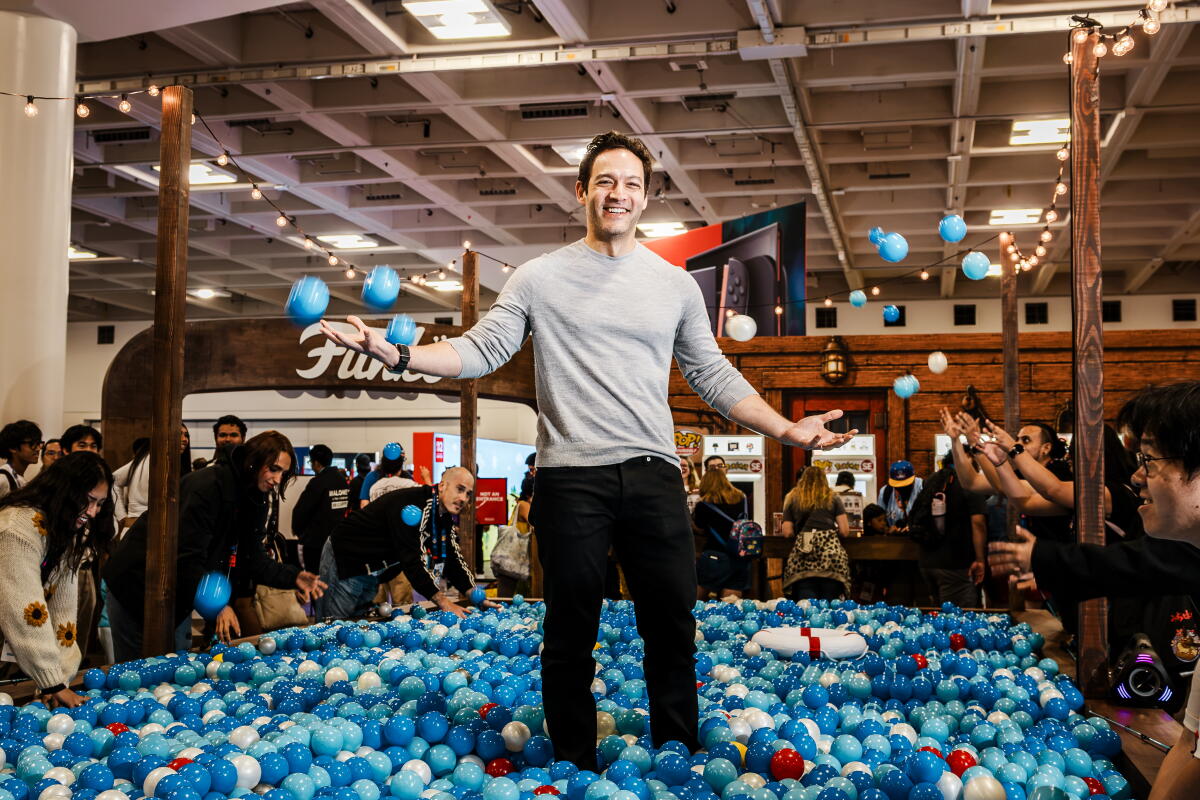
Funko Chief Executive Josh Simon, pictured at the Pokémon convention, says he took over the company at an “inflection point.”
(Carolyn Fong / For The Times)
Now the company is looking to stage a comeback.
Leading the turnaround challenge is Josh Simon, who left his job running global consumer products at Netflix to become Funko’s chief executive in September 2025 — the third person to hold the title in two years.
“Funko was at an interesting inflection point,” said 48-year-old Simon, who lives in Los Feliz. “I felt there was still a lot of really deep fandom and enthusiasm from retailers and at the same time, there were a lot of problems that had to be sorted out at the company. I thought it would be an interesting adventure and hopefully a way to help turn things around a bit and restore it back to that level of fan passion and glory that existed years ago.”
The rise and fall of Funko
Funko began in 1998 when entrepreneur Mike Becker decided bobbleheads would be the next big thing and shipped them out of his garage. After entrepreneur Brian Mariotti bought Funko in 2005, the business began licensing more characters. Sales took off with the launch of its big-headed “Pop!” figurines in 2010.
The company changed ownership over the years, added backpacks and other products, and went public in 2017. Most of its revenue still comes from making licensed characters and selling them through retailers, online and at events.
Funko survived a decline in sales with the rise of kidults — adults who collect toys.
(Carolyn Fong / For The Times)
But Funko’s sales plunged in 2025 following a global trade war.
The company overestimated demand, picked the wrong characters and made too many of dolls, said Gerrick Johnson, senior research analyst at Seaport Research Partners, which has a buy rating on Funko.
President Trump’s heavy tariffs imposed on China substantially raised the costs of making Funko dolls.
Amid lagging sales, retailers marked down the figurines, alienating collectors who want to see items appreciate in value.
“Collectors hate buying things 50% off,” Johnson said. “One of the biggest turnoffs in collectibles is a bargain bin.”
What kept the brand alive through the slump was the rise of kidults — adults who collect toys. Simon was one, picking up Pop! figurines from “Toy Story” and “Back to the Future” long before he worked there. Funko’s job, he said, is to distill what people love about a character into a stylized version of it.
“The number of inbound requests we get from musicians and athletes and celebrities — everyone is excited and pitching us they want a Funko Pop! made of themselves, because in some ways it suggests a mark of establishment in pop culture,” Simon said. “It’s like akin to getting your star on the Hollywood Walk of Fame in some way.”
Convention-goers create custom dolls at a Funko Pop! kiosk.
(Carolyn Fong / For The Times)
One expert said Funko’s job is to distill what people love about a character into a stylized version of it.
(Carolyn Fong / For The Times)
A turnaround plan
Though based in Washington, Funko has a large presence in L.A., where most of its senior leadership is based. They work out of the same offices as the flagship Hollywood store. The company also has employees in Arizona, London, Hong Kong and other markets.
Under Simon, Funko has diversified its supply chain, shifting production out of China to Vietnam and other countries. To improve cash flow, Funko renegotiated the timing of its debt payments and pushed products to market faster.
For example, Funko turned around figurines of the characters from “KPop Demon Hunters” — the Netflix film that became the streamer’s most-watched movie ever after its June 2025 release — in about four months, well ahead of Mattel, whose first items reached stores this spring.
When John Cena stepped into the ring for his final WWE match in December, there were pre-orders for a Funko figure wearing the same outfit down to the shirt reading, “The Last Time is Now,” built from an image Funko received a week earlier. The doll became a bestseller, said Scott Zanghellini, executive vice president of WWE Consumer Products.
“It’s happening in real time and his team being able to move quickly, and us always moving quickly in this world of we have seven hours of programming a week — how do you take advantage of that and give the fans what they want?” Zanghellini said.
Funko is also widening what counts as a license, making figures from “The Folk of the Air,” Holly Black’s fantasy series revived by book lovers on TikTok, as well as creating more original characters that aren’t licensed.
“We really want to make sure that we can be a part of these cultural moments while they’re happening,” Simon said.
Reaching out to fans is another priority. At PokémonXP, the first official Pokémon fan convention held last month at San Francisco’s Moscone Center, Funko ran a Pop! Yourself booth where attendees built custom figures in exclusive Trainer uniforms with a Pokémon of their choice.
“We really want to make sure that we can be a part of these cultural moments while they’re happening,” Funko’s chief executive said.
(Carolyn Fong / For The Times)
Jeff Leu, 40, of San Francisco spent about $100 there on two figures modeled after his kids. He already owns 40 to 50 “The Simpsons” Pop! figures and tracks his collection in a spreadsheet.
“I feel like there is a Funko for everything,” Leu said.
Now he feels the pull of the Pokémon ones.
“As they add more, there’s more pressure to buy it because I like to collect things,” Leu said. “Luckily I have a lot of room to display my toys.”
So far, the turnaround plan has yielded some positive signs.
Second-quarter sales rose 7% to $207.7 million and the company reported net income of $15.4 million, against a $40.5-million loss a year earlier. The quarter, however, included a $25.4-million benefit from expected tariff refunds, without which Funko would have lost money.
Funko’s share price closed Friday around $5.50, up about 1%. The stock has climbed 38% in the last year but is 60% below what it trade at in January 2025.
“It’s way too early to make any sort of calls on Josh at this point, but I like what he’s doing,” Johnson said. “It’s an interesting point in Funko’s history, and it’s a great opportunity for him to grow this business.”
Knife River (KNF) rises 5.3% post-market Wednesday after The Wall Street Journal reported that activist investor Starboard Value has built a significant stake in the company and plans to push for a sale or an improvement in its margins.
OASIS fans who are eager to grab tickets for their 2027 tour must keep an eye on their emails over the next few days.
This is because those who have been selected from the ballot will be given a unique code in order to access the site to buy tickets. Here’s what you need to look out for.
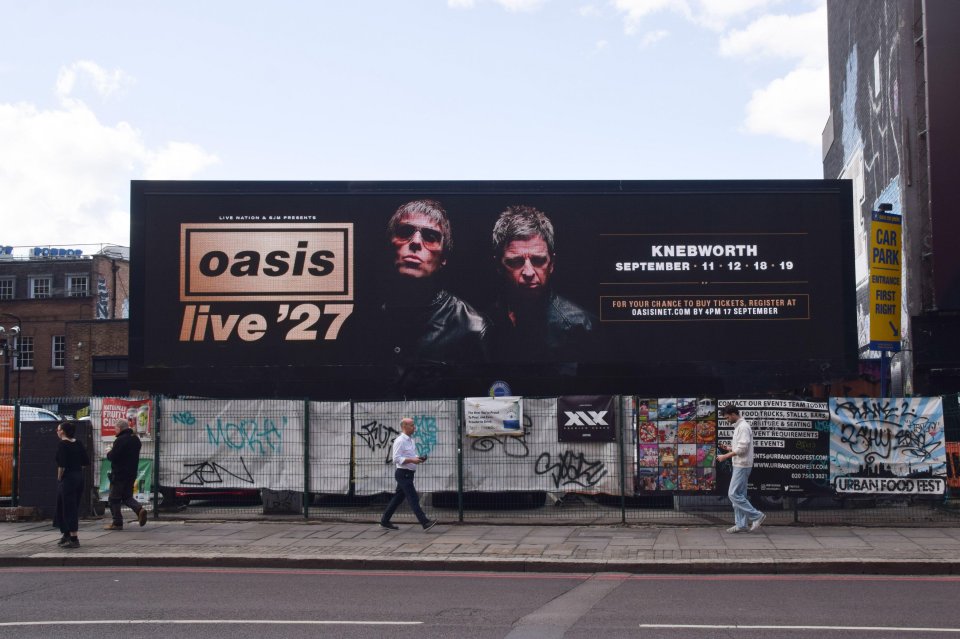
Oasis start their latest tour in May 2027 at Celtic Park, GlasgowCredit: Alamy Live News.
When are Oasis codes released?
Codes for tickets will be released between Thursday 24th and Sunday 27th September 2026.
As published on oasisnet.com, if you have been selected to buy an Oasis Live ’27 ticket, a unique code and full details of how to buy tickets will be sent to the email address and name fans registered with.
Sign up for the Showbiz newsletter
Thank you!
There will be no general sale for the tour, but there is also no set time on when fans will receive their codes.
This means that fans who are invited to buy a ticket on Sunday 27th September may receive their code later.
Fans have been warned to check their junk folders over this period just in case the email with the code attached drops in there.
When do tickets go on sale?
General sale for tickets will be across three dates, but you’ll only be able to access the sale on your allocated day.
Registration closed on Thursday 17th September at 4pm, with fans now having to wait to see if they are lucky enough to have been selected.
The three days the general sale will be on are:
Friday September 25
Saturday September 26
Sunday September 27
Ticket prices are fixed and will range between £71.50 to £266.60. Ticket prices will vary depending on the location of the concert and where you are stood or sat.
What are the confirmed tour dates?
Oasis are returning to Knebworth house in 2027, for the first time since their iconic 1996 gigs which saw 250,000 people attend over two days.
They have 11 nights booked at the Etihad stadium, home of the Gallagher brothers beloved Manchester City, having last played there in 2005.
The icons will also return to France for the first time since their acrimonious split at Rock en Seine festival in Paris in 2009.
Oasis’ 2027 tour schedule revealed
OASIS will play 38 nights across 11 cities in 2027, they announced today at 4pm
May 2027 May 21 Glasgow, Celtic Park May 23 Glasgow, Celtic Park May 25 Glasgow, Celtic Park May 28 Glasgow, Celtic Park May 29 Glasgow, Celtic Park
June 2027 June 04 Manchester, Etihad Stadium June 06 Manchester, Etihad Stadium June 08 Manchester, Etihad Stadium June 11 Manchester, Etihad Stadium June 12 Manchester, Etihad Stadium June 15 Manchester, Etihad Stadium June 18 Manchester, Etihad Stadium June 19 Manchester, Etihad Stadium June 22 Manchester, Etihad Stadium June 25 Manchester, Etihad Stadium June 26 Manchester, Etihad Stadium
July 2027 July 02 Munich, Allianz Arena July 03 Munich, Allianz Arena July 10 Barcelona, Estadi Olímpic Lluís Companys July 11 Barcelona, Estadi Olímpic Lluís Companys July 16 Amsterdam, Johan Cruijff ArenA July 17 Amsterdam, Johan Cruijff ArenA July 23 Paris, Stade de France July 24 Paris, Stade de France July 29 Rome, Stadio Olimpico July 30 Rome, Stadio Olimpico
August 2027 August 10 Boston, Gillette Stadium August 13 Boston, Gillette Stadium August 14 Boston, Gillette Stadium August 20 Las Vegas, Allegiant Stadium August 21 Las Vegas, Allegiant Stadium August 24 Las Vegas, Allegiant Stadium
September 2027 September 04 Slane Castle, Ireland September 05 Slane Castle, Ireland September 11 Knebworth, UK September 12 Knebworth, UK September 18 Knebworth, UK September 19 Knebworth, UK
The proposed deal, worth an estimated total cost of $24.3 billion, was announced as the Kingdom is in the midst of a fierce fight against the Houthi rebels of Yemen. It marks a major policy shift, with Washington previously being unwilling to export the advanced stealth fighters to Arab states and will likely serve as a reminder at a very challenging time for the Saudis of the unique security capabilities that only the U.S. can provide them.
In addition to the jets, which will be conventional takeoff and landing variants, Saudi Arabia has requested 49 Pratt & Whitney F135-PW-100 engines, support and other items.
Despite concerns from Israel that providing Saudi Arabia with the advanced fighters will tip the balance of power in the region, the proposed sale of this equipment and support “will not alter the military balance in the region,” the State Department noted.
The United States has a requirement to maintain Israel’s so-called qualitative military edge, which essentially guarantees that Israel will be prioritized for advanced U.S. weapons ahead of Arab states in the region. Among these advanced weapons, the stealthy F-35 is highly prominent.
You can read our past feature about the wide-ranging impacts of an F-35 sale to Saudi Arabia here.
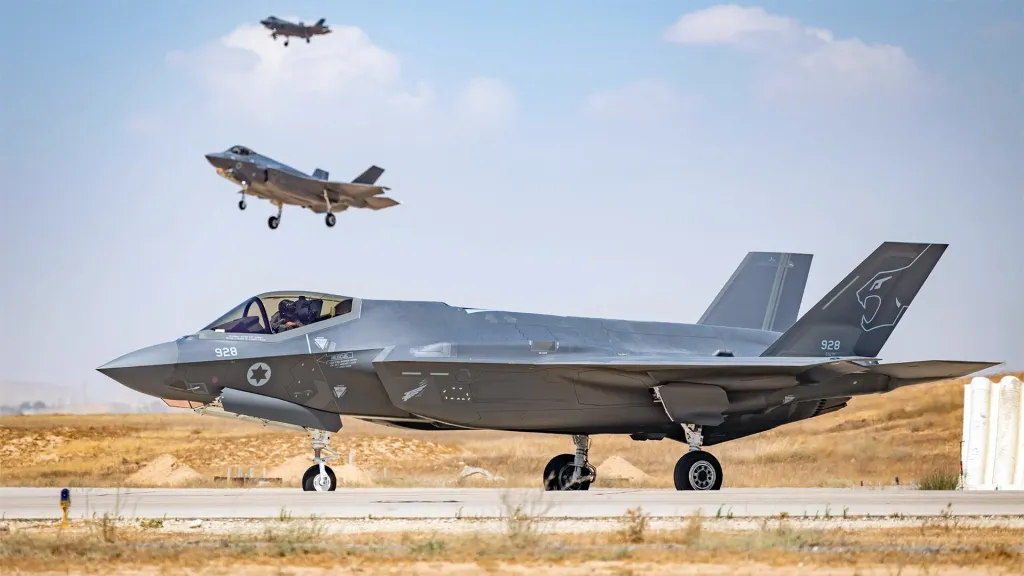
Israeli Air Force F-35i fighters. (Israeli Air Force)
“This proposed sale will support the foreign policy and national security objectives of the United States by improving the security of a major non-NATO ally that is a force for political stability and economic progress in the Gulf region,” the State Department wrote. “The proposed sale will improve Saudi Arabia’s capability to deter current and future threats by strengthening its homeland defense, and improving interoperability with U.S. forces, and other regional and NATO forces. The proposed sale will also augment Saudi Arabia’s operational aircraft and enhance its air-to-air, and air-to-ground self-defense capability. The Kingdom of Saudi Arabia will have no difficulty absorbing this equipment and services into its armed forces.”
In November, “President Trump approved a major defense sale package, including future F-35 deliveries, which strengthens the U.S. defense industrial base and ensures Saudi Arabia continues to buy American,” according to the White House.
Trump has pushed for closer ties between Israel and Saudi Arabia and wants the Kingdom to join the Abraham Accords initiative. This is a set of agreements that establish normalized diplomatic relations between Israel and different Arab states. Doing so would be a major breakthrough, following the United Arab Emirates, Bahrain, Morocco, and others.
A Saudi F-35 deal was also discussed under the Biden administration, as part of a broader deal that sought to normalize the Kingdom’s relations with Israel.
WASHINGTON — The top Democrat on the House Foreign Affairs Committee said Wednesday that he’s going to block a proposed sale of $2.8 billion in heavy weaponry to Israel over concerns that the powerful bombs may not be used in line with U.S. and international law.
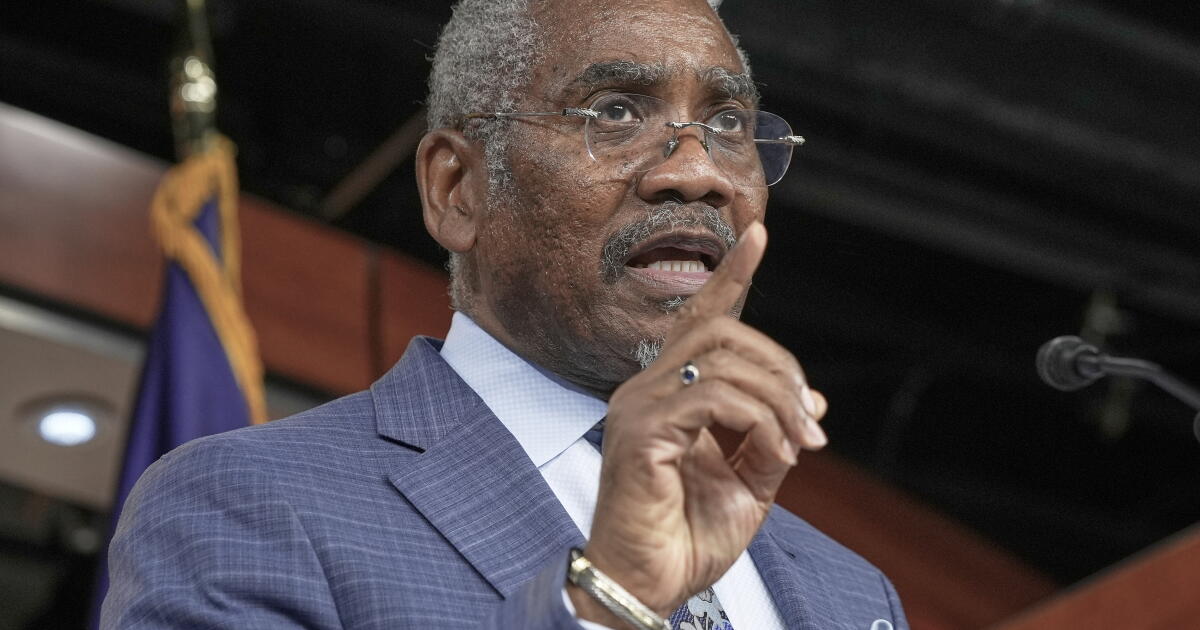
Rep. Gregory Meeks of New York said he would withhold approval for the sale because of “grave, unresolved concerns” about how these munitions could be used in densely populated areas of Gaza and Lebanon by Israeli Prime Minister Benjamin Netanyahu’s government.
“The Trump administration has not provided sufficient assurances that these weapons will be used by the Netanyahu government in accordance with U.S. law and with appropriate protections for civilians,” Meeks said in a statement. “I therefore will not clear this sale at this time.”
Meeks’ objections, however, likely will not affect the sale, which was informally notified to lawmakers on Tuesday. Once it is formally notified to Congress, Secretary of State Marco Rubio can bypass the normal congressional review process by making an emergency determination that the transaction is an urgent national security interest.
Rubio has done so in the past, including bypassing a normal congressional review process to approve a nearly $3-billion sale to Israel last year. The administration then approved a new series of arms sales to Israel totaling $6.67 billion in January.
The State Department did not respond to requests for comment about either the new proposed sale or Meeks’ objection to it.
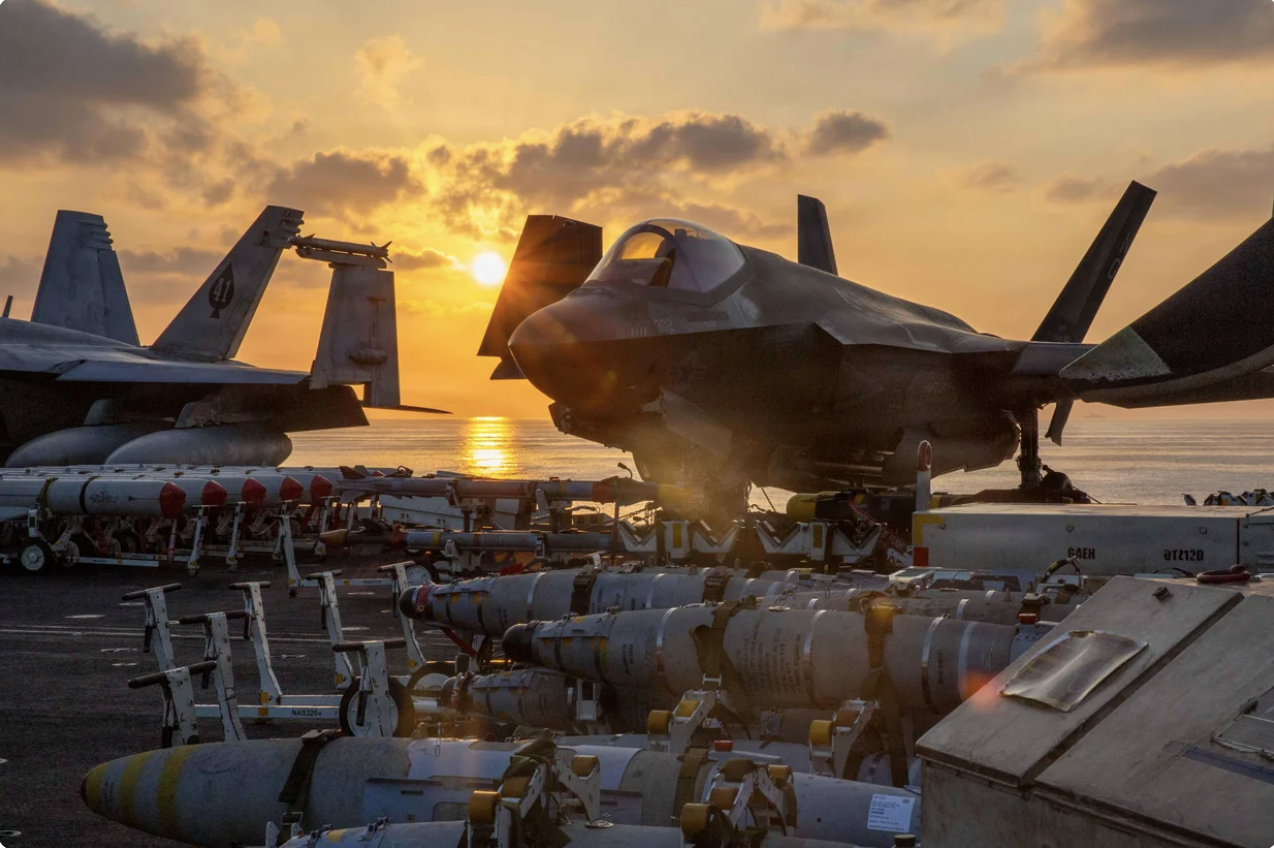
The $2.8-billion package includes 40,000 powerful 2,000-pound bombs, the Associated Press has reported. The transfer of 2,000-pound bombs had been paused by the Biden administration over concerns about the possibility of mass casualties.
The proposed sale is just the latest in a series of Trump administration steps to improve Israel’s military capacity and it comes as Israel is facing increased international isolation over its war in Gaza in response to the deadly Oct. 7, 2023 attacks by Hamas.
The conflict in Gaza has left tens of thousands of Palestinians dead and decimated the enclave. The U.S. brokered a fragile ceasefire, but violence has continued.
WASHINGTON: President Donald Trump’s administration is planning to sell to Israel a munitions package worth $2.8 billion, which will include tens of thousands of highly destructive 2,000-pound bombs, according to a US official familiar with the sale.
The planned sale, which has been informally communicated to relevant congressional committees who weigh in on large arms sales, includes 20,000 MK 84s and 20,000 BLU-117s, the official, speaking on the condition of anonymity, said.
News of the package was first reported by the Washington Post.
The State Department and the Israeli embassy did not immediately respond to a request for comment.
US public support for Israel has fallen since the Gaza war began in 2023, particularly among Democrats. A June Quinnipiac University poll found 48 percent of voters and 66 percent of Democrats believe the United States is too supportive of Israel, up from 16 percent and 20 percent when the question was first asked in 2017.
The 2,000-pound bombs have been regularly used by Israel in Gaza as well as in Lebanon, drawing scrutiny from rights experts. More than 73,000 Palestinians have been killed in Israel’s military campaign, according to Gaza health authorities. A UN inquiry determined that Israel had committed genocide in Gaza, a charge Isarel rejects.
Israel calls its actions self-defense, after Hamas-led militants killed 1,200 people and took more than 250 hostages in an October 2023 attack.
The US and Israel attacked Iran on February 28. Iran responded with its own strikes on Israel and Gulf states that host US bases. US-Israeli strikes on Iran and Israeli attacks in Lebanon have killed thousands and displaced millions.