War, which saw Iran attack Qatar facility, has caused ‘high, volatile’ gas prices that could hit EU storage projections.
Published On 21 Mar 202621 Mar 2026
The European Union has urged member states to start early on meeting next winter’s gas storage targets after Iranian attacks on Gulf energy facilities caused prices to surge on global markets.
Energy Commissioner Dan Jorgensen sent a letter Saturday urging the bloc’s members to get to work “as early as possible” in the coming months to “mitigate pressure on prices and avoid [an] end-of-summer rush”, asking them to consider cutting their so-called filling target by 10 percentage points to 80 percent.
Recommended Stories
list of 3 itemsend of list
The move came days after Iran attacked Qatar’s Ras Laffan Industrial City complex, which provides about 20 percent of global supplies of liquefied natural gas (LNG). The attack, which came amid the US-Israeli war on Iran, was in retaliation for an Israeli attack on the Iranian South Pars gasfield.
State-owned QatarEnergy said that Iran’s attack on Qatar, which has been targeted throughout the duration of the war, knocked out 17 percent of Doha’s export capacity and would affect exports for up to five years.
The slowdown will mainly harm Asian buyers, including China, Japan, and India, which buy some 80 percent of QatarEnergy’s LNG.
But Europe, which only sources around 9 percent of its LNG from Qatar, will nevertheless be exposed to increased competition, with tanker traffic leaving the Gulf via the Strait of Hormuz throttled by the war.
Natural gas prices in the EU have risen by more than 30 percent since the start of the war on February 28, spiking after Israel’s attack on Iran’s critical South Pars gasfield and subsequent Iranian attack on Qatar’s Ras Laffan.
Jorgensen said that the EU’s gas supply, which has mainly been furnished by the United States since the bloc weaned itself off Russian energy over the Ukraine war, remained “relatively protected at this stage”.
“But, as a net energy importer on global markets, the resulting high and volatile global prices may also impact the EU gas storage projections,” he cautioned.
Jorgensen warned that developments “threaten regional and global security”, urging member states to refill stores early over a longer period.
The EU requirement for member countries to maintain gas reserves at 90 percent of capacity to meet winter heating and power demand underpins the region’s energy security.
Having cut that target by 10 percent, the energy commissioner noted that, in case of “difficult conditions” and a commission assessment, the countries could deviate by up to 20 percent.
Oil prices have also soared since the start of the war by more than 50 percent.
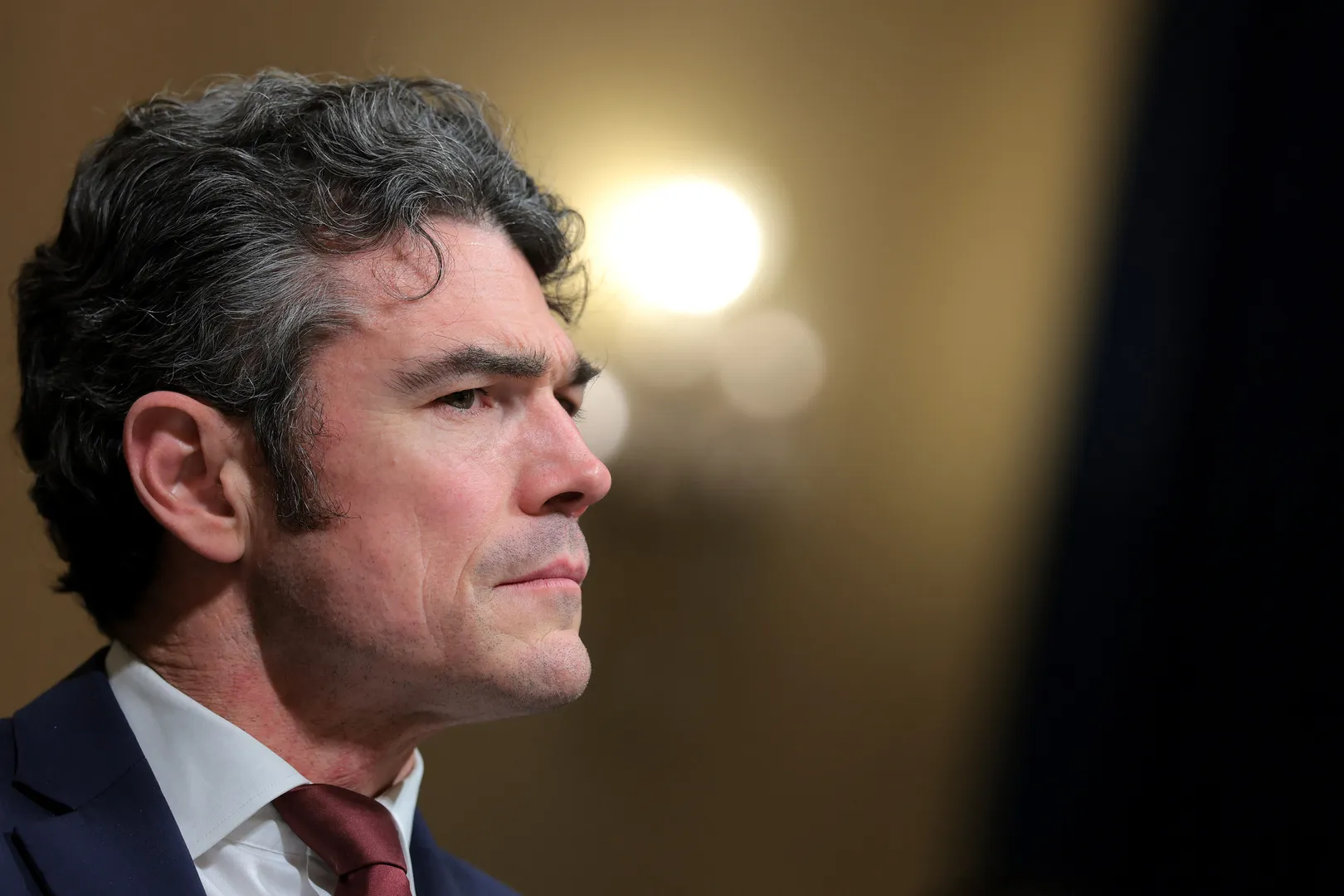
Joe Kent says he resigned as director of the US National Counterterrorism Center over opposition to the war in Iran, telling an audience at a Washington prayer event that he couldn’t “send young men and women off to die on foreign battlefields” in “good conscience.”
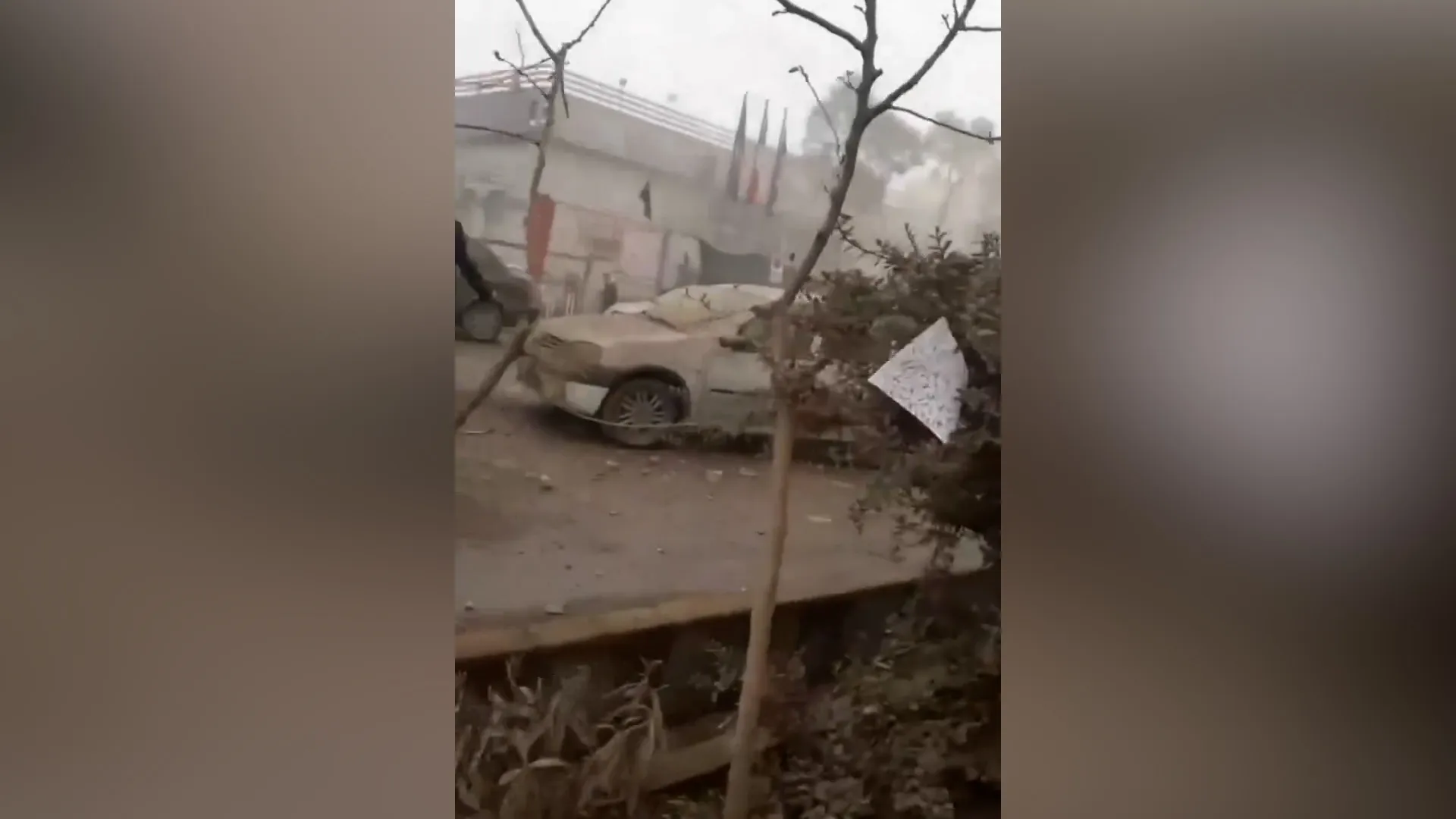
The fate of an Iranian woman caught in a US-Israeli bomb attack is unknown, after video emerged of the moments she filmed the bombardment on her phone.
The Foreign Office has updated travel guidance warning Brits heading to popular destinations to expect potential flight disruptions
Nicola Roy Multimedia content creator
13:02, 21 Mar 2026
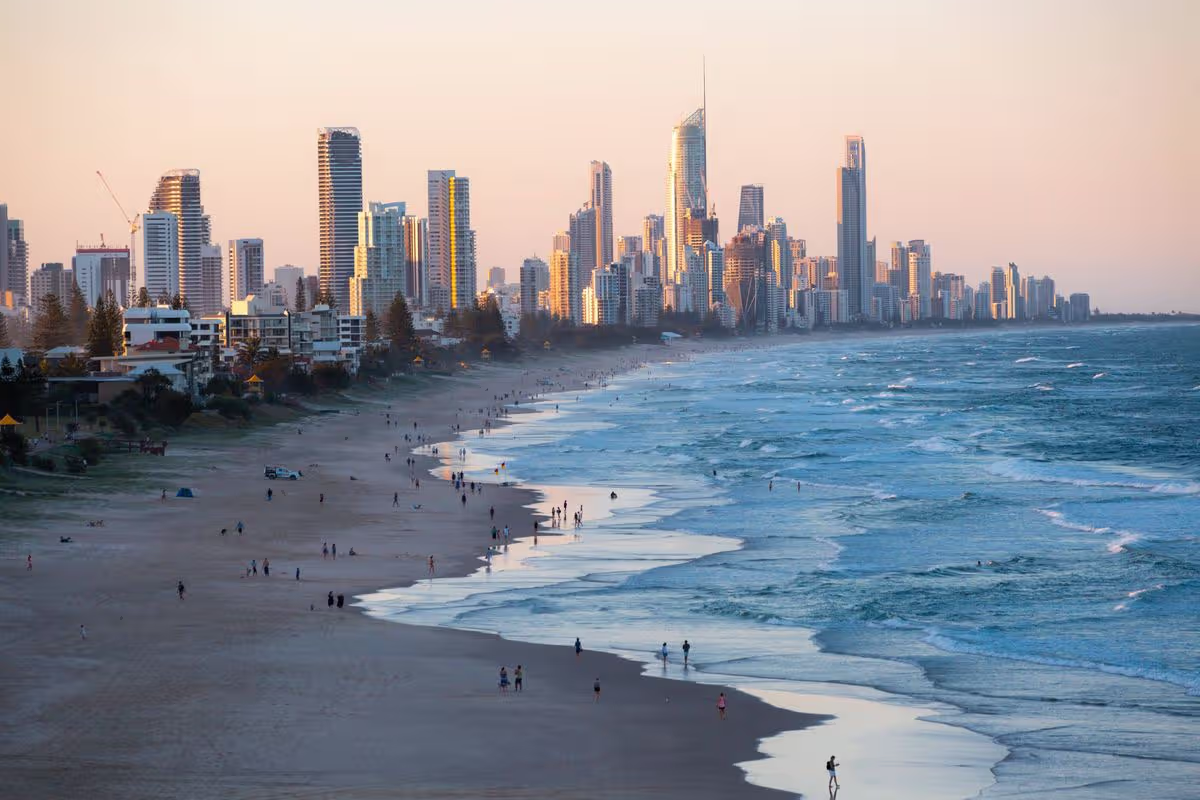
Australia is a hugely popular destination for Brits(Image: Kieran Stone via Getty Images)
This week, British travellers heading overseas have been warned that their holiday plans could face disruption.
The UK Foreign, Commonwealth and Development Office (FCDO), the government department responsible for issuing travel guidance to ensure public safety, has updated its advice for several popular tourist destinations.
The continuing tensions in the Middle East mean delays and other forms of disruption are likely, even for those not travelling to the region itself. The FCDO sometimes advises against all travel to particular countries.
While these destinations don’t fall into that bracket, it remains crucial to follow the guidance.
The update states: “Escalation in the Middle East has caused widespread travel disruption, including airspace closures, delayed and cancelled flights.
“Your travel plans may be affected, even if your destination is not in the Middle East.”
The FCDO has issued this update for countries including Australia, New Zealand and Thailand this week. Before departing, travellers are advised to review the guidance for any countries or territories they’ll be passing through, reports the Express.
It’s also recommended that you check the latest information from your airline or tour operator before setting off.
Additionally, reviewing your travel insurance policy beforehand can be beneficial, just to confirm what’s covered if your arrangements are disrupted.
The FCDO added: “Monitor local and international media for the latest information and sign up for travel advice email alerts.”
Ignoring advice from the FDCO could potentially render your travel insurance null and void, so it’s crucial to check over the details before you take off.
Your insurance should cover your planned itinerary, activities and any emergency expenses.
No leakage of radioactive materials reported in the area in central Iran, Tehran’s atomic energy organisation says.
Published On 21 Mar 202621 Mar 2026
The United States and Israel have struck Iran’s Natanz nuclear facility, according to its atomic energy organisation.
“Following the criminal attacks by the United States and the usurping Zionist regime against our country, the … Natanz enrichment complex was targeted this morning,” the organisation said in a statement carried by the Tasnim news agency on Saturday.
Recommended Stories
list of 4 itemsend of list
It added that there was “no leakage of radioactive materials reported” at the Shahid Ahmadi Roshan enrichment facility in Natanz in central Iran, one of the country’s most important uranium enrichment sites, about 220km (135 miles) southeast of Tehran.
No radioactive material was released, Tasnim reported, quoting Iranian officials. There is no danger to the population living near the facility, according to the report.
The Natanz nuclear facility was also targeted by Israel in the 12-day war between Iran and Israel in June 2025.
Al Jazeera’s Mohamed Vall, reporting from Tehran, said the Iranian nuclear organisation’s statement did not say how Saturday’s attack happened and what types of bombs were used in it.
“We know that Natanz is one of the key nuclear sites in Iran, towards the middle of the country, along with the Isfahan nuclear facilities,” he said.
“And we know a major goal of this war by the Americans and Israelis was about the nuclear programme of Iran, how to destroy it and prevent Iran from producing a nuclear bomb.”
Call for restraint
In a post on X, the International Atomic Energy Agency (IAEA) said Iran has informed it about the US-Israeli attack on the Natanz site.
No increase in off-site radiation levels was reported, the United Nations nuclear watchdog said, adding that it was looking into the report.
IAEA head Rafael Grossi repeated his “call for military restraint to avoid any risk of a nuclear accident” during the war on Iran.
The White House has said a key objective of the war it launched alongside Israel on February 28 is to prevent Iran from ever acquiring nuclear weapons.
The Natanz site was previously hit in the first week of the 22-day war, and several buildings were damaged, according to satellite images at the time.
The UN nuclear watchdog said on March 3 that the nuclear site suffered “recent damage”, a day after Iran said the underground uranium enrichment plant was attacked.
Russia has condemned the latest attack on the Natanz facility, calling it “a blatant violation of international law,” the Russian Foreign Ministry’s spokeswoman Maria Zakharova said in a statement.
Meanwhile, Israeli Defense Minister Israel Katz warned the US and Israel would intensify their strikes on Iran in the week starting Sunday.
“This week, the intensity of the strikes to be carried out by the IDF [Israeli army] and the US military against the Iranian terror regime and the infrastructure on which it relies will rise significantly,” Katz said in a statement on Saturday.
British holiday firms are reporting a boom in bookings up to 235% compared to this time last year, as the Iran war forces people to cancel far-flung destinations and look closer to home instead
10:30, 21 Mar 2026Updated 12:51, 21 Mar 2026
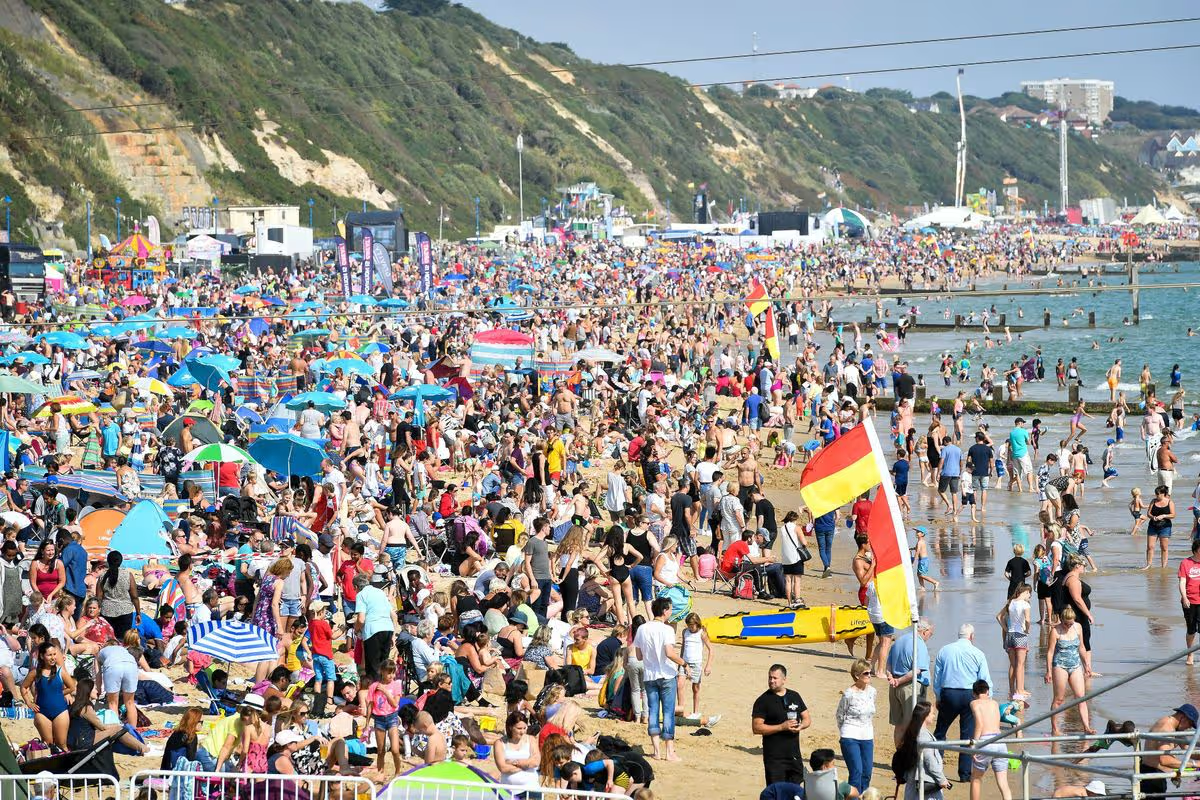
The Great British seaside holiday is undergoing a revival thanks to the Iran war(Image: PA)
Brits are looking again at holidays closer to home this summer as fears grow that the Iran war could ground flights and spike plane ticket prices by up to 50%.
Contingency plans being drawn up would see holidaymakers hit by airlines ‘rationing’ their operations, including a reduced schedule, higher prices and cancellation of less profitable routes.
It comes as other destinations beloved by British tourists have ended up Iran’s crosshairs.
Cyprus, Turkey and Abu Dhabi are some of the destinations thrown into doubt this year thanks to the Middle East crisis – but holidaymakers are already making ‘staycation’ bookings instead for the likes of Norfolk, Pembrokeshire and the Isle of Wight as they eye up a safer, more certain getaway.
David Land, who works at the University Technical College in Durham, was forced to cancel upcoming stays in Dubai and the Maldives for his wife Barbara’s birthday – and has lined up “sunny Cornwall” as an alternative.
“I’m a bit of a foodie, so I quite like the idea of seeing how many restaurants I can go to, in terms of Paul Ainsworth’s, Rick Stein’s”, he said, aiming to spend four or five days “at least” in the Land of Saints.
David and his wife, who are both in their 70s and tied the knot in 1979, went on one of their first holidays together on the beaches of Northumberland – and he’s also considering a return there this year.
“I would say the majority of our holidays have been abroad, in Europe, the Middle East, the Indian Ocean – but we’ve been saying ‘Why can’t go on a holiday more in the UK’?”, he told the Mirror. “Apart from the need to pack appropriate clothing, it’s a lovely place to go – as long as the people doing it don’t try to rip us off, as happened a bit around Covid.”
‘We’re not going to listen to Donald Trump’
Asked why he hasn’t chosen to simply reschedule his existing foreign holidays, he said: “We’re not going to listen to Donald Trump when he says the war’s going to be over in ‘three or four weeks’. There’s no confidence that we would be able to go back, not until the war stops, and even then we’d have to know that it’s not going to start again.”
Businesses across the UK tourism industry are already reporting a boom in bookings not seen since the pandemic, with Google searches for ‘best staycations’ up 40% since Trump launched his bombardment of Iran.
Business is booming, say British travel firms
Samantha Evans, founder of Humphreys of Henley, said her luxury travel firm has experienced the “busiest start to the year on record”, with the “safe and deeply enriching” surrounds of the English countryside attracting both domestic guests and those from further afield, particularly the United States.
She told the Mirror: “Luxury hotels are reporting an increase in domestic demand over the next three months. British guests are choosing to stay closer to home, but still want exceptional, experience-led travel – so they’re trading airports for the countryside rather than cancelling plans altogether.”
Rental agency Habitat Escapes told the Mirror that their bookings are up 235% this week compared to the same date last year, with the majority for Silverlake Estate in Dorset and the remainder for Lower Mill Estate in the Cotswolds.
And industry expert Emily Keogh, a former judge for The Hotel Magazine Awards, said there was renewed interest in “spontaneous countryside escapes and coastal getaways that can be booked at relatively short notice” because of the new difficulties in international travel.
Others believe this is part of a movement back towards British holidays that began well before the Middle East crisis, as Matthew Price, CEO of travel firm Awaze, said: “This trend of staying closer to home is part of a broader pattern of behaviour we’ve seen in the UK for a number of years, where holidaymakers are choosing staycations over going abroad. From coastal to countryside getaways, the quality and variety on offer in the UK means a domestic break can feel just as exciting as going overseas.
He revealed bookings were up 26% for Cottages.com, alongside a 10% rise in summer bookings for Hoseasons. While the South West remains a popular destination, regions like the North West and Southern Scotland are seeing “the strongest year-on-year growth for the peak summer period”, Mr Price said.
And the Great British holiday may benefit too from rising jet fuel prices, which experts have warned could push up the cost of plane tickets very soon.
Jet fuel shortages threaten cancellations and price hikes
European jet fuel prices reached an all-time high of $1,698 per tonne this week – more than double the $830 per tonne before the air strikes on Iran – and the closure of the Strait of Hormuz is sending alarm bells ringing among airline bosses.
While European airlines have stressed that they are currently operating with normal levels of fuel, Scandinavia’s SAS became the first this week to admit it had introduced a “temporary price adjustment” in response to the soaring prices, with more expected to follow.
Experts now predict a potential 30% to 50% hike in plane tickets for European summer holidays if the fuel crisis drags on, potentially costing an extra £600 for a family of four heading to the Canary Islands, Greece or Morocco.
Long-haul flights would see even steeper price increases, with a family trip to Australia going up by an eye-watering £2,400.
James Noel-Beswick, head of commodities at market intelligence firm Sparta Commodities, told the BBC: “I think we’re weeks away from maybe flight cancellations or delays due to lack of jet fuel, rather than months.”
An end to the age of cheap foreign holidays is likely to help tip the balance back in favour of domestic holidays when it comes to cost, as ‘staycations’ have long been criticised for poor value for money – especially when it comes to accommodation.
You can expect to pay at least £500 for five nights in a budget holiday let near St Ives – but in Malaga, the equivalent would set you back just £350.
Air travel chaos threatens holiday favourites
British holidaymakers preparing to head to Spain on their Easter getaways have meanwhile been warned to expect chaos at airports, with a national baggage handler strike threatening to cause missed connections and delayed boarding.
And there’s mounting uncertainty around Turkey, where three Iranian missiles have been intercepted since the beginning of the conflict, and popular Brit destination Cyprus, which saw the RAF base on the island’s southern coast come under drone attack.
Foreign Office chiefs currently advise anyone travelling to either country to be aware of the risks of ‘regional escalation’.
The Citizens Advice Bureau say holidaymakers who are unsure over a trip they have booked in the months ahead should get in touch with their travel provider – but don’t cancel before speaking to them, as you may lose your right to a refund.
Top 10 destinations for British summer holidays:
The top 10 UK destinations for summer staycations, based on consumer research of 2,000 UK adults by Sykes Holiday Cottages:
Japan sources more than 90 percent of its crude oil imports from the Middle East and is heavily dependent on exports transiting the key waterway.
Published On 21 Mar 202621 Mar 2026
Iran says Japanese ships will be allowed to transit the Strait of Hormuz, in the latest sign that Tehran has started pursuing a selective blockade of the strategic waterway.
“We have not closed the strait. In our opinion, the strait is open. It is closed only to ships belonging to our enemies, countries that attack us. For other countries, ships can pass through the strait ,” Iranian Foreign Minister Abbas Araghchi told Japan’s Kyodo News late on Friday.
Recommended Stories
list of 4 itemsend of list
“We are talking to them to find a way to pass safely. We are ready to provide them with safe passage. All they need to do is contact us to discuss how this route will be,” Araghchi said, according to an English transcript of the interview shared on his Telegram account.
Japan sources more than 90 percent of its crude oil imports from the Middle East and is heavily dependent on exports transiting the strait, but the waterway has been de facto closed since the United States and Israel attacked Iran on February 28.
Iran’s Islamic Revolutionary Guard Corps (IRGC) warned in the early days of the war that its forces would set “ablaze” any ships trying to transit the waterway, bringing marine traffic to a near standstill.
Over the past week, however, Iran has toned down the rhetoric to say the strait is only closed to Tehran’s enemies.
Japan may soon join the small cohort of countries – mainly China, India, and Pakistan – whose vessels have been allowed to transit the waterway in recent days, with approval from Iranian authorities.
Lloyd’s List, a shipping and maritime information service, separately reported that 10 ships have transited the strait by sailing close to Iran’s coastline – a route that is emerging as a “safe corridor” for shipping.
The latest ship, a Greek bulk carrier, transited on Friday by passing close to Iran’s Larak island , Lloyd’s said, while broadcasting the message “Cargo Food for Iran”.
While ships have been transiting on a case-by-case basis, Lloyd’s List reported that the IRGC is developing a more coordinated vetting and registration system.
As the war on Iran hits three weeks, a handful of countries – among them US allies – have already started lobbying Tehran to reopen the strait or allow their ships safe passage.
Japan, France, Germany, Italy, the Netherlands, and the United Kingdom earlier this week issued a joint statement expressing their “readiness to contribute to appropriate efforts to ensure safe passage through the Strait”.
Iraq, Malaysia, China, India and Pakistan have all reportedly held direct talks with Tehran to discuss the matter, according to Lloyd’s.
Araghchi’s remarks to Kyodo follow a call with Japanese Foreign Minister Toshimitsu Motegi on Tuesday, during which Tokyo expressed concern about the large number of Japanese vessels currently stranded in the Gulf, according to a Japanese readout of the call.
Supreme Leader Mojtaba Khamenei has released a message for the Persian New Year saying that Iran’s unity had defeated the enemy. Khamenei’s message comes amid rumours over his health following US-Israeli strikes.
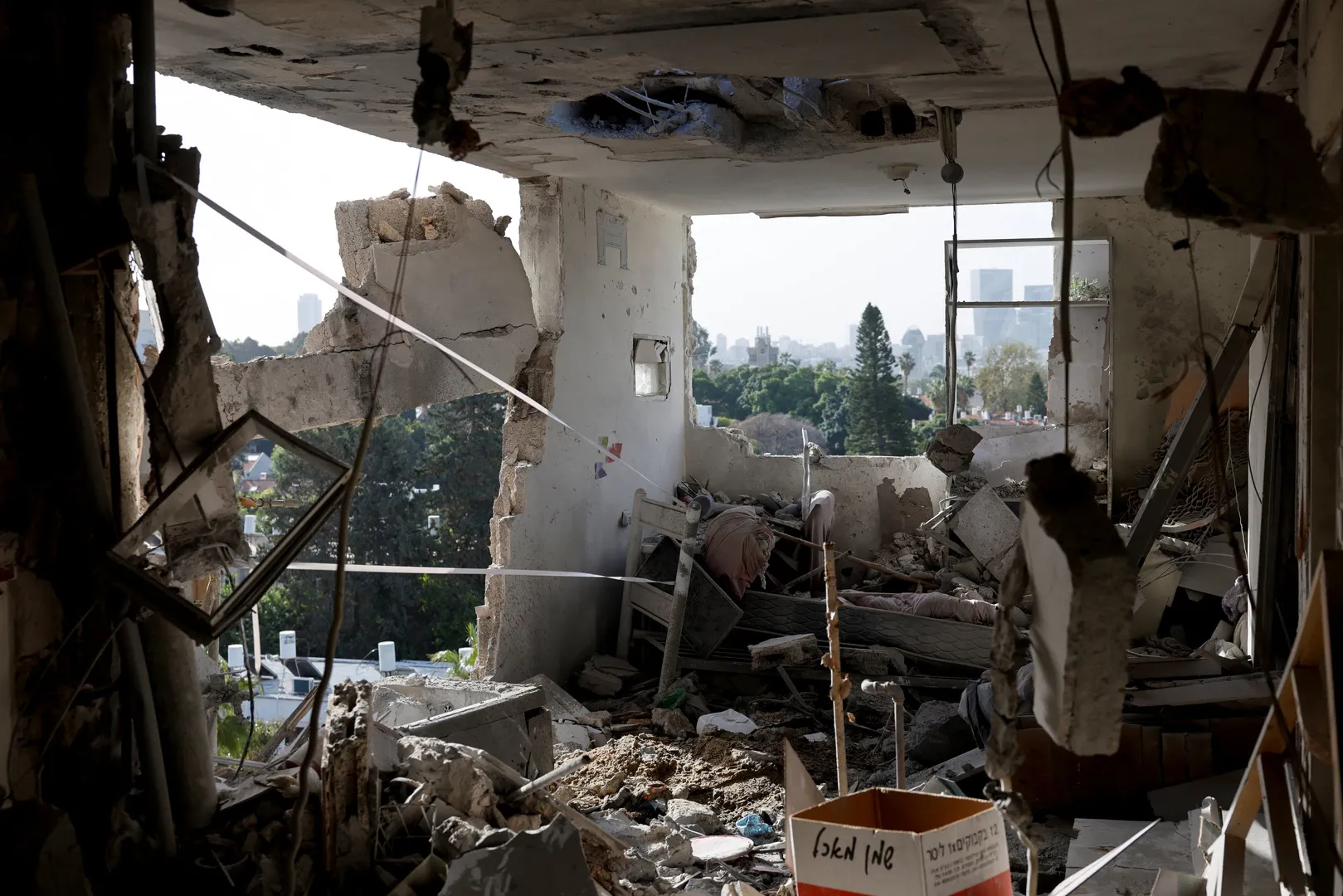
At least 15 people have been killed by attacks in Israel since the war on Iran started late last month. Israel operates a network of shelters to keep people safe, but not all Israeli citizens enjoy the same level of protection.
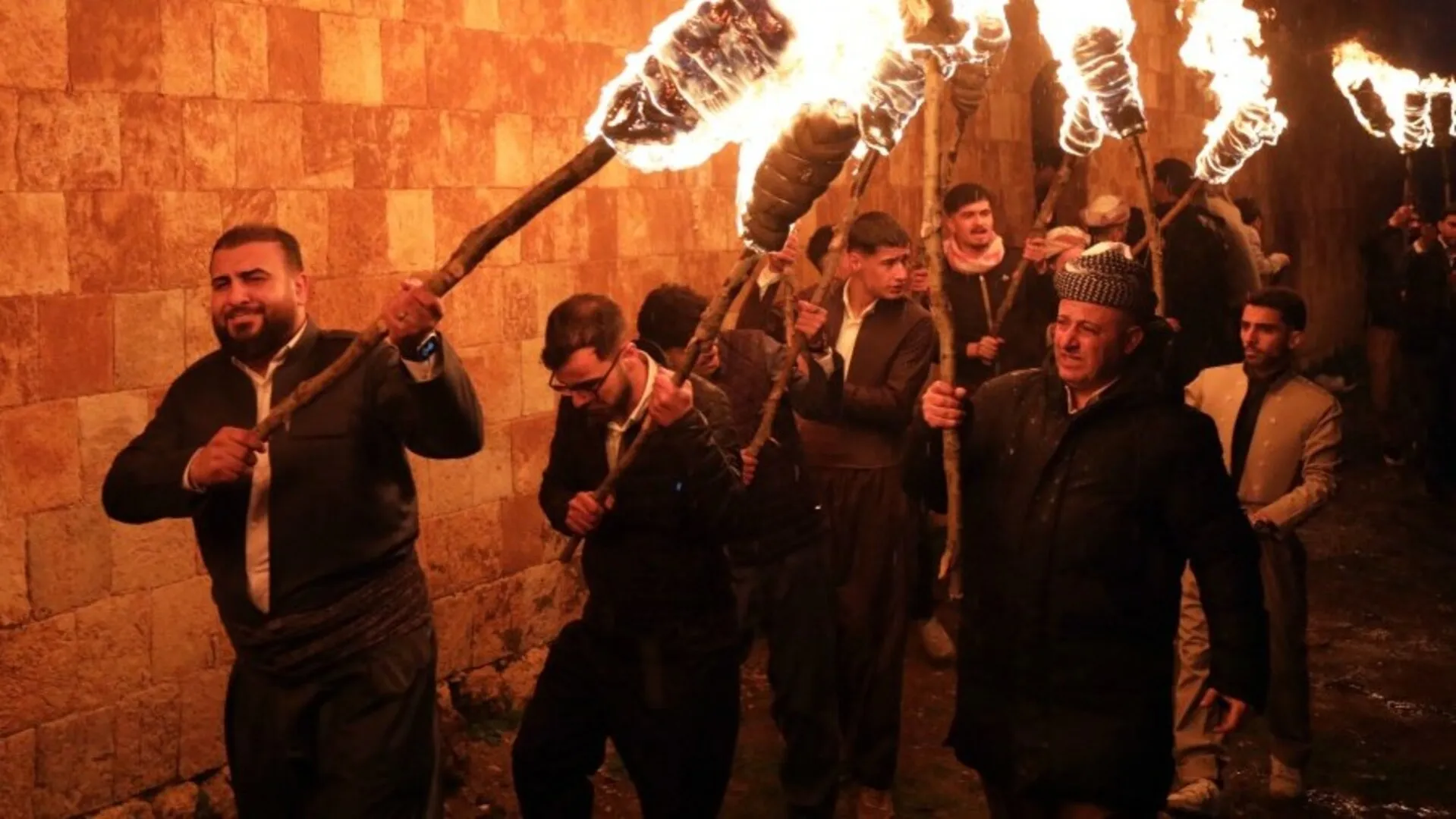
Millions of people have rung in the ancient Persian New Year, Nowruz, as war grips the Middle East. The 3,000-year-old Zoroastrian-rooted celebration marks the beginning of spring in the northern hemisphere and is celebrated by 300 million people in Iran and Central Asia.
Al Jazeera’s Nicolas Haque recorded his journey on the long road from Amman, Jordan to Baghdad, Iraq as he deploys to cover the US-Israeli war on Iran. Along the 900km drive he found tight security and people largely unfazed by the conflict.
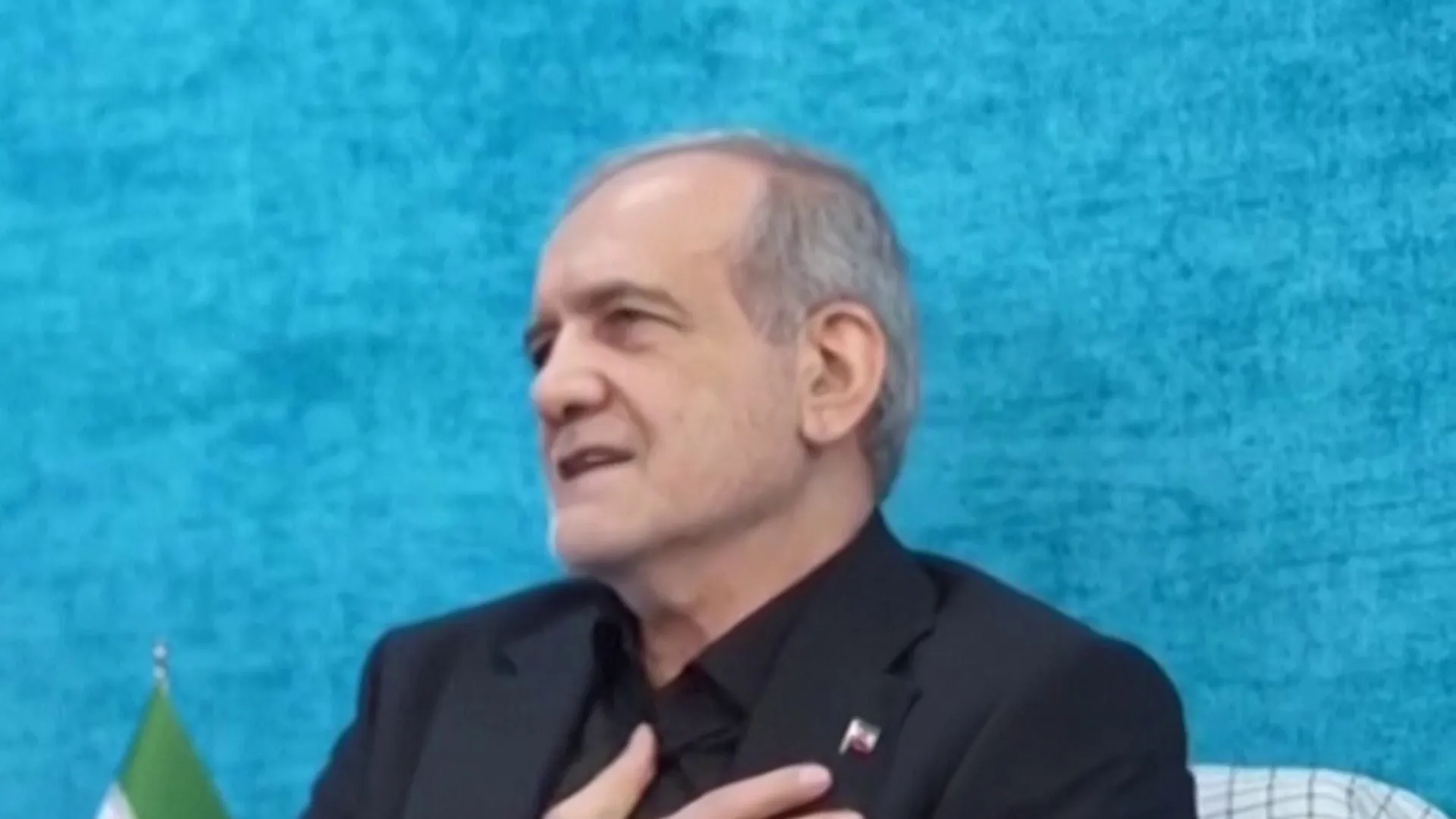
Iran’s President Masoud Pezeshkian says his country is not seeking war with its neighbours, blaming the US and Israel for creating problems. Iran has justified its attacks on Gulf states as they host US military bases.
The US is moving military assets to the Middle East that are key to providing support for ground troop operations. Al Jazeera’s Kimberly Halkett says it’s the clearest sign yet of potential US boots on the ground in Iran to secure the Strait of Hormuz.
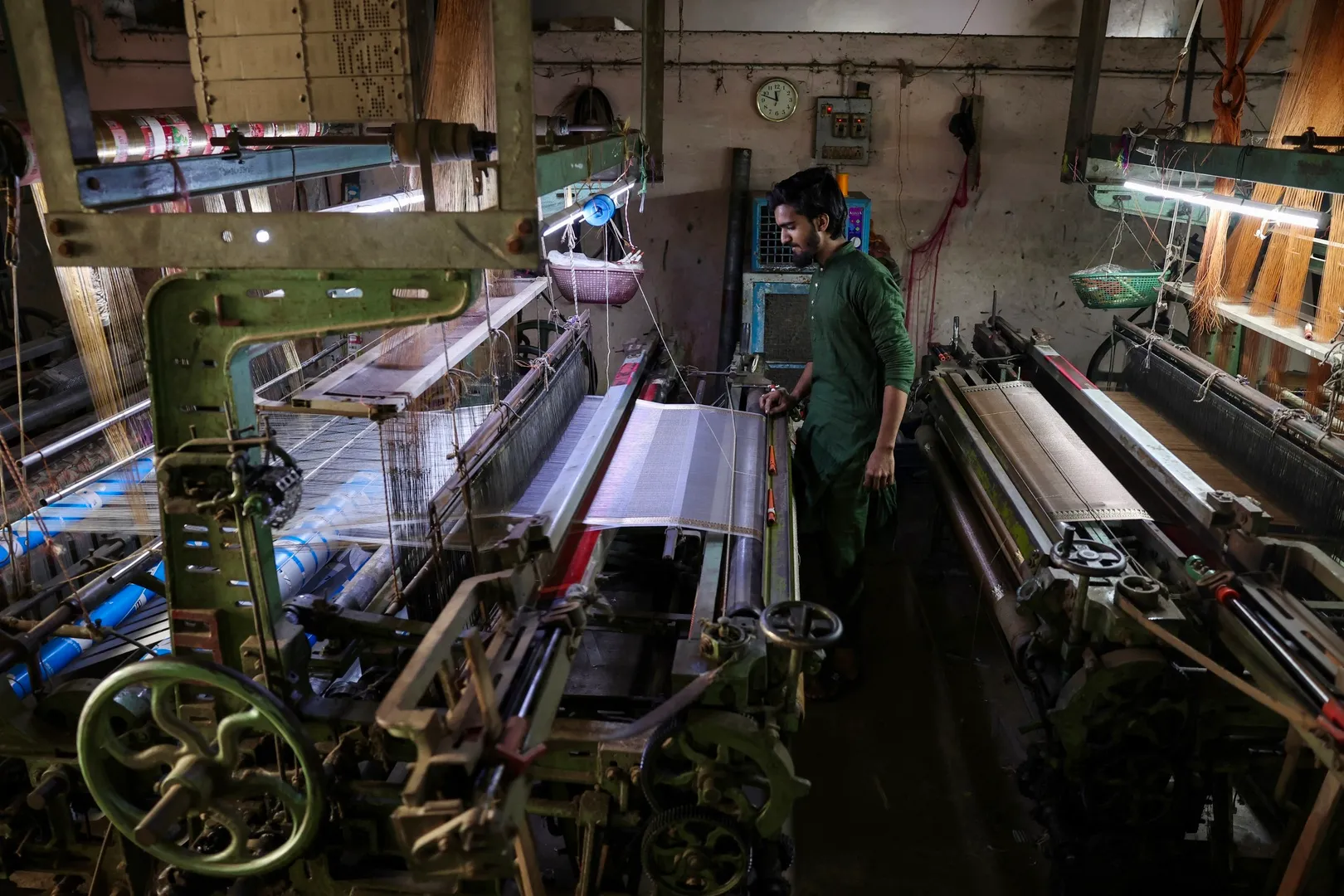
Workers in India’s textile hub Surat are returning home after days without cooking gas, as an LPG crisis linked to Iran war disruptions halts supplies. Industries face shutdowns, while authorities invoke emergency measures to prioritise households.
Oil and gas facilities in the Gulf have been attacked since early in the war on Iran.
The war in the Middle East took a serious turn when Israel bombed Iran’s energy facilities, pushing Iran to step up attacks on its Gulf neighbours.
The damage has been significant and will take years to repair. It also has long-term consequences, with Qatar already warning of a reduction in exports.
Recommended Stories
list of 3 itemsend of list
The escalation is dangerous, experts say, as energy exports from the Gulf region account for a fifth of global output.
So, what are the risks of turning energy facilities into battlefields?
Presenter: Imran Khan
Guests:
Mohsen Baharvand – Former Iranian ambassador to the United Kingdom
Jim Walsh – Research associate in MIT’s security studies programme
John Sfakianakis – Chief economist at the Gulf Research Center
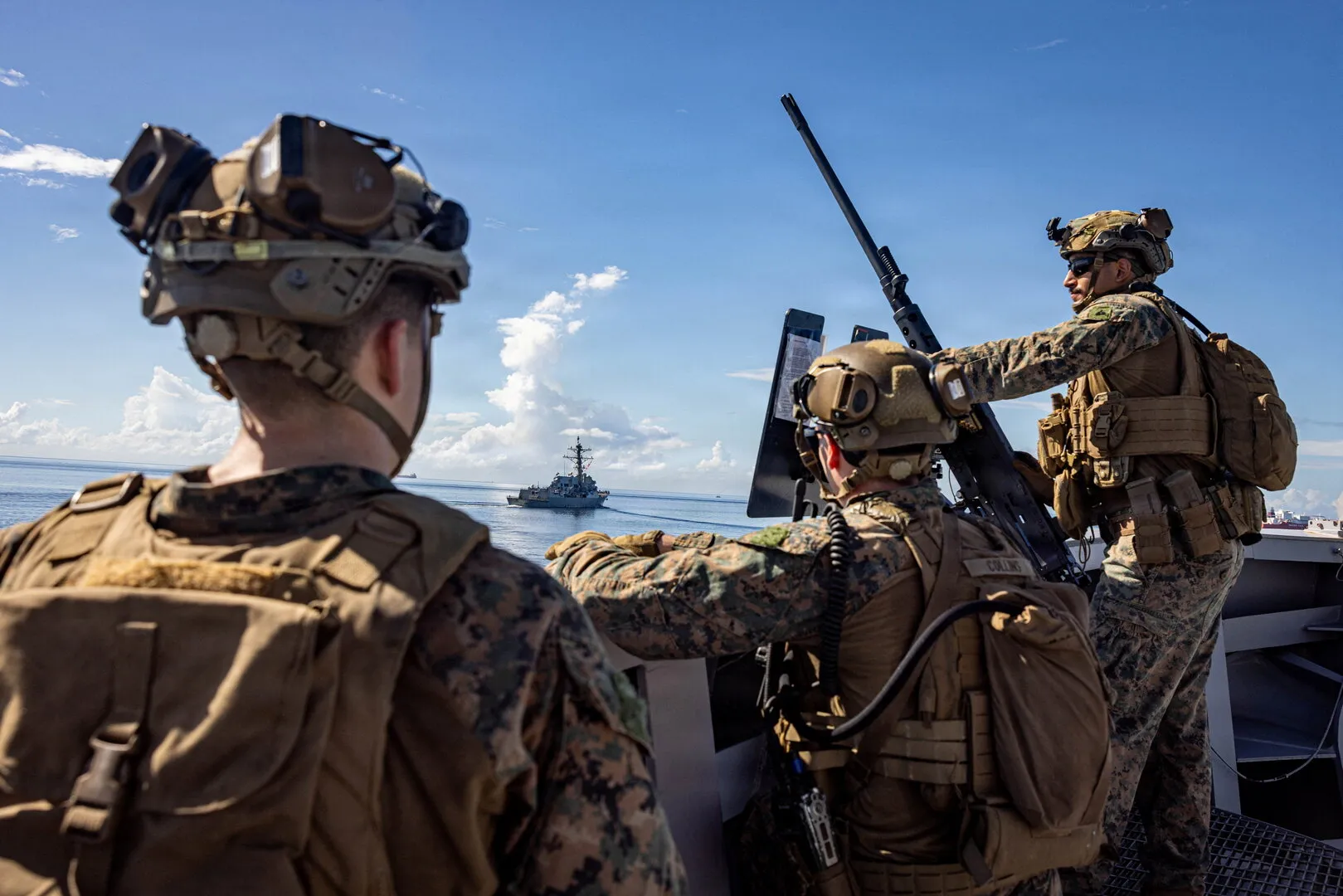
WASHINGTON — The Pentagon is reportedly sending three California-based warships and roughly 2,500 Marines to the Middle East, the second significant deployment in a week.
The three warships are part of the San Diego-based USS Boxer amphibious ready group. The Marines are from the 11th Marine Expeditionary Unit, based at Camp Pendleton. The deployments were reported Friday by the Associated Press, citing Pentagon sources.
A 2,500-strong Marine unit accompanied by the USS Tripoli warship launched from Japan on Saturday.
The major reinforcement comes as the war’s economic shock waves are felt throughout the globe, as Washington seeks to secure vital shipping lanes and deter further attacks on energy infrastructure around the Persian Gulf.
Secretary of Defense Pete Hegseth, front, and Chairman of the Joint Chiefs of Staff General Dan Caine arrive for a news conference at the Pentagon in Washington on Thursday.
(Mandel Ngan / AFP via Getty Images)
President Trump has continued pressing allies to join his proposed coalition to patrol the Iranian-controlled Strait of Hormuz, a vital shipping lane through which about 20% of the world’s oil supply passes. So far, Europe, Japan, China and Australia have refused to heed the call.
Trump on Thursday said Iran “is close to demolished,” but that securing the Strait of Hormuz remained a struggle. He suggested the U.S. was working to secure the strait not for its own oil needs, but “just to be nice” to other countries that rely on oil from the region to a much larger degree than the U.S.
Marines perform a demonstration with helicopters and the amphibious assault ship USS Boxer Oct. 18, 2025, on Marine Corps Base Camp Pendleton.
(Gregory Bull / Associated Press)
“They complain about the high oil prices they are forced to pay, but don’t want to help open the Strait of Hormuz, a simple military maneuver that is the single reason for the high oil prices. So easy for them to do, with so little risk. COWARDS, and we will REMEMBER!” Trump wrote Friday on Truth Social.
Iran continued sweeping attacks on Mideast energy facilities, a retaliation to Israeli strikes on its Iran’s South Pars field, the world’s largest natural gas field Wednesday. The fallout has dragged the gulf states into the war amid the largest energy supply disruption in history.
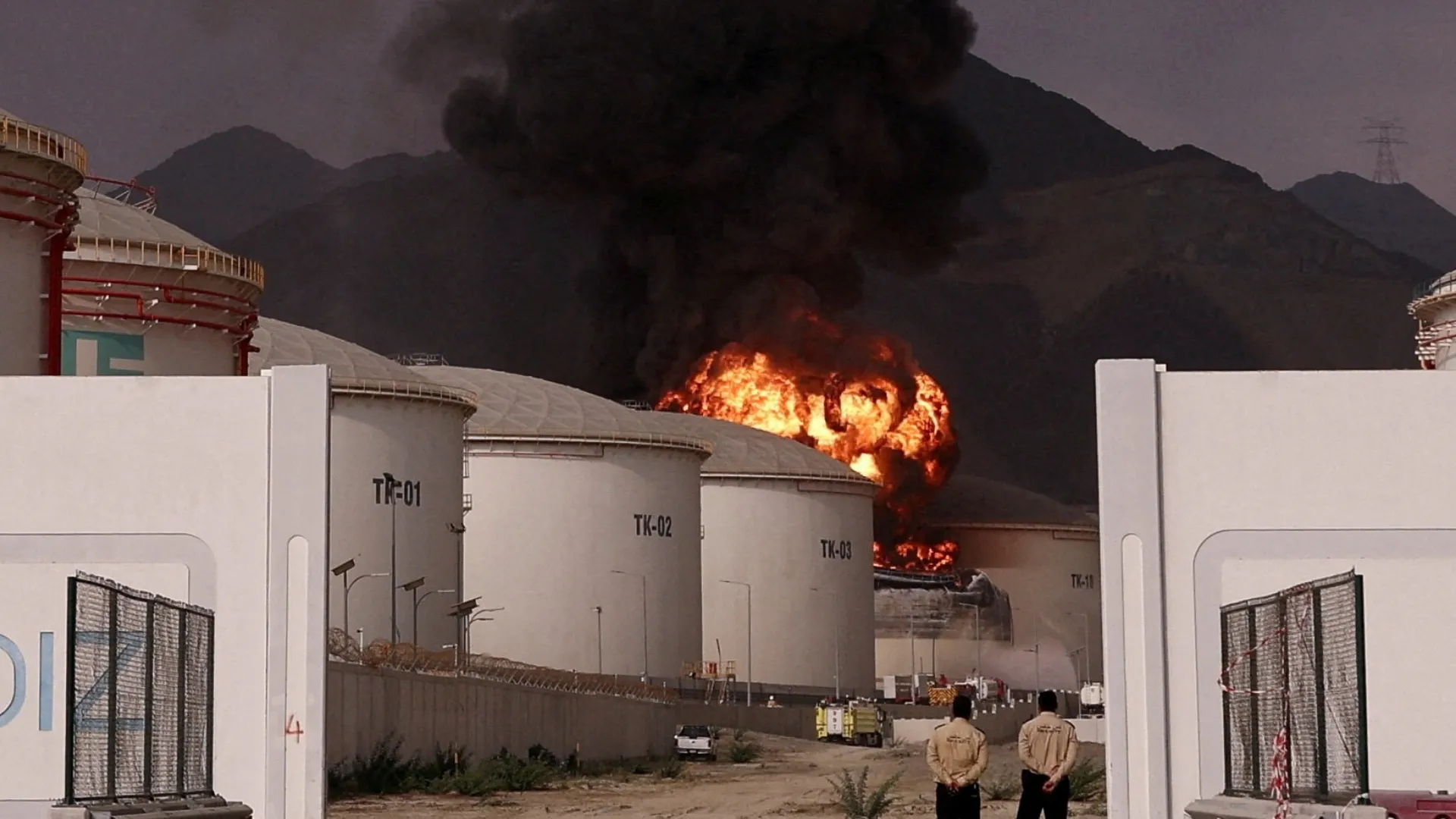
Iranian Shahed drones hammered Kuwait’s largest oil refinery Friday. Similar attacks triggered fires at Ras Laffan Industrial City in Qatar, bringing energy product screaming to a halt at the largest natural gas hub in the globe. Repairs are expected to take years.
Meanwhile, United Arab Emirates’ air defense systems were countering Iranian missiles overnight, and Saudi Arabia said it might respond with force if Iran continues to attack facilities in the kingdom.
An Israeli self-propelled howitzer artillery gun fires rounds toward southern Lebanon from a position in the upper Galilee in northern Israel near the border on Friday.
(Jalaa Marey / AFP via Getty Images)
Israel said Friday it had killed Esmail Ahmadi, a senior intelligence official in Iran’s Basij and deputy to its commander, in an airstrike. Officials described Ahmadi as “one of the most important pillars” of the Basij volunteer paramilitary force.
Even as Israel carries out daily decapitation airstrikes in Tehran and the U.S. deploys renewed forces to its front door, the Islamic Republic has not faltered.
Abolfazl Shekarchi, a senior spokesperson for Iran’s armed forces, said American and Israeli officials could be targeted worldwide.
“From now on, based on the information we have, even recreational and tourist locations around the world will not be safe for you,” Shekarchi said.
Oil prices have surged past $100 a barrel and found a volatile new floor amid the chaos.
Financial markets have reacted with sustained losses. Wall Street has now posted its fourth consecutive week of declines, with investors increasingly pricing in the risk that higher energy costs could slow economic growth while reigniting inflation. Analysts warn that persistently elevated crude prices are likely to squeeze corporate margins and weigh on consumer spending in the United States and beyond.
The International Monetary Fund has cautioned that the conflict could push inflation higher, too. The Federal Reserve is now facing renewed uncertainty as they weigh whether to hold interest rates higher for longer in response to rising energy costs.
At a White House event on Friday, Trump maintained that the United States’ military operation is “going extremely well in Iran.”
“The difference between them and us is they had a navy two weeks ago and they have no navy anymore. It’s all at the bottom of the sea,” Trump said. “Fifty-eight ships were knocked down in two days and we have the greatest navy in the world. It is not even close.”
The president did not take questions from reporters in the room. But in unprompted remarks, he said the United States and Iran are not engaging in talks because their leaders “are all gone,” adding to the uncertainty about the war’s exit strategy.
“We are having a hard time, we want to talk to them and there is nobody to talk to,” he said. “We have nobody to talk to and you know what? We like it that way.”
How Iran’s power structure was built, and how it survives its architect.
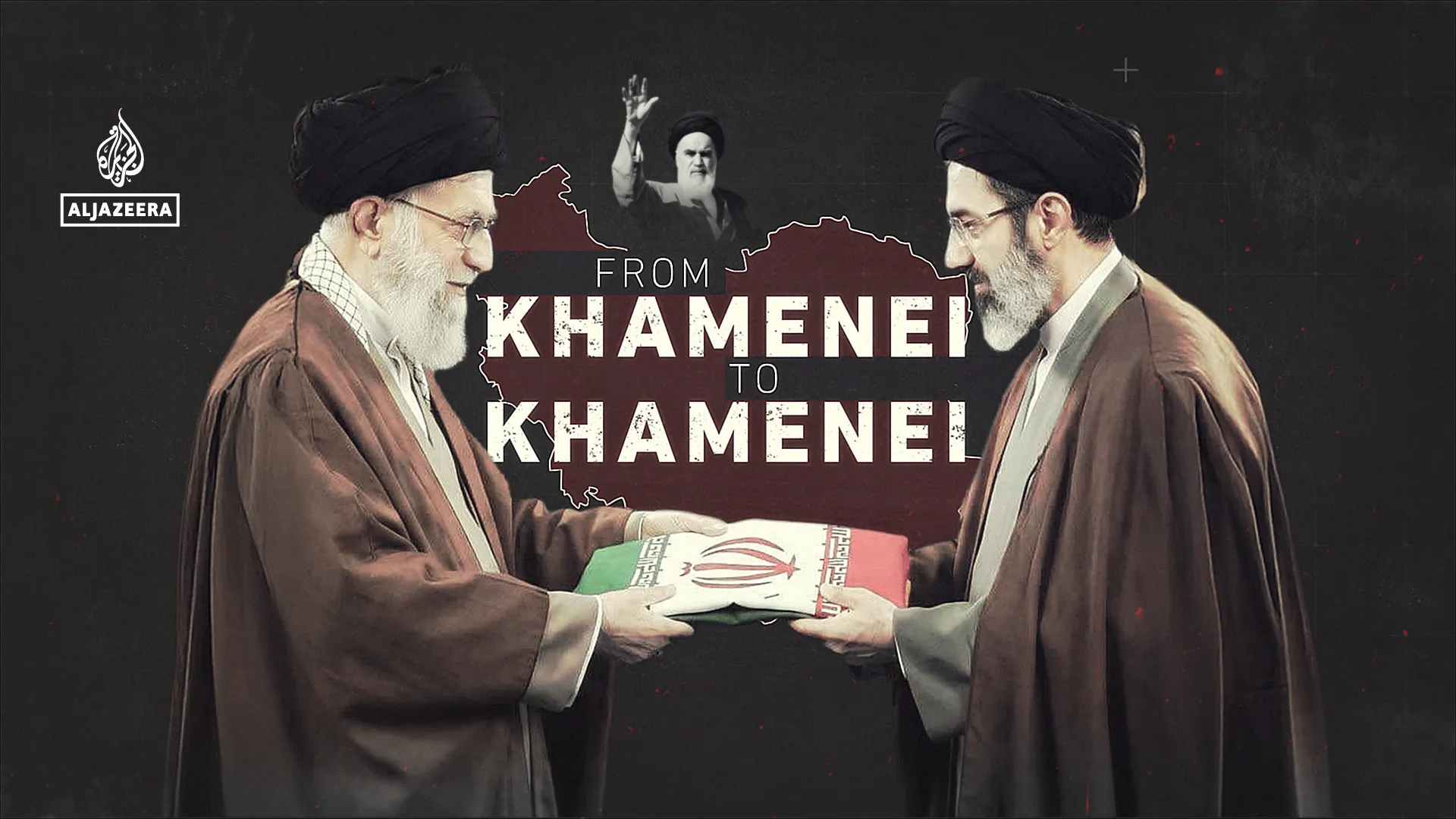
After a US-Israeli strike killed Iran’s Ali Khamenei, the war on Iran escalates, and the Islamic Republic faces a critical moment. Mojtaba Khamenei has been elected supreme leader, marking a rare and controversial succession. This explainer breaks down how Iran’s power structure was built after the 1979 Islamic revolution led by Ayatollah Ruhollah Khomeini, and how Ali Khamenei transformed that revolution into a complex political and security structure.
We examine how the supreme leader sits above all institutions in Iran, shaping decisions across government, the military, and the Islamic Revolutionary Guard Corps, and how this system is designed to endure beyond any single leader. As Mojtaba Khamenei takes power, questions grow over how Iran will be governed, how the IRGC will influence decision-making, and whether the system Ali Khamenei built can withstand both internal pressure and external conflict.
From Ali Khamenei to Mojtaba Khamenei, this is the story of Iran’s supreme leader, the system behind power in Iran, and what comes next.
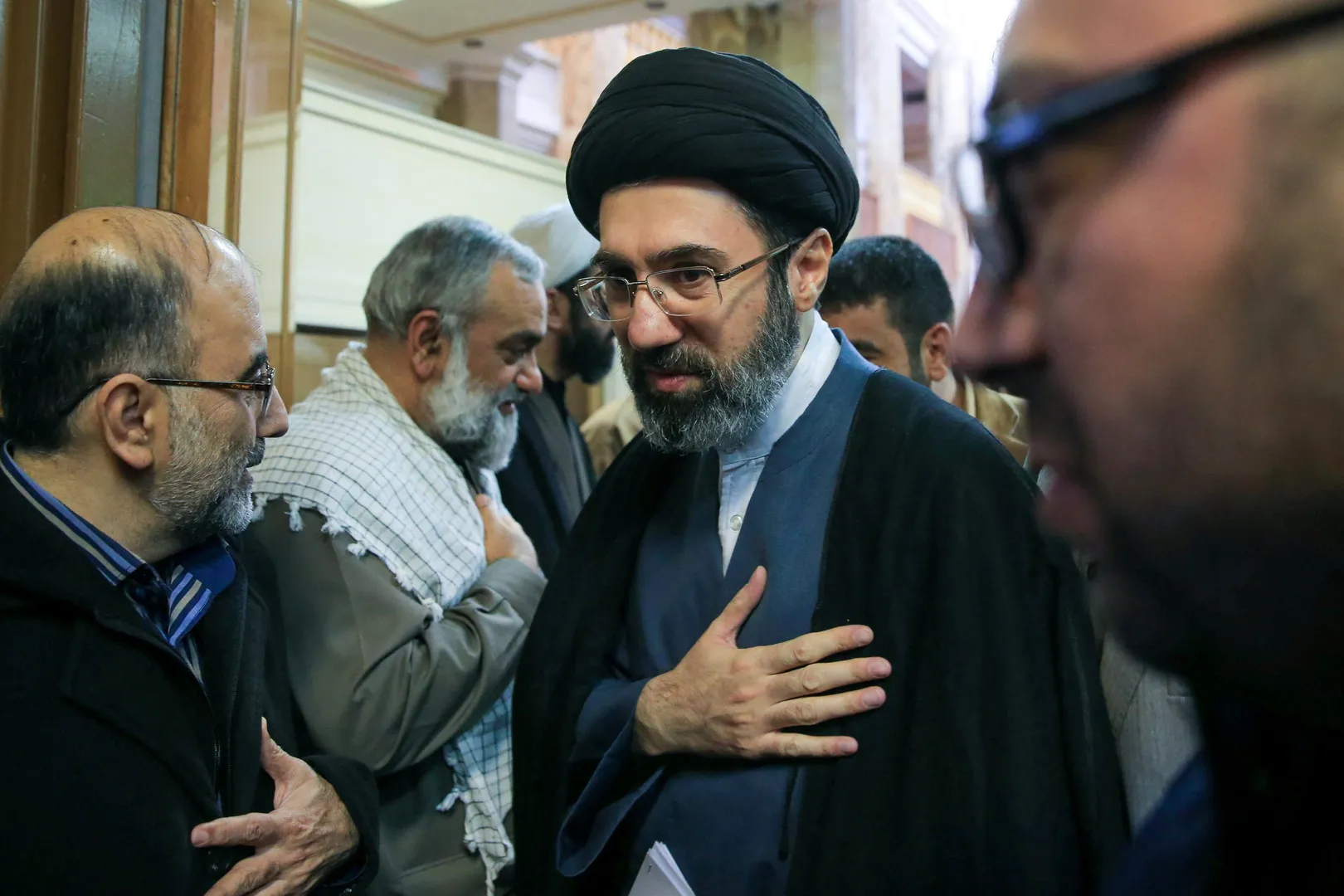
Mojtaba Khamenei has not been seen in public since he replaced his slain father as Iran’s supreme leader.
Published On 20 Mar 202620 Mar 2026
Supreme Leader Mojtaba Khamenei has said Iran’s enemies were being “defeated” in a written message for the Persian New Year, as the US and Israel continue to pound the country with attacks.
In a statement read on Iranian television on Friday, Khamenei praised the steadfastness of the Iranian people marking Nowruz, which he said ushered in the year of a “resistance economy under national unity and national security”.
Recommended Stories
list of 3 itemsend of list
“At the moment, due to the particular unity that has been created between you, our compatriots – despite all the differences in religious, intellectual, cultural and political origins – the enemy has been defeated,” he said.
Iran’s supreme leader said that while the US and Israel believed that after one or two days of attacks, the Iranian people would overthrow the government, but this was a “gross miscalculation”.
The war was launched under “the delusion that if the pinnacle of the regime and certain influential military figures were to attain martyrdom, it would instil fear and despair in our dear people … and through this means, the dream of dominating Iran and subsequently dismembering it would be realised”, he said.
Instead, “a fracture has emerged in the enemy,” he added.
Analysts have observed that the Iranian constitution itself was drafted with the spectre of a power vacuum in mind, a “survival protocol” designed to give the system the capacity to continue even at a moment of maximum shock.
Khamenei also denied that Iran or its allied forces were responsible for attacks against Turkiye and Oman.
Those were “false flag” incidents used by Iran’s enemy to “sow discord among neighbours, and it may occur in other countries as well”, he claimed.
The Turkish Ministry of National Defence last week said NATO air defences intercepted a ballistic missile launched from Iran. Two people were killed in Oman after drones came down in the Sohar province.
The supreme leader also called on Afghanistan and Pakistan to end their fighting and said he stood ready to assist.
“We consider our eastern neighbours to be very close to us”, the supreme leader said. “I appeal to our two brotherly countries, Afghanistan and Pakistan, to establish better relations with each other … and I myself am ready to take the necessary actions.”
The neighbouring countries agreed to a temporary “pause” in hostilities during the Muslim holiday of Eid al-Fitr this week, after weeks of deadly violence.
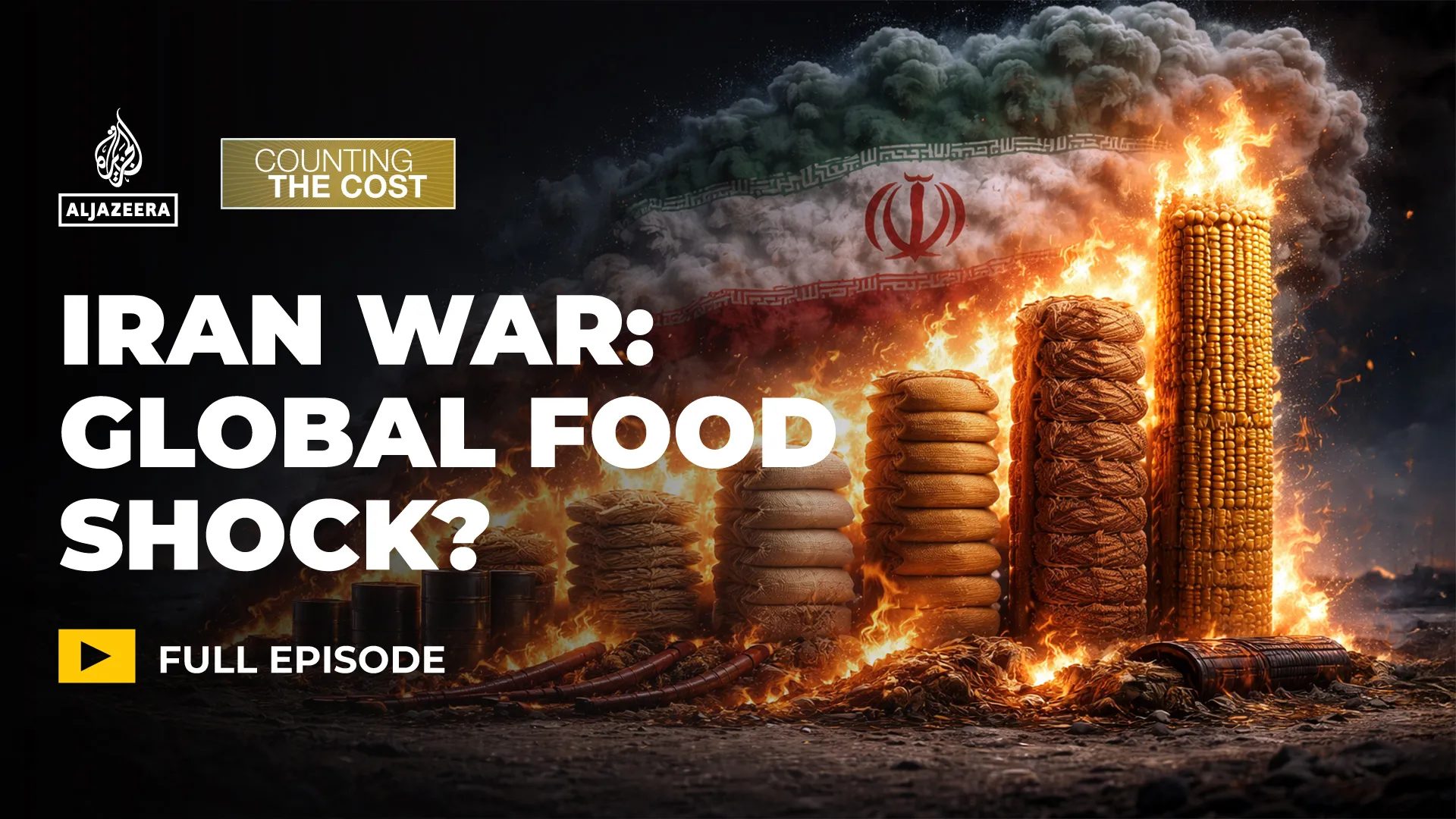
From factories to supermarket shelves, the Iran war is disrupting global supply chains.
First came the energy shock. Now, the Iran war is hitting something even more basic: Food.
With the Strait of Hormuz blocked, vessels are being rerouted and supply chains are under strain.
The disruption is pushing up the costs of almost everything from factories to supermarket shelves thousands of miles away.
The longer the Iran conflict continues, the greater the pressure on businesses and consumers worldwide.
The United Nations warns that rising food, oil and shipping costs could push an additional 45 million people into acute hunger – taking the global total above its record of 319 million.
Air raid sirens sounded across Kuwait City as Iran targeted US assets with missiles and drones. Footage shows alerts sounding as the call to Eid al-Fitr prayers was made at a mosque.