Middle East

US-Israel attacks on Iran: Death toll and injuries live tracker | Conflict News

Explosions are being heard in Iran, Israel and across several Middle Eastern states after the United States and Israel began attacking Iran on Saturday.

Tehran has responded by launching waves of missiles and drones at Israel and towards several military bases in the Middle East where US forces operate.

Iran had previously warned that if it were attacked, it would respond by targeting US military facilities across the region, which it considers legitimate targets.

Which countries have been attacked?

Israel’s air force says it dropped more than 1,200 munitions across 24 of Iran’s 31 provinces over the past day in its joint attack with the US.

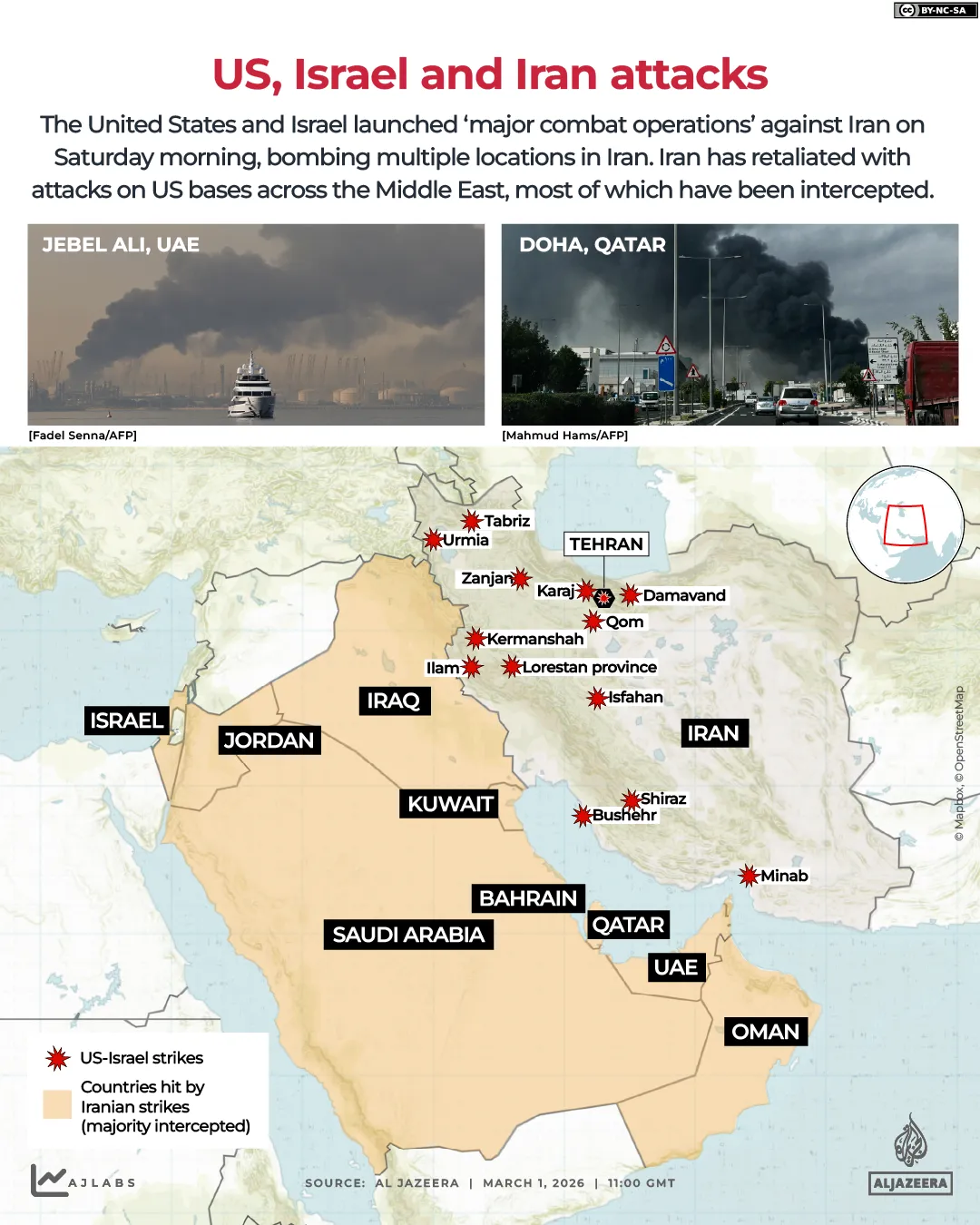
Iran’s Islamic Revolutionary Guard Corps (IRGC) says it has launched attacks on 27 bases in the Middle East where US troops are deployed as well as Israeli military facilities in Tel Aviv and other parts of Israel.

So far, Iran has launched strikes across eight countries in the region: Bahrain, Iraq, Jordan, Kuwait, Oman, Qatar, Saudi Arabia and the United Arab Emirates.

Most of these attacks have been intercepted.

Interactive_Iran_US_Israel_March1_2026-01-1772368294
(Al Jazeera)

US military presence in the Middle East

The US has operated military bases in the Middle East for decades.

According to the Council on Foreign Relations, the US operates a broad network of military sites, both permanent and temporary, across at least 19 locations in the region.

Of these, eight are permanent bases in Bahrain, Egypt, Iraq, Jordan, Kuwait, Qatar, Saudi Arabia and the UAE.

As of mid-2025, there are about 40,000 to 50,000 US soldiers in the Middle East stationed in both large, permanent bases and smaller forward sites.

The countries with the most US soldiers are Qatar, Bahrain, Kuwait, the UAE and Saudi Arabia. These installations serve as critical hubs for US air and naval operations, regional logistics, intelligence gathering and force projection.

INTERACTIVE - US Military presence in the Middle East June 2026 - FEB24, 2026-1772272732
(Al Jazeera)

How many people have been killed or injured?

Below are the confirmed casualties across the 10 countries that have been subject to attacks as of Sunday at 13:40 GMT.

Due to the rapidly evolving situation, all figures may change as more information becomes available.

Iran – killed: 201, injured: 747

As of Sunday morning, the Iranian Red Crescent Society and official state-linked media have reported preliminary casualty figures of 201 people killed and at least 747 injured as rescue operations continue.

Since then, explosions continue to be heard across Iran with Israel saying it has carried out a large aerial attack on the “heart of the capital”.

The deadliest single incident occurred in the city of Minab in southeastern Iran, where a strike on an elementary girls school reportedly killed at least 148 people and injured 95. The attack occurred on Saturday, and the death toll has been climbing since.

Israel – killed: 9, injured: 121

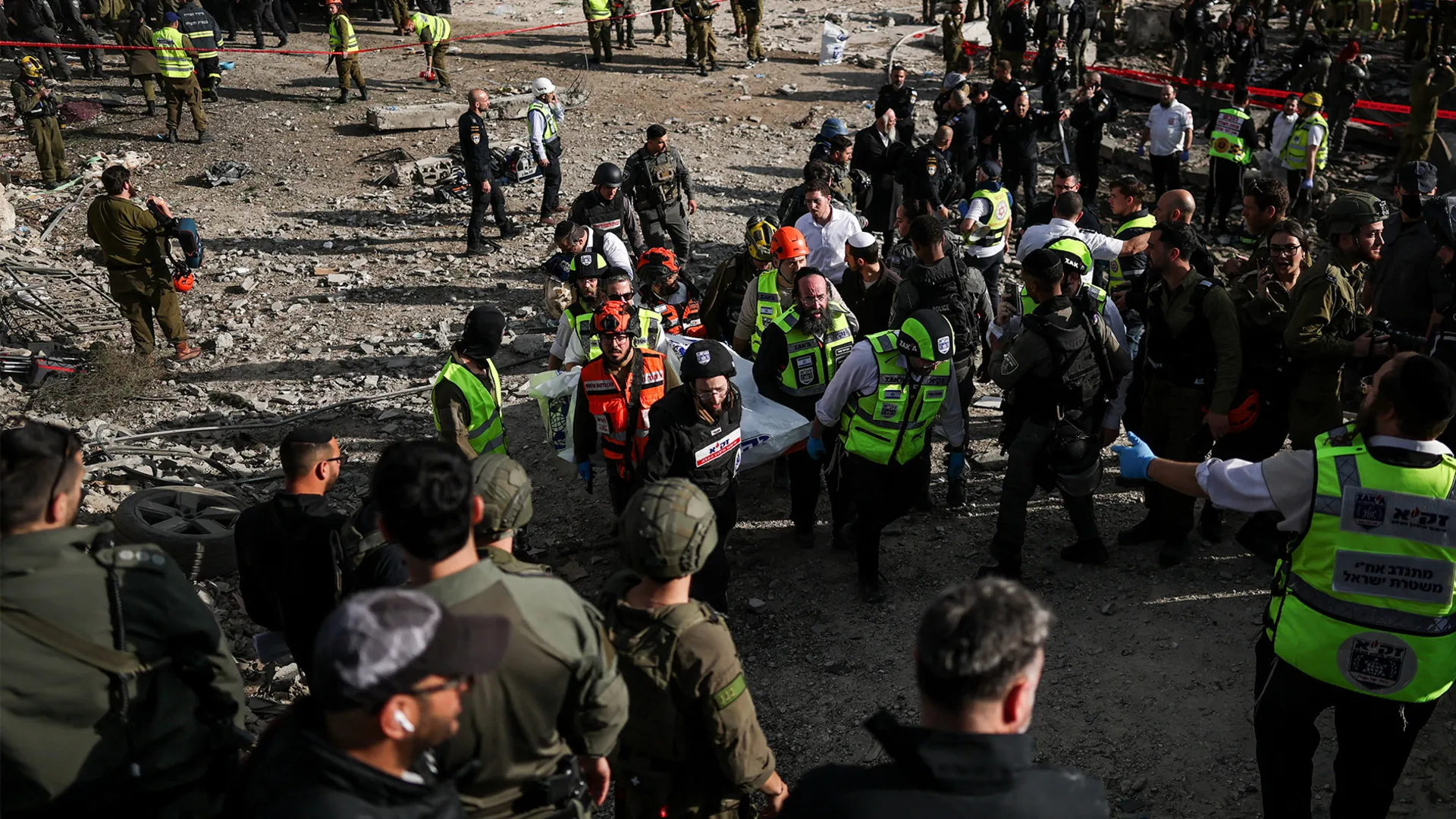
On Sunday afternoon, an Iranian ballistic missile strike on central Israel’s Beit Shemesh killed eight people and injured about 20. Rescue workers are still combing through the rubble.

Late on Saturday, one woman in the Tel Aviv area was confirmed killed after being struck by falling shrapnel.

At least 121 others have been reported injured, at least one seriously.

At least 40 buildings in Tel Aviv were damaged in Iranian strikes on Saturday, the Israeli newspaper Haaretz reported, citing the city government.

An explosion caused by a projectile impact after Iran launched missiles into Israel following Israel and the U.S. launched strikes on Iran, in Tel Aviv, Israel, February 28, 2026. REUTERS/Gideon Markowicz ISRAEL OUT. NO COMMERCIAL OR EDITORIAL SALES IN ISRAEL
An explosion occurs in Tel Aviv on February 28, 2026, after Iran launched missiles into Israel [Gideon Markowicz/Reuters]

Bahrain – killed: 0, injured: 4

Iranian missiles targeted the headquarters of the US Navy’s 5th Fleet in Bahrain’s Juffair area.

Bahrain’s Ministry of Interior also confirmed that the country’s international airport was targeted with a drone, “resulting in material damage without loss of life”.

On Saturday night, several residential buildings in the capital, Manama, were struck by Iranian drones.

Government hospitals said four people were receiving treatment for shrapnel-related injuries.

A building that was damaged by an Iranian drone attack, after Israel and the U.S. launched strikes on Iran, in Seef, Manama, Bahrain, March 1, 2026. REUTERS/Hamad I Mohammed
A building was damaged in the Seef commercial district of Manama, Bahrain, on March 1, 2026, in an Iranian drone attack [Hamad Mohammed/Reuters]

Iraq – killed: 2, injured: 5

The US and Israel also targeted the Jurf al-Sakher base, also known as Jurf al-Nasr, in southern Iraq, which houses the Popular Mobilisation Forces, made up of mostly Shia fighters, and the Iran-supported Iraqi paramilitary group Kataib Hezbollah.

Iraqi state media and sources within Kataib Hezbollah confirmed that two fighters were killed in the strikes and five were wounded.

In northern Iraq‘s semiautonomous Kurdish region, where the US is reported to still have troops, several powerful explosions were reported near the US consulate and international airport in Erbil.

Air defences intercepted the drone attacks on Saturday, according to reports.

A plume of smoke rises near Erbil International Airport in Erbil on March 1, 2026. Loud explosions were heard early on March 1 near Erbil airport, which hosts US-led coalition troops in Iraq's autonomous Kurdistan region, an AFP journalist said. (Photo by Shvan HARKI / AFP)
A plume of smoke rises near Erbil International Airport in Erbil, Iraq, on March 1, 2026 [Shvan Harki/AFP]

Jordan – killed: 0, injured: 0

The Jordanian armed forces reported intercepting 49 drones and ballistic missiles that entered Jordanian airspace. While their fragments caused localised property damage, there have been no deaths or injuries within the kingdom.

Kuwait – killed: 1, injured: 32

Kuwait’s Ministry of Defence says Ali al-Salem Air Base came under attack by a number of ballistic missiles, all of which were intercepted by Kuwaiti air defence systems.

A drone targeted Kuwait International Airport on Saturday, resulting in minor injuries to a number of employees and limited damage to the passenger building.

On Sunday, Kuwait’s Ministry of Health said one person had been killed and 32 wounded.

Kuwait City, in the aftermath of strikes
Kuwait City in the aftermath of strikes by Israel and the US on Iran [Stephanie McGehee /Reuters]

Oman – killed: 0, injured: 5

On Sunday morning, the Oman News Agency, quoting a security source, said two drones had targeted the Duqm port, injuring one foreign worker.

Later, Oman’s Maritime Security Centre said a Palau-flagged oil tanker was ‌attacked about 5 nautical miles (9km) off Oman’s Musandam governorate, injuring four people.

Qatar – killed: 0, injured: 16

As of Sunday morning, the Qatari Ministry of Interior confirmed that the number of injured was at 16 people. Most injuries were reported to be from falling shrapnel and debris with one person seriously hurt.

The Qatari Ministry of Defence confirmed that two ballistic missiles struck the Al Udeid military base, where US forces are stationed, while a drone targeted an early warning radar installation.

Qatari air defence systems, in coordination with regional partners, successfully intercepted about 65 missiles and 12 drones over Qatari airspace, it said.

The Qatar Civil Aviation Authority suspended all air navigation indefinitely. Qatar Airways grounded all flights and advised passengers that updates will be provided on Monday by 9am (06:00 GMT).

All schools have moved to remote learning, and public gatherings for Ramadan have been suspended until further notice to ensure public safety.

Saudi Arabia – killed: 0, injured: 0

The Saudi Ministry of Foreign Affairs confirmed that Iranian attacks targeted both the capital, Riyadh, and Eastern Province, home to major oil infrastructure and the King Abdulaziz Air Base.

The kingdom has officially reported no casualties as of Sunday afternoon.

United Arab Emirates – killed: 3, injured: 58

As of Sunday afternoon, at least three people in the UAE were confirmed killed and 58 others wounded.

A Pakistani national was killed and seven people were injured when debris from intercepted missiles and drones fell on a residential area near Zayed International Airport in Abu Dhabi.

The Ministry of Defence confirmed that another individual, identified as an Asian national, was killed by falling shrapnel in a residential district of the capital.

Additionally, four airport staff at Dubai International Airport sustained injuries, and four people were injured at Palm Jumeirah after a fire in a building caused by falling debris.

As of Sunday afternoon, The UAE’s Defence Ministry says it detected 165 ballistic missiles, destroying 152, and intercepted two cruise missiles.


Source link

Smoke rises above Qatar capital Doha after Iranian missiles shot down | Infrastructure

NewsFeed

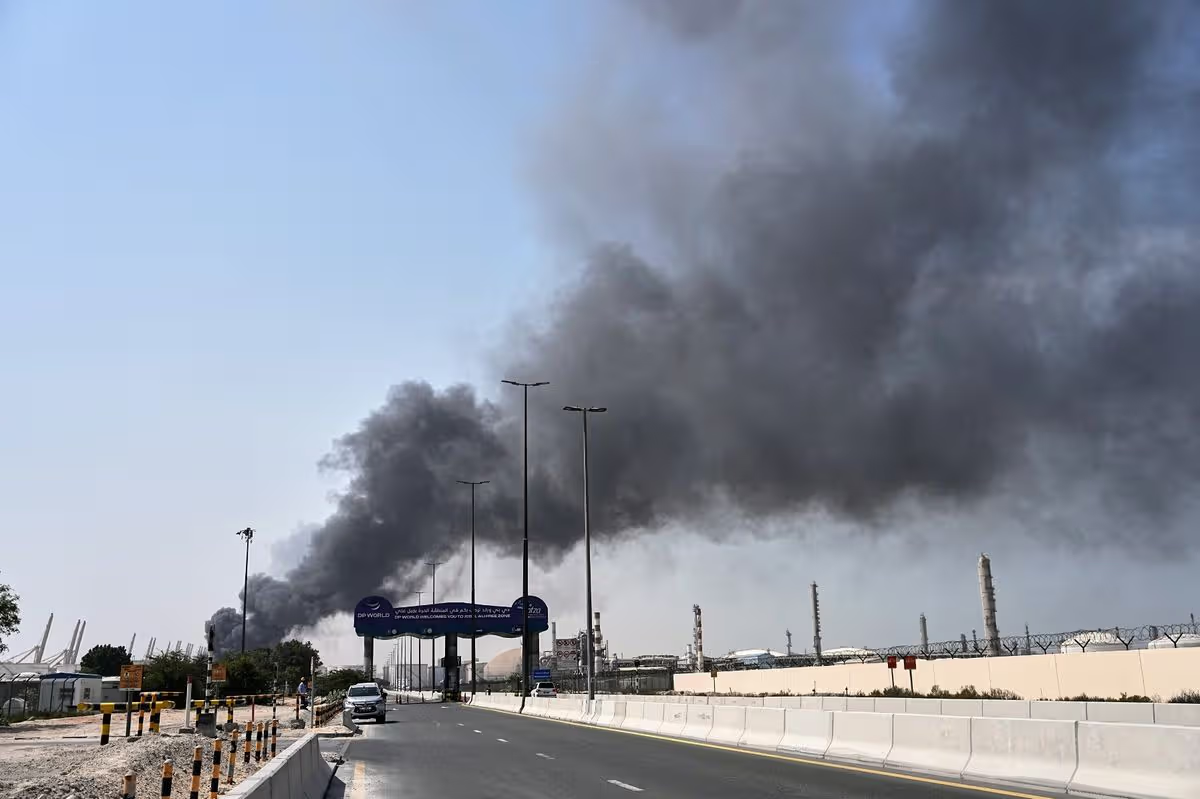
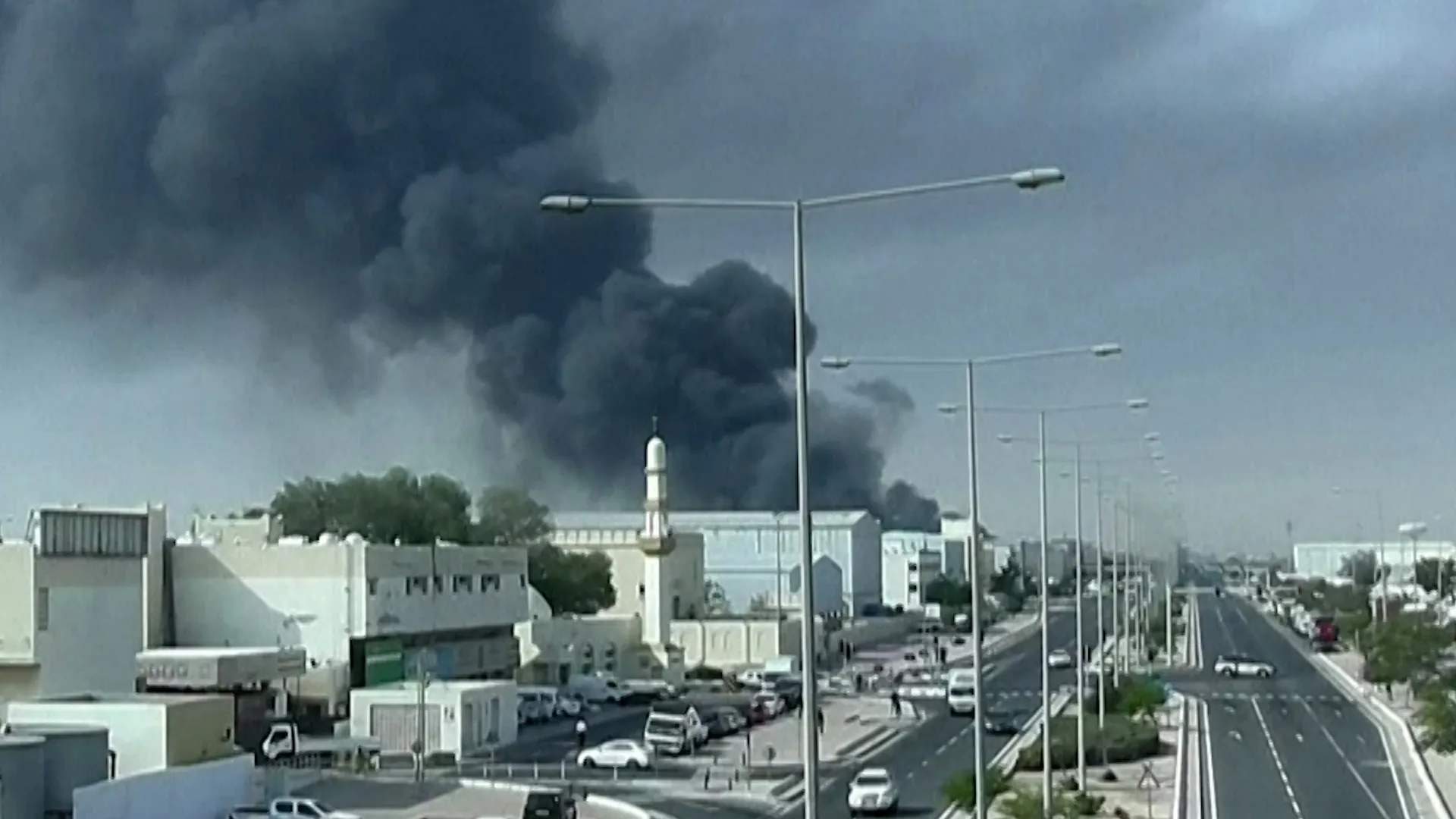
Loud explosions have been heard in Doha, the capital of Qatar, as defence systems shot down incoming Iranian missiles. Falling debris ignited large fire that sent plumes of black smoke rising above the city. Iran has hit multiple Gulf states as it responds to US-Israeli attacks.

Source link

All the destinations affected after air strikes in Iran – not just Dubai

Multiple airlines have made the decision to suspend services across the Middle East, which is also affecting other routes.

Airlines from across the world have continued to cancel flights across the Middle East after the US and Israel launched “major combat operations” across Iran. It prompted retaliatory strikes across the Middle East – hitting Dubai, Doha, Bahrain and Kuwait, all home to US bases, as well as Israel.

Airspace across the countries has remained virtually empty. Major Middle Eastern airports, including Dubai, Abu Dhabi and Doha have been shut or severely restricted as a result.

Many Brits enjoy holidaying in the likes of Dubai and have faced delays to their scheduled plans. The UK Foreign Office has told Brits not to travel to Israel or Palestine, and is advising people already in destinations such as Dubai, Bahrain and Kuwait to seek shelter.

In a statement on its website the Foreign Office said: “Due to the threat posed by escalation in the region, we recommend against all travel to Israel and Palestine. On 28 February 2026, the US and Israel commenced joint military action in Iran, Israeli airspace has now closed.”

The Foreign Office has also updated its advice for British citizens currently in destinations including Dubai, Bahrain and Kuwait. It said: “Remain indoors in a secure location, avoid all travel and follow instructions from the local authorities.”

The situation is quickly changing, so anyone due to fly in the coming days should also seek advise from their flight operator.

Ensure our latest stories always appear at the top of your Google Search by making us a Preferred Source. Click here to activate or add us as your Preferred Source in your Google search settings.

Cancelled flights to the Middle East

Aegean Airlines – Greece’s largest airline has suspended flights to Tel Aviv in Israel, Beirut in Lebanon and Erbil in Iraq until March 2.

Air Astana – All flights to the Middle East have been cancelled until March 3.

Air Canada – All flights from Canada to Israel have been cancelled until March 8. All flights to Dubai have been cancelled until March 3.

Air Europa – The Spanish airline has cancelled flights to Tel Aviv and is monitoring the situation to assess operations on Tuesday.

Air France KLM – All flights to and from Tel Aviv and Beirut cancelled for Saturday. Dutch KLM weekend flights to and from Dubai, Dammam and Riyadh have been cancelled.

Azerbaijan Airlines – All flights to and from Dubai, Doha, Jeddah and Tel Aviv suspended.

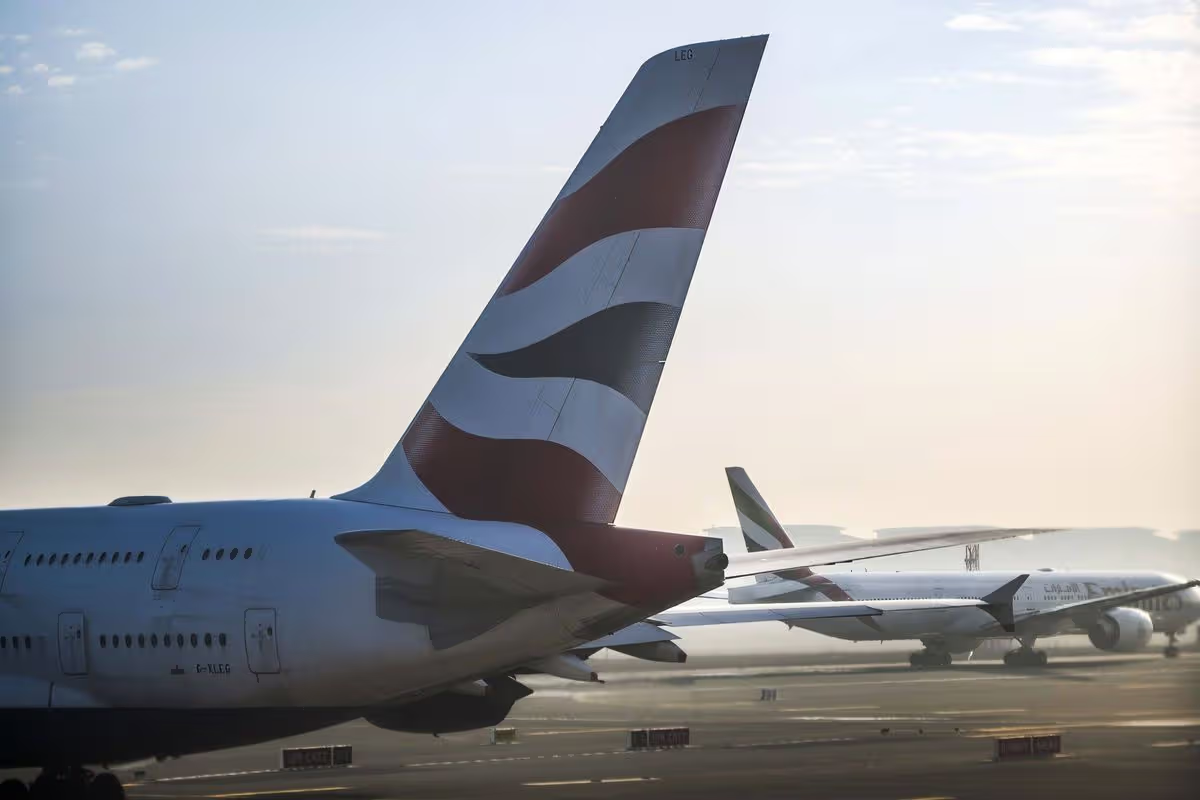
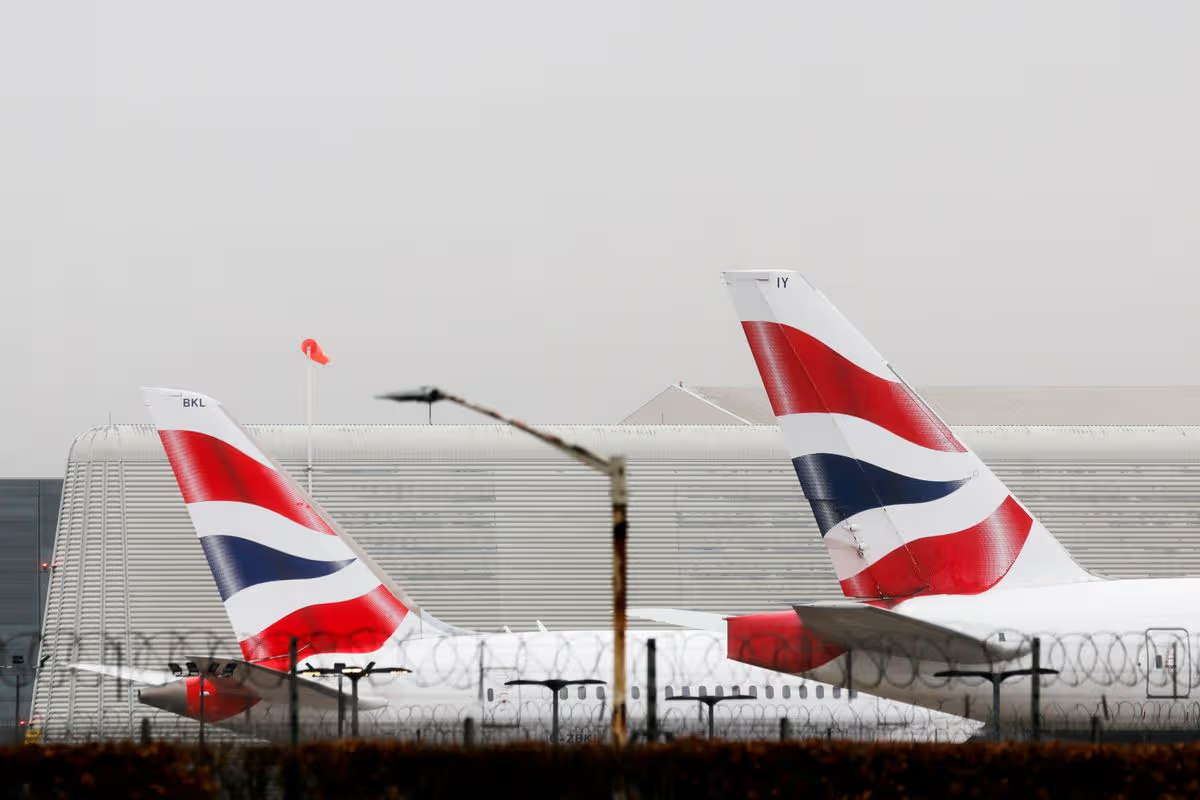
British Airways – Flights to Tel Aviv and Bahrain cancelled until March 3.

Cathay Pacific – Flights to and from Dubai and Riyadh suspended.

Emirates – All flights to and from Dubai suspended until March 2.

Etihad – Flights from Abu Dhabi suspended until 2pm local time on Sunday.

FlyDubai – All flights to and from Dubai suspended until 3pm local time on Sunday.

ITA Airways – Flights to and from Tel Aviv and not using airspace of Israel, Lebanon, Jordan, Iraq and Iran until March 7.

Lot Polish Airlines – Flights to Tel Aviv suspended until March 15. Flights to Dubai and Riyadh cancelled until March 2.

Lufthansa – Flights to and from Tel Aviv in Israel, Beirut in Lebanon and Oman suspended until March 7. Flights to and from Dubai on Saturday and Sunday suspended.

Norwegian Air – All flights to and from Dubai suspended until March 4.

Pegasus Airlines – Flights to Iran, Iraq, Jordan and Lebanon were cancelled up to and including March 2.

Qatar Airways – Flights suspended due to closure of Quatari airspace. Update coming by 9am local time on Monday.

Turkish Airlines – Flights to Qatar, Kuwait, Bahrain, the United Arab Emirates and Oman cancelled on Saturday. Flights to Lebanon, Syria, Iraq, Iran and Jordan cancelled until March 2.

Wizz Air – Flights to and from Israel, Dubai, Abu Dhabi and Amman halted with immediate effect until March 7.

Knock-on effect

Air India – Flights from Delhi, Mumbai and Amritsar to London, New York, Chicago, Toronto, Frankfurt and Paris on Sunday have been cancelled. More flights to London, Birmingham, Amsterdam, Zurich, Milan, Vienna, Copenhagen and Frankfurt had been cancelled.

IndiGo – Temporary suspension of international flights using Middle Eastern airspace until Monday.

Japan Airlines – Cancelled flight on Saturday from Tokyo Haneda to Doha and return flight on March 1.

Lufthansa – Will not fly through Israeli, Lebanese, Jordanian, Iraqi and Iranian airspace until March 7.

Virgin Atlantic – Will avoid Iraqi airspace, resulting in some pre-planned rerouting of flights.
Source link

Who could succeed Ayatollah Ali Khamenei to lead Iran? | Explainer News

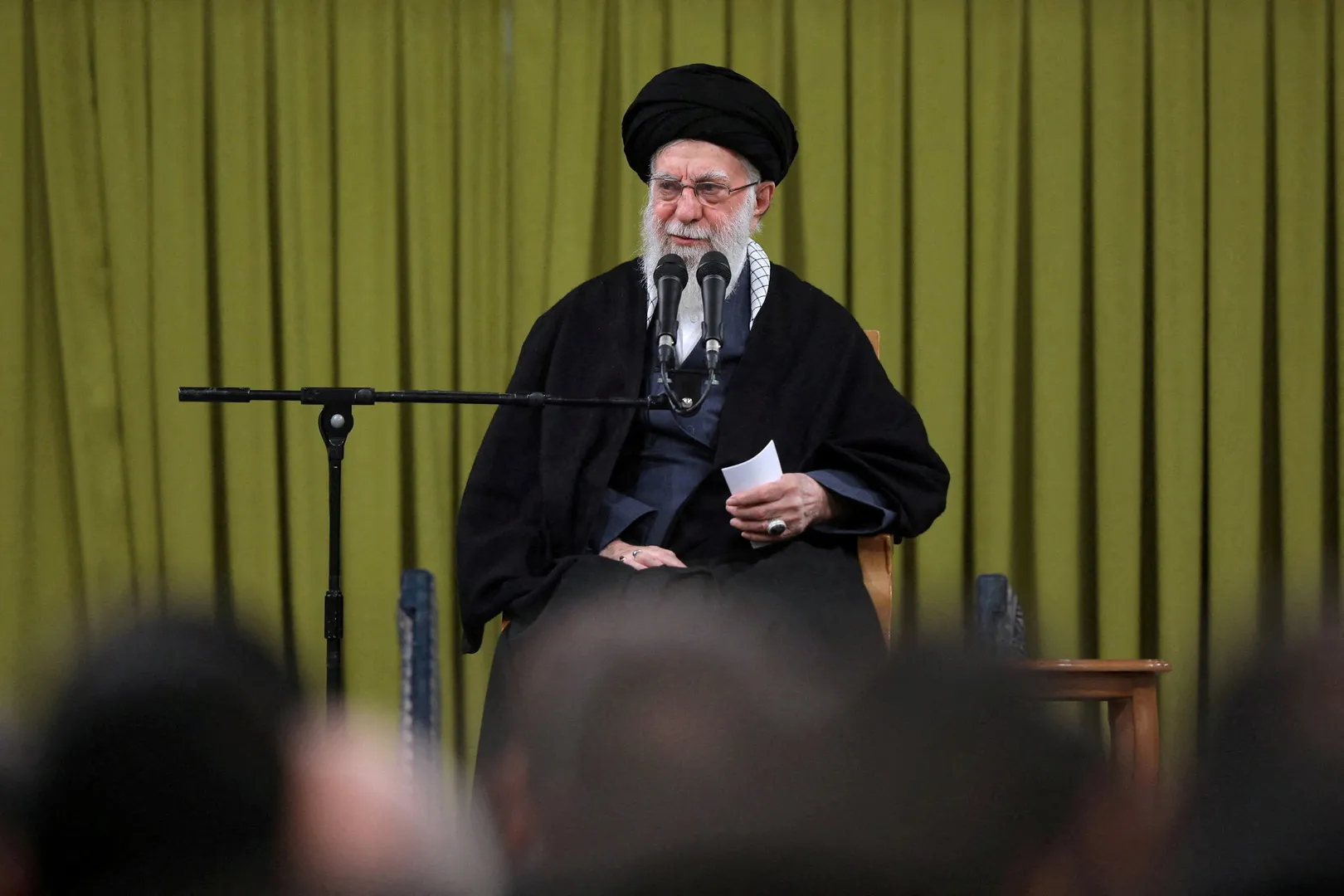
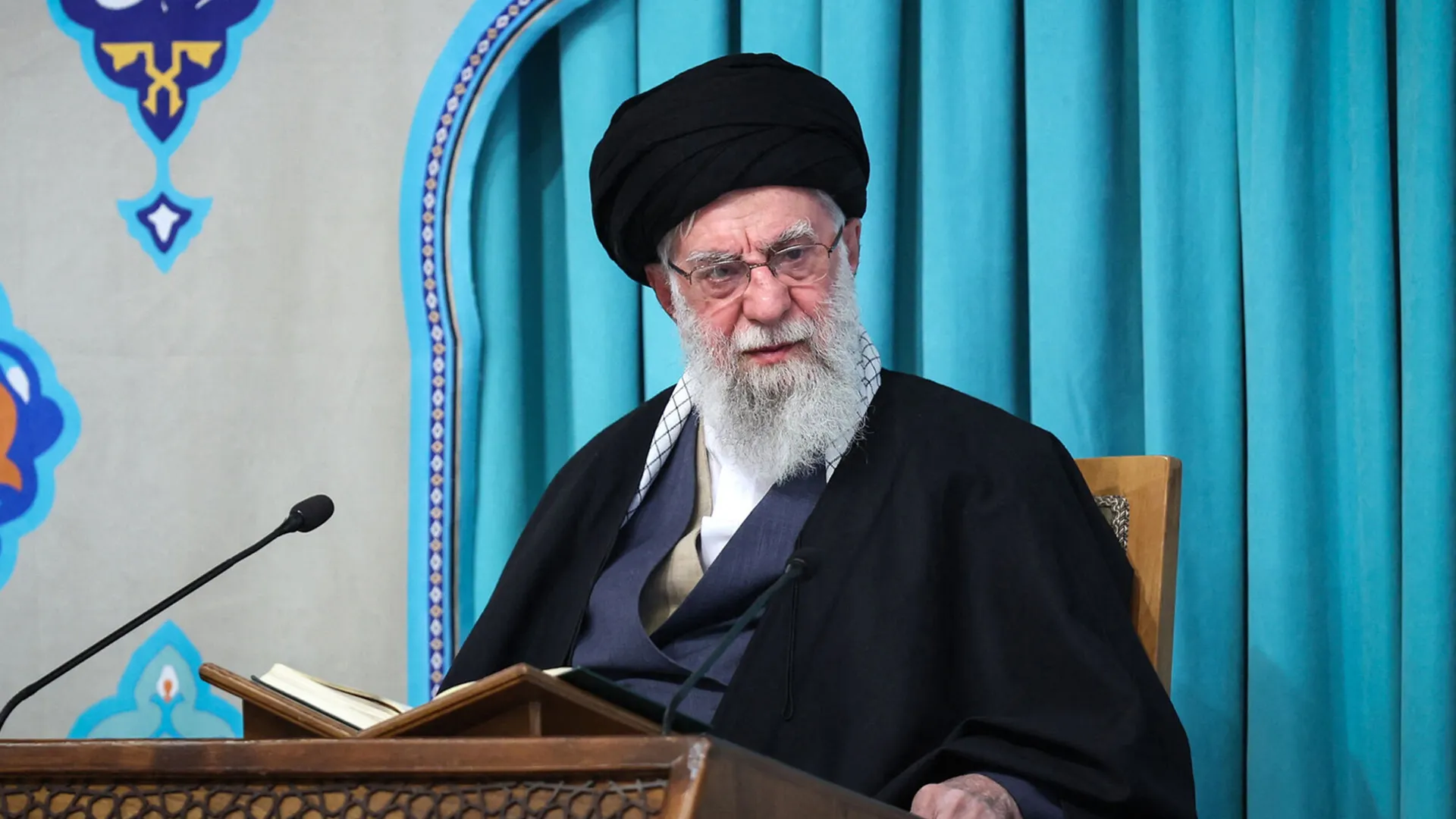
The assassination of Iran’s Supreme Leader Ayatollah Ali Khamenei, 86, in the US-Israeli air attacks has thrust Tehran to a pivotal crossroads as the clergy looks to pick the late ayatollah’s successor.

With Iran on a war footing, several senior leaders close to Khamenei were killed in the attack as well, including his top security adviser Ali Shamkani and Islamic Revolutionary Guard Corps (IRGC) commander-in-chief Mohammad Pakpour.

Tehran has vowed to avenge the killing of Khamenei. The US President Donald Trump warned against the retaliatory attacks and suggested that the strikes on Iran would continue.

The US-Israeli attacks hit Iran on Saturday, when Tehran’s top diplomats were waiting for the next round of talks on upcoming Monday to lock a deal with Trump, including laying down nuclear ambitions, and avoiding an armed conflict.

After 36 years in power, the late ayatollah’s killing has left Iran’s top clerics to prepare for the transfer of power to the next Supreme Leader. That’s something that they have only done once before, four decades ago.

So, who will be the next Supreme Leader of Iran? And how will he be chosen?

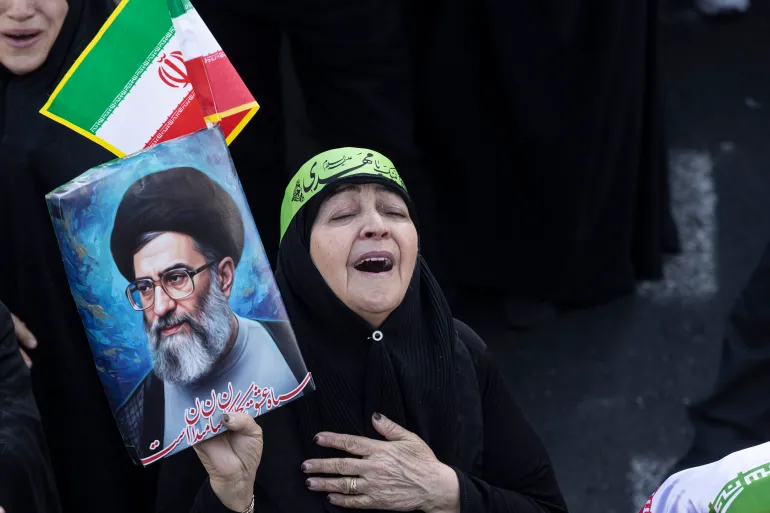
TEHRAN, IRAN - MARCH 1: A woman wails and holds a poster as thousands of people gather in Enghelab Square for a pro-government demonstration after Iranian state media confirmed the death of Ayatollah Ali Khamenei on March 1, 2026 in Tehran, Iran. Iran's Supreme Leader, Ayatollah Ali Khamenei, was confirmed killed after the United States and Israel launched a joint attack on Iran on February 28. Iran retaliated by firing waves of missiles and drones at Israel, and targeting U.S. allies in the region. (Photo by Majid Saeedi/Getty Images)
A woman wails and holds a poster as thousands of people gather in Enghelab Square for a pro-government demonstration after Iranian state media confirmed the death of Ayatollah Ali Khamenei on March 1, 2026 in Tehran, Iran. (Photo by Majid Saeedi/Getty Images) (Getty)

How is the Supreme Leader selected?

Iran’s Supreme Leader is selected by the Assembly of Experts, an 88-member clerical body elected by the public every eight years.

Candidates who run for the Assembly must first be vetted and approved by the Guardian Council, a powerful oversight body whose members are partly appointed by the Supreme Leader himself.

When the position becomes vacant, due to death or resignation, the Assembly of Experts convenes to choose a successor. A simple majority is sufficient to appoint the new Supreme Leader.

As per Iran’s constitution, the candidate must be a senior jurist with deep knowledge of Shi’a jurisprudence, as well as qualities such as political judgment, courage, and administrative capability.

Earlier, there had been only one other transfer of power in the office of the Supreme Leader of Iran, when Grand Ayatollah Ruhollah Khomeini, the leader of the Islamic Revolution, died at age 86 in 1989.

Iran
Emergency personnel stand at the site of an Iranian missile strike on a residential building, after Iran launched missile barrages following attacks by the U.S. and Israel on Saturday, in Tel Aviv, Israel March 1, 2026. REUTERS/Ronen Zvulun (Reuters)

What happens in Iran during a leadership vacuum?

Article 111 of Iran’s constitution mandates that a temporary council handle duties until a new supreme leader is elected.

That council will have: President Masoud Pezeshkian, Supreme Court Chief Justice Gholam-Hossein Mohseni-Ejei, and a cleric from the Guardian Council, according to Iranian media.

They will lead the country until the assembly formally picks the new supreme leader.

Iran’s security chief and a close confidante of the late Khamenei, Ali Larijani, said on Sunday that the transition process is underway.

Luciano Zaccara, a research associate professor in Gulf Politics at Qatar University, told Al Jazeera that Iran’s political system has been prepared for the current situation, knowing that Khamenei’s assassination was a real possibility.

“Trump wants to get the best deal possible, but the method he’s using to get that deal is to annihilate or destroy as much as he can,” Zaccara said. “This is the way to impose conditions, not to negotiate anything. Trump wants a surrender of the regime, not a change.”

The late Ayatollah made sure to put in a structure, he added, to avoid a vacuum of power and kept replacements for all the officials eliminated in the last few months ready. “The structures remain, the line of power [and] the line of command remain in place,” Zaccara told Al Jazeera.

INTERACTIVE-Iran’s government structure-jan 12, 2026 2-EDIT-1768237547
(Al Jazeera)

What is the Supreme Leader of Iran?

The Supreme Leader is the top position in the Islamic Republic’s political and religious hierarchy.

He is essentially the commander-in-chief of the armed forces and the final word in the country – and appoints key judicial, military, and media officials.

He also leads the mighty Revolutionary Guard, a paramilitary force that leads the so-called Axis of Resistance.

Here are the contenders for the top job in Tehran

iran
Mojtaba Khamenei, the second son of Iran’s Supreme Leader Ayatollah Ali Khamenei, visits Hezbollah’s office in Tehran, Iran, October 1, 2024. Office of the Iranian Supreme Leader/WANA (West Asia News Agency)/Handout via REUTERS ATTENTION EDITORS – THIS PICTURE WAS PROVIDED BY A THIRD PARTY.

Mojtaba Khamenei

Khamenei’s second son, Mojtaba Khamenei, is among the top contenders to succeed his father in Iran.

He is known to wield significant influence among the administrators and the Islamic Revolutionary Guard Corps (IRGC), the most powerful military body.

However, Khamenei’s lineage is also among the biggest barriers he faces.

Khamenei was reportedly opposed to the father-to-son succession. It is frowned upon in Iran, particularly after the US-backed Shah Mohammad Reza Pahlavi monarchy was toppled in 1979.

Iran
Pope Francis is shown a gift as he receives Ayatollah Alireza Arafi, president of Islamic Seminaries of Iran, and entourage in a private audience at the Vatican May 30, 2022. Vatican Media/Handout via REUTERS

Alireza Arafi

Arafi, a 67-year-old cleric, is an influential figure in the Islamic Republic’s religious establishment, but not a widely accepted political actor.

He serves as the deputy chairman of the Assembly of Experts, the body responsible for overseeing the selection of the Supreme Leader, and has been a member of the Guardian Council, which vets election candidates and laws passed by parliament.

Arafi was appointed as ⁠the jurist member of ⁠Iran’s Leadership Council, the body tasked with fulfilling the ‌Supreme Leader’s role until the Assembly of Experts elects a new leader, Iran’s state media reported on Sunday.

Arafi is also the Friday prayer leader of Qom — Iran’s most important religious center — and heads the country’s seminary system, overseeing clerical education nationwide.

Mohammad Mehdi Mirbagheri

Mirbagheri is an ultra-hardline clerical voice in the establishment and a member of the Assembly of Experts.

He is widely known for his unrelenting anti-Western worldview — and currently heads the Islamic Sciences Academy in the northern city of Qom.

Gholam-Hossein Mohseni-Ejei

Mohseni-Ejei is a senior Iranian cleric and currently heads the judiciary of the Islamic Republic, appointed to the role in July 2021 by the late Khamenei.

He previously served as Minister of Intelligence from 2005 to 2009 and later as Prosecutor-General and First Deputy Chief Justice. He is regarded as a hardline figure aligned with the conservative wing of the regime.

Iran
Ayatollah Ruhollah Khomeini’s grandson, Hassan Khomeini stands next to Iran’s Supreme Leader Ayatollah Ali Khamenei during the 36th anniversary of the death of the leader of Iran’s 1979 Islamic Revolution, Ayatollah Ruhollah Khomeini, at Khomeini’s shrine in southern Tehran, Iran June 4, 2025. Office of the Iranian Supreme Leader/WANA (West Asia News Agency)/Handout via REUTERS

Hassan Khomeini

Khomeini, 54, is among the most discussed names in succession talks for the next Supreme Leader.

He is the grandson of Ayatollah Ruhollah Khomeini, the founder of the Islamic Republic, and also the custodian of his grandfather’s mausoleum in Tehran.

While he has not held a public office, Khomeini is a reformist figure known for his rather moderate views on public life and policy. He attempted to run for the Assembly of Experts in 2016, but the vetting council disqualified him.

Source link

Analysis: Will Iran’s establishment collapse after the killing of Khamenei? | Islamic Revolutionary Guard Corps

The assassination of Iran’s Supreme Leader Ayatollah Ali Khamenei in joint US-Israeli air attacks has caused one of the most significant blows to the country’s leadership since the 1979 Islamic revolution, triggering protests by his supporters.

Khamenei assumed Iran’s supreme leadership in 1989 after the death of Ayatollah Ruhollah Khomeini, who had led the Islamic revolution against the pro-United States Shah Mohammad Reza Pahlavi.

Recommended Stories

list of 4 itemsend of list

On Sunday, Iranian President Masoud Pezeshkian said seeking revenge for the killing of Khamenei and other senior Iranian officials is the country’s “duty and legitimate right”.

President Donald Trump has framed the operation as a “liberation” moment, predicting that the removal of the “head” will lead to the swift collapse of the body. However, in Iran, the reality suggests a far more complex situation.

Interviews with insiders, military experts and political sociologists suggest that the decapitation of Iran’s top leadership may not go the way the West envisions. Instead, it risks birthing a “garrison state” – a paranoid, militarised system fighting for its existence with no political red lines left to cross.

The limits of ‘decapitation’

The central premise of the US operation is that Iran is too brittle to survive the death of its supreme leader. In a phone interview with CBS News, Trump claimed he “knows exactly” who is calling the shots in Tehran, adding that “there are some good candidates” to replace the supreme leader. He did not elaborate on his claims.

However, military analysts warn against the assumption that air strikes alone can trigger “regime change”. Michael Mulroy, a former US deputy assistant secretary of defence, told Al Jazeera Arabic that without “boots on the ground” or a fully armed organic uprising, the state’s deep security apparatus can survive simply by maintaining cohesion.

“You cannot facilitate regime change through air strikes alone,” Mulroy said. “If anyone is left alive to speak, the regime is still there.”

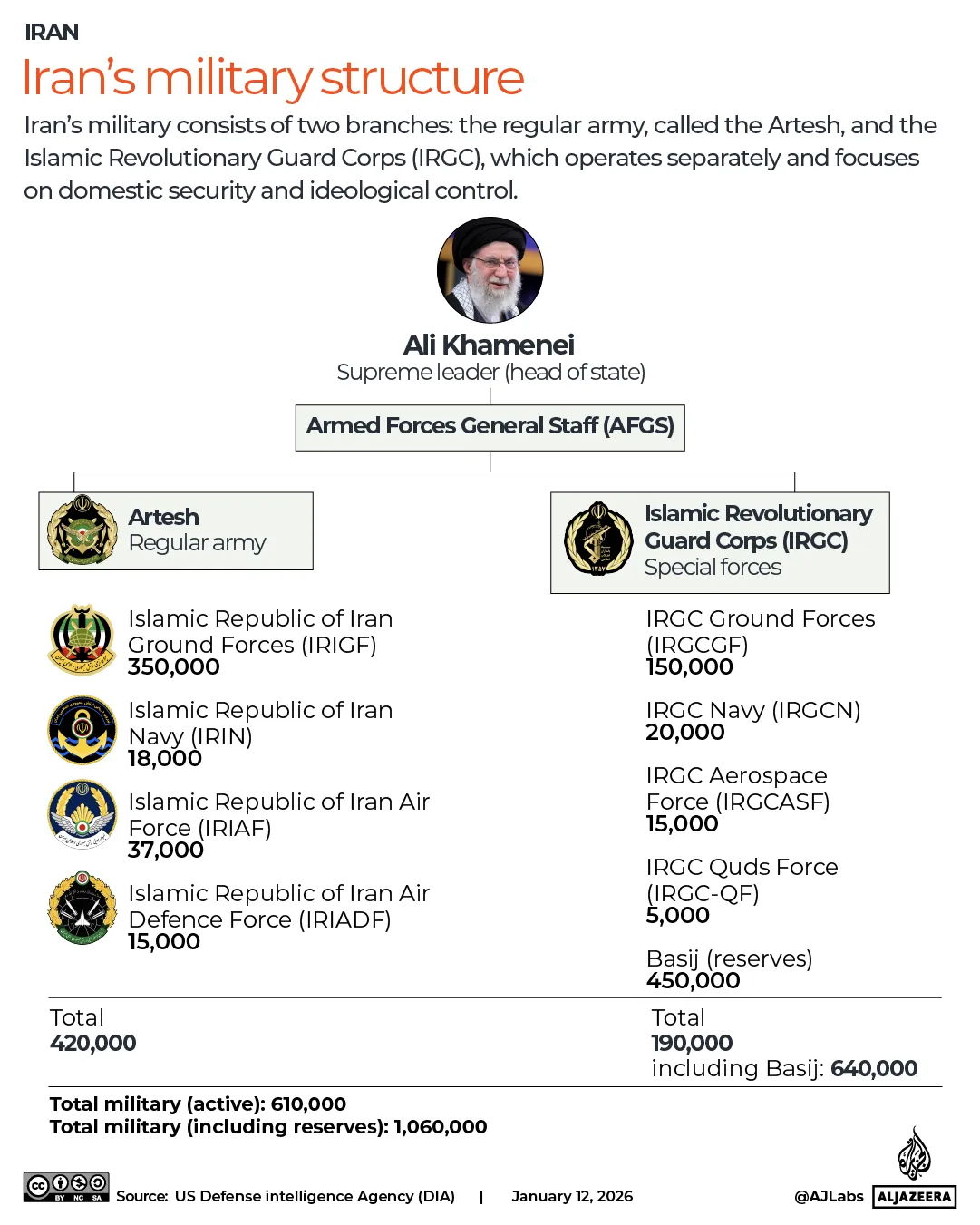
This resilience is rooted in Iran’s dual military structure. The government is protected not just by a regular army (Artesh), but also by the Islamic Revolutionary Guard Corps (IRGC) – a powerful parallel military force constitutionally tasked with protecting the velayat-e faqih system – the principle of the guardianship of the Islamic jurist.

Supporting them is the Basij, a vast paramilitary volunteer militia embedded in every neighbourhood, specifically trained to crush internal dissent and mobilise ideological loyalists.

INTERACTIVE-Iran’s military structure-Jan 12, 2026-EDIT-1768237546

That cohesion is already being tested.

Hossein Royvaran, a political analyst based in Tehran, confirmed that the strikes wiped out the country’s top security tier, including Khamenei’s adviser and secretary of the newly-formed Supreme Defence Council, Ali Shamkhani.

The secretary of Iran’s Supreme National Security Council, Ali Larijani, said the leadership transition will begin on Sunday.

“An interim leadership council will soon be formed. The president, the head of the judiciary and a jurist from the Guardian Council will assume responsibility until the election of the next leader,” said Larijani.

“This council will be established as soon as possible. We are working to form it as early as today,” he said in an interview broadcast by state TV.

The rapid formation of an interim leadership council – comprising the president, judiciary chief, and a Guardian Council religious leader – indicates that the system’s “survival protocols” have been activated.

According to Royvaran, the system is designed to be “institutional, not personal”, capable of functioning on “autopilot” even when the political leadership is severed.

But a Tehran-based analyst said direction of Iran is still unclear as officials try to ‘project stability’.

“Officials here are trying to project stability, emphasising that the situation is under control and that state institutions are functioning effectively,” Abas Aslani, senior research fellow at the Center for Middle East Strategic Studies, said.

“Today, [the US-Israeli] air strikes targeted security and military infrastructure in the capital [Tehran] and other cities. There are expectations that such strikes could continue – and possibly intensify – in the coming hours or days,” he told Al Jazeera.

“That prospect of escalation is not something many ordinary Iranians welcome. At the same time, Iranian officials are issuing strong warnings, suggesting they could respond with capabilities that have not previously been used against Israel or the United States.”

From theocracy to nationalist survival

Perhaps the most significant shift in the immediate aftermath is Iran’s pivot from religious legitimacy to survivalist nationalism.

Aware that the death of the supreme leader might sever the spiritual bond with parts of the population, surviving officials are reframing the war not as a defence of the clergy, but as a defence of Iran’s territorial integrity.

Larijani, a conservative heavyweight and key figure in the transition, issued a stark warning that Israel’s ultimate goal is the “partition” of Iran. By raising the spectre of Iran being broken into ethnic statelets, the leadership aims to rally secular Iranians and the opposition against a common external enemy.

This strategy complicates the US hope for a popular uprising.

Saleh al-Mutairi, a political sociologist, notes that the government’s declaration of 40 days of mourning creates a “funeral trap” for the opposition. The streets will likely be filled with millions of mourners, creating a human shield for the government and making it logistically and morally difficult for antigovernment protests to gain momentum in the short term.

The end of ‘strategic patience’

If Iran survives the initial shock, the nation that emerges will likely be fundamentally different: less calculated and probably more violent.

For years, Khamenei championed a doctrine of “strategic patience”, often absorbing blows to avoid all-out war.

Hassan Ahmadian, a professor at the University of Tehran, says the era died with the supreme leader.

“Iran learned a hard lesson from the June 2025 war: Restraint is interpreted as weakness,” Ahmadian told Al Jazeera Arabic. The new calculus in Tehran is likely to be a “scorched earth” policy.

“The decision has been made. If attacked, Iran will burn everything,” Ahmadian added, suggesting that the response will be broader and more painful than anything seen in previous escalations.”

This risks a scenario where field commanders, freed from the political caution of the clerical leadership, lash out with greater ferocity. The assassination has humiliated the security establishment, exposing what Liqaa Maki, a senior researcher at Al Jazeera Centre for Studies, calls a catastrophic intelligence failure.

“The believer is not bitten from the same hole twice, yet Iran has been bitten twice,” Maki said, referring to the pattern of US strikes. This “total exposure” is likely to drive the surviving leadership underground, turning Iran into a hyper-security state that views any internal dissent as foreign collaboration, he said.

While the “head” of Iran has been removed, the “body” – armed with one of the largest missile arsenals in the Middle East – remains, Maki said.

Source link

Under the shadow of the Iran war, Israel finds another way to punish Gaza | Israel-Palestine conflict

As Israel and the United States attacked Iran, Palestinians in the Gaza Strip began to panic. They remembered how crossings were closed in the past, causing famine, and rushed to markets to buy whatever they could. As a result, prices of food and basic necessities skyrocketed. Soon enough, the news came that the border crossings had been closed.

All of this happened just as the grace period set by Israel for 37 NGOs to withdraw from Gaza for not fulfilling registration requirements expired. Organisations like Doctors Without Borders (also known by its French acronym MSF), Medical Aid for Palestinians UK, Handicap International: Humanity & Inclusion, ActionAid, CARE, etc were supposed to stop operating in Gaza.

At the last moment, a ruling by the Israeli Supreme Court allowed them to continue working while it considers their appeal against the ban. But even with this court decision, these organisations cannot continue to function fully. That is because the Israeli occupation continues to prevent their supplies and foreign staff from entering Gaza.

According to these NGOs, together they are responsible for half of the food handouts in the Strip and 60 percent of services provided in field hospitals.

For many families in Gaza, this means hunger – because food parcels will not be distributed and livelihoods will be lost.

We know this is not about NGOs failing to meet new registration rules, just like the closure of the border crossings is not a matter of security. They are about exacting yet another form of collective punishment on the Palestinians.

Even if the Supreme Court miraculously rules against the NGO ban, the Israeli occupation would still find another way to push these foreign organisations out of Gaza. This was made clear this month when it was revealed that World Central Kitchen, which has been running dozens of soup kitchens across the Strip and which is not on the ban list, may be suspending its activities.

According to Gaza’s Government Media Office, this was because Israel blocked most of the organisation’s supply trucks from coming in. As a result, there are not enough supplies to continue cooking. World Central Kitchen previously said it serves 1 million meals daily.

So now, amid the war with Iran, which may last weeks or months, hundreds of thousands of families will not have adequate food once again.

All of this comes on top of Israel’s continuing war on UNRWA. Since its creation in late 1949, the United Nations agency has been the backbone of international support for Palestinian refugees. It has the largest capacity for emergency response and the widest spectrum of services on offer. And yet, Israel has banned its operations and has blocked its supplies from entering the Strip.

Through relentless lobbying, Israel has managed to achieve substantial cuts to UNRWA’s budget. As a result, last month 600 employees were fired. The salaries of the rest were reduced by 20 percent.

The NGO ban will likely result in thousands of people losing their jobs as well. And this is at a time when unemployment in Gaza has gone beyond 80 percent.

My family will also suffer. In the past, we have benefitted from food and basic supplies handouts from NGOs, and my brother has been able to find temporary work as a driver for one of them.

The possible closure of international organisations is a direct threat to the lives of hundreds of thousands of civilians who depend on their services and employment. The closure of the border crossings could mean another hunger crisis.

These are a form of collective punishment that yet again will not make the news. Israel is constantly thinking of new ways to make our lives that much more unbearable, that much more impossible in our devastated homeland.

Two and half years of the Israeli genocide has destroyed hospitals, schools, universities, roads, sewage and potable water systems, water treatment plants, the electricity grid, and countless generators and solar panels.

The vast majority of the population lives primitive lives in tents or makeshift shelters that cannot protect people from extreme heat or cold.

Water is contaminated, food is insufficient, land has been destroyed and poisoned.

Now we will be deprived of the little international support we have been receiving.

And what is the goal of all this? To push us ever closer to despair and the ultimate surrender, to make us desire to leave our homeland on our own. Ethnic cleansing by mutual agreement.

All of the organisations that Israel is seeking to ban are foreign. Most of them are based in Western countries. Yet there has been little to no condemnation from Western governments of Israel’s actions against their own organisations. There has been no outrage that the occupation is trying to destroy international humanitarian provision so it can fully control aid distribution.

Collective punishment is a violation of international law. States are obliged to go beyond verbal condemnations and take action by imposing sanctions. Until that happens, we in Gaza will continue to be subjected to ever more brutal acts of collective punishment by our occupiers.

The views expressed in this article are the author’s own and do not necessarily reflect Al Jazeera’s editorial stance.

Source link

Iran forms interim council to oversee transition after Khamenei’s killing | Israel-Iran conflict News

Ayatollah Alireza Arafi, member of a constitutional watchdog, appointed to temporary council, along with Iranian president and chief justice.

Iran has announced the formation of a three-member transitional council to handle the state duties following the killing of Supreme Leader Ayatollah Ali Khamenei.

Ayatollah Alireza Arafi, member of a powerful constitutional watchdog, was appointed on Sunday to the temporary council, whose other two members are President Masoud Pezeshkian and Supreme Court Chief Justice Gholam-Hossein Mohseni-Ejei.

Recommended Stories

list of 4 itemsend of list

The 67-year-old cleric, who is a member of the Guardian Council that must later choose a supreme leader, was confirmed to the council by the Expediency Council, a powerful arbitration body.

According to Article 111 of the Iranian Constitution, the transitional council will govern the country until an 88-member panel called the Assembly of Experts chooses a new supreme leader after almost 37 years of rule by Khamenei.

His killing on Saturday by the joint United States and Israeli forces has raised crucial questions about Iran’s future.

Although the leadership council will govern in the interim, the Assembly of Experts “must, as soon as possible,” pick a new supreme leader, according to the Iranian constitution.

The Islamic Revolutionary Guard Corps (IRGC) and Iran’s security chief Ali Larijani are also expected to play pivotal roles in the transitional council, but it remains to be seen where the balance of power lies.

The commander-in-chief of the IRGC was also killed in the US-Israeli attack on Saturday – the second such killing in less than a year – and the next leader of the elite military and economic force is yet to be announced.

IRGC-linked Telegram channels are citing deputy chief Ahmad Vahidi, who was appointed to the position by Khamenei two months ago, as a likely candidate.

Earlier on Sunday, Larijani accused the US and Israel of trying to plunder and break apart Iran and warned “secessionist groups” within Iran of a harsh response if they attempt action, state media said.

“The brave soldiers and the great nation of Iran will teach an unforgettable lesson to the international oppressors,” he said.

A former parliamentary speaker and senior policy adviser, Larijani was appointed to advise Khamenei on strategy in nuclear talks with US President Donald Trump’s administration.

Source link

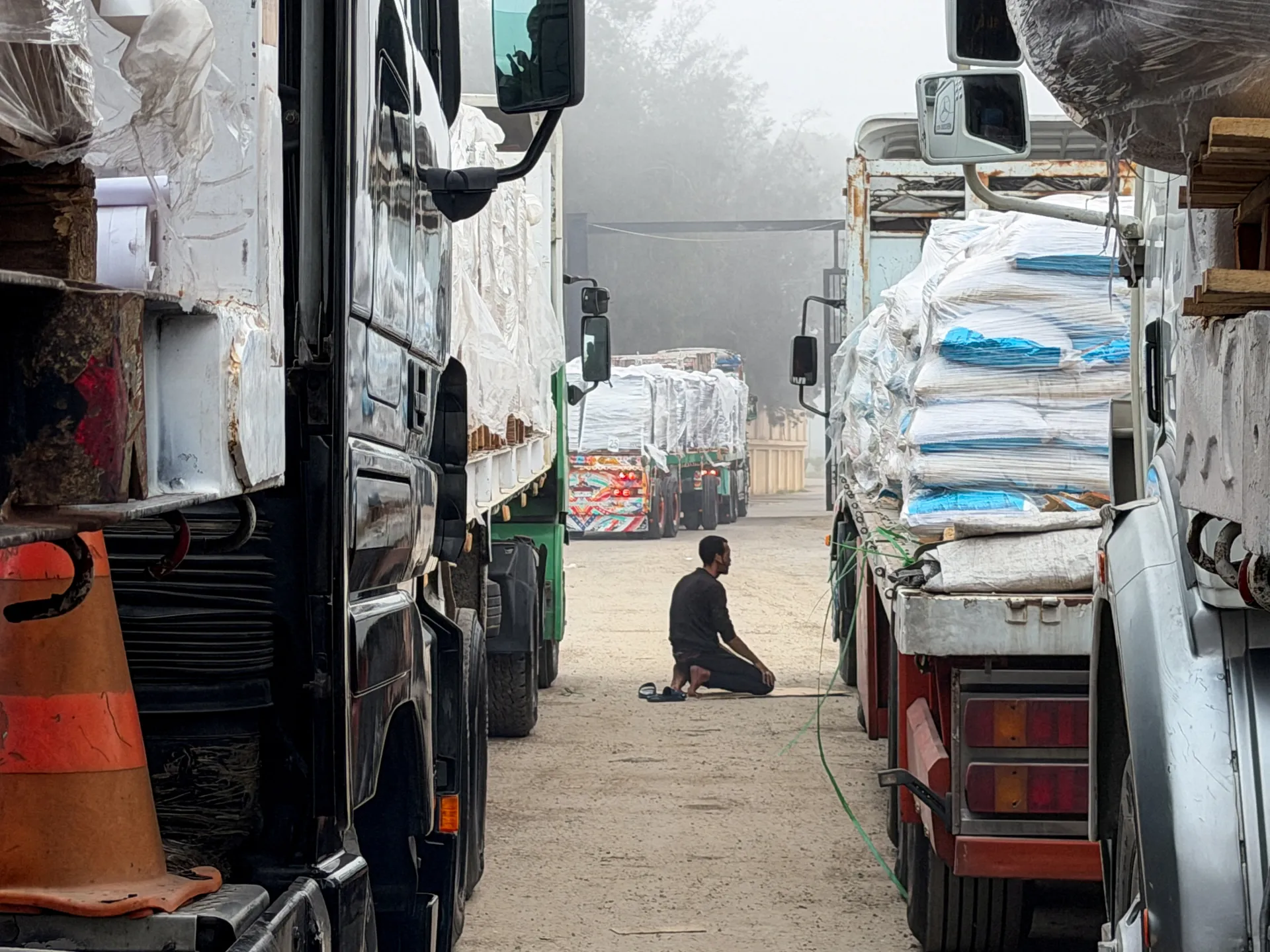
Israel closes Gaza’s Rafah crossing amid attacks on Iran | Israel-Palestine conflict News

The crossing with Egypt is considered vital for the delivery of humanitarian aid and the evacuation of critically ill patients.

Israel has closed Gaza’s Rafah border crossing with Egypt amid the joint Israeli-United States attacks on Iran.

“Several necessary security adjustments have been implemented, including the closure of the crossings into the Gaza Strip, among them the Rafah Crossing, until further notice,” Israel’s Coordinator of Government Activities in the Territories (COGAT) said in a statement.

Recommended Stories

list of 4 itemsend of list

The Rafah crossing, located on Gaza’s southern border, had reopened only last month, allowing a limited number of Palestinians to leave for the first time in months, including patients in urgent need of medical care.

The crossing is considered vital for the delivery of humanitarian aid and the evacuation of critically ill patients.

Virtually all of Gaza’s population of more than two million people was displaced during Israel’s genocidal war on the territory, and the enclave remains heavily dependent on humanitarian assistance.

In mid-February, the United Nations said it continued to face impediments in delivering lifesaving aid to Gaza.

In a February report, Human Rights Watch said Israeli restrictions had contributed to shortages of medicines, reconstruction materials, food and water inside the Strip.

COGAT claimed that sufficient food had entered Gaza since the start of the ceasefire to meet four times the nutritional needs of the population. However, it did not provide any evidence to back its claim.

“The substantial quantities of food that have entered since the beginning of the ceasefire amount to four times the nutritional needs of the population,” the Israeli defence body said. “Therefore, the existing stock is expected to suffice for an extended period.”

It added that “the closure of the crossings will have no impact on the humanitarian situation in the Gaza Strip”, saying it would remain in contact with the international community and provide updates on any developments.

COGAT is the Israeli military body responsible for overseeing civil affairs in the occupied Palestinian territory. Critics say it functions as an instrument of surveillance and control, particularly in enforcing movement restrictions and closures.

Source link

Travel expert Simon Calder issues three-word advice for Brits caught up in Iran attacks

Thousands of Brits are thought to be stranded in the Middle East after US and Israeli airstrikes on Iran

A travel expert has issued three words of crucial advice for people stranded in the Middle East following US and Israeli air strikes on Iran. Simon Calder made the remarks after hundreds of thousands of travellers found themselves stuck in destinations such as Qatar and Abu Dhabi in the wake of the attacks.

Numerous airlines, including British Airways, Emirates, and Qatar Airways, grounded flights following Iranian retaliatory strikes throughout the region. When flights will resume normal service remains unclear, with thousands of Britons believed to be stranded.

Speaking on Radio 5 Live, Mr Calder had three key words he urged travellers to follow: “At the moment, the best advice I have for anyone who is stuck in various parts of the world is: just be patient.”

The situation will be resolved – I hope, very much sooner rather than later,” he added. “What we have seen is the extraordinary sight of the big three of Middle Eastern hubs – Dubai International, Doha, and Abu Dhabi – all closing because of the retaliatory strikes from Iran. We have never seen that. The last thing of this scale we saw in this area like that here was the Covid pandemic.

READ MORE: Travel expert Simon Calder predicts when BA, Etihad and Emirates flights will resume after Iran attackREAD MORE: Nationwide customers’ three steps needed to qualify for free £100 payout

“Consider this. More than a quarter of a million passengers were due (on Saturday) to fly to and through Dubai International Airport alone. It is bigger than Heathrow Airport, handles more passengers, and everyone is desperate to get where they need to be.

“I have been speaking to people who were about to take off, they had the ‘boarding complete’ announcement, and suddenly the captain said, ‘Sorry, airspace closed, we are staying here’. It took them three hours to get off the aircraft because they all had to be processed through immigration, leaving them in a place where they really didn’t want to be. Many of them were just off a previous flight a few hours before and were waiting to travel on to their final destination of London Heathrow.”

It was subsequently confirmed that Iranian Supreme Leader Ayatollah Ali Khamenei was killed in the strikes, casting serious doubt over the future of the Islamic Republic. The death of Mr Khamenei, following decades in power, has triggered furious scenes across other parts of the Middle East and beyond, heightening the threat of potential regional instability.

Dubai International ranks as the world’s busiest airport, processing roughly 250,000 passengers daily. Doha Airport in Qatar handles approximately 150,000 travellers each day, meaning enormous travel chaos as both airports continue to be affected.

Doha holds particular significance for British passengers flying to and from the Middle East, Asia and the UK. Mr Calder went on to say: “Some people are in the difficult position of being stranded on the wrong side, and they are trying to get back to the UK but finding that air passenger rights rules – which are great when you are flying from Europe – don’t work the same way when you are flying to Europe on a non-UK or non-EU airline.

“They can basically just say, ‘well, good luck, we’ll try and get you there in a week or you can take a refund’. It’s really, really difficult Airlines like Emirates, Etihad, Qatar Airways, they are not legally obliged to find hotel accommodation for all these stranded passengers and get them back as soon as possible but hopefully they will do so.

“The other problem for people whose flights have been cancelled, when flights resume, they go to the back of the queue. If flights resume on Monday, anybody who has a flight booked on Monday will fly on Monday, and people whose flights were cancelled over the weekend – and we are talking hundreds of thousands now – they are going to be finding that they are at the back of the queue, scrabbling for whatever available seats there are.”

Source link

Iran’s Foreign Ministry defends retaliatory strikes, slams US betrayal | News

Spokesman Esmaeil Baghaei says Iran’s attacks on US targets across the region are legitimate defensive actions.

Iran is entitled to defend itself from Israeli and US attacks, the spokesman for Iran’s Ministry of Foreign Affairs has stressed.

“We have every right in accordance with international law, with the UN Charter, to defend ourselves with all might”, Esmaeil Baghaei said in an interview with Al Jazeera on Saturday.

Recommended Stories

list of 3 itemsend of list

The US and Israel launched a wave of attacks across multiple Iranian cities, including Tehran, on Saturday, in what US President Donald Trump described as “major combat operations”.

At least 201 people have been killed, according to Iranian media, citing the Red Crescent.

Iran
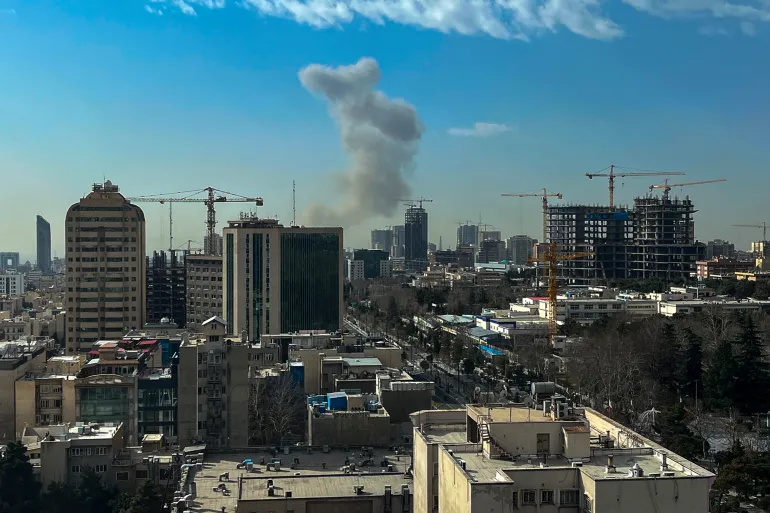
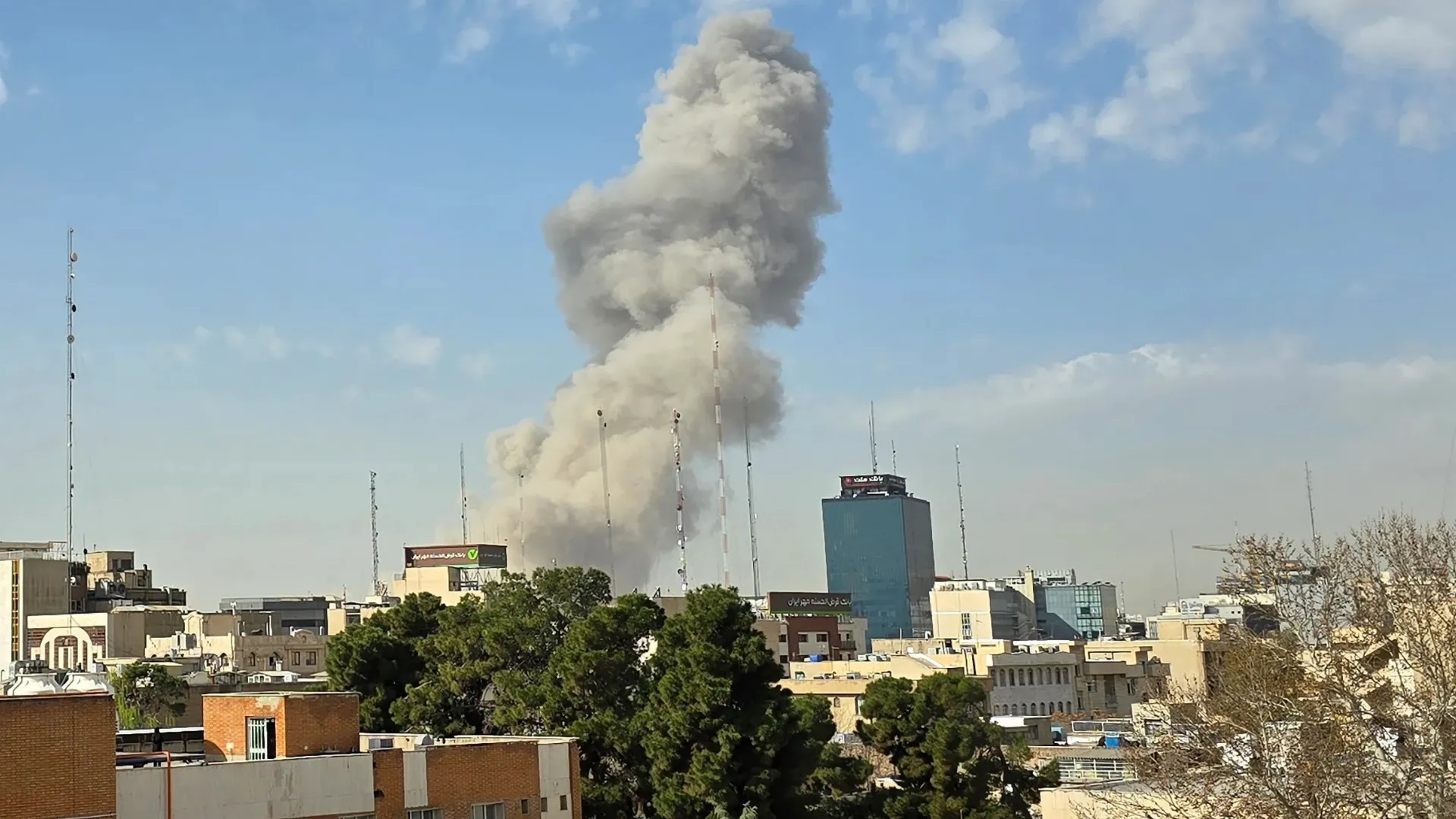
A plume of smoke rises following a reported explosion in Tehran on February 28, 2026 [AFP]

Iran responded by firing missiles towards Israel and US military targets in multiple countries, including Bahrain, Iraq, Jordan, Kuwait, Saudi Arabia, Qatar and the United Arab Emirates.

Baghaei said the country’s armed forces “are defending national sovereignty and the territorial integrity of Iran against these barbaric acts of aggression”.

The US-Israeli attacks came after a third round of indirect negotiations on Iran’s nuclear programme between the US and Iran ended on Friday.

“We were supposed to meet on Monday to talk about technical aspects of any possible deal on [the] nuclear issue,” Baghaei said. “And the Americans themselves acknowledged that these negotiations went quite well. The mediator, [the] foreign minister of Oman, qualified this round of negotiations as being of significant progress.”

It was the second time in less than a year that diplomacy had been scuttled by an attack on Iran, Baghaei noted. Iran and the US had engaged in several rounds of negotiations last year, when Israel launched a 12-day war on Iran in June, which the US briefly joined, despite Trump saying he was committed to a diplomatic resolution.

Baghaei said the US “launching an act of aggression against another member of the United Nations” also threatened the international body, as its main pillar, “the UN Charter, is the provision of the use of force.”

“So, I think what is at stake is not only the security and peace of the region and that of Iran, but also the whole fabric of international law. And the normative system that has been created by the United Nations Charter,” he added.

Friends in the region

Baghaei defended Iran’s retaliatory attacks in several countries across the region.

“Under international law, any place, any location, any logistical support that are given to the aggressor [is a] legitimate target for the victim state,” he said. “So, we are not attacking any country in the region. We are friendly with all countries of the region. What we are doing is just taking defensive actions.”

“We have proven that we trust our friends in the region,” Baghaei said. “That’s why we try to get together with the countries of the region in furtherance of this diplomatic process. The problem is that the United States is conducting this war of aggression at the cost of everyone, including the countries of the region.”

Source link

Iran begins 40-day mourning after Khamenei killed in US-Israeli attack | Israel-Iran conflict News

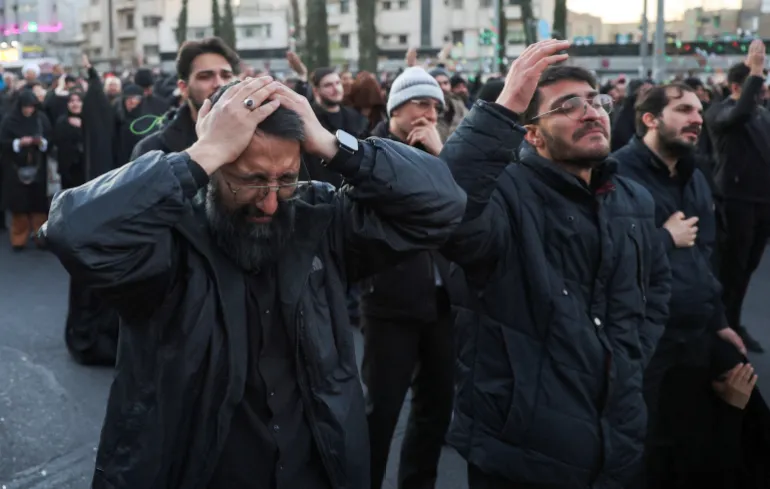
Iran has begun 40 days of mourning after Supreme Leader Ayatollah Ali Khamenei was killed in ongoing attacks by the United States and Israel, according to Iranian state media.

Top security officials were also killed in Saturday’s strikes, along with Khamenei’s daughter, son-in-law and grandson. The killings mark one of the most significant blows to Iran’s leadership since the 1979 Islamic revolution.

Recommended Stories

list of 4 itemsend of list

President Masoud Pezeshkian condemned the killing as “a great crime”, according to a statement from his office. He also declared seven days of public holidays in addition to the 40-day mourning period.

Reporting from Tehran, Al Jazeera’s Tohid Asadi said people were pouring into the streets of the capital following the news of Khamenei’s killing.

“There will be expected ceremonies,” he said, noting they would likely take place amid continuing bombardment across the country.

Iran's Supreme Leader Ayatollah Ali Khamenei killed in Israeli and U.S. strikes
People mourn at the Enghelab Square in Tehran [Majid Asgaripour/West Asia News Agency via Reuters]

Protests denouncing Khamenei’s killing were also reported elsewhere, including Shiraz, Yasuj and Lorestan.

“There will be expected ceremonies,” he said, noting they would likely take place amid continuing bombardment across the country.

Footage aired by Iranian state media showed supporters mourning at the shrine of Imam Reza in Mashhad, with several people seen crying and collapsing in grief.

The killing also led to protests in neighbouring Iraq, which declared three days of public mourning. In Baghdad, protesters confronted security forces in the heavily fortified Green Zone, which houses Iraqi government buildings and foreign embassies.

Videos verified by Al Jazeera showed demonstrators waving flags and shouting slogans, with witnesses saying some were attempting to mobilise towards the US Embassy. Footage also showed protesters blocking vehicles at a roundabout near one of the entrances to the area.

Supporters of Iraqi Shi'ite armed groups gather after the killing of Iran's Supreme Leader Ayatollah Ali Khamenei, in Baghdad
Protesters demonstrate near the entrance of the Green Zone after the killing of Iran’s Supreme Leader Ayatollah Ali Khamenei, in Baghdad, Iraq, March 1, 2026 [Thaier Al-Sudani/Reuters]

There was also a protest in the Pakistani city of Karachi, where footage, verified by Al Jazeera, showed people setting fire to and smashing the windows of the US consulate.

However, there have also been reports of celebrations in Iran, with the Reuters news agency quoting witnesses as saying some people had taken to the streets in Tehran, the nearby city of Karaj and the central city of Isfahan.

Meanwhile, the official IRNA news agency reported that a three-person council, consisting of the country’s president, the chief of the judiciary, and one of the jurists of the Guardian Council, will temporarily assume all leadership duties in the country. The body will temporarily oversee the country until a new supreme leader is elected.

Khamenei assumed leadership of Iran in 1989 following the death of Ayatollah Ruhollah Khomeini, who had led the Islamic revolution a decade earlier.

While Khomeini was regarded as the ideological force behind the revolution that ended the Pahlavi monarchy, Khamenei went on to shape Iran’s military and paramilitary apparatus, strengthening both its domestic control and its regional influence.

Attacks across the region

Meanwhile, the Islamic Revolutionary Guard Corps (IRGC) pledged revenge and said it had launched strikes on 27 bases hosting US troops in the region, as well as Israeli military facilities in Tel Aviv.

Explosions have continued to be reported in Qatar and the United Arab Emirates, while security alerts are in place in several countries across the region.

US President Donald Trump, in a social media post on Sunday, warned Iran that it would be hit “with a force that has ⁠never been seen before” if it retaliated.

Iran’s retaliatory attacks since Saturday have targeted Israel and US assets across multiple Middle East countries, including Qatar, the UAE, Kuwait, Bahrain, Jordan, Saudi Arabia and Iraq.

Harlan Ullman, chairman of the strategic advisory firm Killowen Group and an adviser to the Atlantic Council in Washington, DC, said the US may have made a “big mistake” by killing Khamenei.

“Decapitation only works when you get all the leaders, and I don’t think that we got all the leaders,” Ullman said, adding that the US should not expect Iran’s leadership to enter negotiations in the immediate aftermath.

Iranian state media reported on Saturday at least 201 people have been killed in the joint US-Israeli attacks across 24 provinces, citing the Red Crescent. In southern Iran, at least 148 people were killed and 95 wounded in a strike on an elementary girls’ school in Minab on Saturday, with the toll continuing to rise, according to state media.

Source link

What dangers do the US and Israeli attacks on Iran pose? | Israel-Iran conflict

Iran has retaliated, firing at Israel, as well as US military assets, in the Middle East.

The United States and Israel have attacked Iran, and Tehran has retaliated, firing missiles at Israeli targets and US assets in the region.

The attacks come after weeks of Washington’s massive build-up of military assets in the Middle East, as well as indirect talks between the US and Iran over its nuclear programme.

So, how dangerous is the situation?

Presenter: James Bays

Guests:

Daniel Levy – president of the US/Middle East Project and a former Israeli negotiator

Mehran Kamrava – professor of government at Georgetown University in Qatar

Richard Weitz – senior fellow at the NATO Defense College in Washington, DC

Source link

Trump: Khamenei dead after US strikes Iran | Conflict

NewsFeed

US President Donald Trump says Iran’s Supreme Leader Ayatollah Ali Khamenei was killed in joint US-Israeli strikes. Israeli officials cite “growing signs” he’s dead. Iranian state media deny the claim, saying Khamenei remains in command. At least 201 reported killed as Iran retaliates.

Source link

Dubai airport chaos: British Airways cancels Middle East flights amid airspace closures

British Airways has cancelled flights to Tel Aviv, Bahrain and Amman with passengers offered free changes or refunds – as travellers are warned they may need to ‘get creative’ amid mass disruption

Travellers will need to “get creative” if they want to fly in the coming days, an expert has cautioned, with hundreds of thousands of people stranded or rerouted to alternative airports following widespread airspace closures throughout the Middle East.

Israel, Qatar, Syria, Iran, Iraq, Kuwait and Bahrain have all closed their airspaces. Flight tracking website FlightRadar24 recorded no flight activity over the United Arab Emirates, with the UAE government announcing a “temporary and partial closure” of its airspace.

British Airways has confirmed flights to Tel Aviv and Bahrain will remain suspended until next week, whilst flights to Amman, Jordan, were scrapped on Saturday.

READ MORE: Donald Trump tells Iran ‘better not’ strike after Ayatollah Khamenei killedREAD MORE: Dubai airport chaos: Emirates confirms when flights will resume as Brits scramble to flee

Ensure our latest headlines always appear at the top of your Google Search by making us a Preferred Source. Click here to activate or add us as your Preferred Source in your Google search settings.

This resulted in the shutdown of crucial hub airports in Dubai, Abu Dhabi and Doha, and the scrapping of over 1,000 flights by leading Middle Eastern carriers, reports the Express.

The three principal airlines operating from those airports – Emirates, Qatar Airways and Etihad – typically handle approximately 90,000 passengers daily through those hubs, with even greater numbers of travellers bound for Middle Eastern destinations, according to aviation analytics firm Cirium. Dubai international airport ranks as the world’s busiest airport for international flights.

Aviation industry analyst and president of Atmosphere Research Group Henry Harteveldt said, via AP: “For travellers, there’s no way to sugarcoat this… you should prepare for delays or cancellations for the next few days as these attacks evolve and hopefully end.

“Travellers should anticipate that there will be a lot of disruptions,” he said, before adding: “To be honest, if you haven’t left home, chances are you won’t be leaving home if you’re supposed to travel to or through these destinations for at least several days, if not longer. And if you are returning home, you will have to be very creative about how you get home.”

BRITISH AIRWAYS: FULL STATEMENT ON FLIGHTS TO AND FROM THE MIDDLE EAST.

BA released an official statement on its website late on Saturday (February 28) for passengers who may be affected by the rapidly developing situation in the Middle East.

Here is the statement in full:. “We are closely monitoring the situation and have cancelled a number of our flights to the Middle East. Safety is always our top priority and we would never operate a flight unless it was safe to do so.

“If you are due to fly between London Heathrow and Abu Dhabi, Amman, Bahrain, Doha, Dubai or Tel Aviv you can change your flight free of charge up to and including 6 March. Customers travelling up to and including 4 March may also request a full refund.

“Should you wish to do so, please ring our contact centres on 0800 727 800 within the UK or 020 3250 0145 where a member of our team will be happy to assist. You can also find useful information, including details of your consumer rights, at ba.com/helpme..

“Thank you for your understanding and we look forward to welcoming you on board soon.”

BA’s statement comes as airlines serving the Middle East cancelled or diverted flights en masse on Saturday in the wake of US and Israeli airstrikes against on Iran.

Iran hit back by launching a wave of attacks, targeting Israel and four Gulf Arab nations hosting US military bases – Bahrain, Kuwait, Qatar and the UAE.

British Airways, Virgin Atlantic and Wizz Air were amongst the carriers to reduce their schedules to Middle Eastern destinations, citing safety concerns. The UK Foreign Office urged British nationals in Bahrain, Qatar, Kuwait and the United Arab Emirates (UAE) to immediately shelter in place following explosions.

UK Foreign Office issues advice for Britons trapped in Dubai.

For any Britons currently in the UAE, the Foreign Office released new guidance overnight.

All citizens already present in the UAE are strongly encouraged to notify the UK government by registering their presence to receive further updates as the situation continues to develop across the Middle East. “Due to reported missile attacks, British nationals in the UAE should immediately shelter in place. Remain indoors in a secure location, avoid all travel and follow instructions from the local authorities.”

The FDCO also advised British nationals in the UAE to take sensible precautions, taking into account their own personal circumstances.

  • – Read the UK Government’s fact sheet If you’re affected by a crisis abroad. This includes guidance on how to prepare for a crisis with suggestions on what you might include in your emergency supplies and what to do in a crisis.
  • – Follow advice from the local authorities and sign up to receive information and alerts. Read the FDCO fact sheet: National Emergency Crisis and Disaster Management Authority’s guidance across numerous emergencies.
  • – Sign up to FCDO Travel Advice to get email notifications on updates as they happen.

Follow our live blog for the latest travel updates by clicking here.

Source link

Who is Ali Shamkhani, Iran official reportedly killed in US-Israel attacks? | Explainer News

The former defence minister and secretary of Iran’s Defence Council was involved in US-Iran nuclear negotiations.

Ali Shamkhani, the secretary of Iran’s Defence Council and close adviser to Supreme Leader Ayatollah Ali Khamenei, has reportedly been killed in Israeli and US strikes on Iran.

An Israeli military spokesperson said he was among several top Iranian officials killed on Saturday.

Recommended Stories

list of 3 itemsend of list

There was no immediate comment from Tehran on his fate.

The 70-year-old was overseeing the negotiations between the US and Iran over the Iranian nuclear programme, the latest round of which concluded on Friday.

“If the main issue of the negotiations is not making nuclear weapons by Iran, this is in compliance with a religious decree issued by Iran’s leader and the country’s defence doctrine, and an immediate agreement is within reach,” Shamkhani said on Thursday.

Shamkhani had also been targeted in an Israeli strike in June 2025, during the 12-day war between Iran and Israel. There were reports that he had been killed in the attack, but he was later confirmed to have survived. He was pulled from the rubble of his home, and had sustained severe injuries.

He was recently appointed the secretary of Iran’s Defence Council, which was created after the war and coordinates Iran’s defence and national security policies, while mobilising resources to address threats.

In January, he warned that Iran’s response to any US military action would be “immediate, all out, and unprecedented, targeting the heart of Tel Aviv and all those supporting the aggressor”.

He led the Supreme National Security Council (SNSC) for a decade until 2023, making him the second-longest-serving security chief since 1979 after former President Hassan Rouhani, who was SNSC secretary for nearly 16 years.

Born in Ahvaz in Iran’s Khuzestan, Shamkhani and his family moved to Los Angeles in the United States when he finished school. He later returned to Iran, where he studied engineering.

During the Iran-Iraq war in the 1980s, Shamkhani was a commander in Iran’s Revolutionary Guard Corps (IRGC), and went on to be a commander of both of Iran’s navies, the IRGC Navy and the Iranian Navy.

He was the minister of defence between 1997 and 2005, and was the first Iranian defence official to visit Saudi Arabia since the revolution. He also came third in the 2001 presidential elections before returning to his role as defence minister.

Source link

Netanyahu’s war? Analysts say Trump’s Iran strikes benefit Israel, not US | Donald Trump News

President Donald Trump stood in front of regional leaders during a visit to the Middle East in May and declared a new era of US foreign policy in the region, one that is not guided by trying to reshape it or change its governing systems.

“In the end, the so-called nation-builders wrecked far more nations than they built, and the interventionists were intervening in complex societies that they did not even understand themselves,” the US president said in rebuke of his hawkish predecessors.

Recommended Stories

list of 3 itemsend of list

Less than a year later, Trump ordered an all-out assault on Iran with the stated goal of bringing “freedom” to the country, borrowing language from the playbook of interventionist neoconservatives, like former President George W Bush, whom he spent his political career criticising.

Analysts say the war with Iran does not fit with Trump’s stated political ideology, policy goals or campaign promises.

Instead, several Iran experts told Al Jazeera that Trump is waging a war, together with Israel, that only benefits Israel and its prime minister, Benjamin Netanyahu.

“This is, once again, a war of choice launched by the US with [a] push from Israel,” said Negar Mortazavi, a senior fellow at the Center for International Policy in Washington, DC.

“This is another Israeli war that the US is launching. Israel has pushed the US to attack Iran for two decades, and they finally got it.”

Mortazavi highlighted Trump’s criticism of his predecessors, who had waged regime-change wars in the region.

“It is ironic, because this is a president who called himself the ‘president of peace‘,” she told Al Jazeera.

History of warnings of the Iranian ‘threat’

Netanyahu, who promoted the 2003 US invasion of Iraq, has been warning for more than two decades that Iran is on the cusp of acquiring nuclear weapons.

Iran denies seeking a nuclear bomb, and even Trump administration officials have acknowledged that Washington has no evidence that Tehran is weaponising its uranium enrichment programme.

After the US bombed Iran’s main enrichment facilities in the 12-day war in June last year – an attack that Trump says “obliterated” the country’s nuclear programme – Netanyahu pivoted to a new supposed Iranian threat: Tehran’s ballistic missiles.

“Iran can blackmail any American city,” Netanyahu told pro-Israel podcaster Ben Shapiro in October.

“People don’t believe it. Iran is developing intercontinental missiles with a range of 8,000km [5,000 miles], add another 3,000 [1,800 miles], and they can get to the East Coast of the US.”

Trump repeated that claim, which Tehran has vehemently denied and has not been backed by any public evidence or testing, in his State of the Union address earlier this week.

“They’ve already developed missiles that can threaten Europe and our bases overseas, and they’re working to build missiles that will soon reach the United States of America,” he said of the Iranians.

Trump has been building the case for a wider war with Iran since the June conflict, repeatedly threatening to bomb the country again.

But the US president’s own National Security Strategy last year called for de-prioritising the Middle East in Washington’s foreign policy and focusing on the Western Hemisphere.

Meanwhile, the US public, wary of global conflict after the wars in Iraq and Afghanistan, has also been largely opposed to new strikes against Iran, public opinion polls show.

Only 21 percent of respondents in a recent University of Maryland survey said they favoured a war with Iran.

The first day of the war saw Iran fire missiles against bases and cities that host US troops and assets across the Middle East in retaliation for the joint US-Israeli strikes, plunging the region into chaos.

Trump acknowledged that US troops may suffer casualties in the conflict. “That often happens in war,” he said on Saturday. “But we’re doing this not for now. We’re doing this for the future. And it is a noble mission.”

‘Ignoring the vast majority of Americans’

The Trump administration had appeared to step back from the brink of conflict earlier this month by engaging in diplomacy with Tehran.

US and Iranian negotiators held three rounds of talks over the past week, with Tehran stressing that it is willing to agree to rigorous inspections of its nuclear programme.

Omani mediators and Iranian officials had described the last round of negotiations, which took place on Thursday, as positive, saying that it yielded significant progress.

The June 2025 war, initiated by Israel without provocation, also came in the middle of US-Iran talks.

“Netanyahu’s agenda has always been to prevent a diplomatic solution, and he feared Trump was actually serious about getting a deal, so the start of this war in the middle of negotiations is a success for him, just like it was last June,” Jamal Abdi, the president of the National Iranian American Council (NIAC), told Al Jazeera.

“Trump’s embrace of regime change rhetoric is a further victory for Netanyahu, and loss for the American people, as it suggests the US may be committed to a long and unpredictable military boondoggle.”

While announcing the strikes on Saturday, Trump said his aim is to prevent Iran from “threatening America and our core national security interests”.

But US critics, including some proponents of Trump’s “America first” movement, have argued that Iran – more than 10,000km (6,000 miles) away – does not pose a threat to the US.

Earlier this month, US Ambassador to Israel Mike Huckabee told conservative commentator Tucker Carlson that “if it were not for Iran, there wouldn’t be Hezbollah; we wouldn’t have the problem on the border with Lebanon”.

Carlson said, “What problem on the border with Lebanon? I’m an American. I’m not having any problems on the border with Lebanon right now. I live in Maine.”

On Saturday, Congresswoman Rashida Tlaib stressed that the US public does not want war with Iran.

“Trump is acting on the violent fantasies of the American political elite and the Israeli apartheid government, ignoring the vast majority of Americans who say loud and clear: No More Wars,” Tlaib said in a statement.

Source link

Missile debris injures eight in Qatar after Iran launches barrage | Israel-Iran conflict News

Interior Ministry official says 66 missiles were fired at Qatar, and there were 114 reports of falling shrapnel. 

Doha, Qatar – Eight people have been injured in Qatar after missile shrapnel landed in multiple locations across the country, authorities said, following a barrage of Iranian missiles that Qatar said were intercepted by its air defences.

Brigadier Abdullah Khalifa Al-Muftah, the head of public relations at Qatar’s Ministry of Interior, said in a televised address on Saturday that 66 missiles were fired at Qatar and that authorities received 114 reports of shrapnel falling nationwide. He said one of the injured people was in serious condition.

Recommended Stories

list of 3 itemsend of list

The Interior Ministry issued an emergency alert urging the public to stay away from military sites and remain indoors, warning people not to approach or handle any unidentified debris and to report any to authorities.

Qatar’s Ministry of Defence said it had “successfully intercepted” a second wave of attacks targeting several areas. It said all missiles were intercepted before reaching the country’s territory, and urged residents to remain calm and follow official instructions.

Qatar’s Ministry of Foreign Affairs condemned what it said was the targeting of Qatari territory with Iranian ballistic missiles, calling it “reckless and irresponsible”, as well as a “flagrant violation” of sovereignty and an escalation threatening regional stability.

Ibrahim Sultan Al-Hashemi, the head of public relations at the Foreign Ministry, said the attack was inconsistent with the principles of “good neighbourliness”, and that Qatar reserved the right to respond “in accordance with international law”.

The ministry also called for an immediate halt to escalation and a return to negotiations.

The missile barrage came as Iran launched strikes across the Gulf after the US-Israeli attacks on Iran, an escalation that prompted air-defence interceptions over several countries. The news agency Reuters reported that Kuwait, Qatar, the United Arab Emirates and Bahrain said they intercepted Iranian missiles, while Jordan also intercepted missiles.

This is not the first Iranian attack on Qatar. In June 2025, during the 12-day war between Iran and Israel, Iran launched missiles at the Al Udeid airbase, a key facility hosting US forces near Doha.

Saturday’s barrage came after the United States and Israel carried out strikes on Iran, raising fears of a wider conflict and increasing pressure on Gulf states that host US forces and critical energy infrastructure.

The developments heightened anxiety across the Gulf, where Ramadan routines were disrupted by air raid alerts, interceptions and warnings about unexploded fragments, as leaders urged restraint amid fears of a widening confrontation.

Source link

Travel expert Simon Calder predicts when BA, Etihad and Emirates flights will resume after Iran attack

Major airlines including British Airways, Emirates and Qatar Airways have cancelled flights following joint US-Israeli strikes on Iran

Travel expert Simon Calder has forecasted when flights between the UK and the Middle East might recommence. Several leading airlines, including British Airways, Emirates, and Qatar Airways, have suspended flights in the wake of joint US-Israeli attacks on Iran.

It is estimated that hundreds of thousands of travellers are stuck in the region, with no immediate hope of return flights due to the unstable situation. Airports in Dubai and Doha have halted all operations after US bases in Bahrain, Qatar, the UAE and Kuwait were hit by Iranian retaliatory strikes.

British Airways has called off all flights to Tel Aviv and Bahrain until 3 March. Speaking on Radio 5 Live, Mr Calder admitted it was difficult to predict when flights would start again.

He stated: “It’s possible that flights will resume tomorrow (Sunday). Looking at what Emirates are saying in Dubai, it is possible there will not be any more flights until 3pm on Sunday afternoon – that is 11am GMT – with the implication that flights may well resume again then.

READ MORE: Nationwide customers’ three steps needed to qualify for free £100 payoutREAD MORE: ‘I’m a doctor and there are three things I always do when flying’

“Etihad, just down the road in Abu Dhabi, are saying that flights will be resuming at 2pm local time, so 10am tomorrow morning GMT. We will see if that happens. Quite a lot would need to be said and done to make the airlines confident that the airspace was safe.

“At the moment though, if I had a flight booked back from Doha then, my goodness me, my absolute sympathy with anybody who is stuck in a war zone with missiles coming in, it is unbelievable and I am so, so sorry it is happening, but I would think March 5 is not a bad day to have planned your escape.”

Airports across London and Manchester have reported disruptions, with one British Airways flight from London to Doha forced to turn back to Heathrow after three hours in the air.

Leading global carriers including Delta, Lufthansa, Cathay Pacific and Turkish Airlines have suspended services to the Middle East, alongside certain routes traversing the region.

The UK Foreign Office (FCDO) urged British nationals in affected nations to “immediately shelter in place” and steer clear of travel to Israel and Palestine. “Remain indoors in a secure location, avoid all travel and follow instructions from the local authorities,” the FCDO stated.

The department confirmed it was working tirelessly to bring home thousands of stranded Britons following the attacks. UK citizens are being encouraged to register via Register Your Presence and sign up for travel advisory emails to receive the most current updates from the Foreign Office.

Source link

Iran, US, Israel officials give civilians clashing directives as bombs drop | News

Tehran, Iran – Iranians are being directly addressed by leaders inside and outside the country after the United States and Israel launched attacks across Iran, prompting Tehran to respond with a wave of ongoing missile and drone attacks across the region.

“In light of the continued joint operations by the US and the Zionist regime against Tehran and several other major cities, if possible while remaining calm, please travel to other centres and cities where it is feasible for you to do so,” read a text message sent to the 10 million residents of Tehran by the government on Saturday afternoon.

Recommended Stories

list of 3 itemsend of list

All outbound roads from the capital were heavily congested with traffic from the morning, shortly after the US and Israel began joint strikes that targeting more than 20 of Iran’s 32 provinces.

Inside Tehran, people also formed long queues in front of petrol stations, even as government authorities emphasised that they remain in control, saying that food and fuel supplies would not be a problem and that contingency plans were in motion.

Authorities also accommodated civilians trying to exit the city, including by setting up roadside refuelling stations. Many families were headed to three provinces to the north near the Caspian Sea, as they did during the 12-day war with Israel.

Last June, during the war, US President Donald Trump issued a direct warning telling all Tehran citizens to immediately evacuate.

But in a video message released shortly after the strikes began on Saturday, he urged the Iranian people to stay in their homes and wait for a suitable time to rise up and overthrow the theocratic establishment governing Iran since a 1979 Islamic revolution. He framed it as “probably your only chance for generations”.

Similar sentiments were echoed in separate video messages released by Israeli Prime Minister Benjamin Netanyahu and Reza Pahlavi, the son of Iran’s Mohammad Reza Pahlavi, the US-backed shah who was overthrown by clerics led by Ayatollah Ruhollah Khomeini during the revolution.

“Be vigilant and prepared so that at an appropriate time, which I will inform you precisely, you return to the streets for the final effort,” Pahlavi said.

This was in reference to nationwide protests that gripped Iran in January, during which thousands of civilians were killed, many on the nights of January 8 and 9.

TEHRAN, IRAN - FEBRUARY 28: Cars sit in traffic amid reports of widespread attacks in the country by the United States and Israel on February 28, 2026 in Tehran, Iran. After explosions were seen in the Iranian capital, the office of the Israeli Defense Minister issued a statement saying it had launched a preemptive strike against the country, followed by a statement from the U.S. president that they had launched combat operations. (Photo by Majid Saeedi/Getty Images)
Cars sit in traffic in Tehran on February 28, 2026 [Majid Saeedi/Getty Images]

Iranian authorities claim that civilians were killed by “terrorists” and “rioters” armed, funded and trained by the US and Israel. But the United Nations and international human rights organisations have blamed state forces for an unprecedented crackdown against peaceful protesters, and say tens of thousands have been incarcerated and some face execution.

Student protests also took place last week in Tehran and major cities, including the holy Shia city of Mashhad to the northeast and Shiraz to the south of Iran. A number of students were suspended, while others were arrested or summoned by intelligence authorities.

Universities and schools were declared closed after the strikes on Saturday until further notice, according to a directive by the Supreme National Security Council. Most had already been moved online until the end of the Iranian calendar year on March 20 in response to the unrest at other universities.

But dozens of people, many of them children, were killed after two schools were hit in southern Iran’s Minab and in Tehran.

State media showed paramilitary Basij members of the Islamic Revolutionary Guard Corps (IRGC) patrolling the streets of downtown Tehran on Saturday afternoon on motorcycles and vehicles and waving flags.

A similar gathering was recorded in Palestine Square, where pro-state groups shouted “Death to America” and “Death to Israel”.

Iranians forced into another internet blackout

The opening salvo in Tehran targeted the Pasteur neighbourhood in the downtown area, where government offices are located.

A satellite image and videos of the area showed that the compound housing the offices of the supreme leader was largely destroyed in the strikes. It was not immediately clear if Ayatollah Ali Khamenei was present at the time of the attack, but the foreign minister later told NBC News that Khamenei and President Masoud Pezeshkian were alive “as far as I know”.

Minutes after the start of the war, Iranian authorities began shutting down internet connections and mobile phone connections across multiple areas of Tehran. Some mobile connectivity was restored, but the internet shutdown was expanded across the country, with almost all traffic blocked and leaving only few proxy connections working to access the global internet.

The Islamic Republic had imposed an unprecedented 20-day total internet shutdown in January, and heavy state filtering was in place prior to the shutdown on Saturday.

Iranian authorities urged citizens on Saturday to only follow official state media, to report any suspicious activity, and to refrain from collaborating with “enemies” on pain of heavy punishment.

As daylight waned, Tehran’s streets emptied, but the sounds of explosions continued to ring loud.

Source link