As the destructive Bobcat fire sent plumes of smoke billowing from the Angeles National Forest in 2020, Ryan Huling recalled that at the time news reports claimed the blaze caused “no injuries” and that no homes had been destroyed.
That irked the Sierra Madre writer, who watched from his cabin as flames incinerated the home of bears, coyotes, pumas and squirrels. He believes countless critters were killed or maimed by flames, and points to accounts of mountain lions emerging with singed paws and bears scrambling into communities.
“Anonymity has done them no favors, in the sense that people don’t know where they live, they don’t know what landmarks are important to them, they don’t know what areas carry special significance to bears and other animals,” Huling said.
Yet through his research he discovered that rapidly advancing technology — including artificial intelligence, GPS tracking and crowdsourcing — is revealing more about animal “societies” than ever before. The revelation launched him on a worldwide tour of non-human communities, culminating in his debut book, “The Hidden Nations of Animals.”
The cover of Ryan Huling’s first book, published in June.
(Penguin Random House)
Published this month, the book’s first chapter takes readers to North America’s “beaver belt,” roughly 1,100 miles in northern Canada that are jam-packed with beaver dams. According to Huling, the sheer density of those dams only became apparent thanks to technology that allows researchers to analyze high-resolution satellite imagery and identify them from space. One analysis found 2,700 dams surrounding a town of only about 1,000 people.
Another stop took him to Zambia, where African mole-rats dig complex tunnel systems that include designated nurseries, pantries and bathrooms. Just before Huling arrived, a researcher had used radio trackers to determine that the subterranean animals operate on a biological clock that has them alternate between a few hours of activity and a few hours of napping — not a bad work schedule!
Some of Huling’s other adventures include exploring a tornado of Mexican free-tailed bats outside of San Antonio and red-crowned cranes that have found refuge in the Korean Demilitarized Zone.
But uncovering these hidden worlds isn’t just left to the experts anymore. While the expense or difficulty of tracking wild animals has resulted in knowledge voids in the past, crowdsourcing is helping to fill in the gaps.
Today, any smartphone-toting nature lover can snap a photo of a great horned owl or a ground squirrel and upload it to a citizen science app such as iNaturalist. Some platforms are specialized, for example Merlin for birds and Happywhale for marine mammals. All that data is a rich playground for scientists. According to an article published last year in BioScience, iNaturalist data in peer-reviewed research grew tenfold in the previous five years.
Now, AI is making it so humans don’t have to necessarily look at the raw material. Instead, AI can mine images, videos or sound clips for the appearance of an animal of interest — or even catalogue individual critters. Happywhale has an AI feature that identifies particular humpbacks by unique patterns and shapes on their tails.
Technology is advancing so fast that Huling said it was hard to stay current. In his prologue, he mentions a researcher showing him a prototype of a teeny solar-powered radio tag for monarch butterflies. By the time the book hit the shelves, the concept was already live — harnessed, in one instance, to study how the brilliant orange insects use overwintering groves along the California coast. Just this week on Instagram, the California Department of Fish and Wildlife highlighted a study in which rare bumblebees are tagged with minute QR codes that can be read by remote cameras.
After about a half-year of travel, Huling returned home with a heightened awareness of what he calls “inconspicuous abundance” — that the world is teeming with more life than meets the eye. He puts this new lens to the test by venturing to the storm-battered shores of San Miguel Island off the coast of Santa Barbara. Considered “uninhabited” in the traditional sense, he finds that the rarely visited corner of Channel Islands National Park is a haven for lumpy seals, glimmering fish and squawking seabirds. Sharks lurk beneath the waves.
“For them, as now for me, this distinctive island remains anything but deserted,” he writes.
On San Miguel Island, Huling saw and heard hundreds of sunbathing seals and sea lions.
(Oliver Uberti / Penguin Random House)
In other animal news
Earlier this month, in Big Bear Lake, a memorial service was held for Sandy Steers, the late conservationist who was best known for turning two bald eagles into an international phenomenon by livestreaming their nest. It was a touching gathering, where Steers’ friends and colleagues got personal about a woman who they said was willing to go to the mat for her beloved raptors.
An illustration for “Hidden Nations” depicts author Huling at home, surrounded by the natural environment — including a black bear.
(Oliver Uberti / Penguin Random House)
For decades, Steers battled a planned development near the nest of famed eagle couple Jackie and Shadow, and helped to negotiate an agreement in which a land trust could buy the site for $10 million. The nonprofit she led is now racing to raise the money by July 31 so it can be bought and conserved.
In the desperately needed good-news department, endangered steelhead trout that scientists feared had perished in last year’s Palisades fire unexpectedly survived — and even had babies. It’s a big deal: they represent the last known population of steelhead in the Santa Monica Mountains.
A civil grand jury has found that the L.A. Zoo needs new leadership, citing deterioration of its facilities and rapidly declining membership. In less than a year, membership dropped 23% and exhibits for lions, bears, sea lions and pelicans have closed because they need major renovations.
Last summer, researchers made an astonishing discovery off the Sonoma County coast — 18 sunflower sea stars, a species decimated by disease and all but gone from California waters. SF Gate writes that the finding was only just announced, with scientists now racing to learn all they can about the survivors. As previously reported, the stars with up to 24 arms could hold the key to restoring the state’s ravaged kelp forests.
And news about the environment
This is the latest edition of Boiling Point, a newsletter about climate change and the environment in the American West. Sign up here to get it in your inbox. And listen to our Boiling Point podcast here.
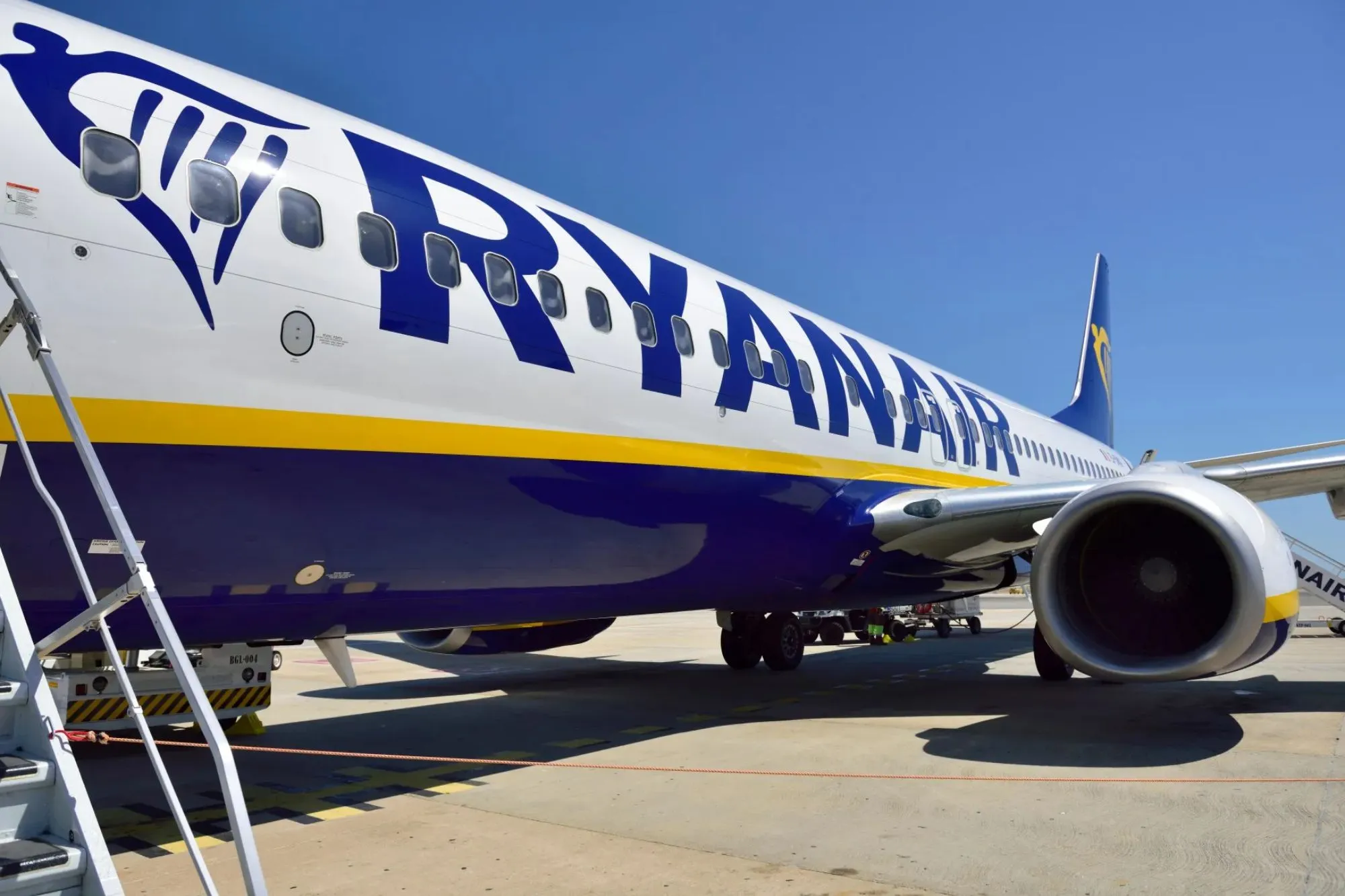
BIG news for families who travel on Ryanair flights.
The airline has announced that it has changed its policy so that families can sit together free of charge.
Sign up for the Travel newsletter
Thank you!
Ryanair has changed its policy so adults can sit with their children with no extra chargesCredit: Alamy
In a statement made today, Ryanair said that there will be free parent and child seats available together in the rear of its planes for families.
For adults travelling with children who choose this new seating option, they will be told of their seat allocation after they have checked in for their flight.
This is the case with most other airlines in Europe.
Families who opt for this are likely to be seated towards the back of the plane.
It’s still an option for families to choose their seats in advance, but this does require a seat reservation fee.
Previously, Ryanair’s Ts&Cs required at least one parent to sit with their children aged 2-11 when they fly.
This was done through what Ryanair calls a “mandatory family seat”, which the parent must pay for in order to secure a seat next to them for their child.
For all other passengers, reserving a seat is optional.
This fee applies to both outbound and return flights and typically costs around £8 each way.
Ryanair’s website refers to “Free reserved seats for kids under 12”, but the parents and guardians had to pay a booking fee to access these seats.
Typically, other airlines offer to seat children with a parent or guardian without the need for a paid-for adult seat reservation, or allocate seats together automatically during booking for free.
The new policy comes in on new bookings made from today.
On the policy change, a CMA spokesperson said: “Ryanair claims its seating policy now complies with the law, and we’ll test that thoroughly. If true, it’s a win for families – who will no longer have to pay to sit with their children – and it shows the impact our new powers are having.
“But it doesn’t change the fact families have been paying for ‘mandatory family seats’. Our investigation remains ongoing.”
Ryanair boss Michael O’Leary commented on the changes…
Ryanair CEO, Michael O’Leary, said: “Turning a blind eye to the high fares charged by airlines on routes with no Ryanair competition, the CMA has now targeted our family seating policy which has been universally embraced by consumers as the most progressive and transparent in Europe.
“Instead of promoting competitiveness and lower fares for consumers, the CMA is on a mission to force Ryanair to adopt the less transparent and less consumer-friendly family seating policy applied by most other airlines – just because it’s the industry standard.”
He said that the airline will “reluctantly adjust” to the industry standard.
Michael explained that “families may have to wait until after they have checked in to find out their seat allocation”.
And that these seats are likely to be at the “rear of the cabin”
Football fever is sweeping the nation, but one TV vet says the excitement of World Cup matches could be having an unexpected impact on pets
Dr Scott Miller during an appearance on ITV’s This Morning(Image: This Morning)
As football fans soak up every goal, near miss and dramatic result, many may be overlooking one beloved member of the household. According to one TV vet, the noise and excitement surrounding World Cup matches could be causing hidden stress for dogs.
Dr Scott Miller issued the warning during an appearance on ITV’s This Morning over the weekend. He explained that while humans may enjoy the thrills and spills of tournament football, dogs can find the experience far more overwhelming.
“It’s so exciting having the World Cup and people get excited, overexcited, and there’s a lot of high-pitched shrill noises that emanate from our beings,” he said. “They’re the sounds that our dogs are particularly sensitive to.”
The vet explained that dogs have far more sensitive hearing than humans. According to Dr Miller, a dog can hear sounds from around four times further away than a person.
“So if you can hear something from 20 metres away, they can hear it from 80 metres away,” he said. “You can imagine when you have your family, who are normally calm and lovely, suddenly screaming away beside them.”
Content cannot be displayed without consent
Dr Miller compared the sudden outbursts during matches to the effect fireworks can have on pets. He said unexpected cheers, shouting and celebrations can be frightening because animals receive no warning before the noise occurs.
“It’s just these high-pitched sounds that happen out of nowhere,” he explained. “They don’t get any warning for them.”
The warning comes as millions of football fans prepare to watch matches throughout the tournament. Research from Dogs Trust suggests many dogs can experience anxiety when exposed to loud or unfamiliar noises, with fireworks, thunderstorms and shouting among the most common triggers.
Animal welfare charity Blue Cross claims signs of stress in dogs can include trembling, panting, pacing, hiding, excessive barking and attempts to escape from noisy environments. Some dogs may also become withdrawn or unusually clingy when feeling anxious.
Fortunately, Dr Miller says there are several steps owners can take to help. One of the most important is ensuring pets have access to a quiet space away from the excitement.
“Have somewhere that your dog can slink away to, or your cat as well, away from the noise and the hubbub of the game,” he advised. He also suggested tiring pets out before kick-off. A walk, interactive play session or mentally stimulating activity can help encourage relaxation later in the day.
“Making sure they’re nicely tuckered out, maybe play an interactive game with them, stimulate their minds as well as their body, and then feed them as well,” he said. “So they’ve got that sort of Sunday afternoon feeling. They are a bit sleepy and a little bit relaxed.”
For households expecting particularly loud celebrations, Dr Miller recommended drawing the curtains and playing low-level background music. These measures can help mask sudden noises from both inside and outside the home.
While football fans may be focused on the action on screen, experts say it’s worth keeping an eye on pets too. A little preparation could help ensure that both owners and their dogs enjoy a more comfortable tournament.
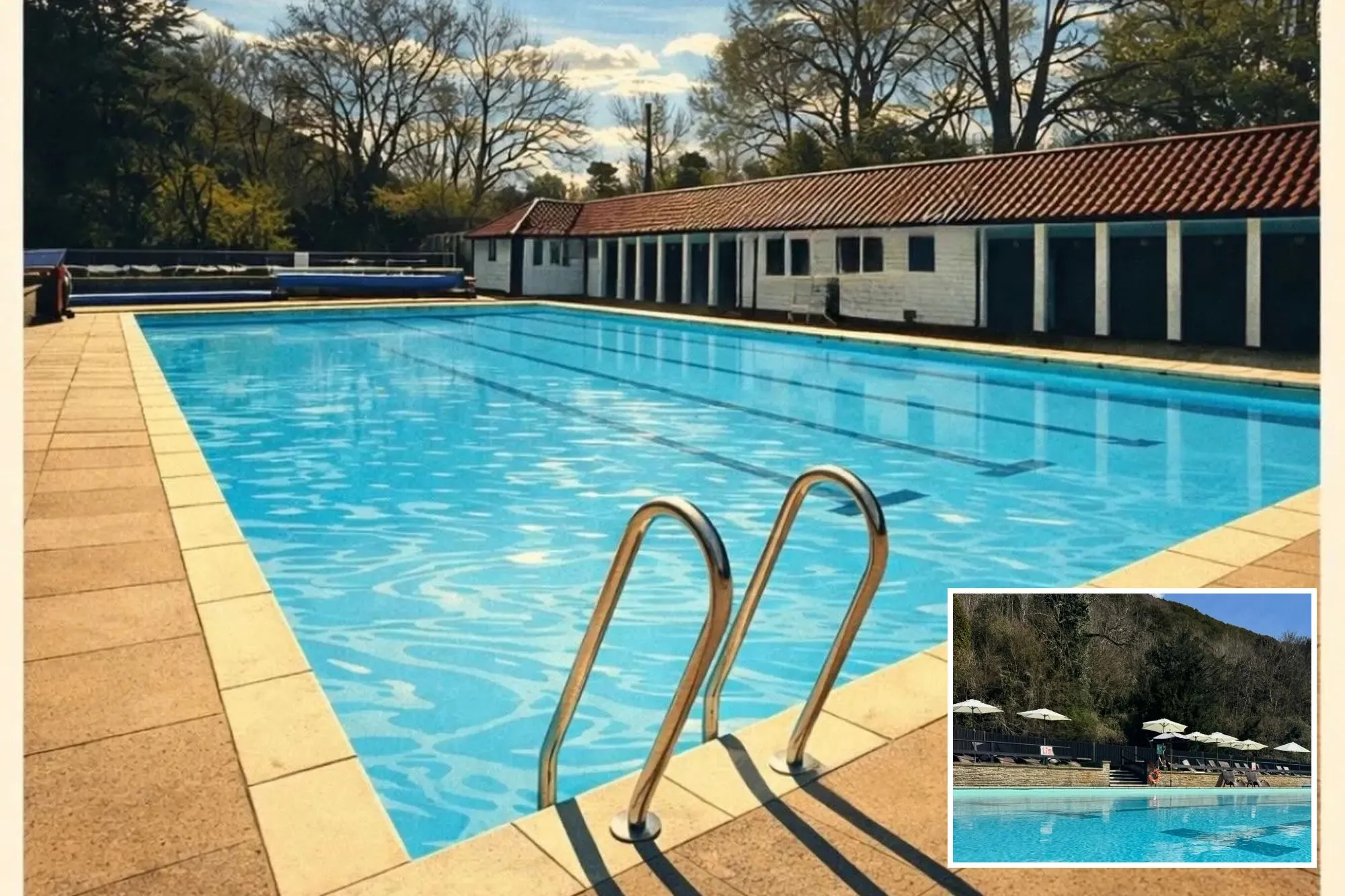
Burford Bridge Lido in Surrey is surrounded by sunloungers and parasolsCredit: Facebook/The Burford Bridge LidoThe lido is on the grounds of the Sunday Box Hill Burford HotelCredit: Oyo Rooms
The peaceful spot is so idyllic that some visitors have said being there makes them feel like they’re “on holiday”.
Stretching 20 metres long, it is heated between 28C-32C.
Between May and September, the pool is open seven days a week to the public who can book morning, afternoon or evening sessions.
Surrounding the lido are plenty of sun loungers, parasols and towel hire which swimmers can take advantage of.
You can get food and drink there too which is served up from the hotel restaurant.
On offer there are pizzas, salads and burgers, there’s also a children’s menu as well as soft and alcoholic drinks.
As the lido is found on the site of the Sunday Box Hill Burford Bridge Hotel, guests get access to the lido included in their stay.
And over the years, it has been one of the prime selling-points of the hotel.
Burford Bridge Lido has visitors saying they feel like they’re ‘on holiday’Credit: Facebook/The Burford Bridge Lido
One visitor wrote on Tripadvisor: “The gardens are a delight, particularly the heated outdoor swimming pool. That was the icing on the cake!”
Another said: “I love outdoor swimming so the amazing 27’ temperature beautiful pool below Box Hill with fab facilities and lifeguards was a treat!”
A third commented: “An unexpected gem of a hotel in an idyllic location (despite the roundabout location!) with a glorious outdoor lido, perfect for poolside lounging and exploring green Box Hill on a hot bank holiday weekend.”
Sun Travel found rooms that start from £64 per night (or £32 each).
Day pass tickets for those not staying at the hotel vary in price depending on the time.
Early bird swims (between 7-11am) start from £12.50 for adults and £7.50 for children.
Mid-day swims (between 11am-3pm) and afternoon swims (3-7pm) start from £20 for adults and £10 for children.
A full day pass starts from £35 for adults and £17.50 for children with a family pass starting from £85.
For those driving, the lido has free parking for up to four hours for those with a day pass.
The outdoor pool is seasonal and will be open this summer until September 27.
If you’re searching for a Sardinian city break with a difference, Cagliari has stunning Mediterranean beaches, flamingos and ancient history – and it’s just a short flight from the UK
Lauren Gordon Emerging Audiences Editor and Octavia Lillywhite Acting beauty and wellness editor
12:53, 20 Jun 2026
This article contains affiliate links, we will receive a commission on any sales we generate from it. Learn more
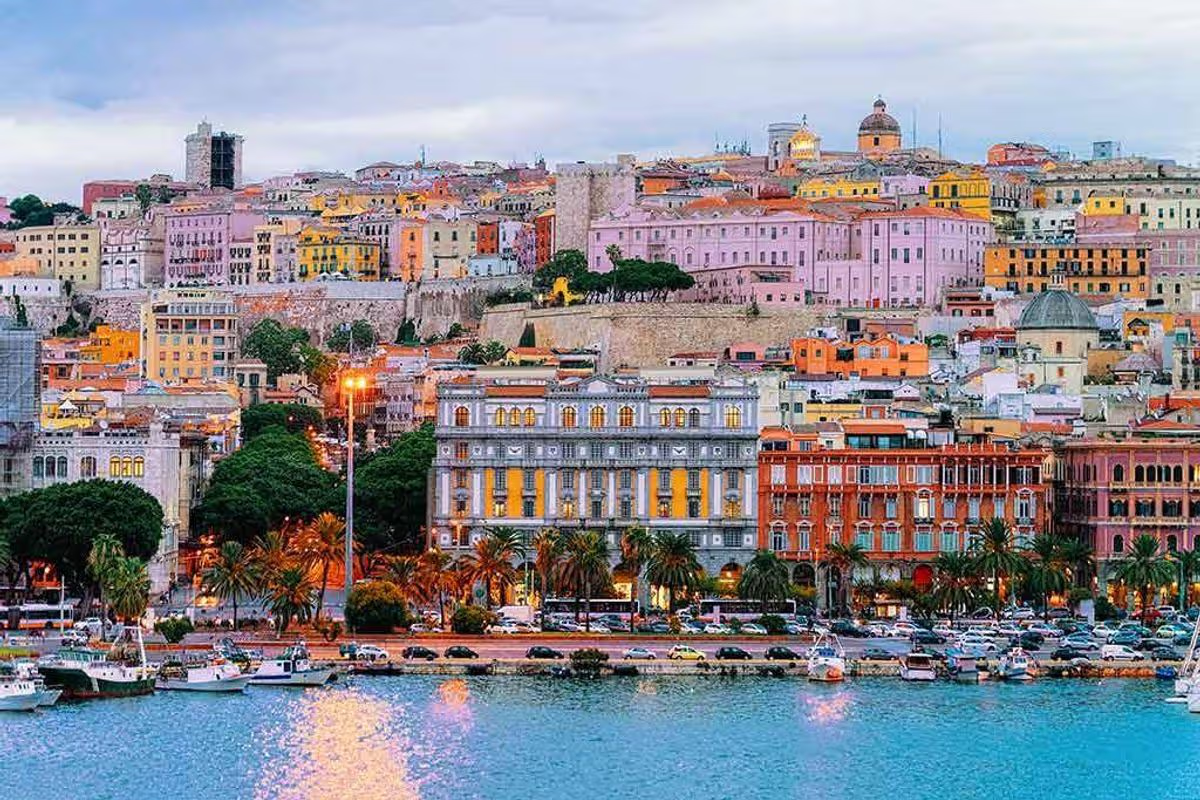
Just 220 miles from Rome lies Sardinia, and in its south region, the city of Cagliari(Image: Getty)
If you’re contemplating a weekend escape this year, you’ve likely thought about one of Italy’s major destinations – timeless Rome or the enchanting cathedrals of Florence. Architecture, history, sunshine and some of the finest cuisine on the planet – Italian city breaks are difficult to surpass.
But here’s our suggestion – venture beyond the conventional and uncover something away from the masses, with even more on offer.
Roughly 220 miles from Rome sits Sardinia, and at the southern extremity the city of Cagliari is, according to my travel guide, “older than Rome”. It’s a city that combines multiple dimensions: ancient and contemporary, urban and natural, monumental and everyday.
Like Barcelona, it achieves the ideal balance between city and beach getaway. The beach, the largest stretch of sand I’ve witnessed in Europe, is merely 10 minutes drive from the centre, so you can transition from sipping cocktails in a rooftop bar in the Castello district, to barefoot walks along the shoreline.
And if you’re seeking a taste of nature, the salt flats – home to Cagliari’s flock of flamingoes – is a brief bus journey from the old town, reports OK!.
The historic core of the city is the Castello district, positioned on a limestone hill and surrounded by imposing walls. I had the privilege of exploring its delightful, narrow streets, and became captivated by the shaded piazzas and panoramic vantage points overlooking the Gulf of Angels.
While tourist favourites such as the Amalfi Coast and Rome continue to hog the limelight, Cagliari is steadily carving out a reputation as a must-visit destination — perfect for those seeking a hidden gem well away from the crowds. Here’s my ultimate itinerary.
Stay by the sea in Cagliari
You could always opt for the old town, but to truly soak up this coastal city, The MGallery Palazzo Tirso is a five-star boutique hotel tucked away in La Marina, one of Cagliari’s four historic quarters. From its rooftop terrace, you’ll be treated to stunning sea views alongside the magnificent sights of Castello.
For a holiday packed with rest and relaxation, Palazzo Tirso has everything you need, boasting a sauna, steam room, spa pool and a selection of L’Occitane-fuelled treatments. The 25-minute massage left me feeling as though I’d ascended into heaven.
The hotel also houses two restaurants: rooftop venue Cielo, offering all-day dining and aperitifs with DJs, and Terra, a genuinely gourmet spot showcasing prestigious recipes crafted by Palazzo Tirso‘s chefs.
My standout meal was at Sa Schironada, a charming little restaurant just a six-minute stroll from the Palazzo Tirso hotel. We shared a plate of traditional Sardinian bread and olive oil — which you simply can’t get enough of in Italy — and for my main, I tucked into a generous platter of mouth-wateringly delicious mussels in garlic and white wine sauce, accompanied by more Sardinian bread.
It was, needless to say, a glorious overload of carbs and seafood that left me fit to burst, but every single mouthful was absolutely worth it.
Spend a day flamingo spotting
Cagliari is extraordinary for its natural surroundings, so it’s essential you explore the Molentargius Salt Flats, where colonies of pink flamingos make their home. They’re situated within a protected park – a rare example of a lagoon ecosystem nestled inside an urban environment.
Alongside flamingos, you could also catch sight of the great white pelican, a cattle egret colony or, if you’re fortunate, the purple swamphen, with its metallic blue plumage and scarlet beak.
To enter the park, you can rent a bike for approximately €15 per day, or take a guided mini bus tour through the park, where they’ll provide a tour guide and a pair of binoculars.
Exploring the beach
Poetto Beach extends for several kilometres, and it’s among the defining features of local life. Far more than simply a beach, it’s a social hub: bustling throughout the year, where sports, relaxation, and community spirit converge.
The sheer scale of Poetto left me stunned. I’m accustomed to town beaches that are compact and pebbly, but this beach’s scenic expanse is magnificent.
From it, you also enjoy a stunning view of the Devil’s Saddle, the promontory at the precise centre of the Gulf of Angels and – according to legend – the location of the battle between good and evil. Good must have triumphed because the place is paradise.
Cocktails with a Michelin-starred chef
In an immersive cocktail experience courtesy of the Palazzo Tirso hotel, you can savour cocktail pairings crafted by Michelin-starred chef Pichaya “Pam” Soontornyanakij, aka Chef Pam – who received The World’s Best Female Chef status in 2024.
Her signature creations include Caviar-Crowned Tartare, Sun-Kissed Crab, and Squid’s Midnight Dip. Bite-sized masterpieces bursting with character, these are far from ordinary bar snacks.
Every piece is carefully designed to complement the drink alongside it, transforming an evening tipple into a truly curated occasion.
For wine enthusiasts, just 35 minutes north, tucked away amongst the rolling hills of Donori, lies Tenute Maestrale, a contemporary winery surrounded by undisturbed vineyards producing superb white, rosé and red wines, with tastings of three wines and traditional snacks starting from just £28.
When to visit Sardinia’s capital
Cagliari is stunning throughout the year, particularly during summer when the beaches and bustling streets truly come alive. For a genuine festival atmosphere, The Feast of Saint Efisio takes place annually from 1st-4th May.
It’s an 80km pilgrimage from Cagliari to Nora, retracing the route of Saint Efisio’s martyrdom. Thousands of participants, adorned in traditional costumes, accompany the saint’s statue on elaborately decorated ox-drawn carts.
It ranks amongst the longest and most ancient pilgrimages in the world, with the city traversed by a procession of 2800 people in traditional dress from across Sardinia, followed by 270 horsemen of Campidano, the Militiamen and the Guardiania.
How to book your Cagliari getaway
Rooms at MGallery Palazzo Tirso begin at £240 for bed and breakfast. You can reserve directly via the hotel’s website, or via Booking.com or Expedia.
Amazon.com (AMZN) is facing a possible lawsuit from the US Federal Trade Commission that may lead to billions of dollars in civil penalties, over claims the e-commerce giant misled advertisers, Bloomberg reported, citing sources.
Cabü by the Sea in St Margarets, Kent, is a luxury coastal cabin staycation for city dwellers seeking coastal charm without a long journey – and it’s less than two hours’ drive away
Octavia Lillywhite Acting beauty and wellness editor
07:00, 13 Jun 2026
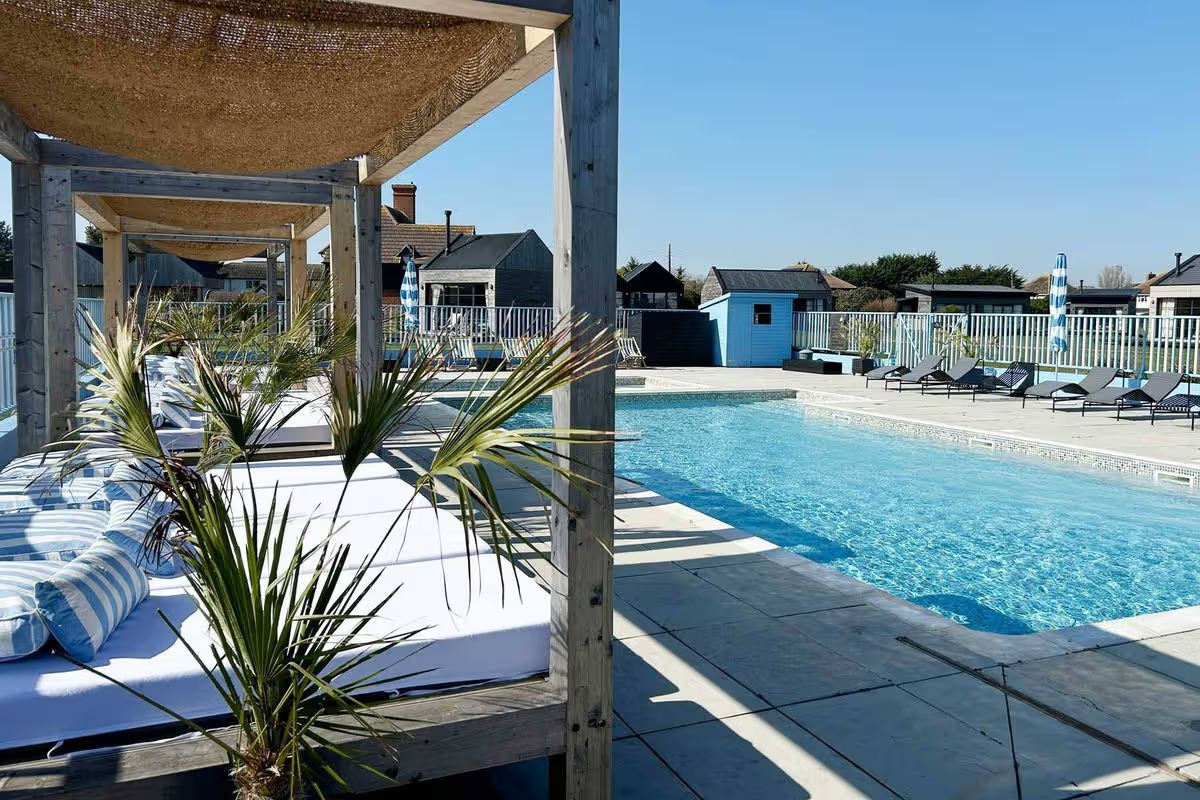
Pretty perfect: the pool is ideal for a dip on warm summer days(Image: Cabü)
At Cabü by the Sea, baby rabbits hop playfully across the grass. “They’re quite used to us,” our host explains as she guides us towards our cabin.
“But they dig everywhere, so do watch out for burrows.”
It’s a fitting welcome to our time at this wonderfully wholesome retreat. Cabü consists of a grassy expanse dotted with luxurious one, two and three-bedroom cabins, nestled against the sea wall in St Margarets, one of those tranquil coastal villages in Kent’s overlooked corner, where Dungeness extends a languid arm into the English Channel.
Uncomplicated and serene, the atmosphere washes over you the moment you arrive, reports OK!.
Discovering the ideal seaside cabin
This spot is defined by thoughtful touches. The log burner is already stacked and primed to ignite with just one match.
Plush, generously soft towels hang in the bathroom, with striped versions on the upper shelf – designated for beach and pool. In the kitchen, there’s a picnic hamper ready should you wish to prepare something for the shore.
If you’d rather not have to do it yourself, simply order from the onsite shop.
Each designer lodge resembles something plucked straight from the pages of a cabin lifestyle book (I know, because they’ve left a copy beside the kingsize bed). It’s difficult not to instantly embrace the notion that owning a modest cabin of your own could be the solution to life’s pressures. It certainly seems that way while you’re here.
Making the most of your time at Cabü
Cabü is a spot where simple pleasures take centre stage, with a handful of added treats thrown in. There’s a pool (fenced off, so you needn’t fret about little ones wandering), and alongside it sits the sitooerie – a space blending indoors and out, where families can bond over the pizza oven and toast marshmallows side by side.
Without children in tow, we hired our own barbecue, grilled burgers on the decking, and gazed at the stars instead.
There’s also the spa facilities you can reserve by the hour – generous wooden hot tubs, a sauna and an icy plunge pool complete with a bracing bucket shower. Steel yourself and give them all a go – it’s absolutely brilliant.
What to explore in the surrounding area
We left the car untouched throughout our visit, opting instead to borrow bikes for the seven-mile ride to Dungeness (the Fish Roll at the Dungeness Snack Shack is essential), where the 21st Century seems to dissolve amid the stark, post-apocalyptic stretch of shingle and weathered boat hulls. Head the opposite way and Dymchurch (3 miles) offers classic seaside charm with fairground rides, fish and chips and ice cream, plus superb meals at Coffee Lounge.
Can’t manage the distance? Fear not, because there’s an authentic miniature steam railway covering the entire route, with a station just a 10-minute stroll away.
How to book your own cabin getaway
Prices start at £375 for a 2-night break in a studio cabin. Studio, 1, 2 and 3 bedroom cabins are on offer, including dog-friendly choices and one featuring a private hot tub.
Spain is one of the most popular holiday destinations for Brits, but if you want to avoid the crowds, one holidaymaker has shared a ‘hidden gem’ with stunning views and rich history
14:42, 12 Jun 2026Updated 14:42, 12 Jun 2026
A holidaymaker claims to have found a ‘hidden gem’ in historic city near Malaga (stock image)(Image: Getty Images)
When it comes to summer getaways, Spain consistently ranks as one of the most beloved destinations for British holidaymakers, and it’s not hard to see why. Nestled in Southern Europe, it enjoys pleasant weather all year round, with summer temperatures frequently soaring to 30 degrees on a daily basis.
Even during quieter months, visitors can expect comfortable temperatures of around 20 to 25 degrees. With the mainland just a short two-hour flight from the UK – although the Canary Islands can take up to four hours to reach – many Brits consider it the ideal distance for a break.
That said, Spanish authorities have previously voiced frustration with the sheer volume of tourists flocking to the country, leaving hotspots such as Mallorca and Palma absolutely packed to the rafters during the summer months.
Now, however, one traveller named Andrew McDonnell claims to have uncovered one of Spain’s best-kept secrets – a destination that delivers scorching summers and stunning scenery, without the overwhelming crowds. He took to TikTok, where he has amassed more than 12,100 followers, to share highlights from his trip to the historic southern Spanish city.
“One of Spain’s hidden gems left me truly speechless,” read the caption accompanying his post.
Content cannot be displayed without consent
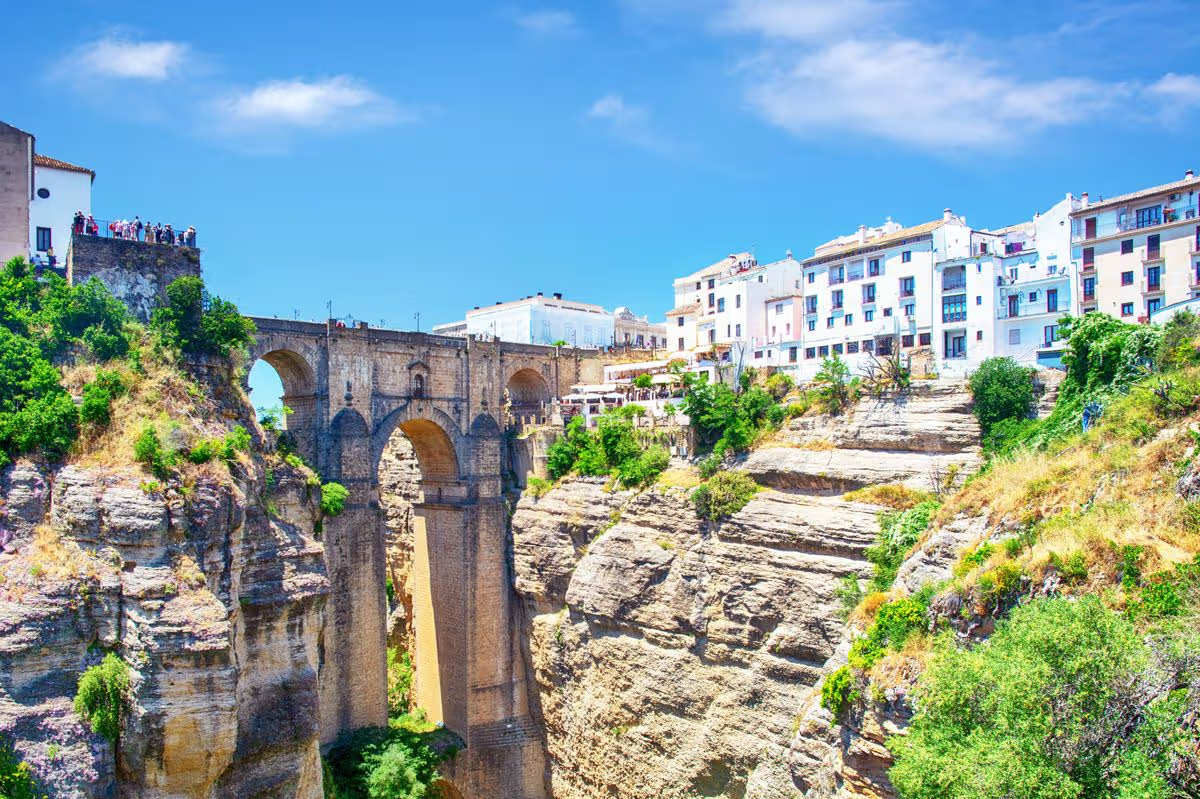
Ronda is a stunning mountaintop city situated in the Málaga province of Andalusia in Southern Spain. It is renowned for its dramatic position perched atop the sweeping El Tajo gorge, which divides the city’s 15th-century new town from its ancient old town, which dates back to the era of Moorish rule.
The iconic Puente Nuevo, a striking stone bridge that spans the dramatic gorge, features a viewpoint offering breathtaking views. The new town’s Plaza de Toros, a legendary 18th-century bullring, remains one of the city’s most instantly recognisable landmarks.
Ronda is also widely regarded as the birthplace of modern bullfighting, with a bullring dating back to 1784. Although the bullring remains open to visitors, actual bullfights are an increasingly rare sight, with just one symbolic event staged there annually during the Corrida Goyesca, as part of the Feria de Pedro Romero, which traditionally takes place in the last week of August.
Beyond its rich and fascinating history, the city also possesses a romantic charm that has captivated poets and writers for centuries, bolstered further by its spectacular mountaintop setting, widely considered one of the most stunning locations in the entire country.
Being a compact town, everything is easily reachable on foot. And while it stands as one of the most celebrated of Andalusia’s ‘pueblos blancos’ (white villages), it has managed to avoid the mass tourism that has overwhelmed its coastal neighbours, such as Malaga.
Andrew went on to say: “Ronda is one of those places that simply doesn’t need any words to be described, because being there and seeing it for yourself is enough. The content really doesn’t do this place any justice for how spectacular it is.”
And situated in Southern Spain, you can anticipate the typical Mediterranean climate, featuring hot, dry summers and cool, wet winters.
Thanks to its elevated position (roughly 739 metres), it does see chillier winters and occasionally hotter summers than neighbouring coastal resorts.
As it’s just 100km from Malaga, roughly an hour and a half’s drive away, Ronda serves as an ideal day trip during your holiday, or a peaceful and relaxing base for your next Spanish getaway.
A holidaymaker has shared her experience of visiting what she calls the real ‘paradise’ of Portugal many tourists ignore, where she discovered a hidden waterfall and gorgeous beaches
People were amazed to learn about the ‘hidden gem’ of Portugal (stock image)(Image: Getty Images)
Despite the UK being forecast for another warm and sunny summer, the allure of jetting off abroad to unwind on a sun-drenched beach in a foreign country can prove hard to resist.
Just a two-hour flight from the UK, Portugal has long been a firm favourite among British holidaymakers, particularly given its reliably sunny and warm climate for much of the year. While cities such as Porto and the capital Lisbon remain among the most popular spots for tourists, one traveller now claims to have uncovered the ‘paradise of Portugal’ that many visitors don’t even know exists.
Taking to TikTok, a user going by the name ‘Solo Traveling Joy’ shared her experience of visiting the destination, revealing she had discovered a ‘hidden waterfall’ complete with a natural swimming pool, nestled among breathtaking scenery.
“Portugal is so underrated. And most people stick to Lisbon or Porto, but completely miss out on the Algarve,” she wrote in the caption of her post.
Content cannot be displayed without consent
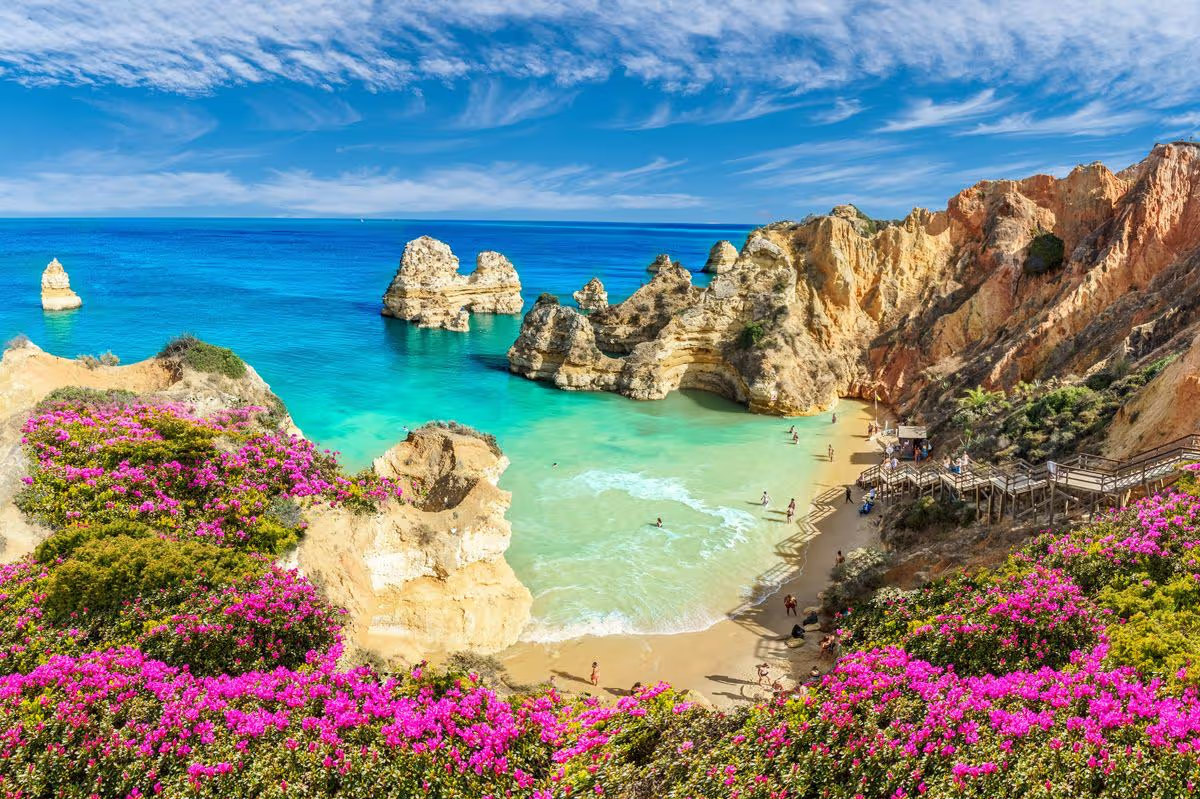
The Algarve is Portugal’s spectacular southernmost region, stretching for over 200 kilometres along the coast. Whether you’re a nature enthusiast, a beach lover, or simply seeking somewhere to kick back and recharge, the Algarve is unlikely to leave you disappointed.
Celebrated for its year-round sunshine, striking ochre cliffs and sweeping golden beaches, it stands as a premier European hotspot for beach breaks, world-class golf and freshly caught seafood, according to Visit Portugal.
If you’re considering a stay in the Algarve, there’s no shortage of choices. The most sought-after destinations, however, are Lagos in the west and Tavira in the east, both widely regarded as the region’s finest spots. Lagos boasts striking golden cliffs and a lively town atmosphere, whereas Tavira delivers historic, untouched Portuguese character.
The secluded waterfall she featured in the clip is Queda do Vigario, situated near the rural village of Alte, which lies just off the A2 motorway linking Lisbon and the Algarve.
“This was one of my favourite natural swimming pools… peaceful, hidden, and 100% worth the detour,” the woman wrote in the caption accompanying her post.
“Go in the morning when no one is there!” she advised.
Viewers were swiftly captivated by the woman’s footage, with many rushing to the comment section to share their reactions.
“This looks like a hidden gem,” one person wrote, while another user said: “Wow, thanks for the tip.”
Another person said: “Adding this to my Portugal list! Amazing shots.” Someone else shared: “Been here today was lush.”
SITTING in a cafe with a cuppa and a slice of cake is already a nice way to spend an afternoon, but imagine if you could watch planes take off at the same time…
Well, there is one spot you can actually do this from and it is less than 12 miles from London.
Sign up for the Travel newsletter
Thank you!
At Elstree Aerodrome Cafe you can sit and watch planes take offCredit: Google mapsThe small cafe sits right next to Elstree Aerodrome which dates back to World War IICredit: Google maps
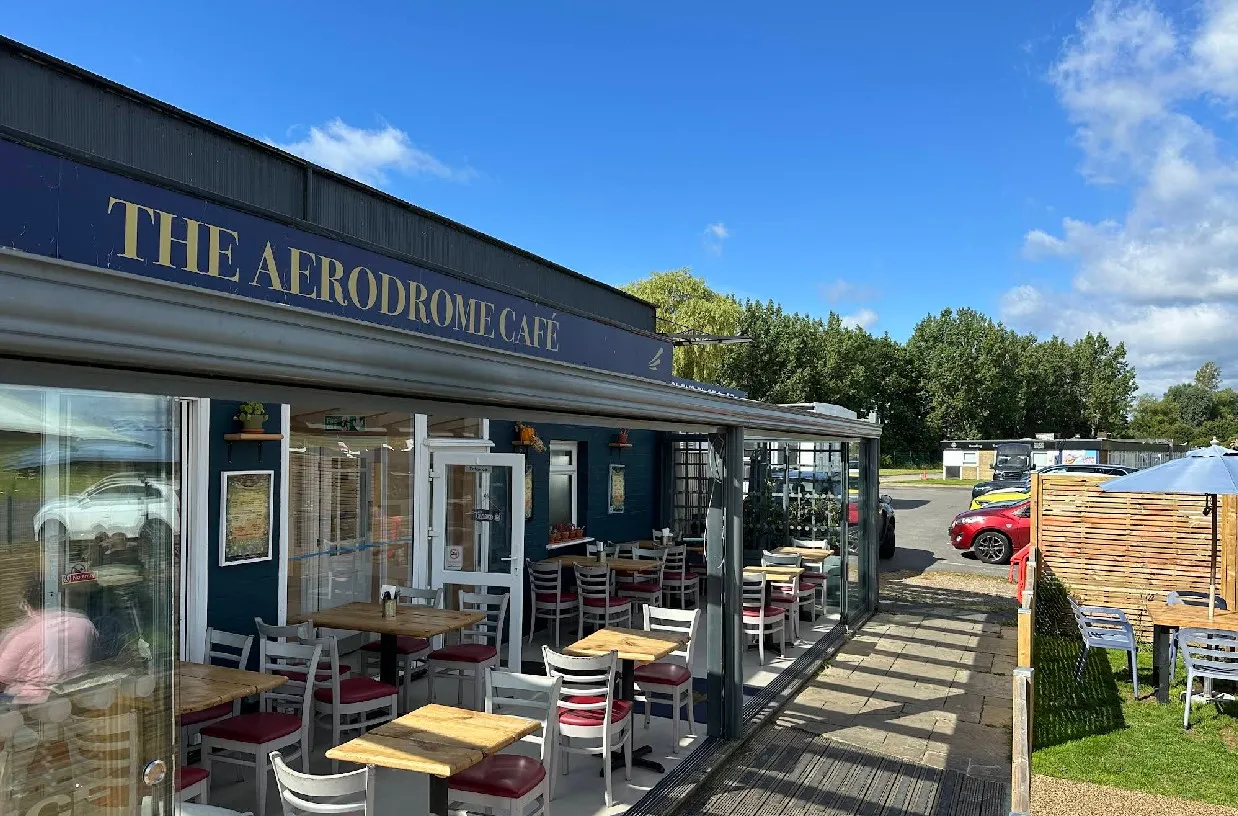
The Aerodrome Cafe at Elstree in Hertfordshire, sits right next to Elstree Aerodrome, meaning you can tuck into breakfast while watching planes take off and land.
The small cafe is open seven days a week between 9am and 4pm and serves breakfast and lunch, as well as snacks.
And when the weather is warm and bright, you can even grab a beer for £5.30 and be closer to the action by sitting outside.
But in the colder months don’t worry, because inside there is a log burner to keep it cosy.
Visitors can enjoy breakfast, lunch or snacks at the cafeCredit: Google maps
The cafe was opened by husband and wife duo Jean-Luc Sainlo and Colleen back in 2021.
Jean is even a Michelin-trained chef and the cafe makes its own pizzas as well as afternoon tea and roasts on a Sunday.
One recent visitor said: “I come here with the family now and again and it’s always a lovely day out.
“I’ve seen adults and children alike be delighted watching the planes and helicopters after meals.
The cafe has both indoor and outdoor seating tooCredit: Google maps
“A few yards down the road is Aldenham Country Park, so once you’ve eaten and enjoyed the planes you can head over there if you prefer a more woodsy atmosphere.”
The aerodrome dates back to World War II where it was used as a base to repair Wellington bomber planes.
If you did visit today, you’d most likely see small two or four-seater planes, helicopters or potentially some vintage planes taking off.
Though, if you are really lucky, you might see some stars as the aerodrome has previously been used for a Mission Impossible film, as well as James Bond Spectre.
Holidaymakers are urged to ditch Ibiza and Marbella for Spain’s ‘real paradise’ – a stunning Mediterranean beach escape with crystal clear water, hidden coves and charming medieval villages
The area boasts gorgeous beaches comparable to that of the Caribbean (stock image)(Image: Getty Images)
With summer now officially upon us, many people will be looking to escape the UK and soak up some sun abroad, even as temperatures across the country are forecast to reach as high as 30C over the coming weeks. Yet it appears that British holiday habits are shifting.
Research suggests that many Brits are turning their backs on Southern Europe, with popular hotspots in Spain, Turkey and Greece attracting fewer UK visitors than before. And while plenty of travellers may have concerns about overcrowding at well-trodden holiday destinations, there are a number of hidden gems just waiting to be uncovered.
One TikTok account has been singing the praises of what they’ve dubbed ‘Spain’s real paradise‘, urging holidaymakers to swap the likes of Ibiza and Marbella for this lesser-known treasure instead.
“Forget Ibiza. This is Spain’s real paradise,” read the on-screen text in the video, which offered a tantalising glimpse of a stunning coastal town with a beach as its backdrop.
Content cannot be displayed without consent
The clip went on to showcase a breathtaking sandy beach with crystal-clear waters that ‘looks straight out of the Caribbean’, along with secluded water coves just waiting to be explored.
For those fancying a break from the beach, there are also Medieval towns and castles to discover, as well as coastal walking trails that offer truly spectacular scenery.
They wrote in the caption: “Costa Brava is one of the most beautiful destinations in Spain, with crystal-clear waters, hidden beaches, charming medieval villages, scenic coastal walks, and stunning Mediterranean views.”
The Costa Brava, which translates as “Wild Coast,” is a rugged, striking stretch of shoreline in Catalonia, north-eastern Spain. Running from Blanes all the way to the French border, it’s celebrated for its dramatic cliffs, secluded coves, medieval villages, and its connection to surrealist artist Salvador Dalí.
“If you’re planning a Spain vacation, add Costa Brava to your travel bucket list,” the caption continued.
Given its size, you’ve got plenty of choice when it comes to picking a base that suits your holiday plans. If you fancy a quaint village with rocky coves and pristine waters, then Calella de Palafrugell might be just the ticket.
Celebrated for its beauty, Tossa de Mar features a remarkably preserved medieval walled old town perched above a golden beach. Meanwhile, Cadaqués offers a more bohemian vibe, having once been a retreat for artist Salvador Dalí. For those after a livelier break, Lloret de Mar serves as a buzzing hotspot for nightlife, water parks, and package getaways.
If Costa Brava is on the cards for your next escape, the shoulder months of May, June, and September are generally regarded as the ideal time to go. You’ll benefit from warm, swimmable conditions, pleasant sea temperatures, and fewer crowds, according to EasyJet.
The summer months of July and August represent the busiest period, drawing enormous crowds and heavy traffic, whereas the winter season from November through to March brings cold weather and sees many coastal eateries and hotels shut their doors until spring.
Oil shipments passing through the Strait of Hormuz have quietly increased in recent weeks, but traders say the movement reflects a fragmented and opaque energy market rather than a full recovery in global supply flows.
More than four months into the ongoing conflict involving Iran, tanker traffic remains heavily disrupted, with shipping patterns increasingly shaped by risk, secrecy and shifting political arrangements.
Tanker Traffic Shows Limited but Rising Movement
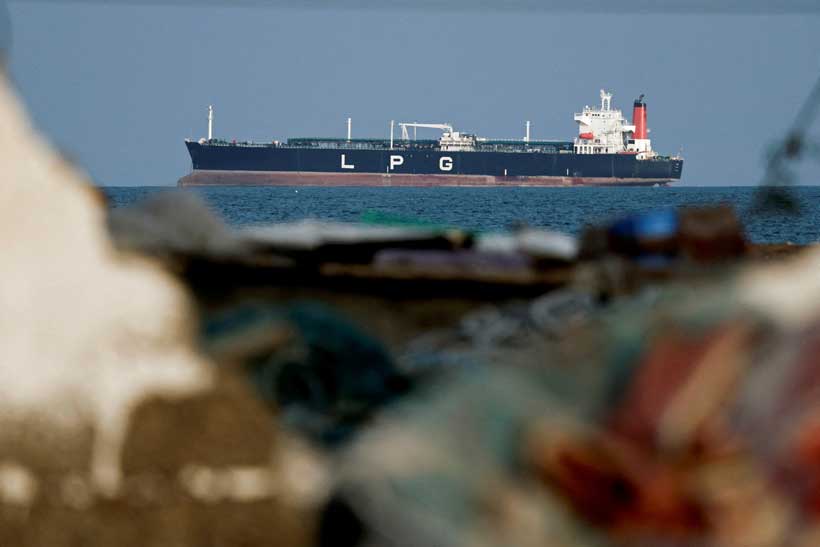
Shipping data suggests that only a small number of tankers are currently crossing the Strait of Hormuz compared with pre conflict levels.
Monitoring firms including LSEG and Kpler estimate that an average of just a few vessels per day are now passing through the strait, far below normal volumes.
Despite this, analysis of oil stored on tankers in the Gulf indicates that outflows have gradually increased, suggesting more crude is leaving the region than official shipping visibility shows.
Hidden Shipping Patterns and “Dark” Tankers
A growing share of tankers are reportedly turning off tracking systems during transit through the strait, a practice known as going dark.
This involves disabling Automatic Identification System signals, making it harder to track vessel movements in real time.
According to shipping analytics firms such as Vortexa, a large majority of outbound tankers recently used this method, reflecting rising caution among operators.
This has made it significantly harder for markets to accurately assess global supply flows and has increased uncertainty in oil pricing.
Oil Stored on Tankers Shows Gradual Decline
One key indicator of market movement is the volume of oil stored on ships inside the Gulf, often referred to as oil on water.
Estimates from Kpler suggest that volumes have fallen from a peak of around 184 million barrels in March to roughly 148 million barrels more recently.
This decline indicates that more oil is gradually leaving the region, even if it is not fully visible through standard tracking systems.
Analysts estimate that outflows have increased over recent weeks, suggesting a slow and uneven recovery in shipping activity.
Security Risks Continue to Disrupt Shipping
The ongoing conflict involving Iran has significantly disrupted maritime trade through the Strait of Hormuz, one of the world’s most important oil transit routes.
Limited access to the strait has forced producers to reduce output in some cases, while storage constraints have added pressure to supply chains across the Gulf.
Some shipping routes are reportedly being managed through informal arrangements or alternative corridors, while others rely on higher risk transit strategies to avoid detection or confrontation.
Recovery Remains Uncertain
Despite signs of increased movement, analysts warn that the situation is far from a return to normal.
A sustained recovery in oil flows would require consistent shipping access, stable security conditions and sufficient tanker availability to support exports.
Many shipowners remain reluctant to operate in the region due to elevated insurance costs and the risk of vessels being stranded or targeted.
Long Term Structural Change Possible
Industry observers warn that even if diplomatic progress leads to a formal reopening of the strait, the global oil market may not return to previous conditions.
There is growing discussion that Iran could attempt to impose tolls or control systems on shipping through the waterway, which would fundamentally alter global energy logistics.
Such a scenario could force Gulf producers to seek alternative export routes or invest in new infrastructure to reduce dependence on the strait.
Analysis: Market Stability Replaced by Managed Uncertainty
The situation in the Strait of Hormuz highlights a shift from predictable global energy flows to a more fragmented and opaque system.
While oil continues to move out of the Gulf, the lack of transparency in shipping routes is creating uncertainty for traders and pricing benchmarks.
The increased use of stealth navigation and alternative transit arrangements reflects a market adapting to geopolitical risk rather than resolving it.
As long as tensions persist, energy markets are likely to remain volatile, with supply visibility as important as supply itself in determining global prices.
Conclusion
Oil shipments through the Strait of Hormuz are slowly increasing, but hidden tanker movements and ongoing conflict mean the global energy market remains deeply uncertain. Without stable political conditions and transparent shipping routes, a full recovery in oil flows is unlikely in the near term, keeping traders cautious and markets volatile.
THE best 100 beaches in the world have been named – and two can be found in the UK.
Announced by Corona, the 2026 Corona Beach 100 has revealed the best spots around the world from well-known spots to hidden coves.
Sign up for the Travel newsletter
Thank you!
Two UK beaches have been named as some of the best in the worldCredit: AlamyFistral Beach Newquay made the listCredit: Alamy
Three criteria were analysed – Beachside Culture, Connection to Nature and Scenic Aesthetics.
A new entry on the list this year is Barafundle Bay in Pembrokeshire.
The first Welsh beach to make the list, it was praised for its “remote and dramatic landscape, as it is “accessible only by clifftop walk through a medieval archway.
It wrote: “Barafundle Bay feels hidden even when people talk about it.
“Reached only by a clifftop walk along the Pembrokeshire coast, this crescent of pale sand sits tucked between limestone cliffs with nothing built around it.
“No road, no cafés, no signal, just seabirds overhead, cold clear water below, and the kind of quiet that makes you slow down without realising it.”
And returning to the list this year was Fistral Beach in Cornwall, praised for being a “social and cultural hotspot” by being the UK’s surfing capital after hosting the first British Surfing Championships in 1966.
It added: “Facing the full force of the Atlantic, it’s where you go to chase sets, drink tea with cold hands, and feel like you’re part of something.
In Europe, Agia Anna on Naxos island in Greece was praisedCredit: GettyOne Croatia beach was listed, which was Zlatni Rat Beach on the island of BolCredit: Getty
“The beach delivers all year, with consistent swell, golden sands, and a surf scene that’s as seasoned as it is welcoming.
“From world-class comps to waist-high rollers, Fistral doesn’t need sunshine to shine — just wind, water, and the right kind of restlessness.”
Europe featured heavily on the list as well.
When it came to Greece, Agia Anna Beach in Naxos and the famous pink Elafonissi Beach in Crete made the cut, as well as Sarakiniko Beach on Milos.
For Spain, there was Aiguablava Beach, as well as Ibiza’s Casa Salada and Majorca’s Cala Mondragó.
Beaches across Italy, France and Croatia were also included, as well as other holiday spots such as Turkey, Morocco and Thailand.
Weekly insights and analysis on the latest developments in military technology, strategy, and foreign policy.
Today, the U.S. Marine Corps celebrated the end of more than half a century of Harrier ‘jump jet’ operations with a sundown ceremony at Marine Corps Air Station Cherry Point in North Carolina. For more than 20 percent of the history of the republic, the British-originated jump jet helped to defend America. The story of how the U.S. military first got involved in the program is a little-known but fascinating one. Michael Pryce, who has worked on various aircraft projects, from the Harrier to the Tempest, explains, and, in the process, connects the dots between the AV-8 and its replacement with the Marine Corps, the F-35B Lightning II.
Read our coverage of the Marine Harrier sundown here.
A British-made U.S. Marine Corps AV-8A of Marine Attack Squadron 231 drops a Mk 20 Rockeye cluster bomb during training, in 1979. U.S. Navy
Right from the start, the Harrier had been of immense interest to Britain’s ‘cousins’ across the pond. In the 1950s, the threat of nuclear war led to the creation of jump jets, and NASA, plus the U.S. Air Force, Navy, and Army soon found that developing rockets seemed easy in comparison to this new class of combat aircraft.
Despite valiant efforts, no American jump jet could be made to work.
A video shows the Ryan X-13 Vertijet during tests. It was one of many Cold War-era jump jet projects that ended in failure:
VERTIJET
All three services got involved in trials of the Hawker Siddeley P.1127 Kestrel, the first iteration of what would become the Harrier, initially in a joint British-American-West German trials squadron. Then, six of the Kestrels were taken to America to continue testing there, and they were renamed as XV-6As once on U.S. soil. Unlike other jump jet projects, the P.1127 utilized four adjustable exhaust nozzles beneath the wing, which rotated to provide thrust for vertical, backward, or hovering flight as well as conventional forward movement.
The XV-6A Kestrel demonstrated operations from grass, semi-prepared surfaces, and ship decks, offering great operational flexibility. U.S. Air Force photo
The thing that impressed the Americans was the sheer simplicity of the British jump jet. With just one engine, and ‘not an electron’ needed in its flight controls, the Kestrel soon transformed into the Harrier, and in 1968 the U.S. Marine Corps decided they would acquire them. Despite not having flown any of the Kestrel trials, they knew they wanted to bring the jump jet into the front line as soon as possible.
The British makers of the Harrier, Hawker Siddeley, first found out about the U.S. Marines’ interest when two men in uniform walked into the Hawker Siddeley hospitality chalet at the 1968 Farnborough Airshow and said they wished to fly the jet. Within two weeks, they had. It was the start of the Marines’ love affair with the Harrier, but it was not America’s first encounter with the British jet.
A Royal Air Force Harrier jet involved in a mock bombing run at the Farnborough Airshow in 1968. Photo by PA Images via Getty Images
Over 10 years before, another American had walked into Hawker’s fancy tent at another Farnborough airshow and asked to see their design for what would become the Harrier. Col. Willis “Bill” F. Chapman of the U.S. Air Force was an American in Paris, there to find European weapons that America could fund. Jump jets were all the rage, and the Hawker P.1127 seemed to him to be the most promising.
Six pre-production Hawker Siddeley Harrier GR1s pictured at the manufacturer’s test facility at Dunsfold aerodrome, Surrey, in 1968. The first Royal Air Force squadron to be equipped with the Harrier GR1, No. 1 Squadron, started to convert to the aircraft at RAF Wittering in April 1969. Crown CopyrightCol. Willis F. Chapman was commander of the 340th Bomb Group in 1944. Joseph Heller based the Catch-22 character of Colonel Cathcart on him, stretching artistic licence. Chapman thought Heller was a poor bombardier. Patricia C. Meder
As leader of the 340th Bomb Group in Italy in World War II, Chapman had seen dozens of his B-25 bombers wiped out, first by a volcanic eruption and then by a Luftwaffe attack. He knew nuclear missiles could do much worse. Soon, he had funded the Pegasus engine, the heart of the Harrier, and struck up a strong friendship with the Hawker design team led by Ralph Hooper, driving their design forward, from the drawing board into the sky.
Ralph Hooper, right, after flying in the two-seat Harrier he designed in the 1970s. BAE Systems
In 1968, one of the U.S. Marines who walked in at Farnborough would play an equally vital role in getting the Harrier into Marine service. Col. Tom Miller had flown in Korea and Vietnam, and scored a speed record in a McDonnell F4H Phantom for good measure. Deeply impressed by the Harrier, he went into battle on ‘The Hill’ to secure it for the Corps, then on to lead it into service as the commander of the 2nd Marine Aircraft Wing at Cherry Point — the same unit that retired the Harrier today, 55 years later.
John H. Glenn, Jr., Gen. David M. Shoup, Commandant of the Marine Corps, and then Lt. Col. Thomas H. Miller Jr., at Marine Corps Headquarters in 1960. (Marine Corps Archives)
The rest of the history of the Harrier is well known. From the initial, British-built AV-8A to the jointly-developed, with mostly American technology, second-generation AV-8B Harrier II, the Harrier found more use, and created more jobs, in America than in Britain. The American connection was the making of the British jump jet, and helped cement relations between the two countries’ pilots, engineers and ground crews over decades.
In the 1980s, there were attempts to make a new, supersonic successor, with the speed of the Marines’ F/A-18A Hornet and the vertical flight ability of the Harrier. Once again, the Americans turned to British designers. In 1981, Hooper and a team of engineers from the Harrier factory at Kingston-upon-Thames went to work at McDonnell Douglas in St. Louis, Missouri, to design the ultimate jump jet. Over drawing boards and at tailgate parties after ball games, they evolved a great beast of a jet, the P.1218, with two crew, two engines and the latest tech, to succeed the U.S. Navy’s F-14A Tomcat fleet interceptor and A-6E Intruder all-weather strike aircraft. Despite arriving at a joint design, money was limited, and the work was re-focused on research with NASA — the start of what in time would become the Joint Strike Fighter program.
Images of the British Aerospace P.1218 concept are very hard to come by, but the joint work with McDonnell Douglas fed into the broadly similar Model 279-4 design, seen here. McDonnell Douglas/Boeing
Although the U.S Navy buys jets for the Marines, the big twin-engined design was of less interest to the Corps than another of Hooper’s designs, a smaller, single-engine jet that weighed the same as the Hornet. This supersonic jump jet was seriously studied in the United Kingdom, with tests and design work over many years. The U.S. Marines were involved too, officers visiting the Kingston factory to talk about its prospects. When Britain delayed jump jet plans in favor of what became the Eurofighter Typhoon, it meant Hooper’s single-engined P.1216 design, with its wild-looking twin-boom configuration, seemed to miss its chance with the Marines. The British designer retired too, but he did not let that stop him.
A British Aerospace P.1216 in pseudo-U.S. Navy VFA-14 “Tophatters” markings escorts Soviet Backfire bombers, alongside a British version of the twin-boom supersonic jump jet. BAE Systems
Keen to see a supersonic jump jet in Marine service, he turned to Miller once again. As the accompanying letter in this article shows, in 1992 he gave Miller the technical plans of the new jump jet, and Miller showed it around at Marine HQ at a vital time — just as 10 years of research was turning into the serious acquisition program for the Joint Strike Fighter.
via author
The emerging requirements specified a weight the same as the Hornet — the same, too, as Hooper’s P.1216. Speed, range and weapons load were close too. While avionics and stealth had advanced beyond the British jet’s capabilities, the knowledge that the man who made the Harrier thought a practical jump jet of Hornet size would work helped get the ball rolling on the third generation of jump jets. Miller’s support ensured the Corps got behind it, leading to the Lockheed Martin F-35B now taking over Cherry Point.
An F-35B with Marine Fighter Attack Training Squadron (VMFAT) 501 prepares for takeoff at Marine Corps Air Station Cherry, North Carolina. U.S. Marine Corps photo by Lance Cpl. Christopher Hernandez
Making a fighting jump jet that works is extremely challenging. The Harrier had its problems — without rigid training, accident rates echoed those of its 1950s origins. The F-35B has had to overcome its own hurdles too.
In the early 2000s, Hooper was called in to help fix those. The transatlantic story of the Harrier may have ended today, but the people who found ways to cut bureaucratic corners by trusting each other, and who cracked the technical code of making the Harrier work, continue to support the next generation of F-35Bs.
Hawker Siddeley Aviation Executive Director and Chief Engineer Ralph Hooper talks U.K. Aerospace Minister Michael Heseltine through the features of a mock-up of the HS.1182 cockpit — the future Hawk trainer. Photo by PA Images via Getty Images
The ‘Harrier Mafia’ worked their own way, but always in line with the motto of the Marine Corps. “Semper Fi” was a value shared by British pilots who flew American Harriers in combat operations on exchange as much as by the men and women who made, and supported, 55 years of Harrier operations at Cherry Point.
Jump Jet: The Secret History of the Harrier by Michael Pryce is published on August 27 and is available for pre-order.
A BEAUTIFUL city in Germany has been named one of the best hidden gems in Europe.
European Best Destinations has announced its list of ‘Best Treasure Destinations in Europe 2026’, naming any that have ‘rare beauty, timeless charm and extraordinary places still preserved from mass tourism’.
Sign up for the Travel newsletter
Thank you!
Tübingen has been named one of the ‘Best Treasure Destinations in Europe’Credit: AlamyOn Neckar River, locals and tourists can go on punting toursCredit: Alamy
At the very top of its list is Tübingen in Germany.
The publication called the city an “amazingtreasure destination in Europe“.
It added that it’s “a traditional university town; about one in three people living there is a student.
“From its historical sites to its beautiful green spaces, there are so many unique things to do in Tübingen.“
The city in southwest Germany has a very pretty Old Town, translated to Altstadt.
Tübingen is considered ‘untouched’ as unlike other German cities as it avoided being bombed in World War Two.
So it still has it’s pastel-coloured 15th-century half-timbered houses and cobblestone roads filled with independent and boutique shops, pubs, cafés, and restaurants.
One visitor said: “We went there in the middle of summer and the view was really beautiful. Between the alleys, typically German, colorful houses and flower railings.”
Tübingen has pretty colourful houses by the waterfrontCredit: Alamy
Another said the Old Town is “definitely the most beautiful place in the city. The square is plenty of restaurants and terrasses. It’s a good place to drink something and enjoy the atmosphere, especially in summer.”
One of the most famous sites in the city is the Hölderlin Tower, the former home of the poet Friedrich Hölderlin.
The tower was built in the late 18th century and sits on the Neckar River.
It’s now a museum with a permanent exhibition dedicated to Friedrich Hölderlin during the time that he lived in the tower.
Another popular activity is getting on Neckar River for Oxford-style punting.
Public punting along the Neckar River runs seasonally from May to September.
Hölderlin Tower is the former residence of the poet Friedrich HölderlinCredit: Alamy
One of the tour operators offers sessions from €70 (£60.54) per hour – this price is for a whole boat seating up to 16 people.
There are different tours available, some along the riverfront, others head to Neckar Island and sunset tours during the evening.
There are some food specialities to enjoy while visiting Tübingen including Maultaschen – pasta filled with minced meat, spinach, bread crumbs and onions.
There’s also Käsespätzle which are cheese noodles, the region is also known for its wines like Trollinger and Lemberger.
For Brits, the easiest way to get to Tübingen is to fly to Stuttgart, and then drive 40-minutes south of the airport.
IF you’re searching for a place to cool off without the crowds this weekend, this lake has been described as a ‘secret oasis’.
Tucked away in Surrey is Divers Cove which not only has bright blue swimming waters, but lakeside sauna pods and a cafe.
Sign up for the Travel newsletter
Thank you!
Divers Cove is a wild swimming spot in SurreyCredit: Divers Cove Ltd The lake is just an hour from London and has ‘gin clear’ watersCredit: Divers Cove Ltd
Divers Cove is a 7.3-acre reservoir in Surrey and is described as a ‘haven for wild swimming’.
One visitor said: “It’s a fabulous place to go for a swim in natural and beautiful surroundings – it’s like a secret oasis in the middle of Surrey.”
Another added: “I really don’t want to say too much about Divers Cove, but this is because rather selfishly I want it kept a secret!”
Others described it as ‘gorgeous’ and the water as being ‘gin clear’.
Nestled on the Norfolk coast, this village boasts a stunning dog-friendly beach, famous striped cliffs and the Old Town Beach Cafe serving afternoon tea by the sea
There’s a café right on the beach (Image: Universal Images Group via Getty Images)
If a peaceful coastal retreat is on your wish list, this charming village delivers seaside serenity in spades, along with plenty of spots to grab a decent cuppa.
Nestled along the Norfolk coastline, this quiet gem boasts a breathtaking beach and dramatic clifftops, offering sweeping vistas and a welcome escape from the daily grind.
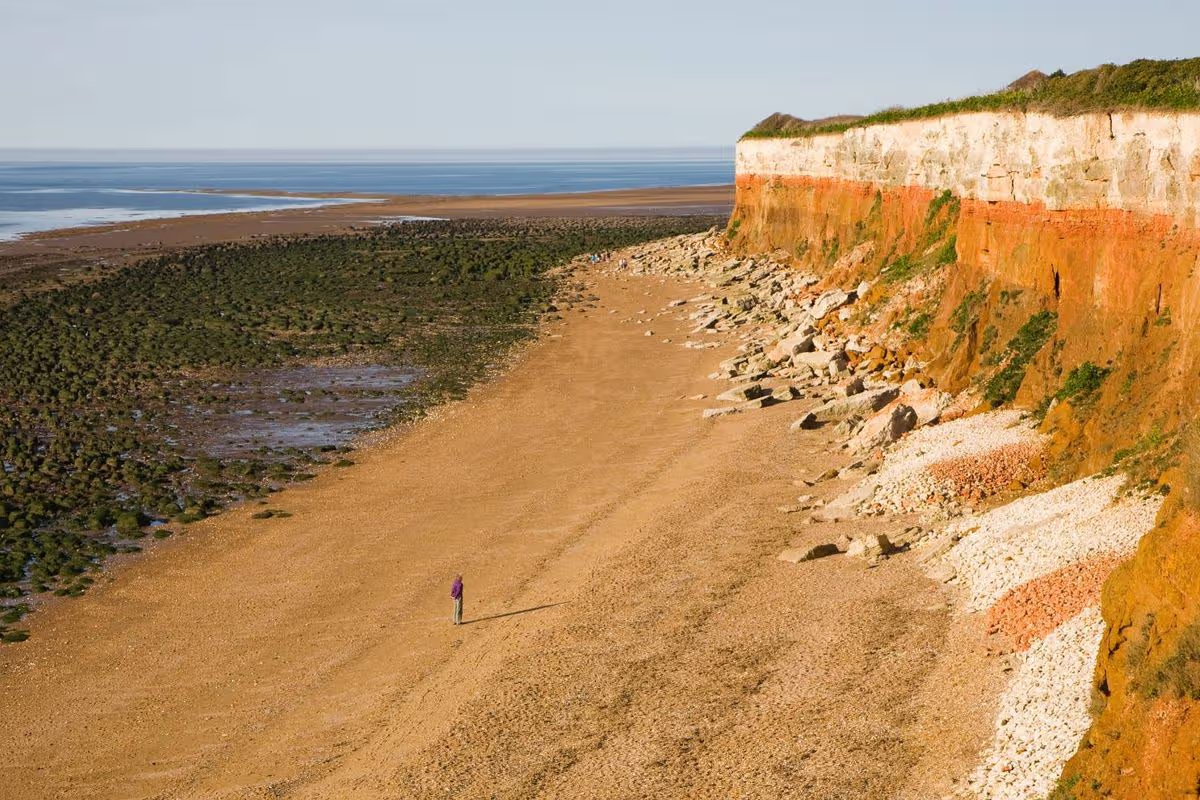
Old Hunstanton sits shoulder-to-shoulder with its bigger neighbour, the more well-known resort of Hunstanton – also called New Hunstanton – but it would be a mistake to overlook it. Its unhurried charm appeals to those who’d rather skip the hustle and bustle of a busy seaside town, with leisurely strolls and striking striped cliffs to admire.
The undisputed highlight of the village is Old Hunstanton Beach, a gorgeous sandy stretch that warmly welcomes families and four-legged friends alike, perfect for a paddle when the sun deigns to make an appearance.
Indeed, its dog-friendly reputation is a major draw for keen walkers and visitors eager to give their pooches a proper run around. One tripadvisor reviewer said: “Old Hunstanton Beach is a top pick for dog owners. Dogs are welcome year-round with no leash required on the spacious sands, offering true freedom.”
“This likely reflects the beach’s size and a culture of responsible dog ownership. Enjoy the beautiful cliffs and calm waters with your happy dog by your side!”
Forming part of this stunning landscape are the cliffs, famously banded with three distinct colour layers – red, brown and white. Their striking natural stripes make the beach particularly eye-catching and are believed to represent a geological site of special interest dating back to the Cretaceous Period.
Another notable feature of the area is the historic Old Hunstanton Lighthouse, originally constructed in 1844, perched atop the renowned cliffs. This provides a delightful walk on a pleasant day and delivers breathtaking views across the region.
Café on the beach
Located on picturesque Old Hunstanton Beach, directly opposite the RNLI, is Old Town Beach Cafe, which offers a diverse menu championing locally sourced produce. For those seeking a more traditional pit stop, they also happen to dish up a lovely afternoon tea.
An afternoon tea right beside the sea sounds idyllic, yet it’s entirely achievable, with diners choosing lunch and breakfast options too. You can settle outside in the sand and gaze out at the blue shades of the rolling waves while you sip away.
One diner commented on Tripadvisor: “I visited the old boathouse café twice this week, once for breakfast and again another day for afternoon tea. It’s in a great location just on Old Hunstanton Beach, and the food and service is excellent. A really great place to call into after a walk on the beach.”
Another hailed the venue as an “outstanding little café Hunstanton” while someone else highlighted the spotlessness of the establishment.
One customer gushed: “Spotlessly clean throughout, lovely friendly staff, excellent quality, cater for gluten-free, freshly cooked, served piping hot, mega breakfast excellent as were homemade sweet potato patties gluten-free. Would definitely recommend.”
Around 20 per cent of locals even speak Algherese, which is a dialect of the Catalan language and officially recognised by the Italian and regional governments.
Visitors will see that street signs throughout the old town are written in both Italian and Catalan too.
When it comes to looks, the two cities don’t strike up too much of a resemblance, but both have cobbled streets and golden-coloured buildings.
In Alghero you’re likely to see more of this in its Old Town.
The city has direct flights from the UK for as little as £18Credit: Getty
This is where you’ll find its cafes and restaurants where you can pick up a glass of wine from €4 (£3.48) (or you can buy a bottle at the supermarket from €5 (£4.35)).
When it comes to what to do, most head towards the coastline and visit the city’s beautiful beaches.
One of the most popular is Spiaggia di Maria Pia which has white sand, and is backed by pine trees beach bars along the shoreline.
One visitor said: “The sea is completely Vicks blue – it’s absolutely amazing that there is such a lovely beach within walking distance of the cozy Alghero town.”
Barcelona and Alghero share the same honey-coloured buildingsCredit: Getty
Two Weeks in August made its debut tonight with a star-studded cast
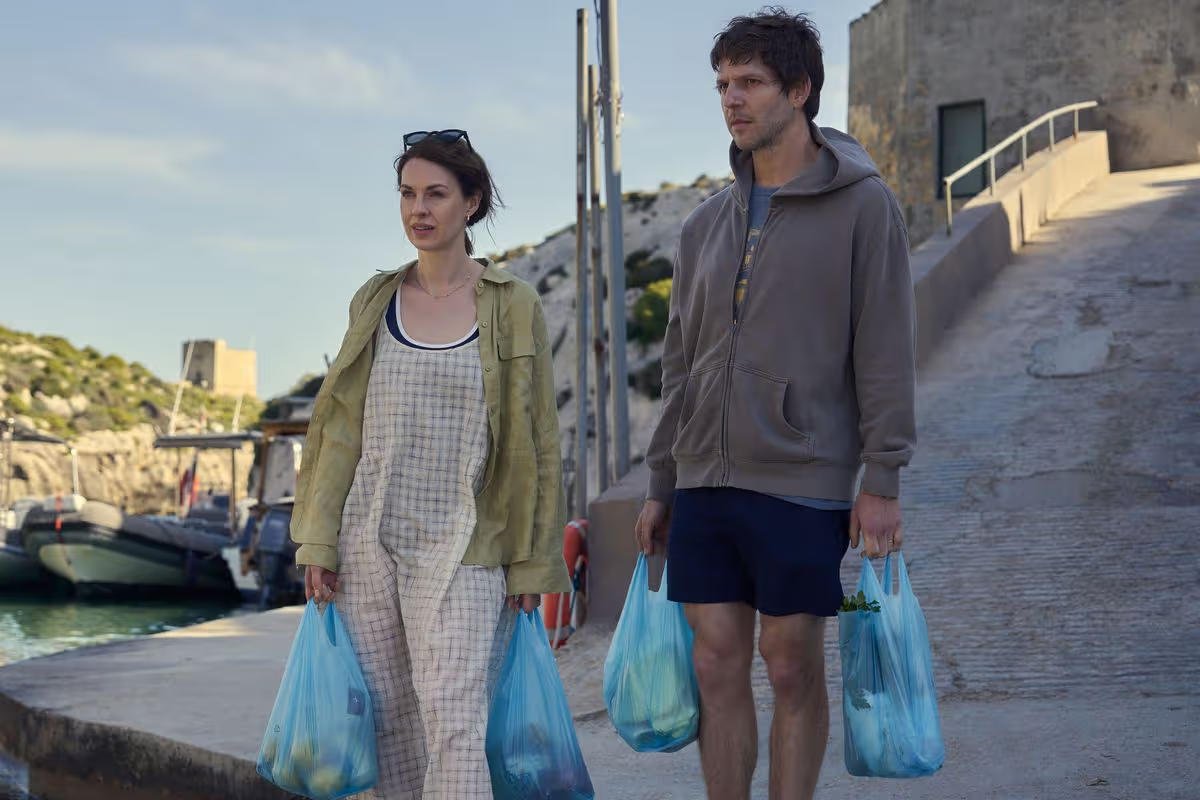
The Two Weeks in August cast have shared the significance over a hidden detail in the show’s opening scenes(Image: Various Artists Ltd/BBC/Robert Viglasky)
The Two Weeks in August cast have shared the significance over a hidden detail in the show’s opening scenes.
Written and created by Sally4Ever’s Catherine Shepherd, the new ‘witty and painfully relatable’ series follows a group of friends reuniting for a summer holiday. However, the idyllic getaway is soon thrown into chaos thanks to an illicit kiss.
In episode one, viewers are introduced to each of the friends with married couple Zoe and Dan, played by Jessica Raine and Damien Molony, clearly struggling as they attempt to put past events behind them.
The family of four, who have brought their children on the trip, are also struggling with money as is highlighted when Jess, played by Antonia Thomas, suggests they all put €200 each in the kitty.
Things go from bad to worse when Zoe and Dan are tasked with preparing food that evening with their lavish friends wanting seafood, which provides another tense expense for the struggling couple as they opt for store bought fish as opposed to fresh market produce.
Talking about the scenes with the Mirror, Jessica Raine and Damien Molony, who play Zoe and Dan, pointed out a significant hidden detail in the opening moments of the show.
Damien, 42, said: “We had a great opportunity to rehearse before we went out with Tom George, our director. We talked a lot about their past and about their relationship and the fact that, you know, they probably hadn’t had sex in about a year.
“That was a really kind of good starting point to go: ‘Oh, something’s really not right here.’ We would do some improvisations about the journey to the airport in England and what that must have been like.
“Jess had this incredible line in the improv about having to pack pasta in our luggage because we knew we wouldn’t be able to afford food on the island. So much so that they actually put it in the scene.
“So when Jessica opens her suitcase in that first scene on packing, there is pasta in the bag” to which Jessica, 44, added: “Three bags!”
Damien continued: “It was kind of those little details that started to kind of… because in TV, you don’t get that opportunity to rehearse or to really explore the world around the scenes.
“So that was really, really thrilling, and it really informed the rest of the kind of scenes that we shared together because this couple goes on a huge journey.”
Meanwhile, Jess said: “The journey of the fish is really good and I think that’s also a really good point to make about our show is the financial differences in the couples. I don’t think we see that very much.
“We often see a lot of very rich people going on holiday, but I love the reality. I mean, a lot of people are in that position where you’re like, I can’t afford €200 for the kitty and the look that we give each other, we’re just like: ‘Holy moly, this is, we’re way out of our depth’ and they don’t feel able to say.”
The drama is only going to get more intense for the couple and their friends as a synopsis teases: “Set in Greece, Two Weeks in August tells the story of a woman who goes on holiday with her family and friends to rediscover joy in her life. But, here in paradise, what starts with an illicit kiss quickly turns the dream vacation into a nightmare.
“Zoe begins to act on her deepest desires and the holiday she hoped for becomes a reckoning for a group of adults who refuse to grow up. When they discover they are trapped on the island, and become faced with real life-or-death situations, the group soon turn on each other to find out who is to blame.
“Is Zoe responsible for the drama and destruction around her or, as heaven turns to hell, are bigger forces at play? We are in Greece after all, the land of the ancient Gods…”
Two Weeks In August airs Saturday nights on BBC One and BBC iPlayer.
One by one, the visitors descend through a tight tunnel cut through volcanic rock into the damp foundations of the Teatro Romano buried beneath Herculaneum, with the weight of 2,000 years of city above them. “This is a time machine,” the guide says, “and we are going back.” It is pitch black as film-maker Gianfranco Rosi’s camera finds torchlight catching the tourists’ transparent waterproof capes, making them appear like ghosts.
Released on the streaming platform Mubi this March, Rosi’s documentary Pompei: Below the Clouds threads a needle from classical antiquity to the present day. Presented in ashen black and white, without narration or interviews, it places the viewer inside the region surrounding Naples and leaves us there, each scene presenting a place and a moment in the area’s long history.
Illustration: Guardian Graphics
Naples is one of the oldest continuously inhabited cities in the world, and most visitors see only a fraction of it before boarding the Circumvesuviana at Porta Nolana and riding the narrow-gauge railway east to Pompei or Herculaneum. In Below the Clouds, Rosi does not alight there. He stays on the train, camera in hand, and traverses this seismic landscape – from the Sorrentine peninsula, crowned by Vesuvius in the east, to the lesser-known craters of the Phlegraean Fields in the west. The train, Rosi says, is “my time machine”. His lens draws us into the Naples most visitors never see.
As a film-maker myself, who has lived and worked in Naples for the past 15 years, I was inspired by Below the Clouds to make my own pilgrimage, and boarded the overcrowded, noisy trains I usually avoid.
Villa Oplontis ‘feels like a secret discovery’. Photograph: Alfio Giannotti/Alamy
Before the Circumvesuviana reaches the archaeological site of Pompei, it skirts the Bay of Naples, passing through a number of overlooked towns characterised by a stratification of history visible in the architecture. Drawing into the station of Torre Annunziata, Rosi holds the camera on the visible layers of the town’s history: diamond-patterned Roman brickwork cut from nearby volcanic quarries, Doric columns from an excavated Roman villa, and the still-lived-in mid-century housing blocks rising above them. That Roman villa is worth stopping for. Believed to have been built for Poppaea Sabina, the second wife of Emperor Nero, Villa Oplontis feels like a secret discovery. Its frescoes are almost untouched, its colonnade pristine, and on this day, as always, there was scarcely another soul in sight.
Back on the Circumvesuviana, I head east to Somma Vesuviana. A team from the University of Tokyo has been excavating here for decades, slowly uncovering the Villa Augustea, the imperial estate where the Emperor Augustus is believed to have died in AD14. It was not the great eruption of AD79 that buried the villa, but a later one in AD472. The archaeological treasures still buried across the region are so numerous that tomb raiders have long burrowed into the soft volcanic stone looking for loot to sell on.
A graffitied train on the Naples to Sorrento line stops at Pompei Scavi–Villa dei Misteri station. Photograph: PBW Pix/Alamy
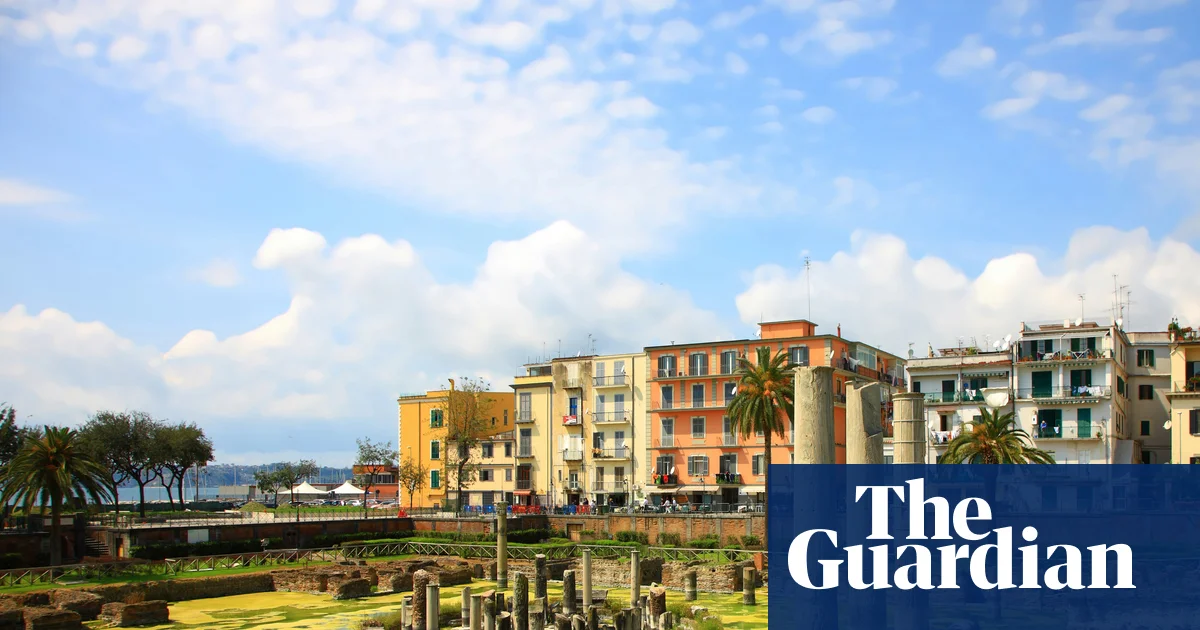
A second train line, the Cumana, runs in the opposite direction. It departs from Montesanto station in central Naples and heads west, reaching Pozzuoli in 25 minutes. At the end of the line lies a working port city of 75,000 people living in the basin of one of the world’s most geologically active calderas (volcanic craters). The lore surrounding Vesuvius has long overshadowed the dangers posed by the Phlegraean Fields, which rumble daily beneath the city’s foundations.
Stepping off the train at Pozzuoli, I was hit by the pungent sulphuric smoke drifting over the port. I had timed my arrival for a simple lunch at Abbascio ù Mare (a local favourite serving fish landed from the boats that morning) before visiting the Macellum of Pozzuoli, a 2nd-century Roman market near the harbour. Here, I found the clearest record of what is known as bradyseism, the movement of magmatic fluid and gas beneath the surface of the Earth that lifts and lowers the land, sinking entire towns and raising them again centuries later. Halfway up the ancient columns, I spotted bands of small holes in the stone. These were bored by molluscs when the columns once stood metres below the bay. Rosi’s camera follows the phenomenon underwater, descending into the submerged ruins of nearby Baia, where robed marble figures stand upright on the seabed as shoals of fish drift over mosaics and between their feet.
Gianfranco Rosi’s documentary shows the submerged ruins of Baia, where robed marble figures still stand on the seabed. Photograph: Antonio Busiello/Alamy
Between east and west, at the intersection of the Circumvesuviana and the Cumana, lies Naples – known to the Greco-Romans as Neapolis (the new town) because it was new compared with Pompei and Baia. In the centre of the city, at the Museo Archeologico Nazionale di Napoli, Rosi films Maria, the museum’s archaeologist, deep in the storage vaults. This is what he calls the casaforte (the safe of memory) – shelf upon shelf of fragmented marble torsos, legs and busts, the overflow of 2,000 years of excavation. These artefacts are down here, Maria says, until it is their turn to return to the museum floor above – a mirror, Rosi suggests to me when we speak, of society’s own hierarchies. Like Rosi, I am obsessed with these perfectly formed marble figures, the survivors of catastrophe, that live in the galleries of the museum upstairs among the frescoes and bronzes, pulled from the same volcanic earth that buried thousands of people under Vesuvius.
Rosi juxtaposes the marble torsos with shots of dismembered ex-voto, small metal plates shaped like individual body parts. These are offerings, often left in churches or street shrines along with prayers to saints in exchange for bodily cures.
At the small church of Santa Maria Francesca delle Cinque Piaghe in the Quartieri Spagnoli, one of my favourite corners of the city, hundreds of ex-votos in the shape of pregnant women have been left for the saint of fertility. These practices, still very much alive today, speak to the Neapolitan impulse to marry the sacred and the profane.
A scene from Gianfranco Rosi’s documentary Pompei: Below the Clouds. Photograph: Venice Film Festival
Rosi’s film ends in an abandoned cinema somewhere along the train line, its seats destroyed, its screen partly intact. Into this ruin, Rosi projects clips from Roberto Rossellini’s Journey to Italy, a film about the past, playing in a ruin, in a city built on ruins, above a city that was itself once buried. Like a Chronovisor (a mythical 1950s invention that supposedly broadcast actual historical events), the cinema is where the present tense becomes the past even as you watch it. Just like Naples. Just like Below the Clouds.
By the end of the film’s nearly two-hour runtime, the viewer has made the same journey as those visitors descending into the foundations of the Teatro Romano in Herculaneum to behold and reflect on a civilisation buried mid-sentence. Below the Clouds insists, however, that this confrontation does not require a museum ticket. “We are already living inside the catastrophe,” says Rosi.