Colombian President Abelardo De La Espriella has emerged as close ally the of Trump administration in South America.
Published On 26 Sep 202626 Sep 2026
The Colombian government has extradited an alleged drug trafficking leader to the United States, part of a shift in the country’s security policy into greater alignment with Washington.
President Abelardo de la Espriella announced on Friday the extradition of Geovany Andres Rojas, who is accused of leading an organisation formed by previous members of the FARC rebel group.
Recommended Stories
list of 3 itemsend of list
“You don’t build peace by protecting narco-terrorists like this bandit,” de la Espriella said after he personally oversaw Rojas’s transfer to the US. “I ask US authorities … that he cannot negotiate deals that will leave his crimes unpunished.”
De la Espriella’s left-wing predecessor, Gustavo Petro, shielded Rojas from extradition in order to use him as a mediator in talks between the government and armed and criminal groups, which Petro sought to rein in through negotiations rather than military confrontation.
The far-right president has tossed out that approach, promising to crack down on groups that split off from the former FARC rebel group following a peace deal with the government in 2016. Many of those groups have jostled for control over lucrative drug routes and illicit industries.
Rojas, also known as “the Spider”, was flown to California and placed in the custody of federal agents. He allegedly served as the commander and spokesperson of Comandos de la Frontera, a group associated with cocaine trafficking in the Colombian province of Putumayo that borders Ecuador and Peru.
He will face drug trafficking and terrorism charges in the US, which has sought to expand military operations across Latin America under the pretext of combating crime and drug trafficking during President Donald Trump’s second term in office.
Colombia’s new president has aligned himself closely with those efforts, scrapping peace talks and launching military operations against armed groups since taking office in August.
The New York Times reported that de la Espriella, a former defence lawyer, was previously investigated by US authorities over his ties to powerful drug traffickers, but never charged, and defended politicians linked to right-wing paramilitaries.
Rights groups have warned that a return to militarised confrontation could lead to rights abuses by government forces and an escalation in violence, but many Colombians have expressed support for a harder hand against criminal groups whose operations have often led to violence and mass displacement of civilians.
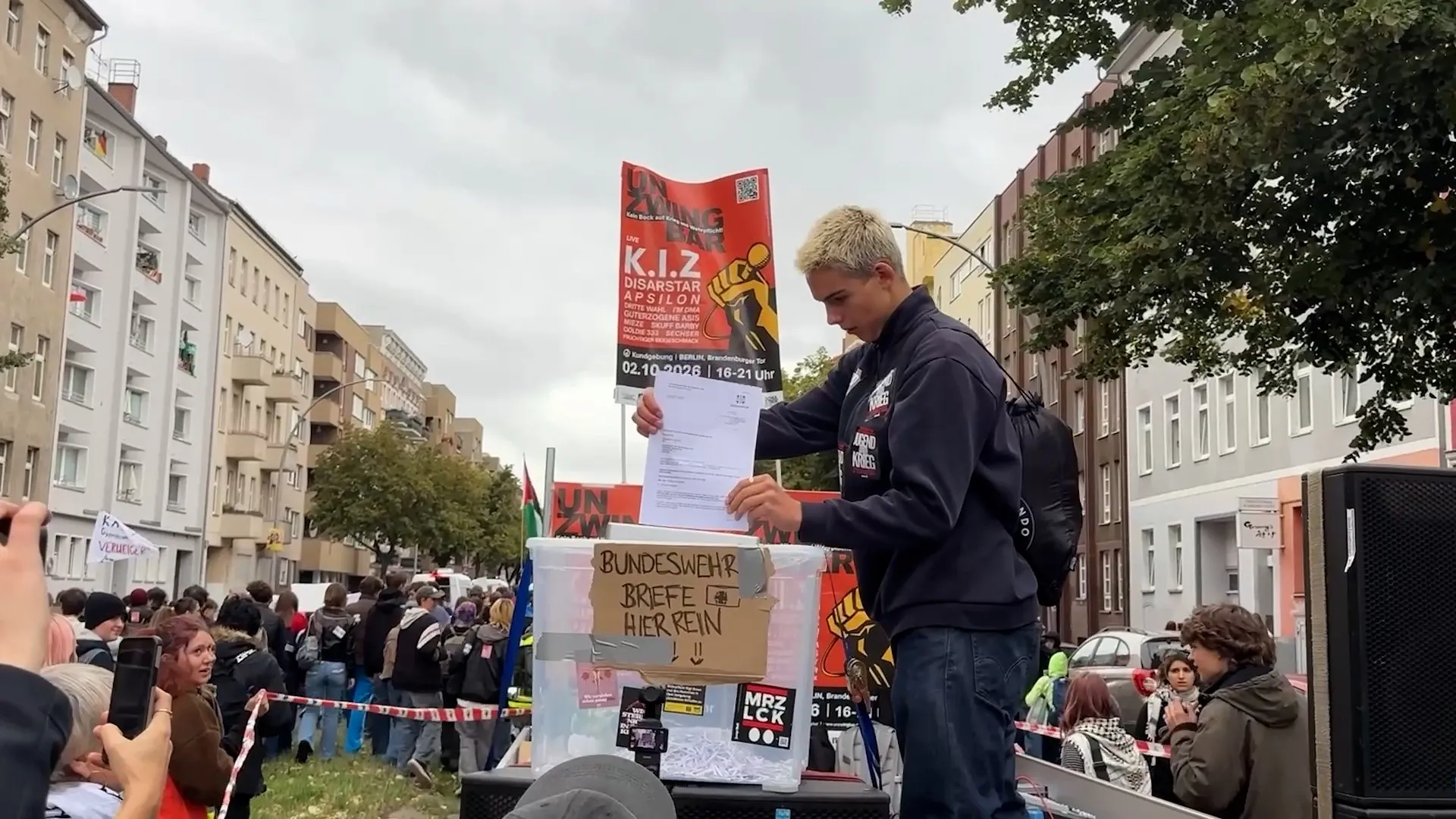
More than 40,000 students have taken to the streets of Berlin, with some shredding conscription surveys in protest of Germany’s proposed military service plans.
New Delhi, India – Indian democracy has been shaken by new revelations showing divisions within the body that is in charge of conducting its elections over controversial policies that critics say have disenfranchised tens of millions of people.
India’s Election Commission, a supposedly autonomous constitutional body, is tasked with administering elections in the world’s largest democracy, and in recent decades, had won admirers across the globe for its success in conducting a voting process unmatched in scale and complexity.
But an investigation by The Indian Express newspaper reported that the current chief of the commission frequently overruled concerns raised by his two other equally ranked commissioners about the integrity of ongoing changes in the voter database.
These revelations come after a months-long struggle by India’s opposition parties to bring what they have described as the “sabotaging” conduct of the election commission to the fore, which they say is dictated by Prime Minister Narendra Modi’s party for its electoral benefit.
For decades, India has grappled with deep inequality; divisions along caste, religious and ethnic lines; and the growing role of money in its elections. Yet through it all, the actual conduct of its elections was largely viewed as “free” domestically and by global monitors.
But leading opposition leaders have, in recent months and years, for the first time, questioned whether elections can be trusted and whether votes are counted accurately, as well as whether rights decide who gets to be a voter or if those in authority take the decision arbitrarily. Those concerns, say analysts, are likely to only be amplified by the latest revelations.
“Today, that faith [in the election process] has shaken. It is very shocking for the nation,” SY Quraishi, who headed India’s election commission between 2010 and 2012, told Al Jazeera. “The Election Commission used to be a very reputed institution. Now, it is totally dysfunctional – and that’s an understatement.”
So, what does this mean for India and its democracy?
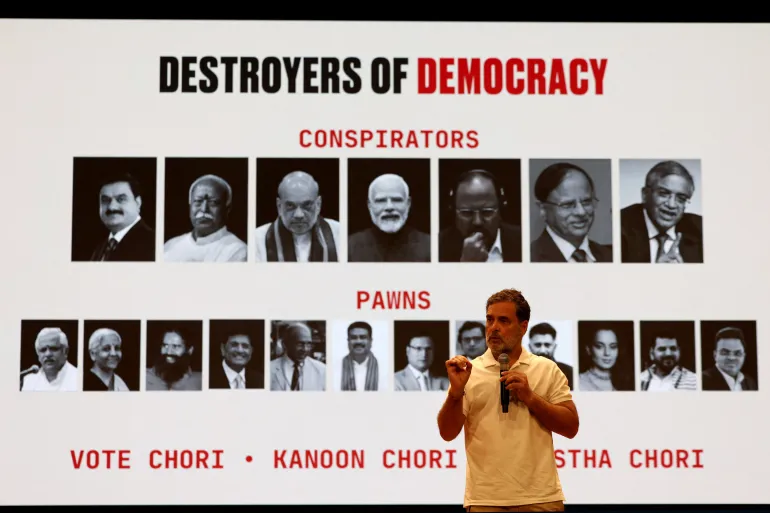
Indian opposition leader Rahul Gandhi speaks during a news conference to demand resignation of India’s Chief Election Commissioner Gyanesh Kumar, in New Delhi, India, September 24, 2026 [Bhawika Chhabra/Reuters]
What are the latest revelations about India’s Election Commission?
Earlier this week, the Indian Express newspaper published a series of stories, based on internal documents and interviews, laying bare divisions within the poll panel – consisting of three commissioners, Gyanesh Kumar, Sukhbir Singh Sandhu, and Vivek Joshi. Kumar is the commission’s chief.
Indian law requires the commission to decide by a majority. Reports revealed that Sandhu and Joshi resisted and questioned the legality of measures Kumar took unilaterally.
Since June last year, the commission has been revising and updating the voters list state-wise. It has struck off more than 13 million names during the exercise since then, which the critics say targeted economically weaker sections, minorities, and other vulnerable groups of Indian society disproportionately.
Opposition parties took the matter to the country’s top court, which largely signed off on the process to decide on who gets to vote in India. For India’s more than 1.4 billion population, a voting right does not end merely on ballots – rather, several government welfare schemes are tied to voting rights.
Now, reports reveal that some of the strongest resistance to the three-member commission’s decisions was coming from within. In fact, Sandhu and Joshi formally objected on record at least 14 times over the last 10 months to measures issued by circumventing them. Sandhu called it “unauthorised and illegal”.
Those objections related to the new voter registration mandate; deletion and restoration of voters in the rolls; appeals by people against deletions; and the security of the list. In short, everything the commission undertook.
The opposition has alleged that the additions and deletions of the voters are undertaken as an exercise to disenfranchise a section of voters to benefit Modi’s Bharatiya Janata Party (BJP).
The commission maintained that access to the voters’ list is highly secured and decentralised, meaning that even in the remotest parts of the country, a local officer made the judgement and decision.
But the latest revelations show that the commission relied on ECINet, a digital platform that logs nearly a billion voters, which was increasingly centralised, giving more control to New Delhi over editing calls.
In one instance, the newspaper reported that officials in the coastal state of Goa flagged nearly a hundred voters who were mistakenly taken out. Editing access was limited to New Delhi.
So, Goa’s chief electoral officer wrote eight emails to officials in New Delhi in a week before the deadline passed, but got no response and voters were knocked off the list.
An Indian Youth Congress activist, wearing a mask depicting Chief Election Commissioner Gyanesh Kumar and handcuffed, takes part in a protest in New Delhi, India, September 25, 2026 [Rajat Gupta/EPA]
Why is revision of voters’ list controversial?
The Special Intensive Revision (SIR), as the process of revising the list is called, has become controversial mainly because it places an unusually heavy burden on existing voters to prove their eligibility.
Such a drive requires people to produce old records, like birth, land, and education certificates – and puts poorer, migrant, and marginalised Indians at a disadvantage, essentially drawing lines on who gets to vote in India. A minor mismatch, such as a spelling, in decades-old records could result in being struck from the voters list in India.
Opposition parties and civil society groups have argued that mass deletions could significantly alter the electorate before elections.
In some places, the exercise has been reported to disenfranchise minorities, including Muslims. In the eastern state of West Bengal, Al Jazeera earlier reported that the exercise removed 9 million residents from the electoral rolls just days before the state elections that were held in April and May.
Nearly 34 percent of the deleted voters were Muslims in the state, where they only make up 27 percent of the population. Then, Prime Minister Modi’s Hindu majoritarian BJP came to power for the first time in the politically critical state.
The BJP and supporters of the SIR process have argued that it is fundamentally aimed at removing illegal migrants, the deceased or fraudulent voters from the rolls – and have tried to portray many Muslims eliminated from the lists in border states as “illegal Bangladeshi migrants,” despite hard evidence that Indian nationals have been victims of the process.
But as the exercise has been expanded to other parts of the country, those claims have increasingly returned to embarrass even proponents of the exercise: In New Delhi, notices were served to India’s Foreign Minister S Jaishankar and his wife, alongside other high-profile politicians, judges and senior bureaucrats. Several former Indian ambassadors to countries across the world have received notices to prove that they are Indian – even though they have served as India’s sovereign representatives abroad for years.
All of this has turned what was political opposition to the SIR process into much more broad-based, nationwide scepticism about the lack of transparency in the Election Commission’s software, the process of matching voters against decades-old electoral rolls, and the criteria being used to flag voters as having “logical discrepancies”.
“The [revision of voters’ list] fundamentally inverts India’s model of electoral democracy,” said Milan Vaishnav, a senior fellow and director of the South Asia programme at the Washington, DC-based nonpartisan think tank The Carnegie Endowment for International Peace.
“Since the adoption of the Constitution, India has assumed the burden of ensuring that the last man or woman is registered to vote,” he said. Vaishnav added that unlike other democracies, notably the United States, which has repeatedly thrown up barriers to the franchise, “India historically adopted an unusually activist approach to voter registration.”
“Specifically, the way in which [the revision] has been carried out threatens to turn that principle on its head,” he told Al Jazeera. “It is now the voter who must prove his or her entitlement to remain on the electoral rolls.”
Quraishi, the former election commissioner of India, told Al Jazeera that he has been against the policies taken up under the revision.
“I hope [these revelations] are a wake-up call and serious action will be undertaken, including at the Supreme Court, the central government, and the Parliament,” Quraishi told Al Jazeera.
“Because the reputation of the Election Commission has gone into the dumps. And it is very difficult to restore it now,” he said. “We need efforts to rebuild faith in the system.”
Abhijeet Dipke, head of the Cockroach Janta Party (CJP) speaks as the party’s conveners Ashutosh Ranka and Saurav Das look on during a news conference to demand the resignation of India’s Chief Election Commissioner Gyanesh Kumar, in New Delhi, India, September 24, 2026 [Bhawika Chhabra/Reuters]
What is the opposition demanding?
Leader of the opposition Rahul Gandhi has accused the Election Commission of “treason” against the nation, and promised that its leaders will be tried for it, if his Congress Party returns to power.
India’s popular Gen-Z pressure group, the Cockroach Janta Party, whose protest movement led to the ouster of India’s education minister in July, has threatened to hit the streets again if Kumar, the commission’s sitting chief, does not resign by Saturday.
The Cockroach group has also called for an overhaul in the selection process of the next election commissioner.
For its part, the election commission has said in a statement that the investigation report drew on “differing views and deliberations” between the three commissioners rather than official statements of protest. Sambit Patra, a spokesman for Modi’s party, told reporters that any deliberation or divisions in the commission were rather “a sign of a healthy democracy”.
But none of that appears to be cutting ice in a nation where far too many people have now faced the threat of losing their vote through an opaque process.
“Our elections are fundamentally broken,” said Gandhi at a news conference in New Delhi on Thursday. “The sacred belief in elections,” he added, was evaporating.
Aiming at Modi, Gandhi argued that the popularity of a leader could be understood, but not “how anti-incumbency disappears”.
“It doesn’t exist in North Korea. There is no democracy where anti-incumbency doesn’t work. We are looking for answers to where it went here,” Gandhi said, in effect questioning Modi’s re-election first in 2019 and then again in 2024, with a much-reduced mandate – even though there is no firm evidence of widespread voter manipulation helping Modi win those elections. “And we have found answers.”
Women voters stand in queues to cast their ballots at a polling station during the first phase of voting for assembly elections on November 6, 2025, at the Raghopur constituency in the Vaishali district of the Indian state of Bihar [Sachin Kumar/AFP]
What does it mean for Indian polity?
Asim Ali, a political analyst in New Delhi, said that the Indian republic is standing at a “dangerous moment, where we could see a breakdown of the republic.”
“We have reached a situation where every opposition party feels that the democratic guardrails have been destroyed,” Ali told Al Jazeera, adding that the allegations are about the worry that “independent institutions like the Election Commission and Supreme Court have become co-opted.”
The political cleavage has created an extreme polarisation of politics in India. “Politics has assumed a kind of existential stakes, where we have unrestrained politics of friend vs enemy,” he added.
Rasheed Kidwai, a political analyst and senior journalist who has covered the Indian government for several decades, told Al Jazeera that “impartiality is paramount” for the Election Commission.
“The fact is that Caesar’s wife should be above suspicion,” he said. “In India, we have seen difficult times, including a state emergency, but never was the role of the Election Commission compromised at this level.”
Kidwai noted that Modi’s party has ridiculed opposition parties’ concerns about free-and-fair elections, calling them sore losers. “The outcomes of a match are inconsequential, but at least the umpire should play fair,” he told Al Jazeera.
The major criticisms of Indian democracy in recent years have principally related to what happens in between elections, said Vaishnav of the Carnegie Endowment think tank.
While critics “pointed to the erosion of basic freedoms, an uneven rule of law, and the concentration of power in the hands of the executive,” Vaishnav said, “most observers have argued that when the electoral spotlight is on, India’s democracy remains remarkably robust and competitive.”
The conduct of the Election Commission is “now calling this distinction into question”, he added.
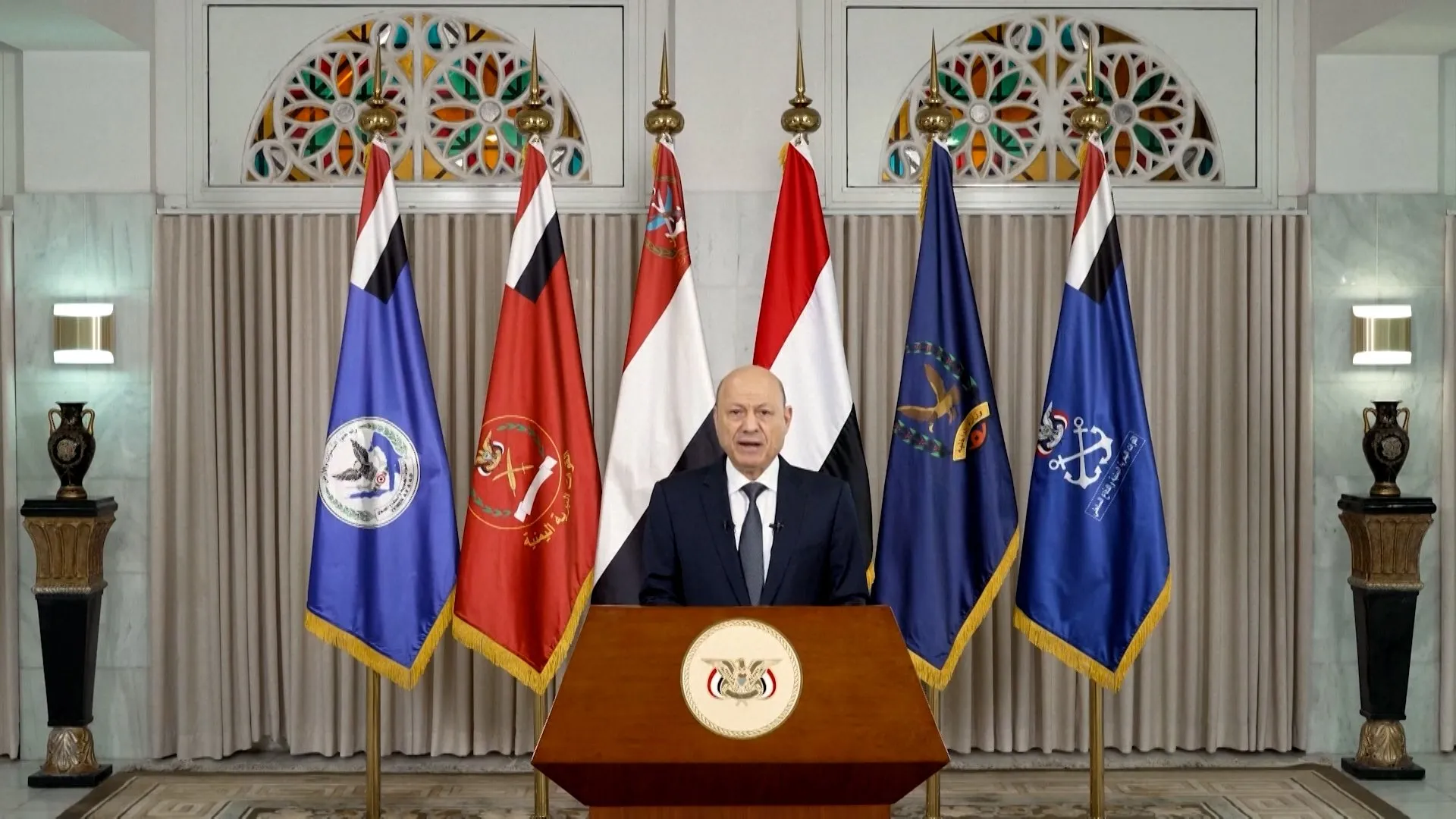
President Rashad al-Alimi called on Yemenis to mobilise and join the armed forces, while offering a general amnesty to Iran-backed Houthi rebels. Fighting between the government and the Houthis has intensified, most recently near the coast of the Bab al-Mandeb strait.
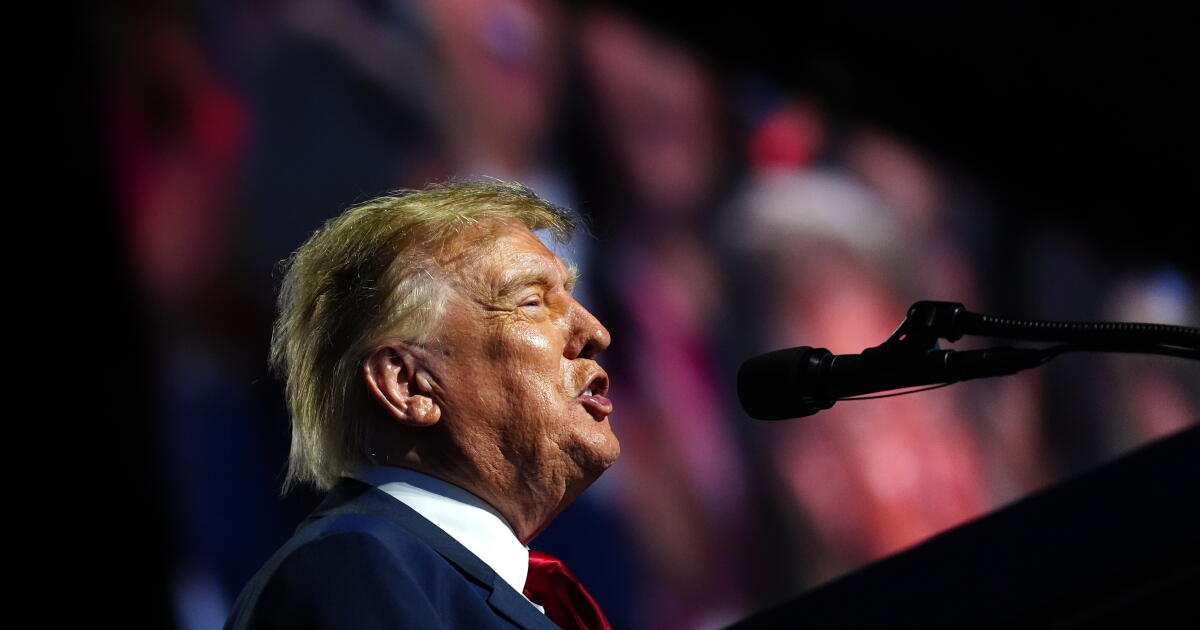
At first glance, it looks like a typical Republican campaign advertisement. As images of President Trump flash across the screen, the 30-second spot says, “America will never be a communist country” and boasts about the “largest tax cuts in history.”
But there’s something different near the end — a bit of text at the bottom that says “paid for by the U.S. government.”
According to AdImpact, which tracks media spending, the advertisement cost $14,000 and it ran during conservative shows on Fox News and Newsmax.
The White House said in a statement the ad is “educational and unapologetically patriotic.”
“These public service announcements are about reminding Americans to love their country and understand what makes it worth defending, at home, at our borders, and abroad,” the White House statement said.
Fox News and Newsmax did not immediately return a request for comment.
The White House did not say what agency paid for the spot, which includes background music with singers crooning “love me” over and over.
The advertisement does not say who voters should support in the midterms, but it meshes with campaign messaging from Trump and other Republicans, particularly during the party’s unusual convention in Dallas earlier this month.
Democratic Rep. Jamie Raskin of Maryland, who is in line to chair the House Judiciary Committee if his party wins the majority in November, said in a social media post that it’s a violation of the Hatch Act for government employees to work on such a video.
“It is blatantly unethical under numerous federal ethics provisions proscribing the use of government resources for political campaigns,” Raskin wrote.
Republicans also criticized the ad.
North Carolina Sen. Thom Tillis, who is not running for reelection, referenced the former right-wing Hungarian prime minister to critique the advertisement.
“It’s inappropriate. It’s not like they need a GoFundMe page to have the dollars to do that sort of ad and they could do it. But using taxpayer dollars, it feels like Viktor Orban,” he said.
Louisiana Republican Sen. John Kennedy said he hadn’t seen the ad but questioned whether it was legal.
“I don’t generally like to see politicians use public money to pay for their own campaign ads,” he said.
Catalini writes for the Associated Press. AP writers Joey Cappelletti and Steven Sloan in Washington contributed to this report.
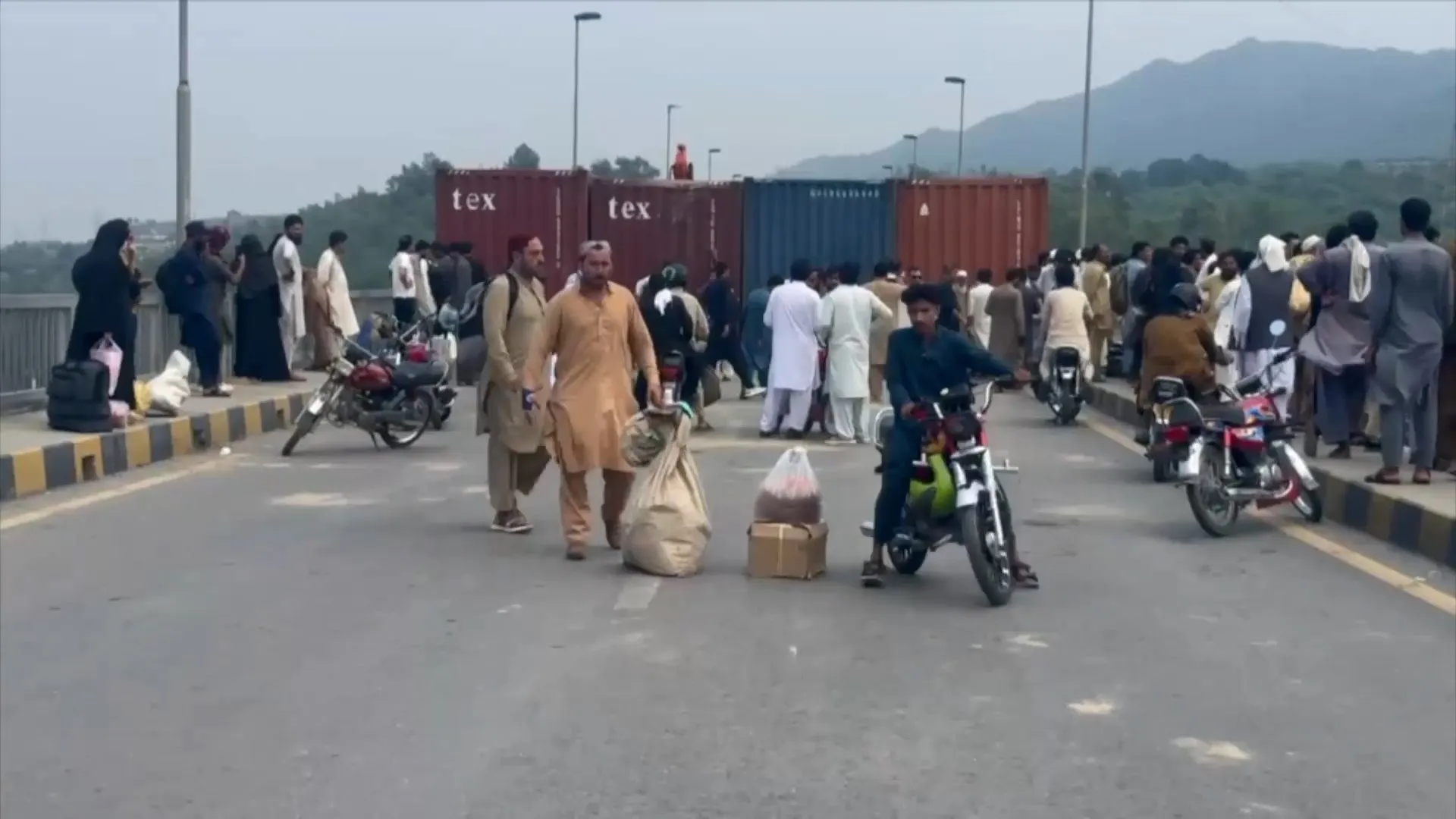
Organisers of the pro-Imran Khan protests have postponed their rallies to test the Pakistani government’s resolve in keeping the capital blockaded. Shipping containers have been placed in Islamabad’s streets to stop protests calling for the former PM’s release from prison.
A crew member was killed in an attack on an Indian cargo vessel off the coast of Oman. MV Cape Dao was heading to India when it was struck twice by a projectile, setting the vessel on fire.
Excluding Ra’am and the Joint List leaves Palestinian citizens in Israel without major Knesset representation options.
Published On 24 Sep 202624 Sep 2026
Israel’s Central Elections Committee has voted to bar both main Arab electoral lists from next month’s election, putting the political representation of Palestinian citizens of Israel before the Supreme Court weeks before voters go to the polls.
The committee voted on Wednesday to disqualify the United Arab List, or Ra’am, led by Mansour Abbas, and the Joint List, an alliance of the Arab-led Hadash, Ta’al and Balad parties. It also voted separately to bar Hadash legislator Ofer Cassif and Balad leader Sami Abu Shehadeh. The election is scheduled for October 27.
Recommended Stories
list of 4 itemsend of list
The bans are not final. Decisions against individual candidates require Supreme Court approval, while lists can appeal their exclusion. Adalah, the legal centre representing the parties and candidates, says it will challenge the votes when the court hears the cases next week.
Ra’am called its exclusion “political and unacceptable”, saying the decision was intended to prevent it from influencing the balance of power and changing the government.
The Joint List said Israeli Prime Minister Benjamin Netanyahu and far-right National Security Minister Itamar Ben-Gvir were trying to discourage Arab citizens from voting “because they fear our ability to bring down the government of genocide and racism”. Its leader, Yousef Jabareen, questioned how the committee could bar parties representing more than 1.25 million voters.
Abu Shehadeh told Al Jazeera that his exclusion was an attempt to silence criticism of government policy and said the decisions would be challenged in court and through public protest. Rejecting the allegation that he supports violence, he told The Times of Israel: “I have never called for violence or terrorism. I oppose armed struggle.”
The petitions invoke Section 7A of Basic Law: The Knesset, which allows a list or candidate to be excluded for denying Israel’s existence as a “Jewish and democratic state”, inciting racism or supporting armed struggle against Israel by an enemy state or an organisation designated as terrorist.
Netanyahu’s Likud party sought to disqualify the Joint List and Cassif, and was among the groups that filed against Ra’am. Ben-Gvir’s Otzma Yehudit party also sought to bar Abu Shehadeh. Adalah disputes the allegations. It says the case against Ra’am presents no evidence that the party supports armed struggle, while the Joint List petition relies heavily on old material, including bills proposed in previous Knessets.
Israel’s Minister of National Security Itamar Ben-Gvir speaks with Prime Minister Benjamin Netanyahu during a session at the Knesset, Israel’s parliament, in Jerusalem, July 16, 2026 [File: Ronen Zvulun/Reuters]
Abu Shehadeh’s case has drawn a different response. Attorney General Gali Baharav-Miara found no legal basis to exclude the other targeted parties and candidates but said an article he published on October 8, 2023, which she said may constitute support for armed struggle, warranted serious examination. The committee voted 31-4 to bar him. Adalah says the article contains no such call.
The push to bar Abu Shehadeh drew support from parties outside Netanyahu’s coalition. According to The Times of Israel, opposition parties voted to disqualify him, as did Supreme Court Justice Noam Sohlberg, who chairs the elections committee. The vote broke with decades of precedent in which committee chairs abstained from disqualification votes. Abu Shehadeh’s exclusion still requires approval from the full Supreme Court.
Why the Arab vote matters
Ra’am joined the coalition government formed by Naftali Bennett and Yair Lapid in 2021, helping end Netanyahu’s 12 consecutive years in office in 2021, although Abbas had previously discussed cooperation with Netanyahu as well. Now Likud itself has filed petitions against Arab representation, while Ben-Gvir’s party has pursued separate exclusions.
A Channel 12 poll published on Tuesday projected seven seats for the Joint List and five for Ra’am, against 50 for Netanyahu’s current coalition bloc. The 12 projected Arab seats would not automatically back Netanyahu’s opponents, as mainstream opposition parties remain divided over whether to govern with Arab support. But removing both lists would change the possible routes to the 61-seat majority needed to form a government.
The Supreme Court has overturned previous committee bans on Arab lists and candidates, including Balad’s exclusion in 2022. It must now decide whether the evidence meets the legal threshold for barring the two principal lists seeking to represent Palestinian citizens of Israel. The ruling will determine who can appear on the October ballot.
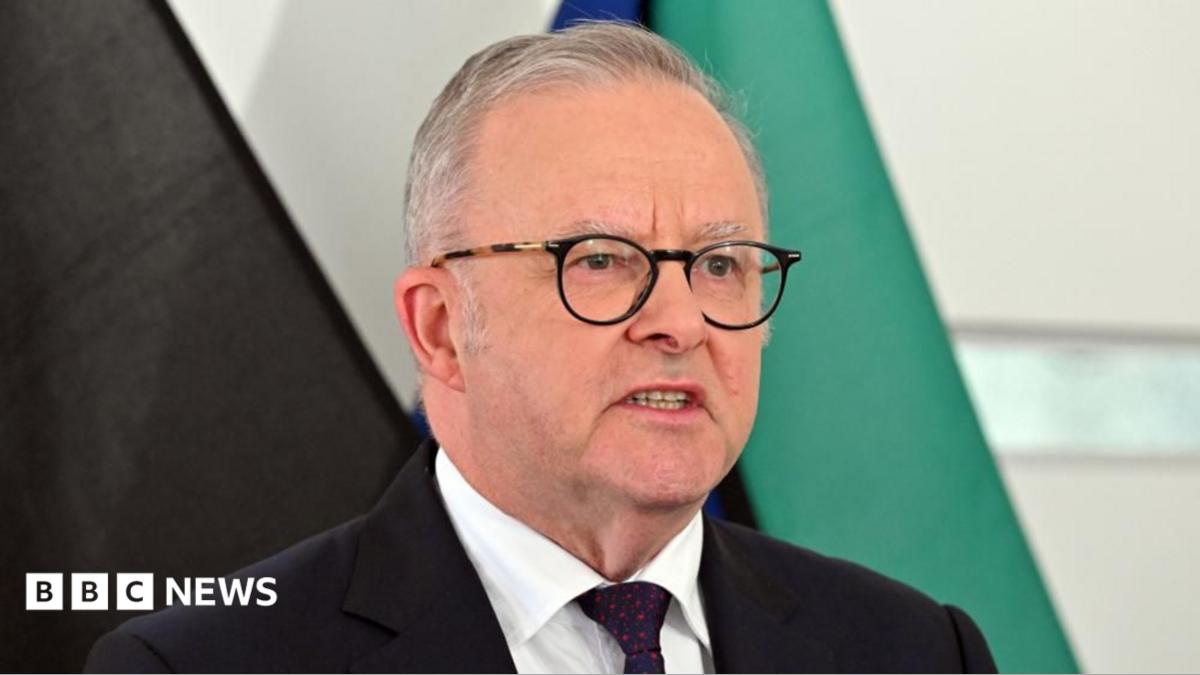
An artificial intelligence agent developed by OpenAI “infiltrated” an Australian government website in June, Prime Minister Anthony Albanese has said.
The agent hacked a statistics portal containing “non-sensitive” data from Australia’s universal healthcare scheme Medicare, Albanese said in New York on Wednesday, local time.
He had a “very frank discussion” with OpenAI CEO Sam Altman for taking “too long” to tell them about the breach, believed to be one of the world’s first publicly reported AI-led hacks of a government website.
OpenAI said it only became aware of the incident in August “during an ongoing review” of “misaligned model activity”, and told Australian officials on 10 September.
While the review is ongoing, a spokesperson for the AI firm said that it is not believed that any patient records were accessed.
Albanese said the breach occurred in June this year, but OpenAI only informed government officials via email on 10 September.
The prime minister said he had also expressed “Australia’s extreme concern about this incident” when he spoke to Altman and there will “obviously be legal consequences on it”.
Albanese said the agent accessed both public and non-public files and a “forensic investigation” is under way to find out if other government systems were affected.
The investigation will be led by the Australian Signals Directorate, the country’s cybersecurity agency.
The public-facing Medicare Statistics Reporting Service portal is administered by Services Australia, the main hub to redirect users to government services.
He told reporters: “No personal information is believed to have been accessed at this stage, but investigations are ongoing.
“Evidence currently available is there is no broader compromise to the Services Australia network. Nonetheless this situation is obviously unacceptable.”
President’s move clears hurdles to long delayed election and raises concern he can now wield unchecked power.
Published On 23 Sep 202623 Sep 2026
South Sudan’s President Salva Kiir has dissolved the country’s transitional unity government and appointed a caretaker administration as the country prepares for its first-ever national elections.
The decree on Tuesday ended a power-sharing arrangement set up under a 2018 peace deal that halted years of civil war, and raised concerns that Kiir could now wield unchecked power.
Recommended Stories
list of 3 itemsend of list
The decree, read out by the national broadcaster, said all vice-presidents, ministers and local administrators have been removed and that the national and state assemblies have been dissolved.
The judiciary and security institutions remain in place, while Kiir will stay in office “during the election period until the next elected president assumes office”, it said.
The decree came a day after the parliament approved changes to the National Elections Act that allowed Kiir to stay in power during the election period, while removing all vice presidents, who were appointed under the 2018 peace deal.
The changes mean that South Sudan can move towards elections scheduled for December 22, without first completing a permanent constitution or census – two processes that were previously tied to the transition.
The main opposition alliance has rejected the changes.
South Sudan’s suspended First Vice President Riek Machar inside a steel-caged dock before his trial on charges including treason and crimes against humanity, in Juba, South Sudan, on September 22, 2025 [File: Stringer/Reuters]
Elections were initially expected in 2022 but have been postponed twice.
Tasks still outstanding under the 2018 peace deal include drafting a permanent constitution, registering voters and unifying the armed forces loyal to rival parties.
That agreement followed five years of civil war that killed about 400,000 people and displaced millions, according to the United Nations.
Amnesty International, a prominent rights group, called Kiir’s decree a “decisive step” towards the country’s first-ever elections. But Tigere Chagutah, Amnesty International’s regional director for East and Southern Africa, urged the authorities to “ensure that a conducive environment exists for people to vote and stand in elections”.
Analysts meanwhile warned that the changes offered Kiir unfettered control.
“Kiir will be the only person in power, without vice-presidents, without the executive, without the parliament,” Michael Wani, a lawyer and former member of the constitution drafting committee, told the AFP news agency.
Independent analyst Machot Amuom told AFP there was a lot of “ambiguity” in the legal changes. “The new law gives the president full powers … He can decide even not to go for elections for another year or another two years,” Amuom told AFP.
Last week, Kiir also replaced the head of the elections commission without giving a reason. South Sudan Broadcasting Corporation (SSBC) said the new chief, Gabriel Bol Deng Majok, had been given a “fresh mandate” to oversee preparations for the polls.
The preparations come as Kiir’s longtime rival Riek Machar, who leads the opposition Sudan People’s Liberation Movement-in-Opposition (SPLM-IO), remains under house arrest. He is on trial on charges including treason and murder, which he denies.
The transition is also taking place under tight security.
AFP reported checkpoints and road closures around the government complex in the capital, Juba, while security personnel were ordered to remain on heightened alert for three days.
Seven armed groups announce alliance to topple government.
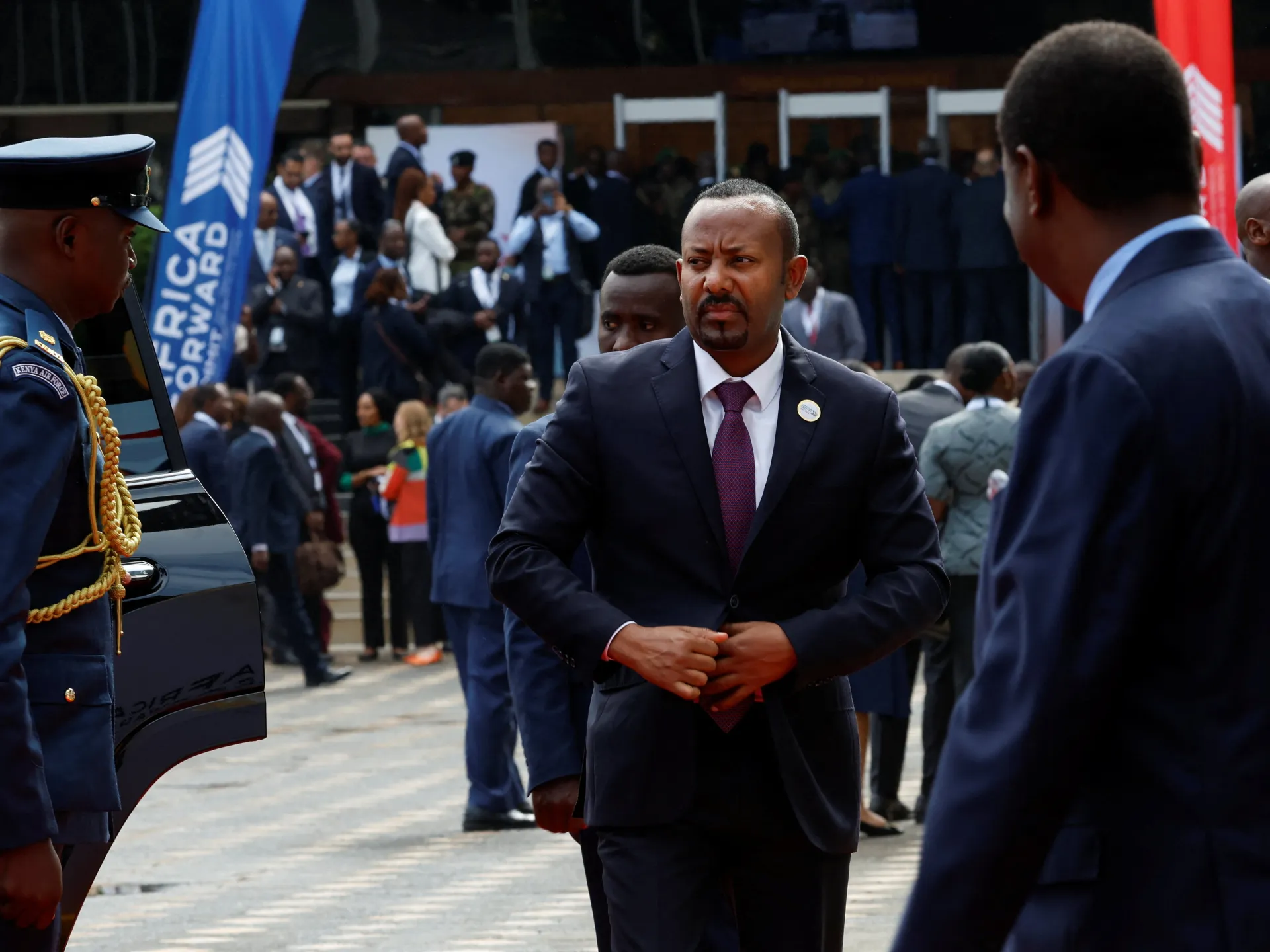
Despite decades of peace deals and ceasefires, armed groups in Ethiopia have continued to battle each other, as well as the military. Now, some of these former rivals have formed an alliance to push out the government in Addis Ababa.
They warn Ethiopia is on the brink of disintegration, and blame Prime Minister Abiy Ahmed. Abiy says the country can defend itself, but Ethiopians fear they could be on the verge of another civil war.
So, could these former rivals, with deep political and ideological divides, achieve their common objective?
Presenter:
Rob Matheson
Guests:
Samuel Getachew – Political commentator who specialises in Ethiopian affairs
Ngala Chome – Horn of Africa analyst
Kjetil Tronvoll – Professor of peace and conflict studies at Oslo New University College
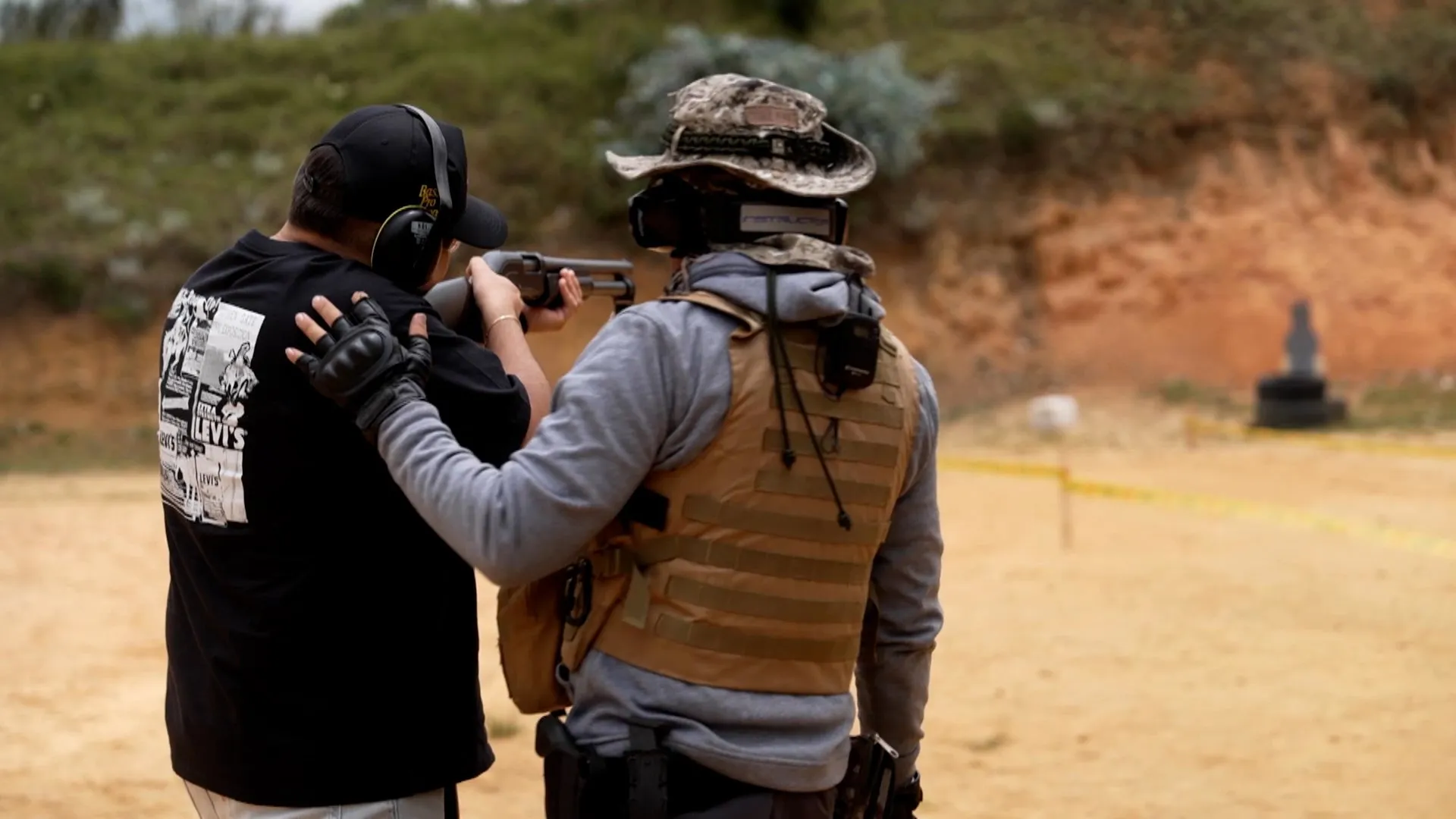
Colombia has loosened gun laws after more than a decade of restrictions. The government says it will help people protect themselves, but some fear it will lead to an increase in even more violence.