The war between Russia and Ukraine has entered its fifth year, with military operations continuing alongside intermittent diplomatic efforts to reach a settlement. The United States and European allies remain Ukraine’s principal supporters, providing military, financial, and political backing.
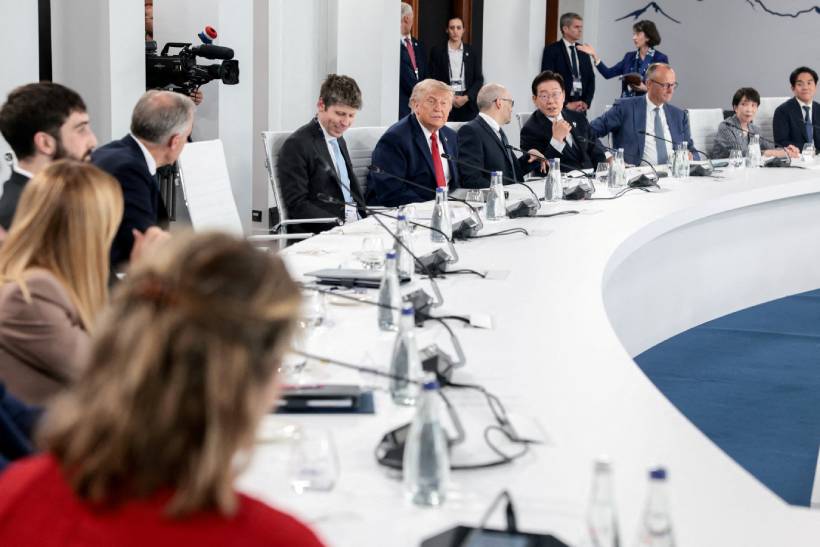
At the recent G7 summit, Ukrainian President Volodymyr Zelenskiy met U.S. President Donald Trump and other Western leaders to discuss the war and prospects for peace negotiations. Following those discussions, Trump expressed optimism that a peace deal could eventually be reached.
What Happened?
Senior Kremlin aide Yuri Ushakov said European leaders likely influenced Trump’s views on the Ukraine war during the G7 summit.
Ushakov suggested Trump had been given misleading information about developments on the battlefield and rejected claims that Ukraine’s recent drone operations had significantly improved Kyiv’s military position.
The Kremlin official also said Moscow still expects visits from Trump’s envoys, including Steve Witkoff and Jared Kushner, although no timetable has been announced.
Key Statements
Kremlin Position
European leaders are exerting an “unhelpful influence” on Trump regarding Ukraine.
Russia believes Trump may have received inaccurate assessments of the battlefield situation.
Moscow maintains that Ukraine’s military position has not improved as claimed by Kyiv and its allies.
Trump’s Position
Trump said after meeting Zelenskiy that Russia should make peace with Ukraine.
He described discussions at the G7 as constructive.
Trump has continued to signal interest in facilitating a negotiated settlement.
Why It Matters
The comments offer insight into how Moscow views Trump’s evolving position on the war and the role of European leaders in shaping Western policy.
Russia appears keen to preserve direct communication channels with Trump while simultaneously pushing back against narratives advanced by Ukraine and its European supporters. The remarks also suggest the Kremlin remains attentive to potential diplomatic openings involving the United States despite ongoing military operations.
The episode highlights the growing importance of diplomacy and messaging as all sides attempt to influence future peace discussions.
Stakeholders
Donald Trump
Volodymyr Zelenskiy
Vladimir Putin
Yuri Ushakov
European G7 leaders
U.S. diplomatic envoys Steve Witkoff and Jared Kushner
Russian and Ukrainian armed forces
What’s Next?
Potential visits by Trump’s envoys to Moscow for further discussions.
Continued efforts by Ukraine and European allies to secure stronger U.S. backing.
Russian attempts to influence Washington’s understanding of battlefield developments.
Further diplomatic contacts aimed at exploring conditions for a possible peace framework.
Monitoring whether Trump’s public optimism translates into concrete negotiations.
Analysis
The Kremlin’s comments reveal an important strategic calculation: Moscow wants to criticize European influence on Trump without alienating Trump himself.
By describing Trump as a strong leader who ultimately forms his own views, the Kremlin is attempting to preserve a working relationship with the U.S. president while casting doubt on information coming from Kyiv and European capitals. This messaging suggests Russia still sees value in engaging directly with Trump and may believe he could play a decisive role in future negotiations.
The remarks also reflect a broader battle over perceptions of the war. Ukraine and its allies have highlighted successful long range drone strikes and attacks on Russian infrastructure as evidence that Kyiv retains leverage. Russia, meanwhile, seeks to project confidence and reject suggestions that its strategic position has weakened.
Looking ahead, the key question is whether the apparent diplomatic momentum emerging from recent meetings can produce substantive negotiations. Both Moscow and Kyiv continue to believe they have leverage, making compromises difficult. As a result, public statements from leaders and advisers are increasingly becoming part of a larger effort to shape the diplomatic environment before any formal peace talks begin.
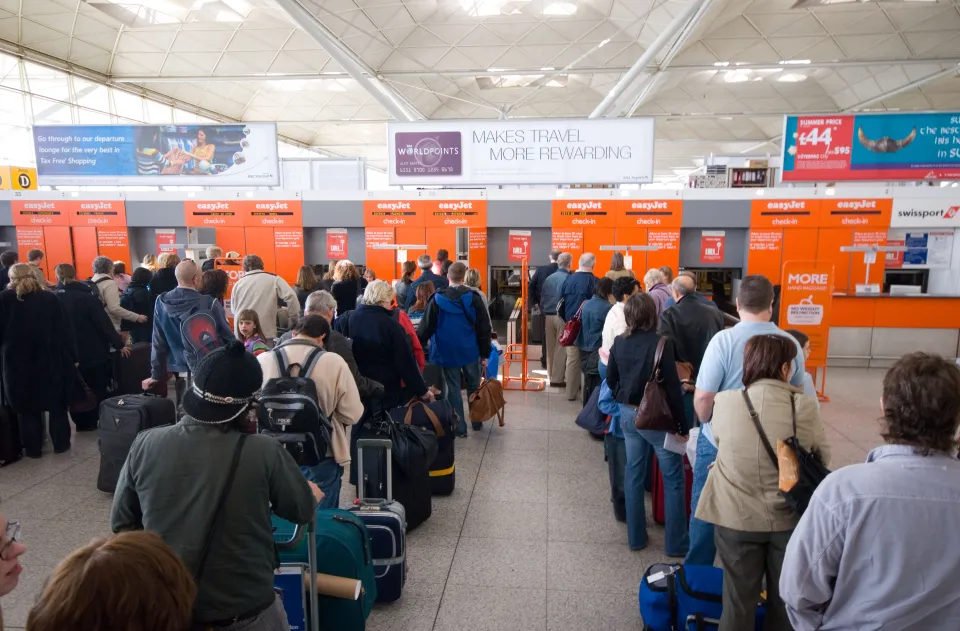
easyJet issued a new alert on Tuesday(Image: e55evu via Getty Images)
Holidaymakers bound for a popular destination have been cautioned about extended airport queues and advised to factor in additional time when travelling.
easyJet issued a fresh alert to British passengers on Tuesday, June 16, warning them about substantial changes at the border that could throw travel plans into disarray. The airline updated its official guidance following the gradual introduction of stringent new security measures and evolving border rules.
Brits are also being reminded about the length of time they’re permitted to remain in the Schengen Area, following rule changes that have been introduced post-Brexit. easyJet’s ‘important updates’ message is aimed specifically at those flying to and from Gibraltar.
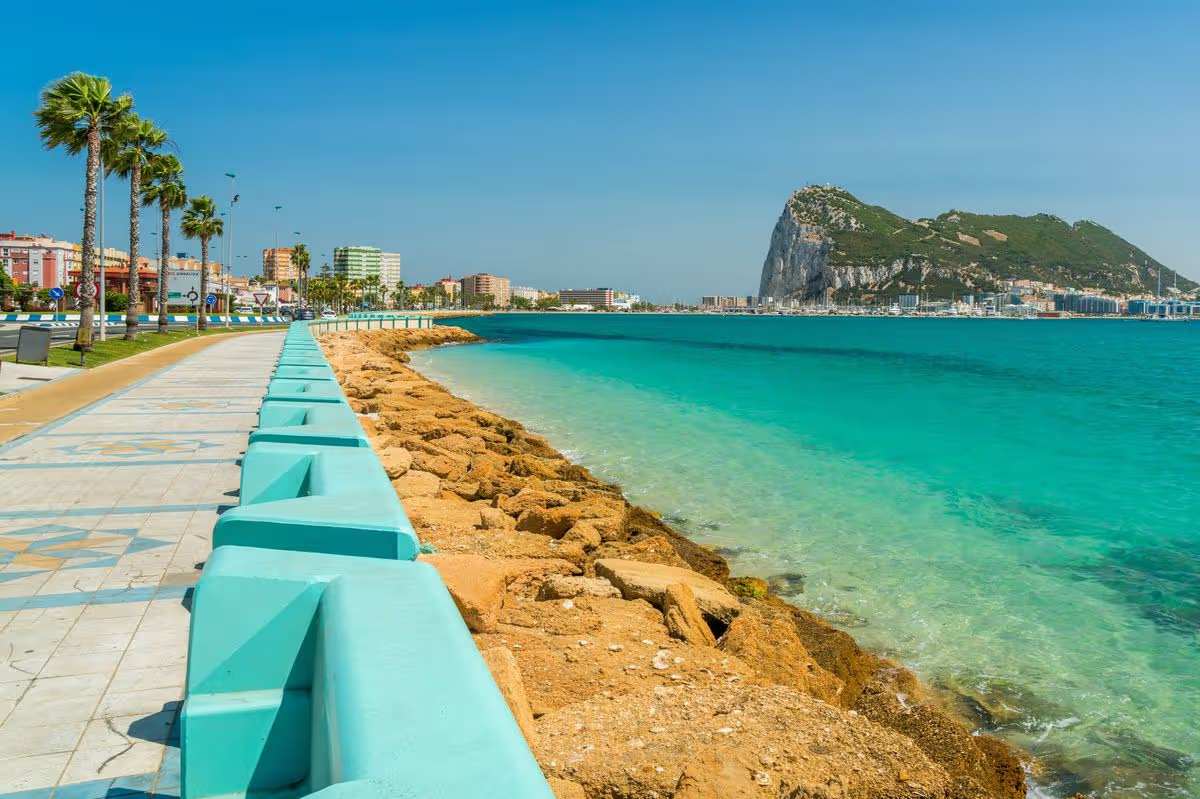
The alert explains: “EES border checks may be carried out for both arrivals and departures at Gibraltar Airport, which could result in longer waiting times when entering or leaving the country. Please allow extra time when planning both legs of your journey.”
The travel operator goes on to clarify that UK nationals can still visit Gibraltar visa-free for brief stays. The update continues: “For non-EU nationals, including UK nationals travelling visa-free, time spent in Gibraltar now counts towards the 90-day Schengen allowance.”
Additional guidance on Gov.uk clarifies that British passport holders are permitted to stay for no more than 90 days in any 180-day period across the following countries – Austria, Belgium, Bulgaria, Croatia, Czechia, Denmark, Estonia, Finland, France, Germany, Greece, Hungary, Iceland, Italy, Latvia, Liechtenstein, Lithuania, Luxembourg, Malta, Netherlands, Norway, Poland, Portugal, Romania, Slovakia, Slovenia, Spain, Sweden, and Switzerland.
easyJet’s alert adds: “Non-EU / Third-Country nationals may require a Schengen visa to enter Gibraltar and should check visa/entry requirements before travelling.”
This method of transport is a cheap and easy way to get around the city, but it has caused hundreds of accidents in the past year. Now there are calls for a ban across the European Union
The city is clamping down on the method of transport(Image: Getty Images)
A European city has banned a mode of transport that’s popular with tourists on day trips, after a huge number of accidents were reported in the past year alone.
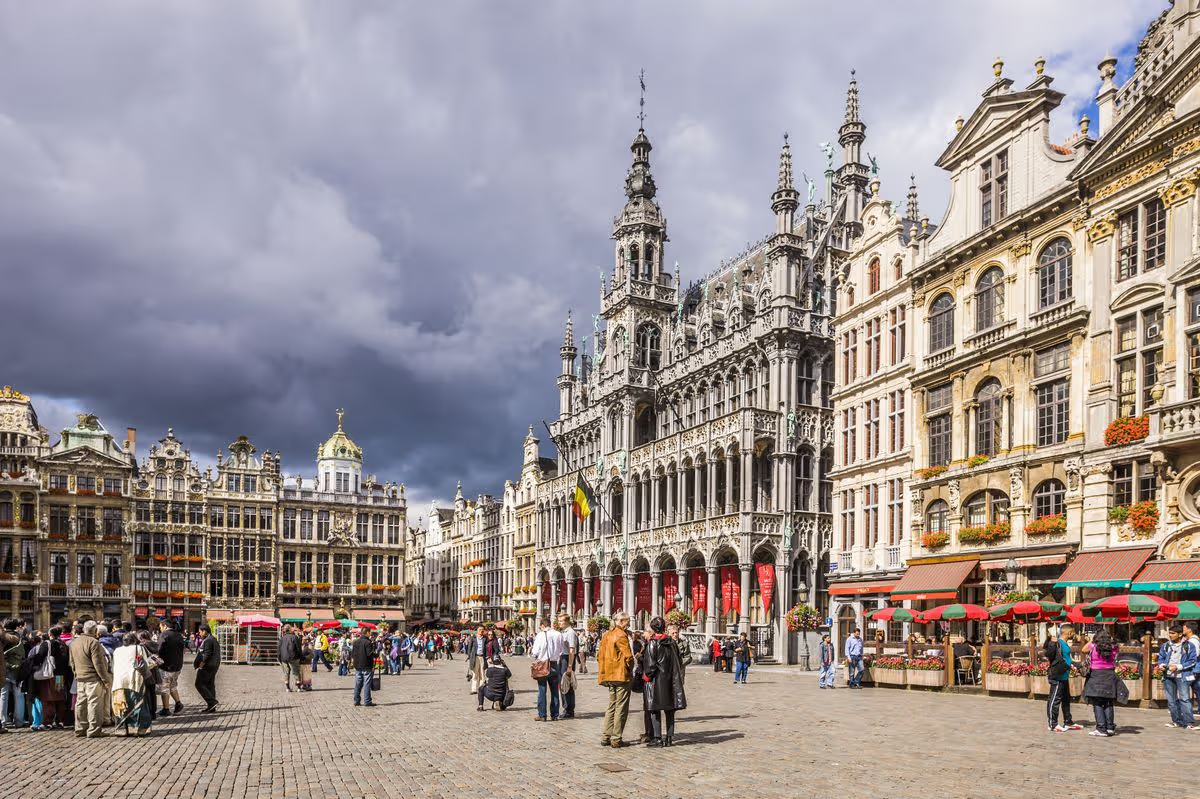
Brussels will rid its streets of shared e-scooters as of January 2027, with authorities in the Brussels-Capital Region announcing the move last week. Currently, the Belgian capital has two remaining scooter operators offering shared e-scooters, Bolt and Dott, and once their licences expire at the end of 2026, they will not be renewed, according to the Brussels Times.
Authorities voiced their safety concerns around the use of e-scooters and the nuisance they can cause to local residents. The move means Brussels follows other European cities who’ve removed shared e-scooters, including Paris, Madrid, and Prague.
Brussels mobility minister Elke Van den Brandt and minister-president Boris Dilliès made a shared statement about the ban, calling shared e-scooters a “growing nuisance to other road users”, and pointing out that 666 accidents involved e-scooters in 2025, a year on year increase of 26%.
They also highlighted that rental scooters were often used for criminal purposes, and were involved in the cases of 25 shootings in Brussels last year.
Boris Dilliès said: “The decision to exclude self-service scooters from the Brussels urban landscape is part of a clear and consistent policy. Often synonymous with disorder, self-service scooters are a source of nuisance, cause serious injuries, clutter the streets and are, unfortunately, increasingly being used by organised criminals. Self-service bicycles, on the other hand, remain for us an essential part of a mobility policy.”
However, in a statement, e-scooter rental firm Bolt argued: “When scooters are the subject of public debate, whether regarding road safety or parking, private and shared scooters are almost always lumped together, even though they are fundamentally different.
“Banning [shared scooters] will not stop people from getting around. It will drive users towards private, unregulated, untraceable and genuinely dangerous scooters, or towards more polluting modes of transport. Neither of these scenarios serves Brussels’ objectives regarding safety, congestion or the climate.”
Since the ban was announced in Brussels, the Benelux Union, a partnership between Belgium, the Netherlands, and Luxembourg, has called for the European Commission to create a single framework for all EU countries, which could make it easier for other countries to make their own regulations.
Benelux pointed out there are inconsistent safety standards among member states, and not all vehicles on the market were safe and suitable to be used on public roads. The lack of guidelines also make it difficult to prevent unsafe vehicles from being put out for hire.
The UK has banned privately owned e-scooters from public roads and pavements, meaning the only legal place to ride your own e-scooter is on private land. There are a handful of legal rental schemes in some areas of London, Birmingham, and other cities, with strict criteria such as limiting the e-scooters to 12.5mph, banning riders under 18, and requiring a provisional licence to hire one.
Have a story you want to share? Email us at webtravel@reachplc.com
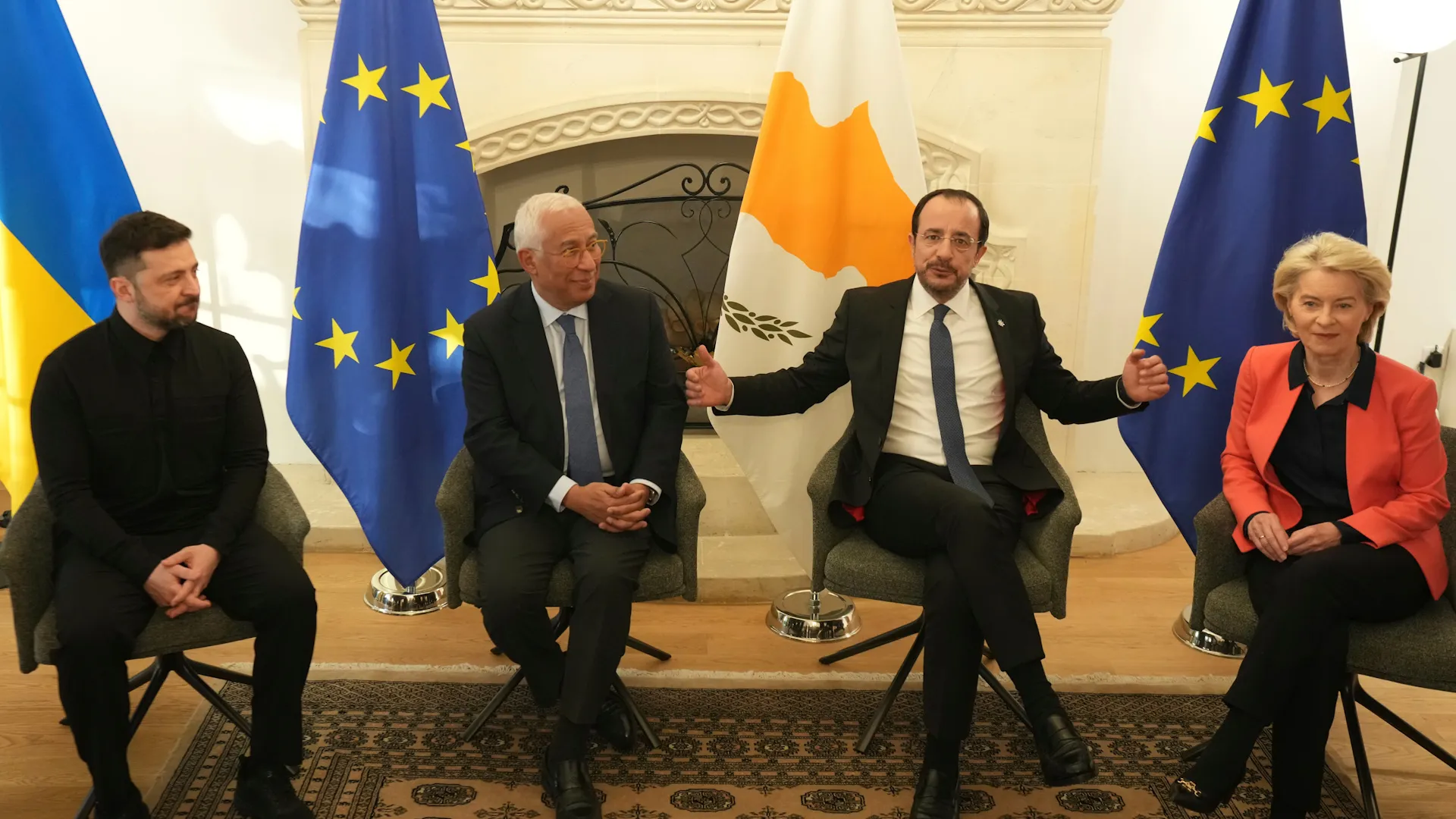
Ukraine has officially opened the first phase of membership talks with the European Union on Monday. President Volodymyr Zelenskyy welcomed the opportunity and said it sent a clear message that “Europe’s progress cannot be stopped.”
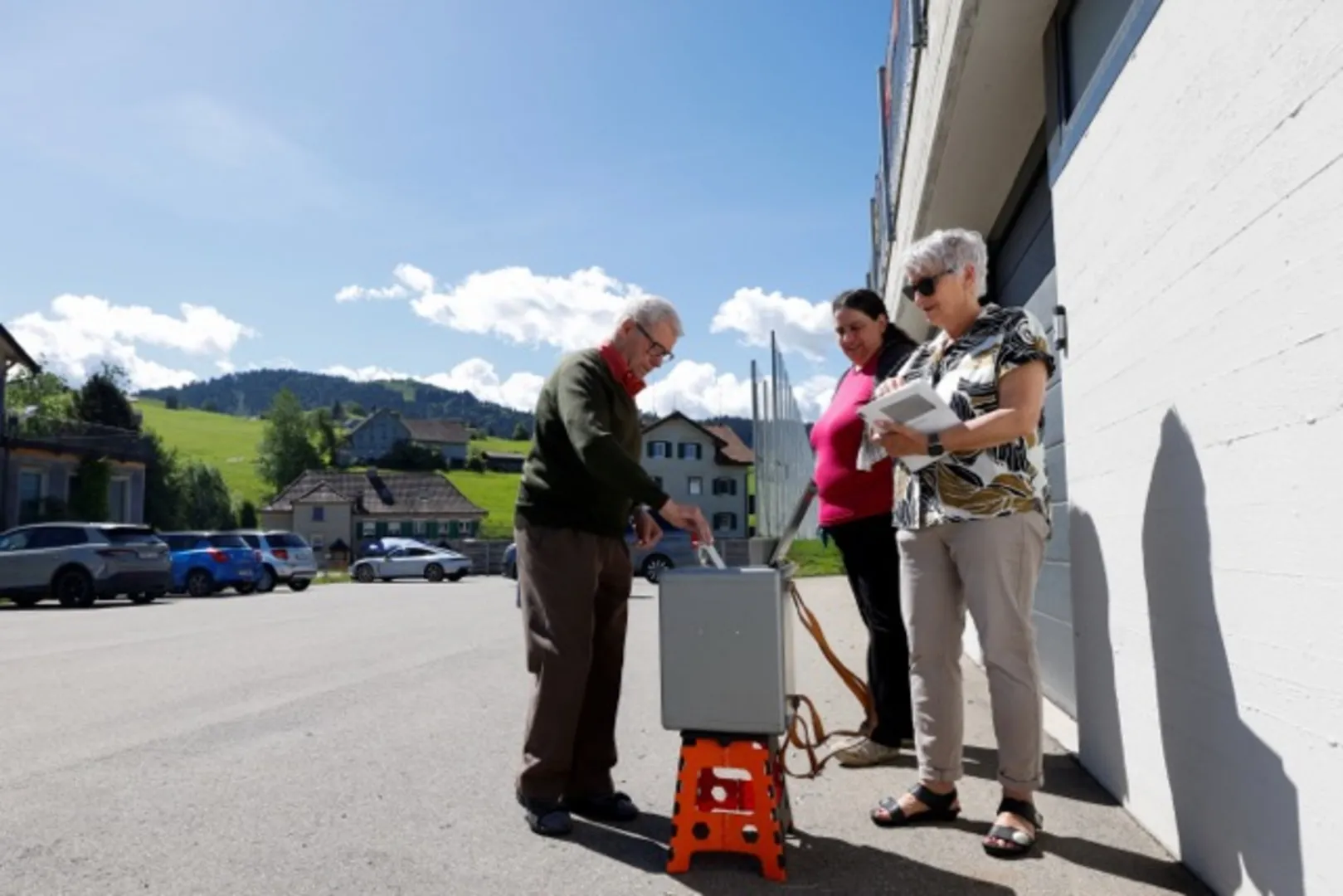
Swiss voters reject a proposed population cap that would cap the country’s population at 10 million. The plan, championed by the right-wing Swiss People’s Party, was supported by 45% of voters.
The European Union will begin accession talks with Ukraine and Moldova after Hungary’s new government withdrew its veto, paving the way for negotiations. Both countries believe EU membership would provide them with greater security against Russian aggression.
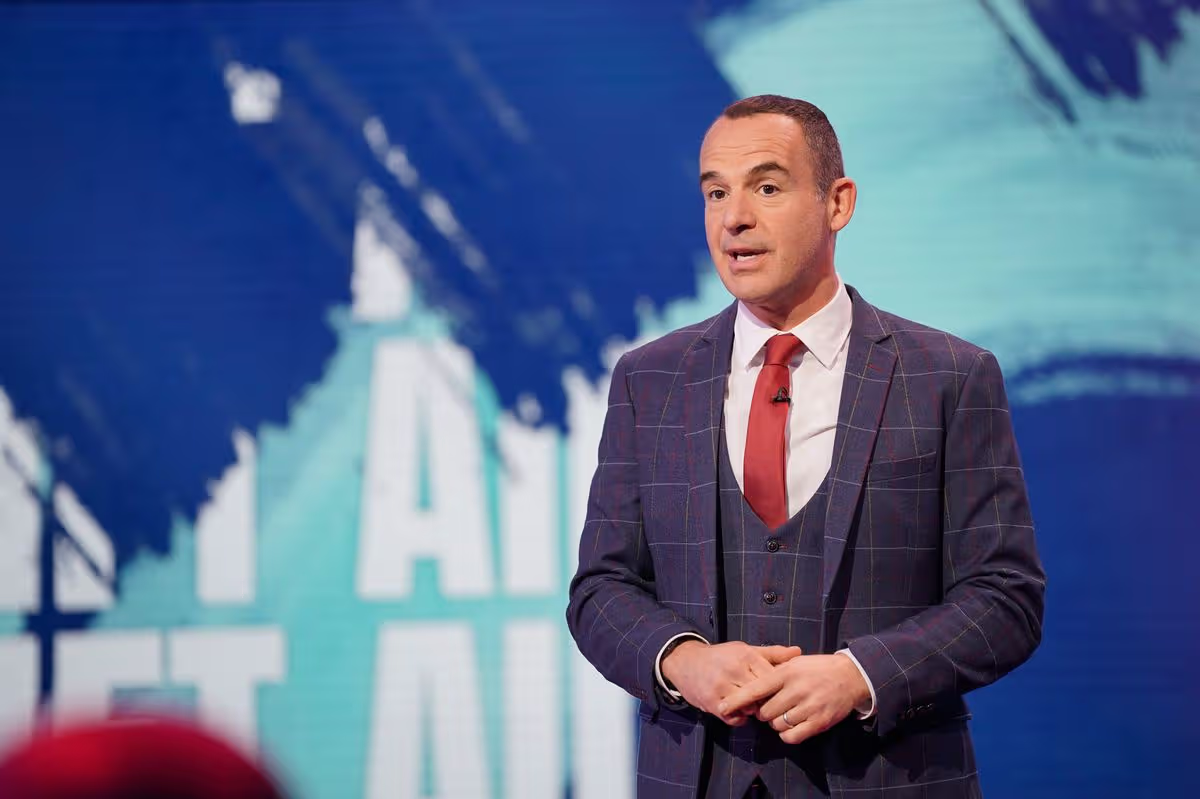
Martin Lewis’s team has issued urgent advice for the summer
Martin Lewis’s MoneySavingExpert has issued urgent advice for anyone travelling to Europe this summer, as more than two million people will see a key document expire before they head off. MoneySavingExpert.com has a holiday warning for anyone visiting countries including France, Spain, Portugal, Greece and Italy.
Martin’s team has urged holidaymakers to check if their European Health Insurance Card (EHIC) or Global Health Insurance Card (GHIC) is still valid, as 1,285,250 GHICs and 926,954 EHICs are set to expire this year. The EHIC is being replaced by the new Global Health Insurance Card (GHIC). These cards are totally free to get and they give you access to state-run hospitals or GPs in EU countries for the same price as a local.
They last for up to five years, and the final EHICs issued after Brexit are expiring this year. The MSE newsletter reads: “These cards give access to state-run hospitals or GPs in EU countries for the same price as a local – so if it’s free for them, it’s free for you.”
You need to check your card for the expiry date, and apply for a new one if necessary.
The team said: “You’ll need to get a new card – it’s now called a GHIC (as it’s been rebranded a ‘Global’ card, though in essence still covers mostly the same European countries).” However, MSE also warned people not to fall for websites that charge you for these cards.
MSE said: “Never pay to get an EHIC or GHIC. It is always free, beware shyster sites trying to charge you for ‘fast tracks’ or other stuff, that’s nonsense. See how to safely get a free GHIC.” If you have an existing EHIC, it remains valid until the expiry date runs out – after this, you’ll need to apply for a GHIC card.”
The NHS explains: “The UK Global Health Insurance Card (GHIC) lets you get necessary state healthcare in the European Economic Area (EEA), and some other countries, on the same basis as a resident of that country. This may be free or it may require a payment equivalent to that which a local resident would pay.
“The UK GHIC has replaced the existing European Health Insurance Card (EHIC). If you have an existing EHIC you can continue to use it until the expiry date on the card. Once it expires, you’ll need to apply for a UK GHIC to replace it.
“The ‘Global Health Insurance Card’ (GHIC) and its predecessor, the EHIC, give access to state-run hospitals or GPs, mainly in European countries, for the same price as a local. So if they don’t pay, you don’t either. Over two million expire this year, check yours.”
A UK GHIC is free, and you can apply through the NHS website. The NHS advises avoiding unofficial websites, which may charge an application fee. People can apply for a new card up to nine months before their current card expires.
The NHS says: “Every member of your family needs their own card. You can add your spouse, civil partner and children to your application when you apply. You must enter your own details first and apply for any additional cards when prompted.”
Adrian Vestea nominated as prime minister after previous choice, Eugen Tomac, withdraws.
Published On 14 Jun 202614 Jun 2026
Romanian President Nicusor Dan has nominated Adrian Vestea, a National Liberal Party member and former mayor, as prime minister to form a new government after the previous choice for the post withdrew.
“Eugen Tomac withdrew his mandate this morning and as such I nominate Adrian Vestea as prime minister,” Dan, a centrist, said in a post on X on Sunday.
Recommended Stories
list of 3 itemsend of list
Vestea, 52, is the county council president of the central Romanian county of Brasov. Eugen Tomac had been seeking to lead a government of technocrats but lacked support from the parties in parliament.
Vestea, who served as a development minister from 2023 to 2024, said in a statement that he wants a “political government that will undertake real reforms and keep Romania on a pro-Western path”.
“We are the sixth largest country in Europe, and we need to put a major emphasis on development. Which I will do from day one,” he said.
Dan’s two nominations for the prime ministerial role this month come after a no-confidence vote toppled former Prime Minister Ilie Bolojan in May. A general election is not scheduled until 2028.
Dan said Vestea was suitable for the role because he had “gone through all the administrative stages” throughout his political career.
“He was a successful mayor, a successful county council president, a successful minister, and he attracted European funds, being focused on development, for example the Brasov airport, which is a success,” Dan said.
Parliamentary parties have previously said a minority government, whose members do not hold a majority of the seats in parliament, would be better than a government of technocrats.
Vestea will have 10 days to form a government and must win a parliamentary vote of confidence to take up his new post.
Romania has one of the highest budget deficits in the European Union and suffers from rampant inflation and a technical recession.
When a coalition government came to power in June 2025, it made reducing the budget deficit a priority. Bolojan was sworn in with the aim of ending one of Romania’s worst political crises in its post-communist history, but his government lasted less than a year.
Progress for Kyiv’s membership bid given the green light after Hungary’s new government lifts Budapest’s veto.
Published On 12 Jun 202612 Jun 2026
The European Union has announced that the accession process for Ukraine and Moldova will launch next week.
At a meeting in Brussels on Friday, ambassadors from the 27 EU nations agreed to officially recommence negotiations with the two countries in Luxembourg on Monday.
Recommended Stories
list of 3 itemsend of list
EU leaders agreed to open accession talks with Ukraine and Moldova in December 2023. However, negotiations were paused due to opposition from Hungary, led at the time by pro-Russian Prime Minister Viktor Orban, to Kyiv’s membership bid.
Both Kyiv and Chisinau view EU membership as additional security against Russian aggression. Moscow insists that maintaining control over its “near abroad” – its term for the post-Soviet states – is key to its national security.
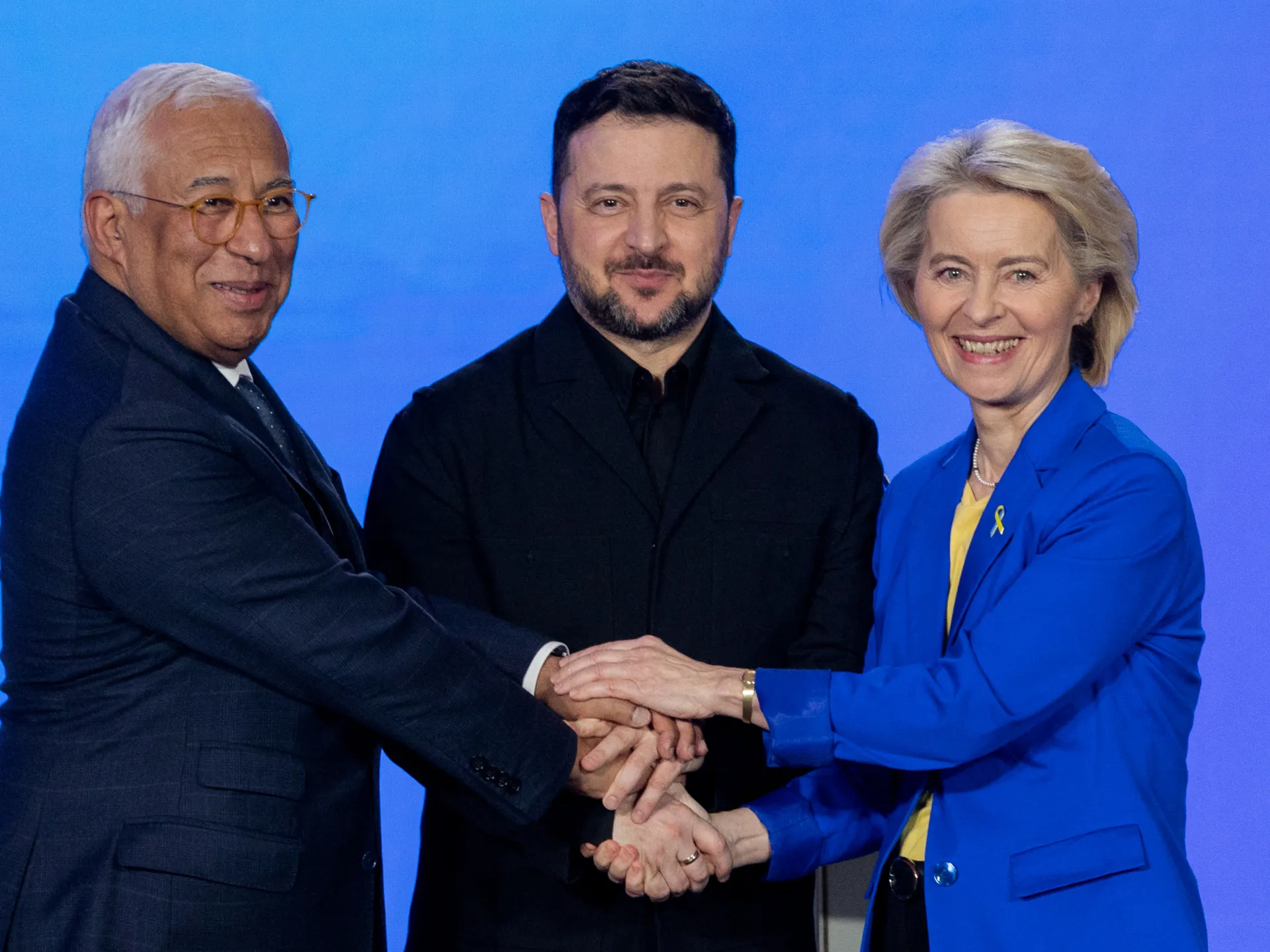
“All member states agreed to open the first accession negotiations cluster with Ukraine and Moldova,” European Council President Antonio Costa and European Commission President Ursula von der Leyen said in a joint social media post.
Hungary’s new government, which took power in May, agreed last week to drop Orban’s veto, allowing the accession process to resume.
“This is a recognition of the determination, courage and hard work shown by both countries in advancing reforms, even in the face of immense challenges,” Costa and von der Leyen said.
“Enlargement is a strategic choice,” they said, adding, “In a world marked by growing uncertainty, a larger European Union is in our common interest.”
Entry negotiations with Kyiv were formally opened in June 2024, kickstarting a complex process that usually takes years and involves negotiations on everything from agriculture to the rule of law.
The move was largely symbolic, intended as a powerful show of support for Ukraine after Russia’s full-scale invasion in 2022.
New Hungarian Prime Minister Peter Magyar struck a deal with Kyiv on the rights of Ukraine’s Hungarian ethnic minority last week. The issue has long been a sticking point between the neighbouring countries.
But Magyar has said Hungary does not support a fast-track procedure for Ukraine to join the EU.
He said Budapest will hold a referendum on Ukraine’s membership, should it “succeed in closing all 33 accession chapters within the next 10 to 15 years”.
Talks will begin on Monday with the opening of the “fundamentals” section of the process, Costa and van der Leyen said in their statement.
This covers basic principles such as rule of law that the two candidate countries will be expected to adhere to.
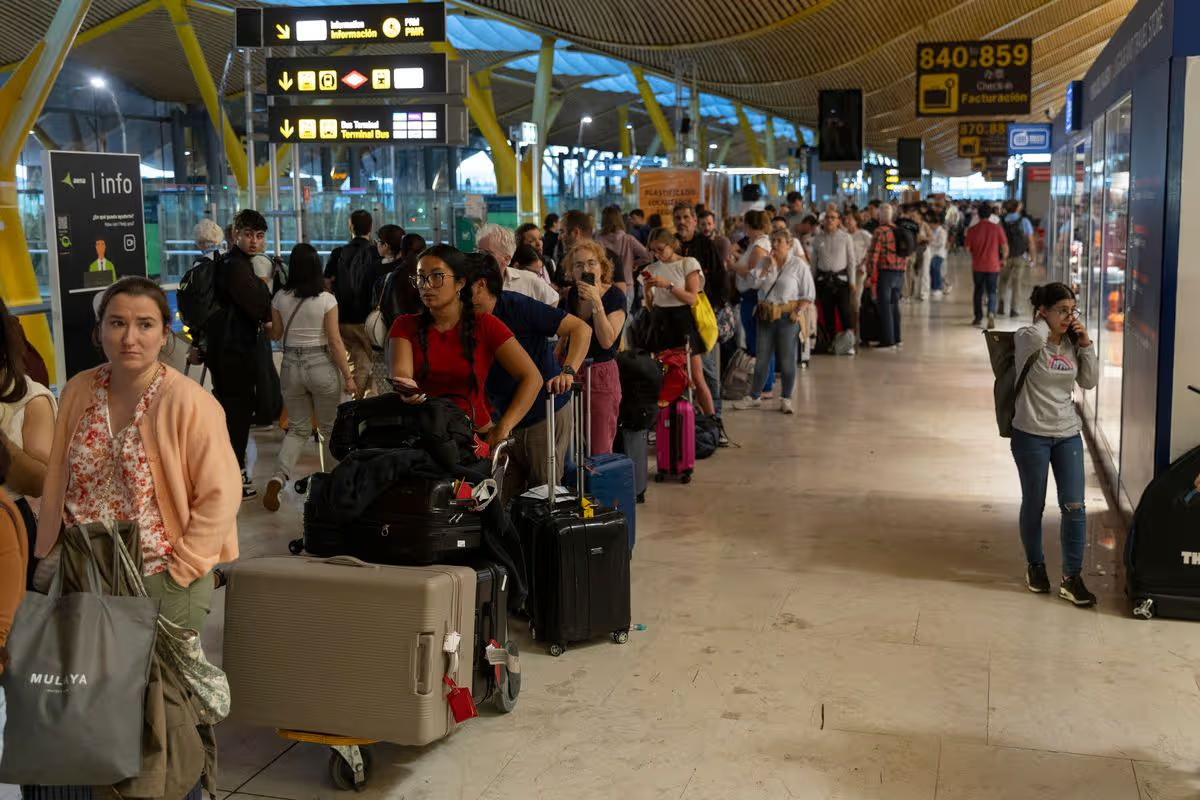
The new EU Entry/Exit System (ESS) was fully implemented on Friday 10, April, with significant travel disruptions happening as a result. Holidaymakers have found themselves in long queues lasting hours as they try to pass through the digital border system.
It has even left some missing their flights and having their holidays in tatters. The EES has replaced manual passport stamping and requires all Brits travelling to the Schengen area to “create a digital record” and register their biometric details, including fingerprints and a photograph.
As delays continue at European airports, there have been mounting worries about how it will affect travel during the summer holidays, which is famously one of the busiest periods to fly.
Travel expert Simon Calder says there has been “a litany” of people stuck in queues at Dover for hours or even missing their flights home due to delays.
He described the system as a “Euro shambles” before being pressed on where in Europe is the worst impacted by the new process. Simon named Milan Malpensa, Lisbon, Paris Charles de Gaulle, Frankfurt and Copenhagen as the airports with the “worst” delays.
Simon said on The Travel Expert podcast: “From what I have experienced, and certainly one of them is Milan Malpensa. The fingerprint stuff took an hour, and I was the first one off the EasyJet plane from Gatwick.
“Then, I went through the other terminal to check out and it took 45 minutes that time but they wanted those fingerprints again, which is absolutely not in the rules.”
He added: “I have heard terrible stories from Lisbon, other places frequently mentioned, Paris Charles de Gaulle and Frankfurt. Both of them are huge hubs where you have got a lot of people flying from various regional airports across the UK into Paris and Frankfurt to connect.
“That’s okay if you are going intercontinental but if you are trying to connect to somewhere in Europe it is awful.”
Simon explained he had a friend travel to Frankfurt last weekend, who experienced 90 minute queues.
A friend was there last weekend and it took 90 mins, connection could be toast. Simon went on to name Copenhagen as also experiencing bad delays.
Co-host Greg Dickinson said: “This was a rare instance where the Foreign Office said you may encounter long queues in or out of the airport.”
Despite the issues, Simon was optimistic about the future of travel this summer. When asked if he thinks there will be more delays this summer, he said: “I would hope we might see a bit less.”
‘Worst’ European airports for ESS delays
Milan Malpensa
Lisbon Airport, also known as Humberto Delgado Airport
Foreign Office backed experts issue update as tourists from England, Scotland and Wales struck down
09:14, 12 Jun 2026Updated 09:19, 12 Jun 2026
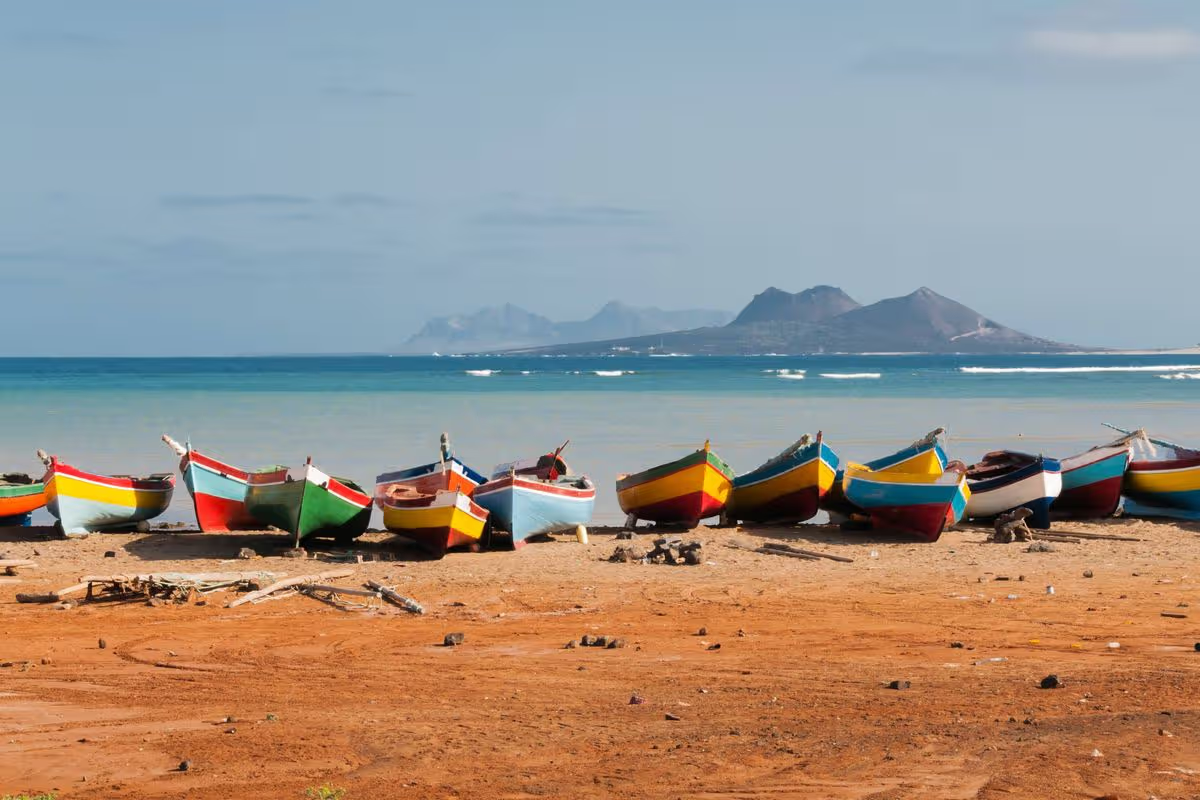
Fishing boats rest in Mindelo beach. Cape Verde has been hit by outbreaks of serious stomach illnesses(Image: Getty Images)
UK health experts have disclosed that 164 individuals have arrived back in England, Scotland and Wales from a holiday destination carrying a serious infection. In a fresh update, the Foreign Office-backed Travel Health Pro stated that people must exercise additional caution.
The surge in stomach bugs Shigella – also referred to as shigellosis or dysentery – and Salmonella has been occurring on the Cape Verde Islands, a favoured destination among British holidaymakers. Authorities confirmed that over the past eight months, cases of Shigella and Salmonella infection have been documented in travellers returning to England, Scotland and Wales from the Cape Verde Islands.
Of 164 confirmed Shigella cases, the majority – 112 – individuals reported travel to Cape Verde, predominantly to the Santa Maria and Boa Vista regions. As of June 2026, of 99 confirmed Salmonella cases, from three distinct clusters reported in England, Scotland and Wales since 1 October 2025, a total of 70 individuals reported travel to Cape Verde.
Cases in the largest of the Salmonella clusters reached their peak in January 2026. The European Centre for Disease Prevention and Control (ECDC) also flagged a surge in Shigella cases amongst travellers returning from Cape Verde since September 2022.
More than 1,000 confirmed and suspected cases of shigella and other gastrointestinal infections, including salmonella, have been identified in travellers returning from Cape Verde to 13 countries across the European Union/European Economic Area: Belgium, Czechia, Denmark, Finland, France, Germany, Ireland, Luxembourg, Norway, Poland, Portugal, Sweden and the Netherlands. Cases have also been recorded amongst US travellers who visited Cape Verde.
Shigella is a bacterium that can trigger shigellosis, a gut infection capable of causing severe diarrhoea, fever and stomach cramps. The majority of people recover within a week.
However, certain individuals, such as older adults, those with weakened immune systems, anyone with complex medical conditions, pregnant women and children under five, may face a heightened risk of complications, including sepsis.
Shigella spreads through contact with contaminated faeces, either directly via person-to-person transmission or indirectly through food, water or surfaces tainted with Shigella. Travellers visiting destinations where food and water safety cannot be guaranteed are particularly at risk.
Globally, the majority of Shigella cases occur in children younger than five years of age, though all age groups can be affected. There is additionally a risk of sexual transmission amongst men who have sex with men.
Salmonella, also known as salmonellosis, is a bacterial illness that primarily targets the intestines. Symptoms such as diarrhoea, stomach cramps, nausea, vomiting and fever typically appear between 12 and 72 hours after infection [8].
Young children, pregnant women, those with underlying health conditions and elderly people are at greater risk of developing severe symptoms. The majority of human cases stem from contaminated food and water.
For further details, click here.
While you are away.
Be sure to follow these steps when travelling overseas.
Four out of five Brits surveyed didn’t know this passport rule, and even more surprisingly, a huge number don’t know the expiry date of their passport, which could leave them facing a last-minute panic
A shocking 80% of Brits did not know this passport rule(Image: Getty Images)
Holidaymakers are being urged by travel insurance specialists to check their passport details ahead of the busy summer season, as a survey showed a huge percentage of Brits were unaware of a basic passport rule.
The research, carried out by Saga Travel Insurance showed that many Brits didn’t know basic rules around passport validity, entry requirements, and travel regulations post-Brexit. Worryingly, 7% of the people surveyed had previously been denied entry to a country because they didn’t have enough time on their passport to cover the trip.
Saga surveyed 500 people, and found that four out of five (80%) were not aware that different countries have different passport validity requirements, while 50% mistakenly thought that every country requires a passport to have six months remaining before travel.
The travel insurance provider also highlighted that half of the Brits surveyed “are still not confident they understand the visa and travel requirements for visiting Europe after Brexit.” 16% didn’t know when their passport is due to expire, while 8% currently had expired passports gathering dust in a drawer.
One mum recently was left £700 out of pocket after getting caught out by passport rules for a holiday to Greece, meaning she couldn’t board her flight with her husband and children.
Michelle Cooper, Director of Travel Insurance at Saga, said: “Nobody should have their holidays ruined because of a simple passport error. A few quick checks can help people avoid unnecessary stress, unexpected costs and disruption at the airport.”
She added: “It’s important to check the specific rules of the country you’re travelling to so that you know how long you need remaining on your passport. Some destinations require three months remaining on your passport, while others require six months.”
For example, Brits heading to EU destinations such as Spain, Italy or Greece will need a passport that’s valid for at least three months after the date you plan to leave the Schengen area, and it must also be less than 10 years old on the day you enter. While Turkey’s validity requirements are at least 150 days after the date you arrive, countries such Australia simply ask that your passport is valid for the duration of your visit.
Michelle also reminded holidaymakers of the 10-year rule which continues to catch Brits out: “EU and Schengen countries require passports to be less than 10 years old on the day of entry. While all new passports last exactly ten years, passports issued before 2018 remain valid for 10 years and nine months. If you have an older passport, make sure you check both the issue date and expiry date before travelling to avoid problems at the border.”
Michelle also urged frequent flyers to check they have enough blank passport pages when they travel, saying: “People can sometimes focus entirely on expiry dates and forget to check how many blank pages they have left, but some destinations can refuse entry if there isn’t enough room for official stamps or visa documentation.
“If you’re a frequent traveller, you should regularly check how many blank pages you have remaining in your passport before booking a trip. You might also benefit from purchasing a passport with additional blank pages.”, she suggested.
Have a story you want to share? Email us at webtravel@reachplc.com
What should have been the start of an exciting family holiday to Greece turned into a nightmare, after a mother of three was unable to board the plane due to a passport mistake
Jam Press Reporter and Amy Jones Senior Travel Journalist
10:58, 11 Jun 2026
Bolaji Omisade was told at the airport that she wouldn’t be able to board her easyJet flight(Image: Jam Press/@beejayomi)
A mum was banned from boarding an easyJet flight with her family and was left £700 out of pocket after being caught out by a crucial passport rule.
Bolaji Omisade, 35, was filled with excitement as she headed to London Gatwick Airport with her husband and three sons ahead of their family holiday to Greece. But on arrival at the airport, she was told by easyJet staff that she wouldn’t be allowed to board the plane.
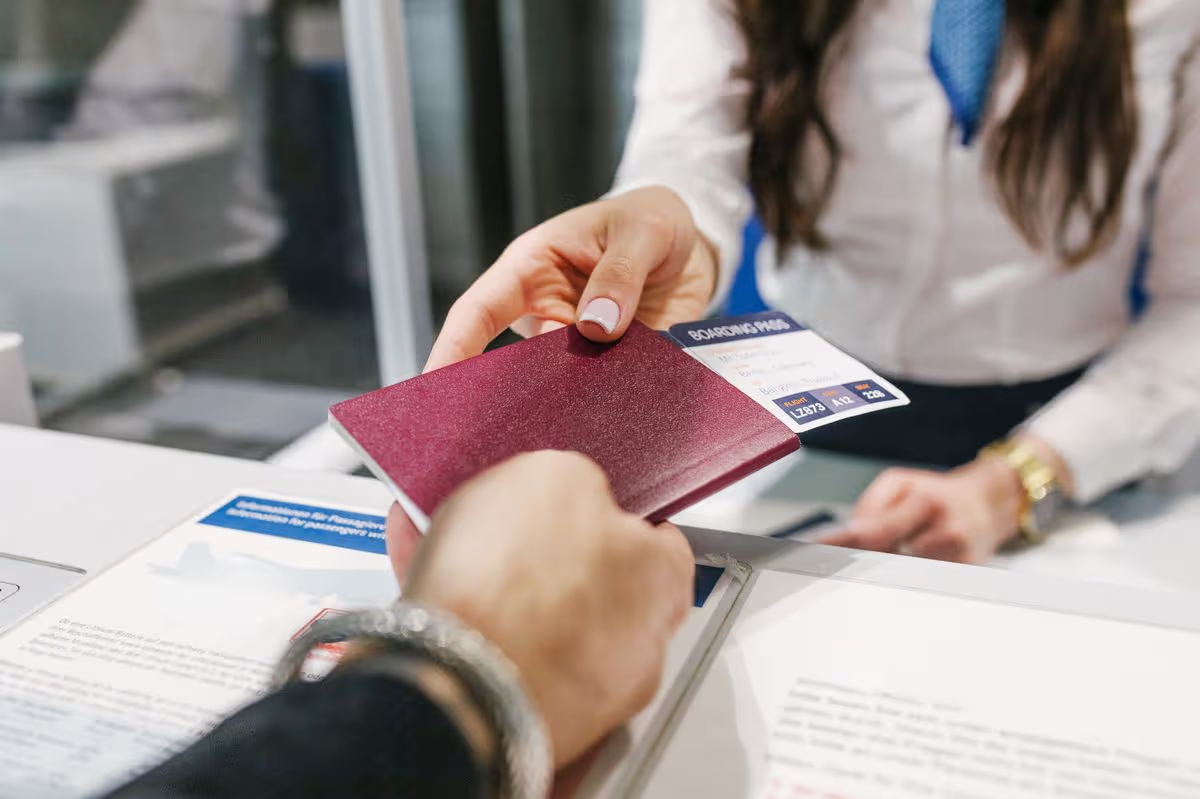
Confused by the situation, the social worker and content creator from Rainham in Essex was told at check-in that while her passport had not expired, it had been issued more than 10 years earlier, meaning it did not meet EU entry requirements. “Until that moment, I had absolutely no idea this rule existed,” Bolaji told creatorzine.com.
All UK passports must have been issued less than 10 years before the date of entry when travelling to most European countries under post-Brexit travel rules. Bolaji checked that her passport hadn’t expired before heading to the airport, but wasn’t aware of the crucial rule regarding the issue date.
It was a devastating moment for Bolaji as the reality of not being able to go on holiday with her husband and their three sons hit home. “I had to hold back my emotions because my children were watching everything unfold,” she said. “As a parent, that was one of the hardest parts. They were so disappointed.”
With no refund option and their planned departure time approaching, the family decided that Bolaji would return home with their youngest son, while her husband and two older boys would board the easyJet flight to Greece. Amid the holiday nightmare, Bolaji said she saw another holidaymaker being turned away at the airport for the same reason. “That was the moment I realised this wasn’t an isolated incident,” she said.
In an attempt to salvage the holiday, Bolaji swiftly booked an appointment to secure a new passport by using the one-day premium service through His Majesty’s Passport Office. While there were no suitable appointments available in London due to the bank holiday weekend, the mum managed to secure a 9.30am slot in Newport, Wales, and travelled up the night before.
After waiting several hours, Bolaji was finally issued a fresh passport, and she booked new flights. Bolaji and her youngest son joined the rest of the family in Greece on Thursday, but it meant they had only two days left of the holiday before flying home on Saturday.
While it was a stressful time for the family, it also resulted in an expensive mistake. With the cost of the emergency passport, hotel stay in Wales, travel expenses, and extra flights, the family ended up spending an additional £700 on top of their already prebooked getaway.
Since the ordeal, Bolaji has shared her experience on social media, warning other travellers and urging booking platforms to clarify the rule. “I believe airlines and booking platforms could do much more to highlight this rule,” she said. “If sharing my story helps even one family avoid being turned away at the airport, then something positive will have come from what was a very upsetting experience.”
To renew or replace your passport, online or at the HM Passport Office, visit the government website.
EasyJet has a dedicated page on its website to warn passengers of passport rules and requirements, including for the EU. As part of these warnings it explains: “Please check your passport’s expiry and issue date before you travel. If you’re a UK passport holder travelling to the EU (except Ireland), or Iceland, Liechtenstein, Norway, Andorra, Monaco, San Marino, the Vatican City or Switzerland, your passport will need to meet the following criteria:
It must be valid for at least three months after the day you plan to depart from the EU or above countries*
It must be no more than 10 years’ old on the date of travel to the EU or above countries.
“Visit the UK government’s advice page for more information.
“Citizens of the European Union, European Economic Area and Switzerland may travel within Europe using a valid EU/EEA/Swiss National Identity Card or Passport Card.”
Do you have a travel story to share? Email webtravel@reachplc.com
Protesters chant ‘Albania is not for sale’ as demonstrations swell against Kushner-backed luxury resort plan.
Published On 11 Jun 202611 Jun 2026
Thousands of Albanians have taken to the streets of the country’s capital, Tirana, in the largest protest yet against a luxury resort development backed by United States President Donald Trump’s son-in-law, Jared Kushner.
Protesters on Wednesday held signs that said “Albania is not for sale” and chanted “New Albania” outside Prime Minister Edi Rama’s office as the crowd stretched half a mile down one of the city’s main boulevards.
Recommended Stories
list of 3 itemsend of list
The project, expected to cost about 5 billion euros ($5.8bn), has provoked outrage in the Balkan country because of its location near a protected wetland home to flamingos, seals and sea turtle nesting sites.
Critics have also raised concerns about a lack of transparency surrounding the plans designed by foreign investors.
“This is the prime example of what has been happening in Albania for the last 35 years,” protester Leand Lakrori told the Reuters news agency. “So today, enough is enough.”
Protesters hold inflatable flamingos as part of a ‘Flamingo Revolution’ against Jared Kushner’s planned property in Albania, June 10, 2026 [AFP]
The protests, which erupted in the village of Zvernec on the southern coastline where the resort is planned, have been dubbed the Flamingo Revolution, in reference to the protected wetland at the development site that serves as a migratory stop for the birds.
Rama has sought to play down the ecological concerns, saying an environmental impact assessment would be completed and that the project would proceed responsibly.
“We are very proud of what we have done for the wildlife in Albania,” he said. “The European Commission has no reason to doubt our firm will to protect whatever has to be protected when it comes to wildlife and nature.”
EU warning
The European Union, which has said it could admit Albania and other Balkan countries by 2030, warned that alignment with European environmental law would be a condition of accession.
“Albania should refrain from action that could undermine the fulfilment of the closing benchmark,” said EU spokesman Guillaume Mercier. “We expect the Albanian authorities to act without delay.”
The protests are the latest test for Rama, who has been in power since 2013 and who many now blame for not eradicating widespread corruption or doing enough to improve basic services like healthcare.
Rama said he has made strides to deal with corruption by creating a special prosecution office, which has opened a series of high-profile investigations.
Still, clashes also broke out earlier this year as protesters demanded the resignation of Rama’s deputy, Belinda Balluku, over alleged corruption. Rama fired Balluku, but the mistrust remains.
“I’m here to protest, to finish this saga of the Albanian government. It’s always the same two parties,” protester Fabio Bracaj told Reuters. “We want a new era. We want a better country.”
The resort development is the brainchild of Kushner and his wife, Ivanka Trump, who described falling in love with Albania a few years ago while visiting on a yacht.
Opposition ignited last month when developers erected a fence around part of the Zvernec site. The fence was later removed following an outcry.
Rama has said the project will go ahead regardless.
The European Fiscal Board (EFB) criticized the European Commission for allowing some of the defence spending leeway from last year to be used for transitioning to clean energy. Last year, the Commission allowed EU governments to spend an extra 1.5% of GDP annually for four years on defense against potential attacks from Russia, using a national escape clause due to uncontrollable events.
Italy, facing high fuel prices from the U. S.-Israeli war on Iran, sought more fiscal flexibility from the EU to help manage costs ahead of elections. The Commission agreed to permit 0.3% of that 1.5% for the clean energy transition. EFB Chairman Pieter Hasekamp stated that the energy crisis should drive transformation rather than increased spending, urging that fiscal credibility is critical to minimize borrowing costs.
The EFB emphasized the importance of adhering to previously agreed spending paths to reduce debt, noting that many EU countries still need to cut back post-pandemic stimulus. They expressed concern that extending escape clauses for energy could lead to excessive and untargeted financial support. The board also advised that if oil prices remain high, governments should prioritize public investment over efforts to sustain consumer demand.
The EU has proposed a new package of sanctions against Russia, aimed primarily at its banks, cryptocurrency networks, and drone production in response to the ongoing war in Ukraine. This 21st package targets 170 individuals and entities, including close to 90 banks, which would raise the total number of Russian banks under EU sanctions to over 100, or more than half of the country’s internationally connected lenders. These banks will face asset freezes and bans on travel and transactions. The proposal will be presented to EU ambassadors for discussion, requiring unanimous approval to be enacted.
Existing Western sanctions already restrict Russia’s banking system heavily. Many major banks were disconnected from the SWIFT payment system in 2022. Nevertheless, Russian companies have turned to smaller lenders to evade these sanctions. The goal of the new sanctions is to significantly harm Russia’s financial sector and push it toward negotiating peace with Ukraine.
As Russia’s economic growth has sharply slowed, warnings of a potential banking crisis have surfaced, though the central bank claims no crisis is present. The proposed sanctions package includes transaction bans on 35 banks, including some outside Russia, and 11 cryptocurrency platforms that aid in circumventing sanctions. EU leaders indicated plans for even stricter crypto measures in the future.
Additionally, the EU wants to freeze the oil price cap to prevent Moscow from gaining increased revenue amidst geopolitical tensions. Other measures include tighter restrictions on Russian liquefied natural gas, listings of vessels associated with sanctioned activities, and new import restrictions on fish and high-performance metal alloys vital for defense and aerospace sectors.
NEW biometric checks for UK travellers at European borders may not “stabilise” for another two years, officials have warned.
The new EES system has caused chaos and long queues at airports with no plans to relax the checks during the busy summer period.
Sign up for the Travel newsletter
Thank you!
EES system has caused chaos for UK travellersCredit: Alamy
The Entry Exit System (EES) involves people from third-party countries such as the UK having their fingerprints registered and photographs taken to enter the Schengen Area.
This Area consists of 29 European countries, mainly in the EU, and around 1,700 border crossing points requiring the use of EES.
For most UK travellers, the process is done at foreign airports with the digital record being kept for three years.
The airline body International Air Transport Association recently warned border queues could reach six hours this summer.
Airports in Spain, Portugal, France and Italy have been reported to be among the worst affected.
This comes after more than 100 easyJet passengers missed a flight from Milan Linate to Manchester in April because of delays at passport desks caused by the ramping up of EES.
Uku Sarekanno, deputy executive director of EU border agency Frontex, said some member states are “struggling” to adopt the new system.
During a summit of travel industry leaders organised by Abta in Westminster, Sarekanno said: “We expect that the situation will stabilise in one or two years.
“The most challenging part is the first enrolment, that is the moment where fingerprints and facial images will be taken.
“If a person is visiting the EU again (within three years), they don’t have to go through the same process, so they can have a more fast track of entry.”
Experts say queues are going to get even worse for British holiday makers this summer with queue times potentially stretching to as much as six hours.
According to The Times, Rafael Schvartzman warned that the EES systems are being operated differently between airports, which is causing the problem.
Schvartzman said: “What we are seeing is a very hard risk of really challenging times or waiting times, talking about expectations of three, four, five, six hours which is unacceptable.
“We know for a fact there are many cases where people have lost flights or their connectivity.”
More to follow… For the latest news on this story keep checking back at The Sun Online
Thesun.co.uk is your go-to destination for the best celebrity news, real-life stories, jaw-dropping pictures and must-see video.
Certain nations around the world are so wealthy that they wield enormous power over the global economy. When people think about the world’s biggest financial giants, two names typically come to mind straight away – the United States and China.
However, the next country is not located in Asia or North America. It’s situated in Europe, and its economy is substantially larger than most realise; it also boasts a greater GDP than the UK, Portugal and Greece combined.
Data from the World Population Review for 2025 shows that Germany is the richest country in Europe, with a GDP of $4.74trillion (£3.54trillion).
The UK comes second with $3.84trillion (£2.86trillion), while France is third with $3.21trillion (£2.53trillion), Italy fourth with $2.42trillion (£1.81trillion), and Russia fifth with $2.08trillion (£1.55trillion).
Lower in the table, Portugal sits 18th with $321.44billion (£241billion), and Greece 20th with $267.35billion (£200billion), which means Germany’s GDP exceeds that of the UK and both countries put together.
Germany’s wealth derives from a highly sophisticated and diverse economy. It holds the largest national economy in Europe and one of the most powerful on the entire planet. Germany is also a founding member of the EU and the eurozone, representing nearly a quarter of the whole euro-area economy.
The country is famous for its enormous export sector, standing as the world’s third-biggest exporter, having shipped $1.66trillion (£1.24trillion) worth of goods and services in 2024. It also achieved a trade surplus of $255billion (£191billion), among the largest anywhere in the world.
Its exports include vehicles, machinery, chemicals, electrical equipment, electronic products, pharmaceuticals and plastics, reports the Express.
Germany is likewise Europe’s leading manufacturing powerhouse, accounting for approximately one-third of the continent’s total industrial production.
Germany devotes considerable resources to research and development, allocating roughly 3.1% of its GDP to scientific and technological advancement, while also possessing one of the globe’s most comprehensive social security networks.
According to KPMG, Germany continues to be the world’s third-largest economy in 2026. “Exports of motor vehicles and vehicle parts, as well as chemical products, in particular, have made Germany the world’s third-largest exporting nation. At 70%, the service sector accounts for the largest share of the country’s gross domestic product (GDP).”
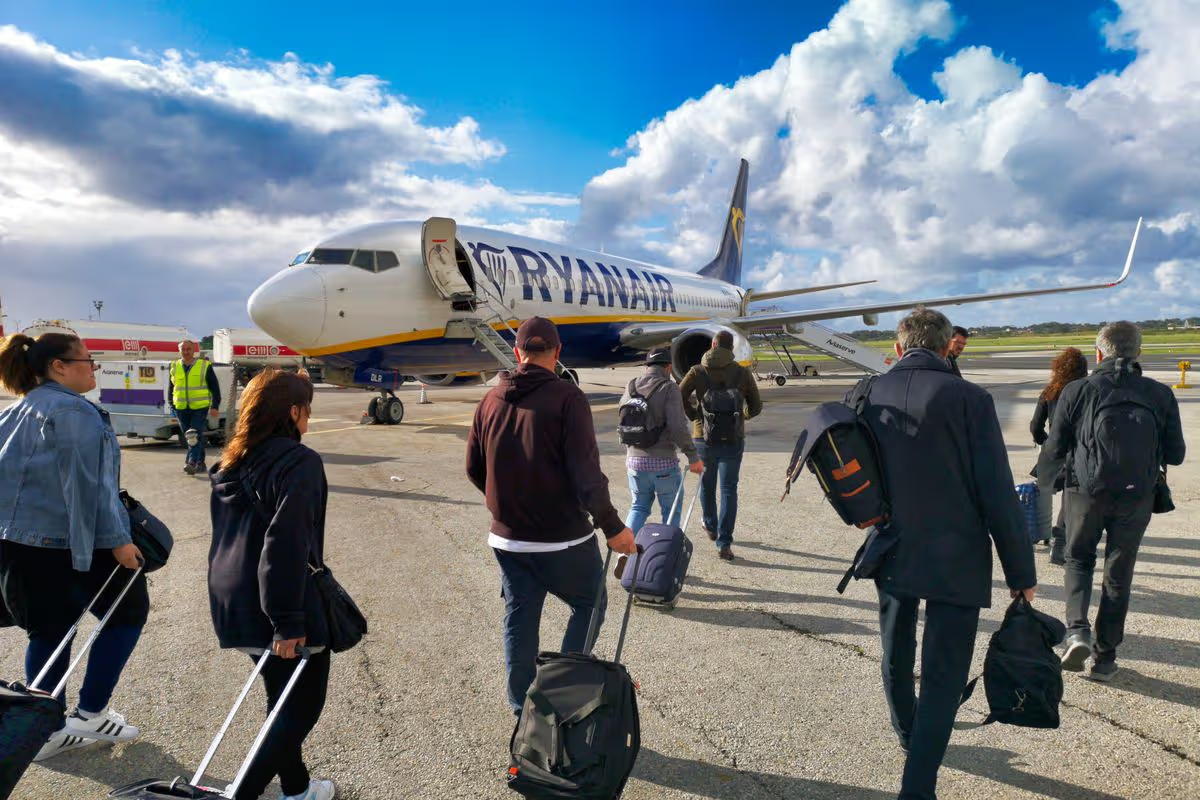
Ryanair has highlighted some ‘commonly affected routes’
Ryanair has sent emails to customers who may be affected(Image: Getty)
Ryanair has issued an ‘important’ alert to passengers with upcoming bookings ahead of a major change that came into force earlier this year.
Emails to Ryanair customers read: “From 10 April 2026, the EU’s Entry/Exit System (EES) is in place at all Schengen Area external borders. As a result, passport control may take longer for some passengers.” The messages add that passengers are affected if they hold a non-EU/non‑EEA /non‑Swiss passport and are flying into or out of the Schengen Area.
The correspondence continues: “Commonly affected routes include flights between the Schengen Area and countries such as: UK, Ireland, Cyprus, Albania, Montenegro, Serbia, Türkiye, Egypt, Israel and others.” Holidaymakers and other travellers may need to scan their passport, provide fingerprints, and have a facial image taken at passport control.
Because of the more extensive checks, longer queues may form, particularly at busy airports. Queues may also form before security.
If you are affected, Ryanair suggests you arrive at the airport early to allow for queues, have all travel documents ready, and follow signs marked ‘EES / Passport Control’. EU, EEA and Swiss passport holders are not affected, and neither is anyone flying within the Schengen Area, for example from Spain to Italy, or from Germany to France.
Ryanair added: “If you are denied entry, this will be due to EU policy, not Ryanair’s rules. Find out more about how EES may affect your travel plans.”
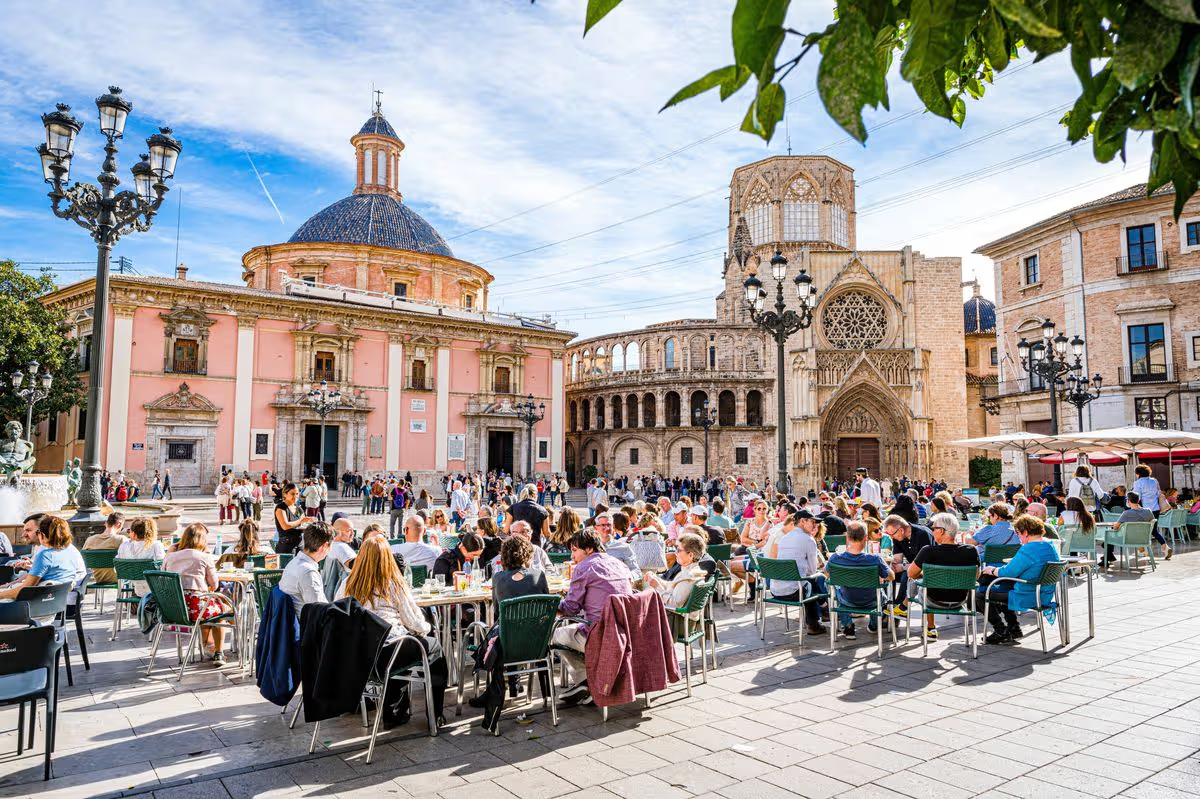
Spain is the most popular destination for UK holidaymakers
09:01, 06 Jun 2026Updated 09:01, 06 Jun 2026
Millions of Brits head to Spain each year(Image: fcafotodigital via Getty Images)
Anyone planning a trip to Spain should act eight weeks before travelling, according to the latest Foreign Office advice.
The Foreign, Commonwealth and Development Office (FCDO) provides advice for travel to more than 220 countries and territories across the globe, covering everything from entry requirements and safety risks to health precautions and regulations. The FCDO recommends that those heading to Spain check the most up-to-date vaccination advice at least eight weeks before they set off, and find out where to get their vaccines and whether any fees apply.
Holidaymakers are directed to the Spain page on the TravelHealthPro website, which states: “Travellers [to Spain] should be up to date with routine vaccination courses and boosters as recommended in the UK. These vaccinations include for example measles-mumps-rubella (MMR) vaccine and diphtheria-tetanus-polio vaccine.”
It’s worth noting, however, that there are no certificate requirements for entry into Spain. Those visiting Spain are also urged to ensure their tetanus jabs are up-to-date.
TravelHealthPro guidance adds: “Travellers should thoroughly clean all wounds and seek medical attention for injuries such as animal bites/scratches, burns or wounds contaminated with soil.” TravelHealthPro also recommends that all holidaymakers make sure they have sufficient travel insurance.
It adds: “If visiting European Union (EU) countries, carry an European Health Insurance Card (EHIC) or a Global Health Insurance Card (GHIC) as this will allow access to state-provided healthcare in some countries at a reduced cost, or sometimes for free.
“The EHIC or GHIC, however, is not an alternative to travel insurance.”
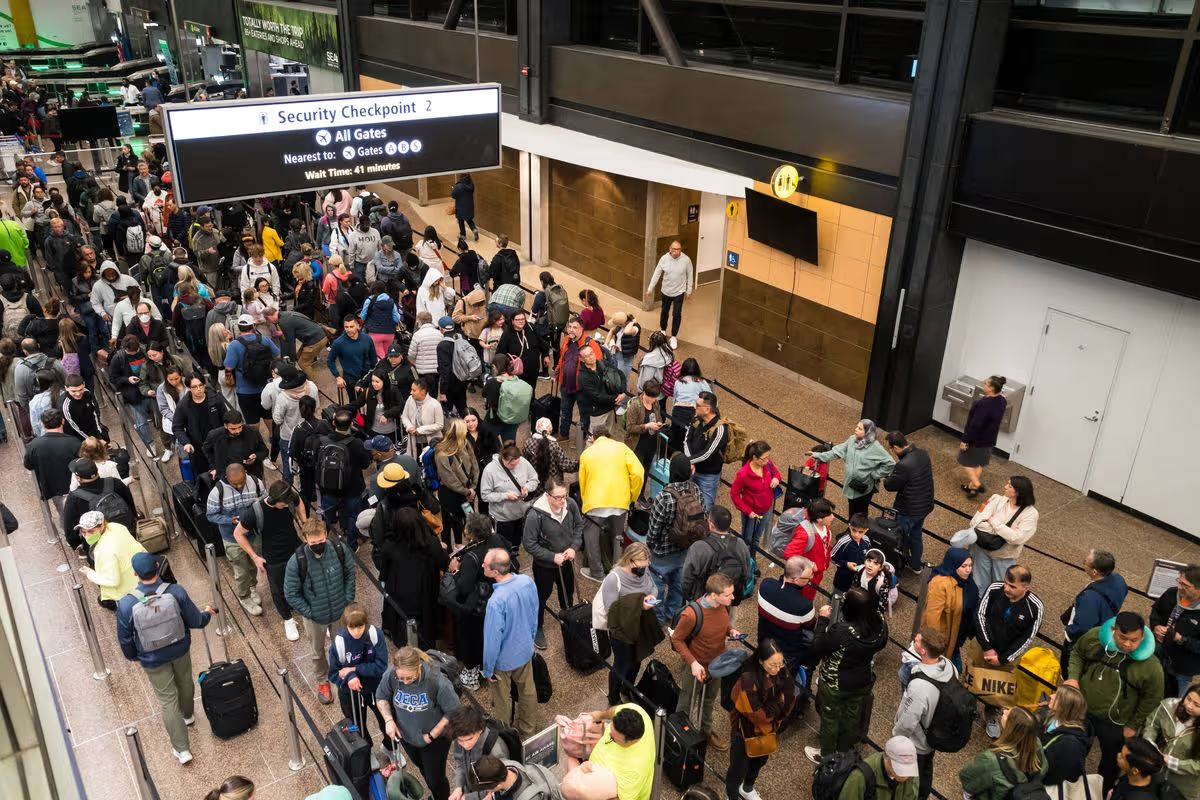
British tourists should expect long airport queues due to new biometric border checks
15:29, 05 Jun 2026Updated 15:30, 05 Jun 2026
Expect crowds this summer(Image: 400tmax via Getty Images)
European airports have recently launched the EU Entry/Exit System (EES), which replaces the traditional manual passport stamping process with biometric registration (facial image and fingerprint scanning) to record the entry of non-EU citizens, including British holidaymakers. The new EES system is now fully up and running across all Schengen Area countries, including much-loved destinations such as Spain, Portugal and Greece.
While the new system is designed to streamline travel into and out of the Schengen Area and simplify border procedures, some travellers have reported finding themselves stuck in three-hour queues.
In certain countries, passengers have missed their return flights after failing to clear the digital system in time. The new border checks are anticipated to cause significant disruption for British travellers heading in and out of the EU during the busy summer peak periods.
While some countries such as Greece attempted to briefly suspend biometric checks for UK tourists, the Greek Foreign Ministry confirmed they are fully rolling out the EES system this summer.
The Foreign, Commonwealth & Development Office (FCDO) issued the latest travel guidance on the new border checks, stating: “The European Union’s (EU) new Entry/Exit System (EES) is now being implemented across the Schengen area.
“This means that when you travel into the Schengen area for short stays, you may need to register your biometric details, such as fingerprints and a photo. There is no cost for EES registration.
“On your first visit into a Schengen country, you may be asked to register your details at a special booth before proceeding to the immigration desk. Follow directions from your travel operator or the staff at your port of entry.
You may also need to provide either your fingerprint or photo when you leave the Schengen area.
Children aged 11 or younger will not have their fingerprints scanned but can be required to have their photo taken.”
“You do not need to take any action before you arrive at the border on entry to the Schengen area, but EES may take each passenger extra time to complete so be prepared to wait longer than usual at the border and to allow more time for immigration controls when you depart the Schengen area.
“EES is replacing the previous system of manually stamping passports when visitors arrive in the Schengen area for short stays. You may be asked to input biometric details every time you enter or exit.”
The EES has faced backlash from the travel sector, with the British Travel Association ABTA urging destinations and border officials to put in place stronger contingency plans for busy travel periods, reports the Express.
Mark Tanzer, chief executive of ABTA, said: “The ambition of a project like EES means it was never going to go completely smoothly, and we were prepared for that. However, what is frustrating is that border authorities have it within their power to ease queues and deal with issues as they arise – but that doesn’t seem to be happening across the board.
“As we head towards peak travel periods, we’re urging border authorities to plan for busy periods and use the contingency measure available. It’s critical the Commission keeps a close eye on this.”