Bryan Mbeumo’s goal is not enough to win it for beleaguered United as Dominic Calvert-Lewin levels for Leeds.
Published On 18 Oct 202618 Oct 2026
Manchester United ended a turbulent week with a frustrating 1-1 draw at Leeds on Sunday that does little to ease the pressure on beleaguered manager Michael Carrick.
The Red Devils travelled to the Yorkshire home of their bitter rivals desperate to find a spark after just two wins in nine games in all competitions this season.
Recommended Stories
list of 4 itemsend of list
The sense of a growing crisis at the club was exacerbated in midweek by an outburst from defender Lisandro Martinez, who took aim at the United hierarchy after a 2-0 defeat at Atletico Madrid in the Champions League.
The Argentina centre-back said Carrick, in his first full season in charge at Old Trafford, had been left with an under-strength squad after an underwhelming summer transfer window.
The United boss insisted on Friday that the club had “moved on” from the incident and Martinez was named in the starting lineup at Elland Road.
Both teams were fully committed in a feisty start to the match in Leeds but there was little goalmouth action.
The first effort on target came in the 26th minute when United goalkeeper Senne Lammens clawed away a Nico Elvedi header destined for the top corner after bouncing up off the turf.
Bryan Mbeumo, playing as United’s target man, headed wastefully wide a minute later after a fine cross from Youri Tielemans and then shot tamely at Leeds goalkeeper James Trafford.
But he finally broke the deadlock in the 35th minute when Tielemans again delivered a low ball from the right which Mbeumo guided into the bottom corner for his fourth Premier League goal of the season.
Martinez went off at half-time as Morocco’s Noussair Mazraoui was brought into the action.
Leeds started strongly after the break and were level in the 51st minute when Dominic Calvert-Lewin controlled the ball on his chest and finished at full stretch after Tarik Muharemovic got his head to the ball following a corner.
The home team were now well on top, largely limiting Carrick’s team to counter-attacks.
The Man United boss made attacking substitutions in the search for a winner, bringing on Mason Mount and Matheus Cunha, but neither team could force a winner.
The point left 20-time English champions Manchester United in 13th place in the table with just one win in seven games while Leeds are seventh.
Brighton stun Crystal Palace with five-star display
Elsewhere on Sunday, Brighton leapfrogged Arsenal into second place, at least temporarily, after humbling Crystal Palace 5-0, including a sensational Diego Gomez effort from the halfway line.
Fabian Hurzeler’s team were three goals up inside 10 minutes after an own goal from Palace defender Jaydee Canvot, Gomez’s spectacular effort and a strike from Yasin Ayari.
Further goals from Charalampos Kostoulas and substitute Jack Hinshelwood in the second half deepened Palace’s pain.
The Gunners, six points behind Manchester City, are in action at Nottingham Forest in the late-afternoon kickoff.
Arsenal need a win to rein in City, who have won all seven of their league games this season.
Enzo Maresca’s men have put together their impressive run despite off-field distractions after the club was charged with multiple breaches of Premier League financial rules.
Bournemouth beat 10-man Sunderland 2-0 with goals from Marcus Tavernier and Evanilson for their first league win of the season.
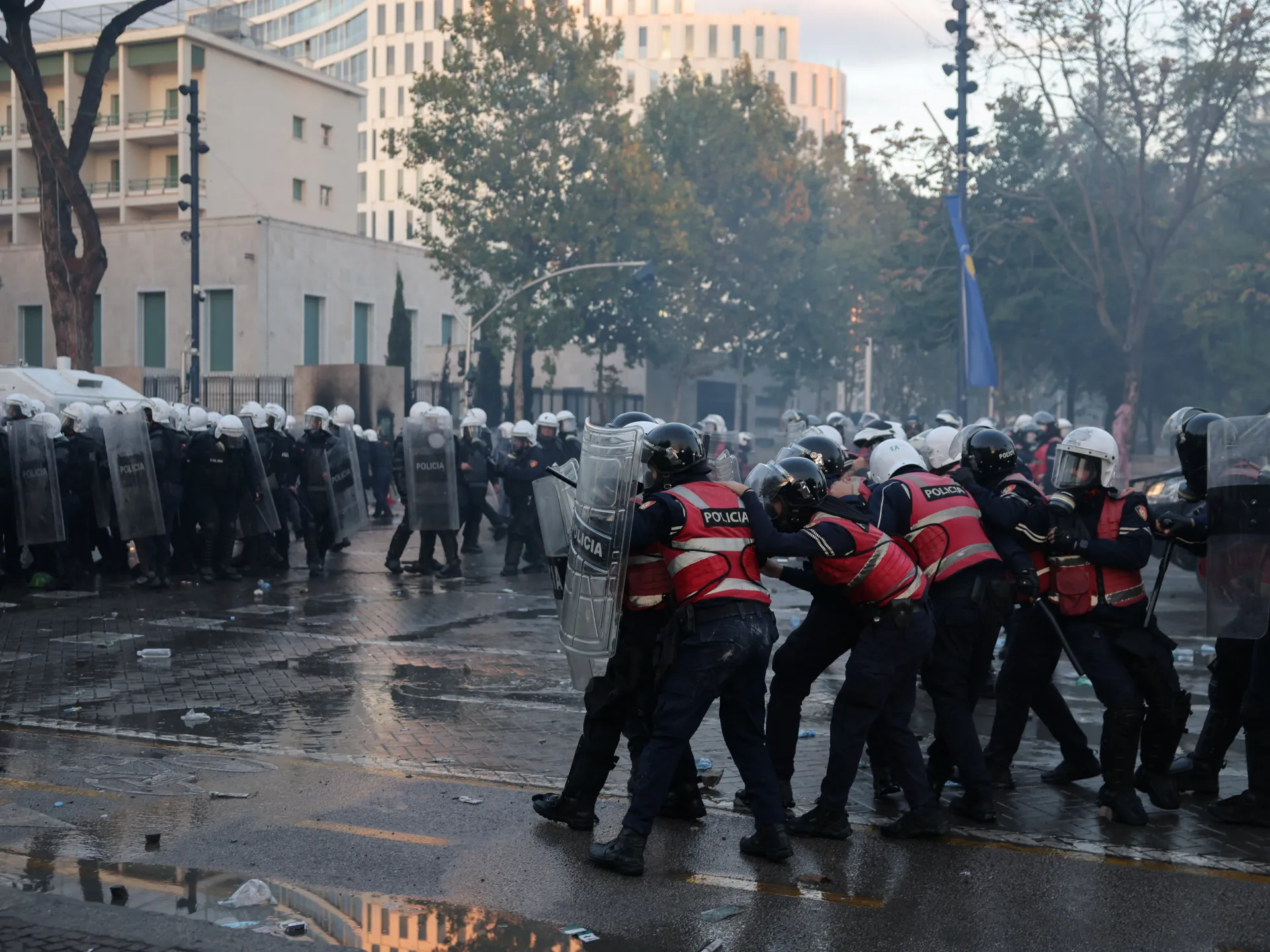
Protesters have clashed with riot police in Albania’s capital, as antigovernment demonstrations escalated into violent unrest.
Demonstrations have shaken Tirana since Tuesday, with thousands of protesters calling for Prime Minister Edi Rama to step down as they rally against poor university conditions, high tuition fees and corruption.
This week’s unrest follows months of antigovernment protests in the Balkan nation, initially prompted by a controversial resort development linked to United States President Donald Trump’s family.
Protests are sweeping France as anger over conditions in schools meets frustration with high living costs and a government accused of doing little to address problems facing people.
Protests are sweeping France as anger over conditions in schools meets frustration with high living costs and a government accused of doing little to address problems facing people.
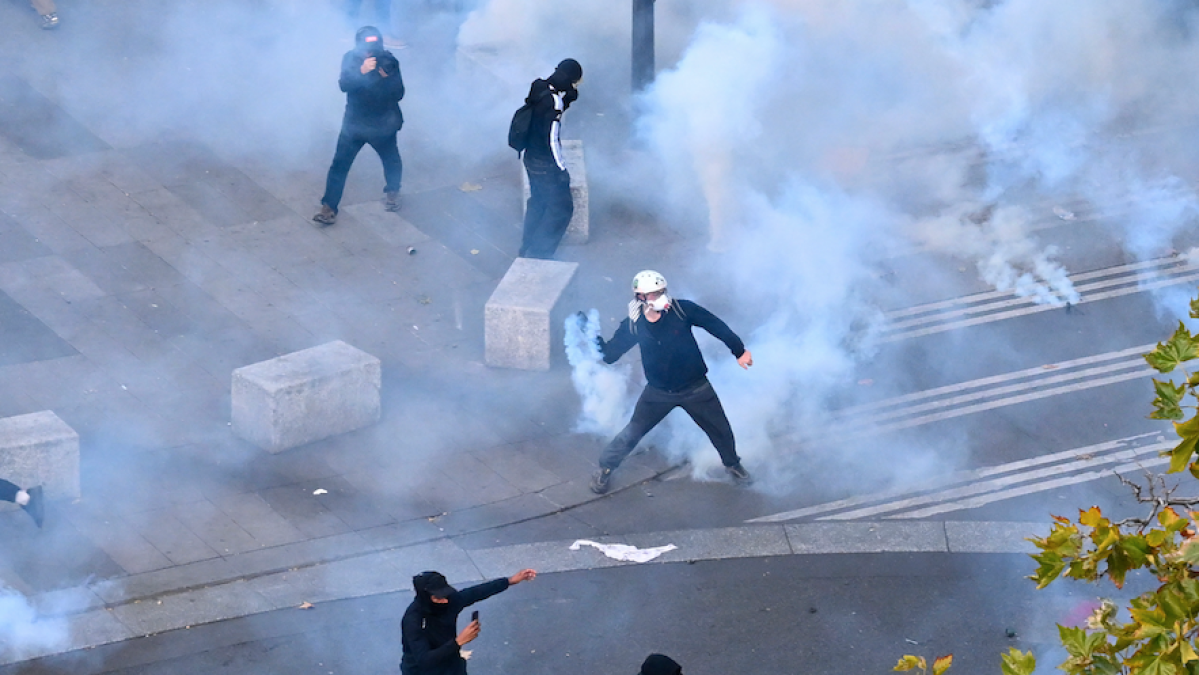
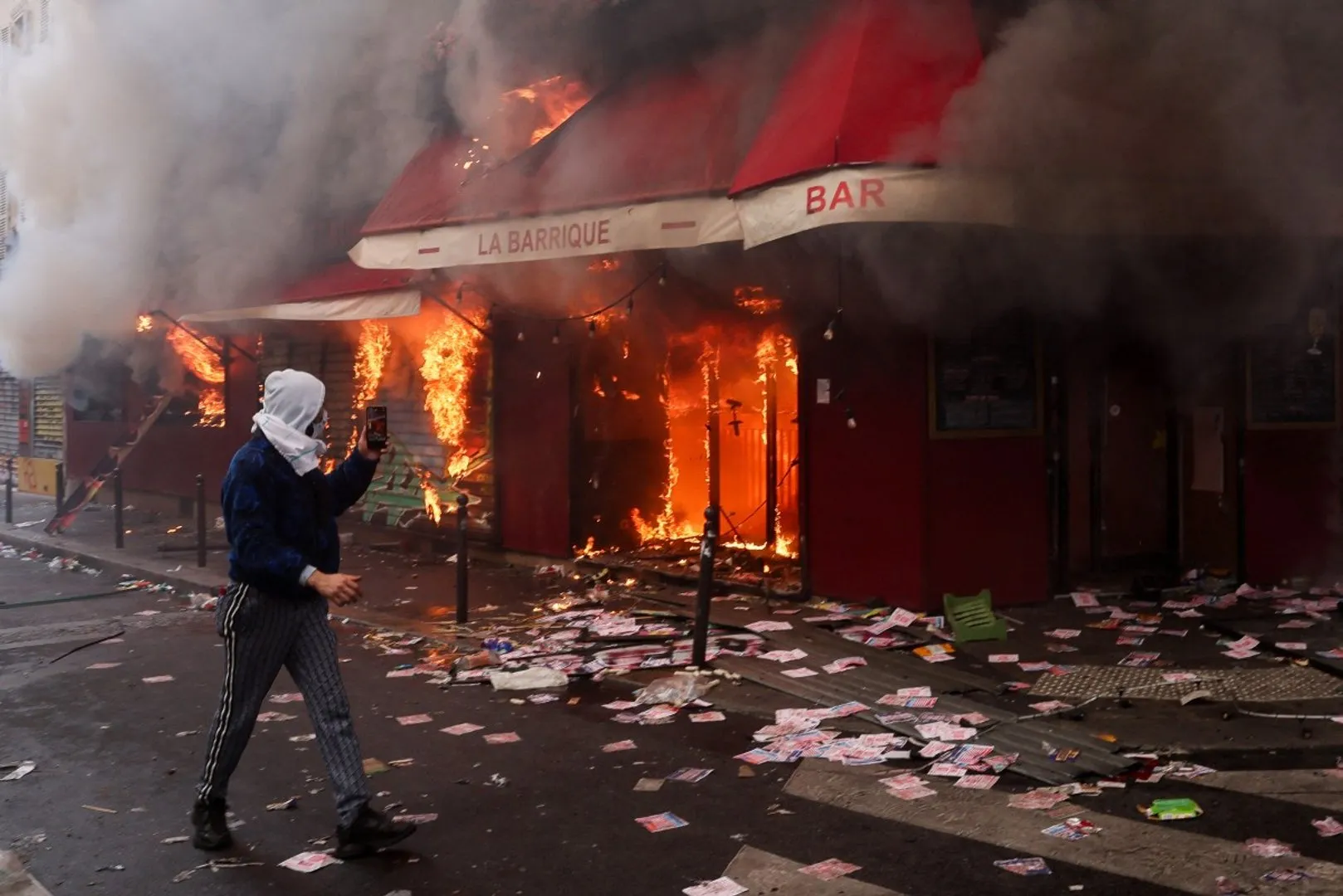
About 550,000 people demonstrated nationwide on Saturday, according to the Interior Ministry. Most marched peacefully, while a small minority attacked buildings, looted shops and clashed with police, who fired tear gas and charged protesters.
Recommended Stories
list of 4 itemsend of list
Prime Minister Sebastien Lecornu said 1,200 people were arrested and 150 police officers were injured. Behind the confrontations lies a political crisis, fuelled by anger at deteriorating services and overstretched household budgets, and compounded by a sense that France’s political institutions offer little hope of change.
Here is how school blockades became a nationwide movement – and what that means for President Emmanuel Macron.
How have the protests spread, what are protesters demanding?
The movement began last month in high schools in Paris’ working-class northern suburbs, where students protested against teacher shortages and poor facilities. School blockades and demonstrations later spread to cities including Bordeaux, Rennes, Nantes, Lyon, Lille and Marseille.
Saturday brought together students and trade unions, alongside supporters of the “yellow vest” movement that emerged in 2018 to challenge rising living costs and economic inequality.
Emile Chabal, a professor of contemporary history at the University of Edinburgh, told Al Jazeera the demonstrations were “the logical outcome of a series of protests” stretching back to the yellow vests.
That movement was driven by financial pressures and resentment at “the French presidential system”, he told Al Jazeera, alluding to a structure which often leads to the election of a centrist candidate, such as President Emmanuel Macron.
Saturday combined those longstanding grievances with students’ anger at deteriorating state schools. The yellow vests had demanded better public services.
Bringing students’ grievances together with wider social demands, therefore, represented “the worst possible outcome for the French government”, Chabal said.
Students’ immediate demands concern conditions in France’s lycees (public high schools), which generally educate pupils aged 15 to 18. They want smaller classes, enough teachers, better buildings and less exhausting timetables. Their complaints also reflect broader concerns about whether the state can provide the education and opportunities young people need.
But for workers, including school staff, the dispute also concerns wages and the resources available to deliver public services.
The school protests coincided with a nationwide public sector strike against the government’s budget plans. Bringing all these concerns together under one umbrella represented “the worst possible outcome for the French government”, Chabal said.
It comes as the proposed 2027 budget includes a 54 billion euro ($60.8bn) package of cost-cutting and tax measures, which the government says is necessary to reduce France’s deficit. The proposals include freezing the pay scale used to calculate civil servants’ basic salaries, which unions say would be the fourth consecutive annual freeze.
Donatella della Porta, a sociologist and political scientist, said students were inspiring wider mobilisation around inequality, cuts to public investment and democratic rights, with demands for social welfare spending rather than militarisation.
“They do not want to fight wars; they want a different future,” she told Al Jazeera.
She also linked the movement to young people’s mobilisation over Gaza, with Palestinian flags appearing at demonstrations across several European countries.
How has the government responded?
The government has focused its immediate response on public order, with President Macron saying those responsible for violence would be “prosecuted and punished”.
His comments came as a fire largely destroyed the historic town hall in the city of Limoges, while public buildings and shops were attacked elsewhere.
But those involved in violence represent only a small minority of the much larger mobilisation. Jean-Luc Melenchon, leader of the left-wing France Unbowed party, has accused the government of repressing school students and allowing the confrontation to intensify.
His argument reflects a wider political dispute about whether the government treats the protests chiefly as a security problem or addresses the grievances that have brought different groups together.
Experts say France’s problems extend beyond disagreement over individual budget measures and reflect deeper discontent. Emile Chabal, from the University of Edinburgh, said political paralysis since the 2024 parliamentary elections, which left no bloc with an outright majority, had created “an environment in which no political party or movement is able to channel social discontent”.
That fragmentation makes it difficult to build a durable agreement on spending, taxation or public services. It also leaves protesters questioning whether changing governments produces meaningful changes in policy.
The protests are also “a tough blow for Macron”, Chabal said, whose promises of youthful energy and a reformed, dynamic France have been undermined by “his inability to articulate his political project and his deeply unempathetic persona”.
Chabal added that the unrest included violence sometimes seen on the fringes of French demonstrations, with direct-action tactics associated with the yellow vests. Targets included shops and, more unusually, public buildings. He described the destruction of Limoges’ town hall as particularly significant because of its place in France’s civic history.
Other researchers emphasise the role of policing. Guya Accornero, a specialist in social movements at Lisbon’s University Institute, said previous confrontations had created lasting tensions between protesters and police.
During the current protests, a 15-year-old lost a hand to a police stun grenade, while a 14-year-old suffered a shattered jaw after being struck by a tear gas canister fired at close range, according to Human Rights Watch. The organisation condemned excessive force against children, saying the demonstrations had been overwhelmingly peaceful.
“Young people have been violently repressed also when using non-disruptive tactics,” she told Al Jazeera.
Who could benefit politically?
There is no clear answer from the experts who spoke to Al Jazeera. Paul Smith, an associate professor in French history and politics at the University of Nottingham, believes far-right leader Marine Le Pen stands to gain.
“I see only one beneficiary and that’s Le Pen,” he told Al Jazeera, suggesting the unrest could also damage Melenchon’s presidential prospects.
Chabal cautioned against assuming a far-right gain, but he said fear of disorder had historically benefited conservative or centrist parties in France, including after the 1968 protests.
Le Pen has not entirely dismissed the protesters’ grievances, describing them on X on Saturday as “legitimate social demands”, while claiming they had been “held hostage by the far left”.
The far-right may seek to reap the rewards of public discontent, but experts say it is more likely to channel that anger towards immigration and the scapegoating of migrants, rather than blaming the structures of neoliberalism and capitalism for the protesters’ woes, as Melenchon has suggested.
With a presidential election due in April 2027, candidates face competing pressures, demonstrating that they can restore order while convincing voters they will address the conditions behind the mobilisation.
The challenge, Chabal said, is how to create change in “an environment in which no political party or movement is able to channel social discontent”.
Remember the FIFA Peace Prize awarded to United States President Donald Trump six months before the World Cup? Well, it is now close to being scrapped, which would make the US president its first and only winner.
Less than a year after FIFA President Gianni Infantino extolled Trump in the US capital while presenting the award at the World Cup 2026 draw, several members of the FIFA Council are questioning its merit and have demanded changes, including scrapping the award.
Recommended Stories
list of 3 itemsend of list
The calls for scrutiny come at a time when Infantino faces ongoing criticism for his World Cup sell-off plan, which also led to calls for his removal from office.
So what was the prize about, and why might it be scrapped? Here’s a look:
What is the FIFA Peace Prize?
On November 5, football’s global governing body announced a new annual award called the “FIFA Peace Prize – Football Unites the World”.
FIFA said the award was created to “reward individuals who have taken exceptional and extraordinary actions for peace”.
Trump thanked FIFA and called the award “one of the great honours of my life”.
He and Infantino are close allies, and the FIFA chief had made it clear that he thought Trump should have won the Nobel Peace Prize for his efforts to broker a ceasefire in Israel’s genocidal war on Gaza.
“This is your prize. This is your peace prize,” Infantino said at the glitzy, celebrity-studded ceremony at Washington, DC’s Kennedy Center.
Infantino has repeatedly spoken about football as a unifier for the world, but the prize is a departure from the federation’s traditional focus on sport.
Critics pointed out that the recognition came less than 24 hours after the Trump administration carried out a deadly air strike in the Caribbean.
Two months later, the US and Israel launched their war on Iran, assassinating Supreme Leader Ali Khamenei in Tehran and hitting nuclear and military sites around the country.
The US-Israel war on Iran has gone on for months with Trump saying this week that he will not attack Iran again before the November 3 midterm elections in the US.
Why might FIFA scrap the award?
Several FIFA member nations demanded the discontinuation of the award during Thursday’s FIFA Council meeting in Zurich, Switzerland, according to reports in British media.
Others called for the prize to no longer be handed out to politicians.
As a result, FIFA’s 22-member Football Social Responsibility Committee was tasked with assessing the merits of the award. It is expected to make a recommendation before the next council meeting in Doha, Qatar, on December 16.
Debbie Hewitt, a FIFA vice president and president of the English Football Association, told the media at the council briefing that the committee “will consider, first of all, how the peace prize came about, whether it should have come about, whether it should have been awarded in the way that it was, who made that decision and whether or not it should be taken out or whether it should be reformed”.
What has FIFA said?
Al Jazeera has reached out to FIFA for comment and was referred to Infantino’s statement on it: “For the FIFA Peace Prize, it was decided that the Football Social Responsibility Committee will be tasked to analyse it, provide a proposal, and also, there, a decision will be taken at the next FIFA Council meeting.”
Has the FIFA Peace Prize faced opposition?
Yes.
In October, the Norwegian Football Association (NFF) made parallel filings with FIFA committees in relation to three recent issues, one of which was related to the awarding of the FIFA Peace Prize.
“The purpose is to raise these issues formally with the appropriate bodies, to have them examined, relevant evidence obtained and accountability for the conclusions reached,” the NFF said in a statement.
The NFF has repeatedly raised questions about the award, and in April, its president, Lise Klaveness, said FIFA should scrap its peace prize to avoid getting drawn into politics.
“We want to see it abolished. We don’t think it’s part of FIFA’s mandate to give such a prize. We think we have a Nobel institute that does that job independently already,” Klaveness said.
Earlier, human rights group FairSquare filed a complaint with the FIFA Ethics Committee, accusing Infantino of breaching his duty of neutrality by supporting Trump.
Infantino has been under severe pressure since he announced a plan in July to open premium FIFA competitions, such as the World Cup, to private investors [Omar Marques/Getty Images]
‘Mockery’ of FIFA human rights policy
The criticism of the award isn’t limited to football associations.
In late April, Australia midfielder Jackson Irvine said football’s credibility as a force for good has been undermined by FIFA, and he accused FIFA of making a mockery of its human rights policy.
“As an organisation, you would have to say decisions like the one that we saw awarding this peace prize makes a mockery of what they’re trying to do with the human rights charter and trying to use football as a global driving force for good and positive change in the world,” Irvine told the Reuters news agency in an interview.
“Decisions like that feel like they just set us back in the perceived market of what football currently is, especially at the top level, where it’s becoming so disconnected from society and the grassroots of what the game actually is and means in our communities and in the world.”
Craig Mokhiber, a former United Nations official who has campaigned to suspend Israel from world football over its genocidal war in Gaza, called the award to Trump a “truly shameful development”.
Infantino has refused to take action against Israel, arguing that football “cannot solve geopolitical” issues.
“Not satisfied with two years of FIFA complicity in genocide in Palestine, Infantino and his cronies have now invented a new ‘peace prize’ in order to curry favour with Donald Trump,” Mokhiber told Al Jazeera.
He added that the award also aims to “obscure” Trump’s “disgraceful record” of support for Israel, his deadly strikes on vessels in the Caribbean Sea and “gross violations of human rights” inside the US.
Growing pressure on Infantino
The scrutiny around the FIFA Peace Prize follows the recent backlash Infantino has faced.
Infantino has been under fire since his announcement in late July that he wanted to open FIFA’s premium competitions, such as the World Cup, to private investors.
That plan was ultimately abandoned in the face of widespread criticism with a rebellion led by the European governing body UEFA, the Asian Football Confederation and CONCACAF, which runs the sport in North and Central America and the Caribbean.
Infantino has headed FIFA since 2016 and is running for re-election in March despite calls for him to stand down in the wake of the $4.2bn plan to sell a 20 per cent commercial stake in the World Cup.
Paris, France – France is counting the cost of a day of unrest after hundreds of thousands of people took to the streets nationwide, in the largest mobilisation since protests over education reforms and the cost of living began last month.
At Place de la Republique, in the heart of the French capital, people on Sunday surveyed the previous day’s destruction in dismay: smashed windows, gutted buildings, looted shops.
“I find it unacceptable – absolutely unacceptable,” said Rabah, who has been living in Paris for more than 70 years. “Back in the day, we also demonstrated, but peacefully,” he said.
Staring at the burned skeleton of what used to be a newspaper stand, 56-year-old Claire was also shaken. “I love Paris so much, and seeing it like this makes me furious,” she said. “It’s absolutely appalling. I’m actually quite overcome with emotion.”
Nearby, the statue of Marianne, the symbol of the French Republic, was covered in graffiti. “Those who sow misery reap anger,” read one inscription.
A pedestrian walks past a damaged front window of a shop, in central Paris [AFP]
The student-led protests began in mid-September, caused by grievances ranging from overcrowded classrooms and teacher shortages to systemic inequality and a lack of opportunity.
The movement quickly spilled out of the schoolyards and into the streets, tapping into broader social and economic anxieties.
On Saturday, these complaints converged in a mobilisation that saw a nationwide turnout of 550,000 people, according to authorities; unions and organisers put the estimate at 800,000.
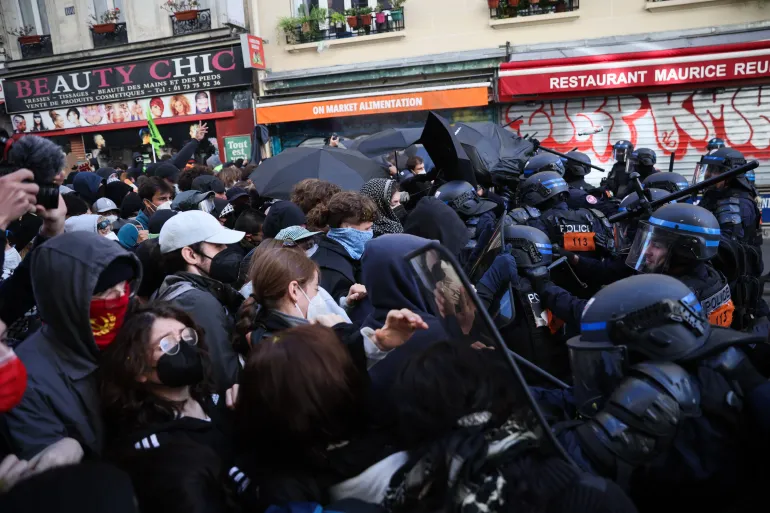
But while the vast majority of demonstrators rallied peacefully, the scale of the violent unrest threatened to eclipse their message. In Paris, there was also heavy use of tear gas and stun grenades by the police, including before the start of the march, which set the tone for a tense day.
“I marched from the 10th arrondissement town hall to Place de Clichy. I was there from start to finish, and it was very peaceful – just all kinds of people, all of them nonviolent,” said Stephanie, a 23-year-old Parisian student.
“But once again, the violence was so spectacular that the actual message – the reasons behind the protesters’ grievances – was never conveyed,” she said.
Macron to address nation
French President Emmanuel Macron, whose second and final term ends next year, will give a televised address to the nation at 18:00 GMT on Sunday after meeting government ministers, his office announced.
Interior Minister Laurent Nunez said nearly 1,800 people had been arrested – almost half of them in Paris – and more than 500 police officers, gendarmes and firefighters had been injured in the unrest.
“Protesting is a fundamental right. Causing disorder through violence and in a concerted manner is not,” he said on Sunday.
During Saturday’s protest in Paris, Al Jazeera saw groups of black-clad, masked young men smashing shop windows with what appeared to be golf clubs before fleeing with bags of stolen goods.
In Marseille, France’s second-largest city, dozens of shops were looted and a group of people broke into the city hall before being forced out.
“Students and others have real claims they want to air which no one is listening to now because idiots are smashing everything,” said Benoit Payan, the city’s mayor.
In Limoges, footage showed flames engulfing the city hall as the fire spread through the historic building. Public buildings were also damaged in Bordeaux and other cities.
A protester holds a rock during the demonstration near Place de la Republique in Paris [Carl Court/Getty Images]
Police conduct has also come under scrutiny. France’s police inspectorate, the IGPN, had opened 36 investigations into alleged police violence since the high-school protests began, according to figures released by the Ministry of the Interior on October 13. The figure predates Saturday’s demonstrations.
Human rights lawyers have described some of their clients’ injuries as comparable to those seen in conflict zones. These include a minor who has lost his hand, another with his jaw smashed and a third pupil who lost sight in one eye.
“There is an increasingly systematic use of crowd-control measures that would normally be reserved for much more serious situations,” said Christophe Calvao, president of the Paris Young Lawyers’ Union. “This only serves to inflame tensions and make people even angrier.”
The government now faces the challenge of responding to widespread social discontent while trying to pass a budget aimed at bringing France’s public finances under control.
Prime Minister Sebastien Lecornu wants to reduce the country’s deficit through spending restraint and tax measures – a move that will likely deepen public anger. Cuts to France’s generous welfare system have traditionally faced strong public resistance.
All of this takes place in a highly toxic political environment as parties harden their positions ahead of next year’s presidential election.
Jean-Luc Melenchon, the leader of the left-wing France Unbowed party and potential presidential contender who has sought to appeal to young voters, accused the government of fuelling the unrest.
“In Paris, aberrant leadership has opened the door to chaos. Those in charge no longer know what to do; the rank and file are afraid and are running wild,” he said.
Lecornu hit back. “This is YOUR political responsibility,” said the prime minister on social media, accusing far-left groups of orchestrating the violence.
US secretary of state says Ukraine has requested access to military-grade version of Starlink for strikes deep inside Russia.
Published On 18 Oct 202618 Oct 2026
United States Secretary of State Marco Rubio has said Starshield, the military-grade version of the Starlink satellite service, is currently unavailable to Ukraine, but a request from Kyiv to access the system for attacks deep inside Russia is “under discussion”.
Speaking to reporters on Saturday, Rubio stressed Starshield’s distinction with Starlink, the internet service provided by Elon Musk’s SpaceX.
Recommended Stories
list of 3 itemsend of list
“Starlink is a commercial product, okay? And so it’s regulated and handled as a commercial product. Starshield is a defence product, a military product,” said Rubio, in comments released by the Department of State.
“They’ve asked for access to it in order to conduct deep strikes inside of Russia. They do not have access to it at this moment,” he added. “That’s under conversation.”
Launched in 2022 and provided to the US government, Starshield is designed for military use as it allows for deeper encryption to process sensitive information. SpaceX says it is primarily used by US defence agencies and other “government partners”.
Last week, Ukrainian officials said restrictions on Starlink terminals had slowed some drones on the battlefield, as Ukraine tries to hold back Russian forces in their nearly five-year war.
In his comments at Joint Base Andrews in Maryland, Rubio also rejected Ukrainian President Volodymyr Zelenskyy’s suggestion that the reported disruption to Starlink services in Ukraine on Wednesday was deliberate.
“Well, I don’t know what Zelenskyy said. I’m not sure Zelenskyy knows what he’s talking about, but it wasn’t deliberate. We have nothing to do with that,” Rubio said.
Zelenskyy said on Saturday that the satellites are not tracking antennas on flying objects travelling faster than 161 kilometres per hour (100 miles per hour). This is affecting Ukrainian drones in their defence against Russian jet-powered drones and in their own medium-range attacks, he added.
Rubio said the US had not ordered Starlink speeds to be reduced and that the service had reportedly been restored to its previous level.
“No one at the White House ordered anyone to slow down internet or slow down speed so that certain drones couldn’t use it,” he said, calling the reports “categorically false”.
The remarks came as US President Donald Trump drew criticism from Democrats and Republicans after waiving sanctions on Russia and countries that buy its oil and gas, days before the restrictions were due to take effect under a law he signed last month.
Zelenskyy also criticised the sanctions waiver on Saturday, saying easing pressure on Russia would encourage further attacks.
“Financial rewards for [President Vladimir] Putin – all of this only encourages him to keep attacking,” Zelenskyy posted on social media, urging the US to maintain pressure on Moscow.
The Argentinian goalkeeper is stretchered off after a collision during Chelsea’s visit to Everton and later undergoes surgery.
By Reuters and The Associated Press
Published On 18 Oct 202618 Oct 2026
Goalkeeper Emi Martinez says he will be “back in a few weeks” after undergoing surgery following a clash of heads during Chelsea’s 2-0 win at Everton in the Premier League.
Martinez and Jarrad Branthwaite came together on Saturday when Everton’s Kiernan Dewsbury-Hall whipped a free kick into the box, and although the Everton defender was back on his feet after treatment, the Chelsea goalkeeper required treatment from paramedics.
The 34-year-old Argentinian was eventually strapped to a stretcher and carried off the field before being taken to hospital with a concussion as media in Argentina reported he had suffered a jaw injury in the collision.
Martinez collides with Branthwaite while claiming the ball [Phil Noble/Reuters]
Martinez, wearing a hospital gown, posted on social media on Sunday: “Thanks to everyone for the messages. The operation went well.
“The most important thing is that we won and kept a clean sheet. In a few weeks we’ll be back.”
Martinez’s injury forced Chelsea manager Xabi Alonso to give Mike Penders his Premier League debut, and the 21-year-old keeper helped Chelsea keep their first clean sheet in the league since January.
Penders, a Belgian youth international, will likely have to step in until Martinez is cleared to return to training.
Chelsea host Tottenham Hotspur in the league next Saturday, followed by a League Cup fourth-round game at Liverpool on October 28 and a home Premier League match against Manchester United three days later.
Martinez is taken off on a stretcher [Peter Powell/AFP]
Champion dominates fellow British boxer in London before facing a challenge from IBO champion Hrgovic.
Published On 18 Oct 202618 Oct 2026
Daniel “Dynamite” Dubois has retained his WBO heavyweight belt with a one-sided and devastating second-round stoppage of fellow British boxer Fabio Wardley in their world title rematch in London.
The 29-year-old champion made a storming start at the O2 Arena on Saturday, and Wardley’s legs gave way within 17 seconds of the opening bell as Dubois floored him with a straight right punch.
Wardley, 31, beat the count and could have been stopped at the end of the first round when he took a further brutal pounding on the ropes but was saved by the bell.
Dubois dominated Wardley during the WBO world heavyweight title fight [John Sibley/Reuters]
There was no escape from the onslaught of blows in the second round as Dubois picked up where he left off and Wardley took punch after punch until the towel was thrown in and referee Steve Gray brought the fight to a close.
“Fabio is a great warrior, coming in for a second time, but it was my time and my era,” said “Triple D”, never a man for long speeches. “I had my intentions, bad intentions, from the beginning.
“Our back was against the wall the first time. This time, we just had to go out there and show that we mean business, and that’s what we did tonight.”
Dubois dealt Wardley his first defeat as a professional in May when he came back from two knockdowns, the first after 16 seconds, to take the title in the 11th round of a thunderous and bloody clash in Manchester.
Dubois knocked down Wardley within the first 17 seconds of the fight [John Sibley/Reuters]
Wardley, promoted to WBO champion in November after Ukraine’s Oleksandr Usyk vacated the title, was acclaimed for his courage and refusal to give in the first time around, but on Saturday, he looked like a shell of the man seen in Manchester.
He now has a record of 20 wins and two defeats with Dubois on 24 wins with three defeats.
“I’ve always thrown myself in with the best competitors out there, the toughest, the biggest, hardest, meanest guys around. There’s no shame in testing yourself against the best,” he said.
“Daniel’s a testament to coming up short and coming again. I’ll be looking to do the exact same thing.
“Boxing is a game of fine margins. It can be done and over in a round or two, or it can go into a big old war like it was last time.”
The match was ended in the second round and Dubois declared the champion [John Sibley/Reuters]
Dubois was previously the IBF champion, losing the title to Usyk in London in July last year before coming back to take the WBO belt from Wardley.
Croatian Filip Hrgovic, the IBF champion after beating the United Kingdom’s Moses Itauma in August, was ringside on Saturday and challenged Dubois to a fight with both belts on the line.
“It was an easy night for Daniel. He did a good job, quick win. So he’s ready to fight me in March, right, Daniel?” Hrgovic said before promoter Frank Warren suggested he might have to deal with other candidates first.
Dubois beat the Croatian in June 2024 to take the interim IBF belt and was then upgraded to champion when Usyk vacated his title.
“I want to have a rematch with him. I want to get my old belt back and rule the division,” Dubois said.
IBF champion Filip Hrgovic holds his belt in the ring after the fight [John Sibley/Reuters]
A Kalkan sunset is always a beautiful thing – the horseshoe-shaped bay deepening to azure blue against an apricot-rose sky – but, in October, when the light is low and the sun drops early, it’s almost transcendentally lovely. In some Turkish resorts, you’d be sitting watching it surrounded by quiet streets, half-empty bars and that melancholic sense that another season is over. In Kalkan, it still feels like summer; the harbourfront restaurants throng with visitors, the day gulets (wooden boats) still putter in and out of the bay and you don’t have to wait an hour to get a taxi back to your villa.
For me, the best thing about an autumn break – besides the sunsets – is that I can visit some of my favourite places that just get overrun in summer. The glittering beach at Kaputas, sandwiched into a triangular gap on the mountainous Kalkan-Kas road, has become a victim of Instagram; from May to September, it’s impossible to get near. In October, the waters are still warm and the beach – although still busy – has plenty of space for a dip and a laze.
About 20 minutes’ drive inland, the mountain village of Bezirgan, which used to serve as a summer retreat for wealthier Kalkan residents, settles back into complete peace in autumn, save for the woodpeckers battering away at the bark of the almond trees and the squirrels skittering through the leaves. The Lycian Way weaves through the village, past Ottoman-era grain stores, with the lush gardens of the Pirha Köy Sofrası restaurant a great bet for a plate of traditional manti (dumplings in yoghurt) or kofte (meatballs), before setting off for a hike (they do fantastic breakfasts too).
Back in Kalkan, it’s always cocktail hour somewhere; often on a roof terrace, with a jazz soundtrack floating out above the streets of the Old Town. This year, the Fountain Terrace Cocktail Bar has been popular, but I still love sitting in the Merkez Cafe, a Kalkan institution since the early 1990s, smack-bang in the heart of the village and a prime spot for people-watching when the evening begins.
The glittering beach at Kaputas near Kalkan. Photograph: daphnusia/Alamy
And because the season’s end is in sight, all the restaurant owners and waiters are cheerfully giddy, and the whole place swings with an end-of-term vibe. Sitting at the Blue Marlin (tucked away beneath the Pirat hotel) with a cold Efes beer and a selection of the town’s best meze, the only thing that makes me rueful is that it will be several months before I’ll be back here again.
The village of Agua Amarga, where Sexy Beast was filmed. Photograph: Juana Mari Moya/Getty Images
Along Spain’s wild Costa de Almería are a handful of exquisite little towns and villages. San José is probably the best known, put on the map by its most famous inhabitant, the late Joe Strummer, but 25 miles east is the real jewel of the Almería coast. Agua Amarga is a typical Andalucían fishing village moonlighting as a stylish low-key holiday destination, perfect for late-season sun-seekers.
Its location, on a crescent bay, makes for spectacular sunrises and sunsets over the arid headlands that bookend the 500-metre-long beach. In the narrow, whitewashed streets, a lush palm grove and splashes of pink bougainvillaea remind you that north Africa is just a short hop across the Mediterranean. In the summer, Agua Amarga’s unspoilt sands and turquoise waters attract plenty of visitors, but the vibe remains relaxed. There are a handful of restaurants and bars around the main plaza, and a few eateries on the beach, including Los Tarahis, a traditional chiringuito (beach bar) where you can enjoy dishes such as arroz negro con bogavante (black rice with lobster) with your toes in the sand. In winter, the town goes into hibernation, but in autumn the sun and sea are still warm and the bars and restaurants are still open for business.
Agua Amarga is not the place to go to party. It’s a world away from the overdeveloped costas to the west and north, but it is the perfect base to immerse yourself in nature. Hiking trails lead from the village over the cliffs to a string of isolated coves and the ruins of 18th-century forts dotted along the headlands. And if you tire of following the shimmering sea, you can strike out inland to explore the Cabo de Gata nature reserve, with its winding ramblas (dry riverbeds), prickly pears and eerie abandoned goldmines.
The sea by Agua Amarga is still warm in autumn. Photograph: Dronie_Spain/Shutterstock
This corner of Spain is famous for its movie locations, notably Sergio Leone’s spaghetti westerns and Hollywood blockbusters including Lawrence of Arabia and Conan the Barbarian. For UK cinephiles, British gangster classic Sexy Beast was filmed in Agua Amarga, and Ray Winstone’s swanky villa is available as a holiday rental (minus the boulder in the swimming pool).
The name Agua Amarga translates as “bitter water”, dating back to the 19th century and the contamination caused by mining iron ore. Those days are gone, and now Agua Amarga couldn’t be sweeter.
Cascais was once the summer retreat of Europe’s nobility. Photograph: Chunyip Wong/Getty Images
As many of Portugal’s southern resorts prepare to hibernate for winter, Cascais’s green-fingered municipal workers set to work on the town’s well-manicured flower beds, ensuring a seamless seasonal rotation. Violas, primroses and cyclamen furnish pops of purple, magenta and orange below tall palms lining a promenade punctuated with palatial homes and pockets of golden sand. Even in late autumn, the semi-tropical scene banishes the blues.
My happy place when the off-season rolls around, Cascais has enough energy and atmosphere to entertain, and is arguably at its finest after summer’s beach throngs and Lisbon day trippers (Cascais lies 20 miles west of the city, a 30- to 40-minute train ride from Cais do Sodré station) have receded.
Once the summer retreat of Europe’s nobility, Cascais is now Portugal’s year-round crowd-pleaser – and come autumn, accommodation prices are far less aristocratic. There are stately manors and spa hotels aplenty, but my pick is Casa Vela, a surprisingly spacious sidestreet bolthole. Its sauna, shrouded in tropical gardens imported by the owner and his grandfather, brings joy even on the chilliest days. And if rains do come, there are a clutch of cultural attractions in the town, including the pyramid-shaped, terracotta-hued Casa das Histórias Paula Rego, featuring works by the acclaimed Portuguese-British artist.
Still, with about 300 sunny days a year, Cascais’s main off-season pull is for those who like to be active outdoors. Blue-sky mornings see waterfront joggers pass pretty squares carpeted in black-and-white calçada portuguesa (the distinctive patterned pavement mosaics), the hulking 15th-century citadel, and a mustard-hued palace overlooking a cove. Swimming is bracing, but kayaking on the calmer waters where the Tagus River meets the Atlantic more than compensates.
Casa das Histórias Paula Rego in Cascais. Photograph: Witold Skrypczak/Alamy
Better still, hire a bicycle and trace the craggy coastline, which grows wilder as it arches north-west, with sheer cliffs appearing in the distant haze. Praia do Guincho is the star, a glorious dune-backed beach battered by winds that keep surfers of all stripes well sated.
A half-hour bus ride from Cascais, Sintra’s iconic palaces and quintas unfurl across the forest-clad mountains. Summer in the town will test your patience. But with fewer crowds in the off-season, the essence of this former elite enclave and trove of European Romantic architecture returns. Hiking the hewn stairs to the Moorish Castle in thick fog is magical, while the vibrant burgundy-and-yellow facade of the fairytale National Palace of Pena brightens the greyest of days.
As the nights start to draw in, you can chase the dwindling sunlight by heading to windswept Cabo da Roca at Portugal’s far western tip. Not only are the sunsets here spectacular, for much of autumn and winter they are the latest in mainland Europe – a sweetener for the shorter days.
Senigallia and its Velvet Beach. Photograph: Michal Szymel/Alamy
Velvet Beach (Spiaggia di Velluto) is the alluring name for the miles of fine sand that fringe the town of Senigallia, in Italy’s Marche region. But from May to September, that golden loveliness all but disappears under the umbrellas and sunbeds of beach clubs.
Italians love the place, some returning every summer for decades, but in high season it is probably best left to them. However, Senigallia has an allure beyond the beach that can be enjoyed year-round – and autumn is particularly rewarding.
It’s known in Italy as the “five-star town” for the number of Michelin stars its top two restaurants hold between them. At Uliassi (three stars) and Madonnina del Pescatore (two), ambitious locally born chefs have kept one another on their toes for decades, and their fame has encouraged other restaurateurs to up their game.
If Uliassi’s famous €280 tasting menu is beyond your budget, Senigallia has plenty of innovative, quality places that are more affordable. It’s hard to eat badly here, but fish fans will relish the exquisitely prepared raw stuff at Cuocodi Bordo (two courses from €34) on the seafront. The more rustic Rimante (two courses from €27), in the cobbled centre, offers super-friendly service, great pasta and a roast goose speciality. For pizza nights, nearby O’sarracin has superlative margheritas (€8.50) and tasty ragù-filled arancini to start.
Senigallia is renowned for seafood restaurants such as the Michelin-starred Madonnina del Pescatore. Photograph: Brambilla Serrani
Pizza al formaggio, by contrast, isn’t pizza at all, but a sort of savoury panettone, flavoured with parmesan and pecorino cheese, maybe with chunks oozing out of a warm slice. It’s usually an Easter treat, but bakery Pandefrà makes it from October until May. Autumn in Senigallia also brings amazing fresh produce (chestnuts, persimmons, grapes and pomegranates; pumpkins, greens and radicchio) to chefs and market stalls.
And, of course, it brings the olive harvest, with new oil to taste in local delis and at the Festa dell’Olio Nuovo (6-10 November) in Scapezzano, three miles inland, reached by a pleasant hour’s walk up the quiet Strada di Fontenuovo (there’s a bus back).
With so much eating, you do need to work up an appetite. Hiking the Heron Trail along the Misa River will help, and offers downy oaks in their autumn finery, but the best walk for me starts at the splendid Rotonda a Mare gallery on its 1930s pier, heads inland on quiet lanes to Gabriella and Montignano villages, then descends to the coast for a sunset stroll back along that – now peaceful – Velvet Beach.
Saint-Jean-de-Luz holds on to the warmth of summer a little longer than the rest of France’s west coast. Photograph: Mehdi33300/Alamy
Tucked away in the corner of France just before the Basque coast runs into Spain, Saint-Jean-de-Luz hangs on to the warmth of summer a little longer than the rest of the west coast. Its enticing crescent beach is sheltered by two headlands and so, as the Atlantic crashes against the rest of the coast, you can dig your toes into the golden sand as the sea gently laps the shore and truly feel as if you’ve escaped the world.
The town makes for a great introduction to the French Basque Country, with its traditional red or green timber-framed architecture, adorned in many cases with strings of the local espelette chilli pepper – its gentle heat infuses many of the local dishes. Pick up a pot at the local market hall, which is a good place to find other hero products of the local cuisine, such as Ossau-Iraty cheese and black cherry jam.
Elsewhere, the patisserie Maison Adam is the place to find the local almond macaron called the pare gabea (it means incomparable in Basque), which was first made in 1660 to celebrate the marriage of King Louis XIV and Marie-Thérèse of Spain. Their nuptials took place just round the corner at the Saint-Jean-de-Baptiste church – half-built at the time – which has an extraordinarily detailed gilt altarpiece that was installed in 1669, as well as a three-tiered gallery for the congregation. Meanwhile, a votive ship hanging from the ceiling is a nod to the town’s close relationship to the sea, with small fishing boats departing the neat harbour to fish for hake, a local speciality.
You can venture out on to the seas too, with a boat trip on the small cruiser Nivelle V (€20), which goes along the coast towards Spain, first passing the 17th-century cylindrical fort at Socoa and its sea wall that juts across the bay. As you cruise past the Flysch cliffs, which look like layers of diagonally stacked cardboard, you might spot a few silver flying fish jumping out of the steely blue Atlantic.
The neighbouring village of Ciboure. Photograph: Andia/Alamy
On arrival back at port, take the short walk across the bridge that spans the River Nivelle to the neighbouring village of Ciboure. It’s a warren of red and green Basque townhouses that overlook narrow streets winding up the hill. Between them sits the restaurant Chez Mattin (mains from €28), a local institution, where chef Michel Niquet serves his signature dish, ttorro, a fish stew that was invented by his grandfather.
Witnesses say masked protesters set fire to Limoges town hall, which officials say is now ‘largely lost’. In Paris, fires, looting and tear gas marked a night of unrest as cost-of-living protests raged on throughout the country.
Hundreds of thousands of Europeans took to the streets for separate demonstrations putting pressure on governments across the EU.
Published On 17 Oct 202617 Oct 2026
Hundreds of thousands of Europeans have taken to the streets in separate, uncoordinated demonstrations to protest against the rising cost of living in their countries.
Saturday’s protests were in Belgium, France, Italy and Portugal in a wave of unrest that has put pressure on national governments across the European Union.
Recommended Stories
list of 3 itemsend of list
France experienced one of its most turbulent days of protests in decades, with over 550,000 people joining demonstrations and police facing off with protesters across the country – but it was not the only country to see significant demonstrations.
In Belgium’s capital Brussels – which has already seen weeks of protests by students against university registration fees – police fired tear gas and water cannon to disperse protesters, who they accused of launching missiles at them and setting fires.
In Liege, a smaller city east of Brussels, police also deployed water cannon to break up demonstrations. Police did not say how many people attended.
An estimated tens of thousands of protesters marched in Lisbon, the Portuguese capital, against the cost of living crisis, low wages and an inability to access housing in major cities. House prices in Portugal have more than doubled since 2017, while rents for new leases have increased nearly as much.
Portuguese Parliamentary Affairs Minister Carlos Abreu Amorim said on Friday that the “government will not yield to shouts from the street”.Protesters said their leaders are “out of touch” with the problem.
In Milan and Bologna, Italian police reported that, alongside peaceful cost of living rallies, protesters threw stones and clashed with officers.
Italian media reported several injuries and arrests.
Portuguese demonstrators in Lisbon set up tents to protest against the housing shortage, soaring rents and low wages [Filipe Amorim/AFP]
French protests spill over
None of the protests reached the same scale as the nationwide rallies in France but they may be a sign of spilling over into other European nations, according to Alberto Alemanno, Professor of EU Law & Policy at HEC Paris business school.
“France is the epicentre of this movement … and there are signs now that this is spreading beyond France,” Alemanno told Al Jazeera.
He said Saturday’s protests may not be the last in many of these countries and new hotspots could emerge.
In Greece, Germany, and Austria, the “early stages” of a movement is emerging, with mobilisation expected “in the coming week”, he said.
They are not a single movement, he explained, but several protests happening at the same time, with some “shared grievances”: underfunded education, rising costs and, for students, uncertain prospects after graduation.
The unrest comes at a crucial time for Europe, as the continent prepares for what Alemanno called an “unprecedented super-cycle of national elections” in the coming 12 months, with votes scheduled in Spain, France, Italy and Poland.
“Inevitably, all these protests, all these mobilisations, are going to be at the centre of the political conversation,” Alemanno said.
Riot police fire water cannon during a youth protest in Brussels [Nicolas Maeterlinck/AFP]
Al Jazeera reporter harassed, struck on head amid France protests, looting
Al Jazeera’s Rosie Rosie Birchard was harassed by protesters looting shops in Rennes, France, and struck on the head by an object thrown during the unrest. Her report comes amid nationwide demonstrations over education and living costs, with clashes, fires and looting reported across several cities.
Five days of clashes rock Tirana as students join a wider movement demanding Prime Minister Edi Rama’s resignation.
By AFP and The Associated Press
Published On 17 Oct 202617 Oct 2026
Police in Albania have fired rubber bullets at antigovernment protesters in the capital, Tirana, as violent clashes intensify over demands for Prime Minister Edi Rama to resign.
The clashes continued on Saturday for a fifth consecutive day after high school and university students joined a broader movement against Rama, whose governing centre-left Socialist Party has held power since 2013.
Recommended Stories
list of 2 itemsend of list
The unrest has brought growing anger over education, unemployment and alleged corruption into a wider confrontation with the government.
Protesters threw stones, petrol bombs and fireworks at police near Rama’s office and elsewhere in central Tirana.
Some set cars and rubbish bins alight, creating burning barricades across streets.
Police responded with tear gas, water cannon and baton charges as demonstrators pushed against security lines.
The AFP news agency reported that officers used rubber bullets for the first time since the demonstrations began.
National police chief Skender Hita confirmed their use at a news conference on Saturday, saying they had been deployed “in a limited manner”.
The Ministry of Health and Social Welfare said nine protesters and four police officers received medical treatment on Saturday.
Hita said 167 people had been arrested over five days of unrest, while 132 officers had been injured.
Seven police officers were also suspended pending investigations into allegations that they had exceeded their authority.
Rama, who is serving his fourth term and has refused to resign, visited businesses damaged during the unrest on Saturday. He promised to listen to students and protect their right to demonstrate, while warning against further destruction.
He also accused his conservative political opponents of encouraging the violence.
Growing discontent
The students have complained about expensive university fees, poor educational facilities and limited employment opportunities, alongside allegations of government corruption.
At the start of Saturday’s demonstration, protesters set fire to a suitcase and threw it into the Ministry of Education’s courtyard. AFP reported that the gesture symbolised their determination not to leave Albania in search of better opportunities.
“We are demanding our rights, our future and a better country,” journalism student Sinan Billa told AFP.
The student demonstrations have added to months of antigovernment rallies organised by the Flamingo movement, which began as a campaign against a luxury tourism development on Albania’s southern coast.
The project is linked to an investment company founded by Jared Kushner, the son-in-law of US President Donald Trump.
The movement has since widened its demands to include Rama’s resignation amid allegations of corruption against his government.
The unrest has also spread beyond Tirana. Local media reported that protesters in the coastal city of Durres damaged a post office and blocked roads with burning barricades, extending the confrontations beyond the capital.
Doctors say they are seeing ‘continued improvement’ after the US-born pope had a lump removed from his lung on Tuesday.
Published On 17 Oct 202617 Oct 2026
Pope Leo has returned to the Vatican, four days after receiving surgery for lung cancer in Rome.
The pope said he was feeling “much better” when asked about his health as he was driven away from the Gemelli University Hospital against cries of “holiness” from onlookers on Saturday.
Recommended Stories
list of 3 itemsend of list
Leo had the lower lobe of his right lung removed on Tuesday. The surgery confirmed he had adenocarcinoma, which is the most common type of lung cancer.
He is set to resume some duties on Sunday, when he greets the faithful with the Catholic Church’s traditional Angelus blessing.
Doctors have said tests confirmed his “continued improvement”.
Since having surgery, the pope has had a phone call with Russian President Vladimir Putin, held meetings with senior aides and celebrated mass in a makeshift hospital chapel.
Leo thanked staff in the Rome hospital for the work they do every day “taking care of the sick in their fragility”, as well as for “what they had done for him”, a Vatican spokesperson said.
Pope Leo’s next major engagement is a trip to Latin America in mid-November, giving him about three weeks to recover for an ambitious journey that includes a dozen flights and two helicopter trips.
Leo is the first pope from the United States, hailing from Chicago. However, he has spent decades living and working across South America and is a naturalised Peruvian citizen.
In Paris, thousands are protesting teacher shortages, poor school facilities and cuts to public services. The student-led movement has widened into broader anger over living costs and police repression, with officers firing tear gas at demonstrators. Al Jazeera’s Virginia Pietromarchi reports.
Protesters have set fire to cars and buildings in France as demonstrations against the cost of living and declining public services escalate. There is serious unrest in Paris and multiple locations across the country.
Argentinian international taken to hospital for precautionary tests after a head clash with Everton’s Jarrad Branthwaite.
Published On 17 Oct 202617 Oct 2026
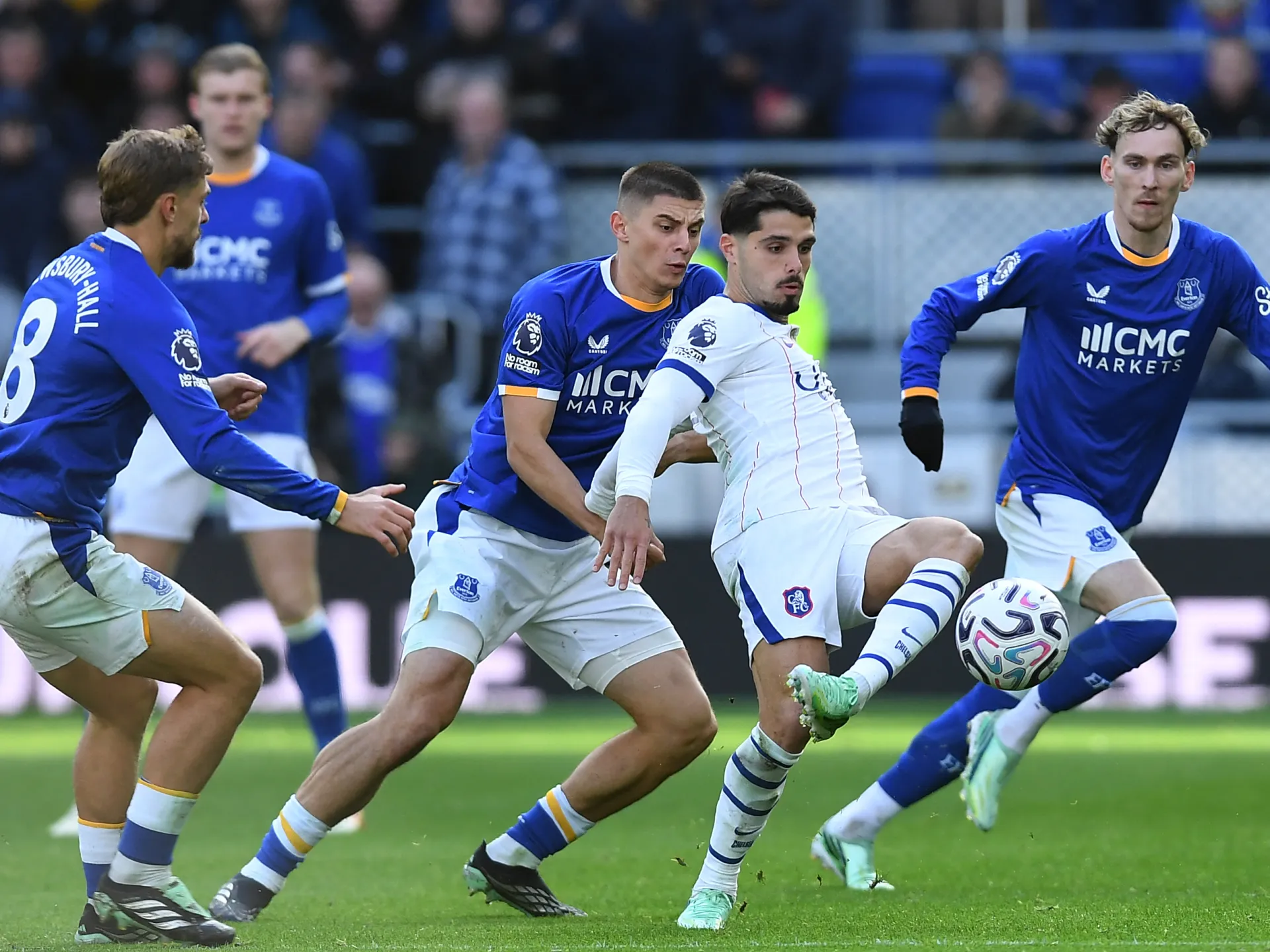
Pedro Neto’s double condemned Everton to a first defeat of the season as Chelsea won 2-0 at the Hill Dickinson Stadium despite the loss of goalkeeper Emi Martinez to a head injury.
Neto opened the scoring inside the first minute of the second half on Saturday and secured the three points during the 11 added minutes following the lengthy treatment given to the stricken Martinez.
The Argentinian international was involved in a sickening head clash with Everton defender Jarrad Branthwaite and was taken to hospital.
“As far as I know he left the stadium conscious. Right now he’s in the hospital doing the precautionary tests, so let’s see,” said Chelsea boss Xabi Alonso.
A first away win of the season lifts Chelsea above the Toffees into the top four and the Blues also recorded a first clean sheet in 23 Premier League games.
“We needed one of these wins away. We have played very professional, very serious, looking solid. It is a very good win,” added Alonso.
“We need to get many more clean sheets for the rest of the league games but for sure the first one of the season feels good and now we need to keep going this way.”
After a slow start, a fiery-tempered encounter sparked into life when Everton midfielder Harrison Armstrong launched into a tackle on Josh Acheampong for the first of five first-half yellow cards.
‘This win is for him’
That challenge also enlivened the home crowd and spurred Everton on to their best spell of the game.
Thierno Barry was guilty of another wasteful day in front of goal as the Frenchman planted a header from Jack Grealish’s cross too close to Martinez.
Chelsea have made a habit of fast starts under Alonso, but it took until four minutes before half-time to threaten when Moises Caicedo blasted off the bar from a well-worked corner.
Everton were furious that Morgan Rogers escaped a second booking just before the break after a thunderous clash with England teammate James Garner.
That proved to be a huge decision as the visitors this time flew out of the blocks at the start of the second period.
Jorrel Hato got to the byline and his low cross fell to Neto, who had time to control before firing low past Jordan Pickford.
Chelsea had not kept a Premier League clean sheet since January, but were rarely troubled by an Everton side short on forward options, despite the loss of Martinez.
“I just felt that Chelsea had that little bit more flair and ability which we didn’t possess at the right moments today,” said Everton boss David Moyes.
The treatment for Martinez threatened to halt Chelsea’s momentum as they controlled the second half.
Belgian Mike Penders replaced the Chelsea number one for his first Premier League appearance but had little to do bar dealing with a few desperate Everton crosses.
At the other end Pickford made a fine save to deny Joao Pedro.
But Chelsea did get their second goal when Neto coolly stroked into the bottom corner after Jordan Henderson’s free-kick was blocked by the Everton wall.
“We are really pleased. Shame for Emi but we wish you all the best. This win is for him,” Neto told TNT Sports after his first Premier League brace.
“We need a clean sheet, to be honest. I think we did a very good game. Emi deserved this, Mike did as well.”
Who: Nottingham Forest vs Arsenal What:English Premier League Where: City Ground, Nottingham, United Kingdom When: Sunday, October 18 , at 4:30pm (15:30 GMT) How to follow: Al Jazeera Sport will bring you all the build-up from 12:30 GMT ahead of our live text commentary stream
Arsenal will try to end their goal drought at the City Ground when they play Nottingham Forest on Sunday – the Gunners failed to score in their last two visits, as both matches ended in goalless draws.
Meanwhile, Arsenal boss Mikel Arteta said his side had learned lessons from their “extremely average” performance at Brighton before the international break as they returned to winning ways against Leeds last weekend.
The Spaniard was left to stew for 21 days after the 3-0 humbling at the Amex last month – the first defeat of the season for the Premier League champions.
But the Gunners got that performance out of their system at the Emirates last Saturday, coming from behind to beat Leeds 2-1.
Arsenal also cruised to a 3-0 home win over Lille in midweek to extend their perfect start in the Champions League.
Nottingham Forest boss Oliver Glasner was beaten on his return to Crystal Palace as Daichi Kamada’s first Premier League goal inspired the Eagles’ 3-1 win last weekend.
Arsenal headed into this weekend in second place in the Premier League, three points behind Manchester City, while Nottingham Forest were 15th.
What happened in Arsenal’s last Premier League game?
Arsenal got back on track as the Premier League champions survived a scare to beat Leeds, although Arteta’s side were in danger of a second successive loss when they fell behind at the Emirates Stadium.
James Justin fired Leeds ahead in the 55th minute after Arsenal failed to clear Gabriel Gudmundsson’s cross.
Arteta had admitted Arsenal were nursing a “pain in the tummy” from the Brighton loss, but Italy defender Riccardo Calafiori found the cure when he converted Ben White’s header from close range in the 62nd minute.
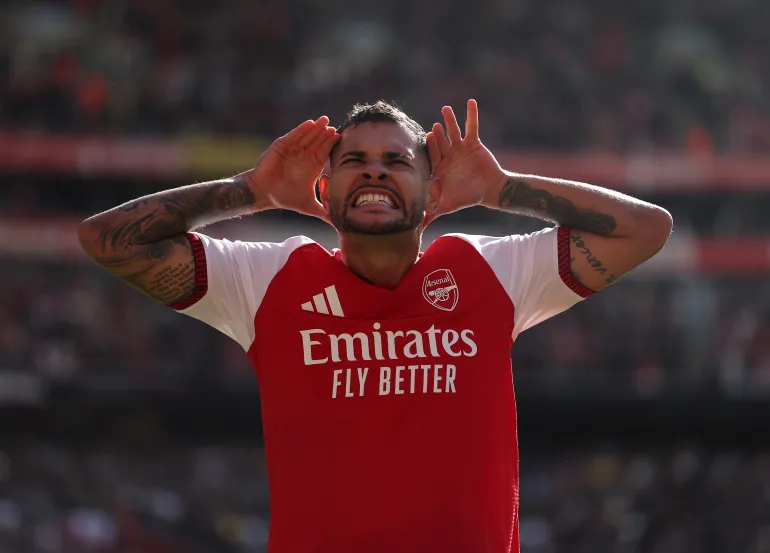
Arsenal showcased their strength in depth as substitute Bruno Guimaraes drilled the winner from the edge of the area just six minutes after coming off the bench.
The Brazilian’s first goal at the Emirates since his close-season move from Newcastle made it five wins from six league matches for the Gunners.
Guimaraes celebrates scoring against Leeds last weekend [Julian Finney/Getty Images]
What happened in Forest’s last Premier League game?
Glasner had led Palace to a shock FA Cup final triumph over Manchester City in 2025 and masterminded their UEFA Conference League success in May.
But the 52-year-old Austrian opted to quit Selhurst Park after reported issues with the club’s hierarchy over their transfer policy, opening the way for his move to Forest.
He was greeted warmly by Palace fans before kickoff and it looked like being a victorious return for Glasner when Forest’s Dan Ndoye opened the scoring in the third minute.
But Forest wasted a host of chances to increase their lead and Japan midfielder Kamada levelled in the 41st minute to end his long wait for a top-flight goal.
Jefferson Lerma nodded Palace in front in first-half stoppage time and Yeremy Pino’s 59th-minute goal sent Glasner home empty-handed.
Glasner acknowledges the fans before the game at Crystal Palace [Julian Finney/Getty Images]
What have the managers said about the game?
Mikel Arteta, Arsenal manager:
“We’re going to try really hard to score goals and to prevent goals as well. It’s going to be a really tough match, they’re an extremely well-coached team.
“We know that, we already have experience with Oliver [Glasner] in the past and they’re a team that at home can create a really special momentum, so we are ready for it.”
Oliver Glasner, Forest manager:
“In every game this season [Arsenal] were outrunning the opposition. It’s incredible. The effort and the mindset Mikel [Arteta] has created there is incredible.
“This makes it so tough to play against them and you see it from every single player. They have so many world-class players they can react from the bench.”
Prediction:
The Opta supercomputer has made Arsenal the clear favourites, with a win probability of 58.3 percent. Forest were given a 20.4 percent chance of winning, a draw is 21.3 percent.
Head-to-head
Matches: 109
Arsenal wins: 56
Forest wins: 29
Draws: 24
Last five encounters:
January 17, 2026: Forest 0-0 Arsenal (Premier League)
September 13, 2025: Arsenal 3-0 Forest (Premier League)
February 26, 2025: Forest 0-0 Arsenal (Premier League)
November 23, 2024: Arsenal 3-0 Forest (Premier League)
January 30, 2024: Forest 1-2 Arsenal (Premier League)
The last time Forest beat Arsenal was a 1-0 victory at the City Ground in May 2023, courtesy of a goal by Taiwo Awoniyi, which ended the Gunners’ title hopes that year.
What happened the last time the clubs played?
Arsenal missed a slew of chances in a 0-0 draw at Nottingham Forest in January as a dogged defensive performance from Forest and wasteful finishing from the Arsenal forwards meant they took only a point from a game they dominated for long spells.
The best chance of the game fell to Arsenal substitute Bukayo Saka, who headed a Declan Rice cross back towards the far post, but Forest keeper Matz Sels pulled off a superb fingertip save to deny him.
Arsenal’s Bukayo Saka after the deadlock in January [Peter Cziborra/Action Images via Reuters]
Forest’s team news
Striker Igor Jesus and defender Nicolo Savona remain unavailable due to calf and knee injuries, respectively.
Key playmaker Morgan Gibbs-White is struggling with a minor muscular problem and is a doubt, while centre-back Nikola Milenkovic is back in training after a knee injury and could feature.
Winger Christos Tzolis (hamstring) and centre-back William Saliba (back) are unavailable for the Gunners.
Arteta said midfielder Martin Zubimendi could be fit to face Forest, but defender Piero Hincapie would likely miss the trip to the City Ground.
The pair suffered freak ankle injuries during a training session on the Emirates Stadium pitch after last week’s win against Leeds.
“Piero is evolving really well,” said Arteta. “Knowing his character and the way he pushes everybody, I’m sure it’s not going to take long, but he will probably need another week or two.
“Zubi looks much better, he already looked much better today. We have another session tomorrow (Saturday) and after that we will assess whether he’s available to play against Forest.”
United States President Donald Trump has signed an executive order waiving newly-passed Russia sanctions, claiming the move is in the US’s “national interest”.
Earlier this month, Trump also announced a deal to bring stocks of Russian diesel into global markets, in a bid to drive down energy prices that have spiked during the US-Israel war on Iran. The US Treasury waived sanctions on Russian diesel sales until April 2027.
Trump’s embrace of Russian energy has angered Ukraine, European partners and many US officials, who say the move rewards Moscow while it continues its four-and-a-half-year war against its neighbour.
Ukraine’s President Volodmyr Zelenskyy slammed Trump’s diesel deal as “a gift” to Russia’s President Vladimir Putin that will help fund his war effort.
While European countries have also criticised Trump’s embrace of Russian energy, the US president has accused them of “hypocrisy”, as figures show that European Union countries continue to import Russian gas.
Here’s what we know:
Which sanctions has Trump waived?
In his executive order on Friday, Trump called off numerous planned Russia-related sanctions days before they were due to take effect, including duties on Russian goods and penalties for buying the country’s oil and gas.
The now-blocked measures were part of legislation passed in Congress with bipartisan support last month, named after the late US Senator Lindsay Graham, an outspoken critic of Russia.
They would have included up to 100 percent tariffs on all goods brought into the US from the five top importers of Russian crude oil or gas, including China and India. They could also have imposed equal penalties on countries deemed to have knowingly bought oil or gas from Russia 30 days after the law’s implementation, or to be among the top five countries helping Moscow circumvent sanctions on sales of its oil.
The waiver will hold until the Trump administration believes “further action is appropriate”, according to the executive order.
US Congressman Don Beyer, a Democrat from Virginia, said the sanctions waiver amounts to a “surrender to Putin” that “betrays our Ukrainian partners and defies clear congressional intent”.
Who will benefit from this?
Vasily Astrov, an economist at the Vienna Institute for International Economic Studies, told Al Jazeera that the Russian government will likely be the greatest beneficiary because the easing of sanctions means Russian oil will not have to be further discounted.
He estimated that about 60 cents of every extra dollar in the price of a barrel of Russian oil would “end up in state coffers”.
Russian official Kirill Dmitriev, an envoy for Putin, hailed the US decision to waive the sanctions as “an important and truly historic moment”.
Other beneficiaries include major importers of Russian oil and gas, such as China and India, who are now less exposed to the risk of secondary US penalties.
While Trump hopes the measures will also help bring down oil prices for US consumers before November mid-term elections, experts say that is less certain.
Addressing the US’s recent diesel deal with Russia, EU economy chief Valdis Dombrovskis said it is unlikely to have a significant impact on global prices.
According to Trump, that deal would bring 300,000 tonnes of diesel fuel into US and global markets “immediately”, followed by 500,000 tonnes in November, and 1 million tonnes afterwards.
“If we look at the volumes, they are not of any macroeconomic significance, and frankly, there are strong doubts whether Russia is even able to supply those volumes, and according also to US quality standards, those are big question marks,” Dombrovskis told the AFP news agency.
Which countries still buy oil from Russia?
China and India are the largest buyers of Russian crude oil, purchasing 6 billion euros ($6.74bn) and 3.6 billion euros ($4.04bn) worth respectively in September, according to the Centre for Research on Energy and Clean Air (CREA), a nonprofit think tank.
Hungary and Slovakia, the landlocked EU members that have exemptions to the bloc’s ban on Russian crude, also remain big customers, buying a combined 290 million euros ($326m) worth of the commodity in September, said CREA. Turkiye imported 172 million euros ($193m) worth of Russian crude oil the same month, the think tank added.
Since the end of 2022, the largest importers of Russian oil products, which include diesel, have been Turkiye, China, Saudi Arabia, Brazil and Singapore.
Saudi Arabia imported the most Russian oil products in September at 534 million euros ($600m), followed by Turkiye with 321 million euros ($361m), China with 304 million euros ($342m) and India with 161 million euros ($181m).
Is Europe buying increasing amounts of gas from Russia?
“The European Council regrets the United States’ decision to temporarily lift sanctions on Russian diesel,” European leaders said in a joint statement adopted following a two-day European Council meeting in Brussels this week.
But despite its own near-blanket ban on Russian oil, the EU has continued to import large quantities of Russian gas, though it plans to phase out those imports next year.
Urgewald, a Germany-based group that researches coal companies, reported this week that more than 12 million tonnes of Russian Arctic LNG was transported into EU ports from January to September this year, a 9.5 percent jump from the same period last year.
In September, EU countries imported 817 million euros ($918m) of pipeline gas, and 615 million euros ($691m) of liquefied natural gas (LNG), according to CREA.
EU members France and the Netherlands were the largest LNG importers, bringing in 446 million euros ($501m) and 116 million euros ($130m) respectively, according to the think tank. France’s LNG imports represented a 103 percent increase from the previous month, it added.
France’s President Emmanuel Macron has been among the most outspoken about Trump’s diesel deal with Russia, saying on Friday that it “sends a negative message” and would have no impact on global prices.
Hungary imported the most Russian pipeline gas of any EU member by far during the month, with 414 million euros ($465m) worth. Slovakia and Bulgaria brought in 161 million euros ($181m) and 132 million euros ($148m), respectively, according to CREA data.
Paris, France – Saturday is a day of many unknowns. That was how the French newspaper Le Monde described it as France braced for possible nationwide demonstrations bringing together high school students, trade unions and “yellow vest” activists.
The protests began in mid-September at a high school in the Paris suburb of Creteil, where students took to the streets over dilapidated buildings, overcrowded classrooms, teacher shortages and what they see as a deeply unequal education system.
Recommended Stories
list of 3 itemsend of list
Since then, the mobilisation has spread to thousands of “lycees”, or upper secondary schools, across the country. It is now beginning to reflect broader anxieties in a country grappling with a combination of fiscal pressures, economic stagnation and mounting social discontent.
Teachers, trade unions and university students have joined the movement.
On Saturday, some “yellow vest” activists – remnants of the participants in the grassroots cost-of-living protests that shook President Emmanuel Macron’s first term in 2018 – have also called on supporters to join the students.
“High school students are fighting for their future. Workers are fighting to earn a living from their labour. Retirees are fighting to preserve their dignity. Our paths may differ, but our concerns can converge,” Jerome Rodrigues, a prominent “yellow vest” activist, said in a video message released last week that called on people to join Saturday’s demonstrations.
Now France is waiting to see whether those calls will translate into a large, coordinated mobilisation.
Warlike injuries
Authorities have described the unrest as among the most violent in decades, saying more than 900 police have been injured since the start of the protests. But critics argued that although some demonstrators have engaged in violence, they represent a minority and the actions of a few risk overshadowing the grievances of the wider movement.
The government has also faced criticism over its response to the protests, including the detention of thousands of minors and the use of force against young demonstrators.
More than 6,700 children had been taken into police custody since mid-September, according to reports published this week.
Protesters clash with police during a demonstration against the high cost of living, in Paris on October 17, 2026 [AFP]
Human rights lawyers said several teenage students have suffered warlike injuries.
Two cases have drawn particular attention: A 15-year-old lost his hand in the explosion of a stun grenade outside a school in the northern city of Lens, and a 16-year-old in western Tours lost his sight due to an injury caused by a rubber bullet.
There are fears of further clashes on Saturday.
“This is a moment of fatigue in the country,” Prime Minister Sebastian Lecornu said on Thursday. “We are in an atmosphere of perma-crisis: wars, inflation and issues surrounding purchasing power.”
The government has accused the far-left France Unbowed (LFI) party of inflaming the protests. The party has rejected the accusation.
While France suspended the use of stun grenades for the student demonstrations, Interior Minister Laurent Nunez said on Friday that he authorised police to use them in the event of what he called “urban violence”.
Nunez also said he is expecting a “fairly significant” turnout on Saturday.
Hundreds of protest sites
Calls on social media for members of past protest movements to join the current one have been made for weeks. The website 17octobregiletjaune.net, which tracks “yellow vest” actions, listed more than 1,750 planned protest locations across the country.
The government has tried to quell student anger by scrapping plans to increase some higher education registration fees and promising to deploy 3,000 substitute teachers to high schools. This week, it set up a national online survey for pupils to hear their concerns.
But Mathieu Roger-Lacan, a French literature teacher in a disadvantaged area and author of A Language of One’s Own, a book about the growing language gap, argued that these measures fail to address the deeper problem: an education system that struggles to provide equal opportunities.
“If you have a pool that is leaking, the answer should not be to put more water into it but to work on its structure – and that costs money too,” he said.
For Roger-Lacan, the problem is not simply how much France spends on education but how it distributes those resources.
A government report published this week said that 32 percent of the French education ministry’s budget for next year will go towards funding the pensions of retired civil servants.
Students are not only complaining about deteriorating school buildings and overcrowded classrooms but also expressing a deeper anxiety about their future.
For many, a diploma no longer feels like a guarantee of stable employment or social mobility. That concern is compounded by questions about the quality of education itself amid evidence of persistent weaknesses in French students’ academic performance.
In September, the Organisation for Economic Co-operation and Development (OECD) said that French 15-year-olds’ results in mathematics and reading had fallen to among their lowest levels on record.
“There is a gap between the diploma we give at the end of school, which is given to a huge part of the population, and the reality around us, which is that many of these young students have great difficulties even in writing French,” Roger-Lacan said.
Competing demands
The protests come at a very difficult time for the government, which is caught between demands for better-funded public services and the need to rein in France’s debt.
The government recorded a deficit of 152.5 billion euros ($171.3bn) last year, equivalent to 5.1 percent of France’s gross domestic product (GDP). By contrast, the European Union average is 3.1 percent.
Meanwhile, public debt ballooned to 115.6 percent of GDP, the third highest in the EU after Greece and Italy.
Lecornu’s proposed 2027 budget seeks to reduce the deficit through spending restraint and tax measures, including a freeze on public sector pay and limits on pension increases.
Whether the government can make those savings without deepening public anger is another question.
The debate touches a nerve in France, where the welfare state and access to public services remain central political issues.
Macron’s decision to raise the retirement age from 62 to 64 triggered months of mass demonstrations in 2023, exposing deep opposition to reforms that many saw as unfairly burdening workers.
Now as the government prepares its next budget, it faces the challenge of persuading the public that spending cuts and other savings are necessary without further eroding confidence in public institutions.
The political stakes are high. The budget bill will be debated in a deeply divided parliament as parties position themselves before the 2027 presidential election, which will mark the end of Macron’s presidency.
At least eight people have been killed and nearly 60 injured in the latest wave of Russian strikes across Ukraine. Ukraine’s Air Force said Russia launched 332 drones and missiles overnight, of which 293 were intercepted or neutralised.
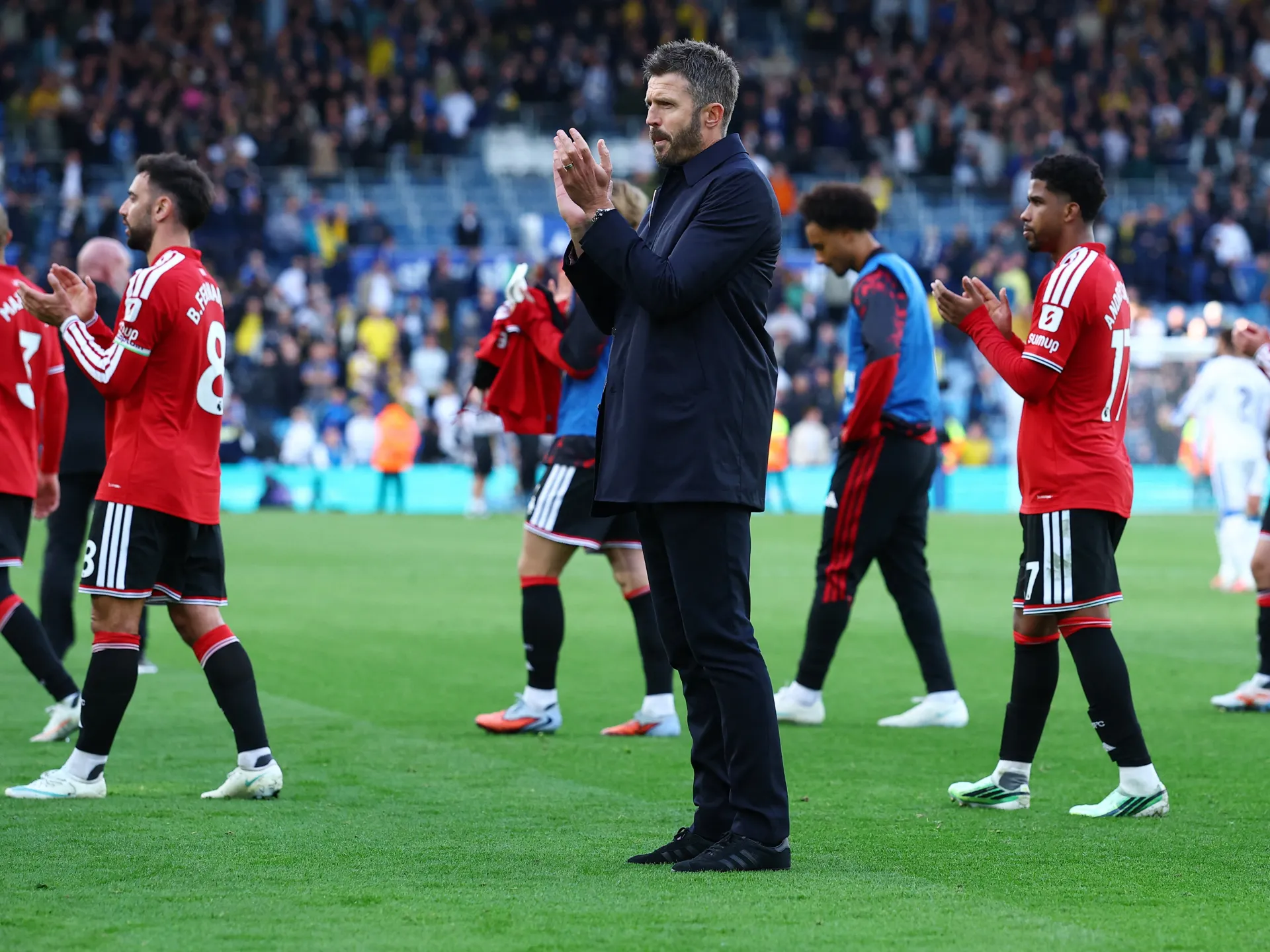
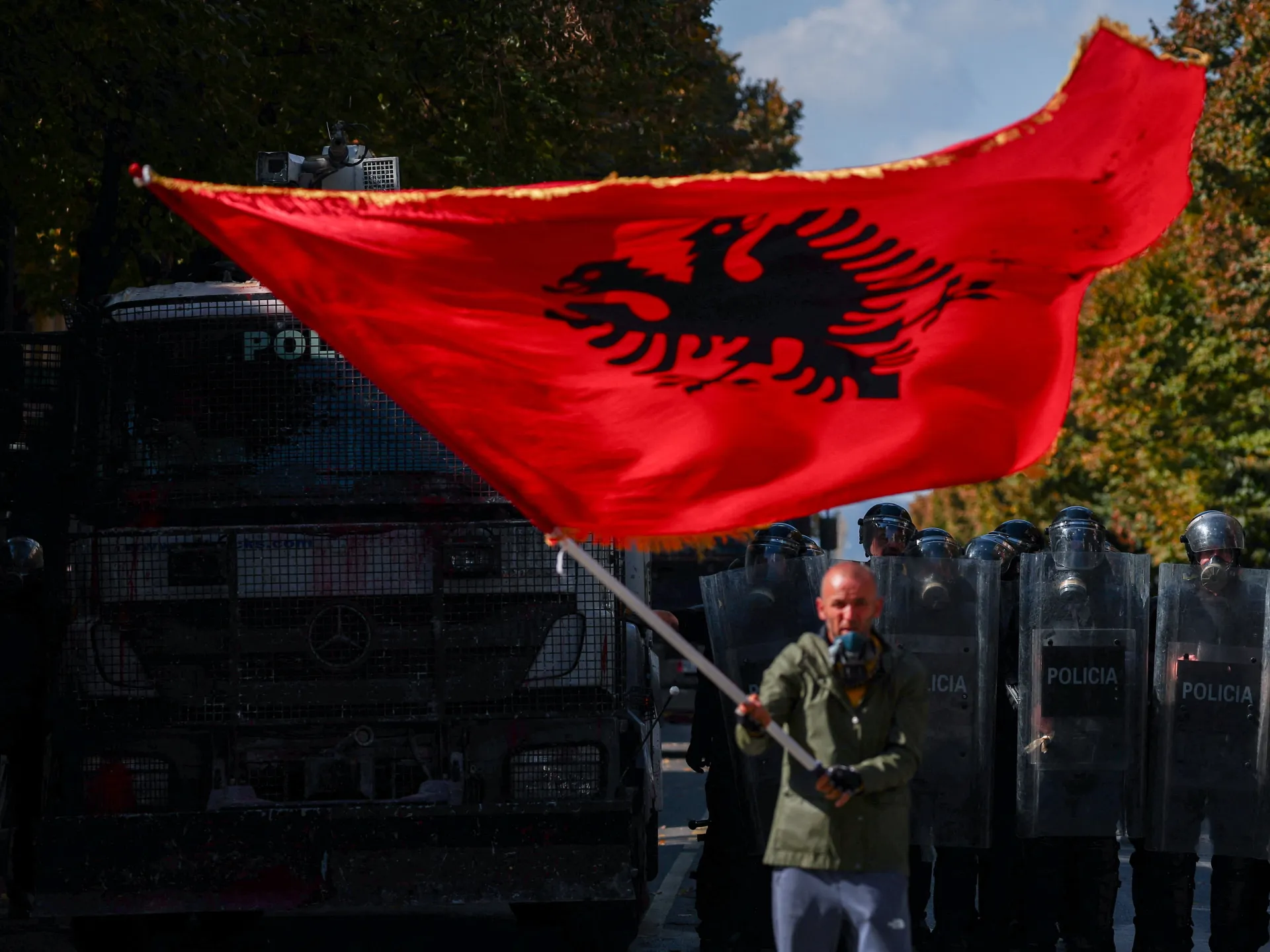


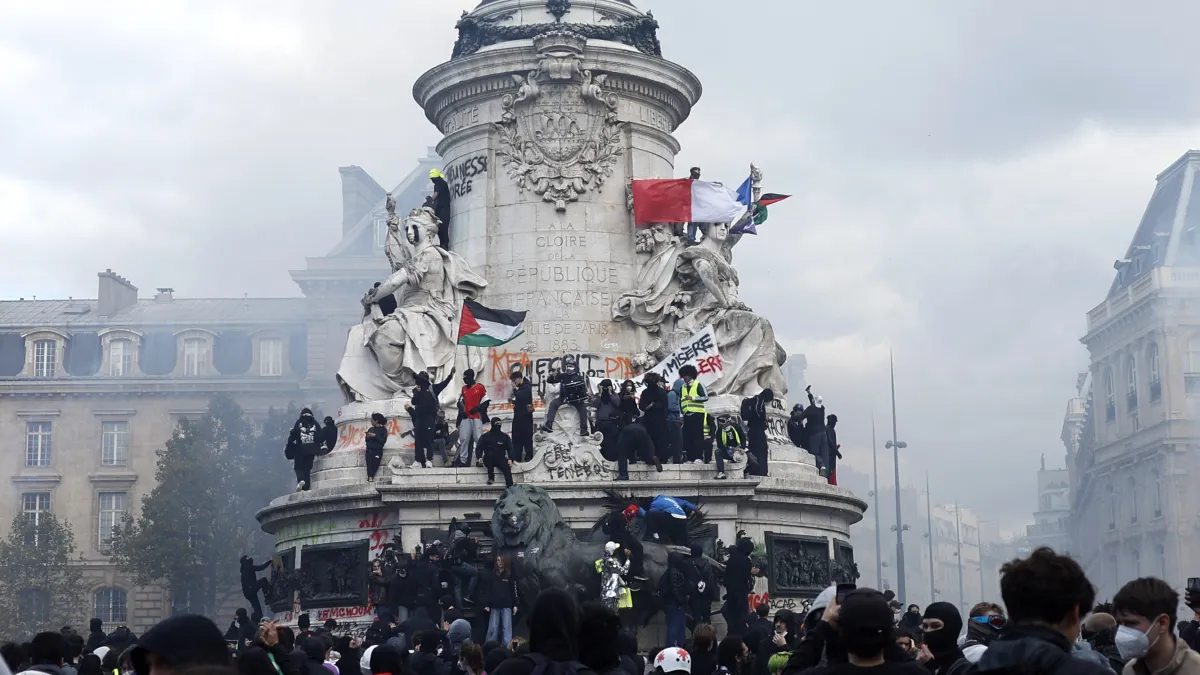

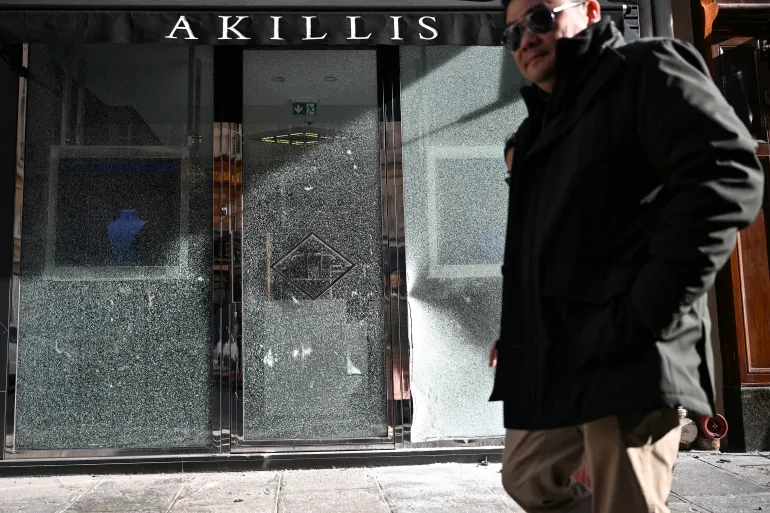


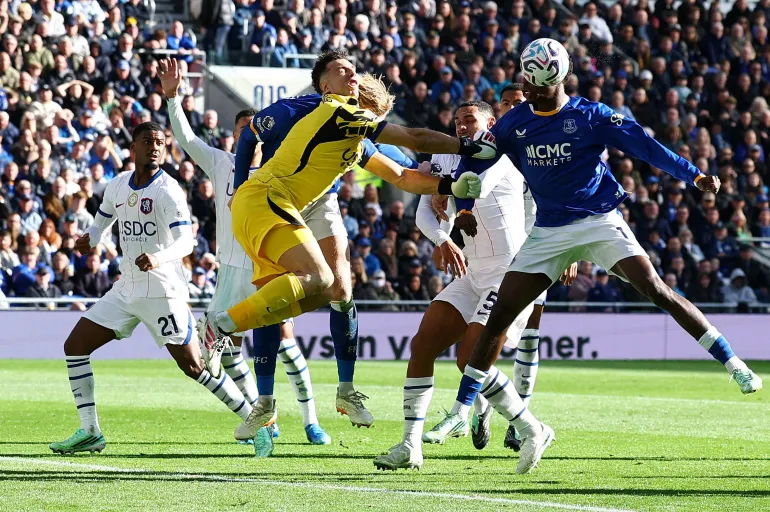


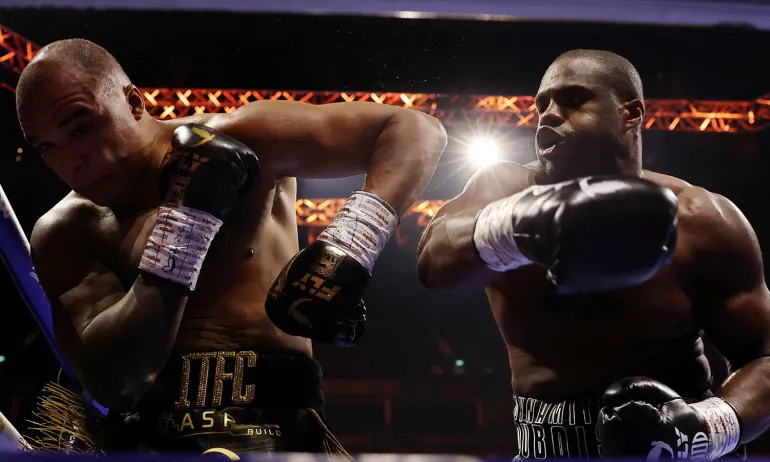


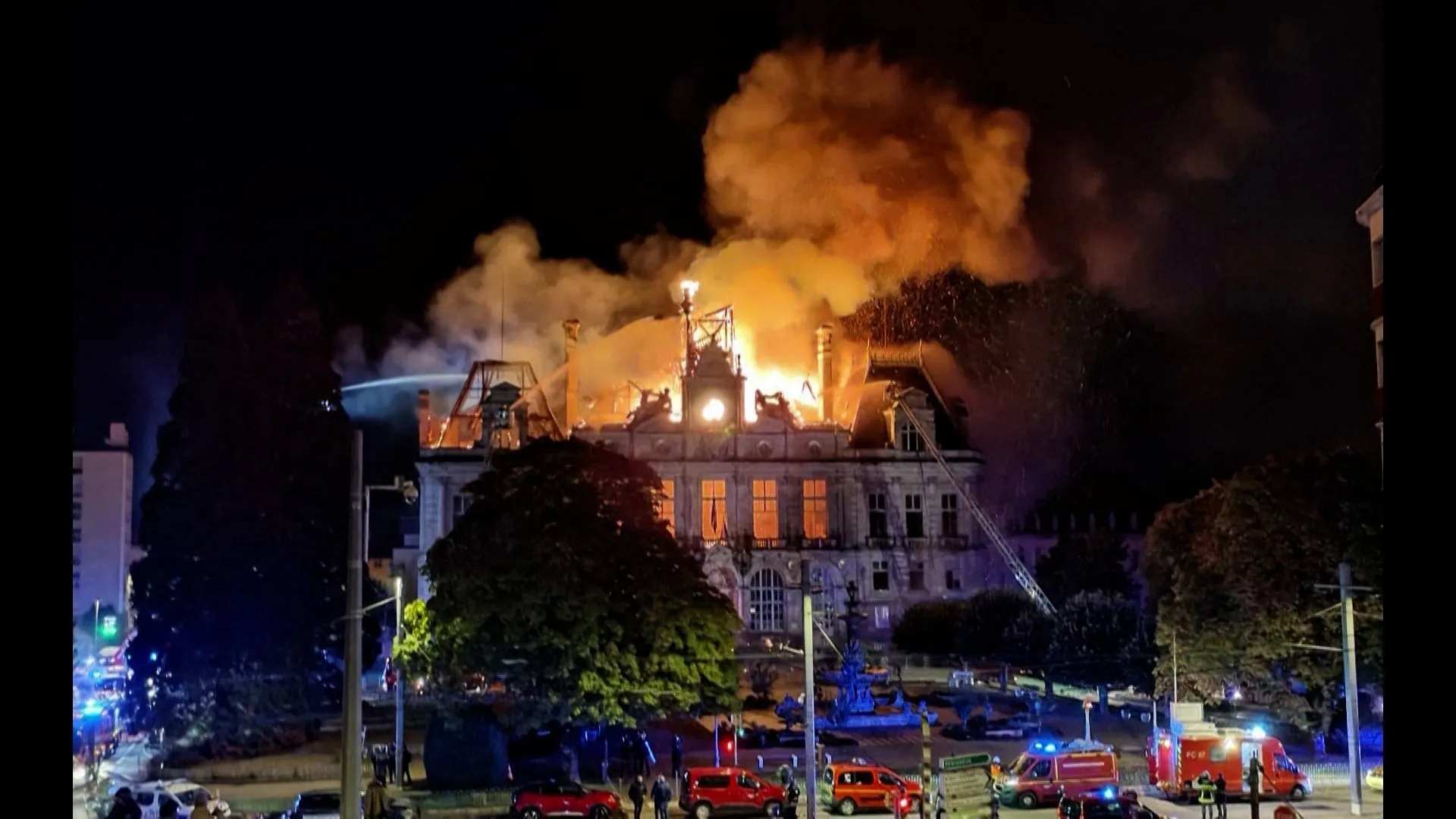


![Demonstrators sit amid 40 tents set up to protest against housing shortage, soaring rents and low wages on Rossio square in central Lisbon on October 17, 2026. Thousands of people marched on October 17, 2026 through the centre of Lisbon at the call of the CGTP trade union to protest against increasingly difficult living conditions. The slogans and demands focus mainly on higher wages and pensions, as well as protests against the rising cost of housing and fuel. [Filipe Amorim/AFP]](https://i0.wp.com/occasionaldigest.com/wp-content/uploads/2026/10/AFP__20261017__D3LK2MC__v1__HighRes__PortugalPoliticsHousingDemo-1792267175.jpg?w=640&ssl=1)
![Riot police uses a water cannon against demonstrators in Brussels during a youth protest [Nicolas Maeterlinck/AFP]](https://i0.wp.com/occasionaldigest.com/wp-content/uploads/2026/10/afp_6ad3d52b2c56-1792267563.jpg?w=640&ssl=1)