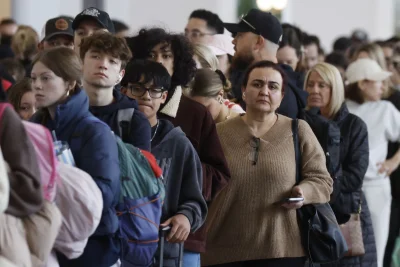
March 30 (UPI) — Some employees of the Transportation Security Administration started getting back pay that they’re owed for the partial government shutdown Monday, easing long lines at airports.
“Most TSA employees received a retroactive paycheck today that included at least two full paychecks covering pay periods 4 and 5 today,” Department of Homeland Security Acting Assistant Secretary of Public Affairs Lauren Bis told USA Today on Monday. “A small population might see a slight delay due to a variety of reasons, including financial institution processing times or issues with their direct deposit. We are working aggressively with USDA’s National Finance Center to complete processing for the half paycheck they are owed from pay period 3 as soon as possible.”
“Working without pay forced more than 500 officers to leave TSA and thousands were forced to call out,” Bis added.
Democrats have refused to vote for any package that doesn’t rein in Immigration and Customs Enforcement and Border Patrol. On Friday, the Senate voted unanimously to pass a measure that would fund Homeland Security but not ICE and Border Patrol. But the House rejected it, saying it wouldn’t pass it if ICE isn’t included.
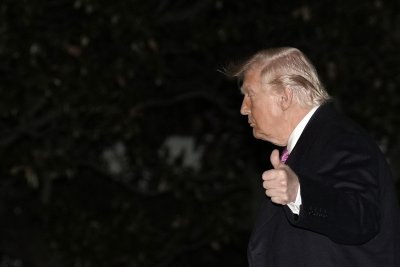
In response, President Donald Trump ordered that TSA workers get paid through other Homeland Security funding. That pay is temporary. Congress began a two-week recess on Friday. They return April 14.
Angela Grana, regional vice president of the union that represents TSA workers at 38 airports in the Rockies, told USA Today that she got paid for working 200 hours. She said the overtime and holiday hours she worked didn’t appear to have been counted properly, and that she believed she was taxed at a higher rate than usual because of the lump-sum payment.
“This is all back pay. That doesn’t tell me I’m going to get paid in the future,” she said.
By late Monday morning, TSA lines were down to less than 30 minutes at most major airports, CNN reported.
George Bush Intercontinental Airport in Houston had 75-minute security lines before dawn Monday. Hours later, that number dropped to as low as 9 minutes.
At Hartsfield-Jackson Atlanta International Airport Monday, travelers waited 3 minutes.
About 500 workers, or about 0.82% of total personnel of 61,000, have quit since the partial shutdown began.
Atlanta TSA officer Aaron Barker told CNN he believes the number of agents will keep dropping.
“I do think that there’s going to be a mass exodus of officers,” Barker, the president of the American Federation of Government Employees Local 554, told CNN.
“Officers have gone into debt. Credit has been shot,” he said. “Officers have been evicted. Cars have been repossessed.”
“Back pay is not going to address [the] systemic issues,” he said. In the past five months, “We have been shut down 50% of the time.”
“This is a natural disaster that was caused by Congress,” said Johnny Jones, secretary-treasurer of the American Federation of Government Employees, which represents TSA workers.
“The vast majority are devastated,” he said. “My colleagues, they’re like, ‘Our finances are ruined.'”
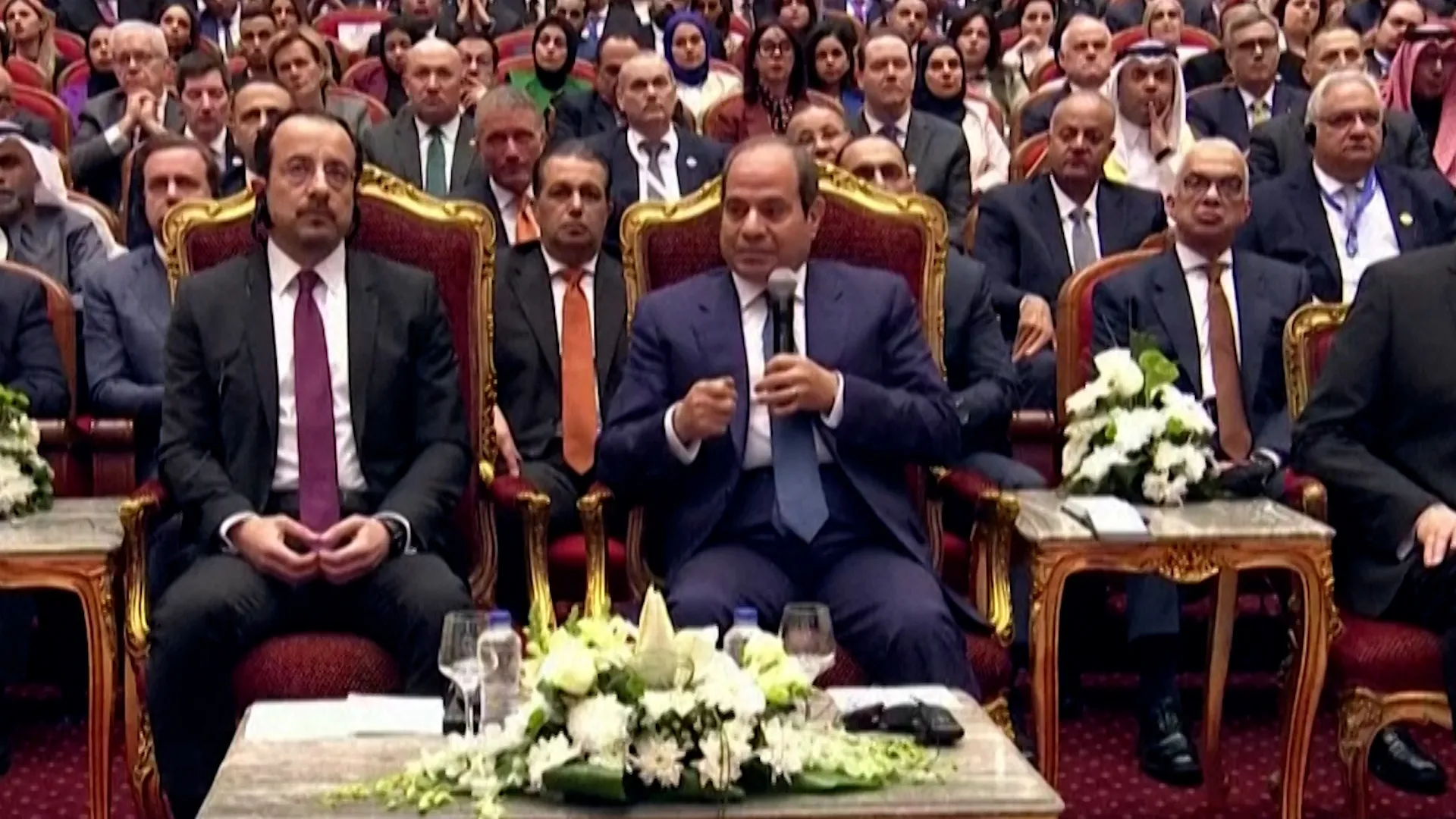
“Nobody can stop the war in our region in the Gulf but you.” Egypt’s President Abdel Fattah el-Sisi has called on Trump to end the war on Iran, saying Washington holds decisive influence.
United States President Donald Trump said on Sunday that he wishes to “take the oil” in Iran, as the US-Israel war against Iran enters its second month.
On Monday, President Trump threatened to target Iran’s energy infrastructure, including oil wells, if Tehran does not reopen the Strait of Hormuz, which has been under a de facto Iranian blockade for weeks, triggering a global energy crisis.
The Trump administration has unveiled no clear goal behind its military campaign against Iran, one of the world’s biggest oil producers and under US sanctions for decades.
Here is more about what Trump says, how much oil Iran has, and whether Trump could take it.
What has Trump said about Iran’s oil?
Trump told the Financial Times that his “preference would be to take the oil” in Iran and that US forces could seize Iran’s export hub at Kharg Island.
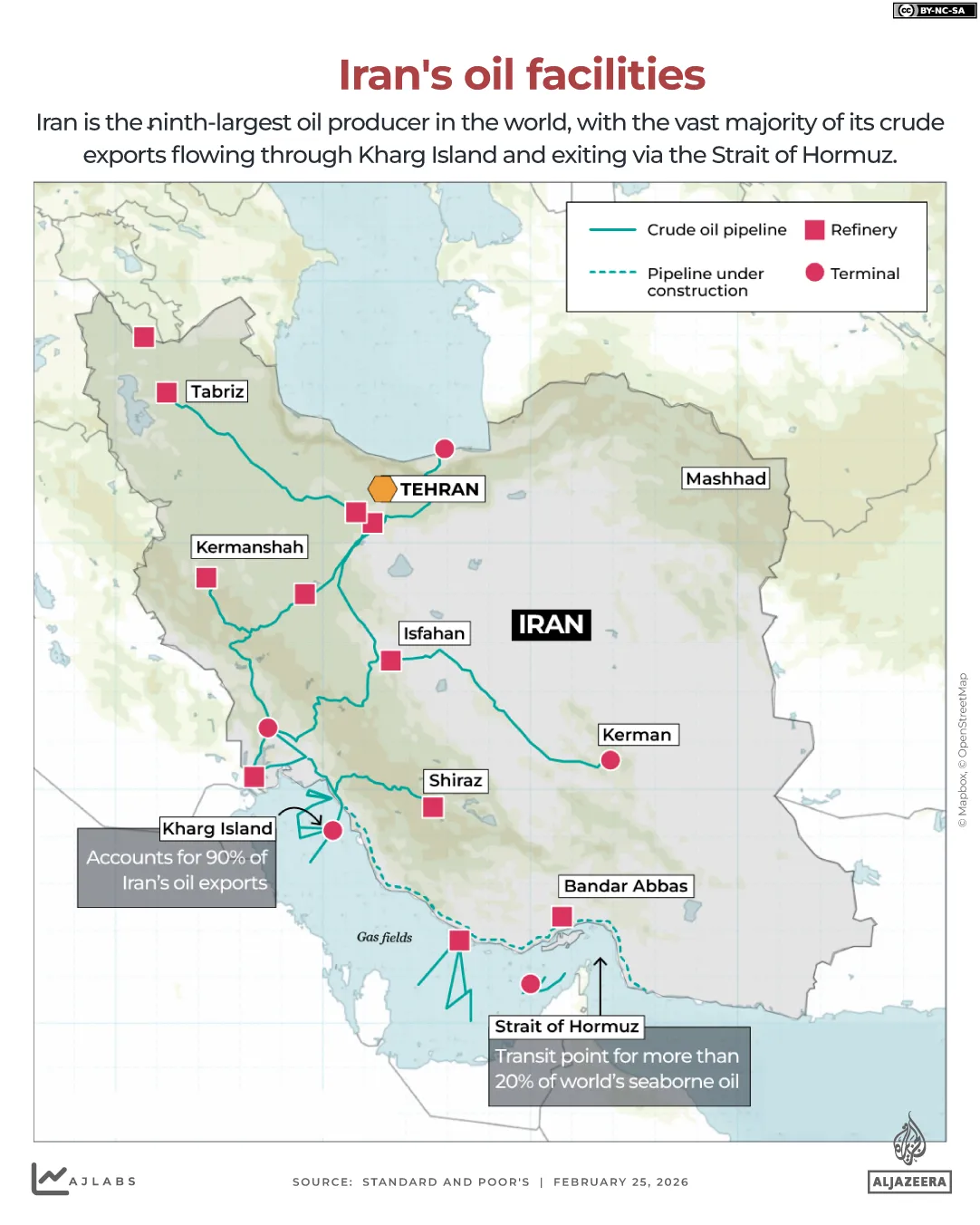
Kharg is a 22-square-kilometre (8.5-square-mile) coral outcrop in Iran’s Bushehr province. Closely guarded by the Islamic Revolutionary Guard Corps (IRGC), entry to the island is restricted to those with official security clearance.
Kharg processes 90 percent of Iran’s total oil exports, handling approximately 1.5 million barrels every day.
On March 14, Trump announced that the US Air Force had bombed Iranian military facilities on the island.
“For reasons of decency, I have chosen NOT to wipe out the Oil Infrastructure on the Island. However, should Iran, or anyone else, do anything to interfere with the Free and Safe Passage of Ships through the Strait of Hormuz, I will immediately reconsider this decision,” Trump wrote on Truth Social.
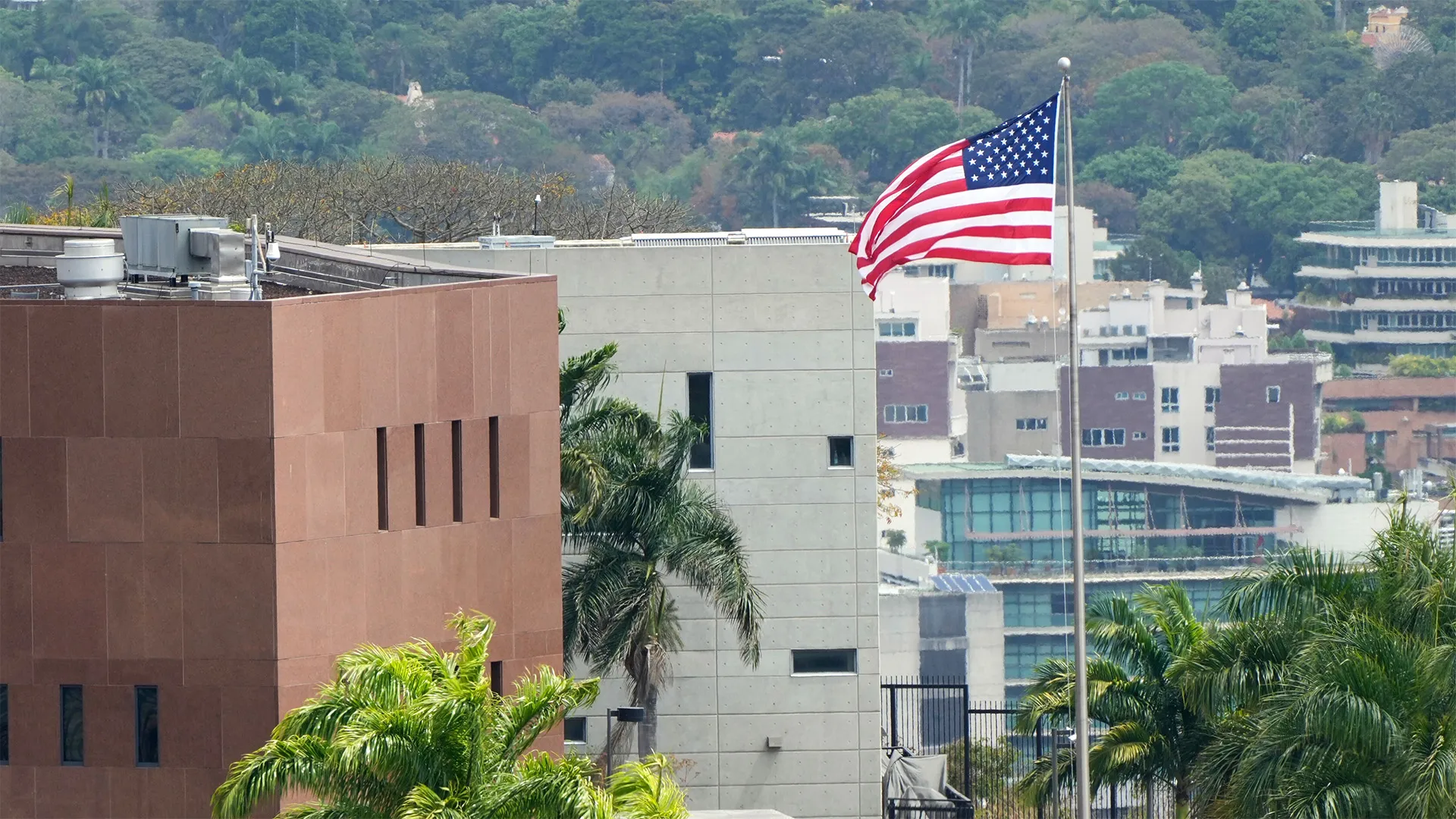
Critics say the Trump administration was emboldened by the success of its brazen military operation in January to abduct Venezuelan President Nicolas Maduro from Caracas. Washington says it is now in control of Venezuela’s oil exports.
Earlier this month, Trump claimed that 100 million barrels of Venezuelan oil had been brought to refineries in Houston, Texas in the US. He added that an additional 100 million barrels of Venezuelan oil were on the way.
Ties between Venezuela, which has the world’s largest proven reserves of crude oil, and Washington had deteriorated under former President Hugo Chavez, who decided to nationalise the oil sector. Relations collapsed further under Maduro, who succeeded Chavez in 2013. Venezuela’s current interim president, Delcy Rodriguez, has since opened the sector for private investment.
The country holds the world’s second-largest proven natural gas reserves and the third-largest crude oil reserves, according to the United States Energy Information Administration.
Iran holds around 24 percent of the Middle East’s and 12 percent of the world’s proven oil reserves, with about 157 billion barrels of proven crude oil.
It is the ninth-largest oil producer globally, and the fourth-largest within the Organization of the Petroleum Exporting Countries (OPEC), producing about 3.3 million barrels of crude oil per day.
Before the war, Iran was exporting around two million barrels of crude and refined fuel each day, though its exports dropped dramatically after Trump slapped sanctions on Iran in 2018 during his first term in power. The Iran nuclear deal signed under US President Barack Obama in 2015 – the Joint Comprehensive Plan of Action (JCPOA) – placed limits on Iran’s nuclear programme in exchange for sanctions relief in place for decades.
The US cut diplomatic ties with Iran after pro-Washington ruler Shah Mohammad Reza Pahlavi was toppled in the 1979 Islamic Revolution and the subsequent hostage crisis involving US citizens.
Can the US seize Iranian oil?
The Pentagon is preparing for limited ground operations in Iran, potentially including raids on Kharg Island and coastal sites near the Strait of Hormuz, according to US officials quoted by the Washington Post newspaper.
The plans, which fall short of a full invasion, could involve raids in special operations and by conventional infantry troops, the newspaper reported on Saturday.
However, even if the US invades or occupies Kharg Island, this would not give the US access to Iranian oil.
In order to access Iranian oil, the US would have to occupy Iran’s oil production sites and refineries. In essence, the US would need to occupy mainland Iran.
(Al Jazeera)
What would it mean if the US were to take Iranian oil?
In 2023, Iran’s gross domestic product (GDP) was around $457.5bn, according to World Bank data.
In the same year, Iran’s net oil export revenues were estimated at $53bn.
That export figure is equivalent to roughly 12 percent of Iran’s GDP, although export revenues and GDP are not directly comparable.
At the same time, if the US were to lift sanctions on Iranian oil after seizing it, it could lead to a flow of more Iranian oil into global markets, bringing down oil prices.
Iran is one of the most heavily sanctioned countries in the world. The US first imposed sanctions on Iran in November 1979, after Iranian students stormed its embassy in Tehran and took Americans hostage. The hostage crisis ended when dozens of US citizens were released after more than a year.
The US-Israeli war on Iran has sent global oil prices soaring. Benchmark Brent crude rose to more than 3 percent on Monday to $116 a barrel – the highest level in nearly two weeks. The oil price was about $65 per barrel before the war.
Has the US tried to interfere in Iranian oil before?
Yes; this is not the first time the US has shown an interest in Iranian oil.
In 1953, the government of Mohammad Mossadegh, Iran’s first democratically elected prime minister, was toppled in a CIA-orchestrated coup after he nationalised the British-controlled firm Anglo‑Iranian Oil Company (AIOC), the predecessor of modern-day BP.
Washington framed the operation – codenamed “Operation Ajax” – as a Cold War necessity to keep Iran and its energy reserves out of Soviet hands.
The coup restored and entrenched the shah’s rule, a turning point that still haunts Iran’s relationship with the West.
Neighbouring Iraq’s oil revenue is still effectively under US control more than two decades after the US invaded the Middle East nation. Iraq’s oil revenues are deposited into an account at the Federal Reserve Bank in the US before making it to Baghdad.
March 30 (UPI) — Iran has agreed to allow 20 more oil tankers through the Strait of Hormuz, President Donald Trump said late Sunday, as he claimed negotiations with Iran over ending the war were going “extremely well.”
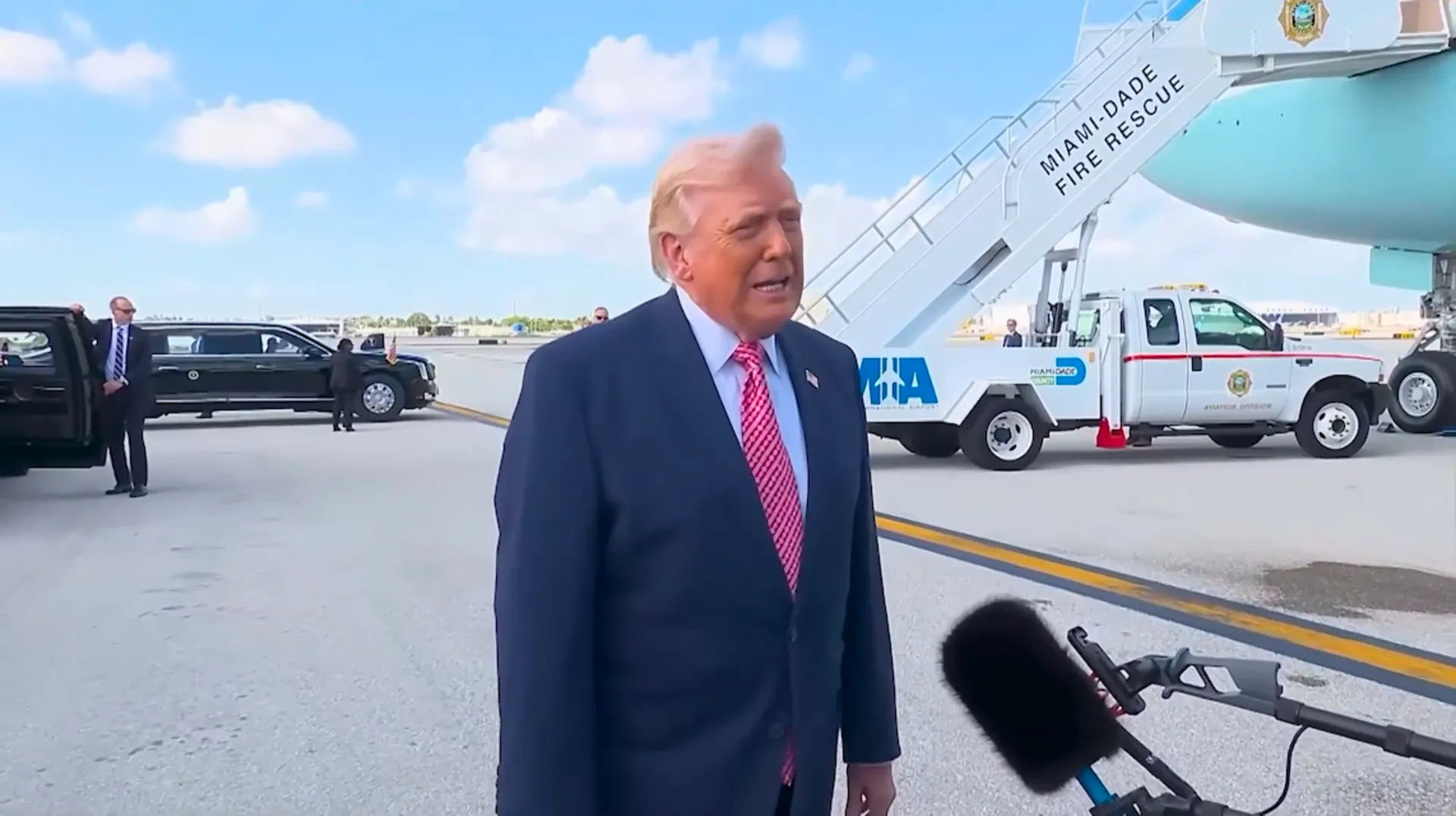
Speaking to reporters aboard Air Force One, Trump said the tankers will be allowed through the key Persian Gulf oil transit route starting Monday, describing the gesture by Iran as “a tribute” or “a sign of respect.”
Iran has not confirmed the announcement. Trump late last week said Iran had permitted about 10 tankers through the Strait of Hormuz.
The press conference was held after Foreign Minister Ishaq Dar of Pakistan announced that Iran agreed to allow 20 Pakistani-flagged vessels through the Hormuz at a rate of two per day.
Pakistan is seeking to mediate the U.S.-Iran talks.
“This is a welcome and constructive gesture by Iran and deserves appreciation,” Dar said in a statement. “It is a harbinger of peace and will help usher stability in the region.”
About 20% of global oil and liquefied natural gas supplies pass through the Strait of Hormuz, and Iran has all but closed it since the United States and Israel attacked Tehran on Feb. 28.
The closure has sent prices higher at U.S. gas pumps. Brent futures early Monday hit $116 a barrel, up from about $72 a day before the war began.
More than a week ago, Trump gave Iran a 48-hour ultimatum to open Hormuz or risk further attacks on its energy infrastructure. He has since extended the deadline until April 6, citing progress in talks with Iran.
“We’re doing extremely well in that negotiation,” he said, while adding that “you can never know with Iran because we negotiate with them and then we always have to blow them up.”
“We’ll make a deal with them. Pretty sure,” he said. “But it’s possible we won’t.”
Immediately after the Feb. 28 U.S. strikes on Iran, Trump called for regime change, a goal that U.S. military and White House officials quickly walked back.
On Sunday, Trump claimed regime change had been achieved saying Ayatollah Ali Khamenei, the country’s supreme leader, was killed early in the war and that they were now conducting negotiations with other officials.
“We’ve had regime change. If you look already because the one regime was decimated, destroyed, they’re all dead. The next regime is mostly dead and the third regime, we’re dealing with different people than anybody’s dealt with before,” he said. “It’s a whole different group of people. And, frankly, they’ve been very reasonable.”
March 29 (UPI) — Amid growing chaos at airports during the 44-day Department of Homeland Security shutdown, Immigration and Custody Enforcement agents have been deployed to airports to help Transportation Security Administration agents — and they may be in for an extended stay.
As Congress has not been able to agree on a bill to fund DHS because of disagreements about ICE unrelated to air travel, TSA agents who have not gotten paid are increasingly calling out of work or quitting their jobs.
White House border czar Tom Homan on Sunday told CNN and CBS News that whether ICE retains a presence at airports will depend when “airports feel like they’re 100% in a posture where they can do normal operations.”
The White House on Monday deployed ICE to airports around the country, where they received training to use TSA equipment and standard operating procedures.
By Wednesday, they could be seen screening travelers, checking documents and assisting TSA agents move lines of people through security, The New York Times reported.
Thursday, Senate Democrats again blocked a bill to fund DHS because it does not include new guardrails for ICE agents carrying out the Trump administration’s immigration crackdown.
As a result, President Donald Trump said that he would pay TSA agents out of funds approved in last year’s One Big Beautiful Bill, in addition to sending ICE to assist at airports.
Over the last 44 days, thousands of TSA agents have called out sick and nearly 500 have quick their jobs during the second shutdown in a year that has prevented them from being paid on time, The Boston Globe reported.
Homan said Sunday that how long and how many ICE agents will continue to work at airports will depend on how many TSA agents come back, and that he is working with TSA to determine what level of staffing they need as time goes on.
“In an increased threat posture, we need to secure those airports,” Homan said. “ICE is there to help our brothers and sisters in TSA. We’ll be there as long as they need us, until they get back to normal operations and feel like those airports are secure.”
After failing to pass a bill funding any part of DHS, Congress left Washington, D.C., for a two-week recess.
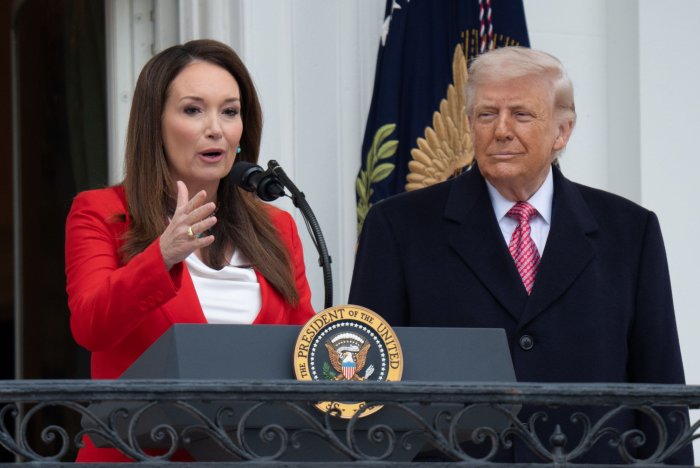
President Donald Trump stands with U.S. Secretary of Agriculture Brooke Rollins during an event celebrating farmers on the South Lawn of the White House on Friday. Photo by Aaron Schwartz/UPI | License Photo
March 29 (UPI) — Egypt is ordering stores and malls to close early, asking people to work from home and dimming street lights as energy costs have skyrocketed since since January.
The North African country put energy saving efforts into effect because the U.S. and Israeli war in Iran has sent the cost of importing oil and natural gas — which is how Africa gets the vast majority of its energy supplies — through the roof, The BBC and Anadolu Agency reported.
Many nations globally have seen the cost of fuel and natural gas increase, and several African and Asian nations have enacted efforts similar to Egypt, because Iran has blocked the Strait of Hormuz to attempt to get the two nations to end the airstrikes aimed at regime change there.
Roughly 20% of the world’s oil and natural gas supply moves through the Strait and choking it off has had a significant effect on Egypt.
Egypt imports liquefied natural gas from the United States and Qatar, among others, and recently signed a deal with Israel for gas that will be delivered via a pipeline, the Financial Times reported.
Although Egypt, with Pakistan and Turkey, are involved with talks to end the war, Egyptian Prime Minister Mostafa Madbouly said that because “there is no clarity about the duration of this war,” the energy reduction measures, which go into effect .
“These measures aim to mitigate the effects of energy import costs due to high global oil prices,” Madbouly said during a press conference.
Since January, Madbouly said that natural gas imports tripped from $560 million per month in January to $1.65 billion per month in March and that its petroleum bill more than doubled in the same time period from $1.2 billion per month to $2.5 billion per month.
Among the “exceptional measures” that will go into effect include stores, restaurants, cinemas and gathering places closing by 9:00 p.m. five nights per week; most employees being told to work from one or two days per week; street lighting and street advertisement lighting will be dimmed by 50% and government vehicles will see be required to use 30% less gas.
Despite talks starting to end the war, the price of Brent crude oil on Friday surpassed $111 per barrel as Iran continued to block most ships from passing through the Strait of Hormuz.
Although Iran allowed a handful of oil tankers through the Strait last week, which U.S. President Donald Trump called a show of good faith, global markets have been hit hard, even beyond energy, as a result of limited traffic transiting the passage.,
President Donald Trump stands with U.S. Secretary of Agriculture Brooke Rollins during an event celebrating farmers on the South Lawn of the White House on Friday. Photo by Aaron Schwartz/UPI | License Photo
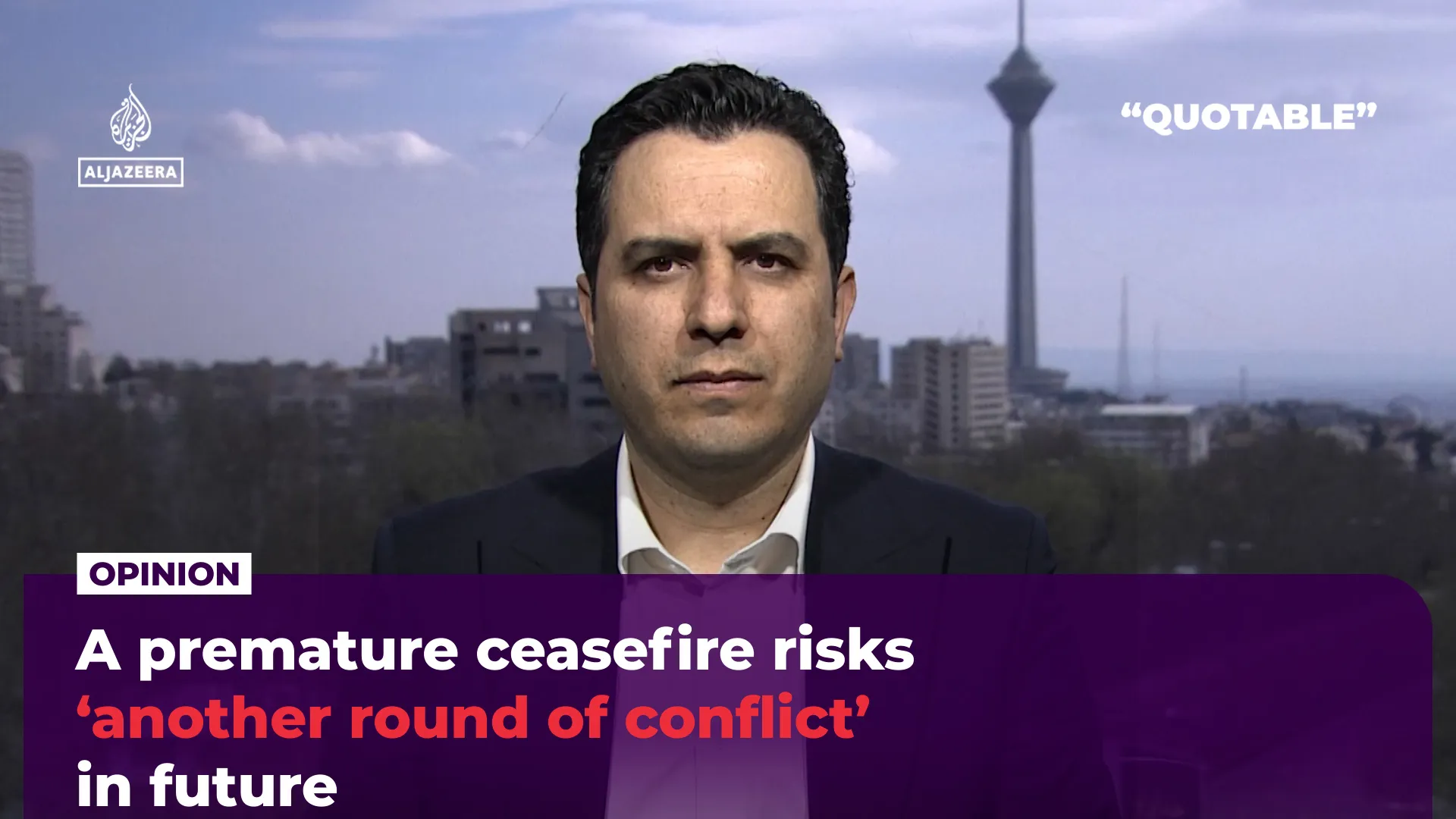
Abas Aslani, senior research fellow at the Center for Middle East Strategic Studies, says a premature ceasefire in the US-Israeli war on Iran could spark another round of fighting, pointing to a lack of trust in talks as the US ramps up troop deployments despite calls for de-escalation.
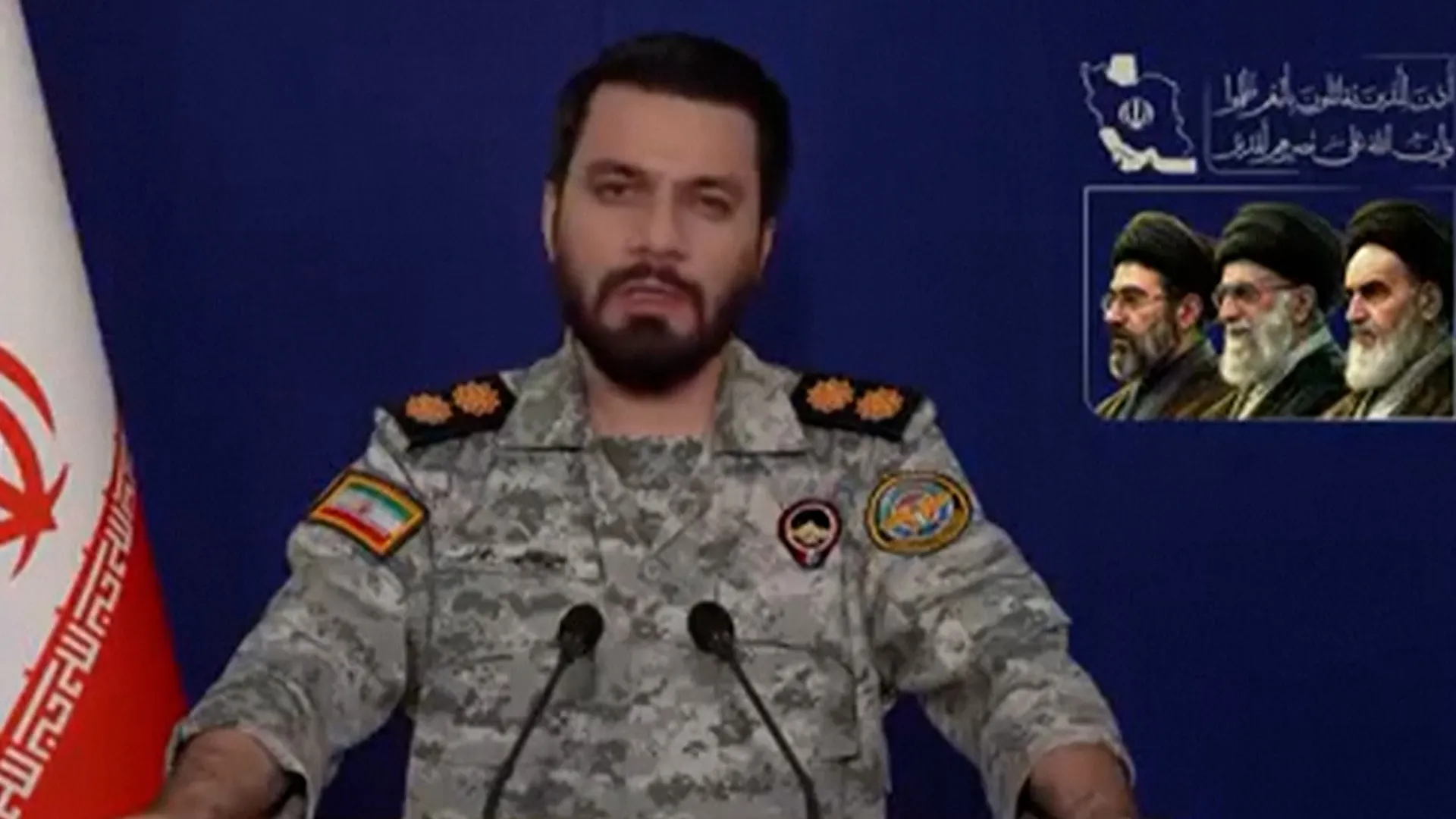
IRGC spokesperson Ebrahim Zolfaghari dismisses threats of US ground operations. He says the US president ‘only understands force’ as the Pentagon prepares plans that could involve thousands of troops on the ground in Iran, according to a report by The Washington Post.
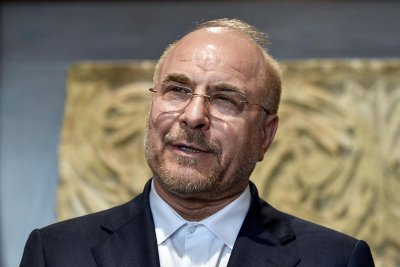
Speaker of the Parliament of Iran Mohammad Bagher Ghalibaf speaks during a news conference in Beirut, Lebanon, on October 12, 2024. File Photo by Wael Hamzeh/EPA
March 29 (UPI) — Iran’s parliament speaker, Mohammad Bagher Ghalibaf, issued a warning Saturday against a possible ground troop invasion as the U.S. military sends more troops to the region.
Ghalibaf made the comments in a message marking 30 days since the start of the war. The United States and Israel began strikes on Iran on Feb. 28 in their efforts to diminish the country’s nuclear weapons program.
Ghalibaf accused the United States of secretly planning a ground invasion of Iran. On Saturday, two U.S. ships arrived in the region carrying 3,500 U.S. service members as well as fighter jets, transport aircraft, amphibious assault vessels and other tactical assets. More troops were expected, U.S. Central Command said.
“The enemy publicly sends messages of negotiation while secretly planning a ground invasion — unaware that our men are waiting for American troops to enter on the ground, ready to unleash devastation upon them and punish their regional allies,” Ghalibaf said, as reported by CNN.
Last week, the Trump administration proposed a 15-point peace plan with Iran. President Donald Trump also ordered a 10-day halt on strikes against Iranian energy sites, though Israel carried out its own attacks on energy sites Friday.
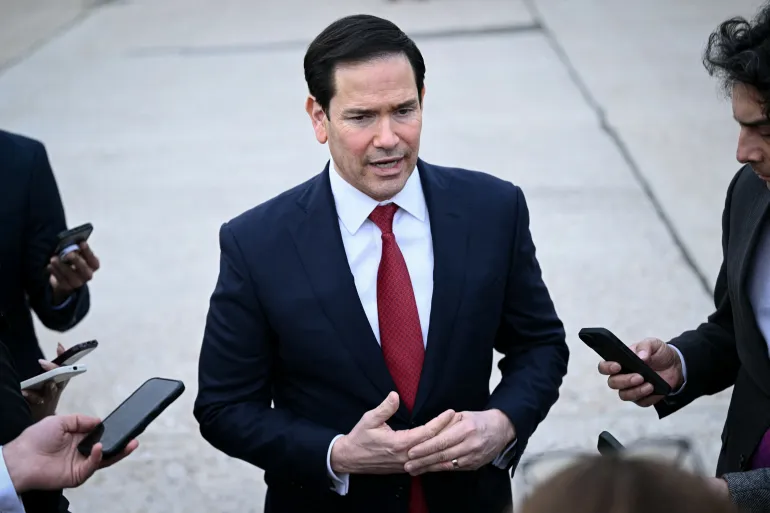
Secretary of State Marco Rubiosaid Friday that Iran had not responded to the peace proposal.
“The United States speaks of its aspirations, presenting what it failed to achieve in war as a 15-point list to pursue through diplomacy,” Ghalibaf said.
“As long as the Americans seek Iran’s surrender, the answer of your sons remains clear: ‘Far be it from us to accept humiliation.'”
Ghalibaf’s message came in the wake of a Saturday report by The Washington Post that the Defense Department has drawn up plans for a weeks-long ground operation in Iran. Officials told The Post the plan isn’t considered a full-scale ground invasion, but would involve Special Operations forces and infantry troops.
White House press secretary Karoline Leavitt issued a statement in response to the possibility of ground troops in Iran.
“It’s the job of the Pentagon to make preparations in order to give the commander in chief maximum optionality,” she said. “It does not mean the president has made a decision.”
Iran has launched attacks on Israeli and other U.S. allies in the Persian Gulf region, including one Sunday on a military camp in Kuwait, which killed 10 Kuwaiti service members. The army said it detected 14 ballistic missiles and 12 hostile drones in Kuwaiti airspace over the previous 24 hours. Since the start of the war, it has monitored more than 300 ballistic missiles, 2 cruise missiles and more than 600 hostile drones.
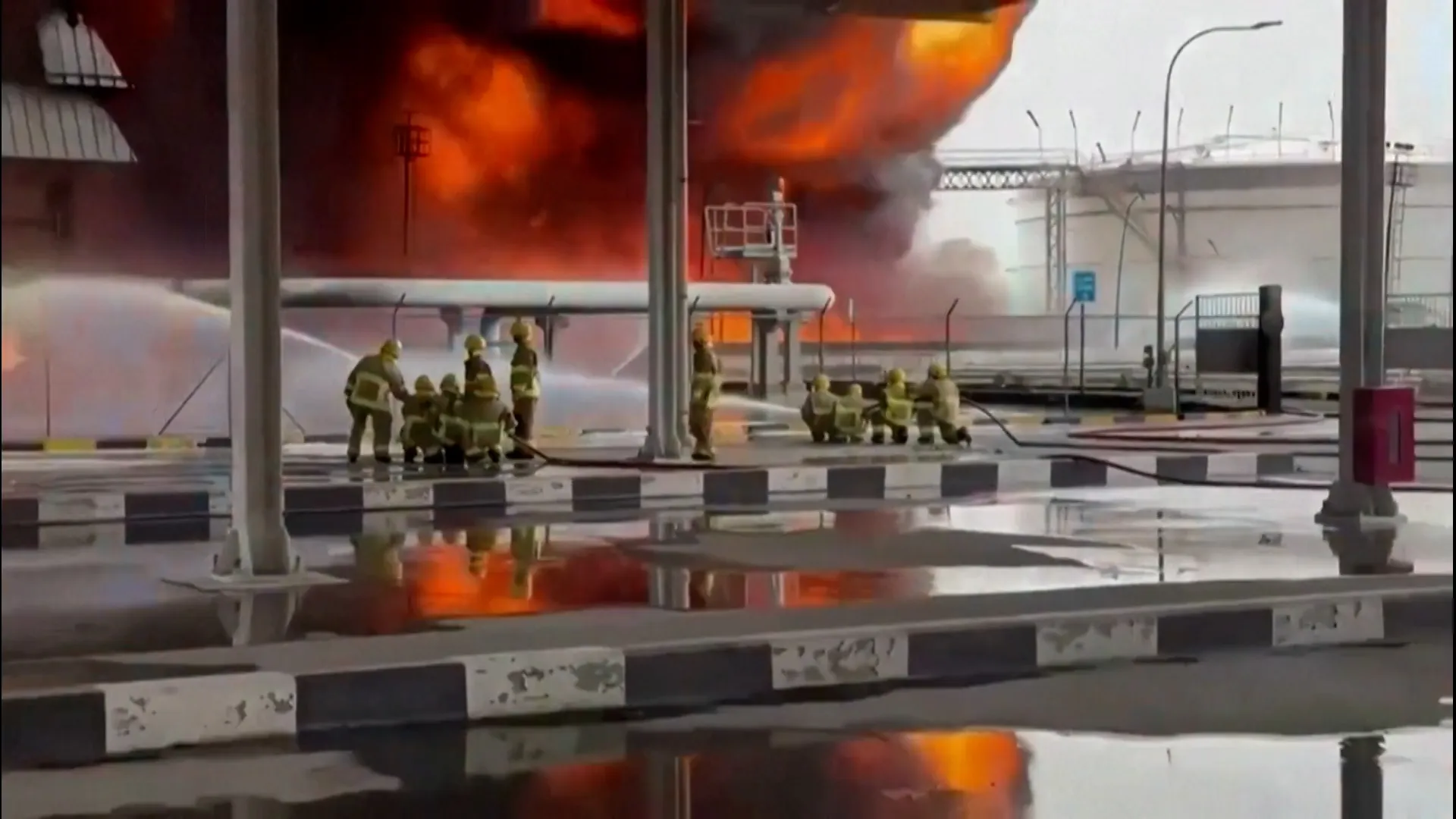
Meanwhile, Israeli officials said emergency officials were working on a large fire that broke out at a hazardous materials factory at the Neot Hovav industrial complex, The Guardian reported. The Israeli military blamed “a weapon fragment or interceptor fragment” for the damage and fire.
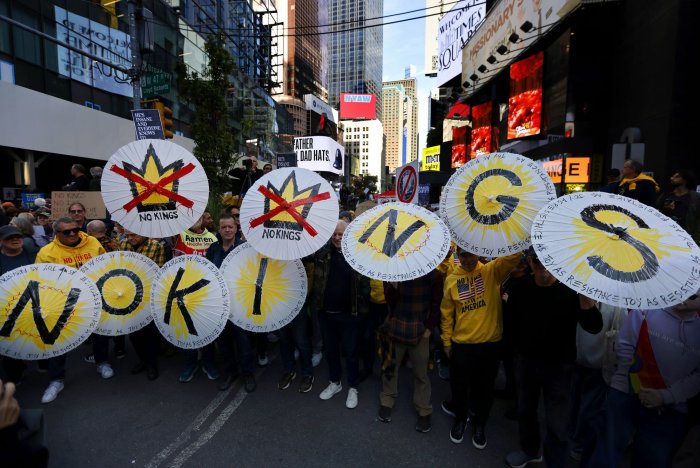
March 29 (UPI) — Participants in the thousands of No Kings demonstrations across the United States said they came out to protest President Donald Trump for his crackdown on immigration, his decision to go to war in Iran, and even his decisions to put his name on federal property and money.
The organizers behind the No Kings movement estimated that about 8 million people turned out for Saturday’s protests, which took place across at least 3,000 individual locations in every single congressional district in the country. The New York Times reported, though, that the estimate could be off because organizers’ figures in some cases were higher than those reported by local public safety officials.
The marquee event at the Minnesota State Capitol in St. Paul drew more than 200,000, people, organizers said. Among them were Sen. Bernie Sanders, I-Vt., singer Joan Baez, actor Jane Fonda and Gov. Tim Walz. Rocker Bruce Springsteen performed his original song, “Streets of Minneapolis, inspired by civilian deaths at the hands of federal immigration officials during an enforcement crackdown earlier this year.
The Minnesota Star Tribune reported that the St. Paul demonstration had a dual purpose — condemning the Trump administration while also celebrating the those in the state who stood against the federal immigration enforcement surge.
Speaking at the St. Paul event, Minnesota Attorney General Keith Ellison called on attendees to “look past Trump and into the society we dream about.”
“Every right we fought for and won is under attack right now,” he said. “In part, we got ourselves into this mess because of an election, and we’re going to get out of this mess with an election.”
At the University of Iowa, organizers Katy Gates told The Times many college-age attendees were inspired to protest in response to the war in Iran. Trump authorized attacks on Iran in conjunction with Israel beginning Feb. 28. Some have taken issue with the now-monthlong involvement in a war without congressional approval.
“Our generation has grown up with this idea of endless war in the Middle East,” she said. “And the idea of getting into yet another is something that people are rightfully angry about.”
Sen. Kirsten Gillibrand, D-N.Y., went beyond protesting Saturday, announcing a bill to ban sitting presidents from putting their names on federal property and currency.
“In America, we do not bow to kings,” she said. “Our president should be focused on bringing down grocery prices, making healthcare affordable and ensuring every family can get ahead, not using their position to boost their own personal brand.
“It is time that we institute this ban and make sure that our government serves the people, not one person’s ego.”
Inspired by the addition of Trump’s name to the John F. Kennedy Performing Arts Center in Washington, D.C., and his plans to add his own signature to currency, the legislation would also ban banners with the president’s face on the side of federal buildings, naming a class of warships after a sitting president and putting their image on commemorative coins.
Thick, black smoke rose from Kuwait International Airport Saturday after suspected Iranian drone strikes damaged radar systems and fuel storage facilities, state media said. No fatalities were reported. The airport has been repeatedly targeted since the US-Israeli war on Iran erupted.
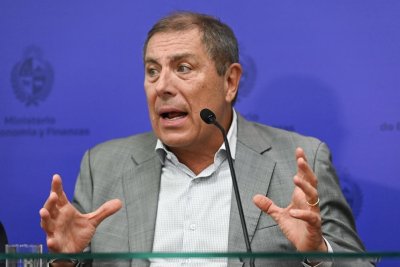
Uruguay’s Minister of Economy and Finance Gabriel Oddone said the pressure by the United States to break trade ties with China is applied daily and channeled through different areas of the bilateral relationship. File Photo by Federico Gutierrez/EPA
March 27 (UPI) — Uruguayan Minister of Economy and Finance Gabriel Oddone said the United States is exerting “unimaginable” and “unsustainable” pressure on his South American country to break its trade relationship with China, according to remarks made at a private meeting.
The comments during a session with business leaders were reported by the local weekly Búsqueda.
With about 3.5 million inhabitants and a territory comparable to the state of Florida, Uruguay has had China as its main trading partner for more than 14 years, accounting for about 26% of its exports.
Oddone said the pressure is applied daily and channeled through different areas of the bilateral relationship.
According to attendees at the meeting with the Confederation of Business Chambers, the minister said that if Uruguay does not comply with Washington’s demands, its trade relationship with the administration of President Donald Trump “will not improve and could get worse.”
The remarks came Tuesday during a meeting at the Technological Laboratory of Uruguay, attended by more than 20 business representatives, along with the director of the Office of Planning and Budget, Rodrigo Arim.
The meeting lasted more than two hours and addressed economic and trade issues in a context described as “very complex.”
China is the main destination for key exports, such as beef, soybeans and cellulose. The pressure from the United States comes amid growing geopolitical rivalry between Washington and Beijing, which is affecting countries with trade ties to both powers.
According to attendees cited by Búsqueda, Oddone acknowledged that the government has “little room for maneuver” due to the fiscal situation inherited from the previous administration and internal differences within the ruling coalition over advancing economic reforms.
On the domestic front, the minister defended the country’s economic performance despite lower-than-expected growth.
Uruguay’s gross domestic product grew 1.8% in 2025, below the official projection of 2.6%, while analysts have already cut expectations for 2026 to around 1.6%.
Facing criticism from the private sector over the size and slow pace of the state, Oddone urged business leaders to also consider positive aspects.
“We should not only see the glass as half-empty,” he said, noting that the economy continues to grow despite an adverse international environment in which Uruguay is “swimming in dulce de leche,” a colloquial phrase interpreted as meaning it is difficult to move quickly.
The minister also ruled out improving competitiveness through a depreciation of the exchange rate.
“Uruguay is not going to become a cheap country,” he said, adding that improvements will come from microeconomic changes to reduce costs and streamline foreign trade.
Asked by Búsqueda, the minister declined to comment publicly on the meeting, as it was a private event. Some participants described it as useful, but with “mixed” feelings, while others said they valued explanations from the economic team.
At the close, Oddone adopted an optimistic tone.
“Believe me, we will do well,” he said, highlighting the country’s institutional and economic strengths to face an international scenario marked by trade tensions and regional slowdown.
For the second year in a row, United States Vice President JD Vance has topped the straw poll at the 2026 Conservative Political Action Conference (CPAC), one of the biggest right-wing gatherings in the country.
The poll is a bellwether – albeit, not necessarily an accurate one – for who might ultimately become the Republican nominee for the next presidential race.
Recommended Stories
list of 3 itemsend of list
During this year’s four-day conference, attendees were asked which candidate they would prefer at the top of the Republican Party ticket for the 2028 election.
The results were revealed on stage Saturday. Vance had swept up 53 percent of the votes cast by nearly 1,600 attendees.
But rising up the ranks was another senior official under US President Donald Trump: his top diplomat, Secretary of State Marco Rubio. A former senator from Florida, Rubio notched 35 percent of the vote.
It was a markedly improved standing for Rubio, who tied for fourth place at last year’s CPAC straw poll.
That poll, taken within weeks of Trump starting his second term, showed Vance with 61 percent support, former Trump adviser Steve Bannon with 12 percent, and Florida Governor Ron DeSantis with 7 percent. Rubio and Representative Elise Stefanik both earned 3 percent.
US Secretary of State Marco Rubio speaks to the press following a G7 Foreign Ministers’ meeting on March 27, 2026 [AFP]
Attendance at CPAC, an annual conference, tends to skew away from the political centre and farther to the right.
Speakers at this year’s conference included Senator Ted Cruz of Texas, Iranian opposition leader Reza Pahlavi, and Eduardo and Flavio Bolsonaro, the sons of Brazil’s former far-right president Jair Bolsonaro, who was imprisoned last September for attempting to subvert his country’s democracy.
But this year’s straw poll comes at a critical time for the Republican Party.
Less than eight months remain until November’s midterm elections in the US, and Republicans are hoping to defend their congressional majorities at the ballot box.
Trump, long the standard-bearer for his party, has seen his approval numbers sink since his return to office in 2025. Earlier this week, a survey from the news agency Reuters and the research firm Ipsos found that only 36 percent of US citizens approved of his job performance, a new low.
The ongoing war in Iran and economic frustrations, including rising gas prices linked to the conflict, are among the factors contributing to the slump.
While Trump has teased he may seek a third term, US law prevents modern presidents from serving more than two. His second presidency is set to expire in 2028.
That leaves an open question as to who may succeed the 79-year-old Republican.
Vance, a veteran and former single-term senator from Ohio, is seen to represent a more isolationist branch of Trump’s “Make America Great Again” (MAGA) base. He has generally been opposed to US involvement in foreign conflicts, though he has defended Trump’s decision to join Israel in joint strikes on Iran.
Rubio, meanwhile, has a longer political resume than Vance and is seen to be more hawkish towards regime change, particularly in his family’s ancestral home of Cuba. He served as a senator for Florida from 2011 until his unanimous confirmation as secretary of state in 2025.
Both men had been critical of Trump before joining his administration. Vance once called Trump “unfit” for office, and Rubio derided Trump as a “con artist” and an “embarrassment” when he was a rival candidate for the 2016 Republican presidential nomination.
Senator Ted Cruz speaks at the Conservative Political Action Conference on March 28 [Gabriela Passos/AP Photo]
CPAC tends not to survey participants about who should be president when a Republican is already in the Oval Office.
But the straw polls it held before and after Trump’s first term, from 2017 to 2021, have shown a noticeable realignment in the Republican Party.
In the decade leading up to the 2016 election – Trump’s first successful campaign for office – moderate Republican Mitt Romney and libertarian Rand Paul consistently topped the CPAC straw polls.
Ever since his first term, however, Trump has trounced the competition.
Despite his 2020 election defeat, he still topped the straw poll in 2021, with 55 percent support, and his numbers climbed each successive year, through to his re-election in 2024.
Experts have noted that the Republican Party has largely consolidated around Trump’s politics, with the few remaining moderate and critical voices increasingly marginalised.
The CPAC straw poll, however, is not always accurate. Ahead of Trump’s victory in 2016, the majority of straw poll participants backed Senator Cruz of Texas to be the next president. Trump came in third place with 15 percent support, trailing Rubio at 30 percent.
Thousands of protesters against the Trump administration policies rallied as part of the nationwide No Kings protest in front of City Hall in downtown Orlando, Fla., on October 18. No Kings organizers expect even more people to turn out for protests Saturday. File Photo by Chris Chew/UPI | License Photo
March 28 (UPI) — Thousands of cities across the United States — and internationally — were set to hold a series of so-called No Kings events Saturday to protest the President Donald Trump‘s policies.
The organization, which formed in response to the Trump presidency, said it expects Saturday to “be the biggest protest in U.S. history.” There are more than 3,000 demonstrations planned, including some in Canada, Mexico, Iceland, Kenya and Ecuador.
Saturday marks the third No Kings protest held since the start of Trump’s second term. More than 5 million people took part in the first protest on June 14, Trump’s birthday, and the second in October drew about 7 million people, The Hill reported.
Among the Trump actions the No Kings organization opposes are the increased immigration actions, what it describes as threats to “overtake elections,” and gutting the Affordable Care Act, environmental protections and education resources.
The group has also recently opposed Trump’s actions in Iran, launching attacks on the Gulf nation without congressional approval, a consequence of which has been skyrocketing oil prices, The Guardian reported.
“Find your local No Kings event to make it clear that America rejects the regime’s brutality at home and abroad,” the organization said on its website.
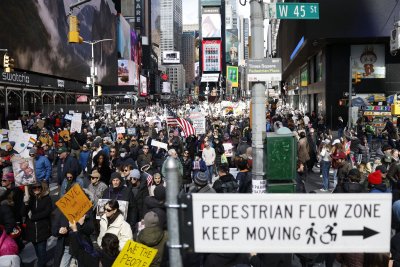
Protesters gather in Times Square for the “No Kings” demonstration and march down Seventh Avenue in New York City on October 18th, 2025. Photo by Peter Foley/UPI | License Photo
Demonstrators are hitting the streets of cities across the United States for the first “No Kings” protest since the joint US and Israeli war against Iran began one month ago.
Saturday’s marches and rallies mark the third round of nationwide “No Kings” protests since President Donald Trump took office for a second term.
According to the “No Kings” website, more than 3,300 events are planned across all 50 states, with large crowds expected in cities such as New York, Los Angeles and Washington, DC. Parallel events are happening internationally in cities such as Rome, Paris, and Berlin.
Organisers, however, are aiming to rally voters outside of the US’s major metropolises, in areas that tend to skew conservative. They say that roughly two-thirds of participants are expected to take part in events outside of major city centres.
“The defining story of this Saturday’s mobilisation is not just how many people are protesting, but where they are protesting,” said Leah Greenberg, cofounder of the progressive nonprofit Indivisible, which started the “No Kings” movement last year.
The main event, however, is set to take place in the Minneapolis-St Paul area of Minnesota, known as the Twin Cities.
The midwestern state became a focal point for Trump’s hardline immigration crackdown in December, when he launched Operation Metro Surge.
That operation saw more than 3,000 of federal immigration agents descend on the Twin Cities, where they were accused of using excessive force to conduct deportation raids.
In January, agents shot and killed two US citizens, Alex Pretti and Renee Nicole Good, prompting nationwide outrage and calls for reform. Dozens of lawsuits have been filed as a result of the operation, which was wound down in February.
Saturday’s protest will commemorate those deaths in Minnesota, with speeches, concerts and appearances from activists, labour leaders and politicians.
Progressive Senator Bernie Sanders is expected to address attendees, and rock icon Bruce Springsteen will perform at the event, along with folk singer Joan Baez.
Already, early on Saturday, marchers in Washington, DC, gathered around landmarks such as the Lincoln Memorial and the Washington Monument, holding signs and waving papier-mache effigies of the Trump administration.
The previous two “No Kings” marches took place in June and October and drew millions of people. Trump responded to the October protest by posting an AI-generated video depicting himself dumping faeces on the protesters.
The US is currently in the midst of campaigns for its pivotal midterm elections in November, which will see Trump’s Republican Party seek to defend its majorities in both chambers of Congress.
US President Donald Trump said Iran is ‘being decimated’ and signaled that talks are underway, claiming Tehran is seeking a deal while praising the strength of the the US military.
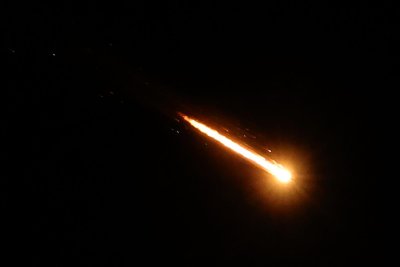
A projectile crosses the sky above the West Bank city of Nablus, on Friday. The Israeli military reported that it had detected missiles launched from Iran toward Israel, several of which struck central Israel. Photo by Alaa Badarneh/EPA
March 27 (UPI) — Iranian Foreign Minister Abbas Araghchi said Friday that his country “will exact [a] heavy price” for Israeli strikes on infrastructure Friday.
In a post on X, he said the strikes hit two of Iran’s largest steel factories, a power plant, civilian nuclear sites and other infrastructure.
“Israel claims it acted in coordination with the U.S.,” Araghchi wrote.
The airstrikes came less than a day after U.S. President Donald Trump extended a pause on U.S. attacks on Iran’s energy sites for 10 days. Trump said he extended the deadline because negotiations between the United States and Iran had been going “well,” and Iran had permitted several oil tankers to transit the Strait of Hormuz.
The “attack contradicts POTUS extended deadline for diplomacy,” Araghchi wrote.
“Iran will exact HEAVY price for Israeli crimes.”
The Guardian reported that the airstrikes hit the Khondab heavy-water plant near Arak and a uranium production facility in Ardakan. They also hit steel plants in Khuzestan and Mobarakeh.
Iran’s state-run Tasnim news agency said Tehran was considering launching attacks on six steel factories in Israel in retaliation for Friday’s attack.
The Israeli military said Friday it had intercepted missiles launched by Iran, NBC News reported.
“A short while ago, the [Israel Defense Forces] identified missiles launched from Iran toward the territory of the State of Israel,” the military said in a statement. “Defensive systems are operating to intercept the treat.”
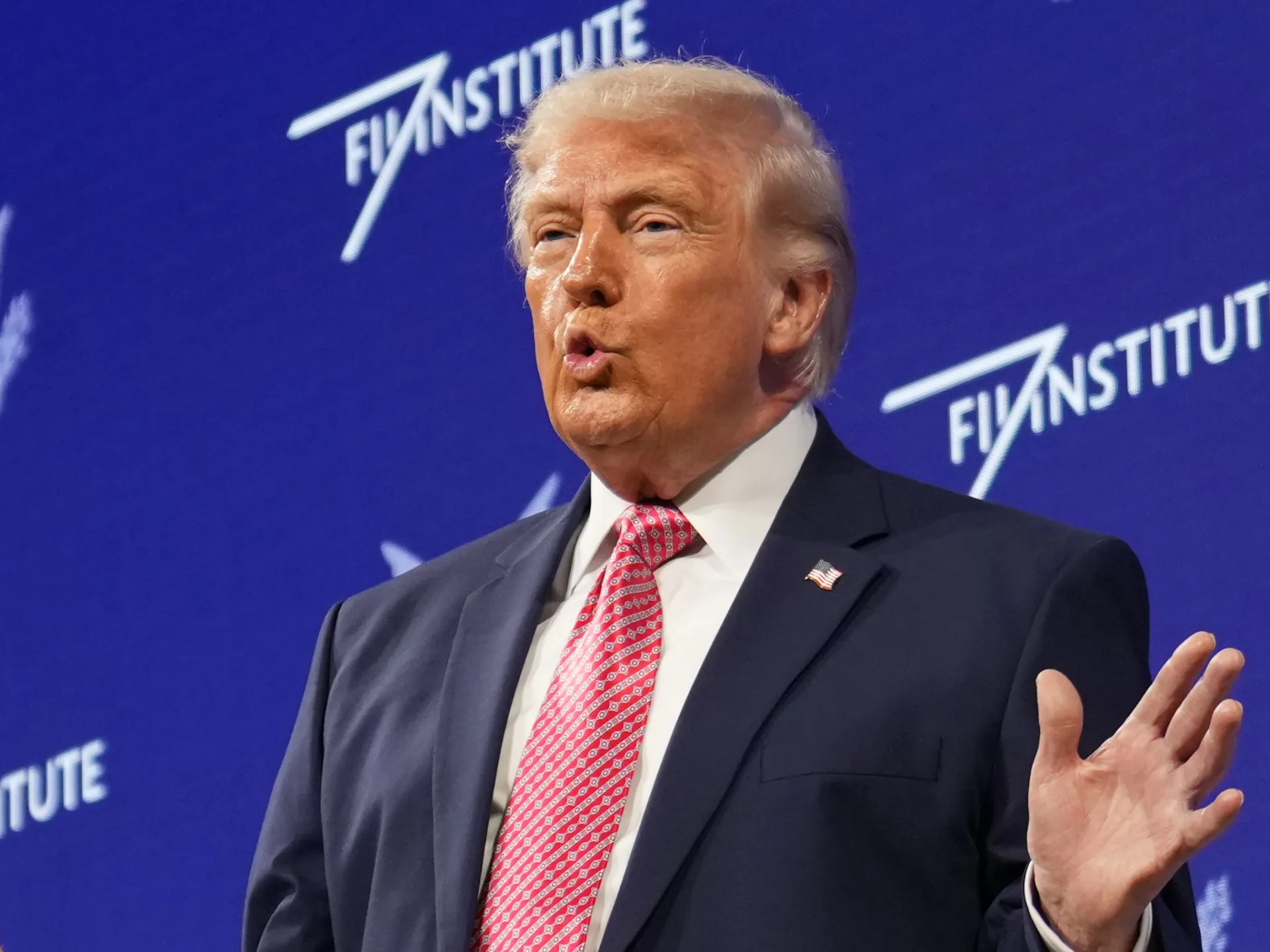
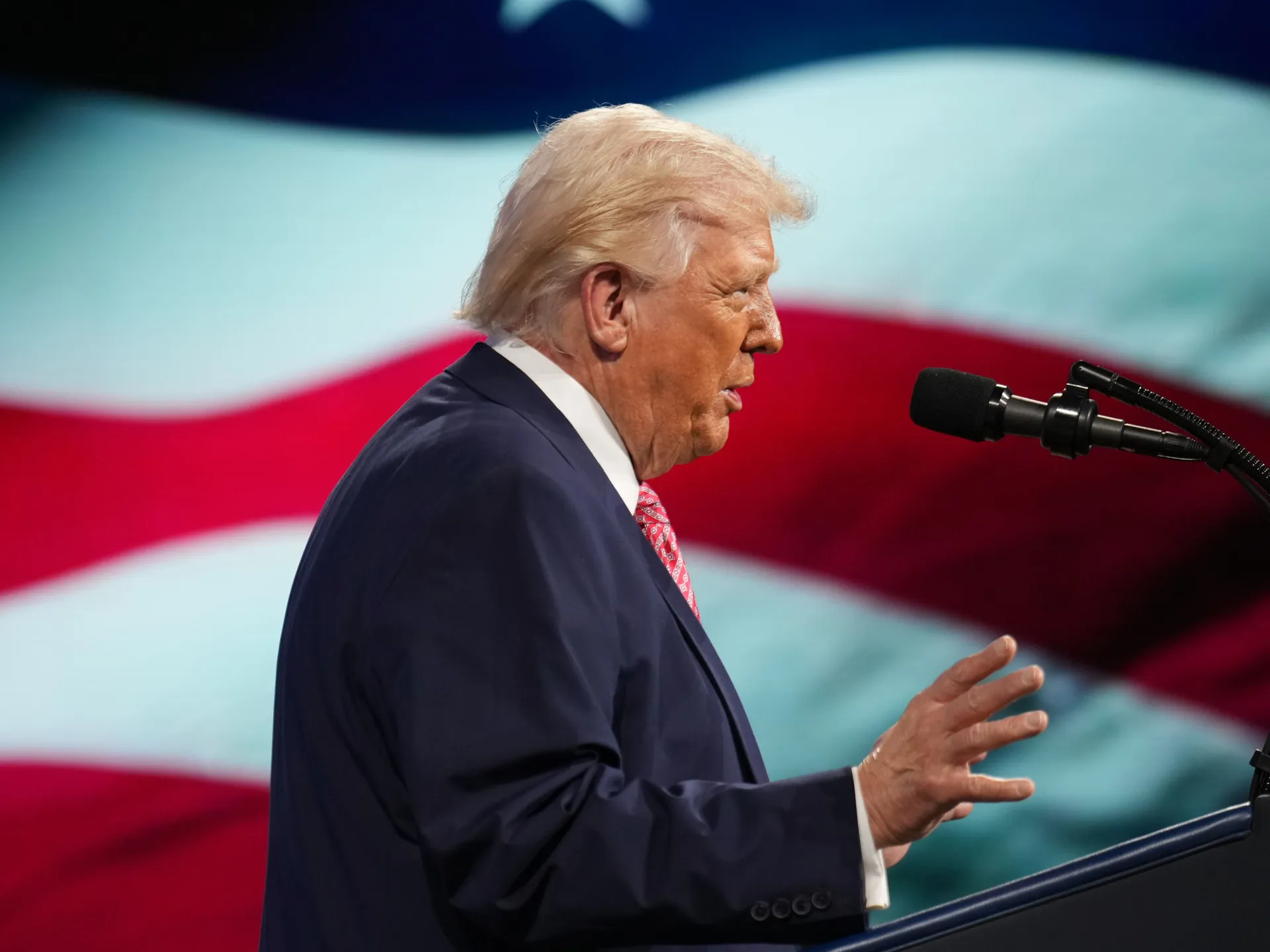
Speaking Friday evening at the Future Investment Initiative in Miami, Trump said Iran is “on the run,” one month after the United States and Israel jointly began attacking the country. The violence came amid negotiations in which the United States sought to limit Iran’s nuclear program.
“Tonight, we’re closer than ever to the rise of the Middle East that is finally free at least from Iranian terror, aggression and nuclear blackmail,” Trump said.
Iran is “being decimated,” he added.
“We are talking now, they want to make a deal.”
The United States offered a proposed 15-point peace plan to Iran this week, but Araghchi said Iranian officials had no plans to negotiate it “for now.”
“This is Israel’s war, and people of the region and people of the U.S. are paying the price for it,” he said.
Iran’s Red Crescent Society reported Friday that more than 70,000 residential units, 600 schools and 300 health facilities had been damaged since the start of the war.
A pair of U.S. Air Force F-16Cs from the 457th Expeditionary Fighter Squadron sit prior to take-off from Prince Sultan Air Base in Saudi Arabia, June 13, 2023. On Friday, an Iranian missile and drone attack at the base injured 10 U.S. service members. File Photo by Tech. Sgt. Alexander Frank/U.S. Air Force
March 27 (UPI) — An Iranian attack on an air base in Saudi Arabia on Friday injured 10 U.S. service members — two seriously — unnamed officials familiar with the incident told media outlets.
The attack took place at the Saudi military’s Prince Sultan Air Base in Al Kharj, striking a building where the U.S. service members were, U.S. officials told The Wall Street Journal. NBC News and CBS News also confirmed the attack, citing unnamed sources.
Iran used missiles and drones to carry out the attack, which also damaged multiple refueling vehicles.
Since the start of the war in Iran a month ago, more than 300 Americans have been injured and 13 killed.
The United States and Israel began attacks on Iran beginning Feb. 28 amid stalling talks regarding Iran’s nuclear program. On Thursday, President Donald Trump said the United States would forgo attacks on Iran’s energy sites for 10 days to give time for further negotiations to end the war.
Iran on Friday blamed Israeli for contradicting Trump’s 10-day delay by launching attacks on infrastructure sites, including an energy plant.
The U.S. Air Force’s 378th Air Expeditionary Wing has been based at Prince Sultan base since 2019.
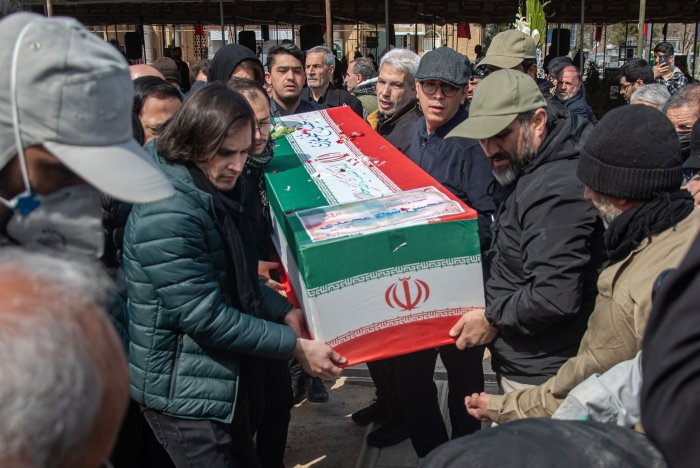
Iranians attend a funeral for a person killed in recent U.S.-Israel airstrikes at Behesht-e Zahra cemetery on the southern outskirts of Tehran in Iran on March 9, 2026. Photo by Hossein Esmaeili/UPI | License Photo
Donald Trump touted the US-Israel war on Iran as “bold” and “historic,” telling a Saudi investment conference that the Middle East will soon be free from Iranian “nuclear blackmail.”