deal

Travis Kelce becomes a franchise owner. Could Taylor Swift be next?

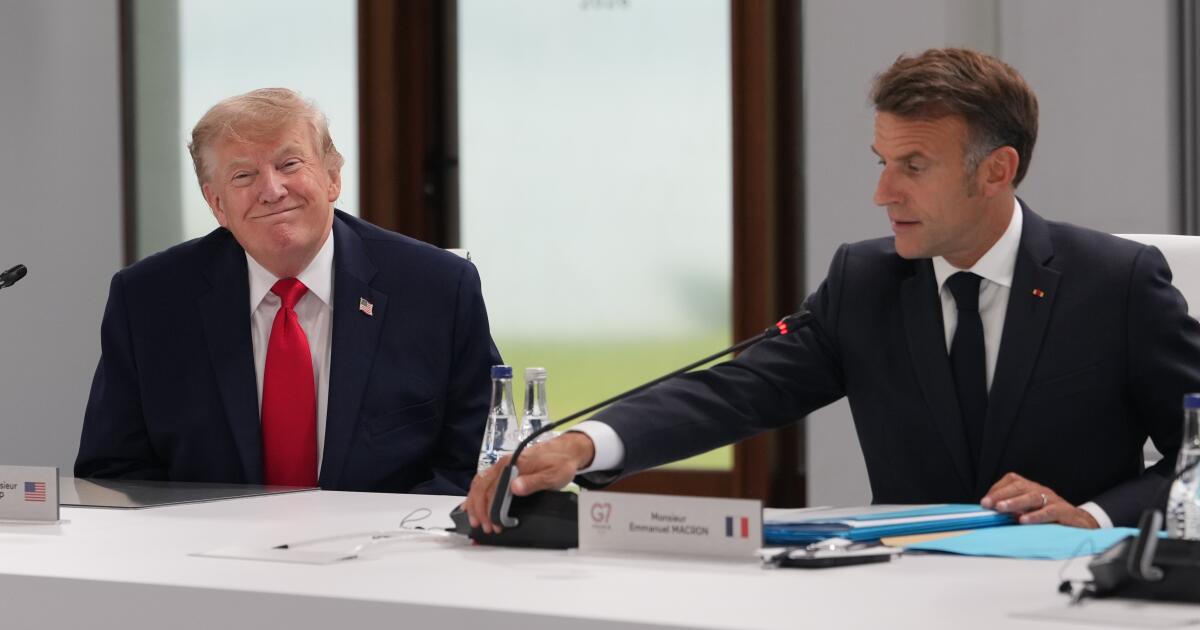
Travis Kelce has become the latest athlete to buy into a professional sports team, purchasing a minority stake in the Cleveland Guardians, the MLB franchise he rooted for growing up in Cleveland Heights, a vibrant suburb 15 minutes from downtown.

Ballplayers buying into professional sports franchises has become almost routine. And why not? They are wealthy, love sports and often want an ownership stake of a team in a city full of fans who love them back.

Kelce is the latest to do so. The only question is, what took him so long?

“I have so much love for this city,” Kelce told ESPN. “I say it all the time: I’m just a kid from the Heights living the dream. I credit every good thing in my life to Cleveland and being raised here with the values and the people and the work ethic.

“Cleveland Heights is such a diverse and dynamic place. Every friend, neighbor, teacher and teammate — they all made me the man I am today.”

And that man is very wealthy. The Kansas City Chiefs tight end and burgeoning business titan has earned $111 million playing in the NFL. He and his brother Jason have a $100-million deal with Amazon Wondery for their popular New Heights podcast.

Kelce, 36, also makes an estimated $35 million a year from endorsement deals with Nike, Pfizer, State Farm and other major brands.

Oh, and let’s not forget that his fiancee, Taylor Swift, is the wealthiest female musician in the world with an estimated net worth of $1.6 billion.

Although Swift has never publicly mentioned owning a sports franchise, NFL Commissioner Roger Goodell did comment on the possibility at a Super Bowl news conference two years ago.

Tom Brady had been approved as part owner of the Raiders, boosting season-ticket sales, leading to this question posed to Goodell.

“With that, has anyone approached Taylor Swift about being a minority partner in the Chiefs?”

Goodell grinned and replied, “I really don’t know the answer to that one. If she’s interested, she has the ability to do it, let’s put it that way.”

The list of athletes who own a piece of sports franchises is long. Begin with Magic Johnson and Billie Jean King, part of the group that owns the Dodgers and Sparks. Kelce’s Chiefs passing partner Patrick Mahomes has been a minority owner of the Kansas City Royals since 2020.

Tennis superstar sisters Venus and Serena Williams became the first black women to hold a stake in an NFL team when they became minority owners of the Miami Dolphins in 2009.

Giannis Antetokounmpo expressed his love for Milwaukee by purchasing a stake in the Brewers baseball team. The Lakers are rumored to possibly trade for the Milwaukee Bucks superstar this offseason. Would that make Antetokounmpo a candidate to take the Angels off the hands of Arte Moreno, who at games has been blistered by a large group of shirtless fans chanting “sell the team?”

Because he is an investor in the Fenway Sports Group, Lakers star LeBron James owns a piece of the Boston Red Sox, Liverpool FC, the Pittsburgh Penguins and RFK Racing. The 41-year-old veteran of 23 NBA seasons makes no secret that he someday wants to own an NBA team.

“I got so much to give to the game. I know what it takes to win at this level. I know talent,” James said in 2021. “I also know how to run a business as well. And so, that is my goal. My goal is to own an NBA franchise.”

James is the first active NBA player to achieve billionaire status, and his estimated net worth of $1.3 billion to $1.5 billion puts him in Swift territory. He might not need to preface his ownership stake with the word minority.

Kelce, meanwhile, is happy for now to own just a piece of the Guardians, whose value has risen from $1 billion four years ago to $1.7 billion today.
“I’ve been lucky enough to have a front-row seat to good ownership in my career, and I know the best teams prioritize culture,” Kelce said. “Everyone is there to play their role, and right now, I’m here to observe and learn and really to support the team and the city when and where I can.”

Source link

Markets rally amid hopes of US-Iran deal | US-Israel war on Iran News

Markets betting a deal will reopen the Strait of Hormuz and soothe the deep global economic uncertainty cast by the closure of the vital oil & gas route.

The United States stock market has been hovering near record highs and oil prices have plunged amid new hope that a ceasefire deal between the US and Iran is close.

The rally came on Wednesday as negotiations continued between Washington and Tehran, with markets betting that a deal would reopen the vital Strait of Hormuz, easing oil and gas supply concerns and soothing the deep uncertainty afflicting the global economy.

Recommended Stories

list of 3 itemsend of list

Oil prices declined sharply after Iran’s state broadcaster said it had obtained a preliminary document outlining a framework for a potential deal.

The price of US crude fell 5.5 percent to settle at $88.68, while Brent crude, the international oil benchmark, decreased to $92 after prices traded above $100 last week.

The report suggested that Iran would allow traffic through the strait at pre-war levels within 30 days. It added that the US would lift its naval blockade on Iranian ports.

Prices remained subdued even after the White House dismissed the report as a “complete fabrication”.

The S&P 500 rose 0.1 percent and added to its all-time high set the day before. The Dow Jones Industrial Average was up 243 points, or 0.5 percent, with an hour remaining in trading, and the Nasdaq composite was 0.1 percent higher.

Wednesday is far from the first time markets have rallied amid reports of a possible end to the war, only to slump once more as negotiations fail to deliver a resolution.

However, the strength of the current surge reflects statements over the past week that suggest the two parties may be closer than ever to reaching a deal.

President Donald Trump said during a cabinet meeting on Wednesday that US officials were not yet satisfied with the agreement, “but we will be”.

“I think they’re starting to give us the things that they have to give us,” he said. “And if they do, that’s great, and if they won’t, then the man on my left will have to finish them off,” he said, pointing at Defense Secretary Pete Hegseth.

Sticking points

It remains unclear whether the two parties have come to an understanding on the major sticking points, including the fate of about 440 kilogrammes (970lbs) of highly enriched uranium; Iran’s nuclear infrastructure, which the US has long insisted it wants to see dismantled in its entirety; Tehran’s ballistic missiles and its support for armed groups in the region.

It is also not clear whether a halt in hostilities in Lebanon would be part of a deal. Iranian officials have repeatedly said that any agreement would have to include that. However, Prime Minister Benjamin Netanyahu this week ordered the Israeli military to step up its attacks against Hezbollah.

There are also questions on whether Washington would agree to lift its sanctions against Iran and release millions in frozen assets.

Source link

Michael O’Neill: Northern Ireland manager signs new four-year deal

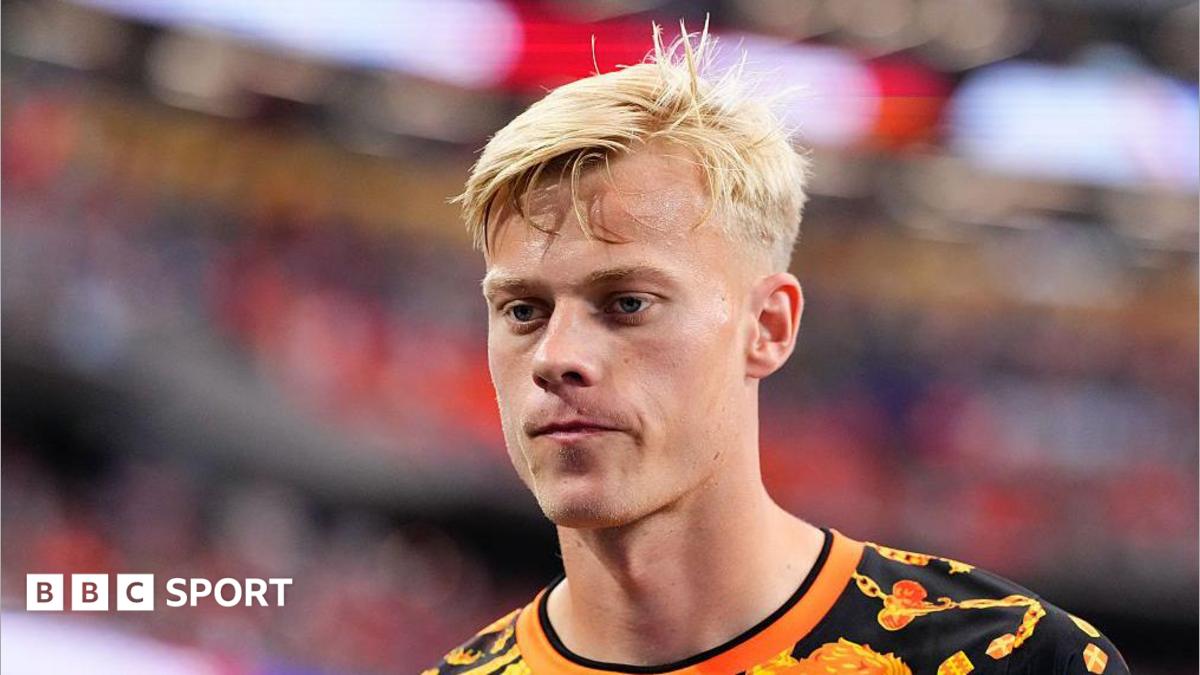
Michael O’Neill says he is “100% committed” to Northern Ireland after he signed a new four-year contract with the Irish FA, but he has not ruled out another dual role in the future.

O’Neill had been appointed interim Blackburn Rovers boss in February and had been balancing this role with his position at Northern Ireland, who lost to Italy in the World Cup play-offs in March.

However, it was announced earlier in the month that he would not be taking on the Blackburn job on a permanent basis.

On Wednesday, the IFA confirmed that O’Neill had extended his current contract by four years until 2032.

When asked if he would consider taking on a short-term dual role again in the future, O’Neill did not rule it out as he said: “That’s not a question I need to answer at this minute”, adding it was “hypothetical”.

O’Neill said that he did not “have any regrets” about taking on the role with Blackburn, but admitted he “probably could have done with a little less drama”.

“I said all along, I didn’t think it would affect our preparation for the Italy game, which it didn’t,” O’Neill said.

“I managed to keep Blackburn up, which was the remit of the job.

“I probably think that maybe I underestimated the reaction to it a little bit, but ultimately that’s a learning experience for me as well.”

Source link

EU countries back EU-US deal, paving the way for its final adoption

Published on Updated

One week after EU diplomats and lawmakers agreed to eliminate EU duties on most US industrial goods under the EU-US trade agreement, EU ambassadors on Wednesday greenlit a deal with the European Parliament, paving the way for the full agreement’s formal adoption by the EU Council.


ADVERTISEMENT


ADVERTISEMENT

The procedural step comes as the US pressures Europeans to implement the EU-US deal clinched last summer by US President Donald Trump and European Commission President Ursula von der Leyen after weeks of renewed trade tensions.

Trump has threatened to impose 25 percent tariffs on EU cars if the deal is not enforced by the EU by 4 July.

On their side, MEPs still have to formally endorse the agreement reached on the EU side, with a tentative vote scheduled during the plenary session between 15 and 18 June.

“The agreement we reached with the European Parliament marks an important step in delivering on the EU’s commitments,” said a spokesperson for the Cypriot Presidency, which negotiated with MEPs on behalf of EU member states.

The spokesperson added that “robust safeguards” had been included in the agreement “to protect the interests of European businesses and economic operators”.

The deal, considered lopsided by many MEPs, states that the EU would face 15 percent US tariffs while eliminating its own duties on US goods.

However, after Trump repeatedly threatened to impose new tariffs in breach of the deal, EU lawmakers pushed member states to include conditions such as a “sunset” clause that would terminate the agreement on 31 December 2029 unless renewed.

Under the agreement reached last week, the Commission would also be able to suspend the trade deal at the request of either Parliament or a member state if the US fails to lift tariffs on European steel and aluminium products by the end of 2026.

Source link

Unionized workers of Samsung Electronics vote to accept wage deal

Samsung Electronics Co.’s unionized workers voted to approve a wage agreement, the union said Wednesday. This photo, taken Wednesday, shows Samsung headquarters in Suwon. Photo by Yonhap

Samsung Electronics Co.’s unionized workers voted to approve a wage agreement that includes a substantial bonus package for chip workers, the union said Wednesday, easing concerns over potential disruptions to the global supply chain.

In the six-day vote, 73.7 percent of the 62,616 members of the tech giant’s two largest unions approved the tentative deal. The agreement was finalized after a majority of eligible voters took part in the vote and a majority voted in favor of the proposal.

Later in the day, the two sides signed the wage agreement, with management pledging to strengthen the company’s global competitiveness.

“Starting with the conclusion of this wage agreement, labor and management will work together as one to strengthen our global competitiveness,” Yeo Myeong-gu, head of the company’s Device Solutions division’s People Team, said in a press release.

The labor union and management reached the agreement just an hour before an 18-day strike was set to begin at the world’s top memory chipmaker last Thursday.

Labor and management had been deadlocked since late last year over performance-based bonuses tied to earnings from the company’s artificial intelligence (AI)-related semiconductor business amid the ongoing global memory chip boom.

Under the deal, Samsung will allocate a special semiconductor performance bonus equivalent to 10.5 percent of business performance earnings, without a cap.

The special bonuses will be paid in company stock over at least 10 years, based on targets for the chip division to achieve more than 200 trillion won (US$132 billion) in annual operating profit from 2026 to 2028 and 100 trillion won from 2029 to 2035.

Of the total bonus pool, 40 percent will be allocated to the division as a whole, while 60 percent will be distributed to individual business units.

Based on forecasts that Samsung’s operating profit could reach 300 trillion won this year, the agreement could translate into bonus payouts of up to 600 million won for each of the 28,000 employees in the company’s profitable chip division.

Following the signing, the company announced it will create a 5 trillion-won fund over the next five years to invest in future talent development and build an ecosystem supporting its suppliers and underprivileged groups.

“Over the next five years, we will raise a total of 5 trillion won to invest in win-win cooperation and building a healthy ecosystem, as well as nurturing future talent,” according to the statement attributed by company executives.

The move is widely seen as an effort to counter criticism that the company has been distributing massive profits from the semiconductor supercycle as excessive employee bonuses.

Copyright (c) Yonhap News Agency prohibits its content from being redistributed or reprinted without consent, and forbids the content from being learned and used by artificial intelligence systems.

Source link

European Shares Slip as US Strikes on Iran Dampen Peace Deal Hopes and Push Oil Higher

European shares edged lower on Tuesday as hopes for an imminent de-escalation in the Middle East conflict faded following fresh U.S. strikes on Iran, triggering renewed geopolitical uncertainty across global financial markets.

The pan-European STOXX Europe 600 Index slipped 0.2% to 630.33 points by 0833 GMT, retreating from gains that had recently pushed it close to record levels.

On Monday, the index had closed at its highest level since late February, briefly coming within 1% of an all-time high on optimism that diplomatic progress could soon ease tensions in the region.

That momentum quickly reversed after renewed military action and comments from U.S. Secretary of State Marco Rubio, who said negotiations with Iran could take “a few days,” tempering expectations of a near-term resolution.

Oil Prices Jump as Hormuz Risks Return to Focus

Global energy markets reacted sharply to the escalation, with Brent crude rising more than 3%, reigniting inflation concerns across energy-importing economies, particularly in the euro zone.

The market remains highly sensitive to risks surrounding the Strait of Hormuz, a critical global shipping route through which a significant share of the world’s oil flows.

Analysts warned that any sustained disruption in the region could deepen inflationary pressures just as central banks weigh their next policy moves.

Airlines and Autos Under Pressure

Travel and transport-related stocks were among the biggest losers in Tuesday’s session.

Airlines including Lufthansa and Ryanair fell 1.4% and 0.7% respectively, reflecting investor concerns that higher fuel costs could squeeze margins.

Luxury and automotive stocks also came under pressure after Ferrari dropped sharply following the unveiling of its first fully electric vehicle.

The decline was compounded by a broader sell-off in the European autos sector, which fell 1.6% as investors reassessed competition risks from Chinese EV manufacturers and weakening global demand trends.

Market Sentiment Balances War Risk and Policy Signals

Despite renewed volatility, some investors noted that markets remain partially supported by expectations that diplomacy could still stabilize the situation.

One portfolio manager at Franklin Templeton said markets were reacting cautiously because investors believe a potential agreement could still restore stability in the Strait of Hormuz and normalize energy flows.

However, uncertainty around timing and scope continues to limit upside momentum in equities.

Inflation and Central Bank Policy Back in Focus

Attention is now shifting toward upcoming inflation data across major euro zone economies and the United States, which will help shape expectations for future monetary policy.

European Central Bank policymaker Yiannis Stournaras signaled that any persistent inflation overshoot would require a cautious shift toward tighter policy.

Market pricing currently suggests at least two further 25-basis-point interest rate moves before year-end, according to LSEG data.

Corporate Movers: Winners and Losers

While broader markets weakened, some stocks moved against the trend.

Kingfisher rose 2% after maintaining its full-year profit guidance, easing concerns about demand softness in the home improvement sector.

However, the overall tone remained risk-off as investors continued to weigh geopolitical escalation against macroeconomic uncertainty.

Analysis

The latest pullback in European equities reflects a familiar pattern: markets oscillating between hopes of geopolitical de-escalation and fears of renewed conflict risk in the Middle East.

The key transmission channel remains energy. With Europe heavily dependent on imported oil and gas, any disruption involving Iran or the Strait of Hormuz immediately feeds into inflation expectations, bond yields, and corporate earnings outlooks.

At the same time, equity markets had recently been pricing in a relatively optimistic scenario in which diplomatic talks would gradually stabilize the region. That positioning left stocks vulnerable to abrupt reversals when military developments resurfaced.

Sectoral divergence also highlights how uneven the impact of geopolitical shocks can be. Energy-sensitive sectors such as airlines and autos are under pressure, while defensive or domestically oriented companies remain relatively insulated.

The broader question for markets is whether this marks a temporary setback in diplomatic momentum or a deeper breakdown in expectations for a negotiated settlement. If tensions persist, volatility in oil markets is likely to remain the dominant driver of global equity sentiment in the near term.

With information from Reuters.

Source link

Armenia signs strategic partnership deal with US as election approaches | Politics News

PM Nikol Pashinyan, who deepened ties with US, faces challenge from pro-Russia parties in upcoming parliamentary polls.

Armenia has signed a strategic partnership agreement bolstering ties with the United States, as Prime Minister Nikol Pashinyan faces a challenge from pro-Russia parties in the country’s upcoming election in June.

US Secretary of State Marco Rubio and Armenian Foreign Minister Ararat Mirzoyan also signed a framework on critical minerals and cooperation on a transit corridor in the Armenian capital of Yerevan on Tuesday.

Recommended Stories

list of 3 itemsend of list

“This agreement marks the biggest step to date on making this historic route a reality, on advancing peace, and on increasing prosperity in Armenia and frankly in the region,” Rubio said at a signing ceremony at the Yerevan airport.

The 43-km (27-mile) corridor, dubbed the Trump Route for International Peace and Prosperity (TRIPP), would traverse southern Armenia and provide Azerbaijan with a direct route to the exclave of Nakhchivan and into Turkiye, a close ally of Baku.

Pashinyan has sought closer ties with the US and Europe, drawing the ire of longtime ally Russia. Moscow has said that it could raise the price of gas Armenia receives from Russia if it continues to pursue greater integration with Western countries.

Armenia had historically been a close security and economic partner of Russia, but Yerevan started to turn towards the West for alliances after the 2023 conflict in the Nagorno-Karabakh region of Azerbaijan.

Russia, which is fighting its own war in Ukraine, did not intervene militarily when Azerbaijan launched a major military offensive Nagorno-Karabakh, which had a large Armenian population and had been de facto independent since the 1990s.

Last year, the US and Armenia held joint military drills for the first time.

“I wish to reaffirm that the comprehensive strategic relations between our two nations are stronger than ever,” Mirzoyan said of relations with the US on Tuesday.

The administration of US President Donald Trump, for its part, has cast its relationship with Yerevan in largely economic terms and sought concessions in areas such as critical minerals.

“We are laying the groundwork for the sort of economic engagement that allows Armenians to make money and find prosperity and Americans to do the same and to do it together, which is one of the strongest ways to bind nations with one another,” Rubio said on Tuesday.

A US State Department framework for the transportation corridor, part of a peace agreement signed by Armenia and Azerbaijan last August, also grants the US a 74 percent share in the “TRIPP Development Company”, with an explicit pledge to benefit US companies.

Source link

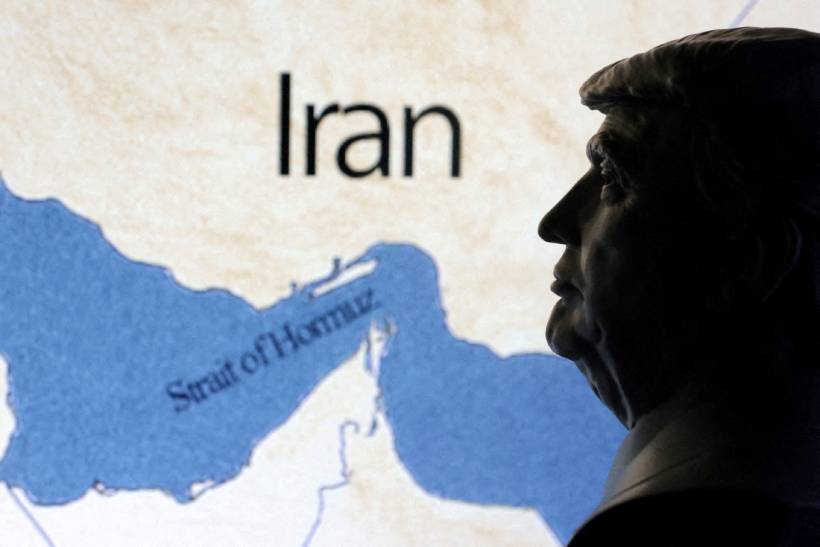
Trump Ties Iran Deal to Abraham Accords Expansion

Donald Trump announced that he has requested several countries, including Qatar, Saudi Arabia, Pakistan, Egypt, Jordan, and Turkey, to join the Abraham Accords to normalize relations with Israel as part of an agreement with Iran.

U. S. President Donald Trump announced that he has requested several countries, including Qatar, Saudi Arabia, Pakistan, Egypt, Jordan, and Turkey, to join the Abraham Accords to normalize relations with Israel as part of an agreement with Iran. He stated he spoke to the leaders of these countries, as well as the United Arab Emirates and Bahrain, which have already signed the accords.

Trump expressed his wish for all these countries to immediately sign the accords and suggested that if Iran agrees to a deal with the U. S., it would be an honor to include Iran in this coalition. He mentioned the complexity of the negotiations that the U. S. has been working on and said most countries should be open to making a historic settlement with Iran.

While Trump indicated that negotiations with Iran were progressing, he didn’t provide details about a potential deal. He also noted that Egypt and Jordan already have relations with Israel, and he remains optimistic about Saudi Arabia joining the accords, although no movement from Riyadh has been observed.

With information from Reuters

Source link

Could Israel sabotage US-Iran deal? | Gaza

NewsFeed

As the US and Iran move closer to a peace deal, Israel says it reserves the right to keep attacking regional ‘threats’, including in Lebanon, despite any US‑brokered ceasefire. Meanwhile, criticism within Israel is growing over Netanyahu’s handling of the war.

Source link

JPMorgan Acquire Revolut? 4 Reasons a Deal Makes Sense| Global Finance Magazine

An acquisition is the easiest way for the titan to get a leg up with digital nomads and international customers.

At first glance, it seems an absurd idea: JPMorgan Chase & Co., with its roughly $850 billion market cap, acquiring European unicorn Revolut, a private neobank valued at $75 billion.

Seemingly absurd, yes, but also worth considering, because it underscores the challenge that upstart fintechs pose to traditional banks. JPMorgan has already tested the practicality of building a digital-first banking experience internally. It launched Finn in 2017 as a standalone mobile banking brand aimed at younger users, then shut it down in 2019 after it failed to gain traction.

But the Finn experiment was not a clean rebuttal; it looked more like a legacy institution’s attempt to market around a shifting banking relationship than a fundamental rethink. A Revolut acquisition would give JPMorgan an established entry point into a dynamic new field.

I’m old enough to remember when BlackBerry’s CEO scoffed at Steve Jobs, saying, “You don’t need an app for the web.” We know how that played out. It’s easy to dismiss what doesn’t seem to fit your current moment, and just as easy to miss the next shift when you have the means to act.

JPMorgan doesn’t need Revolut. But the point isn’t survival; it’s trajectory. If banking is moving toward super apps as primary accounts, the question is whether JPMorgan can realistically build that future internally, or whether buying it may be the faster path.

Here are four reasons it could actually make sense:

1. The Technology

Ask a senior engineer at Revolut whether JPMorgan could replicate its platform quickly, and you’re likely to get a laugh. Ask JPMorgan’s technology leadership, and you’re likely to hear the opposite.

Both can be true.

By the time JPMorgan was experimenting with the future, Revolut was writing it. The fintech hit 100,000 customers within a year of its funding and scaled to 50 million by the end of 2024. It’s redefining what consumers expect from banking in Europe, and its sights are now set on the U.S. as well. In March, it applied to the U.S. Office of the Comptroller of the Currency and the Federal Deposit Insurance Corporation for a U.S. national bank charter.

2. The Culture

JPMorgan has the resources to succeed in the era of super-apps. But building a globally integrated, mobile-first platform is as much about organizational culture as it is about technology. Revolut was built for speed, iteration, and cross-border functionality from day one. JPMorgan was built for scale, stability, and regulatory complexity.

As Finn illustrates, those traits are not easily interchangeable.

JPMorgan could buy smaller firms in payments, investing, foreign exchange, or onboarding to assemble its own version of a super app. But stitching together components is not the same as acquiring a scaled, integrated platform with tens of millions of users, unified technology, and talent that lives and breathes a culture built around speed and innovation.

Realistically, an acquisition would require a significant premium over Revolut’s most recent private valuation. But that cuts both ways; JPMorgan would be paying for a scaled operating system, not a collection of disconnected parts.

3. The Geography

The difference between the two banks shows up in their approach to competing in Europe. JPMorgan is already expanding its digital retail presence and building out its footprint beyond the U.S. But the approach is incremental.

Revolut is anything but incremental. The company has grown to more than 70 million customers, adding roughly 1 million every 17 days. It provides immediate scale in markets where JPMorgan is still building.

Banks like Banco Santander have spent decades building global retail networks, market by market. For JPMorgan, acquiring Revolut would dramatically shorten that timeline, turning a multi-year expansion into near-instant relevance.

4. The Demographics

Traditional banking still assumes a static customer: one address, one jurisdiction, one primary market. While that remains true for many customers, it doesn’t justify treating digital nomads and international customers as undeserving, which is exactly what many U.S. banks do.

A growing segment — freelancers, remote workers, and globally mobile professionals — lives across borders. They earn in one currency, spend in another, and expect their financial lives to follow them. Revolut was built specifically for this customer.

JPMorgan, for all its scale, still largely adheres to a domestic model. Acquiring Revolut would instantly position it at the center of a shift already underway: one that legacy banking structures are not designed to support.

Regulatory Hurdles

Of course, a deal this large would face serious scrutiny in the U.S. and the U.K. Regulators would question systemic risk, governance, the impact on competition, and whether one of the world’s largest banks should absorb one of fintech’s fastest-growing global challengers.

But “difficult” and “impossible” are not synonyms, especially in modern finance, where every few years brings a deal that once seemed unthinkable. If JPMorgan believed the strategic gap was large enough, regulatory friction would become part of the negotiation, not the automatic death of the deal.  

It would also send a signal to regulators and policymakers — intentionally or not — that U.S. banking structures may need to loosen if domestic institutions are to compete more effectively on the global stage. Even floating a deal like a JPMorgan/Revolut tie-up would force a conversation the industry needs to have.

No, JPMorgan doesn’t need Revolut. But at some point, it may have to decide whether to write the future of banking or keep refining the version it already dominates.

Source link

Oil prices fall amid mixed signals on US-Iran peace deal | Oil and Gas

Japan’s stock market surges to record high on hopes of an end to US-Israel war on Iran.

Oil prices have fallen sharply amid tentative hopes for a deal to end the US-Israel war on Iran.

Brent crude, the primary benchmark for global oil prices, fell about 5 percent on Sunday as US President Donald Trump gave mixed signals on the prospects for a permanent end to the conflict.

Recommended Stories

list of 4 itemsend of list

Brent futures for July stood at $98.47 a barrel as of 01:05 GMT, down about 9 percent from a month ago but still up by more than a third compared with before the start of the war.

Japan’s benchmark stock index, the Nikkei 225, surged more than 3 percent in morning trading, hitting an all-time high after closing at a record peak on Friday.

Trump said in a social media post on Sunday that negotiations with Tehran were proceeding in an “orderly and constructive manner”, but he had instructed officials “not to rush into a deal”.

“Both sides must take their time and get it right. There can be no mistakes!” Trump wrote on Truth Social.

Trump’s remarks came after he raised hopes for a breakthrough on Saturday by announcing that a deal had been “largely negotiated,” with the terms including the reopening of the Strait of Hormuz.

“Fundamentally, there is no change to the underlying picture, where 10-11 million barrels per day of crude oil continue to be shut-in for every day the Strait of Hormuz remains shut,” June Goh, a senior oil market analyst at Sparta in Singapore, told Al Jazeera.

“However, markets are expecting a gush of 100 million barrels of crude oil from the stranded ships to flow out once the deal is in place.”

Goh said markets are likely to remain on edge for some time after any deal is finalised.

“Sparta estimates still about three to six months required to get everything back to status quo, including time to bring production and refineries back online,” Goh said.

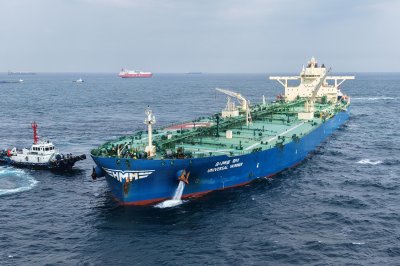
Iran has effectively blockaded the strait since the start of the war in late February, disrupting about one-fifth of the global oil trade.

The US has imposed its own blockade of Iranian ports since mid-April, further disrupting commercial shipping in the waterway.

In his Truth Social post on Sunday, Trump said the US blockade would remain “in full force and effect until an agreement is reached, certified, and signed”.

Source link

Trump warns negotiators ‘not to rush’ on Iran deal

President Donald Trump speaks in the Oval Office at the White House in Washington, D.C., on Thursday. On Sunday, he urged negotiators on the deal with Iran to take their time and get it right. Photo by Al Drago/UPI | License Photo

May 24 (UPI) — President Donald Trump on Sunday urged his negotiators “not to rush into a deal” with Iran because “time is on our side.”

He made the comments in a post on Truth Social that also took aim at the Joint Comprehensive Plan of Action, the so-called Iran nuclear deal created in 2015 and which Trump withdrew from in 2018. In his post, Trump called it “one of the worst deals ever made by our country” and blamed former President Barack Obama and his administration.

“It was a direct path to Iran developing a Nuclear Weapon,” Trump wrote. “Not so with the transaction currently being negotiated with Iran by the Trump Administration – THE EXACT OPPOSITE, in fact!”

Trump said Saturday the deal with Iran had been “largely negotiated” and that final aspects were being worked out. On Sunday, he added that talks were “proceeding in an orderly and constructive manner.

“I have informed by representatives not to rush into a deal in that time is on our side,” he wrote.

“Both sides must take their time and get it right. There can be no mistakes!”

Secretary of State Marco Rubio also said Sunday that “significant progress” had been made and hinted that Trump may make an announcement on the issue “a little bit later today,” The New York Times reported.

“Suffice it to say some progress has been made, significant progress, although not final progress,” he said during a news conference in New Delhi.

A missile identified as “Khorramshahr-4” was on display during a public rally in Tehran’s Enghelab Square on April 21, 2026. Photo by Behnam Tofighi/UPI | License Photo

Source link

Trump says U.S., Iran are ‘getting a lot closer,’ but questions remain about concessions

President Trump said Saturday that the United States and Iran have agreed on the basic terms of an agreement to end the two countries’ nearly three-month-long war and reopen the Strait of Hormuz.

“An Agreement has been largely negotiated,” Trump wrote in a social media post. “Final aspects and details of the Deal are currently being discussed, and will be announced shortly. In addition to many other elements of the Agreement, the Strait of Hormuz will be opened.”

Iran’s state television network quoted Foreign Ministry spokesman Esmail Baghaei as saying the draft pact will be a “framework agreement” that defers talks toward limiting Iran’s nuclear program until later. Trump did not mention the nuclear issue in his statement.

If that is the form the deal takes, it would represent at least a short-term concession from the president, who initially demanded a definitive end to Iran’s nuclear program as the price of peace.

Trump has also relaxed an earlier U.S. demand that Iran give up its right to enrich uranium and says he would be satisfied with a deal to “suspend” enrichment for 20 years.

Those signs of U.S. flexibility have raised alarm from Iran hawks, reportedly including Israeli Prime Minister Benjamin Netanyahu. They say they fear Trump is so intent on restoring the flow of oil from the gulf that he might agree to a deal that falls far short of U.S. goals.

Mark Dubowitz, a leading critic of past agreements with Iran, said he worries that Trump might settle for “a foolish agreement” to reopen the Strait of Hormuz.

“I’m concerned that the administration is looking to cut some ‘Phase One’ deal” in which Iran is given “significant sanctions relief in exchange for agreement to reopen the strait,” he said in an interview Friday. “I think that would be a foolish agreement. Iran would get real money, but they could continue to close the strait any time they wanted simply by making threats.”

Robert Kagan, a conservative foreign policy scholar at the Brookings Institution, wrote that a deal to reopen the strait while deferring the nuclear issue would amount to a U.S. “surrender.”

“On the present trajectory, Iran will emerge from the conflict many times stronger and more influential than it was before the war,” Kagan wrote in the Atlantic.

When the war began in February, Trump said he wanted not only to end Iran’s nuclear activities and destroy its ballistic missile program, but bring about regime change as well.

Instead, the nuclear talks have focused on narrower, more achievable goals: a “suspension” of nuclear enrichment for 20 years or less and removal or destruction of Iran’s highly enriched uranium, the essential ingredient for a nuclear weapon.

“A basic agreement shouldn’t be impossible to achieve,” said John W. Limbert, who worked on Iran policy at the State Department for three decades, and was one of the American hostages seized by Iranian militants in 1979. “The deal would be some kind of verifiable limits on the nuclear program in return for economic relief.”

“The fact that we’re talking about a suspension of all enrichment, and the question is whether it will be five years, 20 years or halfway in between — that’s important,” said Nate Swanson, an Iran expert who worked at the National Security Council under President Biden and Trump. “That sounds like you really have the basis for an agreement. … But don’t fool yourself to think that completely addresses the situation.”

Swanson said other issues, including Iran’s nuclear research and its advanced ballistic missiles, haven’t been addressed.

Despite signs of progress toward an agreement, the gaps between the two countries remain large.

Part of the problem is that both sides appear to believe they have won the war, said Danny Citrinowicz, a former Iran analyst at Israel’s defense intelligence agency.

Trump and other U.S. officials frequently assert that the United States has gained the upper hand by destroying Iran’s navy, air force and many of its missiles.

But the Iranians use a different scoring system, Citrinowicz said.

“Iran does not measure success the same way Washington often does,” he wrote in an email. “From Tehran’s perspective, simply holding firm in the face of American pressure can be framed as a win.”

“Tehran believes time is working against Trump politically and strategically,” he added. “Iran is prepared for prolonged confrontation; the United States, far less so.”

And even if a negotiated agreement is reached, the deals under discussion now won’t resolve all the conflicts between the two countries.

“An interim deal to buy time [is] probably where we end up,” Swanson said. “Buying time is not a bad thing. Ending a war is not a bad thing. But it’s not a comprehensive solution.”

Source link

Award-winning English farm attraction launches kids-go-FREE deal but you don’t have long

EVERYONE loves a family day out, but let’s face it, everything is better when it’s free.

The much-loved Cotswold Farm Park run by Countryfile’s Adam Henson, has scooped up a Tripadvisor Traveller’s Choice Award for the last 15 years.

Cotswold Farm Park has scooped up yet another Tripadvisor Travellers’ Choice Award Credit: Cotswold Farm Park Holidays
The attraction has plenty of farm animals and an outdoor play area for kids Credit: Cotswold Farm Park Holidays

Follow The Sun’s award-winning travel team on Instagram and Tiktok for top holiday tips and inspiration @thesuntravel.

To celebrate, the attraction is offering free tickets to children, toddlers and babies.

The T&Cs are that it’s one complimentary ticket to each paying adult and or senior guest, and the offer is only running until the end of May.

Families can take advantage of the offer through May half-term and on the bank holiday (but make sure to book in advance).

GRUBS UP

Best pubs, fish and chip shops and cafes in Sussex – by Sun readers & locals


SHORE THING

‘It’s the best beach in England’ – Sun readers’ favourite Sussex seasides

The farm park is open seven days a week with plenty of activities to enjoy from feeding time with lambs and baby goats to jumping on its bouncy castle and trying out the zip wire.

When it comes to animals, visitors can get up close and personal with lots of breeds.

Children can meet all the animals and even feed lambs Credit: Cotswold Farm Park Holidays

There’s Gillie the Jersey Cow, Marge the Middle White Pig, and Attenborough the Highland bull calf.

Feeding sessions with some of the youngest animals happen twice daily at 11.30AM and 3.30PM with lambs and baby goats.

There’s also a chance to watch chicks hatch as well as meet guinea pigs, rabbits and ducklings.

When it comes to playtime, children can head into the Adventure Barn – which is perfect for rainy days with didi cars and soft play.

Outside children can jump up and down on bouncy pillows, go on swings, zip wire, pedal tractors, explore the sandpit and climbing frame.

There’s a wooded area for bird-spotting and bee hive to take a look at too.

Cotswold Farm Park has it’s own restaurant with pizzas every Saturday evening Credit: Cotswold Farm Park Holidays

Between May 23 and May 31 the farm is celebrating Bee Wild Week with new activities like daily talks from the farm’s beekeeper-in-training.

When it’s time to eat, head to The Ox Shed Restaurant for all-day dining from breakfast to dinner, and pizza evenings every Saturday night.

Families from further afield can book to stay on-site at the campsites.

It has tent pitches to glamping tents, luxury lodges and new cabins.

There’s a chance to stay on the nearby campsite in tents or luxury cabins Credit: Cotswold Farm Park Holidays

A one-night stay on a grass tent pitch with electric starts from £67.

Head of Sun Travel (Digital) Caroline McGuire visited the farm park last year, she said: “Spring is easily the best time to visit any farm in the UK, as new lambs, chicks, calves and piglets all arrive noisily on the scene.

“Inside the Discovery Barn, which teaches children all about farm animals, my five-year-old son petted chicks and baby rabbits, and was lucky enough to see a lamb being born.

“We refuelled at the on-site Ox Shed restaurant, dining on burgers and loaded salads, washed down with apple juice and a glass of Adam Henson’s own pale ale for me.”


Source link