Brits

Sun-soaked beach resort just 4 hours from UK with £17 flights named cheapest for Brits in 2026

This city has everything you need for a great week away, from a long sandy beach to plenty of shops and restaurants, plus family-friendly attractions for days out with the kids in May half term

The cheapest destination for a week in the sun has been revealed as budget-conscious Brits look for ways to get away in spring or summer for less.

The figures are based on pricing data for package holidays departing between June 1 and August 31 and were compiled by loveholidays, which offers affordable flight and hotel combinations.

A week at this coastal gem will set you back £230 per person on average, working out at a budget-friendly £33 a night, leading loveholidays to crown it the most affordable destination for a week away.

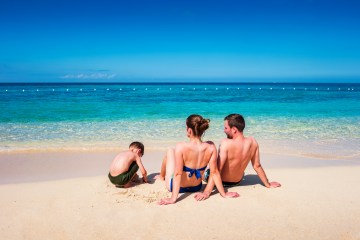
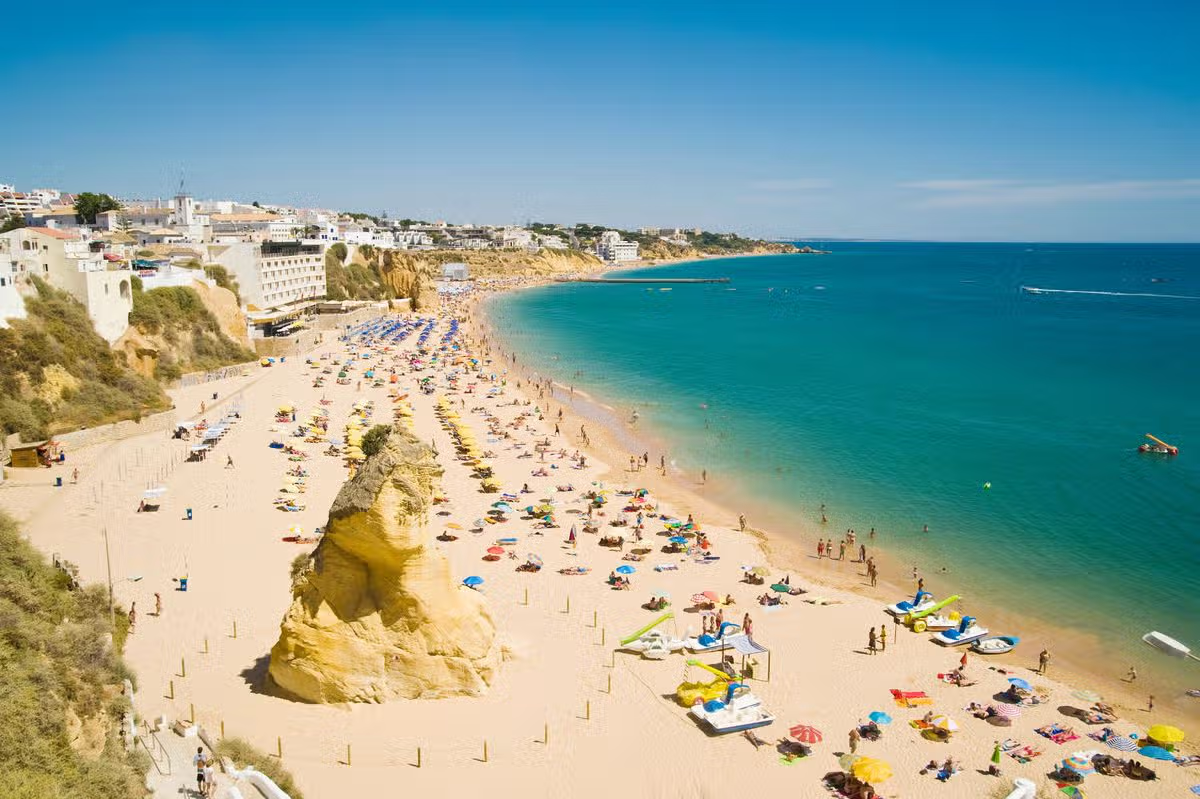
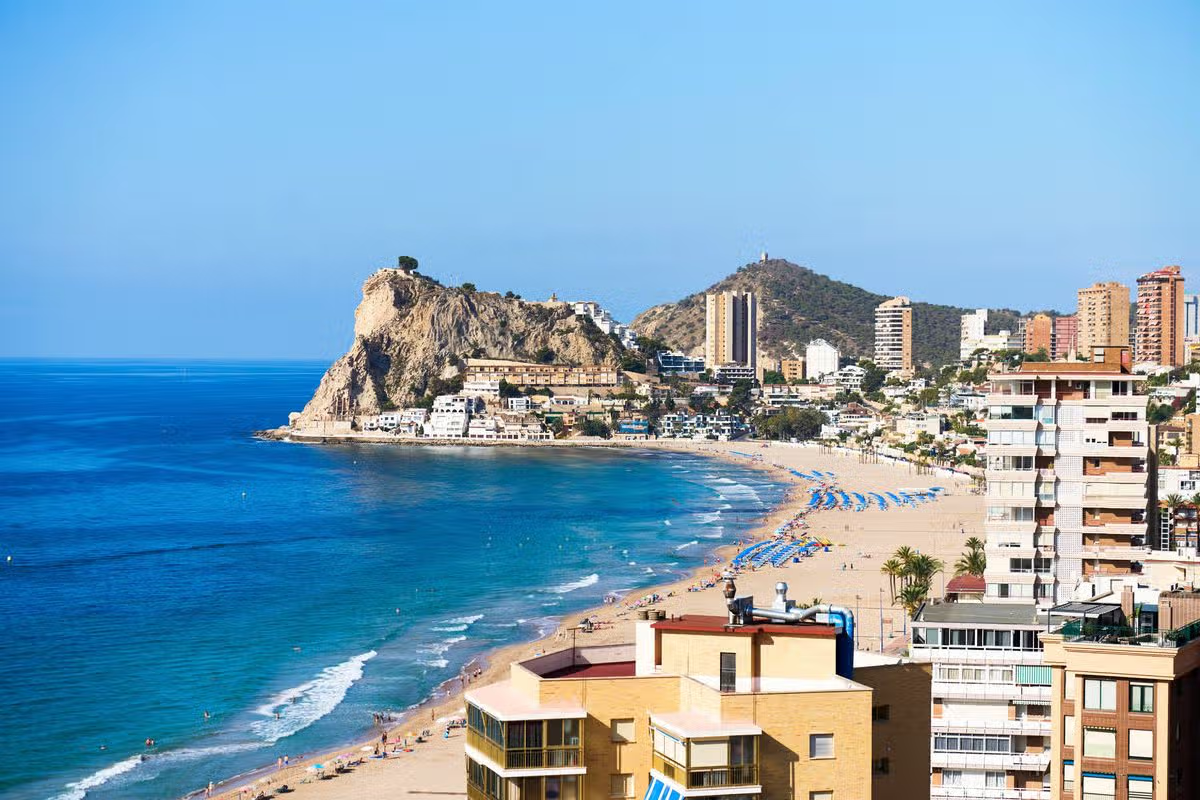
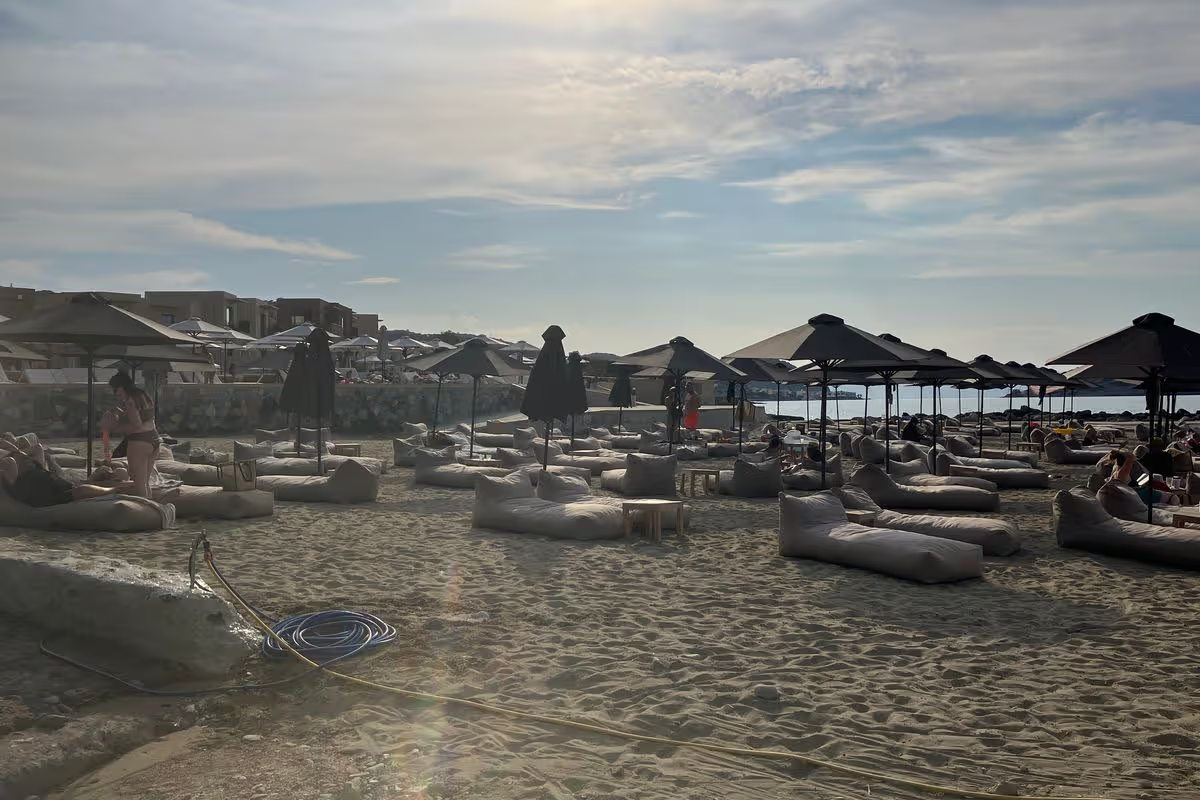
Moroccan coastal town Agadir took the top spot thanks to its cheap flight and hotel combinations, and generally inexpensive food, drink, and days out. The main draw of Agadir is its long coastline with golden sands and its clear blue waters have earned it Blue Flag status.

READ MORE: 5 key hand luggage rules explained as Ryanair warns travellers on restricted itemREAD MORE: Airlines making plans for jet fuel shortages – including possible cancellations

Its beach stretches over five miles, and the sea can be choppy with strong currents, which has made it a popular surfing spot. If you want to swim, then there are some natural pools where you can take a dip when the tide comes in.

Along the beach is a lively promenade, lined with palm trees, and along here you’ll find a huge selection of places to eat, bars, souvenir shops, and places to hire surfboards and water equipment. Many hotels can also be found along this strip, allowing guests easy beach access during their stays.

You can also wander into the modern city centre for lots more restaurant options and a huge range of malls and shopping areas. Many visitors recommend the Marina Shopping Mall on the waterfront, which has international brands and lots of al fresco dining options.

It’s also worth visiting the Souk El Had market for bargains and an excellent way to test your haggling skills. Other than fixed price stores, everything in Morocco can be haggled, and with over 6,000 stalls and shops, you are bound to find something you like among the colourful rugs and textiles that hang from the walls.

Agadir’s centre was destroyed in an earthquake in the 1960s, so many of its historical sites are gone. However, La Médina d’Agadir gives you an idea of what the old city looked like, and it’s a faithful recreation of the traditional market. You’ll see stallholders weaving fabrics and painting ceramics outside their stalls, so you can see how these beautiful items are made. If you’d like to see more of Old Morocco, take a tour of Souss-Massa National Park which includes a visit to a traditional Berber village where people still live in beautiful clay houses.

Agadir is also a great option for May half-term, and with highs of 26C and dry weather, you can enjoy lots of beach and pool days. Take them for a day at Crocopark, a zoo that specialises in all things scaly, from crocodiles to snakes, and you can see these creatures basking in natural desert landscapes.

READ MORE: Alton Towers set to open brand new Bluey Ride – 7 things you need to knowREAD MORE: UK Foreign Office issues travel warning for country popular with 400,000 Brits

Agadir Dolphin World is another place families will love. It has regular dolphin shows, and visitors can get up close to these friendly mammals.

If you prefer to book your flight and hotel separately, there are a few airlines to choose from. Ryanair offers flights from Birmingham, London-Stansted, and Leeds Bradford, where fares start from as little as £17 one way. Jet2 and easyJet also fly from several regional airports, and most flights take just under 4 hours.

Have a story you want to share? Email us at webtravel@reachplc.com

Source link

EasyJet warns Brits to book summer holidays NOW to avoid more price hikes

EASYJET has warned holidaymakers to book their summer break as soon as possible amid fears of huge price hikes.

The airline chief has said the cost of holidays during peak months is expected to surge due to the ongoing Iran conflict.

easyJet boss has warned of expensive summer holidaysCredit: Alamy
If you want to getaway in peak season, airlines have advised to book nowCredit: Alamy

Kenton Jarvis, the chief executive of easyJet, has advised anyone wanting to go on a summer holiday to book one now before they get too expensive.

He told The Telegraph: “I think the message would be to book as soon as possible, because that will start feeding in at some stage.

“My expectation is that prices go up. The industry has no choice. We make about £7 a seat and if fuel goes up by £10 then you do something about that.

“You’re not going to take an extra £10 of costs and just sit there and do nothing.”

ALL IN

The CHEAPEST all-inclusive holidays in May half term – from £259pp and kids go free


MAKE THE MOVE

Incredible expat ‘paradise countries’ – with rent from £350 and beers for 83p

At the moment, most UK airlines won’t be affected because of hedging – essentially a fixed price for oil – which is keeping prices stable.

Depending on the length of time that the Iran conflict continues and if the Strait of Hormuz remains closed, there could be price hikes in the coming months.

This in turn will see airlines having to put up their fares for passengers.

Mr Jarvis said that he expects easyJet to be “good for three weeks.”

Meanwhile, Ryanair boss Michael O’Leary said that he doesn’t expect disruption as long as the ongoing conflict ends “in the next month or two.”

Unlike these airlines, US carriers aren’t hedged which has resulted in the rise in fare prices already.

Willie Walsh, director general of the International Air Transport Association (IAG) who owns British Airways, explained that fares across the North Atlantic are set to jump up.

Talking more on the issue, he said that due to the price increase of US airlines, “competitors at the other end will match the price increase. It’s the nature of the industry.”

Some airlines have already put the price of their fares up, or are preparing to.

AirAsia said it would temporarily raise ticket prices but said it would be revising fares at a later date.

Thai Airways said it expects tickets to go up by 10 – 15 per cent, while Qantas also said it would increase prices depending on the route.

And Scandinavian airline SAS has introduced a “temporary price adjustment”.

Air New Zealand has increased prices of its flights in response to rising fuel costs as well.

Domestic flights were going up by $10 (£4.37) one way, short haul by $20 (£8.74), and long haul $90 (£39.35).

For more on booking a summer holiday, here’s why you should head to Spain and Greece.

And here are six of the best holiday destinations to book for some quick Vitamin D including 28C Spanish islands.

easyJet airline boss has warned the cost of summer holidays is set to climbCredit: Alamy

Source link

I’m a travel expert – Brits could face £850 fines abroad for posting on social media

Before taking any travel trip, it’s vital that you’re aware of any rules that are in place for the country you’re visiting, as a harmless habit can catch you out and land you a hefty fine

Jetting off abroad is always exciting, but if you’re visiting a popular European destination, there’s a little-known rule you need to be aware of.

Taking photos while wandering the quaint streets of a European town or capturing snaps of the city’s famed landmarks comes second nature to holidaymakers when exploring somewhere new. And afterwards, many tourists look forward to sharing their snaps on social media, but this harmless habit could land you in trouble, alongside a hefty fine.

Travellers planning a trip to Germany are being warned about the country’s strict rules on taking photos in public and sharing them on social media. While tourists have every right to take photos while visiting Germany, there are regulations on publishing or sharing images of people without their consent, even if the photo was taken in a public place, under the Art Copyright Act (KUG).

READ MORE: UK Foreign Office issues travel warning for country popular with 400,000 BritsREAD MORE: ‘I’m a TUI expert – Tenerife’s best city has £5 wine and 24C weather in April’

Simon Hood, a travel expert and Executive Director of John Mason International, explained: “Taking a photograph of a stranger and publishing or distributing this without their permission is illegal in Germany. Even if a person’s face is not in the picture, if they can be recognised by their tattoos, clothes, or the context of the photo, this is still disallowed.

“The regulations are complicated, for example, posting photos of strangers at public events such as parades, sports events and demonstrations are allowed, as long as they are not specific photos of the crowd. The Federal Court of Justice judge cases individually and ultimately determines what is and isn’t unlawful.”

Fines for sharing an unauthorised image online can range from £850 (€1,000) upwards, Simon added. “With this in mind, it’s best to ask those in-frame before posting a photo that includes them.”

Family Law Attorney Stephen Bardol explained the rule further: “From a family law perspective, this topic is often underestimated, especially when children appear in photos. Many assume that posting a photo of someone else is a harmless act, such as during travel, holidays or at family celebrations. But the fundamental rights of the image and privacy protection in Germany are often highly violated here.

“If a person can clearly be identified in a photo, posting the photo is no longer a decision for the person posting the photo, but rather a consent, privacy and interference with the fundamental rights of others.”

Stephen added that the situation can become much more complex when children are involved. He said: “The fact that a child cannot fully understand what the publication of their photo on the internet implies, eg, where it will be accessible, for what period of time and who will have access to it, and most of all the possibility that the picture will be shared or re-published by other users, means that the protection of children is greater than that of adults.”

He advised: “Tourists who are visiting Germany should be careful when taking photos, especially of families with small children. Posting a photo of a square where the families are only visible in the background is one thing, but posting a photo of a single child or a single family is an entirely different matter.”

Do you have a travel story to share? Email webtravel@reachplc.com

Source link

UK Foreign Office issues travel warning for country popular with 400,000 Brits

The country welcomed 400,000 Brits in 2025, and now the government has updated its travel advice for the country and have highlighted some issues that tourists visiting the area might face

The Foreign, Commonwealth and Development Office (FCDO) has issued a travel warning for a destination that’s popular with Brits and updated some of its advice for those visiting the country. This included a stark warning about a particular tourist attraction that has become increasingly dangerous.

South Africa saw 400,000 visitors arrive from the UK in the past year alone, and the FCDO has previously said it is ‘likely’ that terrorists could try to carry out attacks such as a ‘lone actor’ attacking public spaces including tourist sites. Its advice for tourists is to: “Stay aware of your surroundings, keep up to date with local media reports and follow the advice of local authorities.”
However, it’s worth noting that many countries have similar advice around terror attacks, and that the FCDO is careful to state that “No travel can be guaranteed safe.” Recently, the FCDO updated the advice for those visiting South Africa to add some new warnings on fraud and scams and other risks.

It reiterated: “Be alert to the risk of scams, including through business or job opportunities, visa services or offers of romance and friendships, including on dating apps. Do not meet up with or send money to someone you do not know or have not met in person.”

It warned of the risks of common scams like card skimming and confidence tricks, and said there had been an increase in cybercrime and internet scamming. The FCDO also updated its advice about nightlife and dating, saying: “Criminals use dating apps to rob, rape or sexually assault victims. Be cautious using dating apps and meet in well-lit, public places. Always tell friends or family your plans.

“Be wary when dealing with strangers who offer free drinks, rides or unexpected personal attention. There have been instances of drink spiking involving robbery and sexual assault with both male and female victims. If you think your drink has been spiked, seek immediate medical help and contact the police.”

The FCDO has also offered advice for those planning to hire a car in South Africa and said that visiting Brits should drive carefully. It added: “Driving standards vary in South Africa. Fatal road accidents are common, particularly around weekends and major public holidays.” Brits should also make themselves familiar with local rules and etiquette such as speed limits and overtaking.

Another section of the page that was update gave specific advice about Table Mountain National Park. The area is a popular tourist attraction for hikers and cyclists, and has many unique plants and trees that can’t be found anywhere else in the world. However, the FCDO says: “There have been recent violent attacks and muggings against hikers and foreign tourists in Table Mountain National Park, including on Lion’s Head and Signal Hill.”

READ MORE: UK’s most beautiful village brings in strict rules for tourists after locals mobbedREAD MORE: World’s best waterparks revealed – and two UK ones made the cut

It gave some advice to people planning a trip to the national park, advising them to avoid quieter areas, especially during early mornings and evenings when there won’t be many fellow hikers around. Visitors should stay on busy, marked trails, and visit during peak times such as weekends.

Finally, the FCDO advised people not to hike alone in the area.

Anyone planning a trip to South Africa in the near future should ensure they check the FCDO advice page before they leave, and sign up for e-mail alerts so they can be notified when any changes are made.

Have a story you want to share? Email us at webtravel@reachplc.com

Source link

Maldives, Tokyo and the Great Barrier Reef are top three holidays for Brits

A wooden boardwalk leading to several thatched-roof bungalows over turquoise water in the Maldives.
A stunning over-water spa at the Conrad by Hilton hotel, with room for text, in the MaldivesCredit: Alamy

THE average Brit has enjoyed three ‘holidays of a lifetime’ – with Maldives, Tokyo and the Great Barrier Reef among top destinations.

Previously considered something taken once in everyone’s life, Brits are finding new ways to make travel a priority with 46 per cent believing dream trips are more achievable than 10 years ago.

Akihabara in Tokyo, JapanCredit: Alamy
Aerial view of Lady Elliot Island, the southern most island in the Great Barrier Reef of the coast of AustraliaCredit: Alamy

The poll of 2,000 adults found stunning natural scenery (50 per cent) and luxury accommodation (45 per cent) are the top criteria for making somewhere a holiday of a lifetime.

And 71 per cent have used loyalty points to help them book a trip that would previously have been out of reach.

The research comes as Virgin Red releases its fourth annual report, The Points Index, ‘Living the Dream Holiday’, revealing the shift in how the nation values loyalty points in a bid to unlock ‘once-in-a-lifetime’ holidays.

Data from the firm showed that in 2025, adults were using reward points to attain these trips, with 31.2 billion points redeemed across its travel experiences, marking a 13 per cent year-on-year increase.

RIDE ON

The Disney-alternative European theme park letting kids go free until summer


OUTTA LINE

My awful 3-hour wait at a Spanish airport is a warning for all Brits this summer

In the UK, point-spending peaks are in May and July and highest in September, potentially coinciding with back-to-school fatigue.

The survey also found 21 per cent who might book a big trip, would do so to celebrate a milestone birthday.

A third (34 per cent) are currently in the midst of planning a big holiday, with 39 per cent prioritising beach and relaxation holidays abroad – and only 19 per cent opting for shorter getaways.

Other key elements of a once in a lifetime trip include exceptional food and drink (40 per cent) and experiences unique to the region’s culture (38 per cent).

Of those who took part in the study by OnePoll.com, nearly three quarters (74 per cent) have paid for either part, or the full price of a flight with loyalty points, while 29 per cent have used points to upgrade flights.

Andrea Burchett, chief loyalty officer at Virgin Red, said: “Loyalty is fundamentally reshaping how consumers think about travel.

“Trips once seen as ‘once in a lifetime’ are becoming achievable, as consumers increasingly treat points as a strategic currency.

“Even amid economic uncertainty, points are helping consumers prioritise meaningful travel, loyalty is helping make it possible.”

TOP 10 ‘HOLIDAY OF A LIFETIME’ DESTINATIONS – ACCORDING TO BRITS:

  1. The Great Barrier Reef, Australia
  2. Maldives
  3. Tokyo, Japan
  4. Hawaii, USA
  5. Sydney, Australia
  6. The Amazon Rainforest, Brazil
  7. The Galápagos Islands, Ecuador
  8. Machu Picchu, Peru
  9. New York City, USA
  10. Seychelles

The average Brit has enjoyed three ‘holidays of a lifetime’Credit: Alamy

Source link

The two holiday islands with direct UK flights seeing ‘huge demand’ as Brits swerve from Dubai, says TUI boss

WITH the Iran crisis continuing, it’s no surprise that Brits are changing their holiday plans.

Destinations like Dubai and Doha remain off the travel list, and Brits are avoiding certain long-haul destinations that involve stopovers in the Middle East – but TUI says that other holiday spots are on the rise instead.

TUI has revealed the holiday destinations on the rise this yearCredit: Alamy
The islands avoid the Middle East crisis as flights will cross the North Atlantic OceanCredit: Alamy

TUI has revealed that there’s been a change in demand when it comes to Brits booking holidays.

Instead, certain locations are being favoured as a result – in particular, two Caribbean islands.

TUI’s UK&I Managing Director Neil Swanson said: “We’re seeing particularly strong demand for our direct long-haul flights to the Caribbean – especially the Dominican Republic and Jamaica – where point‑to‑point routes give customers added confidence and help them keep their holiday plans on track.”

The islands are popular year-round with Brits thanks to their sunshine, high temperatures and beautiful coastlines.

ALL IN

The CHEAPEST all-inclusive holidays in May half term – from £259pp and kids go free


HOP TO IT

The best UK family days out from £10 to completely FREE in the Easter holidays

Flights to the islands are direct and take between eight and ten hours.

They also don’t pass through the Middle East as they head over the North Atlantic Ocean instead.

TUI offers holidays to Jamaica from £899 per person.

In Jamaica, a popular spot is Negril, which is the capital of the island that sits along the western tip.

Over the years it has been visited by famous faces likes Bob Marley and even The Rolling Stones.

It has the Seven Mile Beach, which offers visitors to ride across the sand on horses, and go snorkelling.

TUI offers holidays to Montego Bay too, a destination which is known for being popular with tourists with all-inclusive resorts, white-sand beaches, and nightlife.

It also has breaks to Ocho Rios which has lots of green spaces like the Dunn’s River Falls, the Blue Hole – a natural limestone sinkhole that’s considered a hidden gem.

The Dominican Republic is one of the cheapest islands in the Caribbean to visit tooCredit: Alamy

When it comes to Jamaica, the best months to visit are December through to April when it is at its warmest and most dry.

The best time to visit the Dominican Republic is the same, and TUI offers breaks from from £899 per person.

The Dominican Republic is also one of the cheapest islands to visit.

Laura Evans Fisk, Head of Digital & Engagement at eurochange said: “As we’ve seen transactions for the Dominican peso surge this year ahead of any other currency, we can definitely expect to see the Dominican Republic at the top of travel bucket lists for UK tourists in 2026. 

Beaches are beautiful all around the island, but the Dominican Republic also has two of the best in the worldCanto de la Playa and Bahia de las Aguilas.

Canto de la Playa in the Dominican Republic is one of the world’s best beachesCredit: Alamy

Santo Domingo is the island’s capital, where there are find plenty of bars – and average price of a local beer is 150DOP (£1.86).

Other destinations that are on the rise for travellers include Thailand’s Phuket and Goa in India.

He said the reason is that the long-haul flights from TUI “offer customers reassuring alternatives that avoid transiting through the region.”

Neil Swanson added: “Closer to home, destinations across Europe and the Mediterranean continue to perform well, with Spain, Portugal, Greece and Cape Verde seeing increased demand in recent days.”

For more on Cape Verde – here’s what you can do on the islands that have white sand beaches, no jet lag and cheap package holidays.

And a TUI expert reveals how to save hundreds on the same holiday and the little-known money saving tool.

The beautiful islands of Jamaica and Dominican Republic are growing in popularityCredit: Alamy

Source link

Spain tourist rules for Brits from flip-flop ban to dress codes and vaping fines

Spain is one of the most popular holiday destinations for Brits, but stricter rules have been introduced in hotspots including vaping bans, dress codes and driving restrictions – here’s what you need to know

Spain remains one of the most popular holiday destinations for Brits, but in recent years, problems associated with excessive drinking and overtourism have prompted numerous hotspots – including the Canary Islands and Balearic Islands – to introduce tougher regulations for tourists.

From new measures to prevent people hogging sunbeds for hours on end, fresh vaping restrictions to even a regulation nicknamed the ‘bikini ban’, British holidaymakers should pay attention before their next trip; in certain instances, breaking the rules could result in a substantial fine.

To help you out, we’ve compiled some of the most significant regulations and recent updates to be aware of before your next Spanish break.

Vaping fines

Spain continues its clampdown on vaping, and the penalties for vaping in prohibited areas are just as severe as those for smoking. In 2025, the country brought in an outdoor smoking ban, which covers all manner of public areas, from restaurant and bar terraces to beaches

The prohibition includes smoking, vaping, shisha, any heated tobacco products, and nicotine pouches, with fines ranging between €30 to €2,000 (approximately £26 and £1,700), though for a first offence, it’s more likely to be towards the lower end. Watch out for signage before you take a drag of your vape.

Footwear restrictions

Planning to hire a car in Spain?

Think carefully about your footwear choice in the morning. If temperatures soar and you’re contemplating a pleasant coastal drive, you might be inclined to slip on flip-flops or slides, but this decision could land you with a substantial fine.

Spanish driving regulations demand footwear that permits ‘free movement’ to operate the pedals correctly, which excludes items such as flip-flops and sandals, high heels, wedges, or even going barefoot. Police officers can impose fines ranging from €80 to €200 (approximately £69 to £172) if they believe you lack proper control of your vehicle.

Therefore, if you’re organising a Spanish road trip, remember to pack some practical shoes to switch into.

Dress codes and ‘bikini bans’

Whilst in a Spanish seaside resort, it’s fairly typical to spot men wandering about topless or women sporting bikinis travelling to and from the beach. Nevertheless, certain Spanish destinations have grown weary of such displays and have introduced stringent regulations compelling holidaymakers to cover up when away from a beach or poolside.

The Foreign, Commonwealth and Development Office’s (FCDO) travel guidance for Spain notes: “In some parts of Spain, it’s illegal to be in the street wearing only a bikini or swimming shorts. Being bare-chested is also illegal in some areas in Spain. You could be fined if you’re caught wearing swimwear on the seafront promenade or adjacent streets.”

Penalties can reach up to €500 in certain areas, approximately £430. Spain isn’t the only country where you’ll encounter rules like these – certain parts of Italy have also brought in similar measures after residents grew tired of holidaymakers wandering around town or attempting to enter restaurants in their swimwear.

Alcohol crackdowns and bans

For countless holidaymakers, a trip to Spain wouldn’t be complete without a sangria or two. However, let’s be honest, Brits frequently take things too far when overseas, and in some regions, exhausted by intoxicated tourists, stringent crackdowns and prohibitions have been put in place.

In the Balearic Islands, particularly around Magaluf and Playa de Palma in Majorca, and San Antonio in Ibiza, there are now prohibitions on happy hours, all-you-can drink promotions, pub crawls, and party boat excursions. Some all-inclusive hotels in Majorca also cap daily drinks at six; three at lunchtime and three at dinner to prevent binge drinking and antisocial behaviour.

Particular resorts on both the mainland and the islands are taking action against people drinking on the street, as well as illegal parties being hosted in villas and private properties.

The FCDO also warns: “Hotels and other establishments will evict you if you behave dangerously on balconies. You could also get a fine.”

Reserving sunbeds

Bagging sunbeds with a towel remains a prevalent practice among British holidaymakers, despite its potential to irk other tourists, but some beaches are taking a stand against the habit by imposing fines. In a resort near Valencia, two retirees were slapped with a £250 fine for reserving sunbeds by laying down towels before 8am to secure a prime beachfront spot.

Whilst it’s unlikely to result in a fine, numerous Spanish hotels have taken action against sunbed monopolisers by confiscating their belongings or handing out warning cards if sunbeds are left unoccupied for a specified period.

Source link

Brits swapping Dubai for sun-kissed island with Tui flights and 30C April weather

Jamaica has seen a spike in demand from UK holidaymakers seeking sunshine destinations, with TUI offering direct flights from the UK and temperatures reaching 30C in April

Brits are trading Dubai for a sun-drenched island offering direct flights and balmy 30C temperatures in April. This shift comes as holidaymakers begin to seek out travel destinations that bypass the Middle East.

Travellers bound for the region have faced disruption due to ongoing instability and conflict in Iran. British Airways has already confirmed that flights to Dubai, Bahrain, Tel Aviv and Amman in Jordan have been suspended until at least 31 May. This has triggered a surge in bookings for locations such as Portugal, Spain, France and certain US states.

However, one Caribbean island has seen a notable increase in interest. Alongside destinations like the Dominican Republic, Phuket in Thailand and Goa in India, Jamaica has experienced a boom in demand, according to Neil Swanson, managing director of TUI UK and Ireland, who spoke to the BBC.

The airline provides direct flights from Manchester to this sunny isle. However, passengers should brace themselves for a journey expected to exceed 10 hours, reports the Express.

Once they’ve landed on this petite island, home to approximately 2.8 million inhabitants, Brits can bask in the sunshine and immerse themselves in the local culture. The average daytime temperature in Jamaica for April fluctuates between 25 to 30C, dipping to around 22 to 24C at night.

Travel expert Mark Wolters reckons visitors to Jamaica rarely need to pack a jacket. In a YouTube video on his Wolter’s World channel, he explained: “You’re going to be fine with shorts and a t-shirt all-year round, that’s not going to be a problem.

“The busy season here starts January, December and it goes through March. The time when you don’t want to come here is July/August because it is insanely hot.”

According to Visit Jamaica, tourists “feel the vibe” the moment they arrive on the island, becoming absorbed in the music, nightlife, and cuisine. It states: “Tasting your way through the island is a great way to connect with the history of Jamaica as you learn more about what makes our food so special with each dish you try.

“Savour every delicious bite and come back to ‘Mmmmm!’ Jamaicans celebrate life with food, so you know it is made with love.”

Jamaica features an impressive selection of stunning beaches that extend for miles. Negril’s Seven Mile Beach is celebrated for its spectacular sunsets and lively atmosphere whilst Montego Bay Marine Park is favoured by holidaymakers keen to discover the underwater realm showcasing vibrant wildlife.

The Blue Mountains rise majestically above Jamaica and consistently draw outdoor enthusiasts. Those visiting the mountains can even taste the world-famous Jamaican Blue Mountain Coffee.

The island also boasts captivating waterfalls and verdant rainforests. In April, it plays host to a unique carnival that parades through the streets of Kingston.

The carnival season is accompanied by a week of breakfast parties, soca cruises, Jamaican music and extravagant costumes. Besides being reachable by plane, Jamaica is a favoured destination for cruise holidays.

Source link

The European holiday destinations Brits are flocking to instead of Turkey and Egypt due to Iran crisis

AS A RESULT of the Iran crisis, Brits have been looking for different destinations to travel to, with demand rising for some countries.

The conflict in the Middle East has had a ripple effect throughout the travel sector, with Brits being forced to cancel their holidays as the Foreign Office has issued ‘do not travel’ warnings to some destinations.

A number of European destinations are experiencing a rise in demand including spots in Spain like Ibiza (pictured)Credit: Getty
Italy has seen an increased in demand too, where you could visit cities like Florence (pictured)Credit: Getty
While some providers are seeing bookings for Greece fall, despite it being safe to travel to (pictured: Corfu)Credit: Getty

And now, Brits looking at booking a holiday are choosing destinations closer to home in Europe.

Last week, On The Beach confirmed that they had experienced a drop in demand for popular holiday destinations including Greece, Turkey, Cyprus and Egypt, as a result of growing tensions in the Middle East.

This is despite the Government having no warning against travel to any of the popular holiday regions in these countries.

But on the other hand, TUI has seen increased interest in Greece, as well as Portugal and Spain, as customers look to “familiar destinations”.

Read more on travel inspo

CHEAP BREAKS

UK’s best 100 cheap stays – our pick of the top hotels, holiday parks and pubs


TAKING OFF

I’ve visited 50 countries & this much-loathed budget airline is the world’s best

Neil Swanson, a director at TUI, said: “While we are seeing some cancellations in the affected areas, these are currently outweighed by customers choosing to amend their plans instead,” reports The Guardian.

Hays Travel on the other hand, has seen interest grow for trips to Italy, Malta and Croatia.

And Surrey-based holiday operator Kuoni has seen interest in longer haul destinations such as the Caribbean grow although this also comes with a jump in price as well.

Mark Duguid from Kuoni said: “What we’ve seen is huge increases in flight prices, because the seats remaining are limited – we are talking about seats going up by £1,000 a person for an economy seat, which then prices the holiday out of the market for many customers.”

Pure One Travel founder, Wesley Baker, said: “Travellers are still eager to explore the world, but geopolitical events inevitably influence where people choose to go.

“We are seeing customers pivot towards destinations they perceive as easier and more straightforward to reach.”

The tour operator added that interest has increased for destinations such as Spain, Portugal, Italy and Greece.

Baker added: “Many travellers are simply redirecting their plans rather than cancelling them.

“Europe remains extremely popular, while long-haul destinations in Latin America are also attracting interest from travellers looking for something more adventurous.”

According to Expedia, popular European destinations for this spring based on search data include Paris in France; Amsterdam in the Netherlands; Rome in Italy and Majorca and Tenerife in Spain.

Hays Travel has seen interest grow for trips to Italy, Malta and Croatia (pictured: Florence, Italy)Credit: Getty
Pure One Travel are seeing increased interest for Spain, Portugal, Italy and Greece (pictured: Milan, Italy)Credit: Getty

Ljubljana in Slovenia has seen a 90 per cent increase in search as well, and Valencia in Spain has seen a 65 per cent increase.

The Sun’s Head of Travel Lisa Minot explained: “There’s no doubt the current crisis in the Middle East is going to have a seismic impact on our holiday habits.

“Reports of travellers stranded in the UAE and across the globe will certainly prompt those looking to travel long haul to look at alternative ways to fly – with direct flights to places like Thailand, the Maldives and Japan sure to be very popular.

“Closer to home, the situation will sadly likely impact destinations like Turkey, Egypt, Cyprus and possibly even Greece.

“And with soaring fuel costs, tour operators will be looking to price alternative destinations competitively.

“But there are other options – our traditional resorts in places like Spain and Portugal are good, safe bets.

“Comparison giant TravelSupermarket has crunched the numbers for this summer and declared Spain’s Costa Calida one of the best-value destinations for this summer.

“Dubbed the ‘warm coast’, this region stretching along the south eastern region of Murcia is one of Spain’s most underrated coastlines with 150miles of beaches, crystal clear waters and the unique Mar Menor lagoon, Europe’s largest saltwater lake.

“Also worth exploring are the likes of Montenegro, Albania and even North Macedonia for cheaper hotel and restaurant costs as well as traditional favourite Bulgaria.”

For more inspiration on where to go on holiday, here are 10 European getaways in the Easter holidays for under £200 per person.

Plus, cheeky 48-hour holidays to Europe’s best cities, beach towns and islands this summer from £167.

Other destinations on the rise are Croatia (pictured: Dubrovnik, Croatia) and MaltaCredit: Getty

Source link

Expedia reveals key dates for Brits looking to book cheap UK holidays

Travelling with kids can be expensive, even if you stay within the UK, but changing your travel dates could potentially save you hundreds of pounds – according to Expedia some dates could be the key to nabbing bargains

When you have kids, it feels like the days of cheap holidays are over, especially once they hit school age. Holidays can take a lot more planning and careful budgeting.

However, travel booking site Expedia has given parents a hand, putting together data that shows the cheapest exact dates to travel as a family, as well as the peak travel dates to avoid. Melanie Fish, spokesperson for Expedia Group Brands said: “Using the right dates to dodge peak travel times is a great money‑saving hack, especially when paired with booking everything you need for your trip on Expedia for a hassle‑free holiday.”

It also revealed some up and coming destinations for spring that are seeing a surge in searches, potentially making them popular places for a spring break. These include Conwy, Tenby, and the Cotswolds, all classic family holiday staycation spots.

As you may expect, late-March and early-April are expensive times to travel as parents try to get some time away for the Easter holidays. For domestic travel, the most expensive dates are between May 23 and 31, which is half-term in most schools across the UK. The most expensive dates for international travel were revealed as April 5 and May 23, again both coinciding with school holidays.

The busiest dates for staycations were found to be March 6 and 27, while for international travel, you can expect packed airports and ferry ports on April 2 and 3. If you’re someone who prefers to avoid the crowds and traffic, it’s best to rethink booking a departure on these dates.

When it comes to the cheapest dates, for domestic travel these fall on March 1 and 2, early in the spring, as it’s before the main tourist season kicks off in most staycation spots.

For international travel, the cheapest departure dates include March 2 and April 27. Unfortunately, these do fall outside of school holiday dates, but some parents may be tempted to book a break anyway. However, it’s worth making sure you research school holiday fines before you pull the kids out of school, as a family of four could rack up a £320 bill even for a first offence.

The quietest times to travel also fall outside of school holidays: April 28 and May 31. However, if your school has a later May half-term or inset days tacked onto the holiday, then going slightly later could cut the cost of a break later in the month. Choose flexible dates when searching for flights or holidays to see how much you could save by departing a few days later.

If you’re in a particularly strict area for school holiday fines, don’t worry, shifting your dates within the school holidays can also cut costs. For example, the cheapest dates to book in the six week summer holidays tend to be closer to the end of the holiday, as most people want to go away as soon as school finishes. By opting for a late-August rather than mid-July break you could save hundreds and still be back in time for school.

Have a story you want to share? Email us at webtravel@reachplc.com

Source link

Brits warned Middle East war could have ‘knock-on’ effect on wider travel including UK breaks

In a blow to Brits planning to get away for summer 2026, experts have revealed that the situation in the Middle East could cause holiday prices to rise, even in destinations not affected by the conflict

Brits planning to get away overseas for Easter or summer this year are being warned they may need to expand their budget, as holiday prices could rise across all destinations.

Hannah Mayfield, a qualified financial advisor, has explained that the situation in the Middle East could have a “knock-on effect” on prices, following similar patterns seen during times of instability. Even those who opt for a UK-based staycation, or visit countries nowhere near the Middle East, could see higher prices for flights, accommodation, and even everyday spending.

Hannah explained: “Rising tensions in the Middle East can have a knock-on effect on holiday costs, even if you’re travelling somewhere completely different. But this isn’t a new phenomenon. We’ve seen similar patterns during previous periods of geopolitical instability, where travellers change their plans and demand shifts toward destinations perceived as safer.”

Hannah, who is working with travel insurers PayingTooMuch, gave the reasons why flight prices could rise: “Airlines can face higher operating costs during periods of geopolitical instability. If flights need to avoid certain airspaces, routes can become longer. At the same time, global oil prices usually rise during conflicts in major energy-producing regions, and that can eventually feed through into the price for fuel. For travellers, that might mean more expensive plane tickets.”

And it’s not just overseas jaunts that could become more expensive. Hannah said: “There’s also the potential impact on taking holidays, especially to destinations closer to home. If some holidaymakers decide not to travel as far afield, demand for popular destinations such as coastal towns, national parks and major cities can increase.

“When that happens, accommodation prices often rise during peak periods, particularly if availability is limited.” This could mean that, like during Covid, staycations could become pricier.

If you’re planning a trip, even to ‘safe’ destinations, you Hannah advises: “When travel feels more uncertain making sure you have the right level of cover for your trip becomes even more important, so you are less likely to face unexpected costs. Booking early, staying flexible with travel dates, comparing travel insurance policies and prices for flights can make a noticeable difference to the overall cost of a trip.”

She also had this warning: “Most standard travel insurance policies don’t cover acts of war, so conflicts itself may not typically have a direct impact on premiums. However, travellers should always check their policy details carefully, so they understand exactly what is and isn’t covered.

“Consider getting a policy that offers additional cover for travel disruptions which can offer another layer of protection in situations where official government travel advice changes and costs can’t be recovered elsewhere. It’s also worth noting that travel insurance does not cover events that are already known at the time the policy is purchased.”

Hannah, who also runs What is Wealth, which offers financial education for women, also gave some additional money saving tips for holidaymakers: “Keeping an eye on exchange rates and fuel prices can also help holidaymakers budget more accurately and avoid unexpected costs closer to their trip.”

Have a story you want to share? Email us at webtravel@reachplc.com

Source link

Brits swap lads’ holidays for ‘mum trips’ as new travel trend emerges

One upon a time blokes couldn’t wait to cut the apron strings and jet off with their mates, but now mums are right up there as favourites among holiday companions

Travel trends have been dominated by lads’ holiday and girls’ trips for years.

But Brits are increasingly swapping group getaways for time away with the person who took them on their first ever holiday: their mum. New research from Heathrow Express reveals that 30% of adults have been away with their mum, parent or carer in the last three years.

Meanwhile 16% are planning a holiday with their mum in the next year, fuelling the rise of bonding trips based on connection. The research shows a growing desire for spending quality time with the people you love – nearly 60% worry they’re not making enough time for their mum, parent or carer as they get older.

READ MORE: Five last minute Mother’s Day gift experiences mum will love more than flowersREAD MORE: Locals puzzled as strange structures pop up on popular UK beach

Those who do travel with parents believe there are real benefits, with 38% saying it’s a more relaxing experience than going away with friends. There are also long term advantages including creating lasting memories (37%) strengthening relationships (29%) and helping with reconnection (28%).

Aoife Considine, business lead at Heathrow Express, said: “Travel has a wonderful way of pressing pause on everyday life. When you’re away together, there’s space for conversations you don’t normally have and moments you don’t always make time for at home.

“For many adults, a trip with their mum or parent figure isn’t just another holiday – it’s a chance to reconnect, laugh about old stories and create new ones. Those are the kinds of memories people carry with them long after they’ve returned home.”

As families celebrate Mother’s Day, Heathrow Express is giving travellers 20% off from March 14 to 21 by using the discount code HEXMARCH.

Those jetting off over the Mother’s Day weekend itself can also get a complimentary dessert with any main course bought at Gordon Ramsay’s Plane Food Market at Heathrow Terminal 5.

Source link

Brits are now avoiding booking holidays to GREECE due to Iran conflict despite still being safe to travel

GREECE is the latest holiday destination seeing a drop in holiday bookings amid the Iran crisis.

In a statement released this week, On The Beach confirmed a number of popular holiday destinations including Greece had seen a drop in demand as a result of growing tensions in the Middle East.

On The Beach has reported that travellers are not booking holidays to GreeceCredit: Alamy

The announcement came as the online package holiday provider made a statement that it was suspending its profit forecast.

The group said: “Whilst the group has limited exposure to destinations in the Middle East, it has experienced a significant slowdown in demand following the onset of conflict in the region, particularly to destinations such as Turkey, Greece, Cyprus and Egypt.

“The timing of when the conflict will end and the shape of recovery in demand to these destinations are unknown.”

Despite this, the Government currently has no warning against travel to Greece.

Read more on travel inspo

CHEAP BREAKS

UK’s best 100 cheap stays – our pick of the top hotels, holiday parks and pubs


TAKING OFF

I’ve visited 50 countries & this much-loathed budget airline is the world’s best

And there are other companies, such as TUI, that have seen increased interest in Greece (along with Portugal and Spain)as “customers opt for familiar destinations”, reports The Times.

Taking to Reddit, travellers currently in Greece have shared what it is like.

One person commented: “I’m in Athens currently and it’s very crowded, also it feels perfectly safe.”

Another person said: “I live in Peloponnese, southern tip on the coast of Greece.

“We’ve been hearing a ton of military planes flying around us the last few days.

“They are definitely preparing for the worst but we are not scared at all.”

Earlier this month, the RAF Akrotiri base on Cyprus was hit by an Iranian drone.

As a result, there was a temporary closure of Paphos Airport, with flights being cancelled.

Despite this, Cyprus remains on the safe to travel list with the Foreign Office warning: “Regional escalation poses significant security risks and has led to travel disruption.”

Current guidance includes monitoring local and international media and signing up for local information alerts and resources.

Current Government advice lists Greece as safe to travel toCredit: Alamy

However, similar to Greece, Cyprus has also seen a drop in tourism.

Local businesses have expressed how people are “thinking twice” about visiting, with a number of hoteliers saying that bookings are down across March and April.

Cyprus’ foreign minister Constantinos Kombos told the BBC: “I don’t think that anyone should be in two minds, given the fact that the situation, as I have been describing right now as we speak, has been perfectly normal.

“All activity is normal. Air traffic is going back to 100 per cent what it was before the incident.

“So I don’t think this is something that should be affecting people’s decisions.

“And the security factor in terms of people feeling that everything is being done that is humanly possible to protect both citizens, residents, and visitors to Cyprus.”

A number of European cruises have also been cancelled as a result of the crisis, including two Greek sailings.

Plus, now might be the best time to book your holiday to Spain – here’s why.

It follows Brits cancelling their holidays to Cyprus as a result of the conflict in the Middle EastCredit: Alamy

Source link

HM Passport Office warning for Brits – 3 key checks to do now ahead of summer

The HM Passport Office has issued a warning to Brits about passport checks they must carry out well in advance of any impending holidays over spring and summer

HM Passport Office has issued a warning to Brits ahead of the peak travel season.

With the Easter half-term just weeks away and plans already made for a summer getaway, thousands of holidaymakers will be jetting off abroad during one of the busiest travel periods. To ensure their journey gets off to a flying start, Brits are being urged to check their passports; otherwise, they risk being turned away at the airport.

In a stark reminder, the HM Passport Office advised Brits to “check your passport now” in a post shared on X, ahead of any spring or summer trips. A link in the post directed travellers to the government website, where they can apply online to renew, replace, or update their passports.

READ MORE: UK Foreign Office updates Egypt travel advice amid Middle East tensionsREAD MORE: Easter passport warning for Brits as common mistake could see you turned away at the airport

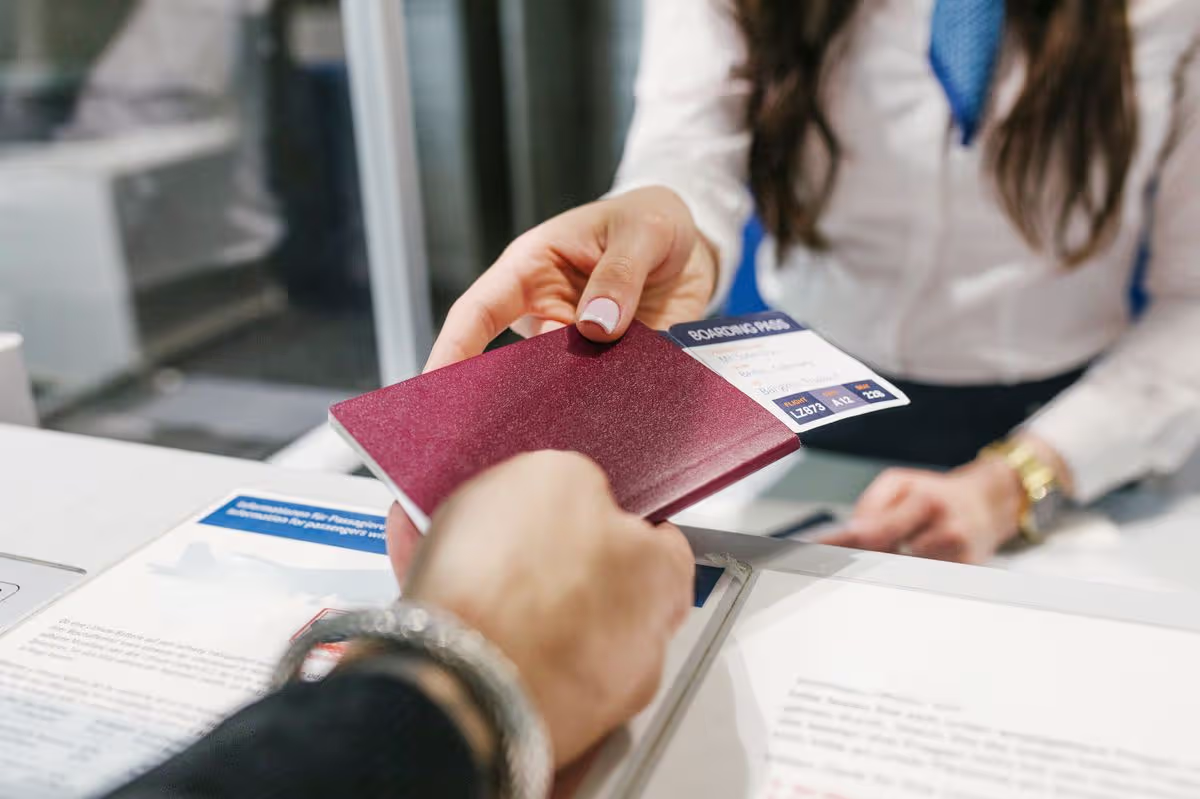
There are two key dates you should check on your document; the expiry date, and the issue date, especially if you’re planning to head to a European hotspot such as France, Spain or Greece. This is because of a post-Brexit regulation on travel to the European Union or Schengen countries, which stipulates that UK passports must have been issued less than 10 years before your departure and must be valid for at least 3 months after your return.

Meanwhile countries such as Australia, China, Thailand, the United Arab Emirates, Indonesia, and India require at least 6 months of passport validity from the date of arrival. It’s vital to check any entry requirements and passport validity before making any travel plans.

You must also ensure your passport has not been physically damaged, as this may render it invalid. This could include ripped pages, water damage, separated covers, or anything else that might make the personal information difficult to read.

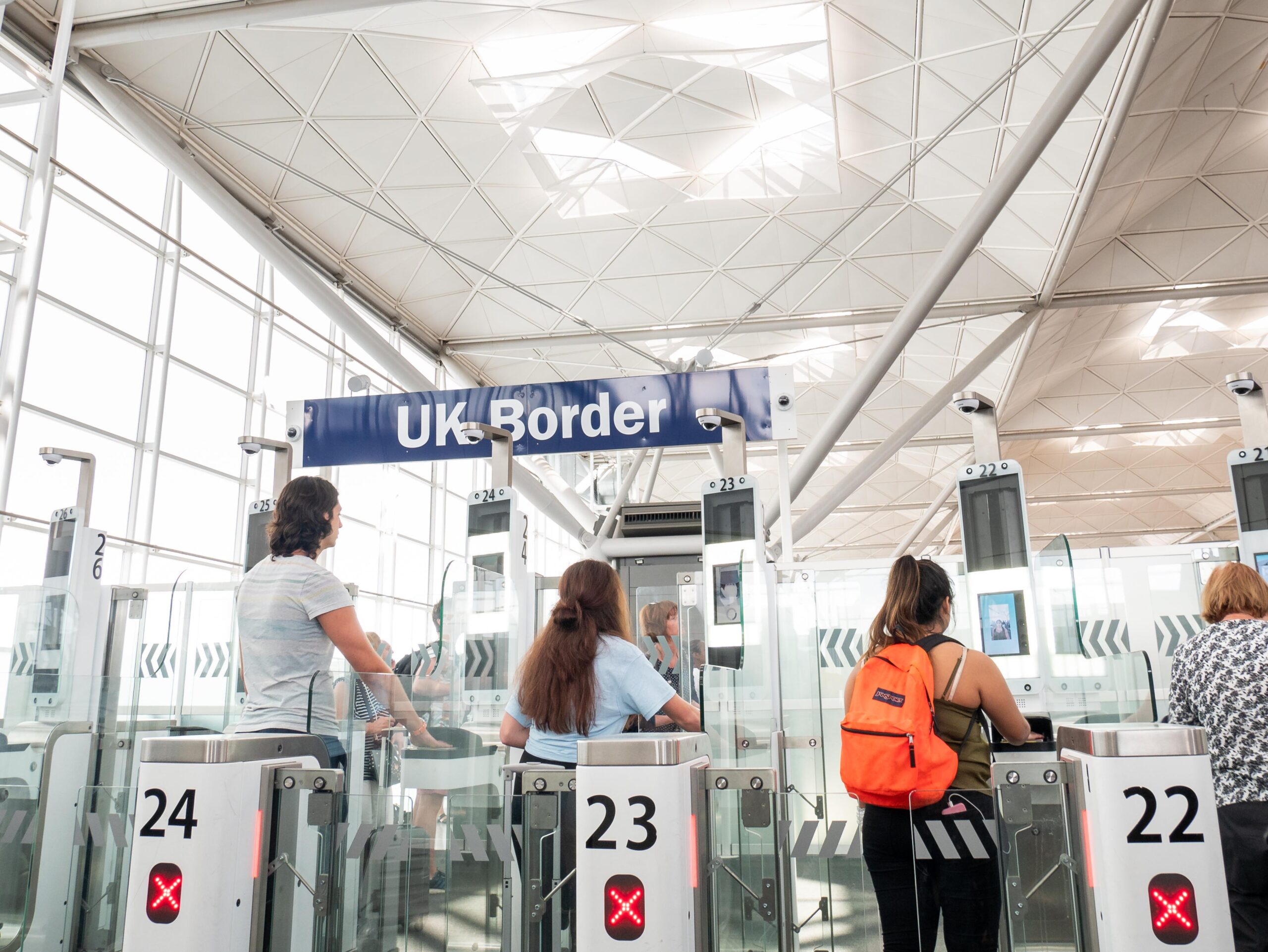
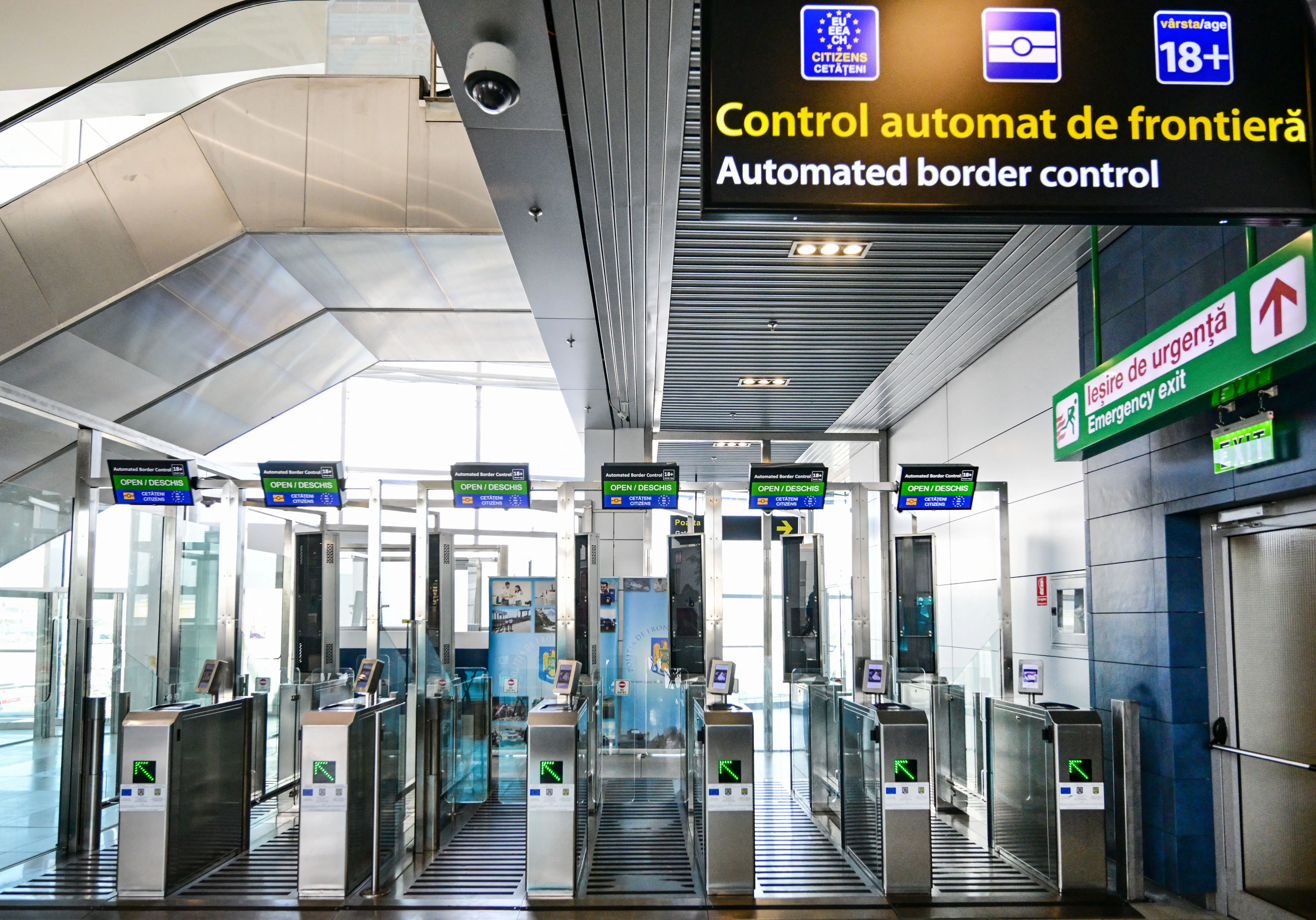
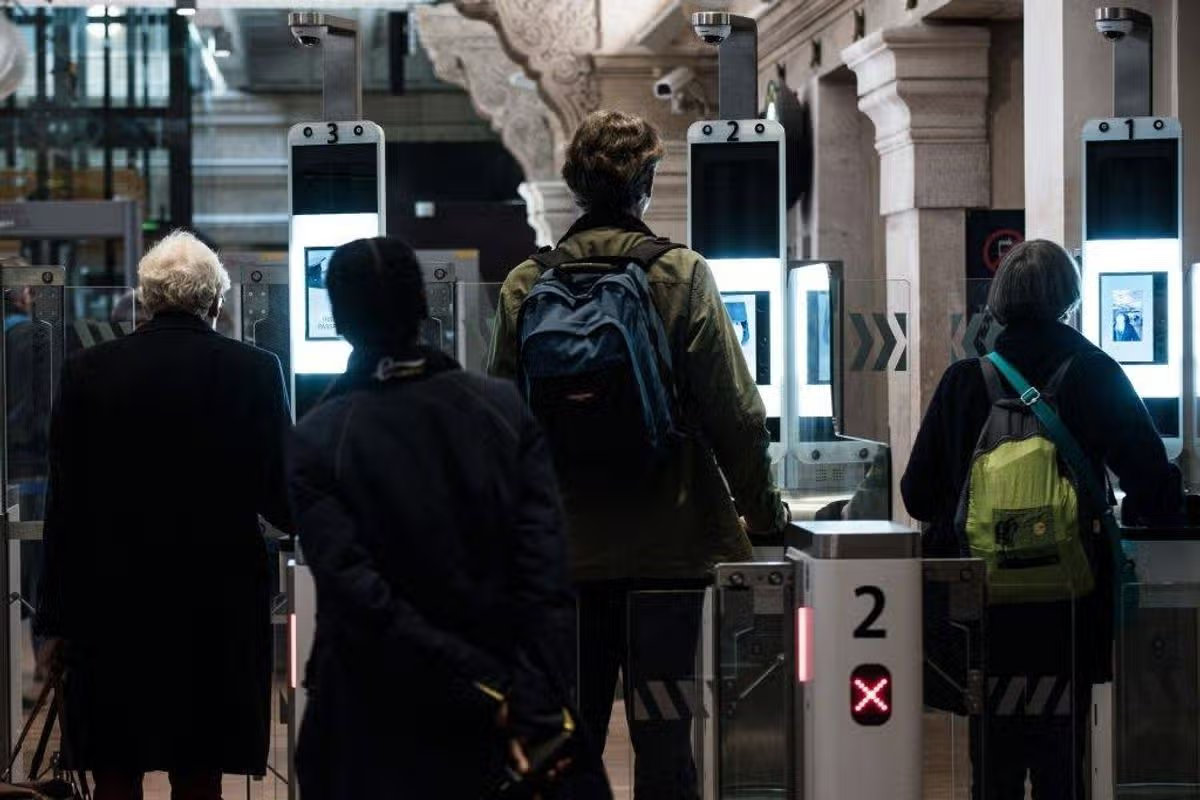
Travel expert Jamie Fraser at Wild Packs warned that the general wear and tear of a passport can also be problematic when passing through automated scanners or at airport border control points. So it’s vital to check that your passport is in good condition, or if you need to apply for a replacement.

There must also be a blank page at the back of the passport for any necessary stamps or visas. If the passport is crammed with stamps from past trips, it could create problems at the border if there aren’t enough blank pages, leaving you unable to travel.

If your passport has expired or needs to be replaced, you can apply for a new one through the government website. However, it’s crucial to do it well in advance, as it can take around three weeks and sometimes longer.

There are fast-track passport services available, but Jamie cautioned that these are not “always guaranteed and appointments can be limited during peak travel periods”. HM Passport Office also advised: “Do not book travel until you have a valid passport – your new passport will not have the same number as your old one.”

To renew or replace your standard passport online, it will cost £94.50, or £107 if you opt for a paper application. Meanwhile, a child’s passport will cost £61.50 online or £74 by post.

Do you have a travel story to share? Email webtravel@reachplc.com

Source link

Iran war – Simon Calder explains rules to Brits with holidays booked to Turkey or Cyprus

Simon Calder gave his thoughts on when travel disruption will start to ease following the strikes on Iran

A travel expert has shared his views on when ‘people will be able to travel again’ as the Middle East conflict continues to escalate. Journalist Simon Calder, who specialises in travel, discussed the crisis and its impact on worldwide travel.

American and Israeli strikes on Iran are approaching the end of their second week, with no resolution in sight. Travel to the Middle East remains limited, with airlines cutting back on the number of flights to and from the area.

Countries such as Oman, Qatar, and the United Arab Emirates serve as vital transport hubs for destinations including Asia and Australasia. The outbreak of hostilities has left hundreds of thousands of travellers stuck.

Speaking to Sky News, Mr Calder offered his perspective on when travel might become more straightforward. He said: “We’ve already seen missiles sent to Turkey and attacks on Cyprus. Now, personally, I think the chances of anything happening to a tourist in Turkey or Cyprus are microscopically low, but I also know that people are rebooking away. They’re going to the western Mediterranean – typically Spain and Portugal – because they believe they will be safer there.

Content cannot be displayed without consent

“If you’re flying from the UK to a holiday spot such as Turkey or Cyprus and that flight is cancelled, then, fortunately, air passenger rights rules are squarely on your side. The airline that cancels the flight has to get you to your destination as soon as possible, regardless of the cost. And if you can’t get there immediately, the airline has to provide meals and accommodation, if necessary, before you are able to get to your destination.

“The Foreign Office warns against travel to Kuwait, to Bahrain, to Qatar and, crucially, to the UAE, home to the busiest hub in the world: Dubai International Airport. But I’m also predicting that, actually, that ruling is going to lift fairly quickly, and people will be able to travel again.”

Flights are still operating through Dubai International Airport, despite two Iranian drones injuring four people after exploding at the facility. The Dubai Media Office, which releases statements on behalf of the city-state’s government, confirmed flights are continuing, and that the attack caused ‘minor injuries to two Ghanaian nationals and one Bangladeshi national, and moderate injuries to one Indian national’.

Officials have been attempting to restore its flight schedule, though the airport has been targeted amid the conflict. The war has created uncertainty for travellers with flights booked in the coming weeks, prompting Mr Calder to offer his guidance on what passengers should do.

READ MORE: Iran war travel expert Simon Calder issues Emirates ‘flights will be resuming’ updateREAD MORE: Martin Lewis explains ‘safe thing to do’ ahead of April 1 price change

“If your flight is due to go, I’d say, a week or more from now, well, all you can do is just hope that it goes ahead,” he stated. “If you’re going imminently and you do not know if your trip is running, well, the basic news is that if you go to Abu Dhabi, to Dubai, to Doha, you will be going against Foreign Office advice. So, be aware of that; your travel insurance will be invalidated.

“I’ve got some skin in the game. I am booked to fly out on Saturday night from Jakarta, the Indonesian capital, through to Abu Dhabi and connect onwards to London. Now, at the moment, along with many, many other travellers, I’m absolutely promised the flight will go ahead as normal, and I trust that it will. But I simply do not know.

“At the moment, I’m definitely not cancelling my flight because, well, bluntly, if you cancel the flight – which is what the airlines would really like you to do – you will simply be removing yourself from the problem. If, like me, you’re booked in a few days’ time and you do have a bit of flexibility, then absolutely keep your booking open.

“If you go for a refund, first of all, the airline will be delighted because you’ll be a problem that’s removed from their cares and, secondly, you could find yourself paying three times, five times, 10 times as much to get back. Much better to remain a problem for the airline; they’ve got to get you where you need to be.”

Source link