Brits

Brits become their ‘best selves’ on holidays – and feel 13 years younger

British holidaymakers feel most like themselves on holiday according to a new study, with many saying it makes them feel 13 years younger on average.

Travellers have revealed the things they only do on holiday – and many say it leaves them feeling years younger.

A study of 2,000 holidaymakers found 63% do things on a break they wouldn’t usually consider at home. Treating themselves to a daily cocktail or beer, spending money without overthinking it and making bolder clothing choices are among the top ways adults let loose.

More than a third (34%) said they are more open to trying new activities when away, with watersports, quad biking and kayaking ranking among the most popular. Other holiday staples include city walking tours, open-top bus rides and beer and wine tastings.

The research was commissioned by San Miguel, which is launching an immersive “Holiday Mirror” experience. The installation is to encourage people to hold onto that carefree holiday mindset, whatever the weather and wherever they are.

Ed Hussey, a spokesperson for the beer brand said: “Our research shows holidays give people permission to be more spontaneous, sociable and carefree.

“The recent heatwave gave us a small glimpse of what that feels like. The Holiday Mirror is designed to remind people that a Spanish summer isn’t just about sunshine abroad – it’s about mindset, spontaneity and making the most of everyday moments.”

Millennials emerged as the most adventurous, putting it down to switching off from daily chores and work emails. More than a quarter (28%) said they are more sociable on holiday as everyday stresses fade into the background, while 30% said they feel more spontaneous because they’re out of their normal routine.

Two thirds said they become the ‘best version of themselves’ when they can escape the pressures of day-to-day life – and 19% said they only feel like their ‘true self’ when they’re on holiday.

That shift can even make people feel younger. Some 16% said they feel an average of 13 years younger on holiday than their actual age. As muhch, many try to carry the feeling into everyday life.

After returning, 22% said they plan to live more in the moment, exercise more and spend more time outdoors. And simple pleasures can help recreate that carefree mindset, with 26% saying a beer in a pub garden does the trick and 31% opting to host a BBQ with friends. For 22%, even the sound of a bottle opening is enough to help them unwind.

Ed Hussey added: “People often return from summer holidays feeling like they’ve left the best version of themselves behind. We wanted to explore how people can hold onto that feeling for longer, even once they’re back home and back to routine.”

TOP 10 THINGS WE ONLY DO ON HOLIDAY

1. Spend the day by the pool/beach

2. Drink alcohol during the day

3. Read books for hours uninterrupted

4. Have a cooked breakfast everyday

5. Talk to strangers

6. Spend money without thinking about it

7. Spend the entire day doing absolutely nothing

8. Try new activities

9. Have a nap

10. Wear flipflops Headline

Source link

Financial adviser urges Brits to wait until specific time of day to book 2026 holiday

According to Abs Mechial, there is a specific minute every day in which holidays can be booked for cheaper on average – but you may need to set your alarm to take advantage of it

If you are yet to book a getaway this year and are wondering when the ideal moment might be to do so, a financial expert has identified precisely when you should – and shouldn’t – make your move. Abs Mechial turned to TikTok to reveal that not only are certain days preferable for booking, but specific times of day matter too.

“When is the worst time to book a holiday and when is it actually cheapest? he asked his followers in a video. Surprisingly, according to research, Abs claimed there is a one-hour window in each day when holidays can cost you significantly more money to book.” he asked his followers.
Content cannot be displayed without consent

“According to the data, the most expensive time to book is between 9am and 10am,” he explained. “Bookings in that window came in around 30 per cent more than the cheapest time of the day – so no more booking holidays as soon as you log in for the day.”

As for the most economical time of day, Abs warned that you might need to set your alarm. “Early… and I mean really early,” he said. “Between 4am and 5am – and the logic does make sense.”

Abs highlighted that overnight, demand “drops off” and consequently prices “reset” to their baseline.

He elaborated: “Then as the day goes on, the more searches and more clicks result in prices starting to creep back up again.”

For those reluctant to wake up before sunrise, however, Abs provided guidance for anyone wanting to book during “more realistic hours”.

“Late evening, around 8pm to 10pm tends to be noticeably cheaper than the morning rush,” he enthused. “But if you want to go even further and want the exact moment – not just the hour, but the minute – according to the data, the single cheapest minute to book a holiday is 2:48am.”

Surprisingly, bookings made at that precise time worked out up to 60 per cent cheaper on average, according to Abs.

He concluded with a word of caution, however: “Now, definitely take that with a pinch of salt – booking at 2:48am isn’t going to make every holiday 60 per cent cheaper, but the pattern is clear – if you want to save money, avoid peak booking hours because timing, just like everything else with money, makes a massive difference.”

Responding in the comments, one TikTok user offered their own unverified tip: “Best to search in private browser so prices do not increase if you are searching for same destinations. Prices increase with demand so private searching will prevent this.”

A second person added: “I usually book mine within 72 hours of departure… like 50% cheaper! I find the hotels I want and then I wait for them to deal them off.”

A third exclaimed: “Wow that’s crazy how the time of day can cost you!”

While a fourth TikTok user pointed out: “Doesn’t change if you want a certain resort at a certain time of year.”

Source link

5 European tourist spots where Brits are being charged more since Brexit

It’s the time of year where Brits flock to the continent to explore its cultural delights, but many will find that in addition to longer queues at passport control, they could paying more to visit top attractions

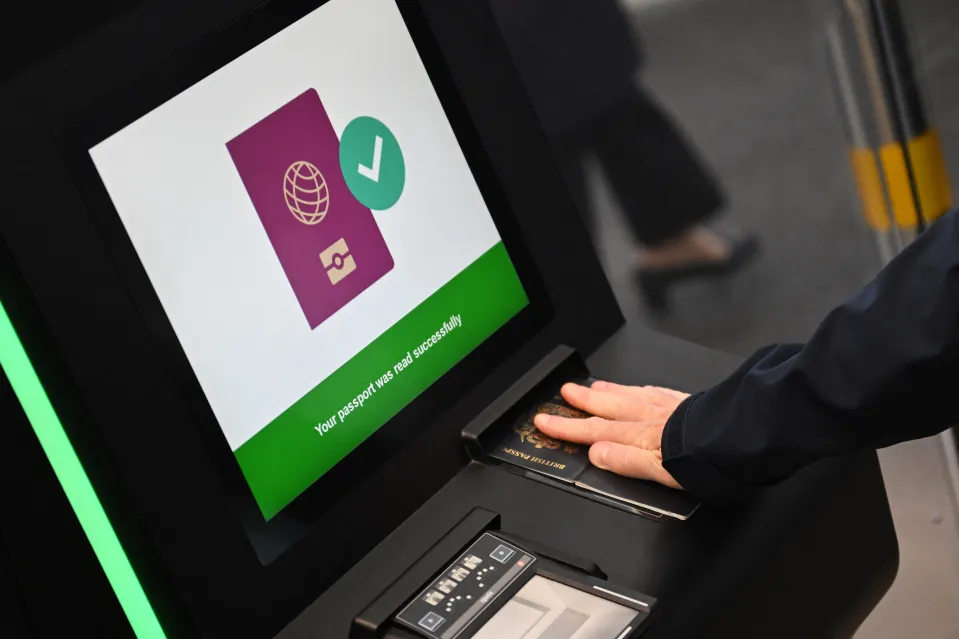
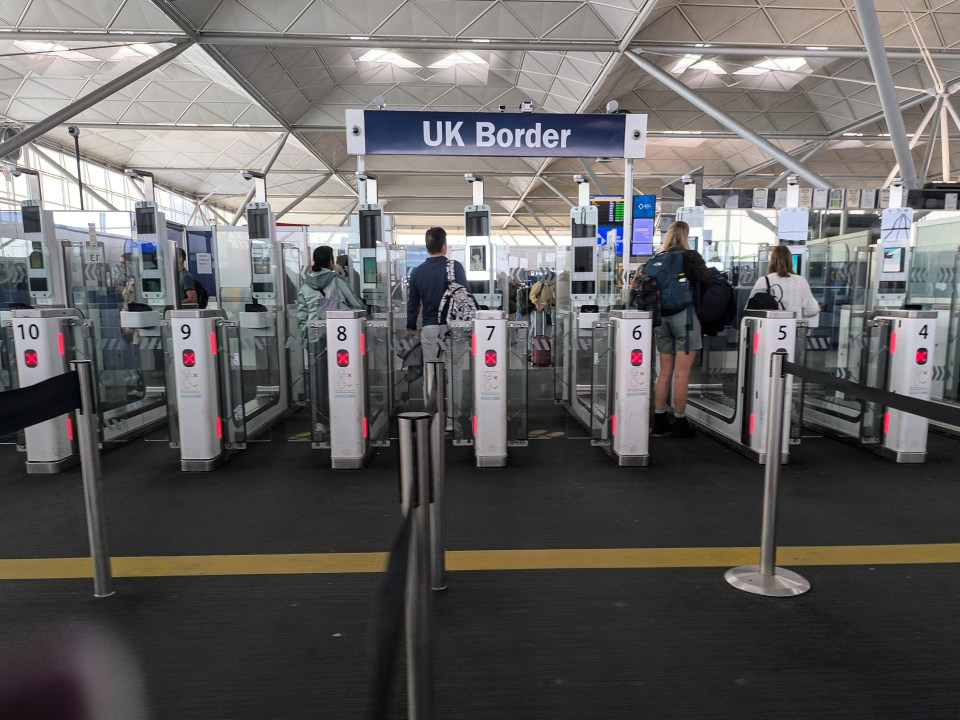
Exploring Europe has become a lot trickier, and more expensive, since Brexit. From 90-day restrictions to the new Entry/Exit System (EES) that non-EU residents need to go through, the days of carefree hopping across the continent are over.

In the latest blow to Brits, some of Europe’s top tourist attractions have also started two-tier pricing schemes for EU and non-EU residents, meaning not only are we relegated to the longer queues at airports, on arrival we’ll also pay more to experience the country when we arrive.

Here are some tourist spots where you’ll need to pay more if you don’t have an EU passport.

1. The Louvre

According to a report by Which?, visitors to the Louvre, one of the most popular tourist attractions in Paris, face a two-tier pricing system. The museum increased its prices last year, from €22 to €32 (around £19 to £27), for anyone from outside the European Economic Area (EEA). So, visitors from any of the 27 EU countries, or Iceland, Liechtenstein or Norway, will pay €10 (about £8.64) less than British tourists.

Other Paris attractions such as the Palace of Versailles and Sainte-Chapelle have also introduced dual pricing depending on nationality. British visitors to the historic château in Versailles will pay €3 more for their tickets (about £2.50).

2. Teide National Park

Tourists visiting Teide National Park, the largest of its kind in the Canary Islands, will need to pay for a permit to walk its most popular trails. This recently introduced fee runs from €10 to €25 (approx. £8.64 to £21.50) depending on where you go and whether you take a guide. Tenerife residents don’t pay this charge, and people who live on other Canary Islands get heavy discount.

It’s not the only Canary Islands attraction to offer deep discounts for those who live on the archipelago. For example, a visit to Siam Park, a sprawling waterpark in Tenerife is around €44 for a standard adult ticket, about £38, but half the price if you live on one of the local islands.

3. Acropolis of Athens

Hoping to take the kids to see the iconic Acropolis of Athens? if they’re British passport holders you’ll need to fork out more. While EU residents up to the age of 25 can visit the Acropolis for free, non-EU kids from the age of six to 25 will need to pay €10. Older adults also get fewer discounts if they’re from outside the EU. While seniors over 65 from the EU can pay a reduced €10 entry fee, Brits of the same age pay the full price of €20 (about £17.25).

4. The Royal Palace of Madrid

The Royal Palace of Madrid offers free hours between Monday to Thursday, from 4 pm to 6 pm from October to March, and from 5pm to 7pm from April to September, but these are only available to citizens of the European Union and Latin American citizens holding proof of nationality. Brits who want to visit the official residence of the Spanish royal family will need to pay nearly €25, although there are half-price tickets for younger people.

5. Pompeii and the Colosseum

Young people hoping to explore Italy’s state museums such as Pompeii and the Colosseum will pay more if they’re from non-EU countries. Many Italian attractions offer heavy discounts for young people up to the age of 25, bringing the cost of tickets down to under £2 in some cases. But these aren’t available to British passport holders.

Elsewhere in Italy, visitors to Rome will now need to pay for access the lower basin and steps of the iconic Trevi Fountain. As of February, visitors need to pay €2 to get close to the popular sightseeing spot, although locals can still enjoy it for free.

Have a story you want to share? Email us at webtravel@reachplc.com

Source link

Jet2 starts £48 flights to idyllic island that most Brits don’t know about

The island of 32,000 is not one on the British holidaymakers’ Greek trail, at least not when compared to the likes of Crete, Cyprus or Mykonos

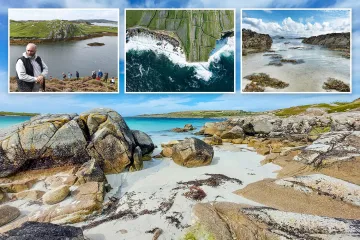
Jet2 has just begun flying to a beautiful Greek island home to rugged mountains, cobblestone alleys and fresh waterfalls.

In May 2026, the budget airline launched a new flight route from the UK to Samos, becoming only the second airline to offer direct flights to the island, after TUI.

From May to the end of October, Jet2 will be flying twice weekly from Manchester Airport, London Stansted and Birmingham to Samos, with fares from £48.

The island of 32,000 is not one on the British holidaymakers’ Greek trail, at least not when compared to the likes of Crete, Cyprus or Mykonos. But there are plenty of reasons why a visit to Samos is a great idea.

Do you have a travel story to share? Email webtravel@reachplc.com

Content cannot be displayed without consent

For one, it’s a place of serious historical pedigree, home as it is to two UNESCO World Heritage Sites of Pythagoreion and Heraion, and as the supposed birthplace of the Greek goddess Hera.

Zeus’s sister/wife is far from the only famous child Samos has to shout about. It is also the birthplace of the Greek philosopher and mathematician Pythagoras, the philosophers Melissus of Samos and Epicurus, and the astronomer Aristarchus of Samos, the first known person to suggest that the Earth revolves around the Sun.

Samos is one of the greenest Greek islands, and its nature is genuinely impressive. It is quite different from the more barren, sun-bleached look of many other Aegean islands.

Forests and mountains are a big part of that. Much of the island is covered in dense pine and cypress forests, and Mount Kerkis dominates the western end, rising to around 1,434 metres. It’s one of the highest peaks in the Aegean and is popular with serious hikers. The summit trail takes about 5–6 hours round trip.

Rivers and waterfalls are unusual for a Greek island, yet Samos has several. The most famous is the Potami waterfall near Karlovasi in the west, where a river flows through a gorge shaded by plane trees into a series of cascading pools you can swim in. It’s one of the most scenic spots on the island.

Beaches range from busy, sandy coves to wild, pebbly stretches backed by cliffs. Psili Ammos in the east has fine golden sand, while spots like Mikro Seitani and Megalo Seitani on the northwest coast are only reachable on foot or by boat.

Antasia Nalmpanti is the general manager of Casa Cook Samos, a hotel on the island with rooms from €243.

She told the Mirror: “Samos is one of those rare Greek islands that still feels genuinely undiscovered – and that’s a big part of what makes it so special. Unlike many Mediterranean destinations, it hasn’t been shaped by mass tourism; the pace is slower, the landscape is wilder, and the locals are incredibly welcoming.

“Our hotel, Casa Cook Samos, was designed to mirror exactly that spirit – inspired by the architecture of a traditional Samian village, nestled between lush hillsides and the Aegean, with private beach access and a restaurant that genuinely tastes of the island. Guests arrive looking for something real and unspoiled. Samos delivers that, every single time.

“At Casa Cook Samos, our goal is also to bring people together and revive the spirit of parea – the Greek tradition of sharing moments, stories, food, and connection, just as people once gathered around the village square. Guests can experience this feeling at our Parea Bar, where conversations flow naturally, and during our Samian Dinner, where a local yiayia joins us to prepare traditional dishes and share the island’s culinary heritage. It’s these authentic moments of togetherness that make a stay on Samos truly memorable.“

Source link

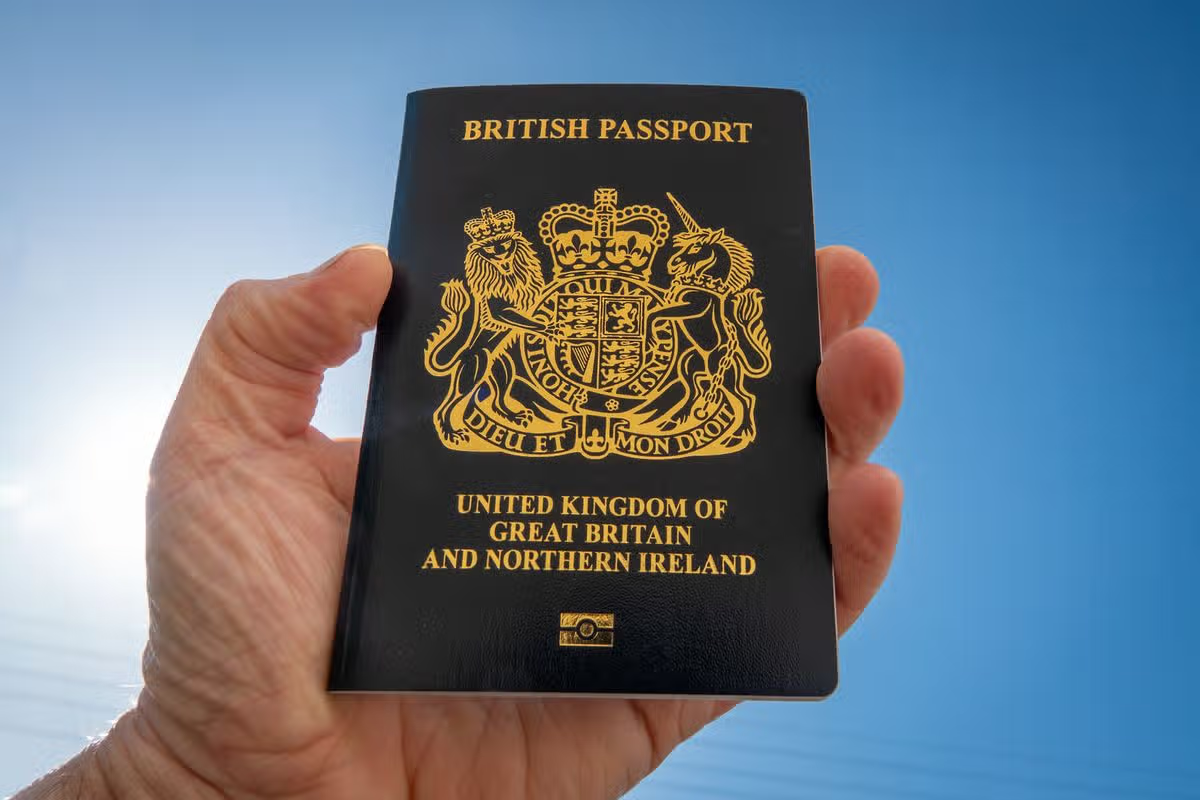
Brits are being stranded abroad due to confusing new passport rules that ban them from flights

ANOTHER Brit was banned from boarding his flight home due to confusing passport rules recently introduced.

Dad-of-two, Kyle Harris, was refused boarding onto his booked Jet2 flight from Kefalonia in Greece back to the UK due to only having an American passport.

Brit Kyle Harris and his family have been left stranded in the UK following confusing new passport rules Credit: Facebook

The 39-year-old had been on holiday with his wife and two sons and was unaware that new passport rules impacting dual-national Brits was introduced back in February.

Dual-national Brits used to be able to fly back to the UK on their second passport, which in Kyle’s case is his American passport.

However, now, a UK or Irish passport must be shown at the border or the traveller can get a digital ‘certificate of entitlement’, but this would cost a steep £589.

Ruth – Kyle’s wife – wrote on Facebook: “Imagine being told your husband can’t come home to the UK – despite living there for 39 years, paying 24 years of tax and national insurance, attending nursery, primary and secondary school, raising British children and building his entire life there.

Read more on travel inspo

TRAVEL TIP

The £2.99 SIM hack that can save Brits HUNDREDS abroad


STAYCAY

Our travel experts’ best-kept-secret UK holiday spots for summer – from £37 a night

“That’s exactly what happened to us on Saturday.

The family has had to extend their time away and has reached out to the British consulate in Greece as well as the Foreign Office in London.

Kyle is a dual-national Brit and tried to re-enter the UK on his American passport however this is no longer allowed Credit: Facebook

Ruth added: “Not once during booking, travel, or check-in were we warned this could happen.

“Nor have we seen any of a large campaign that has apparently taken place to ensure people travelling this way know. This situation needs attention.

“How can a system be rolled out with so little communication that someone who has lived in the UK virtually their entire life suddenly feels unwelcome, forgotten, and forced to prove they belong?

“Right now my husband feels more like a foreigner than a citizen of the country he calls home.”

A Jet2 spokesperson said they were “sorry” for the situation but added: “Our cabin crew acted in accordance with government legislation and sought guidance from the Home Office, as the passenger did not have the correct documentation at the time of travel.

“We advise all customers to check Foreign Office travel requirements before travelling.”

The family are currently stranded in Greece communicating with the British consulate Credit: Facebook

The change comes as new Electronic Travel Authorisation (ETA) has been introduced, which requires all Brits to enter the UK on their British passport.

The change comes as the new Electronic Travel Authorisation (ETA) has been introduced, which is a £20 digital travel permit required from all non-British travellers entering the UK.

Dual-national Brits are not able to apply for one.

He also isn’t the first person to fall victim to the new rules – back in April, 26-year-old Natasha Cochrane De La Rosa was left stuck in Spain after trying to return to the UK without a British passport.

A British-French student was stuck in Madrid for the same reason, as well as an 18-year-old British-Danish student who was banned from her return flight to the UK from Mumbai.


Source link

Badly-behaved Brits face being banned from flying for LIFE under new Labour rules

MISBEHAVING Brits could be slapped with a permanent flight ban under new Labour rules.

Labour Ministers are currently looking at establishing a blacklist to stop abusive behaviour towards cabin crew and disruption to travel.

The UK government is looking at introducing new rules that could ban unruly passengers from flying Credit: Alamy

This includes considering how information about drunk and abusive passengers could be shared between airlines.

Currently, if you misbehave on a flight you can be banned by the airline you are travelling with – but other airlines would not know this.

If the new rules were to go ahead, it would mean that public officials could keep information about passengers, including a history of any bad behaviour during flights.

In an airport setting, public officials would likely include police, border force officers and immigration officers.

Read more on travel inspo

TRAVEL TIP

The £2.99 SIM hack that can save Brits HUNDREDS abroad


CHEAP BREAKS

UK’s best 100 cheap stays – our pick of the top hotels, holiday parks and pubs

The official would then warn an airline if the passenger was trying to check in with them.

Then, the airline could decide whether or not they want the passenger travelling with them.

The new system would be compliant with data protection rules, so no new legislation would need to be created for the rules to be introduced.

Having said this, data protection rules don’t allow airlines to share information about travellers, hence the need for a public official.

It comes as a the number of drunken incident on flights have risen in recent years, including one earlier this month on an easyJet flight Credit: Alamy

It comes as the number of drunken and violent incidents on planes has risen in recent years.

Earlier this month, a drunk woman believed to be British lunged at another passenger, causing chaos on an easyJet flight.

A government source said: “Everyone should be able to enjoy a pint at the airport, but anti-social behaviour on flights is totally unacceptable.

“It threatens the safety of passengers and crew, and disrupts hard-earned holidays.

“There are already tough laws in place to deal with offences committed on flights, but we are exploring with industry how we can better address this issue, ensuring we crack down on people who persistently cause chaos.

“Everyone should be able to fly without fuss.”

Tim Alderslade, Chief Executive of industry body Airlines UK, said: “UK airlines have a zero-tolerance approach to disruptive behaviour.

“Additional measures for the most serious cases of disruption, including the creation of a national ban list, are an important next step in ensuring a tiny minority of passengers cannot disrupt air travel for the majority.

In a recent YouGov survey of 5,000 adults, 37 per cent said they supported the proposal for new rules Credit: Alamy

“We welcome the government’s support for further action and will work closely with ministers on delivering the right solutions.”

According to LBC, Phil Ward, Chief Operations Officer of Jet2, also said the airline would support new rules of sharing passenger information between airlines.

He said: “The creation of a national database will mean that, as well as being banned from flying with us, disruptive passengers can also be banned from flying with other UK airlines.”

In a recent YouGov survey of 5,000 adults, 37 per cent said they supported the proposal for new rules, with 38 per cent saying they somewhat supported it.

Only 11 per cent opposed.

Being drunk on a flight is a criminal offence and can lead to a fine of up to £5,000 and two years in prison.

A meeting will be held later this month where industry leaders will discuss the plans.

The Sun’s Head of Travel shares her thoughts

LISA Minot, The Sun’s Head of Travel, shares her thoughts:

Plans to blacklist drunk and abusive passengers on a nationwide database can’t come soon enough.

Onboard incidents have skyrocketed in recent years and a full ban on those found guilty across all airlines would be the kind of punishment that would have real consequences.

At the moment, while one airline can ban a passenger for life, data protection means other airlines are not alerted.

Having seen the chaos a drunken passenger can wreak myself on a flight from Cape Verde back to the UK anything that will show disruptive passengers there are real consequences is a good move.

Ryanair boss Michael O’Leary has repeatedly called for a ban on passengers drinking in departure lounges but why should the vast, innocent majority pay for the sins of a tiny minority?

This proposal is a much more sensible way of ensuring planes are not turned into battlegrounds without punishing the law-abiding passengers.

Source link

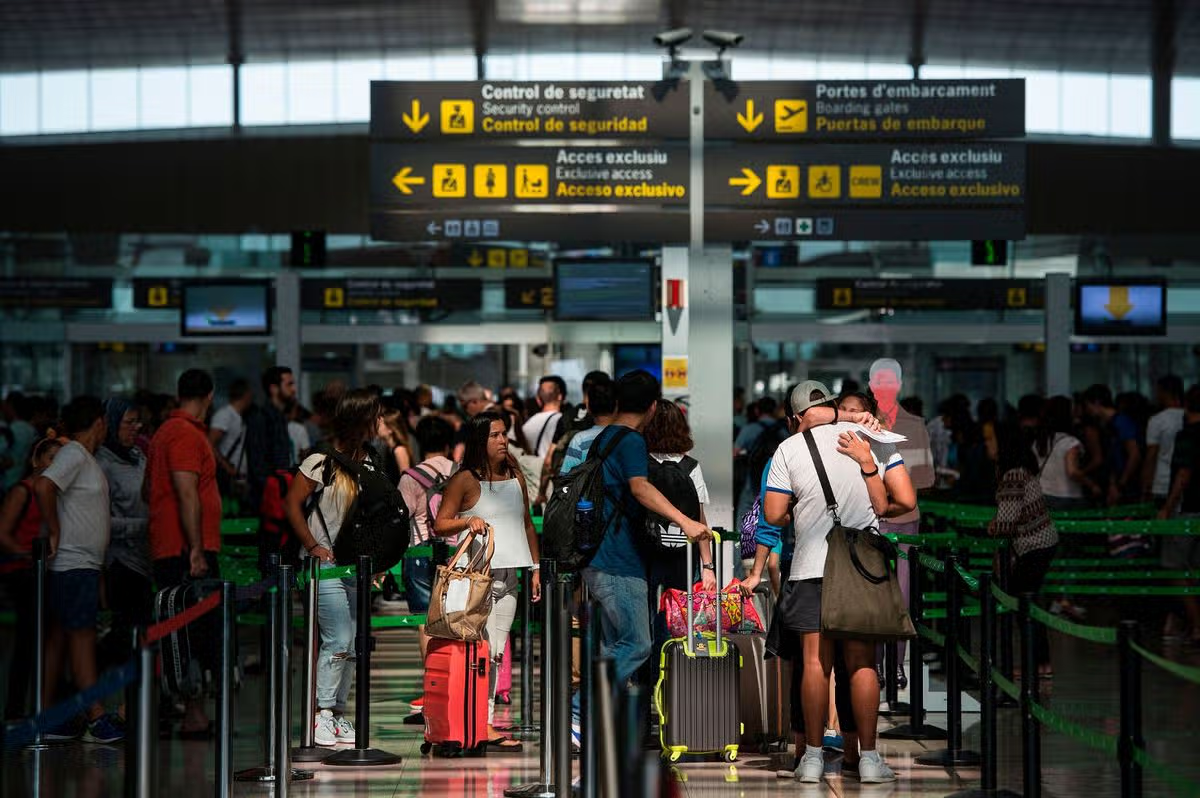
Brits told to allow three hours before flights in urgent EU airport warning

Airports at Brit holiday hotspots including Spain, France and Portugal have reported severe delays and long queues – some as long as three-and-a-half hours at peak times

British tourists are being advised to allow more time at airports across Europe before travelling home because of major delays caused by biometric checks.

Wizz Air boss Yvonne Moynihan warned holidaymakers returning home from an EU destination that they should arrive at the airport three hours before their flights are due to depart amid concerns about the new security procedures.

The EU entry-exit system (EES) has now replaced passport stamps with a digital registration, involving biometric checks carried out on entry and exit for all non-EU citizens.

The EES has been gradually introduced across Europe since October last year but came into full force last month. Since then, tourists have reported huge delays at border control,.

Just last week, French police temporarily lifted the EES checks at the Dover port to free thousands of tourists trapped in long delays in the scorching heat.

Ms Moynihan told the BBC: “Because there is another passport check … that’s where we see that people have, again, experienced longer waiting times than anticipated.”

She said that while usual advice is to arrive at the airport two hours before a flight, “in these circumstances, we are advising three hours”.

The new measures have been “fragmented across Europe”, she continued, with some EU countries recording “seamless travel” while in extremes, there have been long queues and delays at “usual hotspots such as Spain, Portugal, France”.

“When you land in the destination airport, there might be queues, so you should bring a portable charger or water,” Moynihan said her airline is advising in general to any British customers travelling from an EU destination.

For those with connecting flights, she advised planning for several hours.

Her comments come as the European airports association ACI Europe warned queues have been reaching an eye-watering three-and-a-half hours in peak traffic times, based on its survey conducted across 45 airports in 20 EU states on May 26.

“Airports which previously did not report excessive waiting times are now doing so despite the extensive use of partial suspension of EES,” it said in a statement to Travel Weekly.

However, the European Commission told the BBC that the EES was not the only factor that can cause delays at the border, stating information may only take around a minute to register.

Source link

Island loved by Brits bans new holiday lets in overtourism crackdown

The Spanish destination has banned all new holiday rental properties — including houses and villas — as local authorities move to protect struggling residents from being pushed out of their own neighbourhoods

A beloved holiday destination popular with British tourists is cracking down on new holiday rental properties, after they were found to be forcing local residents out of their own communities.

Local politicians in Palma de Majorca are poised to bring in the measure to boost housing availability for hard-pressed residents. New licensed apartment holiday lets have already been prohibited there for several years, and now local politicians are moving forward with a ban on houses and villas.

Local councillor Óscar Fidalgo insisted the move was one that simply had to be made. He described it as proportionate and fair, adding that it should have been implemented sooner in order to protect those living on the island from spiking property prices.

He was openly critical of holiday rentals growing ‘like never before’, and warned that they were causing integration issues between tourists and locals.

According to Majorca Daily Bulletin, Fidalgo said: “The expansion of tourist accommodation reduces the available residential supply and makes it harder to access housing. The current model presents problems of legal certainty and complicates inspections, which allows for fraud. More inspection capacity is needed.

“There are also urban sustainability reasons. It affects neighbourhood coexistence. We must protect neighbourhoods and prevent the displacement of residents.”

A town hall technical report concluded that the Spanish holiday hotspot is unsuitable for the opening of new holiday rental properties.

In April this year, more than 8,000 illegal Airbnb listings in Majorca were removed from the website, totaling a withdrawal of more than 40,000 illegal tourist beds.

The move was part of a coordinated effort between Airbnb and the Spanish authorities to reduce the number of active rental properties.

The fines for running an unlicensed holiday let in Palma de Majorca are steep. Landlords face fines of up to €40,000 (£34,700) and the government has employed a group of inspectors to ensure compliance. There is also an online reporting system for the public to report suspected rule-breakers to the authorities.

Nearly a third of tourists visiting Spain opt to stay in short-term rentals. The number of homes listed for holiday rentals in May dropped 6% from the previous summer to 1.43 million, after regulations were tightened to ease the housing crisis, data from the National Statistics Institute showed.

According to campaign group Affordable Majorca, since 2013, rents in Palma have increased by a whopping 40%.

Approximately 2.3 to 3.6 million British tourists visit Mallorca each year. The UK consistently ranks as the second-largest source of international visitors to the island, making up about 20% to 26% of all tourist traffic, trailing just behind Germany, according to Road Genius.

The decision in Palma de Majorca comes as another holiday island has also cracked down on beach regulations, banning nearly 700 loungers. Authorities imposed the ban on Formentera in the Balearics, effective immediately until 2029. A further 339 parasols have also been ordered to be removed from beaches.

Source link

Little-known TUI trick could help Brits snap up £30 flights for summer holidays

Insiders at TUI have revealed a little-known booking trick that most Brits don’t know about, and it could help you save money on flights and even get returns from £30

If you’re always on the lookout for cheap holiday deals, then you may want to take note of a little-known TUI trick revealed by insiders at the holiday giant.

In fact, according to TUI UK’s Commercial Director Chris Logan, it could help you snap up return flights from £30 to a number of holiday hotspots including Spain, Greece, Portugal and Turkey.

You’ll need to book just a few weeks before departure – and according to Chris it can work on long-haul holidays like the Caribbean, Mexico and Thailand too.

According to TUI insiders, the holiday giant’s dedicated ‘Cheap Flights‘ page is where the firm will release flights that have been heavily reduced. This can be because of a number of factors, such as if a plane isn’t full and the airline is trying to sell the remaining seats.

Chris explained: “If you’ve got a bit of flexibility, this is one of the easiest ways to find a great-value getaway. It’s not something everyone knows about, but checking our flights page regularly can uncover some genuinely low fares, especially closer to departure as we look to fill remaining seats.”

“We’re talking everything from quick European breaks to long-haul trips across the Caribbean, Mexico and Thailand. Because TUI Airways flies from 22 airports across the UK, it makes it easy to pick a date, pack a bag and fly from your closest regional airport.”

Obviously it only works if you can be a little flexible on your dates, and even destination; but given the summer holidays stretch over a six-week window, it could mean you could bag some tempting deals during the peak seasons too.

Chris added: “For customers who don’t mind when or where they go, it can be a really simple way to save money on flights and land some of the best-value fares”.

Unsurprisingly, the cheapest fares from £30 tend to fall outside of the school holiday dates, for example for flights in June or early July. However, if you’re tied to term time, you could still bag cheaper flights and potentially save on your holiday during the busier periods.

For those who are able to travel outside of the school holiday dates, you can find return flights from £30pp to Majorca, from £63pp to Ibiza, and even £82pp to Tenerife.

Of course the TUI hack isn’t the only way you could find some tempting holiday bargains. For example, Skyscanner has an ‘anywhere’ feature that lets you pick some dates, and then it simply shows you all of the cheap flight deals it can find for that window, which can be really useful if you’re not too set on a specific destination.

Meanwhile, easyJet has an ‘Inspire me’ tool where again you can enter the rough window you’d like to travel, the type of holiday you’re after (for example city break or beach holiday), and then it will show you some of the cheapest flights on offer to a number of destinations.

Have you been on an amazing holiday after finding an incredible deal? Email us at webtravel@reachplc.com

Source link

The ten most common items Brits admit to forgetting on holiday

Dilly Carter sitting on the bumper of a car with its boot open, revealing packed items, in front of a brick house.

BRITS are guilty of packing the kitchen sink when going on holiday – but still forget essential items such as their underwear, glasses, contact lenses and wallet.

A study of 2,000 adults found 51 per cent typically pack more than they need for a staycation, with 44 per cent claiming they are ‘overpackers’.

Illustration of a guide on how to pack your car.

It was found 23 per cent have packed so much they’ve hampered their ability to clearly see out of their car’s back window.

But they admit to often forgetting things like their charger (28 per cent), toiletries (20 per cent) and medication (13 per cent).

Organisation expert, Dilly Carter, has teamed up with Halfords to help staycationers pack smarter and get more out of their car space.

She said: “With no luggage limits, it’s easy to overpack – but a few simple tweaks can make all the difference especially when cramming what seems like every corner of your home into a bag.

“If you are packing for a trip you should think about your zones, putting things next to other bits that make sense, for example keeping all food in one place, and activities next to each other – this will help with quick unloading.

“Some cars aren’t fit to have too much kit packed in them, so it’s worth considering a roof box or bike rack to make sure you have enough room for the essentials.”

As examples of Brits’ overpacking ways, 26 per cent admit to bringing toilet paper with them, 18 per cent bring their own bedding – and 10 per cent will even pack their own spices.

For one in five (20 per cent), packing for a staycation causes them stress, with 67 per cent worrying they may forget something.

Dilly Carter sitting on the bumper of a car with its boot open, revealing packed items, in front of a brick house.
Organisation expert, Dilly Carter, has teamed up with Halfords to help staycationers pack smarter and get more out of their car space Credit: Simon Jacobs/PinPep

Although 52 per cent said the weather is the biggest cause of their packing anxiety because the weather is unpredictable.

On average, it takes Brits 50 minutes to pack their bags for a three-day (two night) staycation – although more than a quarter will take longer than an hour.

When travelling to a staycation 80 per cent will typically get to their destination by car, however 17 per cent will take to the road without carrying out safety checks like tyre pressure, fuel/battery level or washer fluid.

The OnePoll.com study found men will take control of packing the car (54 per cent), checking the car (54 per cent) and unpacking the car (34 per cent).

Whereas women will be in command of booking (55 per cent) and organising supplies (50 per cent).

Paul Ray at Halfords said: “We’ve all been there – wedging a third spare pillow into the back window, driving halfway down the M5, and suddenly realising the phone chargers are still sitting on the kitchen counter.

“With no airport luggage limits, staycations make it incredibly easy to overpack, but shoving the kitchen sink into the boot can actually change how your car handles.

“Teaming up with Dilly is all about helping families cut the holiday packing stress, get organised, and crucially, make sure that extra weight doesn’t compromise their safety on the road this summer.”

THE 10 MOST COMMONLY FORGOTTEN ESSENTIAL ITEMS WHEN PACKING:

1. Charger
2. Toiletries
3. Suncream
4. Towels
5. Medication
6. Underwear or socks
7. Swimming trunks/costume
8. Appropriate clothes
9. Wet weather clothes/boots
10. Glasses, contact lenses or sunglasses

DILLY’S TOP 10 TIPS FOR PACKING YOUR FAMILY CAR THIS SUMMER:

1. Pack with purpose and think in categories: Sleeping and shelter, clothing, food and drink, activities, and essentials.
2. Think outside the box – invest in a roof box! Reserve the boot for heavier, temperature-sensitive or frequently needed items.
3. Heavy at the bottom, light on top – always. Extra weight affects your stopping distances and how your car handles, so how you distribute it really matters.
4. Check your tyre pressures before you leave – not when you get there. You will find the correct figures on your B-pillar, fuel filler flap, or in your owner manual.
5. Protect your boot with a liner: Think of a boot liner as a duvet cover for your boot – easy to remove, easy to clean, and shaped to fit your car.
6. Keep the kids zone sorted with over-seat organisers: Create an organised travel zone with activity packs, snacks and devices all within easy reach.
7. Bikes and scooters do not belong in the boot – use a rack! A bike rack keeps everything secure, frees up your boot entirely, and makes loading and unloading so much easier.
8. Make a grab-and-go bag for the journey: Snacks, wipes, charging cables, headphones, a spare change of clothes – one medium bag in the footwell with everything you need.
9. Use all available space: Make use of all the storage compartments in your car. A lot of people forget the glove box and car door bins, but you can fit an additional 25 litres if you use it properly. It’s also handy for any items you need easy access to!
10. Pack your camping gear in set-up order: Pack what you will use first, last – put the tent in first, then the pegs, followed by the sleeping bags and groundsheet on top.

Source link

Brits heading to Portugal issued vital advice over ‘troubling reality’

Brits planning trips to Portugal this summer have been urged to stay vigilant, as there is a ‘troubling’ scam on the rise that targets tourists

If you’re jetting off to Portugal this summer, there’s one “troubling” threat facing tourists that you need to know about. Portugal ranks among the most sought-after holiday spots for Brits, with roughly 3 million of us flocking to sun-drenched destinations such as Porto, The Algarve, and Madeira each year.

However, for those planning to chase the sunshine in the months ahead, there’s an important warning to heed. According to travel experts on social media, Portugal is grappling with a crisis that sees criminals deliberately targeting tourists to turn a quick profit – all while the nation’s cultural heritage pays the price.

Eric and Josien, a couple based in Portugal who frequently post travel content on Instagram, revealed that thieves across the country are pinching the iconic ceramic tiles adorning buildings and flogging them on the street, mainly to unsuspecting tourists who have no clue about the tiles’ origins.

The tiles, known as azulejos, are hand-painted ceramic pieces used to decorate churches, palaces, train stations, and even some residential properties. They represent a cherished element of Portugal’s culture and heritage, yet according to locals, there’s an “illegal black market” centred around stealing these tiles and hawking them on the street.

They explained: “Azulejos – those beautiful, hand-painted ceramic tiles – are one of Portugal’s most iconic and treasured art forms. Dating back over 500 years, these tiles cover churches, palaces, train stations, and even ordinary homes, turning buildings into vibrant storytellers of Portuguese history, culture, and craftsmanship.

Content cannot be displayed without consent

“But behind this beauty lies a troubling reality: an illegal black market that thrives on stealing these tiles.

“Thieves often target abandoned or under-renovation buildings, or even occupied homes late at night, using special tools to remove the tiles without damaging them. Once taken, these tiles are sold as ‘vintage’ or ‘reclaimed’ pieces through online shops, antique markets, and tourist areas – sometimes even shipped abroad.

“Because buyers rarely ask where these tiles come from, and regulations around these sales are limited, thieves profit while Portugal’s heritage suffers.”

Visitors to Portugal can purchase genuine azulejos from local craftspeople throughout the country, and the Instagram duo encouraged travellers to seek out artisan boutiques rather than purchasing from street sellers.

They added: “Never buy tiles without knowing their origin. If it looks like an authentic azulejo, ask questions and proof of its source. And support local artisans and shops that create or sell new, authentic tiles.”

What are azulejos?

Azulejos are intricately decorated ceramic tiles that typically measure around 5 to 6 inches (13 to 15cm) square. They’re most commonly found in Portugal and Spain, where they’ve been crafted since the 14th century. In Portugal, the tiles have predominantly featured in religious architecture, including adorning the Coimbra Cathedral.

While Spain largely stopped making the tiles by the 18th century, Portugal pressed on, eventually shipping them to the Azores, Madeira, and Brazil. They’re now frequently manufactured in Puebla, Mexico, where they’re regarded as the finest in the Western Hemisphere.

Due to their historical and cultural importance, they’ve become a sought-after keepsake for holidaymakers visiting Portugal. That said, you should always ensure what you’re purchasing has been ethically sourced, and its origins can be verified. If you suspect the tiles being offered could be stolen, steer clear of buying them.

The Portuguese National Tourist Board has been contacted for comment.

Source link

Thousands of Brits save £184 a year on travel with this no-brainer transport trick

BRITS save an average of £184 a year by owning a railcard – and there are more options on offer than you might think.

Train tickets can be expensive, and rail journeys throughout the year can seriously add up.

Railcard holders in the UK saved an average of £184 a year on train travel, according to Trainline Credit: Getty

That’s why for many Brits who like to travel by train, it is a no-brainer to sign up for a railcard.

A railcard is a discount card that allows you to save on train tickets you purchase throughout the year.

Owning a railcard saves you 1/3 off rail fares, which really stacks up the savings, whether you’re a daily commuter or occasional train traveller.

There are several different types of railcard you can choose from to maximise your savings, and you may not realise you are eligible.

Read more on travel hacks

HACK IT

We’ve tested popular social media travel hacks – ones that work and ones to AVOID


HOL YEAH

Queen of 9.50 Holidays shares her fave caravan parks, travel hacks and attractions

There is the standard Network Railcard, which get 1/3 off rail fares for travel in London and the South East, plus options for different age ranges, veterans, disabled travellers and more.

There is the 16-25 Railcard (for anyone between the ages of 16 and 25, or in full time study) or the 26-30 Railcard (for anyone between the ages of 26 and 30).

All of them can be bought on the last day before your birthday, so in theory you can get them until the last day of being 26 and 31, respectively.

The Senior Railcard is for anyone aged 60 and over, while the Veteran’s Railcard is for anyone who has served “one day or more in the UK Armed Forces”.

There is also the Two Together Railcard (for people who often travel together, such as couples or friends) and the Disabled Persons Railcard, which includes a range of criteria.

If you opt for a Family & Friends Railcard, not only do you get 1/3 off of adult travel but you also get 60% off kids tickets.

And if you have a child aged 16 to 17, get them a 16-17 Saver Railcard – their train fares will be slashed by 50%.

For example, a single journey from London Kings Cross to Newcastle costs £54.90 at full-price on Trainline*. But with a standard Railcard discount, this journey would cost £36.55 instead.

If you fancy a day trip out to the seaside, a full-price single from London Blackfriars to Brighton would usually cost you £23.70.

But saving a third with a railcard, the trip would cost just £15.75 – saving you the extra change for some fish and chips on the beach.

Save on trips to the seaside this summer by taking the train and using your railcard Credit: Alamy
Make sure you have a railcard before buying future train tickets and save 1/3 on your journey Credit: Alamy

Similarly, a single from Birmingham to Weston-super-Mare would cost you £33.05 instead of £49.70.

Most railcards cost £35 for a whole year, meaning that even if you only make a couple of train journeys a year, they can still save you money.

You can make even more savings by buying one that lasts for three years.

The 16-25 Railcard, Senior Railcard, Family and Friends Railcard and Veterans Railcard all have an option to pay £80 for three years of travel – saving you an extra £25.

When you buy a digital railcard with Trainline, it gets sent to you by email and stored in their app – so you don’t have to worry about losing a physical card.

Once you’ve bought the digital railcard, you can use it right away.

The digital railcards can be kept on many types of device and there is no limit to how many devices you can store your railcard on.

Trainline are an official retailer of National Rail, so these railcards can be used across the entire National Rail network of England, Scotland, and Wales.

These include Standard, Advance, Off-Peak and First Class tickets. All railcards other than the Network Railcard let you save on journeys during Peak hours.

According to Trainline, Brits save an average of £184 per year with a Railcard.

Just don’t try and book a trip with a railcard if you don’t have one or it has expired – you can receive a penalty fare of £100 plus the price of your single journey.

How to buy a railcard

And how to find the right type for you

The Trainline website will find the right digital railcard for you by asking your age, how you usually travel, and where you’re based.

There are nine different rail card offers available:

  • Network Railcard
  • 16-17 Saver
  • 16-25 Railcard
  • 26-30 Railcard
  • Two Together Railcard
  • Family & Friends Railcard
  • Senior Railcard
  • Veterans Railcard
  • Disabled Persons Railcard

Once Trainline has suggested which one is best for you, you can buy or renew your rail card on their website.

Most of the railcards cost £35 for one year.

Click below to find out which railcard is right for you.

*Prices correct at the time of publication.

Source link

Holiday destination ditches its £40 tourist fee for Brits just in time for summer trips

The Electronic Travel Authorisation fee for British holidaymakers travelling to this holiday hotspot has been scrapped, saving Brits around £40 and making the tropical destination even more accessible this summer

Travelling to a tropical holiday destination has just become even more appealing, as Brits no longer need to fork out a tourist fee.

British holidaymakers planning to discover the stunning country of Sri Lanka won’t have to worry about shelling out an extra tourist fee, as it was abolished from Monday, 25 May. The Sri Lankan government confirmed it had made its Electronic Travel Authorisation (ETA) free for UK visitors, scrapping the $50 fee (around £37) in an effort to draw more tourists to the South Asian nation.

The change has come into force for the UK, along with 39 other countries. Brits planning a trip to Sri Lanka will need to apply for a free ETA, which is a type of visa, prior to departure, and will be valid for 30 days.

Those wishing to extend their time in Sri Lanka can apply online via the country’s official Immigration portal. The Foreign, Commonwealth and Development Office confirmed: “You do not need a visa if you are transiting through Sri Lanka by air, if the connecting flight is within 24 hours of your arrival. Check with your airlines about transit times.”

However, the FCDO also cautioned: “If you overstay the period of your ETA (30 days), you risk being subject to immigration procedures that may include temporary detention, a fine, deportation at your own expense, a travel ban or refusal of entry to Sri Lanka in the future.”

To enter Sri Lanka, British travellers must also confirm their passport has an expiry date of at least six months beyond their arrival date. Should the passport fail to meet this requirement, holidaymakers risk being turned away at the border, reports the Liverpool Echo.

While travel to Sri Lanka faced restrictions earlier this year owing to the Middle East conflict, there is presently no Foreign Office guidance advising against travel to the nation for Brits. That said, they do caution that there have been “global travel impacts due to escalation in the Middle East.”

The FCDO outlined: “Escalation in the Middle East has caused widespread travel disruption, including airspace closures, delayed and cancelled flights. Your travel plans may be affected, even if your destination is not in the Middle East.

“Some flights from Colombo to the UK via Middle Eastern hubs may be delayed, postponed, or rerouted. British nationals in Sri Lanka should check the latest updates from their airlines and consider alternative carriers or routes where necessary.”

The FCDO advises that tourists should do the following things before they travel:

  • Check travel advice for any countries or territories you are transiting through
  • Check for the latest updates from your airline or tour operator
  • Review your travel insurance policy for coverage
  • Monitor local and international media for the latest information and sign up for travel advice email alerts

For further details, visit the Foreign Office travel advice page.

Source link

Latest Spain travel rules for Brits including 4 documents you’ll need for holidays

Tens of thousands of Brits are set to jet off to Spain this summer, but it’s vital to know what travel documents you might need to show at border control to enter the country

There are four key documents you should make sure to pack when heading off on holiday to Spain.

Spain has long been a firm favourite amongst British holidaymakers, boasting vast stretches of golden sandy beaches, crystal-clear turquoise waters, and that much-coveted Mediterranean climate, all just a few hours’ flight away from the UK. With the May half-term already underway and summer just around the corner, tens of thousands of tourists are gearing up to jet off to Spanish resorts, beaches and cities throughout the region.

Before travelling overseas, it’s crucial to check whether any travel documentation is required to enter the popular European destination. While Brits can visit Spain with a valid passport and without a visa for up to 90 days, they may still be asked to produce additional documents at the border, reports Wales Online.

READ MORE: I visited one of UK’s best market town – I’d go back in a heartbeatREAD MORE: Travel alert as Brits told failing to carry out ‘one task’ can mean travel border delays

The Foreign, Commonwealth and Development Office (FCDO) outlined that at the Spanish border control, Brits may need to show the following:

  • A return or onward ticket
  • Proof of travel insurance
  • Proof of sufficient funds for the stay. They outlined that “the amount varies depending on your accommodation.”
  • A hotel booking confirmation or proof of address where you’re staying, including your own property.
  • An invitation or proof of address if staying with a third party, friend, or family member. For example, a ‘carta de invitation’ completed by your hosts.

In addition, Brits must also make certain that their passport has a ‘date of issue’ less than 10 years before the arrival date. The FCDO states: “If you renewed your passport before 1 October 2018, it might have a date of issue that is more than 10 years ago, making it invalid for entry to the Schengen area.”

The passport must also carry an ‘expiry date’ of at least three months beyond the date you intend to depart the Schengen area. The Foreign Office confirmed that the expiry date “does not need to be within 10 years of the date of issue”.

When entering Spain, British nationals are now required to pass through the European Union’s (EU) Entry/Exit System (EES), which was fully rolled out at airports on 10 April 2026. The new system requires all British visitors travelling to the Schengen zone to “create a digital record” and submit their biometric details, including fingerprints and a photograph.

This process must be completed when they first arrive at a Schengen area border, and following the initial registration, the EES remains valid for three years. The complete list of Schengen areas includes: Austria, Belgium, Bulgaria, Croatia, Czechia, Denmark, Estonia, Finland, France, Germany, Greece, Hungary, Iceland, Italy, Latvia, Liechtenstein, Lithuania, Luxembourg, Malta, Netherlands, Norway, Poland, Portugal, Romania, Slovakia, Slovenia, Spain, Sweden, and Switzerland.

With a valid passport, British citizens can visit Spain without requiring a visa for up to 90 days within any 180-day period. This covers tourists, those visiting relatives or friends, those attending business meetings, cultural or sporting events, and anyone undertaking short-term studies or training.

The Foreign Office further advises: “If you’re travelling to other Schengen countries as well, make sure your whole visit is within the 90-day visa-free limit. Visits to Schengen countries in the 180 days before you travel count towards your 90 days. If you overstay the 90-day visa-free limit, you may be banned from entering Schengen countries for up to 3 years.”

For more information on travel to Spain, visit the Foreign Office website.

Do you have a travel story to share? Email webtravel@reachplc.com

Source link

Brits heading to Europe caught in hours-long airport queues as families miss flights

Travellers have shared frustration online after being left stuck in overcrowded terminals while trying to enter or leave countries within the Schengen zone

Brits heading to Europe have been caught in hours-long airport queues, with some passengers reportedly missing flights as new border checks continue to cause disruption across the EU.

Travellers have shared frustration online after being left stuck in overcrowded terminals while trying to enter or leave countries within the Schengen zone. Turning what was meant to be a relaxing getaway quickly turned stressful due to lengthy waits at passport control.

A Facebook user, Clarissa Ward, took to Facebook today after waiting in the “longest line” she’s seen in her life saying: “I saw lots of elderly people and families with small children. People who missed connections. Others who missed flights. Me included.”

“Airport staff only let TAP (Portugal’s main airline) passengers cut the line if they were seconds away from missing their flight. Everyone else? Good luck. Since the much delayed rollout began in October there have been similar scenes in many European cities.”

Another Facebook user, Craig Hackett, explained he arrived three hours ahead of departure and checked their bag at the earliest opportunity, however was met with a “enormous” queue just to reach the boarding gate.

“As a result, we and at least 15 other passengers missed our flight through no fault of our own. There was no prioritisation for passengers at risk of missing flights, no fast tracking, and no meaningful help from airport staff or easyJet representatives”

“What makes this even worse is watching flights take off without passengers who were already inside the airport and trying to reach the gate. How is this acceptable operationally, economically, or environmentally? Where is the customer care for passengers doing everything right and still being left stranded?”

Content cannot be displayed without consent

The delays come following the rollout of the EU’s Entry/Exit System (EES), which officially launched on October 12, 2025. Under the new system, non-EU travellers including Brits are required to register fingerprints and have their photograph taken when entering or leaving the Schengen area.

The Schengen zone, which includes 29 European countries, is the world’s largest free-travel area. EU officials say the new checks are designed to strengthen border security, and reduce illegal migration.

Since the heavy delays, Airlines have taken to social media to urge governments to suspend the new Entry/Exit system (ESS). Ryanair posted on Facebook sharing: “Portuguese Government needs to suspend new Entry/Exit System (EES) until after the peak summer season. Average Ryanair flight time is 1 hour 15 minutes. Lisbon border control wait time is up to 2.5 hours. Portuguese Government must suspend EES to avoid excessive border control queue times at Portuguese airports during peak summer season”

Source link

Foreign Office warning Brits face ‘long delays’ into EU hotspot

The waits are so long that the UK Foreign, Commonwealth and Development Office (FCDO) has been forced to issue an official warning with the UK half term now in full swing

Brits heading to a popular EU destination have been warned about long delays.

Long queues at arrivals have been plaguing Copenhagen Airport in Denmark in recent days. The waits are so long that the UK Foreign, Commonwealth and Development Office (FCDO) has been forced to issue an official warning.

“Travellers flying into and out of Copenhagen Airport from non-Schengen destinations (including the UK) are experiencing long delays at passport control. Embassy staff are in discussion with the relevant authorities on managing this pressure. Passengers with accessibility requirements, who need assistance (e.g. with very young children) or who have tight flight connections should make themselves known to airport staff in yellow vests who are monitoring the queue. For travellers departing from Copenhagen to the UK and non-Schengen destinations, we recommend giving yourself extra time to allow for queues at passport control,” the comment released on Sunday reads.

READ MORE: Japan unveils ‘fastest ever’ passenger jet 2.5x speedier than ConcordeREAD MORE: Ten airlines cancelling and grounding flights this summer because of the fuel crisis

The long wait times come in the weeks after the EES border check system was fully implemented at Copenhagen Airport, after a partial rollout in October last year. The new system means that non-EU travellers arriving in the country from outside the Schengen Area, such as those with UK passports, will be fingerprinted at border control.

The scheme has been more than 12 years in development and has been delayed time and time again. Copenhagen Airport completed its rollout of the EU’s new Entry and Exit System (EES) last month.

The implementation of the EES system has caused issues across the whole of Europe, including in the UK. Long queues formed at Dover last week, before the new border checks were suspended amid concerns for drivers stuck in the sweltering bank holiday heat.

Holidaymakers faced hours-long waits on Friday at the Port of Dover and travellers on Saturday came up against similar disruption. In a bid to ease congestion, the French authorities suspended extra EU border checks under its EES, the port announced.

It also said anyone who has missed their ferry crossing because of queues can travel on the next available slot free of charge.

EES involves people from third-party countries such as the UK having their fingerprints registered and photograph taken to enter the Schengen Area, which consists of 29 European countries, mainly in the EU.

There have been delays at other European ports. Passengers in airports in countries such as France, Germany, Belgium, Italy, Spain and Greece were waiting several hours at border checks, the Airports Council International (ACI) body said last month.

Olivier Jankovec, the director of the ACI European division, told the Financial Times: “This situation, in the coming weeks and certainly over the peak summer months, is going to be simply unmanageable. We are seeing those queueing times now, at peak times, when traffic is just starting to build up.”

Last week, the boss of budget carrier easyJet urged European member states to be more flexible and avoid long airport queues caused by EES.

He said: “We are in correspondence with all the European member states, encouraging them to use the flexibility they have already been given by the EC, because it is unacceptable if customers are made to wait in border queues because, frankly, they have had since 2017 to prepare.

“It is really inexcusable. They have got the means to avoid allowing the queues to overrun by opening up the passport desks. It is completely in the gift of the European member states to smooth this through.”

Source link

Brits heading to Tenerife over half-term warned about triple ‘tourist traps’ threat

Ruben Chorlton-Owen says lots of people are being caught out and paying a heavy price for it

A British traveller is warning anyone heading to Tenerife this half-term to watch out for several “tourist traps” that ensnare visitors every year. Ruben Chorlton-Owen frequently posts his travel advice and tips with his 105,000 followers on Instagram (@rube).

The 24-year-old, from Abersoch, North Wales, has recently been to the popular Canary Island destination. However, while there, he noticed a few things that raised concerns. And now, he is alerting people to several common “tourist traps” that catch holidaymakers out annually, as detailed in a video amassing more than 8,000 views.

If you find yourself requiring a pharmacy, watch out for “fake” establishments selling the same product at inflated prices. He said: “They’re real shops, but they have the same LED signage (as a pharmacy) but in blue colour (rather than green).

“So it’s not entirely illegal and many tourists fall for it. People later find out the product hasn’t worked as it’s not an actual medical product.

“It’s important to find a proper ‘farmacia’ that sells actual drugs to help with any pains or issues. Fake ones also don’t really have a lot in there and also heavily charge way too much for things like sun cream or paracetamol. They’re just tourist shops really.” He also advised Brits to be careful about how they withdraw money once they arrive.

“Make sure you try and get your cash before you come here,” Ruben told creatorzine.com. “Because the local currency exchanges or these ATMs will charge you a high markup and you’ll be getting a very bad deal for your money.”

READ MORE: Brits told to not dry clothes outside during current hot spellREAD MORE: Teacher ‘miserable’ in UK now pays just £100 for flat with pool in ‘really wholesome’ country

While he praises the destination for being “affordable” and “friendly”, there are still risks to be mindful of. He said: “Make sure you use the licensed taxis.

“Not only are they genuine, but they’re also much more affordable than the Uber app. And you’ll also get charged four times the price that it should be.”

Ruben also issued a stark warning for anyone heading back to their accommodation late at night or after a day of drinking in the sun. He recommends giving a wide berth to any shabby-looking areas and narrow alleyways. He said: “It’s full of pickpockets.

“It can be quite dangerous, so just make sure you stay vigilant and you’re not having too much – or use the licensed taxi to get home when it’s late at night.”

And for those fancying a cold beer or cocktail on the beach, Ruben suggests thinking twice, as it could land you with a whopping fine. He said: “If you do like to drink, make sure you don’t do it down the beach. The fines are now a minimum of €750 to €3,000.

“Make sure you just stick to the bars, your hotel room, your Airbnb. Don’t be taking any glass bottles at all down the beach, it really isn’t worth the risk.”

Source link

My trip to the US city famous for beating the Brits… and the best boxing film ever

Collage of Philadelphia landmarks and food including Independence Hall, a decorated pub, a cheesesteak sandwich, and a statue with City Hall in the background.

THE American city of Philadelphia may be known as the home of brotherly love – but loves a good fight.

Its name combines the ancient Greek words philos, which translates as love or friendship, and adelphos, meaning brother, because founding father William Penn envisaged it as a haven of tolerance and peace.

The American city of Philadelphia is where the American Declaration of Independence was signed in 1776 Credit: Sean Pavone
As you step inside Independence Hall you are transported back 250 years Credit: Lucio Rossi

But the US state of Pennsylvania’s largest city is also, of course, where the Rocky movies were filmed — and everywhere homage is paid to cinema’s most famous boxer.

Philly also has another claim to fame, though, as the place where the American Declaration of Independence was signed in 1776 — and this year marks the 250th anniversary of that treaty. So there is plenty to explore.

Our base was the Loews Philadelphia hotel, a 20-minuite drive from the airport and just yards from the City Hall — topped by a 37ft statue of William Penn.

The hotel is also handy for many a fine restaurant and bar — including the historic McGillin’s Old Ale House bar and restaurant.

SEAS THE DAY

How cruises are up to 3 times cheaper than normal holidays & how you can save


BEACH PLEASE

Spanish TUI hotel to reopen next summer for adults only and it’s on the beach

The beer taps here have been pumping out ale since 1860 and the kitchen cooks up the city’s most famous dish — Philly cheesesteak.

This feast was the perfect introduction to my stay in town — layers of finely cut beef and sauteed onions shaped into a long roll and drenched in melted cheese.

Just forget that your arteries are closing as you eat it — and enjoy.

We did.

The Philly cheesesteak is the city’s most famous dishCredit: Refer to source
The historic McGillin’s Old Ale House bar and restaurant Credit: Photo by K. Huff for PHLCVB

Less than a 20-minute walk from here is Independence Hall, where that treaty was born.

Before entering, do swing by the Liberty Bell, just opposite, which rang out as America’s founding fathers, also including George Washington, finalised America’s break from mother country Great Britain.

Sadly, the 3ft-high bronze bell, which weighs nearly a ton, no longer rings out due to a crack that opened up in the 19th Century.

But on special occasions, it is tapped with a mallet.

Bell ticked off, as you step inside Independence Hall you are transported back 250 years, with history all around you.

It is free to enter but tickets at busy hours are limited so make sure you book your time slot well in advance.

Number one attraction is the room where the Declaration of Independence was signed, as well as the US Constitution 11 years later.

For a spot of culture, not far from Independence Hall is the Barnes Foundation — possibly the greatest art museum that, er, no one has ever heard of.

The Liberty Bell, which rang out as America’s founding fathers finalised America’s break from mother country Great Britain Credit: SeanPavonePhoto – stock.adobe.com
Pennsylvania’s largest city is where the Rocky movies were filmed, featuring Sylvester Stallone Credit: Rex

And then just a 15-minute walk up the road is the place for your must-have Philly holiday snapnext to the Rocky statue.

This 8ft 6in bronze tribute of Rocky Balbao stands at the foot of the 72 steps up to the Museum of Art which the underdog slugger played by Sylvester Stallone famously ran up as part of his gruelling big-fight training.

If all the sightseeing leaves you working up an appetite, there are plenty of fabulous eating places to choose from.

One such is the Reading Terminal Market, which is home to more than 75 stalls selling every food delicacy you can possibly imagine — and then some.

Or, for a proper sit-down feast, the Gran Caffe L’Aquila is a good bet — and particularly renowned for its award-winning gelatos.

I called it posh ice cream — and got a glare.

If, on the other hand, you want to find out what the locals really eat, book on to a Streats of Philly Food Tour and open your eyes, and mouth, to no end of tasty treats.

There are several tours to choose from, many led by chef Jacquie who grew up in the area and seemingly knows everyone in town.

I opted for the Italian Market tour and, over the course of two and a half hours, sampled fare including pork sandwiches, local cheeses and cannolis.

But do just remember not to eat anything before you go — the helpings were so generous that, after I later made for the airport to return home, I had to practically roll on to the plane.

GO: PHILADELPHIA

GETTING THERE: British Airways flies from London Heathrow to Philadelphia, with fares from £648 return. See britishairways.com.

STAYING THERE: Rooms at the Loews Philadelphia hotel cost from £146 per night. See loewshotels.com/philadelphia-hotel.

OUT & ABOUT: Admission to Independence Hall is free but tickets must be booked in advance, from the National Parks Service. Check out nps.gov.

Entry to the Barnes Foundation art museum (barnesfoundation.org) is 30 dollars per adult, five dollars for under- 18s. Chef Jacquie’s food tour is 99 dollars (streatsofphillyfoodtours.com).

MORE INFORMATION: Check out discoverPHL.com.

Source link

Millions of Brits swapping out holidays abroad for UK staycations in 2026

Nearly half of Brits say the cost of living has put them off going abroad in 2026, with many choosing to holiday at home instead.

More than 25 million adults are giving foreign holidays a miss this year – with many choosing staycations to sidestep the stress of airports, travel disruption and worries over fuel shortages.

A survey of 2,000 Brits revealed that almost half (48%) have no plans to travel abroad in 2026, with the cost of living (33%) cited as the most common reason. Others are opting to explore Great Britain, saying they want to see more of the country, support the local economy, and avoid the risk of getting stuck abroad.

Over a third (34%) said concerns over fuel shortages have impacted their holiday plans this year. But despite this, 22% are perfectly happy that they haven’t booked an overseas trip, with 19% saying it isn’t worthwhile in the current climate.

Instead, 46% say there are plenty of fantastic destinations right on their doorstep. The Lake District, Devon and Cornwall rank amongst the most sought-after spots for a getaway in the coming months.

Research commissioned by National Rail found that 36% of staycationers plan to travel on holiday by train.

For many, it’s about more than simply getting from A to B. Picturesque views, the chance to spend time doing things they enjoy – such as reading – and the feeling that the holiday starts the moment the journey begins are all cited as key reasons train travel appeals to so many.

What’s more, the research suggests rail journeys can help people discover new places, with travellers saying they feel inspired to visit locations they pass through on the train.

Rail industry data showed a 10% increase in ticket sales between April and mid-May for summer travel to Britain’s most popular coastal destinations.

Sarah Apps for National Rail, said: “We’re seeing a real shift in how people are thinking about their summer holidays this year – with more looking to discover just how rewarding a Great British break can be.

“From breathtaking coastlines to vibrant cities and a peaceful countryside, there’s an incredible variety of destinations easily accessible by train.

“It’s great to see so many embracing the chance to discover places that feel a world away, without having to travel too far from home.”

The research also found that 35% see staycations as a better way to connect with friends and family, compared to just 9% who said the same about holidays abroad. A third believe staycations are ideal for creating nostalgic memories, while 22% say nothing beats a classic British summer.

Sarah Apps added: “Staycations can feel like a real home away from home, while giving people more time to connect with the people who matter most.

“Whether it’s discovering somewhere new or rediscovering an old favourite, it’s about making the most of the experience from start to finish.

“Travelling by train means your holiday can begin the moment you step on board – giving you time back to spend exactly as you choose. On the train you can relax with a good book, watch your favourite show, or chat and play games with family and friends.”

Source link

Brits aren’t confident in identifying the UK’s most famous landmarks

An image collage containing 1 images, Image 1 shows Stonehenge in the United Kingdom

BRITS are not confident in identifying some of the UK’s most famous landmarks – including Hadrian’s Wall, the White Cliffs of Dover and the Angel of the North.

A poll of 2,000 adults found 59 per cent struggled to name well-known sites across our native country, compared to 41 per cent who identified them correctly.

Stonehenge in the United Kingdom under a blue sky with white clouds.
A survey of 2,000 adults found that a majority of Brits struggle to name well-known sites across the UK
View of the White Cliffs of Dover and the Dover Patrol Monument statue of the South Foreland.
Only 18 per cent of those polled said they could correctly recognise the White Cliffs of Dover Credit: makasana

While 94 per cent could correctly recognise the Statue of Liberty in New York, 36 per cent were not able to name iconic landmarks closer to home, such as Hadrian’s Wall or St Paul’s Cathedral (35 per cent).

Angel of The North (20 per cent) and the White Cliffs of Dover (18 per cent) were also among those left unidentified.

However, 62 per cent admitted they want to learn more about British landmarks and local history.

The research was commissioned by Travelzoo, which is celebrating all the great places to see in the UK.

ABOVE PAR

Inside Europe’s largest mini-golf course in UK which even has its own waterfall


GO SEA

EVERYTHING you need to know about sewage and swim safety at UK beaches

The club for travel enthusiasts has teamed up with TV personality and keen explorer, Julia Bradbury, who said: “I have been lucky enough to visit almost every corner and coastline of our amazing country.

“From rugged peaks to gently rolling hills, fairy tale villages and vibrant cities.

“We have so much diversity packed into our island, I can’t imagine ever being bored exploring it, and I encourage others to discover the incredible places right on their doorstep too.”

The study also found cost was the biggest barrier to exploring local landmarks (43 per cent), followed by lack of time (34 per cent) and transport logistics (30 per cent).

Three in 10 (31 per cent) believe people are more likely to visit international attractions over UK landmarks.

When asked to place landmarks geographically, 38 per cent were unsure where Stonehenge was located, whereas 66 per cent could not correctly identify the region for Hadrian’s Wall, and 33 per cent struggled with Giant’s Causeway.

More than four in 10 respondents who had children (43 per cent) did not think their child could correctly name well-known UK landmarks off the top of their head.

Parents believed their children would be more likely to recognise the Statue of Liberty (74 per cent) and the Eiffel Tower (75 per cent) over Stonehenge (63 per cent) and The Angel of The North (42 per cent).

In addition, 81 per cent believe children need to learn more about UK landmarks and local heritage.

More than a third (34 per cent) said they would not know where to begin when it comes to exploring what is on their doorstep.

Almost three in 10 (29 per cent) believe they have visited more countries outside of the UK than they have counties across the country.

That may be set to change, as a fifth said they are planning to spend more time holidaying in the UK this year compared to previous years.

Ease and reduced stress compared with travelling abroad was cited as the main driver behind choosing a UK trip this year (27 per cent), followed by shorter travel times (25 per cent) and cheaper to stay in the country (22 per cent).

The coast topped the list of staycation destinations, chosen by 61 per cent, according to the OnePoll.com figures.

As a nation, Brits are willing to travel for short-break destinations, with journeys averaging almost four hours for a one to three-night getaway.

Cat Jordan, for Travelzoo, said: “These findings show there’s a real appetite to connect with what’s on our doorstep, but many people don’t always know where to start.

“In a country with so much to discover, it’s easy to overlook just how much is at our fingertips.

“With so much history, coastline, and culture spread across the UK, you don’t need a passport for it to feel like a proper break.”

Source link

Bank holiday ‘danger hour’ warning issued to Brits with millions expected to hit roads this weekend

New research shows where and when will be most dangerous for motorists this Bank Holiday weekend

Most motorists reckon the roads are at their most treacherous during rush hour, when traffic is bumper-to-bumper and congestion is at its peak. But with millions of Britons set to hit the road this Bank Holiday weekend, fresh research suggests the greatest danger may lurk when the roads seem at their emptiest.

Fresh analysis by Confused.com appears to reveal the single most hazardous hour to drive in the UK, with motorists being urged to steer clear of this time slot where possible over the bank holiday weekend. Drawing on Department for Transport (DfT) traffic flow and collision data, Confused.com has developed an interactive Safety Index to work out the probability of being caught up in an accident relative to the volume of vehicles on the road.

Rhydian Jones, Confused.com car insurance expert, explains why the emptiest roads can often prove the most perilous, identifies the riskiest and safest times to drive in the UK, and offers guidance on how motorists can use Confused.com’s new Safety Index tool to plan safer journeys during the bank holiday exodus.

Whether you’re heading off for a long weekend away, popping to see relatives or making your way home after a day out, understanding when collision risk peaks could help you sidestep the most dangerous times to be behind the wheel.

Why Quiet Roads Can Be More Dangerous

It appears to defy logic. Fewer vehicles should surely mean fewer crashes. But experts suggest that emptier roads often encourage more reckless driving behaviour. Almost 1 in 3 motorists (29%) acknowledge they break speed limits at least from time to time, while more than 1 in 4 (27%) admit they’re more inclined to speed when traffic is lighter. Factor in poor visibility, driver fatigue and the heightened chance of encountering drink-drivers, and the hazard increases dramatically.

“Road safety relies on more than just how many cars are on the road. It depends on how conditions evolve through the day, and our analysis makes that pattern unmistakably clear. The late afternoon sees the highest number of collisions because the roads are busy. But when we look at the risk per vehicle, it’s the late-night and early-morning hours that are proportionately the most dangerous. That’s when visibility drops, fatigue sets in and roads are quiet enough that drivers may take more risks.

We know journeys become longer, traffic becomes heavier, and weather conditions get tougher. Our research shows many drivers already feel nervous, especially at night or in unfamiliar areas, and nearly a third admit to speeding when the roads look quiet. Our interactive ‘Safety Index’ tool can help drivers make informed decisions about when they travel, reducing risk and helping them stay safer behind the wheel.” Rhydian Jones, Confused.com car insurance expert.

READ MORE: Portugal 2.5-hour ‘wait times’ warning issued by RyanairREAD MORE: Motability CEO issues ‘Drive Smart’ update after use of black boxes ‘paused’

The Most Dangerous Hours to Drive

The analysis found that the hours with the highest collision risk relative to traffic volume are:

  • Sunday: 3am to 4am
  • Saturday: 2am to 3am
  • Friday: 11pm to midnight
  • Monday: 1am to 2am
  • Tuesday to Thursday: midnight to 1am

These findings suggest that the greatest danger is not necessarily when roads are busiest, but when drivers are most tired and conditions are less forgiving.

The Safest Times to Drive

By contrast, the safest times to drive are generally in the early morning. Weekdays between 5am and 7am were found to carry the lowest risk, with Wednesday 5am to 6am ranking as the safest hour of the entire week.

On weekends, the safest time shifts slightly later, with 9am to 10am emerging as the lowest-risk period. Experts believe these times are safer because traffic tends to be more predictable and speeds are generally lower.

Over Half of Drivers Have Witnessed or Experienced a Crash

The study also found that road accidents are a common experience for UK motorists.

  • 60% of drivers have either been involved in or witnessed a road accident.
  • 33% say the incident happened in the afternoon.
  • 39% say they have become more cautious and aware of other drivers afterwards.
  • 19% say they felt more nervous behind the wheel.

The emotional impact of accidents can have a lasting effect on confidence and driving behaviour.

The Driving Situations That Make People Most Nervous

The research revealed that many drivers feel uneasy in certain conditions:

  • 26% feel most nervous on inner-city roads.
  • 32% worry about encountering drivers under the influence of alcohol or drugs at night or on weekends.
  • More than 1 in 3 (37%) actively avoid driving at night.
  • 50% avoid driving in poor weather.
  • 41% leave earlier to avoid feeling rushed.

The UK Areas with the Most Collisions

When looking at total collisions rather than risk per vehicle, the busiest crash period is 5pm to 6pm, coinciding with school pick-ups and the evening commute.

During this hour, the councils with the highest number of reported collisions were:

  1. Kent – 265
  2. Surrey – 215
  3. Essex – 205

Nationally, there were 100,927 injury collisions recorded by police and logged by the Department for Transport over the last year.

Why This Hour Is So Dangerous

Several factors combine to make this the most hazardous hour of the week:

  • Drivers may be returning home after late nights out.
  • Fatigue is at its peak.
  • Reduced traffic can encourage speeding.
  • Visibility is poor.
  • There is a greater risk of drink-driving.

The result is a period where even a small mistake can have serious consequences.

In a bid to help motorists gain a clearer picture of road risks, Confused.com has unveiled an interactive Safety Index tool that highlights the safest and most dangerous times to drive on each day of the week.

By cross-referencing traffic volumes with collision statistics, the tool enables drivers to pinpoint lower-risk windows and make better-informed choices about when to set off.

For anyone considering a bank holiday road trip or a late-night drive home, the message couldn’t be more straightforward: quiet roads don’t necessarily mean safer roads.

Source link

Brits abroad issued health warning as illness surges across Europe and beyond

Health experts are urging Brits to ensure they are “up-to-date” with their vaccines

Brits planning a summer getaway have been urged to ensure they are “up-to-date” with their vaccinations. The warning follows an “increase” in measles cases globally, including across parts of Europe and Asia.

Measles is a highly infectious viral infection that triggers cold-like symptoms, red eyes, and a characteristic blotchy rash. In severe instances, it can result in serious complications such as meningitis and seizures, and can be fatal.

In guidance published on the Travel Health Pro website, experts highlighted that the disease has risen in numerous countries. They said: “The summer holidays provide opportunity to explore different countries, head off for a city break, have a beach holiday or take the children to visit friends and family overseas.

“Good preparation and planning ahead helps ensure a safe and enjoyable trip. Travellers should be up to date with routine vaccination courses and boosters as recommended in the UK.

“These vaccinations include, for example measles-mumps-rubella (MMR). Measles is a risk in many countries, and there has been an increase in measles cases and outbreaks reported worldwide, including in parts of Africa, Asia, Europe, and the Americas, including Canada and the United States.” Data from the European Centre for Disease Prevention and Control revealed that a total of 3,607 measles cases were reported by 30 EU/EEA member states in the year following 1 April 2025.

Breaking down the figures further, it stated: “Of 3,029 individuals (84.0 per cent of all cases) with a known age and vaccination status, 2 369 (78.2 per cent) were unvaccinated, 320 (10.6 per cent) were vaccinated with one dose of a measles-containing vaccine, 301 (9.9 per cent) were vaccinated with two or more doses, and 32 (1.1 per cent) were vaccinated with an unknown number of doses.

“During the 12-month period, five deaths (case fatality rate (CFR): 0.139 per cent) attributable to measles were reported to ECDC by France (three), Netherlands (one) and Romania (one).”

Meanwhile, a report by the World Health Organisation (WHO) and United Nations Children’s Fund (UNICEF) discovered that measles cases in Europe reached their highest level in 2024 since 1997. A total of 127,350 measles cases were recorded in the European Region in 2024, double the figure reported for 2023 and the highest number since 1997.

Children under five made up more than 40 per cent of reported cases in the Region – covering 53 countries across Europe and Central Asia. Over half of the reported cases necessitated hospitalisation. A total of 38 deaths have been documented, according to preliminary data received as of 6 March 2025. The resurgence has been linked to falling vaccination rates. Dr Hans P Kluge, WHO regional director for Europe, warned: “Measles is back, and it’s a wake-up call. Without high vaccination rates, there is no health security. As we shape our new regional health strategy for Europe and Central Asia, we cannot afford to lose ground.

“Every country must step up efforts to reach under-vaccinated communities. The measles virus never rests-and neither can we.”

Measles cases are also on the rise across the UK. Figures from the UK Health Security Agency (UKHSA) revealed that in 2024, there were 2,911 laboratory-confirmed measles cases in England – the highest annual total recorded since 2012. In 2025, there were a total of 959 laboratory-confirmed measles cases. Data for 2023 to 2025 and historical data are available.

Between 1 January 2026 and 11 May 2026, there have been 542 laboratory-confirmed measles cases reported in England, an increase of 65 cases since the last report on 27 April 2026.

Symptoms

The virus transmits very quickly. Initial symptoms typically resemble those of a common cold, with a distinctive rash emerging several days afterwards.

The first symptoms of measles can include:

  • A high temperature
  • A runny or blocked nose
  • Sneezing
  • A cough
  • Red, sore, watery eyes

The rash initially appears on the face and behind the ears, subsequently spreading across the entire body. Occasionally, the spots associated with the measles rash become raised and merge, creating blotchy patches. These are typically not itchy.

The NHS cautions that measles can trigger severe complications should it migrate to other bodily areas, particularly the lungs or brain. Potential consequences include pneumonia, meningitis, loss of vision, and convulsions. In the most serious instances, the disease can be life-threatening.

How to prevent the spread

Measles is spread when an infected person breathes, coughs or sneezes. You’re infectious from when you first have symptoms (around four days before the rash appears) until four days after you get the rash.

The NHS advises that to curb the transmission of the infection, individuals must remain absent from educational institutions or workplaces for a minimum of four days following the emergence of the rash. According to its website, the guidance states: “Stay off nursery, school or work for at least four days from when the rash first appears. Also try to avoid close contact with babies and anyone who is pregnant or has a weakened immune system.”

However, the initial step if you or your child develops measles is to arrange an urgent consultation with your GP. The NHS advises: “Measles can spread to others easily. Call your GP surgery before you go in.

“They may suggest talking over the phone or arrange for you to come to a part of the surgery where you’re separated from others. You can also call 111 or get help from 111 online.”

After seeing a GP, there are things you can do to help ease the symptoms and reduce the risk of spreading the infection. It can help to:

  • Rest and drink plenty of fluids, such as water, to avoid dehydration
  • Give your child paracetamol for children or ibuprofen for children if they’re distressed or uncomfortable – check the packaging or leaflet to make sure the medicine is suitable for your child, or speak to a pharmacist or GP if you’re not sure
  • Adults can take paracetamol or ibuprofen for a high temperature
  • Use cotton wool soaked in water that has been boiled and allowed to cool to gently remove any crusts from your or your child’s eyes
  • The NHS also recommends you:
  • Open windows and doors to help reduce the risk of measles spreading – only open the top window or use safety catches if you have young children
  • Wash your hands often with soap and warm water
  • Use tissues when you cough or sneeze and throw them in the bin immediately after using them
  • Do not share cutlery, cups, towels, clothes, or bedding

Vaccination

Having the MMRV or MMR vaccine is the “best way” to prevent measles. The NHS says: “Both vaccines also protect you from mumps and rubella, and the MMRV vaccine also protects you from chickenpox.

“The MMRV vaccine is offered to all young children in the UK. The MMR vaccine is recommended for adults and older children if they were not vaccinated when they were younger.”

Ask at your GP surgery if you’re not sure you or your child has had either of these vaccines. Your GP can vaccinate you for free on the NHS.

Source link