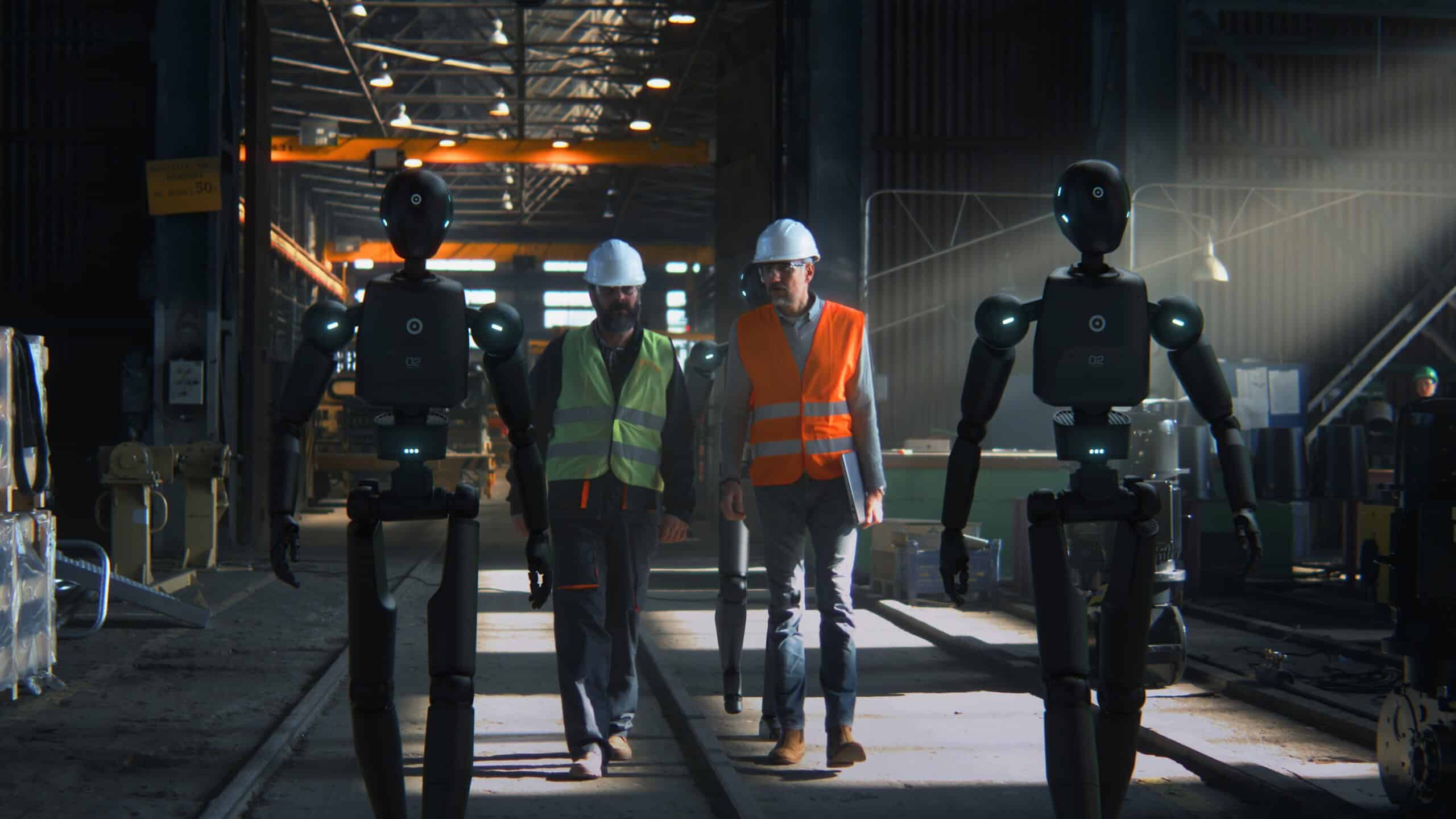
This time, the tech revolution is different as AI threatens to automate its own labor.
The artificial intelligence revolution is hitting the global economy much as Ernest Hemingway described bankruptcy: gradually, then suddenly. The rapid acceleration has left central bankers, CEOs, and international financial institutions concerned.
AI technology is not new, said Jack Clark, cofounder and head of policy at Anthropic, during a panel discussion at the annual International Monetary Fund and World Bank meeting in Bangkok. “By some measures, it’s about 60 or 70 years old. The world is full of computer vision systems that do very useful work today and help us make robots smarter using small-scale language models.”
Nonetheless, the accelerating pace of technological change has affected global equity, credit, and sovereign debt markets, prompting people to ask what the ultimate benefit to society is.
“Productivity is the fundamental source of rising living standards for all our citizens,” said panelist Tiff Macklem, Governor of the Bank of Canada. “We want to see adoption. We want to see diffusion, but we need to manage the risks, or we won’t reap the benefit.”
Where Are the Jobs?
Every wave of new technology has created more jobs than it has destroyed, Macklem said. “I’m not saying there hasn’t been creative destruction, a simple economic term for something getting destroyed. As other things get created, resources have to transfer from one place to another.”
Just as the 18th-century spinning jenny displaced many textile workers, AI will replace jobs involving repetitive tasks and should create demand for new positions.
Unlike previous technologies, AI is the only one that could automate away the new jobs it creates, he said. “So far, the data show it happening to certain professions in most countries, but you cannot see it at an aggregate level.”
A recent labor-market study by the IMF found that demand for higher-paying skilled jobs that didn’t exist before is rising, with about 10% of jobs falling into this category. In turn, these new jobs typically increase spending on services, which in turn generates more service-based jobs.
“The problem is that service jobs do not pay a lot,” said fellow panelist Kristalina Georgieva, IMF’s Managing Director. “You get young people who normally would have gone into professional routine jobs serving coffee at Starbucks.”]
It’s easy to see which jobs are being destroyed, said Macklem. “It’s not easy to identify which new jobs will be created.”
Preparing the Post-AI Workforce
Policymakers will need to be proactive in determining what these new jobs will be, where they will be, and what they will require, since only a handful of economies benefit most from the AI value chain, said Georgieva. “In Africa, 50% of the people do not have Internet access, and there is a tremendous problem with just access to electricity.”
Singapore has already begun providing subsidized skills training, said panelist Ayesha Kahnna, co-founder and CEO of Addo AI. “They’re giving hundreds of millions of dollars to businesses to transform so they can absorb these newly skilled workers.”
Inside Anthropic, the company has hired experienced workers because it needs managers, Clark added. “You want to hire people with experience in management to manage these virtual workers.”
Rob Daly covers the economy and fintech. He can be reached at rdaly@gfmag.com