Spain had occupied Western Sahara since 1884. Morocco had made a claim on the land highlighting a long-standing allegiance between the Moroccan Throne and the local Sahrawi tribes. Mauritania had made similar claims and some of the Sahrawi tribes had declared an interest in independence from everyone else.
In mid-October 1975, the International Court of Justice (ICJ) at The Hague declared that there were legal ties of allegiance between Moroccan Throne and some of the Sahrawi population, but that the local population should determine their own future.
Following the ICJ verdict, King Hassan II announced the organisation of the Green March, on October 16th 1975, to liberate the Moroccan southern provinces from Spanish colonialism.
“We have to do one thing dear people and that is to undertake a peaceful march from the north, the east, the west to the south. It behoves us to act as one man in order to join the Sahara,” King Hassan II said.
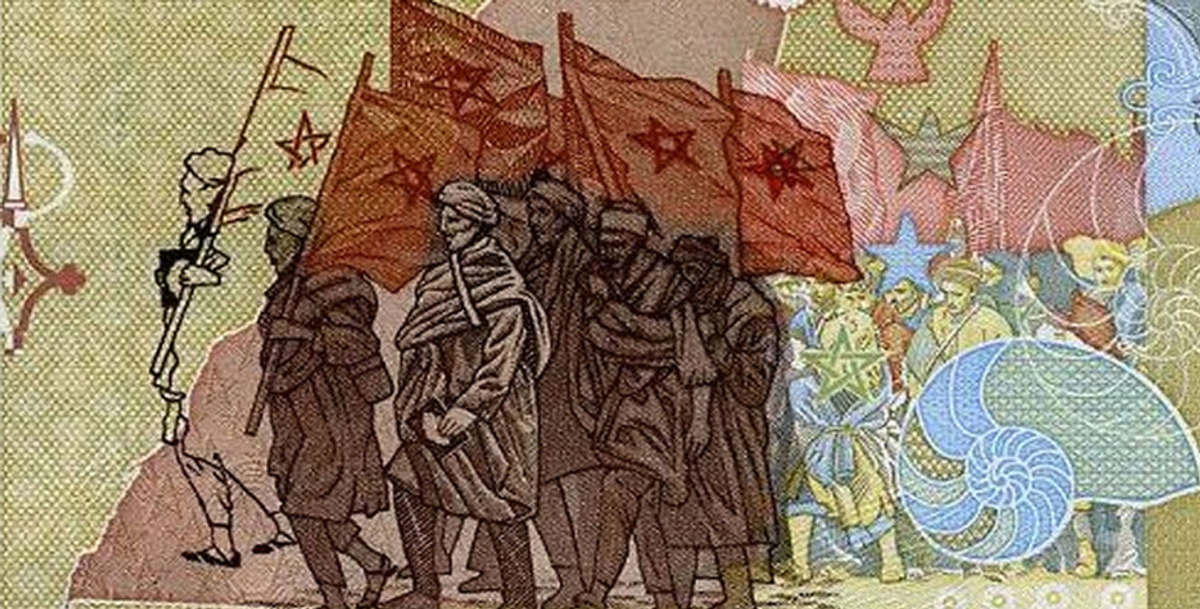
On November 6th 1975, in a significant show of national unity, about 350,000 unarmed Moroccan men and women, accompanied by 20,000 Moroccan troops headed towards the Sahara and met in Tarfaia.
This was the largest peaceful march in the world. The marchers carried Moroccan flags, green banners (representing Islam), Qur’ans, and pictures of King Hassan II throughout the march.
On entering Spanish Sahara, the Spanish forces did not open fire. Partly, this was to avoid killing thousands of innocent marchers, but also it was the last days of the rule of General Franco and after seeing Portugal lose its colonies the year before, the Spanish had no appetite to start a major conflict in its territories, especially over territory they had already agreed to give up.