Victoria Beckham is speaking out about her rift with son Brooklyn Peltz Beckham.
In an interview with WSJ Magazine, the former Spice Girl shared insight into her relationship with her son, although she did not refer to him by name.
“I think that we’ve always — we love our children so much,” Beckham said. “We’ve always tried to be the best parents that we can be. And you know, we’ve been in the public eye for more than 30 years right now, and all we’ve ever tried to do is protect our children and love our children. And you know, that’s all I really want to say about it.”
The response comes after Peltz Beckham took to his Instagram Story in January to accuse his parents of “endlessly trying to run” his relationship with his wife, Nicola Peltz Beckham. The 27-year-old claimed his parents “repeatedly pressured and attempted to bribe” him into signing away the rights to his name, that his mother “hijacked” the first dance during his wedding and that his family “values public promotion and endorsements above all else.”
“My wife has been consistently disrespected by my family, no matter how hard we’ve tried to come together as one,” Peltz Beckham wrote. “Family ‘love’ is decided by how much you post on social media, or how quickly you drop everything to show up and pose for a family photo opp, even if it’s at the expense of our professional obligations.”
Peltz Beckham ended the post writing, “I do not want to reconcile with my family. I’m not being controlled, I’m standing up for myself for the first time in my life.”
After the Instagram bombshell, fans believe David Beckham broke his silence while speaking about the power of social media during an interview in January on CNBC’s “Squawk Box.”
“They make mistakes, but children are allowed to make mistakes. That is how they learn. That is what I try to teach my kids,” David Beckham said. “You sometimes have to let them make those mistakes as well.”
During Peltz Beckham’s birthday in March, his parents wished him happy birthday and shared that they love him on their Instagram Stories.
April 16 (UPI) — President Donald Trump announced that Israel and Lebanon agreed to a 10-day cease-fire starting at 5:00 p.m., pausing Israel’s six-week war on Hezbollah in that country.
Trump spoke with Lebanese President Joseph Aoun and Israeli Prime Minister Benjamin Netanyahu on Thursday, both leaders confirmed, and agreed to the cease-fire and to work toward a more permanent peace between their countries.
Aoun and Netanyahu spoke to each other separately because Aoun declined to participate in a call with the Israeli leader because Israel was still bombing Lebanon, CNN reported.
“These two Leaders have agreed that in order to achieve PEACE between their Countries, they will formally begin a 10 Day CEASEFIRE,” he said in a post on Truth Social.
Vice President J.D. Vance, Secretary of State Marco Rubio and Joint Chiefs of Staff Chairman Dan Caine have been directed to work with officials of both countries to achieve a more lasting peace.
Lebanese Prime Minister Nawaf Salam in a statement thanked the United States, France, the European Union, Saudi Arabia, Egypt, Qatar and Jordan for helping to accomplish the cease-fire he had pursued “since the first day of the way,” NBC News reported.
After the United States and Israel launched the Iran war, Israel also launched offensives against the Iran-backed militia Hezbollah in Lebanon, from which it often launches attacks at Israel.
This week, delegates from the neighboring countries conducted diplomatic talks for the first time since 1993, meeting in Washington, D.C., to discuss a cease-fire and the larger issue of Hezbollah’s hijacking of Lebanese lands in order to target Israel.
Netanayhu said Thursday in a video statement that Israeli forces would “remain in a 10-kilometer security zone, which will allow us to prevent infiltration into communities and anti-tank missile fire.”
Calling the negotiations potentially historic, Netanyahu said that Israel’s chief goal is to disarm Hezbollah and its ability to invade or launch weapons across the Lebanese border into Israel.
“That is where we will remain,” he said. “We are not leaving.”
After the diplomatic talks on Wednesday, Rubio reinforced that a key part of the meeting and now peace talks between the two nations is to end Hezbollah’s destabilizing influence in Lebanon and the wider Middle East.
“We have to remember the Lebanese people are victims of Hezbollah,” Rubio said, also noting that accomplishing a lasting peace “will take time.”
First lady Melania Trump speaks during a House Ways and Means Committee roundtable discussion on protecting children in America’s foster care system in the Longworth House Office Building near the U.S. Capitol on Wednesday. The bipartisan group of lawmakers are looking to address challenges children in foster care face, including barriers to education and educational advocacy, housing, employment opportunities, financial independence, and technology. Photo by Bonnie Cash/UPI | License Photo
After rare talks, a ceasefire in Lebanon raises one question: what happens on the ground next?
Israel and Lebanon have held their first direct talks in more than 30 years, and on Thursday, US President Donald Trump announced that they had reached a 10-day ceasefire. But months of fighting have reshaped parts of southern Lebanon. As people begin to return, what will they find? And can diplomacy hold while the reality on the ground remains fragile?
This episode was produced by Noor Wazwaz and Chloe K. Li with Spencer Cline, Tuleen Barakat, Catherine Nouhan, David Enders, and our host, Malika Bilal. It was edited by Tamara Khandaker and Sarí el-Khalili.
Our sound designer is Alex Roldan. Rick Rush mixed this episode. Our video editors are Hisham Abu Salah and Mohannad al-Melhem. Alexandra Locke is The Take’s executive producer.
SHE was 35 and in her prime when Smash Hits magazine published images of her parading the stage in a skimpy bra – and scoffed: “Calm down, grandma!”
But the cutting headline, which accompanied a review of her Girlie Show tour in 1993, did nothing to deter the uniquely stylish Madonna.
Sign up for the Showbiz newsletter
Thank you!
In a career spanning more than 40 years, Madonna became the hottest female singer in the world, selling over 400million recordsCredit: Rafael PavarottiThe Queen of Pop has faced intense backlash over her appearance through it allCredit: InstagramMadonna with her boyfriend, former footballer Akeem Morris, 29Credit: instagram
In a career spanning more than 40 years, she became the hottest female singer in the world, selling over 400million records.
But through it all, the Queen of Pop faced intense backlash over her appearance.
Critics have judged everything from her cone bra in 1990 to her Met Gala “bondage”-style outfit in 2016, when she was 57.
But now, as Madge prepares to return to the spotlight with her 15th studio album, she has done what many thought would never be possible.
The Vogue singer confirmed this week that she will release her first record in seven years this July — a sequel to her 2005 smash Confessions On A Dance Floor.
The original, inspired by disco and Eighties electropop, shifted more than 10million copies.
It featured No1 singles Hung Up and Sorry, and ushered in a new era of dance music.
Now, Confessions On A Dance Floor: Part II is promising to be a continuation of the project.
And Madonna is still not letting her age define her fashion, posing in a blue leotard, fishnets, a silver jacket and shades in a defiant photo to promote the record.
The Vogue singer confirmed she will release her first record in seven years this July — Confessions On A Dance Floor: Part IICredit: APMadonna guest DJ’s with producer Stuart PriceCredit: instagram/madonna
A music insider said: “Madonna has locked in for this project and it’s not at all what you’d expect from any other woman who is nearly 70.
“It has roots in New York house music and rave culture and her record label believes it will usher in a whole new generation of fans.
“Confessions 1 showed Madonna at her coolest and, after straying into other genres on her last few albums, this feels wonderfully authentic.”
Madge is yet to release the album’s first single, but she has been steadily building a Gen Z fanbase, who have been discovering her back catalogue.
Last month, her 1985 chart-topper Into The Groove returned to the Top 20 after going viral on TikTok.
Cruz Beckham, KSI, Aitch and Sam Thompson were among those who shared videos of themselves dancing to the song 41 years after it was a No1 hit.
Madge is yet to release the album’s first single, but she has been steadily building a Gen Z fanbase, who have been discovering her back catalogueCredit: GettySabrina Carpenter said: ‘She’s so lovely and so exactly how you expect her to be — just, like, so magnetic’Credit: Getty
And she is heavily tipped to make a live return tonight at the buzziest festival of the year alongside one of the world’s hottest young pop stars, Sabrina Carpenter, 26.
The Espresso singer will headline the second weekend of Coachella in California and has extended her set by ten minutes, further fuelling industry whispers that Madge may join her on stage.
It would be the veteran pop star’s first performance there in 20 years. She delivered a memorable set in 2006 following the release of her first Confessions album.
Sabrina idolises Madonna as a blueprint for pop music — and there are suggestions they may have collaborated on a song.
In 2024, she paid tribute to Madge by attending the MTV VMAs in a vintage strapless gown previously worn to the Oscars by her musical hero in 1991.
Sabrina said of Madonna last year: “She’s so lovely and so exactly how you expect her to be — just, like, so magnetic.”
Madonna plays an epic set at Coachella Festival 20 years agoCredit: GettyStuart Price was musical director on her 81-date Celebration Tour in 2023 and 2024Credit: Getty
Many of the current crop of pop starlets have named Madonna as their top inspiration.
Dua Lipa has said her 2020 No1 album Future Nostalgia was heavily influenced by Madge, and she worked with her on a remix of her song Levitating.
Jade Thirlwall said last year: “She is one of the best pop stars we will ever get.”
It is a sea-change from previous generations who used Madge as a verbal punching bag.
When asked to name the most overrated person in pop, Lily Allen once said: “Madonna. She might have meant something once, but I don’t know many people my age who care.”
A Smash Hits magazine headline pouring scorn on her style back in 1993Credit: Unknown
And Lady Gaga insisted she could not be compared to the megastar, explaining: “I play a lot of instruments. I write all my own music . . . I’m a producer. I’m a writer. What I do is different.”
On Wednesday, Madonna released a snippet of upcoming track I Feel So Free, which heavily samples the 1989 house tune French Kiss by Lil Louis.
The original features more than two minutes of sex noises — something which seems fitting for pop’s most notorious provocateur.
For Confessions II, Madonna has teamed up again with British producer Stuart Price, who was musical director on her 81-date Celebration Tour in 2023 and 2024.
Meanwhile, her boyfriend, former footballer Akeem Morris, 29, is regularly seen dancing and larking around with her in videos on TikTok, where her clips have been liked over 45million times.
Last month, Madonna was in Venice shooting for the second series of the Apple TV show The Studio, in which she will appear opposite Julia Garner.
But now it is full steam ahead with her music, after re-signing with Warner Records — her label for the first 24 years of her career.
Madonna said of her new album: “When Stuart Price and I first started working on this record, this was our manifesto: We must dance, celebrate and pray with our bodies . . . To rave is an art. It’s about pushing your limits and connecting to a community of like-minded people.”
Penetrium Bioscience CEO Cho Won-dong speaks during a press conference in Seoul on Thursday. Photo by Penetrium Bioscience
SEOUL, April 16 (UPI) — South Korea’s Penetrium Bioscience unveiled a novel approach to cancer treatment that targets the environments surrounding tumors. That announcement came during a press conference in Seoul on Thursday.
The company said that its drug candidate, Penetrium, developed by its major shareholder CNPharm, is designed to overcome a key problem of traditional cancer treatments — drug resistance caused by “sublethal” dosing.
Thus far, such resistance has been attributed to genetic mutations within cancer cells. However, Penetrium Bioscience shifted its focus to the tumor microenvironment, which it identified as a critical factor behind inadequate dosing.
Its rationale is that cancer cells can undergo adaptive changes, which reinforce the physical and metabolic barriers of the tumor microenvironment, enabling them to withstand further treatment.
Based on this concept, the company said that it has targeted the “soil,” which means the environment surrounding cancerous cells, rather than the “seed,” or the tumors themselves.
Penetrium aims to disrupt this process, and the company noted that its mechanism has been checked by three independent institutes, including Seoul National University Hospital and KAIST, one of Korea’s leading science and engineering universities.
“Penetrium is the ideal strategic partner capable of restoring drug efficacy by overcoming the sub-lethal dose limitations faced by targeted anticancer therapies from global big pharmaceutical firms,” Penetrium Bioscience CEO Cho Won-dong told the press meeting.
“This research will usher in a new era for targeted cancer treatments,” he added.
Penetrium Bioscience plans to present its research findings at the upcoming AACR Annual Meeting 2026, one of the world’s most prominent scientific conferences on cancer research.
Hosted by the American Association for Cancer Research, the yearly event is scheduled to begin Friday and run through Wednesday in San Diego.
The share price of Penetrium Bioscience dipped 9.55% on the Seoul bourse on Thursday.
Miguel Diaz-Canel marks anniversary of socialist revolutionary declaration under threat of US attacks.
By AFP and The Associated Press
Published On 16 Apr 202616 Apr 2026
Cuban President Miguel Diaz-Canel has said that his country does not seek conflict with the United States but is prepared to fight if necessary, as Cuba marks the anniversary of its socialist revolutionary character amid the threat of US attacks.
Diaz-Canel struck a defiant tone on Thursday in remarks before a crowd marking the 65th anniversary of Fidel Castro’s declaration of the socialist nature of the Cuban Revolution and the failed invasion at the Bay of Pigs by forces aligned with the US the day after.
Recommended Stories
list of 3 itemsend of list
“The moment is extremely challenging and calls upon us once again, as on April 16, 1961, to be ready to confront serious threats, including military aggression,” Diaz-Canel said. “We do not want it, but it is our duty to prepare to avoid it and, if it becomes inevitable, to defeat it.”
President Donald Trump has threatened that the US could overthrow the Cuban government, a longtime source of ire for Washington, and has ratcheted up energy restrictions meant to squeeze the island’s economy.
“We may stop by Cuba after we finish with this,” Trump said earlier this week, stating that his attention could turn to Cuba after the end of the US-Israel war on Iran.
A US energy blockade and an end to oil shipments from Venezuela after the US abducted former Venezuelan President Nicolas Maduro in January have caused deteriorating conditions on the island. Fuel shortages and energy blackouts have roiled the island for weeks, heaping strain on workers and businesses.
Even before those increased restrictions, Cuba’s economy had suffered from decades of economic embargo from the US, along with economic mismanagement and political repression that prompted many Cubans to leave the country.
A vote at the United Nations in 2025 demanding an end to the US embargo passed with 165 votes in favour and seven against, including the US, Israel, Argentina, and Hungary. The resolution has been passed annually for more than 30 years.
“Cuba is not a failed state. Cuba is a besieged state,” Diaz-Canel said on Thursday. “Cuba is a state facing multidimensional aggression: economic warfare, an intensified blockade and an energy blockade.”
Paramount Skydance Chief Executive David Ellison made his case directly to theater owners Thursday, pledging to release a minimum of 30 films a year from the combined Paramount and Warner Bros. Discovery company during a speech at the CinemaCon trade convention in Las Vegas.
“I wanted to look every single one of you in the eye and give you my word,” Ellison said in a brief on-stage speech, adding that Paramount has already nearly doubled its film lineup for this year with 15 planned releases, up from 8 in 2025.
He also said all films will remain in theaters exclusively for 45 days, starting Thursday. Films will then go to streaming platforms in 90 days. The amount of time that films stay in theaters — known as windowing — has been a controversial topic for theater owners, as some studios reduced that period during the pandemic. Theater operators have said the shortened window has trained audiences to wait to watch films at home and cuts into theater revenues.
“I have dedicated the last 20 years of my life to elevating and preserving film,” said Ellison, clad in a dark jacket and shirt with blue jeans. “And at Paramount, we want to tell even more great stories on the big screen — stories that make people think, laugh, dream, wonder and feel — and we want to share them with as broad an audience as possible.”
Ellison’s CinemaCon appearance comes as more than 1,000 Hollywood actors and creatives have signed a letter opposing Paramount’s proposed acquisition of Warner. Supporters of the letter have said the deal would reduce competition in the industry and “further consolidate an already concentrated media landscape.”
Some theater operators have also questioned whether the combined company could achieve its goal of releasing 30 films a year, particularly after the cost cuts that are expected after the merger closes.
“People can speculate all they want — but I am standing here today telling you personally that you can count on our complete commitment,” Ellison said. “And we’ll show you we mean it.”
The speech came after a star-studded video directed by “Wicked: For Good” director Jon M. Chu that was shot on the Paramount lot on Melrose Avenue and showcased directors and actors including Issa Rae, Will Smith, Chris Pratt, James Cameron and Timothée Chalamet that are working with the company.
The video closed with “Top Gun” actor Tom Cruise perched atop the Paramount water tower.
“As you saw, the Paramount lot is alive again,” Ellison said after the video. “And we could not be more excited.”
European football’s governing body has already rejected one appeal by Barca about their quarterfinals against Atletico.
Published On 16 Apr 202616 Apr 2026
Barcelona have lodged another complaint with UEFA, after their protest about a handball incident in the first leg of their Champions League quarterfinal defeat to Atletico Madrid was rejected this week.
The Spanish club said in a statement on Thursday that several refereeing decisions across both legs of the tie, which Atletico won 3-2 on aggregate, “did not comply with the Laws of the Game, resulting from an incorrect application of the regulations and a lack of appropriate intervention by the VAR system in incidents of clear significance”.
Recommended Stories
list of 4 itemsend of list
The Catalan club, which finished both matches with 10 men after the dismissals of Pau Cubarsi and then Eric Garcia, believe they were on the wrong end of several contentious decisions, including two potential penalty situations that did not trigger VAR intervention.
“The accumulation of these errors had a direct impact on the course of the matches and on the final outcome of the tie, causing significant sporting and financial harm to the club,” the reigning Spanish champions added.
Barcelona said the club “reiterates the requests previously made to UEFA” and offer to “collaborate with the organisation with the aim of improving the refereeing system to ensure a more rigorous, fair and transparent application” of the regulations.
On Tuesday, UEFA had rejected as “inadmissible” the five-time Champions League winners’ initial complaint regarding a handball on a goal kick by Atletico defender Marc Pubill in the first leg, which his side won 2-0.
Alex Manninger played for Arsenal, Liverpool and Juventus at peak of his career while winning 33 Austria caps.
Published On 16 Apr 202616 Apr 2026
Former Austria goalkeeper Alex Manninger, who played for Arsenal and a string of Italian clubs, has died at the age of 48 when the car he was driving was hit by a train at a crossing near Salzburg.
The Austrian Football Association (OEFB) and clubs associated with the player, who retired as a professional in 2017, mourned his passing on Thursday.
Recommended Stories
list of 4 itemsend of list
Manninger made 33 appearances for Austria and played for Arsenal from 1997 to 2001 with the club winning the league title and FA Cup in the 1997-1998 season. He ended his career at Liverpool in 2017.
In Italy, the Austrian played for Fiorentina, Torino, Bologna, Siena, Udinese and Juventus.
“Alexander Manninger was an outstanding ambassador of Austrian football on and off the pitch,” OEFB Sporting Director Peter Schoettel said in a statement.
“With his international career, he has set standards and inspired and shaped many young goalkeepers. His professionalism, his calmness and his reliability made him an important part of his teams and also of the national team.”
Salzburg police said in a statement that the accident happened about 8:20am (06:20 GMT). First responders freed the driver from the vehicle, but resuscitation was unsuccessful.
“According to initial investigations, the car was hit by a railcar of the Salzburger Lokalbahn while crossing the railway crossing and dragged along. The driver was alone in the vehicle. The train driver was uninjured,” the police said.
Fiorentina said they will observe a minute’s silence and wear black armbands for Thursday’s home Conference League game with Crystal Palace while league leaders Arsenal conveyed their shock on social media.
Other clubs, including Liverpool, issued statements of condolence.
“Today is a very sad day. We have lost not only a great athlete, but a man of rare values: humility, dedication, and an exceptional sense of professionalism,” Juventus said
“Alex Manninger will be remembered for the example he set, on and off the pitch.”
It turns out the “Spaceballs” sequel won’t be called “Spaceballs 2: The Search for More Money” after all.
Mel Brooks beamed into Amazon MGM Studios’ CinemaCon presentation to set the record straight via a pre-taped video Wednesday. The follow-up to his 1987 film set in a galaxy very, very, very, very far away is actually titled “Spaceballs: The New One.”
“After all these years, I found the money,” the comedy icon explains as he waves toward a duffel bag overflowing with “Spaceballs” money. “But everywhere I go people say, ‘Mel, Mel, where’s the new “Spaceballs”? When are you going to make the new “Spaceballs”? When are you going to make the new one?’”
“Well, we did it, and the title is ‘Spaceballs: The New One,’” Brooks continues. “It’s just like the old one, but it’s newer.”
While details about “The New One’s” story remain under wraps, the studio did offer attendees a glimpse of the film with a new trailer that pokes fun at the current state of the industry. A voice-over declares Hollywood studios are “merging willy-nilly” as images of the Paramount and Warner Bros. signs appeared on screen — before noting that the merger between Amazon and MGM Studios is what led to “Spaceballs 2.”
Dark Helmet’s look appears to be updated for the times, as his mask resembles that worn by the “Star Wars” sequel trilogy’s Dark Side warrior Kylo Ren. The trailer also included footage of lightsaber (or Schwartz ring) fights as well a nod to the “Avatar” franchise, with Dark Helmet crossing paths with a Na’vi in the restroom.
“Spaceballs: The New One” is slated to hit theaters April 23, 2027. Here’s everything we know about the sequel so far.
What is “Spaceballs: The New One” about?
According to Amazon MGM’s press release, the film’s story details “are being kept under lock, key and an industrial-strength Schwartz shield.”
Who is in the movie?
Original “Spaceballs” cast members Rick Moranis (Lord Dark Helmet), George Wyner (Colonel Sandurz), Daphne Zuniga (formerly Princess, now Queen Vespa), Bill Pullman (Lone Starr) and Mel Brooks (Yogurt) are confirmed to return for “The New One.” This marks Moranis’ first onscreen film role since taking a hiatus in 1997.
Newcomers include Josh Gad, Keke Palmer, Lewis Pullman and Anthony Carrigan playing new characters who’ve yet to be revealed.
Who are the filmmakers?
“The New One” is directed by Josh Greenbaum (“Barb and Star Go to Vista Del Mar,” “Will & Harper”) from a script written by Josh Gad, Dan Hernandez and Benji Samit (based on characters created by Brooks, Thomas Meehan and Ronny Graham).
Brooks is among the producers of “The New One,” which also includes Brian Grazer and Jeb Brody as well as Gad, Greenbaum and Kevin Salter. Executive producers include Adam Merims, Samit and Hernandez.
Time staff writer Samantha Masunaga contributed to this report.
The acting president of Venezuela, Delcy Rodriguez, speaks at a pro-government event in Caracas on Monday to commemorate National Dignity Day, which marks the return of the late former president Hugo Chavez to the presidency after being ousted in a coup. Photo by Miguel Gutierrez/EPA
April 16 (UPI) — Venezuelan interim President Delcy Rodríguez has hired U.S. attorney and lobbyist Jihad M. Smaili to represent her interests in Washington and support groundwork for a possible presidential campaign, according to filings with the U.S. Department of Justice.
Records filed under the Foreign Agents Registration Act show Smaili will act as a foreign agent for Rodríguez, including assisting with her “future political campaign” ahead of Venezuela’s next presidential election, though no date has been set for the vote.
According to the filing, Smaili will represent Rodríguez in pending and future litigation involving Petróleos de Venezuela, S.A., Citgo and creditor claims. He will also provide daily advice on matters involving the U.S. State Department and the White House, independent news organization Efecto Cocuyo reported.
The contract said Smaili will “provide daily advice and counsel to the foreign principal on matters involving the Department of State and the president of the United States, including advice on how to strengthen and advance the current relationship for the benefit of the Venezuelan people.”
The agreement also describes Rodríguez as a candidate in Venezuela’s upcoming presidential elections and includes support for her “future political campaign.”
The move comes shortly after the United States lifted personal sanctions on Rodríguez and recognized her as a legitimate authority in Venezuela’s political transition.
According to Infobae, Smaili also will advise on retaining law firms involved in litigation tied to oil companies, as well as creditor claims related to cases involving the Revolutionary Armed Forces of Colombia, or FARC.
Citgo, PDVSA’s U.S.-based refining and marketing subsidiary, is at the center of multiple creditor disputes as international claimants seek to seize the asset to satisfy unpaid Venezuelan debts. A federal court in Delaware has authorized the sale of shares in the company to help cover claims totaling about $20 billion.
U.S. victims of FARC-related violence are also seeking to participate in the auction and recover about $318 million in damages.
Death toll rises to 10 after shooting by 14-year-old student at the Ayser Calik School in Kahramanmaras.
Published On 16 Apr 202616 Apr 2026
Mourners have gathered in Turkiye’s southern province of Kahramanmaras for the funerals of victims killed in the second of two school shootings that rocked the nation this week.
Funerals were held on Thursday for eight students and maths teacher Ayla Kara, 55, who were killed in Wednesday’s shooting, The Associated Press news agency reported.
Recommended Stories
list of 3 itemsend of list
A 10th victim died while being treated in hospital on Thursday, authorities said. Six of those wounded in the attack were in critical condition, officials said.
Isa Aras Mersinli, 14, opened fire on two classrooms in the Ayser Calik School in Kahramanmaras city on Wednesday. The attacker was later found dead.
Interior Minister Mustafa Ciftci said the attacker is believed to have used guns that belonged to his father, a former police officer.
People carry the coffin of a victim of a school shooting during the funeral prayers at a mosque in Kahramanmaras, Turkiye, on April 16, 2026 [Ensar Ozdemir/Reuters]
At a funeral for four of the victims held near Kahramanmaras city’s main mosque on Thursday, one father sat motionless beside the coffin of his daughter, 10‑year‑old Zeynep, the AFP news agency reported.
“Our grief is endless. These children were like our own. They were all innocent,” said Vezir Yucel, father of a student named Yusuf, who lost his close friend, 10-year-old Bayram, in the shooting.
Nilgun Ruci, a 55‑year‑old homemaker, told AFP that she rushed to Ayser Calik School after hearing gunshots. When she arrived, she saw the daughter of a neighbour lying gravely wounded.
“She had been shot in the leg and the shoulder,” Ruci said. “At first, I thought she had fainted. Today I learned that she died.”
Second attack in two days
The attack was the country’s second school shooting in two days, coming after Tuesday’s attack at a high school in Sanliurfa province in the southeast, which was carried out by a former student who wounded 16 people.
As of Thursday, 20 people had been detained in connection with Tuesday’s shooting in Sanliurfa.
The interior and education ministries held a joint school security meeting in the capital, Ankara, on Thursday, which was attended by both ministers and all 81 of Turkiye’s provincial governors, as well as police chiefs and provincial education directors.
Until this week, school shootings were rare in Turkiye. But dozens of students were arrested Thursday over alleged social media posts implying they might stage similar attacks.
Justice Minister Akin Gurlek announced that 67 social media users were detained over posts targeting 54 different schools.
In the weeks before Justin Bieber’s headlining performance at this month’s Coachella festival — the 32-year-old teen-pop survivor’s first major concert after a lengthy stretch in the celebrity wilderness — speculation began to mount that he planned to play only songs from his recent “Swag” and “Swag II” albums.
And indeed, for 45 minutes or so last Saturday, it seemed like that was what he’d come to do as he sang new song after new song on Coachella’s giant main stage. But then he pulled out a laptop, fired up YouTube and started singing along with some of his old hits — a thrilling subversion of our expectations for a big festival set and a poignant act of self-examination by an artist who’s lived more than half of his life on our screens.
For the singer, Bieberchella was clearly a trip down memory lane. But it also offered the audience a chance to look back on a career that’s encompassed virtually every major shift in pop music over the last two decades.
Ahead of Coachella’s second weekend, then, here’s a list, ranked from worst to best, of every hit that Bieber has put inside the Top 10 of Billboard’s flagship singles chart, the Hot 100. Pop, of course, is an art as much as a science, meaning statistics get you only so far: Some important Bieber songs aren’t here, not least among them “Lonely,” which may be his finest vocal performance but stalled out at No. 12 on the chart. Other throwaways made it on the list thanks to Bieber’s gamesmanship or Billboard’s methodological quirks.
Yet these 27 songs tell a fascinating story about a boy, about a man, about a talent possibly more vital today than ever before.
27. ‘Never Say Never’ (peaked at No. 8 in March 2011)
Co-written and co-produced by the guy who would later top the Hot 100 with “Rude” by the band Magic, this booming kiddie-rap track was introduced as the theme song for Jaden Smith’s 2010 remake of “The Karate Kid” before Bieber used it in a 2011 concert film of the same title. The voice is high; the beat is blah.
26. ‘Monster’ (peaked at No. 8 in Dec. 2020)
Just a month after he dropped “Lonely,” Bieber returned to his teen-idol woes — far less movingly, alas — in this dreary duet with Shawn Mendes.
25. ‘Stuck With U’ (peaked at No. 1 in May 2020)
The nicest thing you can say about the doo-woppy “Stuck With U” is that Bieber and Ariana Grande donated the song’s proceeds to first responders navigating the early months of the COVID pandemic. Do not rewatch the video unless you want to be reminded of the smiley horrors of Zoom life.
24. ‘No Brainer’ (peaked at No. 5 in Aug. 2018)
We’ll get to Bieber’s convivial 2017 hook-up with DJ Khaled and friends. As for this shameless sequel, Khaled’s “another one” tag has never been less necessary.
23. ‘Cold Water’ (peaked at No. 2 in Aug. 2016)
Sleek. Pretty. Forgettable.
22. ‘As Long as You Love Me’ (peaked at No. 6 in Sept. 2012)
How high was Bieber riding as he prepared to release 2012’s “Believe” LP? High enough to swipe the title of the Backstreet Boys’ classic teen-pop ballad for this junior-dubstep jam. Stick around (or don’t) for Big Sean’s guest verse about needing “you” to spell both “us” and “trust.”
21. ‘Holy’ (peaked at No. 3 in Oct. 2020)
In which Bieber and Chance the Rapper preach about marriage like two horny youth pastors.
20. ‘Anyone’ (peaked at No. 6 in Jan. 2021)
What if Phil Collins had recorded “In Your Eyes” instead of Peter Gabriel?
19. ‘10,000 Hours’ (peaked at No. 4 in Oct. 2019)
Timed to commemorate his and Hailey Baldwin’s wedding among the salt marshes of South Carolina, Bieber’s crack at high-gloss country music was warmly welcomed by the Nashville establishment; it even spent two weeks atop Billboard’s Country Airplay chart. No surprise, really: To listen to earlier stuff by Dan + Shay, Bieber’s collaborators on “10,000 Hours,” is to hear how extensively white-soul singing had reshaped country by the early 2010s.
18. ‘I Don’t Care’ (peaked at No. 2 in May 2019)
Has any would-be song of the summer ever song-of-the-summered harder? Bieber and Ed Sheeran’s breezy dancehall bro-down was clearly modeled on the sound — and the success — of Sheeran’s “Shape of You.” (Call it “Shape of II.”) Yet the duo’s chemistry feels real enough to believe that all of these hooks — hey, they just happened.
17. ‘I’m the One’ (peaked at No. 1 in May 2017)
Bieber’s first Khaled collab has a merry bounce that softens the braggadocio from him, Quavo, Chance the Rapper and Lil Wayne, whose verse opens pricelessly like so: “Looking for the one?/ Well, b—, you looking at the one.” Fun chart fact per Billboard: The week after “I’m the One” bowed atop the Hot 100, Bieber became the first artist ever to score new No. 1s back to back when his remix of “Despacito” replaced “I’m the One.”
16. ‘Boyfriend’ (peaked at No. 2 in April 2012)
A decade after Justin Timberlake stepped out from NSYNC, JB blatantly ripped JT’s “Like I Love You” for this heavy-breathing flirtation. “Baby, take a chance or you’ll never, ever know/ I got money in my hands that I’d really like to blow,” Bieber pants over a spacey, Neptunes-style beat. (Later, he suggests fondue.) In an ironic twist, given the song’s all-grown-up-at-18 energy, “Boyfriend” was blocked from No. 1 by “We Are Young” from Jack Antonoff’s old band, Fun.
15. ‘Ghost’ (peaked at No. 5 in April 2022)
A hurtling lost-love lament that doubles as a farewell to a departed grandparent (as in the song’s music video, which stars the late Diane Keaton).
14. ‘Let Me Love You’ (peaked at No. 4 in Oct. 2016)
In the final Top 10 hit of Bieber’s EDM era, a pleading tenderness in the singer’s vocals cuts appealingly against DJ Snake’s strobing Sahara Tent beat.
13. ‘Baby’ (peaked at No. 5 in Feb. 2010)
New puppy, old love.
12. ‘Yummy’ (peaked at No. 2 in Jan. 2020)
“Hop in the Lambo, I’m on my way/ Drew House slippers on with a smile on my face,” Bieber sings — not the last time he’d plug one of his or his wife’s brands in a lyric. A country remix with Florida Georgia Line adds shout-outs to Waffle House and Chick-fil-A.
11. ‘What Do You Mean?’ (peaked at No. 1 in Sept. 2015)
The path to Bieber’s first No. 1 on the Hot 100 was cleared by a better, more interesting song that reframed him as a dreamboat experimentalist. (More on that one in a minute.) But if “What Do You Mean?” deploys a more conventional tropical-house production, it’s still built around one of the singer’s loveliest vocals. And the fake pan flute still hits.
10. ‘Despacito’ (peaked at No. 1 in May 2017)
Luis Fonsi and Daddy Yankee’s pop-reggaeton seduction had already found an enormous audience among Latin music fans when Bieber jumped on a remix after hearing the song in a Colombian nightclub. Yet the star’s presence — in a Spanish-language chorus whose lyrics Bieber learned phonetically over the course of a four-hour recording session — turned “Despacito” into a global juggernaut. In the U.S., the song became the first Spanish-language chart-topper since “Macarena” two decades earlier; it also became something of a protest tune amid the anti-immigrant rhetoric of President Trump’s first term in office. Said Scooter Braun, Bieber’s then-manager, in a 2017 interview with The Times: “A song in Spanish is all over pop radio in an America where young Latino Americans should feel proud of themselves and their families’ native tongue.”
9. ‘Essence’ (peaked at No. 9 in Oct. 2021)
Like “Despacito,” this slinky Afrobeats track was a hit before Bieber got involved. (Among its fans: President Obama, who put it on his best of 2020 list.) What distinguishes the version with Bieber is how gently he slides between the Nigerian singers Wizkid and Tems, who both joined him for a rendition of “Essence” at Coachella.
8. ‘Stay’ (peaked at No. 1 in August 2021)
At a mere 2 minutes and 22 seconds, this breakneck electro-pop duet with Australia’s the Kid Laroi (who also put in a cameo at Coachella) is the shortest of Bieber’s 27 Top 10 singles. Yet with 63 weeks on the Hot 100, it’s also his longest-lived chart hit — and his most-streamed song on Spotify.
7. ‘Intentions’ (peaked at No. 5 in June 2020)
“Stay in the kitchen cooking up, got your own bread/ Heart full of equity, you’re an asset.”
6. ‘Beauty and a Beat’ (peaked at No. 5 in Jan. 2013)
The most fondly remembered of Bieber’s teen-idol hits anticipates the EDM makeover to come even as it stays rooted in his squeaky-clean persona: “We’re gonna party like it’s 3012 tonight” is truly something only a kid would say. Seven months after “Beauty and a Beat” peaked on the Hot 100, Bieber was infamously caught on video urinating in a mop bucket in a New York City restaurant kitchen; this song would be his last Top 10 single for more than two years.
5. ‘Peaches’ (peaked at No. 1 in April 2021)
A sumptuous R&B jam about procuring one’s peaches from Georgia and one’s weed from California, this three-way joint with Daniel Caesar and Giveon was nominated for record and song of the year at the 2022 Grammys. (It lost both prizes to another sumptuous R&B jam in Silk Sonic’s “Leave the Door Open.”) Extra props here for the vivid contrast among the singers’ voices and for the Kool & the Gang-ish synth solo at the end.
4. ‘Love Yourself’ (peaked at No. 1 in Feb. 2016)
A sick burn delivered oh so sweetly.
3. ‘Where Are Ü Now’ (peaked at No. 8 in July 2015)
Behold the dreamboat experimentalist. In search of a fresh sound after Bucketgate, Bieber found it with Skrillex and Diplo, veteran dance-music producers who took a morose piano ballad that Bieber and his frequent accomplice Poo Bear had demoed and turned it into a glimmering boudoir-rave fantasia. “I was like, ‘Diplo, Skrillex — I don’t really know if that’s, like, where I wanna go,’” Bieber later told the New York Times. “They did it, I was like, ‘Oh my gosh, this is blowing my mind.’”
2. ‘Daisies’ (peaked at No. 2 in July 2025)
Is putting a nine-month-old song at No. 2 on this list an act of recency bias? Maybe. But what a song! Against a bracingly lo-fi guitar lick played by his pal Mk.gee, Bieber sings with beautifully understated soul about coming into an emotional maturity he admits he avoided for too long.
1. ‘Sorry’ (peaked at No. 1 in Jan. 2016)
A plea, a flex, a come-on — this delirious pop masterpiece contains multitudes. “Is it too late now to say sorry?” Bieber asks, and the trick of a song born from a branding problem is that it summons the sensation of endless ascent.
Florida Gov. Ron DeSantis makes remarks at the Kennedy Space Center in Florida on January 8, 2025. On Wednesday, he delayed plans for the state legislature to hold a special session to redraw the state’s congressional districts. File Photo by Joe Marino/UPI | License Photo
April 16 (UPI) — Florida Gov. Ron DeSantis has delayed a special session he called for the state legislature to work on redrawing the state’s U.S. congressional districts.
The session was scheduled to take place next week, but DeSantis said Wednesday it would now happen on April 28 to give the governor’s office more time to work on its proposal, The New York Times reported.
He also called legislators back to work to vote on a bill to give parents more freedom to opt out of giving their children school-mandated vaccines and one to protect minors from artificial intelligence, Politico reported. DeSantis called on lawmakers to return to Tallahassee from April 28 to May 1.
DeSantis issued a proclamation in January calling for the special session to reconsider the state’s congressional map.
“Every Florida resident deserves to be represented fairly and constitutionally,” he said at the time.
DeSantis said the redistricting would better ensure that race was not a predominant factor in determining congressional districts. He referenced a Supreme Court case in which Louisiana lawmakers were accused of creating a congressional district comprising mostly racial minorities.
Florida has 28 seats in the U.S. House, gaining one in 2022 after the 2020 census. Republicans hold 20 seats and Democrats have 8.
First lady Melania Trump speaks during a House Ways and Means Committee roundtable discussion on protecting children in America’s foster care system in the Longworth House Office Building near the U.S. Capitol on Wednesday. The bipartisan group of lawmakers are looking to address challenges children in foster care face, including barriers to education and educational advocacy, housing, employment opportunities, financial independence, and technology. Photo by Bonnie Cash/UPI | License Photo
Islamabad, Pakistan – Pakistan’s Foreign Ministry on Thursday confirmed that the United States and Iran were in discussions – through Islamabad – to hold a second meeting between their negotiators to end their now nearly seven-week war, with a fragile ceasefire announced on April 8 days away from expiring.
But it added that no date had been set for that next round of negotiations, even as Islamabad stepped up a parallel diplomatic push to keep the process alive.
Recommended Stories
list of 4 itemsend of list
“Who will come, how big the delegation will be, who will stay, and who will go is for the parties to decide,” Foreign Ministry spokesperson Tahir Andrabi told reporters in Islamabad, referring to what upcoming talks might look like. “As a mediator, it’s important for us to keep the talks confidential. We had the details and information of the talks entrusted to us by the negotiating parties.”
Speaking of the first round of talks on April 12 in Islamabad, which concluded without a deal, Andrabi said: “There was neither a breakthrough nor a breakdown.”
The spokesperson confirmed that nuclear issues remained among the key subjects under discussion, but declined to elaborate.
His comments came as Pakistan’s civil and military leadership is travelling across the region in what some observers have begun calling the “Islamabad Process”, reflecting the government’s attempt to frame negotiations as an ongoing diplomatic effort rather than a one-off engagement.
Parallel diplomatic tracks
Pakistan’s Prime Minister Shehbaz Sharif arrived in Doha on Thursday, the second stop of a four-day regional tour that began with Jeddah on Wednesday, and will see him visiting Antalya next.
Meanwhile, Pakistan’s Chief of Defence Forces (CDF) Asim Munir arrived in Tehran on Wednesday with a delegation that included Interior Minister Mohsin Naqvi.
Munir was received at the airport with a warm hug from Iranian Foreign Minister Abbas Araghchi, who said he was “delighted” to welcome the field marshal and expressed gratitude for Pakistan’s “gracious hosting of dialogue”.
On Thursday, Iranian Parliamentary Speaker Mohammad Bagher Ghalibaf, who led Tehran’s delegation at the Islamabad talks, also met Munir.
Reza Amiri Moghadam, Iran’s ambassador to Pakistan, said at an event in Islamabad that Tehran would not consider any venue other than Pakistan for talks with Washington.
“We will do talks in Pakistan and nowhere else, because we trust Pakistan,” he said.
Muhammad Faisal, a Pakistani security analyst and scholar at the University of Technology Sydney, said the parallel outreach reflected a deliberate division of labour.
“Pakistan’s strategy appears to be dual-tracked: PM Sharif is reassuring Gulf allies and attempting to build a broader support coalition, while CDF Munir is engaged in hard negotiations between the two sides to narrow gaps between Iran and the US, with an eye on extending the ceasefire and reaching a broader understanding,” he told Al Jazeera.
Reports that Munir might travel to Washington, DC after Tehran were denied by security officials, who called them “speculative”. Andrabi said he was not aware of any such development.
Saudi Arabia’s Crown Prince Mohammed bin Salman (right) greeting Pakistan’s Prime Minister Shehbaz Sharif prior to their meeting in Jeddah, Saudi Arabia on Wednesday [Handout/Prime Minister’s Office via AFP]
In Jeddah on Wednesday, Sharif met Saudi Crown Prince Mohammed bin Salman and expressed “full solidarity and support” for the kingdom following regional escalation, according to Pakistan’s Foreign Ministry. The crown prince praised what Riyadh described as the “constructive role” played by both Sharif and Munir.
In Doha, Sharif met Qatar’s Emir Sheikh Tamim bin Hamad Al Thani and discussed “the regional situation, particularly in the Gulf region”, underscoring “the importance of de-escalation, dialogue and close international coordination to ensure peace and stability”, the prime minister’s office said.
From Doha, Sharif heads to Antalya with Deputy Prime Minister and Foreign Minister Ishaq Dar. They are expected to meet counterparts from Saudi Arabia, Turkiye and potentially Egypt on the sidelines of the Antalya Diplomacy Forum on April 17.
Regional security push
The Antalya meeting is part of a broader diplomatic effort. Turkiye is preparing to host talks on a regional security platform involving Pakistan, Saudi Arabia and possibly Egypt, according to officials familiar with the discussions.
It would be the third such meeting in a month, following earlier rounds of talks in Riyadh and Islamabad.
The goal is to establish a platform for regular, structured cooperation on regional security issues, the officials said, stressing the discussions are distinct from current efforts to end the Iran war.
Turkish Foreign Minister Hakan Fidan confirmed that discussions were under way, but said no agreement had been finalised.
“This pact is necessary so that countries can be assured of one another,” he told the state-run Anadolu Agency on Monday.
Turkiye also reaffirmed support for the US-Iran peace process on Thursday.
“We will continue to provide the necessary support for the ongoing ceasefire to turn into a permanent truce and eventually lasting peace, without becoming more complex and difficult to manage,” the Defence Ministry said, adding that it expected “the parties will be constructive in the ongoing negotiation process”.
Pakistan’s Foreign Ministry said senior officials from the four countries had also met in Islamabad earlier this week to prepare recommendations for Antalya.
Ceasefire under strain
The two-week ceasefire brokered by Pakistan on April 8, which halted attacks in Iran and the Gulf, is due to expire on April 22. While still holding, it is under increasing strain.
A US naval blockade on Iranian ports remains in place, with the US Central Command saying its forces had turned away nine ships as of Wednesday.
Kamran Yousuf, an Islamabad-based journalist and expert on diplomatic affairs, said he expected the ceasefire to be extended.
“I would be really surprised if the current ceasefire is not extended. There is little appetite on both sides to go back to war. There are enough signs on the ground that if there is no deal before the truce expires, the ceasefire will be extended,” he told Al Jazeera.
Faisal offered a more cautious assessment, warning that failure to secure a second round would shift Pakistan’s role.
“Pakistan’s mediation will not collapse immediately, but Islamabad’s role will change from mediator to crisis manager. If hostilities resume, Pakistan will focus again on brokering a ceasefire,” he said.
Despite uncertainty, signals from both Washington and Tehran have remained cautiously optimistic.
White House press secretary Karoline Leavitt said further talks would “very likely” take place in Islamabad, adding, “We feel good about the prospects of a deal.”
Iran’s Foreign Ministry spokesperson Esmaeil Baghaei said multiple messages had been exchanged with Washington through Pakistan since April 12.
US President Donald Trump said on Tuesday that talks could resume within two days and that Washington was “more inclined to go” to Pakistan.
Sticking points remain
The path to a second round remains complicated by unresolved disputes.
Iran has insisted that Lebanon be included in any agreement, arguing that ongoing Israeli strikes there, which have killed more than 2,000 people and displaced 1.2 million, cannot be separated from the wider conflict.
On April 14, the United States convened a trilateral meeting in Washington with the ambassadors of Israel and Lebanon, the first direct engagement between the two sides since 1993.
US Secretary of State Marco Rubio mediated the talks, which both sides described as “productive”, but no ceasefire or follow-up meeting was agreed.
Washington has maintained that any Lebanon deal must remain separate from US-Iran negotiations, rejecting Tehran’s position. On Thursday, Israel said its Prime Minister Benjamin Netanyahu would speak on the phone with Lebanese President Joseph Aoun — but Beirut had not confirmed any plans for a telephone conversation. The two countries do not have formal diplomatic relations.
At Thursday’s briefing, Andrabi aligned Pakistan with Iran on this issue.
“Peace in Lebanon is essential for US-Iran peace talks,” he said, adding that “signs of improvement on the Israel-Lebanon front over the past two days are encouraging.”
Yousuf said a Lebanon ceasefire would send an important signal to Iran.
“Extending the ceasefire to Lebanon will be an important confidence-building measure, a signal from the US that it is serious about a second round. It will also give Tehran good reason to return to the table,” he said.
But he added that the deeper challenge remained Iran’s nuclear programme.
“The nuclear issue is at the heart of the real problem. The flurry of shuttle diplomacy initiated by Pakistan is aimed at bridging the gap between the two sides,” he said.
Grace Wermenbol, a former US national security official and senior visiting fellow at the German Marshall Fund, said Washington’s approach to Lebanon would hinge on Trump’s willingness to pressure Israel.
“A clear pathway to a cessation of hostilities in Lebanon exists,” she told Al Jazeera. “The question is whether Trump will be willing to apply the pressure necessary on Israel to halt its military offensive and allow the Lebanese government to continue its military disarmament efforts. So far, and this is also true for the months preceding the latest escalation between Israel and Hezbollah, we have not seen this pressure materialise.”
The Strait of Hormuz remains another major obstacle.
The waterway, through which roughly a fifth of the world’s oil passes during peacetime, has effectively been blocked by Iran since early in the war, except for ships belonging to countries that have struck individual deals with Tehran.
Starting Monday, the US imposed its own naval blockade on the strait, to prevent any Iran-linked vessel from passing through.
“Iran’s effective closure of the Strait of Hormuz has emerged as the primary issue in US-Iranian negotiations. Opening it is crucial to easing upward pressure on oil prices and instilling confidence in global markets,” Wermenbol said.
She added that Tehran appeared to be betting Washington would eventually back down.
“There is no easy military option here,” she said. “The only way to resolve this issue and remove the threat to maritime traffic will need to involve a diplomatic deal.”
Jeremy Clarkson’s choir has reportedly landed a starring role on his new series after wowing with their Britain’s Got Talent audition that sent them straight to the semi-finals
Jeremy Clarkson’s choir have landed role in ‘uplifting’ new series after wowing on BGT(Image: ITV)
Jeremy Clarkson’s choir has landed a starring role on his new series after wowing with their Britain’s Got Talent audition. The former Top Gear presenter, 66, has documented the ups and downs of Diddly Squat in the Cotswolds on his Amazon Prime series Clarkson’s Farm since 2021, with a fifth batch of episodes expected to be released later this year.
Just weeks ago, Hawkstone Farmers’ Choir auditioned for the ITV reality competition and managed to win Amanda Holden’s Golden Buzzer, sending them straight through to the semi-finals after wowing with a rendition of Elbow classic One Day Like This. Just prior to belting out the famous track, member Katrina explained to the judges that Jeremy himself had set the choir up, having been sponsored by the Hawkstone Brewery that the TV star co-owns in the Cotswolds.
With the live semi-finals of Britain’s Got Talent just weeks away, insiders have revealed that the group of more than 30 farmers, will also enjoy another television stint with a role on the next series of Clarkson’s Farm.
A source said: “Filming for series five is well and truly under way and the finished show is likely to air next year. Fans will, however, be able to see series four in a matter of weeks, though according to Jeremy it’s a rather darker season than we’ve been used to.”
Speaking to The Sun, the source added: “Hawkstone Farmers’ ChoirBut the appearance of the Hawkstone Farmers’ Choir in the following outing is going to make it more uplifting. They’re going to have to get used to being even more famous though.”
Just after their success on BGT was aired in March, Jeremy took to social media to congratulate them. He said: “I watched Britain’s Got Talent tonight for the first time because the Hawkstone Choir were on and they were just fantastic.
“These guys are all farmers and they work incredibly hard for really incredibly small rewards, and to see them all on that stage with all that love in the room made my heart sing – I actually welled up.”
While visibly holding back tears he went on to thank Amanda Holden for pressing the Golden Buzzer. He added: “It shows that people quite like farmers. They were very very good, well done all of you. I’m a very happy man tonight.”
The short video attracted comments from fellow BGT viewers, one wrote: “I was crying like a baby, the sentiment, the emotion, they’re sensational. They Will Win.” Another wrote: “Truly awesome really heartfelt.”
Speaking about getting the Golden Buzzer, Katryna Shell from Northumberland said: “The choir has turned into something so much more than singing…
“We have come together as a community, something I didn’t even anticipate. The choir is filled with all sorts of people with varying ages, singing experience, parts of the country, but we all have farming linking us together – it’s like nothing I’ve ever experienced before.”
Hugh Thomas, from Pembrokeshire said: “I had to pinch myself – this was really happening to an old boy from Pembrokeshire! Performing on National TV wasn’t something I ever envisaged… More importantly it will shine a light on agriculture, farming and the rural economy.”
1 of 3 | Virginia Lieutenant Gov.-elect Justin Fairfax arrives to speak at the official Democratic watch party at George Mason University in Fairfax, Va., in 2017. Fairfax and his wife, Cerina, died by murder-suicide Thursday. File Photo by Pete Marovich/UPI | License Photo
April 16 (UPI) — Former Virginia Lt. Gov. Justin Fairfax and his wife, Cerina, are dead from an apparent murder suicide in their home in Annandale, Va.
Justin Fairfax, 47, shot and killed Cerina in the home and then shot himself, police said. The couple’s two teenage children were home, and their son called 911 shortly after midnight Thursday.
Fairfax County Police Chief Kevin Davis said the same gun appears to have been used in both shootings.
The couple had been in an ongoing domestic dispute from “what seems to be a complicated or messy divorce,” Davis said. Fairfax had recently been served paperwork that said when he was next scheduled for court in the divorce, Davis said.
Detectives have reviewed footage from inside the home that came from “a lot of cameras” that were set up as part of the divorce, Davis said. He added that a January call to police alleging his wife assaulted him were not corroborated.
“So tragic for the children to lose both parents, extra tragic for them to actually be in the home when it occurred,” Davis said. “Certainly a fall from grace for a relatively high-profile family that seemingly had a lot of things going in their favor.”
Family members are caring for the children with help from the Fairfax County Police Department’s victim services division, Davis said.
“Half of America probably goes through divorce proceedings at some point in time and very, very rarely, thankfully, does it ever end up like this,” Davis said. “So, very sad for this community … a lot of people who know the Fairfax family — everybody’s shocked. We’re shocked.”
Fairfax, a Democrat, was lieutenant governor under Gov. Ralph Northam from 2018 to 2022. He ran for governor in 2021. He faced sexual assault allegations in 2019.
After his time in office, he returned to practicing law. Cerina Fairfax was a dentist.
First lady Melania Trump speaks during a House Ways and Means Committee roundtable discussion on protecting children in America’s foster care system in the Longworth House Office Building near the U.S. Capitol on Wednesday. The bipartisan group of lawmakers are looking to address challenges children in foster care face, including barriers to education and educational advocacy, housing, employment opportunities, financial independence, and technology. Photo by Bonnie Cash/UPI | License Photo
The rise of Péter Magyar marks one of the most significant political shifts in Hungary’s modern history. His victory over Viktor Orbán ends a 16 year era defined by centralized power and strained relations with the European Union.
What makes Magyar’s ascent particularly striking is that he did not emerge from outside the system, but from within it.
From insider to challenger
Magyar was once closely associated with Orbán’s ruling Fidesz party and initially echoed many of its political themes, including nationalism and scepticism toward liberal European norms.
His turning point came in 2024, when he publicly broke with the government and sharply criticised corruption and the concentration of power. This positioned him as a credible reformist with insider knowledge of how the system operated.
Dismantling an illiberal model
Orbán’s “illiberal democracy” was built on gradually consolidating control over key state institutions, including the judiciary and media. Over time, checks and balances weakened, allowing the ruling party to dominate political life.
Magyar’s understanding of this structure allowed him to directly challenge its foundations, particularly by focusing on corruption and institutional accountability, issues that resonated with voters.
Building a broad coalition
Over two years of campaigning, Magyar evolved politically. He travelled extensively, engaging with voters across the country and broadening his appeal beyond a narrow ideological base.
According to Zsolt Enyedi, Magyar became a unifying figure for pro democracy forces, offering a platform that different groups could rally around. This ability to bridge divides proved crucial in defeating a deeply entrenched political machine.
A more pragmatic approach to Europe
Magyar is not an uncritical supporter of the European Union, but he is expected to take a more constructive approach than his predecessor. Economic realities, particularly the need to unlock suspended EU funds, will push his government toward cooperation with Brussels.
This creates a pragmatic dynamic where reform is driven not only by political vision but also by financial necessity.
A difficult transition ahead
The transition of power is likely to be complex. Magyar has already expressed concern about actions taken by elements of the outgoing administration, suggesting resistance within the system he now seeks to reform.
Rebuilding institutions, restoring trust, and dismantling entrenched networks will take time and political capital.
Analysis
Péter Magyar’s victory highlights a key dynamic in political change within entrenched systems: transformation often comes from insiders who understand the machinery of power.
However, electoral success is only the first step. The deeper challenge lies in restructuring institutions that have been shaped over more than a decade. This process is inherently slow and politically sensitive.
Magyar must navigate competing pressures. Domestically, he faces a conservative and somewhat eurosceptic electorate. Internationally, he is expected to repair relations with the European Union and align more closely with its standards.
This balancing act will define his leadership. While his victory opens the door to democratic renewal, the outcome will depend on whether he can convert political momentum into lasting institutional change.
Commenters who never have been — and never will go — complain about the cost, the influencers, the hype. Purists wax poetic about the days when they disappeared into three days of music and the field wasn’t overtaken by brands like Barbie and e.l.f. cosmetics. Defenders claim they can camp their way to an affordable weekend, and others spend the whole time posting. A select few even talk about great performances they saw — it’s still a music festival.
You’re reading the Essential California newsletter
Sign up to start every day with California’s most important stories.
By continuing, you agree to our Terms of Service, which include arbitration and a class action waiver. You agree that we and our third-party vendors may collect and use your information, including through cookies, pixels and similar technologies, for the purposes set forth in our Privacy Policy such as personalizing your experience and ads.
But one thing everybody can agree on: Coachella has changed. I should know. I’ve been covering it as a journalist since 2007.
Rapid advancements in technology and mass adoption of social media have brought out the best and worst of the festival — not just on screens thousands of miles away, but to those of us trying not to trip over the makeshift photoshoot you might have seen on Instagram.
In the early years, there were no brand activations on the field; nobody knew what an influencer was and the only corporate sign you saw was for Heineken in the beer gardens. (There was no Heineken House with its own stage, just signs advertising the beer.)
The grounds were also considerably smaller, making it easier to explore the different stages and discover new music. You didn’t have fancy food options, but a slice of Spicy Pie was less than $10. (Coachella upgraded its food options from festival staples to weekend outposts of L.A. restaurants in 2014.)
The music was the draw. The festival’s track record includes artists like the Killers, the Black Keys, Childish Gambino and Kendrick Lamar climbing up from small type to headliner on the lineup poster.
Livestreams and influencers made Coachella’s reach global
The vibes started to shift in 2010 as smartphones grew in popularity, although the service on the field was spotty. It was the first year Coachella offered a livestream — available via Facebook and MySpace. The next year, the stream moved to YouTube, where it remains and draws millions of viewers.
As Coachella expanded to twin weekends due to popular demand on the ground in 2012, it also had the first viral moment fans could enjoy from thousands of miles away: Dr. Dre and Snoop Dogg brought 2Pac back to life via a hologram.
Celebrities were always at Coachella (I spotted Ryan Seacrest, Corbin Bernsen, David Hasselhoff and Danny DeVito in my early years), but the rise of social media made celebrity culture a key part of the event. By 2011, TMZ was posting about stars like Lindsay Lohan. Clips from Coachella went viral and ended up on shows like “Tosh.0” and referenced in “Community.”
The art, which was always part of the festival, became bigger and more iconic. On the growing photo app Instagram, larger-than-life sculptures of astronauts started appearing in selfies.
Brands saw an opportunity. American Express, H&M and Samsung launched activations on-site in 2015. The party scene outside the festival, with non-affiliated events that were timed because everyone was in town for Coachella, became marketing vehicles. Brands are still cashing in more than a decade later.
The next watershed moment was Beyoncé in 2018. Today, most headlining sets at the fest feel as if they are designed for the viewing experience on the livestream rather than the fans on the field (ahem, Justin Bieber and his laptop). But Beyoncé’s spectacle was just as mind-blowing on-site as it was at home. A year later, the “Homecoming” special debuted on Netflix, widening the reach.
Coachella became a key part of the pop culture landscape, and then it became a cornerstone of the influencer economy.
Behind all the hype, there’s still a music festival hiding
I inadvertently photobombed approximately 500 people just trying to go to and from the press tent last weekend and my inbox is overflowing with requests for coverage of off-site events with brands, celebs and TikTok influencers, including social media clips.
Coachella is what you make of it. And besides, everyone knows there are fewer influencers on Weekend 2.
Today’s top stories
A health worker administers a measles test on Fernando Tarin, of Seagraves, Texas, at a mobile testing site outside Seminole Hospital District on Feb. 21, 2025.
The Automated People Mover system began construction in 2019 and was initially slated to open to the public in 2023.
Nationwide recall of a popular anxiety drug
Specific bottles of Xanax, one of the most widely prescribed medications to treat anxiety and panic disorders, has been recalled due to its failure to dissolve at a standard rate.
FDA officials are not warning against consuming the product at this time.
What else is going on
Commentary and opinions
This morning’s must-read
Another must-read
For your downtime
Reporter Deborah Vankin gets a massage by an “Aescape” robot at Pause Wellness Studio.
(Christina House / Los Angeles Times)
Going out
Staying in
A question for you: Are you planning on leaving California for another state? If so, tell us why.
Laura says, “I left California during the pandemic. Part of the push factor for me was politics, but not blue politics. I had been living in OC since 2018 and was surprised it was so Conservative (and conservative). That became a bigger source of discomfort for me as the vaccine question demonstrated how our neighbors’ decisions can impact us directly. Rather than moving elsewhere in California, which would have sorted out the political discomfort nicely, I moved to a much more affordable state where I had family.”
Have a great day, from the Essential California team
Jim Rainey, staff reporter Hugo Martín, assistant editor, fast break desk Kevinisha Walker, multiplatform editor Andrew Campa, weekend writer Karim Doumar, head of newsletters
Modern warfare has dramatically changed as we have seen from the Russia-Ukraine war, conflicts involving Gaza, India and Pakistan, and the recent US-Israeli strikes on Iran. At the centre of this shift is a surging global reliance on drone and missile technology as well as advanced air defence systems.
Turkiye, one of the largest military powers in the Middle East, is increasingly positioning itself as a major supplier in the global defence sector. Central to this effort is Roketsan, a company founded in 1988 to supply the Turkish Armed Forces, which has since evolved into the country’s primary manufacturer of missile and rocket systems.
Recommended Stories
list of 3 itemsend of list
Currently exporting to approximately 50 countries, the firm is one of the fastest-growing defence companies globally.
So how did Roketsan secure a large share of the global arms trade?
Bypassing Western embargoes
Turkiye’s defence expansion was largely accelerated by restrictions placed upon it. Western embargoes aimed at halting its military advancement meant Ankara could not acquire the necessary technical systems or components.
In 2020, the United States imposed Countering America’s Adversaries Through Sanctions Act (CAATSA) restrictions on Turkiye – a key member of the transatlantic military alliance NATO. These sanctions targeted Turkiye’s military procurement agency, its chief Ismail Demir, and three other senior officials. Washington also ejected Ankara from the F-35 stealth jet programme in July 2019.
The measures came after Ankara purchased Russia’s S-400 missile defence system, which was seen as a potential threat to NATO security. The European Union also prepared limited sanctions and discussed restricting arms exports following energy exploration disputes in the Eastern Mediterranean.
To circumvent this, the country built an integrated, domestic defence ecosystem. Today, Turkiye relies on a vast supply chain of nearly 4,000 small and medium-sized enterprises (SMEs) scattered across the country. As a result, the Turkish defence industry now operates with a local production rate exceeding 90 percent.
Türkiye’s defence industry now operates with a local production rate exceeding 90 percent, bypassing long-standing Western embargoes [Al Jazeera]
This shift has yielded significant financial returns for Ankara. In 2025, Turkiye’s defence industry reported $10bn in exports. Roketsan’s General Manager Murat Ikinci told Al Jazeera that the company currently ranks 71st among global defence firms, with ambitions to break into the top 50, then the top 20, and ultimately the top 10.
To support this expansion, Turkish President Recep Tayyip Erdogan inaugurated several large-scale facilities last week, including:
Europe’s largest warhead facility.
new research and development (R&D) centre housing 1,000 engineers.
the “Kirikkale” facility dedicated to rocket fuel technology.
new infrastructure for the mass production of ballistic and cruise missiles.
These projects represent a $1bn investment, with the company planning to inject an additional $2bn to expand mass production capabilities.
The ‘Tayfun’ and modern warfare
Roketsan’s R&D strategy – which employs 3,200 engineers and makes the company the third-largest R&D institution in Turkiye – is heavily influenced by data gathered from ongoing global conflicts.
According to Ikinci, the war in Ukraine highlighted the impact of cheap, first-person view (FPV) and kamikaze drones supported by artificial intelligence. In response, Roketsan developed air defence systems like “ALKA” and “BURC,” alongside the “CIRIT” laser-guided missile.
The regional landscape was further complicated during the US-Israel war on Iran, as cheap Iranian-designed Shahed drones – recently upgraded by Russia with “Kometa-B” anti-jamming modules – overwhelmed defences and even struck a British base in Cyprus in March 2026. During the same month, NATO air defences were forced to intercept three Iranian ballistic missiles that entered Turkish airspace.
Meanwhile, the recent conflict between Israel and Iran showcased the use of complex attacks combining ballistic missiles with “swarms” of kamikaze drones designed to overwhelm air defences. This environment makes hypersonic technology a critical asset.
This brings the Tayfun (Typhoon) project into focus. Tayfun is a developing family of long-range ballistic missiles. Its most advanced iteration, the Tayfun Block 4, is a hypersonic missile engineered to penetrate advanced air defence systems by travelling at extreme speeds.
When Al Jazeera asked for specific details regarding the Tayfun’s exact operational range, Ikinci was elusive. “We avoid mentioning its range; we just say its range is sufficient,” he noted.
Similarly, historical Western sanctions have pushed Turkiye to form new cooperation initiatives, effectively accelerating an “Eastern shift” away from Western defence dependence. Turkish drones are now being used by a growing number of countries, including by Pakistan during its war against India last May.
Based on these threat assessments, Roketsan has prioritised five key areas of production:
long-range ballistic and cruise missiles.
air defence systems, including the “Steel Dome”, Hisar-A, Hisar-O, and Siper.
submarine-launched cruise missiles, utilising the AKYA system to leverage Turkiye’s large submarine fleet.
smart micro-munitions designed specifically for armed drones.
long-range air-to-air missiles, a need highlighted by the brief India-Pakistan skirmish.
A strategic export model
Unlike traditional arms procurement, Turkiye is marketing its defence industry to international buyers as a strategic partnership.
“Our offer to our partners… is as follows: Let’s produce together, let’s develop technology together,” Ikinci stated.
Rokestan’s General Manager Murat İkinci, right, emphasises that Roketsan’s international strategy is based on ‘partnership models’ rather than simple sales [Al Jazeera]
By establishing joint facilities and R&D centres in allied nations across the Middle East, the Far East, and Europe, Turkiye is attempting to secure long-term geopolitical alliances rather than purely transactional sales. Ikinci highlighted Qatar as a prime example of this model, describing it as a benchmark for technological, military, and security cooperation in the region.
Filling the global stockpile gap
This rapid expansion comes at a critical time for the global arms trade. Ongoing wars have severely depleted the stockpiles of advanced weapon systems worldwide.
During the recent US-Israel war on Iran, Washington relied heavily on multimillion-dollar Patriot and Terminal High Altitude Area Defense (THAAD) systems to intercept cheap Iranian drones targeting US assets across Qatar, Kuwait, Bahrain, Saudi Arabia, and the United Arab Emirates. With growing concerns that US interceptor supplies could run low, Gulf states – which have collectively detected over 1,000 drones in their airspace – are actively seeking alternative defence technologies, creating a highly lucrative opening for Turkiye’s missile industry.
Defence analyses indicate that even military superpowers like the US will require significant time to replenish their current air defence inventories due to the complexity and massive infrastructure required to build them.
Turkish defence officials view this shortage as a strategic opening. Having localised its supply chain, Turkiye claims it can manufacture and export these highly sought-after complex systems independently.
As global demand for air defence and ballistic technologies rises, Roketsan is aggressively reinvesting its revenues into production infrastructure to expand its footprint in the international arms market.
Additionally, it said the applications, “through a wholly-owned and financed government club”, were part of an “aim of facilitating transfers of allegiance and enabling those athletes to represent Turkey at future international competitions, including the Los Angeles 2028 Olympic Games”.
It added: “Given the common features across the applications, the panel assessed them together and determined that such an approach is inconsistent with the core principles of the regulations.
“As a result of the decisions, the athletes are not eligible to represent Turkey in national representative competitions or other relevant international events.”
The other athletes were Catherine Relin Amanang’ole, Brian Kibor, Ronald Kwemoi and Nelvin Jepkemboi from Kenya, Jamaica’s Rajindra Campbell, Jaydon Hibbert and Wayne Pinnock plus Nigeria’s Favour Ofili and Russian Sophia Yakushina.
Avid Technology, the editing software company, is the latest entertainment industry player to introduce AI into its toolbox.
The company behind industry-standard platforms Pro Tools and Media Composer said it is entering a multiyear partnership with Google Cloud.
The goal is to implement both generative and agentic AI so that users can turn the “mostly manual process into an intelligent, AI-assisted experience,” Avid said in a statement Thursday morning.
“The primary bottleneck in Hollywood is manual labor [in editing] and managing thousands of hours of high-risk footage,” Avid Chief Executive Wellford Dillard told The Times. “This isn’t us just adding a new tool. It’s going from static files sitting on hard drives, to living data that understands its context.”
Google’s Gemini models and Vertex AI will be embedded directly into Avid’s processes, offering customers a chance to accelerate their editing time. Avid’s Media Composer, the editing system used on most professional film and TV productions, will now include a Gemini extension that could enhance metadata and generate B-Roll.
The company said that, overall, using AI on its platforms enables systems to understand the context of every file — allowing users to describe what they need based on visual movements, on-screen dialogue and emotional cues.
Dillard said that when someone uses Media Composer for editing, it can often be frustrating to click in and out of the application in search of the right shot buried within hours of footage. Now, he said, clients can describe the shot to AI, which could find it faster.
Anil Jain, global managing director at Google Cloud, said that these tools can do both simple functions like tweaking a scene’s background, or achieve more complex tasks, like creating promotional material.
“Most storytellers don’t get excited about putting together a promo, but if they could leverage AI to help do it a lot faster, then it becomes more interesting, gets it done and opens up the possibility of more creative time,” Jain said.
Ramesh Srinivasan, a professor of information studies at UCLA, said these kinds of deals are the “new normal” and that “almost every single industry is being sort of eaten up by the Pac-Man of AI.”
“Editing is a task that involves creativity and human artisanship. An editor is not just someone who mechanically reproduces a number of steps. They have a sense of storytelling in mind,” said Srinivasan. “In terms of AI-created content, the initial research is showing that it is flattening creativity. It’s putting out the dominant patterns that it can copy, rather than reflect, the specific diverse and creative ways we can write, or edit.”
To Dillard, Avid’s CEO, incorporating AI is a way to ensure that creators can make enough content to keep up with audiences’ increasing demands.
“The demand for content is almost insatiable, and dollars are limited. This work can help compress those production timelines [and make] more content,” Dillard said. “Our hope is that we’re actually enabling the world, within the same budget constraints that the studios have today. You’re producing more content, and you are also opening the doors for smaller production houses to be able to produce more content competitively.”
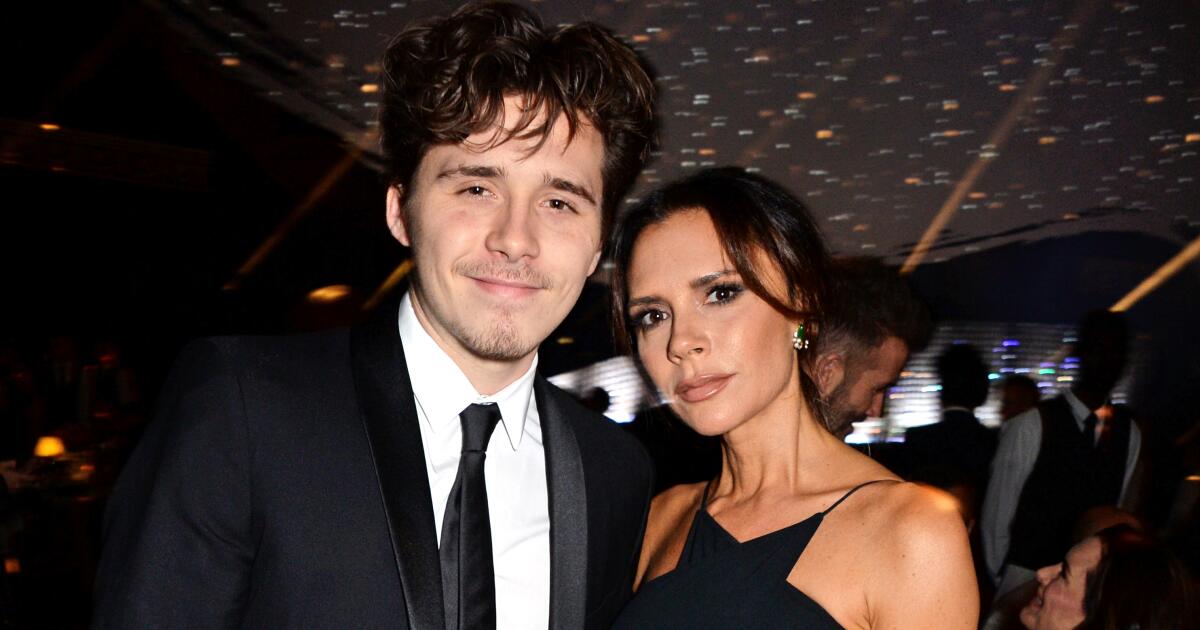
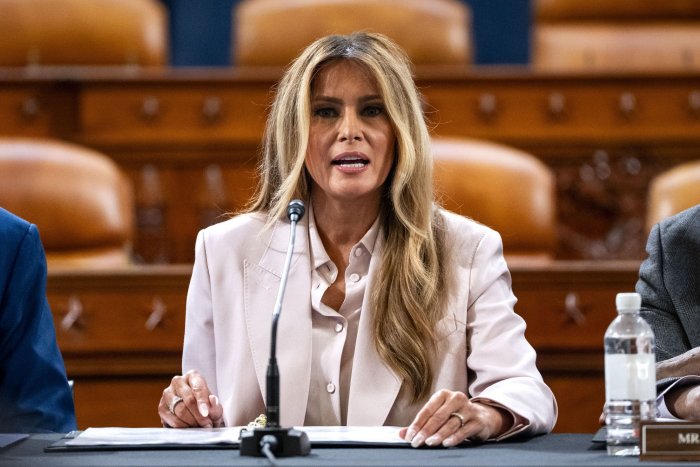

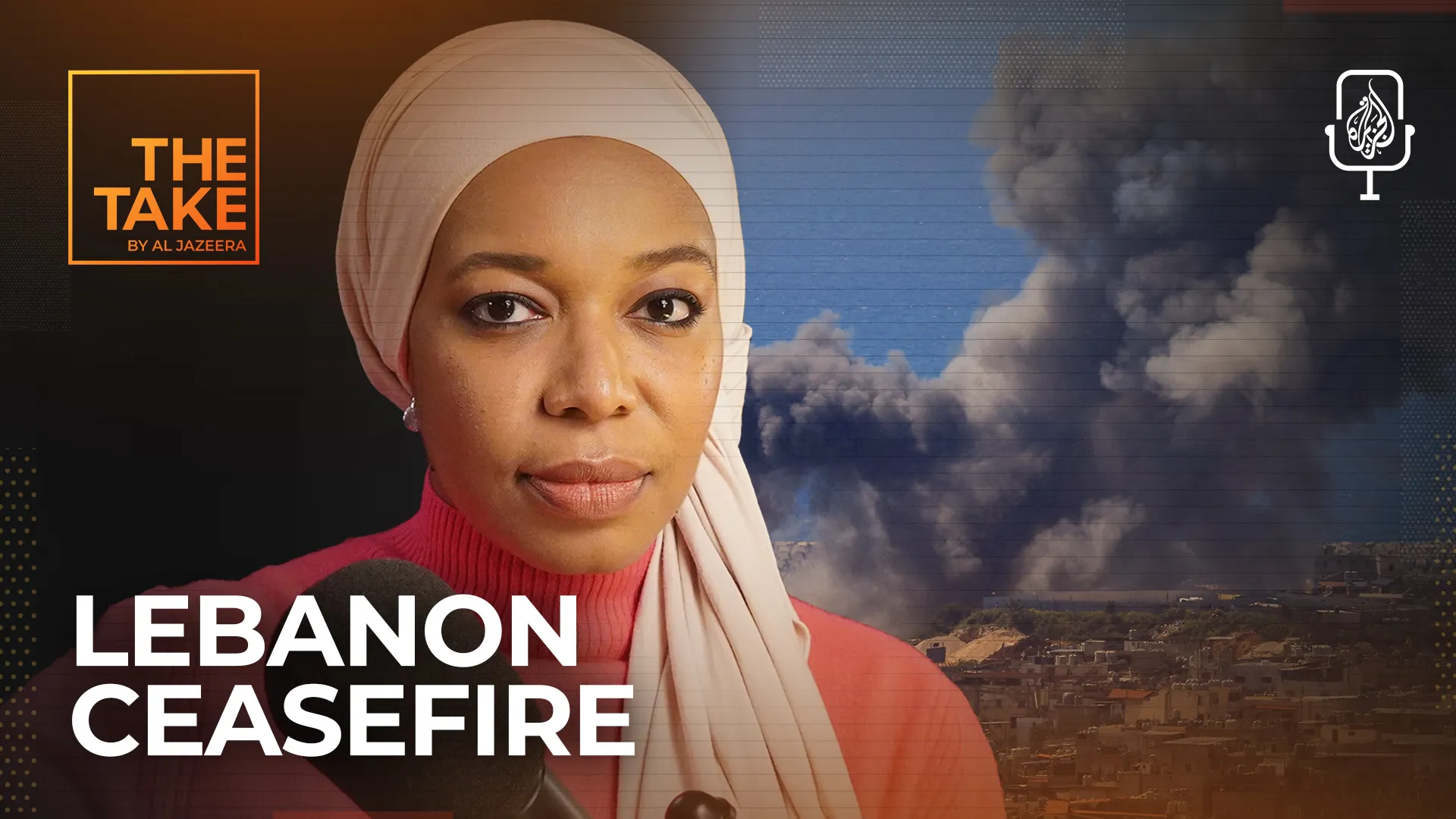
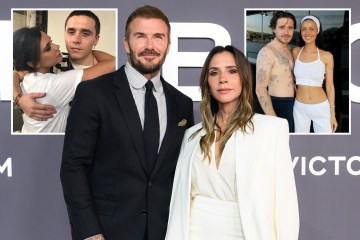





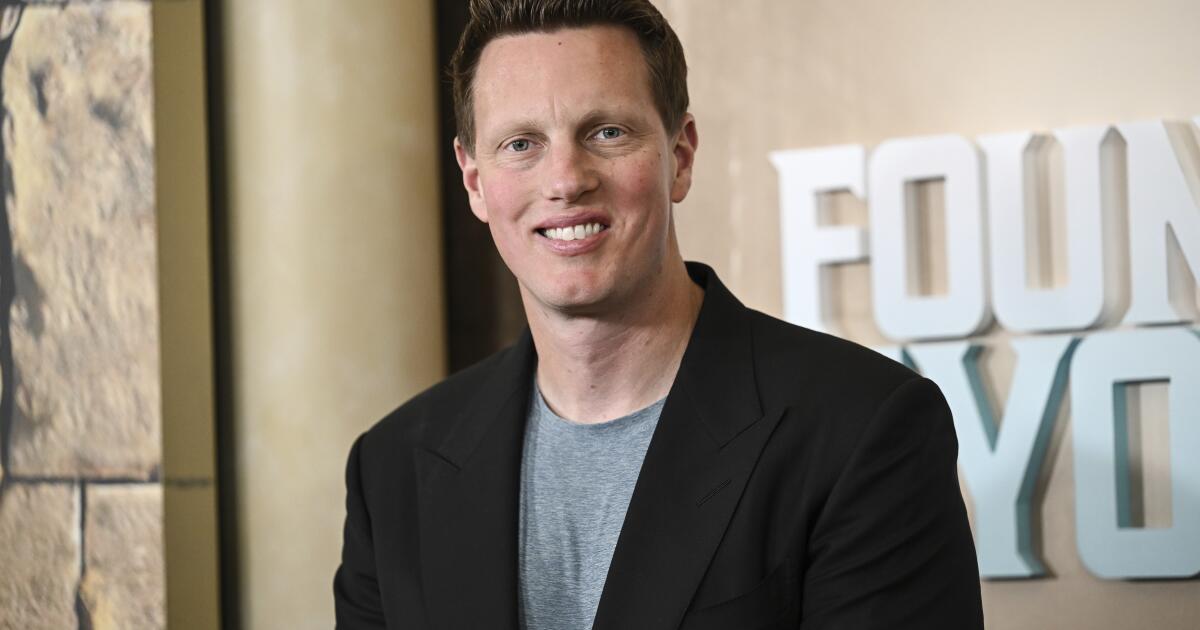
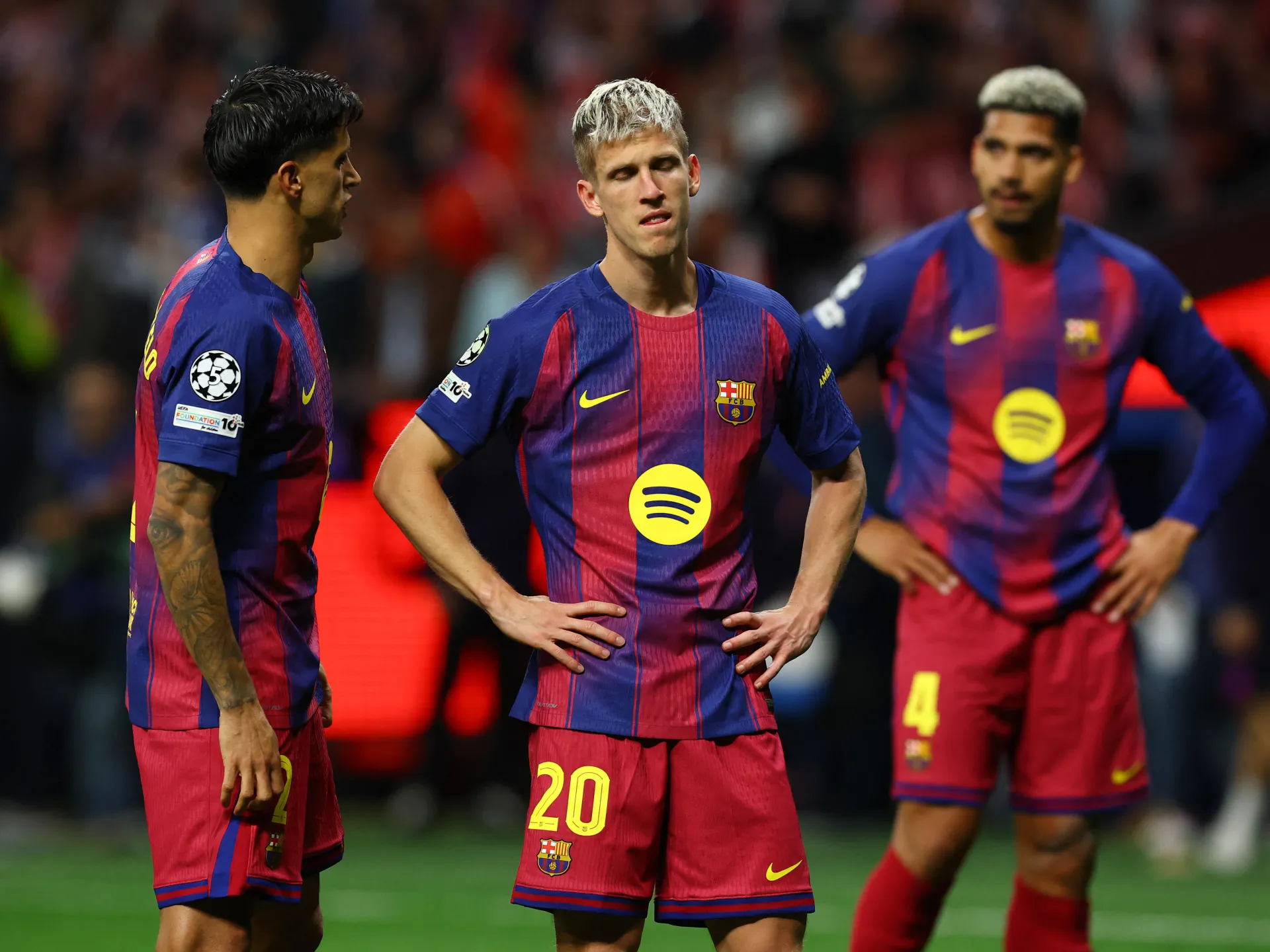
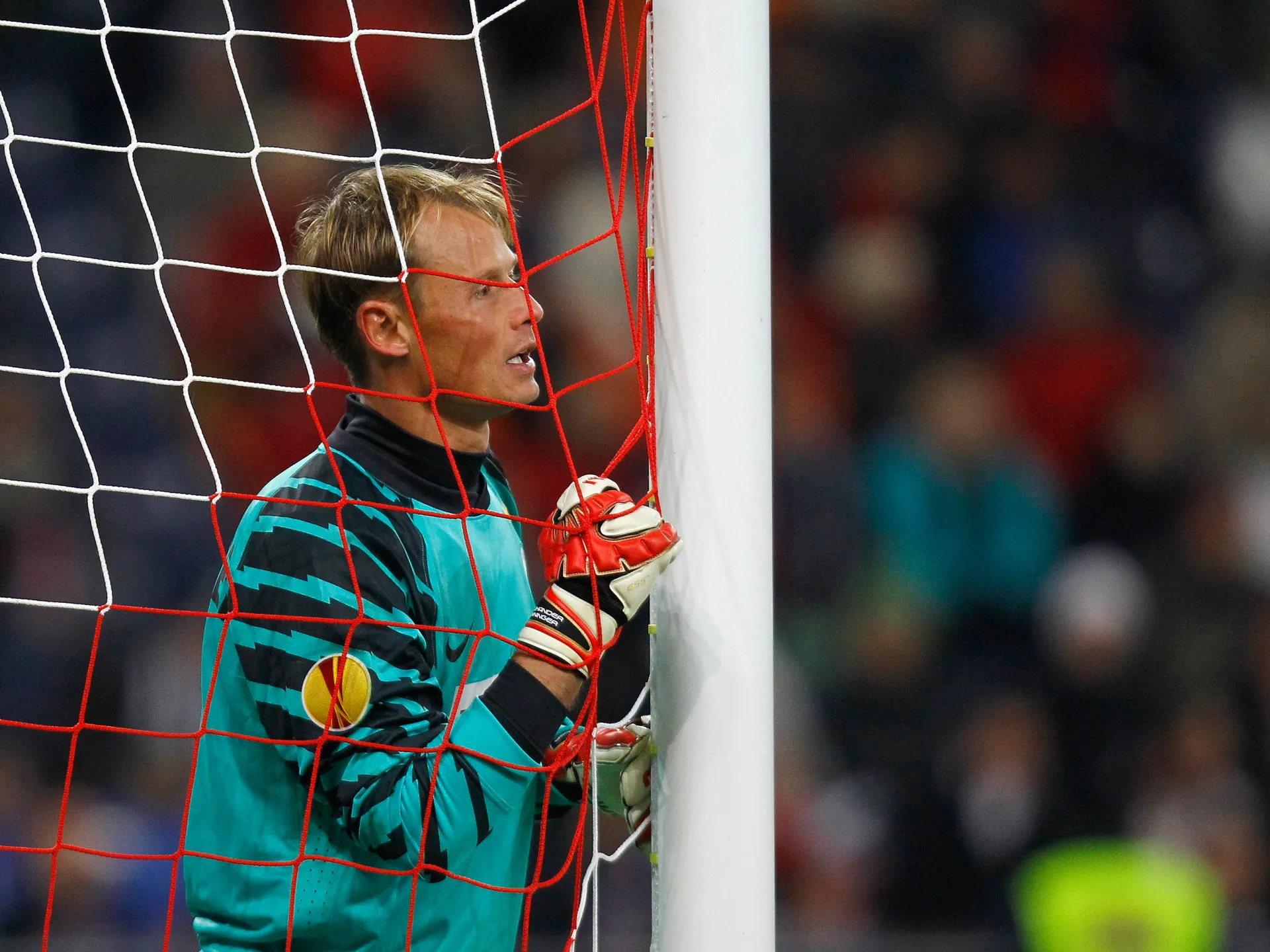


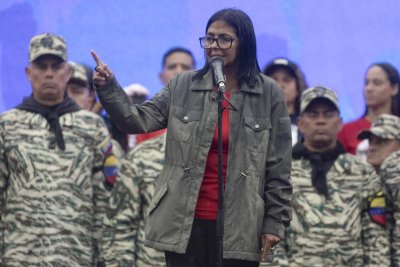






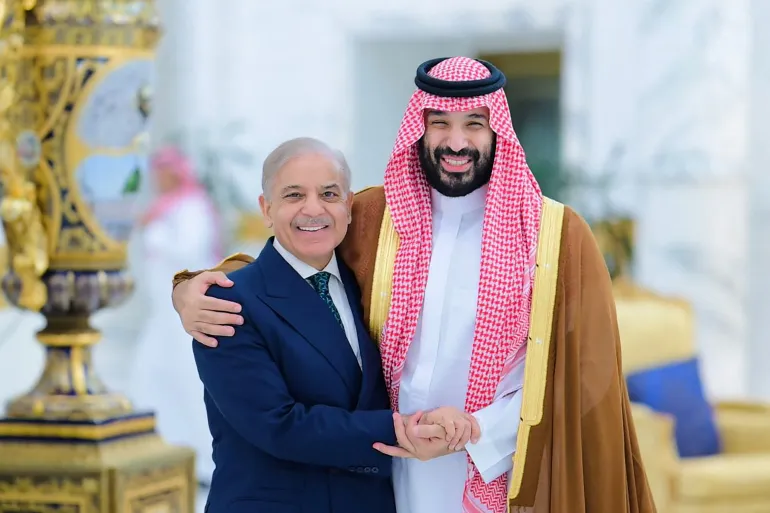


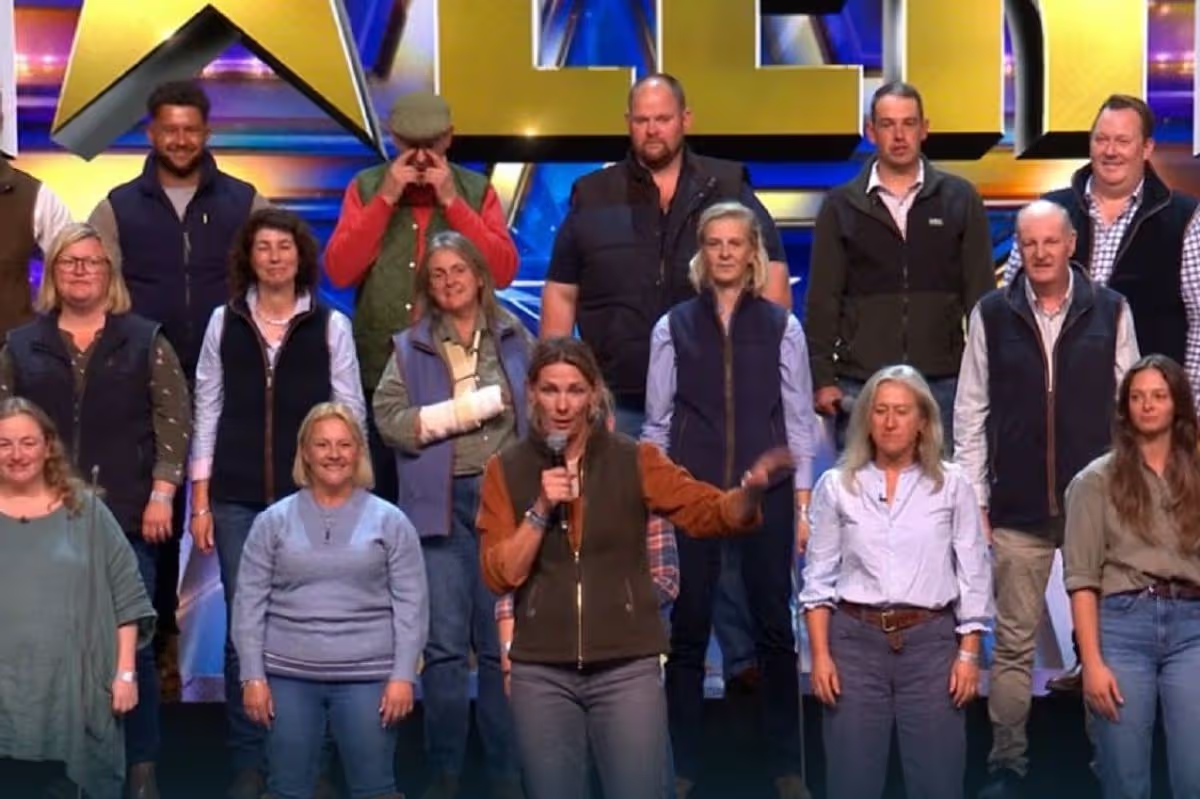

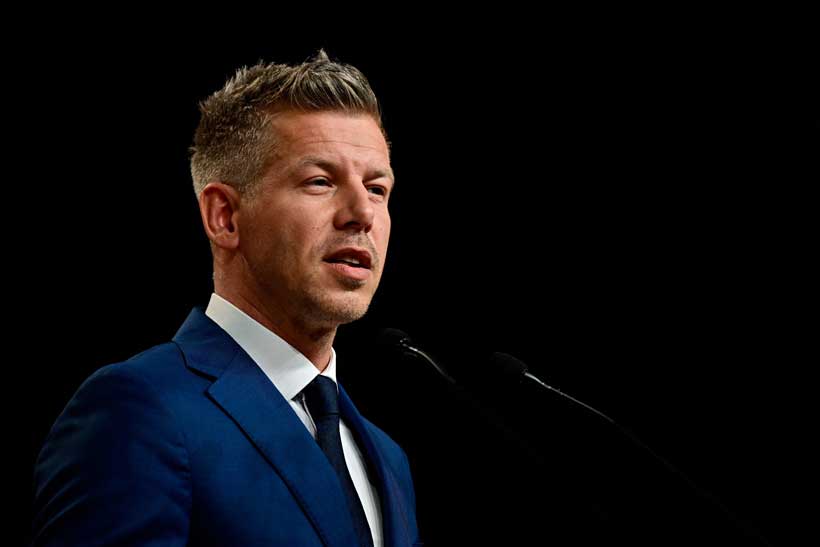




![Türkiye's defense industry now operates with a local production rate exceeding 90 percent, bypassing long-standing Western embargoes. [Al Jazeera]](https://i0.wp.com/occasionaldigest.com/wp-content/uploads/2026/04/Turkiyes-defense-industry-now-operates-with-a-local-production-rate-exceeding-90-percent-bypassing-l.webp?w=640&ssl=1)
![İkinci emphasizes that Roketsan's international strategy is based on "partnership models" rather than simple sales. [Al Jazeera]](https://i0.wp.com/occasionaldigest.com/wp-content/uploads/2026/04/%D9%81%D9%82%D8%A8%D8%BA6%D9%82-1775995428-copy-1776326256.jpg?w=640&ssl=1)