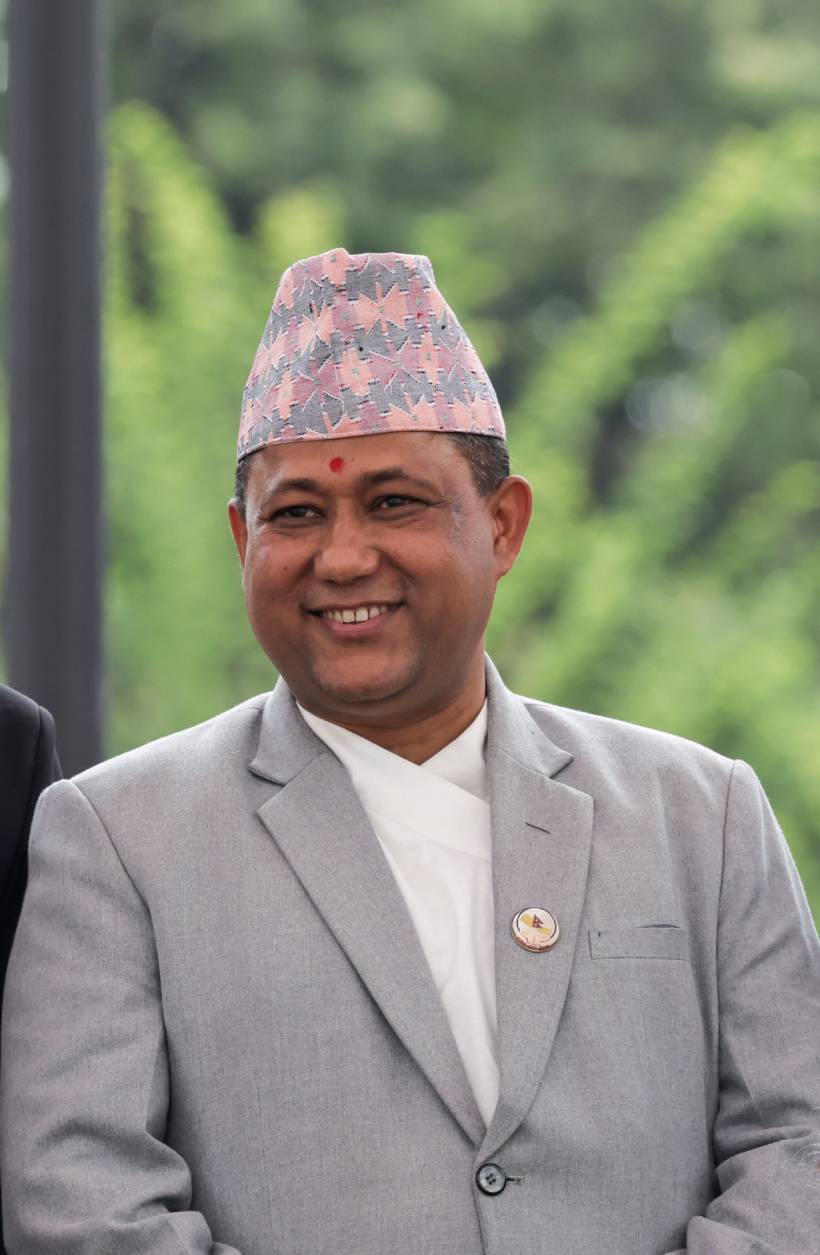
Nepalese Foreign Minister Shisir Khanal met Chinese Foreign Minister Wang Yi in Beijing on Monday, marking his first visit to China since Nepal’s Rastriya Swatantra Party won elections in March and formed a new government. The trip came just days after Khanal visited India, underscoring Kathmandu’s efforts to maintain strong ties with both regional powers.
China has long viewed Nepal as a key partner in its neighborhood diplomacy and has invested heavily in infrastructure projects under the Belt and Road Initiative. However, several projects have faced delays and financing disputes, limiting progress in bilateral cooperation.
Why It Matters
Nepal’s new government is reshaping the country’s foreign policy at a time of growing competition between China and India for influence across South Asia. While China has sought deeper economic and strategic engagement with Nepal, the Himalayan nation remains closely linked to India through geography, trade, employment, and cultural ties.
Analysts say Kathmandu’s willingness to engage both powers gives it greater diplomatic leverage. The new government has signaled that it wants improved relations with India while also keeping Chinese investment and infrastructure cooperation on track. This balancing strategy could strengthen Nepal’s bargaining position as Beijing and New Delhi compete for regional influence.
The visit also comes as China faces questions about the effectiveness of some Belt and Road projects in Nepal, including concerns over costs and implementation delays at major infrastructure developments such as Pokhara International Airport.
What’s Next
Nepal is expected to continue pursuing a balanced foreign policy that avoids choosing sides between China and India. Beijing will likely push to accelerate infrastructure cooperation and demonstrate the benefits of its investments, while India will seek to strengthen ties with Nepal’s new leadership.
The success of this approach will depend on whether Nepal can secure tangible economic benefits from both neighbors while maintaining its strategic autonomy. Upcoming decisions on infrastructure financing, trade cooperation, and anti-corruption investigations could shape the future of Nepal’s relationships with Asia’s two largest powers.
With information from Reuters.