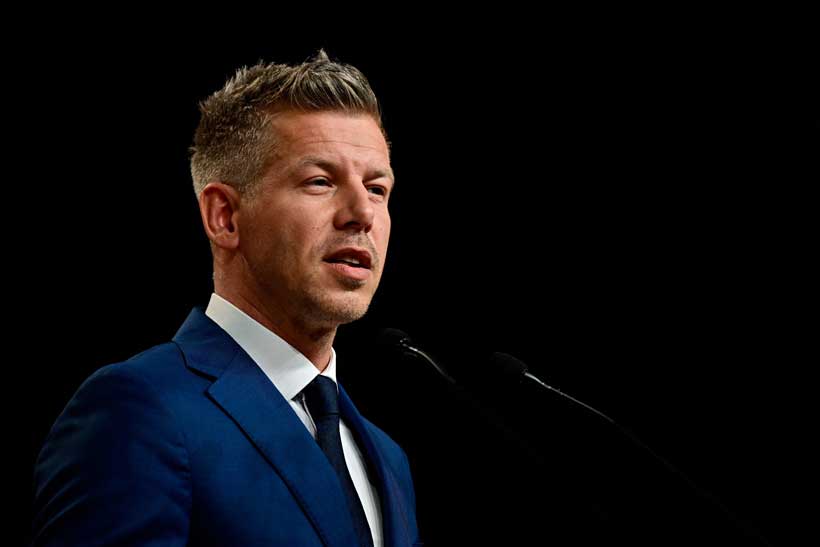
The rise of Péter Magyar marks one of the most significant political shifts in Hungary’s modern history. His victory over Viktor Orbán ends a 16 year era defined by centralized power and strained relations with the European Union.
What makes Magyar’s ascent particularly striking is that he did not emerge from outside the system, but from within it.
From insider to challenger
Magyar was once closely associated with Orbán’s ruling Fidesz party and initially echoed many of its political themes, including nationalism and scepticism toward liberal European norms.
His turning point came in 2024, when he publicly broke with the government and sharply criticised corruption and the concentration of power. This positioned him as a credible reformist with insider knowledge of how the system operated.
Dismantling an illiberal model
Orbán’s “illiberal democracy” was built on gradually consolidating control over key state institutions, including the judiciary and media. Over time, checks and balances weakened, allowing the ruling party to dominate political life.
Magyar’s understanding of this structure allowed him to directly challenge its foundations, particularly by focusing on corruption and institutional accountability, issues that resonated with voters.
Building a broad coalition
Over two years of campaigning, Magyar evolved politically. He travelled extensively, engaging with voters across the country and broadening his appeal beyond a narrow ideological base.
According to Zsolt Enyedi, Magyar became a unifying figure for pro democracy forces, offering a platform that different groups could rally around. This ability to bridge divides proved crucial in defeating a deeply entrenched political machine.
A more pragmatic approach to Europe
Magyar is not an uncritical supporter of the European Union, but he is expected to take a more constructive approach than his predecessor. Economic realities, particularly the need to unlock suspended EU funds, will push his government toward cooperation with Brussels.
This creates a pragmatic dynamic where reform is driven not only by political vision but also by financial necessity.
A difficult transition ahead
The transition of power is likely to be complex. Magyar has already expressed concern about actions taken by elements of the outgoing administration, suggesting resistance within the system he now seeks to reform.
Rebuilding institutions, restoring trust, and dismantling entrenched networks will take time and political capital.
Analysis
Péter Magyar’s victory highlights a key dynamic in political change within entrenched systems: transformation often comes from insiders who understand the machinery of power.
However, electoral success is only the first step. The deeper challenge lies in restructuring institutions that have been shaped over more than a decade. This process is inherently slow and politically sensitive.
Magyar must navigate competing pressures. Domestically, he faces a conservative and somewhat eurosceptic electorate. Internationally, he is expected to repair relations with the European Union and align more closely with its standards.
This balancing act will define his leadership. While his victory opens the door to democratic renewal, the outcome will depend on whether he can convert political momentum into lasting institutional change.
With information from Reuters.