Iran says it has put forward a plan to the United States to reopen the Strait of Hormuz within seven days, as Qatar passes messages between the two countries at the United Nations General Assembly in New York.
Speaking on the sidelines on Thursday, Iran’s Foreign Minister Abbas Araghchi said the timetable could begin as soon as Washington accepted the proposal.
Recommended Stories
list of 4 itemsend of list
Both sides have described the indirect contact facilitated by Qatar in New York positively, but neither has indicated any diplomatic breakthrough as the war approaches its seven-month mark.
Analysts have told Al Jazeera a firm peace deal remains unlikely, with Iran still wanting to follow the approach set out in an earlier agreement, which would give it and Oman a main role in managing the strait before moving on to discussing terms for a broader peace deal.
For its part, the US, which has claimed to be “in total control” of the Strait of Hormuz, wants Iran’s nuclear programme to be the subject of discussions straight away.
Iran has previously made clear that it will not engage with broader peace talks, including addressing the issue of its nuclear programme, until the US naval blockade of its ports in and around the Hormuz strait is lifted, sanctions are repealed and the US provides a guarantee of an end to strikes, among other conditions.
Here’s what we know.
What has Iran proposed?
Araghchi told reporters in New York that Iran had presented its plan to the US through intermediaries. “If certain conditions are met, the Strait of Hormuz would be open on the end of the seventh day and [peace] talks would restart,” he said.
He did not give details but said the proposal resembles the June 17 memorandum of understanding (MoU) signed by Iran and the US, which briefly eased the conflict before breaking down. “The moment they accept this plan, from the next day, this timetable can start, and after seven days, the strait will be open,” he said.
Under the June agreement, Iran undertook to allow ships to pass through the strait without paying tolls for 60 days – that was the period of time given for peace talks to take place. But the MoU left open what would happen after that period.
Araghchi did not say whether the same arrangement formed part of his new proposal. Nor did he spell out what Washington would have to do before the seven-day timetable began, how either side would verify those steps, or what rules would govern shipping once the strait reopened.
It is highly unlikely Iran would be offering to cede control of the Strait of Hormuz, analysts say.
Urban Coningham, a research fellow at the Royal United Services Institute, told Al Jazeera that Tehran is unlikely to receive the sanction relief it has previously demanded and, therefore, sees the strait as its primary ticket to helping it recover from the war economically.
“Hormuz is a clear Iranian red line,” he told Al Jazeera. “The Iranians will not get reparations for the war, so control of the strait is the only way they can recover economically. I cannot see them backing down from that.”
[Al Jazeera]
Why does the June agreement matter?
The MoU signed in June set out an immediate halt to military operations on all fronts, including in Lebanon, where Israel has launched strikes and occupied part of the country, and triggered a 60-day period for negotiations on a lasting peace settlement. It included US waivers for Iranian oil exports and provisions to restore maritime traffic through the strait.
It deferred other issues, including the future of Iran’s enriched uranium stockpile, to broader peace talks.
But the agreement unravelled the following month amid renewed confrontation over shipping routes through the strait.
Coningham told Al Jazeera that Iran’s latest proposal follows this earlier model: “Open the strait within seven days, then start talks on the nuclear file.”
But “the US does not want to compartmentalise the issues, it wants them discussed as one package”, he said.
How else does this new proposal place pressure on the US?
Coningham also sees a political calculation in making the offer publicly at the UN as Americans contend with high fuel prices. “By explicitly saying this may be the only chance before the midterms, Iran is putting pressure on Trump over oil and gas prices and the strait,” he said. “It is a tactic to put more pressure on the US.”
The strait, which runs between Iran and Oman, is a vital route for oil and gas exports from the Gulf. Disruption to shipping has driven up energy prices far beyond the region, giving both governments an economic reason to reach an agreement despite their differences.
With the US midterm elections approaching, a deal to get it reopened could give Trump a chance to bring down fuel prices before voters go to the polls – potentially giving the Republican Party a much-needed electoral boost before the midterms.
Trump has presented the electoral calculation differently, however. In his address to the General Assembly on Tuesday, he accused Iran of waiting to see how his Republican Party performs in November and predicted a deal would happen after the vote. He also threatened to “annihilate the Islamic Republic” if there was no agreement.
Trump claimed the election did not affect his own decision-making on Iran: “The only thing that does is that Iran will never have a nuclear weapon.”
That leaves an open question about whether the prospect of lower energy prices is enough to persuade his administration to accept Iran’s proposed order of talks. Coningham doubts it. “Trump is prepared for this to go on through the midterms,” he said. “The same problem remains where the proposal does not answer questions about the nuclear file.”
Where do broader US-Iran peace talks stand?
Araghchi met US envoy Steve Witkoff and Trump’s son-in-law Jared Kushner on Tuesday in talks mediated by Qatar. The Iranian foreign minister described the exchange as productive and said messages continued to pass between the sides.
US Secretary of State Marco Rubio said it would be wrong to describe the meeting as a major breakthrough, however.
Burcu Ozcelik, a senior research fellow for Middle East security, told Al Jazeera that the major blockage for Washington and Tehran is that each is making different assumptions about how much pressure they can exert on the other. The Trump administration is unlikely to revive the failed MoU, she said, because it assesses its naval blockade and tighter sanctions as working.
“The US appears to believe it can wait this out until Tehran is prepared to make meaningful concessions,” Ozcelik said.
“But Iran remains defiant despite indications that it is hurting economically.”
Ukraine claims it has recently regained about 125 sq. km. of territory near the town of Lyman in the eastern Donetsk region during what has been dubbed Operation Vivaldi. Rodion Kudryashov, a Ukrainian colonel and deputy commander of the Third Army Corps, offered some insights into this offensive and what made it different.
Though the operation is still ongoing, the success of Vivaldi began long before any troop movements, Kudryashov explained in an editorial he published in Ukrainian Pravda.
Ukraine is making advances near the town of Lyman, located in the Donetsk region. (Google Earth)
“After the Third Army Corps was formed, we changed the command system of its subordinate units,” he noted. “Some brigades came to the corps after very heavy fighting, with losses, manning problems and, most importantly, eroded trust in their leadership.”
Third Army Corps Commander Brig. Gen. Andriy Biletsky “then set out one of our key principles: a commander must be responsible for the entire cycle, from training a soldier to the result on the battlefield,” Kudryashov pointed out. “In some places that meant replacing a commander. In others it meant restructuring a staff or strengthening the NCO chain. In some cases we had to build, almost from scratch, processes that on paper should have been working long ago.”
At issue was changing the culture from a more rigid Soviet-era model, with a cumbersome chain of command, to a modern, more flexible one better suited for the current conflict.
“A modern commander has to handle an enormous flow of information and make decisions quickly,” the deputy commander proffered. “He has to understand what unmanned systems, logistics, reconnaissance and adjacent units can do, while not smothering initiative at lower levels with endless approvals. An army where every decision takes hours to travel up and down the chain loses to an army that makes the same trip in minutes.”
Once those changes were put in place, the Third Army Corps had to first stop Russian advances in the sector before it could move forward.
VIVALDI 🎼🎶
GoPro footage from Ukrainian assault troops who took part in the Vivaldi counteroffensive, which resulted in the liberation of five settlements in the Lyman direction. pic.twitter.com/2SVXSKlEX0
“When the corps took over its area of responsibility, our first task was not an offensive,” the officer said. “We had to stop the situation from deteriorating and stabilize the forward edge.”
“The enemy was pressing. In some sectors our combat formations were losing cohesion,” he underscored. “The Russians were actively using infiltration tactics: small groups seeped between positions, massed in our rear, threatened logistics and gradually eroded the defensive line.”
“We had to stabilize the forward edge and stop the infiltration,” Kudryashov said. “We had to rebuild command, put in commanders capable of making decisions, form new teams and reconstitute units. We had to set up the surveillance-and-strike system and sustain the front line. We had to stockpile ammunition, drones and other resources, understand the enemy, and plan the next step before the previous one was finished. Only after that could we move forward.”
By June, the corps was able to secure the front “in the sector from Borova to Lyman and eliminate the enemy’s infiltration zones,” Kudryashov continued. “That sounds less impressive than the word ‘offensive,’ but no offensive ever happens without it.”
“You cannot plan a complex operation if you don’t know where your forward edge will be tomorrow,” the deputy commander extrapolated. “You cannot build up forces if your logistics are constantly under threat. And you cannot form a strike group if your units are always forced to patch new breaches. So the first phase of ‘Vivaldi’ was not an advance at all. It was creating the conditions that made an advance possible in the first place.”
Once the front was stabilized, the next step was shaping the battlefield for the offensive. The corps’ unmanned systems units went to work against Russian logistics, striking a pipeline and depots. That forced the enemy to change its fuel and lubricant supply routes.
Ukraine’s 3rd Army Corps released new footage of search-and-strike operations on the Lyman front. FPV drone operators from the 60th Mechanized Brigade’s FATUM unit targeted Russian armored vehicles, a Grad multiple rocket launcher and personnel. #Ukrainepic.twitter.com/1iNG7z2N1c
“The operation also involved the corps’ brigades, its reconnaissance and unmanned units, and attached forces from the SSO (Special Operations Forces), GUR (Defense Intelligence) and DPSU (State Border Guard Service),” the deputy commander said. “To counter infiltration, a joint headquarters was set up to coordinate special and reconnaissance units at the tactical level under a single concept.”
“In my view, this is one of the main characteristics of modern war,” he further stated. “It is not 10 strong units that each fight well on their own. It is 10 different elements that start working as one system at the right moment.”
An interesting new detail from Ukraine’s 3rd Army Corps about Operation Vivaldi on the Lyman axis.
The Corps says Ukrainian forces carried out a flanking maneuver and, for the first time, airlifted unmanned ground vehicles behind Russian lines, while also suppressing Russian… https://t.co/ZEq8C75bN4pic.twitter.com/KgKcZ0Zs2P
The influential, Kremlin-connected Rybar Telegram channel has acknowledged Ukrainian gains in this sector.
“In the first half of summer, Russian units gradually advanced in Lyman,” Rybar wrote this morning. “However, in August, the enemy launched counterattacks and, by the first week of September, regained some positions, and also began attempts to recapture Shandryholovo and Zarechnoye.”
“The enemy did not inflict significant losses on Russian troops, as the concentration of units of the West group of forces in the salient remained relatively low,” Rybar added. “However, later, the UAF deployed reserves to launch an offensive towards Zherebets in order to align the front along the water barrier and return it to the configuration of the end of 2025.”
rybar now saying the 144th division is still falling back. the 3rd corps is still advancing and destroying an entire army group as they move. this is historic. pic.twitter.com/2jOa8KR9oA
Though the battle is still in flux, Kudryashov said there are lessons the rest of the Ukrainian military should heed.
“Winning one battle is not yet winning the war,” he said. “The enemy is learning too. He changes tactics, looks for weak spots and tries to scale what works for him.”
“So our task is to be faster, not only in physically moving forward but also in our ability to see, think, decide and put into practice what delivers results,” the deputy commander avowed. “And to do everything possible so that our soldiers pay the lowest possible price for every next kilometer of Ukrainian land.”
The Latest
On the battlefield, in addition to the gains Ukraine has made near Lyman, it has also largely been able to hold off Russian advances across the front lines. Here are some key takeaways from the latest Institute for the Study of War assessment of frontline operations:
Sumy: Russian forces recently conducted an infiltration mission east of Sumy City, and they continue to conduct glide bomb strikes against frontline settlements in northern Sumy Oblast to set conditions for future offensives.
Kharkiv: Russian forces continued offensive operations in northern Kharkiv Oblast and in the Borova, Kupyansk and Velykyi Burluk directions on Sept. 21 and 22 but did not advance.
Donetsk: Ukrainian forces reportedly continue counterattacks in the Lyman direction, including southeast of Lyman, as Russian forces are attempting to use redeployments to stabilize the area. Russian forces continued offensive operations east and southeast of Slovyansk near Rai-Oleksandrivka and toward Mykolaivka and Fedorivka Druha on Sept. 21 and 22 but did not advance. During this period, they also tried to advance in the Novopavlivka and Oleksandrivka directions but made no gains, as Ukrainian forces counterattacked in both areas.
Zaporizhia: Ukrainian forces recently advanced or maintained positions in western Zaporizhia Oblast.
Kherson: Neither Russian nor Ukrainian forces reported ground activity in the Kherson direction on September 22.
Russian Offensive Campaign Assessment, September 22, 2026: The Russian Ministry of Defense (MoD) falsely claimed that Russian forces have encircled Dobropillya — an intensification of the Kremlin’s cognitive warfare campaign alleging encirclements across various sectors of the… pic.twitter.com/yMoAcyVIme
In his speech to the U.N. General Assembly this afternoon, Ukrainian President Volodymyr Zelensky called for Russia to end its war and said it was paying a heavy price — and exacting a terrible toll — for little territorial gain.
“This ridiculous and never-ending war with Ukraine must be ended,” the Ukrainian leader urged. “I do not know a single world leader who would say otherwise. I do not know anyone who is openly for this war, except one man.”
He was referring to Russian President Vladimir Putin.
“Ladies and gentlemen, for almost five years now, Russian generals have been trying to carry out Putin’s crazy order to seize our eastern land, the Donetsk region,” Zelensky continued. “And just this year, from January through August, the Russian army lost 248,964 people on the battlefield in Ukraine in eight months. Twenty-one countries in the world have smaller populations… than the number of Russian troops lost in just eight months.”
‘Patient Zero’ Putin, Russia-Ukraine war & Trump: Zelensky addresses UN
“It’s madness, but they still keep going there to die because that is what Putin wants,” Zelensky suggested. “After losing so many people, Russia managed to capture just over 1,000 square kilometers of our land this year, and we have already liberated a significant part of it. Russia is a country that already has 17 million square kilometers of its own land without any Ukrainian territory, by the way. So to add another 1,000 square kilometers, Putin is paying with 248 people for every kilometer. Does anyone still think that he is reasonable? And moderate?”
“Russia’s leader, Patient Zero, the man from whom this war began and spread into the world, becoming the largest war in Europe since World War II, will inevitably leave this war,” Zelensky proffered. “But the longer Putin is able to wage war, the more evil he will leave behind in this world. Today, nothing in war works the same way it did, by the way, in 2022, except the courage of people.”
Russian missile and drone barrages have “caused damage, but they didn’t break us,” the president proclaimed. “We build our defense. What is really difficult for us now is Russian ballistic missiles and their new jet-powered Shaheds — Iranian technologies.”
Residential buildings stand against the backdrop of smoke from a Russian attack on Kyiv. (Photo by Bohdan Diev/Global Images Ukraine via Getty Images) Tatyana Kudel’s’ka
“Just imagine this: since the beginning of this year, Russia has already used more than 2,100 missiles of different types again against us, against Ukraine, our people and our children,” Zelensky stated. “More than 950 of them were ballistic missiles. In eight months of this year, Russia used 63,000 attack drones of different types against Ukraine, our people, and more than 7,700 of them were jet-powered Shaheds, truly destructive and very dangerous weapons. Just think about it. The Russians launch jet-powered Shaheds every hour, every hour, against our cities, our economy, our infrastructure. Our combat aircraft are fighting them 24/7, and this is part of Russia’s strategy to create a new threat every hour, to make life harder for the economy and to disrupt people’s lives, and to stop children from being able to study, to study at school.”
Speaking at the Sixth Summit of the International Crimea Platform in New York on Wednesday, Zelensky said the return of Crimea is a condition for any return to normal relations with Russia.
“Disrespect for international law began in 2014, when Russia entered Crimea,” the Ukrainian leader stated. “There can be no full return to normality without Crimea, the restoration of security, the protection of people and lives, the release of prisoners held by Russia, and a return to the fundamental principles of international law. Territorial integrity matters, state sovereignty matters, and human lives matter. And Russia must learn this.”
Участь Володимира Зеленського в шостому саміті міжнародної Кримської платформи
Tuesday, Zelensky met with U.S. President Donald Trump.
Among the topics of their three-hour meeting were a path to end the war and a renewed discussion about the licensing of Patriot air defense interceptors so they can be built in Ukraine. The country is struggling to defend against Russian ballistic missiles because of the dearth of these munitions.
“Just had a positive and productive meeting with President Trump on the sidelines of the UN General Assembly,” the Ukrainian leader stated on X. “Both the United States and Ukraine want this senseless Russian war to end before winter. We discussed possible de-escalation steps that could pave the way to diplomacy.”
“I am grateful that, in parallel with this, our teams continue to work on launching the production of Patriot interceptor missiles in Ukraine,” Zelensky noted. “This is exactly what will help protect lives if Russia rejects negotiations and continues to rely on ballistic terror against our people this winter and beyond. We also discussed other bilateral and multilateral issues, including the winter air defense package for Ukraine. Thank you to President Trump, his team, and all the American people for their support.”
I just had a positive and productive meeting with President Trump @POTUS at UNGA. Both the U.S. and Ukraine want to see this senseless Russian war ended before winter. We discussed potential de-escalatory steps that can open up the way to diplomacy. I am grateful that in the… pic.twitter.com/Ayvsj9It3m
— Volodymyr Zelenskyy / Володимир Зеленський (@ZelenskyyUa) September 22, 2026
For his part, Trump said negotiations about Patriots are ongoing but offered no commitments.
“We’re talking about that,” Trump stated. “We’ll be talking about that now. If you would have come in at the end, we would have had an answer. But we’ll be talking about that. I mean, we talk about it all the time. Very capable people, really amazingly capable people.”
This isn’t the first time the two leaders have talked about a Patriot licensing deal. The issue came up back in July. As we noted at the time, such a deal faces big challenges.
First of all, it could face bureaucratic and regulatory hurdles, like getting congressional approval. Major security concerns exist, not just by having license production of a very sensitive weapon in Ukraine but also having to do with whatever facility will perform the work, which would become a top target for Russia. Even if they got the clearance to move forward, delivery of new weapons will still take years due to the time it takes to build the facility and to source long-lead components.
Even Lockheed Martin, one of the world’s biggest arms makers, currently produces only about 650 PAC-3 MSE interceptors a year, or just shy of two per day. However, under a contract with the Pentagon inked in January, Lockheed is committed to boosting Patriot PAC-3 MSE annual production to 2,000 in the years to come.
You can read more about the headwinds a Patriot licensing deal would face, even if it were to come to fruition, in our initial story here.
A Patriot interceptor. (DOW) Department of Defense
Ukraine’s president also confirmed that “Kyiv is ready to agree to an energy truce on the condition that Russia does not attack its energy, electricity and heating infrastructure as well as its water supplies,” CNBC reported. “Trump has previously called on Ukraine to stop targeting Russian oil refineries with drone strikes, which he says are ‘hurting the world’ as fuel supply disruptions from the Ukraine and Iran wars propel U.S. diesel prices to a record high.”
Ukraine’s repeated attacks on Russian oil infrastructure is having a major impact.
“Russian refinery throughput fell to 3.8 mb/d, its lowest level in more than 20 years and roughly 30% below a year earlier,” according to a recent report by the International Energy Agency (IEA). “Reported gasoline output is down by 20% compared with 2025 levels, while diesel production is estimated to have fallen by nearly 30%, prompting the government to restrict fuel exports to protect domestic supplies.”
Amid the U.N. General Assembly meeting, strikes by both sides continued.
“At least 16 people were killed and 59 others injured in Russian attacks across Ukraine over the past day, as Russia launched several waves of ballistic missiles at Kyiv overnight,” the Kyiv Independent reported, citing local authorities.
“Two people were killed and eight others injured in Kyiv, where Russian ballistic missiles struck the capital in three waves overnight,” the publication added. “Residential buildings, a maternity hospital, energy, and logistics infrastructure were among the sites damaged, according to President Volodymyr Zelensky.”
“Russia launched 282 attack drones of various types overnight, including jet-powered drones, as well as Zircon anti-ship missiles and Iskander-M, S-400, and KN-23 ballistic missiles,” the news outlet stated, citing the Ukrainian Air Force. “Ukrainian air defenses shot down 227 aerial targets, including 219 drones, four Zircon missiles, three ballistic missiles, and one Banderol munition. Strikes were recorded at 13 locations, while debris from downed targets fell at 10 locations.”
A difficult night for Ukraine as Russia continued attacking our civilians, launching a ballistic missile attack on Kyiv, and attacking Kyiv and other Ukrainian regions with drones. The air raid alert in Kyiv was turned on at 3:28 a.m. and hasn’t turned off since.
Ukraine’s strikes on Russian energy infrastructure continued.
“Over the past 24 hours, two oil refineries were hit – one in Bashkortostan and one in the Samara region. There were also strikes in the Black Sea,” the Ukrainian Defense Ministry stated on X. “We are taking the war back to where it came from. We are bringing peace closer for Ukraine. I thank the units involved for their precision.”
I thank our warriors for the results they achieve every day in carrying out Ukraine’s long-range sanctions. Over the past 24 hours, two oil refineries were hit – one in Bashkortostan and one in the Samara region. There were also strikes in the Black Sea.
In an effort to defend against Ukrainian attacks, Russia continues to use netting to protect its energy facilities. You can see a recent example in the video below.
After more frequent Ukrainian strikes on Russian oil refineries and fuel depots, Moscow and the Moscow region decided to cover potential targets with anti-drone nets.
Finland’s President Alexander Stubband Zelensky this morning “signed an Agreement on Enhanced Defense and Security Cooperation under the Drone Deal format,” the Finnish Defense Ministry said in a statement. “It will enable defense materiel cooperation between the two countries.”
“The agreement will enable Finland and Ukraine to transfer technology and knowledge, pursue research, development and innovation cooperation and promote joint manufacturing and drone technology development between their industries,” the MoD stated. “Another objective is to simplify administrative processes, for example regarding the granting of export authorizations, to make the transfer of defense materiel and technologies between the two countries as efficient as possible.”
Finland and Ukraine take their defence cooperation to the next level
Today, we signed a drone deal with @ZelenskyyUa. The agreement enables, among other things, the joint production of defence materiel. Defence sector companies in Finland are ready, and the joint effort can now… pic.twitter.com/UUh2kZPPpk
With electronic warfare interfering with how drones controlled by radio frequencies operate, Ukraine is testing a new system of small radio beacons placed on the ground that allow drones to navigate without GNSS — including missions deep inside Russia. While many systems might not need this fix, some of the lower-end drones might.
Ukraine is testing and scaling this technology as part of a layered navigation system designed to keep drones autonomous in heavily jammed environments.
“The concept is quite simple,” the BBC wrote. “If the enemy jams the signal coming from above—specifically from GNSS (Global Navigation Satellite System) satellites, which determine the precise coordinates, speed, and time of any object on Earth—then specific points must be created to provide that same signal from below.”
The idea is to guide the drones by triangulating their location.
“To achieve this, special small devices—radio beacons—are either installed on the ground or air-dropped across a specific area. Their coordinates are known; thus, when a drone flies through the area, it receives coordinate data and signal transmission timing from several beacons. From there, it is a matter of basic geometry: the UAV calculates its own spatial position using data on the distance to the beacon and its altitude above the ground.”
GPS can be jammed. Ukrainian drones still need to fly.
A new beacon network is helping solve that problem.
Small radio beacons placed on the ground allow drones to navigate without GNSS or a constant communications link — including missions deep inside russia.
In the age of robots, uncrewed ground vehicles (UGVs) are playing a larger role in combat. The following video shows one UGV rescuing another one by pushing it back on its wheels.
A Ukrainian logistics UGV comes to the rescue of its overturned teammate, helping get the stranded ground robot back on its wheels. pic.twitter.com/q7d5I2tyOe
Not everyone has to pay – and there’s a simple and legal way to avoid paying this £180 annual fee
Not everyone will need a TV Licence(Image: Getty)
People with a Netflix subscription – regardless of their tier – may need to pay a fee of £180, depending on what they watch.
UK households currently pay £180 a year for a colour TV Licence, or £60.50 for a black-and-white set, after the fee increased on April 1, 2026. Failure to pay when needed could land people in hot water, and a fine of £1,000.
Although many people assume a TV Licence only applies to watching the BBC, that is not true. A TV Licence covers far more than BBC content, including:
All TV channels like BBC, ITV, Channel 4, U&Dave and international channels
Pay TV services like Sky, Virgin Media and EE TV
Live TV on streaming services – like YouTube, Netflix, and Amazon Prime Video
Everything on BBC iPlayer
Watching, recording and downloading on any device
Do I need a TV Licence to watch Netflix?
It depends. Officials note: “If you are watching a TV programme that is being broadcast live on Netflix, you need to be covered by a TV Licence. You don’t need a TV Licence to watch on-demand programmes on Netflix.”
If you want to keep watching Netflix and avoid paying the Licence fee, simply do not watch any live TV or events on the platform and watch your usual on-demand content. This means you can watch classics like Gilmore Girls, Manifest, Breaking Bad, and the latest competition series, Wonka’s The Golden Ticket – without the need for a TV Licence.
If you live in a shared household, the UK Government confirms: “You need your own TV Licence if you have separate tenancy agreements and you watch TV in your own room.”
You can have one TV Licence for the whole household if you either:
watch TV in a single shared area
have a joint tenancy agreement
I have a Netflix subscription – so why do I need a TV Licence?
TV Licensing explains: “Paying for a Netflix subscription grants you access to a large and varied catalogue of movies, series, documentaries and more. Paying for a TV Licence lets you legally watch and record TV on any channel via a range of TV services, including Sky, Freeview, Virgin and Freesat.
“With a TV Licence, you can also watch live on streaming services (e.g. Amazon Prime and Channel 4) and access the full suite of award-winning movies, series and documentaries on BBC iPlayer.
“Some households enjoy having access to Netflix as well as being covered by a licence. Other households prefer to only pay for a TV Licence to watch live on TV and streaming services, including iPlayer, on any device.”
Netflix isn’t the only streaming service you may need to buy a TV Licence for, on top of the subscription fee. TV Licensing further states: “If you’re watching TV showing live on Amazon Prime, you need to be covered by a TV Licence. You don’t need a TV Licence if you’re only watching on-demand programmes on Amazon Prime.”
You could be fined £1,000
You can be fined up to £1,000 if you watch or record live TV without a Licence. TV Licensing warns: “You could be prosecuted if we find that you have been watching, recording or downloading programmes illegally.
“The maximum penalty is a £1,000 fine plus any legal costs and/or compensation you may be ordered to pay. The maximum fine is £2,000 in Guernsey.”
WASHINGTON — President Trump’s trade war with Canada could intensify the headwinds Republicans are navigating ahead of the November midterms, with its effects poised to reverberate in northern battleground states with crucial Senate races.
The escalating beef with Canada — Trump attacked the country anew on social media Wednesday — stands to heighten voters’ economic worries and add to the GOP’s political challenge in dead-heat races, analysts said.
“It doesn’t make things easier. It’s not helping,” said Rusty Hills, a University of Michigan public policy professor and onetime chair of the Michigan Republican Party.
The president’s unpopular policies on the war in Iran, the economy and data centers have already handed Republican candidates the tough task of appearing responsive to Americans’ frustration with cost-of-living issues without alienating Trump and his voter base.
The trade war, said Lance Dutson, a Maine Republican media strategist, puts “another log on the fire” of the affordability issue.
The tariffs have appeared unpopular in recent polling, including among a majority of independent voters. Though they are not expected to dramatically increase consumer prices, they could affect voters’ perception of the economy — and even small economic impacts on certain industries, such as auto manufacturing in Michigan, could have an effect in very close midterm races, experts said.
Trump’s new import bans on some Canadian goods are set to begin next week, a response to retaliatory tariffs Canada levied earlier this month. Trump argues that Canada has “been ripping off” the United States and that tariffs will help domestic manufacturers.
On Wednesday, the president inaccurately claimed on Truth Social that Canada is allowing “millions and millions” of immigrants into its country.
“It is a Liberal takeover that will end very badly. Already showing up in their numbers. Big unemployment. ‘Oh Canada!” the president wrote on social media Wednesday morning.
Five of the nine states most likely to decide Senate control border Canada — Alaska, Ohio, Michigan, New Hampshire and Maine. Two more, Texas and Iowa, also do substantial trade with Canada.
Democrats must retain their Senate seats including New Hampshire and Michigan and flip four of the other states to win a majority, a tall task. As the landscape worsens for Republicans, however, some aretesting how much they can distance themselves from Trump.
“It’s a tightrope, there’s no question,” Hills said. “[Candidates] are looking for some wiggle room on some of these issues like the war and prices and Canada tariffs, because they need every independent and swing voter they can get.”
A majority of Americans oppose raising tariffs on Canadian goods, including 64% of independents, anEconomist/YouGov poll found. Only 14% of independents said they supported additional U.S. tariffs on Canada in a late AugustIpsos poll.
And in Michigan, 68% of independent voters disapprove of the tariffs, a poll this month from the Washington Post and Schar School found.
“The more we put tariffs on stuff, the more they put tariffs on stuff … prices are just ultimately going to go up for all of us,” said one Michigan swing voter in a Sept. 9 focus group conducted by the firm Engagious, in which 11 of 13 participants said the trade war was bad for the state.
The highest costs of the tariffs will be concentrated within a few industries, including auto and other manufacturing, dairy, and alcohol and spirits, said Alex Durante, a senior economist at the Tax Foundation. The tariffs likely won’t create a major change for consumers, but the general impression that tariffs can contribute to higher prices might turn off voters who are already worried about inflation, he said.
Counter-tariffs imposed by Canada in response to U.S tariffs last year resulted in a 6% increase in the prices of affected goods, researchers found in paper published by the Journal of Monetary Economics.
Canadian lumber products at Gutherie Lumber in Livonia, Mich., in August.
(Paul Sancya / Associated Press)
“This trade war is certainly not helping the president and his party in the midterms,” Durante said. “What’s weighing on the top of people’s minds is this general affordability crisis … and they realize that tariffs are another factor that is impacting affordability.”
The latest escalation of the trade dispute began in July, when Trump threatened new 50% tariffs on some Canadian goods, reinvigorating a conflict that began with tariffs the president imposed in 2025.
The two countries began trade talks, but the negotiations fell apart in late August, and Trump imposed tariffs on about $20-billion worth of Canadian goods. Canada retaliated with tariffs on about $20-billion worth of American goods that took effect Sept. 8. Trump then announced import bans on some Canadian goods, including certain alcohol and dairy products, which go into effect next week.
Construction and farm equipment in Illinois, aluminum and pipe products in New York, and iron and steel products in Ohio are among the goods targeted by Canada’s counter-tariffs, the Canadian Broadcasting Corp. reported. In California, about 10.5% of the state’s Canadian imports are exposed to the counter-tariffs imposed by Canada.
Democrats have seized on the issue as another way to tie Republican candidates to Trump’s policies, something that analysts said may have varying degrees of success in different swing states.
Maine Republican Sen. Susan Collins campaigns in August in Kittery, Maine.
(CJ Gunther / Getty Images)
In Maine and New Hampshire, where the Republican Senate nominees have criticized Trump’s move, the tariff issue may be less likely to stick. Efforts to tie Republicans to Trump have historically been less successful in the region because of its independent streak, said Jim Merrill, a veteran Republican strategist in New Hampshire.
Maine Republican Sen. Susan Collins warned the White House against imposing tariffs and successfully pushed for the administration to exempt road salt and cement this month. She told Politico that the Trump administration had “very much underestimated” the effect of the tariffs on Maine residents.
Republican John Sununu, a former senator who is running to retake the seat in New Hampshire, has also criticized the tariffs, saying a trade war with Canada “doesn’t make any sense.” He indicated he would support legislation in Congress to restrain the president’s tariff powers.
Elsewhere, Senate nominees have walked a careful line on tariffs. In Alaska, Sen. Dan Sullivan has largely avoided the issue, even as Democrats there have used it to ramp up attacks on his record in recent days. In Ohio, former Sen. Jon Husted told the National Review in August that the public “would like to understand the strategy behind what the president’s trying to do.”
Former Rep. Mike Rogers of Michigan, the Republican Senate nominee, told reporters over the weekend that he was in favor of “good” tariffs that would help Michigan and opposed to “bad” tariffs that would hurt the state.
Focusing on issues other than tariffs may be the right strategy on the campaign trail, Hills said.
“He’d much rather be talking about the Republican plan for affordability,” Hills suggested. “There’s interesting things we need to be talking about in order to win this election, and this isn’t one of them.”
Pittsburgh Penguins forward Andrei Kuzmenko has returned to Russia before the start of the NHL season after his father was killed by a bear.
Kuzmenko’s father Alexander, who was an ice hockey coach in Russia, was on a fishing trip along the Krasnaya River in Southern Siberia with a group of seven others when a bear attacked from the trees.
The 62-year-old suffered severe facial injuries in the attack.
A member of the fishing party called for an ambulance but the dense forest made it difficult for emergency services to reach the area.
Kuzmenko was taken by river downstream for four hours before then being airlifted to hospital, where he was later pronounced dead.
Penguins president Kyle Dubas said the team was “deeply saddened” by the death.
“Our deepest thoughts and sympathies are with the Kuzmenko family and their loved ones as they grieve the loss of Alexander. We ask that the privacy of Andrei and the Kuzmenko family be respected at this time,” the team said in a statement.
“Andrei chose to be surrounded by his team-mates and practice with the team this morning before returning to Moscow to be with his family this afternoon. Andrei and the Kuzmenko family have the full support of the Penguins organisation during this time.”
The 30-year-old signed a one-year contract with the Penguins this summer and is about to compete in his fifth season in the NHL, following previous stints with the Vancouver Canucks, Calgary Flames, Philadelphia Flyers and Los Angeles Kings.
Israel footballer Sayed Abu Farchi was sent off for goal celebration mimicking shooting a gun in match against Austria.
Published On 25 Sep 202625 Sep 2026
Israel footballer Sayed Abu Farchi was sent off for his goal-scoring celebration when he used the corner flag to simulate a gun after equalizing against Austria in their UEFA Nations League late on Thursday.
The forward’s goal levelled the match 1-1 early in the second half at Raiffeisen Arena in Linz, Austria, his 55th minute header cancelling out Romano Schmid’s first-half penalty.
Recommended Stories
list of 4 itemsend of list
The 20-year-old then jogged to the corner, pulled out the corner flag, dropped his right knee to the grass and rested the pole on the back of his left hand before making a firing gesture.
It wasn’t immediately clear if Farchi, who plays his club football in Major League Soccer (MLS) in the United States, was about to simulate a pool cue shot or a weapon, but the action that followed left no one in doubt.
The referee promptly showed the Colorado Rapids forward a second yellow card, just four minutes after his first, leading to a red card.
Under the International Football Association Board Law 12, players can celebrate a goal as they wish, but their celebration “must not be excessive” and a player “must be cautioned for acting in a provocative, derisory or inflammatory way”.
Austria regained the lead in the 90th minute through Phillipp Mwene, who netted following a cross from Paul Wanner. Sasa Kalajdzic added a third goal in stoppage time with a close-range finish to seal a 3-1 win.
Israel’s participation in the Nations League has prompted fierce backlash from several other competing countries, including the Republic of Ireland, whose football association said its request to avoid future pairings with Israel had been rejected by UEFA.
A banner with the words “Free Palestine” was also displayed by Austrian fans close to the pitch during Thursday’s match.
Ireland face Israel on Sunday in a match to be hosted at a neutral venue – Nagyerdei Stadion in Debrecen, Hungary – before hosting the return fixture on October 4.
Al Jazeera has contacted UEFA and Colorado Rapids for a response to Farchi’s celebratory simulation.
The Foreign Office is urging UK travellers to ‘avoid’
11:03, 25 Sep 2026Updated 11:07, 25 Sep 2026
UK travellers continue to be warned(Image: Daniel Garrido via Getty Images)
The Foreign, Commonwealth and Development Office (FCDO) has issued a stark warning to British holidaymakers, urging travellers to stay safe while abroad.
In a recent update on X, formerly Twitter, the FCDO said: “Free drinks aren’t worth the risk. To help reduce the risk of methanol poisoning abroad, avoid free cocktails or shots, unlabelled bottles, and unusually cheap or discounted drinks claiming to be brand-name alcohol.”
The FCDO is raising awareness following the deaths of several British travellers who consumed alcohol contaminated with methanol while overseas.
Kirsty McKie, 38, died in 2022 after inadvertently ingesting the substance while at home with a friend in Bali, where she had lived for eight years. As little as 10ml of methanol can result in blindness, while 30ml can prove fatal.
TravelAware warns: “In some parts of the world methanol products are sometimes illegally mixed with ‘real’ alcohol such as spirit-based drinks and cocktails.”
Holidaymakers are advised only to buy alcoholic drinks from licensed venues, bars and hotels, to avoid homemade alcoholic beverages, check bottle seals haven’t been tampered with, and look out for poor quality labels or spelling errors.
You should also get urgent medical help if you or anyone in your travel group falls ill after drinking alcohol. Early symptoms of methanol poisoning include impaired judgement, loss of balance, and drowsiness.
Between 12 and 48 hours after consumption, you may suffer abdominal pain, dizziness, hyperventilation, breathlessness, blurred vision and/or blindness, coma, and seizures. If you or anyone travelling with you experiences these symptoms, seek urgent medical attention.
Visual problems are a particularly significant warning sign, especially blurred vision, sensitivity to bright lights, and in some cases complete blindness. “Snowfield vision” (seeing snowy static resembling an old television) or tunnel vision may also occur.
If you experience any of these symptoms, seek urgent medical help.
Leslie Jones was 14 when her father broke the news to her: “We’re moving to Los Angeles.”
For the actor and former “SNL” cast member, leaving her Memphis hometown felt like the end of the world. “I lost every bit of my s—,” she recalls. “I cried and begged him, like, ‘Please don’t take me away now.’” She’d just become friends with the popular kids at her high school. Plus, she was in the marching band — a rifle twirler — which in the South basically means “you’re a jock, you’re a star,” she says, laughing.
In Sunday Funday, L.A. people give us a play-by-play of their ideal Sunday around town. Find ideas and inspiration on where to go, what to eat and how to enjoy life on the weekends.
Despite her resistance, Jones’ father stood firm: “He was like ‘I can’t let you stay here in Memphis. You’re not going to do what you need to do with your life,’” Jones says.
Though she hated L.A. at first, she eventually found her footing and joined the basketball team at Lynwood High School. She grew to love the city and now splits time between L.A. and New York.
“[My dad] was really strategic and smart and I’m really glad he did it,” she says.
Jones’ latest project is hosting HGTV’s “Roast My Rental,” a reality show in which she visits some of America’s worst-rated short-term vacation rentals and attempts to transform them within 72 hours, alongside designer Jasmine Roth.
One of her Airbnb pet peeves: when owners put out items that are too personal. “Sometimes they want to put their personal linens in there. They’ve got pictures in there. Like why are your pictures in my room? I don’t want to know who’s renting to me,” she jokes.
Jones, who is also in the middle of a comedy tour, shared what her Sunday Funday in L.A. entails.
This interview has been lightly edited and condensed for length and clarity.
1 p.m.: Sleep in ’til the afternoon then make a big cup of tea
Sunday is the day I know that I can sleep in. I don’t schedule anything on Sundays and Mondays. I’ll probably get up around 1 or 2 p.m. because I stay up until about 3 or 4 a.m. I’m a comedian so we have late hours. Then I’ll come out my room, which is a freezer — it’s literally 59 degrees because I gotta sleep in the cold — to warm up.
I’ll make me a big cup of tea. I’ve got those big “Friends” cups. My favorite is ginger tea. I’ll pick a lemon off my tree to add to it. Then I’d lay on the couch and figure out if I’m going to watch something on TV or play a video game. I play the dumbest games. What has me in a choke hold right now is “Brilliant Sort.” It’s almost like jigsaw puzzle, but it’s electronic. It’s so f— relaxing and I play it for hours. It’s bad now because I’ve been spending money on it and my accountant was like “Hey, you’re spending a lot of money on a video game.” I said “Well, it’s not crack” and they were like “What?” [laughs]. I might have end up deleting this f— game.
3 p.m.: Brunch at the Waffle
About an hour later, I’d figure out what I want to eat. Sunday is the day I eat anything I want. I don’t like to call it a cheat day. I always order from this place called the Waffle in Hollywood because they’ve got this biscuit sandwich with a whiskey glaze and bacon. It’s good as f— and then I get my egg over medium. I always order it with a blood orange-flavored Pellegrino over some ice. Wooooo.
5 p.m.: Watch an action movie
On Sundays, I really like to watch movies. I’ll go on Apple TV or another streamer to find something to watch. If not, I’ll watch “SVU” all day. Some days I can watch serious stuff, but I really like a good action movie like all of the “Fast & Furious” films. I know people talk about them but I f— love “Fast & Furious.” I love “Mission: Impossible.” I love all of the Marvel movies.
7 p.m.: Order dinner from all my favorite spots
Usually I order food from my cook when I’m at home and she’ll make like a week’s worth of food. But if I don’t, I’ll order in. If I want a really good steak, I’ll go to the Nice Guy. I spoil myself on Sundays because I might get a steak from there, a salad from Tender Greens and a lemonade from Cheesecake Factory. The key is getting one driver and telling them, “I’m going to order something else, do you want to go get it?” because then you can give them a big tip. I might not eat until like 10 or 11 p.m. though.
11 p.m.: Catch a second wind
During the day, I probably took a nap so my brain is activated around 11 p.m. to midnight. If my friends call me and say they want to go out, I might go to this karaoke night hosted by Project Studio that my friend Neff took me to. There’s good drinks and a good DJ. I like to go see live music too. I recently saw Olivia Dean [at the Crypto.com Arena]. If there’s a Sparks game on a Sunday, I will go. If not, I’ll stay home and I’ll be up until maybe 4 or 5 a.m. just watching TV, playing my game, doing nothing [laughs].
‘Hit by the climate we didn’t warm, hit by the wars we didn’t start.’
Nepal’s Prime Minister Balendra Shah was applauded at the UN General Assembly, as he highlighted how the world is failing countries on the frontline of the climate crisis.
The £8.7million ride is the largest ride of its kind in the UK, swinging riders 42 metres into the air on a rotating pendulum.
Amanda Thompson OBE, CEO of Pleasure Beach Resort said: “To be named Best of the Best is a massive achievement for our park.
“Our industry is full of so much talent, so to be recognised among the best speaks volumes on the dedication and hard work that has kept us moving forward for 130 years.
“Aviktas has been a hugely valuable addition to the park and I’ve been delighted by its reception so far.
Earlier this year a new ride opened at the park as well, which has been named the bestCredit: Pleasure Beach
“If they haven’t already I’d absolutely encourage people to visit Pleasure Beach and give our ride, now recognised as one of the world’s best a go!”
If you fancy heading to the theme park this autumn, Pleasure Beach Resort will remain open for most of September and October.
In October, you could also head to the theme park’s Halloween event – Journey to Hell – where you head through an immersive scare experience with three new scare mazes.
The winners of the Park World Excellence Awards
HERE are the top winners:
Best Roller Coaster of the year: Falcons Flight at Six Flags Qiddiya City
Best rollercoaster (limited budget of the year): Fireline Redwood, Fraispertuis City at Jeanménil, France
Best Ride(s) of the Year: Skywatch at Six Flags Widdya City and Aviktas at Blackpool Pleasure Beach Resort
Best Ride(s) (limited budget of the year): Seesaw Swing at Bellewaerde and Rush Water Canyon and Gold Rush at O’Fun Park
Best Dark Ride or Media-Based Experience of the Year: Rally Flaklypa at Hunderfossen Eventypark
Best Water Park Experience: Aquaticar at Legend of the Glowing Gaurdians, Aquarabia Qiddiya City
Best Large Park of the Year: Europa Park
Best Regional Park of the Year: Bellewaerde and Nigloland
Best Waterpark of the Year: Aquarabia Qiddiya City
THE price of a big night out in the UK costs on average £74 per person when you factor in food, travel and drinks.
When you’re looking at those kinds of numbers, it makes way more sense to splash the cash on the latest trend for Brit holidaymakers – all inclusive weekenders in a hot country.
Leave the kids at home for these mega cheap hotel breaks abroadCredit: Trip Advisor/BLUESEA Al-Andalus ManagementWho needs to leave the Grand Muthu Forte da Oura when all your booze and snacks are included?Credit: Trip Advisor/Grand Muthu Forte da Oura Management
I searched every autumn weekend across October and November to find the absolute cheapest two-night all-inclusive packages for two adults – including return flights.
Somehow, you can jump on a plane, sleep in a hotel, eat three meals a day, enjoy unlimited drinks, and soak up some sunshine for little more than the cost of a couple of nights out at home. Grandparents, get the babysitting schedule ready.
Cala Millor, Majorca – £180pp in October
Cala Millor is one of the best places for international date nights, with its immaculate sandy beach and a flat, palm-lined promenade if you fancy stepping outside the hotel gates for an evening wander.
Early October still feels properly summery in Majorca, with temperatures around 25C – warm enough for poolside lounging without the oppressive August heat.
The outbound flight leaves Birmingham at 7.35pm on Friday and lands in Palma at 11.05pm, so there’s no need to sacrifice a full day’s annual leave.
Even better, the return flight doesn’t leave Palma until 11.15pm on Sunday, landing back in Birmingham at 12.50am – giving you almost all of Sunday on the island.
The hotel sits close to Cala Millor’s main strip and around five minutes’ walk from the seafront, with an outdoor pool, sun terrace and buffet restaurant to eliminate virtually all food-related admin for the weekend.
BLUESEA Don Jaime is right by a flat sandy beach tooCredit: Trip Advisor/BLUESEA Don Jaime Management
Alanya, Turkey – £195pp in October
If serious heat is your primary objective, Alanya takes the top spot on the shortlist.
The Turkish Riviera regularly stays in the mid-twenties throughout October, while its beaches, bars and resorts remain alive and kicking long after the British summer has packed up.
I found two nights all-inclusive at Sun Star Beach Hotel for £195pp, with the flight leaving London Stansted at 7.55pm on Friday meaning you can complete the working week before heading to the airport.
The return flight then leaves Antalya at 4.30pm on Sunday and lands back at Stansted at 6.55pm, so you’ll still get most of Sunday in Turkey without arriving home in the middle of the night.
The hotel sits in Mahmutlar and has its own beach area, an outdoor pool with waterslides and an on-site Turkish bath and spa.
For knackered parents, that means you can spend the weekend alternating between the hammam, the beach and the all-inclusive bar. A demanding schedule.
Sun Star Beach Hotel is on the Turkish Riviera and still mid-20s in OctoberCredit: On the beach
Calas de Mallorca, Majorca – £180pp in October
We’re heading back to Majorca for mid-October, but this time to the more peaceful east coast where it sits at 24C mid-October.
Calas de Mallorca is built around a series of sheltered, dramatic coves rather than one enormous resort strip, making it ideal if your perfect child-free weekend involves making as few decisions as humanly possible.
The outbound flight leaves Birmingham at 7.35pm on Friday, so you can work the day before setting off, and the Sunday flight leaves at 11.15pm, unlocking virtually the whole weekend without using a full day of annual leave.
The real trade secret at HSM Canarios Park is its free shuttle bus, which drops guests at Cala Antena Beach.
The hotel also has three outdoor pools, mini golf, tennis courts and a poolside bar – so you can get competitive before a post-workout tipple.
Majorca is still around 24C in OctoberCredit: Trip Advisor/HSM Canarios Park Management
Lloret de Mar, Spain – £225pp in October
Late October on the Costa Brava loses the peak-summer surge of tourists while keeping hold of pleasant daytime temperatures of around 22C.
The flight leaves London Luton at 7.40pm on Friday, allowing you to finish work before disappearing to Spain.
The return departs Barcelona at 4.10pm on Sunday and lands back at Luton at 5.35pm, getting you home at a surprisingly sensible time while still giving you the chance to spend the morning and early afternoon wringing every last drop out of the all-inclusive bar.
The hotel is close to Lloret de Mar town centre, putting you within easy reach of its shops, seafront promenades, tapas bars and beaches.
It may still be difficult to peel yourself away from the hotel’s sun terrace and outdoor pool, though – particularly once you’ve established a steady flow of all-inclusive drinks and snacks.
Make the most of the free-flowing food and drink at BLUESEA CopacabanaCredit: Trip Advisor/BLUESEA Copacabana Management
Agadir, Morocco – £150pp in November
This is the single best deal on the entire list, for me.
While the UK drops into its usual grey drizzle, Agadir serves up temperatures in the mid-twenties and miles of golden sand.
And for anyone who thinks Morocco is too far for a couple of nights, the outbound flight takes less than four hours.
It leaves London Stansted at 3.45pm on Friday and lands in Agadir at 7.35pm, meaning you may only need to take Friday afternoon off work.
And the return flight leaves Morocco at 7.30pm on Sunday and lands back at Stansted at 11.25pm, giving you almost all of Sunday in the sunshine.
It’s a sprawling, traditional Moroccan-style resort surrounded by gardens, with several pools, restaurants and bars.
And Agadir’s enormous beach and seafront promenade are only a short walk away, too.
A weekend in Morocco is the cheapest on our listCredit: supplied
El Arenal, Majorca – £155pp in November
El Arenal sits on Majorca’s southern coast, delivering a wide, flat seafront promenade, easy beach walks and plenty of open cafes, bars and restaurants.
November is mild here, with temperatures around 20C, making it a brilliant low-cost escape from the weather, household chores and anything requiring a packed lunch.
The flight leaves London Gatwick at 5.05pm on Friday and lands in Palma at 8.25pm.
Even better, the Sunday return doesn’t leave Palma until 10.45pm, landing back at Gatwick at 12.15am, giving you another full day on the island.
The hotel sits only around 80m from the sand and right in the heart of El Arenal, meaning you can fit in an early-morning beach walk before heading back for an unlimited breakfast.
Sea views and 20C Novembers make for a great stay at BLUESEA MediodiaCredit: Trip Advisor/BLUESEA Mediodia Management
Albufeira, Portugal – £175pp in November
Albufeira is a really smart late-autumn pick because its Old Town remains open and lively long after summer ends.
You get historic cobbled streets, cliff-backed beaches and seafront restaurants without fighting half of Britain for a table – and temperatures up to 20C in the day.
And yes, there is a greater chance of rain than in summer, but there’s also every chance of blue skies, alfresco drinks and wondering why you ever considered the local cinema.
The outbound flight leaves Newcastle at 5.20pm on Friday, fitting neatly around the working day.
And the return leaves Faro at 5.25pm on Sunday, so you still get most of Sunday in Portugal without rolling through the front door after midnight.
The hotel is close to Oura Beach and the lively Areias de Sao Joao area, with a large outdoor pool and spacious terrace surrounded by gardens.
Perfect for an Aperol Spritz-fuelled wander before heading down to the beach.
Grand Muthu Forte da Oura is right by the Old Town tooCredit: Trip Advisor/Grand Muthu Forte da Oura Management
Torremolinos, Costa del Sol – £180pp in November
Closing out November, Torremolinos delivers mild 20C Andalusian weather, a gorgeous seafront and excellent fresh seafood in the historic La Carihuela district.
The flight leaves Dublin at 5.05pm on Friday, so there’s no need to lose your entire Friday.
And the return doesn’t leave Málaga until 10.30pm on Sunday, meaning you can squeeze the maximum possible amount of sunshine out of a two-night stay.
The hotel is set in peaceful subtropical gardens, with an outdoor pool and sun terrace and within walking distance of La Carihuela Beach – famous for its long promenade and plenty of dangerously tempting seafood restaurants.
That is a four-star all-inclusive escape for less than some couples spend on dinner, drinks and a taxi home. No-brainer.
We’ve found a deal under £200 to stay at BLUESEA Al-Andalus in SpainCredit: Trip Advisor/BLUESEA Al-Andalus Management
The Damned United tells an unbelievable true story that’s perfect for Ted Lasso fans.
Hayley Anderson Screen Time TV Reporter
10:10, 25 Sep 2026
Inside The Damned United cast on Netflix. (Image: BBC FILMs)
Netflix’s The Damned United stars legends from the worlds of Harry Potter, The Good Omens and Adolescence.
After dropping on Netflix at the weekend, sports drama The Damned United has soared into the streamer’s Top 10 most-watched list and continues to rise in the charts.
Originally released in 2009 and based on a novel by David Peace three years prior, The Damned United tells the turbulent tale of Brian Clough and his disastrous run as the manager of Leeds United in 1974. Only lasting 44 days in the job, Clough was quickly able to alienate the players and the board, leading to the collapse of his professional football career.
As Netflix subscribers continue to discover the classic sports film, here’s everything there is to know about The Damned United cast.
The Damned United cast in full
Brian Clough – Michael Sheen
Watch Jose Mourinho Netflix doc with free Netflix subscription
This article contains affiliate links, we will receive a commission on any sales we generate from it. Learn more
Jose Mourinho’s three-part Netflix documentary is available to watch at no extra cost for Sky customers as the provider gives away free subscriptions with each of its Sky Stream TV bundles.
Arrogant and fiercely outspoken Brian Clough wasn’t quiet when it came to criticising Leeds United’s former manager Don Revie.
So it took Clough by surprise when he was asked by the team’s board to take over managing the reigning champions.
Actor Michael Sheen has starred in an abundance of hit shows and films throughout his career including The Queen, Good Omens, Masters of Sex, The Twilight Saga and Frost/Nixon.
Peter Taylor – Timothy Spall
Peter Taylor is Clough’s loyal assistant manager and best friend who helps ground the fiery manager when needed.
He is portrayed by actor Timothy Spall who is best remembered for his work in Mr Turner, The King’s Speech and in the Harry Potter franchise as the villainous Peter Pettigrew.
Billy Bremner – Stephen Graham
Billy Bremner is the hard-working captain of Leeds United who is Clough’s main antagonist, leading the resistance that brings about the manager’s infamously short 44-day run at the club.
Bremner is brought to life in The Damned United by Emmy Award-winning actor Stephen Graham, renowned for his work in Netflix’s Adolescence, This is England, A Thousand Blows and Boardwalk Empire.
John O’Hare – Martin Compston
John O’Hare is the team’s striker, known for his aggressive team spirit while playing under Clough.
He is portrayed by none other than Martin Compston, famed for starring as DI Steve Arnott in the unforgettable Line of Duty.
Before becoming a household name in the BBC crime drama, Compston was a professional footballer in Scotland and made a couple of appearances playing for Greenock Morton.
Don Revie – Colm Meaney
Don Revie is the legendary, formidable Leeds United manager who leaves to manage the England national team. It is his exit from the team that leads his rival Clough to begin his chaotic short stint at Leeds.
Don is played by actor Colm Meaney who stars in Remarkably Bright Creatures, In the Land of Saints and Sinners and Star Trek: Deep Space Nine.
Sam Longson – Jim Broadbent
Prior to Clough joining Leeds United, he was the manager of Derby County with Sam Longson acting as its chairman.
Actor Jim Broadbent is recognised for starring in the Harry Potter and Bridget Jones franchises, as well as Game of Thrones and Only Fools and Horses.
The Damned United is available to watch on Netflix.
This article highlights the historical significance of Founder’s Day in Ghana, a public holiday established to honor the legacy of the nation’s first president, Dr. Kwame Nkrumah. The text recounts Ghana’s journey from a British colony known as the Gold Coast to becoming the first sub-Saharan African country to gain independence in 1957. It explains the symbolism of the national flag designed by Nkrumah and details his instrumental role in the country’s liberation and early governance. Beyond historical analysis, the source provides contemporary updates on Ghanaian sports, including the reappointment of the national football coach. Finally, it situates these stories within a broader global news context, covering exchange rates an …
Prime Medicine (PRME) shares jumped 8% Friday after the FDA cleared its IND application for PM647, an experimental gene-editing therapy for Alpha-1 Antitrypsin Deficiency.
The clearance allows Prime Medicine (PRME) to begin a Phase 1/2 trial evaluating PM647 in
Leeds come into the fixture following two losses against Wigan and Hull FC at home.
Looking further back, they closed out their regular campaign with three defeats in five matches.
Asked what it would take to reach the Grand Final, Leeds boss Brad Arthur said he is not worried about his side’s inconsistent run of form.
“[We have to be] the best version of us. We’ve seen that plenty of times this year and we’ve played a lot of good footy,” he told BBC Radio Leeds.
“Our past couple of weeks haven’t been ideal but it doesn’t really count for much right now. It doesn’t mean anything. All those past two games showed was a couple of things that we need to tidy up which we’ve done during the week around execution.
“But like the first 27 rounds, all that’s done is put us in a position where we’re 80 minutes away from Old Trafford so that’s all we got to focus on.”
Leeds last reached a Grand Final in 2022, however that achievement came off the back of Richard Agar’s departure in March of that season, when Leeds had won just once in their opening six games of the campaign.
In stepped Rohan Smith, who eventually strung together 11 wins from 13 matches to take them to Old Trafford where they were defeated by St Helens – however it was an even more impressive achievement given their fifth-placed finish at the end of the season.
This year, Arthur thinks his side are prepared for the rigours of a post-season campaign.
“We’re ready to go. We’re nice and fresh and the best version of us, we know, is good enough,” he added.
“We’ve got to find that and we’ve got to do it for 80 minutes.”
France is sending its military to protect key Yanbu oil terminal; Pakistan and Turkiye to hold military talks with Riyadh.
By Al Jazeera Staff, AP, DPA and Reuters
Published On 25 Sep 202625 Sep 2026
Saudi Arabia’s allies are rallying to support the country as the Houthi rebels step up attacks.
France confirmed on Friday that it is sending troops to guard the major oil terminal at Yanbu. Meanwhile, Saudi officials are meeting with peers from Pakistan and Turkiye to discuss options under their mutual defence pact.
Recommended Stories
list of 4 itemsend of list
French President Emmanuel Macron told broadcasters TF1 and France 2 that Paris is to send “soldiers, radars, and defence systems” to the Red Sea port of Yanbu.
“Not to involve ourselves in any conflict, but to protect the site,” he said.
Yanbu hosts major oil storage and refining facilities and is connected by the East-West Pipeline, which can carry up to seven million barrels a day.
The Houthis, also known as Ansar Allah (supporters of God), have repeatedly fired missiles and drones into Saudi Arabia, disrupting oil flows from the world’s largest energy exporter.
On Thursday, the rebel group said it had struck the facilities of state oil firm Aramco in Yanbu, and a “sensitive target” in Riyadh. Saudi forces said they had intercepted six ballistic missiles. Authorities have not confirmed any damage.
The foreign ministers of Saudi Arabia, Pakistan and Turkiye met on Thursday to arrange an “urgent meeting” of their military chiefs of staff under the Mecca Joint Defence Agreement, which treats an attack on one member as an attack on all, the Saudi foreign ministry said in a statement.
They also condemned Houthi attacks that they claimed targeted Mecca and other civilian sites.
However, doubt persists over what action Turkiye and Pakistan might take under the pact, which is yet to be officially triggered. Both of the Saudi allies are heavily involved as mediators seeking to bring an end to the conflicts across the Middle East.
Saudi Arabia’s grand mufti called on soldiers to be ready to lay down their lives to fight the Houthis, according to the Saudi state news agency.
The Iran-aligned Houthis have been battling the Saudi-backed government of Yemen for more than a decade. That conflict has been rekindled amid Israel’s wars against the Iran-aligned Hamas group in Gaza and the Hezbollah group in Lebanon, and the United States war on Iran.
At the United Nations General Assembly in New York, Yemen’s Vice President Abdullah Abdulkader al-Alimi-Bawzer warned that the Houthis were using shipping security “as a tool for blackmail”.
“It is taking hostage the entire global economy,” he said.
The US has not renewed military involvement, but Saudi Foreign Minister Prince Faisal bin Farhan Al Saud said the kingdom was “continuing to work with our partners in the US”.
Saudi Foreign Minister Prince Faisal bin Farhan Al Saud in Istanbul, Turkiye [Burak Kara/Getty]
The Houthi targeting of Yanbu adds to the pressure on Saudi Arabia’s oil exports.
Earlier this month, the Houthis seized the Yemeni port of Mocha and several Red Sea islands, giving them significant control over the Bab al-Mandeb strait, which usually carries about 12 percent of global oil trade.
Strikes have also disrupted the operation of the East-West Pipeline linking Yanbu to export routes. Riyadh had been using it to export crude bypassing the Strait of Hormuz, which is restricted amid the Iran-US war.
However, the Houthis have now forced the Saudis to switch some exports back to Hormuz.
Brent crude rose more than 3 percent on Thursday, briefly topping $108 a barrel, before easing to $105.77 on Friday morning.
June Goh, a senior oil market analyst at Sparta Commodities in Singapore, said oil would likely stay above $100 a barrel as long as the war on Iran continued.
“With no clear resolution in sight, the gap in oil inventories globally is getting wider,” Goh told Al Jazeera.
There is no better way to explore a city than by foot, but not all places are as suitable for an adventure as others, as I found out during a recent visit to the world’s most walkable city
I set out on a walk around the city(Image: Milo Boyd)
There is no better way to explore a city than on foot. Once touched down in a city, bag in the hotel and a fresh pair of socks on, the first thing I do is go for a walk.
It is impossible to get a feel for a place from the back of a taxi or from the elevated vantage point of a coach. You’ve got to start pounding the pavement, ideally without a destination in mind, and see where you end up.
On a recent trip to Rome, I set out from my central station hotel and marveled at the carnage of the Trevi Fountain queues, crossed the Ponte Sant’Angelo, and witnessed a coordinated group of ball-under-cup scammers sweatily fail to take anyone’s money. Last spring, I headed out into Benidorm, finding myself an impossibly cheap roast, a seafront pint of Guinness, and a ‘Good boys go to heaven, bad boys go to Benidorm’ t-shirt.
And so, in April, I applied the same approach to Seoul, a city recently named the most walkable in the world.
Do you have a story to share? Email webtravel@reachplc.com
Each year, Time Out conducts an annual city survey, this time around quizzing 24,000 people on how easy or not it is to discover given cities on foot. The ranking is based on the highest percentage of locals who rated their city’s walkability ‘good’ or ‘amazing’, and the South Korean capital tops the list.
“A city doesn’t have to be small to be walkable. In fact, Seoul is one of the largest cities on the list by surface area and population, but its impressive 93 percent approval rating from locals has secured the South Korean capital joint-first position. Why? Well, the city has a reputation as an exceedingly safe place to stroll by day and night, and is home to neighbourhoods such as Myeongdong, Insadong, and Hongdae, which are all primed for exploring on foot,” writes Time Out.
“Then there are the innovative pedestrian walkways, like Seoullo 7017, an 1074m-long elevated ‘sky garden’ which has seen an old inner city highway revamped into a stroll-worthy green space, home to 24,000 different plants. In downtown Seoul, the Cheonggyecheon Stream is flanked by a walkway that not only links many of the city’s central metro stations, but also landmarks such as Gwanjang Market, Jongmyo Shrine and Gyeongbokgung Palace.”
I could not disagree more.
Seoul is a fantastic city. It’s alive with a kind of youthful, optimistic energy that feels far removed from most places I’ve visited; it’s fearlessly trendy, and it’s centered on an urban mountain blanketed with cherry blossoms come the spring.
But walkable it is not. Seoul is a car city.
The almost unbelievably cheap cost of an Uber (we’re talking around £5 for a half-hour ride) means that hopping in a cab is far more common than in the UK, while the wide, four and six-lane roads that dominate much of the city encourage motoring. And produce a lot of fumes.
According to NASA, Seoul is one of the world’s cities with the worst air pollution, beating Los Angeles, Tokyo, Paris, and London. You can certainly feel it. On one crisp morning, I walked up Namsan, the 170-meter-tall hill in Seoul’s center. The view from the top would be spectacular, were it not for the heavy, shimmering cloud that hung over everything.
Walking back down, I started to get the vague feeling I’d done something wrong. I hadn’t accidentally offended a waiter or lost my hotel pass; it was the signs. Seoul is a city of signs. From the expected ‘no smoking’, to the less typical ‘no archery’, to the possibly unique ‘no hiking without a flashlight’, everywhere you look, some kind of rule is being transmitted to you. It doesn’t leave you with a feeling of freedom and exploration, nor do the CCTV cameras placed on tall metal poles in the city’s woodland.
It’s a place that’s big on rules and completely opposed to bins. Having finished a snack, I walked for two hours without finding a trash can. South Koreans are expected to take their rubbish home with them – a system that says a lot about the population’s diligent character, but one I find inherently anti-social.
As I do the lack of pavements that had me regularly sliding down alleyway walls to give way to cars, and the complete, frustrating prohibition of jaywalking. Couple all of this with the fact that the city lacks an obvious centre and is exhaustingly massive, and its status as one of the world’s least walkable cities is clear.
Given my love of treading the tarmac, it says a lot about how fantastic the rest of Seoul is that I left in love with the place. From the fish-filled waters of Cheonggyecheon River, the rusty octopus of Yongma Land, and the impossibly cheap but high-grade cosmetics, it’s a fascinating place that feels like it’s at the centre of the world. Just prepare to order a cab.
HAVEN has just bought its 40th holiday park – and it’s already one of the most popular in the country.
The park found in West Sussex has 2,500 pitches, is right next to its own private beach and you can book a stay from less than £10per night.
Seal Bay Resort in West Sussex has 2,500 pitches and has been bought by HavenCredit: TripAdvisor It’s one of the most popular with families with outdoor pools and lots of activitiesCredit: TripAdvisor
It has thousands of pitches, there’s plenty of entertainment for the whole family and it’s minutes away from the beach, what’s not to love?
Sign up for the Travel newsletter
Thank you!
Seal Bay sits on the coast in Selsey and when it comes to picking a place to stay, visitors can choose from seaside caravans to beachfront pods or glamping options.
All stays come with kitted-out kitchens, bed linen, as well as access to the swimming pools and entertainment.
The simplest option is camping, with a choice of grass, electric or serviced pitches – each has a parking space and access to hot shower facilities.
Caravans range from comfy Bronze bases which sleeps up to eight guests, all the way to Platinum caravans that feel more like a homely cottage.
Lodges are larger with their own decks – and some luxury ones even come with a private hot tub.
Beachfront pods are a great choice for those wanting a cosy hideaway facing the sea – they have mezzanines and fold-out double beds, as well as private decking to enjoy that sea breeze.
For those visiting as a large group, you can even book an entire self-catering house.
As for entertainment and play there’s plenty for all ages – some of the highlights are its arcades, bowling, and soft play zones.
Seal Bay Resort is steps away from a private beach in SelseyCredit: TripAdvisor
There’s also a swimming pool with a splash zone for toddlers, wave simulator, inflatable obstacle course, lazy river and waterslides.
Families with young children can get crafting at the create-your-own teddy bear factory, sand art sessions and try out mini archery which is for those between two and five-years-old.
Older kids should head to the Dockyard which has a large climbing wall and adventure golf.
There’s plenty for adults and couples too, like live music, comedy nights, and Big Red Button Bingo.
When it comes to eating, there’s the Above the Bay Bar & Kitchen which opened earlier this year, along with Smokey’s BBQ Kitchen and the Cafe Lido.
From the park, holidaymakers have direct access down to Seal Bay Beach – and almost one mile of it is reserved for guests only.
The indoor pool has waterslides and tipping bucketsCredit: TripAdvisorInside the Dockyard are activities like climbing walls and adventure golfCredit: TripAdvisor
Mid-week breaks can be booked for under £250.
A family of up to six can book a four-night stay in May 2027 from £244 in a Classic 2 Bed Holiday Caravan – or £10.16pppn.
If you fancy a break in the next few weeks, a four-night stay in a Classic Caravan from 12-16 October can be booked out from £196 – or £8.16pppn.
Seal Bay will continue to trade under its current name for the remainder of 2026, before changings its name to the Haven brand for 2027.
It’s not the first holiday park that has been taken on by Haven in the last few years – it previously acquired the Richmond Holiday Centre which has now been named Haven Skegness Holiday Park.
Simon Palethorpe, CEO, Haven said: “I’m delighted that we are welcoming Seal Bay to the Haven family. It’s a fantastic park in the most stunning location and will sit brilliantly alongside our 39 other parks.
“Haven’s mission is all about making memories that last a lifetime and we can’t wait to start working with the Seal Bay team to deliver this for thousands of holiday makers and owners in the years to come.”
Holidaymakers can still book holidays on the current Seal Bay resort website – including for breaks in 2027.
New York Mayor Zohran Mamdani posted a video of himself planting an olive tree alongside Palestinian families from Gaza, hours after Israeli Prime Minister Benjamin Netanyahu accused him of anti-Semitism in his speech at the UN General Assembly.
I’m A Celebrity… Get Me Out Of Here! hosts Ant McPartlin and Declan Donnelly have been at the helm of the ITV reality show since it first launched in 2002, and over the years they have had their fair share of campmates who have caused them frustration
08:33, 25 Sep 2026Updated 08:33, 25 Sep 2026
Ant and Dec have shared their ‘worst ever’ I’m A Celebrity contestants(Image: Jo Hale, WireImagevia Getty Images)
The next instalment of I’m A Celebrity… Get Me Out Of Here! (Series 26) is just around the corner, and although ITV is yet to officially announce the full line-up, a number of details about the schedule and strongly rumoured contestants have already emerged.
The series has reportedly been affected by a minor scheduling change this year. While the programme traditionally kicks off on a Sunday evening, ITV’s coverage of the UEFA Nations League clash between England and Spain on Sunday, 15 November has forced a reshuffle. Consequently, the new series is widely expected to launch on Monday, 16 November 2026.
As ever, Ant McPartlin and Declan Donnelly will be returning to the Australian jungle to front the main three-week reality show. With Dec celebrating his 51st birthday today (Friday, 25 September), we’ve decided to revisit some of the previous contestants who rubbed hosts Ant McPartlin and Declan Donnelly up the wrong way.
While Ant and Dec typically maintain a light-hearted and professional approach with contestants on I’m A Celebrity… Get Me Out Of Here! , they’ve occasionally revealed some candid opinions about those they deemed troublesome or underwhelming. Though the presenting duo seldom single out individuals as their “worst” on a personal level, certain campmates have left their mark for entirely the wrong reasons.
Katie Hopkins (2007)
Ant branded media personality Katie Hopkins as one of his ‘least favourite’ because she “didn’t really shine” and left minimal impact during her stint on the programme. Katie, 44, gained notoriety on The Apprentice in 2007 before featuring in that year’s series of I’m A Celebrity.
Ant, 43, went on to explain why audiences barely saw her on their screens. He told The Sun: “Katie Hopkins was in I’m A Celebrity but you wouldn’t really remember her doing it, as she didn’t really shine.”
Matt Hancock (2022)
From the second former Health Secretary Matt Hancock was announced, the presenters anticipated “uneasy tensions”. Fans also claimed they showed “favouritism” by being warmer towards other contestants while maintaining a conspicuous distance from Hancock during trials.
The hosting pair also wielded their signature humour to land subtle digs at Hancock throughout the series. During one task, Ant mocked Hancock for being a “typical politician who wouldn’t stop talking” as he provided running commentary on every element of the trial to his partner.
After Hancock performed a few lines of Ed Sheeran’s “Perfect,” Dec joked that the singer would be “gutted” to discover Hancock was a fan.
The duo also displayed genuine annoyance when Hancock allowed the camp’s rice to burn, with Ant noting it had been Hancock’s job to monitor it, stating it would make him “very angry” if he were in the camp. After the programme, Dec revealed to HuffPost UK it was “very, very difficult” to remain impartial, considering everyone nationwide, presenters included, had been affected by Hancock’s decisions throughout the pandemic.
He also acknowledged that critics who questioned whether a serving MP should feature on the show had an argument with “some validity”. Ant disclosed that while they tease everyone on the programme, they made every attempt to handle Hancock like any other contestant once he arrived in the jungle, allowing him the opportunity to share his own narrative.
Dean McCullough (2024)
The relationship between Ant and Dec and radio presenter Dean McCullough throughout the 2024 series of I’m A Celebrity was marked by apparent exasperation that steadily transformed into “tough love” and ultimate commendation.
During the early stages of the series, Ant was visibly annoyed by Dean’s efforts in the Bushtucker Trials, especially after Dean pulled out prematurely from both the “Sinister Sarcophagus” and “Drown in the Dumps” challenges.
The host subsequently confessed on companion show Unpacked that he felt “unprofessional” for letting his frustration become visible on screen, admitting he was “angry” because he thought the trials Dean quit were “doable”.
Ant and Dec eventually gazed straight into the camera to urge viewers to cease voting for Dean, noting it was “good to see other faces” and that witnessing the same contestant repeatedly struggle was becoming “boring”. Ant also playfully stated he would “never” follow Dean on Instagram.
Following Dean’s departure from the jungle, the hosts made it clear their no-nonsense strategy was intended to push him towards better performances.
During his post-exit interview, Ant told Dean: “I was so angry at you for calling ‘I’m A Celebrity’… then that tough love kind of got you through”.
Ant went on to commend Dean’s performance in the “flying challenge,” calling him “brilliant” and expressing pride in how Dean concluded his jungle journey.
Kelly Brook (2025)
Ant and Decare reported to have a long-running “feud” with Kelly Brook dating back to her brief appearance on Britain’s Got Talent. The tension stems from 2009, when Kelly Brook was drafted in as a fourth judge on Britain’s Got Talent (BGT) but was axed after just two days of filming.
In their autobiography Ooh! What a Lovely Pair, Dec recalled trying to reassure a nervous Kelly on her opening day. When he suggested the show would be fun, she allegedly replied, “And what do you do on the show?”
Ant and Dec were reportedly annoyed that Simon Cowell had brought in a fourth judge without consulting them. Dec wrote they couldn’t find a “good reason” why she was on the panel.
The presenters addressed their long-rumoured dispute with Kelly during the 2025 series of I’m A Celeb, chiefly by poking fun at it on the spin-off show Unpacked. While chatting about the campmates’ cooking prowess, Ant quipped that every dish they’d rustled up appeared “rancid”.
When it was pointed out that Kelly Brook and Martin Kemp were handling kitchen duties, Dec cheekily questioned Ant, “What’s your problem with Kelly Brook?”
Ant quickly fired back, “Don’t you start! I don’t have a problem with Kelly Brook, thank you!”
Despite their complicated past, the presenting duo remained thoroughly professional and polite throughout their on-air interactions, including Kelly’s post-elimination chat.
‘Worst’ season
Ant and Dec officially branded the 2022 contestants the “worst ever group” following their woeful performance in trials across the entire run.
Former Health Secretary Matt Hancock MP and comedian Seann Walsh subsequently entered as latecomers.
During a live Instagram session called Jungle Club, Ant and Dec didn’t hold back after the stars consistently flopped at Kev’s Deals on Wheels trials.
Dec told followers: “I think they’re officially the worst at the challenges,” while Ant agreed, branding them the “worst ever!” Ant went further still, labelling the 2022 stars a “bunch of idiots” after they botched 7 out of 10 questions. One moment that particularly irked the presenters was when the campmates failed to correctly name how many studio albums Adele has put out.
Ant also criticised their survival abilities early on in the series, calling them “helpless”.
Strikingly, while the presenters grew frustrated with their challenge performances, they’d shown tremendous excitement when the lineup was first announced, with their reaction video showing them shouting “Yes!” and “Oh he’s going to cry!” upon initially seeing the cast list.
What celebs are rumoured to be taking part in I’m A Celebrity this year?
The most prominent celebrities rumoured to be entering the Australian jungle for I’m A Celebrity… Get Me Out of Here! 2026 include former footballer and pundit Wayne Rooney, singer Jesy Nelson, and Kaiser Chiefs star Ricky Wilson.
Other names who have been mentioned include Gavin & Stacey star Joanna Page and Love Island’s Chloe Burrows.
Rumours have also circulated that ITV bosses have put Jeremy Clarkson at the top of their dream casting list.
While ITV typically holds off on making official announcements until closer to the November launch date, several high-profile names are reportedly in advanced negotiations.
England lifted successive trophies in 1982 and 1984 but then had to wait 39 years until Carsley’s men won in Georgia and Romania in 2023, beating Spain in the final.
Winning the tournament three times in a row has only ever been done once before, by Italy in the 1990s, although never in the competition’s current guise of 16 teams.
Carsley is aware of the challenge ahead – but also the lasting impact more success could have.
“The older you get, you want to leave a legacy, don’t you?” He said, with England top of Group D and three points clear of Slovakia.
“There would have been an easy move, after the first win, to go and do club management and go and accept a few of the offers.
“But I enjoy the job I’m doing and I enjoy that I’m part of a bigger quest to win a major tournament. I want to be part of the FA when we do that.”
Carsley also says he welcomes the pressure of attempting to do something no Young Lions team has done before.
“I think we have to embrace that,” said the former Everton and Derby midfielder. “They come to play for the under-21s, you’re back-to-back champions. There’s a bullseye that goes with that. We have to be aware of that and go for it.
“The expectancy, we’ll just get through the group and then we’ll win the quarters, we’ll win the semis and then we’ll just win the final… it’s very difficult.
“My priority is definitely qualifying and then that’s something I’ll think about.”
Prime Minister Balendra Shah told the UN that world leaders must act on climate change.
Published On 25 Sep 202625 Sep 2026
Nepal’s Prime Minister Balendra Shah has appealed for action to combat the rising threat of climate change, calling the flood that devastated his country last month “a warning to the world”.
Shah made the comments during his address to the 81st Session of the United Nations General Assembly in New York on Thursday night. He told the gathering that the August disaster “was not just a local tragedy”, asking them the question, “Have you really heard that warning?”
Recommended Stories
list of 3 itemsend of list
Political leaders “have been negligent to translate those warnings in action at the speed and scale that the vulnerable people require,” he said.
An excavator clears mud from damaged houses following deadly flash floods and a mudslide, in Nuwakot district, Nepal, on September 21, 2026 [Navesh Chitrakar/Reuters]
At least 1,453 people died when a torrent of mud, rock and water struck northern Nepal and the China-Tibet border on August 26, triggered by a glacial collapse.
According to Nepal’s National Disaster Risk Reduction and Management Authority, 5,500 people were still missing and 13,795 had been rescued.
Researchers from the World Weather Attribution (WWA) group said in a report released last week that the disaster was not caused by a single extreme weather event, but rather a “compound crisis” shaped by long-term warming, glacier retreat, permafrost thaw and geological instability.
Shah said climate change was hurting people not responsible for the crisis but who “are paying a colossal price for it”.
He said Nepal contributed less than one-tenth of 1 percent of the heat-trapping gases behind climate change. About 99 percent of the country’s electricity comes from hydropower, and many workers were trapped in tunnels by the flooding.
“Our glaciers are retreating, our mountain slopes are becoming unstable, our rivers are becoming less predictable, and every major disaster threatens to erase years of development,” Shah said.
Nepal Prime Minister Balendra Shah addresses the 81st United Nations General Assembly at UN headquarters in New York City, US, on September 24, 2026 [Eduardo Munoz/Reuters]
Shah urged the international community to help bear the cost of helping Nepal adapt to climate change.
He proposed to create a ‘Himalaya Climate Resilience Mechanism’ which would include Nepal and neighbours India and China, and would allow them to share satellite data and expertise, monitor glacial lakes and strengthen joint early warning systems.
Nepal has asked the UN’s loss and damage fund for $20m in aid, the maximum allowed, but a tiny fraction of what it needs. A preliminary assessment by the government has placed the cost of the disaster at $5bn.
The fund, established in 2022 in the aftermath of catastrophic floods in Pakistan, has yet to make even its first disbursement, and observers see Nepal as a key test of its credibility.
Earlier this week, the United States pledged an additional $31m in new flood recovery support.
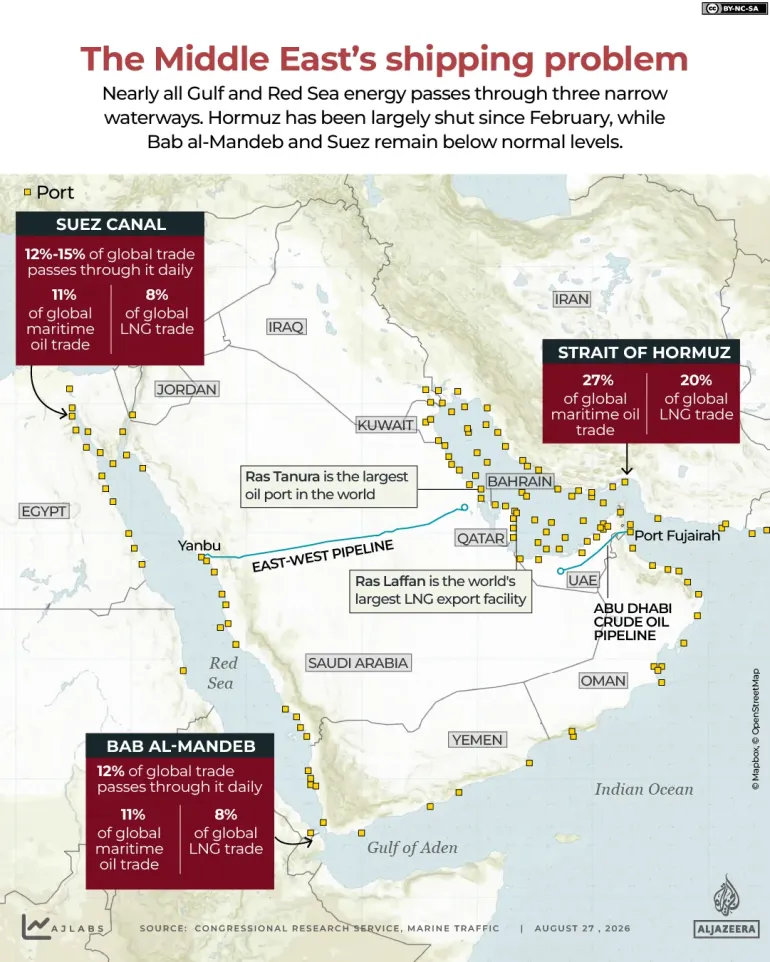
![[Al Jazeera]](https://i0.wp.com/occasionaldigest.com/wp-content/uploads/2026/09/INTERACTIVE-MIDDLE-EAST-iran-hormuz-shipping-aug-27-2026-1787815800-1788488337.webp?w=640&ssl=1)
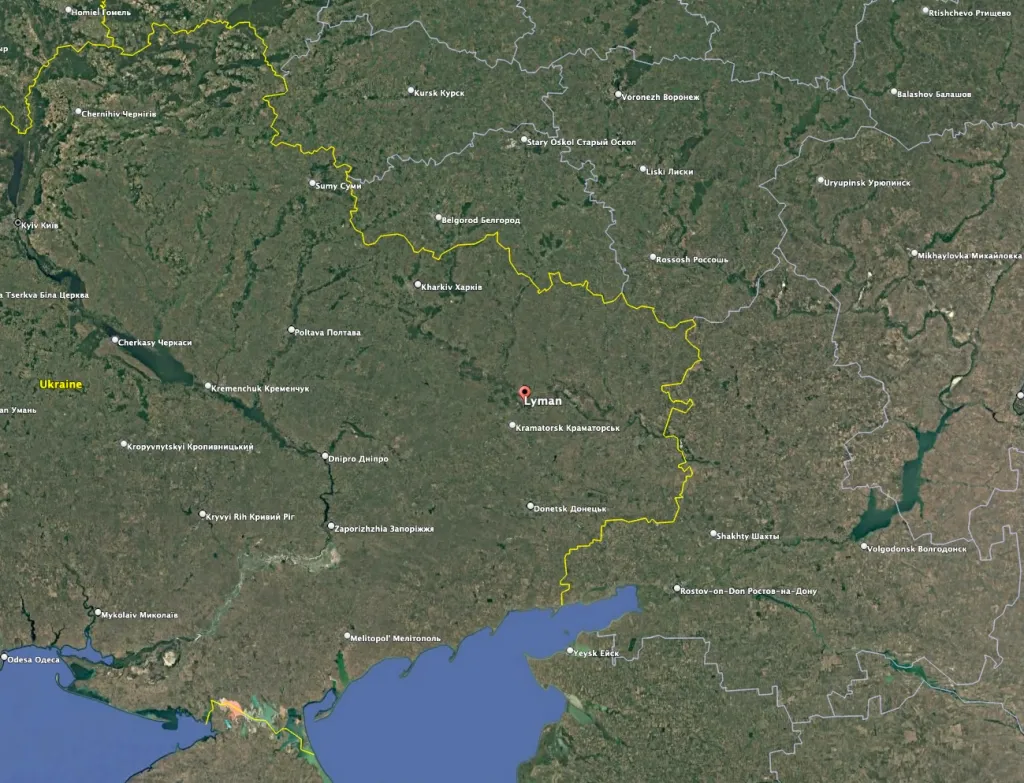




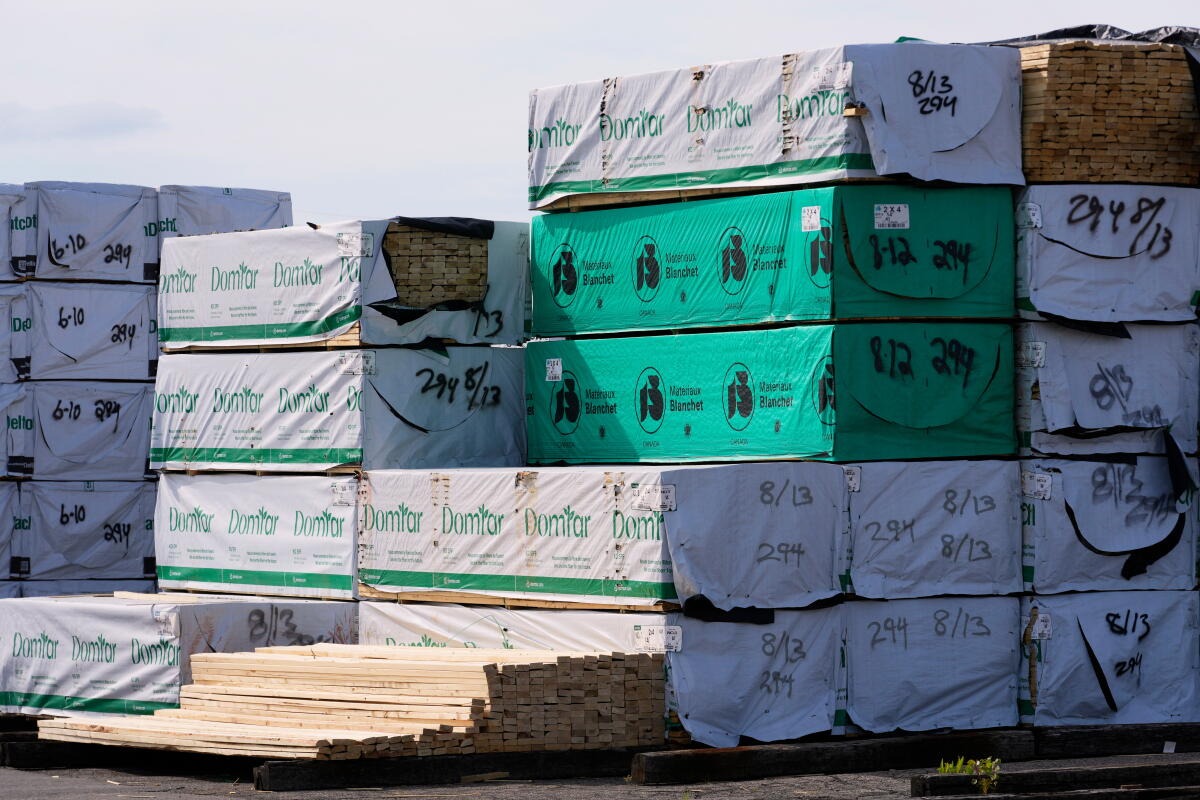








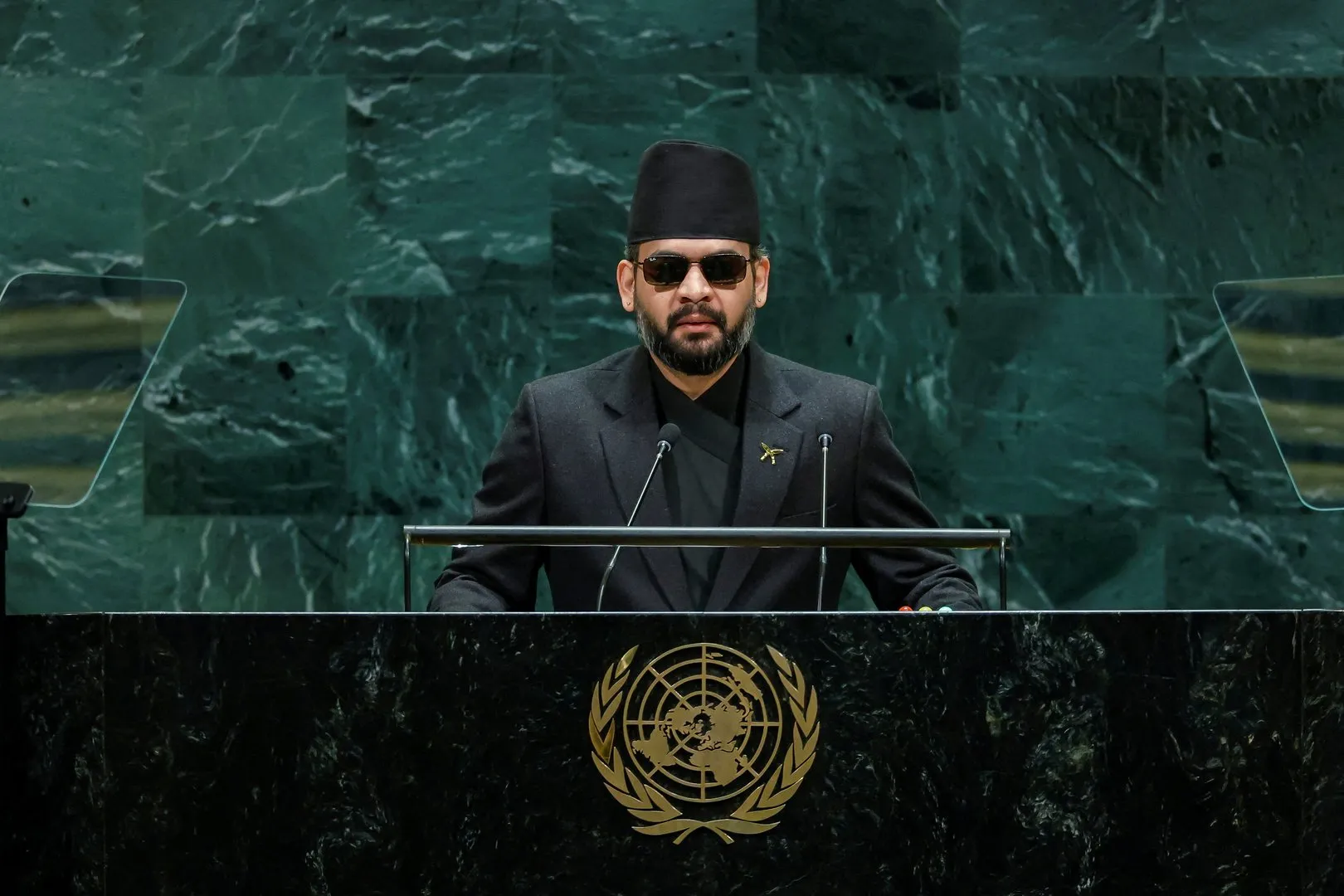
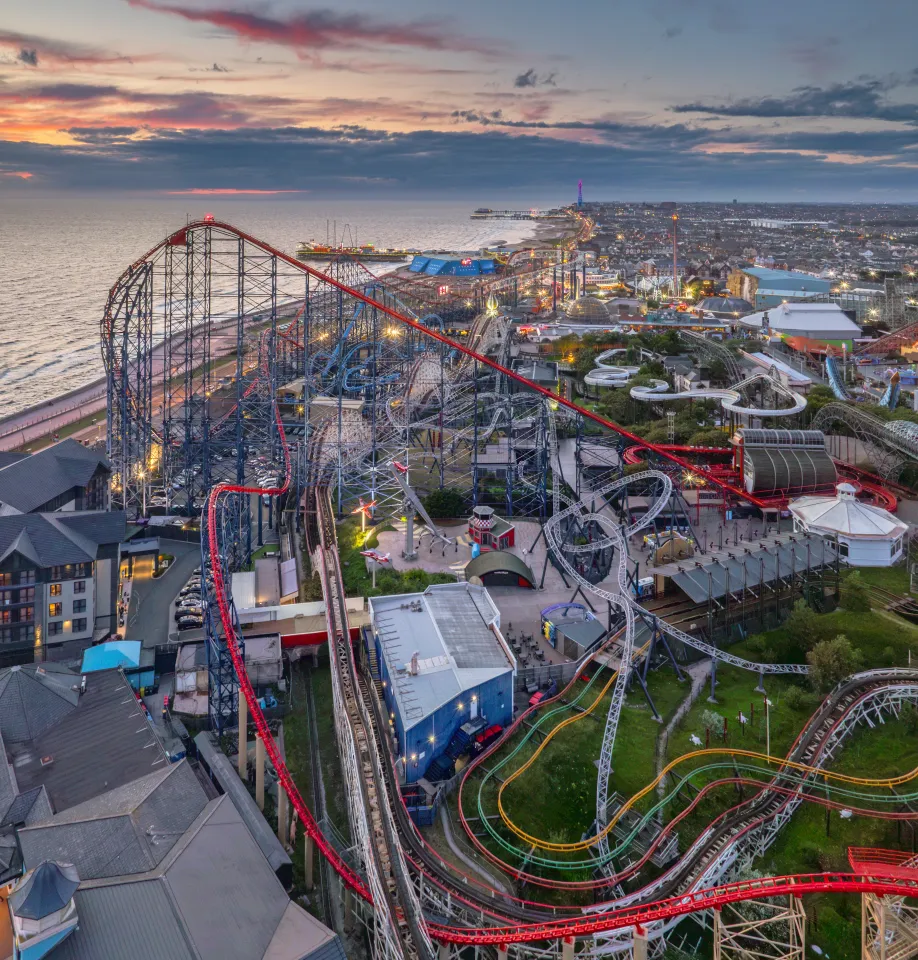


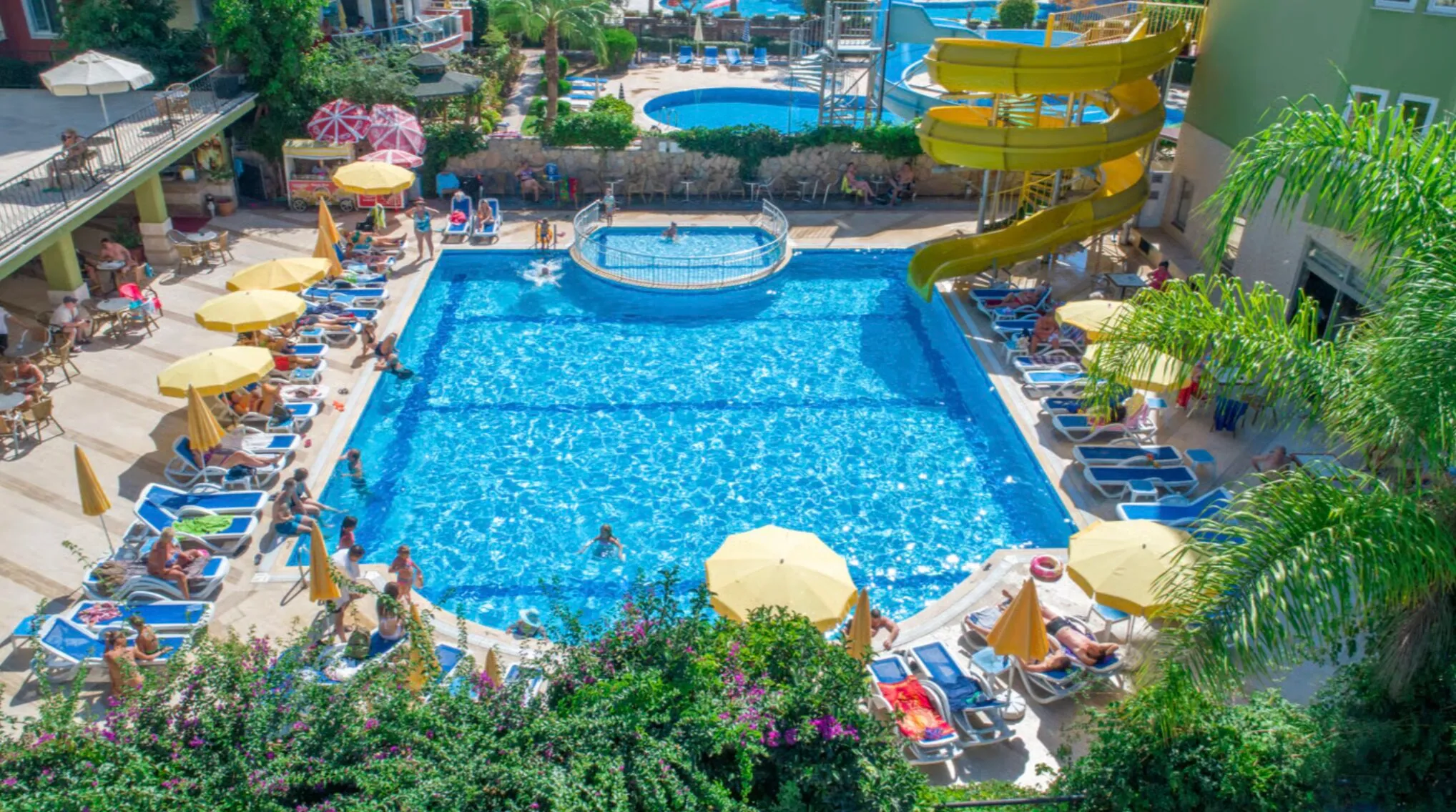




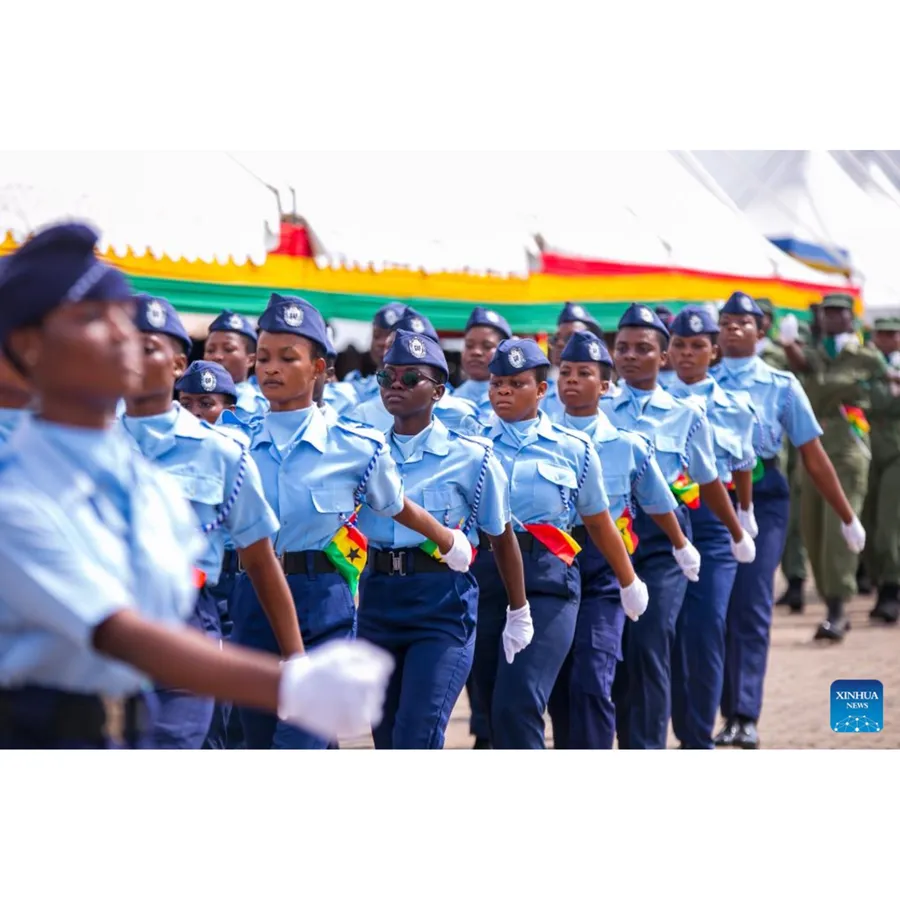

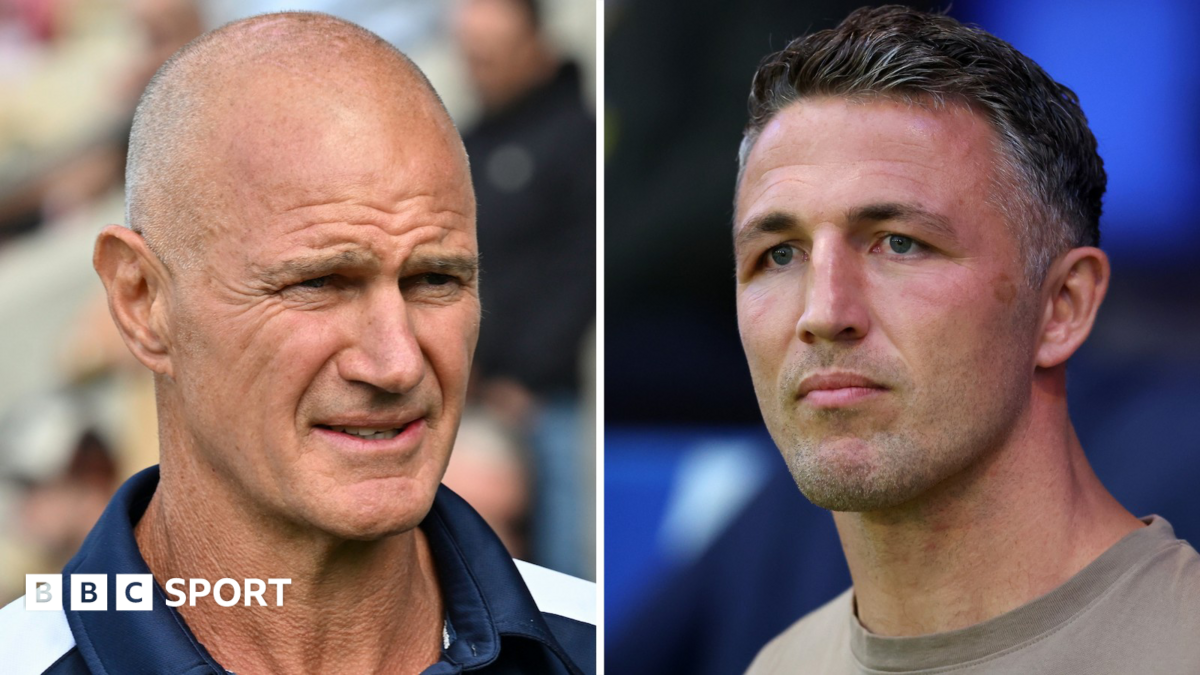
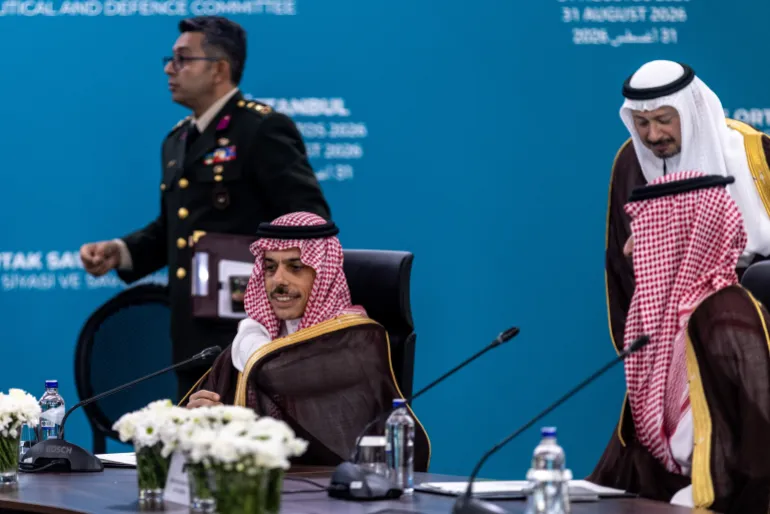










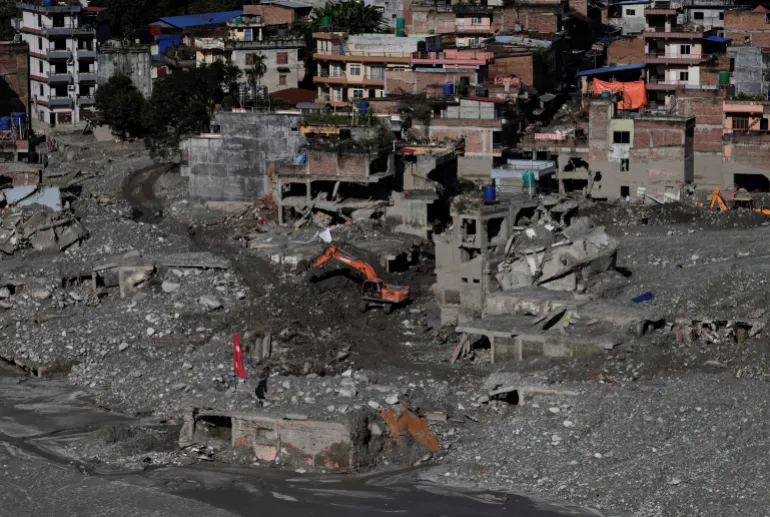
![An excavator clears mud from damaged houses following deadly flash floods and a mudslide, in Nuwakot district, Nepal, September 21, 2026 [Navesh Chitrakar/Reuters]](https://i0.wp.com/occasionaldigest.com/wp-content/uploads/2026/09/2026-09-25T021410Z_709369844_RC2ENNAUM1TN_RTRMADP_3_NEPAL-FLOODS-BALEN-UN-1790312192.jpg?w=640&ssl=1)
![Nepal Prime Minister Balendra Shah addresses the 81st United Nations General Assembly at UN headquarters in New York City, US, September 24, 2026 [Eduardo Munoz/Reuters]](https://i0.wp.com/occasionaldigest.com/wp-content/uploads/2026/09/2026-09-25T002524Z_1559668133_RC20QNACRCWK_RTRMADP_3_UN-ASSEMBLY-1790312740.jpg?w=640&ssl=1)