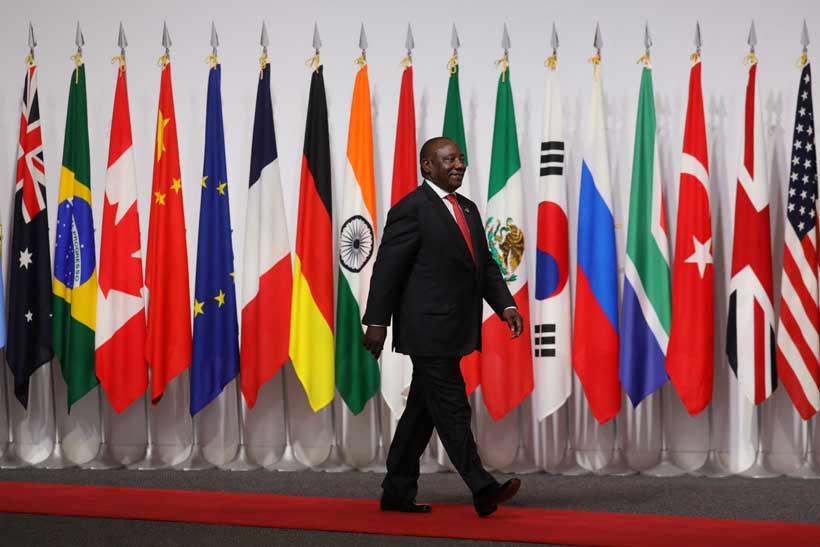
Trump says South Africa refused to hand over the G20 presidency after the U.S. skipped the Johannesburg summit, while South Africa says the handover happened properly at its foreign ministry because the U.S. delegation didn’t attend the closing ceremony. The dispute lands amid worsening U.S.–South Africa tensions, including Trump’s aid cuts and his repetition of discredited claims about attacks on white farmers.
Why It Matters
The move is unprecedented inside the G20 and threatens the group’s cohesion at a time of already strained geopolitics. It could accelerate a shift in South Africa’s global alignment, deepen rifts between Washington and African partners, and unsettle diplomatic cooperation on issues like climate, trade, and global governance.
The Trump administration is asserting pressure to punish South Africa for its foreign-policy stances; the Ramaphosa government is defending its credibility and G20 stewardship; and other G20 members are confronted with a fracture that could undermine the forum’s legitimacy and continuity. Investors and regional partners are watching closely for economic and political fallout.
What’s Next
Pretoria is expected to lodge formal diplomatic objections and seek backing from other G20 members. Quiet negotiations may emerge over whether a U.S. president can unilaterally block a member’s invitation. Further punitive actions from Washington are possible, while South Africa may lean more heavily on BRICS alliances as the rift widens.
With information from Reuters.