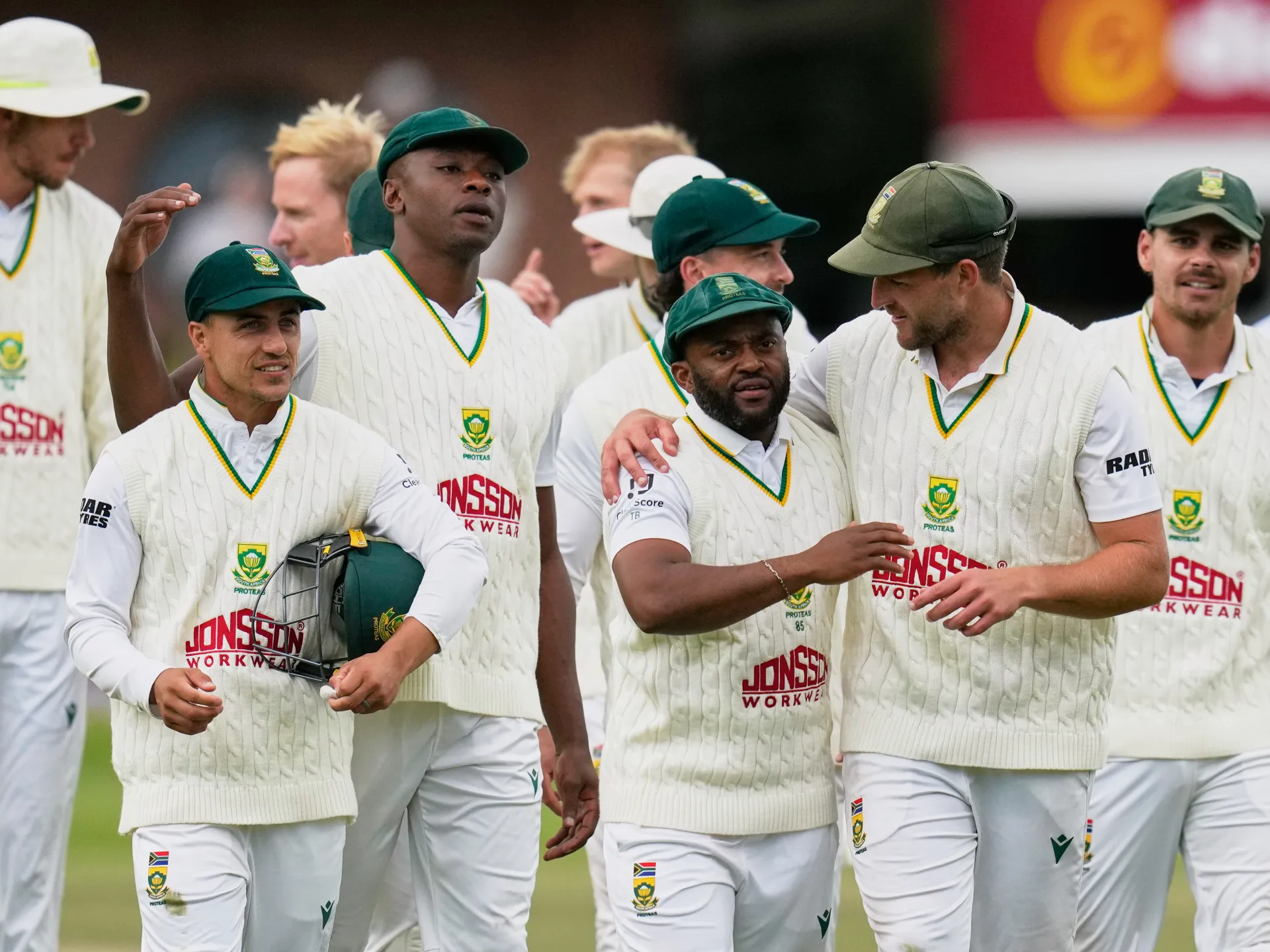
South Africa storm back to crush Australia by an innings in the second Test and level the series 1-1 with one to play.
Published On 22 Oct 202622 Oct 2026
South Africa bowled out Australia for 295 to win by an innings and 31 runs in the last session of the second Test at St George’s Park in Gqeberha on Thursday to level the three-match series, winning a race against looming bad weather.
The hosts’ pace trio of Wiaan Mulder, Kagiso Rabada and Marco Jansen took the last four wickets required as Australia’s resistance crumbled after a century from Travis Head and a doggedly defiant Test high 40 by nightwatchman Scott Boland.
Recommended Stories
list of 4 itemsend of list
Mulder, who earlier dismissed Head, then bowled Boland and castled Australia captain Pat Cummins to forge a breakthrough, with Rabada dismissing Mitchell Starc and Jansen finishing off the innings with Josh Hazlewood caught in the slips.
A result in the Test seemed far-fetched when most of the first two days’ play was washed out and South Africa, who were 110-6 when the sun came out on the morning of the third day, looked in early trouble as Australia aimed to capitalise on their success in the first Test.
But a brilliant 179 runs from skipper Temba Bavuma led a fightback that saw South Africa declare on 425-9 and then turn the Test on its head by bowling Australia out for 99 and putting them in to bat again.
Head and Boland had resumed on 156-4 in the second innings after rain returned and wiped out the morning session and Head, who was 87 overnight, went on to score 121 before chopping onto his stumps a rising delivery from Mulder.
It was Head’s 13th Test century but only his second outside Australia, and his departure offered the home bowlers hope again after almost 90 minutes of frustrating attack without success at the start of the day’s action.
“We were scrambling a bit, not sure about the weather and Australia made us work hard for those last six wickets,” said Bavuma.
Steve Smith, who battled with a neck problem in the first innings on Wednesday, made three as he came in at number seven.
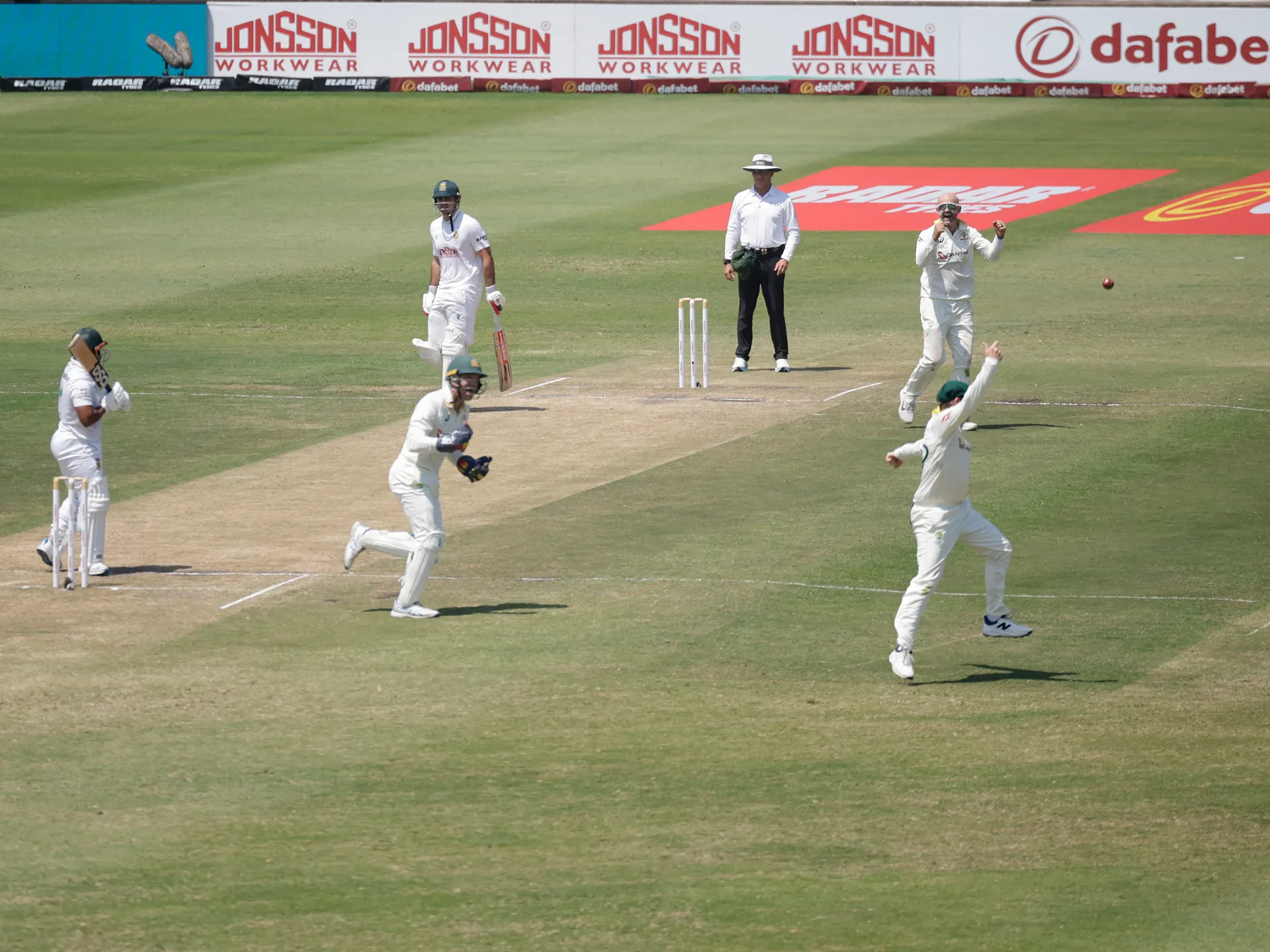
The former captain was tempted into pulling a delivery from Rabada, bowling with the second new ball, but only got a top edge to Matthew Breetzke, who juggled it at mid-wicket before holding the catch.
Boland, who batted for 166 balls as he put a high price on his wicket, went soon after tea, when he was bowled through the gate. Then Cummins (4) played down the wrong line and was also clean bowled in Mulder’s next over.
When Rabada came back for a fresh spell as dark clouds loomed ominously overhead, he immediately bowled Starc (11), leaving one wicket to get, which Jansen snagged as Hazlewood showed no sign of sticking around and nicked behind the first ball.
Alex Carey, who lasted only two balls in Australia’s first innings, was 37 not out, with Rabada taking 4-77 on his return after a lengthy injury layoff, and Mulder 3-64.
“I thought we showed some good fight, but it wasn’t quite enough. We were a long way from our best,” said Cummins.
The last Test at Newlands in Cape Town starts on Tuesday.
Would you break one of sport’s biggest boycotts for life-changing money? In the 1980s, some West Indies cricketers toured apartheid South Africa, sparking outrage. Al Jazeera’s Samantha Johnson explores the money, morals and consequences behind the controversial tours.
Smith moves to 223 career catches, a record for fielders, as Australia bowl out South Africa for 284 in reply to 390.
Published On 12 Oct 202612 Oct 2026
Steve Smith has broken the Test record for the most career catches by a fielder as Australia have played themselves into a strong position on the third day of the first Test against hosts South Africa.
Smith held four catches on Sunday, taking his total to 223, as South Africa were bowled out for 284 in reply to Australia’s first innings of 390 at Kingsmead Stadium in Durban.
Nic Maddinson (17 not out) and Travis Head (10 not out) added 33 runs off just 5.4 overs to stretch Australia’s overall lead to 139 before bad light ended play for the third day in a row.
Maddinson, who laboured to a 33-ball duck in the first innings, hit two fours off Marco Jansen in the first over of the second innings and added a six off Wiaan Mulder before play was called off.
Australia’s bowlers applied relentless pressure on an easy-paced pitch and a succession of South African batsmen contributed to their own dismissals by playing poor shots.
Six Protea batters reached 30, but David Bedingham’s 49 was the top score.
Australian captain Pat Cummins took three for 54, and Mitchell Starc, Josh Hazlewood and Nathan Lyon claimed two wickets each as Australia’s long-serving bowling quartet combined with customary efficiency.
Smith special in the slips
Smith started the day on 219 catches, one behind Joe Root of England.
He equalled the record when he caught Temba Bavuma. Smith, playing in his 126th Test, broke the record when he lunged to his left from second slip to hold a sharp edge from Bedingham off Cummins.
Smith was in the action again with a spectacular catch to dismiss Verreynne, again anticipating well at slip as the South African wicketkeeper made good contact with a reverse sweep that Smith held in an outstretched right hand.
His fourth catch was from an edge to slip by last man Anrich Nortje off the bowling of Beau Webster.
Smith’s career haul of 223 catches exceeds the total of all but 11 specialist wicketkeepers.
CAF had declared the Africa Cup of Nations would be held every four years, but may reverse that decision.
Published On 9 Oct 20269 Oct 2026
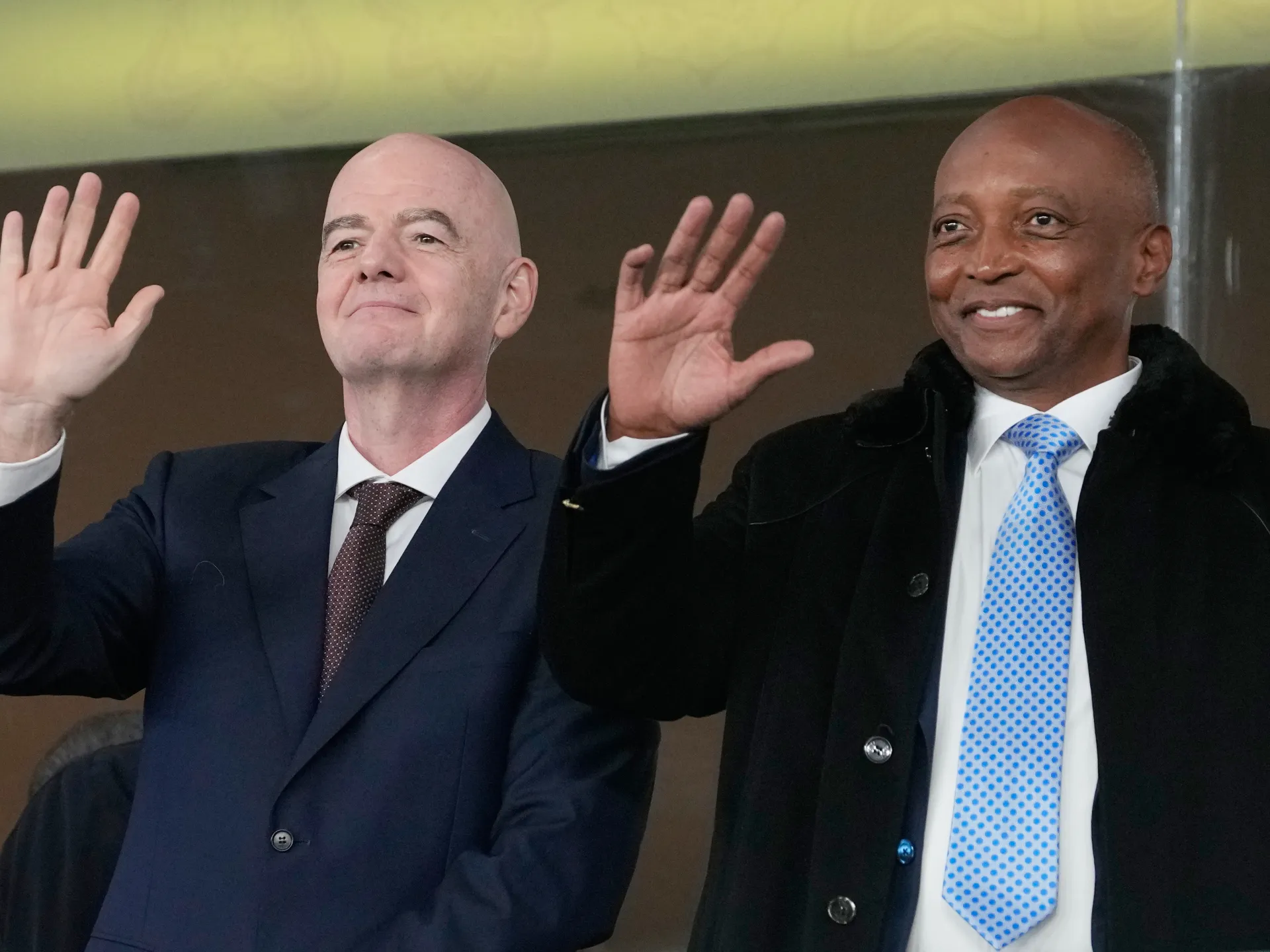
The Confederation of African Football (CAF) is reappraising its decision to hold the Africa Cup of Nations (AFCON) every four years, CAF president Patrice Motsepe declared on Friday, while insisting his organisation did not take orders from FIFA or UEFA.
Motsepe, who last December announced the biennial AFCON would switch to a four-year cycle from 2028, said on Friday that it was “nonsense, absolute rubbish” that CAF was being dictated to by either the world or European governing body.
Recommended Stories
list of 4 itemsend of list
The decision at the time, bringing the competition to a schedule that aligned with FIFA’s international calendar, rankled many at the 2025 AFCON in Morocco, with some saying it was made with European wishes at heart to the detriment of African interests.
Motsepe, a South African billionaire who is also a vice-president of FIFA, appeared stung by the criticism.
“My No. 1 job, my No. 1 duty is to protect, promote, and advance the interests of Africa,” he said. “And there are times when I have to stand firm and say, ‘Listen, we’re going to fight on this issue.’ And there are times when I have to say, ‘No.’
“The AFCON — because this is one of the issues we’re talking about — we took a decision as Africa because there were lots of issues, but I can guarantee you we have discussed it over the last few days to say we are looking at everything, including having the AFCON coming back every two years,” Motsepe said. “We’re very clear.”
He was speaking at the final day of CAF’s three-day strategy conference in Cape Verde. On Thursday, he reiterated the 54-member body’s “unanimous” support for FIFA’s under-fire president Gianni Infantino, and Infantino reminded his potential election voters of investments FIFA has made for African football since gaining the job 10 years ago.
Motsepe reaffirmed the 2027 Africa Cup will go ahead as planned in Kenya, Tanzania and Uganda next year, despite recent media reports from France saying construction projects were not going to schedule and some CAF members were pushing to have the tournament moved.
“You have to believe in Africa. There will be problems, there will be failures, fine, but we will be there. That’s what Mandela taught us,” Motsepe said.
Australia play their first Test in South Africa since the 2018 ball-tampering scandal when they start a three-match series in Durban on Friday, with the visitors unlikely to face more than a few heckles over the incident that rocked the sport eight years ago.
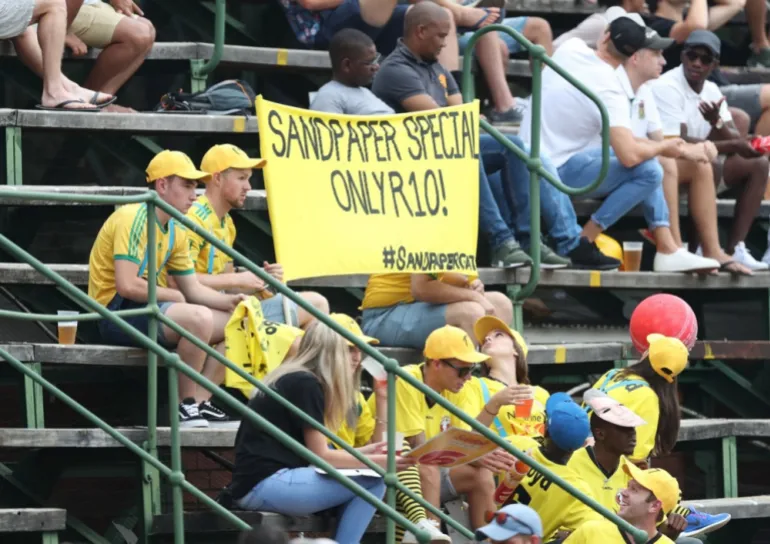
The tourists’ efforts to roughen up the ball using sandpaper to aid reverse swing in Cape Town in March 2018 were caught on camera and led to a major reckoning for the game in Australia, with captain Steve Smith among those banned for their role in the subterfuge.
Recommended Stories
list of 4 itemsend of list
Al Jazeera Sport takes a closer look at the first Test battle in South Africa since the infamous series.
What is the context for the first return of series since ‘Sandpapergate’
South Africa have played Tests in Australia since ‘Sandpapergate’, and Australia have toured South Africa in the interim for limited-overs internationals.
The scandal has attracted little media focus in South Africa over recent weeks in comparison to the attention devoted to the incident in the Australian press.
After dethroning Australia last year in a thrilling World Test Championship (WTC) final at Lord’s to win a first major title, South Africa are focused on improving their chances of a return to the final at the end of the 2025–27 WTC cycle.
What shape are South Africa in for the visit of Australia?
The pitch at Kingsmead often proves a fickle track but should offer the spinners a chance to play a leading role in a change from South Africa’s usually seamer-friendly surfaces.
It is unusual for South Africa’s chances to be largely entrusted to their spin attack, but Simon Harmer and Keshav Maharaj wreaked havoc in India last November when they triumphed in their last two Test outings.
Spin was also a key factor for the home side as they beat Australia in the recent One-Day International series.
South Africa may therefore opt to rest frontline attack bowler Kagiso Rabada from the Test as he continues his comeback from a hamstring injury.
South Africa also have a choice to make over their number three batsman, with coach Shukri Conrad having several options including a potential first cap for 30-year-old Marques Ackerman.
How are Australia poised for their South Africa return?
Australia are also in need of a boost after a surprise home Test defeat by Bangladesh in August in their drawn series, and with an Ashes tour to England starting next June.
Injury to Australia all-rounder Cameron Green opens up a chance at number five for Cooper Connolly, or a fairytale return for 34-year-old Nic Maddinson after recovering from cancer.
Head hits back at former Australia players in defence of Test team
Australia opener Travis Head has taken to task former Test players turned critics whom he accused on Wednesday of “putting a bullet” through the current team.
Head did not single out any pundit directly, but his strong remarks at a news conference came the day after Matthew Hayden, one-time holder of the record for the most runs in a Test innings, accused selectors of “promoting the greatest pile of mediocrity that we’ve seen in a generation of cricket”.
The reference, made in a podcast, was about the recall of Maddinson, who has been out of Test cricket for nearly 10 years, but who joined the squad in South Africa after Josh Inglis fractured his finger and Cameron Green suffered a stomach injury.
“I think it’s unfairly judged a fair bit from a group of past players, pretty much that put the bullet through a lot of players, which I think is unfair,” Head said.
“But that’s what they’re paid to do. Some of them need a job, so they go after us, and that’s totally fine.
“This group is strong enough to deal with those sorts of things. That’s how it is. It’s unfortunate sometimes to have some of that feedback from a generation of players that we have huge respect for, but that’s the caper.”
Why have Australia selectors been accused of disrespecting cricket?
Hayden accused the selectors of “disrespecting first-class cricket”, asserting that batsmen should have an average of 45 runs or more before being considered for Test selection.
Head, however, praised Maddinson’s abilities and the benefits of choosing experienced players for Test cricket despite the 34-year-old replacement having a first-class average of 37.11.
“We need mature guys that know what they need to be doing,” Head said. “That revolves back to why we’ve been so good over a period of time, and why Australian cricket was so good back then in that era, because you’d bring in the Mike Husseys of the world, who are 30, who are tried and tested and know what they need to do.”
Former Australia captain Allan Border suggested that the 32-year-old Head would face his toughest test as an opener against the South African bowling attack and would perhaps be better batting at number five.
“I have laughed at a fair bit of it because if a traditional opening batter had pushed out the same sort of numbers in his first 20 innings, I think he’d be pretty safe and not talked about in the way that it has been talked about,” Head said. “It’s a lot of headline stuff.”
South African fans hold up a banner with reference to the sandpaper scandal during the fourth Test against Australia in 2018 [File: Gavin Barker/EPA]
Smith still traumatised by Sandpapergate
In the build-up to the series, Smith has admitted he is still traumatised by “Sandpapergate” – the series he oversaw as captain.
The prolific batter was sent home in disgrace, banned for a year and sacked as captain for his role in the ball-tampering scandal during the third Test in Cape Town eight years ago.
David Warner, considered the ringleader, was suspended for 12 months and stripped of all leadership roles, while Cameron Bancroft was slapped with a nine-month ban.
Smith said he still suffers flashbacks to a traumatic period of his life, haunted by memories of leaving Johannesburg airport, with cameras clicking furiously around him, and a harrowing Sydney news conference on his return when he broke down in tears.
“I’m not a big fan of cameras … I get anxious around cameras to be honest,” he told News Corp.
“That was a traumatic experience in my life, and when I hear the flash of a camera it makes me revisit that in a way.
“The 24-48 hours of being told by James Sutherland [then Cricket Australia chief executive] that I was getting banned for a year. That and going through the airport in Johannesburg getting absolutely mobbed, and then flying back and doing that press conference.
“I still have little flashbacks here and there of it.”
Smith bore the brunt of the scandal that is considered one of Australian sport’s darkest moments, but bounced back emphatically.
He smashed a superb century against England on his return and has gone from strength to strength, with 10,920 Test runs so far at an average of 56.
“It was certainly a difficult period, particularly the initial period a few days after,” he said.
“The mental state I was in was not great. That’s somewhere I’d like not to get to again, but I certainly learned from that and have been able to move forward with my life.
“I’ve tried to kind of erase a lot of 2018 and what happened,” he added.
“I can’t remember a lot about the series. I’ve tried to block most of it out of my memory bank.”
Smith has been back to South Africa for a white-ball series since 2018, but not for a Test, and he is bracing for hostile crowds.
But the 37-year-old is unperturbed, having negotiated multiple Ashes tours to England since 2018, where the Barmy Army abused him relentlessly.
“It’s something I’m kind of used to. I’ve copped a lot at times away from home at different venues across my career and it’s something that I take in my own stride,” he said.
“I use it as motivation to try and go out and do well and try and take a positive from it.”
THE top cities in the WORLD have been announced from far-flung Asia to the ‘city of love’ that has cheap UK flights.
Readers of Conde Nast Traveller voted for their “favourite urban sprawls across the planet” to decide which ones are the best and it might be time to book that bucket list trip to Thailand.
The best city in the world is Bangkok – you can pick up street food for as little as £1Credit: AlamyThe second best city in the world is Paris – which has £13 flights from the UKCredit: Alamy
Taking the number one spot on the list is Bangkok which was praised for its “buzzy markets, glittering palaces and captivating religious sites unite – street food sellers dishing up tasty food between them all, of course.”
When Assistant Travel Editor Sophie Swietochowski visited Bangkok she picked up tasty dishes for the equivalent of £1 – you can also pick up beer for as little as £1.14 according to Wise.
Sign up for the Travel newsletter
Thank you!
She said: “Within an hour of being in Thai capital Bangkok’s Chinatown we have sampled street food including noodle soup splashed with vinegar, fish sauce and sugar; crunchy corn parcels.
“A bowl of salty critters, displayed next to a row of scorpions on sticks; purple mashed potatoes shaped into doughy, salty balls; and traditional sweet luk chup, made with mung beans.”
She also visited Lebua Hotel’s Sky Bar, which was the filming location from 2011 buddy comedyfilm The Hangover 2 and it’s home to the “world’s highest open-air whisky bar”, Alfresco 64.
The city coming second on the list is much closer for Brits to visit, it’s Paris.
The French capital is said to have “topped bucket lists of international travellers for centuries thanks to an unrivalled food culture, grand monuments, world-class museums and subtly seductive atmosphere.”
From the UK it’s easy to reach the French capital either on the Eurostar or plane with one-way flights as little as £13.
There’s so much to do in Paris from sight-seeing landmarks like the Eiffel Tower or wandering around the Louvre.
When Travel Reporter Alice Penwill ventured to Paris for an extreme daytrip on the Eurostar she had some suggestions on how to spend time there.
Valletta in Malta came in fifth – and it gets 300 days of sunshine each yearCredit: Alamy
She said: “To start the morning off right, it would be a crime not to pop into one of Paris’ many bakeries, or boulangeries, for a croissant and a coffee.
“Take one to go and stroll along the Seine before heading into the Musée d’Orsay where you can see work by artists like Monet, Renoir and Van Gogh.
“Afterwards, head back along the Seine to see the beautiful Notre Dame which has now reopened to visitors. And if you’re a fan of books, pop across to the famous bookshop, Shakespeare And Company.”
Turkey’s capital, Istanbul was named the third best city in the world which was called “chaotic in all the best ways.”
The publication said: “Centuries of history sit alongside a vibrant contemporary culture, with new waves of artisans luring travellers into chic boutiques after tours of places like Topkapı Palace, the Blue Mosque and the sweet-scented Grand Bazaar.”
She described it as a “trendy pocket of an otherwise busy, but beautiful city.”
If you wander into Karaköy’s backstreets and climb towards neighbouring Galata, you’ll find that cobbled lanes and historic buildings lead to the landmark Galata Tower.
Istanbul came in third spot and is divided by the Bosphorus straitCredit: AlamySouth Africa’s Cape Town is a popular winter sun spots for Brits with no jet lagCredit: Getty
Head up for spectacular views across the Golden Horn, Bosphorus and historic peninsula – it’s especially beautiful in the late afternoon.
Valletta in Malta comes in at number five and it’s a popular spot for Brits thanks to its 300 days of annual sunshine.
Even in November it can see highs of 18C – and it’s reachable from the UK in just over three hours and flights are as little as £15.
It was voted last year’s top city thanks to its mix of ancient but also modern feel and architecture.
Other popular winter sun destinations that made the list include Cape Town in South Africa which in January and February has highs of 25C – while the UK shivers in highs of 8C.
There’s also no jet lag because Cape Town is either one or two hours in front of the UK – depending on the time of year.
When Head of Travel (Digital) Caroline McGuire visited, she saw Table Mountain, lots of wildlife, vineyards and was impressed with an area called Kalk Bay.
She said: “At the town’s upmarket Harbour House restaurant, we dined on seafood and good wine for the price of a Pizza Hut meal in the UK — all while watching seals swimming in the harbour.
“Our accommodation was the charming Chartfield Guesthouse, staying in a huge two-bedroom apartment. It was bigger than my house back home, and cost only £94 a night.
“Kalk Bay is a prime spot for visiting the endangered African penguins of neighbouring Simonstown – there must have been around 100 on the town’s shoreline.”
These are the top 20 cities according to Conde Nast Traveller…
South African Lhuan-dre Pretorius hit 50 in 24 balls, needed 16 more to reach 100 and took another 18 to hit 150.
Published On 3 Oct 20263 Oct 2026
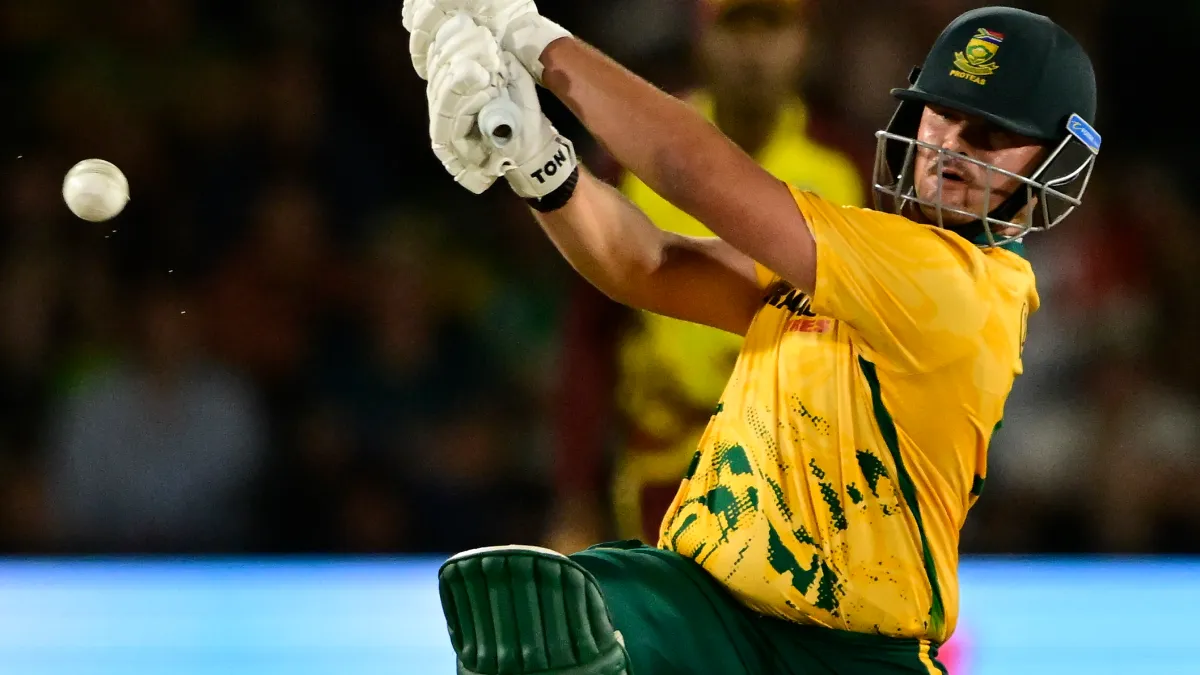
Lhuan-dre Pretorius hit 188 not out off 79 deliveries in Bloemfontein to break Chris Gayle’s record score in the T20 format.
Playing for the Titans against the Knights in the South African CSA Challenge, the 20-year-old left-hander opened the batting and hit 13 sixes and 14 fours in his innings to surpass Gayle’s 175 for Bengaluru in the Indian Premier League in 2013.
Recommended Stories
list of 4 itemsend of list
Pretorius reached 50 in 24 balls, needed 16 more to get to his century and took another 18 to hit 150.
Gayle scored his 175 off 66 balls, striking 17 sixes and 13 fours.
The 20-year-old has represented South Africa in all three international formats. He was making his first Titans appearance of the season after scoring 226 total runs, tied for most with Dewald Brevis, in a three-nation series in Namibia in September.
On Friday, he dominated the strike, facing the equivalent of more than 13 overs to tie Australians Aaron Finch and Marcus Stoinis for the most balls faced in a T20 innings.
The second-highest scorer was Sinethemba Qeshile with 14 as the Titans finished on 267-3.
They then bowled out the Knights for 143 to win by 124 runs.
The Titans total was the second-highest in the competition’s history, behind their 271 also against the Kings in 2022. In that match, Brevis hit 162, until Friday, a competition record. This time he made seven.
The Cricinfo website calculated that in 91 T20 games, Pretorius has a strike rate of 150.44.
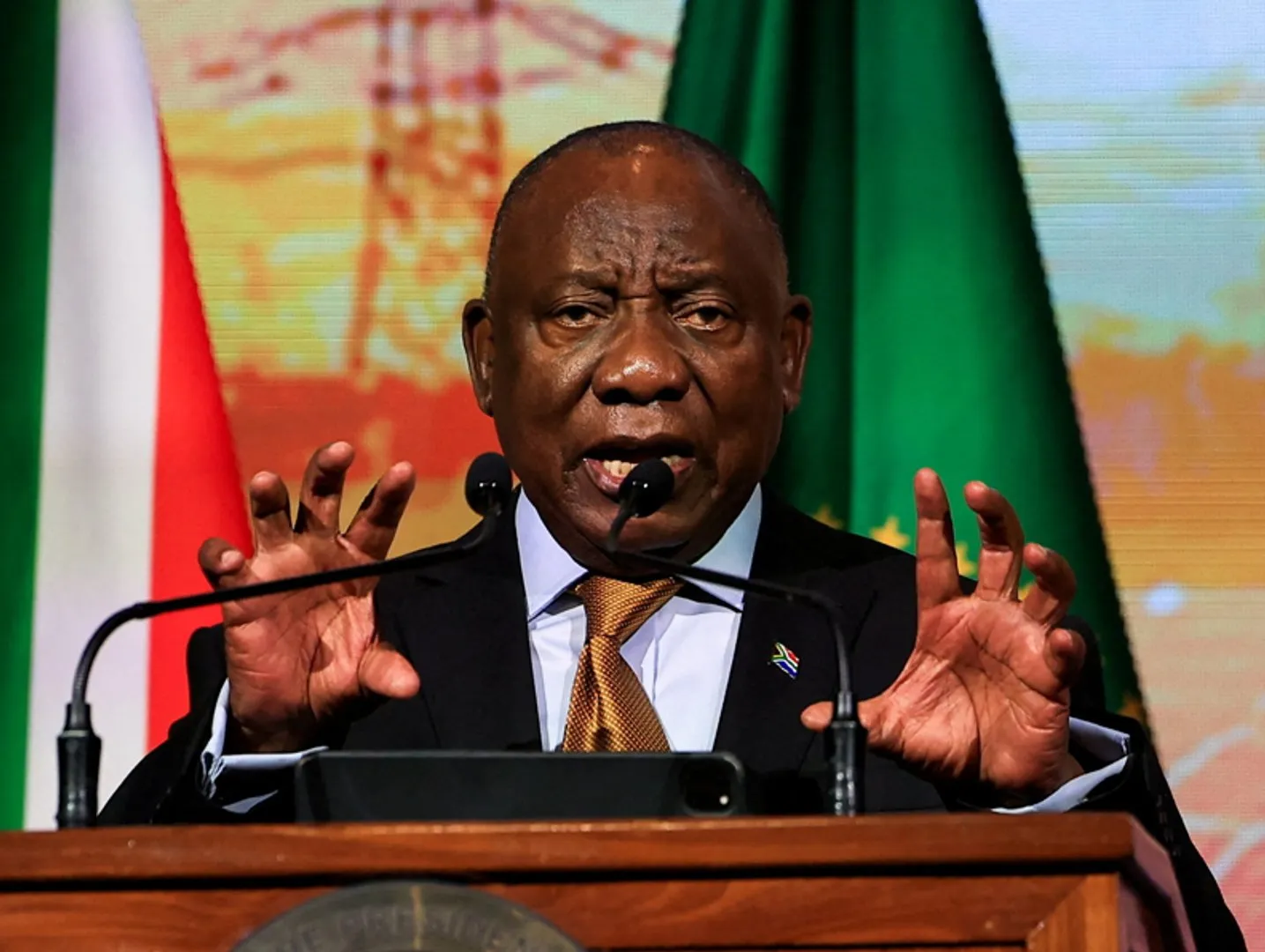
South African President Cyril Ramaphosa has described violence against women as a “national shame” after the discovery of another woman’s body intensified public anger over the country’s persistent gender-based violence.
Eleven women’s bodies have been found in Ekurhuleni, a municipality east of Johannesburg, since July, prompting renewed fear and outrage after years of government promises to tackle violence against women.
Most of the victims were in their 20s or 30s. Some were found stripped and showing signs of sexual violence, according to authorities.
“There are women lying tonight in government mortuaries waiting to be identified, waiting for someone to claim them, waiting to be taken home and laid to rest,” Ramaphosa said in a televised address late on Tuesday.
Stay ahead of the geopolitical week.
MD Briefing delivers expert analysis across five global fronts — the Indo-Pacific, energy, geoeconomics, European security, and the Middle East — every Monday morning. Free.
“How can our hearts not be broken? How can we not be angry?”
He described violence against women as a source of “profound pain and national shame” and acknowledged growing anger among South African women.
Investigation Into the Killings
Ramaphosa said police had so far found no evidence that a serial killer was responsible for the 11 deaths. He stressed, however, that investigators were continuing to examine all possibilities.
Authorities have made arrests in connection with three of the killings, while investigations into the remaining deaths are continuing.
The president said none of the cases would be allowed to go cold, amid growing concerns over whether South Africa’s law enforcement agencies can adequately investigate violent crimes against women.
The latest deaths have revived criticism of the government’s efforts to tackle gender-based violence, despite repeated national campaigns and commitments aimed at reducing the problem.
South Africa’s Wider Crime Crisis
The killings are unfolding against a broader backdrop of severe violent crime in South Africa.
The country has one of the highest murder rates per capita in the world, while corruption, limited resources and weaknesses within the policing system have made it difficult to investigate and prosecute cases effectively.
Only about one in 10 murders is solved, highlighting the scale of the challenge facing investigators.
For communities in Ekurhuleni, the discovery of 11 women’s bodies has therefore become more than a series of individual criminal investigations. It has renewed questions about public safety, accountability and whether years of government commitments are translating into effective protection for women.
Ramaphosa’s remarks reflect the political pressure surrounding the issue as authorities face renewed demands to identify the victims, establish who was responsible for their deaths and prevent further violence.
South Africa’s President Cyril Ramaphosa has announced new measures to combat femicide and gender-based violence in the country. Since July, the bodies of at least 11 women have been found in an area east of Johannesburg prompting a nationwide outcry for action
Durban, South Africa – Bishop Raphael Bahebwa is in hiding, afraid he could be attacked for speaking out for the rights of foreigners in South Africa.
“I am in hiding now because they say they are going to kill me for speaking about the rights of foreigners,” he told Al Jazeera.
Bahebwa has lived in South Africa for 26 years, after arriving as a refugee from the Democratic Republic of the Congo (DRC).
In that time, he has watched antiforeigner sentiment flare repeatedly in the country he came to call home. But he says this year feels different.
A September 30 deadline declared by March and March, an anti-immigration movement that has led protests across South Africa this year, has renewed fears of violence among migrant communities.
The group has called for undocumented foreign nationals to leave South Africa and has warned of further demonstrations if its demands are not met.
For Bahebwa and other refugees in Durban, however, the distinction between documented and undocumented migrants offers little comfort. They say the hostility they experience on the streets rarely begins with a request to see their papers.
Fears of renewed violence
South Africa will hold local government elections on November 4, in a campaign in which migration has become an increasingly prominent political and social issue.
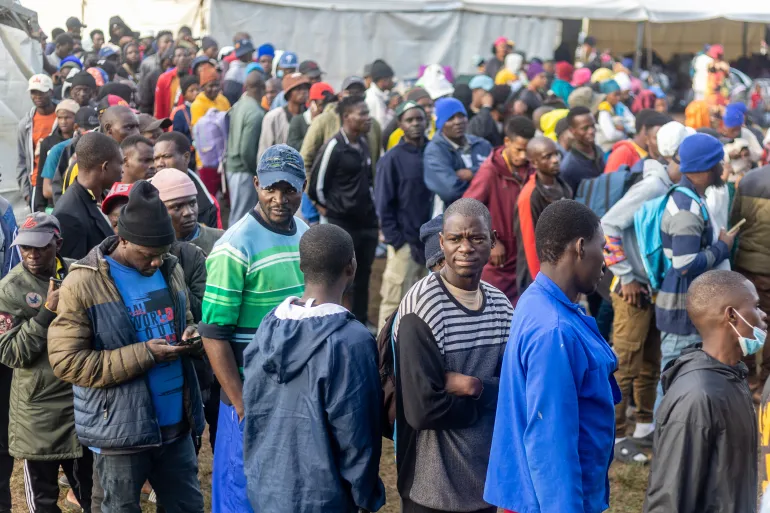
For months, Bahebwa was among hundreds of refugees and asylum seekers who slept on the pavement outside the Durban Refugee Reception Centre on Che Guevara Road.
Many were from the DRC and Burundi, with others from Uganda, Mozambique and Tanzania. They said they had fled their communities because they feared antiforeigner attacks.
They arrived outside the Department of Home Affairs (DHA) office seeking safety.
Instead, the pavement became their home.
For roughly four months, men, women and children slept outside, exposed to the elements and dependent on civil society organisations and volunteers for food and other necessities.
“It has been very tough,” Bahebwa said. “Never before have I experienced something like this.”
Some of the migrants told Al Jazeera that conditions became desperate. They described irregular access to food and medication and said one man who had tuberculosis died while living at the camp. Al Jazeera has not independently established the circumstances of his death.
The camp was also not far removed from the hostility its residents said they had fled.
On September 3, members of March and March confronted refugees and asylum seekers living outside the centre. Violence broke out, and police intervened. At least four people were reported injured.
At another protest days later, police officers stood between the two groups, forming a barrier as tensions rose.
March and March has described its mobilisation as a campaign against undocumented immigration, crime and deteriorating conditions in South African communities.
The group says the government’s response to immigration enforcement has been insufficient.
Its leaders have repeatedly rejected accusations that their campaign is xenophobic and insist their target is undocumented migration rather than foreign nationals generally.
Bahebwa said documented and undocumented migrants alike have been caught in the hostility.
Earlier this year, six refugees working in salons around Durban’s Warwick Street Market were beaten by men carrying sticks, according to public-interest news outlet GroundUp. Two were hospitalised.
Bahebwa said the migrants had also struggled to obtain help from the authorities after earlier attacks.
“Police said we can’t open cases because we are foreigners. We had nowhere to go,” he alleged. Police have not publicly responded to that specific allegation.
Nowhere obvious to return to
In mid-September, the government moved to clear the makeshift camp outside the refugee centre.
The refugees were given a choice: return to the communities they had fled or accept temporary accommodation at the Lindela facility in Gauteng, hundreds of kilometres from Durban. Lindela is a government-run immigration detention facility used to hold people facing deportation.
The choice divided them.
Malawi migrants to South Africa line up for supplies at an informal refugee camp in Sherwood, Durban, South Africa, after fleeing their homes amid fears of xenophobic attacks [File: EPA]
Some feared going to Lindela, a facility historically associated with immigration detention and repatriation. Others felt they could no longer endure life on the pavement.
On September 15, 274 people were transported by bus from Durban to Lindela. About 150 others chose to remain in Durban and began trying to find alternative accommodation.
For those who stayed behind, leaving the pavement did not resolve the problem that had brought them there in the first place.
Kafuti Muyumba, a small business owner from the DRC and a representative of the refugee community, said many were afraid to return to neighbourhoods where they had built businesses and lives.
People are afraid, he said. “Even the police allow March and March violence. They came with sticks and say we are attacking them,” Muyumba told Al Jazeera.
He said many refugees had lost their livelihoods during the months of upheaval and were now desperate to find accommodation.
“This is not the first time we are experiencing xenophobia,” he said. “In 2008 and then in 2015 we also experienced this.”
In 2008, xenophobic violence spread through townships and informal settlements, killing dozens and displacing thousands.
Further outbreaks of violence against foreign nationals followed in subsequent years.
For Muyumba, those memories make the rhetoric surrounding September 30 difficult to dismiss.
“We don’t trust the police. They are not being fair with us. Some of them are also saying we must go,” he said.
Police have said there are no plans to change their normal policing approach because of the September 30 deadline and that any protesters will be expected to remain within the law.
March and March said all it wants is for undocumented immigrants to leave the country and return home.
But Muyumba said returning to the DRC is not a viable alternative for many Congolese refugees.
“There is still war there,” he said.
A country tightening its borders
In response to ongoing protests, the South African government said it had intensified its immigration enforcement.
Between June 14 and August 20, authorities processed 86,596 foreign nationals for deportation and repatriation, according to the government’s Inter-Ministerial Committee on Migration.
Malawians made up the largest group, followed by Zimbabweans and Mozambicans.
Government data says 90 percent of those repatriated had entered South Africa illegally, while 95 percent were classified as having crossed the border outside official ports of entry.
The government says the operations form part of a broader effort to strengthen border management and enforce immigration law.
At the same time, officials have repeatedly warned private groups against taking immigration enforcement into their own hands.
March and March’s September 30 deadline has no legal authority. The government says common citizens cannot deport anyone from South Africa.
Protesters hold placards during an anti-immigration march in Durban, South Africa, calling for tighter border controls and the deportation of undocumented migrants [File: Thuli Dlamini/Reuters]
But deadlines do not need legal force to create fear, as was the case for an earlier deadline of June 30. For the refugees who spent months sleeping outside the DHA office in Durban, September 30 is another uncertainty layered on top of many others.
Some have been moved hundreds of kilometres away.
Others are trying to find new homes in the same communities they once fled. But among the migrants Al Jazeera spoke to, there is a shared anxiety that paperwork may offer limited protection when anger is directed first at being foreign.
Bahebwa has spent more than a quarter of a century in South Africa. For now, he says he is hiding and does not know what September 30 will bring.
“They are scapegoating us as foreigners,” he said. “It is not going to end on September 30. It has to do with the elections.”
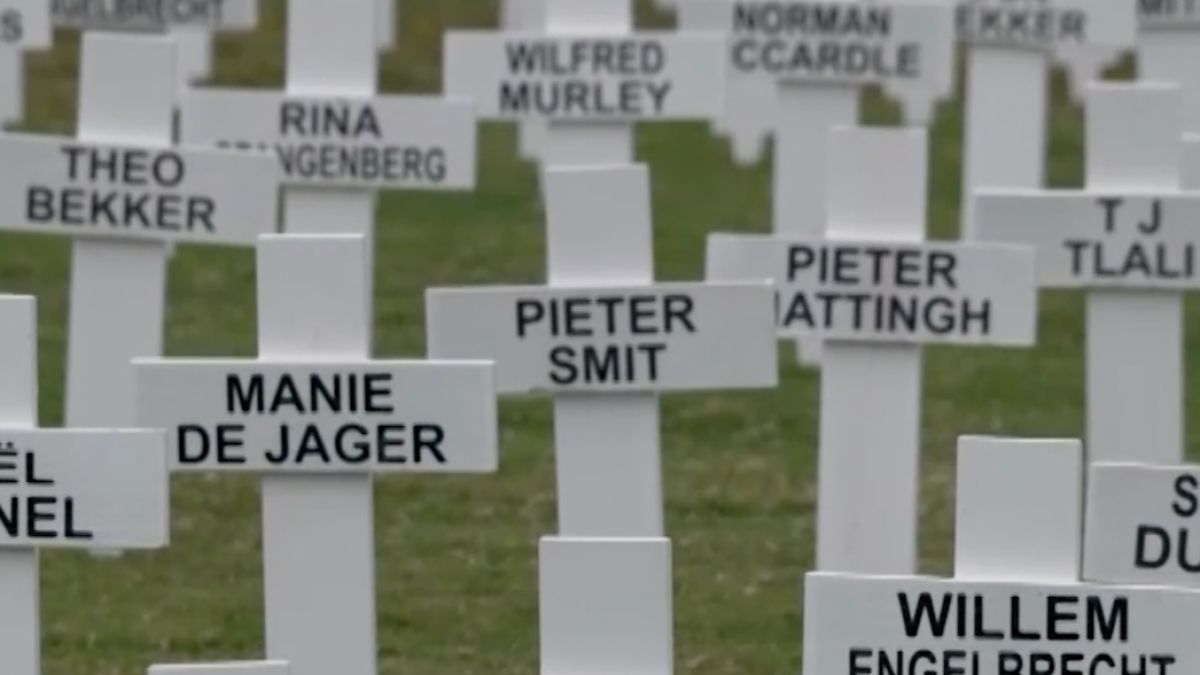
Memorial crosses installed in Washington DC have revived erroneous claims of a ‘white genocide’ against farmers in South Africa, a narrative echoed by US President Donald Trump. South Africa’s government rejects the allegation as baseless, saying crime and violence affect people across all racial groups.
Armed men open fire at a house party in a Durban township, killing a pregnant woman and 10 others.
Published On 23 Sep 202623 Sep 2026
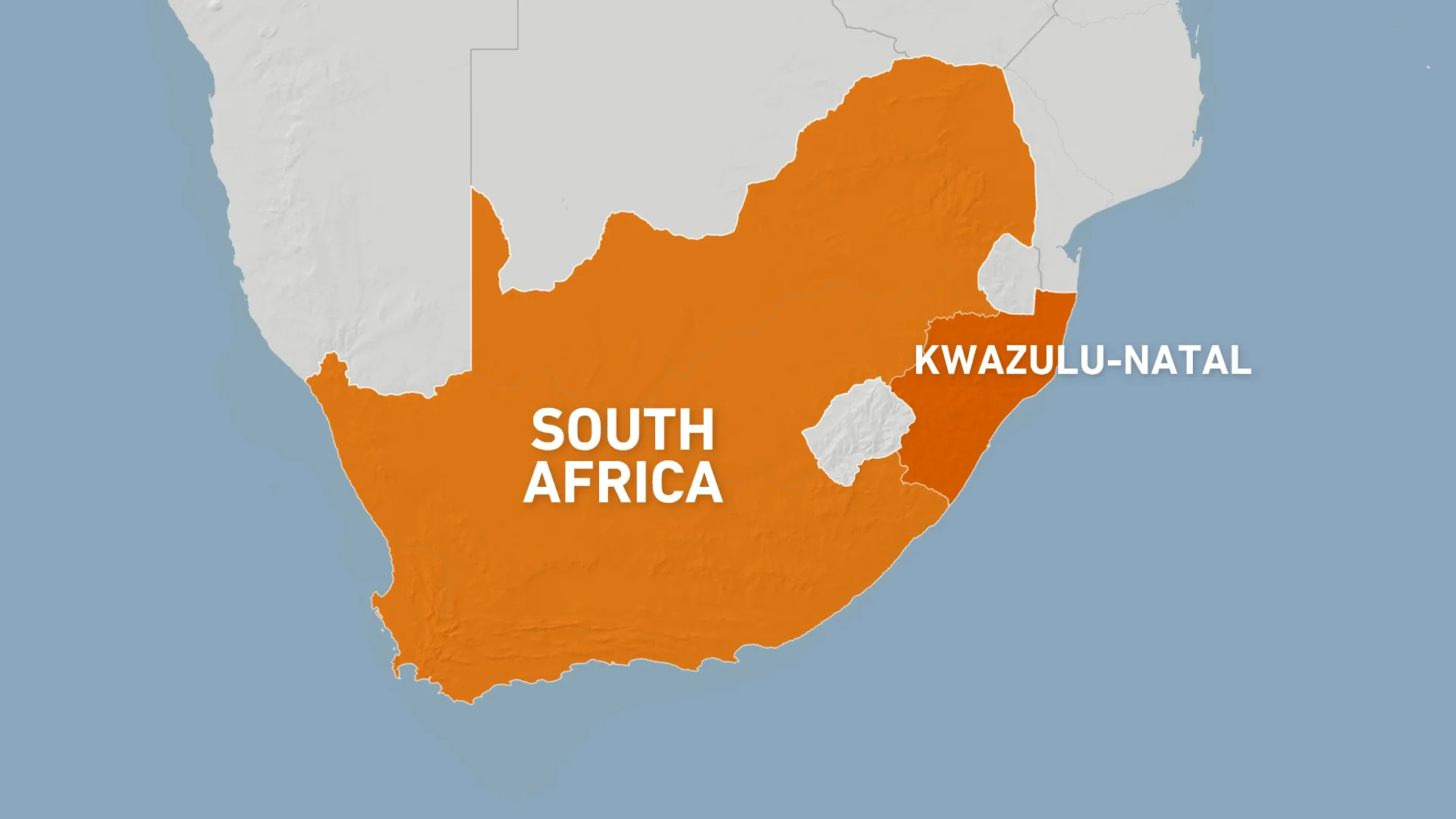
At least 11 people, including a pregnant woman, have been killed after armed men stormed a house in a township in the South African city of Durban.
The attack took place late on Tuesday, according to Thamsanqa Ntuli, the premier of KwaZulu-Natal province, of which Durban is the main city. Assailants entered the home shortly before 11pm (21:00 GMT) while the victims were gathered at a house party.
Recommended Stories
list of 3 itemsend of list
Two people survived the attack, Ntuli said, adding the motive behind the killings was not immediately clear.
“The incident has left the community in profound shock and grief,” he said.
Local broadcaster eNCA reported that the attackers forced everyone into a single room before opening fire. They also set fire to a car belonging to one of the victims.
“It’s shocking and sad. These are guys I grew up with. I can’t believe it. It’s like a movie,” a resident told the broadcaster.
“I’ve been staying here all my life, and I’ve never seen anything like this,” he added.
According to a police statement cited by eNCA, preliminary investigations indicated that some of those killed were on South Africa’s Crime Intelligence radar over suspected illegal activities, though the statement did not elaborate further.
“Although the motive for the shooting has not yet been confirmed, a feud between rival groupings cannot be ruled out,” the police said.
South Africa has one of the world’s highest murder rates, with an average of about 60 people killed daily in a population of roughly 62 million.
In March, soldiers were deployed alongside national police to violent hotspots to tackle rampant crime, an issue President Cyril Ramaphosa has described as one of the country’s biggest threats.






![Protesters hold placards during an anti-immigration march in Durban, South Africa, calling for tighter border controls and the deportation of undocumented migrants [Thuli Dlamini/Reuters]](https://i0.wp.com/www.aljazeera.com/wp-content/uploads/2026/06/2025-11-07T155727Z_1005019881_RC2NRHA84QWK_RTRMADP_3_SAFRICA-PROTEST-1782784993.jpg?w=640&ssl=1)