This village in the Yorkshire Dales is a hidden gem with stunning waterfalls and green landscapes that inspired a famous artist hundreds of years ago
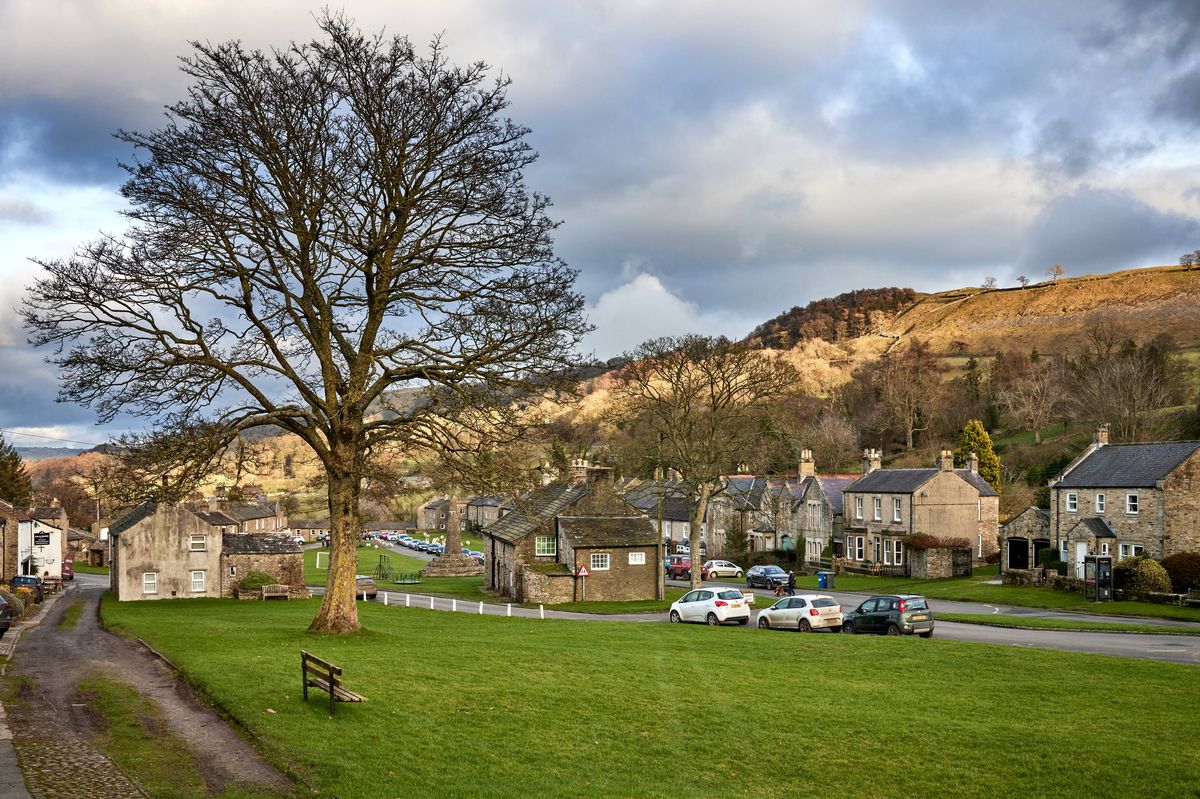
Nestled in the Yorkshire Dales, this quaint village provides the perfect getaway for those seeking to immerse themselves in nature’s splendour – and a renowned artist did just that.
West Burton, tucked away in a side valley of Lower Wensleydale, has a deep-rooted connection with the celebrated painter J. M.W. Turner, who is acclaimed for his evocative depictions of expansive landscapes. The village itself, particularly its breathtaking waterfall, served as inspiration for Turner. A sketch of the Cauldron Falls, drawn by the artist during his tour of Yorkshire in 1816, still exists. It’s thought that he spent a significant amount of time by the water, studying its flow and observing how it cascaded over the falls.
His plan was to create a larger, more detailed piece in his signature watercolour style; however, it famously remained unfinished. Despite this, the artwork can be viewed alongside his other masterpieces at the Tate in London. Remarkably, the falls remain unchanged even after 200 years, allowing visitors to appreciate their full colour and beauty firsthand. A brief stroll from the charming West Burton village will lead you there, where you can marvel at the stunning plunge pool, filled with naturally tumbling water.
A recent holidaymaker left their review on TripAdvisor, stating: “Wow, what a hidden gem this is, tucked away in the quaint village of West Burton. Really easy to access the falls, a very short walk from the village itself. Stunning waterfall and peaceful away from the crowds. Simply magical.”
Beyond this attraction, the village centre boasts a verdant green space, surrounded by numerous period buildings and charming cottages that perfectly capture authentic Yorkshire countryside living. The settlement serves as a favoured stopping point for those keen to discover the dales and surrounding regions.
Standing proudly on the green is the impressive West Burton Obelisk, a stone monument built in 1820. While such features are typical of many market settlements, this particular structure is thought to have originally been a preaching cross, now serving as a significant historical marker for the locality.
The village’s heritage stretches back much further, with connections to an Iron Age community, evidenced by the Burton Moor hut circles, which eventually evolved into a mediaeval estate. During the 18th century, it flourished as a bustling settlement centred on lead extraction, stone quarrying, traditional crafts, and naturally, farming.
Traditional crafts remain a local speciality, most notably the distinctive Cat Pottery. This charming establishment has been creating adorable Moorside cats since 1982, with every piece lovingly handmade within the village itself – preserving the region’s rich tradition of skilled craftsmanship.
One visitor hailed the spot as a “hidden gem”, adding: “Perfect for cat lovers. Bought two ceramic cats and had a lovely conversation with the gentleman who was working there at the time. It was hard to pick which we wanted because all of the pot cats are adorable. Will be ordering more online!”.