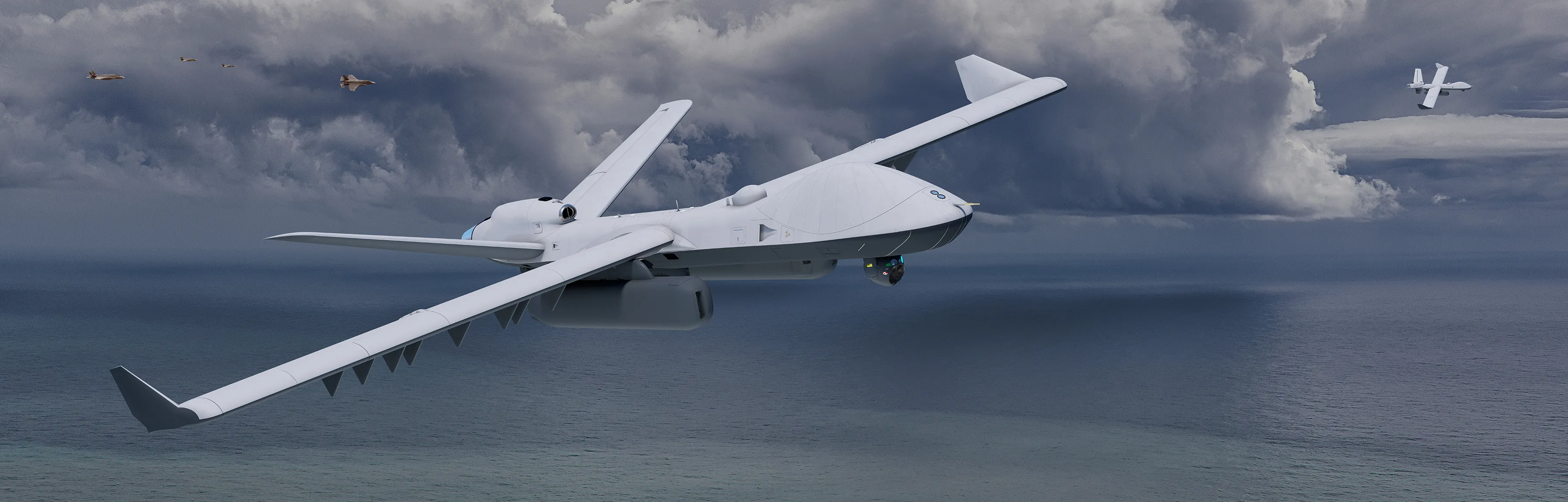
Within this jumbled and often misunderstood narrative, one new capability stands out from the rest that would give the MQ-9 extreme value today and for years to come. This is turning the MQ-9 into a radar-toting airborne early warning (AEW) platform for detecting and tracking aircraft, drones, and missiles. A Reaper in this exact configuration just flew for the first time recently.
MQ-9 outfitted with a STOL kit and AEW pods for shipboard fleet defense. (General Atomics)
The MQ-9 sortie in question was the product of a partnership between General Atomics and Saab, with Saab, already a leader in AEW systems, providing the podded radar system named LoyalEye. This initial test flight took place on May 19th, and a full demonstration of the pairing’s capabilities is planned for next year.
GA-ASI President David R. Alexander stated the following about the MQ-9 AEW capability:
“AEW for MQ-9B will offer critical aloft sensing to defend against tactical air munitions, guided missiles, drones, fighter and bomber aircraft, and other threats. Operational availability for a medium-altitude, long-endurance UAS is the highest of any military aircraft, and as an unmanned platform, its aircrews are not put into harm’s way.”
MQ-9 AEW configured aircraft taking to the air for the first time. (General Atomics) General Atomics
For many years now, I have discussed how the most glaring new mission set for a medium altitude, long-endurance drone is AEW. The idea is relatively simple in concept. Take a cost-effective drone that can fly at medium altitudes for long periods and bolt on some radar pods capable of air moving-target indicator (AMTI) functionality. Then configure the datalinks (both line-of-sight and beyond line-of-sight) aboard the aircraft to send the information the pods collect back to controllers, who also remotely operate the drone and the pods from the ground. Such an unmanned aircraft could fly its missions at relatively low cost, and operate in a distributed manner, near where its surveillance capabilities are needed most. Above all else, it would be able to persist for very long periods of time — think of loitering over its launch location for the better part of a day or more — providing persistent long-range look-down radar surveillance, which has never been more important than it is today.
One-way attack munitions, also known as long-range kamikaze drones, are a massive threat to confront on many levels. These unmanned aerial systems blur the definition between cruise missiles and drones. In this case, cruise missiles are also part of the same problem set. While the question of how to shoot down relatively cheap one-way attack drones cost-effectively gets a lot of attention, just spotting them in order to engage them at all, especially at a distance, is also a challenge. Their small signatures and low-altitude flight profiles, as well as their slow speed, can make it so ground-based sensors don’t detect them until it’s almost too late, and aging airborne sensors also have limitations in doing so.
The moment of one of Russian strikes with Shahed/Geran-type long-range OWA-UAVs in the Ukrainian city of Dnipro on Tuesday.
This is where an advanced look-down airborne radar is critical. It can spot these objects from above at long distances and separate them from the ground clutter. The problem is that airborne early warning and control (AEW&C) manned platforms are hugely expensive, resource intensive, and are the very definition of high-value, low-density assets. Many of them can only operate from longer runways, meaning they can only be based far away from where the threats are. Even then, they are top targets, as we saw earlier this year in Saudi Arabia, and their airfields are prime targets too, which can leave them trapped or destroyed on the ground.
The USAF has a dwindling number of geriatric E-3 Sentry Airborne Warning and Control System (AWACS) aircraft, which, despite upgrades, are not the best at spotting low-flying drones. The USAF is now moving begrudgingly forward with stalled E-7 procurement, but these aircraft are also very complex, expensive, and labor-intensive platforms that need long runways to operate from. The Navy has the E-2D Hawkeye, which is more modern and capable in some regards, and less in others, but is also not available in vast numbers as they have other critical taskings, especially to support carrier air wings. These aircraft are better suited to operate from remote forward airfields, and having a smaller logistical and crew footprint, but still require far more support than an MQ-9. Overall, these crewed aircraft are also increasingly vulnerable to long-range air defenses, and, while their sensor range is generous, it is still limited, making their utility questionable in a peer state conflict.
E-7 is seen as a partial, interim replacement for the aging E-3 fleet. (USAF)
For higher-end missions, where command and control is a major part of what AEW&C platforms will be called upon to do, directing air wars and coordinating defenses, while also supplying networking support, a pod-equipped MQ-9 cannot replace an E-7 or E-2. For providing critical surveillance, especially in areas where there are gaps in crewed AEW&C coverage, or in places that just don’t require that level of support, the AEW-capable MQ-9 is a very attractive solution. Even pushing these uncrewed sensor nodes forward, into higher-threat areas, under certain circumstances, to provide high-fidelity radar coverage where no crewed platform would ever be risked, is a real use case. An MQ-9 is far more expendable than a manned AEW&C asset from human life, cost, and recovery operation requirements (combat search and rescue) perspectives.
The truth of the matter is that even if the E-7 replaces all 15 remaining E-3s, and even if the Navy adds E-2 Hawkeyes, in a future distributed conflict, there is no way these aircraft can give all the coverage needed, persistently, day and night, while providing surveillance for all threatened locales. Not even close. This is especially true as relatively cheap one-way attack drones, such as the Shahed-136, can travel over a thousand miles, drastically expanding potential threat areas at a very low cost to the enemy.
This is where the podded MQ-9 can shine, with a detachment of a few of these aircraft providing persistent coverage (“orbits”) over key areas 24/7 while retaining a small logistical footprint. This would also directly support the USAF’s Agile Combat Employment (ACE) combat doctrine, where small groups of tactical aircraft will move quickly from one forward location to another in hopes of staying ahead of an enemy’s targeting cycle. While that may be the goal, these traveling road-shows of airpower will still need persistent look-down coverage, especially if they are positioned deeply within the enemy’s striking range. AEW&C aircraft will not be able to provide this coverage persistently (if at all). AEW MQ-9s could, and they could drastically increase the situational awareness, range, and overall effectiveness of other key defensive capabilities, such as surface-to-air missile systems and fighter aircraft, with the targeting data they provide.
General Atomics is also turning the MQ-9 family into drone killers themselves with the addition of laser-guided rockets. This could result in ‘hunter-killer’ teaming, where the AEW MQ-9 spots the threat and the laser-guided rocket-equipped MQ-9 intercepts and destroys it. Just the AEW MQ-9 on its own can also use its powerful MTS electro-optical sensor turret to visually identify potential enemy aircraft once they get close enough, allowing for a non-cooperative friend or foe identification capability.
Mojave STOL: Real. Rugged. Ready Today.
You can even look to the recent fighting in the Middle East, which saw Iran barrage allied bases on the Arabian Peninsula with one-way attack munitions and low-end cruise missiles. Reapers with LoyalEye pods could have provided persistent look-down radar coverage over threatened areas, especially as the USAF’s dwindling and rickety AEW&C fleet was overtasked. They could have also created a radar picket line across the Persian Gulf, Gulf of Oman, and eastern Iraq, providing high-fidelity look-down radar coverage and a true early warning screen for Iranian weapons heading towards their target areas, all without putting a crew at risk.
Now, it’s worth noting that the USAF envisions a future where AEW and general AMTI sensing is largely migrated to an orbital layer of satellites, and they are actively working to realize this capability, which would be absolutely revolutionary if fully realized. Yet, as of now, it’s still an if, and it will take years to fully come to fruition. Even then, relying on a space layer alone for this absolutely critical capability would be a huge vulnerability. Backing it up with a lower-end, flexible airborne solution will likely remain critical for a long time to come. AEW MQ-9s can help efficiently fill out a high-low AEW/airborne moving target indicator mix. This is especially true as the platform itself, the MQ-9, can be reconfigured for a huge range of other missions when AEW capabilities are not in high demand, so the USAF isn’t left with a single mission asset.
An MQ-9 seen operating out of Puerto Rico on a counter-narcotics maritime interdiction mission equipped for multi-int collection and kinetic strikes. (Miguel J. Rodriguez Carrillo / AFP via Getty Images)
The AEW MQ-9s can also provide their capabilities here at home. America is dealing with a tough future when it comes to defending the homeland, and providing look-down radar capabilities is a major part of adapting to this reality. Outside of tethered aerostats, which have not proven to be a large-scale workable solution yet, AEW MQ-9s would provide flexible, efficient and persistent capabilities in areas where it may be needed, especially in times of heightened defense, like major public events and during a crisis.
China has invested very heavily in modern AEW platforms. (Chinese Military via Chinesemilitaryreview.com)
The naval side of this is a big deal too. The fact that General Atomics is modifying the MQ-9 family to operate from large deck amphibious assault ships and carriers presents another huge opportunity. It could provide LHA/LHDs with a truly organic fixed-wing AEW asset for the first time — one that doesn’t require large flight crews and that can loiter above the amphibious strike group for very long periods of time. This is becoming more important as enemy missile and drone technology evolves. Having to rely on surface combatants and a small contingent of fighter aircraft, if any at all, for air defense is limiting and can impart extra risk at inopportune times, especially in littoral environments. During a major conflict, these ships could operate too far out to sea to make land-based AEW support plausible and those assets will be over-tasked as it is. AEW MQ-9 seems like a relatively glaring off-the-shelf solution to this problem. It’s also worth noting that the USMC already operates the MQ-9 and integrating it into the shipboard Air Combat Element (ACE) of a Marine Air-Ground Task Force should be relatively straightforward.
Introducing MQ-9B STOL
AEW configured examples could also be extremely useful for the Marines’ Expeditionary Advanced Base Operations (EABO) concept, which mirrors elements of the USAF’s ACE doctrine, but goes beyond just the aerial fight. Marines deployed forward in the enemy’s ring of fire under EABO will need look down protection more than pretty much anyone else, which the AEW MQ-9 could provide at low risk. The MQ-9 family is already capable of short field operations and that is only being enhanced with new STOL (short-takeoff-and-landing) members of the MQ-9 family, meaning they can fly from small, austere airstrips and could maintain sortie rates even if those airstrips receive partial damage.
For supercarriers, the AEW MQ-9 could augment the E-2D, providing constant look down radar coverage for the entire carrier strike group when E-2s are not up. This would deeply benefit the CSG’s entire air warfare mission, providing critical sensor data to Aegis warships, fighters, and the carrier. They could also augment E-2D coverage during high-threat periods of vulnerability, including putting additional sensor coverage farther away from the CSG over high-risk vectors of attack. We discussed in detail how an AEW capable version of the Navy’s MQ-25 Stingray could also serve in this general capacity.
Rendering of an AEW MQ-9 equipped with a STOL wing kit landing on an amphibious assault ship. (General Atomics)
All of this is from a very American point of view, but the AEW MQ-9 concept may be most attractive to foreign air arms that currently have no dedicated AEW capabilities at all, or are looking to augment the limited capacity they do have. Fielding a traditional AEW&C force is very expensive, even for a small cadre of crewed platforms, limiting the realistic application of such a force even if the country can afford it to begin with. AEW MQ-9 could help ‘democratize’ AEW and allow many allies to field such a capability, which a coalition force during multi-national operations could also benefit from, including the U.S. In this way, AEW MQ-9 could be a huge win not just for countries in need of this kind of capability at a lower price point, but also for the U.S., as this kind of sensor information will become far more widespread, putting less pressure on its own organic AEW force. This could be leveraged both in peacetime for surveillance and monitoring, but especially in a crisis.
Just look at what’s happening with the drone threat to Europe for instance. MQ-9s with the radar pods could provide sustainable airborne surveillance for NATO countries. Think of the AEW MQ-9 as the F-5 Freedom Fighter of AEW capabilities. And once again, these allies would be able to use the MQ-9s in many different ways when not configured for the AEW mission, including peacetime monitoring and patrols not related to airborne moving target tracking.
Finally, it’s worth noting that the idea of AEW functionality on an uncrewed platform isn’t exactly new. It has been experimented with before and China is thought to have added some of this functionality to its far more advanced high-altitude, long-endurance drones. But providing a robust, off-the-shelf solution for the more accessible and flexible medium-altitude, long-endurance drone class, and especially the most proven of all types in this class on the planet, the MQ-9 family, makes glaring sense for an extremely wide set of potential users, including the United States.
The Foreign Office has lifted its no-go travel warning after Iran and the US signed a deal
Simon Calder says airlines will be desperate for people to ‘take summer holidays’ after the easing of travel advice
A travel expert has provided an update on journeys to and from the Gulf region following the US and Iran reaching an agreement to cease hostilities between the two nations. Speaking outside the Foreign, Commonwealth & Development Office (FCDO), Simon Calder confirmed that travel insurance was ‘once again valid’ after both the Iranian and American presidents put pen to paper on a deal to end the conflict.
Mr Calder stated that those wishing to visit the region could now do so ‘with some confidence’. He said: “I’m at the Foreign Office which has just changed its advice for travellers going to the Gulf region, in particular Dubai, which last year was visited by 1.4 million British travellers.
“As from now, the no-go warning which prevailed for the whole of the UAE, including Dubai and Abu Dhabi, as well as to the countries of Qatar, Bahrain and Kuwait, has been lifted. The Foreign Office still warns that you need to be ready for trouble to resume at any time, but it means that travel insurance is once again valid and anybody planning a trip to the UAE or Qatar or elsewhere in the region can do so with some confidence.
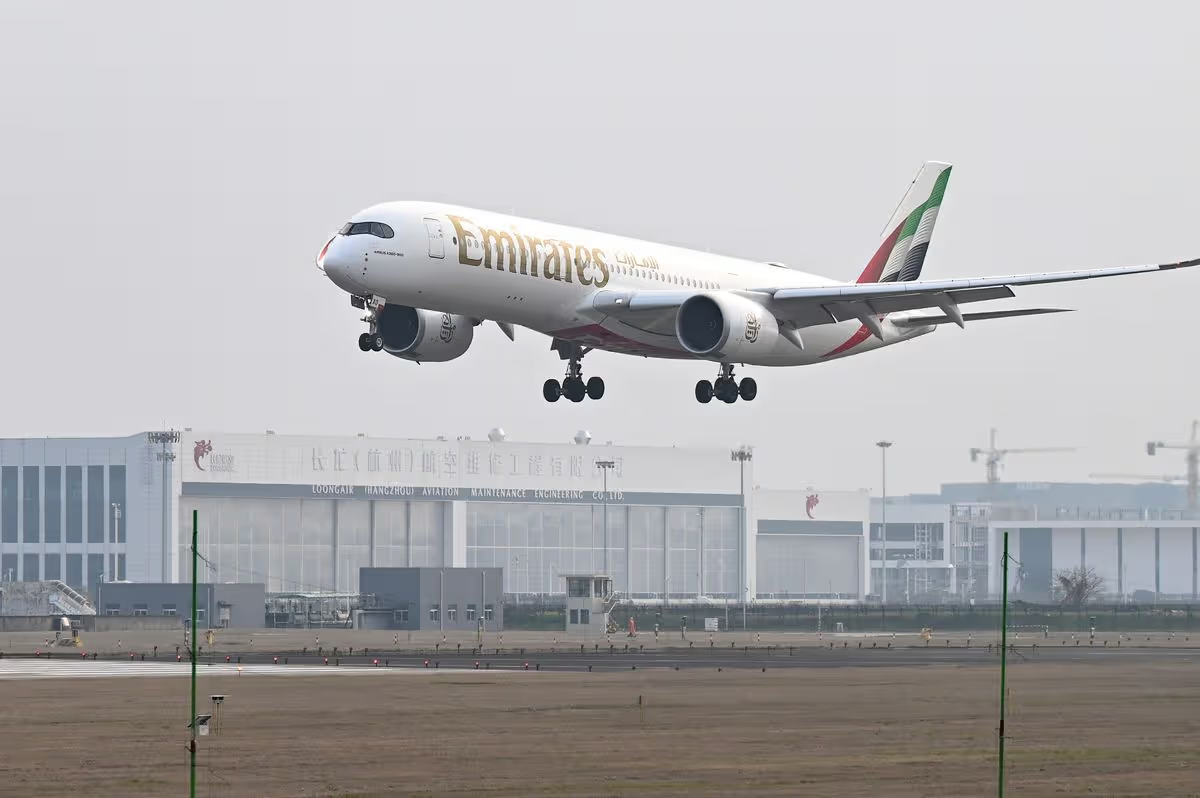
“The immediate effect, I think, is going to be a big marketing campaign by the giant airlines: Emirates of Dubai, Etihad of Abu Dhabi, and Qatar Airways based in Doha. They will be wanting to get people to both connect through their hubs, but also to take summer holidays. Be warned, it is extremely hot with average daily highs around 40°C.”
Content cannot be displayed without consent
Not only do millions of holidaymakers head to the Gulf states, but countless others use them as a stopover for journeys to Asia and Australia. That meant the tourism industry took a particularly severe blow when the US and Israel launched strikes on Iran in late February.
The FCDO decision means tourists can now return without putting their travel insurance at risk. But that doesn’t mean flights will restart straight away.
Virgin Atlantic halted flights until winter 2027 after the conflict began, and a spokesperson confirmed on Thursday that this ‘remains the case’.
British Airways announced earlier in June that it wouldn’t restart flights to the UAE until October 2026. Emirates has maintained flights to and from the region throughout the hostilities.
Mr Calder continued: “The immediate effect, I think, is going to be a big marketing campaign by the giant airlines: Emirates of Dubai, Etihad of Abu Dhabi, and Qatar Airways based in Doha. They will be wanting to get people to both connect through their hubs, but also to take summer holidays. Be warned, it is extremely hot with average daily highs around 40°C.”
“But it means that anybody who’s planning to travel perhaps to Asia or to Australia now will be able to travel with confidence through one of the Gulf hubs. In addition, I imagine that airfares will fall because the Asian carriers will not be able to command such a premium.
“Stand by for some really good holiday offers, but I personally won’t be seeing you on the beach in Dubai until about November.”
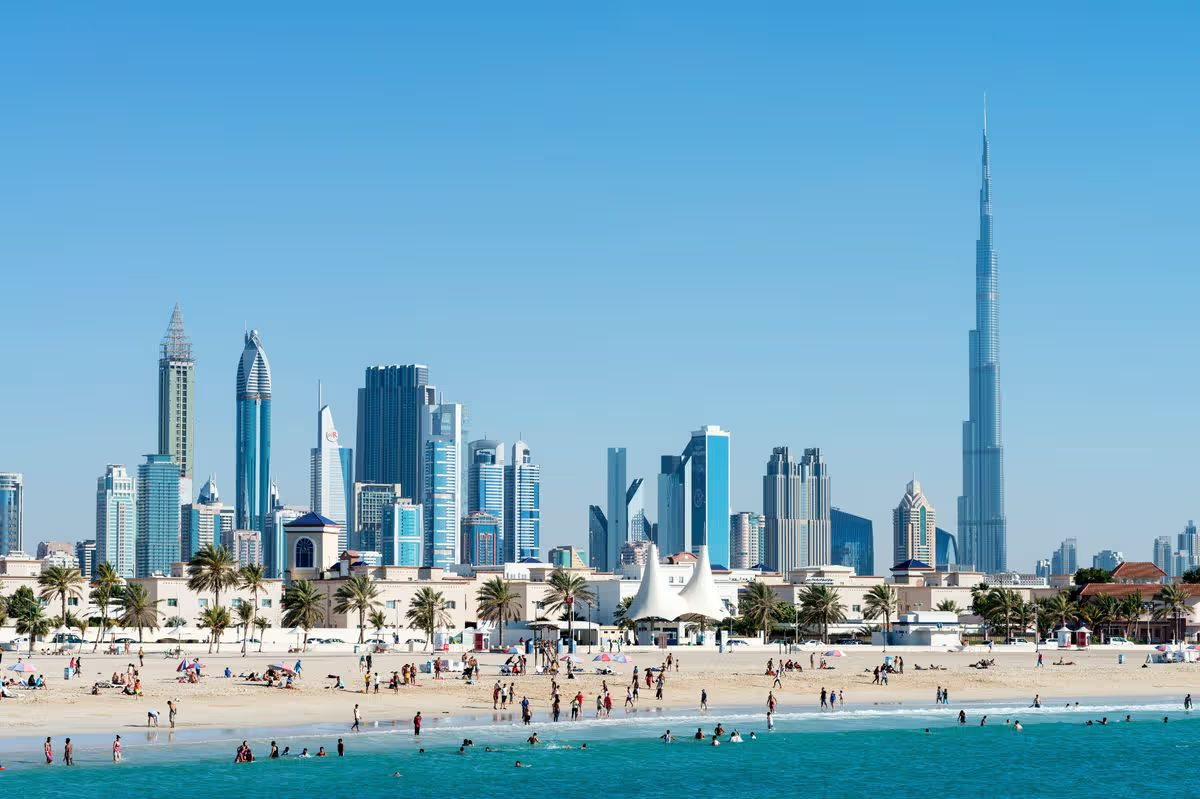
The Foreign Office has lifted its warning against travelling to the United Arab Emirates including Dubai and Abu Dhabi
14:16, 18 Jun 2026Updated 14:55, 18 Jun 2026
(Image: Getty Images/arabianEye)
The Foreign Office has lifted its travel ban to the United Arab Emirates.
The FCDO has had a warning against all but essential travel to the UAE in place since March, due to the Middle East war, but today (Thursday 18th June), it updated its advice and no longer warns against travel to the region. It has also issued updates for 14 countries including Cyprus and Turkey.
However, the government body still has a stark warning in place for Brits. As part of an update on ‘regional tensions’ it warns:
“The US and Iran have announced a memorandum of understanding in relation to the conflict in the Middle East. The situation remains unpredictable and attacks could resume at short notice.
“Should hostilities resume, British nationals should:
read If you’re affected by a crisis abroad – GOV.UK. This includes guidance on “how to prepare for a crisis” with suggestions on what you might include in your emergency supplies and “what to do in a crisis”
monitor local and international media for the latest information
stay away from areas around security or military facilities
keep your departure plans under review, and ensure your travel documents are up to date
if you are advised to take shelter, stay indoors or find the nearest safe building or designated shelter. An interior stairwell or a room with as few external walls or windows as possible may provide additional protection. The greatest risk is from falling debris caused by intercepts, and you are safest inside a secure structure
“Before the 8 April ceasefire, the Iranian regime had stated its intention to target locations in the Gulf associated with the US and Israel. This included US or Israeli-linked organisations, businesses, facilities and institutions. Iran has previously targeted civilian infrastructure across the region such as ports, hotels, roads, bridges, energy facilities, oil production sites, water systems, and airports.”
Weekly insights and analysis on the latest developments in military technology, strategy, and foreign policy.
The U.K. Ministry of Defense is investigating reports that a Russian Navy warship fired warning shots near a British-registered yacht in the English Channel, according to a statement provided to TWZ today. The reported encounter is the latest in a series of increasingly tense interactions between the United Kingdom and Russia.
The incident reportedly occurred around 20 nautical miles south of the Isle of Wight, off the south coast of England, and outside British territorial waters. According to the Ministry of Defense, the initial report came from the crew of the U.K.-registered yacht, which alleged that a Russian warship fired warning shots at a distance of approximately 500 yards.
According to the Press Association, the incident occurred at around 11:40 a.m. local time, in waters between the Isle of Wight and Normandy.
A Ministry of Defence spokesperson confirmed to us that they are investigating reports of the incident, but stressed that the investigation remains in its early stages.
“No injuries or damage have been reported by the yacht, which is continuing its journey,” the spokesperson added.
The Royal Navy was already shadowing the Russian vessel when the alleged incident occurred, the ministry confirmed.
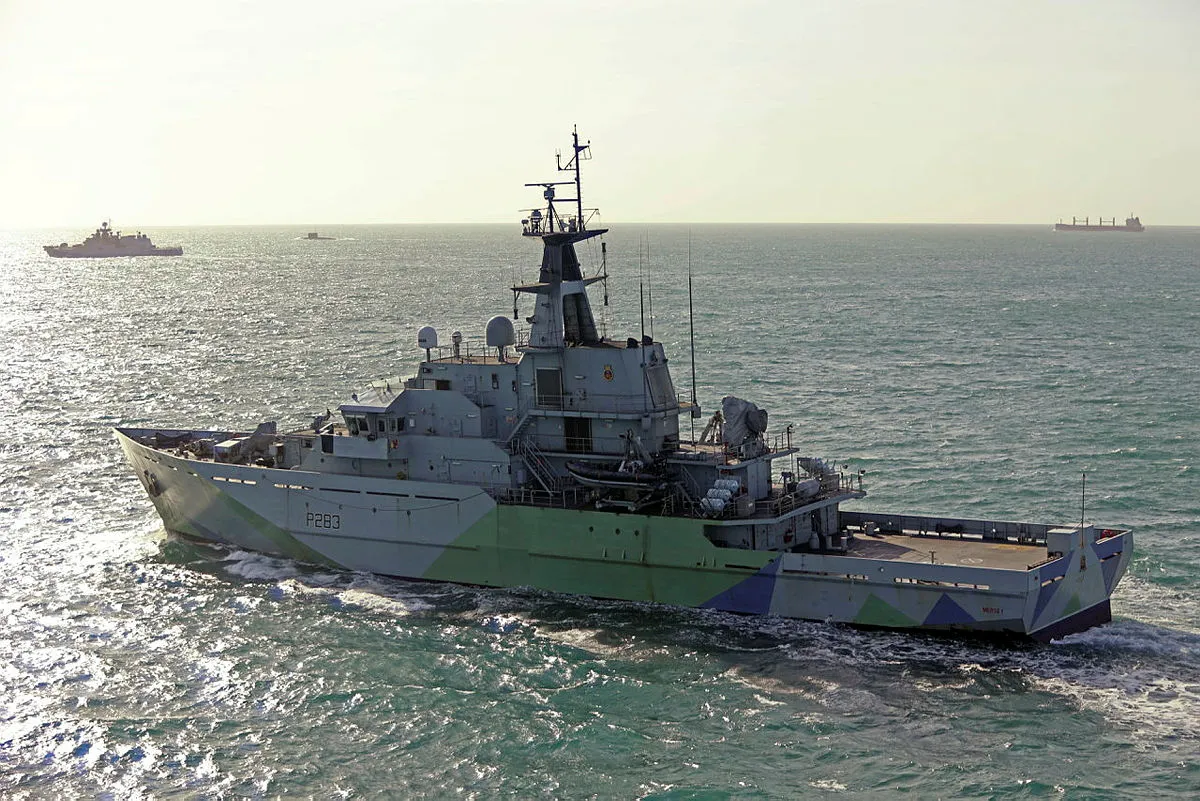
“HMS Mersey was monitoring the Russian vessel at the time. We cannot provide further comment while investigations are ongoing. A seaboat from HMS Tyne has visited the yacht to gather details and check that they are safe.”
Both HMS Mersey and HMS Tyne are River class offshore patrol vessels, frequently used to shadow Russian and other warships passing through the Channel, which is widely considered the busiest shipping area in the world.
HMS Mersey (foreground) seen here monitoring the Russian frigate Admiral Grigorovich (left) and the Kilo class submarine Krasnodar (center-left) in April of this year. Crown Copyright
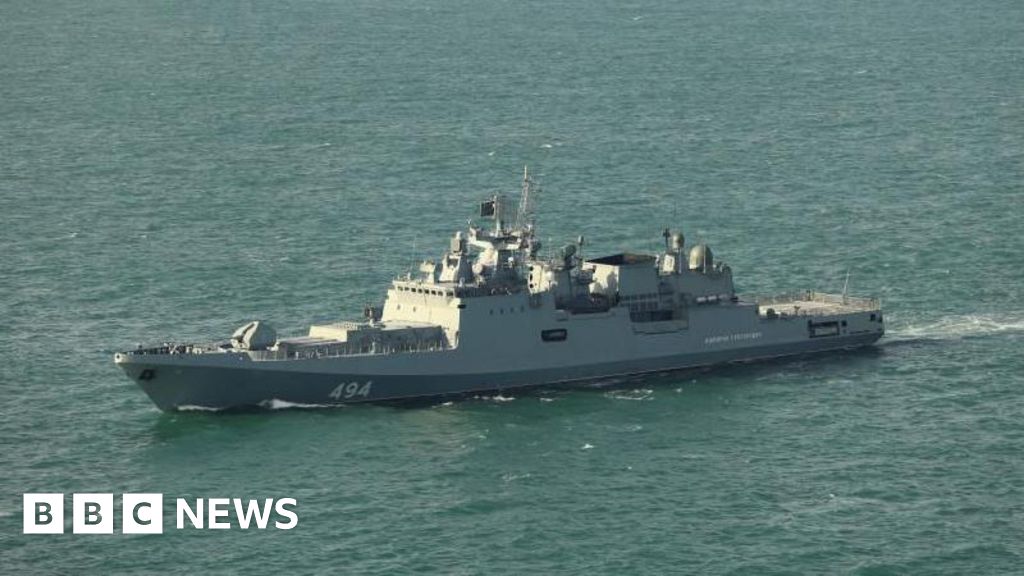
According to unconfirmed reports, the Russian warship said to be involved is the Admiral Grigorovich, the lead ship of its class, which is also known to NATO as the Krivak V class. The frigate is seen at the top of this story, during an encounter with Royal Navy vessels earlier this year, again in the English Channel.
[Unconfirmed] Russian frigate Grigorovich has fired warning shots at a British yacht in the channel.
British and French ships are mobilising in response.
Incident comes after the Royal Navy boarded Shadow Fleet tanker SMYRTOS (IMO: 9389100) which has been sanctioned by HM…
The Ministry of Defence also sought to distance the incident from another recent maritime security operation in the Channel, in which British forces boarded the Smyrtos, a sanctioned shadow-fleet oil tanker, which was sailing under a false Cameroonian flag.
The boarding of the Smyrtos by Royal Marine Commandos and specially trained law enforcement officers from the National Crime Agency last Sunday was the first U.K.-led operation of its kind. The six-hour military operation also involved Chinook, Merlin, and Wildcat helicopters, a Royal Air Force P-8 Poseidon maritime patrol aircraft, as well as the frigate HMS Sutherland and the mine countermeasures vessel HMS Ledbury.
The vessel Smyrtos is boarded by Royal Marines from 42 Commando and U.K. law enforcement officers on June 14. Crown Copyright
It remains unclear exactly which Russian Navy vessel was involved in the incident today, what prompted the alleged warning shots, or whether any communication took place between the warship and the yacht before the incident.
We will update this post as we find out more about today’s incident.
UPDATE: 2:45 PM EDT –
There is growing speculation that the Russian warship involved in the incident may have suffered some kind of mechanical failure or difficulty at sea.
The U.K. Shadow Defense Secretary James Cartlidge said the incident was “very concerning” and the United Kingdom should “be in no doubt that Russia poses a direct threat.”
The leader of the Liberal Democrat party, Ed MacCleary, said: “These reports are extremely concerning. Russia is quite literally on our doorstep. Aggression and intimidation from Putin in the English Channel cannot be tolerated.”
These reports are extremely concerning – Russia is quite literally on our doorstep.
Aggression and intimidation from Putin in the English Channel cannot be tolerated.
This is a clear reminder that the Government cannot afford any further delays to the Defence Investment Plan. https://t.co/xhnoFQ98tE
According to BBC News, the Russian frigate Admiral Grigorovich fired warning shots after the two vessels came into close contact.
The broadcaster further reports that the “small, motorless yacht had drifted towards the warship in foggy conditions after setting off from the United Kingdom.”
The BBC cites the Russian Ministry of Defense as saying that the yacht had been on a “dangerous approach” towards the warship, and its crew fired into its path “with rifles” after making several attempts to contact it over the radio and after launching warning flares.
The Russian Ministry of Defense further claimed that its sailors had acted in “strict accordance with international shipping regulations.”
A U.K. government source told the BBC that a couple in their 60s were onboard the yacht at the time. They said they did not hear when the Russian frigate sounded its horn.
There have also been unconfirmed reports identifying the yacht involved:
Russians are saying the yacht was ‘Bright Future’ – a British registered 40′ sailing yaht in transit from the Solent to Cherbourg. pic.twitter.com/m3lKpgeHkJ
Data obtained by BBC Verifysuggests that the Admiral Grigorovich has been in the Channel for an extended period, repeatedly being re-supplied by a repair vessel, so that it can escort shadow-fleet vessels through these waters.
Based on satellite images it has reviewed, the BBC says the frigate has been re-supplied by the PM-82, an Amur class repair ship, while operating between the Channel and the North Sea in recent months.
In April, the frigate was reported to have escorted six shadow fleet vessels through the Channel while being monitored by the Royal Navy.
Two scenarios with the yacht
1️⃣🇷🇺 response to Smyrtos boarding this weekend – #greyzone 2️⃣Risk of collision with drifting⛵️in low viz, followed by Ch 16 warning(?) then shot across bow in ‘self defence’ – #maritimebuffoonery
At least one Royal Air Force P-8 Poseidon has transited from its base in Scotland to patrol the Channel this evening, according to publicly available flight-tracking data. The maritime patrol aircraft is very likely tasked wth monitoring Russian naval activity in the area.
More details of the incident have been reported by Deborah Haynes, the security and defense editor at Sky News.
Haynes writes on X that the Russian frigate “fired a couple of warning shots” close to the yacht in the Channel after also sounding an alert to avoid it sailing too close. Citing an unnamed defense source, Haynes reports that it is understood that the Admiral Grigorovich appears to be having difficulty controlling its movements, perhaps due to a propulsion issue.
The warning shots “were certainly not fired at the yacht,” the same source said.
Additionally, while the Admiral Grigorovich has been escorting Russian-flagged vessels through the Channel in recent months, Haynes writes that it was not involved with escorting the Smyrtos, which was boarded by British forces at the weekend.
UPDATE: A Russian warship fired a couple of warning shots close to a UK-registered yacht in the Channel after also sounding an alert to avoid it sailing too close, a defence source said. Investigations are still underway to establish exactly what happened. From what is…
After reaching out to the U.K. Ministry of Defense for more clarification, TWZ received the following from a spokesperson:
“Following attempts to contact a British vessel in the Channel, the Grigorovich fired warning shots. These were not aimed at the vessel and were an attempt to prevent a possible collision.”
“We assess that this is an isolated incident and not linked to the UK’s interception of the Smyrtos this weekend. HMS Mersey has been monitoring the Russian vessel and support has been provided to the crew of the yacht.”
“We assess that the Grigorovich was displaying to other vessels that it was drifting rather than being manoeuvred under power, which may have made her feel more vulnerable, leading to warning shots being fired.”
“We assess that after sounding warnings, the Grigorovich fired several warning shots, but these were not aimed at the yacht.”
The spokesperson told us that they further assess that the shots fired were single rounds, rather than automatic fire.
Emanuel M Schwermer/DigitalVision via Getty Images
German luxury carmaker BMW (BMWKY) stock fell about 8% on the DAX Index (DAX:IND) on Wednesday as the automaker issued an unexpected profit warning, citing a deepening downturn in China and the economic fallout from the Iran war.
June 16 (UPI) — A Russian warship, the Admiral Grigorovich, allegedly fired warning shots toward a British pleasure yacht Tuesday morning in the English Channel.
The shots came within about 500 yards of the yacht, BBC News reported. The incident took place in international waters between the Isle of Wight, a British island, and Normandy, part of France. Those on the yacht have not reported any damage or injuries.
“We are investigating reports of an incident in the channel,” a U.K. Ministry of Defense spokesperson said.
BBC News said the yacht apparently drifted toward the Russian frigate in foggy conditions. The bigger ship sounded an audible warning — with no immediate response from the yacht — before it fired the shots.
This incident comes after U.K. forces seized a Russian-linked tanker, the Smyrtos, on Sunday in the same area. The tanker was carrying sanctioned oil. However, British authorities said Tuesday’s incident is not linked to that seizure.
It’s not unusual for Russian ships to pass through the channel while being monitored by Royal Navy ships. The Admiral Grigorovich was shadowed Tuesday by the HMS Mersey, BBC News said.
The Russian frigate has regularly escorted shadow fleet vessels — the ships Russia uses to avoid sanctions on oil imposed after its invasion of Ukraine.
James MacClearly, Liberal Democrat defense spokesman, said in The Guardian that reports of a Russian ship firing shots in the English Channel are “deeply concerning.”
“Russian is quite literally on our doorstep,” he said. “Aggression and intimidation in our waters must not be tolerated.”
After the seizure of the Smyrtos on Sunday, British Prime Minister Keir Starmer said it was “yet another blow to Russian and reminds those fueling Putin’s war in Ukraine that they cannot hide.”
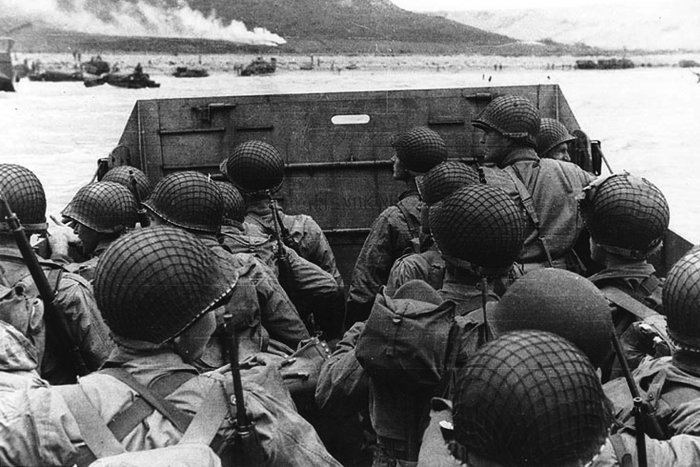
Troops in landing craft approach Omaha Beach on D-Day in Normandy, France, on June 6, 1944. D-Day was the largest seaborne invasion in history and turned the tide of World War II. Photo by UPI | License Photo
The chain confirmed information exposed in the breach includes ‘certain guests names, email addresses, telephone numbers, and/or home addresses, along with other reservation details’
Hotel guests have been warned they might be targeted(Image: Getty)
Hotel guests have been warned to watch out for convincing scam messages after a data breach at a major hotel chain. Data including personal details of people booked to stay at one of the chain hotels was exposed over a six month period.
BWH Hotels, the parent company for WorldHotels, Best Western Hotels & Resorts, and Sure Hotels notified customers of the breach in an email when it said “certain guests’ names, email addresses, telephone numbers, and/or home addresses, along with other reservation details” had been accessed between October 14, 2025 and April 22. It added: “Importantly, payment and other financial information was not stored in the affected system and therefore was not accessed.”
It confirmed the firm had taken action to stop the unauthorised access and that it was also taking steps to strengthen safeguards to stop any further breaches. And they urged any affected customers to take steps to ensure any scammers did not take advantage of them, warning them to be extra vigilant about unexpected emails, texts, WhatsApp messages or calls referencing hotel stays.
Now privacy experts have warned the concern is not only what was stolen, but how that information could be used next. Hotel booking data can make follow-up scams look far more believable because criminals may be able to reference real stays, dates, locations or reservation numbers.
Peter Nguyen, a privacy expert from Protect My Data, says travellers should not dismiss this kind of breach just because payment details were not exposed. “A hotel reservation contains more useful information than people realise.
“A scammer does not always need your card number to target you. If they know your name, phone number, hotel, stay dates and booking reference, they can make a fake message look extremely convincing.
“That is the risk with travel data. It gives criminals context. Instead of sending a vague scam, they can contact you with details that feel personal and accurate.”
Nguyen says guests should be especially careful with any unexpected message claiming there is a problem with a booking, payment, refund or reservation. He warned a scammer could pretend to be from the hotel, a booking platform, customer support team or payment department.
The message may claim a card needs to be reverified, a stay could be cancelled, a refund is waiting, or extra information is needed before arrival. He said: “The most dangerous message is one that sounds helpful. It might say your booking needs confirming, your payment failed, or your refund is ready. Because it references a real hotel stay, people are more likely to click.
“If the message asks for payment, codes, logins or verification, do not engage through that message. Go directly to the hotel or booking platform yourself.”
Nguyen says WhatsApp and SMS messages are particularly risky because they feel more direct. “A text or WhatsApp message creates urgency. It feels like someone is dealing with your booking right now. That pressure makes people act faster than they would with an email.”
BWH Hotels’ own warning urged customers not to engage with suspicious communications asking for payment, codes, logins or verification, even if they reference a BWH Hotels property or an upcoming reservation.
Why reservation data is so valuable
Many people worry most about card details in a breach, but Nguyen says contact and booking information can still create serious risk. He explained: “Names, phone numbers and email addresses are the starting point for phishing. Add reservation details and the scam becomes much more targeted.”
“A criminal could send a message saying, ‘Your stay at this property on this date needs confirmation.’ That feels completely different from a generic scam email because it contains something real.”
He said postal addresses can also make scams more credible. He explained: “If a scammer has your address, they can make a fake message feel more official. They might use it in a fake invoice, refund notice, complaint response or identity check.”
Special requests may also reveal details guests did not expect to become part of a security issue. “People sometimes include personal information in hotel requests, such as accessibility needs, arrival times, family arrangements or reasons for travel. Even small details can help scammers tailor their approach.”
What guests should do now
Nguyen says anyone who has stayed with, or booked through, a BWH Hotels property during the affected period should be alert, but not panic. He added: “The first step is awareness. If you receive a message about a Best Western, WorldHotels or SureStay booking, slow down and verify it independently.”
He advised guests to avoid clicking links in unexpected messages. “Open the official hotel website yourself, use the original booking confirmation, or contact the property through a trusted number,” he said. “Do not use a number or link sent in a suspicious message.”
Guests should also be careful if they are asked to confirm personal information, he said. “A genuine hotel may need basic details to find your booking, but they should not ask for banking codes, account passwords or card security codes through an unexpected message.”
If someone has clicked a suspicious link or shared card details, Nguyen says they should contact their bank immediately. He warned: “Speed matters. If you entered payment details, call your bank straight away. If you entered a password, change it immediately, especially if you use it anywhere else.”
He also recommends securing email accounts, as email is often the route scammers use to reset other accounts. “Your email account is the front door to much of your digital life,” he said. “Use a strong, unique password and switch on two-factor authentication.”
Why this warning matters for summer travel
The breach comes as many travellers are booking summer stays, weekend breaks and last-minute trips. Nguyen says that makes hotel-related scams especially dangerous.
“Travel season gives scammers a huge advantage. People are expecting hotel messages, payment reminders and booking updates. That makes fake messages easier to hide among real ones.”
He says guests should be particularly wary of messages close to their check-in date. “A message sent shortly before a stay can create panic. If it says your room will be cancelled unless you act now, that is exactly when you need to stop.”
The safest rule, Nguyen says, is to treat unexpected booking messages as suspicious until proven otherwise. He said: “If a message knows your hotel and dates, that does not automatically make it real. It may simply mean the scammer has booking data. Do not let accurate details rush you into clicking. Verify through the official route every time.”
In its email, signed by Bill Ryan Chief Technology Officer of the hotel chain and sent last month, it said: “BWH Hotels, the parent company for WorldHotels, Best Western Hotels & Resorts, and Sure Hotels, takes the privacy and security of our guests’ personal information very seriously. We are writing to let you know that on April 22, 2026, we identified unauthorised activity in one of our web applications that houses certain guest reservation data.
“We have learned that certain guests’ names, email addresses, telephone numbers, and/or home addresses, along with other reservation details (e.g., reservation numbers, dates of stay, and any special requests) for reservations in our system were accessed by an unauthorised third‑party between October 14, 2025 and April 22, 2026, including yours. Importantly, payment and other financial information was not stored in the affected system and therefore was not accessed.
“Upon discovering the incident, we immediately took the application offline and revoked the unauthorised access. We have engaged leading external cybersecurity experts to support our incident response efforts and to assist with the further strengthening of existing safeguards.
“We advise guests to be extra vigilant when viewing any unexpected or suspicious communications about hotel stays. If you receive a suspicious communication such as an unexpected email, text, WhatsApp message, or telephone call that asks for payment, codes, logins, or “verification,” even if they reference a BWH Hotels property or an upcoming reservation, do not engage. Navigate to sites directly rather than clicking links.
As part of protecting your personal information and to prevent payments to fraudulent parties, here are some precautions you can take:
Stay alert for suspicious sender addresses, urgent or unexpected unsolicited requests, and strange links, especially any unexpected request for payment or personal information. Treat any suspicious request with caution. If you have a question regarding a suspicious request, please contact our customer service team
Scammers may create webpages that closely resemble legitimate hotel booking pages. Always review the web address before entering payment details. If a page looks unexpected or unfamiliar, stop and verify it with our customer service team before proceeding. If you entered or shared any payment (credit card) information in response to a scam, please immediately report it to your financial institution and follow security steps they recommend. If you have any questions, please contact BWH Hotels’ data protection office at dpo@bwh.com
MoneySavingExpert has shared important safety advice for holidaymakers
Millions of holidaymakers could be affected (stock photo)(Image: ITV)
MoneySavingExpert (MSE) has issued a travel warning to millions of people. Founded by journalist and broadcaster Martin Lewis, MSE regularly posts consumer advice for Brits. In the latest Money Tips Email, the experts offered advice for anyone booking holidays.
In the email, the team told readers: “Summer is coming, and if you’re booked to go away and haven’t got your insurance yet, you need to do it NOW, today, straight away!” As the experts pointed out, booking travel insurance as soon as you book your holiday offers the maximum protection, including cover if something happens that prevents you from travelling.
Before setting off, it’s also advised to get a Global Health Insurance Card if you’re travelling to Europe. In the alert, MSE revealed that over two million cards are expected to expire this year. As a result, millions could miss out on the benefits if they don’t renew ahead of upcoming holidays.
The UK Global Health Insurance Card enables holidaymakers to access healthcare without paying more than a local resident would while travelling in the European Economic Area.
The NHS explains: “The UK Global Health Insurance Card (GHIC) lets you get necessary state healthcare in the European Economic Area (EEA), and some other countries, on the same basis as a resident of that country. This may be free or it may require a payment equivalent to that which a local resident would pay.
“The UK GHIC has replaced the existing European Health Insurance Card (EHIC). If you have an existing EHIC you can continue to use it until the expiry date on the card. Once it expires, you’ll need to apply for a UK GHIC to replace it.”
While people are advised they should also take out travel insurance, it could help you avoid paying the excess if you need medical treatment during your trip. MSE said: “Going to the EU? Ensure you’ve a valid (free) GHIC/EHIC – over 2m expire this year.
“The ‘Global Health Insurance Card’ (GHIC) and its predecessor, the EHIC, give access to state-run hospitals or GPs, mainly in European countries, for the same price as a local. So if they don’t pay, you don’t either. Over two million expire this year, check yours.”
A UK GHIC is free, and you can apply through the NHS website. The NHS advises avoiding unofficial websites, which may charge an application fee. People can apply for a new card up to nine months before their current card expires.
The NHS says: “You can apply for a UK GHIC if you’re a resident in the UK. You can also add your family members to your application when you apply.”
The aftermath of an earlier Israeli airstrike on the southern Lebanese port of Tyre in May. On Tuesday, the Israel Defense Forces ordered residents, including for the first time those in Christian neighborhoods, to evacuate well to the north of the city for their safety as it prepared to target Hezbollah “elements, facilities and combat means.” File photo by Stringer/EPA
June 9 (UPI) — The Israel Defense Forces ordered residents of the Lebanese city of Tyre, including the Christian quarter and more than 10 refugee camps, to evacuate Tuesday, pending Israeli military action against targets of Iran-proxy Hezbollah.
IDF spokesman Avichay Adraee wrote on X that “out of concern for your safety,” residents should leave their homes immediately and move some 20 miles north beyond the Zahrani River and warned that anyone remaining south of the river was putting their life at risk.
“Your presence near Hezbollah elements or their facilities or combat means endangers your lives. As we warned in the past days, following Hezbollah elements’ actions inside the Christian Quarter in the city, the Israel Defense Forces will be compelled to act against their terrorist activities in the quarter in the near term,” said Adraee.
“Any building used by Hezbollah for military purposes may be subject to targeting. To ensure your safety — evacuate your homes immediately and move north beyond the Zahrani River. Attention — any movement south of the Zahrani River may endanger your lives,” he added.
The development came a day after Israel and Iran backed away from direct confrontation that flared up at the weekend over an Israeli strike on the southern suburbs of Beirut that prompted Tehran to fire as many as 30 missiles at Israel with Israel striking back against military targets in central and western Iran.
In standing down its military, Tehran warned that in the event Israel continued its attacks in Lebanon, including in the south, “much more severe and crushing measures will be on the way.”
Israeli Prime Minister Benjamin Netanyahu said in a post on X Monday evening that Israel had only halted hostilities because “after we struck the terror regime in Tehran, it ceased attacking us” and threatened to “respond with overwhelming force” if Iran made the mistake of attacking Israel again.
Netanyahu said that by firing into Israel over the past day, Iran and Hezbollah had attempted “to impose a new equation upon” where they believed they could fire at Israel from Lebanese territory and from Iran and Israel would not react.
“That did not happen, and it will not happen. Not on my watch! It is an equation I find intolerable and unacceptable,” wrote Netanyahu.
The sides halted their respective military strikes at the request of U.S. President Donald Trump who urged them to “stop shooting” because a deal ending the 100-day-long U.S.-Iran conflict was imminent.
Speaking on the tarmac at JFK Airport in New York on Monday night, Trump said the United States and Iran were very close to “a very good deal that will not allow in any way, shape, or form nuclear weapons.”
“And the [Hormuz] Strait will open up right away — they’ll open up immediately upon signing, which could be in two or three days,” said Trump.
He said he didn’t believe there were any sticking points.
Trump said the alternative was to return to bombing Iran but that would be counterproductive because it would mean the Strait of Hormuz remaining closed for many months and the needless deaths of many more people.
“Who wants to do that? I don’t. And we’ll have a signed document that’s actually stronger than doing the bombing,” he said.
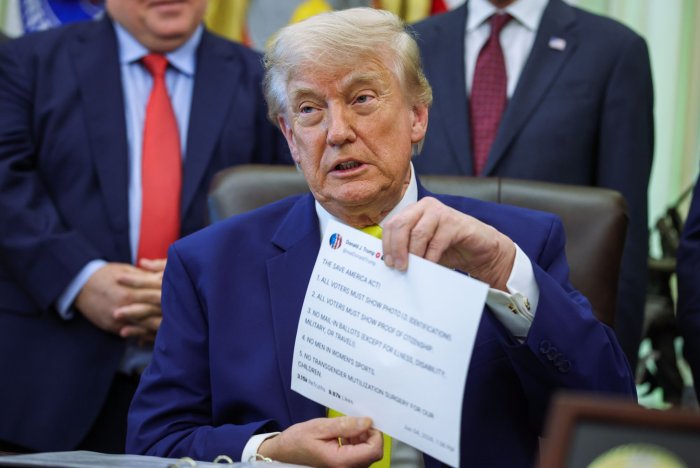
President Donald Trump discusses renovations to the Lincoln Reflecting Pool and makes an announcement on coal in the Oval Office at the White House on Thursday. Photo by Samuel Corum/UPI | License Photo
British tourists should expect long airport queues due to new biometric border checks
15:29, 05 Jun 2026Updated 15:30, 05 Jun 2026
Expect crowds this summer(Image: 400tmax via Getty Images)
European airports have recently launched the EU Entry/Exit System (EES), which replaces the traditional manual passport stamping process with biometric registration (facial image and fingerprint scanning) to record the entry of non-EU citizens, including British holidaymakers. The new EES system is now fully up and running across all Schengen Area countries, including much-loved destinations such as Spain, Portugal and Greece.
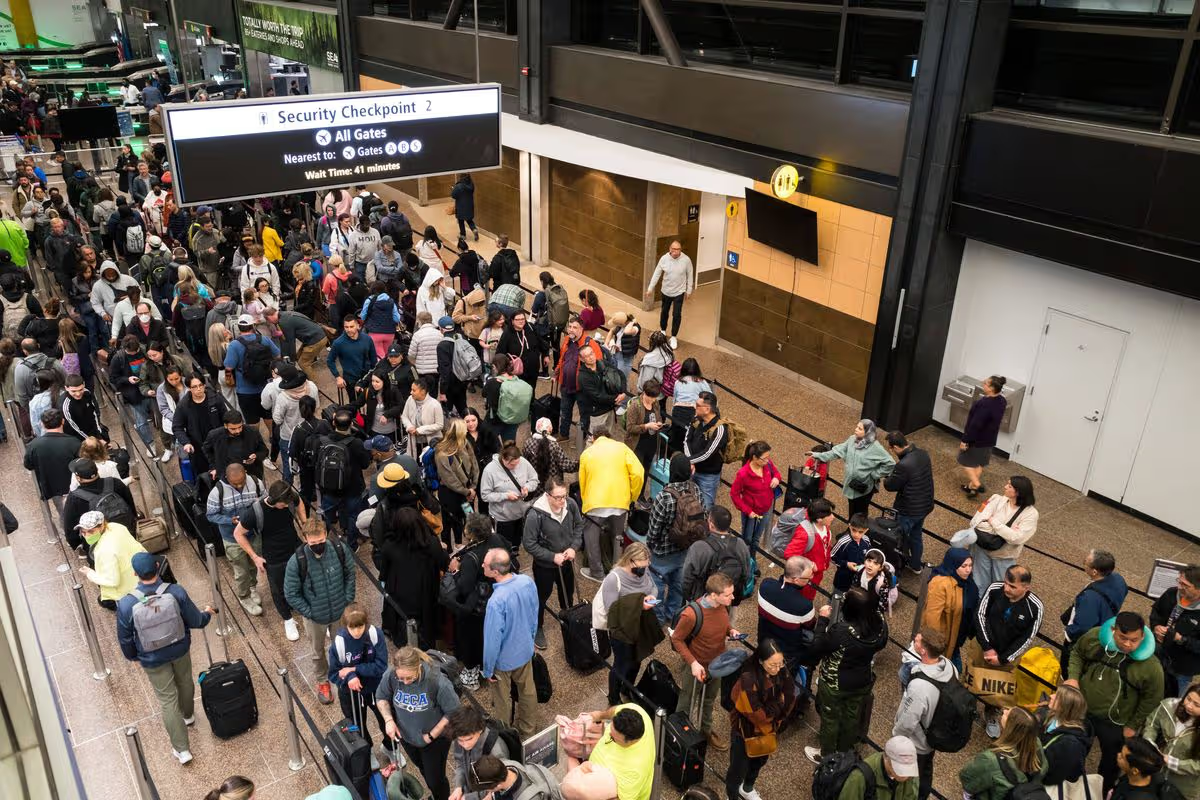
While the new system is designed to streamline travel into and out of the Schengen Area and simplify border procedures, some travellers have reported finding themselves stuck in three-hour queues.
In certain countries, passengers have missed their return flights after failing to clear the digital system in time. The new border checks are anticipated to cause significant disruption for British travellers heading in and out of the EU during the busy summer peak periods.
While some countries such as Greece attempted to briefly suspend biometric checks for UK tourists, the Greek Foreign Ministry confirmed they are fully rolling out the EES system this summer.
The Foreign, Commonwealth & Development Office (FCDO) issued the latest travel guidance on the new border checks, stating: “The European Union’s (EU) new Entry/Exit System (EES) is now being implemented across the Schengen area.
“This means that when you travel into the Schengen area for short stays, you may need to register your biometric details, such as fingerprints and a photo. There is no cost for EES registration.
“On your first visit into a Schengen country, you may be asked to register your details at a special booth before proceeding to the immigration desk. Follow directions from your travel operator or the staff at your port of entry.
You may also need to provide either your fingerprint or photo when you leave the Schengen area.
Children aged 11 or younger will not have their fingerprints scanned but can be required to have their photo taken.”
“You do not need to take any action before you arrive at the border on entry to the Schengen area, but EES may take each passenger extra time to complete so be prepared to wait longer than usual at the border and to allow more time for immigration controls when you depart the Schengen area.
“EES is replacing the previous system of manually stamping passports when visitors arrive in the Schengen area for short stays. You may be asked to input biometric details every time you enter or exit.”
The EES has faced backlash from the travel sector, with the British Travel Association ABTA urging destinations and border officials to put in place stronger contingency plans for busy travel periods, reports the Express.
Mark Tanzer, chief executive of ABTA, said: “The ambition of a project like EES means it was never going to go completely smoothly, and we were prepared for that. However, what is frustrating is that border authorities have it within their power to ease queues and deal with issues as they arise – but that doesn’t seem to be happening across the board.
“As we head towards peak travel periods, we’re urging border authorities to plan for busy periods and use the contingency measure available. It’s critical the Commission keeps a close eye on this.”
Ivory Coast defeats France 2-1 in friendly ahead of the 2026 World Cup, as Manchester United’s Amad Diallo seals win.
Published On 4 Jun 20264 Jun 2026
France has brushed aside concerns over their World Cup readiness after suffering a surprise 2-1 defeat by Ivory Coast in a tournament warm-up match, insisting the setback will serve as a useful reminder rather than a cause for alarm.
Didier Deschamps’s side led through a superb first-half goal from Rayan Cherki on Thursday, but they were overrun after the break as Guela Doue and Amad Diallo turned the game around for the Elephants in Nantes.
Recommended Stories
list of 4 itemsend of list
With France opening their World Cup campaign against Senegal in New York on June 16, midfielder Aurelien Tchouameni said the result should be viewed in the context of preparations.
“It’s a pity to lose, but we’re in a preparation phase; we stay confident,” Tchouameni said.
“There is no conclusion to draw from this game, even if we had won it. We will be ready.”
France fielded an experimental side, with several Paris Saint-Germain players rested after last weekend’s Champions League final triumph, and made numerous changes after halftime.
Defender Lucas Hernandez also played down the significance of the defeat.
“We always want to win, but we’re in a phase of preparation, and there were a lot of substitutions,” Hernandez said.
“We’re in good spirits.”
Deschamps, however, admitted that his side had lost control of the contest after an encouraging opening 45 minutes and warned that France would face opponents with similar qualities to Ivory Coast in the United States.
“A defeat is never pleasant, even if we did some good things in the first half,” Deschamps said.
“In the second half we made a lot of changes, but that’s no excuse. We were not as good after the break, and they brought a lot of pace.
“We will face the same type of team on June 16.”
The France coach said the result could prove useful if it prevented his players from becoming complacent before the tournament.
“It’s a reminder, if we needed one, not to think we’re better than we are,” he said.
Cherki added: “It’s a little warning, and I can tell you we’re not going to the World Cup thinking we’re favourites, but we’re going to crush everyone.”
The travel expert says ‘thousands upon thousands’ of Brits have had their holidays ruined
Many holidaymakers are being caught out and missing their trips(Image: simon2579/Getty)
Travel expert Simon Calder has issued a stark message to anyone who is going abroad in June, July and August. Many Brits are counting down to their summer holidays and the peak travel season.
However, Simon has urged everyone to do a vital check before travelling to avoid “wrecked holidays”. Simon explained that “thousands upon thousands” of people have already been caught out and missed their booked holidays.
He took part in a discussion on BBC Radio 2, where a holidaymaker explained that he had been turned away from his flight at the boarding gate.
James Luton was due to fly to Portugal last week for his 50th birthday but was denied boarding at the airport gate because his passport was issued more than 10 years ago, even though it was not expired.
Brits heading to the EU or Schengen areas cannot have passports older than 10 years when they arrive at their holiday destination. It must also be valid for at least three months after the day you plan to return home.
Simon appeared on the show to urge everyone with holidays booked to check their passports before it is too late. He said: “Unfortunately, he [James] is just one of thousands upon thousands of people who have fallen foul of this.
“As we speak, there will be people who have headed to the airport, and the same thing happened to them. It is just absolutely miserable.”
Simon urged: “You must remember, if you are going to the EU apart from Ireland, you cannot have a passport older than 10 years on the day you enter. It is the only part of the world that cares about when your passport is issued.
“Everywhere else only cares about the expiry date. Please, if you are going away in June, July and August please check that your passport is going to comply.
“Has it had its 10th birthday on the day you plan to go away, and has it got at least three months left on the date you plan to leave? That way, we can hopefully avoid too many more wrecked holidays.”
Before 2018, passports could remain valid for as long as 10 years and nine months.
This was because months remaining on old passports were rolled over to new passports, but the system was discontinued in 2018.
The problem mainly affects those holding burgundy passports, as anyone with a blue passport received it in 2020 or later.
Airports at Brit holiday hotspots including Spain, France and Portugal have reported severe delays and long queues – some as long as three-and-a-half hours at peak times
11:27, 30 May 2026Updated 11:27, 30 May 2026
Recent airport delays appear linked to the new EES border control system(Image: ROBERT GHEMENT/EPA/Shutterstock)
British tourists are being advised to allow more time at airports across Europe before travelling home because of major delays caused by biometric checks.
Wizz Air boss Yvonne Moynihan warned holidaymakers returning home from an EU destination that they should arrive at the airport three hours before their flights are due to depart amid concerns about the new security procedures.
The EU entry-exit system (EES) has now replaced passport stamps with a digital registration, involving biometric checks carried out on entry and exit for all non-EU citizens.
The EES has been gradually introduced across Europe since October last year but came into full force last month. Since then, tourists have reported huge delays at border control,.
Just last week, French police temporarily lifted the EES checks at the Dover port to free thousands of tourists trapped in long delays in the scorching heat.
Ms Moynihan told the BBC: “Because there is another passport check … that’s where we see that people have, again, experienced longer waiting times than anticipated.”
She said that while usual advice is to arrive at the airport two hours before a flight, “in these circumstances, we are advising three hours”.
The new measures have been “fragmented across Europe”, she continued, with some EU countries recording “seamless travel” while in extremes, there have been long queues and delays at “usual hotspots such as Spain, Portugal, France”.
“When you land in the destination airport, there might be queues, so you should bring a portable charger or water,” Moynihan said her airline is advising in general to any British customers travelling from an EU destination.
For those with connecting flights, she advised planning for several hours.
Her comments come as the European airports association ACI Europe warned queues have been reaching an eye-watering three-and-a-half hours in peak traffic times, based on its survey conducted across 45 airports in 20 EU states on May 26.
“Airports which previously did not report excessive waiting times are now doing so despite the extensive use of partial suspension of EES,” it said in a statement to Travel Weekly.
However, the European Commission told the BBC that the EES was not the only factor that can cause delays at the border, stating information may only take around a minute to register.
The Foreign Office has updated its travel advice for Brits to a number of destinations as a new Ebola outbreak has been declared in the Democratic Republic of Congo
13:15, 28 May 2026Updated 13:15, 28 May 2026
The World Health Organisation has declared Ebola in the Democratic Republic of Congo and Uganda a Public Health Emergency of International Concern(Image: Getty Images)
The Foreign Office has updated its travel advice for a number of countries after an Ebola outbreak earlier this month in the Democratic Republic of Congo (DRC).
On May 15, the country’s Ministry of Health confirmed an outbreak of Ebola Bundibugyo in the North-Eastern Ituri Province, while cases have also been confirmed in Uganda. The World Health Organisation (WHO) has since declared Ebola in the Democratic Republic of Congo and Uganda a Public Health Emergency of International Concern.
As a result, a number of destinations to introduce stricter measures for travellers from health screenings for foreign nationals to quarantine for residents in certain cases.
For example, Kenya has introduced enhanced health screenings for passengers arriving from Uganda, Ethiopia, and DRC, while Tanzania has also introduced increase public health measures for incoming travellers.
Now the Foreign Office has updated its travel advice for Uganda, Angola and the Central African Republic, with warnings around new health screenings and entry requirements for anyone travelling to those destinations.
Due to the outbreak, you may experience heightened health screening at international borders in the region. Check entry requirements for the country you’re travelling to or transiting.”
The Foreign Office has already been advising “against all travel to parts of Central African Republic” before the Ebola outbreak in the DRC and Uganda, but has updated its advice due to the country sharing a border with the DRC.
Virginia Messina, Group CEO of African Travel and Tourism Association (ATTA), said: “Established protocols are in place within countries bordering the DRC and as a result tourism operations and business trips across the wider African continent continue normally. As of 27 May, no other cases have been detected outside of Uganda and DRC. The risk to travellers on standard itineraries outside affected areas remains very low, and it’s important to highlight that Ebola is not easily transmitted through casual contact.
“However, travel rules and screening measures may change quickly. The WHO (World Health Organisation) and the European Centre for Disease Prevention and Control (ECDC) are scaling up efforts to contain the virus but continue to advise against blanket travel restrictions and neither the UK, nor any European country has introduced entry bans.”
Canada has announced plans to buy a fleet of early warning planes from Sweden’s Saab rather than a competing option from Boeing as it seeks to reduce its reliance on the United States.
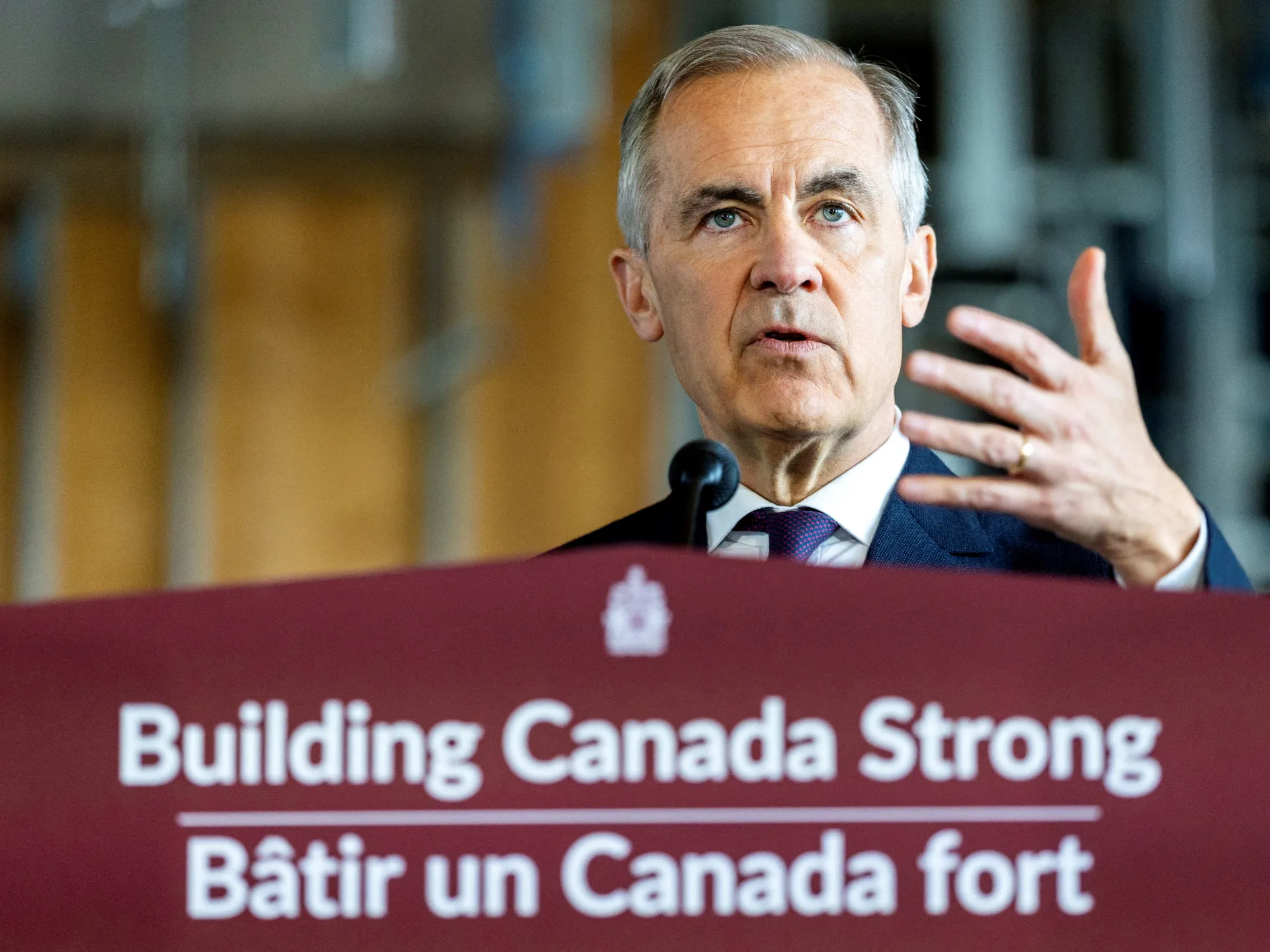
Prime Minister Mark Carney said on Wednesday that Canada would opt for Saab’s GlobalEye, which is based on Bombardier’s Global 6500 jet. Boeing’s E-7 Wedgetail plane – which has suffered from delays and cost overruns – had also been in contention.
Recommended Stories
list of 4 itemsend of list
“With a suite of advanced sensors and mission systems, Saab’s GlobalEye will be a key resource for the Canadian Armed Forces to detect and deter threats across the Arctic,” Carney told a defence conference in Ottawa.
The Prime Minister pledged in March that Canada would take full responsibility for protecting its vast Arctic territory, after relying for decades on a partnership with the US to monitor its more than 4.4 million square km (1.7 million square miles) of land and sea, a territory larger than India.
Carney’s Liberal government last year announced plans to ramp up defence spending. The US and other allies had complained for years that Canada was not meeting longstanding NATO targets on military expenditure; Carney announced in March that Canada hit that target of spending 2 percent of its GDP on defence last year.
In a statement, Saab said it planned to invest in research and development work in Canada as part of any deal.
Although Carney did not give details of the fleet size or the cost of a potential contract, military officials had earlier said they were looking to buy six early warning aircraft.
Philippe Lagasse, associate director of international affairs at Ottawa’s Carleton University, said Canada’s decision to buy the GlobalEye planes was “an important test case for the Carney government’s policy of pivoting away from American military capability”.
He said in a statement that the decision confirms Canada’s relationship with Sweden, a new NATO ally that has also been eager to strengthen its ties to the Canadian military.
Canada has previously said it wants to work more closely with the Nordic countries in the Arctic on defence and other issues, in a global environment in which the US has become a less reliable partner.
“GlobalEye is already creating jobs in Canada, and working with the Canadian supply chain. This decision ties our two nations even closer together,” Swedish Prime Minister Ulf Kristersson said in a social media post.
Saab is also in the running to sell Canada some of its Gripen fighters.
Canada has a deal to buy 88 F-35 jets from Lockheed-Martin, but last year, after the US slapped tariffs on key Canadian imports, Carney asked the military to probe whether it could cut back the order and buy some planes from another manufacturer.
Carney later told reporters Ottawa would make a decision on the fighter fleet in due course and declined to comment when asked whether the military would be operating two jets.
Last week, a Pentagon official, speaking after Washington suspended planned biannual defence talks with Canada, said the delay in making a decision on the F-35s showed how Ottawa was prioritising politics over defence issues.
Still, Lagasse of Carleton University said he expected Canada would ultimately decide to stick with a fleet of F-35 jets rather than splitting the fleet by buying some Saab Gripens.
“If the government was determined to buy Gripens, I would have expected them to make the announcement alongside this [GlobalEye] decision,” he said.
Trade tensions
The announcement came amid ongoing trade tensions between US and Canada after US President Donald Trump slapped tariffs on Canada after taking office last year, alongside multiple comments threatening to annex the country and make it the 51st state of the US.
Historically, nearly 80 percent of Canada’s exports have been to the US. While the vast majority of those were protected under the USMCA, the trade agreement between the two countries that also includes Mexico, that is now due for a review, which starts on July 1, and Trump has said the US does not really need that deal.
While the US has announced bilateral talks with Mexico, there has been no mention of Canada.
Deputy US Trade Representative Jeffrey Goettman will lead bilateral talks in Mexico City on Thursday and Friday focused on “economic security and rules of origin for key industrial goods,” the department said in a statement on Wednesday.
USTR said the US and Mexico will hold a second round of negotiations in Washington on June 16-17, focused on agriculture and “a level playing field,” with a third set of talks in Mexico City scheduled for the week of July 20.
The first Trump administration held trilateral negotiating rounds with both Mexico and Canada to create the existing USMCA, which replaced the 1994 North American Free Trade Agreement in 2020.
But so far, there have been few discussions between US Trade Representative Jamieson Greer and his Canadian counterpart, Canada-US Trade Minister Dominic LeBlanc, since early March, and no formal launch of a US-Canada negotiating process.
In a new update two massive walkouts are planned – with passengers to two European countries hit
15:44, 27 May 2026Updated 16:09, 27 May 2026
Passengers are set to be hit by two airport strikes in the next week(Image: Getty Images)
Holidaymakers have been warned holiday flights are set to be hit after a massive strike was joined. Portugese media have today reported that cancellations will result after cabin crew and ground staff decided to walk out.
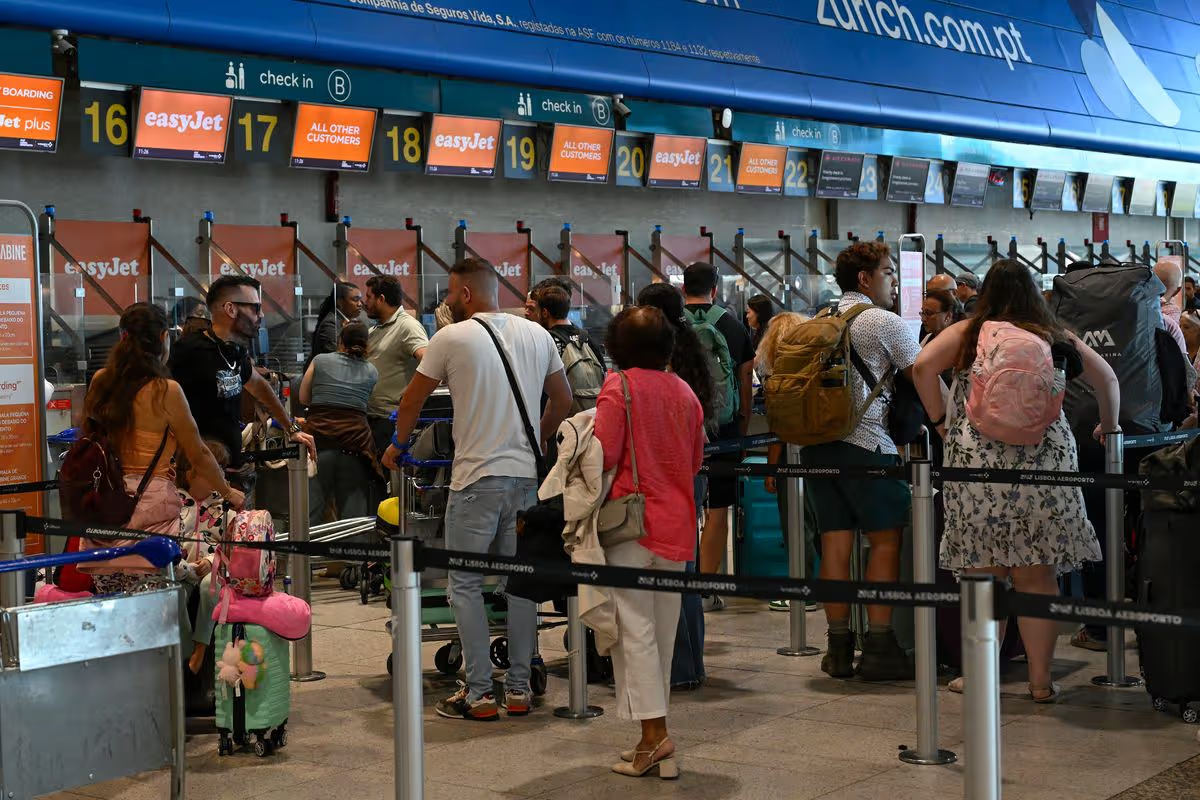
EasyJet has warned of flight disruptions, whilst TAP and SATA are allowing free rebooking. The general strike on June 3 against the labour reform is expected to have a major impact on airport services in Portugal. Reports suggest up to 500 flights could be scrapped, while trains, ferries, city metros and buses are all expected to face disruption.
It comes as holidaymakers heading to Italy were warned to brace for major disruption as a nationwide transport strike threatens chaos across the country. The 24-hour walkout is expected to hit rail services, airports, metro systems, buses and regional transport networks from 9pm on Thursday, May 28, until 9pm on Friday, May 29.
Several unions have confirmed industrial action involving major rail operators including Trenitalia, Trenord and Italo, sparking fears of cancellations and delays on some of Italy’s busiest routes. Long-distance rail services connecting major cities including Rome, Milan, Venice, Florence, Bologna and Naples are expected to be among the worst affected outside protected operating periods.
Italy’s Ministry of Transport has published lists of “guaranteed” services that must continue operating during protected commuter windows between 6am and 9am, and again between 6pm and 9pm. Italy’s Civil Aviation Authority, ENAC, confirmed flights are legally protected during guaranteed operating periods between 7am and 10am and 6pm and 9pm.
In Portugal TAP and the SATA group are even allowing their passengers to rebook flights scheduled for that date at no extra cost. The airlines have already posted notices on social media and are contacting passengers.
Unions in the sector were this week negotiating with the Directorate-General for Employment and Labour Relations regarding minimum services, and only then will it be known exactly how many flights will be cancelled. It is already certain, however, that there will be flight cancellations, not least because air traffic controllers will also be joining the strike.
“Like all airlines operating to and from the country, easyJet may experience some disruption to its flights. The airline is currently assessing the potential impact of this situation, and customers will be contacted directly if their flights are affected. easyJet assures us that it is doing everything in its power to minimise the impact of this strike,” an official source told Expresso.
The Civil Aviation Pilots’ Union (SPAC), unlike during the last general strike on December 11, will not be taking part this time. “We have decided to stand aside from this process for now,” said Hélder Santinhos, speaking to Lusa.
“The first general strike was timely. We took a stand, both pilots and workers across the country, against the labour package,” the SPAC president began by saying. Now, he said that next week’s strike “does not seem to be at the most appropriate time”, although he reserves the right to take further industrial action. This is because, he argued, “unfortunately, the changes made to the labour package do not seem sufficient for us to agree to them”.
This stance differs from that of the members of the National Union of Civil Aviation Flight Crew (SNPVAC), who approved participation in the general strike on May 19. Sitava, the largest union for ground staff and handling personnel, has also joined the strike.
The CGTP has served notice of a general strike for June 3 against the changes to the labour law, after negotiations with the Government ended without agreement.
The hospitality sector is deeply concerned about this strike. The Portuguese Hotel and Restaurant Association (AHRESP) stated on Tuesday that the general strike will exacerbate the sector’s losses, which are already being affected by the situation at border controls.
The association argues, as reported by Lusa, that “national airports are showing signs of operational collapse” and that the general strike on June 3 “could further exacerbate the losses”. It also calls for the European Union’s Entry/Exit System at border controls to be suspended with urgency until the end of September.
AHRESP said in a statement: “Portugal invests in international promotion as a destination of excellence, yet allows the visitor’s first experience to be hours spent queuing, a missed connection, a negative reaction on social media or a booking that is not repeated.”
On Tuesday, AHRESP called for the suspension of the EES (European Union Entry/Exit System) as a matter of urgency and until the end of September, which “would speed up passenger checks and reduce waiting times at airports”.
The association also calls for “negotiation and a sense of responsibility among all parties involved, in order to avoid a strike in aviation and airport services, which, were it to take place, would result in further damage to sectors that continue to face severe economic pressures”.
The Federation of Transport and Communications Unions has announced its support for the general strike. The strike notices cover workers at Lisbon Metro, Carris, Transtejo/Soflusa, Fertagus, Mondego Metro, Porto Metro, STCP and CP.
Unions representing teachers, architects, doctors, nurses and journalists have also announced their support for the protest, which promises to bring the country to a standstill.
Holidaymakers heading to Italy have been warned to brace for major disruption as a nationwide transport strike threatens chaos across the country. The 24-hour walkout is expected to hit rail services, airports, metro systems, buses and regional transport networks from 9pm on Thursday, May 28, until 9pm on Friday, May 29.
Several unions have confirmed industrial action involving major rail operators including Trenitalia, Trenord and Italo, sparking fears of cancellations and delays on some of Italy’s busiest routes. Long-distance rail services connecting major cities including Rome, Milan, Venice, Florence, Bologna and Naples are expected to be among the worst affected outside protected operating periods.
Italy’s Ministry of Transport has published lists of “guaranteed” services that must continue operating during protected commuter windows between 6am and 9am, and again between 6pm and 9pm. Italy’s Civil Aviation Authority, ENAC, confirmed flights are legally protected during guaranteed operating periods between 7am and 10am and 6pm and 9pm.
The aviation authority has urged passengers to contact airlines directly for the latest updates regarding individual flights. Travel experts have also warned the strike could trigger wider disruption across European airline networks due to aircraft scheduling changes and increased rebooking demand.
Major travel hubs including Rome Fiumicino Airport, Milan Malpensa Airport, Venice Marco Polo Airport and Naples International Airport are expected to face delays, congestion and possible schedule changes during the strike.
Airport transfers, metro systems, buses and regional rail services may also run at reduced capacity or face temporary suspensions depending on local participation levels. Tourists visiting major attractions including the Colosseum, Vatican City, Venice’s canals and Florence’s historic centre could also experience delays due to disruption on local transport networks.
Travel experts are advising passengers to closely monitor airline notifications and rail updates as schedules may change rapidly throughout the strike period. easyJet said it currently plans to operate flights as normal but warned customers to allow extra time when travelling through airports.
A spokesperson for easyJet said: “We would like to reassure customers that we are doing all we can to minimise any disruption caused by national industrial action in Italy tomorrow. We are currently planning on operating our schedule as planned but would advise customers travelling to allow additional time to make their way to and through the airport.
“Should any flights be impacted, we will contact customers directly with their options to help rearrange their plans. We would like to apologise for any inconvenience caused.”
Italy remains one of Britain’s most popular tourist destinations, with millions of UK travellers visiting every year during the spring and summer seasons.
The waits are so long that the UK Foreign, Commonwealth and Development Office (FCDO) has been forced to issue an official warning with the UK half term now in full swing
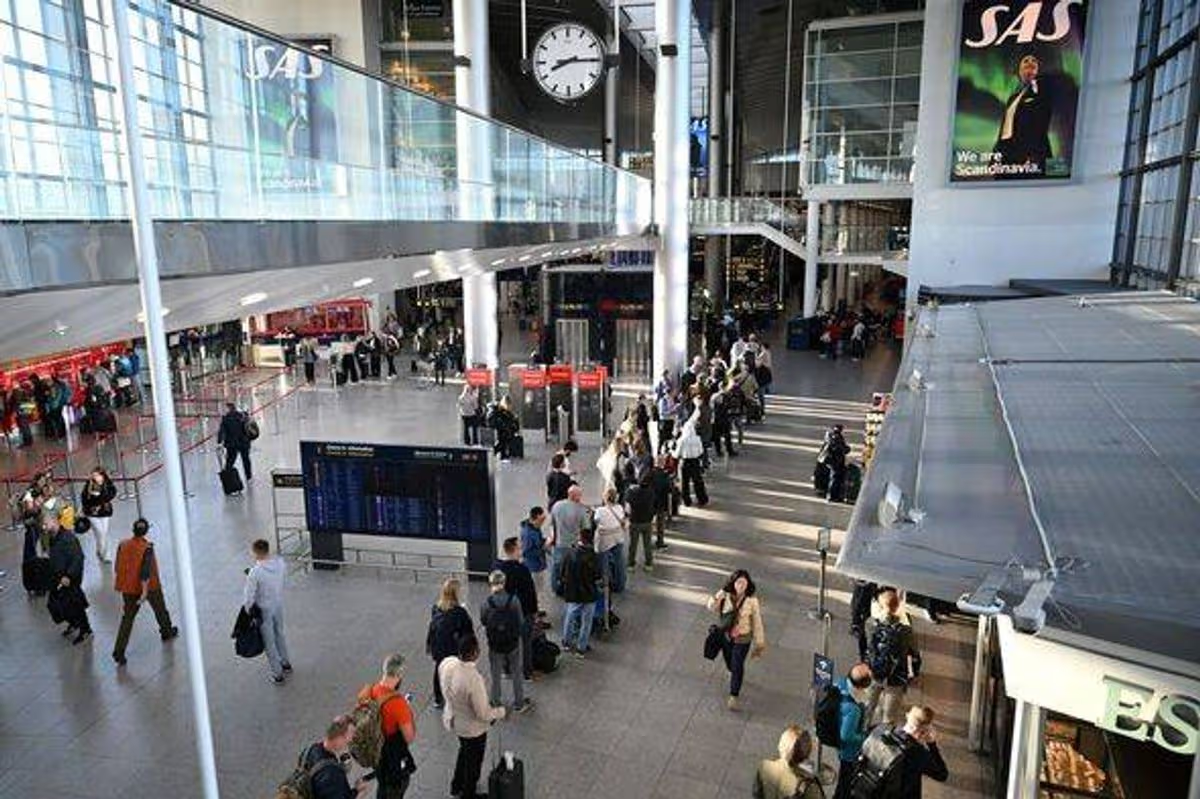
There have been long waits at Copenhagen Airport (Image: Getty)
Brits heading to a popular EU destination have been warned about long delays.
Long queues at arrivals have been plaguing Copenhagen Airport in Denmark in recent days. The waits are so long that the UK Foreign, Commonwealth and Development Office (FCDO) has been forced to issue an official warning.
“Travellers flying into and out of Copenhagen Airport from non-Schengen destinations (including the UK) are experiencing long delays at passport control. Embassy staff are in discussion with the relevant authorities on managing this pressure. Passengers with accessibility requirements, who need assistance (e.g. with very young children) or who have tight flight connections should make themselves known to airport staff in yellow vests who are monitoring the queue. For travellers departing from Copenhagen to the UK and non-Schengen destinations, we recommend giving yourself extra time to allow for queues at passport control,” the comment released on Sunday reads.
The long wait times come in the weeks after the EES border check system was fully implemented at Copenhagen Airport, after a partial rollout in October last year. The new system means that non-EU travellers arriving in the country from outside the Schengen Area, such as those with UK passports, will be fingerprinted at border control.
The scheme has been more than 12 years in development and has been delayed time and time again. Copenhagen Airport completed its rollout of the EU’s new Entry and Exit System (EES) last month.
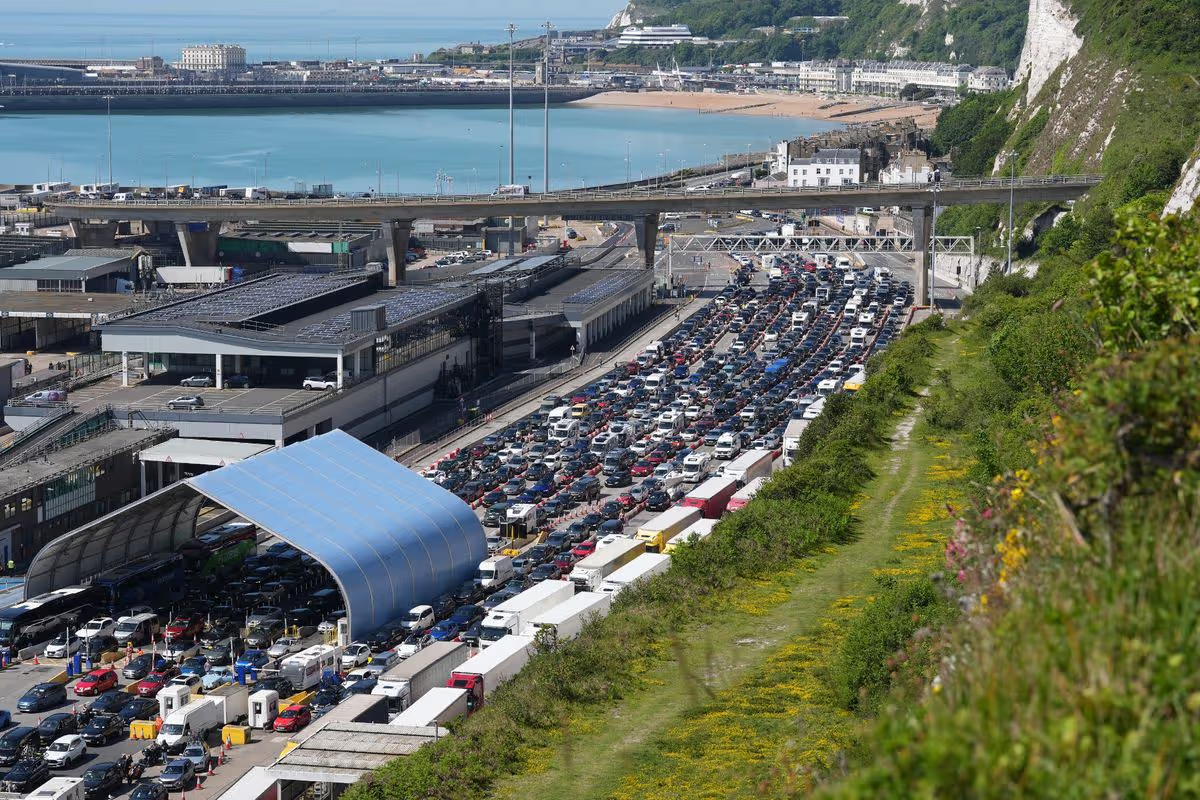
The implementation of the EES system has caused issues across the whole of Europe, including in the UK. Long queues formed at Dover last week, before the new border checks were suspended amid concerns for drivers stuck in the sweltering bank holiday heat.
Holidaymakers faced hours-long waits on Friday at the Port of Dover and travellers on Saturday came up against similar disruption. In a bid to ease congestion, the French authorities suspended extra EU border checks under its EES, the port announced.
It also said anyone who has missed their ferry crossing because of queues can travel on the next available slot free of charge.
EES involves people from third-party countries such as the UK having their fingerprints registered and photograph taken to enter the Schengen Area, which consists of 29 European countries, mainly in the EU.
There have been delays at other European ports. Passengers in airports in countries such as France, Germany, Belgium, Italy, Spain and Greece were waiting several hours at border checks, the Airports Council International (ACI) body said last month.
Olivier Jankovec, the director of the ACI European division, told the Financial Times: “This situation, in the coming weeks and certainly over the peak summer months, is going to be simply unmanageable. We are seeing those queueing times now, at peak times, when traffic is just starting to build up.”
Last week, the boss of budget carrier easyJet urged European member states to be more flexible and avoid long airport queues caused by EES.
He said: “We are in correspondence with all the European member states, encouraging them to use the flexibility they have already been given by the EC, because it is unacceptable if customers are made to wait in border queues because, frankly, they have had since 2017 to prepare.
“It is really inexcusable. They have got the means to avoid allowing the queues to overrun by opening up the passport desks. It is completely in the gift of the European member states to smooth this through.”
Millions of Brits head to Greece each year(Image: EdwardShtern via Getty Images)
The Foreign, Commonwealth and Development Office (FCDO) continues to caution travellers heading to Greece about the risk of “serious injury or death”.
The FCDO is tasked with issuing regular travel guidance for roughly 226 countries and territories worldwide. Updates from the FCDO cover information on safety and security, regional threats, health concerns, and more. The guidance highlights a popular holiday pursuit that has resulted in fatalities and severe injuries, with the Foreign Office warning: “Quad biking carries the risk of serious injury or death.
“You need specific travel insurance to cover quad biking, it is defined as an extreme sport and excluded on many policies. Always read the details of your insurance cover.”
Greece remains a favoured destination among British holidaymakers, with millions visiting annually. FCDO guidance adds: “Make sure you get full instructions and training before your activity.
“Insurance sold by the hire company usually only provides third-party insurance. It’s likely the company will charge you for any damage to the rental vehicle, and you may face arrest if you do not pay.”
Both drivers and passengers are required to wear helmets when using quad bikes and mopeds. Failure to comply could invalidate your insurance, and if police stop you, you risk being fined – with officers potentially confiscating your licence.
Earlier this week, a 42-year-old dad from the UK was killed while riding a quad bike in Greece. The man had been travelling with his 15-year-old son in Corfu when the vehicle veered off the road for reasons that remain unclear, according to local reports.
The collision reportedly occurred at around 2pm local time on Tuesday on the central rural road of Roda-Acharavi near Almyros. The teenager sustained serious injuries in the crash.
Shocking images caught the hours long queues bank holiday travellers faced in Dover and Folkestone on the hottest days of the year so far
Huge lines at the Port of Dover, on Friday(Image: Gareth Fuller/PA Wire)
Bank holiday travellers have been plunged into chaos as some drivers were forced to wait nearly five hours for ferries at Dover.
Brits looking to escape the UK for the long weekend and hot weather were dealt with a massive blow as thousands of cars were kept waiting in sweltering temperatures. Shocking images showed massive queues at the Port of Dover as people tried to catch ferries over to mainland Europe.
The port issued a warning to travellers and the new EU border checks were suspended to help ease the massive congestion on one of the hottest days of the year so far.
Motorists heading to the Eurotunnel for the LeShuttle railway reported delays of an hour or more to check-in in Folkestone.
Motorists, on Saturday morning, faced delays of up to two hours to reach the port then a wait of up to two and a half hours to complete immigration and processing before getting on their ferries.
The news entry/exit system (EES) involves people from third-party countries, like the UK, having their fingerprints registered and photograph taken to enter the Schengen Area.
The port, in a statement to holidaymakers amid the travel chaos, warned this bank holiday was the first major period it has faced with the new EES system in place.
It said: “We recognise that the border process is slower with the current EES system, and this May Half Term is the first peak period since its introduction.
“French border teams are doing their best within the parameters given and are working with the highest available resources. We are continuing to work hard with them and our other partners to reduce wait times and get you on your way as quickly as possible. It is extremely important to stick to main routes on your journey to the Port, as not doing so causes extra delays and access issues for our local community.”
‘Are you caught up in the Dover queues? Contact us at webnews@trinitymirror.com
In a desperate bid to ease congestion, the French authorities suspended extra EU border checks under the EES, the port announced. It also said anyone who has missed their ferry crossing because of queues can travel on the next available slot free of charge.
Holidaymakers also faced hours long waits at Dover on Friday, but the congestion has appeared to ease on Saturday afternoon. In an update around 1.15pm on Saturday, the port said the processing time for tourist traffic had dropped to 50 minutes.
Despite this, the port said there were “still queues in the check-in plaza for tourist traffic and approach lanes for all ferry operators”. More than 8,000 travellers are expected at the port on Saturday.
The travel nightmare comes on a long weekend where multiple temperature records could be broken – with parts of the UK possibly hotter than the Seychelles on Saturday. Records could be broken for the the hottest May day in the UK and England, currently 32.8C; the hottest May day in Wales, currently 30.6C ; as well as the UK and England’s hottest bank holiday, which sits for now at 33.3C, according to the Met Office.
Highs of 30C are likely to be seen in the south of England on Saturday after the UK saw the hottest day of the year so far when temperatures hit 28.4C in Heathrow, Cambridge and Cranwell in Lincolnshire on Friday afternoon. This would be hotter than the temperatures forecast for popular holiday spots like Split in Croatia and even Victoria in the Seychelles.
The UK Health Security Agency (UKHSA) issued amber heat health alerts on Friday morning for the East Midlands, West Midlands, the east of England, London and the South East. They will remain in place until 5pm on Wednesday and replace less severe yellow alerts which were previously issued.
The alerts mean there is likely to be “a rise in deaths, particularly among those aged 65 and over or with health conditions” and increased demand on all health and social care services, according to the UKHSA website. Yellow alerts have been issued for the north-east and north-west of England, Yorkshire and Humber, and the South West.