


war

Will the Houthis join Iran in war against Israel and the US? | US-Israel war on Iran News

The Yemeni armed group says all options are on the table.

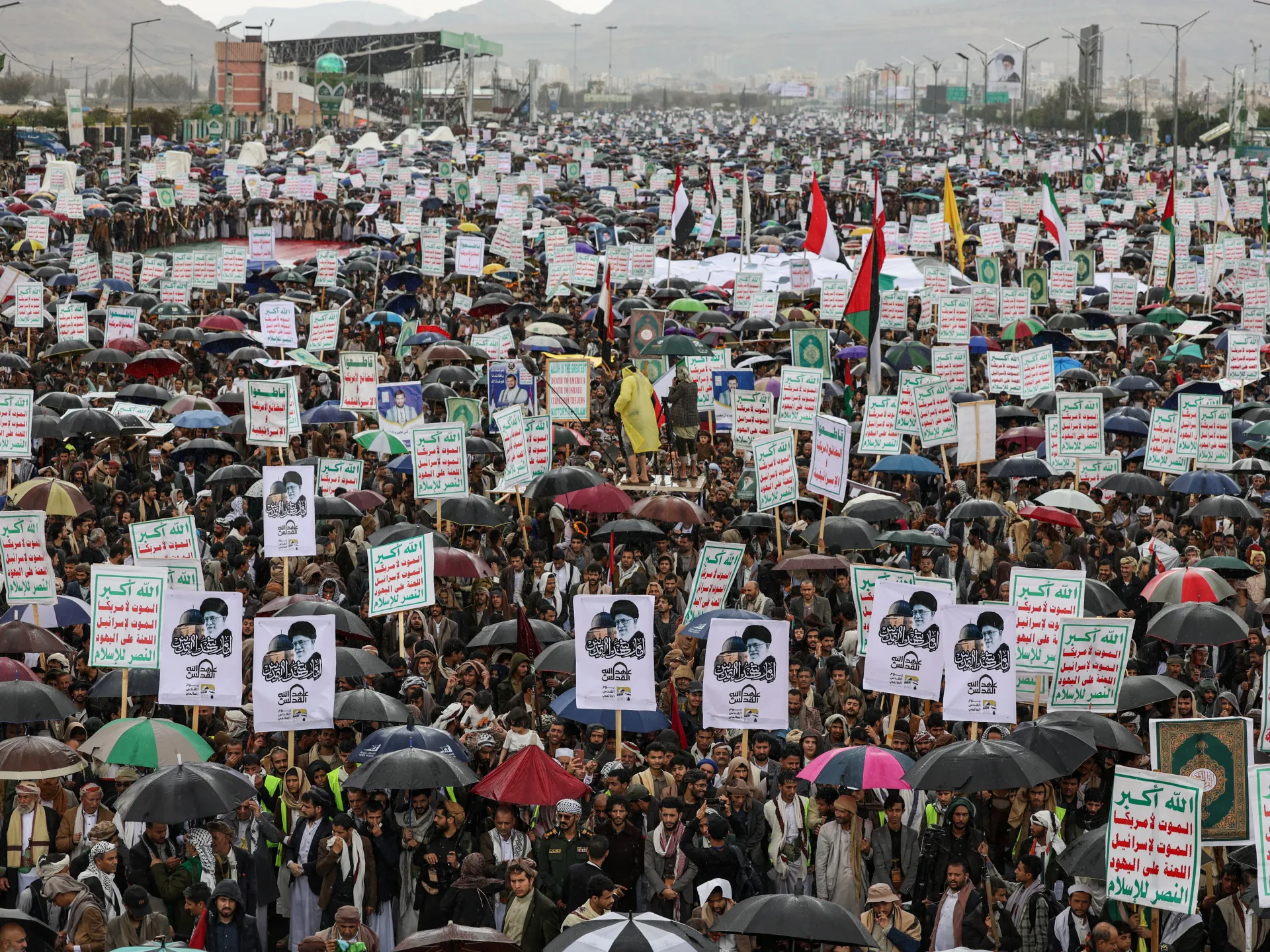
As the US-Israeli war against Iran drags on, Yemen’s Ansar Allah, or the Houthis, have stayed out of the conflict.

But that could change. They have said they consider themselves directly concerned and could take a position alongside Iran.

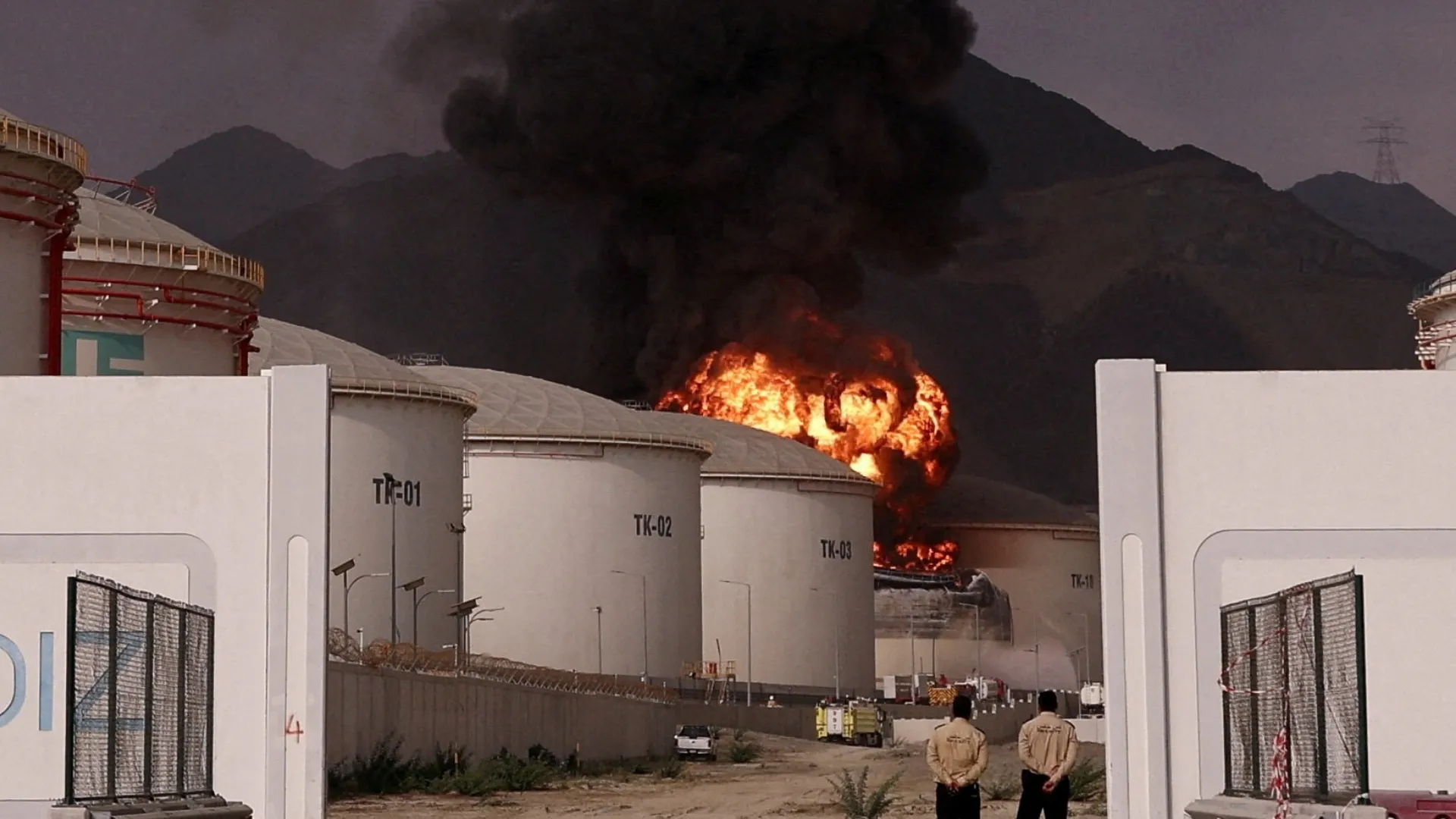
The armed group has attacked Israel and shipping in the Red Sea in recent years. If a new front opens up, global trade could be further disrupted in another maritime gateway. Shipping is already largely halted in the Strait of Hormuz, causing significant losses worldwide.

So, will the Houthis join the war? And what difference could that make for this volatile region?

Presenter: James Bays

Guests:

Farea al-Muslimi – research fellow in the Middle East and North Africa programme at Chatham House

Khaled Batarfi – political analyst who specialises in Saudi Arabian foreign policy

Rockford Weitz – director of the Fletcher Maritime Studies programme at Tufts University

Source link

What we know about Iran’s latest attacks on Israel | US-Israel war on Iran

NewsFeed

Israel’s air defence system failed to stop at least two Iranian missile strikes on southern Israel, in retaliation for an attack on Iran’s Natanz nuclear site. More than 100 Israelis have been injured in Arad and Dimona, with dozens of buildings destroyed. This is what we know.

Source link

Congress looks for Trump’s exit plan as the Iran war drags on

President Trump took the United States to war without a vote of support from Congress, but lawmakers are increasingly questioning when, how and at what cost the war with Iran will come to an end.

Three weeks into the conflict, the toll is becoming apparent. At least 13 U.S. military personnel have died and more than 230 have been wounded. A $200-billion request from the Pentagon for war funds is pending from the White House. Allies are under attack, oil prices are skyrocketing, and thousands more U.S. troops are deploying to the Middle East with no endgame in sight.

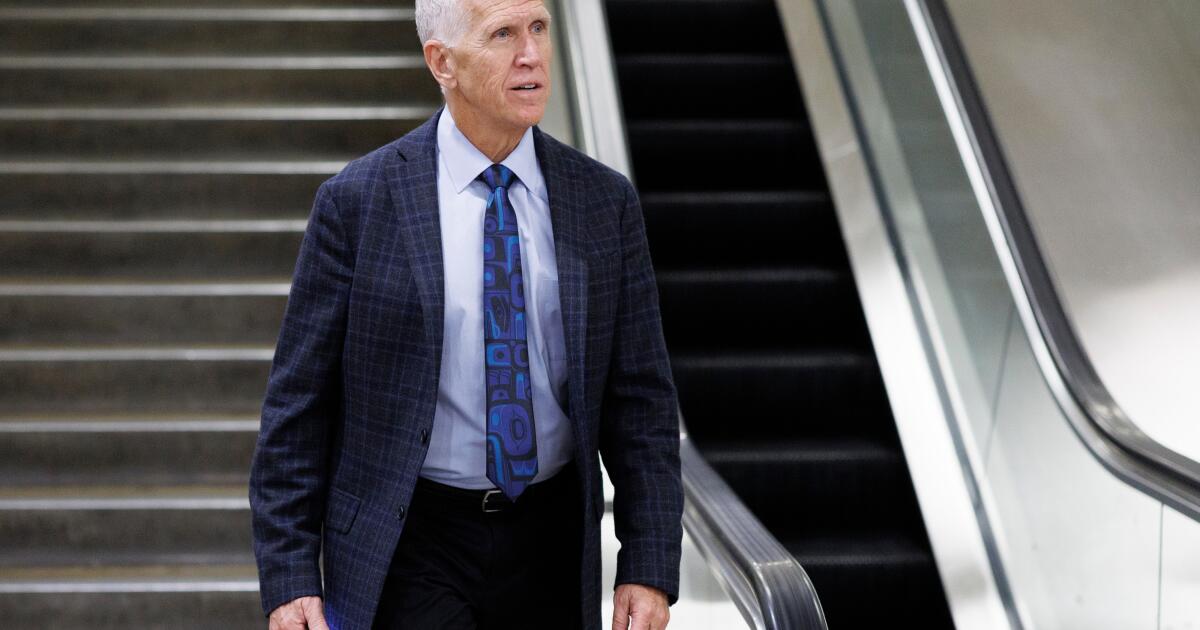
“The real question is: What ultimately are we trying to accomplish?” Sen. Thom Tillis (R-N.C.) told the Associated Press.

“I generally support anything that takes out the mullahs,” he said. “But at the end of the day, there has to be a kind of strategic articulation of the strategy, what our objectives are.”

Trump said late Friday that he was considering “winding down” the military operations even as he outlined new objectives and goals and despite the continued buildup of forces in the region.

Congress stands still

The president’s decision to launch the U.S.-Israeli war on Iran is testing the resolve of Congress, which is controlled by his party. Republicans have largely stood by the commander in chief, but will soon be faced with more consequential wartime choices.

Under the War Powers Act, the president can conduct military operations for 60 days without approval from Congress. So far, Republicans have easily voted down several resolutions from Democrats designed to halt the war.

But the administration will need to show a more comprehensive strategy ahead or risk blowback from Congress, lawmakers said, especially as they are being asked to approve billions in new spending.

Trump’s casual comment that the war will end “when I … feel it in my bones” has drawn alarm.

“When he feels it in his bones? That’s crazy,” said Virginia Sen. Mark R. Warner, the top Democrat on the Senate Intelligence Committee.

House speaker says mission is ‘all but done’

The president’s party appears unlikely to directly challenge him, even as the conflict drags on. House Speaker Mike Johnson (R-La.) has said the military operation will be over quickly.

“I do think the original mission is virtually accomplished now,” Johnson told the AP and others at the Capitol this week.

“We were trying to take out the ballistic missiles, and their means of production, and neuter the navy, and those objectives have been met,” he said.

Johnson acknowledged that Iran’s ability to threaten ships in the Strait of Hormuz is “dragging it out a little bit,” especially as U.S. allies have largely rebuffed the president’s request for help.

“As soon as we bring some calm to the situation, I think it’s all but done,” Johnson said.

But the administration’s stated goals — of ending Iran’s ability to obtain a nuclear weapon and degrading its ballistic missile supplies, among others — have perplexed lawmakers as shifting and elusive.

″Regime change? Not likely. Get rid of the enriched uranium? Not without boots on the ground,” Warner said.

“If I’m advising the president, I would have said: Before you take on a war of choice, make the case clear to the American people what our goals are,” he said.

The power of the purse

The Pentagon has told the White House that it is seeking an additional $200 billion for the war effort, an extraordinary amount that is unlikely to win support. Senate Democratic leader Chuck Schumer of New York called the amount “preposterous.”

The Defense Department’s approved appropriations from Congress this year are more than $800 billion, and Trump’s tax breaks bill gave the Pentagon an additional $150 billion over the next several years for various upgrades and projects.

Sen. Mazie Hirono (D-Hawaii) said the country has other priorities.

“How about not taking away funding for Medicaid, which will impact millions of people? How about making sure SNAP is funded?” she said, referring to the healthcare and food assistance programs that were cut as part of last year’s Republican tax reductions.

“These are things that we should be doing for the American people,” she said.

Many lawmakers have recalled the decision by President George W. Bush in the aftermath of the Sept. 11, 2001, attacks to come to Congress to seek an authorization for the use of military force — a vote to support his proposed military actions in Afghanistan and later Iraq.

Tillis said Trump has latitude under the War Powers Act to conduct the military campaign, but that will soon shift.

“When you get into the 45-day mark, you’ve got to start articulating one of two things — an authorization for the use of military force to sustain it beyond that or a very clear path on exit,” he said.

“Those are really the options the administration needs to be thinking about.”

Mascaro writes for the Associated Press.

Source link

WHO says attack on Sudan hospital killed 64, including 13 children | Sudan war News

The attack on a teaching hospital in Al Deain, the capital of East Darfur state, has rendered the facility non-functional.

An attack on a ⁠hospital in Sudan’s Darfur region has killed at least ‌64 people, including 13 children, according to the head of ⁠the World ⁠Health Organization (WHO).

In a social media post, Tedros Adhanom Ghebreyesus said on Saturday that multiple patients, two female nurses and one male doctor were also among those killed in the attack on Al Deain Teaching Hospital in Al Deain, the capital of East Darfur state, on Friday night.

Another 89 people, including eight health staff, were wounded, he added.

The attack damaged the hospital’s paediatric, maternity, and emergency departments, rendering the facility non-functional and cutting off ‌essential medical services in the ‌city.

“As a result of this tragedy, the total number of fatalities linked to attacks on health facilities during Sudan’s war has now surpassed 2,000,” said Tedros, adding that over the nearly three-year conflict between Sudan’s army and the paramilitary Rapid Support Forces (RSF), the WHO had confirmed the killing of 2,036 people in 213 attacks on healthcare.

There was no immediate information about who was behind the attack.

The war between the army and the RSF erupted in mid-April 2023, unleashing a wave of violence that has led to one of the world’s fastest-growing man-made humanitarian crises, with tens of thousands of people killed and more than 12 million forced from their homes.

Both sides have been accused of war crimes and crimes against humanity, while the RSF has been implicated in atrocities in Darfur that United Nations experts say bear the hallmarks of genocide.

“Enough blood has been spilled. Enough suffering has been inflicted,” Tedros said. “The time has come to de-escalate the conflict in Sudan and ensure the protection of civilians, health workers, and humanitarians.”

Source link

Iran strikes towns near Israel’s nuclear site in escalating tit-for-tat | US-Israel war on Iran News

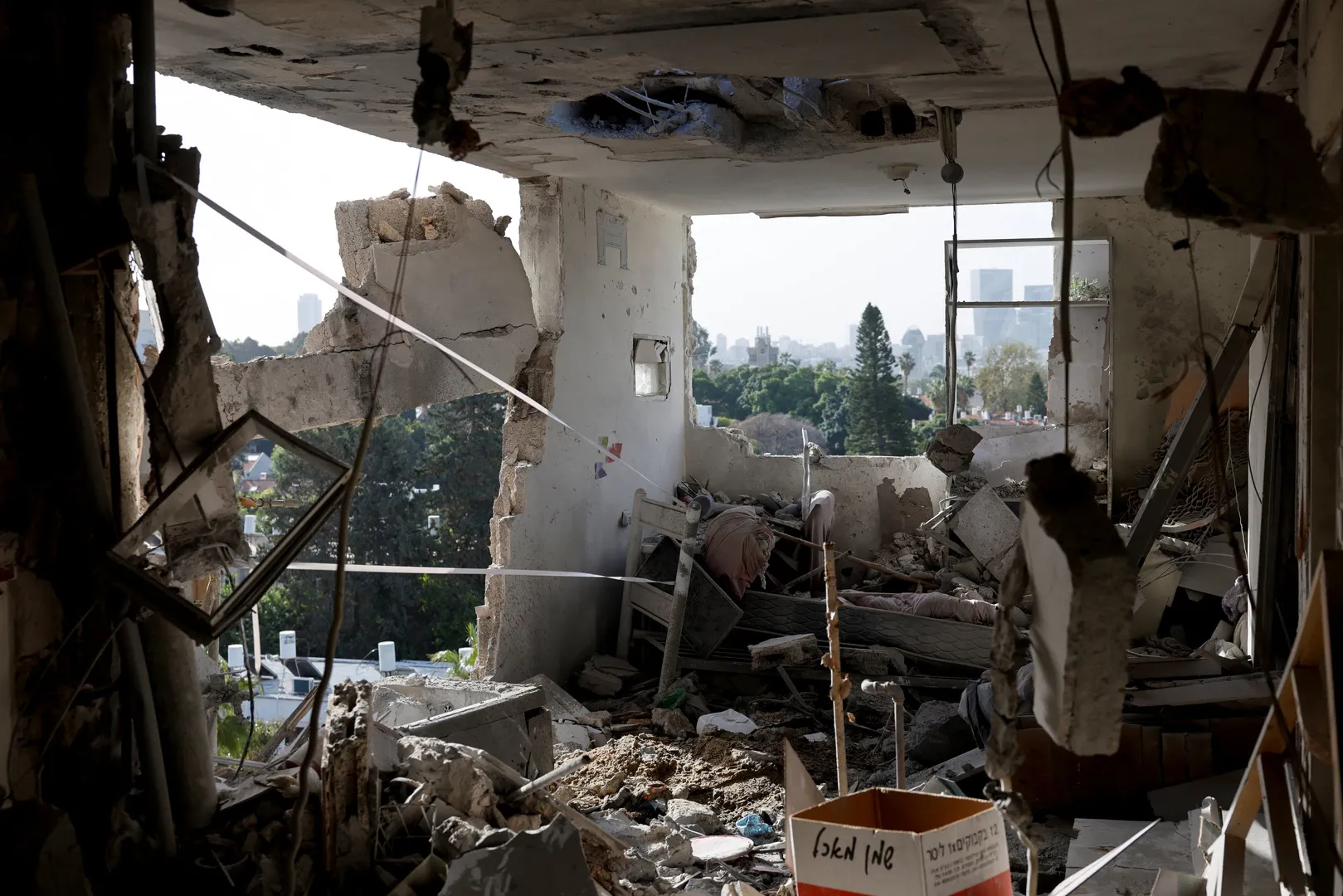
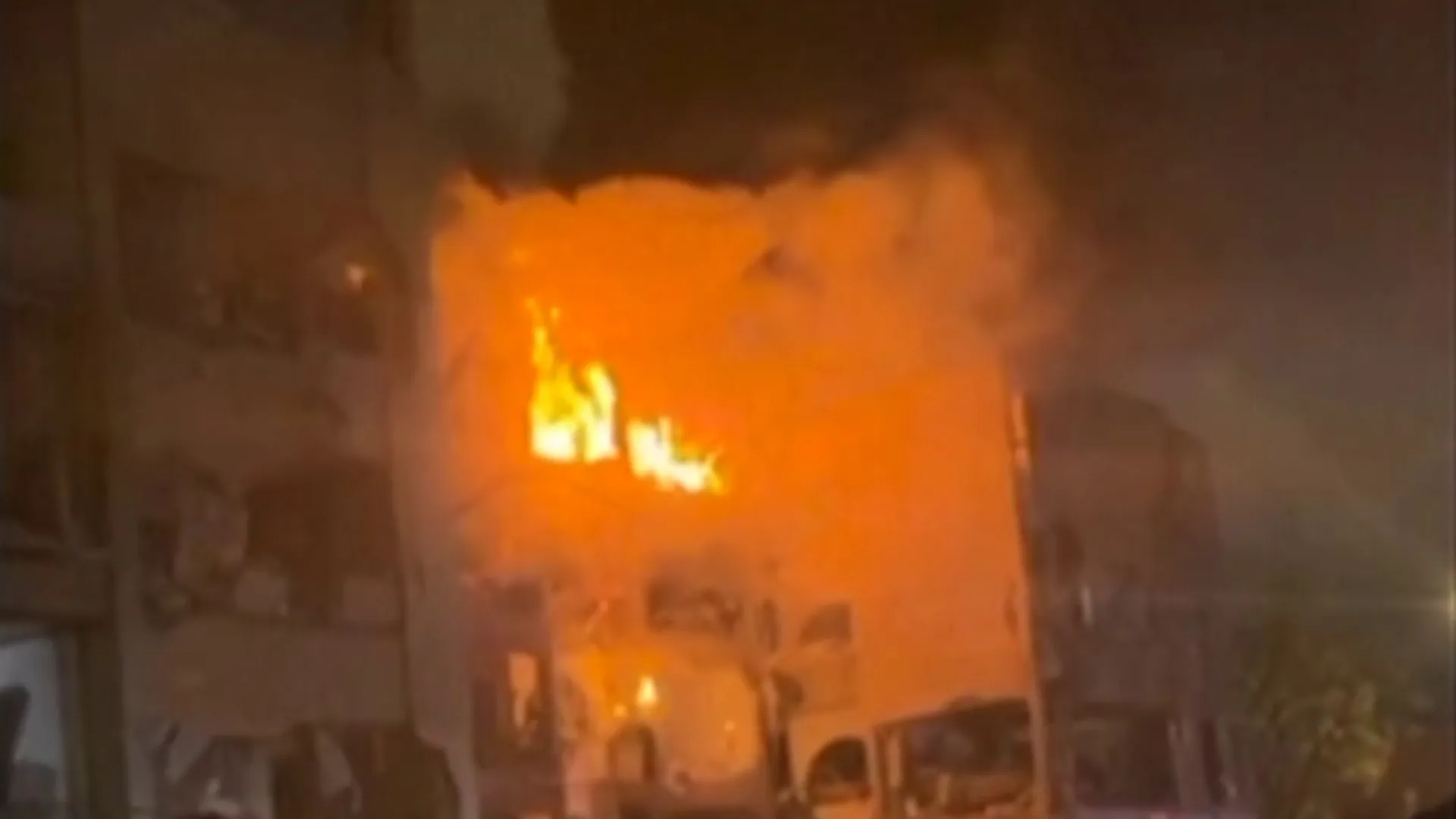
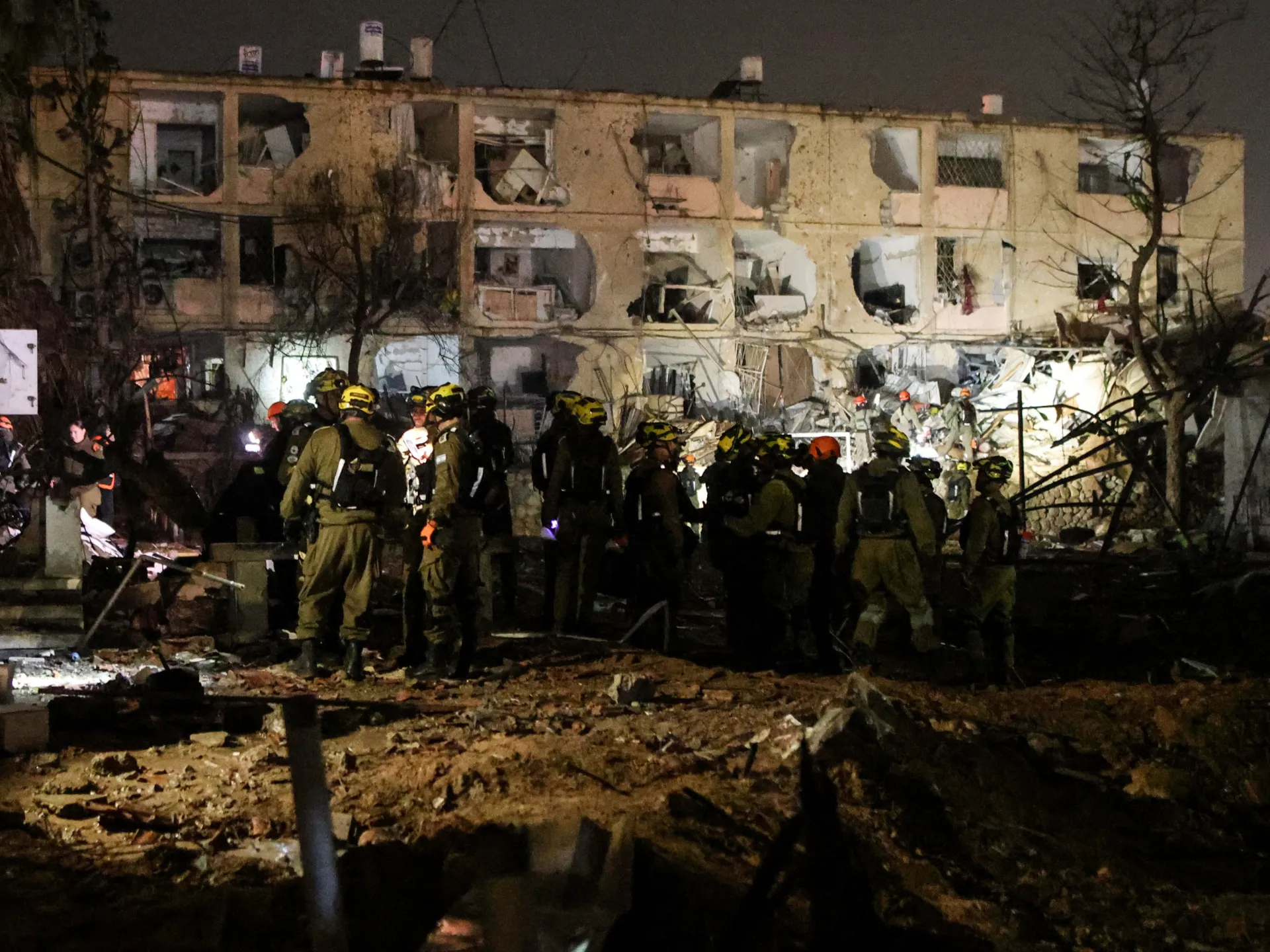
An Iranian missile has struck the southern Israeli cities of Dimona, home to the country’s main nuclear facility, and nearby Arad, wounding dozens of people and causing significant damage, in one of the most dramatic escalations since the US-Israel war on Iran began.

Iranian state television quickly reframed Saturday’s strikes as a “response” to what it said was a strike on Iran’s Natanz nuclear enrichment complex earlier in the day, marking a stark new phase of tit-for-tat targeting in the conflict, now in its fourth week.

Recommended Stories

list of 2 itemsend of list

Nearly 100 people were wounded in the attacks, according to Israel’s emergency services, including a 10-year-old boy who paramedics said was in critical condition with multiple shrapnel wounds. Seven others are also in critical condition.

An Israeli military spokesman said Israel’s air defence systems activated during the attacks, but failed to intercept some of the missiles, even though they were not “special or unfamiliar”.

The country’s Prime Minister Benjamin Netanyahu, addressing the attacks which wounded nearly 100 people, called it a “difficult” evening for Israel, and again vowed to continue attacking Iran.

The International Atomic Energy Agency (IAEA) said it had received no indication of damage to the Shimon Peres Negev Nuclear Research Center at Dimona itself, and that no abnormal radiation levels had been detected in the area.

The nuclear watchdog said it was closely monitoring the situation, with Director General Rafael Grossi urging that “maximum military restraint should be observed, in particular in the vicinity of nuclear facilities”.

Al Jazeera’s Nour Odeh, reporting from Ramallah in the occupied West Bank, said that three separate impact sites had been identified across Dimona, with one three-storey building having completely collapsed and several fires breaking out.

Witness footage verified by Al Jazeera, which is banned from operating inside Israel, showed a missile striking the city, followed by a large explosion.

Arad, another town near the nuclear facility, was also directly attacked, Israel’s firefighting service said in a statement, with extensive damage reported in the city centre.

“In both Dimona and Arad, interceptors were launched that failed to hit the threats, resulting in two direct hits by ballistic missiles with warheads weighing hundreds of kilograms”, firefighters said.

School in the surrounding Ramat Negev Regional Council was cancelled for the following day.

Earlier on Saturday, the Israeli military announced it had struck a research and development facility at Tehran’s Malek Ashtar University, which it said had been used to develop components for nuclear weapons and ballistic missiles.

The military said it “will not allow the Iranian regime to acquire nuclear weapons”.

Iran said that the US and Israel had targeted its Natanz enrichment complex that morning, though it reported no radioactive leakage.

An unnamed Israeli official, quoted by the Associated Press news agency, denied that Israel was responsible for the Natanz strike, but the Israeli army has not released a full statement on the matter.

Dimona has been at the heart of Israel’s nuclear programme since its research centre, built in secret with French assistance, opened there in 1958.

Eye-for-an-eye approach

Israel is believed to have developed nuclear weapons by the late 1960s. Its policy of deliberate ambiguity, neither confirming nor denying their existence, was part of a deal quietly struck with Washington, which judged that an open declaration would risk triggering a regional arms race.

Abas Aslani, a senior fellow at the Centre for Middle East Strategic Studies in Tehran, told Al Jazeera that Iran has been pursuing an eye-for-an-eye approach designed to re-establish deterrence.

“Tehran wants to reduce the gap between words and actions,” he said, adding that Iran’s goal was to make its threats credible enough to underpin a new long-term security arrangement, not to simply force a ceasefire, but establish deterrence.

The attacks came as the broader war grinds through its fourth week.

More than 1,400 people have been killed in Iran since the US and Israeli strikes began on February 28, including more than 200 children.

Iran has retaliated across the region, launching what it described as its 70th wave of attacks on Saturday, targeting Israeli and US military positions, as millions of Iranians marked the Persian New Year, Newroz, and Eid al-Fitr under the shadow of war.

Source link

Saudi Arabia expels Iran military attache and four team members | US-Israel war on Iran News

The move follows a drone strike on the Red Sea port of Yanbu, Saudi Arabia’s main oil export outlet, after Iran blocked the Strait of Hormuz.

Saudi Arabia has given Iran’s military attache and embassy staff 24 hours to leave the kingdom due to “repeated Iranian attacks” on its territory.

The Saudi Ministry of Foreign Affairs said in a statement on Saturday that it had declared personae non gratae the “military attache of the Embassy of the Islamic Republic of Iran to the Kingdom, the assistant military attache and three members of the mission staff”.

Recommended Stories

list of 3 itemsend of list

The move comes amid the US-Israeli war on Iran, which has seen Tehran target Saudi Arabia and its Gulf neighbours hosting US military assets with increasingly damaging retaliatory attacks on civilian hubs and energy facilities, unleashing chaos across the region and roiling global energy markets.

Saudi Arabia, which holds the world’s second-largest proven crude oil reserves, has come under attack by hundreds of Iranian missiles and drones since the start of the war, the vast majority of which have been intercepted, authorities have said.

Among the attacks, energy facilities in the east of Saudi Arabia have been repeatedly targeted, as well as the capital, Riyadh, where the US Embassy was hit by two drones earlier this month.

On Thursday, oil loadings at the Red Sea port of Yanbu were disrupted after a drone fell on the nearby Aramco-Exxon refinery, SAMREF.

The port is the only export outlet for Saudi Arabia after Iran effectively blocked tanker traffic leaving the Gulf via the Strait of Hormuz.

Saturday’s statement came after Saudi Foreign Minister Prince Faisal bin Farhan Al Saud said earlier in the week that trust in Iran had been “shattered”, asserting his country’s right to defend itself.

The foreign minister said that Saudi Arabia and other Gulf states had “very significant capacities and capabilities that they could bring to bear should they choose to do so”.

Saudi Arabia’s relations with Iran have historically been rocky, but the two countries embarked on a Beijing-brokered rapprochement three years ago.

On Saturday, the Foreign Ministry said that continued Iranian attacks would lead to further escalation and have “significant consequences” for current and future relations.

The statement followed Qatar’s decision on Wednesday to declare the Iranian Embassy’s military and security attaches in Doha as personae non gratae, along with their staff.

Source link

EU urges members to start storing winter gas as Iran war causes price surge | Oil and Gas News

War, which saw Iran attack Qatar facility, has caused ‘high, volatile’ gas prices that could hit EU storage projections.

The European Union has urged member states to start early on meeting next winter’s gas storage targets after Iranian attacks on Gulf energy facilities caused prices to surge on global markets.

Energy Commissioner Dan Jorgensen sent a letter Saturday urging the bloc’s members to get to work “as early as possible” in the coming months to “mitigate pressure on prices and avoid [an] end-of-summer rush”, asking them to consider cutting their so-called filling target by 10 percentage points to 80 percent.

Recommended Stories

list of 3 itemsend of list

The move came days after Iran attacked Qatar’s Ras Laffan Industrial City complex, which provides about 20 percent of global supplies of liquefied natural gas (LNG). The attack, which came amid the US-Israeli war on Iran, was in retaliation for an Israeli attack on the Iranian South Pars gasfield.

State-owned QatarEnergy said that Iran’s attack on Qatar, which has been targeted throughout the duration of the war, knocked out 17 percent of Doha’s export capacity and would affect exports for up to five years.

The slowdown will mainly harm Asian buyers, including China, Japan, and India, which buy some 80 percent of QatarEnergy’s LNG.

But Europe, which only sources around 9 percent of its LNG from Qatar, will nevertheless be exposed to increased competition, with tanker traffic leaving the Gulf via the Strait of Hormuz throttled by the war.

Natural gas prices in the EU have risen by more than 30 percent since the start of the war on February 28, spiking after Israel’s attack on Iran’s critical South Pars gasfield and subsequent Iranian attack on Qatar’s Ras Laffan.

Jorgensen said that the EU’s gas supply, which has mainly been furnished by the United States since the bloc weaned itself off Russian energy over the Ukraine war, remained “relatively protected at this stage”.

“But, as a net energy importer on global markets, the resulting high and volatile global prices may also impact the EU gas storage projections,” he cautioned.

Jorgensen warned that developments “threaten regional and global security”, urging member states to refill stores early over a longer period.

The EU requirement for member countries to maintain gas reserves at 90 percent of capacity to meet winter heating and power demand underpins the region’s energy security.

Having cut that target by 10 percent, the energy commissioner noted that, in case of “difficult conditions” and a commission assessment, the countries could deviate by up to 20 percent.

Oil prices have also soared since the start of the war by more than 50 percent.

Source link

Joe Kent speaks out against Iran war at prayer event after resigning | Conflict

NewsFeed

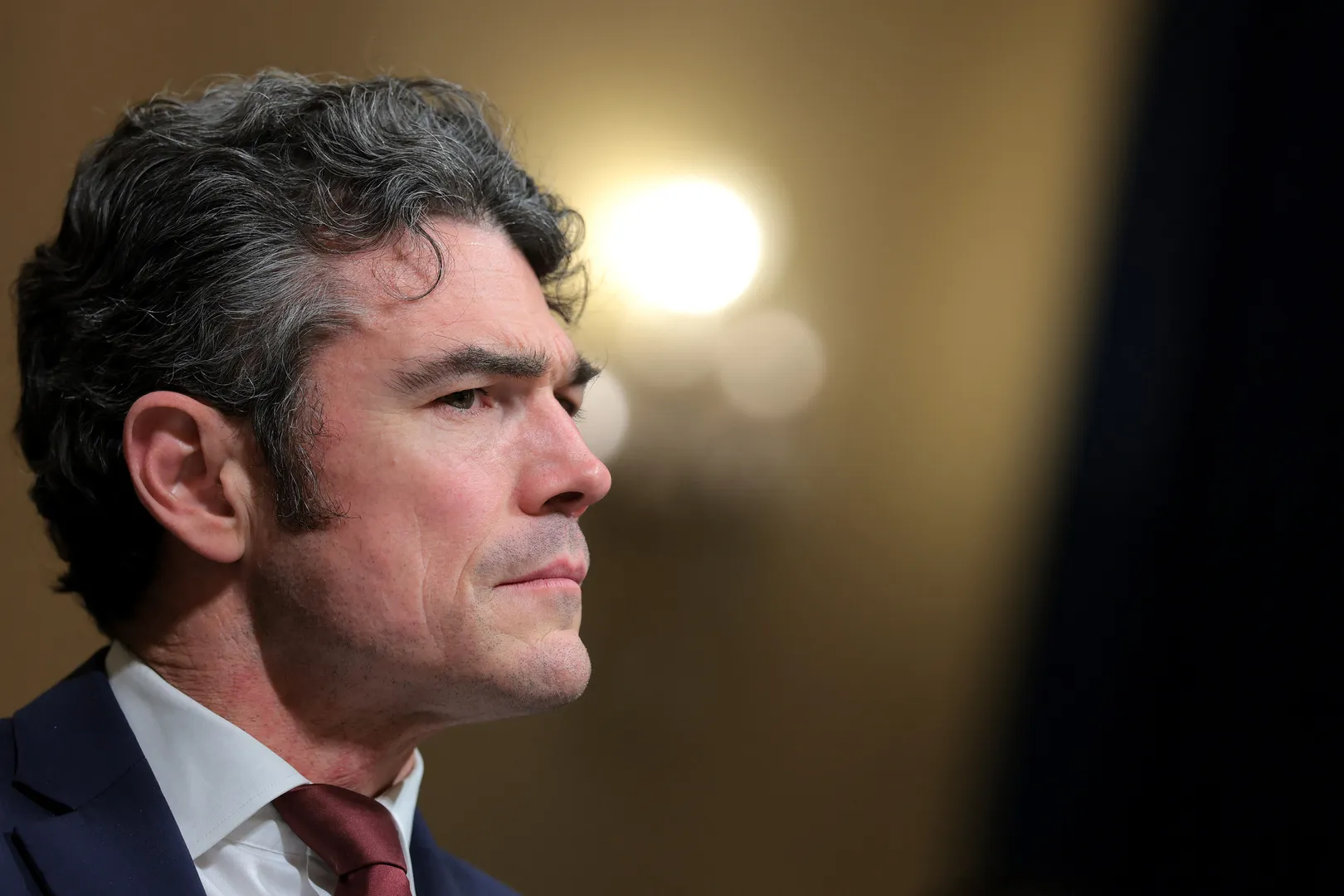
Joe Kent says he resigned as director of the US National Counterterrorism Center over opposition to the war in Iran, telling an audience at a Washington prayer event that he couldn’t “send young men and women off to die on foreign battlefields” in “good conscience.”

Source link

Unease in Japan after Trump cites Pearl Harbor to defend Iran war | News

US president’s reference to Japan’s 1941 attack on naval base in Hawaii has shaken the Japanese public as PM Takaichi’s silence gets mixed reaction.

There has been embarrassment, confusion, and unease in Japan after US President Donald Trump used the Pearl Harbor attack during World War II to justify his secrecy before launching the war on Iran.

Trump was asked by a reporter why he did not tell allies in Europe and Asia in advance of the US-Israel attack on Iran during a news conference with Japanese Prime Minister Sanae Takaichi at the White House on Friday.

Recommended Stories

list of 4 itemsend of list

Trump cited Pearl Harbor to defend his decision saying, “Who knows better about surprise than Japan? Why didn’t you tell me about Pearl Harbor, OK?”

Following the remarks, social media reaction has ranged from accusations of ignorance and rudeness by the US president to claims that he does not see Japan as an equal partner. There were calls for Japan to protest Trump’s comments.

Tsuneo Watanabe, a senior fellow at the Sasakawa Peace Foundation, said in an opinion piece in the Nikkei newspaper on Saturday that the remarks signalled Trump is “not bound by existing American common sense”.

“I get the impression that the comment was intended to bring the Japanese reporter [who asked the question] or Ms Takaichi into complicity in order to justify his ‘sneak attack’ on Iran during diplomatic negotiations and without telling allied countries,” Watanabe wrote.

There is also a feeling that an unspoken understanding exists between United States and Japanese leaders to tread carefully on the subject.

Both sides need each other, with Washington relying on Japan to host 50,000 troops and an array of powerful hi-tech weapons, and Japan relying on the US nuclear umbrella to deter hostile, nuclear-armed neighbours.

Japan’s post-World War II constitution bans the use of force except for its self-defence, but Takaichi and other officials are now seeking to expand the military’s role.

Mixed reaction to Takaichi’s response

Takaichi, a hardline conservative, was praised by some for not reacting to Trump’s comments, letting them pass with a roll of her eyes and a glance at her ministers seated nearby.

The goal of her summit was to deepen ties with her most important ally, and she arrived shortly after Trump suggested Japan was among the nations that did not quickly join his call to help protect the Strait of Hormuz.

Some, however, criticised Takaichi for not speaking up.

Hitoshi Tanaka, a former diplomat and a special adviser at the Japan Research Institute think tank, wrote on X that he felt embarrassed to see Takaichi flattering Trump.

“As national leaders, they are equals … To make an equal relationship is not to flatter,” he said. “Just doing what pleases Trump and calling it a success if you are not hurt is too sad.”

Initially, social media placed some of the blame on the Japanese reporter who asked the question that prompted Trump’s Pearl Harbor comment.

The reporter, Morio Chijiiwa with TV Asahi, later said on a talk show he asked the question to represent the feelings of Japanese who are not happy about Trump’s one-sided attack on Iran, and because other countries, including Japan, are now being asked to help out after the US and Israel started the war.

“So that’s why I asked the question. I was meaning to say, ‘Why didn’t you tell us, why are you troubling us?’” he said.

“Then President Trump hit back with the Pearl Harbor attack … I found it extremely awkward for him to change the subject.”

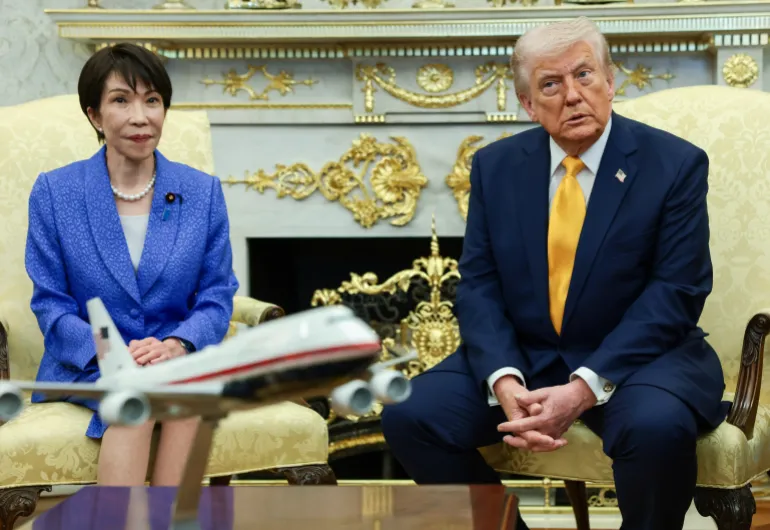
Donald Trump and Sanae Takaichi meet in the White House
Japanese Prime Minister Sanae Takaichi, left, meets President Donald Trump [Evelyn Hockstein/Reuters]

Source link

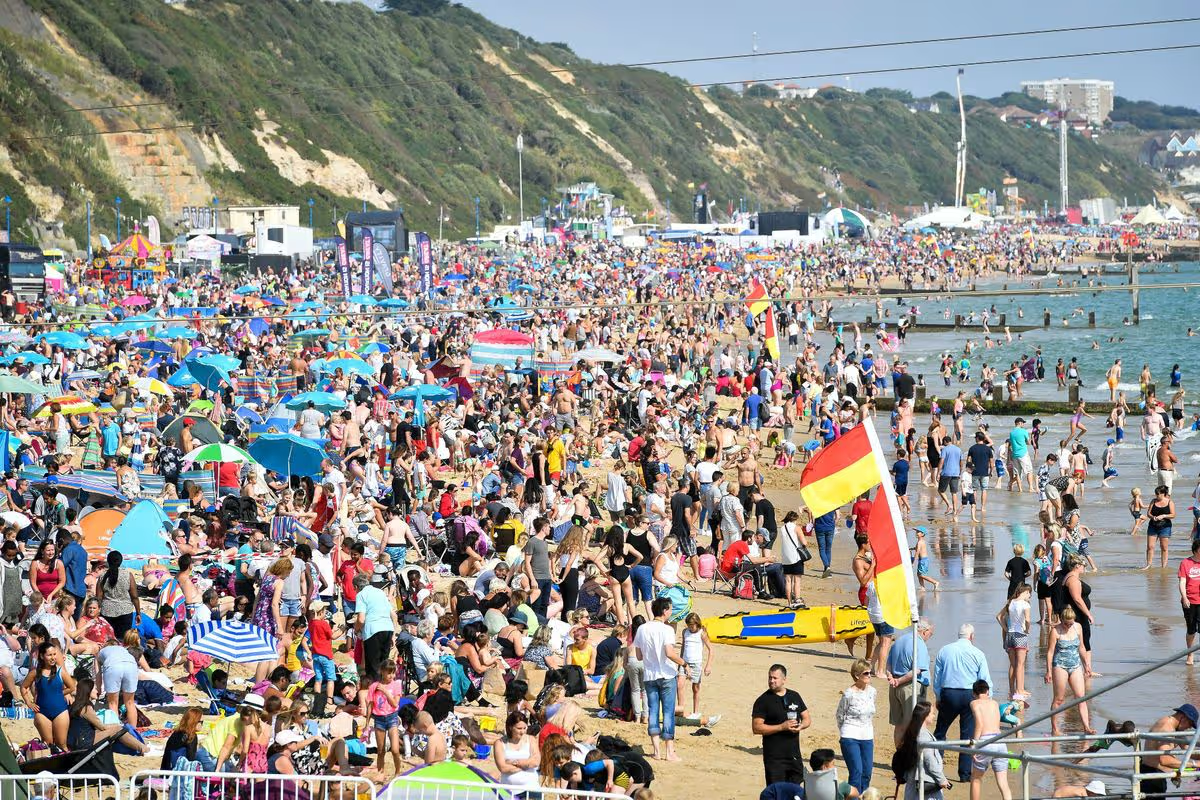
Iran war triggering British staycation boom as bookings ‘up 235%’

British holiday firms are reporting a boom in bookings up to 235% compared to this time last year, as the Iran war forces people to cancel far-flung destinations and look closer to home instead

Brits are looking again at holidays closer to home this summer as fears grow that the Iran war could ground flights and spike plane ticket prices by up to 50%.

Aviation bosses are said to be growing increasingly worried that the closure of the Strait of Hormuz could spell jet fuel shortages within weeks – and are struggling to get guarantees of supply beyond the next month. ⁠

Contingency plans being drawn up would see holidaymakers hit by airlines ‘rationing’ their operations, including a reduced schedule, higher prices and cancellation of less profitable routes.

READ MORE: Dubai flights chaos as another major airline grounds all planes after explosionsREAD MORE: Simon Calder issues crucial Abu Dhabi travel insurance warning as he flies through UAE

It comes as other destinations beloved by British tourists have ended up Iran’s crosshairs.

Cyprus, Turkey and Abu Dhabi are some of the destinations thrown into doubt this year thanks to the Middle East crisis – but holidaymakers are already making ‘staycation’ bookings instead for the likes of Norfolk, Pembrokeshire and the Isle of Wight as they eye up a safer, more certain getaway.

David Land, who works at the University Technical College in Durham, was forced to cancel upcoming stays in Dubai and the Maldives for his wife Barbara’s birthday – and has lined up “sunny Cornwall” as an alternative.

“I’m a bit of a foodie, so I quite like the idea of seeing how many restaurants I can go to, in terms of Paul Ainsworth’s, Rick Stein’s”, he said, aiming to spend four or five days “at least” in the Land of Saints.

David and his wife, who are both in their 70s and tied the knot in 1979, went on one of their first holidays together on the beaches of Northumberland – and he’s also considering a return there this year.

“I would say the majority of our holidays have been abroad, in Europe, the Middle East, the Indian Ocean – but we’ve been saying ‘Why can’t go on a holiday more in the UK’?”, he told the Mirror. “Apart from the need to pack appropriate clothing, it’s a lovely place to go – as long as the people doing it don’t try to rip us off, as happened a bit around Covid.”

‘We’re not going to listen to Donald Trump’

Asked why he hasn’t chosen to simply reschedule his existing foreign holidays, he said: “We’re not going to listen to Donald Trump when he says the war’s going to be over in ‘three or four weeks’. There’s no confidence that we would be able to go back, not until the war stops, and even then we’d have to know that it’s not going to start again.”

Businesses across the UK tourism industry are already reporting a boom in bookings not seen since the pandemic, with Google searches for ‘best staycations’ up 40% since Trump launched his bombardment of Iran.

Business is booming, say British travel firms

Samantha Evans, founder of Humphreys of Henley, said her luxury travel firm has experienced the “busiest start to the year on record”, with the “safe and deeply enriching” surrounds of the English countryside attracting both domestic guests and those from further afield, particularly the United States.

She told the Mirror: “Luxury hotels are reporting an increase in domestic demand over the next three months. British guests are choosing to stay closer to home, but still want exceptional, experience-led travel – so they’re trading airports for the countryside rather than cancelling plans altogether.”

Rental agency Habitat Escapes told the Mirror that their bookings are up 235% this week compared to the same date last year, with the majority for Silverlake Estate in Dorset and the remainder for Lower Mill Estate in the Cotswolds.

And industry expert Emily Keogh, a former judge for The Hotel Magazine Awards, said there was renewed interest in “spontaneous countryside escapes and coastal getaways that can be booked at relatively short notice” because of the new difficulties in international travel.

Others believe this is part of a movement back towards British holidays that began well before the Middle East crisis, as Matthew Price, CEO of travel firm Awaze, said: “This trend of staying closer to home is part of a broader pattern of behaviour we’ve seen in the UK for a number of years, where holidaymakers are choosing staycations over going abroad. From coastal to countryside getaways, the quality and variety on offer in the UK means a domestic break can feel just as exciting as going overseas.

He revealed bookings were up 26% for Cottages.com, alongside a 10% rise in summer bookings for Hoseasons. While the South West remains a popular destination, regions like the North West and Southern Scotland are seeing “the strongest year-on-year growth for the peak summer period”, Mr Price said.

And the Great British holiday may benefit too from rising jet fuel prices, which experts have warned could push up the cost of plane tickets very soon.

Jet fuel shortages threaten cancellations and price hikes

European jet fuel prices reached an all-time high of $1,698 per tonne this week – more than double the $830 per tonne before the air strikes on Iran – and the closure of the Strait of Hormuz is sending alarm bells ringing among airline bosses.

While European airlines have stressed that they are currently operating with normal levels of fuel, Scandinavia’s SAS became the first this week to admit it had introduced a “temporary price adjustment” in response to the soaring prices, with more expected to follow.

Experts now predict a potential 30% to 50% hike in plane tickets for European summer holidays if the fuel crisis drags on, potentially costing an extra £600 for a family of four heading to the Canary Islands, Greece or Morocco.

Long-haul flights would see even steeper price increases, with a family trip to Australia going up by an eye-watering £2,400.

James Noel-Beswick, head of commodities at market intelligence firm Sparta Commodities, told the BBC: “I think we’re weeks away from maybe flight cancellations or delays due to lack of jet fuel, rather than months.”

An end to the age of cheap foreign holidays is likely to help tip the balance back in favour of domestic holidays when it comes to cost, as ‘staycations’ have long been criticised for poor value for money – especially when it comes to accommodation.

You can expect to pay at least £500 for five nights in a budget holiday let near St Ives – but in Malaga, the equivalent would set you back just £350.

Air travel chaos threatens holiday favourites

British holidaymakers preparing to head to Spain on their Easter getaways have meanwhile been warned to expect chaos at airports, with a national baggage handler strike threatening to cause missed connections and delayed boarding.

And there’s mounting uncertainty around Turkey, where three Iranian missiles have been intercepted since the beginning of the conflict, and popular Brit destination Cyprus, which saw the RAF base on the island’s southern coast come under drone attack.

Foreign Office chiefs currently advise anyone travelling to either country to be aware of the risks of ‘regional escalation’.

The Citizens Advice Bureau say holidaymakers who are unsure over a trip they have booked in the months ahead should get in touch with their travel provider – but don’t cancel before speaking to them, as you may lose your right to a refund.

Top 10 destinations for British summer holidays:

The top 10 UK destinations for summer staycations, based on consumer research of 2,000 UK adults by Sykes Holiday Cottages:

  1. St Ives (Cornwall)
  2. Isle of Skye (Inner Hebrides, Scotland)
  3. Bath (Somerset)
  4. Whitby (North Yorkshire Coast)
  5. Ambleside (Lake District, Cumbria)
  6. Brighton (East Sussex)
  7. Cambridge (Cambridgeshire)
  8. Bourton-on-the-Water (Cotswolds)
  9. Padstow (Cornwall)
  10. Anglesey (North Wales)

Source link

Iran says it will allow Japanese ships to transit the Strait of Hormuz | US-Israel war on Iran News

Japan sources more than 90 percent of its crude oil imports from the Middle East and is heavily dependent on exports transiting the key waterway.

Iran says Japanese ships will be allowed to transit the Strait of Hormuz, in the latest sign that Tehran has started pursuing a selective blockade of the strategic waterway.

“We have not closed the strait. In our opinion, the strait is open. It is closed only to ships belonging to our enemies, countries that attack us. For other countries, ships can pass through the strait ,” Iranian Foreign Minister Abbas Araghchi told Japan’s Kyodo News late on Friday.

Recommended Stories

list of 4 itemsend of list

“We are talking to them to find a way to pass safely. We are ready to provide them with safe passage. All they need to do is contact us to discuss how this route will be,” Araghchi said, according to an English transcript of the interview shared on his Telegram account.

Japan sources more than 90 percent of its crude oil imports from the Middle East and is heavily dependent on exports transiting the strait, but the waterway has been de facto closed since the United States and Israel attacked Iran on February 28.

INTERACTIVE - Strait of Hormuz - March 2, 2026-1772714221

Iran’s Islamic Revolutionary Guard Corps (IRGC) warned in the early days of the war that its forces would set “ablaze” any ships trying to transit the waterway, bringing marine traffic to a near standstill.

Over the past week, however, Iran has toned down the rhetoric to say the strait is only closed to Tehran’s enemies.

Japan may soon join the small cohort of countries – mainly China, India, and Pakistan – whose vessels have been allowed to transit the waterway in recent days, with approval from Iranian authorities.

Lloyd’s List, a shipping and maritime information service, separately reported that 10 ships have transited the strait by sailing close to Iran’s coastline – a route that is emerging as a “safe corridor” for shipping.

The latest ship, a Greek bulk carrier, transited on Friday by passing close to Iran’s Larak island , Lloyd’s said, while broadcasting the message “Cargo Food for Iran”.

While ships have been transiting on a case-by-case basis, Lloyd’s List reported that the IRGC is developing a more coordinated vetting and registration system.

As the war on Iran hits three weeks, a handful of countries – among them US allies – have already started lobbying Tehran to reopen the strait or allow their ships safe passage.

Japan, France, Germany, Italy, the Netherlands, and the United Kingdom earlier this week issued a joint statement expressing their “readiness to contribute to appropriate efforts to ensure safe passage through the Strait”.

Iraq, Malaysia, China, India and Pakistan have all reportedly held direct talks with Tehran to discuss the matter, according to Lloyd’s.

Araghchi’s remarks to Kyodo follow a call with Japanese Foreign Minister Toshimitsu Motegi on Tuesday, during which Tokyo expressed concern about the large number of Japanese vessels currently stranded in the Gulf, according to a Japanese readout of the call.

Source link

Palestinian citizens of Israel demand better protection against missiles | US-Israel war on Iran

NewsFeed

At least 15 people have been killed by attacks in Israel since the war on Iran started late last month. Israel operates a network of shelters to keep people safe, but not all Israeli citizens enjoy the same level of protection.

Source link

300 million people celebrate Nowruz under a cloud of war | US-Israel war on Iran

NewsFeed

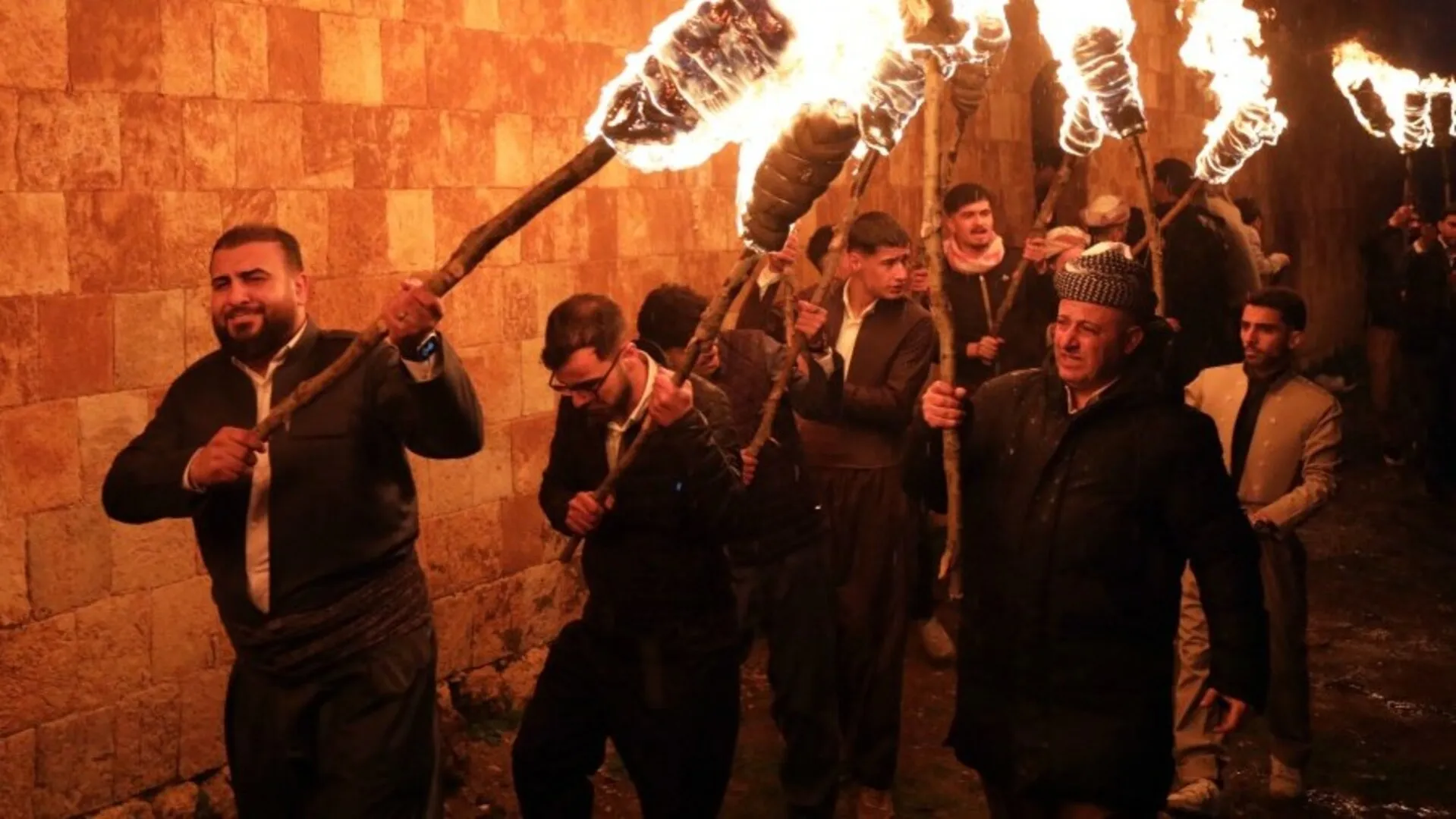
Millions of people have rung in the ancient Persian New Year, Nowruz, as war grips the Middle East. The 3,000-year-old Zoroastrian-rooted celebration marks the beginning of spring in the northern hemisphere and is celebrated by 300 million people in Iran and Central Asia.

Source link

Military movements indicate Trump is considering Iran ground operation | US-Israel war on Iran

NewsFeed

The US is moving military assets to the Middle East that are key to providing support for ground troop operations. Al Jazeera’s Kimberly Halkett says it’s the clearest sign yet of potential US boots on the ground in Iran to secure the Strait of Hormuz.

Source link

Will Europe be pulled into the Iran war? | News

Europe is under pressure as Trump pushes allies to support the Iran war. How are they responding?

As US President Donald Trump pushes deeper into war with Iran, Europe is keeping its distance, calling it “not our war”. But as strikes on Gulf energy facilities send oil and gas prices soaring, that distance is being tested. In a rare joint move, leaders from across Europe and Japan have pledged to help stabilize energy markets and ensure safe passage through the Strait of Hormuz. Can Europe stay out of the fighting while being pulled in by its economic consequences?

In this episode: 

  • Sven Kühn von Burgsdorff, Former EU Diplomat

Episode credits:

This episode was produced by David Enders and Chloe K. Li, with Spencer Cline, Sonia Baghat, Tuleen Barakat, Catherine Nouhan and our host, Malika Bilal. It was edited by Sarí el-Khalili. 

Our sound designer is Alex Roldan.  Our video editors are Hisham Abu Salah and Mohannad al-Melhem. Alexandra Locke is The Take’s executive producer. 

Connect with us:

@AJEPodcasts on X, Instagram, Facebook, and YouTube


Source link

What are the risks of turning energy sites into battlefields? | US-Israel war on Iran News

Oil and gas facilities in the Gulf have been attacked since early in the war on Iran.

The war in the Middle East took a serious turn when Israel bombed Iran’s energy facilities, pushing Iran to step up attacks on its Gulf neighbours.

The damage has been significant and will take years to repair. It also has long-term consequences, with Qatar already warning of a reduction in exports.

Recommended Stories

list of 3 itemsend of list

The escalation is dangerous, experts say, as energy exports from the Gulf region account for a fifth of global output.

So, what are the risks of turning energy facilities into battlefields?

Presenter: Imran Khan

Guests:

Mohsen Baharvand – Former Iranian ambassador to the United Kingdom

Jim Walsh – Research associate in MIT’s security studies programme

John Sfakianakis – Chief economist at the Gulf Research Center

Source link