The international order is falling apart, happening visibly, rapidly, and in ways that no longer surprise even the most committed defenders of the post-1945 liberal framework. The United Nations Security Council has not been able to do anything about the problems in Gaza and Ukraine. The group of countries known as BRICS is getting bigger. Now has nine members. Some countries in the Gulf are thinking about using a currency to price oil instead of using the US dollar. All of these things are putting a lot of pressure on the system that the United States has been in charge of.
Many people in the Global South think this is a thing. They do not think the United States has been fair in the way it has enforced the rules. They think the United States has only looked out for its interests and the interests of its friends. This is not a thing to say. The United States has been inconsistent in the way it has applied the rules about weapons, sanctions, and international crime.
The problem is that just because the old system is falling apart, it does not mean that something better will take its place. The question is not whether the United States is losing its power because it is clear that this is happening. The question is what will happen next. Will the new system be fair, more stable, and better at dealing with global problems?
The Architecture of Decline
Stay ahead of the geopolitical week.
MD Briefing delivers expert analysis across five global fronts — the Indo-Pacific, energy, geoeconomics, European security, and the Middle East — every Monday morning. Free.
The truth is that the United States has been losing its power for a time, but this has happened much faster since 2022. When Russia invaded Ukraine, it showed that big countries can still go to war with each other. It also showed that the United States and its friends cannot stop this from happening. The war in Ukraine has led to the use of financial sanctions in history, with over $300 billion in Russian assets being frozen.
This has made other countries want to reduce their dependence on the US dollar. They are afraid that if they rely much on the United States, they will be vulnerable to its power. According to International Monetary Fund estimates, the group of countries known as BRICS has expanded to include Saudi Arabia, the United Arab Emirates, Iran, Ethiopia, and Egypt. This group now accounts for over 40 percent of the economy. The Shanghai Cooperation Organisation has also gotten bigger. Now includes Pakistan, India, and Iran in addition to Russia and China. This organization is now the regional security group in the world. These changes are not just symbolic; they show a shift in where power is concentrated in the world.
New Poles, Old Problems
The problem with a world is that it does not necessarily mean that things will be more fair or more stable. In the century Europe had a multipolar system, but it still had many wars. The same thing happened in the 20th century. Just because there are powerful countries does not mean that they will behave in a certain way.
The problem with a world is that it does not necessarily mean that things will be more fair or more stable. In the century Europe had a multipolar system, but it still had many wars. The same thing happened in the 20th century. Just because there are powerful countries does not mean that they will behave in a certain way.
The Institutional Vacuum
The biggest risk of the situation is that the international institutions that we have will become useless. The United Nations Security Council has not been able to do anything about the security crises of the past few years. The World Trade Organization is also not working properly.
When powerful countries use these institutions for their purposes, it undermines their legitimacy. This is a problem because it means that smaller countries will suffer the most. The rules of law are only useful if they are applied equally to everyone.
The Global South’s Strategic Dilemma
For countries in the Global South, the transition to a world is a double-edged sword. On the one hand, it gives them space to maneuver and more access to financing for infrastructure projects. On the other hand, it also means that they will have to navigate a more complex and uncertain world.
The best way forward is to try to shape the transition to a world in a way that preserves the international institutions that we have. This means reforming the United Nations Security Council to make it more representative of the world. It also means strengthening the courts and the World Trade Organization.
Towards a Legitimate Multipolarity
This will not be easy. It is necessary. If we do not do this, we risk creating a world where might makes right. There is no shared set of rules to govern the behavior of states. This would be a disaster for everyone, for the smallest and weakest countries.
The multipolar world may signal the end of the order, but it does not have to mean the end of order itself. We have to work to create a system that is fairer, more stable, and more just.
In May 2026, just hours before President Donald Trump met President Xi Jinping, OpenAI’s Vice President of Global Affairs Chris Lehane floated the idea of a US-led global governance body for artificial intelligence that would include China as a member. The model, according to media reports, was compared to the International Atomic Energy Agency (IAEA), a familiar reference for managing strategic technologies with global consequences.
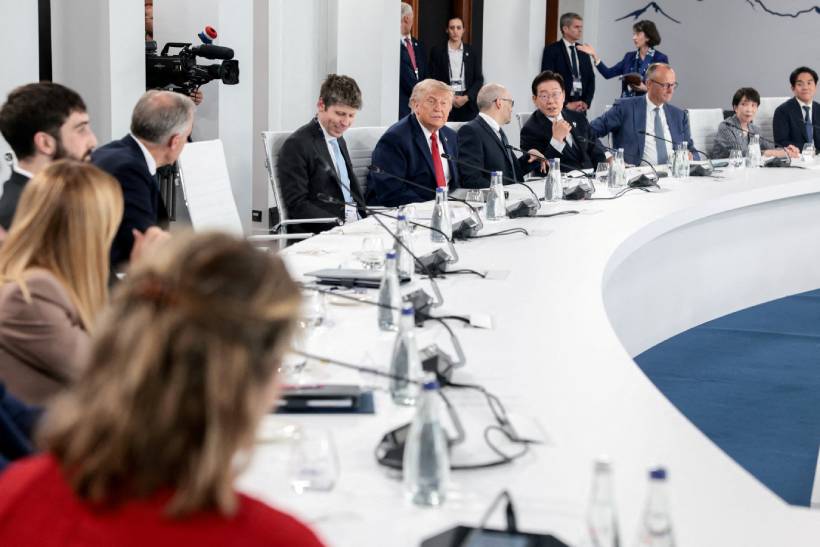
One month later, at the G7 summit in Évian-les-Bains, a different tone emerged. Several influential AI executives joined leaders from advanced economies to discuss AI governance, online safety, and global security. According to Axios, Anthropic’s Dario Amodei and Google DeepMind’s Demis Hassabis leaned towards a more selective framework among democratic countries, while OpenAI’s Sam Altman used broader language, calling for an international forum to develop shared testing standards and risk assessments.
These two moments reveal something important: the meaning of “global AI governance” remains unsettled. In one setting, global means including China for legitimacy. In another, it can mean a trusted coalition designed to manage access, capability, and strategic risk. AI governance is becoming part of the architecture of global power.
Three Voices, Different Emphases
Stay ahead of the geopolitical week.
MD Briefing delivers expert analysis across five global fronts — the Indo-Pacific, energy, geoeconomics, European security, and the Middle East — every Monday morning. Free.
Their presence at the G7 showed how quickly AI firms have moved from building systems to helping shape the politics around them. The leaders of OpenAI, Anthropic, Google DeepMind, Mistral, Cohere, and other firms were not simply observers of geopolitics. They were part of the conversation about how technological power should be governed.
Their positions were not identical. Amodei reportedly urged democratic countries to coordinate more closely so that AI governance would not fragment. Hassabis stressed the strategic importance of frontier capability. Altman, by contrast, used more institutionally neutral language, suggesting that advanced AI should not be shaped only by the companies building the most capable systems.
Even among frontier AI developers, there is no settled imagination of global governance. Should it include all major AI powers, including strategic rivals? Should it be built around trusted coalitions? Should it prioritize safety, democratic values, geopolitical advantage, or public legitimacy?
The question became more complicated because the G7 discussions came shortly after the US government imposed export controls that forced Anthropic to suspend foreign access to its Fable 5 and Mythos 5 models. Reuters reported that the order required Anthropic to block access to the models for foreign nationals, leading the company to disable them more broadly to ensure compliance. The episode showed how frontier AI governance can move from abstract principles to abrupt restrictions. Even among democratic allies, technological solidarity has limits. When AI becomes strategic infrastructure, every country begins to think about its own room for maneuver.
The Asymmetry of “Global”
The deeper issue lies in who has the power to define the word “global” in the first place. In May, global governance could mean a US-led institution that includes China. In June, it could mean coordination among democracies to manage frontier capability and strategic access. The definition changed because the political room changed.
This reveals a double asymmetry. The first is technical: only a small number of firms can define what counts as a frontier model, how its capabilities should be tested, and who should be allowed to access it. The second is narrative: the same ecosystem also helps frame the language through which the world discusses governance.
For countries outside the frontier AI circle, they may be invited to conversations but not always to the stage where categories, thresholds, and governance priorities are first shaped. They may be asked to adopt best practices whose assumptions were formed elsewhere. They may be told that risks are global, even when preparedness remains highly unequal.
G7 outreach to partner countries such as India, Brazil, Kenya, South Korea, and Egypt is important. It recognizes that AI governance cannot remain a conversation among advanced economies alone. Yet there remains a difference between being present in a forum and helping design the architecture of the forum itself. The question is who defines the table, the agenda, the risk categories, and the meaning of global governance itself.
When the AI Frontier Moves Towards the Market
There is another reason why a broader governance imagination is necessary. Frontier AI innovation is no longer centered primarily in universities or public research institutions. It is increasingly shaped by private firms with the capital, compute, talent, data access, and infrastructure required to train and deploy the most capable models.
Stanford’s AI Index 2025 noted that nearly 90 per cent of notable AI models in 2024 came from industry, up from 60 per cent in 2023. A report prepared for the European Economic and Social Committee on generative AI and foundation models also described significant US dominance across the value chain. These findings point to a structural shift: the frontier is becoming more concentrated, more expensive, and more closely tied to corporate and geopolitical capacity.
Much of AI’s progress has come from companies willing to take risks, scale products, and build technical capability at extraordinary speed. But the center of gravity has shifted. When frontier AI is largely financed, defined, and deployed by market actors, the default imagination of AI development can tilt towards commercial viability, platform advantage, user growth, and strategic positioning.
Public interest does not disappear in such a system. It risks becoming secondary unless other actors are strong enough to bring it back into the room.
Open Future, a European digital policy organization, has warned that concentrations of power in AI can make public activities dependent on “a narrow group of monopolists.” The phrase matters because infrastructure-level dependency can weaken society’s ability to negotiate the terms of the technologies it relies on.
A Wider Public-Interest Layer
In a multiplex digital world, power does not flow only through states or markets. It also moves through universities, civil society organizations, professional associations, media, labor groups, open-source communities, public-interest technologists, and moral institutions. Together, these actors form the society layer often missing from discussions dominated by states and markets.
States define security priorities. Companies define technical possibility. Society must help test legitimacy. Who bears the risk? Who benefits from deployment? Who is excluded from design? What harms are being normalized because they are commercially convenient or geopolitically useful?
This is why Pope Leo XIV’s recent intervention on AI is politically relevant beyond its religious context. In his encyclical Magnifica Humanitas, he argues that protecting the human person in the age of AI requires renewed reflection on the common good, solidarity, social justice, and human dignity. Such interventions will not replace regulation or technical standards. They help recover a truth easily lost in frontier AI politics: governance is also about preserving the human meaning of technological progress.
The same question of authorship is beginning to appear in empirical research. Ongoing fieldwork-based research at the University of Oxford has started to examine whether countries in the Global South are developing approaches to AI governance that are neither simple copies of Western regulatory templates nor rejections of international cooperation but pragmatic syntheses shaped by local institutional capacity, regulatory sequencing, and historical experience with technology transfer. Indonesia has appeared as one of the country cases in this line of inquiry.
Governance models worth studying are not only those negotiated in Évian, Brussels, Washington, or New York. They are also being improvised, often informally, by mid-sized digital economies navigating dependency and ambition at the same time.
The United Nations’ Global Digital Compact (GDC), adopted in September 2024, offers a useful multilateral reference point. It frames digital cooperation and AI governance around inclusion, human rights, open standards, interoperability, digital public goods, and multi-stakeholder cooperation. The Compact does not resolve the power asymmetries of frontier AI by itself, but it gives societies, alongside states and firms, a language for claiming a legitimate role in digital governance.
The practical task is to strengthen public-interest evaluation: the ability to test social impact, language bias, local risks, institutional misuse, and deployment consequences in different societies. The aim is to preserve enough room for public reasoning so that the future of AI is not defined only by those with the largest models, the biggest markets, or the strongest strategic leverage.
Imagining a More Inclusive AI Governance
The lesson from the IAEA analogy and the G7 discussions is not that one model is right and the other is wrong. Both reflect real concerns. A broadly inclusive governance arrangement may be necessary for legitimacy, especially when AI risks cross borders. A trusted coalition may also be necessary when capability access raises genuine security concerns. The problem begins when either model claims to be global while leaving too many societies downstream of decisions made elsewhere.
For emerging economies, the strategic challenge is not simply to wait for a better invitation to the next summit. Participation matters, but it is not enough. Countries and societies need stronger capacity to evaluate AI systems, understand their dependencies, articulate local risks, and negotiate governance terms with greater confidence.
This is a call for a more plural architecture of governance, where states, markets, and society all have meaningful roles. The uncomfortable question is not whether AI requires international coordination. It clearly does. The harder question is whether that coordination can remain open enough for societies, not only states and companies, to shape the terms of technological power.
In the age of frontier AI, the future will not be determined only by who builds the largest models. It will also be shaped by who gets to define risk, test systems, question assumptions, and decide what counts as progress.
Every era that has tried to govern a transformative technology eventually learns the same lesson: legitimacy borrowed from power is not the same as legitimacy earned through participation. The IAEA’s own history shows that global trust is rarely built at the moment institutions are created; it is earned over time, through broader representation, credible restraint, and shared accountability. The real question for AI governance is whether it can shorten that distance by design, rather than waiting for legitimacy to arrive only after contestation.
Artificial intelligence is increasingly being used in the military for planning and operations as a decision support tool at multiple stages. The US’s use of Anthropic’s Claude model against Iran marks a significant moment in the history of warfare. Integrated via Palantir’s Maven Smart System, AI-supported intelligence analysis, target identification, and operational simulations enabled planners to process information faster than human capabilities. While analysts have framed this as an “AI war,” the more significant shift lies in the growing influence of algorithmic systems in shaping military decision-making architectures.
Admiral Brad Cooper, who led Operation Epic Fury, said that AI systems processed massive amounts of intelligence and surveillance data, allowing commanders to gain insights within seconds. This is part of a wider movement to shift more complex intelligence tasks to algorithmic systems, raising questions about transparency, oversight, and reliance on algorithmic assessments.
This is also observed in other conflict zones, but in different operational roles. In Gaza, Israel’s Lavender system, developed by Unit 8200, assisted in the targeting of 37,000 suspected individuals, based on reported affiliations, using AI. Structural strikes and real-time tracking were made possible through the use of additional tools like “The Gospel” and “Where’s Daddy?” These systems reduced human review into quick, seconds-long “stamp of approval” decisions, moving targeting to machine-driven validation. In Ukraine, AI tools were used to assist in drone operations and battlefield analysis by training datasets. Initial programs, like Project Maven, relied on manually labeling 150,000 images. Currently, the Brave1 has enabled over 100 defense-tech firms to train combat AI on millions of annotated images from ongoing missions to improve these AI models.
The modern battlefield produces unprecedented volumes of data from interwoven sensor networks, drones, satellite imagery, and localized communications streams. This information comes at high speed and volume, which can overload the human brain. AI is being used to deal with this information overload, but there are concerns about the accuracy of AI-driven assessments and how much human oversight might be required to rely on AI. Military officials emphasize that humans have the final authority, but systematic integration poses challenges to oversight quality. The other predicament is automation bias, a psychological phenomenon in which a human operator, particularly under pressure or high stress, is likely to rely on the system’s recommendations. Therefore, striking a balance between speed and responsibility, ethical judgment, and accountability in the use of force is a key challenge.
Stay ahead of the geopolitical week.
MD Briefing delivers expert analysis across five global fronts — the Indo-Pacific, energy, geoeconomics, European security, and the Middle East — every Monday morning. Free.
Another area of concern pertains to legal and ethical issues. International humanitarian law is based on the principles of distinction, proportionality, and precaution. With the growing use of AI in military operations, it becomes more difficult to apply these principles, thereby making accountability and scrutiny more difficult. The International Committee of the Red Cross has warned that, when algorithmic systems provide input for analysis, targeting, or operational planning, it is hard to assign responsibility for any errors. Even with humans “in the loop,” the black-box nature of machine learning limits transparency and complicates legal review. It is not just a theoretical problem; it has been seen in practice. In the early US campaign against Iran, an AI-assisted missile struck a girls’ school near an IRGC compound, killing 120 children, likely due to a classification error. Anthropic’s CEO’s admission of limited awareness over Claude’s use in the strike highlights a broader issue. AI developers are fully aware of the risks associated with delegating autonomous functions to AI, yet they continue to promote its adoption. As AI assumes greater decision-making roles, concerns over misidentification and the possibility of AI acting against human directives are often overshadowed by narratives emphasizing its benefits.
For Pakistan, these developments are neither distant nor theoretical. In a region where crises can escalate quickly, AI-enabled decision support offers advantages but also carries risks. It improves situational awareness and accelerates analysis but compresses decision time, limits verification, and heightens the risk of miscalculation. Considering both, Pakistan is accelerating efforts to build AI capacity and strengthen its supporting infrastructure. At the policy level, this translates to a recognition that successful adoption is not just about adopting algorithms but about enhancing data governance, institutional maturity, and a skilled workforce capable of embedding AI into decision-making processes. Thus, Pakistan’s approach remains focused on leveraging AI to bolster human judgment in intelligence fusion, surveillance, logistics, and cyber defense.
There is a clear lesson from the academic literature and initial operational experience: algorithmic systems are transforming military information processing. However, as their role in decision-making grows, they also entail bias, error propagation, lack of transparency, and overreliance on machine-generated recommendations. AI, therefore, must be used as a support system, with humans retaining final decision-making responsibility. This requires investment in training, auditability, and institutional safeguards to ensure that human decision-makers are meaningfully engaged, rather than merely present in form. The future of warfare will likely be defined not by machines acting alone, but by humans making increasingly time-pressured decisions shaped by machine-generated insights. The central strategic challenge is not whether to adopt algorithmic tools, but how to ensure that their speed never outpaces sound judgment.
It seems “Love Island USA” producers pulled one bombshell aside for a chat, one that has led to her firing from the hit reality dating series.
Contestant Alannah Keyser’s time in Fiji has officially come to an end as she faces backlash for apparently using a racial slur in a video and social media comments that recently resurfaced on social media. “Love Island USA” streamer Peacock confirmed to The Times on Friday that Keyser, a film student at USC from Miami, will no longer appear on the series. She is the second contestant Peacock dismissed this season over a racial slur scandal.
Keyser made her “Love Island USA” debut last week as one of the six women hopeful to strike up a connection with the male contestants in Casa Amor, testing the men’s relationship with their partners back in the villa. Keyser appeared to pair up with contestant Zach Georgiou. In her debut episode, she informed Georgiou she had a brief romance with his older brother Charlie, a previous “Love Island USA” contestant.
“Love Island USA” parted ways with contestant Alannah Keyser after she used a racial slur in social media comments and posts.
(Ben Symons / Peacock)
She faced allegations of racism amid her first “Love Island USA” episode when a social media user surfaced screenshots of Keyser allegedly using the N-word on Snapchat and Instagram. A user on X (formerly Twitter) also published video of Keyser seemingly saying the slur as she sings along to Roddy Ricch’s “The Box” at a party. Some viewers — and other contestants on the series — also observed that Keyser interacted less with the Black men on the series in her debut episode.
A source familiar with “Love Island USA” production said the controversial video and posts only became public on social media after Keyser’s first episode and that the posts were not viewable during the series’ vetting process. Peacock confirmed Kesyer’s firing hours after the U.S. Sun reported her exit and minimized screen time. “Producers were disappointed and embarrassed that this has become another mishap,” a source told the outlet.
Keyser did not immediately respond to a request for comment via social media.
Keyser is the fourth “Love Island USA” contestant in two years to face scrutiny for her past use of racial slurs. Earlier this month, Peacock pulled beauty technician Vasana Montgomery from its Season 8 lineup before the season started. Last year, contestant Cierra Ortega prematurely left the villa as she faced criticism for her past social media posts that included a slur for Chinese (and, more generally, Asian) people. A month before that, contestant Yulissa Escobar was dismissed by the season’s second episode amid social media outcry over her use of the N-word.
Those three contestants have since publicly apologized for their posts.
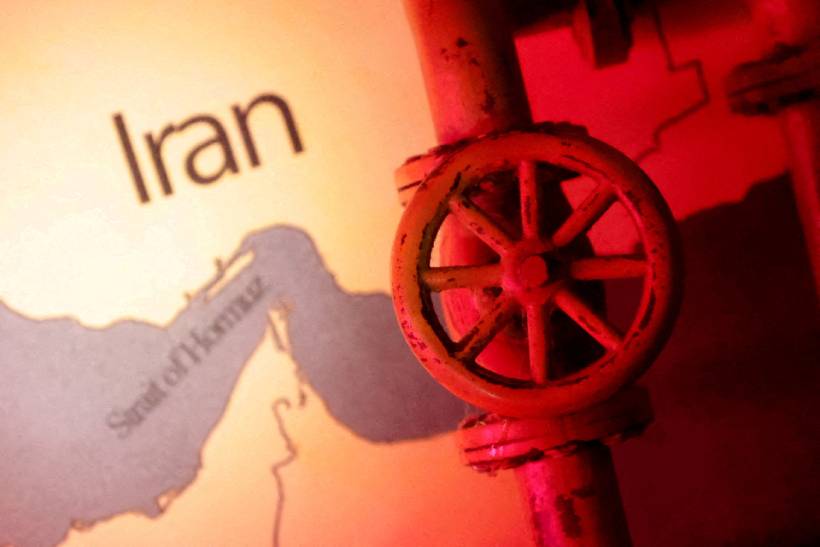
The reopening of the Strait of Hormuz has restored the flow of oil and natural gas after more than 100 days of disruption, but the crisis has already left a lasting mark on global energy markets. The prolonged closure exposed the vulnerability of the world’s energy supply chain and has prompted governments to reconsider how they secure fuel supplies.
Analysts say the crisis mirrors the impact of the 1973 Arab oil embargo, which transformed global energy policy by encouraging conservation, diversification, and strategic stockpiling. While today’s energy system proved more resilient, the Hormuz disruption may accelerate a broader shift away from fossil fuels.
What Happened?
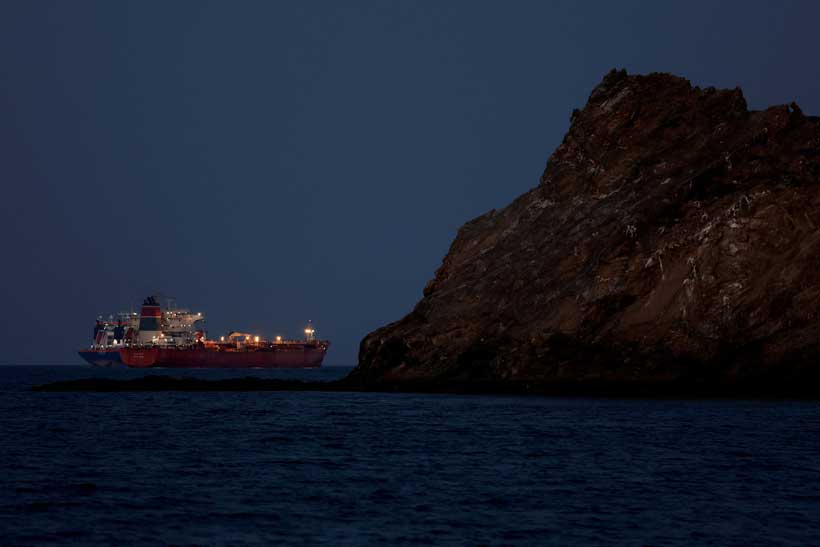
The Strait of Hormuz, through which nearly 20 percent of global oil and liquefied natural gas supplies normally pass, remained effectively closed for more than three months during the US Israeli conflict with Iran.
Despite the disruption, global markets avoided a severe supply crisis through rapid rerouting of cargoes, the release of strategic reserves, reduced Chinese imports, and shifting demand patterns.
However, analysts say these emergency measures were only temporary. Energy inventories fell sharply during the crisis, and markets were approaching a critical point before shipping resumed.
Why the Crisis Matters
The Hormuz disruption demonstrated that even today’s highly interconnected global energy system remains vulnerable to geopolitical conflict.
Unlike previous crises, the world avoided a complete energy collapse because governments, traders, and shipping companies quickly adapted. Nevertheless, the episode exposed the limits of those emergency responses and reinforced concerns about overreliance on a single strategic chokepoint.
The crisis is expected to influence long term energy investment decisions far beyond the Middle East.
Lessons From the 1973 Oil Embargo
The 1973 Arab oil embargo fundamentally changed global energy policy after oil producing nations restricted exports to countries supporting Israel during the Yom Kippur War.
The embargo caused oil prices to surge, triggering inflation and prompting governments to adopt fuel efficiency standards, develop domestic oil production, establish strategic petroleum reserves, and create the International Energy Agency.
Rather than ending fossil fuel use, the crisis encouraged countries to consume energy more efficiently while reducing dependence on imported oil.
A New Energy Strategy Emerges
The Hormuz crisis appears to be driving another major strategic shift, particularly across Asia.
Countries heavily dependent on Middle Eastern oil and gas are increasingly prioritizing energy security over low fuel costs. Governments are expected to expand strategic petroleum reserves while accelerating investment in domestic renewable energy, nuclear power, and alternative fuel sources.
India, Pakistan, Japan, and South Korea are among the countries reviewing long term strategies aimed at reducing exposure to overseas energy disruptions.
Europe Continues Its Energy Transition
Europe entered the Hormuz crisis after already reshaping its energy system following Russia’s invasion of Ukraine in 2022.
The loss of Russian energy supplies forced European countries to cut gas consumption, diversify imports, and rapidly expand renewable energy capacity.
The latest Middle East disruption is expected to reinforce that trend by encouraging further investment in clean energy and energy efficiency while reducing dependence on imported fossil fuels.
Investment Trends Support the Shift
Global investment patterns already suggest that energy markets are evolving.
According to the International Energy Agency, worldwide energy investment is projected to reach 3.4 trillion dollars this year, with much of the growth directed toward renewable energy, electricity infrastructure, battery storage, and grid resilience rather than new oil production.
Electric vehicle sales continue to rise rapidly across Europe, Latin America, and Asia Pacific, while Chinese solar panel exports have surged across Africa and Southeast Asia.
Governments are also increasing spending on energy efficiency, with around 20 countries introducing new conservation measures directly in response to the Hormuz crisis.
Why It Matters
The Hormuz crisis has reinforced that energy security is becoming just as important as energy affordability.
Rather than relying solely on global oil markets, governments are increasingly pursuing diversified energy systems that combine fossil fuels with renewables, nuclear power, strategic reserves, and domestic production.
This transition is expected to influence investment, industrial policy, and international trade for years to come.
Future Outlook
Oil and natural gas are expected to remain central to the global economy for decades, particularly in transportation, manufacturing, aviation, and power generation.
However, future growth in fossil fuel demand may become significantly slower as governments invest more heavily in renewable energy, electric vehicles, battery storage, and efficiency improvements.
The Hormuz crisis may ultimately be remembered not as the event that ended the oil era, but as the moment many countries accelerated preparations for a more diversified energy future.
Implications
The Hormuz crisis is likely to have consequences that extend far beyond the immediate recovery in oil and gas flows. Governments that experienced supply disruptions are expected to place greater emphasis on energy security, even if it comes at a higher economic cost. This could accelerate the expansion of strategic petroleum reserves, diversify import sources, and increase investment in domestic energy production, including renewables, nuclear power, and critical energy infrastructure.
For oil exporters in the Gulf, the crisis may strengthen the case for developing alternative export routes that bypass the Strait of Hormuz, reducing dependence on a single maritime chokepoint. Import dependent economies, particularly across Asia, are also likely to rethink long term procurement strategies by securing more flexible supply contracts and expanding storage capacity.
Financial markets are also expected to assign a higher geopolitical risk premium to energy prices. Even after shipping has resumed, investors may continue to price in the possibility of future disruptions, increasing volatility across oil, gas, shipping, and insurance markets. The crisis could also accelerate capital flows into technologies that reduce dependence on imported fossil fuels, including electric vehicles, battery storage, hydrogen, and energy efficiency.
Analysis
The Hormuz crisis may ultimately prove more significant for what it revealed than for the physical disruption it caused. Although global energy markets demonstrated remarkable resilience, that resilience depended on temporary measures such as drawing down inventories, rerouting cargoes, reducing consumption, and relying on spare production capacity. These mechanisms bought time rather than solving the underlying vulnerability of the global energy system.
Unlike the 1973 Arab oil embargo, which primarily forced consuming nations to improve efficiency while expanding fossil fuel production elsewhere, today’s crisis occurred at a time when commercially competitive alternatives to oil and gas already exist. Renewable energy, electric vehicles, battery storage, and advanced power grids have matured into viable strategic assets rather than purely environmental investments. As a result, governments are increasingly viewing clean energy not only as a climate policy but also as a national security priority.
Another important distinction is the shift in investment behavior. Historically, supply disruptions often encouraged greater investment in oil exploration and production. Following the Hormuz crisis, however, a growing share of capital is moving toward energy diversification instead of simply increasing fossil fuel output. This suggests policymakers increasingly see reducing oil dependence as a more sustainable way to improve resilience than expanding strategic reserves alone.
The crisis also exposed a structural imbalance in global energy markets. While production remains concentrated in politically sensitive regions, demand growth is increasingly centered in Asia, leaving major importers highly exposed to geopolitical instability. Countries such as India, Pakistan, Japan, and South Korea may therefore pursue parallel strategies of securing diversified hydrocarbon supplies while rapidly expanding domestic renewable generation, nuclear power, and energy storage.
Perhaps the most important takeaway is that energy security has overtaken cost as the dominant driver of policy decisions. For decades, governments largely optimized their energy systems for affordability and efficiency. The Hormuz disruption demonstrated that the cheapest energy source can quickly become the most expensive if geopolitical events interrupt supply. That realization is likely to reshape government policy, corporate investment, and global energy trade for years to come.
The crisis does not signal the immediate end of the oil era. Oil and natural gas will remain indispensable for transportation, petrochemicals, aviation, heavy industry, and electricity generation in many regions. However, it may represent an inflection point where the trajectory of fossil fuel demand begins to flatten as countries systematically reduce their strategic dependence on imported hydrocarbons. In that sense, the Hormuz crisis could be remembered less as an energy supply shock and more as the catalyst that accelerated the next phase of the global energy transition.
Turkey come out on top in the last minute of an end-to-end 3-2 win over a second string USA side, in their final Group D match at SoFi Stadium in Los Angeles.
The disruption caused by the Iran war and the temporary closure of the Strait of Hormuz has prompted countries around the world to reconsider their energy security strategies. Governments that suffered economic damage from supply shortages and soaring prices are now looking to build larger strategic oil and gas reserves, potentially creating demand for hundreds of millions of additional barrels over the coming years.
Hormuz Crisis Exposed Energy Vulnerabilities
The near-total closure of the Strait of Hormuz disrupted around one-fifth of global oil and liquefied natural gas supplies for more than three months, sending shockwaves through energy markets.
Brent crude prices surged to nearly $120 a barrel as import-dependent economies faced rising fuel costs, supply uncertainty and growing inflationary pressures.
Emergency Reserves Helped Stabilize Markets
One of the key factors preventing a deeper energy crisis was the release of strategic petroleum reserves.
All 32 members of the International Energy Agency agreed to a record release of 400 million barrels from emergency stockpiles, helping offset supply disruptions and ease pressure on global markets.
The coordinated action highlighted the importance of maintaining large emergency reserves during major geopolitical crises.
China’s Stockpile Strategy Pays Off
China emerged from the crisis in a stronger position than many other major importers due to its massive strategic petroleum reserve.
The country has spent years building what is believed to be the world’s largest emergency oil stockpile, estimated at more than one billion barrels.
During the conflict, China significantly reduced crude imports, allowing it to avoid buying large volumes of oil at elevated prices and limiting the economic impact of the disruption.
Import-Dependent Economies Face Greater Pressure
Countries with limited strategic reserves faced much greater challenges.
Several Asian economies relied on emergency measures such as:
Fuel subsidies
Consumption restrictions
Reduced working hours
Energy-saving programs
The experience exposed vulnerabilities among countries heavily dependent on Middle Eastern energy supplies without substantial emergency stockpiles.
India Eyes Larger Strategic Reserves
India is among the countries most likely to expand its emergency storage capacity.
As the world’s third-largest oil importer and one of the fastest-growing energy consumers, India currently holds reserves covering only a small fraction of its import needs.
Meeting International Energy Agency standards would require hundreds of millions of additional barrels of storage capacity.
Recent plans under consideration suggest New Delhi is moving toward expanding its strategic petroleum reserve network.
Pakistan Also Reviewing Energy Security
Pakistan, which relied heavily on Middle Eastern oil and LNG imports before the conflict, is also examining ways to increase domestic storage capacity.
The Hormuz disruption underscored the risks facing countries that lack sufficient reserves to absorb prolonged supply interruptions.
Australia Moves to Address Reserve Gap
Australia, long criticized for failing to meet International Energy Agency stockpile requirements, has announced plans to significantly increase fuel reserves.
The move reflects a broader recognition that energy security has become a national security issue amid growing geopolitical uncertainty.
Europe Considers Additional Gas Storage
Europe already maintains extensive gas storage infrastructure to manage winter demand.
However, the war has renewed concerns about dependence on imported LNG, particularly as the region increasingly relies on overseas suppliers.
Additional government-controlled gas storage facilities may become part of future energy security planning.
Gulf Producers Seek Overseas Storage
The lessons of the Hormuz disruption are also influencing major energy exporters.
National oil companies in the Gulf are exploring opportunities to expand storage capacity outside the region to maintain export flexibility during future crises.
Additional overseas storage could help producers continue serving customers even if regional shipping routes face disruptions.
Oil Market Impact
The expansion of strategic reserves worldwide could create substantial new demand for crude oil and refined products.
At the same time, emergency reserves that were depleted during the conflict will need to be replenished.
Together, reserve rebuilding and new storage programs could generate demand for roughly one billion barrels over the coming years, providing support for global oil prices even if overall supply growth remains strong.
What It Means for Global Energy Security
The Hormuz crisis has reinforced a lesson many governments learned during previous energy shocks: supply security can be just as important as supply availability.
Countries are increasingly viewing strategic reserves not as emergency assets to be used rarely, but as a core component of economic and national security planning. The crisis has also demonstrated how large stockpiles can provide governments with flexibility to reduce imports during periods of market stress and extreme prices.
Analysis
The most significant consequence of the Iran war may not be the temporary spike in oil prices but the long-term shift in how countries manage energy security. The conflict exposed a clear divide between nations with large strategic reserves and those forced to absorb the full impact of supply disruptions. China emerged as a model for energy resilience, while countries such as India and Pakistan were reminded of their vulnerability to geopolitical shocks.
If governments follow through on plans to expand storage capacity, the global oil market could gain a major new source of structural demand. Reserve construction and replenishment may help absorb future supply surpluses and provide a floor for prices, particularly during periods of weak economic growth.
At the same time, larger strategic stockpiles could make future oil shocks less severe. Countries with substantial reserves are better positioned to reduce imports during crises, dampening demand spikes and limiting extreme price volatility. In the longer term, the world could emerge from the Hormuz crisis with a more resilient energy system, but one in which strategic stockpiles play a much larger role in shaping oil demand, trade flows and government policy.
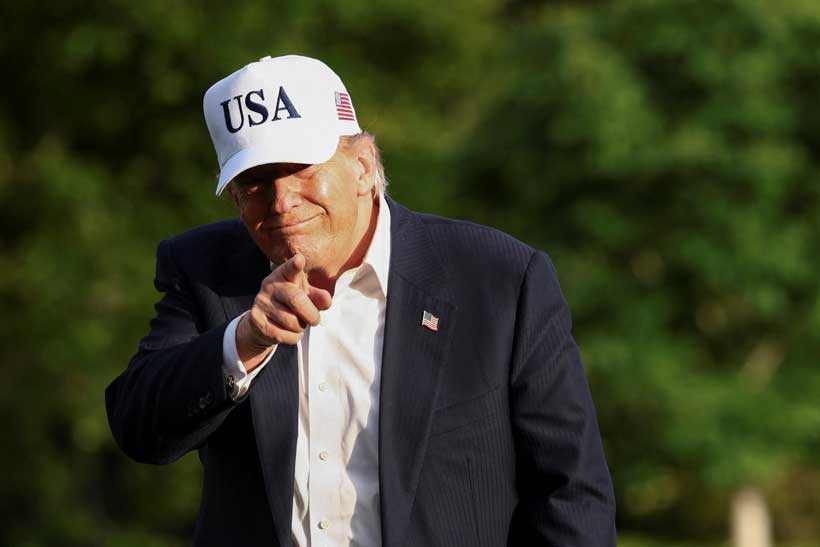
U.S. President Donald Trump has said he is exploring ways to ensure Americans benefit directly from the rapid growth of artificial intelligence, raising the possibility of the government acquiring stakes in leading AI companies. The idea comes as firms such as OpenAI and Anthropic pursue valuations that could make them among the most valuable companies in the world, fueling debate over whether the public should share in the wealth generated by AI technologies.
Why the Idea Is Gaining Attention
The AI boom is expected to create enormous wealth for technology companies, investors and founders. Policymakers and advocates argue that because AI development relies heavily on public infrastructure, government research and vast amounts of publicly generated data, ordinary citizens should receive some of the financial benefits.
The debate has intensified as major AI developers seek billions of dollars to build data centers, chip infrastructure and advanced computing systems.
Option One: Taxing AI Companies Through Equity
One proposal would require AI companies to pay part of their taxes in shares rather than cash.
Under this approach, the government would gradually accumulate ownership stakes in AI firms without directly investing taxpayer money. Supporters argue that it would allow the public to benefit from future growth while avoiding large government expenditures.
Some advocates have gone further, proposing substantial government ownership stakes and board representation to give the public a direct voice in how AI companies operate.
Option Two: Equity in Exchange for Government Support
Another model would involve the government receiving equity stakes in return for financial assistance or incentives.
This approach mirrors previous arrangements in strategic industries where federal funding was provided in exchange for ownership interests. Given the enormous capital requirements of AI infrastructure, government funding could potentially become a source of financing for companies building advanced computing facilities, semiconductor plants and other critical projects.
Supporters argue this would allow taxpayers to benefit if publicly supported companies become highly profitable.
Critics contend that such arrangements could blur the line between regulation and investment, potentially creating conflicts between public policy goals and financial interests.
Option Three: Public Wealth Funds and Citizen Dividends
A third proposal focuses less on government ownership and more on distributing AI-generated wealth directly to citizens.
Under this model, revenue generated through AI-related taxes or investments would flow into a public wealth fund, which would then distribute dividends to Americans.
The concept resembles Alaska’s Permanent Fund, which uses energy revenues to provide annual payments to residents. Advocates argue a similar system could ensure that AI-driven economic gains are shared more broadly across society rather than concentrated among a small number of technology firms and investors.
Some AI companies have expressed interest in versions of this idea, including proposals for digital dividends funded by taxes on the sector.
Why AI Companies Matter
The debate carries major financial implications because leading AI developers are becoming increasingly valuable.
OpenAI and Anthropic have both reportedly taken steps toward potential public listings, while companies across the sector are raising unprecedented sums to fund AI expansion. Some analysts believe the industry could generate trillions of dollars in economic value over the coming decade.
As a result, even relatively small government stakes could potentially produce significant long-term returns.
Challenges and Obstacles
Any effort to give the government ownership in AI companies would face significant legal, political and economic hurdles.
Questions remain over:
How ownership stakes would be valued
Whether companies would voluntarily participate
The impact on private investment
Potential conflicts of interest for regulators
How revenues would be distributed to citizens
There is also likely to be strong opposition from free-market advocates who argue that government ownership could discourage innovation and distort competition.
What Happens Next
Trump has not outlined a specific mechanism for acquiring stakes in AI companies, and no formal proposal has been introduced.
However, the discussion highlights a growing debate over who should benefit from the AI revolution and whether existing economic structures are sufficient to distribute the gains from one of the most transformative technologies in modern history.
Analysis
The significance of Trump’s proposal lies less in whether the government ultimately acquires stakes in AI firms and more in what it signals about the future political debate surrounding artificial intelligence. As AI companies approach trillion-dollar valuations, pressure is likely to grow for policymakers to ensure that the economic gains extend beyond investors and technology executives.
The discussion mirrors earlier debates over natural resources, where governments sought ways to ensure that public assets generated public benefits. In this case, supporters argue that AI is built on public research, public infrastructure and publicly generated data, creating a rationale for broader wealth sharing.
At the same time, the proposal raises fundamental questions about the relationship between government and the private sector. Direct ownership stakes could provide taxpayers with financial upside, but they could also create tensions between the government’s role as regulator and its role as investor.
The debate is likely to become more prominent as AI companies grow larger, seek additional funding and exert greater influence over economic growth, employment and national competitiveness. Whether through equity ownership, taxation or public wealth funds, the central political question is increasingly becoming not whether AI will generate enormous wealth, but who will ultimately receive it.
The Chinese strategy employs research and intelligence institutions working to foster closer ties between Iranian national security institutions and the Egyptian military, aiming to undermine the American presence in the Middle East. Prominent among these institutions are the Middle East Studies Institute at Shanghai International Studies University, the China Institute of International Studies, and the Center for West Asian and African Studies. These Chinese research centers, which shape China’s relations with countries in the region and the Gulf, include the Middle East Studies Institute at Shanghai International Studies University (SISU), which directs studies related to security and defense issues and facilitates direct dialogue between think tanks in Iran and research centers in Egypt. Another example is the China Institute of International Studies (CIIS), which reports directly to the Chinese Ministry of Foreign Affairs and works to engineer diplomatic plans that align Egypt’s strategic interests with the objectives of Tehran and resistance movements in the region. Chinese think tanks and intelligence agencies also rely on a number of People’s Liberation Army-backed space intelligence companies, such as MizarVision and EarthEye. These Chinese companies have provided high-resolution satellite imagery and intelligence data to support operations targeting US bases in the Gulf and the Middle East. These Chinese entities coordinate and plan operations through various mechanisms and initiatives officially launched by China, most notably the Global Security Initiative (GSI). Beijing also uses forums, such as the China-Arab Cooperation Forum, to pressure Middle Eastern and Gulf countries to withdraw foreign forces and end US hegemony in the Gulf and the Middle East. This is framed as ending direct interference in the internal affairs of countries in the region. Beijing is also seeking to establish permanent overseas bases, most prominently the Djibouti naval base in East Africa, to support its regional alliances and ensure the continuity of global supply lines for Chinese interests and investments within the framework of the Belt and Road Initiative.
The relationship between Chinese military and intelligence think tanks and the Egyptian army is highlighted by their shared goal of countering American hegemony and expelling US military bases from the Gulf and the Middle East. China is strengthening its strategic cooperation with the Egyptian army as part of the Djibouti-UAE-Egypt axis, with Beijing relying on Cairo as a key launching pad to secure maritime navigation and reduce American military influence. Beijing is utilizing its strategic institutions and think tanks to provide technological and logistical support to the Egyptian army, aiming to create a regional power capable of maintaining strategic balance in the region against American hegemony and interventions. This escalating security and strategic relationship between the Egyptian and Chinese armies rests on several key pillars, most notably intelligence and military partnership. China aims to train the Egyptian military elite through Egyptian military academies and coordinate threat assessments and mutual monitoring of the military movements of the United States and its allies in the Gulf and the wider region. With the implementation of several joint exercises between the two sides, the Chinese vision crystallized in the (Civilization Eagles maneuvers), which brought together the air forces of China and Egypt. This paves the way for the transfer of military technology and the integration of Chinese systems with Egyptian defenses independent of the West, along with the localization of Chinese military industries in the heart of Cairo. China is negotiating with the Egyptian Ministry of Defense to develop local manufacturing capabilities and transfer defense technology. There are also reports of integrating Chinese systems into Egyptian systems to reduce Egypt’s dependence on American-supplied weaponry. Beijing seeks to create a counterweight to American hegemony in the Middle East and the Gulf. China sees Egypt’s refusal to host any American military bases as a cornerstone of its strategy, relying on the Egyptian and Emirati armies to guarantee regional security as an alternative to the traditional American presence in the Gulf and the Middle East.
Chinese research, military, and intelligence think tanks are working to engineer an asymmetric strategic partnership to end American hegemony in the Middle East and the Gulf. Chinese think tanks, military research centers, and intelligence agencies are operating according to a clear strategic vision aimed at building asymmetrical partnerships in the Middle East and the Arabian Gulf to reduce American influence and establish a multipolar world order. Beijing provides Tehran with technical and intelligence support to deter Washington, while simultaneously seeking to strengthen military cooperation with Egypt as a pivotal regional power. This strategy aims to diminish American influence and secure China’s vital economic interests. The Chinese strategy in the region rests on several pillars, most notably its strategy toward Iran and its technical and intelligence support for the country. China has secretly supplied Iran with advanced satellite technology from its BeiDou satellite system, bypassing Western and American GPS systems, as well as sophisticated air defense systems. This has significantly enhanced the Iranian Revolutionary Guard’s ability to monitor and target American military bases in the region and the Gulf.
The objectives of Chinese think tanks, political, strategic, military, and intelligence research centers become apparent here, as they attempt to plan a path to link Iran to China’s Belt and Road Initiative and transform Iranian military pressure into a tool for destabilizing the US bases deployed in the region and the Gulf. The convergence between China and the Egyptian military is highlighted through the comprehensive strategic partnership between the two countries. Beijing is inclined to strengthen military cooperation with Egypt, capitalizing on its political stability and its geographic location controlling vital maritime trade routes, and to transfer advanced Chinese military technology to Egypt. Beijing has revealed its desire to be a major supplier of equipment to the Egyptian army, such as the J-10 aircraft. This aims to increase Egypt’s strategic maneuvering room and reduce the dominance of Western weaponry.
The stability achieved by the Egyptian leadership is a fundamental pillar supporting the comprehensive strategic partnership, as Beijing seeks to secure its economic and military interests with a stable and influential regional power. Therefore, China is investing in the Belt and Road Initiative, for which the Suez Canal is a vital artery in the Middle East. Cooperation extends to the exchange and transfer of military technology, joint military manufacturing, advanced air defense systems, and the evaluation of potential acquisitions of modern Chinese fighter jets. Furthermore, joint air exercises have been conducted, with the Egyptian Armed Forces carrying out their first-ever joint air exercise, dubbed Eagles of Civilization with China, involving multi-role fighter aircraft from both countries, underscoring the deepening defense partnership between them.
In this context, China relies on the Egyptian military within the framework of its strategic and African axis to counter American influence. For China, Egypt represents its strategic gateway to the African continent and a cornerstone in its maneuvers against the US Africa Command (USAFRICOM). In addition to joint military exercises, China and Egypt have conducted joint air force drills, a clear indication of an unprecedented military rapprochement that has drawn close American scrutiny. With China’s move to transfer technology and arms deals to Cairo, it is positioning itself to support the Egyptian army with advanced air defense systems, such as the HQ-9B. This enhances Egypt’s air deterrence capabilities and forms part of strategic military deals aimed at reducing dependence on the United States and its Western allies. On the other hand, China relies on Iran as a deterrent and direct driver, exerting pressure on American bases in the region. Iran represents the spearhead of China’s brinkmanship policy against American military bases in the Gulf, Iraq, and Syria, with Tehran threatening to strike them should any regional conflict erupt. In conjunction with the economic and diplomatic alliance between Beijing and Tehran, China uses emerging alliances, such as the BRICS group and the Shanghai Cooperation Organisation (SCO), to establish Iran’s political foothold. It sometimes resorts to mediation policies as a tool to reduce the likelihood of a direct confrontation with Iran, which could harm its commercial interests, such as China’s sponsorship of Pakistani mediation efforts between Iran and the United States to stop the war against Iran and allow the Strait of Hormuz to be opened to global trade and navigation.
China’s major objectives in the Middle East lie in a strategy of attrition against the United States. China uses Iranian actions as a clever pressure tactic to test and deplete American military technology without direct involvement in wars of attrition, while simultaneously attempting to create a new regional order. Here, Chinese intelligence agencies coordinate networks of overlapping interests to push countries toward understandings that transcend the American security umbrella, paving the way for the future withdrawal of foreign military bases. The pillars of China’s strategy for alternative hegemony are based on asymmetric partnerships. Beijing focuses on presenting itself as a reliable economic and technological partner without political conditions or interference in internal affairs, unlike the American model based on conditionality and direct military alliances. With China’s emphasis on the economy as a gateway to security, it utilizes the Belt and Road Initiative and its massive investments in infrastructure and ports, such as the Khalifa Port in the UAE and the Port of Duqm in Oman, to solidify its strategic presence and transform economic dependence into long-term geopolitical influence. With Beijing’s use of security diplomacy and mediation, Chinese decision-making centers have adopted a common security approach and offered political mediation, such as sponsoring the Saudi-Iranian agreement, to solidify Beijing’s role as an international peacemaker and portray the United States as a destabilizing force through the militarization of the region. This is coupled with China’s technological and intelligence penetration of the region and the Gulf, where Chinese partnerships focus on transferring 5G technologies, artificial intelligence, and space cooperation with Gulf states. This grants Beijing intelligence-gathering capabilities and allows it to connect the region’s vital systems to the Chinese technological infrastructure. Chinese think tanks and intelligence agencies are planning to cautiously fill the void, as China avoids direct military confrontation with Washington in the region and prefers to capitalize on the Gulf states’ desire to diversify their partnerships and hedge against the gradual decline of American interest in the Middle East.
Accordingly, we analyze that China’s military strategy in the Middle East and Africa relies on building defense partnerships with diverse objectives. It utilizes the Egyptian army as a pivotal regional power to bolster its influence and counterbalance the American presence through advanced training cooperation while simultaneously leveraging its relationship with Iran to exert pressure on American bases, particularly in the Gulf, and secure its oil interests all within a comprehensive policy aimed at dismantling American hegemony in the region.
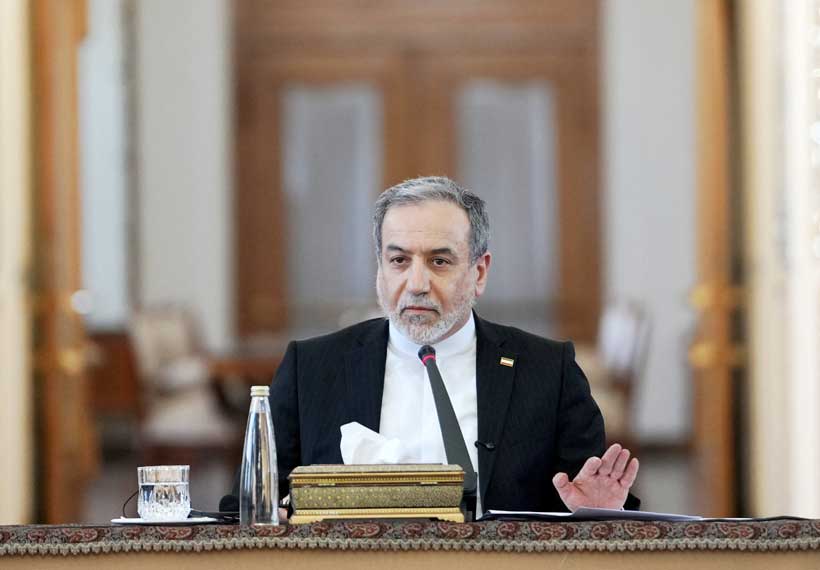
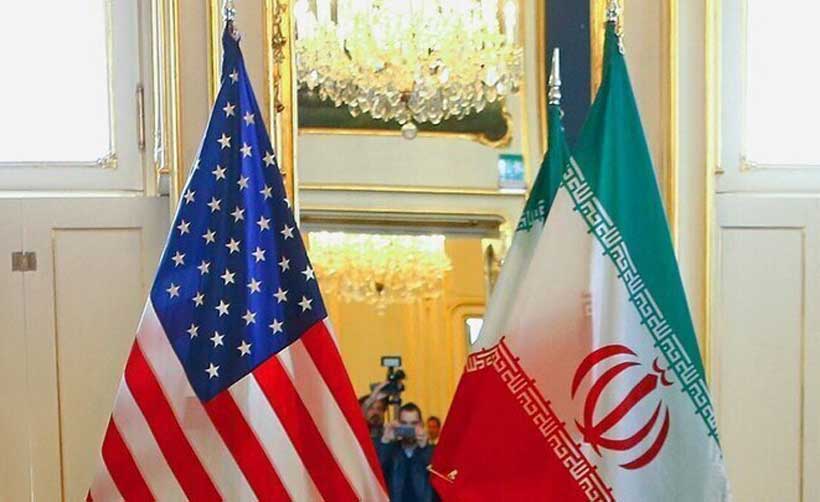
The 14-point Islamabad Memorandum of Understanding between the United States and Iran deserves cautious support, not celebration. Its most important promise is immediate and permanent cessation of military operations on all fronts, including Lebanon. That is a serious achievement if it holds. The reported US-Iran text also commits both sides to avoid threats or use of force and to respect sovereignty. But wars do not end because officials announce elegant clauses. They end when armies, proxies, navies, banks, inspectors and political leaders behave differently the next morning.
The reported Versailles signing, with President Macron nearby, gave the accord theatrical weight. The reported confirmation by Iran’s Foreign Ministry gave it visibility in Tehran. Yet the title “Islamabad” may be the most revealing symbol. It suggests that diplomacy around Iran is no longer owned by Washington and Europe alone. Pakistan, Qatar, Oman and Gulf states now matter. That is healthy. But symbolism cannot replace sequencing. A memorandum is useful only if it becomes a disciplined path toward a final settlement.
Hormuz is the pressure point
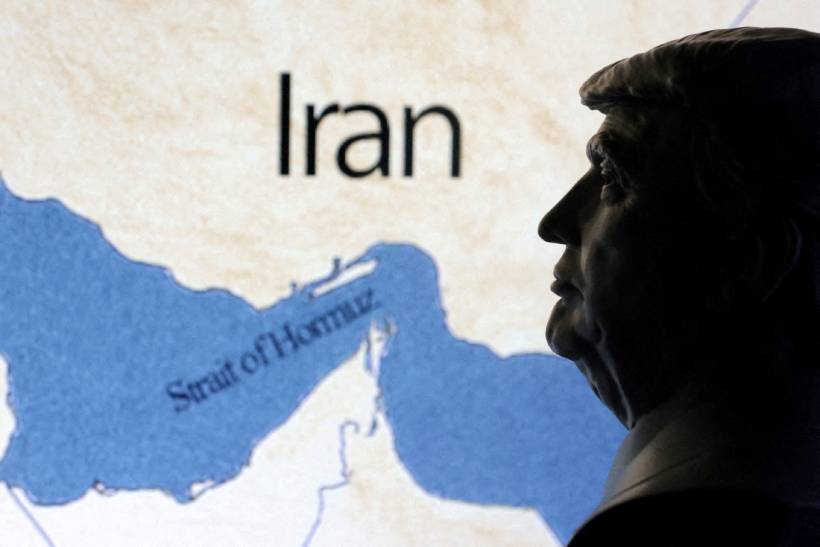
The Strait of Hormuz is the economic heart of this agreement. The International Energy Agency describes it as one of the world’s critical oil chokepoints, so restoring commercial shipping is a global necessity. The MOU’s promise of safe, toll-free passage for 60 days can calm markets, but it cannot settle maritime governance. Iran’s future talks with the Sultanate of Oman and other littoral states must produce rules on fees, inspections, de-mining, escorts and disputes. Without that, Hormuz remains a bargaining chip, not a secure passage.
The most controversial part is economic. Washington would provide waivers for Iranian oil exports, make frozen assets usable, avoid new sanctions during talks and support a reconstruction plan of at least $300 billion. This could be pragmatic statecraft or a strategic mistake. The OFAC Iran sanctions system affects banks, insurers, traders and shippers. Recent State Department sanctions show how aggressively Iranian petroleum networks had been targeted. Relief must therefore be sequenced with measurable action. If Tehran receives benefits before verification, critics will call it capitulation. If Washington delays relief after compliance, Tehran will call it bad faith.
Nuclear language cannot stay vague
Iran’s renewed pledge not to build nuclear weapons is necessary, but not enough. The decisive issue is the future of enriched material, enrichment activity and inspection access. Any final deal must put IAEA Iran monitoring at the centre. The IAEA’s NPT safeguards framework and the Non-Proliferation Treaty offer the right balance: Iran has civilian nuclear rights, but the world has a right to credible assurance that military pathways are closed. Down-blending enriched material under inspection may be a start. It cannot be the finish line.
Including Lebanon in the ceasefire is wise, but risky. The promise to protect sovereignty echoes the UN Charter. But Lebanon has long suffered from the gap between formal sovereignty and armed reality. If Hezbollah, Israel, Iran or any other actor treats Lebanon as a loophole, the ceasefire will collapse at its weakest seam. The final text must clarify what “all fronts” means, how non-state armed groups are restrained, and what happens if a party violates the ceasefire through an ally.
The final agreement must be public and enforceable
The Islamabad MOU is not peace. It is a pause with possibilities. It should be supported because war has already proved disastrous, but it must be judged by performance: ceasefire maintained, Hormuz reopened, sanctions relief sequenced, nuclear material verified, Lebanon protected and the final deal anchored in law. Anything less would turn a promising memorandum into another diplomatic mirage.
Israel and Hezbollah agreed to a ceasefire in Lebanon after escalating violence threatened to derail potential peace talks regarding the ongoing war in Iran. This ceasefire was announced just before 4 p.m. Lebanon time, with a U. S. official confirming that negotiations, facilitated by the U. S. and Qatar with assistance from Iran, had led to this agreement. Both sides indicated they would uphold the ceasefire, with an Israeli official stating that Israel would remain in southern Lebanon but would not engage in conflict unless attacked.
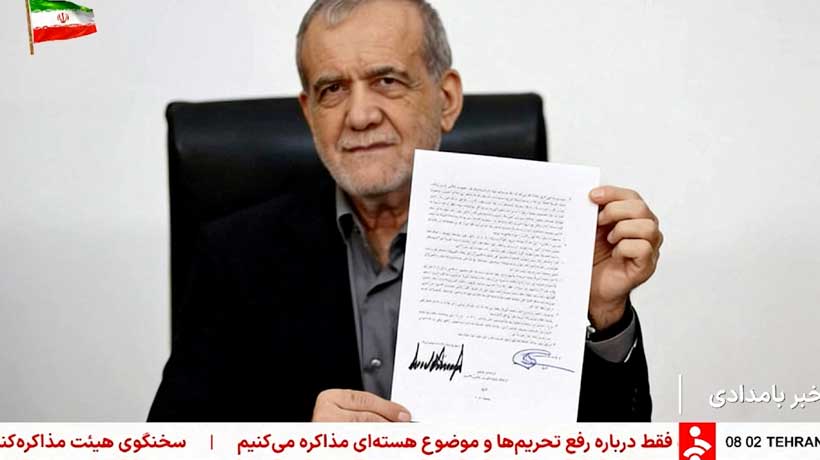
The recent conflict included intense airstrikes that resulted in 18 deaths and injuries to 33 others in Lebanon. Four Israeli soldiers were also killed by Hezbollah. This violence could complicate U. S.-Iran negotiations, as establishing peace in Lebanon is key to a broader agreement. The recent memorandum signed by the presidents of the U. S. and Iran postponed discussions on critical issues like Iran’s nuclear program, granting parties 60 days to agree on a lasting solution or extend the current deal.
Technical talks were planned in Switzerland but were postponed, and officials from both the U. S. and Iran indicated that their respective negotiators would not be attending. Hezbollah lawmakers suggested that further discussions hinge on a complete ceasefire and urged the Lebanese government to reject any negotiations with Israel as long as hostilities continued.
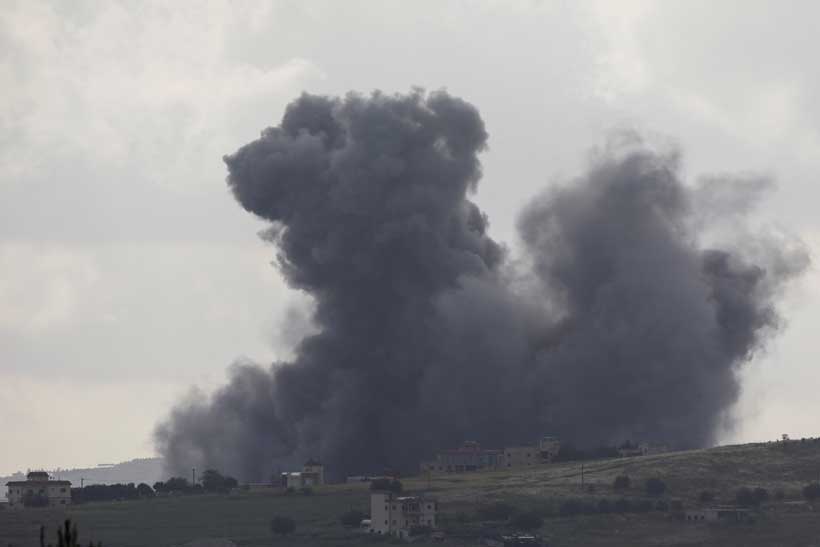
The interim agreement seeks an end to military operations in various regions, including Lebanon, but Israel maintains that it is not a part of these deliberations. The fighting began when Hezbollah fired at Israel, prompting Israeli military responses, including strikes targeting Hezbollah’s positions.
Lebanon’s health ministry confirmed the heavy toll from recent airstrikes, and its President condemned Israel’s actions while emphasizing the commitment to achieve a comprehensive ceasefire. The broader conflict, which originated on February 28 with U. S. and Israeli attacks on Iran, has reportedly resulted in at least 7,000 deaths, primarily in Iran and Lebanon.
Despite the conflict’s impact on oil prices, which had risen due to concerns over regional stability, the signing of the interim deal resulted in a drop in prices as shipping through the Strait of Hormuz resumed. Under the terms of the agreement, Iran will receive economic relief and unfreezing of assets, with negotiators tasked with addressing the status of Iran’s nuclear program and establishing a reconstruction fund within the next 60 days.
In the face of criticism in the U. S., former President Trump defended the deal, arguing that the war had weakened Iran and affirming that the terms would lead to significant concessions from Iran without offering direct financial support.
China officially objected through its Foreign Ministry to the Japanese draft resolution to increase armaments and abandon Japan’s post-World War II commitment not to rearm its military, as approved by the Liberal Democratic Party of Japan during its general council meeting. The draft resolution proposed amending three key security documents, which are the National Security Strategy, the National Defense Strategy, and the Medium-Range Defense Forces Enhancement Plan. It was to be submitted to the Japanese government and parliament for further discussion. Chinese authorities officially rejected and objected to the draft, deeming it a threat to their national security and their spheres of direct influence in Taiwan, the South China Sea, and the Indo-Pacific region. They considered it a radical escalation of Japan’s security strategy, detrimental to Chinese national security and to the global security initiative proposed by Chinese President Xi Jinping.
Here, the revision of Japan’s three security documents, represented in the National Security Strategy, National Defense Strategy, and Defense Force Enhancement Plan, represents a strategic shift away from its post-war pacifist constitution toward more proactive and independent military policies. The nature of this shift is evident in Tokyo’s easing of restrictions on lethal weapons exports and its reorientation of its armament toward counter-offensive capabilities and missile development. Under Prime Minister Sanae Takaichi’s administration, the Liberal Democratic Party of Japan has adopted a proactive approach, reshaping Japanese industries and institutions to address the greatest strategic challenge posed by China. The updated National Security Strategy has already fundamentally altered the country’s pacifist military doctrine by disarming the Japanese military and preventing its rearmament since World War II, a move that has drawn staunch opposition from China, which seeks to protect its own national security. The most significant amendments to the three Japanese security documents included Japan’s acknowledgment of its ability to double and enhance its counter-strike capabilities. This was achieved by allowing Japan to possess long-range missiles capable of striking enemy targets before launch. Simultaneously, Japanese authorities approved doubling defense spending, raising the military budget to 2% of GDP.
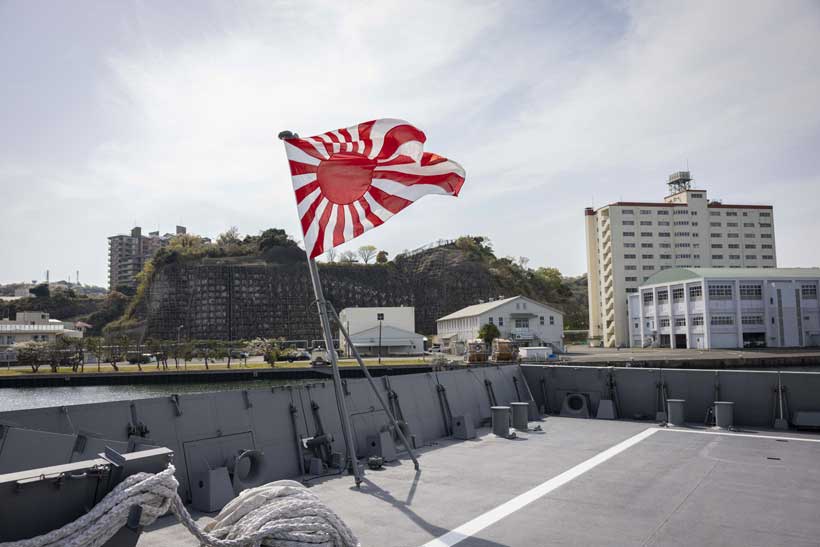
China objected to the Japanese draft resolution, which aimed to increase Japanese armament and militarize the region and global supply chains, and threatened to escalate the situation. Beijing strongly condemned these trends, describing them as new militarism. A key point of contention for China was what Chinese intelligence and military circles perceived as a warning of Japanese and foreign interference in Taiwanese affairs, as China considers Taiwan an integral part of its territory. Beijing condemned the Japanese leadership’s statement that any emergency in Taiwan is an emergency for Japan, describing a potential Chinese military intervention in Taiwan as an act of aggression. Here, Beijing rejects Japan’s new military approach, characterized by advanced military deployment. China has officially protested and taken countermeasures against Japan’s plans to deploy defensive missiles on Yonaguni Island, located only about 110 kilometers from Taiwan. China has strongly accused Japan of violating its commitments, arguing that this new Japanese military expansion violates Tokyo’s international obligations and its pacifist constitution. China has warned Japan that it will pay a heavy price if it intervenes militarily in the Taiwan Strait.
Chinese intelligence, military, security, and defense circles link Japan’s armament activities in Taiwan to American interference in Chinese affairs through its network of allies in the Asian region, such as Japan, given its close alliance with Washington. Here, Japan defends its military rearmament against China, with several of its officials sending political and security warnings to China. They argue that, given the uncertainty in Japan stemming from US policies and the fluctuating stance in Washington, Japan seeks to bolster its own capabilities and build regional alliances (with the Philippines, Australia, and NATO) to expand deterrence against Beijing and maintain regional security from a Japanese perspective. Strategic circles in Tokyo view the potential fall of Taiwan to China as a direct and existential threat to Japanese national security and vital shipping lanes, making the protection of the Taiwan Strait a fundamental component of Japan’s updated defense doctrine.
For these reasons, China’s decisive response was seen as a challenge to its national security, especially given Japan’s de facto official classification of Beijing as the greatest and most unprecedented strategic challenge to its security. This classification was further reinforced by Japanese authorities’ approval of developing military production, strengthening domestic defense industries, and easing restrictions on arms exports. This is where the dimensions of China’s official rejection and objection lie, as it is considered a violation of the pacifist principle enshrined in the Japanese military doctrine, which was internationally and regionally agreed upon after World War II for Japan’s disarmament. Beijing believes that Tokyo is abandoning its pacifist constitution and returning to a militaristic path, while Japan exaggerates the narrative of a China threat. Beijing accuses Japan of fabricating flimsy pretexts to justify its military expansion and arsenal, which threatens China’s regional security. Therefore, China warned that these Japanese steps to increase armament undermine peace and stability in the Asia-Pacific region and jeopardize the principles of China’s global security initiative. China also registered its objection to Japan’s exclusionary approaches to its initiative based on shared and sustainable security. Furthermore, China linked this Japanese escalation in its confrontation with China in the region to the sensitive issue of Taiwan and the close alliance between the United States and Japan, while categorically rejecting Japanese interference in Taiwan’s affairs and considering the island’s security an integral part of China’s national security.
Iran’s government has portrayed the interim agreement with the United States as a victory that ended months of conflict and prevented further escalation. The deal halted a war that saw U.S. and Israeli airstrikes, disruptions to trade, and severe economic damage across Iran.
However, interviews with ordinary Iranians reveal a starkly different picture. Many citizens say years of sanctions, combined with the recent conflict, have left them struggling with rising prices, declining living standards, and deep uncertainty about the future. While the fighting may have stopped for now, many remain unconvinced that the agreement will bring meaningful economic relief or lasting stability.
Economic Hardship Continues to Dominate Daily Life
For many Iranians, the ceasefire has not changed the reality of daily economic struggles.
Business owners, students, and workers interviewed across the country described a population focused on survival rather than recovery. Many reported cutting household spending, reducing social activities, and adjusting to higher living costs. Small businesses continue to face weak consumer demand, while young people increasingly worry about their economic prospects.
The war added another layer of pressure to an economy already weakened by years of international sanctions, inflation, and limited foreign investment. As a result, many citizens see little immediate prospect of improvement even if the ceasefire holds.
Divided Views on the Outcome of the Conflict
The agreement has exposed a clear divide between the government’s narrative and public sentiment.
Supporters of the Islamic Republic view the deal as proof that Iran resisted external pressure and preserved its political system. Some hardliners argue that the country emerged stronger and demonstrated resilience despite military and economic pressure.
Many ordinary citizens, however, are less focused on geopolitical outcomes and more concerned about living standards. For them, the key measure of success is whether the agreement leads to lower prices, economic opportunities, and greater stability. So far, few appear convinced that such changes are imminent.
Concerns Grow Over Political Freedoms
Beyond economic concerns, many Iranians fear that the post war environment could lead to tighter political controls.
Some citizens believe the government may use the conflict and national security concerns to justify stronger oversight and restrictions. These fears are particularly pronounced in regions populated by ethnic minorities, where previous protests have often been met with heavy security responses.
There is also uncertainty about whether public frustration over economic conditions could trigger future demonstrations. While many people remain cautious after previous crackdowns, underlying grievances over jobs, inflation, and political freedoms remain unresolved.
The ceasefire may have reduced the immediate threat of war, but it has done little to address the deeper challenges facing Iran. Public opinion appears increasingly shaped by economic realities rather than political declarations of victory.
The government may benefit in the short term from ending the conflict and avoiding further military escalation. However, lasting stability will depend on whether authorities can deliver tangible economic improvements and restore public confidence.
The biggest challenge for Tehran is that expectations remain extremely low. Many Iranians do not see the ceasefire as a turning point but rather as a temporary pause in a broader cycle of economic hardship and political uncertainty. If future negotiations fail to produce sanctions relief, investment, and economic recovery, public frustration could continue to grow despite the end of active conflict.
Stakeholders
Iranian government and political leadership
Iranian citizens and businesses
United States
Israel
Ethnic minority communities in Iran
International investors and energy markets
Regional governments monitoring stability in the Middle East
What’s Next
Attention will now shift to negotiations aimed at turning the interim agreement into a permanent settlement. Iranian leaders will seek economic benefits and sanctions relief, while Washington is expected to push for further commitments on security and nuclear issues.
Domestically, the government faces the challenge of managing economic expectations and maintaining stability. Whether the ceasefire translates into meaningful improvements for ordinary Iranians may ultimately determine how the agreement is judged inside the country.
Beijing warmly welcomes the peace agreement and memorandum of understanding between the United States and Iran, considering it an important step toward de-escalating regional tensions. China supports the diplomatic path to resolving the crisis, based on a clear strategy aimed at protecting its economic and strategic interests. Beijing emphasizes that a permanent ceasefire, the protection of national sovereignty, the reopening of the Strait of Hormuz, and ensuring the safety of international navigation are top priorities. China contributed behind the scenes to shaping the negotiating framework and influencing Tehran to accept the agreement with the United States in order to safeguard its vital interests in the continued flow of Iranian oil. Accordingly, China officially welcomed the memorandum of understanding between the United States and Iran, affirming that the agreement represents a crucial step toward de-escalating regional tensions. The Chinese diplomatic welcome focused on the key provisions of the agreement, as stated by the spokesperson for the Chinese Foreign Ministry. These provisions guarantee a comprehensive ceasefire, freedom of navigation, energy security, an end to the naval blockade, and the reopening of the Strait of Hormuz to global trade and energy supplies. China considers this essential for its energy and economic security. This agreement, along with the nuclear framework and negotiations, marks the conclusion of the first phase, followed by a 30-60 day negotiation period to discuss the Iranian nuclear program (uranium enrichment and the lifting of sanctions). This Chinese announcement came in support of international mediation efforts ahead of the official signing ceremony in Geneva.
The most prominent points welcomed by China in the US-Iranian agreement, according to announcements and follow-up by Chinese diplomatic channels and as included in the key provisions of the memorandum of understanding, were a cessation of military operations; an immediate and permanent ceasefire on all fronts, including the Lebanese front; freedom of navigation through a commitment to end the naval blockade and open the Strait of Hormuz to global trade and energy supplies; and the nuclear framework, with the conclusion of a phase one agreement stipulating that negotiations on the Iranian nuclear program (uranium enrichment and sanctions relief) would take place within a specified timeframe of 30 to 60 days following the signing.
China has played a pivotal, often unacknowledged, role as a diplomatic bridge between Tehran and Washington to protect its strategic and economic interests in the Middle East. The dimensions of China’s behind-the-scenes role include ensuring the flow of energy. Beijing seeks to maintain stability in the Gulf region to guarantee the uninterrupted supply of Iranian oil and to protect its interests and investments in the Belt and Road Initiative. Iran represents a crucial geographical and strategic hub in China’s ambitious Belt and Road Initiative. To this end, Beijing has sought to leverage its strong economic ties and strategic partnership with Tehran to persuade it to make flexible concessions during critical times, while offering support to avoid military escalation. Beijing fears that the collapse of diplomatic channels could lead to a regional war that would jeopardize its extensive investments in the region.
On the other hand, Beijing seeks to counterbalance American influence. China prefers a negotiated framework between Tehran and Washington that limits American unilateral hegemony and positions itself as a responsible international player capable of peacemaking. China’s vision for diplomatic balancing between Washington and Tehran is shaped by several key strategic axes, most importantly (establishing the principle of a political settlement). Here, Beijing consistently emphasizes that dialogue is the only solution to the Iranian crisis, rejecting military escalation that harms the security of navigation and global trade. This is coupled with regional and international networking, where China supports parallel diplomatic efforts, such as Pakistani mediation. Beijing maintains continuous communication with the parties to the crisis to ensure the opening of indirect negotiation channels that prevent a full-scale confrontation and safeguard vital interests. China has maintained the flow of Iranian oil while simultaneously strengthening its extensive economic partnerships with the Gulf states, granting it unique diplomatic weight and influence that Western powers lack. Despite this notable progress, Beijing faces ongoing challenges due to US containment policies. China rejects Washington’s classification of its major technology companies as military entities and threatens retaliatory measures, making Beijing’s attempts to create a strategic balance with the United States an extremely delicate and sensitive process.
Based on the preceding understanding and analysis, we can see how successful Beijing has been in transforming escalating tensions in the Middle East into strategic gains. China has played an active mediating role by supporting diplomatic talks and the memorandum of understanding for peace between Washington and Tehran, thus positioning itself as a responsible international power seeking to establish stability and move away from unilateral hegemony.
The “Love Island USA” production team is mourning the loss of executive producer James Barker, who died last week while on set in Fiji.
“Love Island USA” producers ITV America and Peacock confirmed Barker’s death in a media release shared with The Times on Monday. The announcement said that Barker died after “an unexpected medical emergency” but did not provide additional details, including the day of his death and a cause of death. Barker was 40.
“James’ unimaginable loss has been deeply felt across not just the entire Love Island USA production, but throughout all of ITV and Peacock,” the television companies said in a joint statement. “He was a beloved and greatly valued member of our collective family whose kindness, talent and dedication left an indelible mark on all of us and everyone who had the privilege of knowing and working with him. We extend our heartfelt condolences to James’ family, friends and colleagues.”
Barker began his tenure on “Love Island USA” in 2020, first working as a story producer. He has worked as an executive producer on the series for the last three seasons and was also a member of the producing team on “Love Island” companion series “Love Island Games” and “Love Island: Beyond the Villa.”
Barker, according to Monday’s statement, also oversaw the hit series’ pop soundtrack. For an interview with Rolling Stone in 2025, Barker recalled watching the original British “Love Island” series and how pop music supplemented the on-screen romances and heartbreak: “I think that is where my brain immediately said, ‘One, this is amazing, and more shows should be like this.’ And two, ‘How do I work on “Love Island”?’”
Barker also noted in the interview that he drew inspiration for the “Love Island USA” villa sound from his pre-TV career as a nightlife DJ and spoke about the process of hand-selecting music from established pop acts and up-and-coming artists.
“In the past, there was such a stigma about reality shows that a lot of artists didn’t want their music associated with reality shows. And that’s starting to turn around now,” Barker told the outlet. “[Artists are] more and more seeing, well, one, the financial aspect of having your music synced in these kind of shows, and also just the wide reach of viewers.”
Before “Love Island USA,” Barker was a producer on reality series “Pawn Stars,” “Counting Cars” and “Forged in Fire.” He later served as a story producer on “Queer Eye,” “Cosmic Love” and “Are You My First?” Outside of his TV work, Barker often performed as DJ Chaotic at gay bar C’mon Everybody in Brooklyn.
“Love Island USA,” which began its eighth season earlier this month, will pay tribute to Barker in Tuesday’s episode.
The announcement of a preliminary US-Iran agreement has generated cautious optimism in Lebanon, where months of conflict have displaced large portions of the population and devastated communities across the south.
While the framework reportedly calls for the immediate cessation of military operations, Lebanese authorities are warning residents against assuming that conditions are safe enough for a rapid return.
The caution reflects uncertainty over how the agreement will be implemented and whether all parties will abide by its terms.
Adding to those concerns, Israel has made clear that it does not consider itself bound by the agreement and intends to maintain security zones in southern Lebanon.
Lebanon became one of the principal battlegrounds of the wider regional conflict after Hezbollah opened a front against Israel in support of Iran following the outbreak of hostilities.
The resulting escalation led to extensive Israeli military operations across southern Lebanon, causing widespread destruction and one of the largest displacement crises in the country’s recent history.
Entire communities were uprooted as residents fled bombardment and military activity.
Iran consistently pushed for any agreement with Washington to include provisions addressing Lebanon, viewing the conflict there as inseparable from broader regional tensions.
The inclusion of Lebanon in the framework agreement therefore represents a significant diplomatic concession and a central element of Tehran’s negotiating position.
Why This Matters
Lebanon has become one of the clearest examples of how regional conflicts can produce devastating humanitarian consequences.
The conflict has:
Displaced more than a million people.
Damaged homes, infrastructure, and businesses.
Increased pressure on Lebanon’s already fragile economy.
Deepened political and social instability.
A durable ceasefire could allow reconstruction efforts to begin and reduce the risk of further regional escalation.
However, the humanitarian benefits will depend on security conditions improving on the ground rather than merely on diplomatic declarations.
The Challenge of Returning Home
For displaced families, peace announcements do not automatically translate into confidence.
Many residents remain uncertain about:
Whether military operations have truly ended.
The presence of Israeli forces in southern areas.
The condition of homes and infrastructure.
Future security guarantees.
The hesitation expressed by displaced residents reflects a broader reality in conflict zones: trust often takes much longer to rebuild than physical infrastructure.
Even if active fighting stops, communities may remain reluctant to return until they believe the risk of renewed conflict has genuinely diminished.
Israel’s Position Complicates the Picture
A major obstacle to immediate normalization is Israel’s position.
Israeli officials have indicated they will continue maintaining security zones and reserve the right to conduct operations they deem necessary for national security.
This creates ambiguity regarding implementation of the broader agreement.
While the US-Iran framework may establish a diplomatic foundation for reducing violence, the practical situation on the ground will depend on decisions made by actors who were not direct participants in the negotiations.
This distinction could prove crucial in determining whether the agreement produces lasting stability.
A Test of Regional Diplomacy
The inclusion of Lebanon in the agreement demonstrates how interconnected Middle Eastern conflicts have become.
The war was never confined solely to the United States and Iran. It involved multiple regional actors, proxy groups, and overlapping security concerns.
As a result, success will be measured not only by whether Washington and Tehran uphold their commitments but also by whether the agreement influences behavior across the broader region.
Lebanon is likely to become one of the first and most visible tests of that process.
Key Stakeholders
Lebanon and its government institutions
Displaced Lebanese civilians
Israel and its military leadership
Hezbollah
Iran
The United States
Regional mediators including Pakistan
Humanitarian organizations operating in Lebanon
What to Watch Next
Whether military activity in southern Lebanon decreases in the coming days.
Israeli decisions regarding security zones.
Hezbollah’s official response to the agreement.
The pace of civilian returns to southern communities.
International support for reconstruction and humanitarian assistance.
Broader negotiations during the 60-day ceasefire period.
The agreement creates an opportunity for Lebanon to move toward greater stability after months of destruction and displacement.
If implemented successfully, reduced hostilities could pave the way for reconstruction, humanitarian relief, and the gradual return of displaced populations.
Yet significant uncertainty remains. Security concerns, damaged infrastructure, and competing interpretations of the agreement could slow progress and complicate efforts to restore normalcy.
For many Lebanese families, the end of active conflict would represent only the beginning of a much longer recovery process.
Analysis
The most revealing aspect of Lebanon’s reaction is the disconnect between diplomacy and reality.
International leaders may celebrate ceasefires and framework agreements, but people living through conflict judge peace by different standards. They look not at official statements but at troop movements, security conditions, and whether it is safe to return home.
That gap is already visible in southern Lebanon. While diplomats describe the agreement as a breakthrough, local authorities are warning residents against rushing back. Israel’s decision to maintain security zones further reinforces uncertainty about how quickly conditions can normalize.
This highlights a recurring challenge in conflict resolution. Agreements can stop wars on paper, but rebuilding trust often takes far longer than negotiating a ceasefire.
Lebanon’s experience may therefore become a key measure of whether the US-Iran agreement delivers meaningful change beyond diplomatic symbolism. If displaced communities can safely return, reconstruction begins, and violence declines, the agreement will gain credibility. If insecurity persists despite the deal, questions will quickly emerge about its effectiveness.
Ultimately, Lebanon represents the human dimension of the broader regional settlement. The success of the agreement will not be judged solely by geopolitical outcomes or energy markets but by whether ordinary people feel secure enough to rebuild their lives after months of war.
The preliminary memorandum represents the first formal framework outlining how Washington and Tehran intend to move from military confrontation toward diplomacy.
While many details remain unpublished, statements from U.S., Iranian and Pakistani officials provide a broad outline of the deal’s structure.
Rather than resolving every dispute immediately, the agreement establishes a phased process aimed at reducing tensions first and addressing more difficult issues later.
The approach reflects the reality that both sides were able to reach consensus on ending hostilities more easily than on the underlying disputes that fueled the conflict.
Phase One: Ending the Fighting
The first stage focuses on immediate de-escalation.
According to mediator Pakistan, both sides have agreed to permanently halt military operations across all fronts.
The formal memorandum is expected to be signed in Switzerland, after which implementation would begin.
The objective of this phase is straightforward: stop active hostilities, reduce the risk of escalation, and create space for broader negotiations.
This represents the most immediate achievement of the agreement and is likely the reason markets reacted positively.
Reopening the Strait of Hormuz
The reopening of the Strait of Hormuz is arguably the agreement’s most significant economic provision.
The waterway serves as one of the world’s most important energy transit routes and has been at the center of global concerns throughout the conflict.
Both sides indicate that commercial shipping will resume following the signing of the memorandum.
The restoration of maritime traffic could:
Increase global oil supply.
Reduce shipping disruptions.
Ease pressure on energy prices.
Lower inflation risks for major economies.
However, questions remain over how the route will be governed.
Iran has suggested it will coordinate management of traffic with Oman, potentially giving Tehran a more formal role in overseeing one of the world’s most strategically important waterways.
That issue could become a future source of diplomatic friction.
The Nuclear Issue Has Been Deferred
The most controversial subject in the negotiations remains unresolved.
Rather than settling the nuclear dispute immediately, both sides appear to have agreed to address it during a 60-day negotiation period.
According to Iranian officials, Tehran would freeze nuclear activities during that time by halting additional enrichment and refraining from expanding facilities.
The long-term future of Iran’s nuclear infrastructure remains unclear.
Washington continues to emphasize inspections and preventing Iran from acquiring a nuclear weapon.
Tehran continues to insist that its nuclear program is peaceful and seeks recognition of its right to maintain civilian nuclear activities.
These competing positions are likely to dominate the next phase of talks.
Sanctions Relief Could Shape the Success of the Deal
Economic issues may ultimately prove as difficult as nuclear negotiations.
Iran expects meaningful sanctions relief as part of any final settlement.
Iranian officials have spoken about:
Temporary waivers on oil sanctions.
The release of frozen assets.
Financial support mechanisms.
A pathway toward lifting U.S. and international sanctions.
The Trump administration has signaled a more cautious approach.
Washington has indicated that sanctions relief will depend on Iranian compliance and future negotiations rather than automatic implementation.
This difference highlights one of the central tensions in the agreement: each side expects benefits on different timelines.
Lebanon Remains a Flashpoint
The agreement’s treatment of Lebanon illustrates how regional conflicts have become intertwined.
Iran views a ceasefire in Lebanon as a critical component of the broader settlement.
Lebanese political leaders have welcomed the inclusion of Lebanon in the framework.
Israel, however, has made clear that it does not consider itself bound by all aspects of the agreement and intends to maintain military positions in areas it views as strategically important.
This creates uncertainty about whether the Lebanon component can be implemented as envisioned.
The issue could quickly become one of the first tests of the agreement’s durability.
Why This Matters
The memorandum matters because it shifts the conflict from the battlefield to the negotiating table.
The agreement addresses several immediate concerns:
Rising energy prices.
Shipping disruptions.
Escalating regional instability.
Growing economic uncertainty.
At the same time, it leaves the most difficult questions unresolved.
This means the framework should be viewed as the beginning of a diplomatic process rather than its conclusion.
Its success will depend on whether negotiators can transform temporary understandings into binding commitments.
Key Stakeholders
United States
Iran
Pakistan (mediator)
Israel
Lebanon
Oman
European powers
Gulf Arab states
International energy markets
Global shipping industry
International Atomic Energy Agency (IAEA) and nuclear inspectors
What to Watch Next
Formal signing of the memorandum in Switzerland.
Reopening of the Strait of Hormuz.
Progress during the 60-day negotiation period.
Discussions on Iran’s nuclear program.
Decisions regarding sanctions relief.
Reactions from Congress and international partners.
Israeli actions in Lebanon and other contested areas.
The memorandum creates a framework for de-escalation, but its long-term success remains uncertain.
If implemented effectively, the agreement could stabilize energy markets, reduce regional tensions, and create momentum for broader diplomatic engagement.
However, many of the issues that triggered the conflict remain unresolved.
Nuclear enrichment, sanctions, regional security arrangements, and competing strategic interests are all likely to generate difficult negotiations.
The coming 60 days will therefore be more important than the announcement itself.
They will determine whether the framework becomes a durable peace process or merely a temporary pause in a conflict whose underlying disputes remain intact.
Analysis
The structure of the agreement reveals a pragmatic calculation by both Washington and Tehran.
Rather than attempting to solve every dispute at once, negotiators prioritized issues where agreement was achievable: ending active hostilities, reopening shipping routes, and creating a mechanism for future talks.
This approach reflects the political realities facing both governments.
For President Trump, reducing energy prices and ending a costly conflict addresses growing domestic pressure. For Iran, halting military operations while preserving room to negotiate on sanctions and nuclear issues offers a path to economic relief without immediate capitulation.
Yet the framework’s greatest strength may also be its greatest weakness.
By postponing the hardest questions, the agreement creates momentum for diplomacy but also leaves significant room for disagreement later. Nuclear enrichment, sanctions relief, and regional security arrangements are not peripheral issues—they are the core disputes that drove the conflict.
As a result, the memorandum should be viewed less as a peace treaty and more as a diplomatic bridge. It lowers immediate risks and creates opportunities for negotiation, but it does not yet resolve the strategic rivalry between the United States and Iran.
Whether this becomes a historic breakthrough or a temporary truce will depend on what happens after the signatures are placed on the document. The real negotiations are only beginning.
Behind a veil of good-natured diplomacy, American adversaries are exploiting the conflict in Iran by gaining insights, strategic lessons, and geopolitical power while the United States wages feckless war against the Middle Eastern theocracy. Beyond the bombings, the blockade, and the oil prices, Russia and China keenly watch how America struggles, succeeds, and scrambles. In doing so, these adversaries are leveraging the conflict to challenge America’s readiness, aid its adversaries, and gain invaluable intel on America’s successes and failures.
The concept of observing a conflict to acquire critical intelligence on how to best conduct combat is not unique to the war in Iran. For example, in the Russo-Ukrainian War, America has gained indispensable knowledge on the most and least effective tools of 21st-century warfare, including information on the power of unmanned aerial systems. With the war in Iran, though, Russia and China are the scientists, and America is the experiment. The Middle East is now a testing ground for cutting-edge drone swarm technologies and a catalyst for how smaller powers can effectively deny their adversaries from accomplishing their objectives—a lesson that China is certainly eager to learn about for a possible conflict over Taiwan. Therefore, when America wages war against Iran, there are consequences that are crucial to recognize, and one of those consequences is that the United States is inadvertently empowering and informing its adversaries.
Maintaining its signaled commitment of multipolarity and geopolitical neutrality, China’s Foreign Ministry spokeswoman Mao Ning commented, “…China…has been making active efforts to promote ceasefire and peace…we will continue playing an active role in restoring…tranquility to the Middle East…” Reality demonstrates that this is false. China is discreetly gaining intelligence on the U.S. military’s readiness, pacing, and warfighting strategies. Furthermore, China has directly supported Iran, providing anti-missile weaponry, building blocks for ballistic missiles, and invaluable military intelligence to the Iranian Revolutionary Guard Corps. Instead of promoting peace and tranquility, these actions are designed to empower Iran and keep America locked in the struggle, weakening the country and allowing China to acquire more intelligence on U.S. readiness. Despite China’s claimed intentions, it’s clear that the nation is bolstering Iran’s strength and sustaining its defenses. Even from a domestic point of view, these actions are increasing domestic American division and the depletion of America’s defense resources. The conflict with Iran is not limited to Iran; by proxy, it’s with America’s foremost adversaries, too.
Similarly, Russia has provided critical support to Iran in the form of targeting intelligence, which Iran couldn’t have otherwise acquired. Shahed drones, assets that have proven to be exceptionally effective against western defenses, are manufactured in Russia’s Alabuga Special Economic Zone and are being provided to Iran by Russia. Contradicting these actions, a statement by the Russian Ministry of Foreign Affairs declared that the country “…stands ready to assist in advancing peaceful solutions grounded in international law, mutual respect, and a balanced consideration of interests.” But equipping Iran with efficacious tools of war is not a peaceful solution. Giving the nation targeting information cannot be construed as a neutral or geopolitically insignificant act. In reality, America’s adversaries are taking an active, hands-on approach to the war in Iran, indirectly but clearly aiding the nation and actively working against U.S. goals.
In response to this tacit yet significant aid to Iran, the natural response for America should be to publicly highlight the hostile actions of its adversaries. But the United States has been hesitant, if not downright unwilling, to do so. For example, Matthew Whitaker, the U.S. Permanent Representative to NATO, commented that “China certainly is not participating and is not aiding and abetting the Iranian demise…” Separately, he claimed, “There’s no indication that we can talk about publicly that the Russians are participating with the Iranians.” Public investigations, though, have proven both those assertions false. The trepidation of the United States to clearly and confidently condemn its adversaries’ belligerence in the region is an enormous blunder of strategic communications. Contrasting this, Russia and China have simultaneously and aggressively pursued campaigns of condemnation to weaken America’s global power. For example, Russia has often claimed that certain U.S. support to Ukraine may constitute an act of war; China strongly condemned recent American intervention in Venezuela as violating the international laws by which America claims to be guided. U.S. adversaries are eager and willing to strategically undermine and criticize U.S. actions, yet America is unwisely unwilling to do the same.
Russia’s and China’s cooperative aid to Iran demonstrates that the conflict is, in many senses, between world powers. A new ‘axis of resistance’ against Western liberalism is developing, and allowing American adversaries to act without denunciation is a failure of strategic communications and allows these nations to act with undeserved impunity. As the United States continues to wage war against Iran, it’s crucial to recognize that every bomb America drops, every mission American soldiers complete, and every destroyed military asset is a datapoint that U.S. adversaries will exploit. Russia’s and China’s critical support to Iran is hostile and counter to American goals; ignoring this is strategically imprudent. Beyond the explosions, America’s adversaries are watching—and acting. It’s the responsibility of the United States to expose those actions for what they really are.
With its recent Foreign Ministers’ meeting in Delhi, the Quad has again shown it remains active, defying widespread rumours of collapse.
While the Japanese and Australian foreign ministers highlighted their countries’ strong relations with India and the Quad’s central role in shaping the Indo-Pacific security architecture, Marco Rubio’s four-day visit to India was the most noteworthy aspect, as he repeatedly emphasized the significance of Indo-US relations.
Speculations about the Quad’s potential dissolution, reminiscent of developments in the 2000s, were fuelled by the postponement of the leaders’ summit, President Trump’s apparent lack of interest, and a more conciliatory approach toward China. Even so, the meeting reaffirmed the US’s ongoing engagement in the region and its support for the Quad.
The Quad’s momentum currently faces its principal challenge not from India’s or the US’s relations with Australia and Japan, but from a complicated Indo-US relationship.
Two factors show why India-US relations are central to the Quad’s minilateral framework.
Over the past year, India has faced unprecedented criticism from the US administration, particularly from President Trump, who has been critical of India on trade and security fronts. Issues such as tariff disputes, H-1B visa restrictions affecting Indian professionals, deepening US relations with the Pakistan Army, and increased US involvement in Bangladesh and Nepal have contributed to growing distrust about the US’s willingness to cooperate with India and promote stability in the Indo-Pacific.
In response to several contentious statements by President Trump directed at India, Rubio’s visit served as a diplomatic effort to restore bilateral relations. His repeated emphasis on India’s role as a strategic partner signalled a commitment to improving ties. While a single visit cannot resolve all tensions from the past year, it reassures India and reduces the risk of further deterioration.
The Quad Foreign Ministers’ meeting became feasible only after India and the US undertook concerted efforts to revive bilateral relations. Notable examples include India’s invitation to the US to attend the AI Impact Summit in February 2026, ongoing trade agreement negotiations, and the US decision to invite India to the Pax Silica initiative. The meeting occurred only after a certain level of normalization had been achieved. Even so, a leaders’ summit is unlikely unless President Trump and Prime Minister Modi demonstrate a clear commitment to advancing India-US relations.
Second, without proactive American engagement, Japan, Australia, and India may develop their own trilateral regional strategies, perhaps with some Southeast Asian countries such as Indonesia, the Philippines, and Singapore. However, the impact of such an alternative would be limited and localized. Japan could take a greater role in sustaining and rebuilding regional economic frameworks, replicating the Trans-Pacific Partnership experiment. Still, due to constitutional and capacity constraints, Tokyo is unlikely to replace Washington as the region’s primary security guarantor soon.
Although the Quad’s resilience is maintained by the agency and commitment of Australia, India, and Japan rather than by exclusive US leadership, strong US involvement in the Indo-Pacific security mechanism will remain a cornerstone of the Indo-Pacific architecture.
China’s persistent assertive behaviour remains the central factor. It continues to employ coercive tactics and expand its influence in regions critical to the US and its partners, so the original motivations for revitalizing the Quad remain relevant. Although the US approach to China is evolving, the fundamental dynamics of US-China relations remain unchanged. In the long term, Washington will require frameworks such as the Quad to maintain stability in the Indo-Pacific and prevent the erosion of its strategic influence. Consequently, the Quad is likely to remain central to regional strategy, with India as a key partner.
The US Deputy Secretary of State Christopher Landau’s statement that the US is not going to make the same mistakes with India that it made with China 20 years ago must not guide Indo-US relations. The US needs India as much as India needs the US, and unlike China, India-US relations rest on shared values – democracy, freedom of speech, multiculturalism, and a common vision of maintaining a rules-based liberal international order. Both countries require mutually beneficial cooperation to advance their strategic objectives. Other Quad members and Indo-Pacific stakeholders also depend on collaboration between Washington and New Delhi to maintain strategic equilibrium and preserve the bloc’s cohesion.
The US regards India as a responsible stakeholder and a regional counterweight to China, especially after the limited outcomes of President Trump’s recent visit to China. Conversely, India depends on the US for advanced technology, strategic investments, and long-term defense needs. This mutual dependence makes both countries indispensable to each other, and significant short-term trade diversification is unlikely. Even if achieved, it would likely harm both parties.
The US must strengthen its engagement in the Indo-Pacific by leveraging the Quad and its member states to develop an effective regional strategy. Closer strategic coordination among Quad partners, particularly with India, is essential to this effort.
Los Angeles, United States – Draped with a US flag, Alex Saldivar could hardly contain his broad smile as he exited the stadium after the United States beat Paraguay 4-1.
Not only did his team win their World Cup opener, they did so on home soil – and the 23-year-old got to witness it.
Recommended Stories
list of 3 itemsend of list
“This is a dream come true, a serious dream come true. I don’t know what to say,” Saldivar said, as he swayed from side to side, alternating his standing foot.
His excitement sums up the historic day for US football.
Tens of thousands of fans had descended on SoFi Stadium, putting on an eccentric display of oversized hats and US flag-themed outfits.
White and red striped dungarees, blue and white hair, star-spangled trousers, painted faces and Uncle Sam suits – supporters represented their country’s colours in every possible way.
Ryan Schellhous, who came to Los Angeles from San Jose in northern California, was dressed literally from head to toe in US flag colours, including a mask that only showed his eyes.
He told Al Jazeera it was great to have the World Cup in the US.
“There’s a lot of excitement for soccer in America right now, and this is great,” Schellhous said, adding that he expected Team USA to go deep in the tournament if players perform to the best of their ability.
USA fans ahead of the World Cup game against Paraguay in Los Angeles, on June 12, 2026 [Al Jazeera/Ali Harb]
For many fans, the World Cup is offering a rare opportunity to experience football at its best. And they are cherishing the moment.
Michele Churchill, who travelled from Virginia with her three children to attend the opening match, called it a “bucket list” event.
Churchill also had a bold prediction for the US team’s fortunes at the tournament.
“They’re going to win. They’re going to take the cup,” she told Al Jazeera.
Law enforcement
Fans started streaming into the stadium four hours before the game. One was dressed in a Gulf-style thobe with a US flag as a headscarf. Another was in an outfit resembling George Washington, the first president of the US.
Despite concerns about logistics and organisation, everything went largely smoothly with armies of staff and volunteers ensuring safety and orderliness.
An alphabet soup of law enforcement agencies was present.
The Transportation Security Administration staffed entrances to oversee the airport-style security checkpoints. Agents from the Drug Enforcement Administration, Bureau of Alcohol, Tobacco, Firearms and Explosives, and Department of Homeland Security were also at the scene.
On the local level, heavily armed agents from the Los Angeles County Sheriff’s Department were also deployed around the stadium, as were Inglewood Police officers.
Many agents were accompanied by police dogs. Before crowds started to arrive, some had their canine companions pose for a photo next to the oversized World Cup ball outside the stadium.
Reports that President Donald Trump may attend the first game ultimately did not materialise to the apparent relief of many fans in mostly liberal Los Angeles.
Inside the stadium, it was celebrities – the likes of Tom Cruise and David Beckham – who got the cheers from the crowd.
USA fans are seen outside Los Angeles Stadium ahead of the Paraguay match at the World Cup 2026 [Al Jazeera/Ali Harb]
Stadium atmosphere
It took a while for the stadium to fill out.
About an hour from kickoff, during the first part of the opening ceremony, which featured several rappers, including Future and Rema, the venue was still almost half-empty and the crowd was quiet.
But coinciding with Katy Perry taking the stage before the first whistle, the stadium started to come to life, and chants of “USA, USA” grew louder.
It was really forward Christian Pulisic who electrified the crowd with his first-half display, running straight at his markers and producing dangerous crosses or shots.
The once faint chants turned into deafening roars when the US scored their first, courtesy of a Paraguayan own goal in the seventh minute.
The distinct screams of goal celebrations would ring out three more times for Team USA at the stadium, with Folarin Balogun finding the net twice and Giovanni Reyna scoring a gorgeous curler from the edge of the box to wrap up the game.
A stadium announcer said more than 70,000 people were in attendance.
“We have a full house,” he said to the cheers of the crowd.
But the announcement did not pass the eye test.
Many seats throughout the stadium remained empty, especially in the most expensive sections overlooking the middle of the field.
It is possible that organisers FIFA did sell every seat but resellers struggled to offload some tickets.
The bottom line – ticket prices and Trump’s travel policies may be dampening the buzz around the World Cup, but the tournament is still delivering what football promises: happiness, excitement and a sense of togetherness.
USA beat Paraguay 4-1 in Los Angeles as each of the three World Cup cohosts have now staged a game in the 2026 edition.
Published On 13 Jun 202613 Jun 2026
The United States could scarcely have scripted a better start to their World Cup as a Folarin Balogun brace and a Gio Reyna curler fired the cohosts to a 4-1 drubbing of Paraguay in front of Hollywood royalty in Los Angeles.
The hosts took the lead in the tournament’s first game on US soil within seven minutes thanks to an own goal, and by the end of an utterly dominant half, the home fans were in dreamland, their side up by three.
Recommended Stories
list of 4 itemsend of list
Tom Cruise, Leonardo DiCaprio and Paris Hilton were among a sold-out 70,492 crowd as the US – cohosting the tournament with Mexico and Canada – piled wave after wave of attacks on the South Americans, with Reyna polishing off the win late in stoppage time after Mauricio had pulled one back.
The win and emphatic scoreline put the US in a favourable position already to progress from Group D, which also contains Australia and Turkiye.
The night’s only potential sour note was the half-time withdrawal of Christian Pulisic, the US attacking talisman who is carrying the hopes of the nation as they attempt a deep run into the World Cup knockouts for the first time since their quarterfinal appearance in 2002.
Paraguay could not have been more obliging guests from kickoff. In the seventh minute, Weston McKennie picked up the ball in the centre circle and drove upfield, finding Pulisic.
Pulisic darted between two defenders and returned the ball to McKennie, whose pass to striker Balogun was bundled into his own net by a hapless Damian Bobadilla.
The stadium erupted, and a US onslaught began.
The hosts oozed confidence. Both McKennie and Tillman played backheel through balls into the area, while captain Tim Ream sprayed out passes from the heart of defence.
USA midfielder Giovanni Reyna scores his team’s fourth goal [Valerie Macon/AFP]
Balogun had a goal ruled out in the 28th minute. He had strayed offside, as had Pulisic in the buildup.
But the Monaco striker had the ball in the net again three minutes later, thanks to a superb ball down the left flank by Antonee Robinson to Pulisic, whose cross to Balogun took a slight fortuitous deflection.
The US added a third on the cusp of half-time. Tillman found Balogun down the right, who evaded Omar Alderete’s challenge, skipped inside Gustavo Gomez and curled his shot perfectly into the top left corner.
It could have been four or five, with Chris Richards – returning from injury – flashing a header barely an inch wide. The US had 75 percent possession in the first half.
Now, without the dangerous Pulisic, the hosts sat back slightly in the second half.
Paraguay finally offered a threat. Their dangerous forward Julio Enciso, who started despite a hamstring injury, picked up the ball on the edge of the area and fed in Brazil-born substitute Mauricio, who pulled one back.
Reyna scored a superb fourth with the outside of his right foot that curled just inside the far post.
The game had been preceded by a Tinseltown-style opening ceremony. Katy Perry delivered the headline performance, accompanied by singers Future, Tyla, Anitta and K-pop singer Lisa.
Performers danced around a giant World Cup trophy beneath enormous “FIFA” letters in the gold favoured by US President Donald Trump – who did not attend, instead wishing the team luck via phone before kickoff.
At first it looked like just another fight over war powers and Congress doing its job. But it feels like something bigger: the start of a real tug-of-war over what the Republican Party is going to be once Trump isn’t the center of everything.
For almost ten years now, Republican politics has been all about Trump. You rose if you stood with him, and you got sidelined if you didn’t. Loyalty often counted more than old-school conservative ideas, passing bills, or sticking to principles. But every party eventually has to answer the tough question that personality-driven movements hate: what happens when the big guy starts looking more like a problem than a winner? That question is getting harder for Republicans to dodge.
Trump didn’t just take over the party in 2016 — he remade it. The old Republican worldview of strong alliances, free trade, and steady leadership shifted toward a more populist, Trump-centered style.
It worked for a while. He won elections, fired up voters who felt ignored, and built a super-loyal base. As long as the wins kept coming, most Republicans went along. Parties get tested in the tough times, though — not the good ones. And the Iran conflict is turning into exactly that kind of test.
A lot of Republicans who backed Trump’s rise never thought they’d end up defending another big Middle East war. Trump made “no more endless wars” one of his best lines—slamming both parties for the messes in Iraq and Afghanistan.
Now the fighting with Iran has dragged on for months. Costs are adding up, gas prices sting at the pump, and nobody’s really clear on what “winning” would even mean. That’s created real quiet discomfort inside the party. The senators and reps who voted to rein in Trump’s war powers weren’t just talking procedure. They were signaling that blind loyalty isn’t automatic anymore.
Parties talk a lot about ideology, but when things get serious, survival often wins out. Some Republicans are starting to put distance between themselves and Trump — not because they hate everything he stands for, but because they don’t want their own careers sinking with one person. There’s a real difference between backing conservative policies and handing the whole party over to a single leader. More of them seem to be waking up to that.
What’s interesting is that the pushback is coming from inside the tent. Democrats opposing Trump is old news. When Republicans do it, it hits different. Senators like Rand Paul, Susan Collins, Lisa Murkowski, and Bill Cassidy broke ranks on the Senate vote. In the House, guys like Thomas Massie, Brian Fitzpatrick, Tom Barrett, and Warren Davidson did the same. These are still small numbers. But big shifts often start small.
The bigger story might be that some Republicans are finally imagining a future without Trump dominating every headline. A younger crop is coming up—they agree with him on immigration, trade, and culture wars, but they don’t want the party to be defined only by personal loyalty to him forever. They want a Republican Party that can keep going after he’s gone—Trumpism as one important piece, not the whole thing.
History shows parties sometimes tie themselves too tightly to charismatic leaders. Sometimes it revitalizes them. Sometimes it drags them down.
Right now, some inside the GOP worry Trump might be moving from asset to liability—especially with the Iran war dragging on and polarization getting worse. Trump is still the biggest force in the party with a rock-solid base. But power and lasting control aren’t the same.
These congressional votes show that at least some Republicans are already looking ahead to the next chapter. They see the risks of hitching the whole party’s future to one man. Whether they’re right or wrong, time will tell. But the conversation inside the party has clearly moved past just Iran or war powers. It’s now about whether the Republican Party still belongs to Trump — or whether it can finally start belonging to itself again.