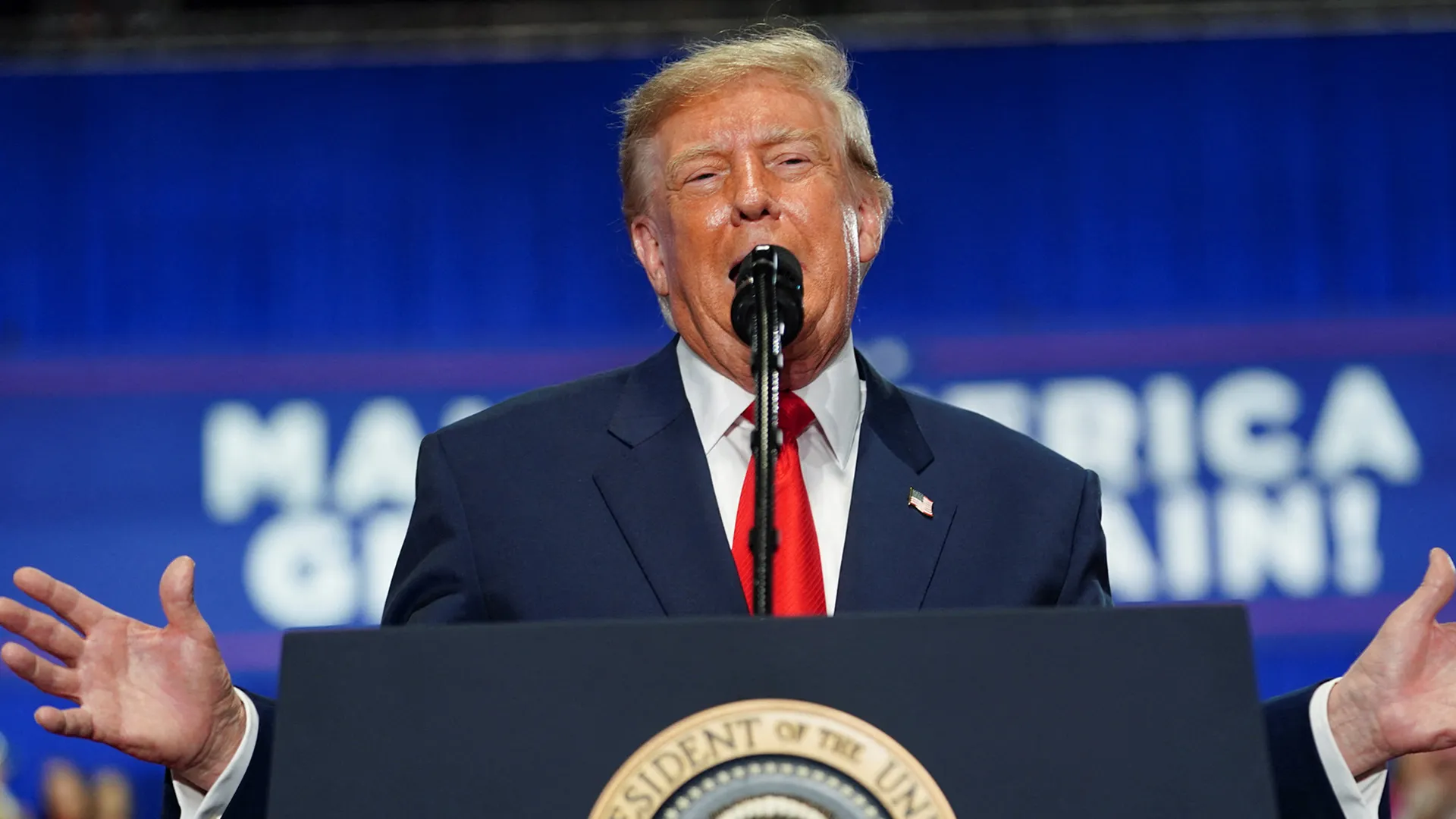
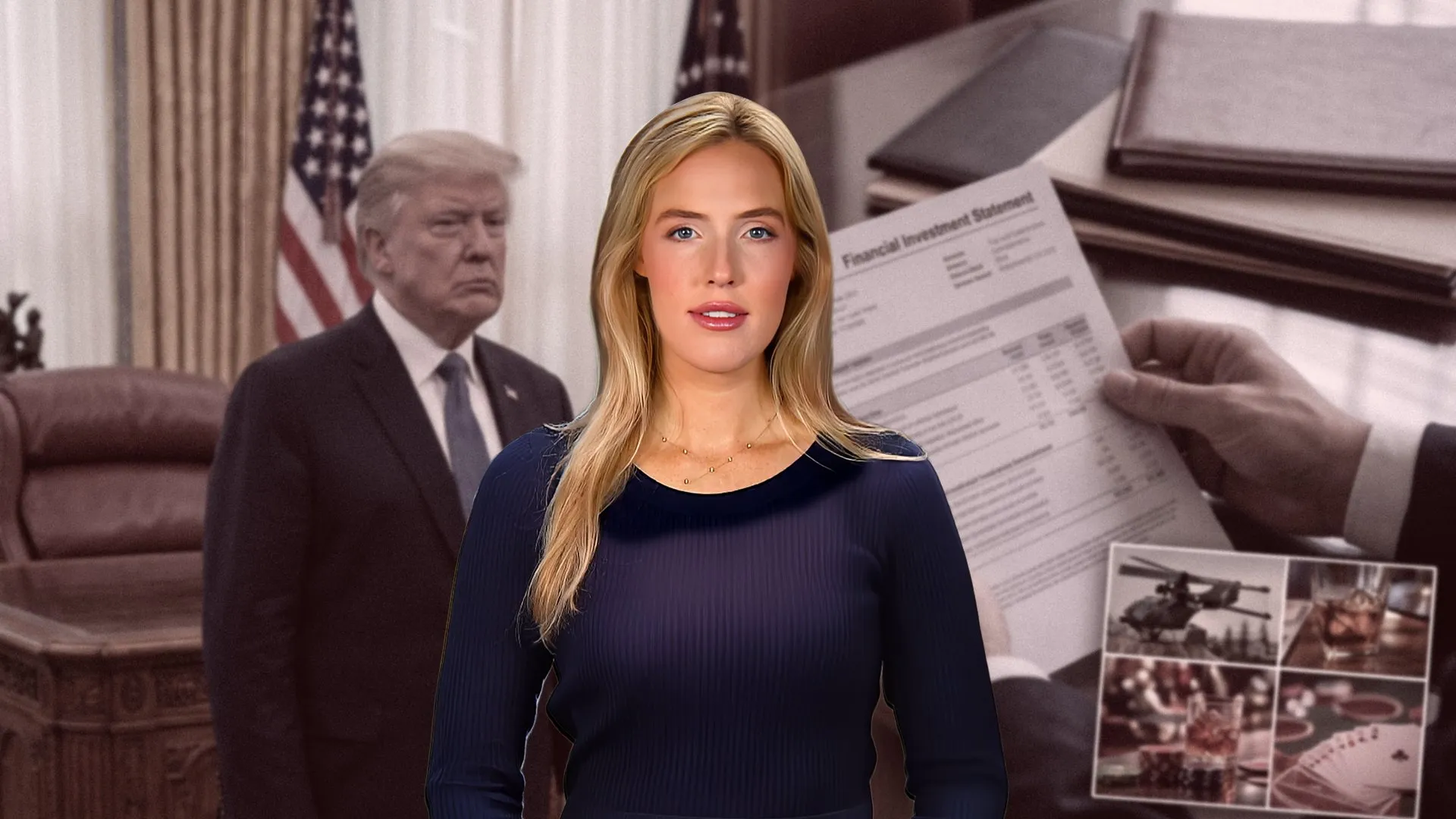
Trump Accounts promise children a financial head start. Al Jazeera’s Emma Withrow spoke with one parent asking why he can’t opt out, or choose investments that align with his beliefs. Here’s what the rules actually say.
More than 664,000 customers in Florida and Alabama have been left without power as Isaias downs trees, power lines.
Published On 10 Oct 202610 Oct 2026
Hurricane Isaias has crashed into the United States Gulf Coast before losing speed and turning into a post-tropical storm as it moved over southern Alabama, threatening flash flooding and strong winds farther inland.
The US National Hurricane Center (NHC) said on Saturday that Isaias is about 89km (55 miles) south-southwest of Montgomery, with maximum sustained winds of 100 kilometres per hour (65 miles per hour).
Recommended Stories
list of 4 itemsend of list
When it made landfall near Destin, Florida, as the first hurricane of the Atlantic season, Isaias had maximum sustained winds of 169km/h (105mph), the agency said.
Roads in Destin were flooded, while in nearby Pensacola, police warned residents to stay off the streets because of debris across roadways.
While the extent of the damage was not immediately known, many area residents posted pictures online of downed trees and power lines, and one social media video showed a roof being ripped off an inn in Pensacola.
A man tries to push a car as waves wash over the road ahead of the arrival of Hurricane Isaias, in Englewood, Florida, US, October 9, 2026. [Englewood Area Fire Control District via Facebook/Handout via Reuters]
Some Panhandle counties temporarily suspended their emergency response on Friday night because of dangerous conditions.
Parts of southern Alabama were also flooded, with officials in Mobile reporting downed trees and power lines.
Roads in Houston County, which is in the southeastern corner of the state, were closed because of similar conditions.
More than 664,000 customers in Florida and Alabama were without power early Saturday, according to poweroutage.com.
One of the biggest concerns is a storm surge that could reach 0.91-1.52 metres (3-5ft) from Dauphin Island, Alabama, to Florida’s Aucilla River, according to the hurricane centre.
The storm grounded most Friday flights at several airports, including all flights in and out of Destin-Fort Walton Beach Airport.
Hotel guests are assisted using flashlights as electricity went off shortly before Hurricane Isaias’ landfall in Pensacola, Florida, on October 9, 2026. [AFP]
‘Under control’
Asked about hurricane preparations, President Donald Trump told reporters outside the White House, “We’re watching it very closely, the hurricane,” adding that it was “under control”.
Florida’s National Guard deployed about 5,000 soldiers and airmen to help with the response, with search-and-rescue teams ready to respond, while some prisons evacuated inmates.
“Emergency declarations have been approved in Florida and Alabama to ensure federal resources are available to respond to Isaias,” Homeland Security Secretary Markwayne Mullin said on X, as residents were urged to take shelter and watch out for hurricane conditions.
Another tropical storm, Rachel, was also expected to bring strong winds and rain to northern Mexico and Southern California over the weekend.
And Simon has strengthened into a powerful Category 4 hurricane as it barrelled towards Mexico’s coast early on Saturday.
The NHC said Simon’s maximum sustained winds increased to 225km/h (140mph). A storm of that strength or greater is considered a major hurricane.
Simon is expected to bring heavy rainfall over parts of southwestern Mexico, possibly concentrated along the coast of Jalisco and in parts of Michoacan, Colima, and Nayarit.
Forecasters warned of life-threatening flooding and mudslides.
Workers cordon off a petrol pump with yellow tape at a gas station in Navarre, Florida, on October 9, 2026, as Hurricane Isaias moves north toward the Florida Panhandle. [AFP]
Delisting comes days after Trump administration reportedly reopened talks with Myanmar’s government.
Published On 10 Oct 202610 Oct 2026
The United States has removed sanctions on the daughter of a Myanmar businessman accused of supporting the military-installed government.
The US Department of the Treasury removed Theint Win Htet from its sanctions list on Friday, according to its website, after she sued them in July.
Recommended Stories
list of 3 itemsend of list
The decision followed a Reuters news agency report that said US President Donald Trump’s administration has opened talks with Myanmar’s government, a break from years of US policy that sanctioned the generals responsible for a coup in 2021 against Myanmar’s democratically elected government.
In January 2024, the Treasury Department under former President Joe Biden’s administration targeted the Shwe Byain Phyu Group of Companies, which was founded by Theint Win Htet’s father, Thein Win Zaw, along with his family.
The department said the company supplied fuel to the military and owned at least 20 firms with close ties to the military leadership.
Theint Win Htet originally requested her removal in a lawsuit filed against the Biden administration. That case was dismissed last year. She then filed a second complaint in July, arguing that she has no role in her father’s business.
The sanctions had blocked her US credit cards, restricted her foreign bank accounts and forced her to abandon her master’s degree at Columbia University in New York. She now lives in Thailand with her mother, who was taken off the US sanctions list last year.
Theint Win Htet’s lawyer, Washington, DC-based sanctions specialist Erich Ferrari, filed a notice with the federal court in the US capital on Friday to voluntarily dismiss the lawsuit after her delisting.
‘Deplorable’
The group Justice For Myanmar has condemned the Treasury Department’s decision, saying Myanmar’s military is escalating attacks on civilians.
“It is deplorable that the US government continues to delist Myanmar cronies and their family members that provide funding for the junta’s terror,” the group said.
The Biden administration imposed sanctions on military officers and companies after the 2021 coup, which sparked a civil war that has killed about 100,000 people and displaced more than 3.5 million.
Washington lifted sanctions in July last year on several other Myanmar nationals and a company accused of aiding the military.
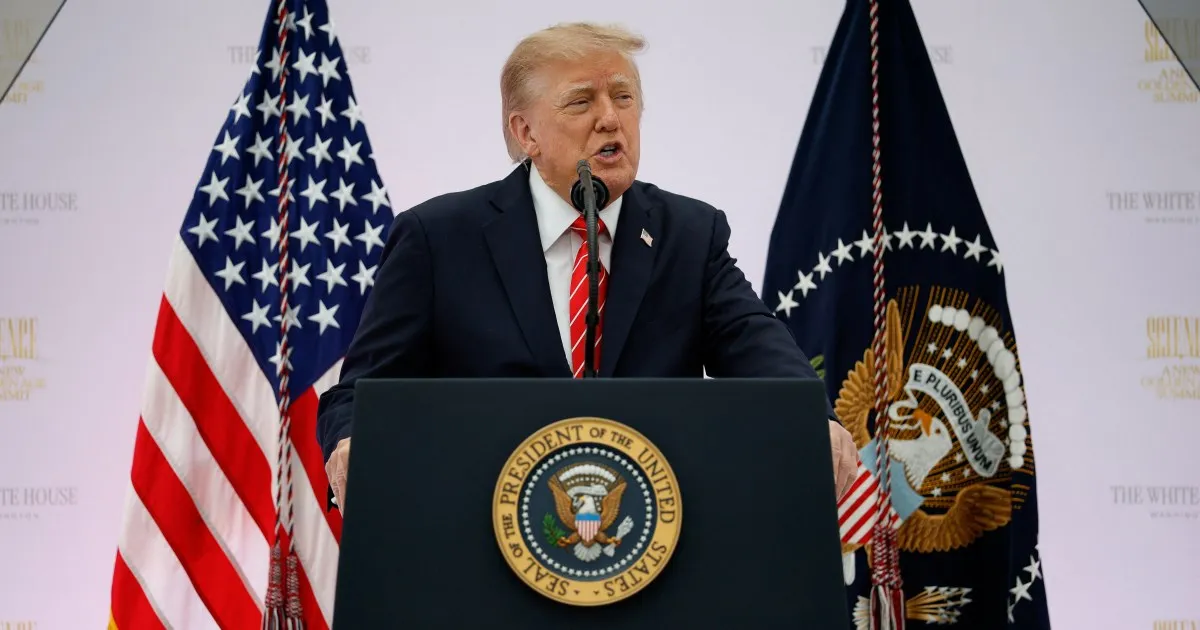
US President Donald Trump said that Norway’s decision to not award him a Nobel Peace Prize is disgraceful and embarrassing, and has left an ‘indelible stain’ on the country. ICJ judge Navi Pillay was awarded the prize for her efforts to prosecute genocide and war crimes.
President Lai emphasises peace and freedom, vows not to tolerate aggression in Taiwan Strait.
Published On 10 Oct 202610 Oct 2026
Taiwan’s President Lai Ching-te has said the island “cherishes peace” and will “not give up our freedom” in a National Day speech outside the Presidential Office in Taipei.
Lai made the remarks on Saturday before thousands of people, including foreign diplomats.
Recommended Stories
list of 3 itemsend of list
“We are open to exchanges, but will not accept subordination,” he said. “Our aim by increasing investment in national defence is not to provoke; rather, it is to deter war.”
Taiwanese fighter jets and two Chinook helicopters carrying giant Taiwan flags flew over the capital ahead of the speech.
The holiday marks the 115th anniversary of a 1911 uprising that toppled China’s last imperial dynasty and led to the founding of the Republic of China.
Pressure from China
Taiwan’s 23 million people live under the constant threat of an attack by China, which insists the island is part of its territory, has never renounced the use of force to take it, and calls Lai a “separatist”.
Beijing has rebuffed his offers of talks.
Lai said China continued to “apply pressure through military and grey-zone activities in an attempt to alter the status quo across the Taiwan Strait”.
Grey-zone tactics are actions that stop short of open war. “Peace cannot rely solely on wishes, and tolerance cannot become a pretext for aggressors to encroach ever further,” he added.
Lai’s government has set aside a record 1.1 trillion New Taiwan dollars ($34.5bn) for defence in 2027, more than 3 percent of gross domestic product.
China held war games around the island shortly after Lai’s first National Day speech in 2024, but not last year. Its last drills near Taiwan were in late December, after news of an $11bn arms deal with Washington, the largest ever US weapons package for the island.
Lai said he welcomed talks between the United States and China, but insisted “there must be respect for the right of the people of Taiwan to exist”.
He urged democracies in the Indo-Pacific to join forces to preserve peace and stability in the region.
The US switched official diplomatic relations from Taipei to Beijing nearly 50 years ago but remains Taiwan’s most important security backer.
Officials in Washington and Taipei have repeatedly said US policy on Taiwan has not changed under President Donald Trump.
In May, after meeting Chinese President Xi Jinping in Beijing, Trump suggested arms sales to Taiwan could be a bargaining chip with China, which set off alarm across the world.
Taiwan is now waiting for Trump to sign off on $14bn worth of weapons, including the US-made Patriot air defence system.
The dispute dates back to China’s civil war, when the nationalist forces of Chiang Kai-shek retreated to Taiwan in 1949 after defeat by Mao Zedong’s communists.
The Republic of China remains the island’s formal name.
New footage shows the moment ICE agents opened fire on a man as he drove his car with his child in the backseat. The shooting in New York has sparked outrage and protests with more demands for immigration authorities to leave the city.
A federal judge ruled against the Justice Department’s use of voter data to cross-reference an immigration database.
Published On 9 Oct 20269 Oct 2026
A United States judge has ruled that the Justice Department unlawfully sought state voter rolls to cross-check against a federal immigration database and identify voters it considered ineligible.
US District Judge Sparkle Sooknanan’s decision on Friday marks another setback for President Donald Trump’s efforts to expand federal oversight of elections ahead of the midterms, as Republicans seek to retain control of Congress.
Recommended Stories
list of 3 itemsend of list
In a 78-page ruling siding with watchdog group Common Cause, Sooknanan said the administration had understated the risk of wrongly removing eligible citizens from voter rolls because of inaccuracies in the Systematic Alien Verification for Entitlements (SAVE) database.
“The challenged policy represents the federal government’s attempt to decide who gets to vote,” Sooknanan wrote, adding that Congress had left that authority to the states.
The Justice Department said it was reviewing the ruling.
Ming Cheung, a senior staff attorney with the American Civil Liberties Union’s Voting Rights Project, said the ruling made clear that the administration could not use the federal government to disrupt elections or put voters’ rights at risk.
“The Trump administration has repeatedly taken extreme measures to interfere with how elections are run, undermine confidence in the results, and create confusion,” Cheung said in a statement.
Last year, Trump directed the department to crack down on voting by ineligible people, despite research showing voter fraud is rare. The department subsequently demanded unredacted voter rolls from nearly all 50 states, including sensitive personal information.
Eighteen states, mostly Republican-led, complied. The department cross-checked their data against SAVE and flagged people identified as noncitizens for potential removal from voter rolls.
Sooknanan said the database could contain outdated citizenship records, potentially misidentifying naturalised US citizens.
The department has also sued 30 states and Washington, DC, over their refusal to provide voter data. Twenty-six cases have been dismissed.
In a separate case in June, Sooknanan blocked the expanded use of the SAVE database for voter roll checks, an order the US Supreme Court temporarily paused last month.
Federal law bars systematic voter roll purges in the 90 days before a federal election, which could limit the ruling’s practical effect before the November 3 vote.
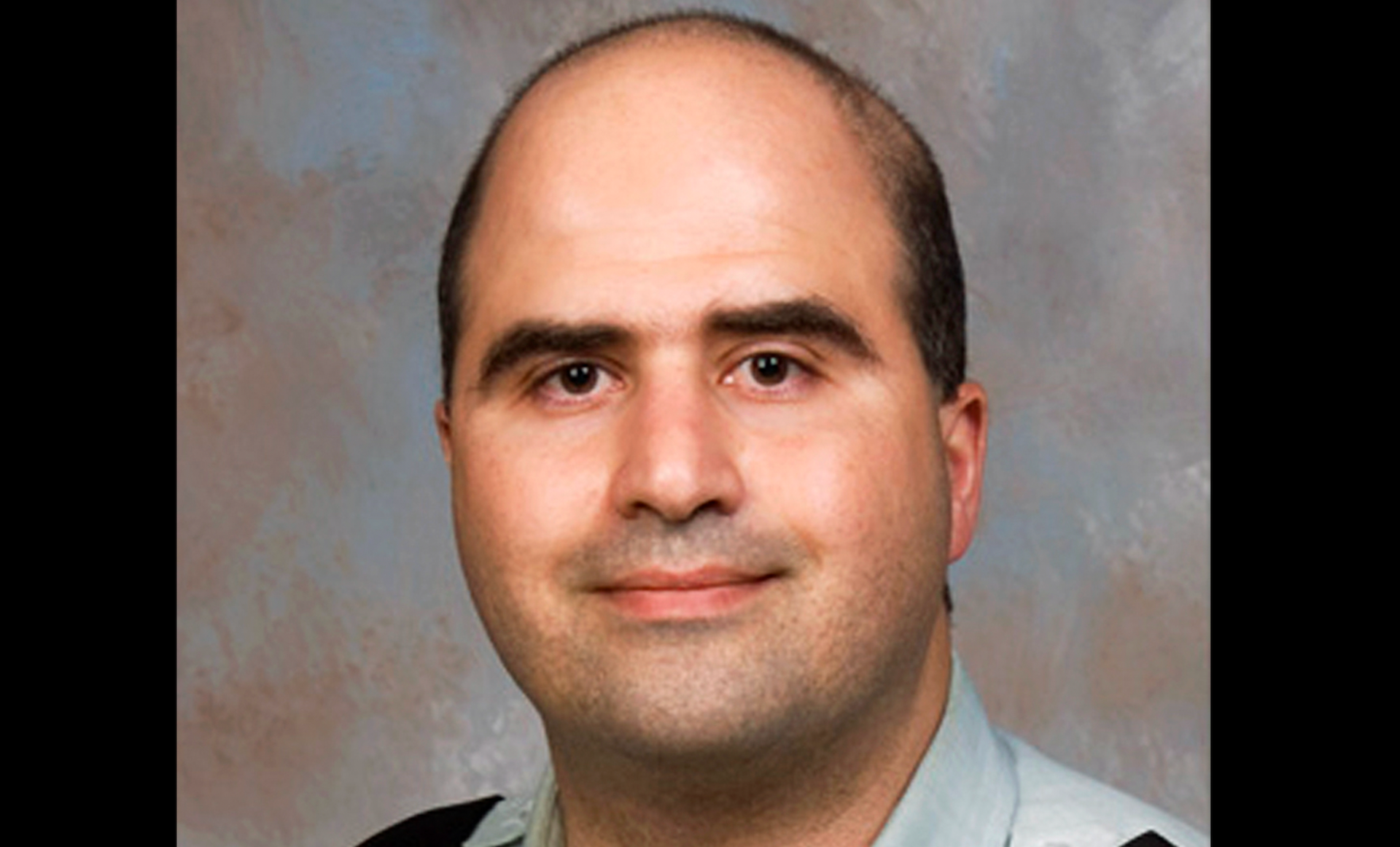
The Pentagon said the firing squad execution of Fort Hood shooter Nidal Malik Hasan will be public and livestreamed. Hasan, an Army psychiatrist, killed 13 people and wounded more than 30 others at the Texas base in 2009. The White House hasn’t confirmed the Pentagon’s comments.
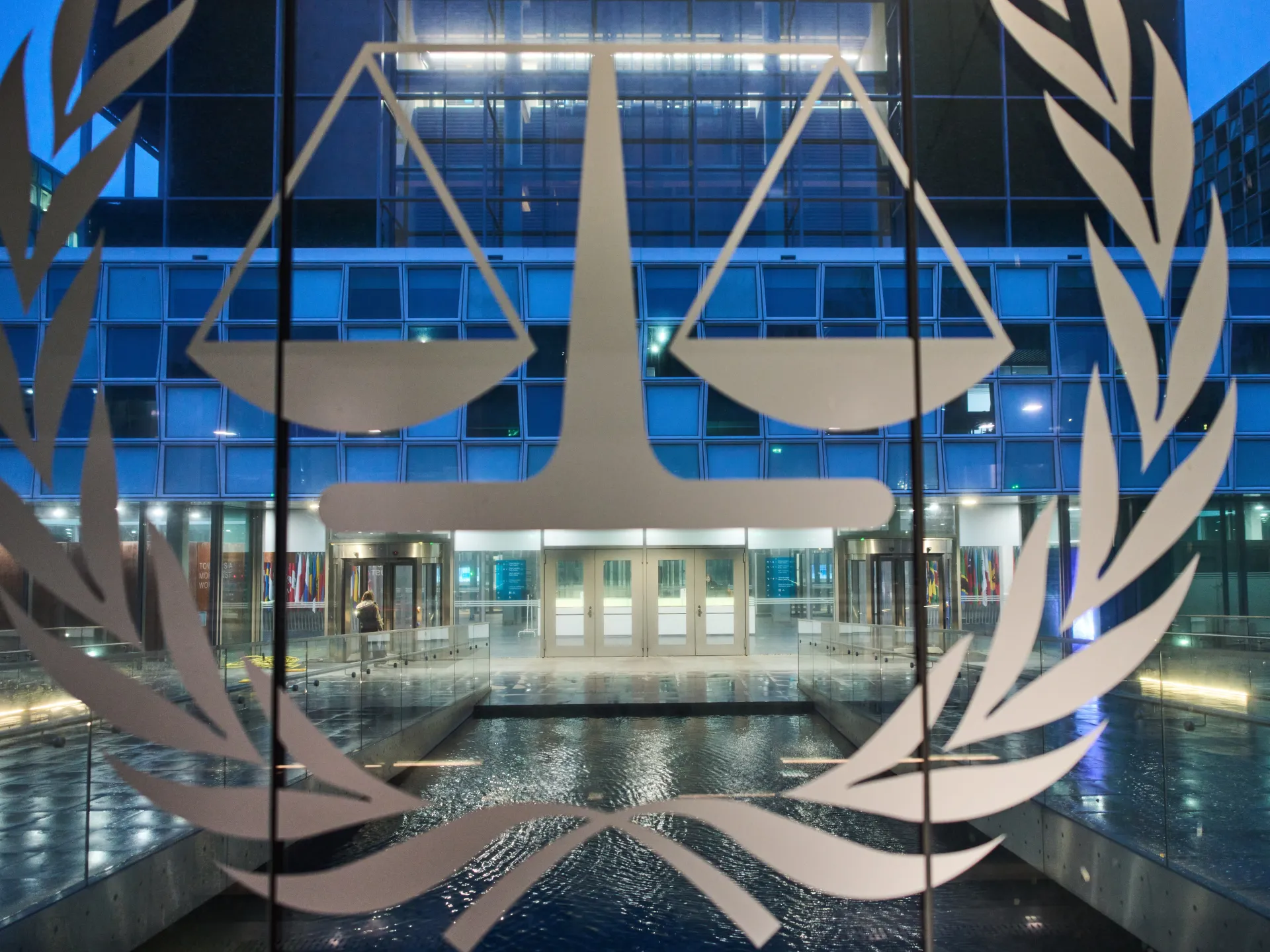
The United States has imposed a new set of sanctions against the International Criminal Court (ICC), prompting several countries – including US allies – to condemn the move and reiterate their support for the world’s war crimes tribunal.
On Friday, US Secretary of State Marco Rubio announced that Washington would be banning transactions with the “rogue court, cutting off their resources and crippling its ability to operate”, adding that President Donald Trump would “never allow” the Hague to prosecute Americans.
Recommended Stories
list of 3 itemsend of list
The ICC was created in 2002 to prosecute individuals accused of genocide, war crimes and crimes against humanity when national authorities are unable or unwilling to do so.
The US Treasury Department announced the penalties with a six-month initial grace period and other exemptions that would allow some transactions for telecommunications, software, pension payments and transactions related to detainees.
Rubio said the sanctions would give the court and its member states an opportunity to address US concerns and would be adjusted if they did not meet those demands.
The Trump administration says the court has exceeded its authority by pursuing officials from countries that are not ICC members, such as Israel. The United States and Israel have never joined the court.
In response to the sanctions, the ICC said that the move was an “assault on the rule of law and on the very foundations of the international legal order”. It called on its 125 member states to defend the institution.
“The Court cannot stand alone. Its fate now rests also in the hands of the states that created it,” the ICC said in a statement. “This is not just about defending a single institution, but about safeguarding the international order grounded upon the rule of law. History will judge this moment.”
Soon after the US announcement, top United Nations officials condemned the move.
UN Secretary-General Antonio Guterres was “deeply alarmed” by the expected impact of the sanctions on the court as a whole, particularly its ability to carry out its mandate, a statement from his spokesperson Stephane Dujarric said.
“Today’s decision marks a serious blow to our collective pursuit of international criminal justice, of which the ICC is a key pillar,” the statement added.
UN Human Rights chief Volker Turk called for immediate measures to protect the ICC. “These sanctions – the latest in a series of retaliatory steps against the ICC and its personnel for the work they do every day to advance accountability for the very worst violations of human rights – are unacceptable,” he said.
ICC member states that are US allies also expressed dismay at the decision.
Dutch Foreign Minister Tom Berendsen, whose country hosts the ICC, said the US’s decision was “deeply regrettable”.
“We will stand firm in defence of the court. At the same time, it’s important to note that the sanctions will not take effect immediately and that service providers can continue to work for the ICC. The six-month period before the sanctions take effect creates scope for dialogue,” he said.
In a joint statement, the foreign ministers of Britain, Denmark, France, Germany, Italy, the Netherlands, Canada and Japan said they “regret and strongly disagree” with the sanctions.
“If put into effect, these sanctions will have a significant impact on the Court’s work, its dedicated staff and their families … We remain both united in our support for the ICC and committed to engaging in constructive and inclusive dialogue with non-States Parties,” they said.
Belgian Foreign Minister Maxime Prevot also said Brussels would discuss support for the ICC with European Union foreign affairs colleagues on Monday and at the upcoming European Council.
“We will press for concrete protection. The court’s independence cannot depend on whom it investigates. Europe must act. Belgium is calling for the activation of the EU Blocking Statute to protect the court,” Prevot said.
US aims to ‘ultimately destroy’ ICC
Similarly, organisations and rights groups sounded the alarm over the implications of the US decision.
Philippe Bolopion, executive director of US-based Human Rights Watch, said the Trump administration had made clear its aim to “destroy” the ICC and “shield US and Israeli officials from facing charges before the court”.
“The ICC was created to ensure that no one, no matter how powerful, is above the law. Governments that value human rights and accountability should condemn this outrageous move and take swift action to protect the ICC, its staff, and all those who cooperate with it, starting with the European Union using its laws to mitigate the sanctions’ impact in the region,” he said.
The Executive Director of the Open Society Justice Initiative, James Goldston, said the sanctions were a “calculated attack on the rule of law and the principles of judicial independence and equality that underpin it.”
“This is the latest move in a campaign of coercion intended to destroy the system of international justice,” he said.
Amnesty International called on countries to “resist”. Trump’s “sanctions are designed to isolate and ultimately destroy the International Criminal Court”, Erika Guevara Rosas, Amnesty’s senior director for research, policy, advocacy and campaigns, said in a statement. “This existential attack must fail. States must take concrete action to resist the imposition of these measures.”
Amid widespread criticism, Israel commended the US move.
Prime Minister Benjamin Netanyahu hailed the sanctions and praised Trump and Rubio for taking this “critical decision”.
“The ICC is not a court. It is a political body that poses a mortal threat to law-abiding democracies worldwide and to the very idea of national sovereignty,” Netanyahu wrote on X.
In 2024 the ICC issued an arrest warrant for Netanyahu on war crimes and crimes against humanity charges for the war on Gaza.
Russia to supply 300,000 tonnes of diesel immediately, followed by 1.5 million more, as prices soar amid the Iran war.
Published On 9 Oct 20269 Oct 2026
United States President Donald Trump said that Russia has agreed to supply 300,000 tonnes of diesel fuel to global markets amid discussions with Russian President Vladimir Putin.
“I have just concluded a highly successful discussion with President Vladimir Putin, of Russia, wherein it was agreed that Russia will immediately supply over 300,000 Tons of Diesel Fuel to the American and Global Marketplace, another 500,000 Tons during the month of November, and 1,000,000 Tons immediately thereafter,” Trump said in a post on his Truth Social platform.
Recommended Stories
list of 4 itemsend of list
The president added that Russia would deliver an additional 3 million tonnes of fuel “within a short period of time”. He said that the country would supply 500,000 tonnes in November.
An envoy for Russian President Vladimir Putin, Kirill Dmitriev, praised cooperation between Russia and the United States on diesel and energy in a post on X shortly after.
“Russia-US cooperation on diesel and energy will benefit the world,” Dmitriev wrote on X.
Petrol price pressures
The deal comes despite Ukrainian air strikes, which have taken more than half of the country’s oil refining capacity offline, according to claims made by Ukraine’s Ministry of Defence on Sunday.
The move also comes as prices of diesel, used in agriculture, heating homes and trucking goods, are near record highs ahead of the November 3 congressional elections that will determine control of Congress.
Diesel prices have been elevated in recent months but have started to decline. The average price for a gallon is $6.27 ($1.66 per litre), according to the American Automobile Association (AAA), which tracks daily petrol prices. That’s down $0.10 from this time last week, but up $5.94 from this time one month ago.
Diesel prices, which can drive inflation, are up 70 percent since the US and Israel’s war on Iran began this year, despite two high-profile recent moves by Trump to boost supplies of the fuel: pressuring allies to release emergency reserves and expanding access to tax-exempt red-dyed diesel, which is normally used for farm equipment.
The wars in Iran and Ukraine have triggered an unprecedented global fuel supply crunch.
The shooting prompted protests in New York City as officials defended ICE and Mayor Zohran Mamdani condemned the incident.
Published On 9 Oct 20269 Oct 2026
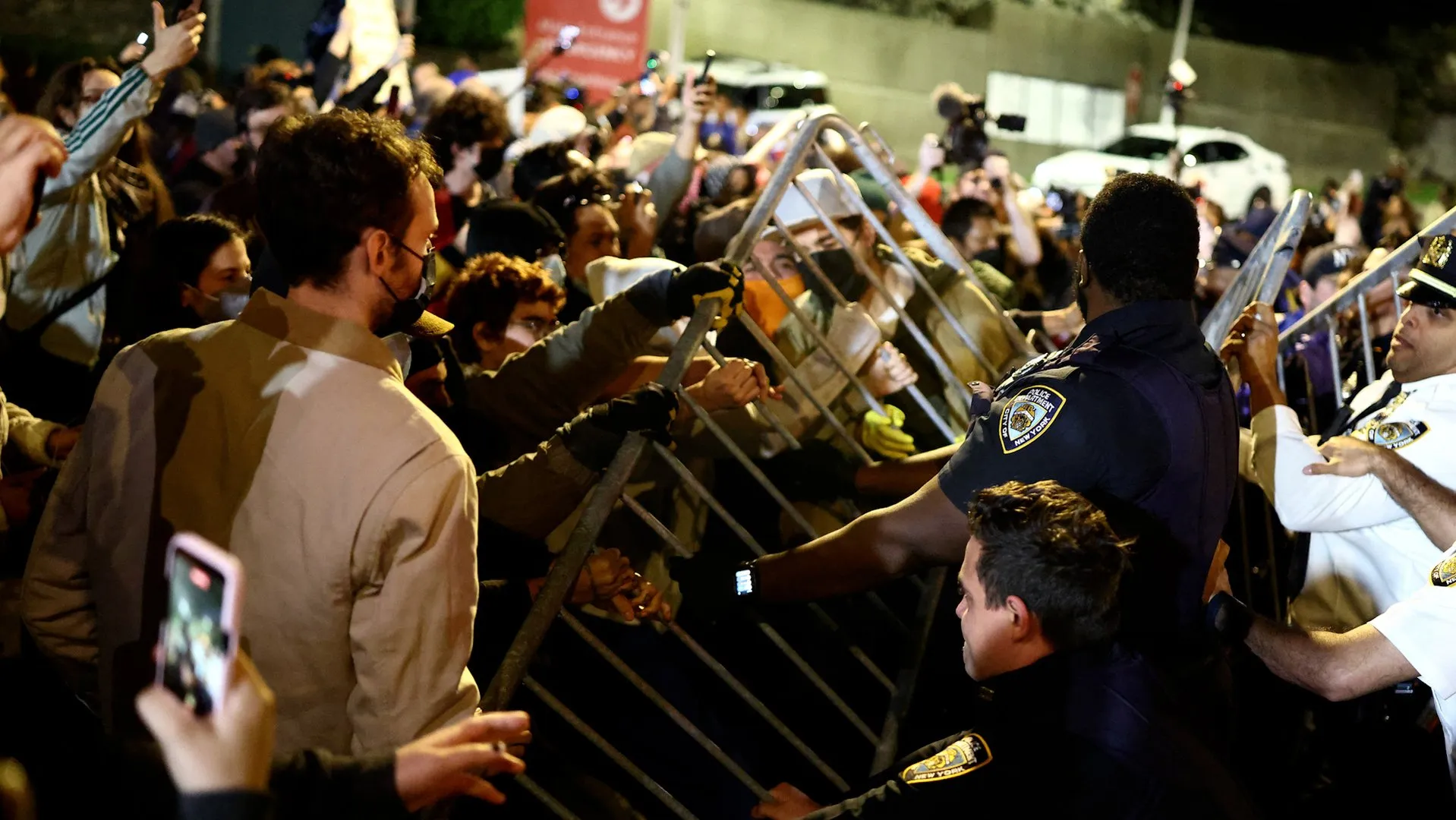
The United States Department of Homeland Security has defended Immigration and Customs Enforcement’s (ICE) shooting of a man in New York City while his child was present. Federal officials used the incident to criticise sanctuary-city policies that limit cooperation with federal immigration authorities.
New York officials have condemned the shooting and have called for ICE to end its operations in the city.
Recommended Stories
list of 3 itemsend of list
The shooting took place on Thursday afternoon when ICE officers attempted to arrest a man identified by New York City police as Oscar Belgal.
Homeland Security officials gave their account of the incident on Friday during a news conference, saying that Belgal refused to exit his car when approached by officers and then accelerated, striking two ICE vehicles.
They said officers then opened fire, grazing Belgal’s neck while his five-year-old child was in the back seat.
According to Homeland Security officials, Belgal received first aid and was taken to hospital before being transferred to a secure detention facility outside New York state. They did not disclose where Belgal is being held.
Department of Homeland Security (DHS) Secretary Markwayne Mullin said that the agents did not know the child was inside the vehicle when they fired.
ICE senior official Marcos Charles said agents had attempted to arrest Belgal as part of an investigation into suspected gang involvement in an earlier shooting of a US Customs and Border Protection officer.
According to US officials, Belgal is an undocumented migrant from the Dominican Republic who had previously evaded arrest and received a five-year sentence for grand larceny in April 2025.
“[Belgal] was a thug,” Mullin said at the Friday news conference. “The absolute worst of the worst.”
Mullin confirmed that officers were wearing body cameras but the footage has not been made public. New York City police released bodycam footage on Friday of police officers on the scene who had responded to a 911 call about the incident.
In other violent incidents involving federal immigration officers, video evidence has contradicted initial accounts from ICE and Homeland Security officials, including in Minneapolis, where footage of the fatal shootings of Alex Pretti and Renee Good challenged federal officials’ descriptions of the encounters.
The latest shooting prompted protests on Thursday night in the Bronx, where the shooting took place, with demonstrators condemning ICE and calling for the agency to be abolished. Tensions rose after NYPD officers clashed with some of the protesters.
New York City Mayor Zohran Mamdani condemned the shooting and said he had called US President Donald Trump to demand an end to ICE enforcement in the city.
Speaking to reporters late on Thursday at the scene of the shooting, Mamdani said he had tried unsuccessfully to secure Belgal’s release in phone calls with Trump and Mullin.
“These actions are making the city less safe,” Mamdani said. “ICE is rotten to its core.”
Mullin accused Mamdani of prioritising politics over public safety and said Trump had offered to transfer Belgal to New York police custody if they pursued charges. Mullin said Mamdani refused this offer.
New York City mayor Zohran Mamdani gives an update about the Immigration and Customs Enforcement (ICE) shooting in the Bronx borough of New York, October 8, 2026 [AFP]
United States President Donald Trump has said that he does not intend to bomb Iran again until the November midterm elections, even though several US media outlets have reported that the Pentagon has drawn up plans to relaunch attacks before that vote.
Trump has been accused of misdirection on the issue in the past. The US launched its initial attacks on Iran on February 28, as talks with Iran were ongoing and despite Trump saying just the day before that he had not made any decision. One year previously, the US struck Iran towards the end of Israel’s June 2025 12-day war, despite Trump saying he would announce a decision about attacks “in two weeks”.
Recommended Stories
list of 4 itemsend of list
Still, striking Iran ahead of the midterm elections would be risky for the administration as the war remains deeply unpopular with Americans.
Resuming the war afterwards may have less of a negative impact on Trump, who is not eligible to run for another term as US president anyway.
Here’s what we know about Trump’s plans.
In the past two days, The New York Times, The Wall Street Journal and other publications have reported claims by unnamed officials that the Pentagon has drawn up plans to attack Iran before the midterms, if authorised to do so.
On Wednesday, US publication Axios cited US and Israeli officials saying the Pentagon has instructed US Central Command (CENTCOM) to prepare for imminent major combat operations. The Atlantic also reported along similar lines.
What has Trump said?
On Thursday, Trump posted on his Truth Social media platform that he will not order a resumption of strikes on Iran before November 3, when the US midterm elections will be held.
“I want to make it clear to everybody that, while Iran is in very bad condition…we will not be attacking Iran at any time prior to the Midterm Elections to be held in the United States on November 3rd,” he said.
The president added that the US is presently “having productive discussions” with the Iranian side. However, that was also the case on February 28, the day the US and Israel first struck Iran, triggering the war.
Trump did not make any reference to preparing for potential military operations, nor did he provide more details on the state of talks.
Why might Trump be hesitant about resuming bombing before the midterms?
Trump and Republicans are worried about a voter backlash against the war at the polls. The US war on Iran is intensely unpopular domestically as Americans have had to grapple with surging prices of gas, food and other basic commodities because of the crisis in the Middle East.
Since the start of the war, surveys have shown that large numbers of Americans did not approve of striking Iran.
Now, about 65 percent of Americans say they “disapprove” of the way in which Trump has handled the Iran war overall, according to a Pew Research Center poll released on Thursday. Trump stated at the start of the war that it would go on for just a few weeks, however, it is now into its eighth month.
According to Pew, most Americans now believe the war will continue for at least another year. Even Republican or more conservative-leaning voters are growing more negative about the war, its poll found.
The conflict has also severely affected Trump’s personal ratings and eroded support for Republicans. A Reuters/Ipsos poll on Thursday found that only 30 percent of his supporters were enthusiastic about voting in the midterms, compared with 48 percent of Democratic voters.
About 13 percent of those who voted for Trump in 2024 say they are not sure who to vote for in the congressional elections.
Delaying attacks until after the elections could potentially shield Republican candidates from voter backlash, analysts say.
While analysts say Trump will see a good performance at the polls as approval for renewed strikes, a Republican defeat at the polls could equally further incentivise him to hit Iran again as he will calculate that he has little to lose at that point.
While that could further affect Trump’s ratings, the president is not eligible to run in the next presidential election in any case.
Will the US restart the war after the midterms?
In recent weeks, the US president has threatened to “end” the war with force after the elections as talks with Iran have dragged on.
At a Republican convention in September, he accused Iran of trying to affect the outcome of the midterms and said that conflict “is going to end immediately after the elections”.
In an interview with Time magazine two weeks ago, he also said it would be “possible” to ramp up bombing in Iran after the elections, but declined to elaborate. Analysts say his comments were designed to calm voters, while at the same time warning Iran of potential aggression after the vote.
Last week, the US military dispatched about 7,000 sailors and 2,000 Marines aboard several ships now sailing to the Middle East amid threats of new attacks from Trump. The vessel formation included the USS Theodore Roosevelt carrier strike group.
The deployment increases the number of US troops in the region to 20,000, alongside hundreds of aircraft and at least three carrier strike groups.
In the past, US troop build-up in the Middle East and the Caribbean has subsequently resulted in military action.
In June, Washington and Iran signed a ceasefire agreement that quickly broke down over control of the Strait of Hormuz.
Trump has repeatedly said that the US has the upper hand in the strait, citing more oil exports and Iran’s weakened economy. He has also voiced aversion to a deal with Tehran over management of Hormuz, but said he might consider it because “they’re willing to offer us anything to stop”.
Washington rejected a recent proposal from Iran to reopen the strait based on certain conditions it wants the US to meet, including the lifting of sanctions, unfreezing Iranian assets and guaranteeing an end to attacks. Last week, Foreign Minister Abbas Araghchi said Iran was considering a counterproposal from the US.
Former US Vice President Kamala Harris among those to hail Wilson as Las Vegas Aces centre continues record run.
Published On 9 Oct 20269 Oct 2026
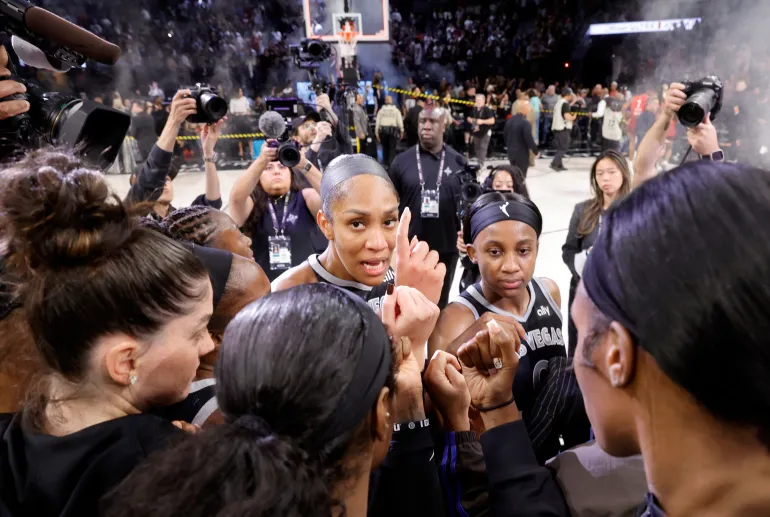
A’ja Wilson fine-tunes her shooting touch after every practice. That extra work has defined her greatness since being drafted first overall in 2018.
On Thursday, she received a voice message from former Vice President Kamala Harris congratulating her on redefining greatness leaguewide after she was named the WNBA’s MVP for a third straight year and for the fifth time overall.
Recommended Stories
list of 4 itemsend of list
“Obviously, that is an honour,” Wilson said. “A woman of our history, and I’m so appreciative to be able to share that moment with her through the phone call and the message of her delivering that I won my fifth MVP.”
In addition to becoming the first player to three-peat, Wilson won the award in 2020 and 2022.
Commissioner Cathy Engelbert, Aces owner Mark Davis and team President Nikki Fargas accompanied Wilson’s mother, Eva, who presented her daughter with the trophy.
“Each one of these has not been taken lightly,” Wilson said while flanked by all five of her MVP trophies. “In my heart, they’ve always been so special. But this one here, I cried a little bit harder. This one here is just a little bit different. … When you dream as a young girl, you dream so big and you write your goals out, and you just never imagine that you were able to just check them off.
“And when you’re able to check them off – small wins, big wins – it truly means a lot. And so I think that’s why I cried a little bit harder on this one, because 15-year-old A’ja wasn’t sitting up here dreaming about being a five-time MVP. She wasn’t dreaming about being a three-time champion. She was dreaming about surviving this world.”
The 30-year-old Wilson once again led the league in scoring with an average of 26.2 points per game while shooting nearly 53 percent from the field. She averaged 9.4 rebounds per game, a career-best 3.2 assists and 1.9 blocks.
Wilson, centre, huddles with her teammates after they defeated the Indiana Fever in Game 3 of an WNBA basketball first-round playoff series [File: Steve Marcus/AP]
Wilson has the defending champion Aces back in the WNBA semifinals for the eighth consecutive season although Las Vegas is down 2-0 in the best-of-five series against Golden State. Game 3 is on Friday.
“This is great. I love it, not going to take for granted, shine her up, let’s do it,” Wilson said on Thursday. “But tomorrow, when it comes to hoisting it in front of the fans, I love the fans, … but I doubt I will be doing that. I’ll be warming up with my team. … Everyone in this room knows the competitor that I am. Everyone knows what my main focus is, and that is to get a game.”
Wilson received 65 first-place votes and nine second-place votes for a total of 713 points from a national panel of sportswriters and broadcasters. Minnesota’s Olivia Miles received six first-place votes and 40 second-place votes (442 points) while Indiana guards Kelsey Mitchell and Caitlin Clark followed with 287 and 212 points, respectively.
No WNBA player besides Wilson has more than three MVPs. Sheryl Swoopes, Lisa Leslie and Lauren Jackson each have a trio. On the NBA side, Kareem Abdul-Jabbar has six, and Michael Jordan and Bill Russell each have five.
“A’ja Wilson is one of one,” Fargas said. “She’s now standing in a category that no other WNBA player in the history of the league has accomplished. She’s in the conversations with the Michael Jordans and the Wayne Gretzkys of the world – where she belongs.”
San Antonio Spurs player Victor Wembanyama offers solidarity to students protesting conditions at schools in France.
Published On 9 Oct 20269 Oct 2026
France’s basketball star Victor Wembanyama voiced his support on Thursday for French teenagers protesting conditions in the country’s schools.
The Ministry of the Interior said 71,500 people took part in Thursday’s demonstrations, including 24,500 in the main Paris march centred on Place de la Bastille.
Recommended Stories
list of 4 itemsend of list
“These are systemic inequalities – problems so deep-rooted that, in fact, I’m glad that high-school students and young people in general are speaking up,” Wembanyama told a news conference on Thursday night.
“I hear them, and I support them, and I hope the people all over there will do the same.”
The San Antonio Spurs player had previously replied “I would love to” when a fan asked him in an Instagram post to join the protest with the French teenagers.
“I have a lot of interest. I meant it,” Wembanyama added at the news conference. “I was in that position not so long ago.
“I’ve had the chance to escape this system, to escape these problems. But it’s chance, it’s luck. So I want to show my support.
“It’s not something that’s completely unfamiliar to me. I went to high school in Nanterre, which was already a stronghold of ‘blocages’ back then,” he said, referring to student-led school blockades.
Concerns about state schools have helped prompt a number of France’s most significant protests in decades.
They began last month at high schools in the poor northern suburbs of Paris, where anger over teacher absences and shabby facilities quickly evolved into a nationwide movement against inequality, weak public spending and falling standards.
All-time leading scorer LeBron James makes 76ers debut following LA Lakers switch in NBA preseason, but Nets claim win.
Published On 9 Oct 20269 Oct 2026
NBA superstar LeBron James delivered a solid first half in his first preseason game for Philadelphia, but the new-look 76ers fell 114-108 to the Nets in Brooklyn.
James, the NBA’s all-time leading scorer, announced in July that he had signed a two-year, $8m deal with the 76ers, ending weeks of speculation over where the four-time NBA champion would land as a free agent after eight seasons and one title with the Los Angeles Lakers.
Recommended Stories
list of 4 itemsend of list
The 41-year-old superstar, entering a record-extending 24th NBA season, won two titles with Miami, another with Cleveland and a fourth with the Lakers, and is aiming to help the Sixers win their first title since Julius Erving led the club to the crown 43 years ago.
Thursday’s game marked his first chance to line up alongside new teammates Joel Embiid, VJ Edgecombe, Tyrese Maxey and Jaylen Brown – a new arrival from the Boston Celtics.
“It felt a little different,” James said. “Obviously, just wearing a new uniform, but the game is the game.
“We’re still trying to put each other in a position to be successful and complement each other the best way we can out on the floor,” he added. “But it’s going to take some time. Tonight was a good sample size for us to build on.”
James scored 10 points, connecting on his lone shot from the floor and making all eight of his free-throw attempts. He added four rebounds, five assists and a steal in 18:04 minutes in the first half.
Brown led all scorers with 18 points. Julius Randle had 14 for the Nets, who outscored the Sixers 37-23 in the third quarter to take control.
LeBron James captures NBA spotlight again
But all eyes were on James, starting with his first signature pre-game chalk-toss in a 76ers uniform.
James smoothly directed the Sixers’ offence in his time on the floor, making all five of his assists in the first quarter and combining effectively with Maxey.
“I think there was some really good things happening, you know, right off the bat,” 76ers coach Nick Nurse said after seeing his starters together for the first time.
“A bunch of back cuts and good passing, etc, there were segments where obviously we turned the ball over a lot … just the little clunky segments, too. But, again, it’s preseason, first time they’re together.
“I think you look at it as what’s good and what are the learning experiences, things that we can improve.”
The 76ers have two more preseason games, both against Boston, before opening the NBA regular season against the defending champion New York Knicks at Madison Square Garden on October 20.
James’s arrival has already found the 76ers battling outside “noise”.
James took to Instagram to refute a report from a play-by-play announcer during the team’s first preseason game on Monday that James had admonished Embiid for being late to a practice.
“He ain’t been late, so stop the lie,” James posted.
James had acknowledged at the team’s media day last month that such outside hubbub around the 76ers would be “doubled, tripled and quadrupled now that I’m here”.
Award-winning filmmaker, who was detained last month, released on bond with next hearing set for October 27, campaign says.
Published On 9 Oct 20269 Oct 2026
The Immigration and Customs Enforcement (ICE) agency in the United States has released Kashmiri filmmaker Arfat Sheikh from custody after he was detained on September 24.
The award-winning filmmaker was released on Thursday, two days after he was granted bond, according to a statement by a campaign of his friends and relatives to free him.
Recommended Stories
list of 3 itemsend of list
However, ICE’s deportation case against Sheikh continues with the next hearing set for October 27, the campaign said.
Sheikh, whose work has explored conflict in his native India-administered Kashmir, was detained by the Department of Homeland Security (DHS) as he disembarked from a plane at Dulles International Airport outside Washington, DC, after arriving from California.
The 42-year-old, who lives in Alexandria, Virginia, entered the US on a student visa in 2019 to pursue graduate studies in film at Georgia State University and filed for asylum in 2020.
The campaign said he had a pending asylum application and was authorised to work and live in the US.
The DHS confirmed on Wednesday that Sheikh had been arrested on September 24 and said he “legally entered the US on a temporary basis and illegally overstayed his lawful admittance”.
A pending application does not confer legal status in the US, the DHS said, adding he will receive due process.
Sheikh’s first feature film, Saffron Kingdom, garnered multiple honours, notably best feature film at the Chicago Filmmakers Awards, Los Angeles Film and Documentary Awards, Melbourne Independent Film Festival, Wake Forest Film Festival and Anatolian International Film Awards.
In 2025, Sheikh was also recognised with the emerging filmmaker activist award at the Teaneck International Film Festival.
His detention came amid a surge in the number of ICE arrests across the US, which hit record levels over the summer. About 50,000 arrests were recorded in July and August.
President Donald Trump’s administration said in August that it was working “to identify and revoke the non-immigrant visas of foreigners who have come to the US claiming to be short-term visitors, but then file for asylum to stay here permanently”.
There are protests and outrage in New York after ICE agents shot a man after surrounding his vehicle. The victim had a five-year old child in the car at the time. New York Mayor Zohran Mamdani has called President Trump to demand ICE withdraw from the city.
The leading candidates in Michigan’s heated Senate race have faced off in their first televised debate, with less than a month remaining before the United States midterm elections.
Thursday’s hour-long debate was a microcosm of how tense the toss-up race has become.
Recommended Stories
list of 3 itemsend of list
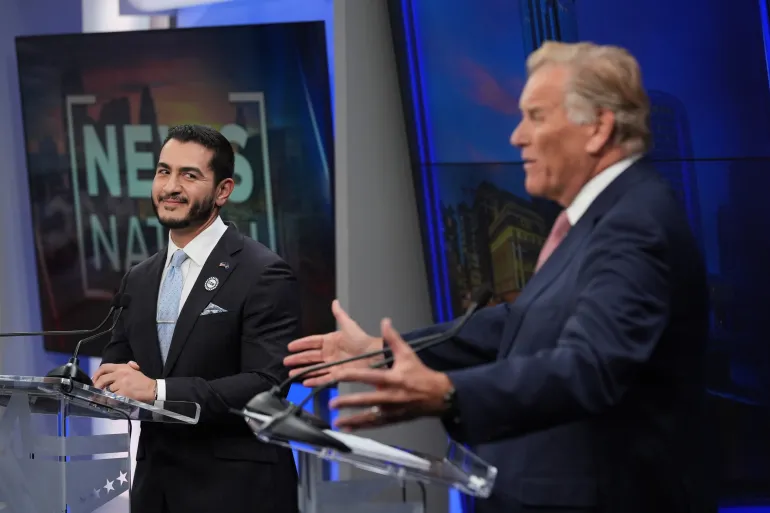
Democratic nominee Abdul El-Sayed, formerly the health director for Wayne County, repeatedly sought to paint his Republican adversary Mike Rogers as a yacht-owning millionaire out of touch with ordinary voters.
For his part, Rogers, a former member of the US House of Representatives, lobbed accusations at El-Sayed that he was soft on “terrorism” and had foreign sympathies.
The Michigan-born El-Sayed has repeatedly faced Islamophobic attacks while on the campaign trail, with Republican President Donald Trump labelling him an “extremist, terrorist sympathizer” whose history “goes back to the days of the Jihad”. If elected, El-Sayed would be the first Muslim member of the US Senate.
The two candidates spent much of their hour onstage together speaking over one another, as they exchanged pointed barbs.
“He can’t condemn a terrorist act that happened on our soil in the state of Michigan. He can’t bring himself to condemn –,” Rogers began, referencing a March attack on a synagogue.
“I did condemn it,” El-Sayed said, jumping in. “No, you did not,” Rogers replied, with El-Sayed quickly responding, “You make stuff up. You make stuff up.”
The Senate race in Michigan is considered key to the battle for control of the US Senate. Democrats are seeking to flip both chambers of Congress, but shifting control of the Senate will be a tougher prospect, given that only a third of its 100 seats are on the November 3 ballot.
Host Rick Albin at times struggled to keep the debate on track, as tensions rose.
“We’ve got dozens of questions we want to get to. You can’t litigate all of these with 14 different rebuttals, so please work with me,” Albin told the two candidates at one point.
Here are the key takeaways from the evening’s debate.
Republican nominee Mike Rogers, right, speaks during a televised debate with Democratic nominee Abdul El-Sayed [Paul Sancya/Pool via AP Photo]
Rogers insinuates El-Sayed family ties to ‘terrorism watch list’
The ferocity of the debate was underscored by the high volume of ad hominem attacks the candidates deployed against each other.
But Rogers repeatedly pushed a series of attacks that seemed to centre on El-Sayed’s identity as a Muslim.
In response to a question about healthcare, Rogers said that El-Sayed has “taken money from individuals on his campaign who openly support Hamas, Hezbollah, al-Qaeda”.
Later, when asked about his position on surveillance by Flock cameras, Rogers argued that such technology has helped catch people suspected of terrorism. He then implied that El-Sayed’s concerns about the cameras were suggestive.
“Why would that bother you?” Rogers asked El-Sayed. “Well, if you have somebody in your family that might be on the terrorism watch list …”
El-Sayed interjected, seeming to dare Rogers to continue his thought.
“Are you going to go ahead and say that I’m a – go ahead and say it,” El-Sayed said. “You’ve been tiptoeing about it the whole time. Just say it. Just say it. Go ahead and say it.”
Muslim and Arab candidates in the US have frequently been subjected to Islamophobic attacks on the campaign trail, accusing them of support for “terrorism” and Islamic fundamentalism.
Republican Mike Rogers insinuated El-Sayed may have family on the ‘terrorism watch list’ [Paul Sancya/Pool via AP Photo]
Both sides agree on ending the Iran war
There were issues, however, on which both candidates found a measure of common ground.
Both Rogers and El-Sayed agreed the US-Israeli war against Iran should end, but they had opposite views on Washington’s relationship with Israel and its role in the conflict.
High gasoline prices and inflation, El-Sayed said, were directly caused by the Iran war, and he blamed the Trump administration for Iran’s decision to shut down the Strait of Hormuz, a critical trade route.
“This is what happens when you start wars you never should be fighting,” El-Sayed said. “We literally taught the Iranian regime that they have a choke on the Strait of Hormuz, and now we’re living in that reality.”
Rogers agreed that “we need [the war] to come to an end”, but he also justified the conflict, saying that Iran’s uranium enrichment programme had been “set back twenty years”, echoing a frequent White House talking point.
The Trump administration has argued that the war was necessary to prevent Iran from creating a nuclear weapon, a goal Tehran has long denied.
Rogers’s position led El-Sayed to accuse him of “cheerleading” for the war and the Trump administration.
Democratic nominee Abdul El-Sayed pushed for an end to unconditional support for Israel [Paul Sancya/Pool via AP Photo]
Rogers backs continued Israel aid, El-Sayed calls for end
As part of the debate about US foreign policy, the candidates were also pressed on their positions about the US alliance with Israel.
The country is considered the largest overall recipient of US aid since World War II. From the start of Israel’s genocidal war on Gaza in October 2023 through September 2025, experts estimate that Israel received nearly $21.7bn in military aid.
El-Sayed has openly called for ending aid to Israel, and he has repeatedly denounced the conflict in Gaza as a genocide, in line with evaluations from United Nations experts and human rights watchdogs.
During the debate, he indicated he preferred US taxpayer dollars to be spent on domestic concerns like education and healthcare, rather than Israeli aid.
“He wants unconditional support for a foreign government,” El-Sayed said of Rogers. “I want unconditional support for kids in our schools, unconditional support for our healthcare, childcare.”
He also blamed Israel for the US military action in Iran. “I don’t want to be pushed into war by Israel, and I don’t want to be in war with Iran,” El-Sayed said.
Rogers, meanwhile, has joined most of his fellow Republicans in continuing to support aid for Israel. He argued that the country had “the right to defend itself in a very difficult neighbourhood”.
“Is there anything Israel could do that would lose your support?” the debate host asked.
“Listen, if they’re talking about using nuclear weapons, they would definitely lose my support,” Rogers replied.
Abdul El-Sayed, right, and Mike Rogers shake hands prior to their debate [Paul Sancya/Pool via AP Photo]
Another hot-button issue during the debate was Trump’s crackdown on immigration.
The Republican leader has pledged to carry out the largest mass deportation effort in US history, and his campaign has spurred human rights concerns.
When asked how they would approach the crackdown, both Rogers and El-Sayed agreed on tempering the militarised nature of the campaign.
In several cities, including Minneapolis, Minnesota, immigration authorities have been accused of racial profiling and using excessive force against immigrants and protesters, as well as violating their rights to due process.
Multiple fatal shootings have occurred during immigration enforcement operations, including the deaths of Renee Good and Alex Pretti in January.
Rogers indicated he would not have supported such confrontational operations, but he repeated a Trump claim that the raids were taking dangerous criminals off the streets.
“I think the public efforts in Minnesota were probably not appropriate,” Rogers said. “You always want to go in quiet, get the bad guy, get out of the neighbourhood for less problems. So that, to me, was something that they could have done differently.”
He later claimed that, under Trump, the country had seen “the largest decrease in murders ever recorded”.
El-Sayed, meanwhile, has previously voiced support for abolishing Immigration and Customs Enforcement (ICE), a key agency in Trump’s deportation campaign. He defended that stance on the debate stage.
“ICE right now is not about immigration enforcement. ICE is about terrorising our streets,” he said.
Mike Rogers speaks to reporters in the spin room after the debate on October 8, 2026 [Jim Vondruska/Reuters]
Candidates debate Canada trade war and tariffs
Donald Trump’s trade war with Canada, felt acutely in neighbouring Michigan, was another key topic of conversation.
El-Sayed depicted Rogers as an uncritical backer of Trump and his tariffs and tied him to past free trade deals such as the North American Free Trade Agreement (NAFTA), which paved the way for companies to shift manufacturing facilities out of the US – though Rogers did not enter Congress until 2001, eight years after NAFTA passed.
“You did that, man. That was your policy. NAFTA, that was your policy,” said El-Sayed.
Rogers sought to distance himself from the current trade war but expressed support for a deal with Canada that would loosen some of Ottawa’s tariffs on US goods.
“I would like to see the deal made,” said Rogers, adding that high Canadian tariffs for US goods “should be eliminated”.
Both candidates tried to strike a balance between criticism of the economic fallout of the trade war and qualifying their support for more selective tariffs, favoured by some industries and labour unions as a means of protecting domestic jobs.
Families cheered and embraced their loved ones as the USS Abraham Lincoln returned home to San Diego after more than 300 days at sea to support the US-led war on Iran. The extended deployment led to supply shortages, facility breakdowns and reports of suicide attempts.
Crew members express relief upon return from record-breaking deployment of 265 days that strained conditions on board.
Published On 9 Oct 20269 Oct 2026
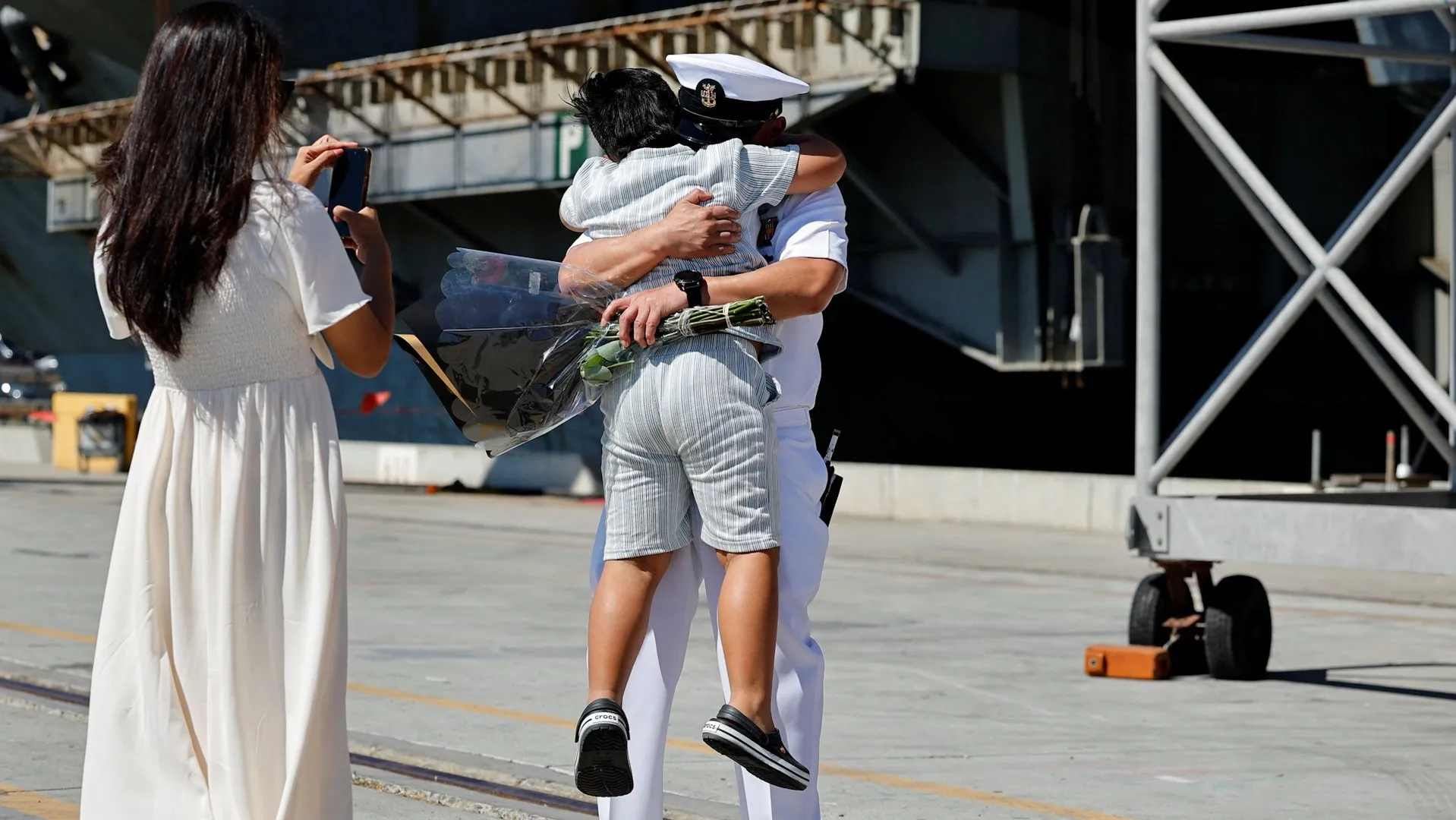
The United States aircraft carrier USS Abraham Lincoln has returned to its home port after a 322-day deployment, including a record 265 consecutive days at sea, during which it helped wage the US-Israel war on Iran.
The vessel returned to Naval Air Station North Island in San Diego, California, on Thursday, where members of its crew were greeted by family and friends.
Recommended Stories
list of 3 itemsend of list
“It feels amazing,” 20-year-old Abel Ramirez told The Associated Press news agency, adding that his parents had driven from Texas to meet him. “There was a certain point when I never thought I would come off.”
The record-setting deployment of the USS Lincoln became a symbol for larger criticisms of the US war effort, which has dragged on since February with no clear end in sight and has strained US military stockpiles.
The prolonged deployment prompted a series of news reports calling attention to deteriorating conditions, food shortages and a series of reported suicide attempts by crew members.
Pentagon chief Pete Hegseth praised the sailors on Wednesday in remarks that accused the media of trying to turn the ship into “a symbol of dysfunction or a symbol of low morale or a symbol of a failed mission”.
President Donald Trump and members of his administration have frequently lashed out at the news media for critical reporting on the war on Iran. Trump himself has called the reporting about the USS Lincoln “fake news”.
“The Lincoln has been out there for a period of time, a good period of time,” he said at an Oval Office meeting on August 17. “I know people on the Lincoln, and they say it’s beautifully maintained and beautifully taken care of.”
Earlier that month, when confronted with the amount of time the USS Lincoln had spent at sea without a port stop, Trump quipped that its deployment was “not nearly long enough“.
The reports of mental health strain on the USS Lincoln come as public opinion polls show low approval ratings among US voters for the war against Iran.
On Thursday, the Pew Research Center released a poll that found 65 percent of Americans disapproved of Trump’s handling of the war, compared with 33 percent who approved.
The war has also fuelled concerns about the cost of living ahead of the upcoming midterm elections. Since the war began, Iran has hindered commercial traffic through the Strait of Hormuz, a critical waterway for the trade of fuel, fertiliser and other goods.
Sailors returning home on the USS Lincoln said that they were looking forward to fresh meals and spending time with their families.
Alma Solano Velez said that her husband, one of the US service members on board, shared a list of foods he had been craving over his 10-month deployment: oxtail, barbecue chicken, broccoli and shrimp empanadas, among others.
She added that he had spoken about “the lack of food and showers” and was looking forward to seeing their four-year-old daughter.
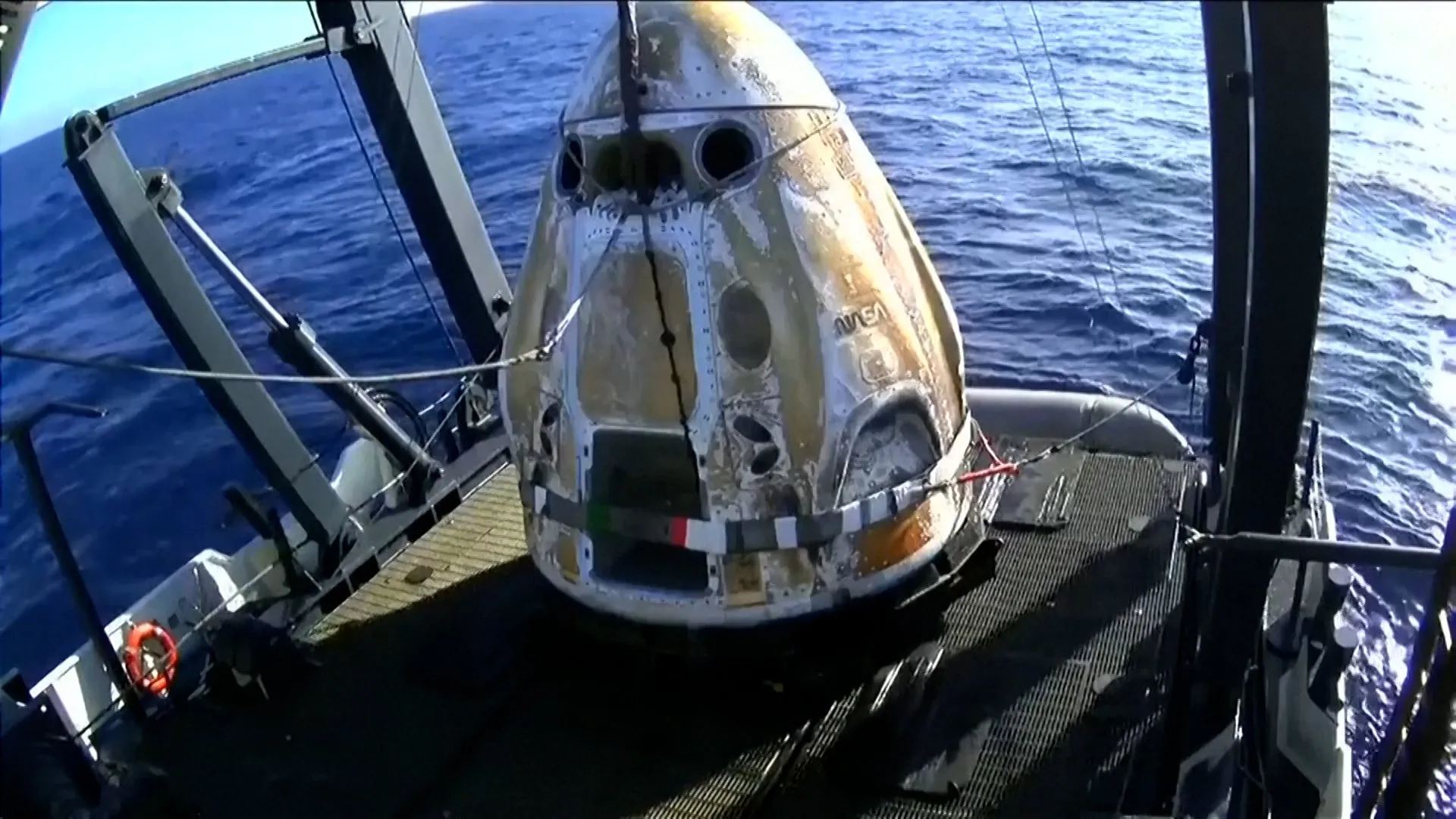
Four astronauts returned to Earth on Thursday from an eight-month mission to the International Space Station. The crew completed a parachute-assisted splashdown in the Pacific Ocean off the coast of California.


![Hotel guests are assisted using flashlights as electricity went off shortly before Hurricane Isaias’ landfall in Pensacola, Florida, on October 9, 2026. [AFP]](https://i0.wp.com/occasionaldigest.com/wp-content/uploads/2026/10/afp_6ac9f88e0b62-1791621262.jpg?w=640&ssl=1)
![Workers cordon off a petrol pump with yellow tape at a gas station in Navarre, Florida, on October 9, 2026, as Hurricane Isaias moves north toward the Florida Panhandle. [AFP]](https://i0.wp.com/occasionaldigest.com/wp-content/uploads/2026/10/afp_6ac9f8b26680-1791621298.jpg?w=640&ssl=1)