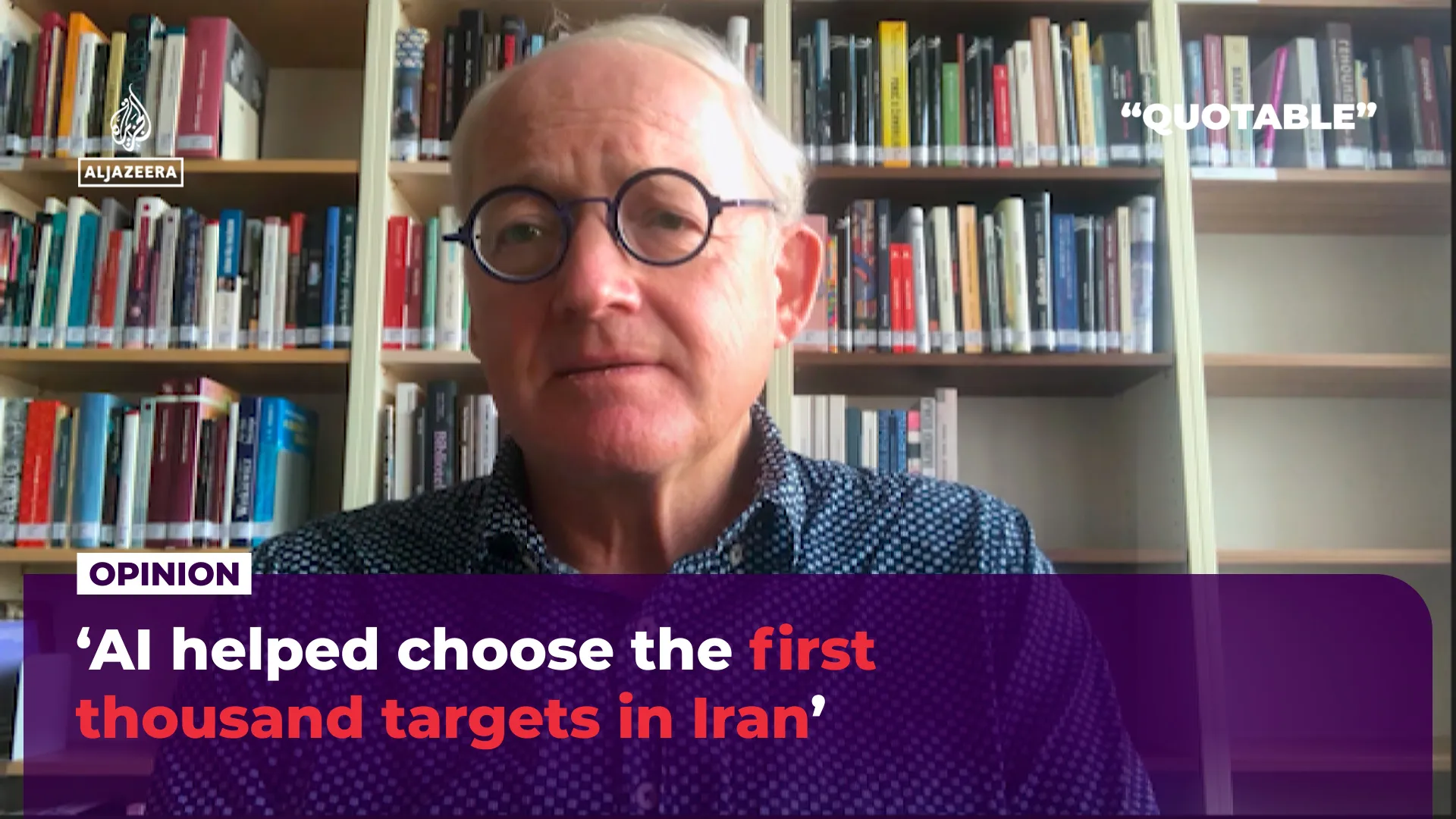
‘AI helped pick the first thousand targets in Iran’
‘AI helped pick the first thousand targets in Iran’
Source link
‘AI helped pick the first thousand targets in Iran’
Source link
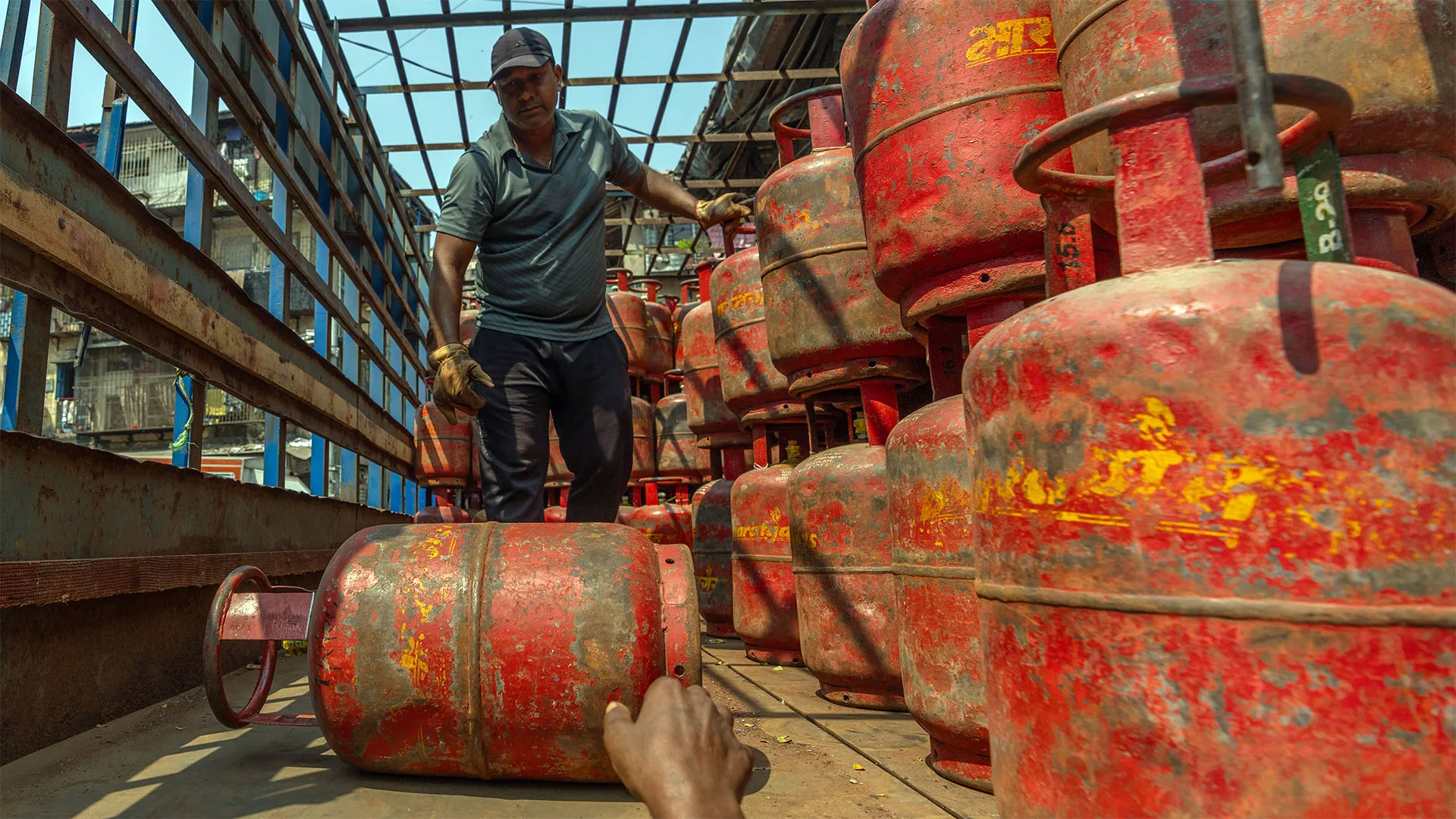
The Middle East conflict has cut off 20 percent of the world’s fuel supply. Countries are scrambling for alternatives.
The disruption in the Strait of Hormuz has cut access to one-fifth of the world’s oil and gas supply, leaving many countries scrambling for alternatives.
So what can they rely on to make up for the shortfall in a quick time?
Many Asian countries are turning to coal, reopening shuttered plants and expanding production.
Policymakers say immediate energy needs supplant environmental concerns.
Others are hoping to turn to renewables. Solar power is now the cheapest form of electricity in many parts of the world. But renewables, especially wind, have faced hostility from the Trump administration.
Published On 31 Mar 202631 Mar 2026
Share

Led by James’s 125th regular-season triple-double, the LA Lakers destroyed the Washington Wizards for their 49th regular season victory.
Published On 31 Mar 202631 Mar 2026
LeBron James had 21 points, 12 assists and 10 rebounds, Austin Reaves added 19 points and nine assists, and the Los Angeles Lakers rolled to a 120-101 win over the Washington Wizards on Monday night.
It was James’s 1,228th career victory, including the playoffs, to tie Kareem Abdul-Jabbar for most in NBA history.
list of 3 itemsend of list
With star guard Luka Doncic serving a one-game suspension after getting called for his 16th technical foul of the season against Brooklyn on Friday, an energised James led the Lakers to their 12th win in the past 13 games, attacking the rim from the start, including throwing down two emphatic two-handed dunks set up by Reaves in the first quarter.
Luke Kennard and Jaxson Hayes each had 19 points off the bench, Deandre Ayton chipped in with 12, and the Lakers improved to 7-6 without Doncic in the lineup this season.
Los Angeles would have clinched a playoff berth and the Pacific Division title with the win and a Phoenix loss, but the Suns’ 131-105 victory over Memphis delayed the formality of securing a fourth straight trip to the postseason.
Will Riley led the Wizards with 20 points, and Justin Champagnie had 18 as they lost for the 19th time in 20 games.
Washington was actually ahead by one point after the first quarter, but Hayes had the final five in an 11-0 flurry early that gave Los Angeles a lead they would not relinquish again. The Lakers closed the half on a 38-13 run and took a 21-point lead back to the locker room.
James helped quiet the Wizards for good after they cut the deficit to 10 late in the third, finishing with his third triple-double of the season and 125th in the regular season of his 23-year career.

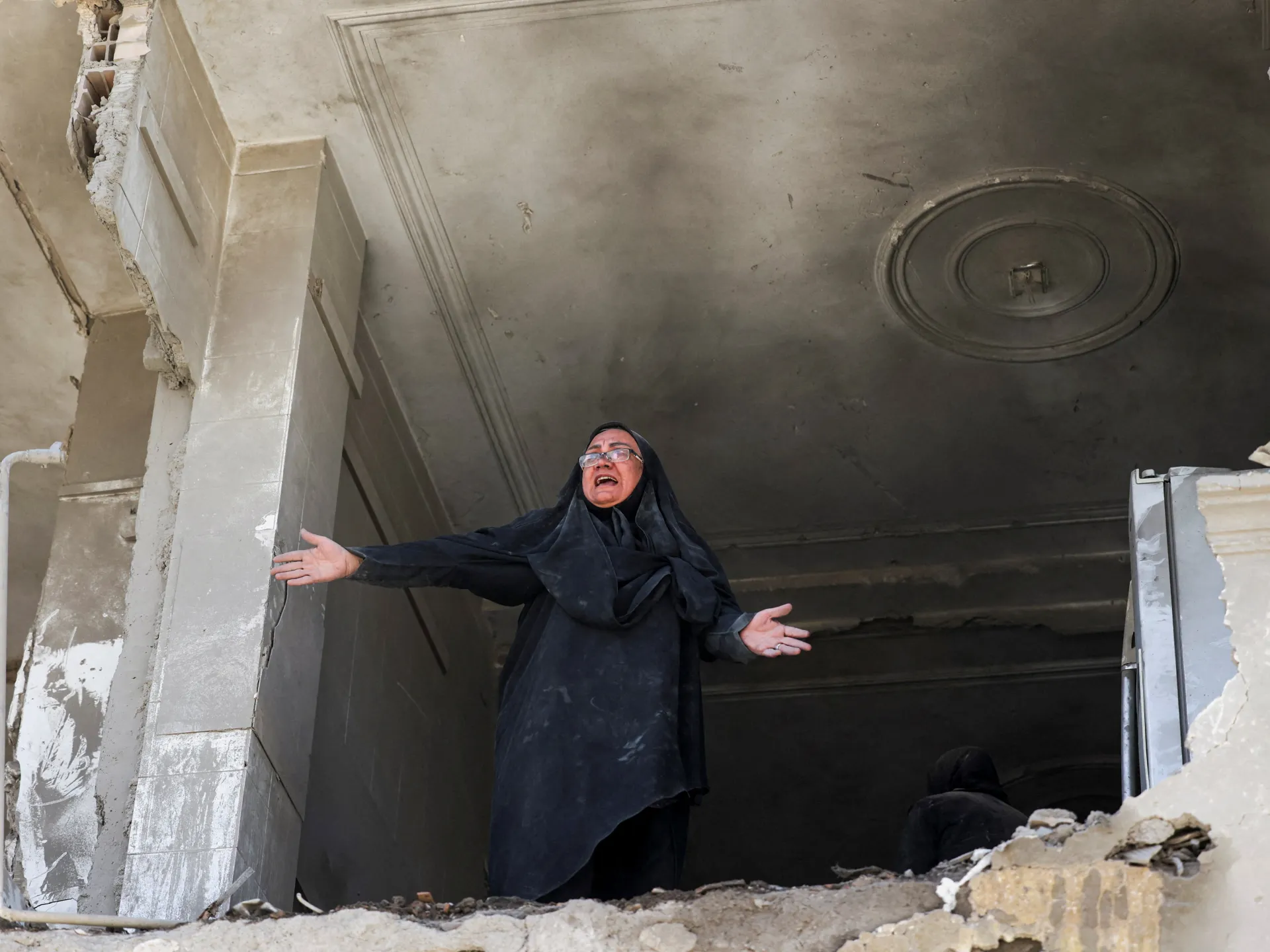
Leaders of Saudi Arabia, Qatar and Jordan meet in Jeddah as US-Israeli attacks on Iran continue, and Iranian counterattacks hit Gulf nations.
Published On 31 Mar 202631 Mar 2026
Share
US Department of Defense demands retraction of report alleging broker sought multimillion-dollar investment for Hegseth.

Published On 31 Mar 202631 Mar 2026
The United States Department of Defense has demanded the retraction of a newspaper report alleging that a broker for defence chief Pete Hegseth attempted to make a large investment in weapons companies in the run-up to the war on Iran.
Pentagon spokesman Sean Parnell demanded the “immediate” retraction on Monday after The Financial Times reported that a wealth manager for the defence secretary contacted BlackRock about making a multimillion-dollar investment in a defence-related fund in the weeks leading up to the war.
list of 4 itemsend of list
Hegseth’s broker at Morgan Stanley ultimately did not go ahead with the investment in the exchange-traded fund, whose holdings include Lockheed Martin and Northrop Grumman, because it was not yet available for purchase at the time, The Financial Times reported, citing three unnamed sources.
“This allegation is entirely false and fabricated. Neither Secretary Hegseth nor any of his representatives approached BlackRock about any such investment,” Parnell said in a post on social media.
“This is yet another baseless, dishonest smear designed to mislead the public.”
Hegseth and his department “remain unwavering in their commitment to the highest standards of ethics and strict adherence to all applicable laws and regulations,” Parnell said.
Al Jazeera could not independently confirm the Financial Times report.
The Defense Department did not immediately respond to a request for comment sent outside of usual business hours.
The Financial Times and Morgan Stanley also did not immediately respond to inquiries.
BlackRock declined to comment.
The report comes amid scrutiny of well-timed trades in financial and prediction markets that have fuelled speculation that figures with insider knowledge may be profiting off of US President Donald Trump’s war plans.
While The Financial Times reported that the attempted investment by Hesgeth’s broker did not go ahead, the defence chief would not have made money on such a purchase in the month since the war began.
While the iShares Defense Industrials Active ETF has risen more than 25 percent over the past year, it has fallen nearly 13 percent since the US and Israel launched strikes on Iran on February 28.
Witnesses have captured intense US-Israeli attacks on Isfahan, a city in Iran with a population of 2.3M, and home to the Badr military airbase. Huge explosions and fires have lit up the night sky.
Published On 31 Mar 202631 Mar 2026
Share
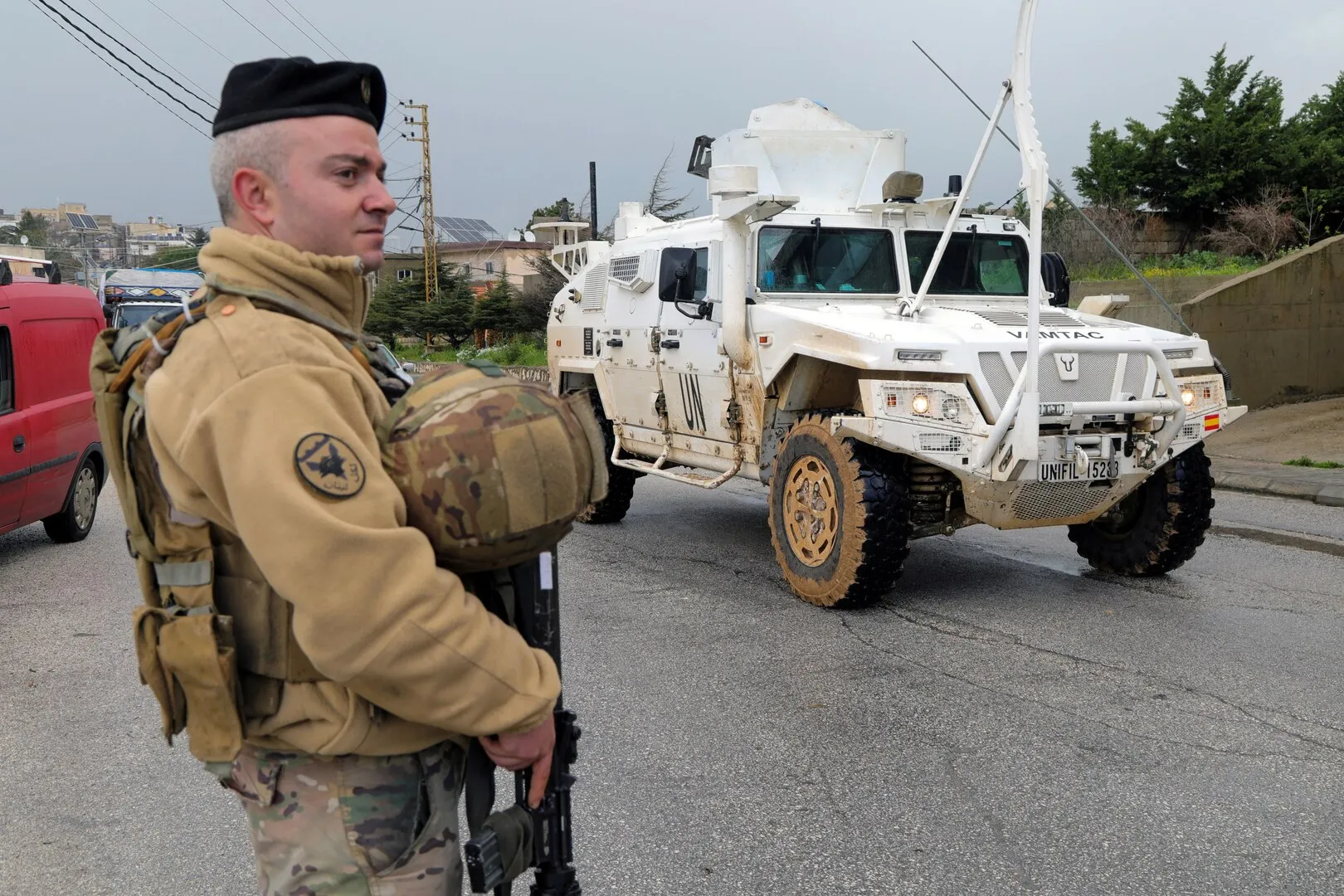
The UN has condemned the deaths of three Indonesian peacekeepers in southern Lebanon, who were killed in two separate incidents, including a vehicle explosion. They are the latest UN casualties since Israel expanded its ground invasion.
Published On 30 Mar 202630 Mar 2026
Share
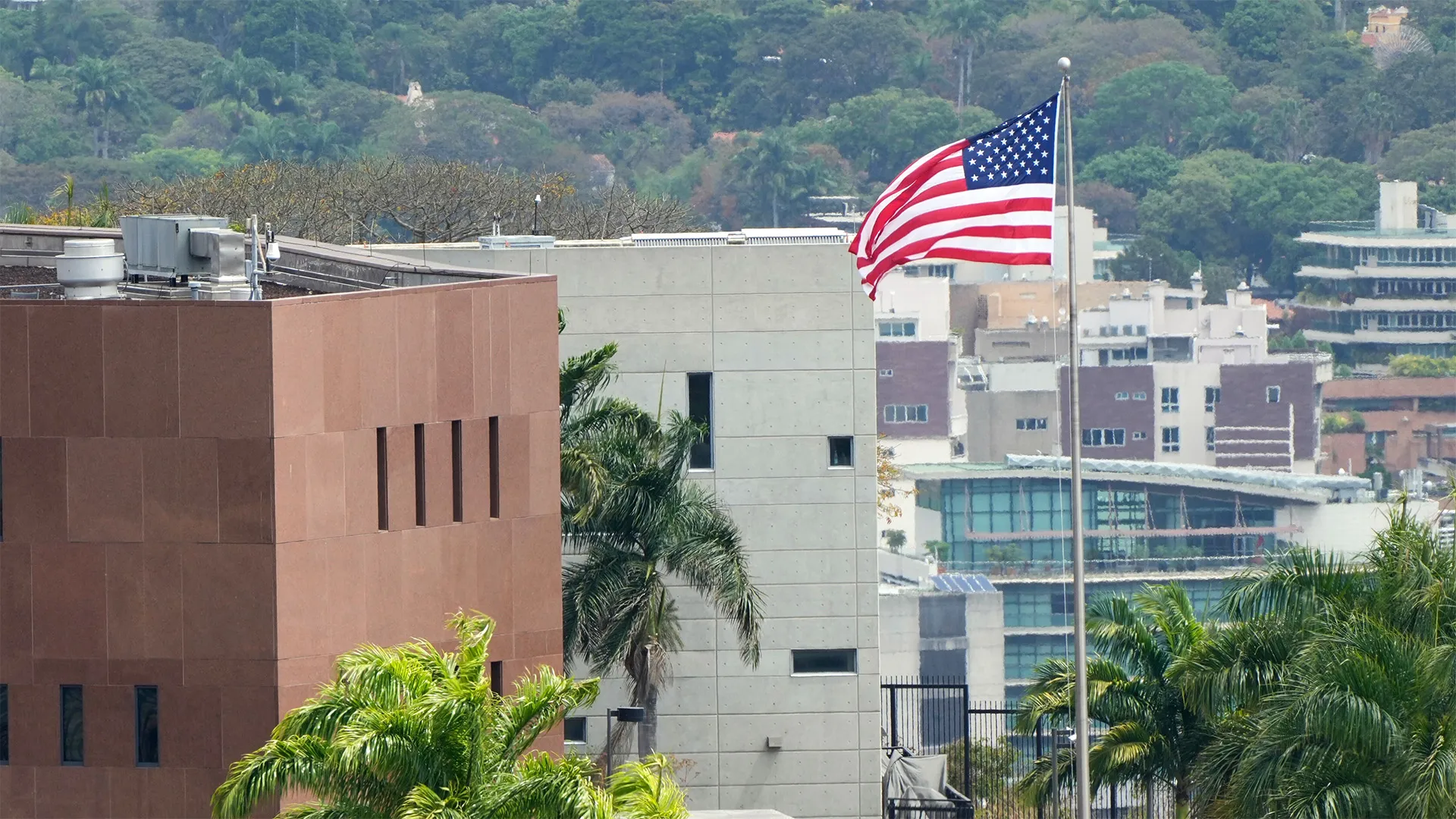
“We are once again the US Embassy in Caracas.”
The US has reopened its embassy in Venezuela, nearly three months after it abducted the former leader Nicolas Maduro and his wife.
Published On 30 Mar 202630 Mar 2026
Share
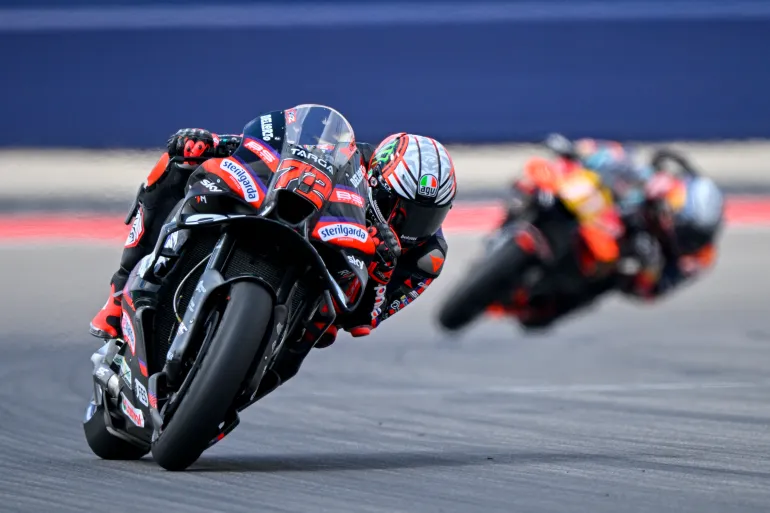
The Italian wins his fifth straight Grand Prix to take control of the world championship standings after three rounds.
Published On 30 Mar 202630 Mar 2026
Aprilia’s Marco Bezzecchi extended his perfect start to the year by winning the United States Grand Prix in Austin on Sunday for his third consecutive win of the year and fifth straight dating back to last season.
Bezzecchi led all 20 laps at the Circuit of the Americas, where he crossed the line 2.036 seconds ahead of teammate Jorge Martin. Pedro Acosta, who finished third in Saturday’s sprint before a penalty dropped him to eighth, rounded out the podium.
list of 4 itemsend of list
Bezzecchi, racing a day after he failed to finish a sprint for the second time this season after a crash, also reclaimed the lead in the MotoGP standings with 81 points, four points clear of Martin, who won Saturday’s sprint race.
With the win, Bezzecchi became the third Italian rider to win five in a row after Hall of Famers Valentino Rossi and Giacomo Agostini. He is also the first rider to win the first three grands prix of the season since Marc Marquez in 2014.
“This is amazing. I mean, I wasn’t expecting a day like this after yesterday, because it wasn’t easy, and I made a mistake, and it was important to bounce back,” said Bezzecchi.
“Luckily, my team, my squad, was very close to me, and they gave me the motivation to try to bounce back.
“But anyway, I wasn’t expecting a race like this, and I’m so happy – I really can’t describe my emotion right now. Very, very happy and proud.”
Polesitter Fabio Di Giannantonio of VR46 Racing finished fourth, while defending Austin champion Francesco Bagnaia of the Ducati Lenovo Team was 10th.

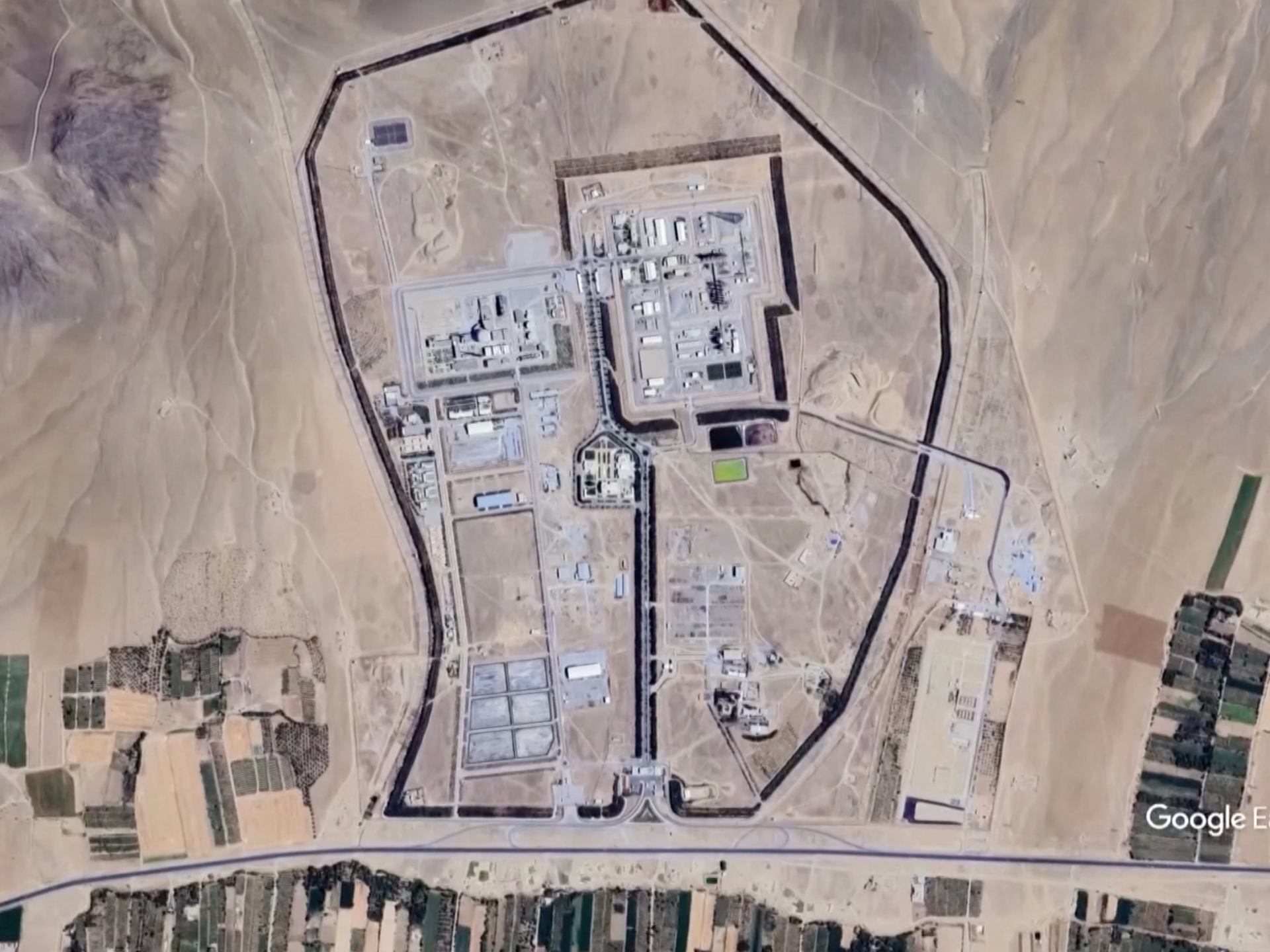
The UN’s nuclear watchdog says Iran’s Khondab heavy water production plant is no longer operational after suffering severe damage in an Israeli strike on March 27. The reactor, which contains no declared nuclear material, was hit along with other key infrastructure sites.
Published On 30 Mar 202630 Mar 2026
Share
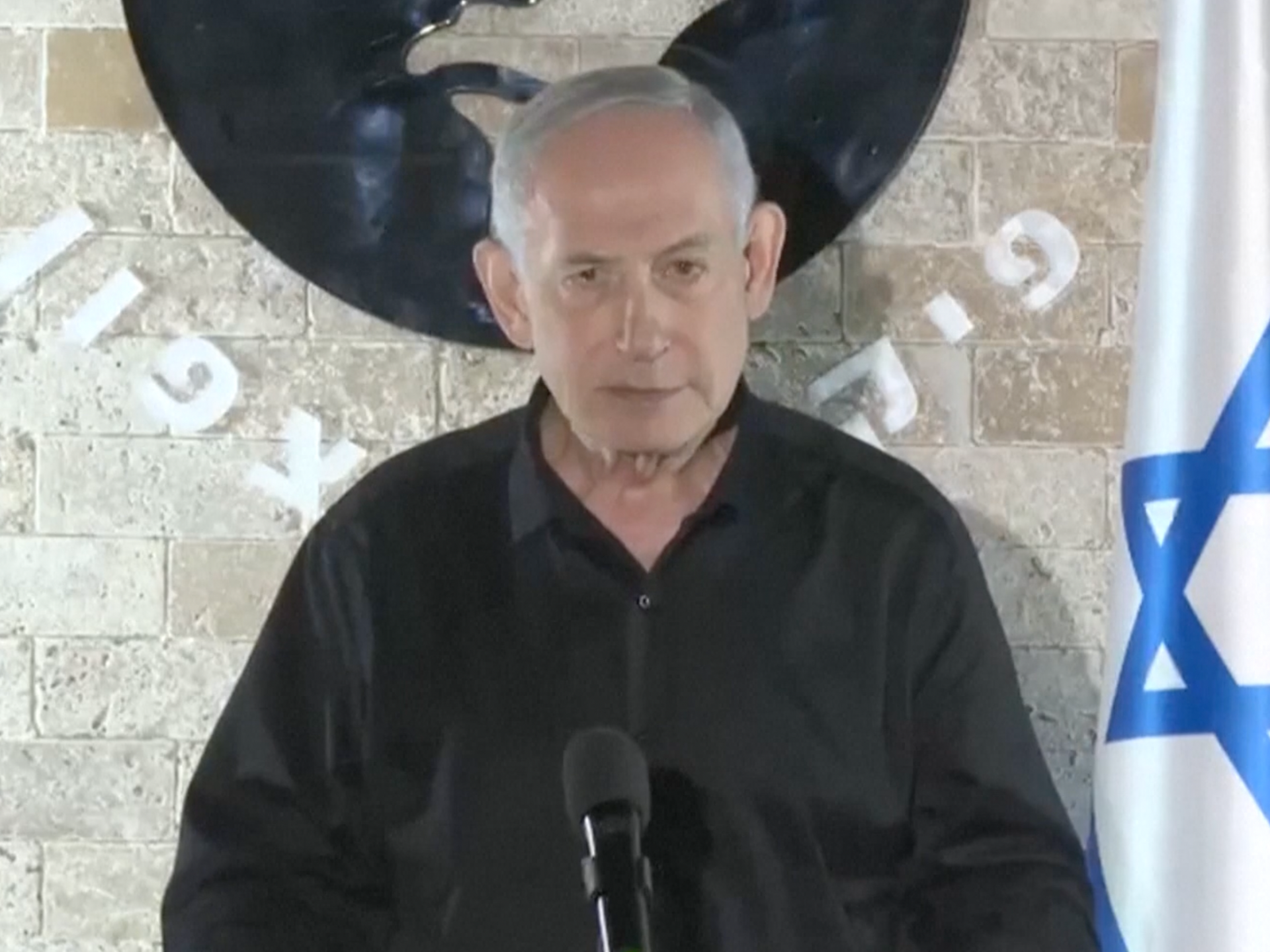
Israeli Prime Minister Benjamin Netanyahu has ordered the military to expand its invasion in southern Lebanon, pushing deeper to extend what he calls a ‘buffer zone’. As Israeli forces advance towards the Litani River, an explosion at a UN position in southern Lebanon killed a peacekeeper.
Published On 30 Mar 202630 Mar 2026
Share
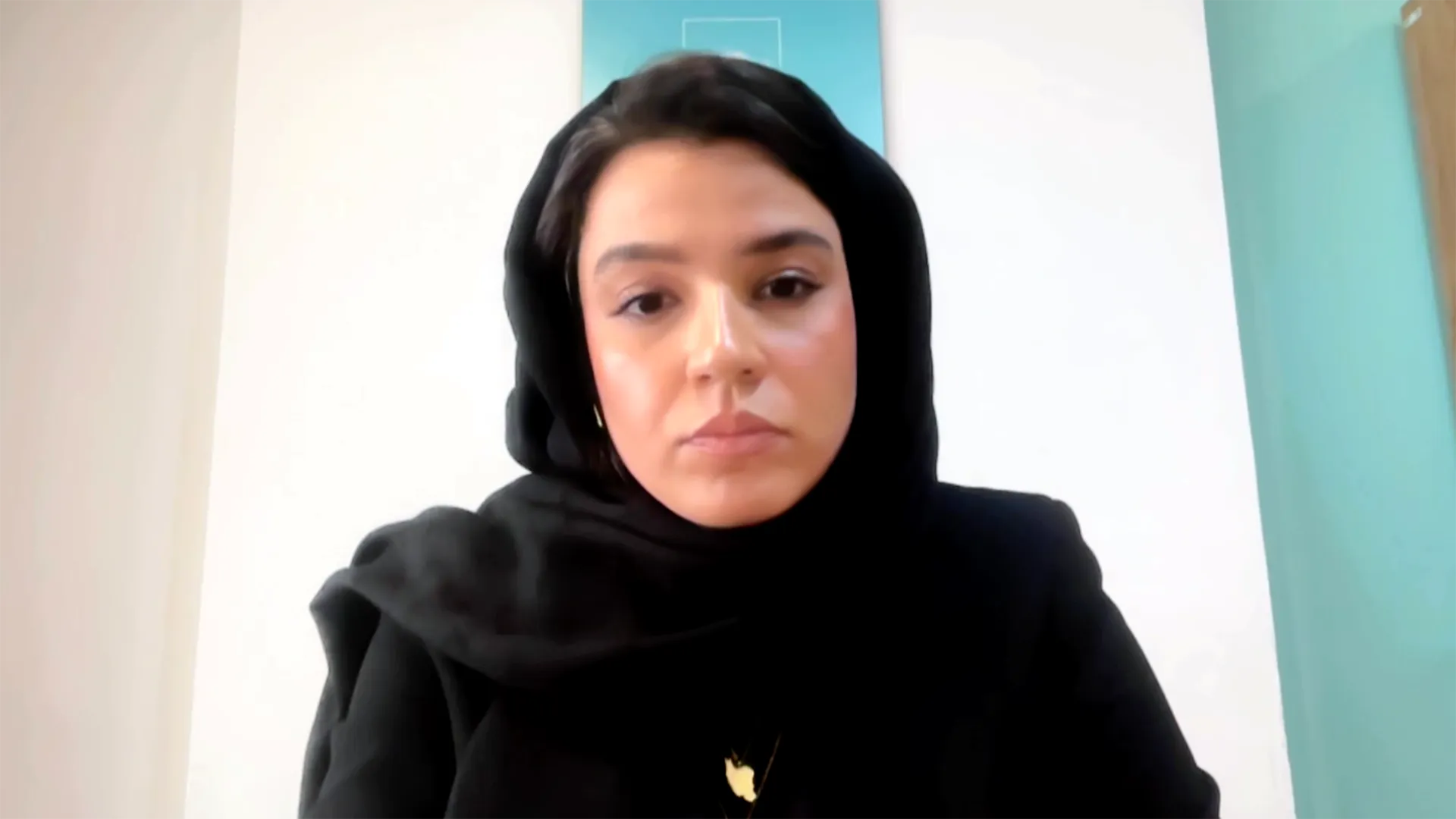
A post-doctoral fellow in Tehran has told Al Jazeera there was no warning before US-Israeli strikes hit the Iran University of Science and Technology on March 28. Helyeh Doutaghi says the attack reflects a wider pattern and raises questions about what defines ‘legitimate retaliation’.
Published On 30 Mar 202630 Mar 2026
Share
DEVELOPING STORYDEVELOPING STORY,
Crude prices continue to climb as world faces its biggest energy crisis in decades.
Published On 30 Mar 202630 Mar 2026
Oil prices have surged to their highest level in nearly two weeks amid escalation on multiple fronts of the US-Israel war on Iran.
Brent crude, the global benchmark, rose more than 3 percent on Monday morning to top $116 a barrel.
list of 4 itemsend of list
The latest climb took the global benchmark to its highest point since March 19, when it briefly touched $119 a barrel.
The surge came after Iran said it was prepared for a US ground invasion, with the speaker of the country’s parliament warning that Tehran was waiting for the arrival of US troops to “set them on fire” and “punish” their regional allies.
Tehran’s warning came as the conflict deepened over the weekend, with the Iranian-backed Houthis launching missiles at Israel for the first time in the war, and Israel expanding its invasion of southern Lebanon.
Iran’s effective closure of the Strait of Hormuz in retaliation for the US-Israel war has disrupted about one-fifth of global oil and liquified natural gas (LNG) supplies, plunging the world into its biggest energy crisis in decades.
Oil prices have risen nearly 60 percent since the start of the war, driving up fuel prices worldwide and forcing numerous countries to adopt emergency measures to conserve energy.
Analysts have warned that oil prices are likely to keep rising unless maritime traffic returns to normal levels in the strait.
Greg Newman, the CEO the Onyx Capital Group, which began as an oil derivatives trading house, said that energy markets were only beginning to feel the fallout of the turmoil.
“Physical oil moves around the world in loading cycles , and Europe has taken around three weeks to really start feeling the effects of the oil shortage,” Newman told Al Jazeera.
“Brent is starting to reflect the reality, and we think it’s a steady rise from here towards $120 and beyond.”
Newman said the scale of the disruption had yet to be fully appreciated.
No one in the market has ever seen the outages we are now suffering from – physical premiums are the highest ever. There is still a sense that the macro world is not taking this seriously enough, but it is worse than anything that has come before it,” he said.
“The reality will come out in the economic numbers over the coming months.”
More to follow…
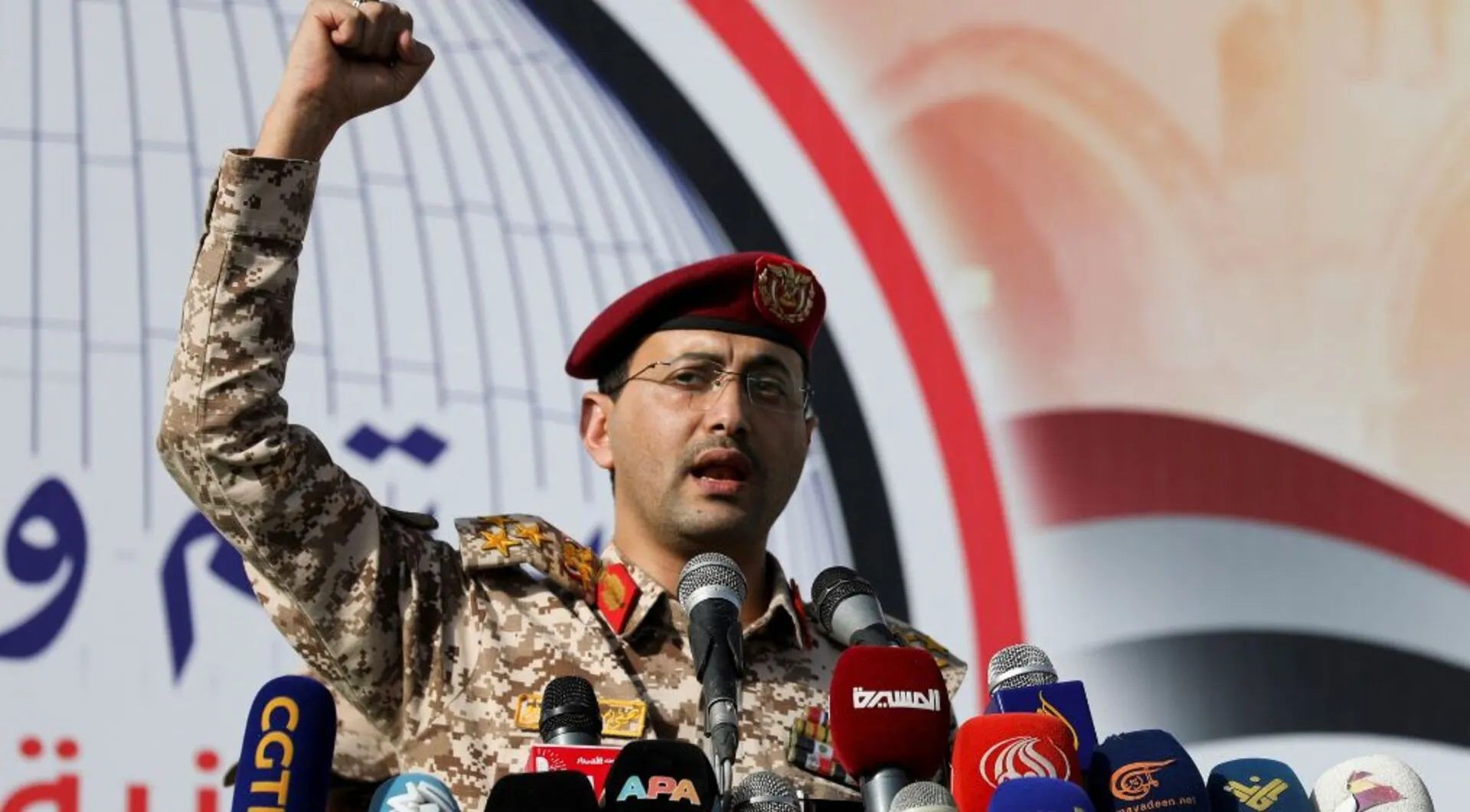
The Yemeni group has launched missiles towards Israel in support of Iran.
They have threatened to join the war ever since it started a month ago.
Now, Yemen’s Ansar Allah, also known as the Houthis, have followed up on their threat and launched missiles towards Israel.
This move marks a significant escalation in the US-Israel war on Iran.
There are fears that the Iran-aligned group could attack shipping in the Red Sea, as it has done before.
This would further disrupt global trade, already affected by Iran’s blockade of the Strait of Hormuz.
Will Israel and the US retaliate? And if so, how?
Presenter: James Bays
Guests:
Hisham Al-Omeisy – senior Yemen adviser at the European Institute of Peace
H A Hellyer – senior associate fellow in defence and security studies at the Royal United Services Institute
Michael Mulroy – former US deputy assistant secretary of defence for the Middle East
Published On 29 Mar 202629 Mar 2026
Share
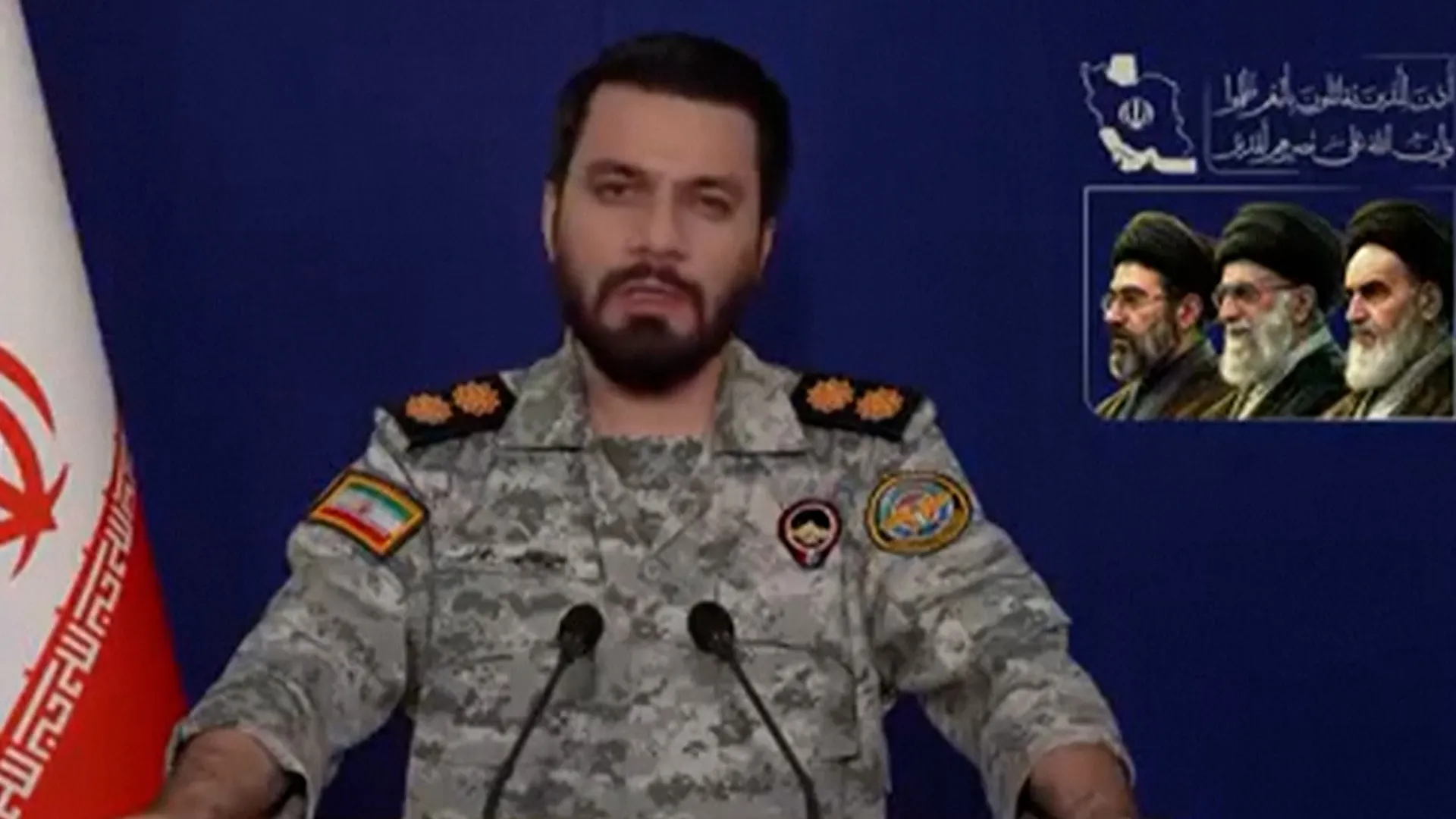
IRGC spokesperson Ebrahim Zolfaghari dismisses threats of US ground operations. He says the US president ‘only understands force’ as the Pentagon prepares plans that could involve thousands of troops on the ground in Iran, according to a report by The Washington Post.
Published On 29 Mar 202629 Mar 2026
Share
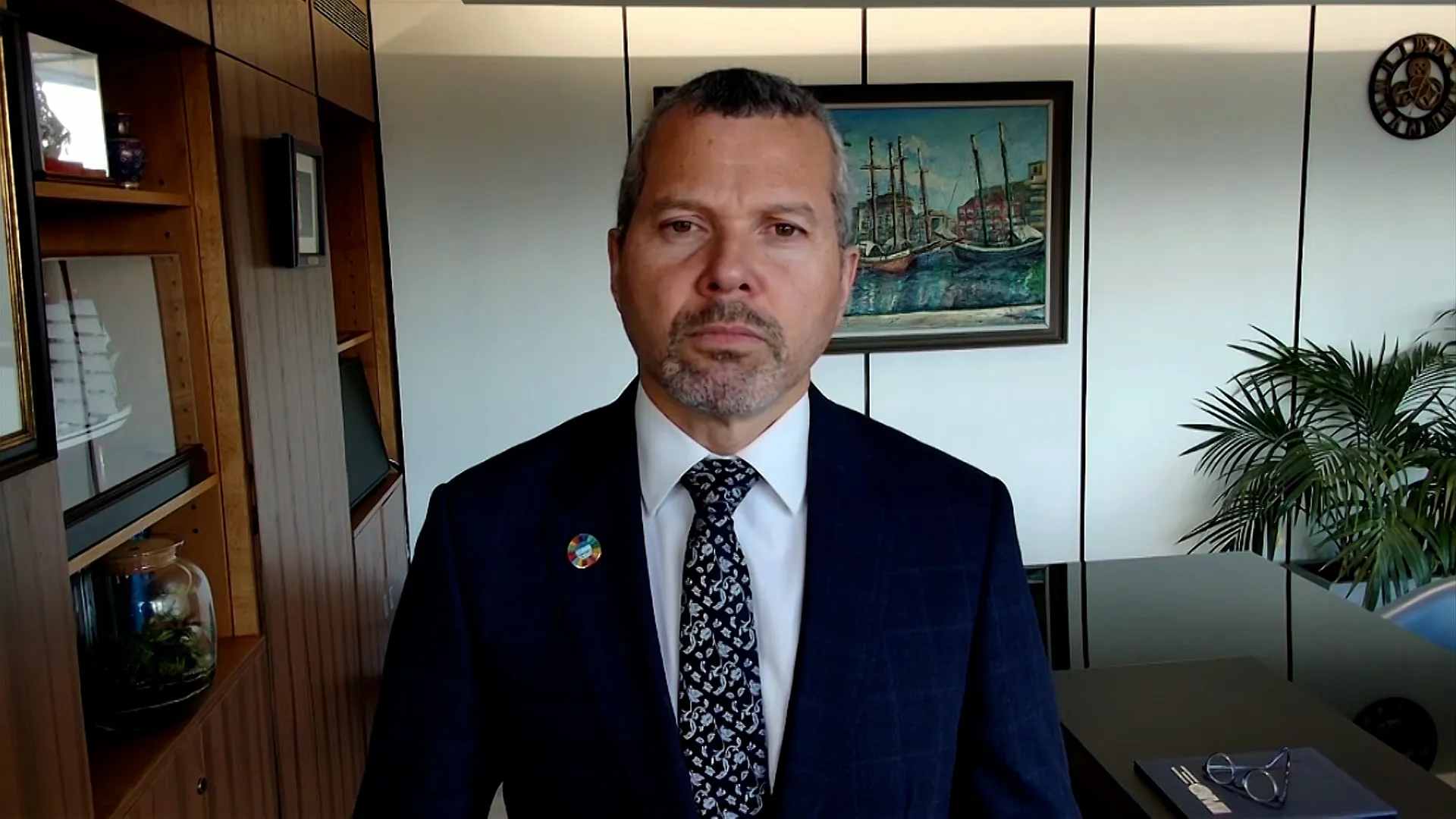
International Maritime Organization chief Arsenio Dominguez warns of 20,000 seafarers stranded in the Strait of Hormuz.
Source link

Published On 29 Mar 202629 Mar 2026
South African sprinter Caster Semenya, a two-time Olympic 800-metres champion, says the International Olympic Committee’s (IOC’s) reinstatement of gender verification tests for the 2028 Los Angeles Games is “a disrespect for women”.
The hyperandrogenic athlete on Sunday also expressed her disappointment that the measure was taken under new IOC President Kirsty Coventry of Zimbabwe.
list of 3 itemsend of list
“For me personally, for her being a woman coming from Africa, knowing how African women or women in the Global South are affected by that, of course it causes harm,” Semenya said in Cape Town on the sidelines of a sporting competition.
The IOC said on Thursday that only “biological females” will be allowed to compete in women’s events, preventing transgender women from competing.
The IOC had previously used chromosomal sex testing from 1968 to the 1996 Atlanta Olympics before abandoning it in 1999 under pressure from the scientific community, which questioned its effectiveness, and from its own athletes commission.
“It came as a failure, and that’s why it was dropped,” Semenya said.
“It’s like now we need to prove that we are worthy as women to take part in sports. That’s a disrespect for women.”
Semenya has become the symbol of the struggle of hyperandrogenic athletes, a battle on the athletics tracks and then in courtrooms, to assert her rights, which she has waged since her first world title in the 800m in 2009.
In 2025, she won a partial victory at the European Court of Human Rights in her seven-year legal fight against track and field’s sex eligibility rules.
The court’s highest chamber said in a 15-2 ruling that Semenya had some of her rights to a fair hearing violated before Switzerland’s Supreme Court, where she had appealed against a decision by the Court of Arbitration for Sport. It had ruled in favour of track’s international governing body, World Athletics.
The original case between Semenya and Monaco-based World Athletics was about whether female athletes who have specific medical conditions, a typically male chromosome pattern and naturally high testosterone levels, should be allowed to compete freely in women’s sports.
The European court’s ruling did not overturn the World Athletics rules that in effect ended Semenya’s career running the 800m after she had won two Olympic gold medals and three world titles since emerging on the global stage as a teenager in 2009.
In a major shift of policy, the IOC is abandoning rules it brought in in 2021 that allowed individual federations to decide their own policy and is instead implementing a policy across all Olympic sports.
“Eligibility for any female category event at the Olympic Games or any other IOC event, including individual and team sports, is now limited to biological females, determined on the basis of a one-time SRY gene screening,” the IOC said in a statement.
They will be carried out through a saliva sample, cheek swab or blood sample. It will be done once in an athlete’s lifetime.
“The policy we have announced is based on science and has been led by medical experts,” Coventry said.
“At the Olympic Games, even the smallest margins can be the difference between victory and defeat, so it is absolutely clear that it would not be fair for biological males to compete in the female category. In addition, in some sports it would simply not be safe.”
The new policy removes a potential source of conflict between the IOC and United States President Donald Trump as the 2028 Los Angeles Olympics comes onto the horizon.
Trump issued an executive order banning transgender athletes from women’s sport soon after he returned to office in January 2025.
The US leader took credit for the IOC’s new policy in a post on his Truth Social network on Thursday.
“Congratulations to the International Olympic Committee on their decision to ban Men from Women’s Sports,” Trump wrote. “This is only happening because of my powerful Executive Order, standing up for Women and Girls!”
While sports such as swimming, athletics, cycling and rowing have brought in bans, many others have permitted transgender women to compete in the female category if they lowered their testosterone levels, normally through taking a course of drugs.
The IOC is bringing in the new policy after the women’s boxing competition at the 2024 Paris Olympics was rocked by a gender row involving Algerian fighter Imane Khelif and Lin Yu-ting of Taiwan.
Khelif and Lin were excluded from the International Boxing Association’s 2023 world championships after the IBA said they had failed eligibility tests.
However, the IOC allowed them both to compete at the Paris Games, saying they had been victims of “a sudden and arbitrary decision by the IBA”.
Both boxers went on to win gold medals.
Lin has since been cleared to compete in the female category at events run by World Boxing, the body that will oversee the sport at the Los Angeles Summer Games.
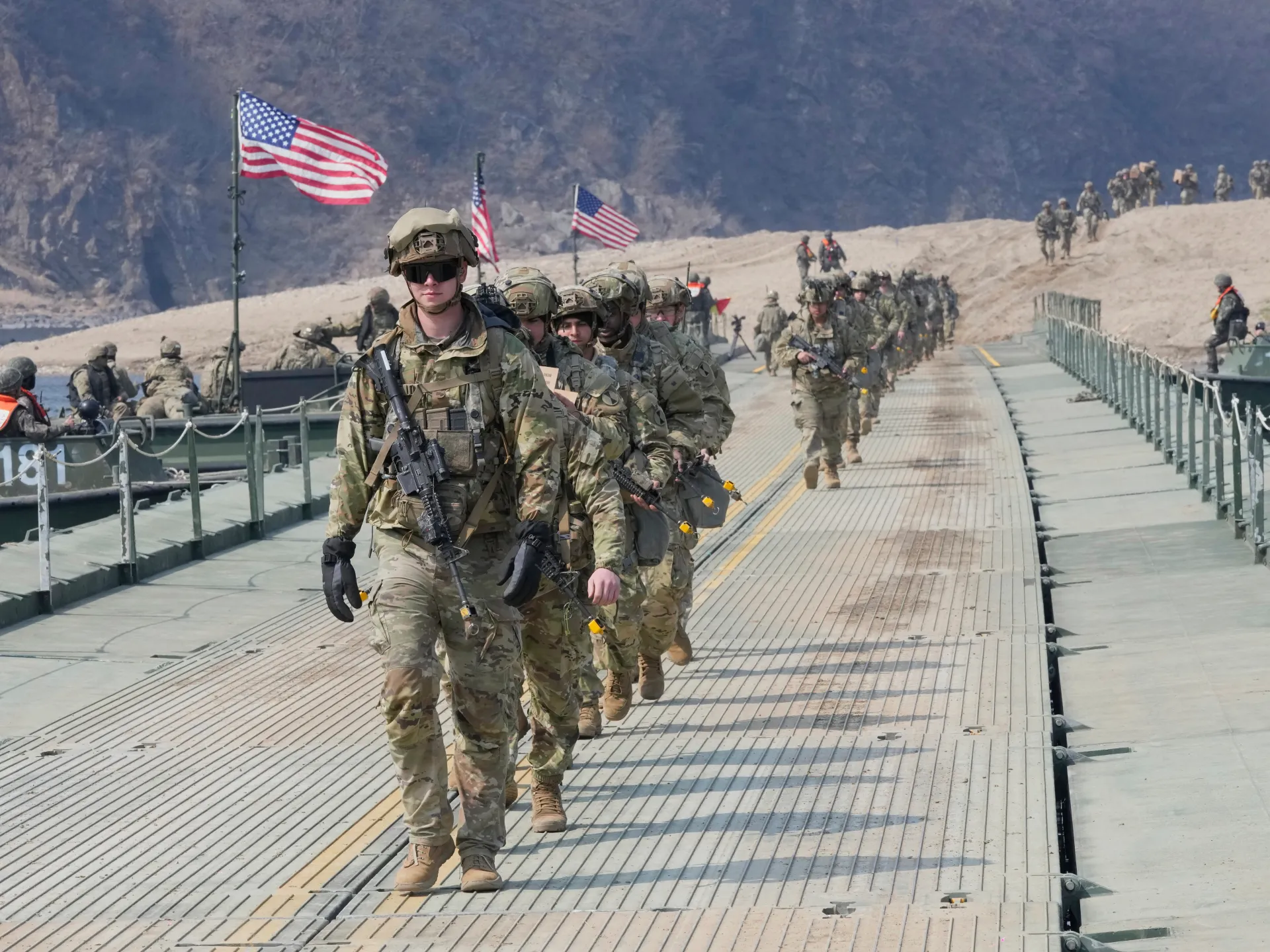
The plans, which fall short of a full invasion, could involve raids by special operations and conventional infantry troops, The Washington Post reported.
The Pentagon is preparing for weeks of limited ground operations in Iran, potentially including raids on Kharg Island and coastal sites near the Strait of Hormuz, according to United States officials quoted by The Washington Post newspaper.
The plans, which fall short of a full invasion, could involve raids by special operations and conventional infantry troops, the Post reported on Saturday, exposing US personnel to Iranian drones and missiles, ground fire, and improvised explosives.
list of 3 itemsend of list
Whether President Donald Trump would approve any of those plans remains uncertain, according to the report.
“It’s the job of the Pentagon to make preparations in order to give the Commander in Chief maximum optionality. It does not mean the president has made a decision,” White House press secretary Karoline Leavitt said in a statement, responding to questions over the Post report.
The Trump administration has deployed US Marines to the Middle East as the war in Iran stretches into its fifth week, and has also been planning to send thousands of soldiers from the army’s 82nd Airborne to the region.
On Saturday, the US Central Command (CENTCOM) said about 3,500 additional soldiers arrived in the Middle East on board the USS Tripoli.
The sailors and marines are with the 31st Marine Expeditionary Unit and arrived in the region on March 27, along with “transport and strike fighter aircraft, as well as amphibious assault and tactical assets”, according to CENTCOM.
Officials speaking to The Washington Post said discussions within the administration over the past month have touched upon the possible seizure of Kharg Island, a key Iranian oil export hub in the Gulf, and raids into other coastal areas near the Strait of Hormuz to find and destroy weapons that can target commercial and military shipping.
According to the report, one person said the objectives under consideration would probably take “weeks, not months” to complete, while another put the potential timeline at “a couple of months”.
The Pentagon had not responded on Saturday to the Post’s requests for comment. Iran has yet to respond to the report.
The report comes as Pakistan, which shares a 900km-long (559-mile) border with Iran, mediates between Washington and Tehran, hosting two days of talks starting on Sunday with the foreign ministers of Saudi Arabia, Turkiye and Egypt.
The Iranian parliament speaker, Mohammad Bagher Ghalibaf, said on Sunday the “enemy openly sends messages of negotiation and dialogue and secretly plans a ground attack”.
“Unaware that our men are waiting for the arrival of American soldiers on the ground to set fire to them and punish their regional partners forever. Our firing continues. Our missiles are in place,” the Tasnim news agency reported, quoting Ghalibaf.
“Our determination and faith have increased. We are aware of the enemy’s weaknesses, and we clearly see the effects of fear and terror in the enemy’s army.”
It was not clear whether Ghalibaf was responding to the Post report.
On Wednesday, Ghalibaf had warned that intelligence reports suggested that “Iran’s enemies” were planning to occupy an Iranian island with support from an unnamed country in the region.
He said any such attempt would be met with targeted attacks on the “vital infrastructure” of the regional country – which he did not name – that assists in the operation.
Tasnim quoted an unnamed military source as saying on Wednesday that Iran could open a new front at the mouth of the Red Sea if military action takes place on “Iranian islands or anywhere else in our lands”.
The source told Tasnim that Iran can pose a “credible threat” in the Bab al-Mandeb Strait, which lies between Yemen and Djibouti.
Tasnim later quoted an “informed source” claiming that Yemen’s Houthi rebels, backed by Iran, are prepared to play a role “if there is a need to control the Bab al-Mandeb Strait to further punish the enemy”.
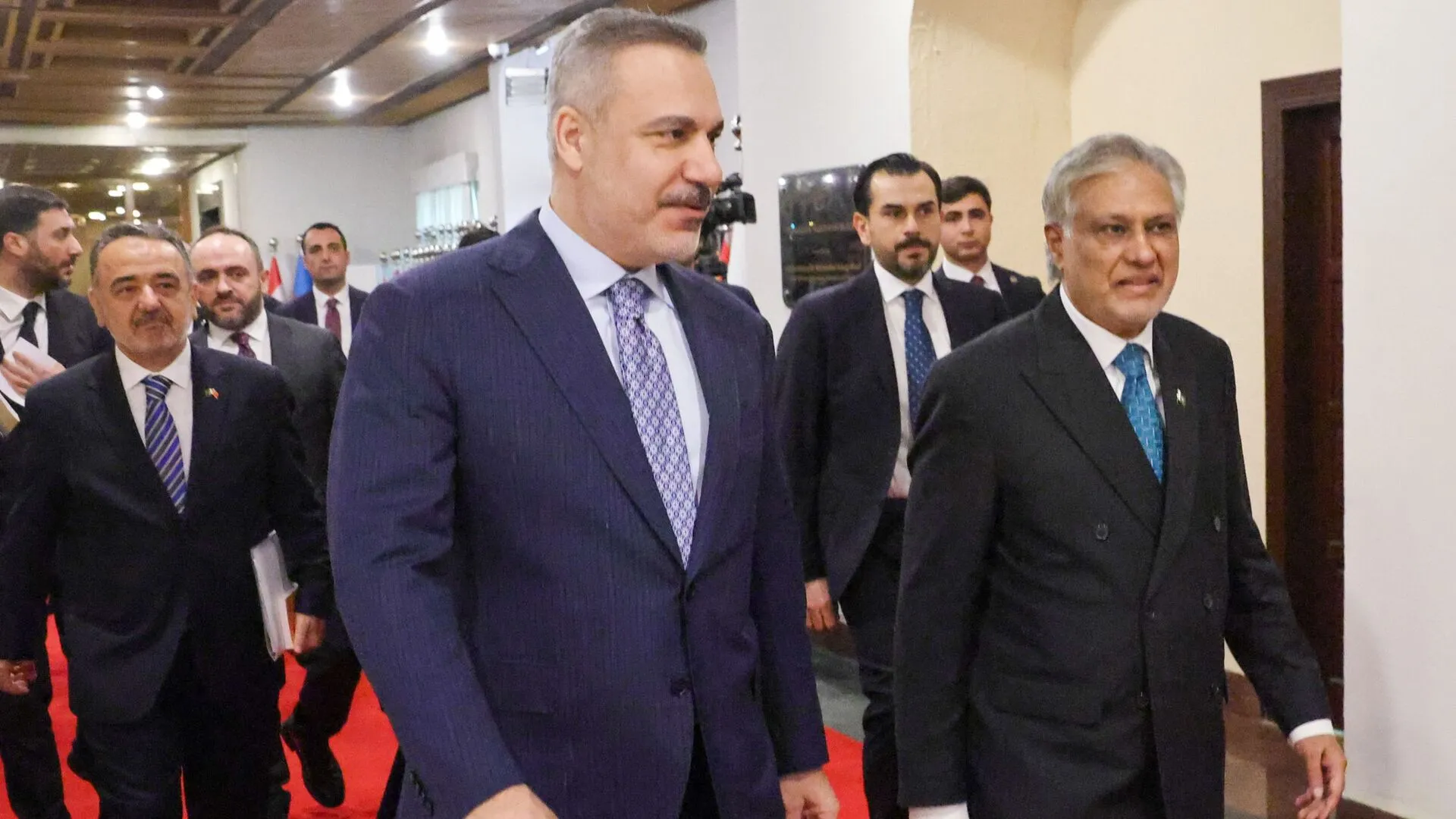
Talks are under way in Islamabad, as the Pakistani government acts as mediator between the US and Iran.
Published On 29 Mar 202629 Mar 2026
Top diplomats from Saudi Arabia, Egypt and Turkiye have gathered in Islamabad for two-day talks with their Pakistani counterpart on the US-Israel war on Iran, seeking to de-escalate the conflict.
The talks on Sunday and Monday are being led by Pakistani Foreign Minister Ishaq Dar, who announced late on Saturday that Iran had allowed “20 more ships” under the Pakistani flag, or two ships daily, to pass through the Strait of Hormuz.
list of 4 itemsend of list
Pakistan’s Prime Minister Shehbaz Sharif also said on Saturday that he had a “detailed telephone conversation with my brother President Masoud Pezeshkian of Iran earlier today, lasting over one hour”, as part of preparations for the Islamabad talks.
Al Jazeera’s Kamal Kyder, reporting from Islamabad, said Pakistan has been acting as “a key interlocutor” between the United States and Iran, passing messages between the two sides as part of the mediation efforts.
“The gathering in Islamabad, what many people say, is the beginning of a critical process that includes the only viable option: diplomacy and dialogue,” he said.
“A difficult process, given the escalation, so all eyes will be on Islamabad – what consensus can be reached here, and whether that will be acceptable to the US, whether it is looking for a way out of this war or whether it is trying to buy time,” he added.
Pezeshkian hailed Islamabad’s efforts and “thanked Pakistan for its mediation efforts to stop the aggression against the Islamic republic”, according to his office.
The pair have spoken previously in recent weeks about the conflict and Pakistan’s commitment to bringing it to an end.
Islamabad has longstanding links with Tehran and close contacts in the Gulf, while Sharif and the army chief, Field Marshal Asim Munir, have struck up a personal rapport with US President Donald Trump.
Germany’s Foreign Minister Johann Wadephul said earlier on Friday he expected a direct US-Iran meeting in Pakistan “very soon”, without revealing his source.
The risk of an expanded Iran war grew on Saturday as Yemen’s Iran-aligned Houthi rebels launched their first attacks on Israel since the start of the conflict, after the first of the two contingents of the thousands of additional US forces dispatched to the Middle East arrived on Friday on an amphibious assault ship.
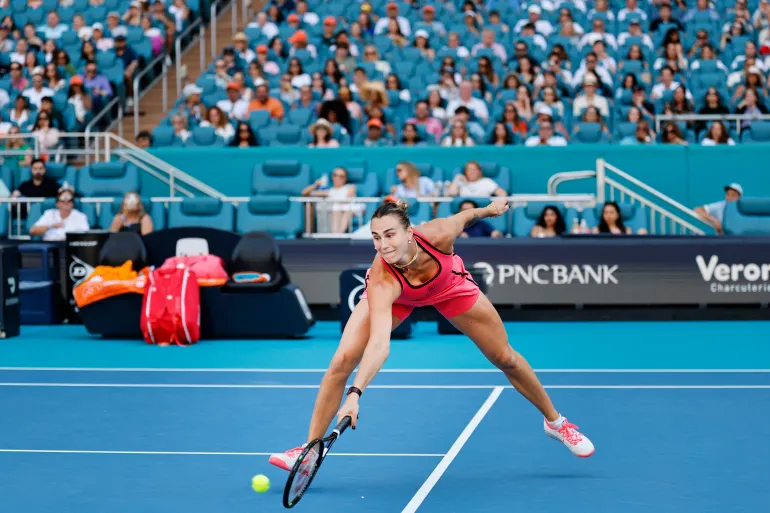
World number one Aryna Sabalenka edges Coco Gauff in a tense three-set final to claim the ‘Sunshine Double’ in Florida.
Published On 29 Mar 202629 Mar 2026
Defending champion Aryna Sabalenka beat hometown favourite Coco Gauff 6-2, 4-6, 6-3 in the Miami Open final on Saturday to join an exclusive club by completing the coveted “Sunshine Double”.
Top-seeded Sabalenka, who reached the final without dropping a set, won 73 percent of her first-serve points and faced just two break points en route to victory in a rematch of the 2025 French Open final won by Gauff.
list of 3 itemsend of list
Sabalenka is only the fifth woman to win the Indian Wells and Miami titles back-to-back, a feat known as the “Sunshine Double”, given the tournaments’ respective locations in California and Florida.
“I want to start with [Coco]. You’re a fighter, and you also push me so hard to be a better player, and I like our rivalry,” Sabalenka, who improved to 7-6 all-time versus Gauff, said during the trophy ceremony.

Sabalenka raced out to a 2-0 lead, but Gauff, from nearby Delray Beach and appearing in her first Miami final, got on the board with a love hold and then repelled three break points in her next service game to get within 3-2.
But Sabalenka did not lose focus and eventually went up a double break on the world number four before closing out a dominant opening on her serve.
There was very little to separate the two players in the middle set, which remained on serve until Gauff broke Sabalenka for the only time in the match to force a third set. Sabalenka broke Gauff to open the decider, held at love in two consecutive service games to go 5-3 up and then sealed the victory with her fourth break of the match when Gauff sent a backhand wide.
Sabalenka is the first player to win back-to-back Miami titles since Ash Barty in 2019 and 2021. The 2020 edition was cancelled due to the COVID-19 pandemic.
The Belarusian joins Iga Swiatek (2022), Victoria Azarenka (2016), Kim Clijsters (2005) and Steffi Graf (1994, 1996) as the only women to complete the Sunshine Double.
She also improved to 23-1 on the year, her only loss coming in the Australian Open final at the hands of Elena Rybakina, whom she went on to beat in the Indian Wells final and Miami semifinals.
“Aryna, congratulations. We’ve had many battles, many finals and, yeah, I think you push me to be a better player,” said Gauff. “You’re a great fighter, and hopefully we can play many more. I think we will.”

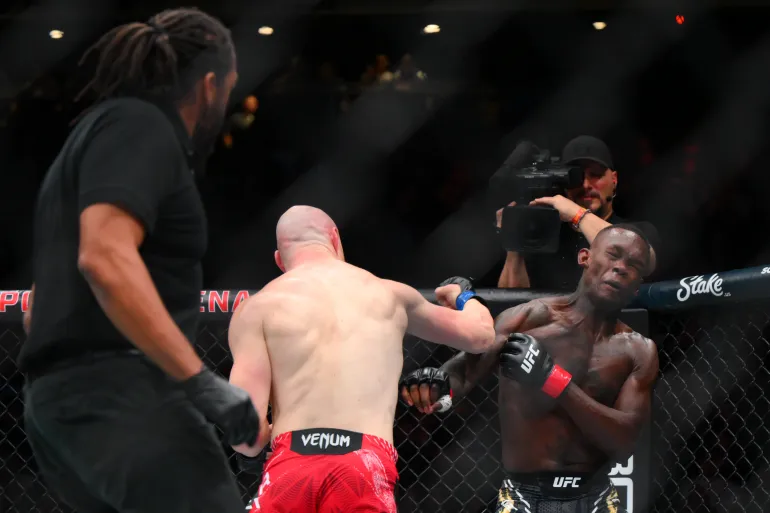
Former two-time champion loses his fourth straight bout after being stopped by Pyfer in the second round.
Published On 29 Mar 202629 Mar 2026
Joe Pyfer sent former Ultimate Fighting Championship middleweight champion Israel Adesanya back to the drawing board in Saturday’s UFC Fight Night headliner in Seattle, stopping Adesanya at 4:18 of the second round to cap the night.
Before the technical knockout (TKO) finish, both fighters exchanged their best punches in a stand-up battle until a Pyfer (16-3 MMA) takedown signalled the beginning of the end.
list of 3 itemsend of list
“I just have this mentality where I don’t care; I’m going to search and destroy,” Pyfer said, following the stoppage, securing the finish in top control.
Adesanya (24-6 MMA), fighting out of New Zealand, has not won a bout since regaining middleweight gold in April 2023 at UFC 287, and confirmed he has no plans to retire.
“I’m just going to keep going and going and going,” Adesanya said.

A rematch five years in the making commenced at flyweight as former champion Alexa Grasso made short work of Maycee Barber with a TKO stoppage at 2:42 of the opening round. The Mexican used a left hook to down Barber before jumping on top of her immediately as the referee stepped in.
The two first met in February 2021, with Grasso earning a decision. Grasso (17-5-1 MMA) snapped a two-fight losing skid, whereas Barber (15-3 MMA) had not lost since the first meeting with Grasso, having won her previous seven fights.
In his final MMA fight, welterweight Michael Chiesa (20-7 MMA) had a hometown send-off as he submitted Niko Price (16-11 MMA) with a first-round rear-naked choke. Chiesa needed just 63 seconds to put a bow on his UFC career, one that spanned a decade-plus and included winning the 15th season of The Ultimate Fighter in June 2012.
Chiesa ended his UFC career at 15-7, while Price, who has been in the promotion for over a decade himself, now sits at 8-11, with two no contests in the Octagon and has dropped four straight fights.
The finishes were a theme on the night, as featherweight Lerryan Douglas (14-5 MMA) of Brazil needed 3:33 of the opening round to deliver a devastating TKO against Julian Erosa (31-13 MMA). Douglas has now won his last six in a row while Erosa continues to struggle at 9-9 in the UFC.
At middleweight, Yousri Belgaroui of the Netherlands scored a third-round TKO stoppage against Mansur Abdul-Malik by landing a perfectly timed knee to end the fight in a back-and-forth battle. Belgaroui (10-3 MMA) has won five straight and remains undefeated in the UFC. Conversely, it was Abdul-Malik’s (9-1-1 MMA) first professional loss, as he had won seven of his 11 outings by KO/TKO.
The main card got under way in emphatic fashion in the opener, with lightweight Terrance McKinney needing just 24 seconds to dispatch Canadian Kyle Nelson with a series of punches following a head kick. McKinney (18-8 MMA) has won three of his last four, while Nelson (17-7-1 MMA) has lost two of his last three.
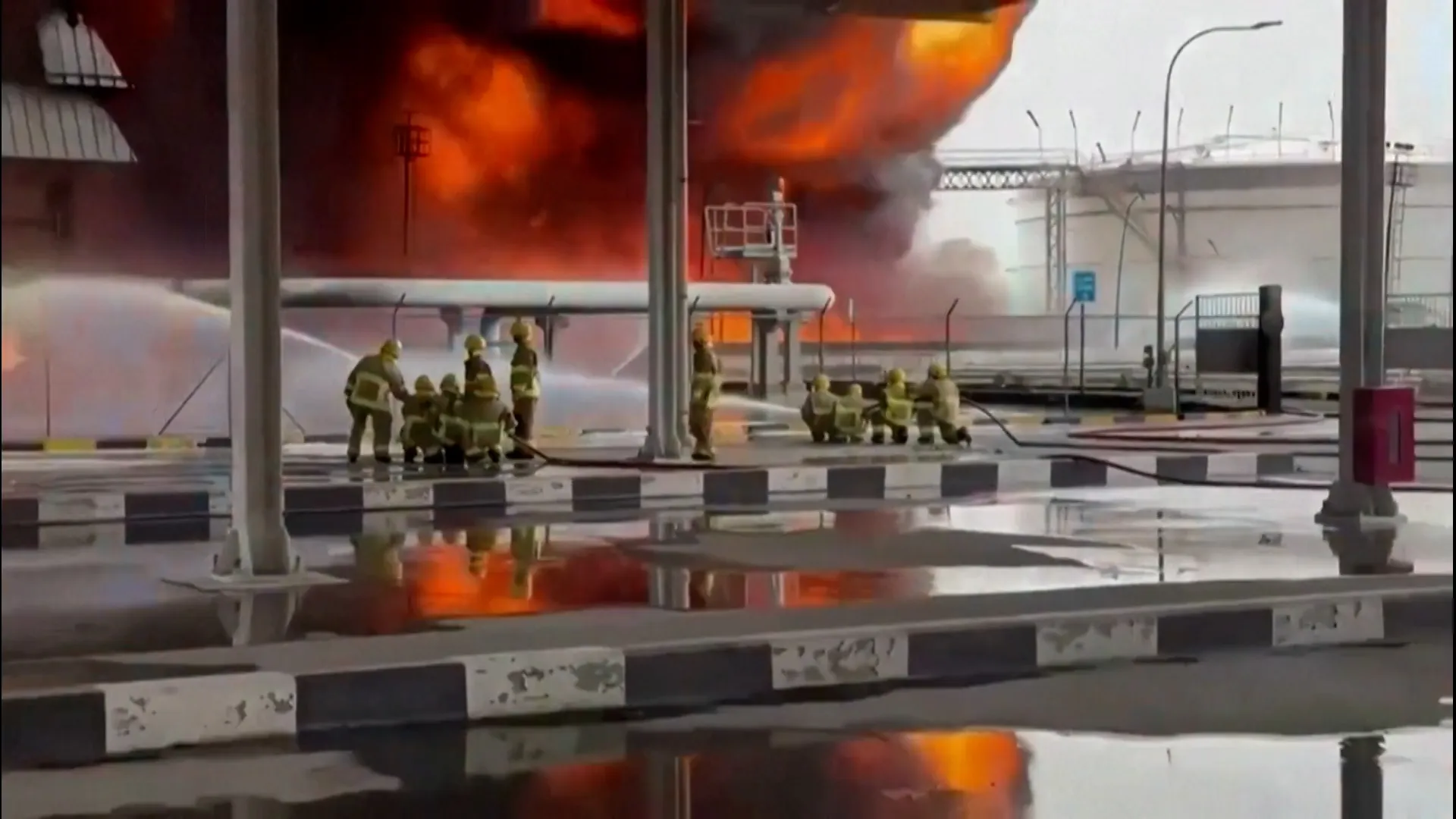
Thick, black smoke rose from Kuwait International Airport Saturday after suspected Iranian drone strikes damaged radar systems and fuel storage facilities, state media said. No fatalities were reported. The airport has been repeatedly targeted since the US-Israeli war on Iran erupted.
Published On 28 Mar 202628 Mar 2026
Share