A road in Lege-Cap-Ferret in southwestern France is engulfed by an inferno late Thursday as a huge wildfire threatens the Cap Feret Peninsula, prompting authorities to evacuate tens of thousands of residents and holidaymakers. Photo by Damien Rembert/Gironde Department Fire and Rescue Service/EPA
July 24 (UPI) — Authorities in France’s southwestern Gironde region ordered tens of thousands of people to evacuate from the popular Cap Ferret peninsula vacation spot Friday in the face of an “XXL” wildfire threatening to cut off the promontory. As many as 2,000 escaped by boat.
French Interior Minister Laurent Nunez said 40,000 residents and tourists had been evacuated or were currently being moved from the cape, which is bordered by the Atlantic Ocean to the west and the Arcachon Bay to the east.
The fire has burned through at least 25,000 hectares after breaking out Wednesday in Saumos, a small town about 25 miles away to the northeast.
Authorities began evacuating of the town of Ares, south of Lege-Cap-Ferret on the Bay of Arcachon side of the peninsula after the fire picked up pace and intensity overnight, said fire and rescue chief Marc Vermeulen.
A local council member said 2,000 people had already made the 7.5-mile boat crossing to Arcachon on the southern side of the bay.
More than 800 firefighters from across France were battling the flames in an operation run out of a command center set up in a stadium in Le Porge, six miles northeast of Lege-Cap-Ferret.
Gironda Prefect Sophie Brocas said 53 homes and a campsite had been razed but that firefighters had managed to save 2,000 houses.
More than 23,000 people were also evacuated from homes, campsites, a nursing home and a summer camp due to another wildfire around Biscarrosse, about 15 miles south of Arcachon in the Landes department.
Landes prefect Gilles Clavreul said the fire was being fueled by a combination of winds of more than 30 mph and searing temperatures in the high 30s degrees Celsius.
Calling the situation very serious, President Emmanuel Macron said France had requested the European Union’s civil protection mechanism be activated, which would allow the deployment of firefighting aircraft from other members of the bloc.
“We will soon be able to count on reinforcements from two Croatian Canadair aircraft, two Portuguese Air Tractor planes, as well as two heavy Black Hawk helicopters from the Czech Republic and Slovakia,” he wrote in a post on X late Thursday night.
In Spain, authorities declared a national emergency Friday as they continued to battle three major wildfires west of Madrid in the areas of Villa del Prado and San Martín de Valdeiglesias, as well as Burgohondo in Avila province
Prime Minister Pedro Sanchez said Friday that many communities across Spain and beyond were being impacted by fires “ravaging thousands of hectares.”
“The government has deployed all available resources to halt the terrible fires that are currently affecting numerous areas: Avila, Leon, Toledo, Madrid, and other parts of Spain. We are living through a dramatic situation, not only in various Spanish provinces but also in regions of neighboring countries. Forest fires are ravaging thousands of hectares and affecting numerous communities,” he wrote on X.
“The government will stand by your side during the emergency and in the recovery,” added Sanchez.
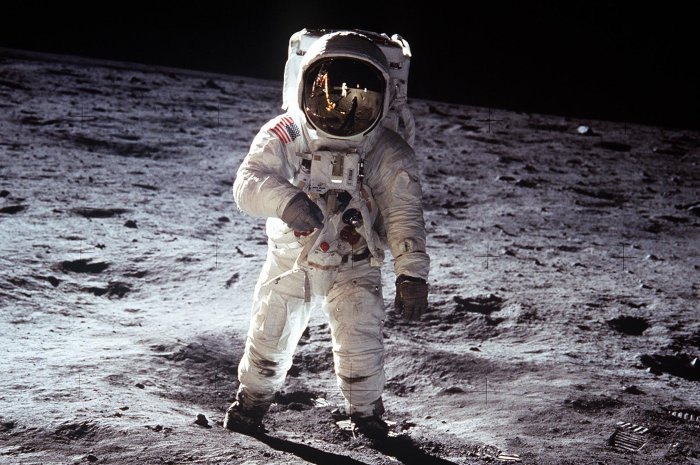
Astronaut Buzz Aldrin walks on the surface of the Moon during the Apollo 11 mission on July 20, 1969. Photo by NASA/UPI | License Photo
A logistics hub belonging to Russian online retail giant Wildberries burns at a industrial park southeast of St. Petersburg after being struck by Ukrainian drones. Photo by Stringer/EPA
July 24 (UPI) — Russian online retail giant Wildberries came under attack overnight by Ukrainian forces for the fifth time in six days after drone strikes on logistics facilities of the firm in and around St. Petersburg.
Wildberries warehouses at Utkina Zavod logistics park in Vsevolozhsk District, just beyond the St. Petersburg city limits, and Shushary, 9 miles south of downtown, were set ablaze after being hit, together with other “civilian infrastructure” along the main highway linking the city with Moscow.
Major fires were reported at both Wildberries facilities.
Leningrad provincial head, Gov. Alexander Drozdenko, said three people were hospitalized after being injured but provided no further details.
Wildberries said employees at both sites were evacuated safely and that preliminary information indicated no one had been hurt. The firm said it had suspended operations at the distribution centers.
A Wildberries logistics hub in Tver, 100 miles northwest of Moscow, was also hit and a sorting center in Simferopol in occupied Crimea was evacuated.
Footage circulating online of the Wildberries facility in Simferopol showed the moment of impact and a large fire erupting.
The Russian Defense Ministry said the strikes were part of a major airborne assault by Ukraine involving many hundreds of drones that targeted 14 other regions, as well as Crimea and the Black and Asov seas.
The ministry said air defenses downed or otherwise intercepted 571 of the drones. It said the attack was one of the largest this year.
Ukrainian forces have repeatedly struck Wildberries logistics hubs across western and southern Russia over recent days, beginning with deadly strikes on warehouse complexes in the Tambov and Moscow regions on Saturday that killed eight employees and injured more than 60.
Kyiv alleges the company forms part of the Russian military’s supply chain, providing it with dual-use products such as two-way radios, body armor and components for drones.
Astronaut Buzz Aldrin walks on the surface of the Moon during the Apollo 11 mission on July 20, 1969. Photo by NASA/UPI | License Photo
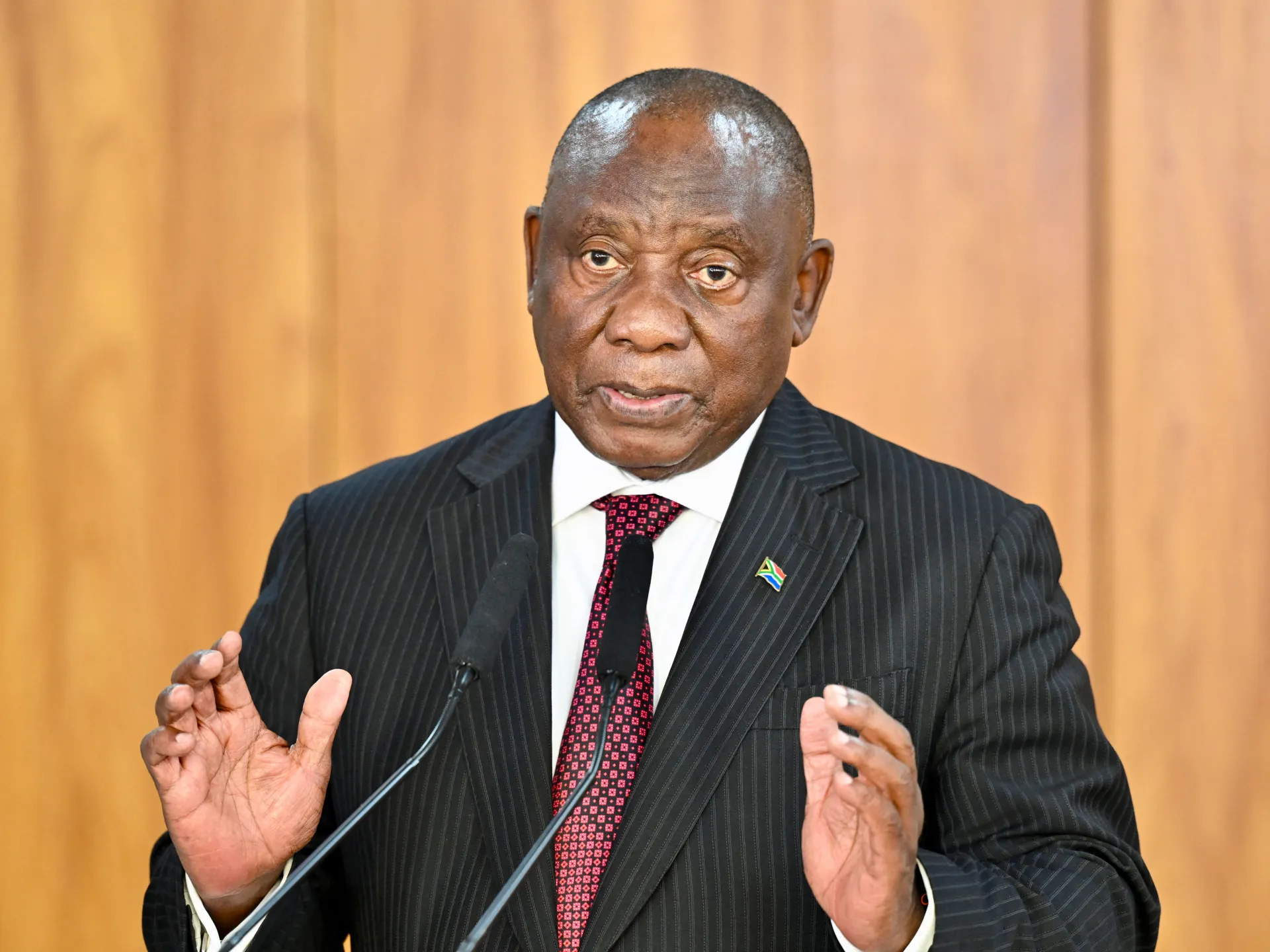
The ‘Farmgate’ scandal nearly cost President Cyril Ramaphosa the leadership of his African National Congress in 2022.
Published On 24 Jul 202624 Jul 2026
South African President Cyril Ramaphosa has won a court challenge temporarily halting a parliamentary impeachment process over misconduct allegations linked to the “Farmgate” scandal.
The Western Cape High Court granted Ramaphosa an “interim interdict” that temporarily prevents the impeachment committee from proceeding with public hearings while the president challenges the legality of a 2022 report that found he “may have committed” serious violations and misconduct.
Recommended Stories
list of 3 itemsend of list
“Pending the determination by this court of the applicant’s review … respondents are interdicted from proceeding with a public impeachment hearing,” Judge Andre le Grange announced on Friday.
“Farmgate”, a scandal involving half a million dollars stashed in a sofa at Ramaphosa’s ranch, nearly cost the president the leadership of his African National Congress (ANC) in late 2022. Meanwhile, allegations of corruption within the party contributed to the ANC losing its majority in an election in May 2024, the most closely contested vote in South Africa‘s democracy.
Ramaphosa has always denied any wrongdoing and ruled out resigning over the incident since the allegedly undeclared stash of foreign currency came to light after it was reported stolen in 2020.
The president said the $580,000 that was hidden at his luxury Phala Phala farmhouse in the northern Limpopo province was proceeds from the sale of buffaloes. But the episode has been a major embarrassment, raising questions about why he had so much money stuffed in furniture.
Friday’s ruling is a boost for Ramaphosa as he also awaits the outcome of a separate court case challenging an independent panel’s findings that he may have a case to answer over the scandal.
Ramaphosa’s spokesperson Vincent Magwenya said the president respects the ruling.
“[He] reaffirms his respect of judicial independence and separation of powers enshrined in our Constitution,” Magwenya said in a statement. “The president will continue to cooperate with and abide by processes of accountability.”
Political analysts expect Ramaphosa to remain in power, even if the impeachment process does get off the ground and ultimately leads to a vote on whether he should be removed from office.
Ramaphosa still enjoys the backing of his ANC party, the country’s biggest, which leads a coalition government. The ANC holds about 40 percent of seats in the National Assembly. It is not clear how all the ANC’s coalition partners would vote in the impeachment process.
July 23 (UPI) — A Senate committee delayed a vote on the Trump administration’s Centers for Disease Control and Prevention director nominee, Erica Schwartz, because enough members were not present.
Sen. Lisa Murkowski, R-Alaska, was absent from the Senate Committee on Health, Education, Labor and Pensions meeting on Thursday because of a family emergency, which led committee chair Bill Cassidy, R-La., to postpone the vote, Politico reported.
Cassidy also said Thursday that he decided to vote for Schwartz because of a “good faith action” the CDC reportedly made to its website earlier in the day.
The action included changing language on its website about the lack of an association between vaccines and autism, which had been ordered changed by Health and Human Services Secretary Robert F. Kennedy Jr. last year.
Cassidy asked detailed questions during her nomination hearing about vaccines and how the agency, which has had a full-time director for just one month since President Donald Trump re-entered the White House, would restore confidence in its public health mission, The Hill reported.
“I’m confident that she knows what she’s doing and will stand against those who do not,” Cassidy said during the meeting.
“If confirmed, I look forward to working with Dr. Schwartz to protect children’s health and regain trust in the CDC,” he said.
“There’s more to do to repair the damage that has been done to the U.S. public health response, but this is a start,” the Louisiana Republican added.
Even with Cassidy deciding to vote for Schwartz, Republicans on the committee would have needed a Democrat or Sen. Bernie Sanders, I-Vt., who caucuses with the Democrats, to vote in favor.
Sanders ended that possibility when he expressed respect for Schwartz’s career but said that he was concerned she would not be able to hold off some of the controversial changes Kennedy has either proposed or forced on the agency.
“I will be voting against Dr. Schwartz because we need people in this country who are going to stand up, protect the American people and I don’t think you can see that right now with Secretary Kennedy in his position,” Sanders said.
The HELP committee’s next executive session is scheduled for July 30, which is also the next time it will consider nominations, making it the next opportunity for Schwartz’s nomination to come up for a vote.
The committee also put off a vote on Sean Kaufman, who is nominated to lead the Administration for Strategic Preparedness and Response, because Republicans did not have enough votes to forward the nomination to the full Senate.
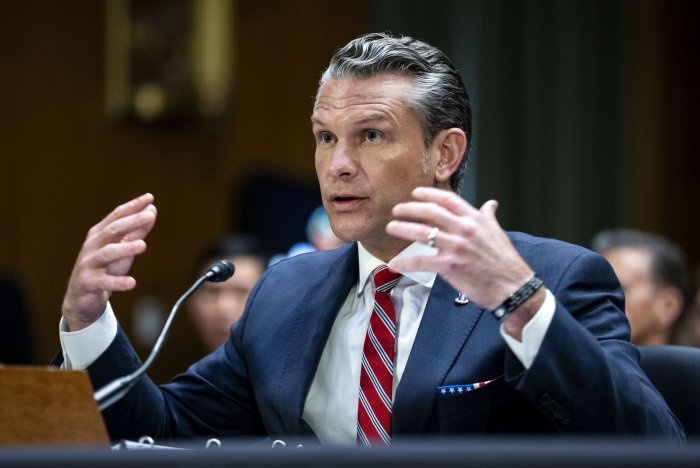
Secretary of Defense Pete Hegseth speaks during a Senate Appropriations Committee hearing on President Donald Trump’s June 24 supplemental funding request at the U.S. Capitol on Tuesday. Photo by Bonnie Cash/UPI | License Photo
Cargo vessels are seen at one end of the Strait of Hormuz near the coast of Dibba Al Fujairah, United Arab Emirates, on Tuesday. President Donald Trump said Thursday that vessels damaged transiting the strait would be paid from frozen Iranian assets. Photo by EPA
July 24 (UPI) — The United States and Iran traded attacks Thursday night and Friday morning, as President Donald Trump announced that damage inflicted by Iran on ships transiting the Strait of Hormuz would be paid with U.S.-held Iranian assets.
U.S. Central Command said its latest wave of attacks, which were completed at 9 p.m. EDT Thursday, lasted for about two hours, 15 minutes, during which its forces hit Iranian military command centers, drone storage facilities, communications networks, coastal surveillance sites and maritime capabilities.
State-run Islamic Republic of Iran Broadcasting reported explosions early Friday local time across the country, with strikes in Ahvaz, Bandar Abbas, Omidiyeh, Qeshm and Andimeshk. Officials in Bandar Abbas reported that two people were injured.
Explosions were also reported by the IRIB in southern Khorramabad.
The Iranian Army announced retaliatory drone strikes on U.S. bases in Jordan and Bahrain.
Bahrain’s Ministry of Interior said sirens were sounding. It urged residents to remain calm and seek shelter.
The United States has been hitting Iran for nearly a fortnight as it seeks to regain freedom of navigation of the Strait of Hormuz, a vital energy route that Iranian forces have tried to seize amid the war by attacking commercial tankers that try to transit it.
Maritime traffic freely flowed through the Hormuz until the United States and Israel attacked Iran in late February. Iran responded with its maritime blockade of the chokepoint, causing gas prices to spike and threatening nations with an energy crisis.
Mid-June, the United States and Iran signed a memorandum of understanding to lay foundations to end the war, but fighting resumed earlier this month over a dispute over what the agreement meant for control of the strait. Iran says the agreement recognizes its authority over Hormuz transit. Washington says Tehran committed to freedom of navigation.
CENTCOM said Thursday, as it has after the completion of each new wave of attacks, that it was seeking to further degrade Iran’s ability to attack vessels transiting the Hormuz.
“Commercial vessels continue to free navigate the strait with U.S. military support.”
Late Thursday, President Donald Trump announced online that damage ships incur while traveling the Strait of Hormuz would be paid by for with the hundreds of millions of dollars in Iranian assets that the United States has frozen via sanctions.
“These damages may be very substantial but, nevertheless, this is the fair and equitable thing to do,” he said in a statement.
Iranian Foreign Minister Seyed Abbas Araghchi lashed out in response online, warning the international community that “Seizing another nation’s assets to pay for unrelated future claims is an incendiary precedent.”
“Those who celebrate or profit from such funds should remember: once governments normalize confiscation, no one’s assets are safe,” he said in a statement.
July 24 (UPI) — A federal court has allowed Tennessee to use a new congressional map that eliminates the state’s only majority-Black district in November’s midterm elections, rejecting a challenge from civil and voting rights advocates.
The three-judge panel on Thursday denied a motion filed by Black Memphis voters for a preliminary injunction against implementing the map, ruling they lacked evidence of racial motivation for the map’s unorthodox mid-decade redistricting, which could be explained by a political motivation.
“The road to a reliably 9-0 map runs through Memphis. Thus, political motivations readily explain the map’s dilutive effects,” the panel, which consisted of two Trump appointees and one Obama appointee, wrote in its decision.
With the ruling, Tennessee may use the map in next month’s primaries.
November’s midterms have been of increasing concern for President Donald Trump, who has repeatedly voiced worries about impeachment proceedings and investigations if Republicans lose the House to Democrats, and has pushed GOP-led states to redraw their congressional maps to create additional Republican-favored districts.
Texas was the first last summer to agree to Trump’s request, sparking a gerrymandering arms race, with at least 10 states have redrawn their maps. All but Democrat-led California and North Carolina, which has a Democratic governor, are Republican-led.
Tennessee’s GOP-majority legislature passed its redistricting map to eliminate the one Democrat-held seat in May, a week after the Supreme Court issued a controversial decision that weakened a key part of the Voting Rights Act, by greatly limiting the use of race in drawing electoral districts.
The three Black Memphis voters, along with the Black Clergy Collaborative of Memphis, the Memphis A. Philip Randolph Institute and the Equity Alliance sued days later, alleging that the new map unlawfully discriminates against Black Memphis voters by dismantling a district where they had long been able to meaningfully participate in the political process.
In its ruling Thursday, the court said that the plaintiffs had to show that the map redraw was racially motivated, which they failed to do.
“The map’s effects — breaking Black Memphians into three separate congressional districts — are readily explainable by political motivations,” the court said.
“It’s no secret (supported by Plaintiffs’ own statements) that city voters prefer Democratic candidates and that rural voters prefer Republican candidates. So, it makes sense that Tennessee’s legislature would split Memphis into thirds when attempting to create a map that favors Republican candidates. And it’s no surprise that the resulting map would also split the Black population of Memphis into thirds.”
Amber Sherman, a plaintiff in the case, said the court’s decision further disenfranchises Black voters in Memphis.
“It’s painful to know we’ll head into another election under a map that was designed to weaken the Black voters in Memphis,” she said in a statement.
“We deserve the same opportunity to shape our future as anyone else.”
President Trump says damages will be paid for by Iranian money that the US has ‘in its possession, and controls’.
Published On 24 Jul 202624 Jul 2026
United States President Donald Trump has pledged to use frozen Iranian assets to pay for any damage to ships and cargo in the Strait of Hormuz, garnering strong condemnation from Tehran.
Tensions between Iran and the US have escalated since the beginning of July as the two sides trade attacks and Tehran targets US military bases in the region.
Recommended Stories
list of 3 itemsend of list
Washington completed its 13th consecutive night of strikes on Iran late on Thursday, with Trump saying he is considering a “massive attack” on the country, “bigger than ever before”.
Writing on his Truth Social platform on Thursday, Trump said that damages would be paid for by “Iranian Money that the United States has in its possession, and controls”.
“These damages may be very substantial but, nevertheless, this is the fair and equitable thing to do,” Trump added.
Iranian Foreign Minister Abbas Araghchi condemned Trump’s comments and said in a post on X on Friday morning that seizing another country’s assets to “pay for unrelated future claims is an incendiary precedent”.
“Those who celebrate or profit from such funds should remember: once governments normalise confiscation, no one’s assets are safe. Ensuing chaos will not be pretty or peaceful,” he added.
The case of Iran’s frozen assets has been an issue that the two sides had been discussing in the now-collapsed memorandum of understanding (MoU) agreement that was signed between Tehran and Washington in June as a pathway to end the war.
But the US and other governments have “frozen” Iranian assets for decades.
While the exact amount of frozen money belonging to Iran is not known, some estimates put it at about $100bn.
Washington first froze Iranian funds in 1979 after US citizens were taken hostage at the US embassy in Tehran.
At the same time, Trump pledged “major military punishment” for Iran and its Houthi allies on Thursday after the Yemeni fighters struck two Saudi oil tankers in the Red Sea.
But on Friday morning, the Iranian army announced in a statement carried by the state Mehr News Agency that it had launched a new wave of drone attacks on US military installations in Bahrain and Jordan.
Moreover, ship tracking data seen by the Reuters news agency found that the number of tankers crossing the Strait of Hormuz fell to just one on Thursday, the lowest level since May 7.
Israeli attacks come amid ongoing talks with Lebanese officials to implement framework for peace between two countries.
Published On 24 Jul 202624 Jul 2026
The Israeli army has attacked the southern Lebanese town of al-Mansouri and carried out blasts in the nearby village of Majdal Zoun, Lebanon’s National News Agency reports, despite the “ceasefie” and ongoing talks between the two countries.
The explosion in Majdal Zoun on Friday was heard as far away as city of Tyre, over 15 kilometres (nine miles) away, according to local reports.
Recommended Stories
list of 3 itemsend of list
The attack and demolitions have become a routine feature of life in southern Lebanon, despite a United States-brokered framework that is supposed to end the fighting and lead to “peace”.
On Thursday, an Israeli strike on an ambulance in Nabatieh al-Fawqa injured two medics. The Lebanese Health Ministry called the attack a “flagrant violation of international and humanitarian laws and norms”.
Israel has been systematically levelling entire villages near the border, with Israeli officials openly declaring the objective of erasing Lebanese towns out of existence to create a “security zone”.
Israel occupies nearly fifth of Lebanese territory and has killed more than 4,000 people since fighting erupted on March 2, maintaining that its operations are aimed at stopping Lebanese armed group Hezbollah from launching assaults into northern Israel.
However, the demolitions bear close resemblance to Israel’s tactics in Gaza, where a “ceasefire” has not halted the Israeli military’s campaign to destroy the territory. Rights advocates say Israel’s policies aim to make the strip uninhabitable.
US President Donald Trump promised to “help” Lebanon during a White House meeting with Lebanese president Joseph Aoun earlier this week.
Asked whether there will be a timeline for Israel’s withdrawal from the country, Trump said: “They’re in the process of doing that. They’re in the process of redeploying [to] other sections.”
Under the framework agreement signed in Washington on June 26, the Lebanese army is to take over Israel-occupied territories in the south, provided that Hezbollah is disarmed.
Lebanese and Israeli officials have been meeting regularly to discuss the implementation of the deal with the next round of talks scheduled for August 4 in Italy.
Hezbollah has rejected the agreement outright, with its leader Naim Qassem calling the deal “null and void” and calling for armed resistance to push Israel out of Lebanon.
The deal sets no timeline for withdrawal. Instead, it outlines two “pilot zones” where the Lebanese military “will gradually assume full and effective security responsibility”.
The Lebanese army deployed to the first pilot-zone villages this week. But residents returning to Froun and Ghandouriyeh say their villages were never occupied by Israeli forces, arguing that Israel has not given back any territory.
A $1.15 trillion US defence bill passed by the House includes plans to expand military cooperation with Israel through joint work on missile defence, drones and AI. Critics warn the move could deepen ties amid growing political divisions over aid to Israel.
July 23 (UPI) — A magnitude 5.0 earthquake struck the northeastern Texas Panhandle on Thursday morning, seemingly causing no damage.
The temblor struck at 5:21 a.m. CDT nearly 24 miles south-southeast of Spearman, a city of about 2,800 people, the U.S. Geological Survey said in a statement.
It struck at a depth of 3 1/2 miles, it said.
Spearman experienced no damage or injuries, the city said in a statement, warning residents to brace for potential aftershocks in the days to come.
“Most will be minor, but stay alert,” the city said.
It said the earthquake was felt as far east as Tulsa, Ok., located about 315 miles from Spearman.
The USGS said most buildings in the region are resistant to earthquake shaking, though there are vulnerable buildings, including those made from unreinforced brick masonry and reinforced masonry construction.
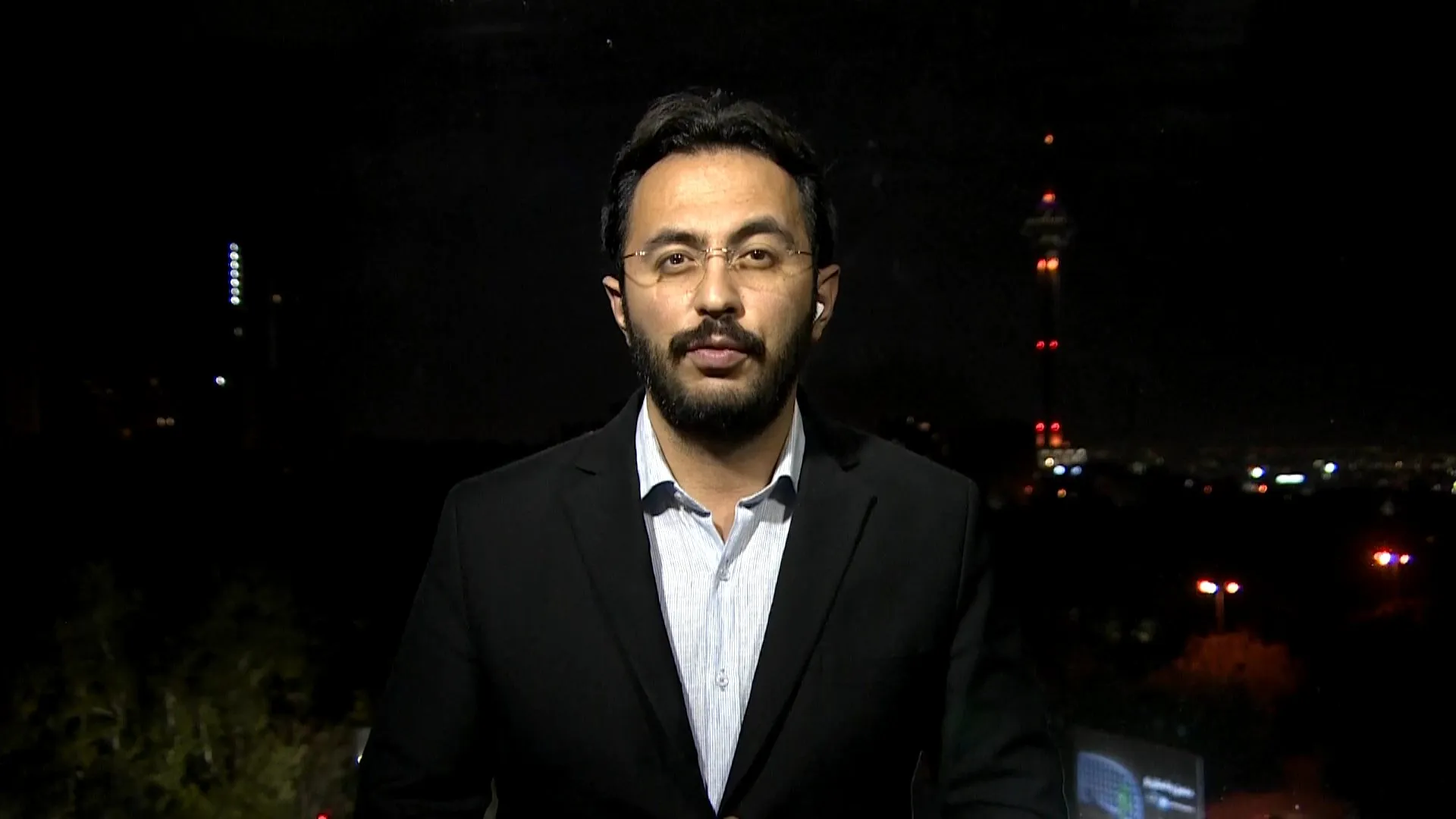
Al Jazeera’s Tohid Asadi reports from Tehran as the US launches strikes for the 13th consecutive night. Iranian leaders are warning further attacks could lead to retaliation targeting Gulf nations.
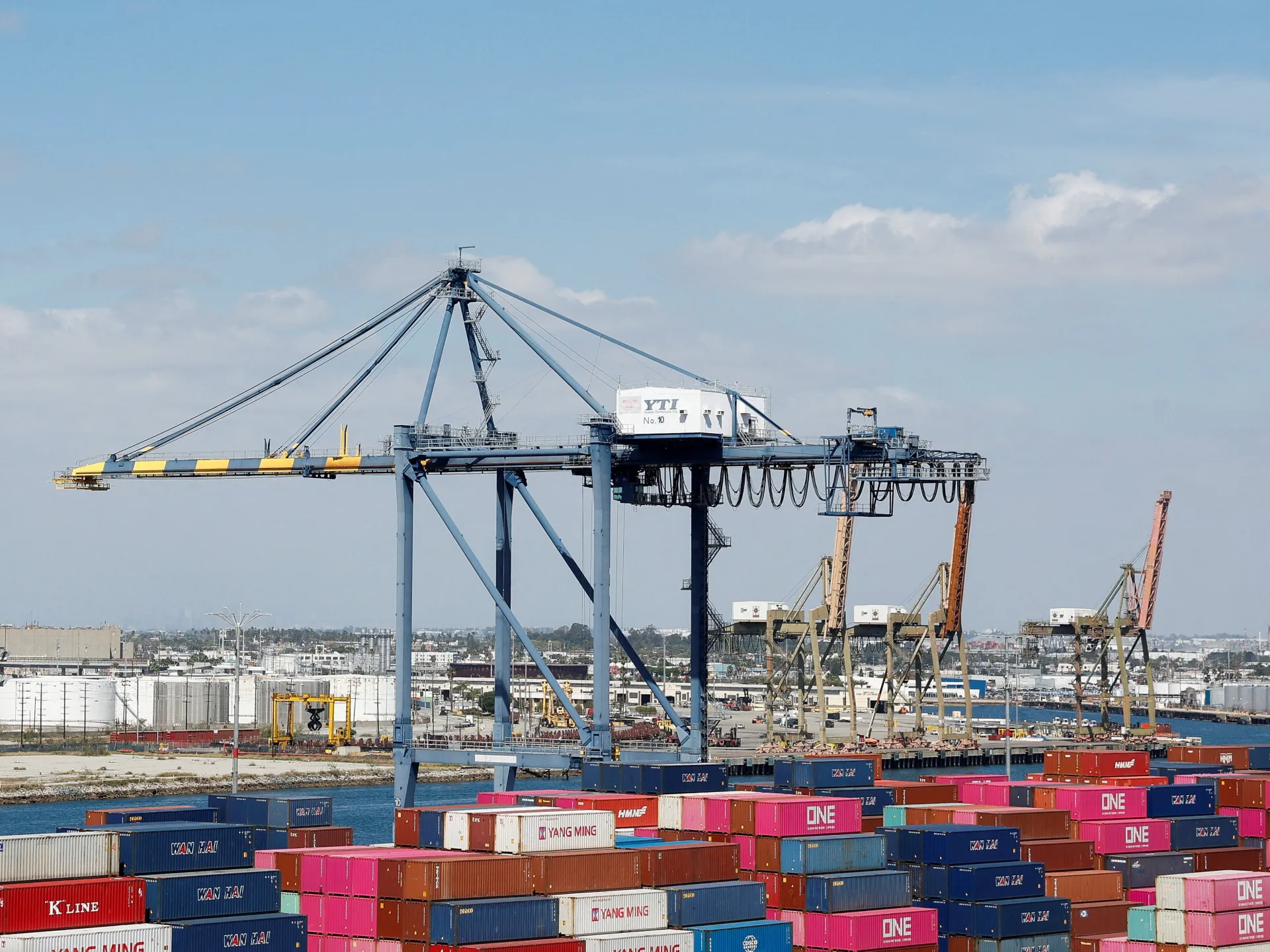
With existing 10 percent levies set to expire, Trump issues new tariffs on 60 countries under forced labour provision.
Published On 24 Jul 202624 Jul 2026
President Donald Trump is going ahead with new double-digit tariffs on dozens of trading partners of the United States just as the clock runs out on Friday on stopgap levies he announced after a stinging defeat at the Supreme Court.
The US will slap levies of 10 to 12.5 percent on imports from 60 countries accounting for 99 percent of US imports, charging that they have inadequately enforced bans on goods produced by forced labour.
Recommended Stories
list of 4 itemsend of list
“The United States has had a forced labor import ban for nearly a century, and rigorously enforces it; it’s well past time for our trading partners to do the same,” US Trade Representative Jamieson Greer said in a statement on Thursday.
“Today’s action will begin to correct what is both a human rights abuse and distortive trade practice to improve the welfare of workers everywhere.”
The new tariffs will take effect just as the temporary 10 percent worldwide tariffs expire at 12:01am on Friday in Washington, DC (04:01 GMT). Trump had turned to the temporary levies after the Supreme Court struck down his biggest and boldest tariffs in February.
Now he is tapping more durable tariffs under Section 301 of the Trade Act of 1974, which permits the president to impose import taxes and other sanctions against countries found to engage in “unjustifiable”, “unreasonable”, or “discriminatory” trade practices.
Trump used Section 301 to impose big tariffs on China in his first term, and they survived court challenges.
More Section 301 tariffs are likely coming: Greer’s office has launched a probe into whether 16 countries — accounting for 70 percent of US imports — have overproduced goods, pushing down prices and putting US companies at a disadvantage in global markets.
The administration has yet to complete that investigation.
Trump, who argues that high tariffs will revive US manufacturing, last year overturned decades of US policy that favoured lower tariffs and freer trade.
Invoking the 1977 International Emergency Economic Powers Act (IEEPA), he imposed double-digit tariffs on imports from almost every country, saying that the US’s longstanding trade deficit amounted to a national emergency.
But the Supreme Court ruled that IEEPA did not authorise tariffs. The decision forced the Trump administration to pay refunds to importers that had paid the levies.
In response, Trump announced 10 percent worldwide tariffs under Section 122 of the Trade Act of 1974. But he can only use Section 122 levies for 150 days, and the time runs out on Friday.
The US says it has spent more than $37.5 billion on the Iran war so far, and the Secretary of Defense is requesting an additional $67 billion more. One analyst tells Al Jazeera’s ‘This is America’ that Congress may face political trouble voting against it.
White House hails pledge that seeks to shield consumers from the cost of energy for data centres as ‘historic’.
Published On 23 Jul 202623 Jul 2026
US President Donald Trump’s administration has said it will expand a voluntary pledge seeking to shield consumers from the energy costs of the rapid expansion of data centres, mostly used by artificial intelligence companies.
The White House announced on Thursday that it would add state governors and electricity companies to the agreement, first announced with tech and AI firms in March. But the US administration stopped short of any enforceable protections.
Recommended Stories
list of 3 itemsend of list
The White House called the expansion of the pledge “historic”, saying 200 additional utilities, data centre developers and states would join it.
The pledge is a “public commitment that hyperscalers, AI companies, and the utilities and data-center developers behind them will build, bring, or buy every kilowatt their facilities need — and cover every dollar of the infrastructure that delivers it”.
It says consumers would not foot the bill for AI’s energy needs.
In remarks about the pledge at the Environmental Protection Agency on Thursday, Trump called on the gathered executives and governors to sell the public on data centres, stressing that the cities and towns that have them will be “rich.”
“You have to convince your community. You can’t fight it. You have to go with it,” Trump said.
“If you don’t take all that money, somebody else is going to take it. You might as well do it yourselves.”
The US president has been a strong advocate for AI, which has become an enormous source of investment and a key priority for the country’s powerful tech sector. Trump has approached the sector, which includes some of his close allies, with a light regulatory touch during his second term.
But increased electricity demand from AI data centres could spur an increase in monthly utility bills between 15 and 40 percent by the year 2030, according to an analysis by the consulting and technology services company ICF.
A May Gallup poll suggested that seven out of 10 people in the US oppose the construction of AI data centres in their area, with about 48 percent saying they were strongly opposed. Slightly more than 25 percent said they favoured such efforts, with only 7 percent saying they strongly favoured them.
Concerns over the impact of such centres on the cost of utilities, such as electricity and water, are commonly cited as reasons for opposition, along with quality of life concerns and scepticism about the benefits of AI.
Some elections across the country have seen AI data centre construction emerge as a prominent issue, but the industry has pushed forward with plans to rapidly scale up infrastructure for the technology.
A poll from Johns Hopkins University in June suggested that Americans strongly favour greater regulation of AI, and about 60 percent of respondents said they expected AI to increase inequality over the next decade.
Four in 10 respondents said that AI companies stand to increase their power the most from the expansion of the technology, while just one in 10 said that individuals would gain the most.
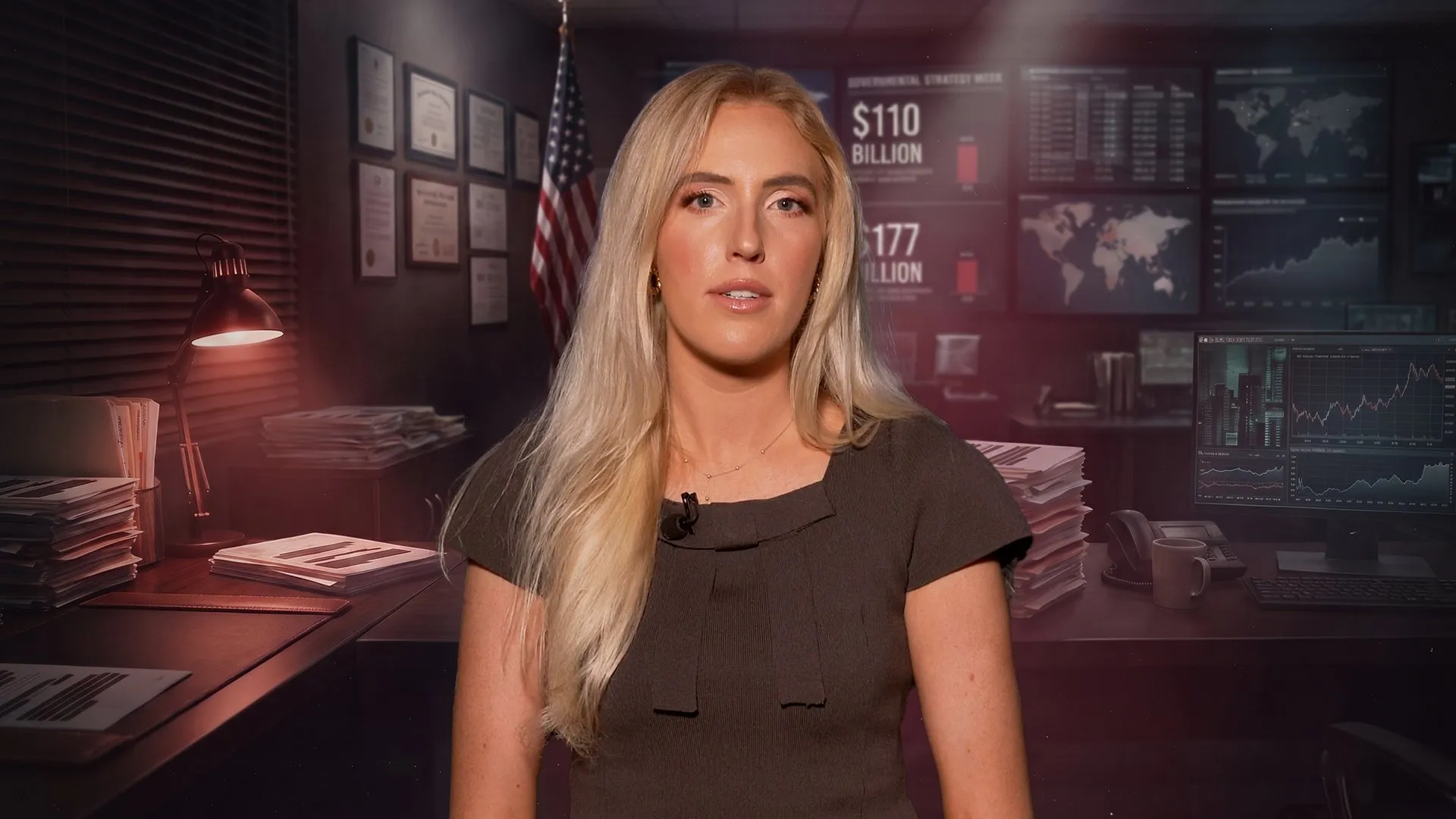
America’s war on Iran has already cost the US nearly $110 billion. Now, the Trump administration wants another $67 billion, even after declaring victory. Al Jazeera’s Emma Withrow breaks down the growing price tag.
The US president’s threat comes after another day of Iranian attacks on Bahrain, Kuwait and Jordan.
Published On 23 Jul 202623 Jul 2026
United States President Donald Trump says he may launch the largest strikes on Iran yet after Tehran carried out another wave of retaliatory attacks on US allies in the Gulf, including hitting a telecommunications tower in Kuwait.
In remarks to US news website Axios on Thursday, Trump said he was “considering a massive attack” that would be “bigger than ever before”.
Recommended Stories
list of 4 itemsend of list
“I am close to making a decision. We are all set for it,” Trump said.
The threat raises the stakes yet again in a weeks-long military confrontation in which the US has attacked Iran for 12 straight nights, including hitting bridges and tunnels, according to Iranian media reports.
Iran’s retaliatory attacks have rippled throughout much of the Gulf, sparking fears of a worsening energy crisis.
The spiralling conflict has all but destroyed an interim peace deal signed by the US and Iran last month.
‘Eye for an eye’
Iranian Minister of Foreign Affairs Abbas Araghchi warned on Wednesday that Tehran would retaliate “an eye for an eye” against any future attacks, including those on Iran’s infrastructure.
After another night of US attacks on Wednesday, Iran responded with missile and drone attacks on Jordan, Bahrain and Kuwait on Thursday.
The IRGC also acknowledged attacking a telecommunications tower in Kuwait, saying it was in retaliation for US attacks on telecommunications towers in Iran.
In a statement addressing the Kuwaiti people directly, the IRGC insisted that the US, not Iran, had breached the Gulf state’s “territorial integrity and sovereignty”.
Later on Thursday, Kuwait said that its Abdali border crossing with Iraq had also come under attack by “hostile drones”.
“The armed forces’ retaliatory attacks will continue as long as the US attacks on the country’s infrastructure and coastal areas continue,” said the Iranian army’s spokesperson, Mohammad Akraminia.
Houthis attack Saudi tankers
Meanwhile, Yemen’s Houthi rebels further expanded the confrontation on Thursday by firing at two Saudi tankers in the Red Sea, leading to broad international condemnation and a spike in global oil prices.
“The situation is getting out of control. It is teetering on the edge of the unimaginable,” United Nations Secretary-General Antonio Guterres told a meeting of the Security Council. “One crisis feeds another. One escalation triggers the next.”
The Houthis have declared a blockade of Saudi Arabian ports, destabilising a second key global shipping route: the Bab al-Mandeb Strait.
The Strait of Hormuz has been effectively shut since the US and Israel launched the war on Iran in late February.
Reporting from Sanaa, Yemen, Al Jazeera’s Yousef Mawry cited Houthi sources as saying that the facilities of Saudi Arabia’s national oil company Aramco “could become a future target” of the Houthis if Riyadh does not lift its own blockade on Houthi-controlled ports.
The international oil benchmark Brent crude surged past $100 a barrel on Thursday for the first time in May, in what analysts said could have an even greater impact on the global economy.
“Much of the world’s spare production capacity has already been used, while strategic and commercial oil inventories are lower than when the war began, leaving the market with fewer buffers against a prolonged supply disruption,” said Janiv Shah, vice president of the Rystad Energy consultancy.
Withdrawal is latest instance of government’s efforts to crack down on critical media facing setbacks in court.
Published On 23 Jul 202623 Jul 2026
Attorneys for the United States government have withdrawn subpoenas seeking to compel three New York Times reporters to testify about their sources for a story about an Air Force One jet gifted to US President Donald Trump by Qatar.
Judge Arun Subramanian slammed the government’s lawyers for what he deemed sloppy legal work in an exchange in court on Thursday.
Recommended Stories
list of 3 itemsend of list
“Subpoenas are not the first thing you do; they are the last thing you do,” an irritated Subramanian said.
“When you see something like this, if this were a civil proceeding, what I would normally do is ask the parties to show causes why sanctions should not be issued,” he added.
The Trump administration had sought to keep the proceedings secret as it pressured the reporters to reveal their sources for a story, a request that raised alarms for US press freedoms as the president and his allies continue to aggressively target critical media and political opponents.
Such efforts, however, have largely been rejected in court. The US government recently withdrew similar subpoenas that sought to compel testimony from reporters with the Washington Post and Wall Street Journal.
Lawyers for the New York Times challenged the legitimacy of the grand jury subpoenas along with subpoenas for the phone records of several journalists and their relatives. The paper’s managing editor and general counsel sat in the gallery during proceedings on Thursday.
The government has said that it is pursuing those who have leaked material to reporters for a story about Trump taking an older model Air Force One jet back from a summit in Turkiye, rather than the one gifted from Qatar.
The Secret Service reportedly advised that the new jet, which the government has spent $400m to retrofit and upgrade, lacks important security features such as antimissile capabilities.
“Reporters are not the targets; those leaking classified information are,” the Department of Justice said of the subpoena requests.
Obtaining information from government sources is a cornerstone of journalism, and national security reporting in particular and is considered essential to press freedom. Efforts by the US government under both Democratic and Republican administrations to compel reporters to disclose their sources have been viewed as an effort to weaken those protections.
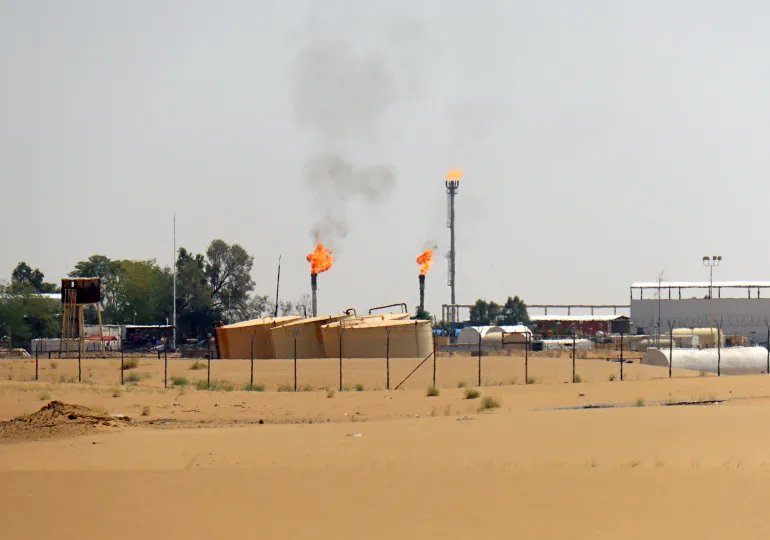
The announcement by the head of Yemen’s Presidential Leadership Council, Rashad al-Alimi, to resume oil exports starting July 20 following a halt that began in late 2022 has revived hope that the Yemeni government’s most important source of foreign currency will be restored. The government, struggling economically and facing continued Houthi rebel control over Yemen’s northwest, needs the money – and has pledged to direct the revenues towards paying salaries, improving services, and supporting economic stability.
However, the flow of oil from Yemen’s fields to global markets does not depend solely on a decision made by politicians; it requires creating a security environment, after years of war, that allows for the protection of facilities, pipelines and ports, in addition to restoring the confidence of shipping and insurance companies, as well as international buyers.
Recommended Stories
list of 4 itemsend of list
With Yemen’s war threatening to escalate after a four-year period of calm, the stability the country needs to resume oil exports may be elusive.
The export test
Yemen has proven oil reserves estimated at about three billion barrels, primarily concentrated in the Masila, Marib and Shabwa basins. While the United States Energy Information Administration (EIA) indicates that the country still holds sufficient resources for production and export, the security environment hinders their extraction and transport to global markets.
Yemen’s oil production reached a historical peak of about 439,000 barrels per day (bpd) at the beginning of the millennium, but it has gradually declined due to the depletion of some old fields. This decline accelerated with the outbreak of the war in 2014 and the targeting of oil infrastructure, settling at a level of 19,000bpd in 2024, according to the International Monetary Fund (IMF).
A report published by S&P Global estimated actual production, following the halt in exports, at about 7,000bpd to 10,000bpd in 2023 and 2024, almost all of which was for domestic use.
Yemeni Minister of Oil and Minerals Mohammed Bamqaa said that export revenues would be deposited in the Central Bank as part of a government directive to bolster the state’s financial resources, pointing out that there are oil stockpiles exceeding 1.7 million barrels ready for export.
Bamqaa added that total production will initially reach about 60,000bpd. He explained that the ministry has directed oil companies to prepare timelines to increase production and develop the fields, in a way that raises production capacity by up to 25 percent during the first month after exports resume.
Professor of financial economics at Hadramout University, Mohammed al-Kasadi, told Al Jazeera that while he expected oil production to meet the 60,000bpd figure mentioned by Bamqaa, the figure does not reflect the actual volume of exports, as the local market consumes about 20,000bpd to operate refineries and power plants, which makes the quantities available for export likely to hover at about 40,000bpd.
Hassan Mohammed Moghalis, an expert in Yemeni affairs, told Al Jazeera that most of the fields located in government-controlled areas remain capable of production. At the forefront of these are the Masila fields in Hadramout and the al-Uqla fields in Shabwa, which represent the fundamental base for any anticipated resumption. Moghalis explained that crude oil can be transported via pipelines to Arabian Sea ports.
However, Moghalis pointed out that resuming exports does not simply mean opening the valves, as some fields require maintenance and restoration after a long period of suspension. Additionally, pipelines and pumping stations require technical reviews to ensure their readiness before resuming regular operations.
A view of the Safer oil refinery in Marib, Yemen, in September 2020 [File: Ali Owidha/Reuters]
Market confidence
Despite the importance of restarting production at the oilfields, experts believe bigger obstacles await after the oil reaches Yemen’s ports. Houthi attacks targeting export ports in Hadramout and Shabwa in late 2022 made shipping and insurance companies more wary of handling Yemeni crude, pushing up insurance costs and weakening buyers’ willingness to enter into contracts.
The Houthis have conditioned the resumption of exports on them receiving a share of the revenues to cover public sector salaries.
Al-Kasadi, of Hadramout University, says that the government’s success in pumping oil to the port does not automatically guarantee a successful export process. Maritime transport and insurance companies primarily assess the level of security risks and the likelihood of ports or tankers facing renewed attacks – currently a particular concern in light of Houthi attacks on shipments tied to Saudi Arabia, which supports the Yemeni government.
Al-Kasadi added that the oil market relies heavily on trust and stability. Therefore, any export operation requires buyers to be convinced that shipments will depart safely and that export activities will not suddenly halt again.
Moghalis, the expert, believes that providing military protection for ports and pipelines is the first step, but not the only condition. It is also imperative to restore the confidence of insurance companies and international buyers, as oil does not reach markets solely through production, but rather via an interconnected system of transport, financing and insurance.
He added that any new attack on the ports, even if it does not cause significant material damage, could be enough to send the sector back to square one, given shipping companies’ sensitivity to risks in conflict zones.
But, as al-Kasadi pointed out, a resumption in exports is vital. He argued that the halt in exports was not merely an oil sector crisis, but rather developed into a comprehensive financial crisis. The government lost its most crucial source of foreign currency, which negatively impacted the Yemeni rial’s exchange rate and the state’s ability to finance basic services.
Economic pressure
Despite the importance of resuming exports, Yemeni affairs expert Abdul Karim al-Ansi warned against overstating its immediate impact on the Yemeni economy.
He told Al Jazeera that the resumption of exports will undoubtedly provide a vital source of foreign currency and afford the Central Bank greater leeway to support monetary stability. However, it will not be enough on its own to end the economic crisis, as the Yemeni economy faces broader challenges related to the division between government- and Houthi-controlled areas, weak non-oil revenues and declining economic activity.
Al-Ansi added that the extent to which Yemenis benefit from oil revenues will ultimately depend on how these funds are managed and the government’s ability to channel them into salaries and basic services, rather than solely on the volume of exports.
And while successful initial shipments could send a positive signal to markets and investors, al-Ansi stressed that the real test would be whether exports can be sustained. Yemen’s economy needs a steady flow of foreign currency, rather than sporadic shipments that stop whenever security conditions deteriorate.
The suspension of oil exports has not only deprived the government of its most important source of revenue, but also intensified pressure on the foreign exchange market. As dollar inflows from oil sales have dried up, demand for foreign currency has remained high to finance imports of essential goods, particularly food, fuel and medicine. The resulting shortage has weakened the Yemeni rial and contributed to rising inflation.
These pressures have been compounded by the monetary division between the Central Bank in Aden and the Houthis in Sanaa, which has created two separate financial systems and exchange rates. The split complicates monetary policy and limits the authorities’ ability to use oil revenues in a coordinated way to stabilise the economy.
Al-Kasadi said that Saudi financial support for the government had recently helped contain currency volatility in government-held areas. However, he stressed that such support was no substitute for a steady and sustainable flow of oil revenues – which needs a period of stability, something that may be difficult if the conflict escalates in Yemen, as it is currently threatening to do.
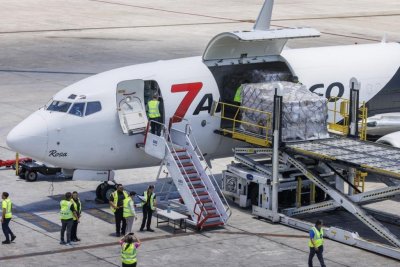
Workers load a cargo plane with humanitarian aid destined for Cuba at the 7 Air/World Freight Service Warehouse in the Miami International Airport in Florida on Tuesday. The United States launched the first humanitarian aid flight from Miami to Havana, delivering food and hygiene supplies as part of U.S. Secretary of State Marco Rubio’s $100 million assistance initiative for the Cuban people. Photo by Cristobal Herrera-Ulashkevich/EPA
July 23 (UPI) — The head of the U.S. mission in Cuba met with the Cáritas Cuba director Wednesday as the Catholic charity began distributing humanitarian aid sent by President Donald Trump‘s administration to vulnerable families in western Cuba, the U.S. Embassy in Havana said.
The meeting between Mike Hammer and Carmen María Nodal Martínez came a day after the first shipment from a $100 million humanitarian assistance package arrived in Havana. it was announced in May by Secretary of State Marco Rubio.
The shipment includes prepackaged food and hygiene kits for about 700 families, the U.S. State Department said. Catholic Relief Services is distributing the aid in coordination with the Catholic Church and Cáritas Cuba.
En la ocasión de la llegada ayer à La Habana de ayuda humanitaria procedente de la Administración Trump para los Cubanos mas necesitados, nuestro Jefe de Misión Mike Hammer se reunió con la Directora de Cáritas Cuba Carmen Maria Nodal Martinez. Hablaron sobre la entrega que se… pic.twitter.com/ABTKYg4cM2— Embajada de los Estados Unidos en Cuba (@USEmbCuba) July 22, 2026
The U.S. Embassy said Hammer and Nodal reviewed the distribution process through Catholic parishes and planned visits to volunteers and beneficiaries as the humanitarian program expands across the island.
The first deliveries began in the municipalities of Bejucal, in Mayabeque province, and Alquízar, in Artemisa province, targeting families previously identified by local communities as the most vulnerable.
Cáritas Cuba confirmed that volunteers from parish communities started to deliver the food and hygiene kits on Wednesday. The organization said the assistance is being distributed according to humanitarian vulnerability criteria, with an emphasis on transparency throughout the distribution process.
According to the State Department, the packages contain rice, beans, pasta, canned tuna and sardines, cooking oil, sugar and salt, along with soap, detergent, toothbrushes, sanitary pads, water purification tablets, solar lamps and other household supplies intended to meet a family’s basic needs for about 10 days.
Washington has said it is using Catholic Relief Services, Cáritas Cuba and the Catholic Church to ensure the aid reaches recipients directly without being diverted by the Cuban government. State Department officials said they will closely monitor the distribution process to prevent the assistance from being misappropriated.
Cuba authorized the shipment’s entry, but government officials criticized Washington for providing humanitarian assistance while maintaining sanctions and what Havana describes as a de facto oil embargo that has worsened the island’s economic crisis.
Cuba’s Ministry of Foreign Trade and Foreign Investment acknowledged receiving the shipment, while reiterating that U.S. restrictions continue to affect the country’s economy.
Several Democratic members of the U.S. House of Representatives who recently visited Cuba have also called on Washington to lift the restrictions, arguing they amount to collective punishment.
Rubio and other U.S. officials have rejected that criticism, arguing that Cuba’s ruling elite and the military-run conglomerate GAESA have diverted the country’s resources and prioritized scarce fuel supplies for the government and its security apparatus rather than the general population.
United States President Donald Trump agreed to a 30-year nuclear deal with Saudi Arabia on Wednesday that would see Washington transfer nuclear technology to the Gulf kingdom.
This has drawn concerns that if the deal comes to fruition, it could spark a nuclear arms race across the Middle East amid reports that Riyadh would be able to enrich its own uranium, a necessary step in acquiring nuclear weapons.
Recommended Stories
list of 4 itemsend of list
US officials have stressed the proposed deal would serve civilian nuclear purposes, although exact details of the agreement have not been made public.
It has now been tabled in the US Congress for a review, but is expected to survive resistance from Democrats.
Here’s why some are concerned about the agreement:
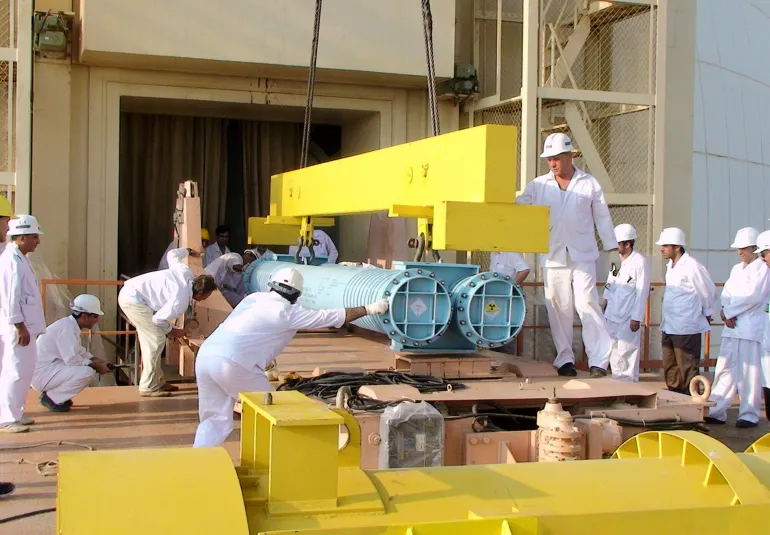
The first fuel is loaded into Iran’s Bushehr nuclear power plant on August 21, 2010 [Photo by IIPA/Getty Images]
Could this spur a nuclear arms race in the region?
Analysts have raised concerns about whether the proposed deal could lead to Saudi Arabia seeking to develop military-grade uranium, which the US Energy Department has not yet confirmed.
Some analysts have warned this could open the door to spurring an arms race with other regional powers.
Saudi Arabia has long voiced its intention to use nuclear energy for power generation, but in 2018, de facto leader Mohammad bin Salman told CBS that Riyadh would “without a doubt” develop a nuclear weapon if Iran did the same.
US Secretary of State Marco Rubio insisted on Thursday that the deal would not lead to nuclear proliferation, as US contractors would handle the project, allowing Washington to monitor it. US nuclear reactor designer Westinghouse is believed to be a major contractor.
Former Israeli Defence Minister Avigdor Liberman said in a post on X on Wednesday that Israel must oppose the deal with “all our might.”
“We must all understand that Saudi Arabia’s civilian nuclear programme will end in nuclear weapons and lead to a mad arms race across the entire Middle East,” he posted.
Israel, which developed a nuclear arsenal in the 1960s, has long sought to stop Arab countries and other regional countries from gaining their own nuclear weapons.
Is there a risk of nuclear reactors being attacked in strikes?
Some others have also raised concerns over possible nuclear leaks amid the tensions in the Middle East.
None of these strikes hit the nuclear plants’ reactors, but analysts say allowing more such facilities in the Middle East when tensions are so high is a mistake.
Damage to a reactor’s core could release highly radioactive gases, causing immediate catastrophic damage within a 20- to 30-kilometre (12- to 18-mile) radius.
Nuclear accidents at Japan’s Fukushima nuclear plant in 2011 and Chornobyl in Ukraine in the former Soviet Union in 1986 are cautionary stories.
Could Saudi Arabia have access to sensitive material?
That’s unclear for now.
Highly enriched uranium and spent nuclear reactor fuel are key components of nuclear bombs.
According to US media, the agreement includes a clause providing for a “black box” uranium enrichment facility that would be situated in Saudi Arabia but run by US companies.
A joint study by the two countries, set to last two years, will determine whether such a facility is needed, or if Saudi Arabia should import commercial-grade low-enriched uranium.
“That’s really the concern,” Matthew Kroenig, a fellow with the Atlantic Council, told Al Jazeera, saying there’s been no such arrangement anywhere else in the world.
“What does the US really mean by a ‘black box’? So will the US bring its engineers there full time, forever? Realistically, the Saudis will be involved, they will learn the tech, and they could kick out the US in the future,” Kroenig said.
Washington could be seeking to model Moscow’s agreement with Turkiye and Egypt, where Russian contractors manage active nuclear power plants, including the needed uranium and the highly radioactive spent fuel from the reactors.
The difference, Kroenig pointed out, is that Russia does not enrich the uranium in those cases.
On the other hand, the UAE, which runs a civilian nuclear programme that has been held up as a gold standard for non-proliferation, imports all of its low-enriched uranium from France, the United Kingdom and Russia among other countries.
Kroenig suggested that the US could be using the two-year study as a negotiating tactic, noting that the same claims of impact studies have been used to stall South Korea’s requests to enrich its own uranium.
“The deal doesn’t immediately speak about uranium enrichment, so my hope is that this is a negotiating tactic and that after two years the US will say ‘oh no, this doesn’t make sense right now’”, he said.
The Senate was also expected to vote on War Powers resolution, in largely symbolic move attempting to reign in Trump.
Four Republicans in the United States House of Representatives have again joined Democrats in voting to constrain President Donald Trump’s power to wage war against Iran.
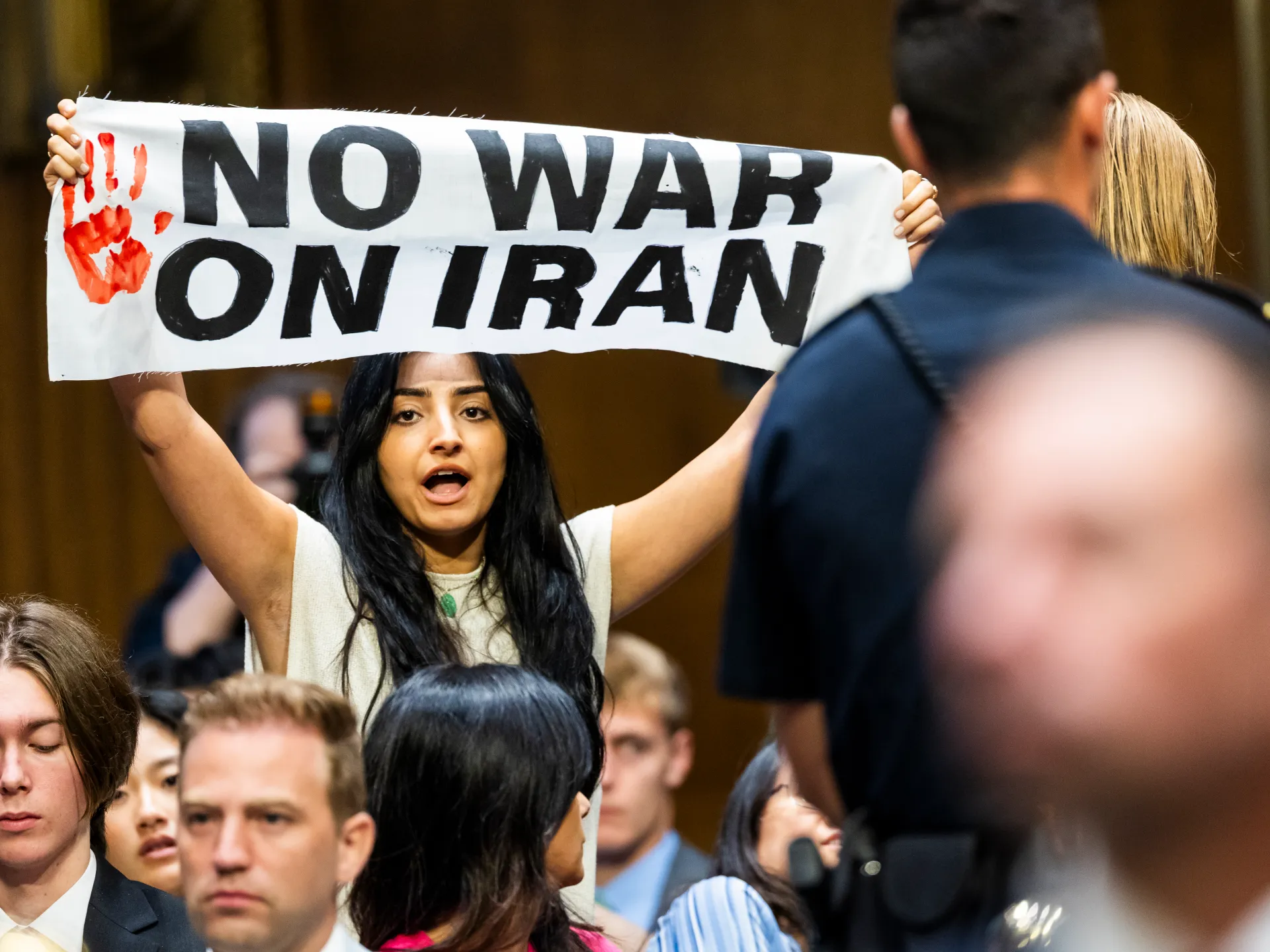
The resolution passed on Thursday, nearly a week after three US military personnel were killed by an Iranian attack on a base in Jordan, with a 214-208 vote. Senate Minority Leader Chuck Schumer has said Democrats will also force a War Powers vote in the Senate on Thursday.
Recommended Stories
list of 3 itemsend of list
Both the House and Senate had previously passed a resolution in June that called on Trump to seek congressional approval before launching further attacks. However, because the resolution was passed as a so-called “concurrent resolution”, it was not sent to Trump’s desk.
Even if the measure had been passed as a joint resolution, requiring it to be sent to Trump for approval, the president could veto it. Overriding such a veto requires a two-thirds vote in both chambers.
Democrats have said the latest resolution sends an important message that lawmakers oppose Trump’s approach to the war, which has re-escalated after a ceasefire broke down in early July.
Both the US and Iran have traded 12 days of consecutive attacks, with some analysts warning an even greater US escalation may be on the horizon, as Trump has repeatedly threatened attacks on civilian infrastructure and a possible ground invasion.
“This is a vote that requires us to find the strength to do what is right for the American people, and to send the clearest, even stronger message to this president of the United States that the United States Congress, the House of Representatives, is reasserting our authority over war,” Representative Pramila Jayapal said from the House floor on Wednesday.
“This war must end,” she said.
Under the US Constitution, only Congress can declare war, something it has not done since World War II, although presidents can commit forces in instances of pressing self-defence.
Trump has argued that the culmination of Iran’s actions since 1979 represents such an imminent threat, a claim many constitutional law experts have rejected.
Under the 1973 War Powers Act, presidents must receive congressional approval within 60 days of committing troops. While the US-Israel war with Iran began on February 28, the Trump administration claimed that hostilities had “terminated” following a temporary pause in fighting reached in April.
War powers experts and some members of Congress have said the attempted workaround flouts the law. The administration again notified Congress that fighting had resumed before the most recent round of attacks.
In a statement on Thursday, David Janovsky, acting director of The Constitution Project at the Project On Government Oversight (POGO), said the House vote “reaffirmed what people across the country have been saying all along: We want no part in an illegal war”.
“Contrary to the administration’s claims, the latest hostilities are not a new war. We’re now months past the constitutional deadline for the administration to end this unauthorised war,” he said.
He also noted that the House on Tuesday approved a sprawling $1.15 trillion defence bill that includes tens of billions more in funding for the war. The Senate has not yet voted on the package.
“If Congress is serious about bringing an end to this prolonged conflict, it must also refuse the administration’s request to fund it,” he said.
An armed student rallies in support of the Houthi-imposed naval embargo against Saudi Arabia in Sanaa, Yemen, Wednesday. Hundreds of students gathered at Sanaa University to support the move. Photo by Yahya Arhab/EPA
July 23 (UPI) — The Houthis in Yemen claimed responsibility for two attacks on Saudi oil tankers in the Red Sea with missiles and drones.
The Iran-backed Houthis, who have been fighting for control of Yemen, claimed on Wednesday that they had hit the Encelia and the Layla oil tankers, which they said were violating their blockade of Saudi ships. They had announced the blockade on Monday.
Saudi Arabia’s transportation authority confirmed the attack on the Encelia in a statement. It said there was a fire on board but the crew were all safe. It didn’t mention the Layla.
Houthi military spokesperson Yahya Saree said the group promised to continue naval operations and would continue “enforcing the ‘siege for a siege’ equation,” the BBC reported.
The Houthis claimed they had also forced “10 ships to retreat and return.” That claim could not be independently verified, The Times said, but at least six vessels reversed course in the Red Sea on Monday and Tuesday after the Houthis warned shipping companies to avoid Saudi ports, according to Kpler, a maritime data company. It was not clear if those ships were part of the Houthis’ claims.
The Saudis and the Houthis have been in an effective cease-fire since 2022. But last week, tensions flared when the Houthis accused the Saudis of striking the airport in Yemen’s capital Sanaa. The spat came from a dispute when an Iranian plane had tried to land at the airport.
The Houthis then attacked the Abha airport in Saudi Arabia.
When the Houthis announced the “maritime embargo,” they didn’t give many details. But a media official said they would close the Bab al-Mandab Strait. That strait is on the other side of the Arabian Peninsula from the Strait of Hormuz. It’s the gateway between the Arabian Sea and the Red Sea, and blockades of both straits would cut off Saudi Arabia ships entirely.
The United States and Iran continued to trade attacks for the 12th consecutive night after the cease-fire between the two countries ended.
Astronaut Buzz Aldrin walks on the surface of the Moon during the Apollo 11 mission on July 20, 1969. Photo by NASA/UPI | License Photo