Strikes

US confirms 157 killed in maritime strikes experts call ‘extrajudicial’ | Military News

Defence official tells Congress that 47 alleged drug-trafficking vessels have been struck since campaign began.

The United States military has confirmed that at least 157 people have been killed in lethal strikes against alleged drug-trafficking boats off Latin America, described as a campaign of extrajudicial killings by legal experts.

Senior defence official Joseph Humire said that 47 “narco-trafficking vessels” have been struck in the Caribbean and Eastern Pacific since the campaign began in September, in a written statement to members of the US Congress.

Recommended Stories

list of 3 itemsend of list

Asked by lawmakers on Tuesday whether the quantity of drugs entering the US has gone down, Humire stated that the movement of drug-trafficking vessels had decreased by 20 percent in the Caribbean.

“We’ve measured the decrease in the movement of the vessels,” said Humire.

“But that’s a no in terms of the drugs actually getting into the US,” Representative Adam Smith responded.

Experts have expressed scepticism that the strikes are having any significant impact on the drug trade, and legal scholars have said that the campaign is a clear violation of international law and is blurring the distinction between armed conflict and criminal activity. Under international law, military force is permitted for the former, but not the latter.

The Inter-American Commission on Human Rights (IACHR) is holding hearings on the strikes, and advocates hope that the hearings could open the door to possible legal accountability for those responsible.

The Pentagon has shared videos on social media showing strikes on the vessels, but has provided few details about those killed or evidence of their status as drug vessels.

The administration of US President Donald Trump has embraced a militarised approach to combatting drug trafficking that has allowed the US to expand its military footprint across the region.

The US has stepped up collaboration with friendly governments such as Ecuador and threatened military strikes against countries like Mexico and Colombia if they do not do more to accommodate US demands.

Source link

Families search for loved ones after deadly Pakistan strikes on Kabul rehab | Conflict News

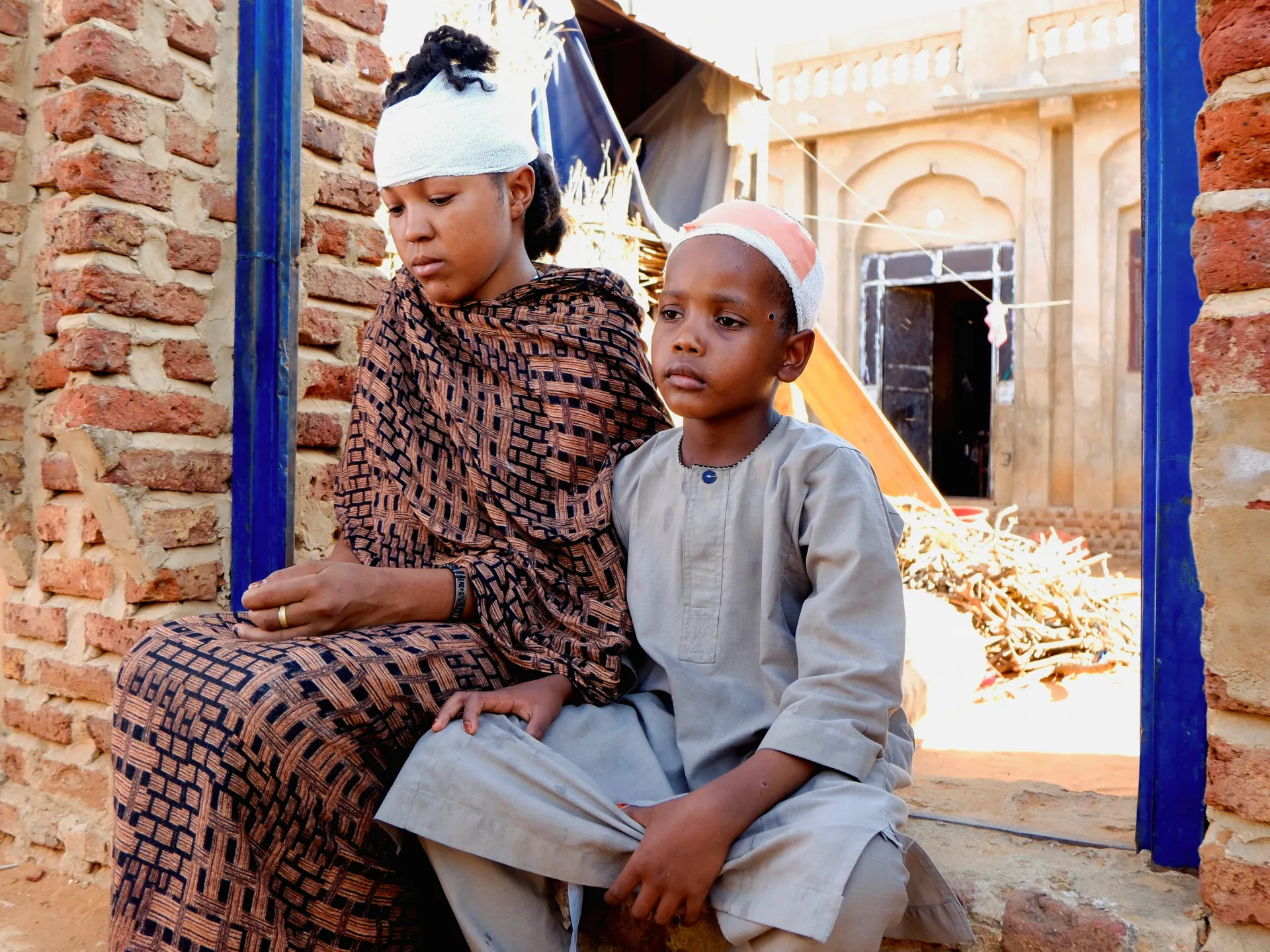
Afghan authorities say a Pakistani attack killed hundreds of civilians; Islamabad rejects claim as ‘false’.

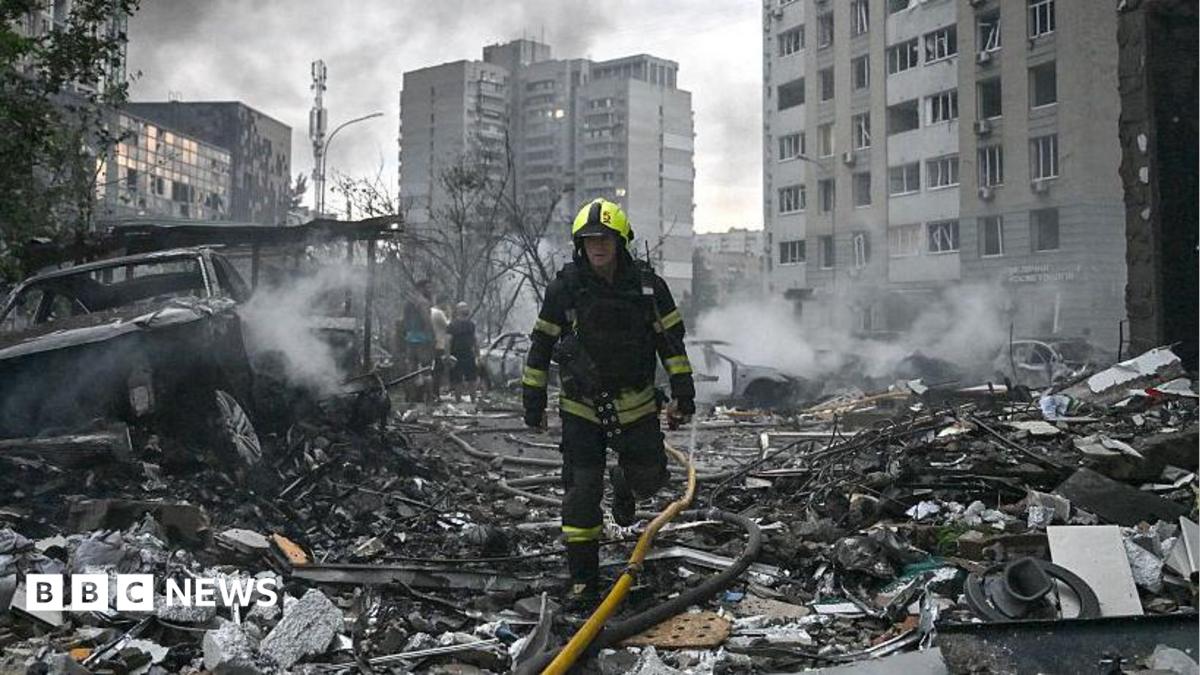
Families have gathered outside a drug treatment centre in the Afghan capital, Kabul, looking for their loved ones after it was hit in a Pakistani air strike, which Taliban authorities said killed 408 people.

The attack on Kabul’s Omar Addiction Treatment Hospital took place at about 9pm local time (16:30 GMT) on Monday.

Recommended Stories

list of 4 itemsend of list

Baryalai Amiri, a 38-year-old mechanic, was at the 2,000-bed facility on Tuesday to look for his brother, who was admitted about 25 days ago.

“We are not given the proper information,” Amiri told the AFP news agency, as rescuers picked through the rubble nearby. “So far, we don’t know where he is.”

Afghanistan and Pakistan have been in conflict for months, with Islamabad accusing its neighbour of harbouring armed groups that have mounted deadly cross-border attacks.

The latest round of violence that began last month⁠, two days before the world’s focus shifted sharply to the US-Israel war on Iran, is the worst ever between the neighbours.

The two nations share a 2,600km (1,600-mile) border. The conflict had ebbed amid attempts by friendly countries, including China, to mediate and end the fighting before flaring up again.

Pakistan denied Afghan claims that its latest attack targeted civilians, instead insisting that it carried out precision strikes on “military installations and terrorist support infrastructure”.

“Pakistan’s targeting is precise and carefully undertaken to ensure no collateral damage is inflicted,” the Ministry of Information and Broadcasting said. Islamabad dismissed the claim as “false and aimed at misleading public opinion”.

The health authorities said there were about 3,000 patients from across Afghanistan at the clinic at the time of the attack, which triggered panic in Kabul just after residents had broken their daily Ramadan fast.

The United Nations special rapporteur on the situation of human rights in Afghanistan, Richard Bennett, said he was “dismayed” by reports of the air raids and civilian casualties.

“I urge parties to de-escalate, exercise maximum restraint & respect international law, including the protection of civilians and civilian objects such as hospitals,” he posted on X.

‘It was like doomsday’

A spokesman for Afghanistan’s Ministry of Interior Affairs said on Tuesday that the attack killed 408 people and injured 265.

Witnesses said they heard three explosions just as people in the hospital were completing evening prayers. Two of the bombs struck rooms and patient areas, they said.

“The whole place caught fire. It was like doomsday,” 50-year-old Ahmad told the Reuters news agency.

“My friends were burning in the fire, and we could not save them all,” he said, giving only his first name as he was under treatment at the facility.

Ambulance driver Haji Fahim told Reuters that he arrived at the site shortly after the air raids.

“When I arrived [last night], I saw that everything was burning, people were burning,” Fahim said on Tuesday. “Early in the morning, they called me again and told ⁠me to come back because there are still bodies under the rubble.”

The clinic was established in 2016 and has treated hundreds of people, also providing them with vocational training, such as tailoring and carpentry, to make them employable, according to local media reports.

Source link

Trump claims strikes on Iran prevented nuclear war | Donald Trump

NewsFeed

Offering another rationale for the US-Israeli war on Iran, Donald Trump claimed he ordered strikes to prevent a nuclear conflict that would have turned into World War III. He also said not even the “greatest experts” thought Iran would retaliate with attacks on Gulf states.

Source link

Monastery shelters families fleeing Israeli strikes in Lebanon | Newsfeed

NewsFeed

Families displaced by Israeli airstrikes in southern Lebanon have found shelter at the Saints Peter and Paul Monastery in the village of Qattine. Clergy there opened their doors to those fleeing the violence, offering food, shelter and a place to pray as thousands across the south remain unable to return home.

Source link

Israel, Iran trade strikes as world seeks to reopen Hormuz Strait

1 of 2 | Iranians stand inside their damaged residential building in southern Tehran, Iran, on Sunday. Photo by Abedin Taherkenareh/EPA

March 15 (UPI) — Israel said it launched a wave of airstrikes on Iran on Sunday as Iran carried out its own attacks on U.S. military sites and against U.S. allies in the Gulf region at large.

The Israeli military said its airstrike hit the Hamedan area of western Iran, hitting multiple military headquarters, The Times of Israel reported. The Israeli military said it plans to expand its attacks on western and central Iran “with the aim of broadly and systematically damaging the regime’s command and control capabilities.”

Israeli officials, meanwhile, said at least five people in the country were injured Sunday by Iranian missiles. Iran’s state-run Mehr news agency reported that the Iranian military has pledged to “pursue and kill” Israeli Prime Minister Benjamin Netanyahu “with force.”

The United Arab Emirates said it has seen a drop in Iranian attacks within its borders. The defense ministry said it intercepted four ballistic missiles and six drones Sunday.

Since the start of the war, it has faced more than 1,900 attacks by Iran.

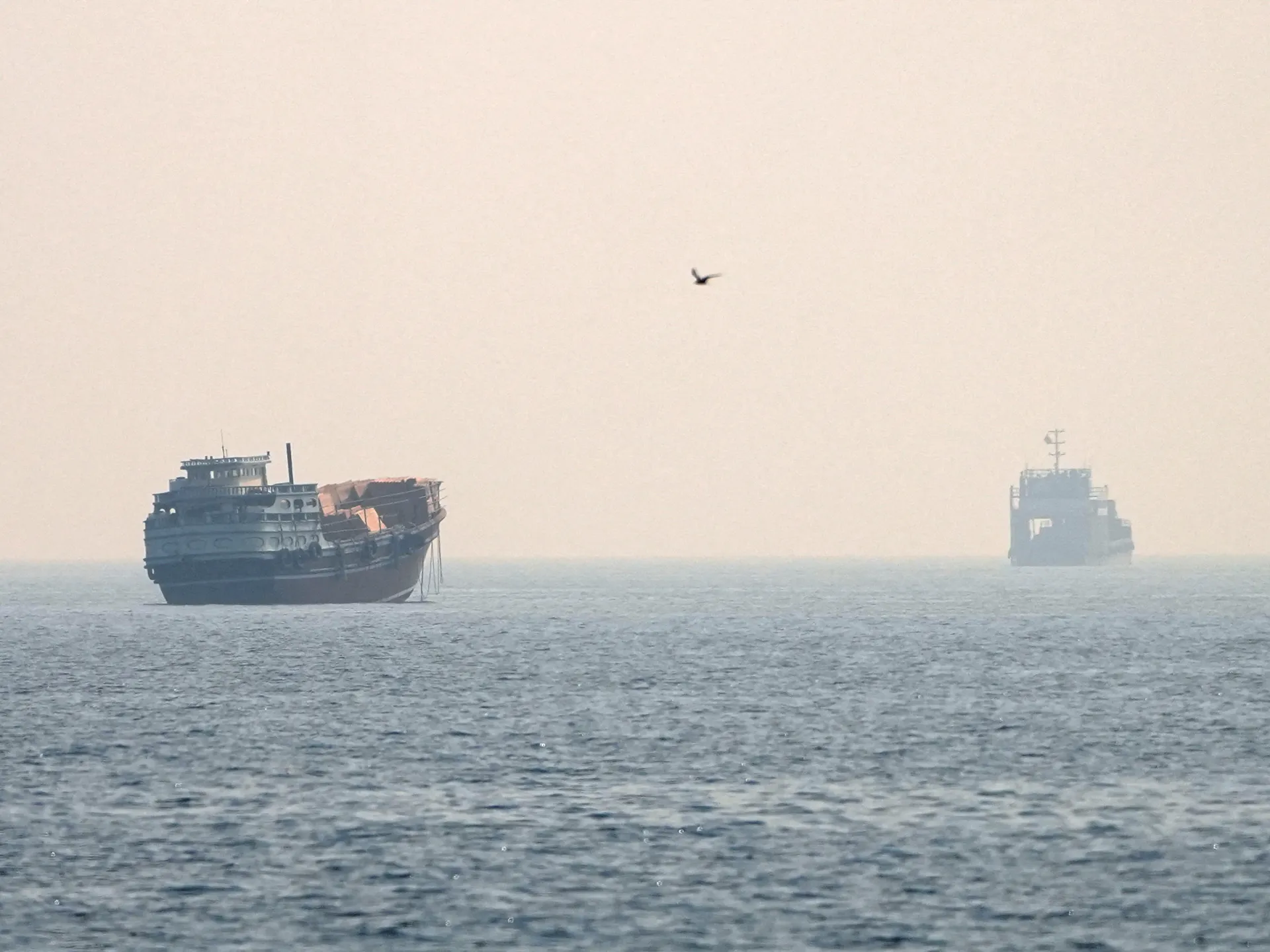
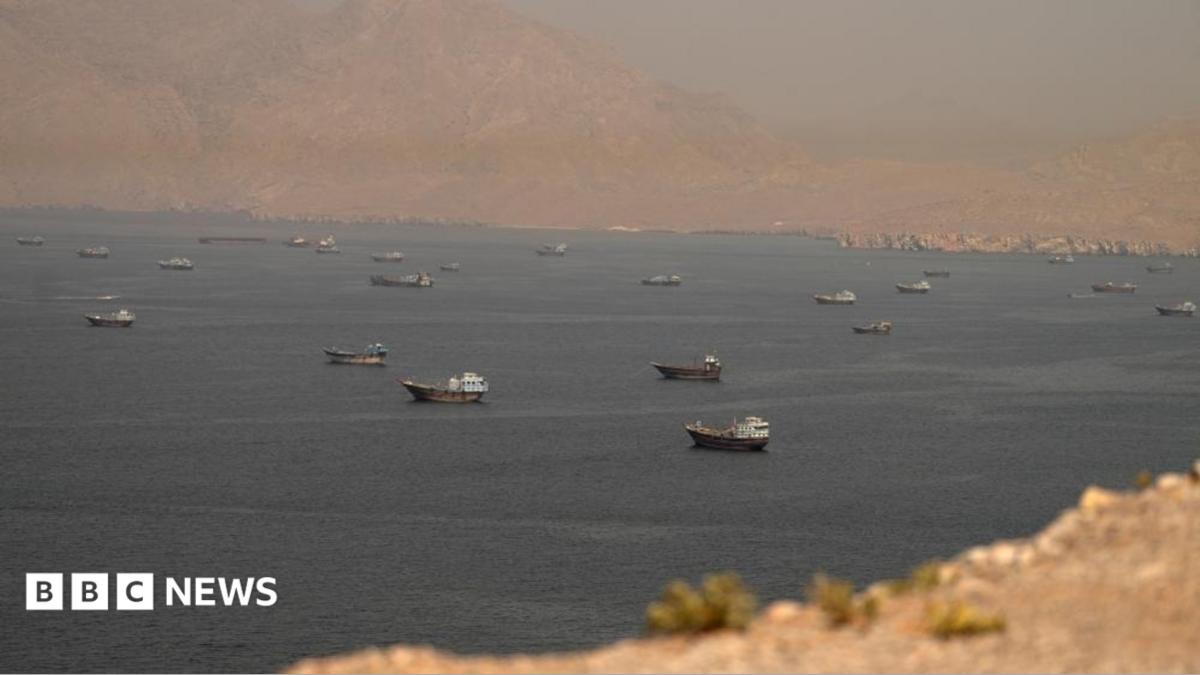
Bloomberg reported that a key oil port on the UAE’s east coast — Fujairah — was back in operation Sunday after it was targeted by an Iranian drone Saturday. The port is about 70 nautical miles away from the Strait of Hormuz, which Iran closed earlier in the month to put pressure on its enemies’ abilities to transport oil. About one-fifth of the world’s oil passes through the strait.

Fujairah is situated at one end of a pipeline that allows the UAE to bypass use of the Strait of Hormuz entirely. The site exported an average of more than 1.7 million barrels of crude and refined fuels per day in 2025, about 1.7% of the world’s demand, The Guardian reported.

Officials said they intercepted a drone attack near the site, causing a fire there briefly.

British Energy Secretary Ed Miliband said his country was examining ways to reopen the Strait of Hormuz and keep oil flowing. In an appearance on Sky News’ Sunday Morning with Trevor Phillips, Miliband said Britain was in talks with allies.

“There’s different ways in which we can make maritime shipping possible. We are intensively looking with our allies at what can be done, because it’s so important that we get the strait reopened.”

Source link

Pakistan strikes Afghan base after its president warns ‘red line’ crossed | Conflict News

Islamabad hits Kandahar facility after Taliban drones strike civilian areas and military sites as conflict intensifies.

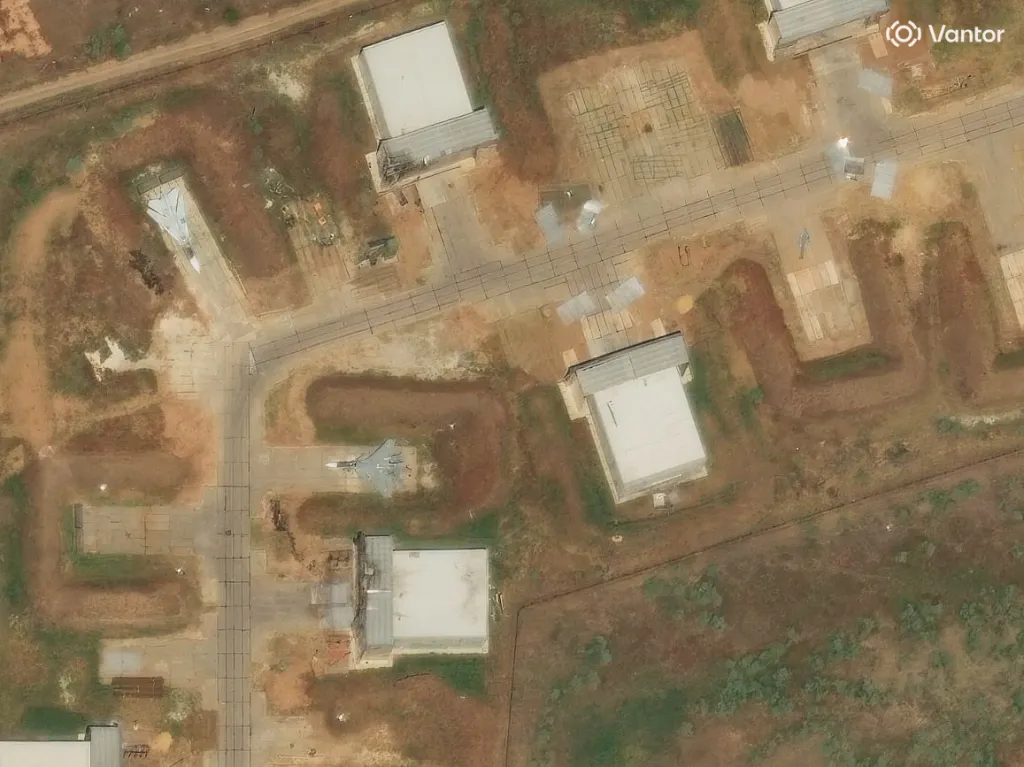
Pakistan has carried out strikes on an Afghan military facility in Kandahar after Taliban drones targeted civilian areas and military installations across the country.

The strikes on Saturday came after Pakistani President Asif Ali Zardari condemned the overnight drone attacks, warning Kabul it had “crossed a red line by attempting to target our civilians”.

Recommended Stories

list of 3 itemsend of list

Pakistan’s military said the drones, described as locally produced and rudimentary, were intercepted before reaching their targets, though falling debris wounded two children in Quetta and civilians in Kohat and Rawalpindi.

A security source told the AFP news agency that airspace around the capital, Islamabad, had been temporarily closed when the drones were detected.

Islamabad said the Kandahar facility had been used both to launch the drone attacks and as a base for cross-border rebel activity.

The exchange marks the sharpest single escalation yet in a conflict that has been building since late February, when Pakistan launched military operations against what it said were Pakistan Taliban fighters sheltering on Afghan soil.

Islamabad also accuses Kabul of harbouring fighters from the ISIL (ISIS) group’s Khorasan province affiliate.

The Taliban government has denied both charges.

The drone attacks followed Pakistani strikes on Kabul and eastern border provinces in Afghanistan overnight on Thursday into Friday. The Pakistani attacks killed four people in the capital, women and children among them, and two more in the east.

In the Pul-e-Charkhi neighbourhood of Kabul, one resident described being buried under rubble after his home was hit, saying he lay there believing it was his “last breath” before neighbours pulled him free.

A local representative told AFP that those killed were “ordinary people, poor people” with no involvement in the conflict.

Pakistani aircraft also struck a fuel depot belonging to the private airline Kam Air near Kandahar airport, which an airport official said supplied aid organisations, including the United Nations and the International Committee of the Red Cross.

The official added that there were “no military installations” at the site.

Afghanistan’s Ministry of Defence claimed that its forces had captured a Pakistani border post and killed 14 soldiers.

Islamabad dismissed the assertion as baseless, with the prime minister’s spokesman accusing the Taliban of “weaving fantasies” rather than dismantling rebel networks on Afghan territory.

The UN mission in Afghanistan says at least 75 civilians have been killed and 193 injured since hostilities intensified on February 26, a toll that includes 24 children.

According to the UN refugee agency, about 115,000 people have been forced from their homes.

The crisis is unfolding as the wider region remains engulfed by the US-Israeli war with Iran, which began just two days after the Pakistan-Afghanistan clashes escalated.

Chinese Minister of Foreign Affairs Wang Yi has urged both sides to pursue dialogue, warning that further force would only deepen the crisis, though his appeal came as Pakistani jets were already in the air over Kandahar.

Source link

Netanyahu says Israeli strikes killed Iranian nuclear scientists | US-Israel war on Iran

NewsFeed

Israeli Prime Minister Benjamin Netanyahu said several Iranian nuclear scientists were killed in Israeli strikes. He also said a “new path of freedom” for Iran was approaching and told Iranians the country’s future ultimately depends on them.

Source link

Advocates push for major probe as US boat strikes in Latin America kill 157 | Donald Trump News

Washington, DC – In September, the United States began launching dozens of deadly military strikes against alleged drug-smuggling boats in the Caribbean Sea and eastern Pacific.

Nearly half a year later, remarkably little is known about the strikes. The identities of the nearly 157 people killed have not been released. Any purported evidence against them has not been made public.

Recommended Stories

list of 3 itemsend of list

But a group of United Nations and international law experts are hoping to change that on Friday, when they testify at the Inter-American Commission on Human Rights (IACHR).

The international hearing will be the first of its kind since the strikes began on September 2, and rights advocates hope it can help lead to accountability as individual legal cases related to the strikes proceed.

Steven Watt, a senior staff lawyer with the American Civil Liberties Union’s human rights programme, said the goal of the hearing will be threefold.

“Our ask will be to conduct a fact-finding investigation into what’s going on,” Watt said.

The second aim, he continued, would be “to assert or to arrive at a conclusion that there is no armed conflict here”, in what would be a rebuke to US President Donald Trump’s previous claims.

Finally, Watt said, he hopes the proceedings will yield long-sought transparency from the Trump administration on “whether or not they have a legal justification for these boat strikes”.

“We don’t think there are any,” Watt added.

‘We don’t know the names’

The experts set to testify at Friday’s hearing said the IACHR has a unique mandate to uncover the truth behind the US strikes.

The commission, based in Guatemala City, Guatemala, is an independent investigative body within the Organization of American States, of which the US was a founding member in 1948.

While the Trump administration has claimed it has a right to carry out the deadly attacks as part of a wider military offensive against so-called “narco-terrorists”, rights groups have decried the campaign as a series of extrajudicial killings.

They argue that Trump’s deadly tactics deny those targeted of anything that approaches due process.

Legal experts have also dismissed Trump’s claims that suspects in drug-related crimes are equivalent to “unlawful combatants” in an “armed conflict”.

Few details have emerged from the air strikes. Several families have come forward, however, to informally identify the dead as their loved ones.

Victims are said to include 26-year-old Chad Joseph and 41-year-old Rishi Samaroo, who were sailing home to Trinidad and Tobago when they were killed in October, according to relatives.

A complaint filed against the US government said both men travelled often between the islands and Venezuela, where Joseph found work as a farmer and fisherman, and Samaroo laboured on a farm.

The family of Colombian national Alejandro Carranza, 42, have also said he was killed in September when the US military attacked his fishing boat off the country’s coast.

The US has yet to confirm the victims’ identities, and only two survivors have ever been rescued in the 45 reported strikes.

A clearer picture of what happened will be a significant step towards accountability, according to experts like Watt.

“[The IACHR] is uniquely positioned to identify who all these persons are,” Watt said. “We just know the numbers from the United States. We don’t know the names or the backgrounds of these people.”

The IACHR has launched a range of human rights investigations in recent decades, including probes into the 2014 mass kidnapping of 43 students in Iguala, Mexico, and a series of murders in Colombia from 1988 to 1991 dubbed the Massacre of Trujillo.

The commission has also examined US policies, including extrajudicial detentions at Guantanamo Bay, Cuba, during its so-called “global war on terror”.

The IACHR has the power to seek resolutions to human rights complaints or refer them for litigation before the Inter-American Court of Human Rights.

Just last week, the court ordered Peru to pay reparations to the family of a woman who died during a government-led forced sterilisation campaign in the 1990s.

The Carranza family has filed its own complaint to the IACHR, and the families of Joseph and Samaroo have also lodged a lawsuit against the US in a federal court in Massachusetts.

Angelo Guisado, a senior staff lawyer at the Center for Constitutional Rights (CCR), said a fuller accounting of the US actions is needed to prevent future abuses. He is among the experts testifying on Friday.

“You can’t normalise assassinating fishermen off the coast of South America,” Guisado told Al Jazeera. “That’s just sadistic and an abomination to the rules-based order that we’ve created.”

“So we hope that the commission can do some investigation.”

A war against ‘narco-terrorists’?

One of Guisado’s goals for Friday’s hearing will be to unpack the Trump administration’s argument that the attacks are necessary from a national security standpoint.

Even before the US strikes began, the Trump administration began framing the Latin American drug trade as an existential threat to the US.

As part of that re-framing, the administration borrowed messaging from its “global war on terror”, taking the unorthodox approach of labelling several cartels “foreign terrorist organisations”.

Speaking last week at a meeting of Latin American leaders, White House security adviser Stephen Miller maintained there is no “criminal justice solution” to drug cartels.

Instead, he affirmed that the US would use “hard power, military power, lethal force, to protect and defend the American homeland”, even if that meant carrying out deadly operations throughout the Western Hemisphere.

Guisado, however, noted that the administration has admitted that the targeted boats were largely carrying cocaine, not the highly addictive fentanyl responsible for the majority of US drug overdoses.

He explained that the administration has done little to prove its claims that drug traffickers are part of a coordinated effort to destabilise the US.

Such hyperbolic language, Guisado added, could be used as a smokescreen to conceal illegal actions.

“When you invoke national security interest, it seems as if scrutiny and any legitimate analysis or condemnation gets pushed to one side in favour of an ersatz martial law,” Guisado said.

“The idea that you could just proclaim anyone a narcoterrorist and do whatever you want with them is just so repugnant to our system of fairness, justice and law.”

Watt, meanwhile, said he hopes the IACHR will draw a clear “line in the sand”, separating drug crimes from what is conventionally considered an armed conflict.

He also would like to see the IACHR clearly outline the US’s human rights obligations.

“But even if there was an armed conflict — of which there isn’t — the laws of war would prohibit the type of conduct that the United States is engaging in here,” Watt explained.

“It would be an extrajudicial killing. It would be a war crime.”

Transparency or accountability

Friday’s hearing will only be an initial step towards accountability, and critics question how effective the IACHR will ultimately be.

The US has regularly shrugged off human rights probes at international forums, and it is not party to entities like the International Criminal Court in The Hague, raising barriers to the pursuit of justice.

Despite being a member of the OAS, the US has also not ratified the American Convention on Human Rights, one of the organisation’s founding documents.

It is, therefore, unclear how binding any IACHR decisions could be, although Watt argued that it is “longstanding jurisprudence of the commission that the declaration imposes obligations on non-ratifying member states”.

Still, legal experts said Friday’s hearing may yield clarity on the Trump administration’s legal argument for the boat strikes.

The IACHR has said US government representatives are set to appear at the hearing.

To date, the US Department of Justice has not released the Office of Legal Counsel’s official reasoning for the boat strikes, considered the foundational legal document for the military actions.

A separate memorandum from that office addressed the US abduction of Venezuelan President Nicolas Maduro on January 3, which it framed as a drug enforcement action.

That memo touched on the boat strikes, but it only served to raise further questions about Trump’s rationale.

“This will be an opportunity for the United States to put its case before the commission,” Watt said.

“But of course, it depends on US cooperation,” he continued. “They’re going down there, but it’ll be interesting to see what they actually say”.

Source link

Iran strikes neutralise record IEA reserves release as oil tops $100

Brent futures rose sharply on Thursday, spiking above $100 before easing slightly but remaining higher than levels seen earlier in the week as markets stay incredibly volatile.


ADVERTISEMENT


ADVERTISEMENT

This comes despite an unprecedented decision by the 32-member International Energy Agency (IEA) on Wednesday to release a record 400 million barrels to calm markets, more than double the volume released after Russia’s 2022 invasion of Ukraine.

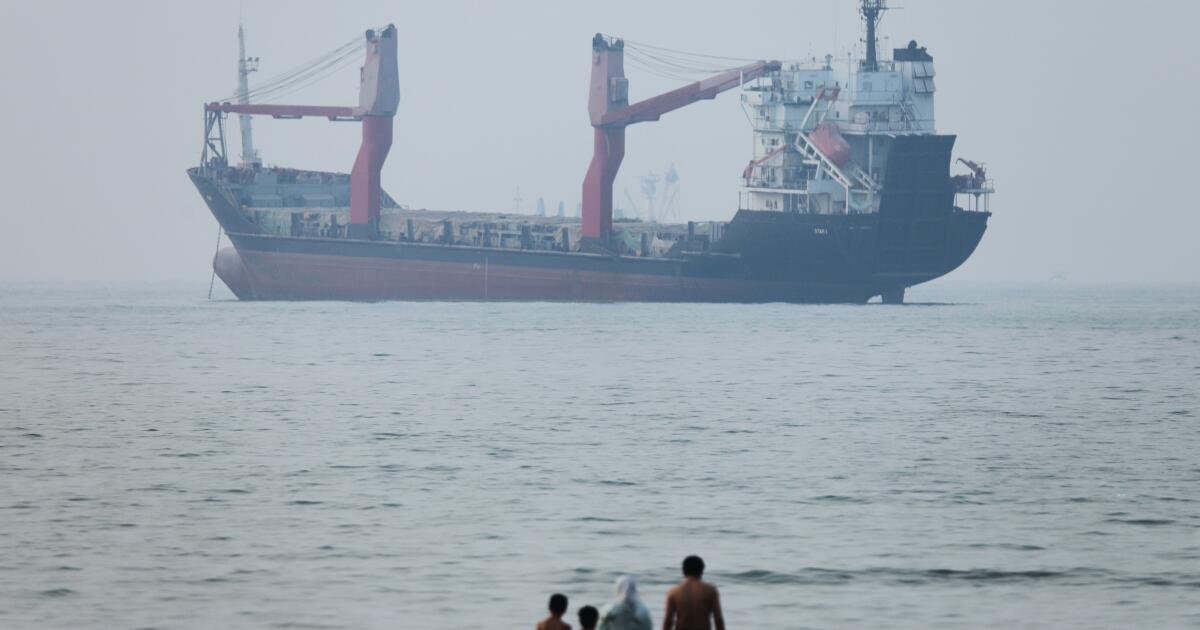
Following the IEA decision, Iran stepped up its offensive campaign and launched strikes on Omani oil storage facilities at the Salalah port and multiple ships in and near the Strait of Hormuz, sending prices higher again.

Record coordinated release of reserves

The US alone is contributing 172 million barrels. Germany, France and Italy also confirmed they would tap their stocks, while Japan said it would begin releases next Monday.

IEA executive director Fatih Birol described the current Iran-related crisis as an “oil market challenge unprecedented in scale”, adding that the collective response reflected “strong solidarity” in defence of global energy security.

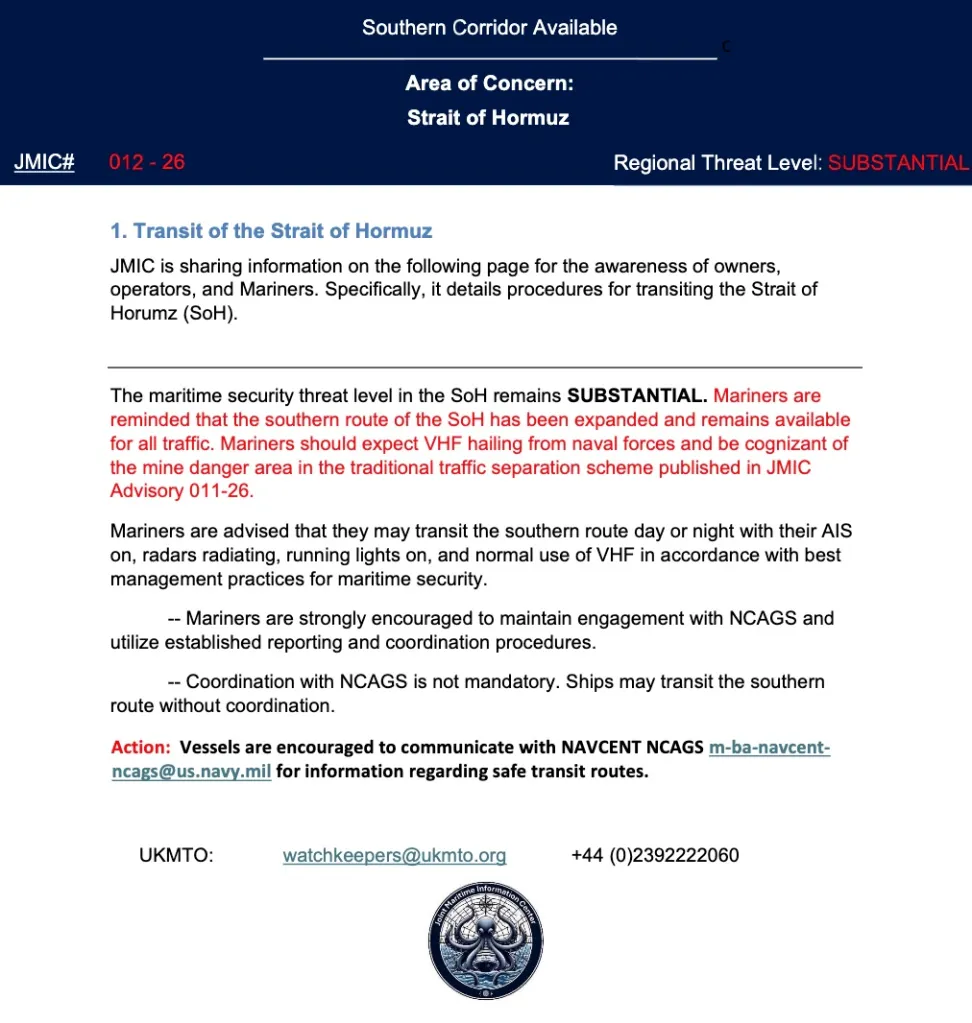
Exports of crude and refined products from the region have dropped to 10-15% of pre-war levels, with the Strait of Hormuz, which normally carries one-fifth of the world’s oil, effectively closed to the large majority of tankers.

Iran’s attacks blunt expected price relief

The new Iranian strikes came at lightning speed, directly after the IEA announcement.

Drones targeted fuel storage tanks and silos at Oman’s Salalah port, igniting fires that Omani authorities were still working to contain late on Wednesday.

British maritime security firm Ambrey confirmed damage to the facilities, while Danish shipping giant Maersk temporarily halted port operations.

Omani officials stressed there had been “no disruption to the continuity of oil supplies or petroleum derivatives” inside the country itself, while Iranian state media reported that President Pezeshkian had assured Oman’s sultan the incident would be investigated.

At the same time, six vessels were struck in the Gulf and Strait of Hormuz.

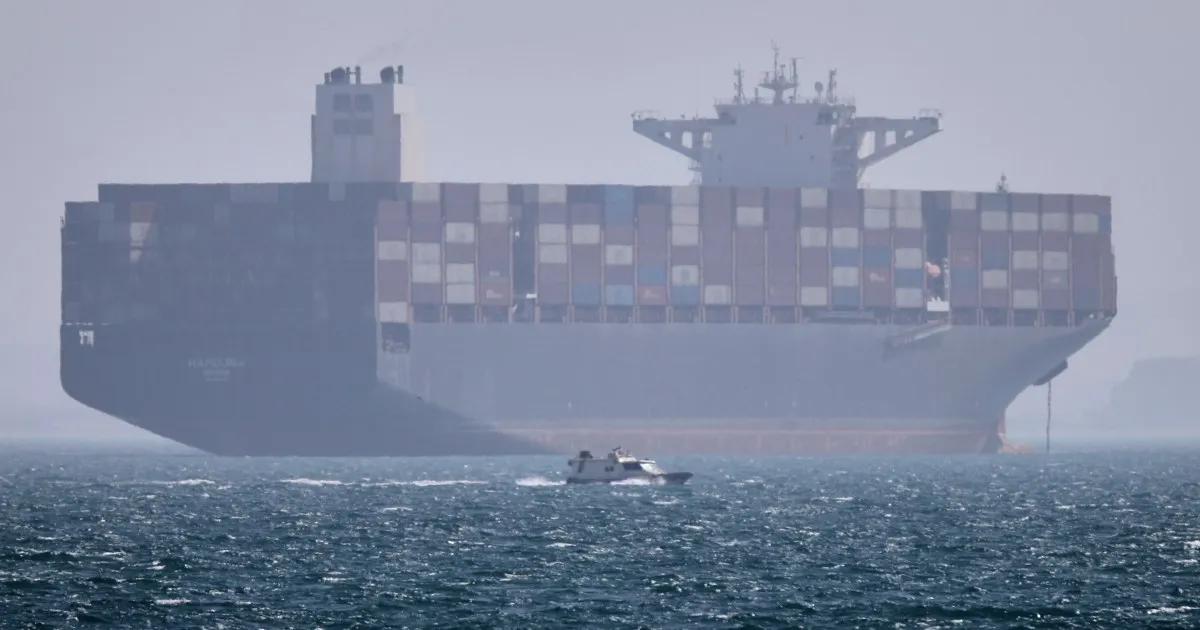
Among the reports, there was confirmation of a projectile hitting a container ship near the UAE and strikes on two tankers in Iraqi waters.

UK Maritime Trade Operations, and other monitoring groups, attributed the incidents to Iranian forces or proxies.

These developments, occurring the very day of the reserves release, appear to have smothered the anticipated calming effect on prices.

As of Thursday, the number of ships struck in the region since the beginning of the conflict rose to at least sixteen.

Record release may signal deeper market concerns

Some analysts note that the sheer volume of the release could itself be interpreted negatively. Previous coordinated actions never exceeded 183 million barrels.

The scale of the release suggests importing nations already view the disruption as the most severe and long-lasting in decades.

Even worse, a record release may not be enough.

Speaking to Euronews, Warren Patterson, Head of Commodities Strategy at ING, was blunt in his assessment.

“A record 400 million barrel release from emergency reserves is helpful, but it’s not going to go very far to offset the roughly 15 million daily supply currently disrupted.”

Patterson also added that “the only solution that will bring oil prices down on a sustained basis is getting oil flowing through the Strait of Hormuz again.”

Oxford Economics echoes this concern, warning that “the economic effect of higher energy costs rises as the oil price increases,” in a report that seemingly indicates the crisis is far from over and we have yet to feel the compounding effect of the initial shock.

Russian sanctions relief remains off the table

With the reserve release failing to calm prices, attention has turned to Russian oil as a potential source of additional supply.

The US Treasury last week granted Indian refiners a 30-day waiver to purchase Russian crude from vessels already stranded at sea, though the measure expires on 4 April and deliberately excludes new shipments.

Following the G7 emergency discussions on Wednesday, French President Emmanuel Macron stated that the group had agreed “the situation does not justify lifting any sanctions” on Russia, emphasising the need to increase global production instead.

The contrast between Washington’s narrow waiver and the G7’s firm collective position leaves little prospect of sanctions relief acting as a meaningful pressure valve, a view shared by analysts.

“Any sanction relief for Russia would see some marginal supply increases, but again not enough, with Russia’s oil output having held up well in recent years despite sanctions,” Warren Patterson of ING told Euronews.

$140-$150 oil barrel possible if conflict is prolonged

Should tensions persist, analysts warn prices could climb substantially higher.

Oxford Economics identifies $140 per barrel as the threshold at which the global economy tips into mild recession, reducing world GDP by 0.7% by year-end and pushing the UK, the Eurozone and Japan into contraction.

The managing director of the IMF, Kristalina Georgieva, also stated that every 10% increase in oil prices, provided they persist for most of the year, will push up global inflation by 0.4% and reduce worldwide economic output by as much as 0.2%.

“The risk is stark,” Patterson warned. “It’s only a matter of time before we see oil prices hitting fresh record highs if the conflict is not swiftly and decisively resolved.”

The IEA’s intervention has provided a temporary buffer, but with little visible impact on prices.

Source link

Major airline to cancel 600 flights across Europe this week

HUNDREDS of flights across Europe are being cancelled due to a two-day airline strike and thousands of Brits will be affected.

Lufthansa pilots are walking out today for a 48-hour period, over a dispute in regard to pay and pensions.

Hundreds of Lufthansa flights have been cancelledCredit: Reuters
Cancellations are expected until the end of tomorrowCredit: Reuters

The airline has since been forced to cancel a huge part of the flight schedule until the strike ends on Saturday.

Around 50 per cent of all Lufthansa flight will be cancelled, which includes 40 per cent of long-haul flights..

This works out to around 300 flights a day, so 600 flights in total, according to Andreas Pinheiro, the head of the union.

Munich and Frankfurt have been hit with the most cancellations.

GROUNDED

Full list of cancelled flights across UK today after Storm Goretti closes airports


GROUNDED

Major airlines STILL cancelling flights across Middle East with thousands stranded

A number of UK flights are included in this today, such as:

  • 10:05am from London Heathrow to Frankfurt
  • 11:05am from London Heathrow to Frankfurt
  • 12:05pm from London Heathrow to Frankfurt
  • 12:10pm from Manchester to Frankfurt
  • 1:05pm from London Heathrow to Frankfurt
  • 3:40pm from Edinburgh to Frankfurt
  • 3:45pm from Manchester to Frankfurt
  • 4pm from Birmingham to Frankfurt
  • 4:05pm from London Heathrow to Frankfurt
  • 6:05pm from London Heathrow to Frankfurt
  • 8:05pm from London Heathrow to Frankfurt

A similar number are cancelled tomorrow as well, meaning thousands are affected travelling from the UK.

A statement from Lufthansa reads: “Lufthansa is working intensively to keep the impact on our passengers as low as possible and has published a special flight schedule for both strike days.

“According to this schedule, more than 50 percent of the originally planned flight program can be operated on Thursday and Friday.

“For long-haul connections, the share is as high as 60 percent.”

Passengers affected can request a refund or move their flight date for free up until March 23.

The cancellations are far fewer than the previous strike which saw up to 800 flights cancelled.

Back in February, the airline was forced to cancel 90 per cent of it’s planned flights, affecting 200,000 passengers.

Flights to the Middle East have have been excluded from the current strike action, due to the Iran conflict.

But the continued attacks across the Middle East are continuing to cause huge travel disruption.

More than 32,000 flights have been cancelled across the Middle East in the past three weeks due to the ongoing crisis, according to experts.

Our Travel Expert has answered all of your questions about any upcoming holiday.

Thousands of Brits will be affected tooCredit: EPA

Source link