Weekly insights and analysis on the latest developments in military technology, strategy, and foreign policy.
As renewed fighting between the U.S. and Iran has entered a seventh day with no signs of letting up, the Pentagon appears to be sending more forces to the region. The move comes as the conflict took a sharp turn overnight, with both sides carrying through on threats to hit infrastructure targets. That marks a major change from the previous tit-for-tat barrages as the two sides continue to struggle for control over the Strait of Hormuz.
“The Trump administration notified Israel it is sending dozens more refueling planes to the country ahead of a potential expansion of military operations against Iran,” Axios reported, citing three U.S. and Israeli officials.
“Israeli officials say the U.S. wants to send several dozen more refueling planes in the coming days, bringing the number of planes to the same level it had at the beginning of the war,” Axios added. “Israeli officials say the U.S. military prefers operating the refueling planes from Ben Gurion Airport, because other air bases in the region are more exposed to Iranian attacks and less safe for U.S. planes. At the moment, the Iranians are still deterred from launching attacks on Israel, because it will likely trigger a massive retaliation.”
This move comes after Israel placed a limit of 20 on the number of tankers at Ben Gurion Airport due to the impact all those jets were having on passenger air service operations. There are currently about 30 KC-46 Pegasus and KC-135 Stratotanker aerial refueling jets at the airport. There had been about 75 refuelers and cargo planes there during the height of Operation Epic Fury.
It remains unclear how that issue will be resolved, however, boosting the number of tankers in Israel will certainly give the U.S. greater flexibility in being able to refuel aircraft attacking and surveilling Iran. As we noted yesterday, there was a concern that moving aircraft around to other bases farther away could cause sortie rates and durations for receiver aircraft missions to suffer in a sudden crisis.
Scoop: The Trump administration notified Israel it is sending dozens more refueling planes to the country ahead of a potential expansion of military operations against Iran, three U.S. and Israeli officials said. My story on @axioshttps://t.co/EcVDTCUq5z
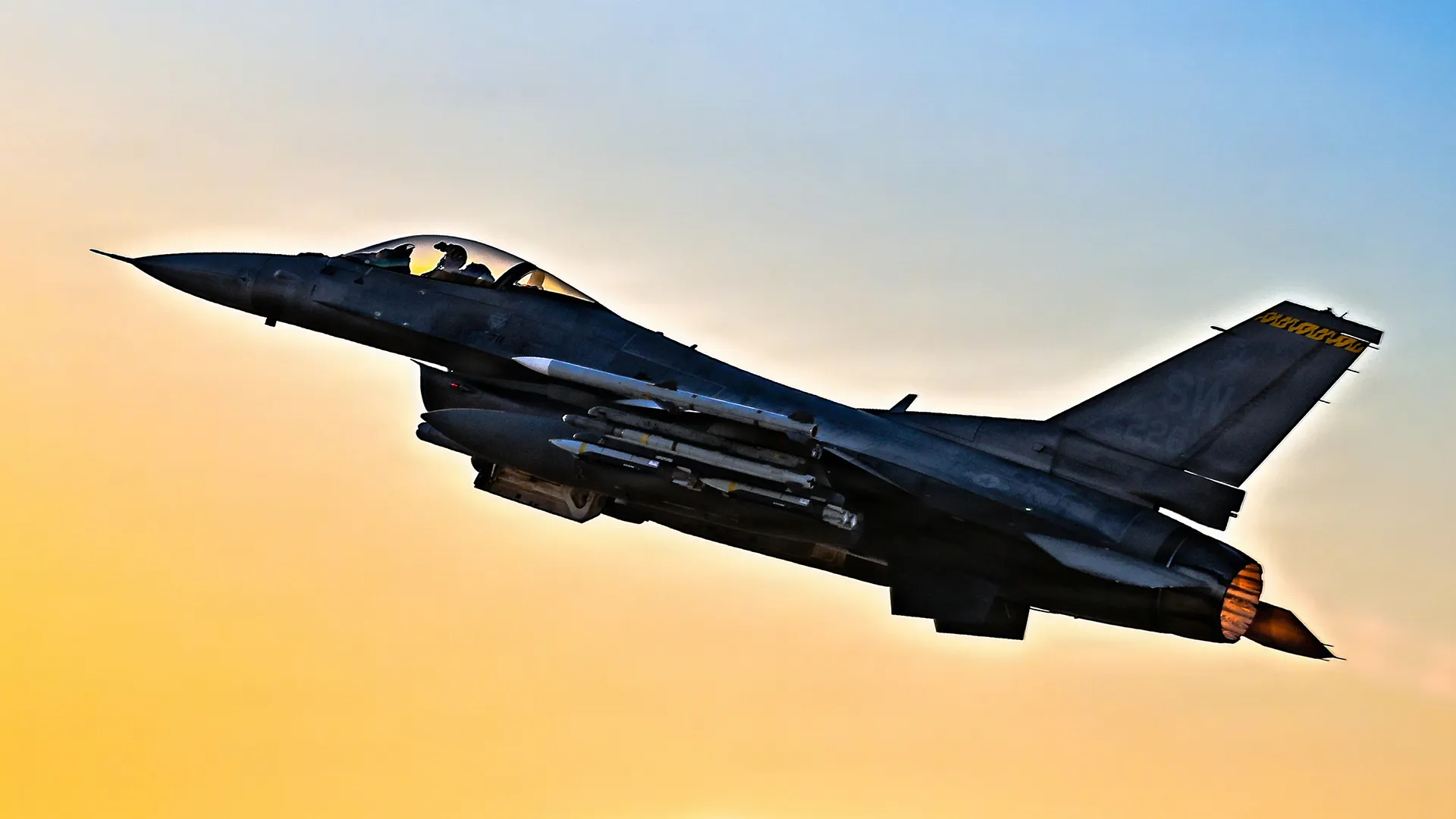
In addition, more combat jets appear to be headed back to the Middle East. According to online open-source flight trackers, at least 12 F-16 Fighting Falcons are heading to Muwaffaq Salti Air Base in Jordan from Spangdahlem Air Base in Germany. Whether this is a plus-up or a routine rotation is unclear, but either way it shows that the U.S. is continuing to add assets to the region.
Meanwhile, as we have noted in earlier reporting, the U.S. has already returned F-22 Raptors that were flying out of Ovda Air Base in Israel back to the United States. Other aircraft, such as A-10s and F-15Es, have also returned home from or have been replaced in the CENTCOM region. So clearly there is a lot of shifting of aviation assets taking place even amid current operations.
Going for GOLD: 4 flts of 3x “SP” F-16CJ (TABOR11,21,31,41) are inbound to Muwaffaq Salti AB, Jordan (OJMS) from Spangdahlem AB, Germany (ETAD). 4x KC-135R/T “GOLD” team tankers are up to support the movement.
Video of Massive US airforce airlift activity above Europe today towards bases in the Middle East in particular the transfer of many fighter jets to Jordan and Israel.
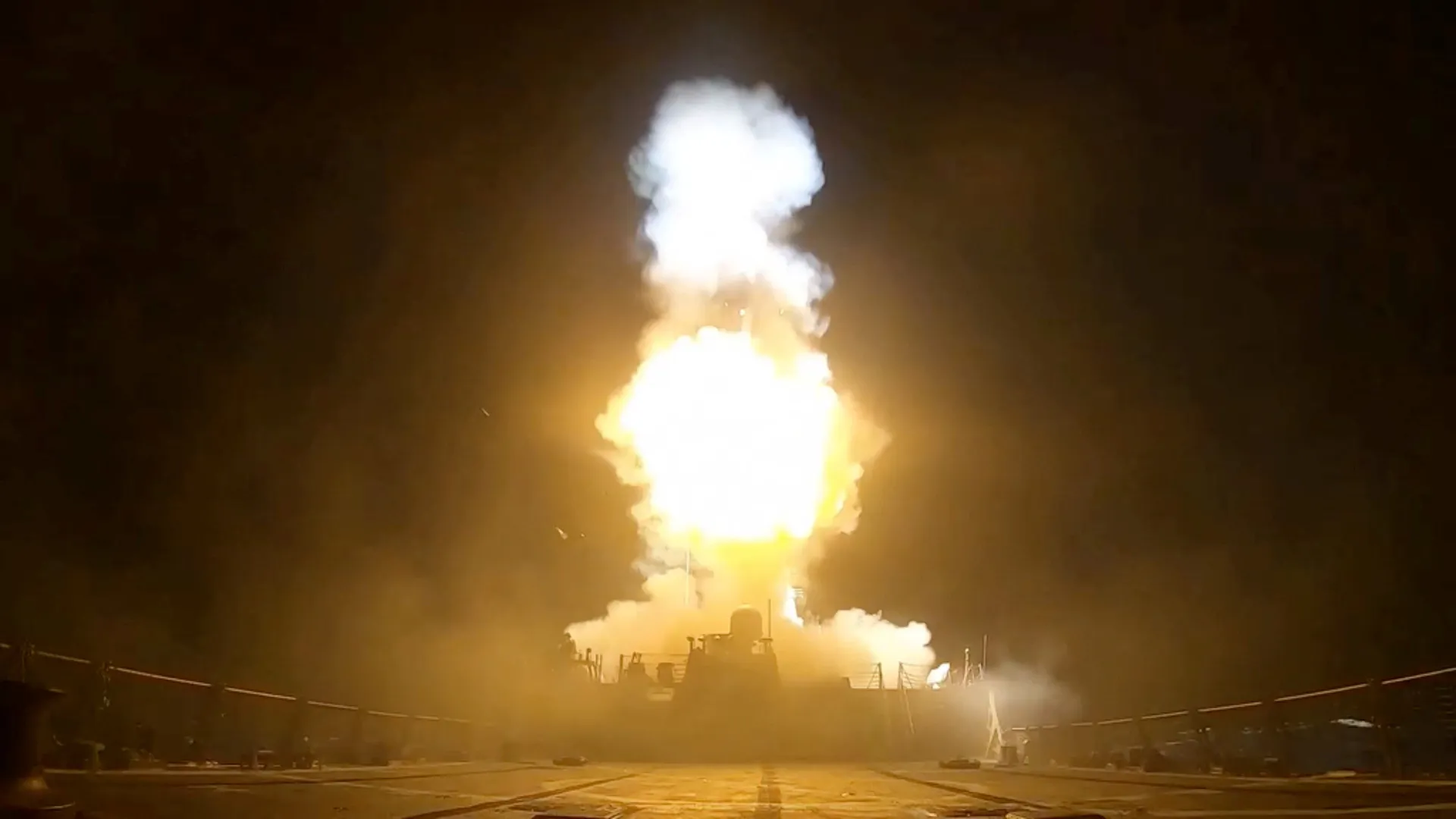
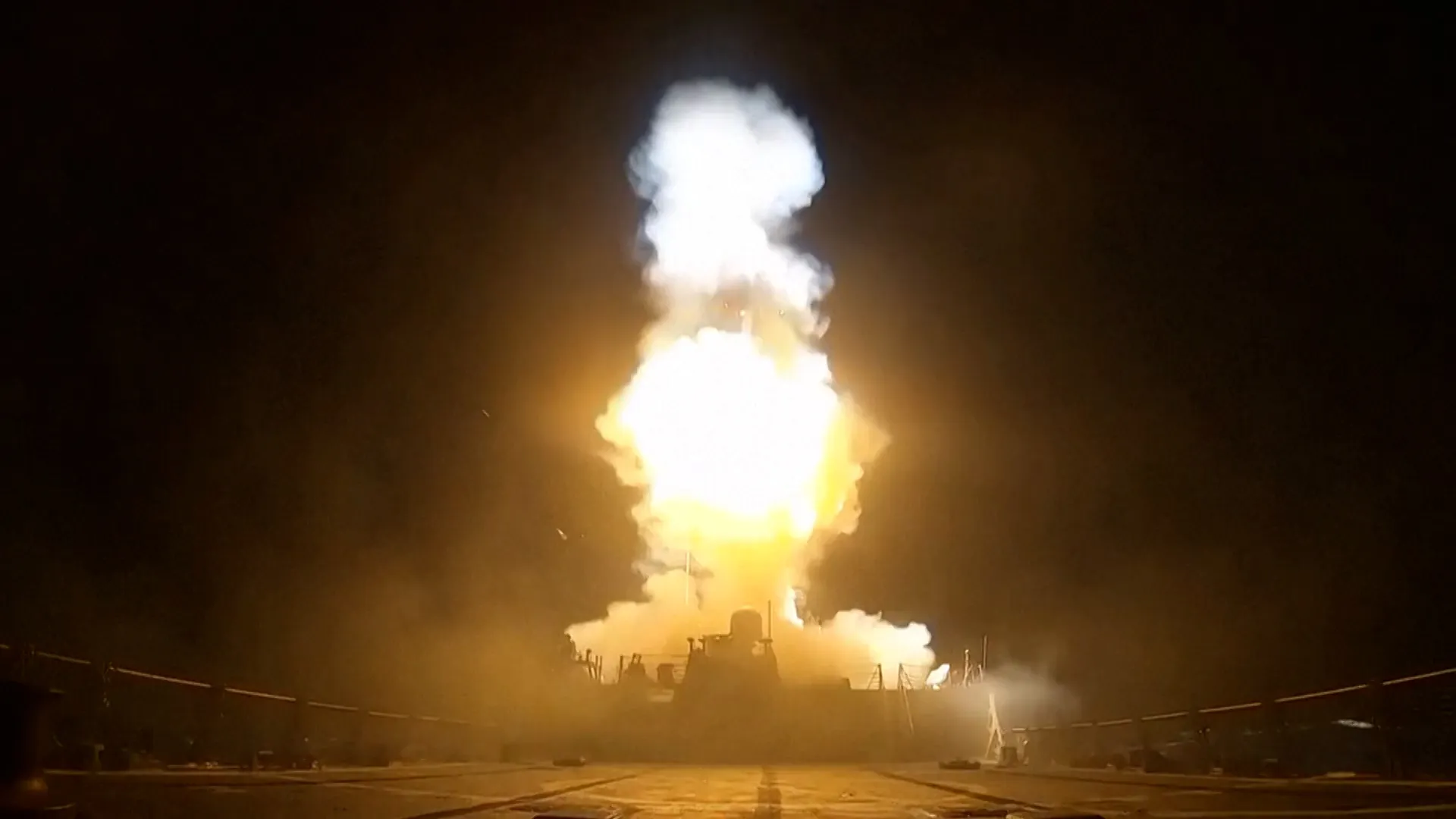
Friday afternoon, CENTCOM announced a new wave of strikes on Iran.
“CENTCOM launched a round of strikes against Iran at 3 p.m. ET today for the seventh consecutive night,” the command stated on X. “The strikes are designed to continue degrading Iranian military capabilities at the Commander in Chief’s direction.”
CENTCOM launched a round of strikes against Iran at 3 p.m. ET today for the seventh consecutive night. The strikes are designed to continue degrading Iranian military capabilities at the Commander in Chief’s direction.
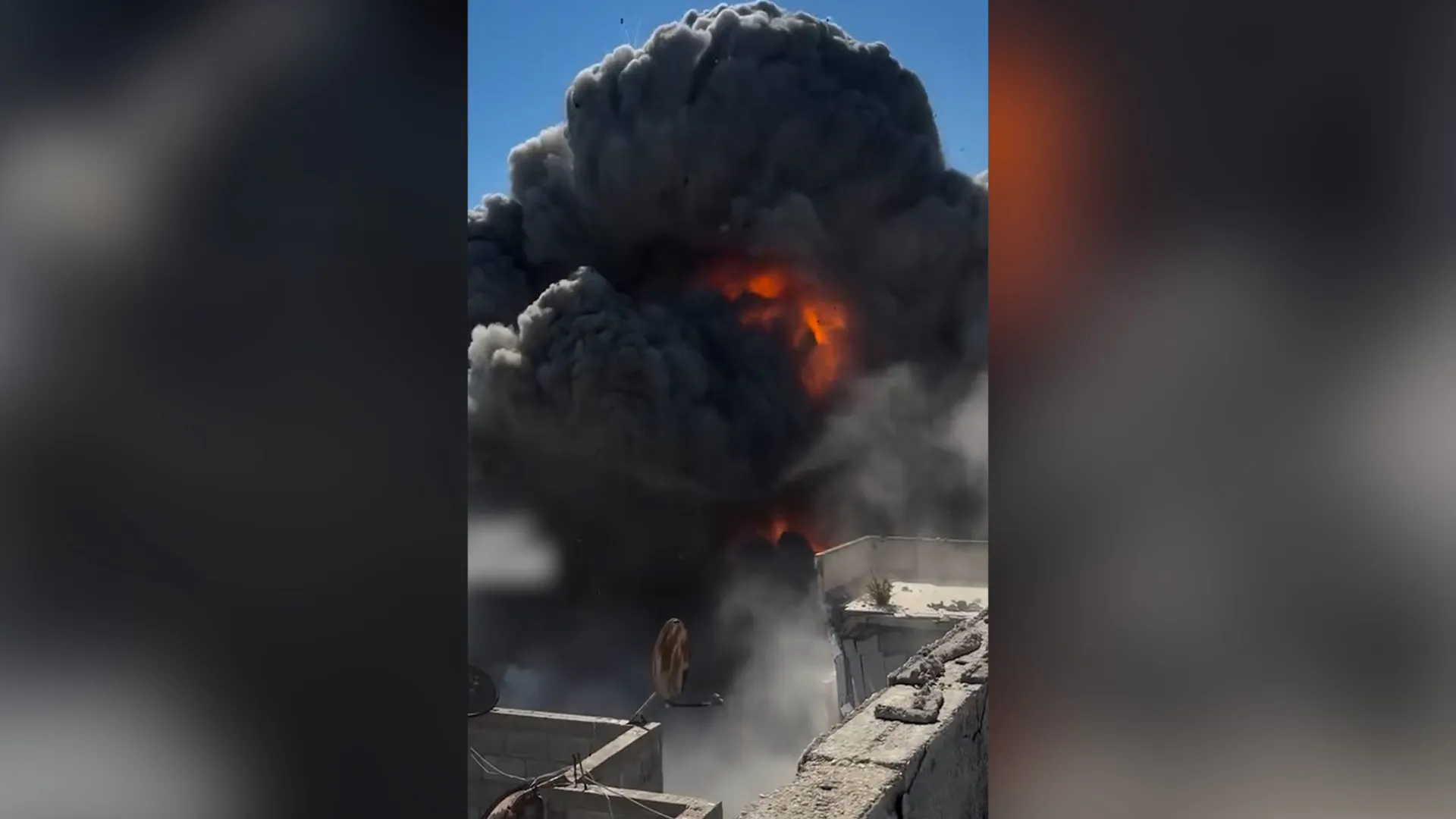
Last night, American forces struck several bridges and energy plants in the southern part of the country, according to Iranian media. In retaliation, Iran hit several targets across the region, including what Kuwait says is a desalination plant, another step up the escalation ladder. In this arid part of the world, countries rely heavily on desalination plants to provide potable water.
🇺🇸🇮🇷 US targets in Iran tonight:
• A total of 5-6 bridges in Hormozgan province were targeted:
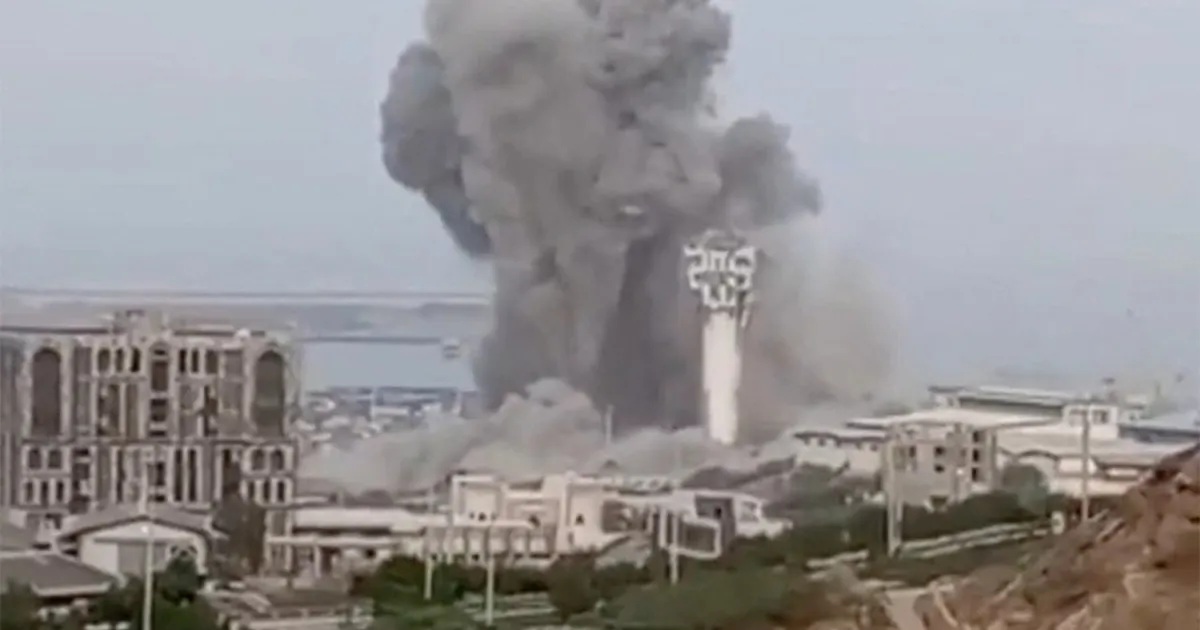
• Chabahar maritime tower was targeted (again) and destroyed by the US
Officials in Hormozgan province, where Bandar Abbas is the capital, say six bridges were hit in the latest attacks, along key transport routes linking the city with surrounding towns, Al Jazeera reported. Bandar Abbas, which has a key naval base on the Strait of Hormuz and is frequently targeted, was also reportedly struck again.
Former CENTCOM commander Joseph Votel told us that while it “may be possible” that the U.S. is preparing for a ground invasion of southern Iran, “I don’t really think that is what this is about. I think our kinetic targeting is principally focused on elimination of IRGC capacity to influence the Strait of Hormuz or attack our partners in the region.”
Friday morning, U.S. Central Command (CENTCOM) declined to comment on the claims that it struck bridges, referring us to its X post from the previous night.
“U.S. forces, including fighter jets, aerial drones, and warships, launched precision munitions that hit dozens of Iranian military targets such as coastal surveillance and air defense sites, military logistics infrastructure, and maritime capabilities,” the command wrote. “This was the sixth consecutive night of U.S. strikes against Iran. At the Commander in Chief’s direction, CENTCOM is further degrading Iranian military capabilities and holding Iran accountable for recent attacks on commercial shipping.”
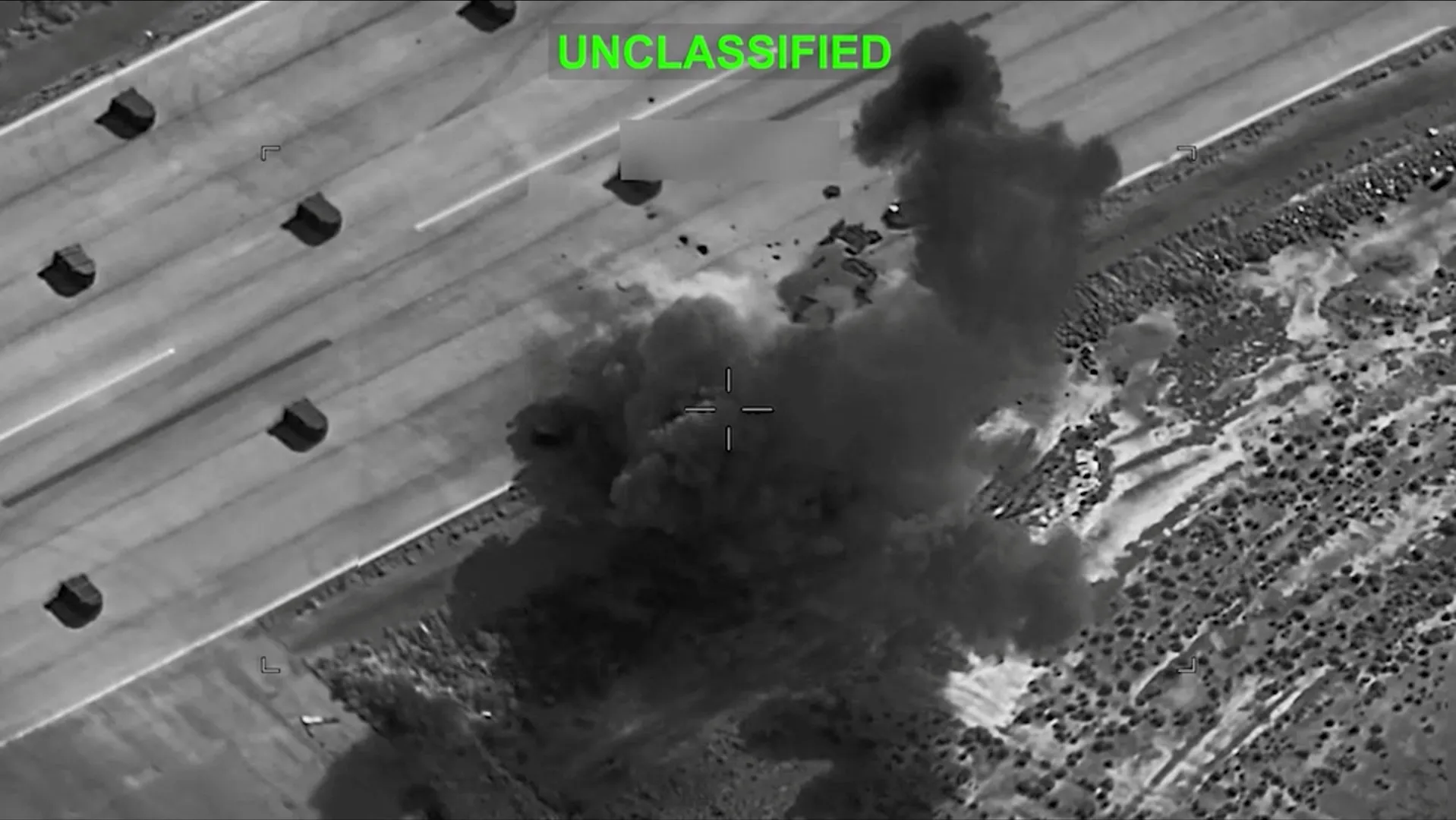
Several videos emerged on social media showing the destroyed and damaged bridges.
American strikes tonight hit three important road bridges near the port city of Bandar Abbas in southern Iran.
A fuel truck was passing through one of the bridges at the moment of the attack, causing the vehicle to get struck and catch fire. pic.twitter.com/8j7py2JRGs
— Status-6 (War & Military News) (@Archer83Able) July 16, 2026
Bridges in the southern Iranian port city of Bandar Khamir in Hormozgan province appeared heavily damaged after US strikes, aerial footage published Friday by IRGC-affiliated Tasnim News showed. Iran said at least five bridges, a railway junction near Bandar Abbas and the… pic.twitter.com/d0aBCPqHUv
— Iran International English (@IranIntl_En) July 17, 2026
CENTCOM on Friday did acknowledge destroying the Chah Bahar Shahid Kalantari Port surveillance tower.
It was “part of a maritime surveillance network along Iran’s Gulf of Oman coastline used for decades by the Islamic Revolutionary Guard Corps (IRGC) to track and target commercial vessels transiting the Strait of Hormuz,” the command stated on X. “The destruction of the tower directly degrades IRGC’s ability to coordinate attacks on innocent civilian crew members. Furthermore, the strike protects freedom of navigation in regional waters for all vessels, except for ships attempting to violate the ongoing U.S. naval blockade against Iran.”
On July 16, U.S. forces successfully destroyed the Chah Bahar Shahid Kalantari Port surveillance tower, part of a maritime surveillance network along Iran’s Gulf of Oman coastline used for decades by the Islamic Revolutionary Guard Corps (IRGC) to track and target commercial… pic.twitter.com/CgBNvgOFf9
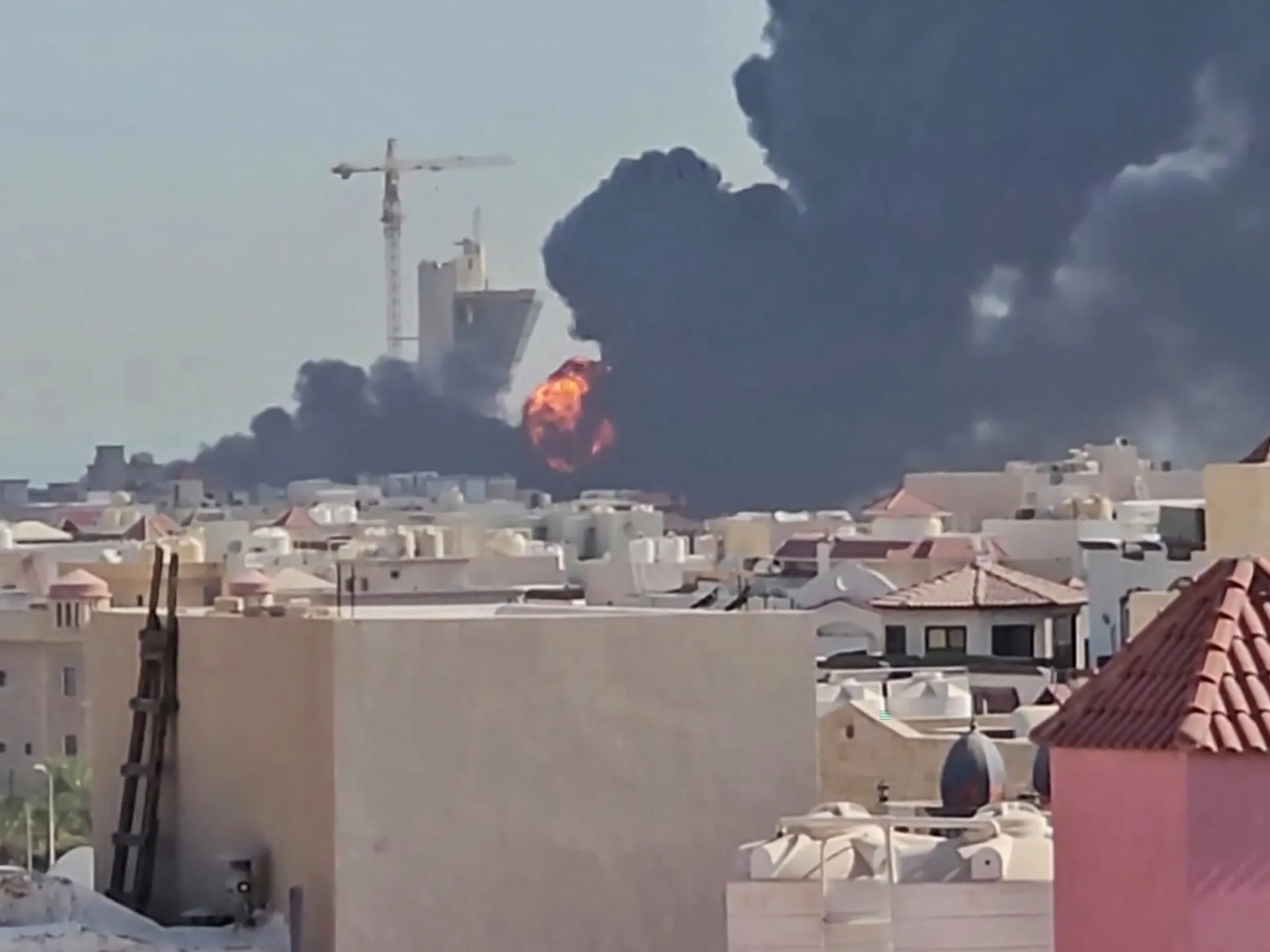
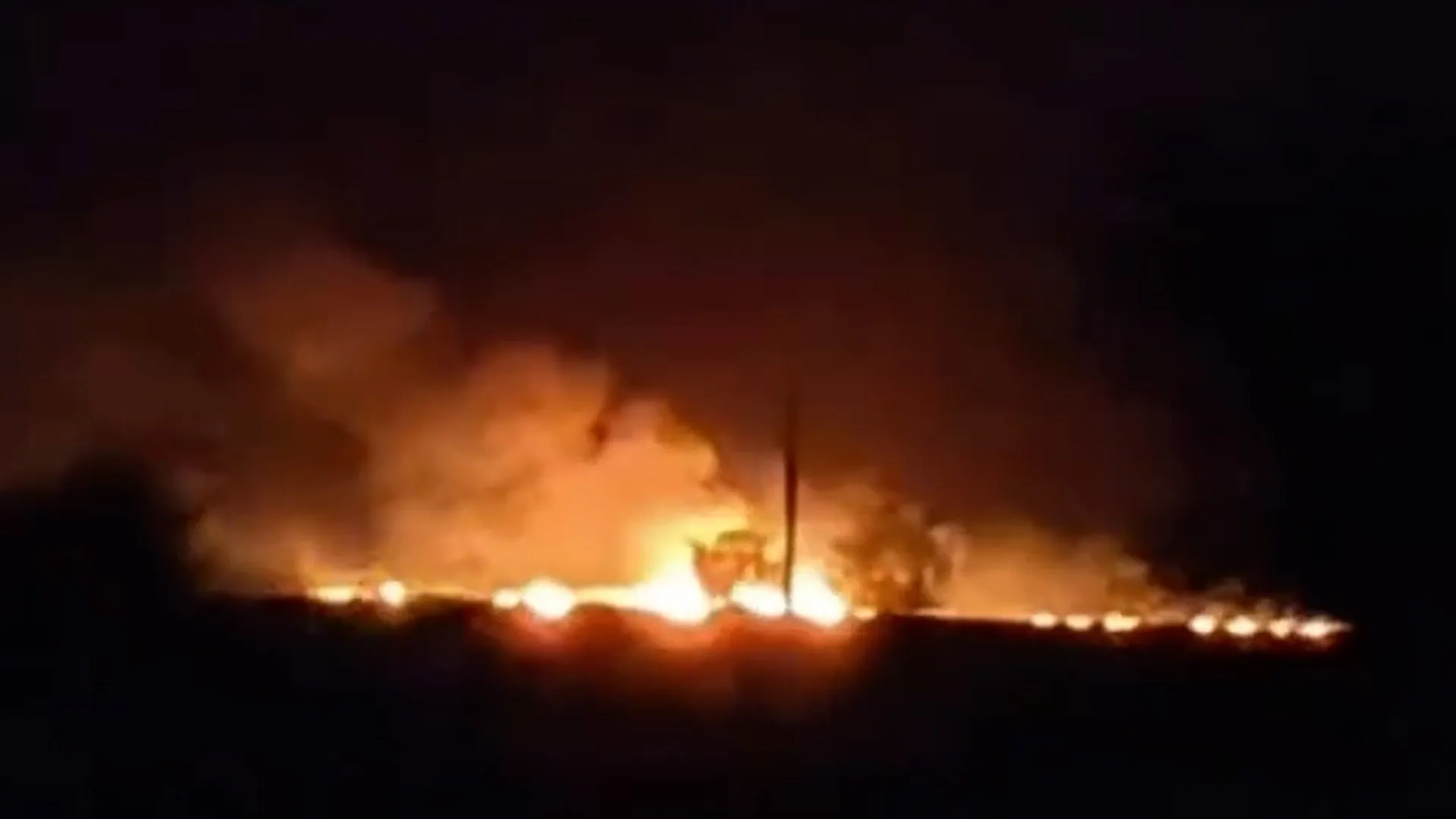
Meanwhile, as we noted earlier in this story, officials in Kuwait said one of the country’s power and water desalination plants “was attacked as a result of the Iranian aggression…leading to a fire and damage to the plant’s facilities and several electricity generating units.”
“The fire is now under control and repairs are ongoing,” the Kuwait government added.
Kuwait announces one of its power and water desalinization plants “was attacked as a result of the Iranian aggression…leading to a fire and damage to the plant’s facilities and several electricity generating units.” The fire is now under control & repairs are ongoing. https://t.co/MrFcwkeTHrpic.twitter.com/LoxTCM4v92
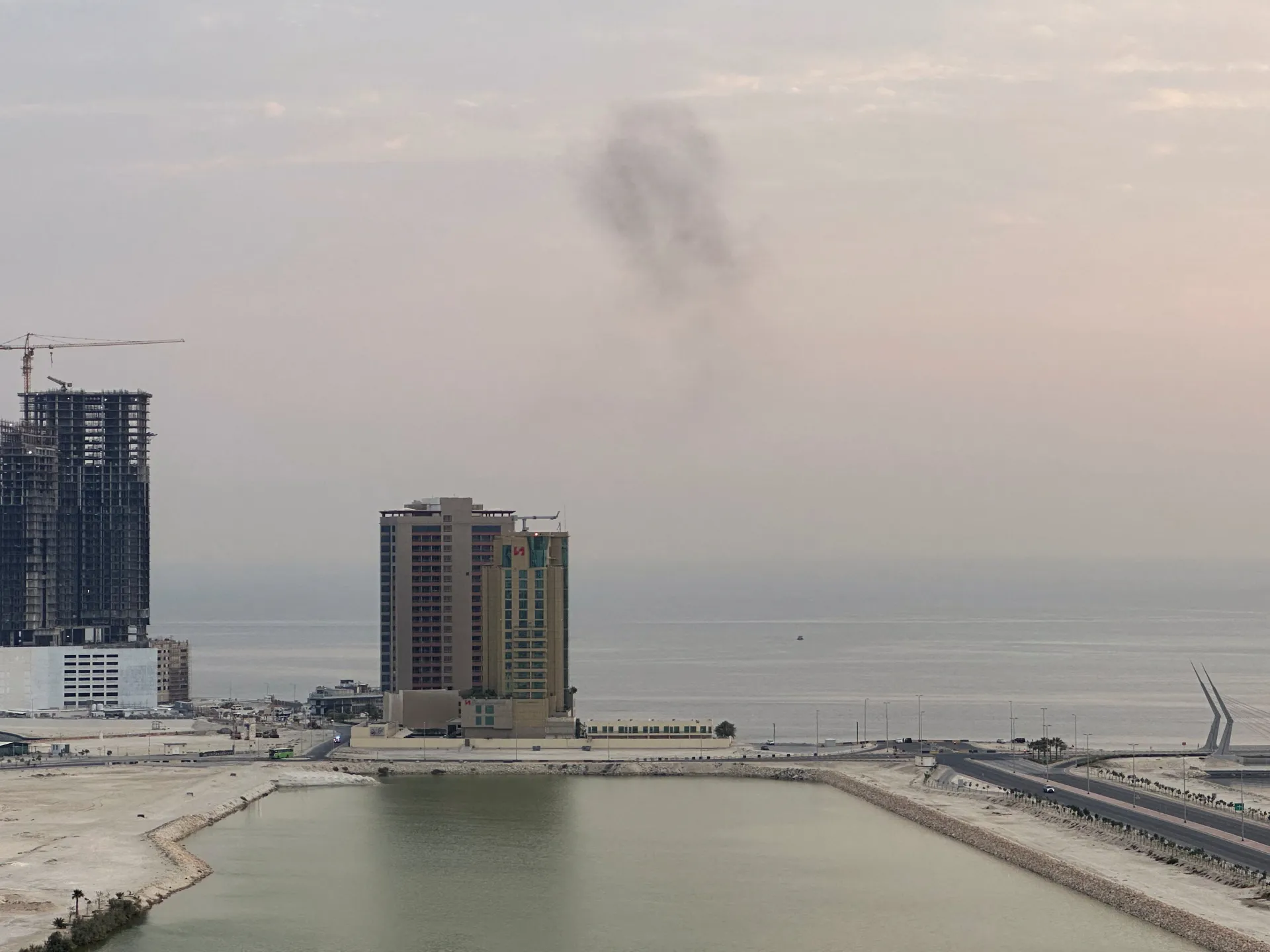
Officials in Bahrain said its air defenses intercepted and destroyed several Iranian aerial attacks on Friday.
“The General Command of the Bahrain Defense Force announces that Iran is continuing its systematic, hostile approach through its attacks,” the Bahrain Defense Force stated on Instagram. “The General Command clarifies that, with strong will and high combat readiness, the air defense systems with Bahrain’s defense force, intercepted and destroyed a number of treacherous Iranian air strikes today, Friday, July 17, 2026. The General Command assures that all its weapons and units are at the highest readiness and on defensive readiness to protect the kingdom.”
🔴 Bahrain’s air defenses intercepted and destroyed several Iranian aerial threats on Friday
🔴 The army condemned Iran’s targeting of civilians and private property as a violation of international law
There were also claims from Iran that it again struck Al Udeid Air Base in Qatar, the largest U.S. installation in the region. The IRGC Aerospace Force claimed it destroyed several aerial refueling jets as well as radars, however, it provided no visual evidence. When we asked about the claim, CENTCOM declined comment.
🔴In the 15th wave of Op. Nasr 2, the IRGC Aerospace Force carried out a heavy surprise attack on the US Al Udeid Air Base in Qatar, completely destroying a long-range radar system and several US strategic aerial refueling aircraft, while several others sustained severe damage. pic.twitter.com/TJkl8P1OB4
Satellite imagery emerged on social media purporting to show the destruction of two hardened storage facilities and a warehouse at the Zayed Military City in Abu Dhabi. The scale of the damage appears to show what could be the results of an Iranian missile or drone strike.
UAE authorities, however, chalked it up to a mishap.
On Monday, UAE authorities claimed “firefighting teams of the UAE armed forces dealt with a fire which broke out in one of the warehouses of the Zayed Military City,” according to Khaleej Times. “The fire was caused by the burning of some wood and old ammunition, the country’s Ministry of Defense reported.”
🇦🇪 Sentinel-2L imagery and enhanced satellite imagery from @SoarAtlas show that two hardened storage facilities and a warehouse at 24°29’44.87″N 54°58’57.10″E inside Zayed Military City in Abu Dhabi were completely destroyed.
Iran struck eastern Syria on Friday, Iranian state media and a Syrian military source said, Reuters reported. It was the first known attack by Tehran on Syrian territory since a regional war erupted earlier this year.
The IRGC said it attacked a U.S. special operations command center at al-Tanf in Syria in retaliation for the killing of Iranian soldiers in Iranshahr, state media reported.
IRGC Launches Surprise Attack on Enemy in Syria’s Al-Tanf Region
The IRGC conducted a surprise attack on the enemy special operations command center in the Al-Tanf region of Syria in retaliation for the blood of martyred Iranian soldiers from the previous night in Iranshahr. pic.twitter.com/vVkvKTBJv1
CENTCOM declined to comment when we asked about it, but minutes later posted a denial on X of any American casualties.
“CLAIM: Iranian forces claim they attacked al-Tanf Garrison in Syria and captured or killed American troops in the process. FALSE,” the command stated. “FACTS: No U.S. troops in the region have recently been killed or captured.”
🚫 CLAIM: Iranian forces claim they attacked al-Tanf Garrison in Syria and captured or killed American troops in the process. FALSE.
CENTCOM declined to say if any U.S. troops had been killed or injured in any overnight attacks. According to the Pentagon’s casualty website, there have been 14 troops killed and 427 wounded since the launch of Epic Fury Feb. 28.
The Department of Defense has updated its official casualty figures for Operation EPIC FURY, reporting 13 additional wounded in action (WIA), including 10 U.S. Army and 3 U.S. Navy personnel.
The latest round of strikes came after President Donald Trump promised to strike infrastructure and the Iranians promised to retaliate.
“We’re going to hit them very hard tomorrow night,” Trump proclaimed in an interview with Fox News on July 15. “We’re going to hit them very hard the night after, and then next week it gets really bad for them, because next week comes the power plants. Next week comes the bridges. We’re going to knock out all their power plants. We’re going to knock out all their bridges unless they get to the table and negotiate.”
PRESIDENT TRUMP: “Ultimately, we’ll hit energy targets in Iran. Next week comes the bridges. We’re going to knock out all of their power plants. We’ll knock out all of their bridges unless they get to the table and negotiate” pic.twitter.com/CwbiDxHcwx
Last night, Trump claimed “…we are winning big in Iran and you will see the fruits of that labor very, very shortly.”
Amid the renewed fighting, the number of transits in the Strait of Hormuz reached a three-week low, according to a MarineTraffic.com post on X, falling to eight yesterday, down from 15 the day before.
Meanwhile, the per barrel price of Brent crude hit a new high for the past 30 days on Friday, reaching almost $87.
Hormuz traffic reaches three week low
MarineTraffic data indicate confirmed crossings through the monitored Strait of Hormuz zone fell to eight on 16 July, down from 15 a day earlier and marking a three week low. Seven of the eight transits followed the Iranian route, with no… pic.twitter.com/mEXVxsx40d
Meanwhile, a new threat to oil exports from the region is looming. Iran has asked the Houthi rebels of Yemen, one of its main proxies, “to stand ready to close the Red Sea oil route if the United States strikes Iranian power infrastructure,” Reuters reported, citing three sources. “The idea has been discussed within the Islamic Republic’s leadership, and the message has been conveyed to Iran’s Houthi allies.”
As we have previously explained, a Houthi shut down of the Bab el-Mandeb (BAM) strait, a narrow stretch of water between Yemen and Djibouti, would choke off a flow of oil exports from Saudi Arabia, especially to the east, and from southern Gulf states west, exacerbating the above-mentioned spike in oil prices. Having both straits closed at once is something of a ‘sum of all fears’ scenario for the global energy marketplace.
🔊 Iran asked the Houthis to stand ready to close the Red Sea gateway. ‘That has the potential to severely exacerbate what is already the worst energy supply disruption in history.’ Commodities and energy editor Simon Webb on Reuters World News https://t.co/cuyI7h2PSepic.twitter.com/k6TYgVoHOJ
It is unknown whether the U.S. and Iran will return to the bargaining table as both nations careen to a resumption of all-out war. We will continue to monitor this situation and provide updates when warranted.
Tehran launched strikes against several countries across the Gulf and wider region overnight as the United States military raised its attacks on Iran.
Reports on Friday morning said that Bahrain, Iraq, Kuwait, Oman and Qatar, as well as Jordan and Syria, had been forced to take defensive action against Iranian missiles and drones, amid a sixth night of US strikes on Iran.
Recommended Stories
list of 3 itemsend of list
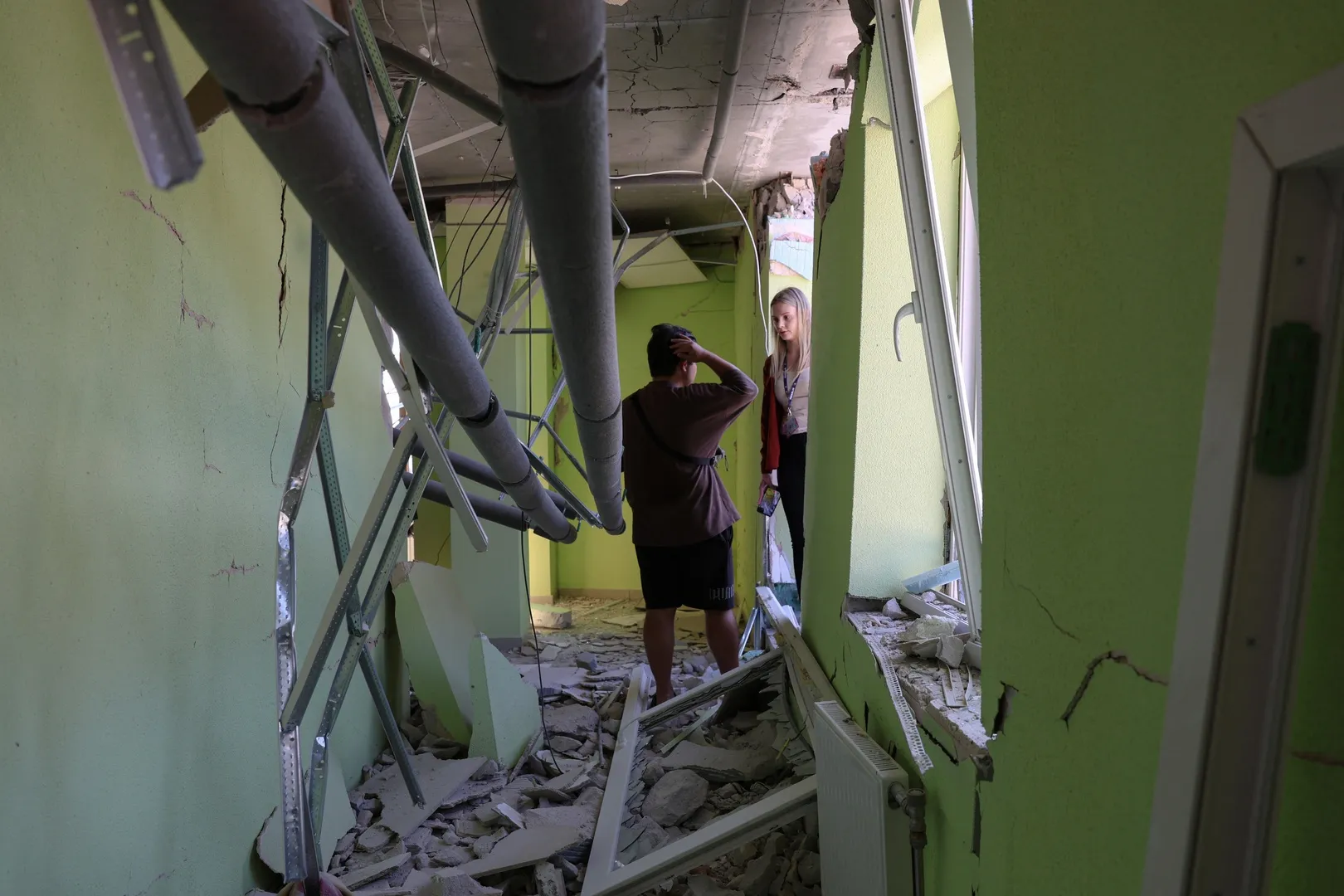
The escalating US air campaign targeted civilian infrastructure in the south of the country, including telecommunications networks, railway systems, and the Bandar-e Khamir bridge in Hormozgan province, where local media reported on Thursday night that at least seven people were killed.
Tehran has justified its strikes against Gulf and other states by saying it is targeting US facilities in the region, insisting that Washington has used its bases there as launchpads to strike Iran.
In Qatar, which hosts major US military facilities, the security threat level was elevated as loud explosions were heard across parts of the capital, Doha, early on Friday morning.
Warning sirens sounded as residents received security alerts on their mobile phones. Qatar’s security threat level was raised again after the initial alert, but the situation later returned to “normal” after the threats were cleared.
The Qatari Ministry of Interior confirmed on Friday morning that a child who was injured by falling shrapnel during the assault is now receiving medical care. Earlier, Qatar rejected Israeli reports that it was planning to join military action against Iran.
Iran’s army said it targeted US helicopters and reconnaissance aircraft at the Sakhir airbase in Bahrain, according to a report from the country’s semi-official Tasnim news agency.
The Islamic Revolutionary Guard Corps (IRGC) claimed early on Friday to have successfully targeted US monitoring assets in Oman.
In a statement, the military said it destroyed a US air control radar in the northern Ghanim region and a maritime surveillance radar positioned on rocks in the Strait of Hormuz.
The IRGC declared that the critical shipping waterway – which has become the key issue in the latest outburst of conflict between the US and Iran – “remains in the hands of the IRGC Navy’s admirals”.
The IRGC also reported that it hit a US military base in Kuwait early on Friday. It said that the attack targeted a missile defence radar, several key weapons depots and two HIMARS surface-to-surface missile launchers.
In northern Iraq, Kurdish counterterrorism forces reported that US coalition forces shot down eight explosive drones over the city of Erbil, according to the Iraqi News Agency (INA). No casualties were reported.
The Jordanian army announced its air defence systems shot down three Iranian missiles transiting its airspace on Friday morning. No casualties were reported as engineering teams dealt with falling debris.
The IRGC also claimed to have attacked a US special operations command centre at the al-Tanf military base in Syria, according to a Tasnim news agency report.
Call to return to ‘hard-won’ deal
As hostilities between the US and Iran continue to escalate, threatening to spread across the region and curb the global economy, efforts to convince Washington and Tehran to return to negotiations are accelerating.
China’s Foreign Minister Wang Yi and Pakistani counterpart Ishaq Dar called on Friday for an immediate ceasefire and the resumption of dialogue, hoping to save the tentative ceasefire agreed upon last month.
Both countries have sought to mediate in the months-long conflict, which rekindled with renewed fighting over the Strait of Hormuz a month after the signing of a preliminary deal aiming to end the war.
That agreement was “hard-won”, Wang said, adding: “Peace is before our eyes, [we] cannot fall at the last hurdle and even more so cannot lose what we have gained.”
Iran has said 38 people have been killed, and more than 400 injured, in the US attacks since the two sides met in Switzerland on June 22 for talks to end the war through a 60-day negotiation period, the AFP news agency reported.
The US launched a new wave of strikes against Iran for a sixth night in a row, its military said, as the two sides battled for control of the Strait of Hormuz.
US Central Command (Centcom) said the attacks were intended to “further degrade Iranian military capabilities”, before saying it had boarded a vessel as part of its blockade of the strait.
Iran’s state media reported US missiles struck close to the island of Qeshm, near the strait, as well as in Bandar Abbas and Bushehr – the site of a nuclear power plant.
In an apparent escalation, it also said two bridges in Hormozgan province had been hit. The BBC has verified an attack on one bridge to the west of Bandar Abbas in Hormozgan province.
Earlier this week, US President Donald Trump threatened to strike Iran’s bridges and power plants if the country did not return to talks.
After Trump said in April that the US would bomb civilian infrastructure in Iran, including bridges and power plants, UN human rights chief Volker Türk said “deliberately attacking civilians and civilian infrastructure is a war crime”.
The 1949 Geneva Conventions on humanitarian conduct in war prohibit attacks on sites considered essential for civilians.
Centcom also said marines had boarded an oil tanker in the Gulf of Oman as part of the renewed US blockade of Iran’s ports that began on Tuesday night.
It added it had “redirected 3 commercial vessels trying to run the blockade”.
According to Centcom, US forces disabled nine ships and redirected more than 140 under its previous blockade of Iranian ports between 13 April to 18 June.
As the the renewed hostilities further strained the preliminary deal to end the war, White House press secretary Karoline Leavitt said on Thursday that Trump remained open to talks with Iran.
“The president will hold them accountable when they turn their back on the words that they state to the United States. But he is always open to diplomacy at the very same time,” she told reporters.
She said Iran has expressed it still wants to make a deal with the US, adding: “We’re talking to them, but again, the president is not going to allow them to fire on ships in the strait without paying a consequence for that.”
As attacks escalate, the Strait of Hormuz – a critical waterway off Iran’s coast that Tehran effectively blocked in response to US-Israeli strikes – has remained shut.
Earlier on Thursday, Tehran said it had struck US military bases in Jordan, Kuwait and Bahrain, while the US said it had inflicted a six-hour wave of strikes on multiple locations in the strait.
Those exchanges came after Trump warned Iran it had “better behave” or face further military action should Iran not return to negotiations.
Iran’s top negotiator, Mohammad Bagher Ghalibaf, told state media that Tehran had “no reason” to abide by any agreement that did not benefit the country.
He added that Iran’s national security depended on maintaining what he described as “Iranian arrangements” in the Strait of Hormuz.
Moment a projectile struck a border area between Kuwait and Iraq, sparking a fire and sending thick smoke into the sky. The scenes emerged after Kuwait said it intercepted 32 hostile drones since dawn as Iran announced strikes targeting US assets in the country.
The US military has continued strikes against Iran, hitting targets further to the country’s north as well as close to capital Tehran for the first time in the latest round of violence.
US Central Command (CENTCOM) said early on Thursday it struck several military sites and assets in a bid to “further degrade Iran’s ability to threaten innocent mariners” in the Strait of Hormuz. The unit also said it disabled an oil tanker in the passageway.
Recommended Stories
list of 4 itemsend of list
At least 35 people have died, and more than 300 have been wounded in the latest wave of attacks that began last Wednesday after CENTCOM launched strikes on Iranian port cities close to the Strait of Hormuz. The US says the attacks are in retaliation for Iran hitting three commercial ships in the Strait.
Iran’s Islamic Revolutionary Guard Corps (IRGC) said it targeted US military assets in neighbouring Gulf countries.
Here’s what has happened in Iran and the US on Wednesday and Thursday and what both sides are saying:
Where did the US hit?
CENTCOM said in a statement early on Thursday that US air strikes targeted Iranian command centres, air defence sites, missile and drone capabilities as well as coastal surveillance facilities.
Multiple locations were hit, CENTCOM said, including Bandar Abbas on Thursday.
An earlier wave of strikes late on Wednesday hit coastal defence and cruise missile sites on Greater Tunb Island in a 90-minute bombing wave, CENTCOM added. The small, strategically located island sits near the Strait of Hormuz and is believed to hold a naval base, although details are not publicly available. It is also believed to be a point from which the Iranian military has disrupted shipping routes.
Meanwhile, Iranian media reported attacks in Bandar Abbas, Qeshm Island, Sirik, Chabahar, Konarak, Rask, Khondab, Khorramabad and Semnan.
A hospital in Ahvaz was forced to evacuate 211 patients after reportedly being hit in the strikes.
Air defences were activated in Tehran and neighbouring Pakdasht and Parchin on Thursday. The Iranian military said an MQ-9 drone was downed over the city of Andimeshk.
CENTCOM, in a separate statement on Thursday, said it was enforcing a naval blockade reimposed on Tuesday by disabling a “non-compliant” oil tanker that was attempting to sail towards Iran’s Kharg Island using Hellfire missiles.
How has Iran responded?
Iran’s army claimed retaliatory attacks on US military assets in Kuwait and Bahrain on Thursday.
Kuwait: The Iranian army said in a statement it targeted radar systems, the Patriot defence system and fuel tanks belonging to US forces at the Ali Al Salem airbase in Kuwait. In an earlier statement, it said it hit a radar and gathering point for US soldiers in Kuwait, as well as US communications systems and fuel depots in Jordan’s al-Azraq airbase.
Bahrain: Drones also targeted US Super Hawk radars and Patriot defence systems at the Sheikh Isa airbase in Bahrain, the army added.
Jordan: Meanwhile, Jordan said it intercepted eight Iranian missiles on Thursday.
Iraq: Iraqi authorities said five drones attacked the city of Erbil, with two crashing near a US base and one shot down near the US consulate. Iran’s army has not claimed the attacks.
What are both sides saying?
Iran’s parliament speaker and lead negotiator, Mohammad Ghalibaf, said on Wednesday Iran is prepared for a fuller military confrontation if the US does not live up to the terms of the interim deal. The country is fighting an “existential” battle, he added.
The IRGC has, meanwhile, threatened to halt all energy exports from the Middle East over the US’s naval blockade, which was reimposed on Tuesday.
“The export of oil and gas from the region will be either for everyone or for no one,” it said in a statement.
Speaking at the US Army War College in Pennsylvania on Wednesday, President Donald Trump reiterated his claims that Iran was pushing to strike a peace deal behind the scenes but did not provide details.
“They don’t like what we’re doing, and they do want to settle. We’ll find out whether or not we settle with them, or we just finish it off,” he said.
However, in a rare show of gratitude on Wednesday, Trump thanked Iran via his Truth Social platform for the release of Dena Karari, an American citizen the US says was “wrongfully” jailed in the country since 2024.
Meanwhile, US Vice President JD Vance, in an interview with podcaster Joe Rogan released on Wednesday, defended the war on Iran but added that an agreement was needed between the two sides to end the conflict.
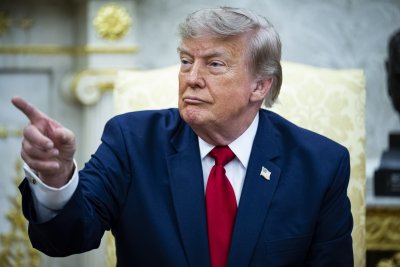
US President Donald Trump is shown Tuesday in the Oval Office of the White House in Washington, D.C. The United States military struck Iran for the fifth straight day Wednesday, with Trump saying Iran’s leaders “better behave.” Photo by Graeme Sloan/UPI | License Photo
July 15 (UPI) — The United States struck Iranian targets again Wednesday evening, marking the fifth straight day of strikes and the second wave that day, as President Donald Trump said Iran’s leaders “better behave.”
U.S. Central Command said in a social media post that the later strikes “are targeting Iranian military capabilities used to threaten vessels freely transiting through the Strait of Hormuz.”
“The U.S. military is holding Iran accountable at the Commander in Chief’s direction,” the post said.
The U.S. attacks followed early strikes on Greater Tunb Island in the Strait of Hormuz, a key site for Iran’s coastal defenses and missile storage, CNN reported. The United States military also said it fired on a ship that tried to violate its blockade of Iran’s ports and “redirected” two other commercial vessels.
Iranian media reported explosions in several areas, including Bandar Abbas and the city of Ahvaz. The state-run Islamic Republic of Iran Broadcasting said Shahid Baghaei Hospital, which is in Ahvaz and treats children with cancer, evacuated families after a U.S. projectile landed nearby, CNN reported.
Meanwhile, Iran said it struck U.S. military targets in Kuwait, Jordan and Bahrain. Iranian negotiator Bagher Ghalibaf told state media that Iran’s leaders had “no reason” to abide by any deal with the United States if the country did not benefit from it, but he left the door open for possible diplomacy. An Iranian Foreign Ministry spokesperson, however, said Iran has no plans for negotiations.
Trump said Wednesday that Iran’s leaders “better behave” as he spoke with reporters, one day after he threatened that the United States would strike bridges and power plants if Iran would not negotiate again.
“They want to settle so badly,” Trump said later Wednesday at a defense summit. “They don’t like what we’re doing. We’ll find out whether we want to settle with them or if we just finish it off.”
Footage shows firefighters extinguishing a massive fire after Russia launched a flurry of missile and drone strikes on Ukraine’s southern port city of Odesa early Wednesday morning. The strikes killed at least six people and wounded 20 others across the country, officials said.
The United States carried out attacks against Iran for a third consecutive night late on Monday.
Iran has continued to hit targets in the Gulf in several waves of retaliatory strikes on Tuesday, including UAE‑flagged oil tankers in the Strait of Hormuz and US military facilities in Bahrain and Kuwait.
Here is a recap of what has happened on Monday night and Tuesday, and what each side has said.
Where did the US attack Iran?
US Central Command, the military’s regional command known as CENTCOM, said its latest strikes began at 4:45pm ET (20:45 GMT) on Monday and were aimed at degrading Iran’s capacity to attack “innocent civilians and commercial shipping” in the strait.
CENTCOM later announced the conclusion of its strikes and said the latest round of attacks on Iran lasted five hours. It added that US forces “successfully struck military targets across Iran including Bushehr, Chah Bahar, Jask, Konarak, Abu Musa, and Bandar Abbas”.
Iranian state television and semi-official news agencies reported explosions throughout the night across the country’s southern coast, including the port city of Bandar Abbas, and on Kish and Qeshm islands, as well as the town of Jam in Bushehr province.
A projectile that struck western Bandar Abbas caused no casualties, the Fars news agency reported, citing the regional governor’s office.
What areas did Iran target?
For its part, Iran’s Islamic Revolutionary Guard Corps (IRGC) said it had launched a wider retaliatory campaign against US allies and interests across the Gulf.
Iran’s Tasnim news agency reported that Iranian forces had struck several “violating” vessels in the strait, and that a US-made drone had been shot down near Bandar Abbas.
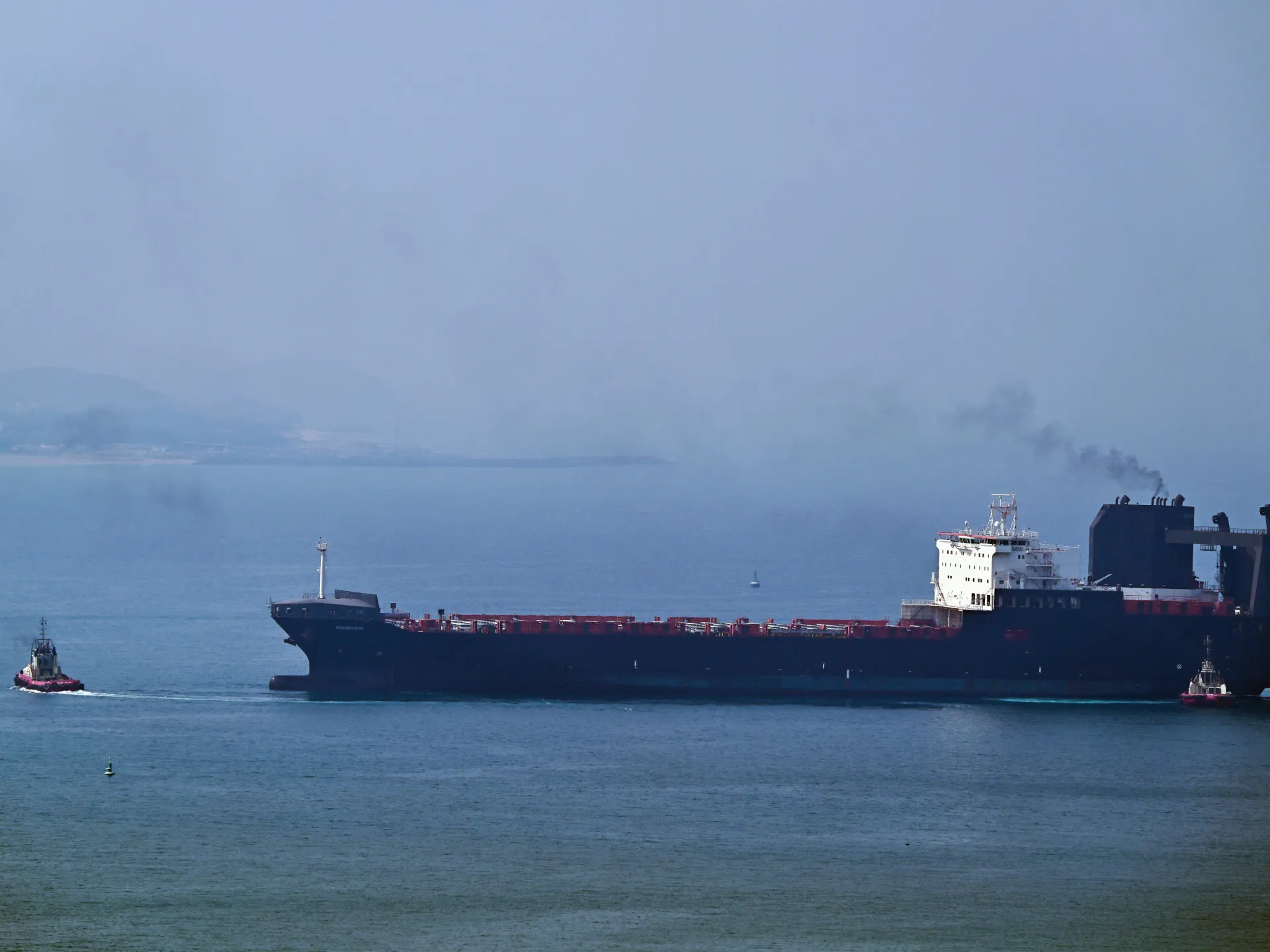
The UAE: The UAE said two of its oil tankers had been hit by Iranian cruise missiles in Omani waters in the Strait of Hormuz. The UAE added that one Indian national crew member had been killed on one of the tankers, and eight other people were wounded.
Iran’s Tasnim news agency said the IRGC hit two “offending” oil supertankers, citing an IRGC statement – apparently referring to the two UAE tankers.
Kuwait: The Iranian army said on Monday that it had carried out a drone attack on US military targets in Kuwait. In a statement posted by state broadcaster IRIB, the army said it launched drones at a US Patriot missile system, fuel tanks, a watchtower, an ammunition depot and communication systems.
Bahrain: The IRGC said it targeted “several weapons storage depots, a satellite communications centre, and a building housing US forces” at al-Juffair Base in Bahrain. It also said it had hit the US Fifth Fleet in Bahrain with missiles and drones.
Air sirens have been heard four times in Bahrain on Tuesday so far.
Jordan: Jordan’s army said it shot down four missiles in Jordanian airspace that were fired from Iran, according to the official Petra news agency. After this, the IRGC said it launched ballistic missiles at US forces and key facilities at an airbase in Jordan.
In a message addressed directly to Jordanians, the IRGC insisted that the operation was aimed at the US military presence in the country rather than at Jordan or its citizens. “You know that we hold no animosity toward your country. On the contrary, we deeply love you, the noble people. You understand the pain and suffering of the Palestinian people better than any other nation, and you are aware of the crimes of the Zionist regime in the massacre of 70,000 Palestinians, including 20,000 children in Gaza, carried out with the direct involvement of the United States,” it said.
What have the US and Iran said?
US President Donald Trump formally notified Congress on July 10 that fighting with Iran had resumed on July 7, invoking his authority to keep US forces in combat for another 60 days without lawmakers’ approval.
At a news conference on Monday, Trump said Iran’s offensive capabilities were being dismantled, but he still thinks a “deal is possible” despite the return to open fighting.
Trump also repeated an earlier demand that Gulf nations help cover the cost of protecting shipping, saying Washington was “protecting a very rich portion of the world” and expected to be paid for it.
On Monday, Trump also threatened to “take out” Kuh-e Kolang Gaz La, also known as Pickaxe Mountain, a suspected nuclear site near the Natanz uranium enrichment facility in central Iran.
Meanwhile, the US blockade on Iran, confirmed by the US Navy-led Joint Maritime Information Centre (JMIC), is due to begin at 20:00 GMT on Tuesday.
The US’s blockade covers Iran’s ports and terminals along the entire southern coastline, according to JMIC.
Ebrahim Azizi, the head of the Iranian Parliament’s National Security Committee, has warned that Iran remains steadfast in defending its red lines, following the formal introduction of a bill to manage the Strait of Hormuz.
In an X post on Tuesday, Azizi wrote: “Last night, coinciding with the downing of US drones, the ‘Strategic Action for the Security and Sustainable Progress of the Strait of Hormuz and the Persian Gulf’ bill was formally introduced in Iran’s Parliament. We remain steadfast in defending our red lines, particularly regarding the management of the Strait of Hormuz.”
What is happening to shipping in Hormuz?
Oil prices rose more than 9 percent on Monday, with Brent crude climbing to about $81 a barrel, its highest level since mid-June.
Kpler, the ship-tracking firm, said crossings through the strait fell by about 52 percent between July 10 and July 12, compared with the previous week.
Front-month gold futures plunged below $4,000/oz Monday after fresh strikes between the U.S. and Iran sent oil prices surging higher, reviving concerns about inflation and the potential for tighter monetary policy.
The latest escalation and President Trump’s declaration that the
Iran’s Islamic Revolutionary Guard Corps (IRGC) has targeted US military facilities in Bahrain, claimed it has destroyed radar systems in Oman and hit Jordan and Kuwait in its latest round of overnight retaliatory strikes against the United States.
Tehran’s attacks on Monday came as a response to Washington’s escalating strikes as prospects of peace between the two countries recede.
Here is a recap of the latest attacks:
Where were the latest Iran attacks?
Oman: The IRGC said it attacked Oman as part of its latest phase of retaliation. It said it targeted “the FPS long-range aerial radar and the vessel detection radar in Oman”, adding that these radar systems were destroyed.
Bahrain: The IRGC also said it launched missile and drone attacks targeting “installations and infrastructure of the aggressive US army” in Juffair, Bahrain.
Bahrain’s Ministry of Interior said on Monday that sirens had been sounded in the country as it warned people to remain calm and head to the nearest safe place.
The IRGC earlier said it targeted several facilities at the Sheikh Isa Air Base in Bahrain.
Jordan: Jordan’s military said on Monday that it intercepted and downed “four missiles that entered Jordanian airspace” and came from Iranian territory.
Earlier, the IRGC said it targeted Jordan’s Prince Hassan Air Base with missiles and drones and set fire to several fuel depots and ammunition storage facilities.
Kuwait: The IRGC said on Monday that it also targeted a US surface-to-surface missile base in Kuwait, “setting fire to two HIMARS missile launchers and missile-packed warehouses, completely destroying them”.
HIMARS stands for high mobility artillery rocket systems, which are mobile rocket launchers manufactured by the US.
Earlier, the General Staff of Kuwait’s Army said air defence systems were engaging “hostile aerial targets” inside the country’s airspace.
It said any explosions heard were the result of air defence systems intercepting the attacks and urged the public to follow safety and security instructions.
Where was Iran hit?
The US military’s Central Command (CENTCOM) earlier said it hit “dozens of targets at multiple locations with precision munitions to degrade Iran’s ability to continue attacking international shipping flowing through the Strait of Hormuz”.
These targets included “Iranian military air-defense systems, coastal radar sites, missile and drone capabilities, and small boats”, it said.
CENTCOM said it deployed “US fighter aircraft, naval vessels, one-way attack aerial drones, and one-way attack sea drones for the first time”.
Valiollah Hayati, the deputy governor for security and law enforcement in western Iran’s Khuzestan province, told the semiofficial ISNA news agency on Monday that US forces attacked at least eight locations across Khuzestan overnight.
Hayati also said one person was killed and four were injured when a projectile hit an agricultural water-pumping station in Mahshahr, according to the IRNA news agency.
Iran’s Tasnim News Agency reported on Monday that a US-manufactured LUCAS (low-cost uncrewed combat attack system) suicide drone was “accurately hit and shot down” in Bandar Abbas, a city on the Strait of Hormuz.
What has each side said?
The Iranian Ministry of Foreign Affairs released a statement on Monday condemning the US strikes on targets in Iran.
US President Donald Trump insisted that the Strait of Hormuz was open during an appearance on the NBC TV network’s Meet the Press programme on Sunday.
“They’re very, very evil and sick people. We had meetings with them. They agreed to a deal yesterday, a perfect deal for us. No nuclear, no this, no that, no nothing. They gave up everything. And then after that, they left the room. And then within an hour, they launched a drone at a ship,” Trump said.
When did the conflict reignite?
On July 6, the IRGC struck three commercial vessels, including a Qatari liquefied natural gas tanker, off Oman. Iran accused the ships of trying to pass through the Strait of Hormuz without its permission. Tehran’s interpretation of a key clause in the June memorandum of understanding (MoU) with the US gives it the authority to manage traffic through the waterway.
The following day, the US said it carried out strikes on Iranian military targets. Tehran in turn responded with missile and drone attacks on military bases across the Gulf where US forces are deployed.
On Wednesday, Trump told reporters the MoU was over, and on Saturday, the IRGC said the Strait of Hormuz was closed yet again.
How has this impacted the Strait of Hormuz and shipping?
The number of vessels transiting the Strait of Hormuz has fallen to its lowest level in five weeks, according to shipping data.
Six ships sailed through the strait on Sunday, according to data from the trade intelligence firm Kpler, including the Humanity and the Capetan Andreas, transporting 2 million barrels of Iranian oil and 500,000 barrels of Kuwaiti petroleum products, respectively.
Three empty tankers also entered the Gulf to load oil, according to the data.
The US has launched a new wave of strikes on Iran targeting what it says is Tehran’s ability to threaten shipping in the Strait of Hormuz. US President Donald Trump has declared the waterway open while Iran insists it is closed leading to a further escalation of attacks, as Heidi Zhou Castro reports from Washington DC.
Israel’s military has attacked several places across Gaza, with Palestinians filming flames and smoke rising over Gaza City as a nine-year-old girl was killed by Israeli gunfire in central Gaza.
Iran’s Revolutionary Guard Corps released a video of what they say were missiles launched by their naval forces in retaliation of US strikes. US-Iran tensions have been escalating in the Strait of Hormuz leading to its closure and exchange of strikes between US and Iran.
US Central Command says it carried out a third round of strikes against Iran this week, targeting about 140 military sites, including missile and drone sites.
The strikes followed an IRGC attack on the Cyprus-flagged M/V GFS Galaxy in the Strait of Hormuz, leaving one crew member missing and the ship disabled by a fire.
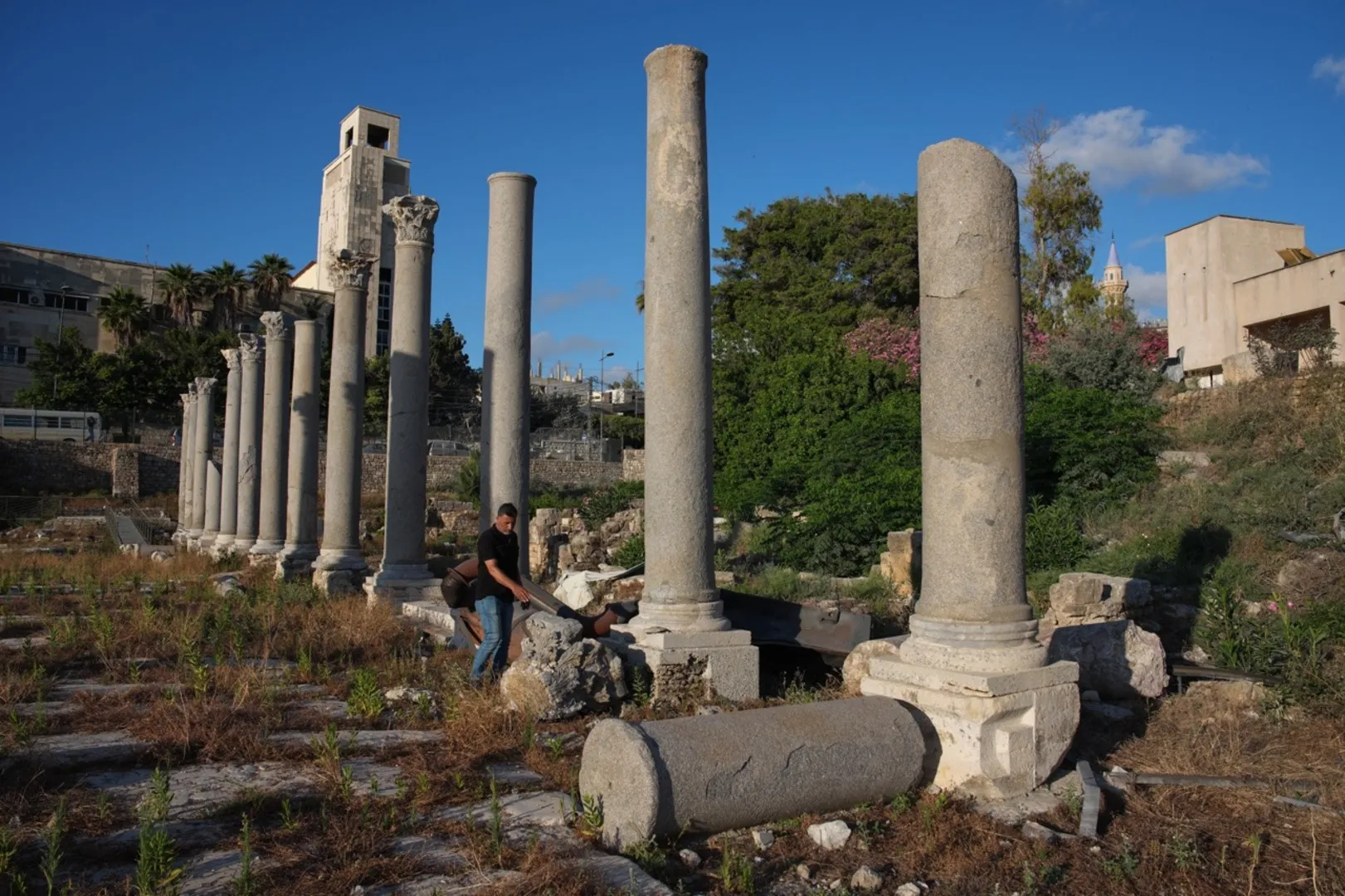
Israeli air strikes on southern Lebanon have caused catastrophic destruction and damaged historic landmarks, including the ancient city of Tyre, one of the world’s oldest continuously inhabited settlements. Rob McBride visited the UNESCO World Heritage site to see the impact first hand.
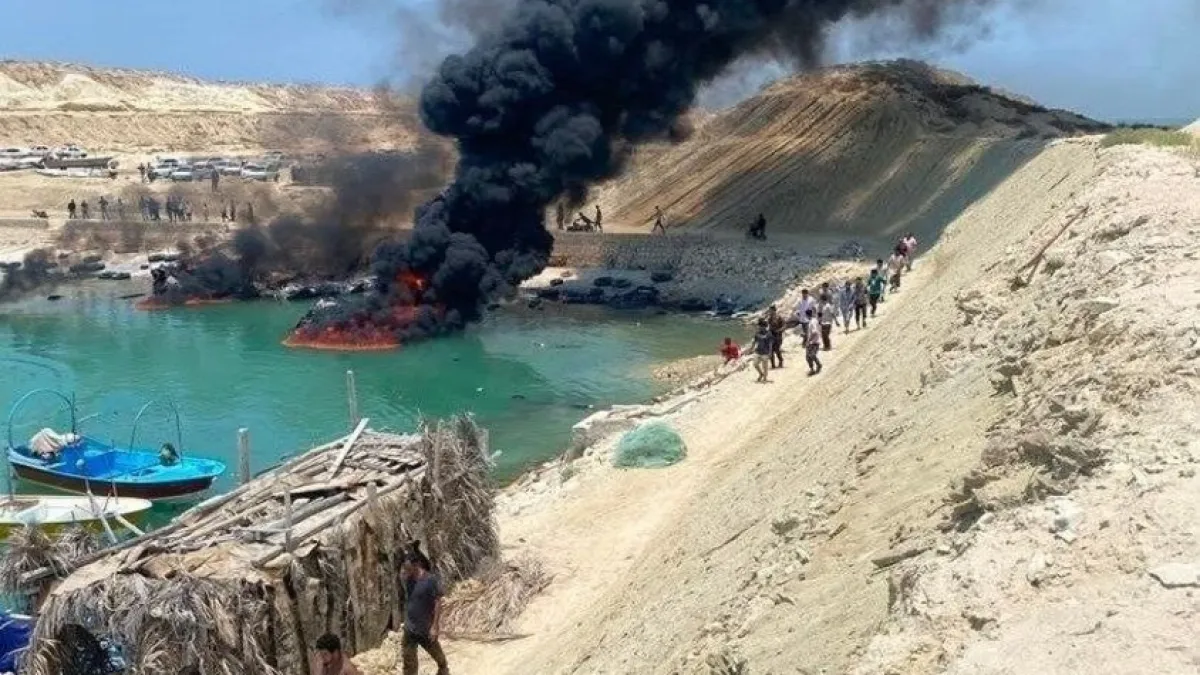
Iranian officials say US strikes across Bushehr province damaged civilian infrastructure, including areas near the Bushehr nuclear power plant, airports, logistical facilities and fishing wharfs where several fishing boats caught fire. The US says strikes were aimed at military targets.
Iran said on Thursday it had targeted U.S. military infrastructure across the Gulf in retaliation for fresh American strikes on Iranian territory, marking the latest escalation in a conflict that is increasingly testing a fragile ceasefire brokered just weeks ago.
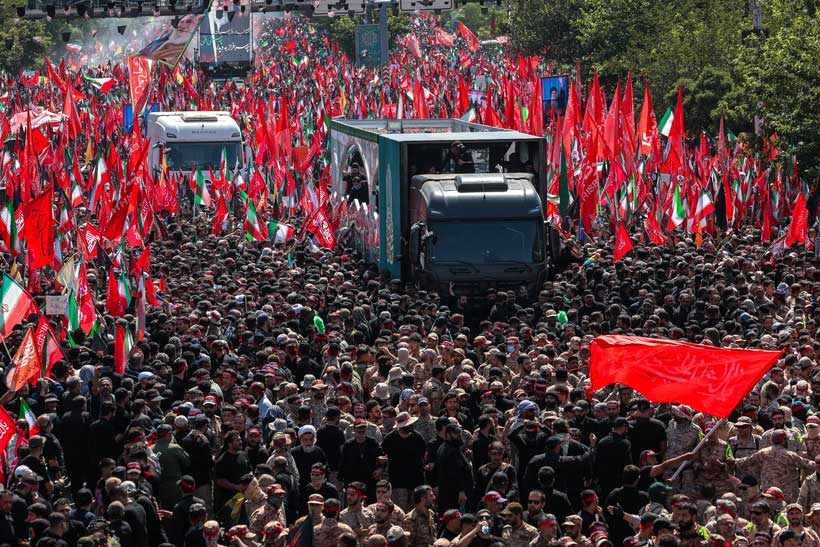
The renewed exchange of attacks came as Iran prepared to bury its late Supreme Leader Ayatollah Ali Khamenei at the holy city of Mashhad following a week of nationwide funeral processions.
Although oil prices eased after surging on fears of wider disruption, investors and governments remained focused on whether the latest violence represented a temporary escalation or the beginning of a broader collapse of efforts to end the conflict.
Iran retaliates after U.S. strikes
Iranian armed forces said they targeted U.S. military facilities in neighbouring Gulf states after American forces struck military infrastructure across Iran’s southern coast and eastern provinces.
Stay ahead of the geopolitical week.
MD Briefing delivers expert analysis across five global fronts — the Indo-Pacific, energy, geoeconomics, European security, and the Middle East — every Monday morning. Free.
According to Iranian officials quoted by state media, the latest U.S. attacks killed 14 people and wounded 78 others across five provinces on July 8 and 9.
The semi-official Fars news agency reported that one strike hit a railway bridge used for trade links with Russia and China.
Explosions were also reported on Thursday morning in Bushehr province, home to Iran’s only operational nuclear power plant, though authorities did not immediately provide details on the cause.
Gulf military installations targeted
Iran’s military said it launched drone and missile attacks against several U.S.-linked military facilities across the Gulf region.
According to Iranian state media, the targets included:
U.S. Patriot missile systems in Kuwait
An early-warning installation in Qatar
A U.S. military fuel storage facility in Bahrain
Kuwaiti authorities said their air defences intercepted a cruise missile, three ballistic missiles and ten drones. Officials reported one person was injured by falling debris.
Qatar, which hosts the largest U.S. military base in the Middle East, called for restraint and urged all sides to return to diplomatic negotiations.
During a phone call with Iranian Foreign Minister Abbas Araqchi, Qatari Prime Minister Sheikh Mohammed bin Abdulrahman al-Thani also condemned attacks on commercial shipping in the Strait of Hormuz.
Strait of Hormuz remains at the centre of tensions
The latest military confrontation follows attacks on commercial tankers in the Strait of Hormuz, one of the world’s most important energy shipping routes.
The U.S. military said Wednesday’s strikes were designed to protect international navigation after blaming Iran for attacks on three commercial vessels.
Although Tehran has not officially claimed responsibility for those attacks, analysts say Iran has increasingly used pressure around the Strait of Hormuz as leverage in negotiations with Washington.
Before the war began in late February, roughly one-fifth of global oil supplies passed through the narrow waterway.
Iran has since exercised significant control over maritime traffic in the strait, giving it considerable strategic influence over global energy markets.
The U.S. Central Command (CENTCOM) said American forces struck around 90 Iranian military targets.
According to CENTCOM, the operation targeted:
Air defence systems
Coastal surveillance infrastructure
Missile and drone storage facilities
Naval assets
Military logistics centres along Iran’s coastline
“The United States is holding Iran accountable for recent unjustified aggression against commercial shipping and civilian crews freely navigating a vital international waterway,” CENTCOM said.
President Donald Trump defended the operation on Wednesday, writing on Truth Social: “This is in retribution for yesterday’s bombing of ships by Iran. If it happens again, it will get much worse.”
Trump says ceasefire agreement is effectively over
While attending the NATO summit in Ankara, Trump said he believed the memorandum of understanding signed with Iran to halt the fighting had effectively collapsed.
Asked whether the agreement remained in force, Trump replied:”It’s a very interesting question. To me, I think it’s over. I don’t want to deal with them.”
He later added that even if another agreement were reached, he doubted Tehran would honour it.
Despite the renewed military exchanges, Trump said he did not expect the confrontation to develop into another prolonged war.
“Anything that happens is going to be over very quickly… and will only make it safer, including for oil,” he told reporters.
Iran vows continued retaliation
Iranian officials condemned the latest U.S. military operation as another breach of understandings reached after the ceasefire.
Parliament Speaker Mohammad Baqer Qalibaf warned Washington that future attacks would receive a military response.
“The U.S. has yet to learn that bullying and breaking its commitments no longer come without a cost,” he wrote on social media.
“The Strait of Hormuz will be reopened only under Iranian arrangements, not through U.S. threats.”
Oil markets remain on edge
Oil prices retreated on Thursday after jumping sharply a day earlier, as traders assessed whether the latest fighting would significantly disrupt Gulf energy exports.
Shipping also remains under close watch.
One of the vessels struck this week the Qatari LNG tanker Al Rekayyat remains stranded off Oman after suffering an engine-room fire following a projectile strike.
Industry sources said its liquefied natural gas cargo appears secure and that the immediate risk of explosion remains low.
Future outlook
The latest exchange of strikes has significantly weakened confidence in the U.S.-Iran ceasefire, even if neither side appears ready for a return to full-scale war.
Attention is now focused on whether further attacks occur around the Strait of Hormuz, where any prolonged disruption could quickly tighten global energy supplies and drive oil prices higher.
Diplomatic efforts led by Gulf states are likely to intensify, but Trump’s declaration that the interim agreement is “over” and Iran’s vow to continue retaliating have raised doubts over whether negotiations can still produce a lasting settlement.
The US military says it has struck 90 targets across Iran, hitting ports and infrastructure along the Strait of Hormuz. Iran says at least 14 people have been killed in two nights of attacks, and that it has responded with drone strikes on US-linked sites in the Gulf region.