spain

Foreign Office updates Spain travel with stark ‘wildfire’ alert for Brits

A 93-year-old British woman has died in hospital after suffering burns to about 20% of her body in the Spanish wildfires. Her death was confirmed on Sunday afternoon, bringing the total number of fatalities from the fires to 13.

A stark warning has been issued to Brits travelling to Spain as the country continues to battle ferocious wildfires.

A 93-year-old British woman has died following injuries sustained in the deadly wildfires that tore through southern Spain, authorities confirmed this morning. The Andalusian government revealed the woman was rushed to hospital on Friday after sustaining burns to roughly 20% of her body.

Her death was confirmed on Sunday afternoon, pushing the total death toll from the blazes to 13.

The UK’s Foreign, Commonwealth and Development Office (FCDO) has issued a travel alert regarding the fires in Los Gallardos, Almería, in Andalucía. It urges those in the area to:

  • follow instructions from local authorities and emergency services at all times
  • avoid travelling into or through the affected area
  • follow updates from the emergency services
  • for emergencies, call 112

Have you been impacted by the wildfires? Email webtravel@reachplc.com

The FCDO notes that anyone concerned about someone in the area can call +34 677 904 624 provided by the Psychological Intervention Group for Emergencies and Disasters. English speaking staff are available. Consular assistance can be found by calling +34 917 146 300 if you’re in Spain, and +44 (0)20 7008 5000 if you’re in the UK.

At least four victims in Andalusia are believed to be British, after four bodies were discovered in a burnt-out vehicle with its steering wheel on the right-hand side.

This comes after reports on Sunday that two British hikers were found alive but severely burnt. The man and woman, who remain unnamed, are believed to have suffered burns to 40% of their bodies, according to Spanish national broadcaster RTVE.

The pair was located by a Civil Guard team, who revealed they had already swept the area, but had a gut feeling they needed to return. Speaking to RTVE, the Civil Guard officers described finding the two British nationals alive just as darkness was closing in.

Sergeant Pedro Barre told the broadcaster: “That experience we accumulate over the years is what tells you: take another look, give it one last try, check again just in case.”

He explained that the team called out and blew whistles, before eventually detecting a noise they initially thought might be an echo.

Fellow rescuer Rafael Zea added that given the severity of the couple’s injuries, it must have taken a “Titanic effort” for them to raise their voices loud enough to be heard. Firefighters and emergency services helped rescue the pair after more than two hours trapped.

Both individuals are currently reported to be in a serious condition in hospital, though their lives are not thought to be at risk. Spanish authorities believe all the victims were foreign tourists, who are thought to have attempted to escape on foot after apparently abandoning their vehicles and trying to flee through rugged terrain.

Antonio Sanz, head of Andalusia’s emergency services, previously said that authorities had completed post-mortem examinations and DNA samples were collected to identify them.

Spain has been hit by frequent and severe heatwaves in recent years, with temperatures regularly soaring above 40C. In June, Spain endured several days of record-breaking heat, with more than 1,000 excess deaths attributed to the scorching conditions.

Dr Thomas Smith, Associate Professor in Environmental Geography, London School of Economics and Political Science, explained why Spain is suffering so intensely from the fires.

“The extreme wildfire behaviour we’re seeing in Spain is closely linked to the extreme heatwave weather conditions. Fire behaviour (how quickly a fire spreads and how intensely it burns) is heavily influenced by the weather. Research shows that key measures such as rate of spread and the size of flames increase exponentially as fire weather becomes more severe, meaning that relatively small increases in extreme fire weather can produce disproportionately more dangerous fires,” he said.

“When weather conditions reach record-breaking levels, we should expect the potential for record-breaking fire behaviour, particularly when strong winds are present to accelerate fire spread and make suppression much more difficult.

“Climate change is increasing the frequency and intensity of the extreme heat and fire weather conditions that create these dangerous environments. While individual fires are influenced by many factors, including ignition sources, vegetation, and land management, climate change is inextricably linked to the record-breaking weather that is driving the conditions for these extreme wildfires.”
Source link

FIFA World Cup: Which semifinal team has best chance to win the trophy? | Sport News

The football teams of forty-eight countries set out with a chance of winning the World Cup on June 11, and the hopes of just four nations remain alive.

The top four teams in the FIFA rankings, with eight previous titles between them, will lock horns on Tuesday and Wednesday to try to secure a place in what is set to be the grandest of showpiece occasions in sport: the World Cup Final at New York New Jersey Stadium on Sunday, July 19.

Recommended Stories

list of 4 itemsend of list

Al Jazeera ranks the contenders for the title:

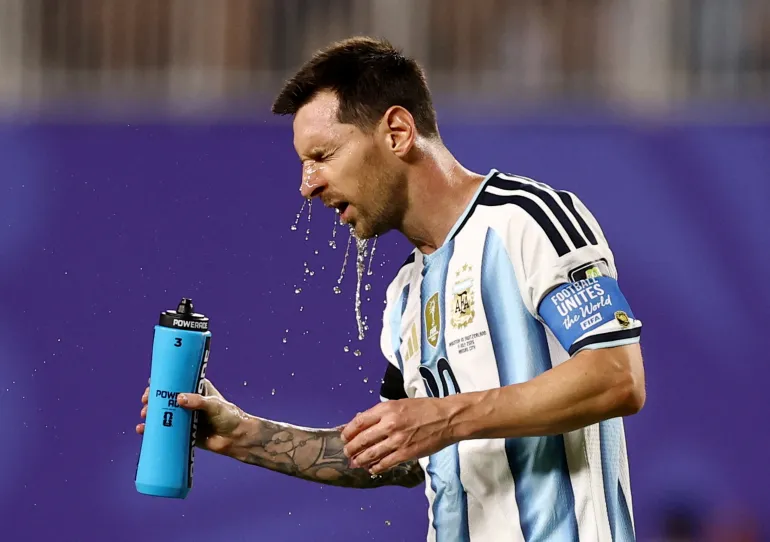
Argentina's Lionel Messi pours water on his face
Argentina’s Lionel Messi takes a break during the quarterfinal [Lee Smith/Reuters]

4. Argentina

What’s this? The defending champions as the outsiders?

Well, Algeria, Austria, Jordan, Cape Verde, Egypt and Switzerland must be one of the kindest ever paths to the business end of a World Cup, and La Albiceleste have not exactly been convincing along it.

They were made to sweat by Cape Verde and Egypt in the knockout stages before finding a way to prevail in dramatic circumstances, and the pattern was repeated against Switzerland in Kansas City on Saturday night, when they went almost 90 minutes without a shot on target following Alexis Mac Allister’s early opening goal.

Their ageing side eventually prevailed after 120 minutes in sweltering conditions. Had Switzerland kept 11 men on the field, things might have been very different, but, once again, in the end, the defending champions found a way to win when they were well below their best.

Surely they cannot get away with another performance like that against England? Well, England fans might well be saying the same about the Three Lions. Both Harry Kane and Lionel Messi fell well short of their best in the last-eight matchups too.

The outpouring of emotion from Messi at full-time in the comeback win over Egypt showed just how close the three-time winners came to being eliminated. In an already emotionally charged matchup with England, expect tempers to rise and tears to flow on either side come full-time.

If Argentina, and – in his first-ever appearance against the Three Lions – Messi, are able to rediscover their swagger and win, ousting their old foes from the tournament in the knockout stages for a third straight time, then the confidence and momentum they would take into the final would be huge.

However, nothing they have shown in the US this summer would suggest that is likely to happen.

And even if it did, whether it would be enough to give them the edge against European champions Spain, or a vengeful France side they vanquished on penalties in the epic final of Qatar 2022, is another matter entirely.

Soccer Football - FIFA World Cup 2026 - Quarter Final - Norway v England - Miami Stadium, Miami Gardens, Florida, U.S. - July 11, 2026 England's Jude Bellingham and Harry Kane celebrate after the match as England qualify for the semi finals of the World Cup REUTERS/Paul Childs
England’s Jude Bellingham and Harry Kane celebrate after beating Norway [Paul Childs/Reuters]

3. England

Have we seen the best of England in this tournament? Probably not. And yet, here they are, in the semifinals for just the fourth time ever.

The win over Norway was neither pretty nor convincing, and manager Thomas Tuchel admitted they were lucky to get through, thanks largely to Jude Bellingham putting the team on his shoulders at a couple of key moments once again. Could a midfielder really win the Golden Boot? He is only two behind Messi and Kylian Mbappe with six goals already.

Much to Tuchel’s frustration, bar a 20-minute purple patch in the second half of the 4-2 opening game win against Croatia, England have yet to dominate a team, and relied on counterattacking bursts to give them a 3-2 lead to defend in the epic round-of-16 victory over Mexico in the cauldron of the Azteca.

What they have shown is character, in abundance, and they will likely need plenty more of that if they are to end 60 years of longing for a second World Cup title.

The game against Argentina will be far more than 11 vs 11; the ghosts of football history will line up alongside both teams, and the hype and pressure are sure to be enormous.

A few possible positives for England will be that they have already made par for this tournament: Ranked fourth in the world, they have reached the last four. Anything else would be a bonus. Nobody really considers them a top-two team in the world, which might help to alleviate some of the burden of expectation.

After a trip to the altitude of Mexico City, and the oppressive heat and humidity of Miami, a return to the 22-Celsius (71.6F) climate-controlled confines of Atlanta, where England overcame DR Congo in the round of 32, will be welcome.

They also have no new suspensions to deal with, with Jarell Quansah left with one game of his two-match ban to serve; and there were minutes for Reece James against Norway. England will meanwhile be hoping Declan Rice recovers fully after a 45-minute cameo in which he was patently not fit following illness.

An ageing Argentina side have struggled against the pace, movement and trickery of Cape Verde, Egypt and Switzerland in the past three rounds, and Bukayo Saka, Anthony Gordon, and even Marcus Rashford will be even better placed to exploit that.

Beyond Messi, Argentina have not posed too many attacking questions themselves, though Julian Alvarez’s stunning strike against Switzerland might just be the start of his own World Cup.

All things considered, expect England to make it through to the final, but France would likely be a step too far, and even Spain would be a big ask, despite the additional motivation of revenge for their Euro 2024 final defeat.

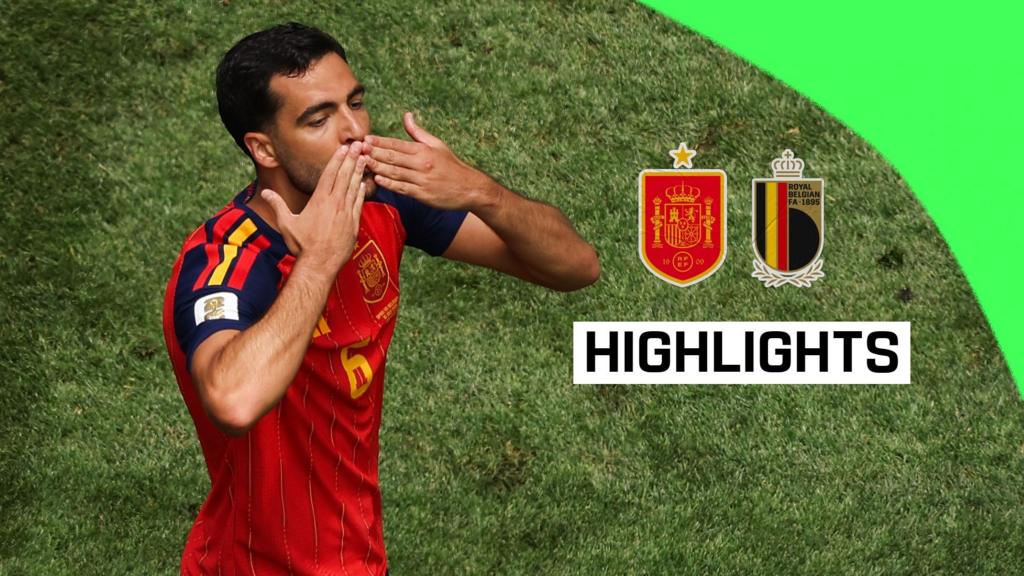
Spain's Mikel Merino celebrates after the match
Spain’s Mikel Merino celebrates the victory against Belgium [Jessie Alcheh/Reuters]

2. Spain

They are the third semifinalists yet to find top gear at this tournament, bar a one-sided display against Austria in the round of 32.

La Roja’s stoic defence might have been punctured for the first time this summer by Belgium in the last eight, but the 649 minutes that preceded that goal were the longest streak in World Cup history without conceding, and they have still allowed just seven shots on target in their six matches so far.

Though the goal contribution stats might not reflect it, Lamine Yamal has shown flashes of a return to top form after that season-ending hamstring injury in April, while La Roja’s carousel of tricky attackers has posed problems for defences in all six matches so far, and Mikel Merino has written himself into folklore with last-gasp winners against Portugal and Belgium.

Four-goal leading scorer Mikel Oyarzabal has gone off the boil in the past couple of games, however, and is unlikely to strike too much fear into the French backline.

While teenage defender Pau Cubarsi looks at home on the biggest stage of all, he is yet to face the kind of test that Kylian Mbappe, Michael Olise and Ousmane Dembele will pose.

If they make the final, Spain will be favourites to win it, and they have won the World Cup the only time they previously reached the last four, but despite having beaten France in their past two encounters, a third should be beyond them.

France's forward #10 Kylian Mbappe celebrates scoring his team's third goal with forward #07 Ousmane Dembele and forward #12 Bradley Barcola during the 2026 World Cup round of 32 football match between France and Sweden at the New York/New Jersey Stadium in East Rutherford on June 30, 2026. (Photo by MAURO PIMENTEL / AFP)
France’s forward line of Kylian Mbappe (bottom), Ousmane Dembele (top), Bradley Barcola (right), and Michael Olise (left) is considered the strongest at the tournament [Mauro Pimentel/AFP]

1. France

Before their last-eight matchup with Morocco, we asserted that France were the class of the field with a fearsome foursome in attack and a defence that, although it had not really been tested yet, had only allowed two goals in five matches.

Well, make that two in six, even if they still have not really been tested, such was the Atlas Lions’ toothless attack on the night in their 2-0 defeat.

Mbappe further enhanced his credentials for the Golden Boot and all-time World Cup scoring record with another quality goal against Morocco, and Olise, Dembele, Desire Doue and Bradley Barcola continue to threaten across the field in a way no other team on earth can.

Spain, and in particular their defence, will pose a different challenge, and the underworked French defence will likely get their own test this time, too, with the likes of Dani Olmo, Alex Baena, Ferran Torres and Fabian Ruiz getting into promising positions around Oyarzabal, and that’s not to mention super-sub Merino.

Whoever beats France will surely lift the World Cup, but none of the remaining teams can match the dynamism of Les Bleus’ forwards. Although Spain will likely be their hardest challenge, it is one you can expect Didier Deschamps’s men to overcome, not least fuelled by the additional motivation of having lost to La Roja in the Euro 2024 and Nations League semifinals over the past two years.

Source link

Are Messi, Mbappe, Yamal and Kane in the best World Cup semifinals yet? | World Cup 2026 News

The two finalists from Qatar 2022 could well be on course for a rerun as the FIFA World Cup 2026 draws to a close.

Lionel Messi led Argentina to glory four years ago against a France side that were defending the title they won at Russia 2018.

Recommended Stories

list of 4 itemsend of list

Argentina and France overcame Croatia and Morocco, respectively, in the semifinals, both surpassing expectations to reach that stage.

This time, however, both teams will face sides considered serious contenders for the title.

Al Jazeera takes a look at whether we are witnessing the best last-four lineup in World Cup history, and with it, potentially, the beautiful game’s greatest finale.

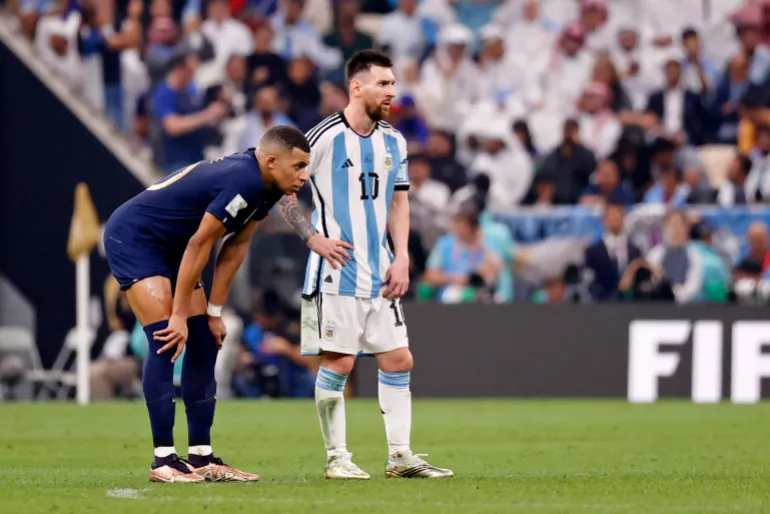
France forward Kylian Mbappe (10) stands next to Argentina forward Lionel Messi (10) before the start of extra time of the 2022 World Cup final
France forward Kylian Mbappe (left) stands next to Argentina forward Lionel Messi during the 2022 World Cup final [Yukihito Taguchi/Reuters]

The class of 2026 – France, Spain, England, Argentina

The lineup for the 2026 semifinals marks the first time since FIFA rankings began – in 1992 – that the current top four sides in the world have made it to this stage.

France currently hold the number one spot, and are led by one of the most feared strikers in the world, Kylian Mbappe, while also boasting the reigning Ballon d’Or winner, Ousmane Dembele.

Argentina are ranked second and led by a player in Lionel Messi who, after having helped his side become only the third to defend a World Cup, may well be acknowledged as the greatest of all time.

Spain are ranked third and boast La Liga starlet Lamine Yamal of Barcelona. The Spanish have reached the semis with a miserly defence, but the stage may now be set for Yamal to fully shake off the memory of the calf injury that forced him to miss the end of the domestic season and shine much as he did in helping the Spanish to the Euro 2024 title.

England are the lowest-ranked of the remaining teams but considered the second favourites to lift the title behind France. This is mainly based on the incredible talents of not only Harry Kane, but also Jude Bellingham, who some suggest may be regarded as the greatest player to emerge from England, should he continue to drag the side all the way.

There is also a feeling, though, that England’s wide players may now be allowed to come to the fore with the game set to open up against more attack-minded opponents.

FranceÕs Hugo Lloris lifts the trophy as they celebrate after winning the World Cup
France’s Hugo Lloris lifts the trophy as they celebrate winning the 2018 World Cup [Kai Pfaffenbach/Reuters]

Russia 2018 – France, Croatia, Belgium and England

France lifted their second World Cup when they beat final debutants Croatia to seal the crown. Croatia were the heavy underdogs, and they themselves beat an England side seen as surprise semifinalists.

Belgium enjoyed a long run as the number one side in the world through the period, although their star-studded squad failed to fulfil their potential at major tournaments.

Brazil 2014 – Germany, Argentina, Brazil and Netherlands

The Germans claimed their fourth title in South America after stunning the tournament hosts, Brazil, with a 7-1 demolition in their last-four clash.

Lionel Messi was named player of the tournament, but could do little to inspire insipid matches against the Netherlands and Germany. Both matches went to extra time: Argentina sealed a 1-0 win in the semifinal before losing on penalties after a 0-0 draw against the Germans in the final.

Germany’s Manuel Neuer was named the goalkeeper of the tournament, which perhaps said it all about the German efficiency that year, which saw the semifinal mauling regarded as more of a blip than the result of free-flowing football. Much of the headline-grabbing scoreline was down to Brazil’s underwhelming squad.

Referee Horacio Elizondo, right, of Argentina shows France's Zinedine Zidane a red card during their World Cup 2006 final
Referee Horacio Elizondo, right, of Argentina shows France’s Zinedine Zidane a red card during their World Cup 2006 final [Jerry Lampen/Reuters]

Germany 2006 – Italy, France, Netherlands and Portugal

The final was marred by Zinedine Zidane’s head-butt that resulted in the red card that would end his playing career, but overall, it was two sides in decline following golden generations, and ended with Italy claiming their fourth title after penalties.

A young Ronaldo was to be spotted for the first time at the global showpiece, but better days were to come for Portugal, while Germany were heavily reliant on Bastian Schweinsteiger and Miroslav Klose in an otherwise average side.

England's Paul Gascoigne is tackled
England’s Paul Gascoigne is tackled during a match against Egypt at the 1990 World Cup [Reuters]

Italy 1990 – West Germany, Argentina, Italy and England

The football was bleak, but the names were legendary. Regarded as one of the poorest World Cups of modern times, the football was conservative, and the day-and-age of lumping anyone with any skill still reigned over the game.

Germany were led and marshalled by Lothar Matthaus, while Jurgen Klinsmann and Rudi Voller were the dead-eye duo in attack that seemed to find a way to the end of every cross and through ball. The pair were enough to see off one of England’s finest generations – with Paul Gascoigne and Gary Lineker the standouts – in the semifinals, and Diego Maradona and the defending champions Argentina in the final.

Italy’s Salvatore Schillaci etched his name into World Cup folklore as an iconic player when he stole the show from some of the bigger and more glamorous players to seal the Golden Boot with six goals.

The football was brutal throughout, and the most romantic part of the tournament was the wonder of the Italian cities and their history, as well as the tournament’s theme tune: Nessun Dorma, sung by Luciano Pavarotti. If only the football had hit the same notes.

Diego Maradona scores for Argentina against England
Diego Maradona scores for Argentina against England in the 1986 quarterfinals [Juha Tamminen/Reuters]

Mexico 1986 – Argentina, West Germany, France and Belgium

Argentina and, in particular, Diego Maradona lit up the finals. Mainly due to Maradona’s brilliant second goal in his side’s 3-2 win against England in the quarterfinals, which also saw him net the infamous “Hand of God” goal as the diminutive forward challenged English keeper Peter Shilton for a ball in the air.

It was otherwise mostly blood and thunder at the tournament, and neither West Germany, France, nor Belgium particularly illuminated, but it was a worthy mention for Maradona’s emergence. His five goals were only pipped for the Golden Boot by Lineker’s six strikes.

West German President Walter Scheel, third from right, and Prince Bernhard of the Netherlands, right partially covered by an unidentified official, welcome the members of the Dutch and West German national soccer team prior to their Football World Cup Final
German captain Franz Beckenbauer, third from left; and behind him, Dutch captain Johan Cruyff, the team’s out for the 1974 final [Peter Hillebrecht/AP]

West Germany 1974 – West Germany, Netherlands, Brazil and Poland

The world was introduced to “Total Football” at the 1974 edition, with Johan Cruyff setting the tone for the sharp passing and movement of the Dutch. It was not enough to topple the hosts, however, who claimed their second crown.

Brazil, meanwhile, were beginning their decline, which would last nearly 20 years, following the retirement of Pele at the previous edition.

Brazil's Pele is hoisted on the shoulders of his teammates after Brazil won the World Cup final against Italy
Brazil’s Pele is hoisted on the shoulders of his teammates after Brazil won the 1970 World Cup final against Italy [AP]

Mexico 1970 – Brazil, Italy, West Germany and Uruguay

The world got its first glimpse at a new way of playing football: the Brazilian way. Pele debuted at the 1958 edition and was the solitary target of the boot boys – the players that spent the whole match kicking opponents as high as they could – until the 1970 edition, when he was joined by the first great international side of superstars.

England had the timeless talent of Bobby Charlton when they won it in 1966, but it was overwhelmingly a tournament of bullies. Indeed, Pele was given the full treatment by England in the quarterfinals, where the Brazilians’ attempt at a third straight title ended.

In 1970, however, it was nearly impossible to get near the pace and play of the Brazilians, as well as the power.

They were well ahead of their time and remain one of the greatest to grace the game. They were also furlongs ahead of any opposition.

The verdict: Is the class of 2026 the best semifinal lineup in World Cup history?

It is very hard to see past the array of talent on display across all four of the sides; so much so that Messi and the defending champions are now seen as the outsiders in this stage.

The answer will truly lie in the football, and the teams that have had to endure not only the rise of the professional and tactical standard across the globe, but also the emergence of so many new nations that will hope to hold their own for years to come.

DR Congo and Cape Verde delighted, and have given the world a taste of things to come, especially with a 64-team tournament mooted for the 2030 edition.

For now, however, all eyes are on four nations, who could produce the global game’s most beautiful moment.

Source link

Yamal does not mind lack of goals if Spain win World Cup 2026 | World Cup 2026

Spanish star has scored just one goal in the World Cup, where he’s been sharing celebrations with his little brother.

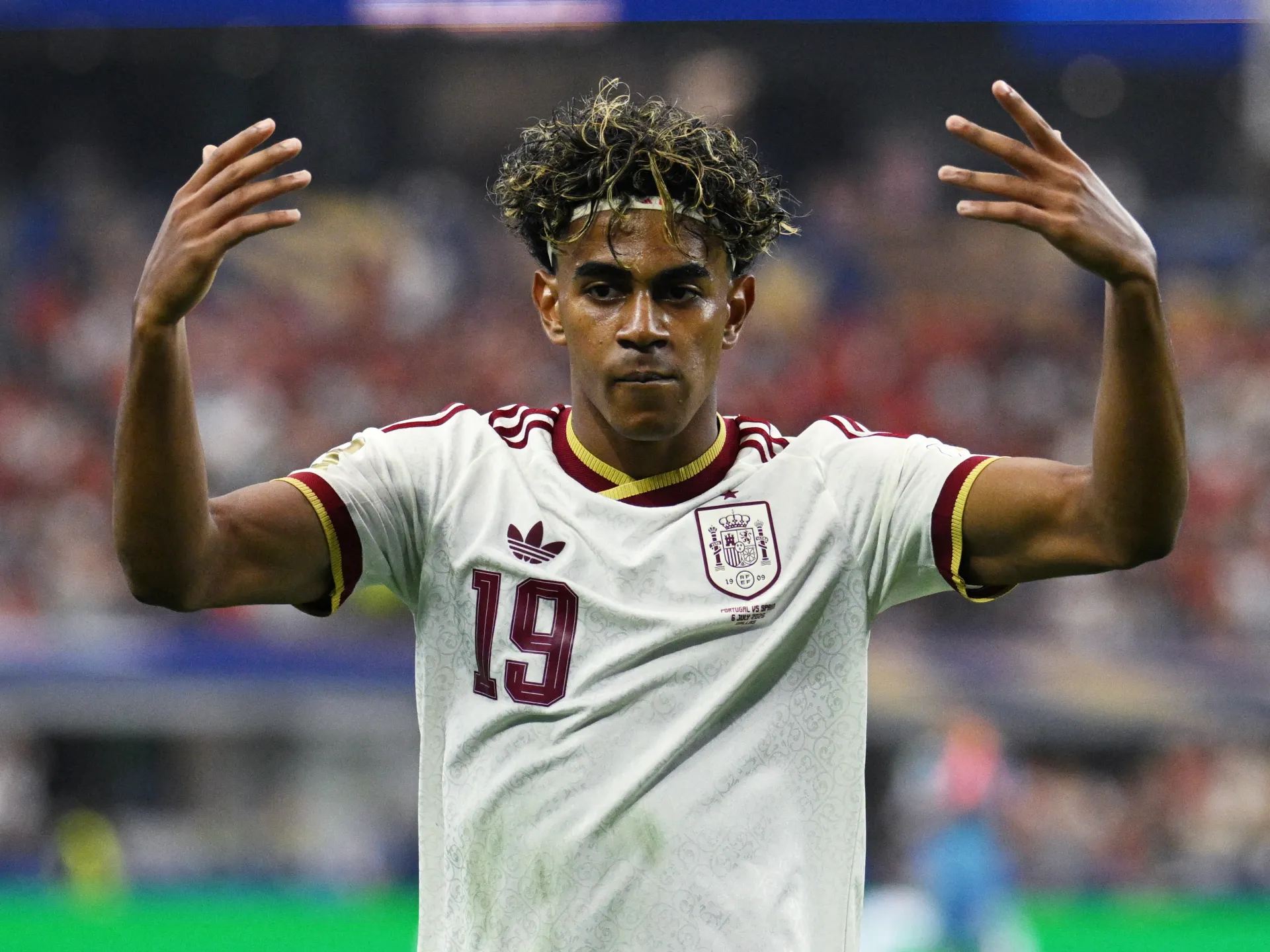
Despite not scoring a goal in Spain’s quarterfinal win over Belgium, Lamine Yamal was named the player of the match for his contributions and capped off the win by sharing a touching moment with his little brother during the post-match celebrations in Los Angeles.

Yamal, who has not scored since Spain’s group-stage win over Saudi Arabia on June 21, said after the match on Friday that nobody will care about his lack of goals if Spain win the World Cup.

Recommended Stories

list of 4 itemsend of list

At a tournament where stars like Lionel Messi, Kylian Mbappe, Erling Haaland and Harry Kane have been prolific, 18-year-old Yamal has just one goal to date, in a routine 4-0 group drubbing of Saudi Arabia. He failed to find the net once again as Spain booked their place in the World Cup semifinals for the second time.

“Obviously I want to score, but I don’t go onto the pitch thinking about that. I do it thinking about helping the team,” said Yamal.

“If we win the World Cup, no one will remember whether I scored goals … The important thing is winning,” said the Barcelona star, after the victory in Los Angeles set up a semifinal clash with France.

“I know I can contribute even if I don’t score. I know my movements draw in many opponents, so I do everything I can to help the team,” he said.

Despite the lack of goals, Yamal has performed consistently for La Roja and has also broken records along the way.

On Friday, he made his sixth FIFA World Cup appearance, the outright most by a player aged 18 or younger in the competition.

Breakout star

Two years ago, then aged 16, Yamal was the breakout star of the Spanish team that won the European Championships in Germany.

He only scored once during that victorious campaign – a stunning strike in a 2-1 semifinal win against France.

“There’s an idea that I should be scoring more, like at the Euros, but we won the Euros with me scoring just one goal. And I have one goal here too, so I’m relaxed about it,” he said, with a smile.

But Spain will be hoping Yamal, who turns 19 the day before the semifinal, can bag further goals if his side is to see off the free-scoring tournament favourites France.

“There are two possibilities – either they reach three consecutive World Cup finals, or we beat them three times in a row. We’ll see what happens,” said Yamal.

“We aren’t afraid at all.”

Yamal shares endearing moment with brother Keyne

Amid Spain’s post-match celebrations, Yamal and his half-brother Keyne were caught in a sweet moment when the younger sibling was shown on the big screen.

The three-year-old was screaming and stuck his tongue out when the camera panned on him. Keyne then blew a kiss at his brother, making the teen Spanish star laugh and wave at him.

Keyne, who often accompanies Yamal to award shows and other public events, has been a fan favourite for the crowds at the World Cup.

He has been picked up by the cameras on multiple occasions, drawing a chuckle from his older brother and cheers from the crowd around him.

INGLEWOOD, CALIFORNIA - JULY 10: Keyne, the little brother of Lamine Yamal #19 of Spain, is seen on the screen during the FIFA World Cup 2026 Quarter Final match between Spain and Belgium at Los Angeles Stadium on July 10, 2026 in Inglewood, California. David Ramos/Getty Images/AFP (Photo by David Ramos / GETTY IMAGES NORTH AMERICA / Getty Images via AFP)
Kenye, younger brother of Yamal, is seen on the screen at the quarterfinal in Los Angeles [David Ramos/Getty Images via AFP]

Source link

World Cup 2026: Belgium lose to Spain and exit World Cup

The Belgian side that beat Algeria 2-1 in their opening group stage game of the 2014 World Cup read like an all-star fantasy team of players in their prime.

Courtois, De Bruyne, Witsel and Lukaku all started, as did Eden Hazard, Mousa Dembele and Vincent Kompany, with Dries Mertens and Marouane Fellaini coming off the bench.

Belgium topped their group in their first World Cup since 2002 and reached the quarter-finals, before going one better and reaching the final four in 2018 and winning the third-place play-off.

The same group of players reached the quarter-finals of both Euro 2016 and 2020, before crashing out of the group stages of the 2022 World Cup in Qatar.

Critics say such a talented group should have achieved more, but for a nation of less than 12 million people, was international success ever a realistic aim?

“To be a golden generation you have to win some gold and then you can be called that,” said Spanish football journalist Guillem Balague.

“It’s put the expectations very high in Belgium and it’s interesting that people look back at that group of players because with Lukaku, De Bruyne, Tielemans, Trossard they have actually had a good run.

“They were third in the last World Cup and that seems to have been forgotten with Roberto Martinez as their manager. I’m not sure how much more you could ask for.

“In the context of other teams like an England side that had the golden age, with an Italy that have had such experience and managed to get a wonderful Euros, with Spain on the up as well, to demand Belgium to win is a maybe a little bit too much.”

Along with those celebrated names, Leandro Trossard (31), Brandon Mechele (33), Timothy Castagne (33), Hans Vanaken (33), and Thomas Meunier (34) have likely played their last World Cup minutes.

“I’m disappointed for those that maybe might not come back with the national team,” manager Rudi Garcia said after the match.

“I took a team that I wanted to take as far as possible. My veteran players, who are maybe on their way out, that they could have one last hurrah.

“It is a shame because I think everyone deserves to go far in this World Cup.”

Source link

World Cup 2026: Mikel Merino the unlikely hero again as Spain wait for Lamine Yamal show

“Mikel is incredible,” Spain boss Luis de la Fuente said after the quarter-final win.

“He has many qualities. He is a player that across the whole World Cup could have played in whatever team and done great.

“For us he is the standard of this idea, of this model. It is a pleasure to have him, and others but especially him. We know that without fail he is always there.”

Always there he may be, but Merino himself feared he would not be fit enough to play at this World Cup.

“The fact of being here a few months ago was unthinkable,” Merino said after the Portugal win.

“Now I am, as I said before, at the highest point, enjoying one of the happiest moments of my career.

“Now I remember all those bad moments, all the people who have supported me, all the people who have pushed me when even I sometimes found it difficult to believe I could be here.”

Merino’s heroics will be a familiar sight for Arsenal fans, with the 30-year-old having done similar at the Gunners.

Traditionally a midfielder, his height has seen him utilised as a striker by Arsenal boss Mikel Arteta, and the first time he was used in such a role was when he memorably came off the bench to score twice against Leicester in a 2-0 win in February last year.

“Merino is just one of those players who arrives at the right time, at the right moment in big games,” former England striker Wayne Rooney said on Match of the Day.

De la Fuente added: “He can be the best striker and the best midfielder because of his understanding of the game. He interprets the game perfectly.

“He is committed, he is generous, he is happy to do the work.”

Source link

World Cup 2026: Spain defeats Belgium, will face France in semifinals

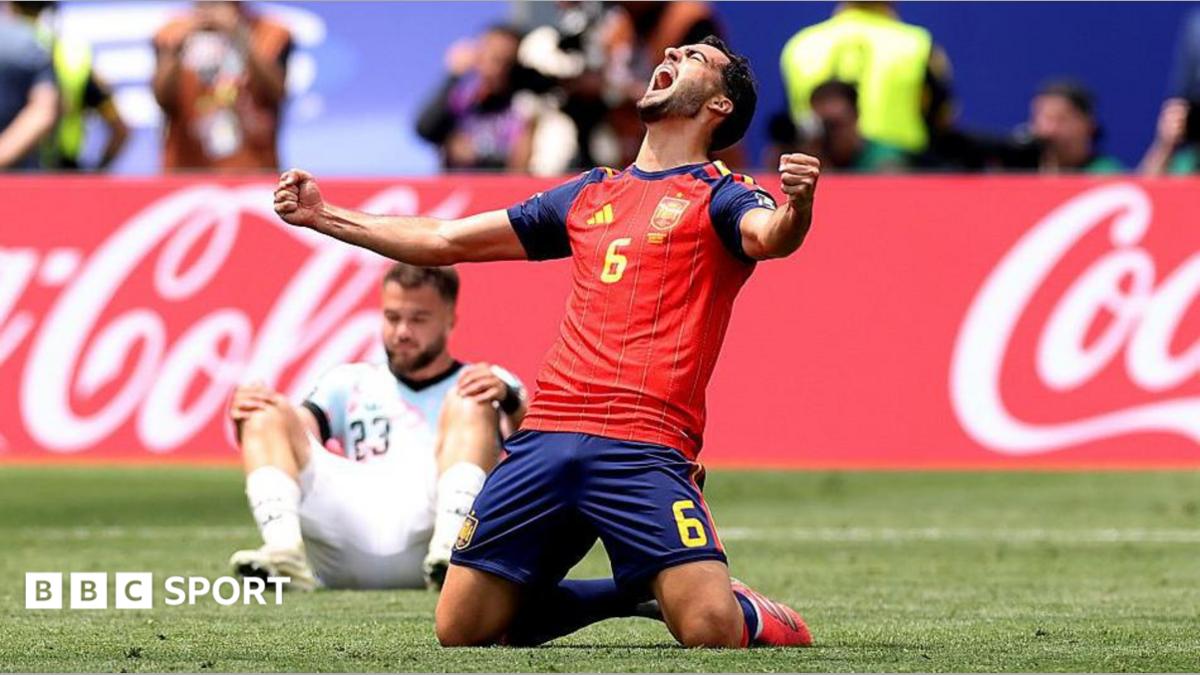
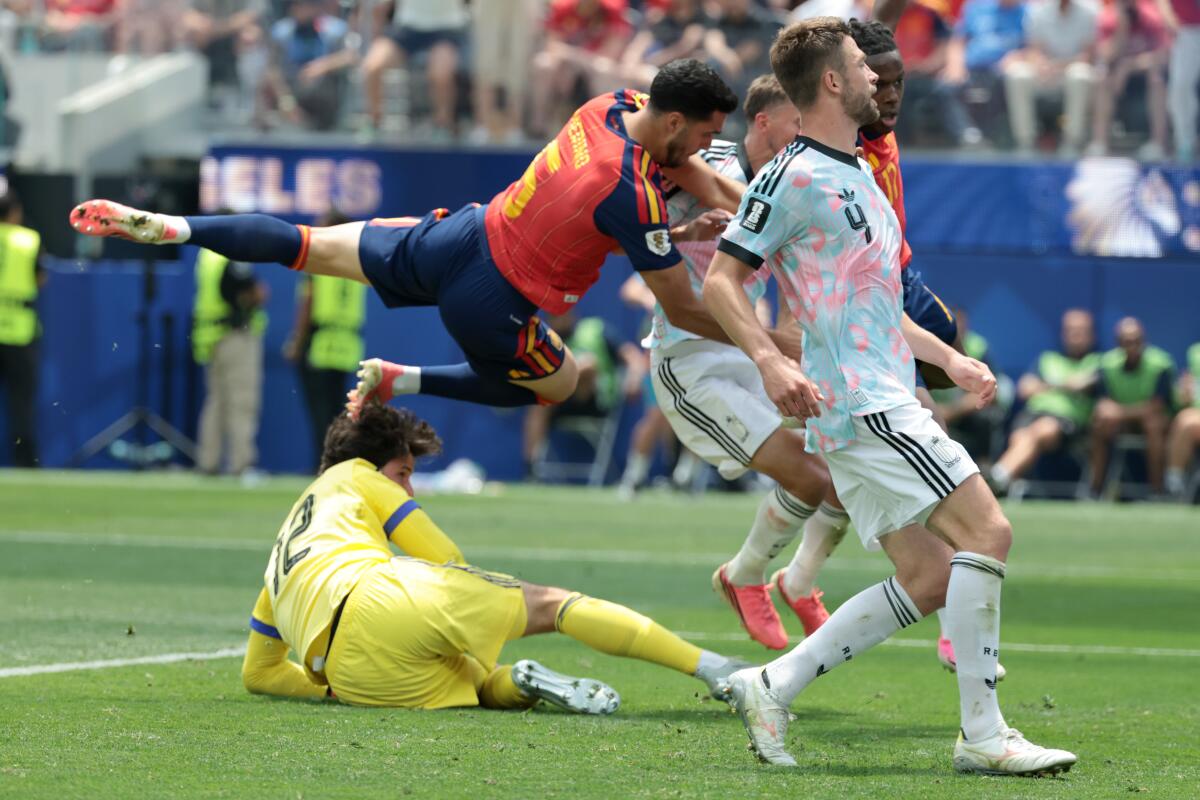
Belgium became the first team to beat Spanish goalie Unai Simón on Friday. But they couldn’t beat his team, with second-half substitute Mikel Merino scoring in the 88th minute to lift Spain to a 2-1 victory in a World Cup quarterfinal before a sold-out crowd at SoFi Stadium.

The win, which extended Spain’s unbeaten streak to 36 games, sends the team on to Tuesday’s semifinal with France in Arlington, Texas. For Belgium, its first loss in 19 games ended its tournament.

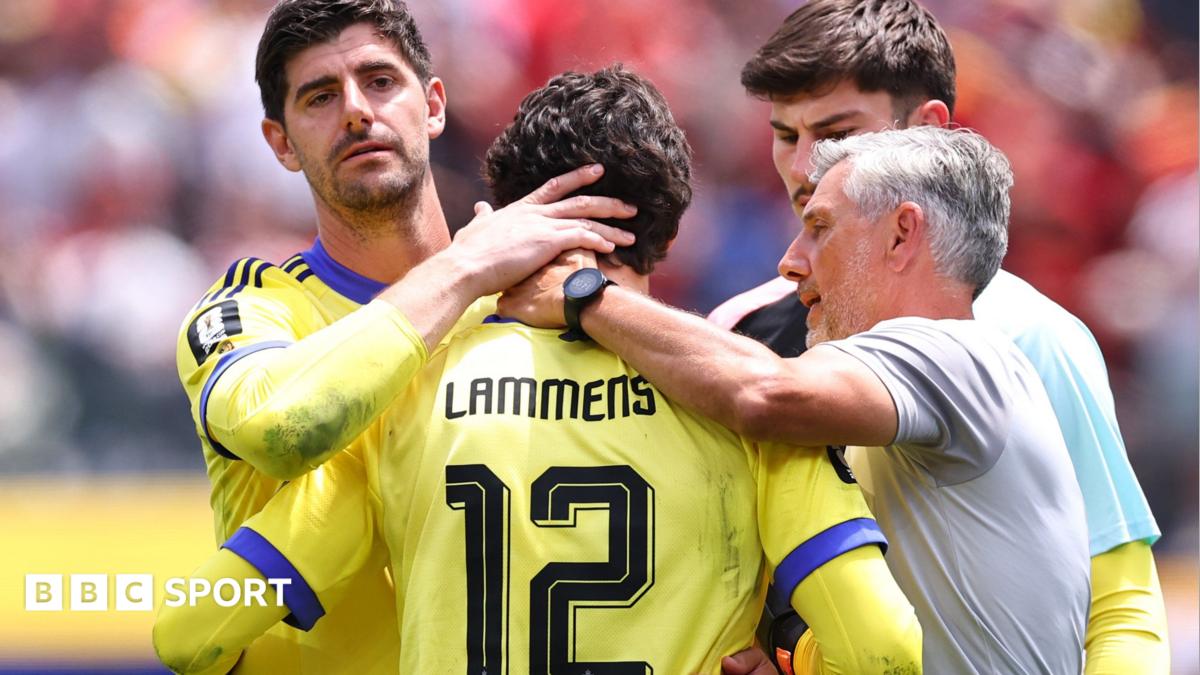
The turning point came not on the pitch but on the Belgium bench, where coach Luis de la Fuente sent backup goalkeeper Senne Lammens on for an injured Thibaut Courtois in the 71st minute.

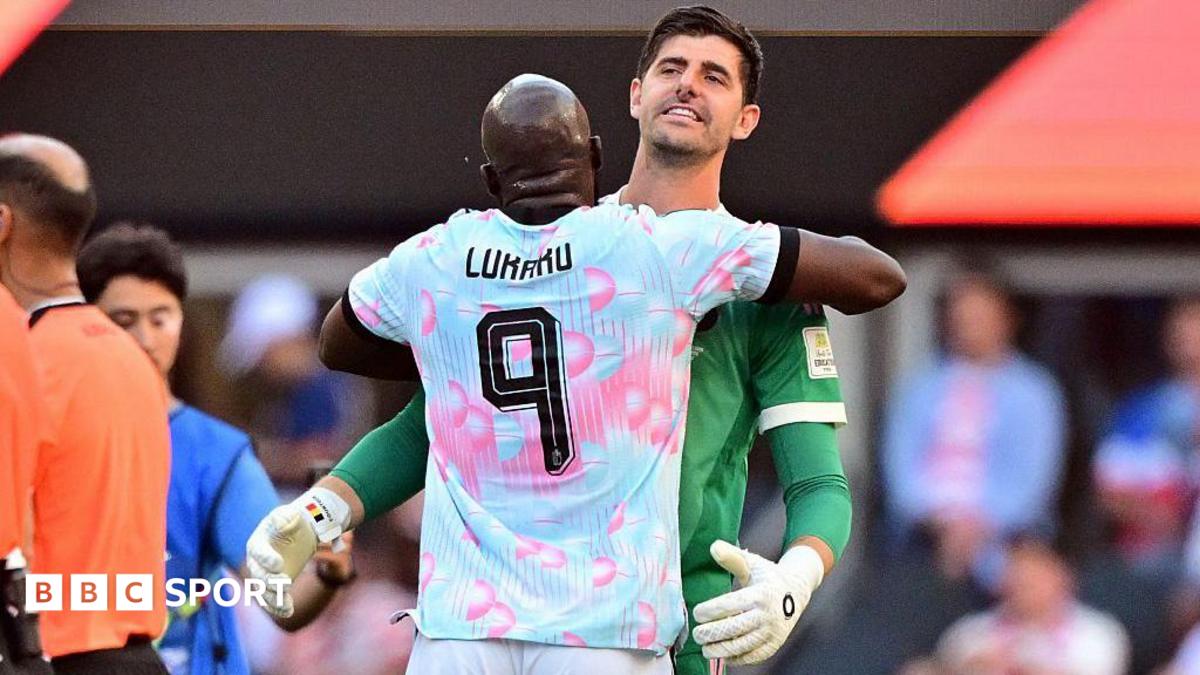
The dropoff in talent wasn’t great — Lammens started 32 times for Manchester United this season — but the difference in experience was. Courtois was playing in his 21st World Cup game, second-most all time, and had been brilliant up to then against Spain, making four saves.

But just before the second-half hydration break, he dropped to the turf with a thigh injury that required attention from trainers. He tried to continue, but moments later De la Fuente made the change, with Courtois walking to the bench in tears.

Lammens stopped the first shot he faced, a low shot from close range by Pau Cubarsí in the 88th minute, but he pushed the rebound right at Merino, who had come on less than two minutes earlier. His tap-in was his second winning goal in as many games for Spain.

The goal overcame a score from Belgium’s Charles De Keterlaere, who became the first player to score on Spain in this World Cup when he beat Simón with a spectacular goal late in the first half.

Spain midfielder Mikel Merino scores off a header in front of Belgium goalkeeper Senne Lammens.

Spain midfielder Mikel Merino scores off a header in front of Belgium goalkeeper Senne Lammens during the second half of Spain’s 2-1 quarterfinal win in the World Cup quarterfinals Friday at SoFi Stadium.

(Robert Gauthier / Los Angeles Times)

Not only has Spain given up the fewest goals in this tournament, it has given up the fewest shots as well. Before De Keterlaere, no one had come close to scoring against Simón since the final group-play game — of the last World Cup.

But if La Roja, ranked third in the world by FIFA, had been an immovable object in this World Cup, Belgium had been an unstoppable force, scoring 12 times in its previous three games. Entering the quarterfinals, only France and Argentina had scored more often.

And no team had taken more shots than Belgium’s 107.

Spain struck first Friday, with Fabián Ruiz giving Simón a 1-0 lead with his first goal of the tournament in the 30th minute. The sequence started with Pedro Porro sending a cross into the box for Dani Olmo, whose shot was parried away by Courtois. But Ruiz pounced on the rebound and deflected a shot past defender Timothy Castagne and into the back of the net.

De Keterlaere matched that 11 minutes later, shielding Cubarsí with his body and one-hopping a Castagne cross past a flat-footed Simón for his third goal in two games, one Courtois reacted to by charging out of the his penalty area toward the Belgian bench, waving his gloved fists in celebration.

Spain, the reigning European champion, last advanced beyond the round of 16 at the World Cup in 2010, when it allowed just two goals en route to its only title. Belgium, ranked eighth in the world, was playing in the quarterfinals for the third time in four World Cups.

Source link

World Cup 2026: How Belgium’s golden generation have evolved with Spain next in their sights

Of the four survivors from 2014 and 2018, 34-year-old Courtois has played every minute of this tournament, but De Bruyne, Lukaku and Witsel have featured far less regularly.

Central midfielder Witsel, 37, who left relegated Girona at the end of the La Liga season, was brought on for a single minute at the end of the win over the USA.

At 33, Lukaku has scored an impressive three goals but has done so by playing fewer than 50% of minutes, often coming on as a substitute and taking advantage of a tired defence reeling from the strong pressing of 25-year-old Atalanta forward Charles De Ketelaere.

And De Bruyne, now 35, was injured during the Senegal game – before his departure Belgium had won one out of three matches, but since then they have won twice and scored seven goals in roughly 130 minutes of play.

Full-back Thomas Meunier also played in the 2018 tournament, but not 2014, and his minutes played have decreased as the tournament has gone on.

None of that is to say the more senior players are not contributing – Courtois remains one of the world’s best goalkeepers, Lukaku’s goals have been crucial, and De Bruyne’s performances were among the team’s best before his unfortunate injury.

But their role in the squad is changing, with a greater reliance on them making the difference in key moments rather than taking responsibility for the overall quality of the team’s performances.

So far at least, Garcia and Belgium appear to handling the transition better than many teams do when their stars begin to fade.

Source link

At least 11 people killed, 8 hurt in ‘devastating’ wildfire in Spain

A fire-fighting helicopter battles a deadly wildfire early Friday near Los Gallardos in Spain’s southern Almeria region. Photo by Carlos Barba/EPA

July 10 (UPI) — A huge wildfire raging in southern Spain killed at least 11 people with another 19 unaccounted for, authorities said Friday as more than 700 firefighters and troops, nearly 200 firetrucks and 16 aircraft battled the flames.

The Andalusian government said in a post on X that all indications pointed to the main blaze, which had already burned through more than 3,000 acres near Los Gallardos in Almeria province, being sparked by a fallen power pole before spreading to woods nearby.

Warning casualty numbers could increase substantially, Andalusian President Juanma Moreno said eight people were injured, four of them seriously.

“I’m on my way to Almeria. The consequences of Los Gallardos are devastating. Right now, all efforts are focused on controlling the fire and preventing further loss of human life,” he said in an update online.

The fatalities occurred in and around Bedar village, just northwest of Los Gallardos, with Andalusia’s health minister saying he believed four of those killed whose bodies were found in a car were likely Britons.

Health and Emergencies Minister Antonio Sanz said he had reason to believe they were British because the vehicle was right-hand drive whereas European cars are all left-hand drive — with the exception of Ireland, Cyprus and Malta.

The Spanish armed forces’ Military Emergencies Unit said in a post on X that it had 220 soldiers and 70 fire vehicles on the scene “attacking the frontline of the wildfire head-on to contain its advance.”

The provincial government said around 600 area residents remained evacuated.

More than 200 miles away in western Malaga Province, 1,000 people were evacuated from two residential complexes in the mountain village of Benahavis as a precautionary measure due to an “urban wildfire” that broke out on Thursday afternoon, the government said in a statement.

Authorities said more than 230 firefighters and other emergency personnel and 10 firetrucks were continuing to work to bring the fire under control and that the region’s Wildfire Prevention and Suppression Plan had been activated.

Residents forced to leave their homes were accommodated in a sports center, by the Red Cross and with family and friends or in local hotels.

Weeks of unseasonably hot weather across western and southern Europe, including three heatwaves with temperatures topping 40 degrees Celsius, has triggered a series of wildfires that have burnt at least 49,000 acres across Spain, Portugal, Greece and France.

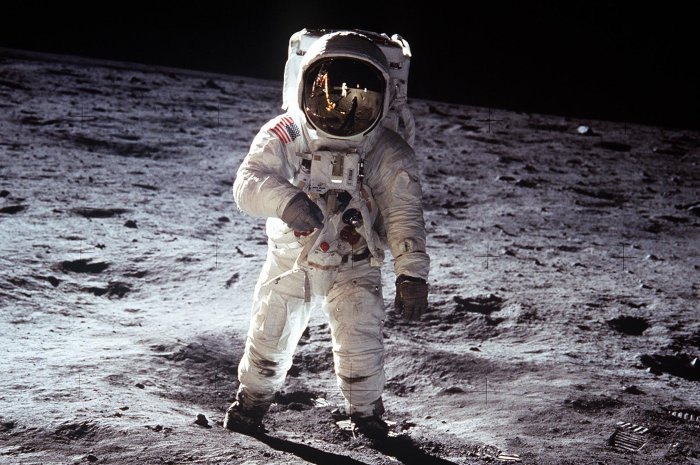
Astronaut Buzz Aldrin walks on the surface of the Moon during the Apollo 11 mission on July 20, 1969. Photo by NASA/UPI | License Photo

Source link

Is it safe to travel to Spain right now amid wildfires? Everything you need to know if you have a holiday booked

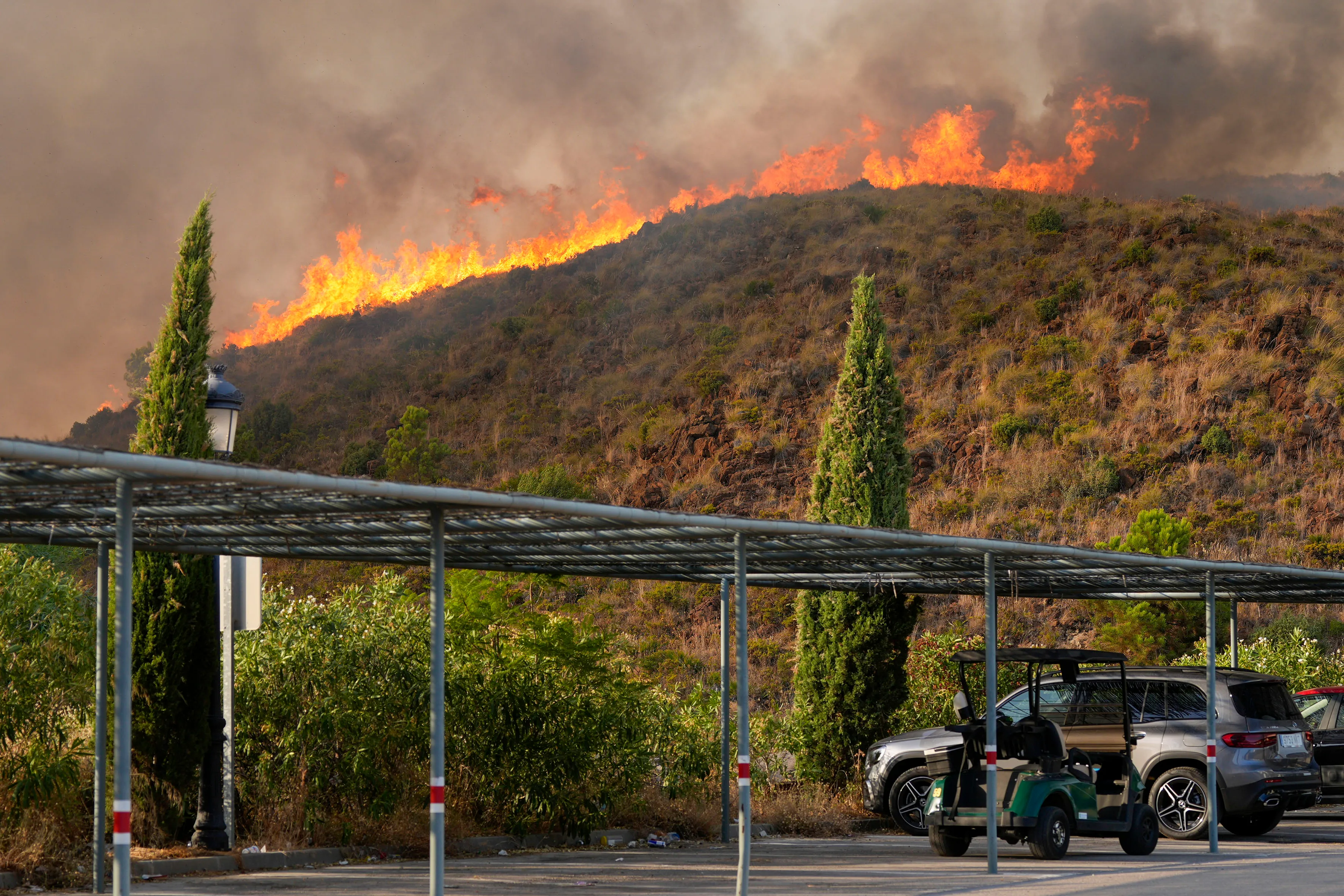
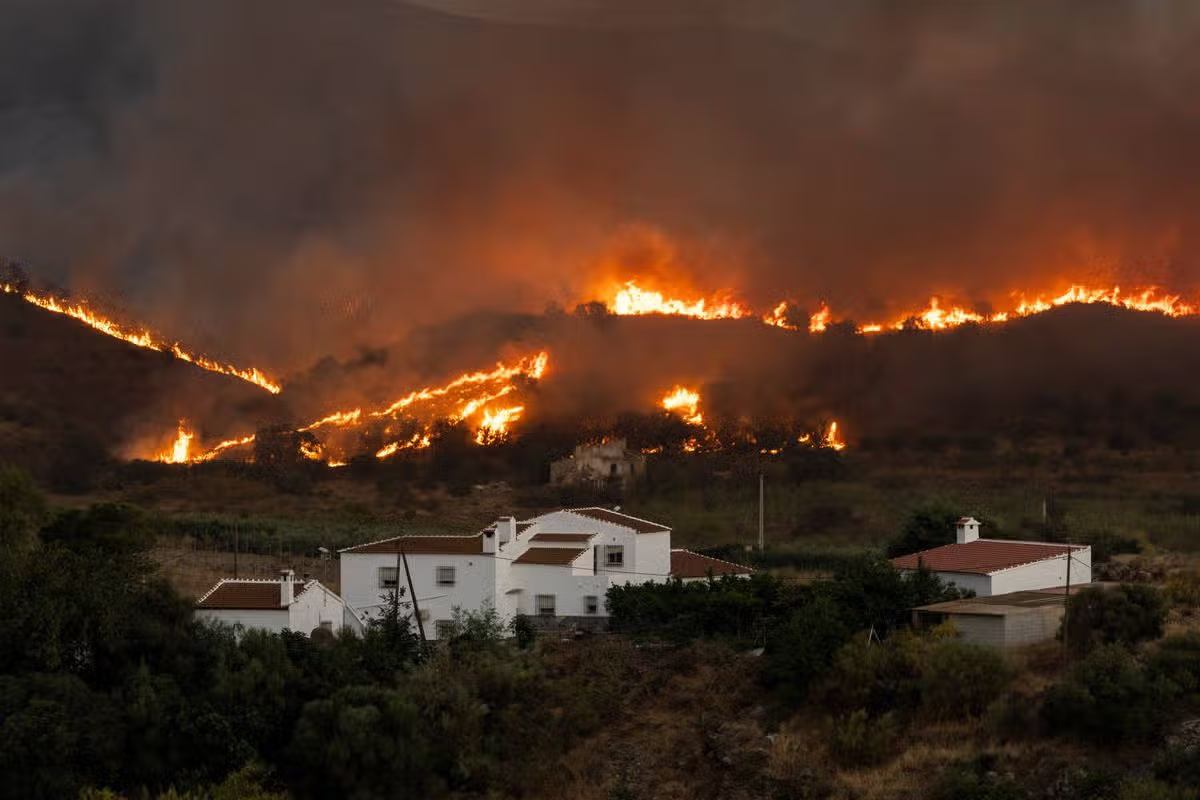
Wildfire burning across a mountainside in Estepona, Spain, with smoke filling the sky above.

FIRES across Spain have resulted in 11 deaths and widespread chaos, with tourists forced to flee their villas and evacuated from hotels.

Here is everything you need to know if you have a holiday to Spain coming up.

Wildfires across Spain have already resulted in 11 deaths, including four suspected Brits Credit: EPA
Emergency services have been deployed to tackle the ongoing fires Credit: EPA

What is happening in Spain?

Extreme temperatures have resulted in wildfires in parts of Spain, along with France, Portugal and Greece.

The hot weather – expected to go over 40C this week – has resulted in dry forests and conditions, making them more prone to wildfires.

Local authorities have deployed over 150 firefighters and 200 military personnel to tackle them.

It is Spain’s worst wildfire in more than two decades and the Andalusia region’s most devastating in history

BLAZE HELL

Four Brits feared among 12 dead in Spain wildfires after getting trapped in car


KILLER BLAZES

French firefighter dead & Spanish villas evacuated as Europe hit by wildfires

Where are the fires in Spain?

The fires in Spain are predominantly along the south of the country.

The blaze broke out in Los Gallardos, Almeria, southern Spain, and have since spread to areas including Cadiz.

Aragon, Catalonia and Valencia are the other regions tipped to be worst-affected.

What is the current travel advice for Spain?

All of Spain still remains safe to travel to, according to the UK Foreign Office.

However, they do have updated the travel advice.

The website states: “Local authorities have reported a wildfire in Los Gallardos, Almería, in Andalucía. 

Tourists have also been evacuated in some of the areas Credit: Reuters
The current travel advice has been updated by the UK Foreign Office Credit: Alamy

“If you are in an area affected by the wildfire: 

  • for emergencies, call 112  advice on what to do when it comes to wildfires.
  • follow instructions from local authorities and emergency services at all times 
  • avoid travelling into or through the affected area 
  • follow updates from the emergency services”

The UK government also has wider information on them in general, saying: “Wildfires happen often in Spain, including on the islands, during the summer months.

“Be aware of your environment when visiting or driving through woodland areas. For information on wildfire risk visit the Spanish Meteorological Office (AEMET).

“Causing a wildfire is a criminal offence in Spain, even if unintentional. Make sure cigarette ends are properly extinguished, do not light barbecues and do not leave empty bottles behind.

“You can be heavily fined for not following the rules against lighting outdoor barbecues in forest areas. Make sure you know the rules if considering a barbeque.

“For information on what to do in the event of a wildfire, visit Civil Protection.”

Are holidays to Spain affected?

Most holidays remain unaffected if you are heading to Spain in the next few weeks.

Passengers will be contacted by their tour operator or airline if this changes.

Source link

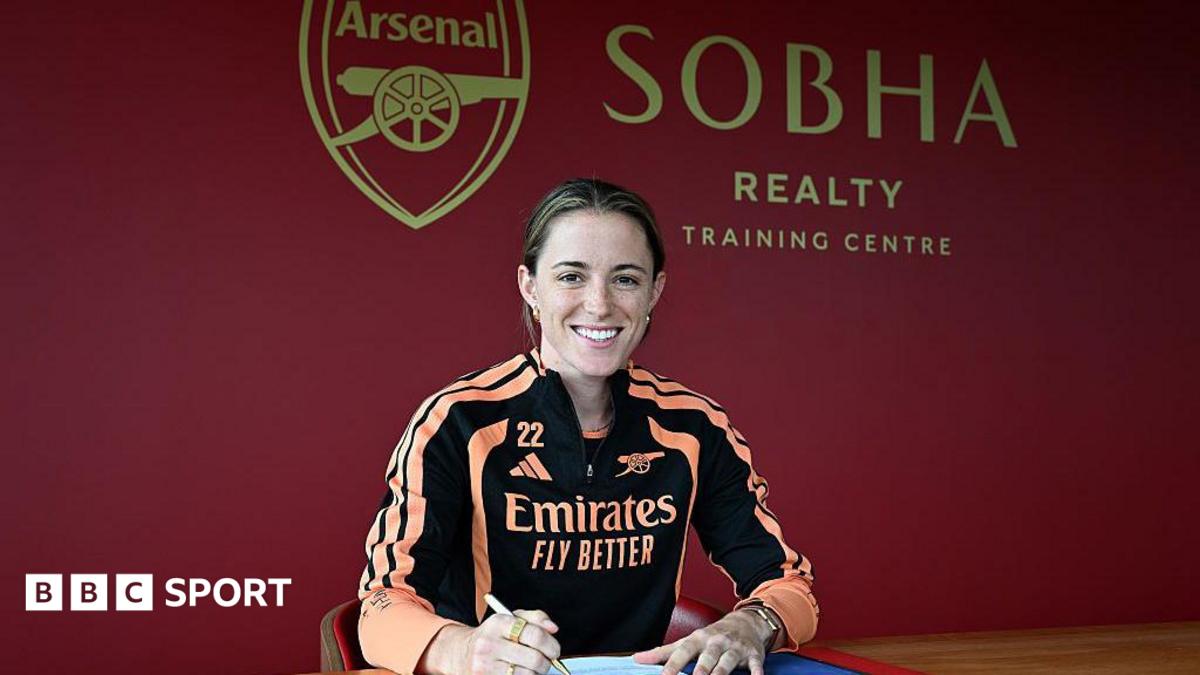
Ona Batlle transfer news: Arsenal sign Spain defender on long-term contract

Arsenal have signed Spain international Ona Batlle on a free transfer following her exit from Barcelona.

It is understood that Batlle has joined on a four-year deal, with an option to extend for a further year.

The 27-year-old, widely regarded as one of the best full-backs in the world, left Barcelona after helping them win the Champions League in May.

During her three-year spell in Spain, Batlle made 114 appearances as Barcelona won three successive league titles and two European cups.

Batlle also started their Champions League final defeat by Arsenal in 2025.

“Arsenal is one of the biggest clubs in the world and I can’t wait to feel the joy of playing in front of our supporters at Emirates Stadium alongside so many great players,” said Batlle.

“I want to win trophies and I feel this is the right place to achieve that.”

Batlle graduated from Barcelona’s academy before making her senior debut for Madrid CFF in 2017.

She gained regular first-team football at fellow Spanish top-flight side Levante before joining Manchester United in 2020.

The defender went on to make 77 appearances for United before returning to Barcelona as an established Spain international.

Batlle has played 76 times for Spain and was part of the squad that won the World Cup in 2023 and finished runners-up to England at Euro 2025.

She was named in the Fifa Best XI in 2024 and 2025 and it is believed she signed a pre-contract agreement to join Arsenal earlier this year.

“I’m delighted that we’ve been able to bring Ona to the club,” said Arsenal manager Renee Slegers.

“She’s a hugely experienced full-back with strong attacking intent and great physical attributes. She’s a winner and we want to go for more wins together.”

Arsenal’s director of women’s football Clare Wheatley said: “Ona’s track record at both club and international level speaks for itself.

“She’s a proven winner with a hunger to add more trophies. We’re delighted to bring one of the best defenders in the world to Arsenal.”

Batlle will wear the number 22 shirt at Arsenal.

Source link

Spain vs Belgium: World Cup quarterfinal – prediction, start time, lineups | World Cup 2026 News

Three wins to go. How can your team reach the final and win World Cup 2026? Click here to find out.

Who: Spain vs Belgium
WhatFIFA World Cup 2026 – quarterfinal
Where: Los Angeles Stadium in California, United States
When: Friday at noon (19:00 GMT)
How to follow: We will have all the build-up on Al Jazeera Sport from 15:30 GMT before our live text commentary stream.

Recommended Stories

list of 3 itemsend of list

After crushing the “American dream” by taking down cohosts USA in a politically influenced encounter, Belgium are gearing up for their next big challenge.

They face the daunting task of tackling Spain, whose robust defence and careful, possession-based football have made them one of the bookmakers’ favourites at the tournament.

Since an unconvincing performance in the first match, Spain have improved with each contest and punched their ticket to the quarterfinals in style.

They are the first team in history to keep six consecutive World Cup clean sheets – a record achieved by taking out Portugal on Monday and ending Cristiano Ronaldo’s last bid for a world title.

Belgium’s knockout campaign in North America has been nothing short of a roller-coaster, and come Friday, it could take another turn if they upset the reigning European champions to reach the semifinals.

Al Jazeera tells you everything about Spain vs Belgium:

How did Spain and Belgium reach the quarterfinals?

Spain topped Group H with seven points, beating Saudi Arabia and Uruguay and drawing with Cape Verde. They began their knockout campaign with a 3-0 thrashing of Austria in the round of 32 before beating Portugal 1-0 with a late goal in an Iberian football derby in the round of 16.

Belgium topped Group G with five points, winning against New Zealand, and drawing with Iran and Egypt. They defeated Senegal 3-2 in extra time in the round of 32 before thrashing the USA 4-1 in the last 16 contest that was eclipsed by the bitter row over Folarin Balogun’s red card ban.

Courtois is confident Belgium can take down Spain

There may be only five spots between Spain’s and Belgium’s FIFA rankings with La Roja third and Belgium eighth, but the gap in their quality is quite stark.

Spain, the 2010 world champions, are unbeaten in 35 matches, a run that has turned coach Luis de la Fuente’s side from promising European champions into a team that exert confident control over their opponents.

Historically, Belgium have been far behind their Spanish counterparts, especially at major tournaments, having been knocked out in the group stage at the 2022 World Cup and in the last 16 at Euro 2024.

Yet goalkeeper Thibaut Courtois believes Belgium can pull off an upset after finally beginning to show some form at the tournament with a come-from-behind extra-time win and a statement performance in their last two games.

“Everyone on our team realises it’s possible. I think we have a strong squad with qualities that ⁠Spain will have to take into account,” Courtois told reporters on Wednesday.

“There ⁠are always surprises, and I think we can be one of them. Eliminating the European champions would obviously be a huge upset. The confidence is there.

“People were a bit disappointed in us, but we’ve set that right. We’re getting better and better,” he added about Belgium, whose best finish was third place at the 2018 World Cup.

The World Cup is likely the last hurrah for the remainder of Belgium’s so-called golden generation, including creative midfielder Kevin De Bruyne and striker Romelu Lukaku.

Lukaku is Belgium’s top scorer at the tournament with three goals while Leandro Trossard has made an all-round impact with two goals and two assists. Charles De Ketelaere and Youri Tielemans also have two goals each.

‘Yamal brings so much to the team’: Olmo

Slowly finding his feet in his debut World Cup, the prodigiously gifted Lamine Yamal has not enjoyed the hero’s status he’s often used to.

With one goal in five games, the 18-year-old winger – who came into the World Cup on the back of a hamstring injury – is playing catch-up with Mikel Oyarzabal, Spain’s leading tournament scorer with four goals.

Midfielder Dani Olmo said his Barcelona teammate Yamal is growing into the tournament.

“He brings so much to the team with his dribbling and presence. When he receives the ball, two or three opposing players close in on him, which opens up space,” he said.

“Lamine scores and assists. He’s always done that in his short career, and even when he doesn’t, he’ll keep helping us with the work he’s doing.”

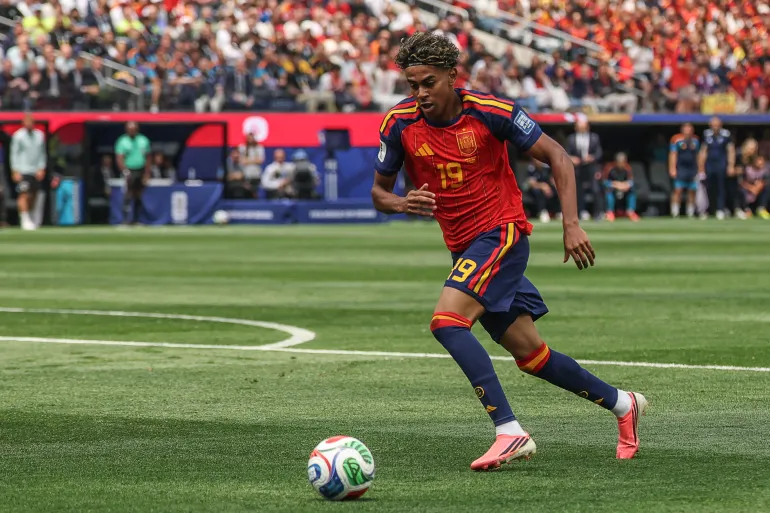
Lamine Yamal in action.
Spain forward Lamine Yamal is playing at his maiden World Cup [Etienne Laurent/AFP]

Spain vs Belgium prediction

The Opta supercomputer gives Spain a 59.3 percent likelihood of winning in regulation time while Belgium’s chances of winning are 18.3 percent.

The model estimated a 22.4 percent probability of the game going to extra time.

Kickoff time, TV schedule

  • Spain: LA1, Teledeporte, RTVE Play, DAZN Mundial (9pm, Central European Summer Time)
  • Belgium: VRT Max, Tipik, Auvio, Sportz, VRT (9pm, Central European Summer Time)
  • United Kingdom: STV, STV Player, ITVX, ITV1 (8pm, British Summer Time)
  • US: FOX, FOX One, Telemundo App, Telemundo Network, Peacock (noon, Pacific Daylight Time; 3pm, Eastern Daylight Time)

To check the TV listings for your country, head to FIFA’s TV listing schedule here.

Who will the winner face in the semifinals?

The winner of the Spain vs Belgium match will face France in the semifinals on Tuesday in Dallas, Texas. France defeated Morocco 2-0 on Thursday to reach the last-four.

Head-to-head

Spain and Belgium have met twice at the World Cup with honours even at one victory apiece.

Their first meeting dates back to 1986 when Belgium beat Spain 5-4 on penalties in the quarterfinals. Then they met in the group stage in 1990 with Spain winning 2-1.

Friday’s match will be Belgium’s third quarterfinal in four World Cups and fourth overall.

For Spain, the quarterfinals have not often been a happy hunting ground. They have only cleared this stage twice, making it to the final group stage in 1950 and beating Paraguay on their way to lifting the trophy in South Africa in 2010.

Team news

Belgium’s midfielder Amadou Onana will miss the remainder of the World Cup after suffering a torn anterior cruciate ligament (ACL) in his right knee during the last match.

No injuries have been reported in the Spain camp.

Spain’s predicted lineup

(4-2-3-1): Simon (goalkeeper); Porro, Cubarsi, Laporte, Cucurella; Rodri, Pedri; Yamal, Olmo, Baena; Oyarzabal

Belgium’s predicted lineup

(4-3-3): Courtois (goalkeeper); Castagne, Mechele, Ngoy, De Cuyper; Tielemans, Raskin, Vanaken; Lukebakio, De Ketelaere, Trossard

Source link

What The U.S. Military Could Lose If Trump Cuts Off Trade With NATO Ally Spain

In his latest spat with a fellow NATO member, U.S. President Donald Trump condemned Spain as a “wasted cause” and “terrible partner” in the alliance. Speaking at the NATO Summit in Ankara, as NATO Secretary General Mark Rutte looked on, Trump said he wanted to cut off all trade relations with Spain. While Spanish officials have stressed that relations won’t be affected, it does raise questions about the long-term status of the U.S. military presence in Spain, should the situation deteriorate further.

“We don’t want to do any trade business with Spain anymore… I’d like you to cut it off,” Trump said. “Spain is a terrible partner in NATO. They don’t participate; they don’t pay. I don’t want anything to do with Spain. Cut off all trade with Spain, please, including visits. Watch them, watch them come running back; oh, they’ll come running back.”

He continued: “We don’t have to trade with them. I don’t want to do any more trade with them… Don’t even talk to them; they’re hopeless, bad people, because you know they have everybody else going and paying and working… They’re open about it, they’re hostile about it, and let’s see how hostile they remain when they call up, and they ‘please, please, we want to trade with you, sir. We want to trade with you, sir.’ They make so much money with us, and we’re going to see that they make a lot less. I want no business with them.”

According to U.S. Congress figures, mutual trade between the two countries was worth $75 billion in 2025, and the United States made $3 billion more from the relationship than Spain.

In an effort to heal the rift, Spanish Prime Minister Pedro Sánchez later insisted that relations with the United States were “very positive,” and that he had spoken to Trump.

“We talked about the World Cup… there was no tension whatsoever, on the contrary it was all very friendly,” said Sánchez.

The BBC reported that government sources in Madrid said that Spain had no plan to change their “excellent social, cultural, and economic relationship.”

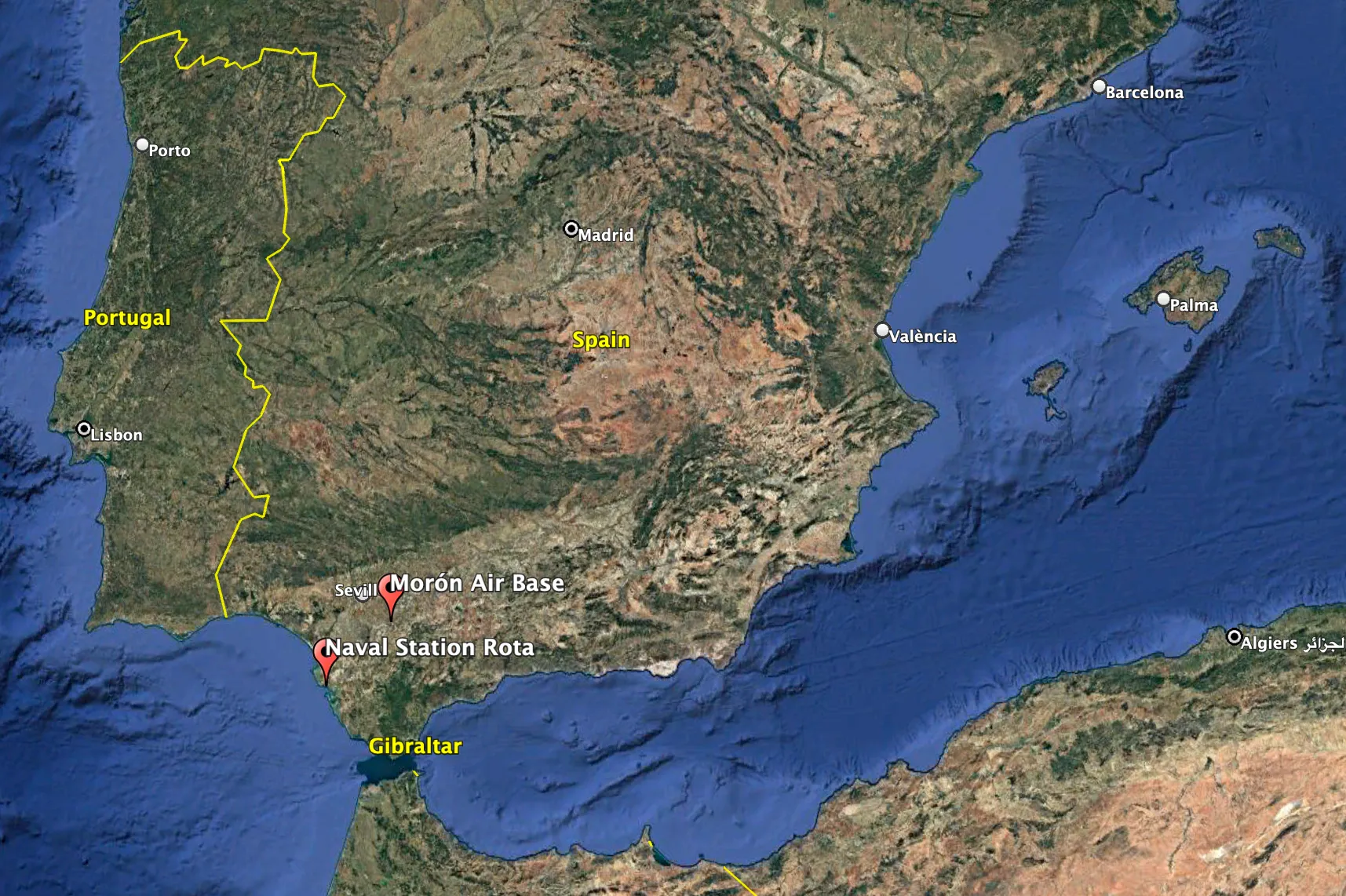
The background to this is Trump’s unhappiness with the Sánchez government refusing the U.S. military permission to use its bases at Morón and Rota in Spain for missions during the war against Iran.

Another point of conflict is Sánchez’s refusal to increase defense spending to five percent of GDP, in line with NATO targets.

This is not Trump’s first threat to cut off trade relations with Spain. The same had happened back in March, in response to Sánchez’s stance on the Iran war.

While there was no change to trade between the two countries after that, were relations between the United States and Spain to worsen, the continued access to Morón and Rota would become a question.

The approximate location of Morón and Rota in southern Spain. Google Earth

Of the two, Naval Station Rota, in the province of Cádiz, is the most critical. It sits in a strategic position at the mouth of the Mediterranean, which is one of the world’s most important naval control points.

Described by the U.S. Navy as “the gateway to the Mediterranean,” Rota is one of the most strategically important U.S. military hubs in Europe, critical to supporting U.S. and allied naval operations across multiple theaters. The installation is central for Naval Forces Europe-Africa/Central (EURAFCENT) and the U.S. Sixth Fleet.

Located on a 6,100-acre Spanish Navy facility in southern Spain, Rota functions as a major logistical gateway linking North America with Europe, the Mediterranean, Africa, and the Middle East.

Naval Station Rota. Google Earth

The base supports the movement of personnel, equipment, fuel, and supplies through its three operational piers, a 670-acre airfield capable of supporting U.S. Navy and Air Force aviation operations, and some of the largest weapons and fuel storage facilities in Europe.

Perhaps the highest-profile resident unit at Rota is Destroyer Squadron 60 (DESRON 60), one of three U.S. Navy destroyer squadrons permanently based outside the continental United States and the only one of these to call Europe home.

In 2024, the Arleigh Burke class destroyer USS Oscar Austin arrived at Rota, as the first of two additional destroyers to join the Forward Deployed Naval Force-Europe, which will have an eventual total of six. These warships are notably modified with special defenses tailored to the European theater, as you can read about here.

The USS Oscar Austin arrives at its new homeport of Naval Station Rota, Oct. 15, 2024, as the first of two additional DDGs to join the Forward Deployed Naval Force-Europe. U.S. Navy
160303-N-YN258-001 ATLANTIC OCEAN (March 3, 2016) SeaRAM, a new system for guided-missile destroyers, awaits testing aboard USS Porter (DDG 78), March 3, 2016. Porter, an Arleigh Burke-class guided missile destroyer, forward-deployed to Rota, Spain, is preparing for deployment in the U.S. 6th Fleet area of operations in support of U.S. national security interests in Europe. (U.S. Navy photo by Lt.j.g Laura Adams/Released)
A SeaRAM defense system awaits testing aboard USS Porter, March 3, 2016. Porter, a destroyer forward-deployed to Rota, Spain, was preparing for deployment in the U.S. Sixth Fleet area of operations. U.S. Navy photo by Lt.j.g Laura Adams/Released U.S. Naval Forces Europe-Africa/

Other key Navy units at Rota include Helicopter Maritime Strike Squadron Seven Nine (HSM-79), the “Griffins,” flying the sub-hunting MH-60R Seahawk, and Explosive Ordnance Disposal Mobile Unit Eight.

NAVAL STATION ROTA, Spain (April 28, 2026) MH-60R Seahawk helicopters assigned to Helicopter Maritime Strike Squadron 79 land on the flight deck of the Spanish Armada Galicia-class landing platform dock SPS Castilla (L-52) during a bilateral flight operations exercise, April 28, 2026. NAVSTA Rota is a force multiplier, capable of promptly deploying and supporting combat-ready forces through land, air and sea, enabling warfighters and their families, sustaining the fleet and fostering the U.S. and Spanish partnership. (U.S. Navy photo by Mass Communication Specialist 1st Class Drace Wilson)
MH-60R Seahawk helicopters assigned to Helicopter Maritime Strike Squadron 79 land on the flight deck of the Spanish Galicia class landing platform dock Castilla during a bilateral flight operations exercise at Rota, April 28, 2026. U.S. Navy photo by Mass Communication Specialist 1st Class Drace Wilson Petty Officer 1st Class Drace Wilson

Turning to Morón, this airbase is located southeast of the city of Seville in southern Spain. While Naval Station Rota is a springboard for U.S. maritime forces, Morón provides a similar role for the Air Force. Its strategic position means it plays a key role as a forward operating location for air operations, rapid response missions, and contingency support across Europe, Africa, and the Middle East.

Morón Air Base. Google Earth

The base’s capabilities include airfield operations, aircraft support, logistics, maintenance, communications, security, and host-nation support, all of which are geared toward rapid deployment and sustainment of U.S. forces when and where they are needed.

U.S. Marines with Special Purpose Marine Air-Ground Task Force-Crisis Response-Africa (SPMAGTF-CR-AF) 19.1, Marine Forces Europe and Africa, prepare to conduct a helicopter support team training event using a U.S. Marine Corps MV-22 Osprey at Morón Air Base, Spain, March 13, 2019. SPMAGTF-CR-AF is deployed to conduct crisis-response and theater-security operations in Africa and promote regional stability by conducting military-to-military training exercises throughout Europe and Africa. (U.S. Marine Corps photo by Sgt. Katelyn Hunter)
U.S. Marines with Special Purpose Marine Air-Ground Task Force-Crisis Response-Africa (SPMAGTF-CR-AF) 19.1, Marine Forces Europe and Africa, prepare to conduct a helicopter support team training event using a U.S. Marine Corps MV-22 Osprey at Morón Air Base, Spain, March 13, 2019. U.S. Marine Corps photo by Sgt. Katelyn Hunter Staff Sgt. Katelyn Hunter

Resident U.S. Air Force units at Morón, under the Third Air Force, include the 496th Air Base Squadron, a geographically separated unit (GSU) that comes under the command of the 86th Airlift Wing at Ramstein Air Base in Germany. The 86th Airlift Wing flies C-130J airlifters as well as C-21A and C-37A staff transports.

Morón also serves as a critical node in the transatlantic and transeuropean tanker bridges, making it a key logistical gateway for the massive movements that are critical to buildups in Europe and the Middle East, as well as for more routine transatlantic deployments.

A KC-10, KC-46 and three KC-135s sit on the flight line at Morón Air Base, Spain on Thursday, April 14, 2022. The three airframes represent the entire might of the U.S. Air Force’s refueling arsenal and have a combined 110 years of service between them. (U.S. Air Force photo by Staff Sgt. Nathan Eckert)
A KC-10, KC-46, and three KC-135s sit on the flight line at Morón Air Base on April 14, 2022. At the time, the three airframes represented the entire might of the U.S. Air Force’s refueling arsenal. The KC-10 has since been retired. U.S. Air Force photo by Staff Sgt. Nathan Eckert Tech. Sgt. Nathan Eckert

As well as other U.S. Air Force assets that temporarily deploy to Morón, including from the Bomber Task Force, the base also regularly hosts deployments of U.S. Marine Corps aircraft.

Two B-1B Lancers with the 9th Expeditionary Bomb Squadron from Dyess Air Force Base, Texas, are prepared for takeoff in support of Bomber Task Force Europe at Morón Air Base, Spain, April 4, 2024. U.S. Air Force photo by Senior Airman Zachary Wright Staff Sgt. Zachary Wright

Both Morón and Rota operate under the U.S.-Spain Agreement on Defense Cooperation, which allows the United States and Spain to operate alongside one another and share critical infrastructure.

Morón Air Base and Naval Station Rota remain key nodes in the U.S. military’s global posture, providing a strategically positioned bridge between Europe, Africa, and the Middle East. Their combined capabilities allow U.S. forces to rapidly move, stage, and sustain aircraft, ships, personnel, and equipment across multiple theaters.

A Spanish Air Force Eurofighter Typhoon with the 11th Wing flies next to a U.S. Marine Corps MV-22 Osprey with Special Purpose Marine Air-Ground Task Force-Crisis Response-Africa 20.1, Marine Forces Europe and Africa, as part of a tactical recovery of air-craft and personnel (TRAP) exercise near Morón Air Base, Spain, May 6, 2020. The aviation combat element rehearses TRAP to maintain proficiency and increase the operational reach of supported aircraft. SPMAGTF-CR-AF is deployed to conduct crisis-response and theater-security operations in Africa and promote regional stability by conducting military-to-military training exercises throughout Europe and Africa. (U.S. Marine Corps photo by Cpl. Kenny Gomez)
A Spanish Air Force Eurofighter flies next to a U.S. Marine Corps MV-22 Osprey with Special Purpose Marine Air-Ground Task Force-Crisis Response-Africa 20.1, Marine Forces Europe and Africa, as part of a tactical recovery of aircraft and personnel (TRAP) exercise near Morón Air Base, Spain, May 6, 2020. U.S. Marine Corps photo by Cpl. Kenny Gomez Sgt. Kenny Gomez

A loss of access to Morón and Rota would extend far beyond a bilateral dispute between Washington and Madrid. While the United States could maintain operations through other European and regional locations, replacing the unique combination of air, maritime, and logistical capabilities provided by the two installations would take time and impose additional strain on U.S. forces. Loss of access to these bases, especially Rota, could be one of Spain’s most powerful cards to play if Trump’s rhetoric turns into action.

More importantly, any decision by a NATO member to restrict access to critical allied infrastructure would have broader implications for the alliance, raising questions about the reliability of defense commitments and the political cohesion that underpins collective security.

Contact the author: thomas@thewarzone.com

Thomas Newdick is a staff writer at TWZ, where he covers military aviation, defense technology, weapons systems, and international security. Based in Berlin, Germany, he reports on conflicts, military modernization efforts, and emerging aerospace technologies around the world, with a particular interest in airpower and its role in contemporary warfare. His reporting is informed by deep expertise in modern and historical airpower, particularly in Europe, with a focus on military aviation, air campaigns, and aerospace developments across the continent and beyond.


Source link

ABTA issues new Spain, France, Italy advice after Foreign Office update

New information has been released today

Travel association ABTA has issued some new advice today for travellers heading to the likes of Spain and France this summer.

Fresh research published today by ABTA, the travel association, has shown how the Middle East conflict has transformed the way and timing of holiday bookings, with travellers increasingly turning to travel professionals. Almost a third (31%) of UK adults considering a holiday within the next 12 months indicated they were more inclined than previously to book through a travel professional following the current Middle East conflict.

The primary reasons cited were their ‘knowledge’ at 53%, ‘expertise’ at 44%, and ‘wanting the security of a package holiday’ at 41%. Furthermore, 27% of people were more likely to book a package holiday than before the current conflict in the Middle East.

Having everything organised (52%) and the entitlement to a refund or replacement if the holiday can no longer go ahead (48%) were the most frequently cited reasons, followed by value for money (38%).

Where are people heading for their holidays this summer?

The Middle East conflict has had a substantial effect on travel, initially resulting in flight delays, cancellations and warnings against travel. The consequences persist, with numerous routes to or passing through the Middle East cancelled and yet to resume, prompting travel professionals to explore alternative routes or suggest different destinations to ensure people can still enjoy their desired holidays.

Following the Foreign, Commonwealth and Development Office’s (FCDO) recently revised travel guidance for several Gulf nations, which has eased prior restrictions, the appetite for travel to or via the region is anticipated to grow in the coming months. Nevertheless, reduced flight availability to and through the area this summer means numerous holidaymakers are opting for a short-haul break.

Of all those intending to head abroad over the next 12 months, 84% indicated they were planning to visit Europe. Spain tops the charts as the most sought-after destination for 38% of those contemplating a foreign holiday this summer.

Italy and France complete the top three most favoured locations, with 23% and 19% respectively of summer travellers considering heading there.

Despite short-haul breaks proving a hit this summer, the desire to venture further afield on long-haul trips remains strong. A total of 13% planned to holiday in the USA, 6% Australia and 6% Japan, all making the Top 10 most popular destinations.

Will people be booking their summer holidays at the last minute?

The impact of the conflict is also shaping booking behaviour, with a growing number of travellers choosing last-minute reservations, as they adopt a wait-and-see approach regarding prices and the broader cost of living. Among those considering an overseas holiday during the summer of 2026, 30% of UK adults were holding off on booking until two to four weeks before their planned departure date. A further 10% planned to book less than two weeks before travelling.

Mark Tanzer, chief executive officer of ABTA, said: “While global events are influencing how people plan and book their holidays and where they go, our appetite to travel abroad this summer and beyond continues to be strong.

“People are determined to get away and the UK’s travel agents and tour operators are expertly placed to help them access the best deals and understand the latest travel advice.

“With so many people saying they will book late, our advice is to get ahead of the pack and arrange your holiday now to avoid any last-minute rush.”

ABTA’s research was conducted by The Nursery Research and Planning using a nationally representative sample of 2,000 UK adults, with the survey taking place between May 8, 2026 and May 19, 2026.

Source link

Spain holiday fines warning for Brits visiting Benidorm, Alicante and Majorca this year

Travel experts at Slingo have put together a guide to the rules and fines for Brits travelling to Spain so that holidaymakers can enjoy the summer without stress

Travel specialists at Slingo have compiled a comprehensive guide to the rules for visiting Spain in 2026, helping holidaymakers make the most of their summer break without any unwanted hassle. Dom Aldworth, brand marketing coordinator at Slingo, said: “Everyone knows that the British public love a holiday, and now that it’s nearly spring, UK tourists will be starting to think about where they want to travel to this summer.

“However, before you pack your suitcase, it’s important to educate yourself on any travel rules, especially as new regulations are announced every year. This way you can enjoy your summer holiday, whilst staying safe and being respectful to local laws.”

Night swimming

The city of Benidorm, in Costa Blanca, announced they will be charging tourists between £650 and £1,020 for going to the beach between midnight and 7am. That includes swimming in the sea or sleeping on the sand.

The specialists noted: “This rule has been introduced to reduce the risk of any swimming-related accidents during the times when lifeguards are not available. In order to not waste the resources of local emergency services, it’s best to keep your beach activities to the daytime,” reports the Express.

Mindful recreation

Stripping off on a non-nudist beach could leave tourists facing a fine of £647. Nevertheless, nudist beaches are available at most Spanish holiday hotspots, “so if you wish to sunbathe naked, there are places to do this respectfully”.

Drinking alcohol and smoking cigarettes on the beach in Benidorm is also strictly prohibited, with penalties of £550 and £1,700 respectively. This is down to littering concerns, as well as considerations for public health.

Taxis

GOV.UK has cautioned British tourists to only use registered taxis in Spain this summer, as passengers caught travelling with unlicensed taxi services could face fines of up to 600 euros (£510).

The travel experts commented: “This is due to transport risks, so make sure you book your taxi or airport transfer through a licensed firm.”

Noise pollution

Alicante, in Costa Blanca, imposed hefty fines for rowdy tourists, ranging from playing loud music on the beach to making excessive noise in your accommodation.

“These regulations are tighter versions of rules the city council implemented in March 2019, and could cost Brits up to 30,000 euros (£25,556). Everyone wants to have a good time on holiday, but you can have fun and respect others at the same time.”

Unlicensed parties

The travel experts said: “If you’re travelling to Majorca or Ibiza this summer, be wary of where you’re partying. Authorities are closing in on any unlicensed or unruly parties and will issue a fine to anyone involved in the organisation and marketing of the event, as well as attendees. This could result in a £25,000 fine.”

These gatherings are typically hosted at villas and private residences, lacking the safety provisions of emergency exits, capacity restrictions, and qualified security personnel that licensed bars possess.

Source link

‘I saw tourists queue for two hours in Spain before Hunger Games-style rampage for sunbeds’

Leah Norman said many of the beds would then lie empty all day with just a towel on them

A Scottish tourist has confirmed that holidaymakers sprinted to grab a sunbed after queuing for two hours at the pool gates. Leah Norman, 37, was on holiday at the Best Oasis Hotel in Salou, Spain, when she witnessed crowds of tourists flooding through the pool gates on July 4 in what she described as “Hunger Games style”.

The holidaymakers had been waiting since 8am until the doors opened at 10am. Leah, from Ayrshire, Scotland, said she spotted a “big queue” of sunbed-hoggers every morning, all desperate to secure a seat throughout her week-long stay.

She noted that beds with towels draped over them would remain unoccupied for the entire day, leaving families without any poolside shade for their young children.

Leah, from Ayrshire, Scotland, said: “Every morning there was a big queue inside hotel full of people waiting on the doors to open at pool area. The door was locked and would open at 10am.

“People would start queuing up from around 8am and when the doors opened at 10am, everyone would start running to grab sunbeds that were stacked up to place next to the pool, like the Hunger Games had just started.”

“Some families with young children were unable to get sunbeds or parasol shades for their babies as they would be taken. Some days, beds would lie empty all day with towels lying on them.”

Leah’s account echoes that of Glasgow tourist Chris, who witnessed comparable scenes in Salou back in June, filming over 40 tourists taking part in a ‘manic race’ for sunbeds after waiting an hour to secure one.

Watch tourists’ ‘manic race’ for sunbeds after hour-long queue

Manic tourists race for sunbeds at Spanish hotel

Having secured a spot with a towel, holidaymakers would then make their way inside for breakfast. Chris said: “It was a manic race and scramble for the sunbeds surrounding the pool at the hotel. I don’t judge but found it funny so had to film it.

“Some people just rolled out their bed, queued up, mad-dashed to secure the bed then they were seen going back to their hotel rooms or off for breakfast.

“It doesn’t leave room for those who don’t queue for an hour.”

Source link

Alexia Putellas: London City Lionesses sign Spain midfielder on free transfer

London City Lionesses have signed two-time Ballon d’Or winner Alexia Putellas on a three-year deal in one of the biggest scoops in women’s football history.

Spain midfielder Putellas, widely regarded as one of the game’s greatest players, left Barcelona after 14 years in May and attracted interest from almost every top club in the world.

The 32-year-old won 38 trophies with Barcelona, including 10 league titles.

She was unveiled in New York City alongside London City’s US billionaire owner Michele Kang.

“I am thrilled to embark on this new chapter with London City Lionesses,” said Putellas.

“The club’s ambition and its steadfast commitment to growing as a women-only independent club resonate deeply with me.

“I look forward to making an impact on the pitch as we challenge for titles.

“Off the pitch, building on my passion for youth development, I am equally excited to work with Michele in elevating women’s football in England and on the global stage.”

Putellas captained Barcelona to a fourth Champions League title in her final season, while London City finished sixth in their debut Women’s Super League campaign.

It is a remarkable feat for London City to have persuaded Putellas to join as they continue to show lofty ambitions.

BBC Sport reported last month that Putellas chose London City over Boston Legacy, the final two clubs vying for her signature.

“Alexia Putellas embodies the pinnacle of talent, dedication and vision in women’s football,” said Kang.

“Her decision to join our independent, women-first club is a powerful endorsement of what we are building.

“This is more than a signing. It is a bold statement about the future of the sport.”

Putellas scored a club record 232 goals in 507 appearances for Barcelona, and is second on their all-time appearance list.

She won the World Cup with Spain in 2023 and was part of the side beaten by England in the Euro 2025 final.

Putellas was ruled out of Euro 2022 on the eve of the tournament with an anterior cruciate ligament (ACL) injury and returned at the end of the following season.

Following her return to full fitness, Putellas showed the types of performances that earned her back-to-back Ballons d’Or in 2021 and 2022.

She joins on a free transfer, having allowed her Barcelona contract to run out, and is believed to be London City’s highest-paid player.

Source link

Wizz Air launches three new flights to Spain including to ‘Costa Verde’ and tickets are just £17.99

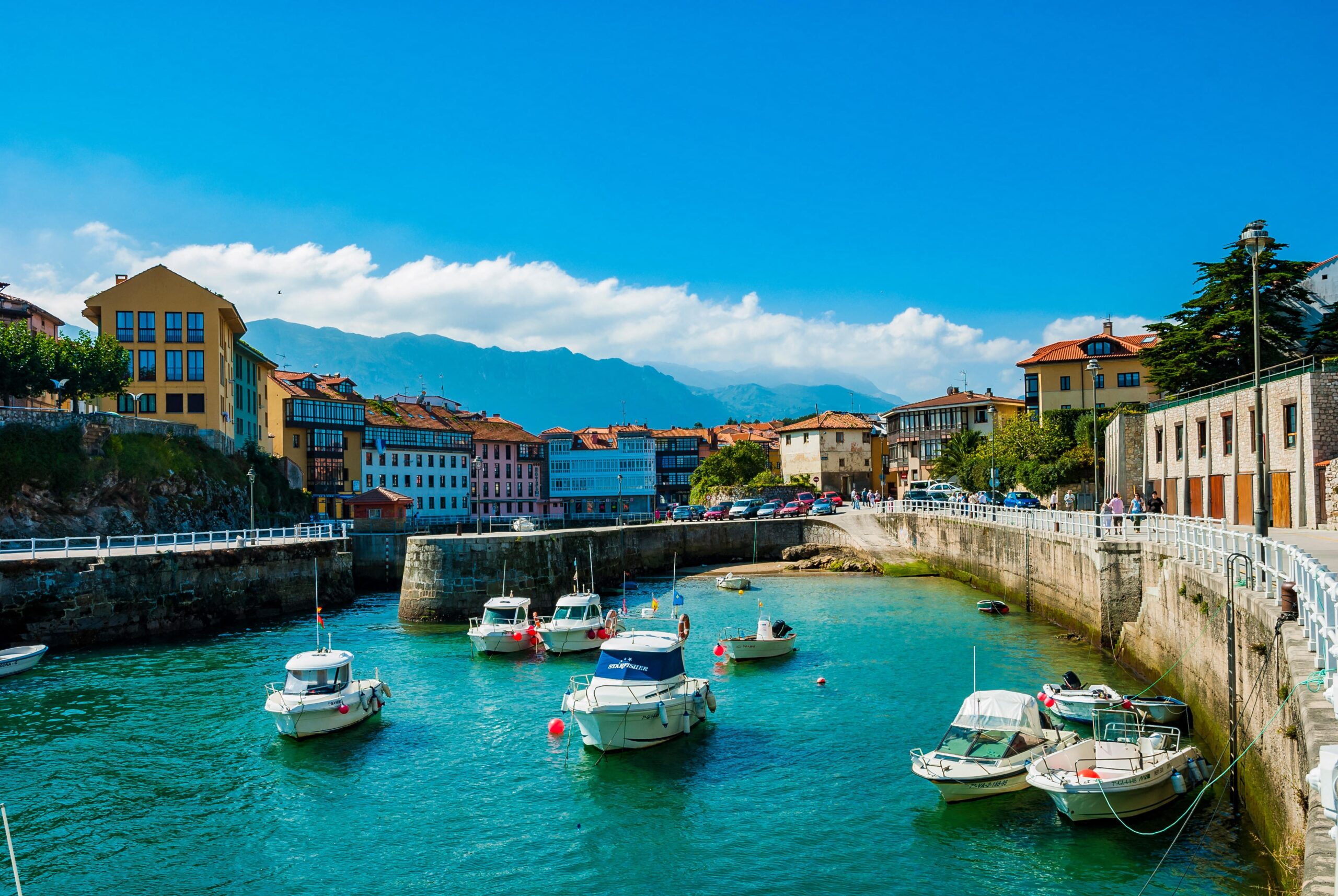
Port of Llanes, Asturias, Spain with colorful buildings, mountains, and boats in the harbor.

IF a Spanish holiday is on the cards for you this summer, you’re about to have a lot more options.

Wizz Air is launching new flights routes from the UK to three cities in Spain.

Wizz Air is launching flights to three Spanish cities Credit: Alamy

From October, passengers will be able to fly with the budget airline from London Luton to Malaga, Granada and Astrurias.

Malaga flights will be four times a week, from October 25, while Granada flights will be twice a week from October 27.

Launching the same day will be flights to Asturias, operating three times a week.

They’re super cheap too, starting from £17.99.

DAY STAY

We’ve ditched weekends at home for Europe day trips – it’s CHEAPER than a meal out


TAKE OFF

Tiny UK airport that axed passenger flights 12 years ago could relaunch routes

Yvonne Moynihan, Managing Director at Wizz Air UK, said: “Spain has always been one of the UK’s favourite holiday destinations, and we’re excited to be expanding our Spanish network with three more fantastic routes from London Luton Airport.”

Simon Harley, Interim Aviation Director at London Luton Airport, added: “The addition of Málaga, Granada and Asturias to our departure boards means even more choice for passengers and follows the hugely successful launch of Wizz services to Bilbao, Barcelona and Seville earlier this year.”

The Wizz Air flights launch from October 2026 Credit: Alamy
Destinations include Grenada are on the list Credit: Alamy

Malaga is one of Spain’s sunniest cities, with 3,000 hours of sunshine a year.

The Sun’s Assistant Consumer Editor Lana Clements recently visited, and said: “Even if you’re not one for lying in the sun, a few days can easily be spent exploring the city’s excellent shopping scene or its old town with Roman ruins and Renaissance architecture flanking the streets.”

Granada is known for its amazing tapas culture, as well as its Moorish architecture due to its proximity to Morocco.

Otherwise Asturias is often overlooked as a destination by Brits, but is often nicknamed Costa Verde for its huge green natural landscapes.


Source link

‘I’ve been to 60 countries and there’s 5 cities I’d never go back to’

One solo traveller who often shares tips and clips from his overseas adventures with his online followers has named the five cities he’d ‘never go back to if his life depended on it’

Many people are often looking for new places to explore if they’re planning to go travelling, whether that be alone or in a group. However, one solo traveller who says he’s been to 60 countries has advised against the places you definitely shouldn’t go – according to him.

Lucas Brancatisano, who is known as @alocalguide_ on Instagram, often shares travel tips, experiences and clips from his overseas adventures with his 6,300 followers on the site. In one of his latest reels, he named the five cities he’s visited during his travels that he’d ‘never go back to if his life depended on it’.

1. New Delhi, India

Lucas described the Indian capital as a ‘whole new level of overstimulation’, saying that there’s pollution, noise, busses, horns and cows on the road, and claims that the sky is ‘filled with smog’.

He exclaimed: “It’s not for me, I don’t think I’ll ever go back.

“The rest of India in parts is absolutely lovely, but New Delhi… not for me.”

2. León, Nicaragua

The solo traveller described León as “sweaty and dangerous at night”. Lucas said Nicaragua itself is fantastic and he had a “great time” there in 2024, but that he just didn’t enjoy going to León. “I’ll never go back,” he said.

3. Oia, Santorini

Lucas exclaimed: “This place is my definition of hell,” as he describe the holiday spot.

He added: “In summer, getting sunburnt, 1,000 selfie sticks with everyone getting the same sunset photo.

“You can just look at it online, you don’t have to go and get a photo of it.

“Don’t go there, you’ll have a really bad time.”

4. Phnom Penh, Cambodia

Lucas said he went to Phnom Penh in Cambodia “a long time ago”, but said that when he went there, all he remembers is a very built up city with lots of tyre shops and “not much going on”.

He added: “I could be wrong, and please let me know in the comment if I am wrong, because Phnom Penh maybe I would go back to.

5. Benidorm, Spain

The traveller descried Benidorm as “hell”, adding: “If you find yourself there and you’re not British, you’re in hell.

Lucas said there’s English breakfasts on every single menu there and loads of British people “rolling around”, as well as “pasty skin everywhere”, saying that it’s just “not a very nice place”.

He added: “If you’re in Spain and you’re going to Benidorm, you need tor rethink all the life choices you’ve made up to that point, because your’e in the wrong spot.”

Concluding his reel, Lucas exclaimed: “That’s my list, there’s not many I wouldn’t go back to, but they are five of them.”

Despite the post racking up more than 6,000 likes, some people had differing views.

One person wrote: “Will definitely go back to León in Nicaragua.”

While another added: “I was in Phnom Penh last year. It was very cool. Great riverside markets, river cruise, pubs and restaurants, temples. Beauty everywhere.”

A third chimed in: “I loved Oia!”

While a fourth added: “Benidorm to Brits is Cancun to Americans.”

A fifth chimed in: “Went to India, New Delhi, 10 years ago; the taxi just dropped me off in the city centre and left. I was so overwhelmed with everything going on that I sat down on the footpath and started to cry, a cow came out of nowhere and started to eat a cardboard box beside me.

“Locals stopped and started pointing at me and taking photos. Weirdest and best travel story I think I have, would I do it again? Hell ya haha.”


Source link

World Cup 2026: Spain challenge for second title with historic defence

That defensive solidity begins with Unai Simon.

The Spain goalkeeper continues to rewrite history as he extended his remarkable run without letting in a goal at the World Cup to a record 609 minutes, keeping Cristiano Ronaldo and company at bay in Dallas.

“Portugal dictated most of the game, but Rafael Leao did not offer that extra spark, neither did the other substitutes,” said Balague.

“Spain defended in numbers and collectively, they tracked back a lot. They individually sorted out problems. So we haven’t needed a miracle save from Simon.”

During this tournament, Simon has surpassed Walter Zenga’s mark of 517 consecutive minutes without conceding for Italy, as well as his compatriot Iker Casillas’ benchmark of 476.

Ahead of Simon, Aymeric Laporte and Pau Cubarsi are at the heart of their defence, while Pedro Porro and Marc Cucurella provide the width from full-back.

That back-four has started three of Spain’s five matches at this World Cup so far, with Marcos Llorente deputising for Porro at right-back in the other two.

Balague added: “It also helps that Rodri is reaching his best version and he has had two extraordinary games – he is the lighthouse of the team.

“The partnership between Laporte and Cubarsi is perfect for the way Spain plays – moving the ball around, driving with it, and defending with a lot of space in behind.”

Source link